World’s First Breath Test Fertility Tracker Launches To Increase UK Pregnancy Rates

New breath tests will be launching today, that can help to increase pregnancy rates with the world’s first fertility tracker breathe ilo, that uses breath analysis (CO2) to identify ovulation patterns.
fertility, infertility, baby, fertility tracking, breathe, ovulation, get pregnant, help,

With a study revealing that only 12.7% of women correctly estimate their ovulation day¹, breathe ilo is the easiest and most comfortable way to naturally track cycles with a small handheld device that is synced to an app. The technology reads the breath’s CO2 saturation to determine where a woman is in her cycle with incredible accuracy. The device uses real-time ovulation and historic symptom data to offer women precise day-to-day insights into their fertility forecast.


The new technology signals a shift so women no longer need to track their cycles by urinating on a stick or by measuring their temperature early in the morning. The innovative device works by simply breathing and displays the results in just 60 seconds, with no consumables or maintenance needed. Through consistent daily use, the breath analysis tracker empowers women to understand their body and cycle phases better.


The breathe ilo app, which is compatible with iOS and Android, features a calendar that displays a clear overview of fertile days and a cycle diary to learn more about individual cycle patterns. breathe ilo’s cycle diary also offers the possibility to document further cycle symptoms like breast tenderness, PMS, cervical mucus, or headaches to help prepare women for their next cycle.


Lisa Krapinger, breathe ilo’s spokesperson, says, “We believe that fertility and cycle tracking should not be a tiresome task. breathe ilo is designed to bring fertility tracking into the 21st century and the precise and uncomplicated nature of the device is the future of female health by using their breath.”


“Our mission is to not only make fertility tracking as easy as breathing, but we have a wider ambition to create a comfortable space where women can speak freely about trying to conceive and their menstrual cycles, along with all that is in between. With 640,370 women in England & Wales giving birth in 2019², we hope to make it easier and less stressful for those trying to conceive moving forward.”

Pia Haas’s story


After two years of trying for a baby, Pia Haas, 32, decided to take a chance on a new piece of tech to increase her likelihood of getting pregnant.


As part of a field study for the femtech start-up, Pia agreed to test out the device which claimed to be able to tell her when exactly it’s the right time to try conceive just by simply breathing. Three months later, Pia was stunned and delighted to find out that she was pregnant and became the first woman to give birth to a baby thanks to breathe ilo.


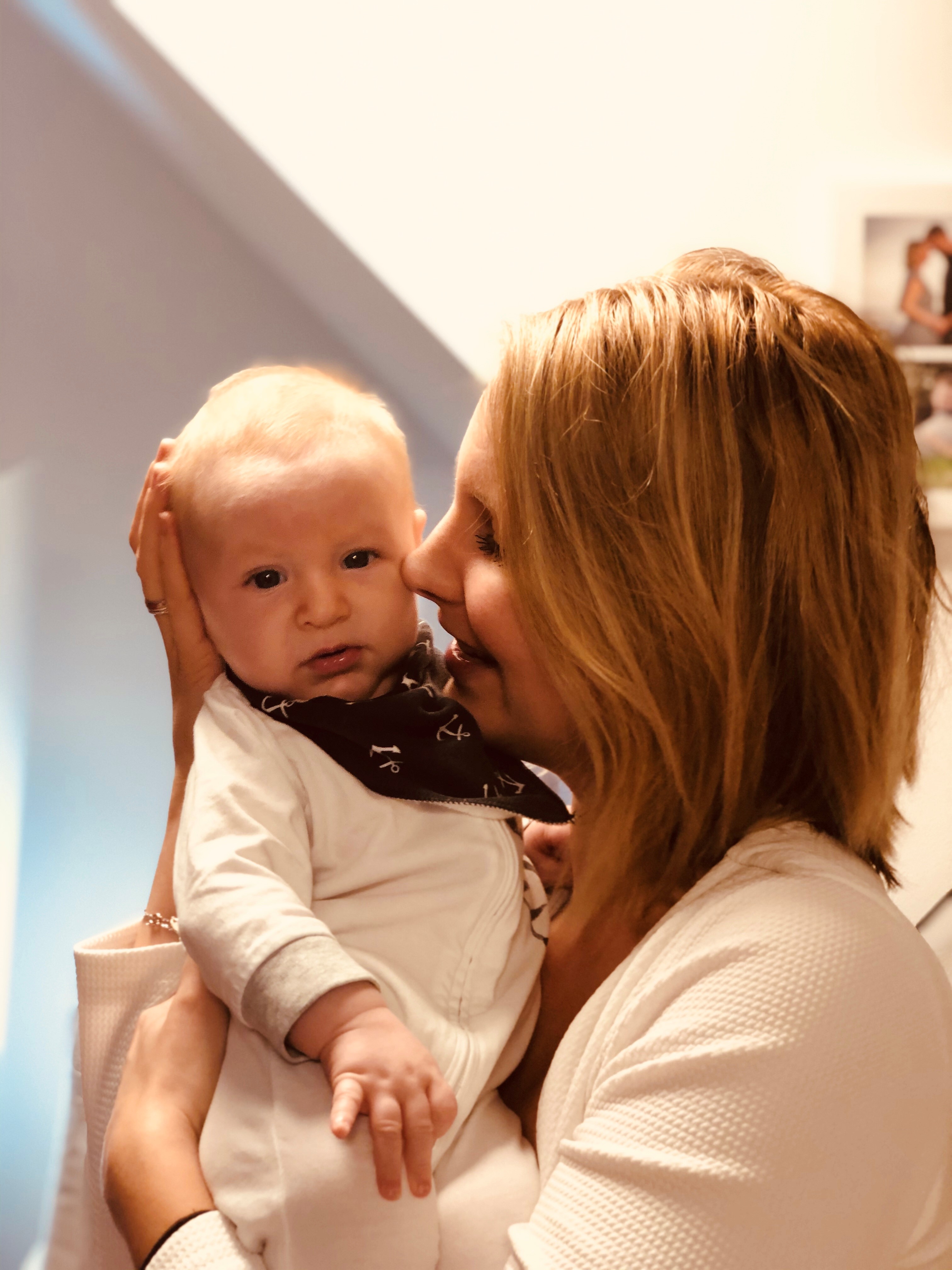
Pia, whose son Felix is now 10 months, says of her experience using the breathe ilo: “With breathe ilo my biggest wish came true. I think it is the easiest way of tracking your fertile days. It was less stress than peeing on sticks or measuring temperature. We are planning to use breathe ilo again in the near future to get a sibling for Felix.”
 

fertility, infertility, baby, fertility tracking, breathe, ovulation, get pregnant, help,

OLYMPUS DIGITAL CAMERA

Dr Horst Ruther’s story


  • Please can you share your own experience with trying to conceive and the difficulties you and your wife faced?

My wife and I’s wish to have a child was unsatisfied after more than 5 years of trying. The journey to parenthood was tough because it caused private pressure within our relationship as a couple, but over the years also external pressure from friends and family. The available methods to detect the most fertile days were not very user friendly or easy to use, and also quite unprecise. We even underwent some clinical treatment which only made us more frustrated and increased the pressure further. After several years,  Edith and I decided to go down the adoption route and were very grateful to be able to adopt our son Benjamin. To our surprise shortly after adopting Benjamin, Edith became pregnant and our son Bastian was born only 10 months after his brother Benjamin.


  • How did the idea behind breathe ilo manifest?

After having gone through a tough journey to become a father, I was super excited to learn about the research Prof. Wildt had done in the area of breath analysis to detect fertile days of women – particularly the great advantages of the method because it was much easier and more pleasant than any other method available. So I organised a meeting with Prof. Wildt and immediately knew that we were going to bring the innovation to the broad majority. While Prof. Wildt did show promising research results in the correlation of CO2 in breath and the female cycle with professional respiratory analysers at the clinic, he lacked the knowledge how to build an affordable respiratory analyser for women at home. But with my engineering background and 30 years’ experience leading successful development projects for blood gas analysers for diagnostic companies like Roche Diagnostics, we were able to collaborate to bring breathe ilo to life.


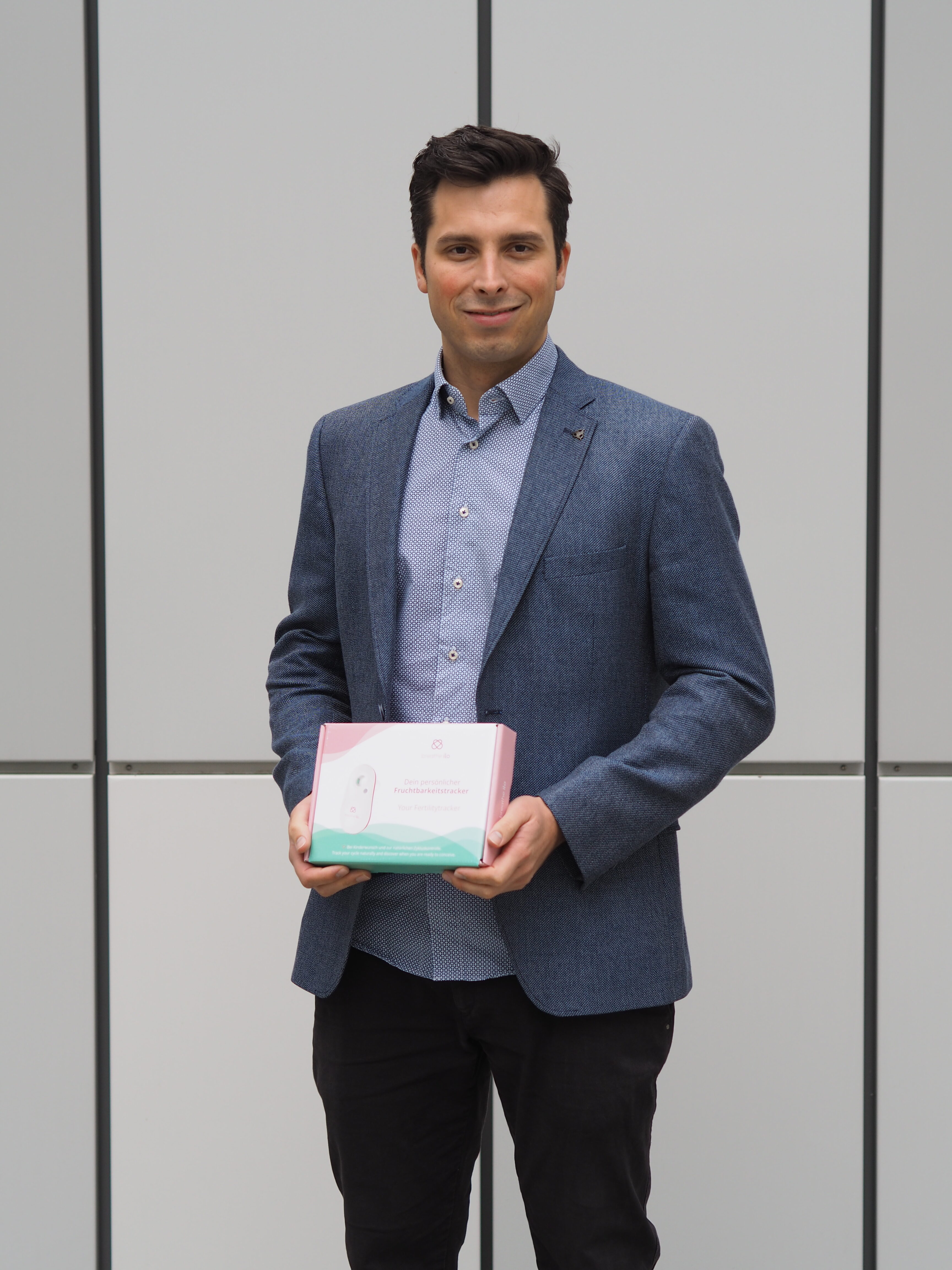
With the option to buy a device for £259.00 or rent for £29.90 a month, breathe ilo is available to purchase exclusively now at  www.breatheilo.com from September 16, 2020.
 

A Quarter of Mums Lack Confidence Introducing Solid Foods to Their Baby


  • New Start4Life campaign launched to boost parents’ confidence in weaning their baby
  • New survey shows one in four mums (26%) did not feel confident introducing solid foods[1]
  • Findings also reveal common misconceptions around the signs that a baby is ready to start weaning

Public Health England (PHE) has launched its first ever Start4Life campaign to help parents introduce their baby to solid foods.


Official advice is that most babies should not start solid foods until they are around six months old. By this point their bodies are better able to cope with solid foods and they are more able feed themselves. They are also better at moving food around their mouth, chewing and swallowing. The last UK Infant Feeding Survey showed that three-quarters of parents had introduced solid foods by the time their baby was 5 months old.


A new survey of 1,000 mothers of young children conducted for Public Health England found that common myths persist about the signs a baby is ready for their first solid foods, including:

  • Just under half of mums (46%) think wanting extra milk feeds is a sign that babies are ready for solid foods;
  • A third of mums (32%) believe that a baby chewing their fists is a sign that they are ready to start weaning;
  • Just under a quarter of mums (24%) believe that waking up in the night is a sign a baby is ready for weaning.

The survey revealed that many parents have concerns around weaning with more than a quarter saying they didn’t feel confident when they introduced solid foods to their baby. Choking topped the list of worries about weaning, with mums also concerned about allergic reactions to new foods, how much food to give their baby, and concern that their baby won’t eat enough or will reject food.


A brand-new weaning hub has been launched on the Start4Life website to help parents during their weaning journey. Packed with NHS-approved advice and tips for each weaning stage, plus simple, healthy weaning recipes for different age groups, it puts everything parents need to know in one place. It also includes new videos showing the signs that indicate babies are ready to wean, how much food to give, and weaning tips from other parents.


Public Health England nutritionist Orla Hugueniot said: “Introducing solid foods is an important stage in a baby’s development. It’s a great opportunity to guide their taste preferences and help them learn healthy eating habits that will stay with them for life.


“We know that parents have lots of questions about weaning and that many feel nervous about it. That’s why our new weaning hub on the Start4Life website puts all of the NHS advice in one place, helping parents to be more confident and enjoy this big milestone in their child’s life.”


Developed in partnership with parents, the weaning hub makes it easy for parents to find answers to their weaning questions and get information relevant to their baby’s age and weaning stage.


The campaign is being launched as part of the Start4Life programme, which aims to help parents adopt healthy behaviours during pregnancy, birth and their children’s early years.

To find out more visit: www.nhs.uk/start4life/weaning


This is How Much Sleep New Parents Get

PARENTS GET A MERE TWO HOURS AND SIX MINUTES OF SLEEP PER NIGHT

A new study into the hilarious actions of sleep deprived parents has found that a staggering 78 per cent admit to doing something silly due to exhaustion, and it’s not surprising given that they only manage to catch two hours and six minutes of sleep each night.  


The research of 2,000 UK parents of children aged between 0 – 10 years, commissioned by bed maker Silentnight.com, revealed the amusing mishaps of exhausted parents due to the shocking state of their sleep habits.


Lack of sleep is undoubtedly one of the biggest pains for new parents, so it comes as no surprise that over a third (35 per cent) admitted to mistakenly drinking their baby’s milk formula due to excessive fatigue and one in five accidently put items such as a nappy or kettle in the fridge.


Not only are drained parents making silly mistakes physically, but their emotional state is also questionable, as 20 per cent admit to forgetting to pick up their other children from nursery or school. While 18 per cent admit to cradling the dog instead of their baby, and the same percentage confess to bursting into tears for no reason. Continuous lack of sleep seems to be causing an epidemic of confused and muddled parents, which is even affecting simple household chores, as nearly one in five admit to accidentally mixing up the washing and turning clothing the wrong colour.  


And the sleep deprived antics don’t stop there. Christian, 32, from Blackpool, admitted to cradling the family pet, saying, “I fell asleep on the sofa and when I heard the baby cry, I picked up the cat and rocked it back and forth.”


While holding her child, Ruth, 32, from Birmingham asked her husband to go and get their daughter from her cot. While Karen, 30, from Coventry was so sleep deprived she left the house and forgot to do up her nursing bra.


Other bizarre confessions from zombie parents include falling asleep in restaurants with friends, forgetting their child’s name and trying to unlock the back door using a car key fob.


Commenting on the findings, Silentnight’s sleep expert Dr Nerina Ramlakhan has warned that parents place too much emphasis on the amount of time they’re supposed to sleep.


She said, “It’s important that we focus on achieving quality, deep sleep, rather than a quota of hours. As a new parent, it’s vital to make the most of any free time you have restfully and to take regular naps of no more than 15 mins, when you can, in order to re-energise.


“Think about delegating tasks, don’t be a perfectionist and allow your other half and family to help out as much as possible. It’s also important not to over rely on stimulants as these will affect your sleep in the long run.”


Interestingly, parents seem to be completely overwhelmed by their own lack of sleep and exhaustion issues more than their littles ones, with nearly seven in ten (69 per cent) not concerned or worried about their baby or child getting enough sleep.


Hilariously, when asked what they would rather have, Silentnight’s findings highlighted the desperation of sleep starved parents, with a whopping 77 per cent claiming they would rather have an afternoon nap, than dinner out at a Michelin star restaurant (15 per cent). Other luxuries such as a relaxing spa weekend (38 per cent) were again overruled by a long lie in (42 per cent).


The findings also revealed that the sleepless nights don’t become any easier if you go on to have more than one child, with 70 per cent of second time parents admitting sleep deprivation worsens with the addition of siblings.


So, what can be done to combat sleep deprivation for British parents?


Both meditation and a hot drink before bed (27 per cent) were the preferred methods of drifting off into a deep slumber. Surprisingly, reading before bed was least favoured by older parents, with only 7 per cent of those aged 46 – 50 trying this past time, in comparison to 19 per cent of millennial mums and dads.


Dr Nerina added: “Sleeping with a newborn baby can be extremely difficult, and it’s important that parents try to find a balance where possible. If you do find yourself continually waking during the night, then there are a few tricks that you can use to get yourself back to sleep more easily.


“Be prepared – try to have everything on hand for a quick feed or nappy change and if you have to put a light on, use a low-level bedside lamp. The less time you are exposed to light, the easier it will be to get back to sleep again. Don’t be tempted to check your phone, as the blue light from screens tricks your brain into thinking it’s more awake than it is, making it more difficult to get back to sleep. Avoid checking the time – if you do this, you are more likely to start worrying about how little sleep you might get.


“And finally, don’t worry if you do something silly due to being tired, every new parent can relate!”


The study revealed the top ten parenting mishaps:


  1. Mistakenly drinking my baby’s milk formula

  2. Sending my child to school with no PE kit or lunch

  3. Eating baby food

  4. Putting an item such as a nappy or kettle in the fridge

  5. Forgetting to pick my children up from nursery or school

  6. Cradling the dog instead of a child

  7. Forgetting what I’m saying in the middle of a sentence

  8. Crying for no reason

  9. Falling asleep while cleaning the house

  10. Mixing up the washing and turning clothing the wrong colour


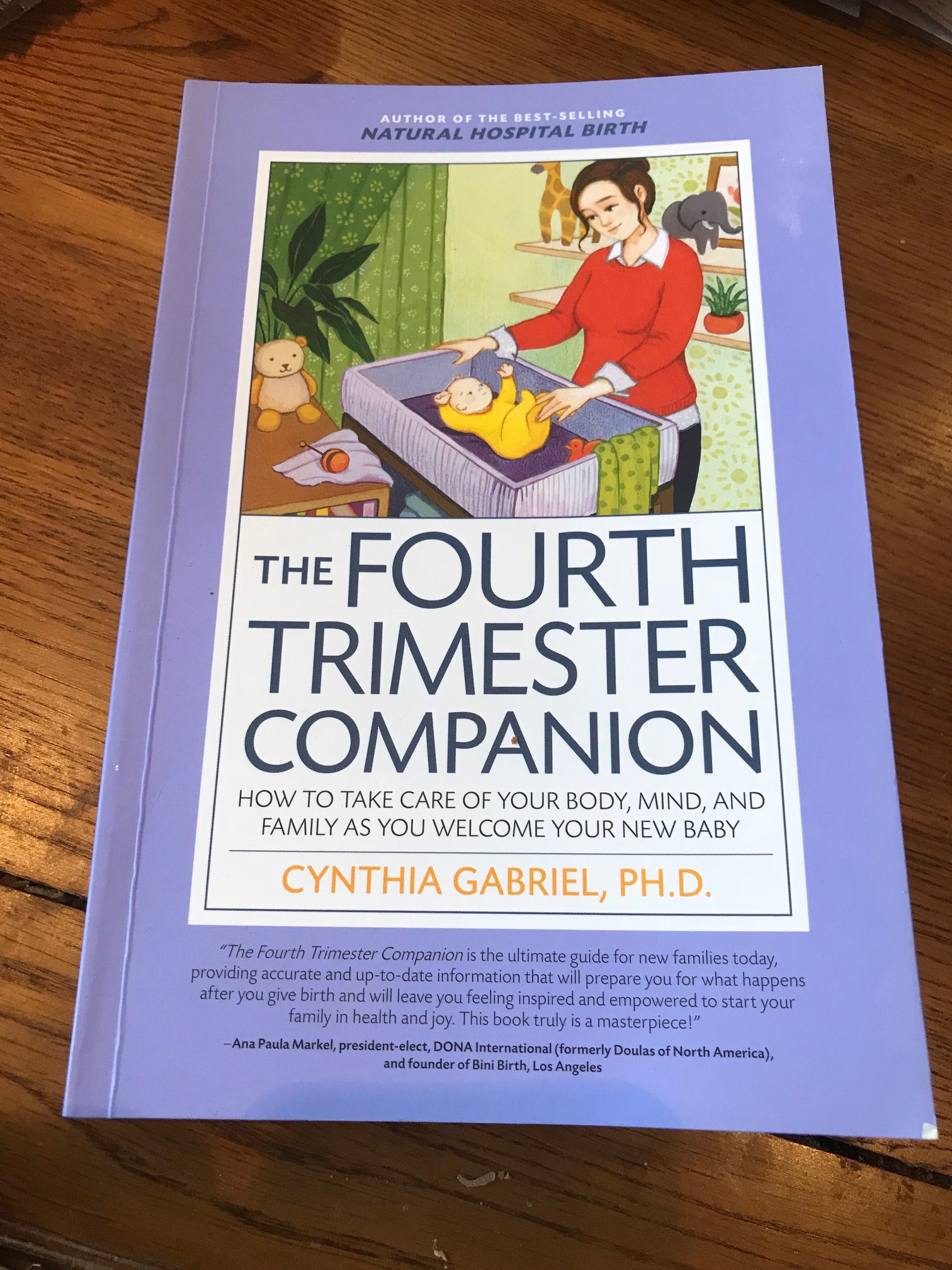
The Fourth Trimester Companion: How to Take Care of Your Body, Mind, and Family as You Welcome Your New Baby

baby, new baby, parenting, A well-cared-for baby is a baby whose mother is taking care of herself. Put simply: good mother care Is good baby care. 

That’s the core of the Fourth Trimester concept. In recent years doctors, nurses, midwives, and others involved in providing baby care have adopted this vital concept enthusiastically. The Fourth Trimester emphasizes that how a mother takes care of herself in the first three months of a new baby’s life brings crucial benefits for her, for her baby, and for her partner and family.

With this important new book, moms (as well as their partners and other caregivers, whether lay or professional) now have the resources to have an ideal Fourth Trimester experience. Cynthia Gabriel, a doula and the author of the best-selling book Natural Hospital Birth, delivers all the information, guidance, and encouragement new mothers need to take care of their bodies, minds, and spirits during the vital months of the Fourth Trimester—so that they feel their best and so their babies have the best possible chance to thrive.

This is a great book to help mothers- and fathers- get through a difficult time. Full of great, accessible information, this book is enjoyable to read. It is like having a friend with you. It is US based but is still relevant to UK readers. Highly recommended.
The Fourth Trimester Companion: How to Take Care of Your Body, Mind, and Family as You Welcome Your New Baby is available here.

Coping with Hyperemesis Gravidarum – mums speak out on severe morning sickness

As news of the Duchess of Cambridge’s third pregnancy makes waves across the nation, we are reminded of the realities of morning sickness and its level of severity in some rare cases.  The UK’s leading support resource for mums to be Emma’s Diary, (verified by the RCGP – Royal College of General Practitioners), has spoken to several mums suffering from Hyperemesis Gravidarum (which affects 1 in 100 pregnant women) about their experiences, in a series of candid interviews.

Around 80% of pregnant women suffer from morning sickness (and despite its misleading name, it doesn’t just happen in the morning).  For some, like the Duchess of Cambridge, extreme vomiting triggered by pregnancy can be severe, even life threatening for those diagnosed with Hyperemesis Gravidarum (HG). In a bid to share their stories and raise awareness of this less common condition, these mums have spoken out to warn others that if you believe you are suffering from extreme sickness, not to be fobbed off by suggestions that ‘it’s normal’, because it might not be the case:

Bella Drew from Norwich in Norfolk said:

“My baby is due in just over two weeks time. The moment I first found out I was expecting, my heart filled with excitement but that was soon to be diminished a week later.  My experience of so-called ‘morning sickness’ started at around three weeks, I couldn’t keep anything down but I was told that was normal.  As my suffering worsened I was put on medication which didn’t really help in my opinion.  I had lost around two and a half stone, had sustained haemorrhages within my eyes from the straining while being sick. 

I was being sick every 15 minutes throughout the day and night.  I was bedridden and eventually I gave up.  I couldn’t cope anymore and I was admitted to hospital diagnosed with HG. Despite all of the recent media attention the condition is still massively misunderstood. I wouldn’t wish this debilitating illness on anyone and we really need to spread more awareness of the impact and symptoms of HG.” 

Emma Eaton from Gosport in Hampshire said:

“I am pregnant and am currently suffering with HG; I was also hospitalised for two weeks in my last pregnancy having almost died from starvation and dehydration.  I have been in and out of hospital numerous times during my current pregnancy to have IV fluids and IV anti-emetics to help control the symptoms. I have to take two different types of tablets to help prevent me from being sick as I have been physically passing out and collapsing – also knocking myself out in the process. I believe there needs to be much greater awareness of this life-threatening condition amongst pregnant women and those who are planning to have children.”

Gemma Edwards from Walsall in West Midlands said:

“I was diagnosed with HG with all three of my pregnancies which has left me with some long term health problems. I am losing my teeth due to the impact of the stomach acid because I was vomiting anything from 20 to 50 times a day. I was also hospitalised for weeks on end with ketoneuria (ketones in my urine – a sign of dehydration) and my veins kept collapsing, this condition made me very ill and my kidneys went into pre-failure meaning my life was at risk and also that of my children.  This is a very serious condition and more awareness of the long term health risks it poses is much needed.”

Many women who are diagnosed with HG say they can’t keep anything down. They can also lose a lot of weight and fluids and sometimes have to be admitted to hospital for re-hydration treatment as well as require antiemetic medication to stop the vomiting.  In terms of adverse effects on the baby, experts say there are usually very few unless weight gain continues to be poor during the second half of pregnancy; or indeed the symptoms are more severe over a sustained period of time.

Sufferers of HG reported:

  • Extreme fatigue
  • Muscle weakness
  • Weight loss
  • Depressed mood
  • Tooth loss
  • Kidney failure
  • Severe dehydration (with ketones present in urine)
  • Disturbed salts in the blood
  • Eye haemorrhages
  • Long term health issues

Dr Shauna Fannin FRCGP, Chair of the Editorial Board at Emma’s Diary said: “Every pregnancy is different and whilst pregnancy sickness is extremely common, Hyperemesis Gravidarum (HG) only affects 1% of pregnant women and is a condition at the extreme end of the pregnancy sickness scale. HG sufferers will vomit frequently and can become dehydrated very quickly so it is very important to seek urgent medical advice.”

Faye Mingo, mum of two and Marketing Director at Emma’s Diary said: “It’s really brave for these women to speak out and share their experiences with others.  What is apparent is a desire to build greater awareness on the topic of HG and to dispel any myths about what is considered to be ‘normal’, the message from most of the mums we spoke to is to trust your instincts and to keep pushing for medical support if you believe you or your pregnancy might be at risk.”


2017 Top Baby Name is Corbyn

Over half of parents vote for Corbyn as political baby names become hot new trend


  • 53% of parents find it ‘very hard’ to choose the right name for their baby – and a third disagree with their partner over what to pick


  • 70% believe children are judged by their name


  • 23% say political names are on the rise with Corbyn and Cameron the top picks


  • Surge in popularity of Muslim names used by non-Muslim families


  • Wacky new naming trends include ‘unicorn names’, ‘tough names’ and even ‘text message names’


  • 7% of families regret their child’s name


New parents are electing to name their children after politicians – with Corbyn the hottest new baby-naming trend, a new poll by video parenting website www.channelmum.com reveals.
After the Labour leader’s post-General Election popularity surge, over half of parents (52%) would consider using the name Corbyn for their child. The name has already soared 50 percent in popularity between 2014 and 2015, but is now expected to see an even sharper rise.

Overall, political names are one of the fastest-growing new UK baby naming trends with 23 percent of mums and dads seeing more politically-inspired names in their area.

Interestingly, while 38 percent of parents would consider the name May, only four percent would use Theresa for a newborn. Cameron was the next most popular, liked by a third of parents, followed by Jeremy, enjoying fresh popularity with 15 percent of families.


However, only five percent would name their baby Boris or Diane, six percent Donald and just one percent believe Nigel will become a fashionable name again. But Nicola was especially popular in Scotland, where 13 percent of mums and dads report its popularity is increasing, and 12 percent of Welsh parents are seeing more Leannes locally.


Across Britain, 1,305 parents were asked which names were increasing in popularity in their local area. The poll revealed a huge 70 percent of parents believe people judge a child by their name – and as a result, seven percent ‘regret’ their choice of baby name. However, three quarters of parents (75%) would be upset if their child wanted to change their name.


A third of couples quizzed admitted they disagreed and even rowed over naming their baby, with 53 percent admitting choosing a name is ‘very hard’.  And while two thirds (65%) eventually settled on a name while still pregnant, 19 percent wait until they see the baby’s face when born – and an indecisive four percent wait six weeks until the legal limit for registering the baby’s birth and name.


The study also found that while over a third (35%) of parents use family names to honour relatives, one in five (20%) opt for unique spellings no-one else has to ensure their child stands out.

And with over 62,000 different baby names used annually in the UK, there are a number of wacky new baby-naming trends starting to break through.


The fastest-growing up-and-coming trends revealed by the poll include traditional Muslim names going mainstream, with six percent of the parents quizzed seeing more non-Muslim families using Muslim names. The most commonly-used Muslim monikers include Zane, Zahra, Ayesha, Farah, Anila, Omar and Jana.


One in ten has seen an increase in babies with ‘tough names’ including Axl, Maverick and Diesel, and by contrast, Unicorn names including Rainbow, Twinkle, Sassy, Sparkle and Princess are also beginning to gain popularity (4%).


Football ace Paul Pogba and Towie star Sam Faiers have helped to repopularise the name Paul, with one in 25 parents seeing it used again. There is also renewed interest in 1970s names including Michelle, Susan and even Gary is making a comeback.  


And Viking and Scandi names are on the march, with Magnus, Agnes, Linnea, Freya, Annika, Astrid and Britta more popular, according to 13 percent of parents.


Meanwhile, the more bizarre name phenomenons include text message abbreviation names like Ily – meaning I Love You – spotted by one percent of parents – and three percent who have seen US place names including Texas, Miami, Arizona and Tennessee used as baby names.


However, the most common current trend is surnames as first names. Two thirds of parents report this is on the rise in their area, with top names including Cooper, Grayson, Parker, Quinn, Jones, Carter, Mason, Jackson, Hunter and Riley.


Traditional but not twee English names are undergoing a revival, with 61 percent of parents embracing monikers includingSarah, Penelope, Emma and Lucy.


The rise of gender-fluid culture means Gender Neutral names are becoming more popular. Alex, Charlie, Elliott, Ellis, Max and Sydney are among the names spotted more often by 41 percent of parents.


And while it may be the least-used letter of the alphabet, X names are in-vogue, with Jaxxon, Xanthe, Xander and Jaxton the most picked for new babies, and voted more popular by 35 percent of parents.


Meanwhile, 16 percent of mums and dads have seen a flood of babies with water names including River, Lake, Delta and Coast, while 13 percent report meeting tots named after the cast of the film Frozen, such as Elsa, Kai, Anna and Olaf.


However, the study also showed the most disliked baby name trend is text-message names, shunned by 71 percent of parents, followed by double-barrelled names such as Lily-Mae, which half of parents refuse to use.


A further 44 percent wouldn’t name their child after a sports team while 38 percent loathe unusual or unique spellings. And the Kardashian trend of using the same first letter for each child was turned down by 27 percent of families.


Siobhan Freegard, founder of ChannelMum.com said: “What’s in a name? Well rather a lot. Names reflect both changing fashions and our changing society, such as the rise in use of many beautiful Muslim names. With 70 percent of families believing their child is judged on their name, a vast amount of love, care and attention is poured into picking the right moniker.

“Corbyn is the stand-out naming trend this year, and we expect to see lots of babies conceived at Glastonbury or over the election period named after the Labour leader.


“But remember a week is a long time in politics and your child will have that name for a lifetime, so do consider the effects of naming a child after any politician.”


HOTTEST UP AND COMING TRENDS


  • Political names (23%)
  • Viking / Scandi names (11%)
  • Tough names (10% are seeing an increase in this)
  • Non-Muslim families using Muslim names (6%)
  • Unicorn names (4%)
  • 70s names (4%)
  • US place names (3%)
  • Text abbreviation names (e.g. ILY for I Love You) – 1%


MOST POPULAR CURRENT NAMING TRENDS


  • Surnames as first names (66% have seen an increase in this)
  • Traditional English names (but not twee) (61%)
  • Gender Neutral names (41%)
  • Names with X spellings (35%)
  • Water names (16%)
  • Frozen names (13%)


Piccolo Baby Food Review

piccolobabyfoodreview stage 1and 2

Baby food is big business, and pouches even bigger still. Convenient and healthy, most – if not all- parents will give their little ones baby food pouches. They are great for eating out, keeping in a bag for an emergency, or just for a meal indoors. They are also great for when parents are too tired to cook. Piccolo are an Italian brand bringing Mediterranean goodness to the market.

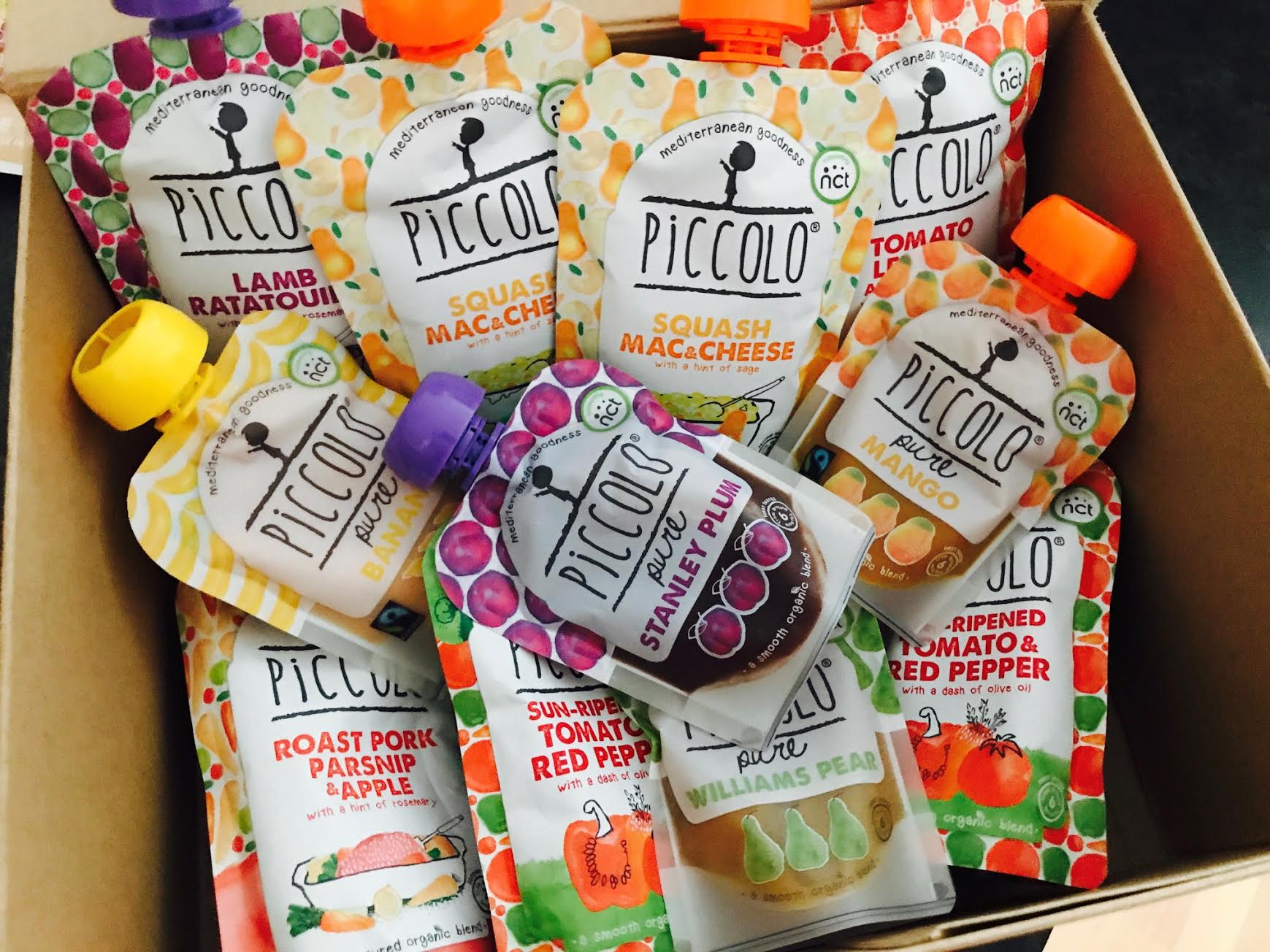
Piccolo Pure – is their first single fruits range, for which they have handpicked and blended the tastiest fruit varieties including Stanley Plum, Fairtrade Banana, Fairtrade Mango and Williams Pear: each chosen because their delicious and distinctive tastes, making them perfect for little ones as their taste buds begin to explore first flavours. My son loved all of these. He devoured them in minutes.

Their Pure Banana and Pure Mango blends are the only baby food pouches to hold Fairtrade accreditation, as they continue their commitment to give back through ethical and sustainable sourcing and by donating 10% profits to charity.


They have also launched variety baskets of Piccolo recipes crammed full of delicious fruit and veg to excite little ones’ taste buds.  And with a pouch to get parents through Monday to Friday, there won’t be any need for that last-minute empty cupboard panic when their baby is hungry. I think this is a brilliant idea. It takes some of the pressure of parenting. Something which is always much needed.


Finally, they have new recipes launching this summer, using nutritious, organic ingredients and distinctive flavours including coconut, cinnamon, sage and rosemary.  They are launching a delicious Lamb Ratatouille (with a hint of rosemary), perfect for recreating the end of summer Mediterranean feeling, our first fish based pouch with Salmon Fish Pie (with a pinch of parsley, basil and thyme) and a very English Roast Pork, Parsnip and Apple recipe.

My little one tried the ones in bold and loved them all. Particular favourites were the Lamb Ratatouille with a hint of rosemary and Squash, Mac & Cheese with a hint of sage. 


Stage 1

  • Blushing Berries, Pear & Banana
  • Banana, Coconut & Baby Brown Rice with a pinch of cinnamon
  • Pear, Strawberry & Yoghurt with wholegrain Oats

Veg Only

  • Sun-ripened Tomato and Red Pepper with a dash of olive oil
  • Parsnip Carrot & Leek with a hint of thyme

Stage 2

  • Lamb Ratatouille with a hint of rosemary
  • Tomato, Lentil & Angel Pasta with a dash of olive oil
  • Squash, Mac & Cheese with a hint of sage
  • Roast Pork, Parsnip & Apple with a hint of rosemary
  • Salmon Fish Pie with a pinch of parsley, basil and thyme


As you can see from the list, the recipes are exciting and different. They make some other baby food pouches look very boring indeed. We are a fan of Piccolo, the brand is a great way to feed your child in a healthy and sustainable way. Frost loves.


Screening programme reduced life-threatening infection in newborn babies by over 80%

breastfeeding, benefits of breastfeeding, mum, baby, what age to stop breastfeedingA leading London hospital dramatically reduced the rates of a life-threatening infection in newborn babies thanks to a simple screening test.

New research published today from a pilot study[1] at Northwick Park Hospital reports that screening pregnant women for group B Strep (GBS) reduced the rate of these potentially deadly infections in their newborn babies by 83%.

The results, published in the prestigious BMJ Open come just days after the National Screening Committee said there was “insufficient evidence” to introduce GBS screening for mums-to-be in the UK.

Yet in countries that have introduced antenatal GBS screening – recognised internationally as best practice – rates of these infections have fallen by significantly, by 70-90%.

Group B Streptococcus (GBS or Strep B) is the UK’s most common cause of life-threatening infection in newborn babies, causing sepsispneumonia and meningitis, and claims the life of one baby a week.

Previously Northwick Park Hospital had one of the highest rates of group B Strep infection in newborn babies in the country, almost three times the national average, despite following national guidelines.

To combat this worrying figure, Dr Gopal Rao, Consultant Microbiologist at Northwick Park Hospital, decided to set up the screening programme in his busy UK multi-ethnic community to see whether this would help reduce the rate of group B Strep infection in newborn babies.

Over 6,000 pregnant women chose to have the test. This involved taking two simple swabs (which the majority of women chose to do themselves at 35-37 weeks of pregnancy) – after being given information about GBS.


[1] Outcome of a screening programme for the prevention of neonatal invasive early-onset group B Streptococcus infection in a UK maternity unit: an observational study. Rao GG, Nartey G, McAree T, O’Reilly A, Hiles S, Lee T, Wallace S, Batura R, Khanna P, Abbas H, Tilsed C, Nicholl R, Lamagni T, Bassett P. BMJ Open 2017;7:e014634. doi:10.1136/bmjopen-2016-014634.