How to Sleep Well Book Review

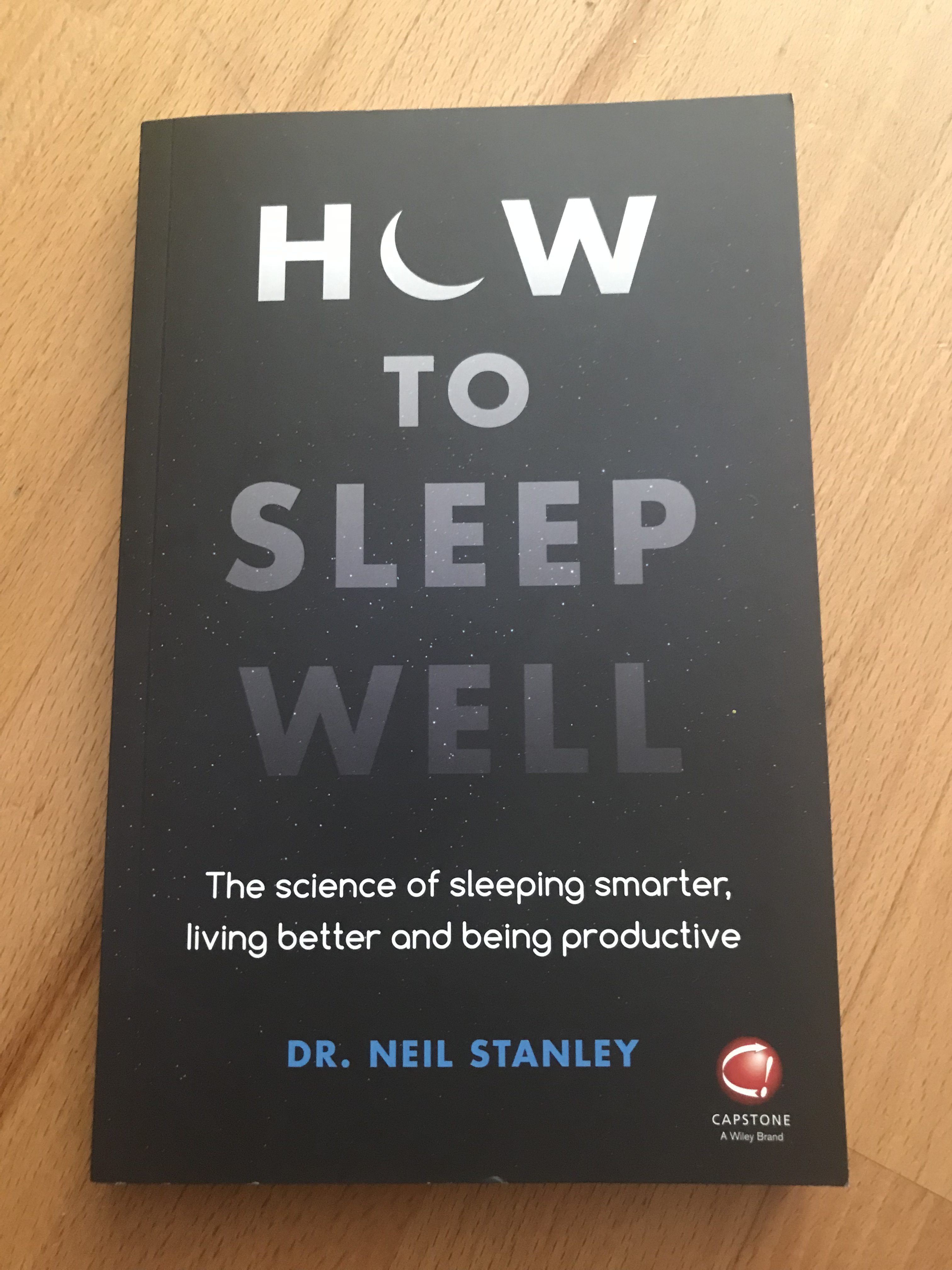
From the outside agreeing to review this book may seem masochistic. I have a baby and I do not sleep. Not through choice, you see, but because my baby daughter just doesn’t seem to be a fan of sleeping at night. She is, however,  a pint sized fan of long lie ins. Every morning, Which just feels like an extra kick in the face. But this book has a section on how to get your child to sleep so I said yes. The dream of all parents. While the book does give some good, no-nonsense, advice on getting children to sleep, it also tells you everything you need to know about sleeping. impressive and full of facts, this book is as enlightening as it is easy to read. I highly recommend it. 


It has never been more important to sleep well. Stop sabotaging your own sleep and finally wake up energised and refreshed How to Sleep Well is a guidebook that can change your sleep and help you live your life more fully. Whether you struggle to fall asleep, sleep too lightly, wake too often or simply cannot wake up, this book can help you get on track to sleeping well and living better. It all starts with the science of sleep: how much you really need, what your body does during sleep and the causes behind many common sleep problems. Next, you’ll identify the things in your life that are disrupting your sleep cycle and learn how to mitigate the impact; whether the pressure of workplace or you simply cannot quiet your own mind, these expert tips and tricks will help you get the sleep you need. Finally, you’ll learn how to support healthy sleep during the waking hours — what works with or against your sleep — and you’ll learn when the problem might be best dealt with by your GP. Don’t spend another restless night waiting for a bleary, groggy morning and sleepy day. Take control of your sleep tonight! Learn how sleep — or a lack thereof — affects every aspect of your life Identify the root causes of your sleep issues and cut them off at the source Discover the sleep advice that works, and the tips that are just plain daft. Create a healthy, calming bedtime routine that will help you get the rest you need Sleep affects everything. Work and school performance, relationships, emotional outlook, your appearance and even your health. Sleeping poorly or not sleeping enough can dramatically impact your quality of life, but most sleep problems can be solved with a bit of self-adjustment. How to Sleep Well puts a sleep expert with over 36 years’ experience at your disposal to help you finally get the restful, restorative sleep you need to live better and be productive.


STOP SABOTAGING YOUR OWN SLEEP.

Sleep affects everything; your work or school performance, relationships, emotional wellbeing, appearance and even your health. So how can we change our sleep to help us live our lives more fully?

DON’T SPEND ANOTHER RESTLESS NIGHT. TAKE CONTROL OF YOUR SLEEP – TONIGHT.

Sleeping poorly or not sleeping enough can dramatically impact your quality of life, but most sleep problems can be solved with a bit of self- adjustment. How to Sleep Well puts a sleep expert with over 36 years’ experience at your disposal to help you finally get the restful, restorative sleep you need to live better and be more productive.

  • Learn how sleep — or a lack thereof — affects every aspect of your life.
  • Identify the root causes of your sleep issues and cut them off at the source.
  • Discover the sleep advice that works, and the tips that are just plain daft.
  • Create a healthy, calming bedtime routine that will help you get the rest you need.

Whether you struggle to fall asleep, sleep too lightly, wake too often or simply cannot wake up, this book can help you get on track to sleeping well and living better.

How to sleep well is available here,

A day in the life of Felicity Trew – literary editor

Newly appointed literary agent Felicity Trew describes a day in the life of one the top literary agencies, the Caroline Sheldon Literary Agency.

A day in the life of Felicity Trew – literary editorfelicity

By the time I get on the bus in the morning, I’ve already visited 50 different worlds… through my submission inbox. I never know where it’s going to take me.

I start my day meticulously trawling through the new manuscript adventures on an iPad, my portable office and library. I get hundreds of emails from hopeful authors each week with stories ranging from lovesick demons to 14th century political deviants. There is a lot that is not suitable for my list but every now and then I find a gem.

You can sum an agent in three words: talent-spotter, advocate and counselor. Our responsibility is to find the best authors and to bring out the best in them.
And book writing is 90 per cent idea, writing and 10 per cent editing that into something really rich and attention-grabbing.

So a substantial part of my morning is spent helping authors tighten their manuscripts into a powerful punch of literature for the publishers. Sometimes that can even mean sitting down with an author lost in a plethora of ideas and choosing the strongest option.

A day in the life of Felicity Trew – literary editorthecarefuledits

Most outsiders think the book world is a cosy industry of coffee cups and cupcakes, but it is a crowded business – which makes it tough but exciting. So after reaching out and responding to my clients, who come first, I tackle the contracts to get the day going.

The one reason a writer needs an agent is that legal document which exists for the lifespan of the book and controls everything from advances to film, TV, radio, theatre, eBook and merchandising rights. The contract can make or break an author. Get one sentence wrong and you’ve lost everything for a lifetime.

Agents feel a huge responsibility to give authors the best chance at carving out space on that cluttered bookshelf.  But it’s also a dynamic dance with the publishers. My job is to make sure all sides are happy, that the terms are clear and fair.

A day in the life of Felicity Trew – literary editorcupoftea
Lunch breaks are rarely breaks. They are spent negotiating details with publishing houses and putting forward our best and newest work – as well as tapping into what publishers and readers want.

Right now the time-tested solid trend is the saga: it is a natural development, people don’t want to feel abandoned by the characters they have grown to love after just one book. Escapism in the form of traditional fantasy and historical fiction are both definitely on the rise. But I always encourage my writers to write what they know and love irrespective of market trends.

The afternoon is spent preparing for the book fairs and literary festivals.

A day in the life of Felicity Trew – literary editorthethinking

The next big event on my calendar is the London Book Fair in April: a bustling marketplace of the international book world, where all the big deals are made and names forged.  Every major publisher, book seller, literary scout and agent descends on the sprawling venue – which this year is Kensington Olympia – hoping to buy and sell their wares.
It’s months of preparation: chasing authors with their deadlines, helping them shape their work, building eye-catching presentations and then networking to set up those all-important meetings to make sure our authors get heard above the crowd.

A day in the life of Felicity Trew – literary editorgoodbook
But book festivals are my real love – as it’s a chance to meet writers face-to-face, which is ultimately why I do my job.

This year, I’ve been asked to give several talks: an opportunity to offer advice to new authors.  The next is the Literary Festival in Wycombe in April at the Downley Community Centre, followed by the SCBWI retreat in May and Winchester’s Writers Conference in June.

The most frequent question I’m asked by new authors is how to approach a literary agent. The simple answer is: know your agent. Study their author lists, read their statements and their authors’ works, follow them on social media, find out what they are looking for and address that in your covering email. And do not send round robins or even worse accidentally address a rival agent (it has happened). Beware, the delete button beckons.

A day in the life of Felicity Trew – literary editoripadportablelibrary
After a busy day rushing between appointments, lunches and meetings the long bus journey home is an opportunity to catch up on industry news, looking at the latest signings, best sellers and mergers.

And maybe – just maybe – I might just read book of my own.


A Day In The Life of Shelagh Mazey

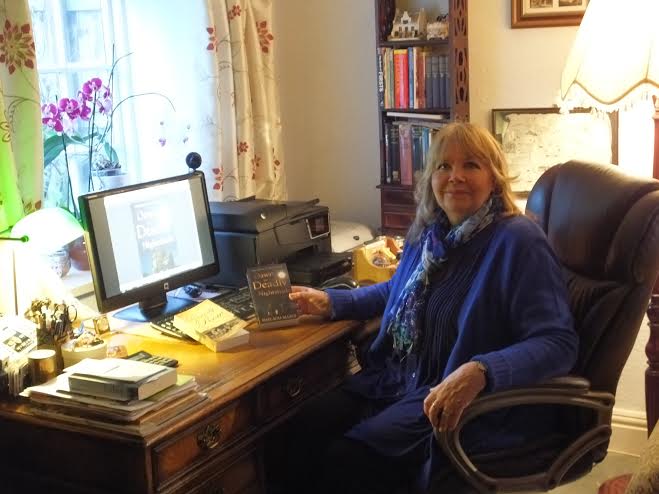
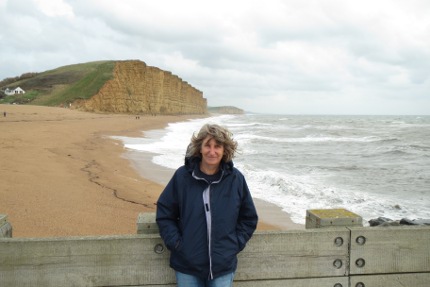
For years I’ve been a frustrated story-teller, never having the time or peace to be able to concentrate and hurtling through life from one crisis to another, but now every day is like a blank page, here in my thatched cottage in Somerset.

shelelaghatherworkspace
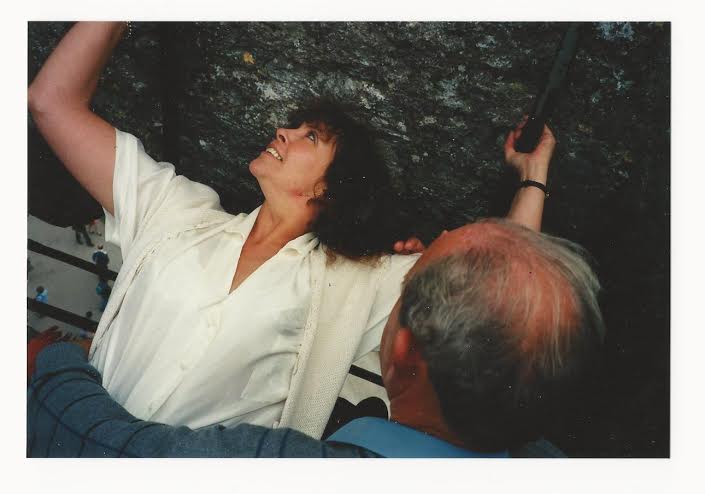
I met Margaret Graham years ago, at a writing circle in Yeovil. We have been friends ever since and good grief, the adventures we’ve had, as awe snatched moments from the home-front. I remember with fondness a trip across Ireland on a coach, enlivened by two America Baptist Ministers. We’ve seldom laughed so much, alongside absorbing the history of the place for a book Margaret was writing. It was here I kissed the Blarney stone. Perhaps that’s where the story telling began.

shelaghkissinghebarneystone

As time went on the sleepless nights with newborns; the back-breaking, lifting and chasing of toddlers; the homework of school years; the endless chauffeuring of teenagers, and the frantic the frantic worry of them prematurely experiencing the joys and heartache of the opposite sex, drunkenness, drugs and all-night raves became a memory.

No more renovating the derelict cottage sold long ago. No more rising at 6:30am to rush off to work as a practice secretary. At last my ship, with its rather bedraggled rigging, has sailed into a harbour of refuge. I am retired. Whoopee!

Now I listen as my husband leaves for work and lie in bed for a few more minutes, where in a state of alpha I’m able to dream. Then I soak in the bath, empty my mind and plan the trials and tribulations, love stories, intrigues, and let’s not forget the murders and rapes of my 19th century stories.

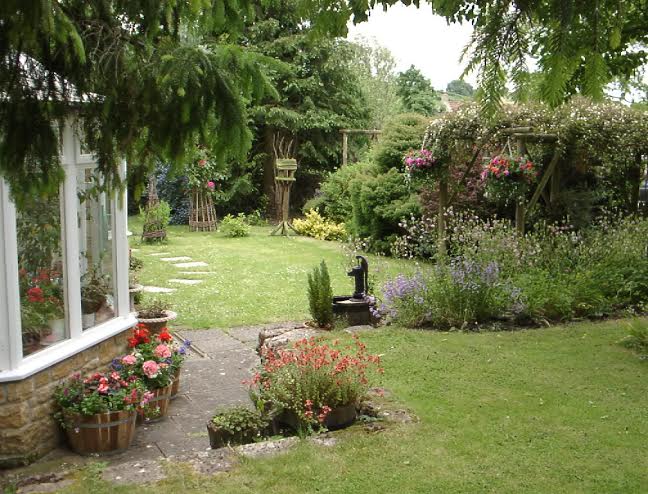
After breakfast I type out my bath-time plots. I usually write or research on-line, with a short lunch-break, until about 3.30pm and then I need to take a breather. I might do some gardening; mow the lawn, weeding or dead-heading just to breathe some fresh air.

Shelaghgarden

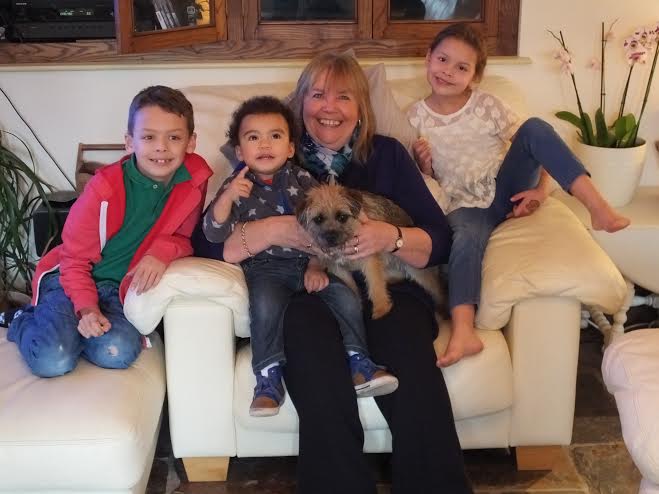
Yes, my life has indeed reached peaceful harbour; my daughter-in-law takes the ironing each week and I take the grandchildren. I’m lucky, they’re lovely.

Shelaghwithgrands

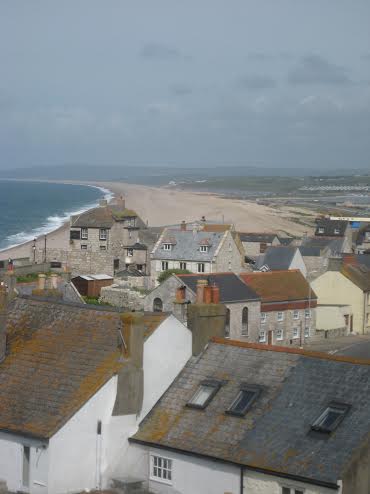
Of course, aside from the writing, I do have to participate in marketing the books and I’ve made many friends, particularly on Portland, through this. Every now and then I take a friend with me and drive down to the coast to deliver to my outlets there. We usually enjoy lunch at the Lobster Pot on Portland Bill.

Shelaghportland

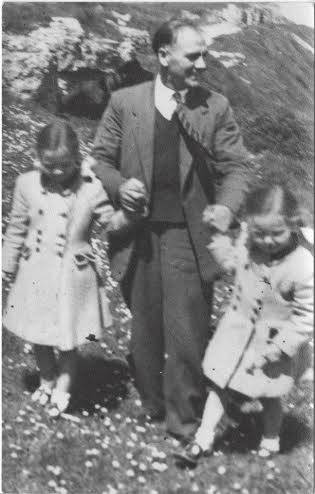
The tales my father told, as a born and bred Portlander have inspired my writing, and my first two books are based around that area. Somehow it makes me feel closer to my parents.

Shelaghdadandbridgetonportland

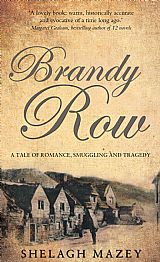
I’ve now published two books with Matador. The first is Brandy Row (A love triangle and family saga set on Portland, involving smuggling and the preventive service).

10Shelagh

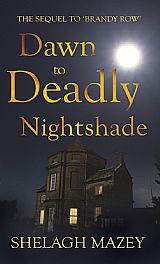
The sequel is Dawn to Deadly Nightshade (continuing with the family, but adding witchcraft in Somerset to the mix).

Shelaghmazey
My third novel is located partly in Dorset, Somerset, Tasmania and Australia. It tells the tale of the ex convicts who were transported to the antipodes and involves the excitement of the Victorian goldfields. I’ve finished the first draft and I’m busy doing the revisions. I hope to bring out Legacy of Van Diemen’s Land next spring.

I totally love my life now. I am a writer. It is my dream come true.

A Day In The Life of Author Frances Colville

I’ve always been an organised sort of person; writing lists, making plans and generally achieving whatever I set out to achieve. Then I took early retirement and expected to devote hours to writing. But… But… There are, suddenly, all kinds of people making demands on your time. And there are so many things of interest calling to you.

All of this means I no longer have a typical day. But there are some typical elements.
I always make time to read. Have you ever worked out how very few books you can actually get through in a lifetime? A scary thought when there is so much wonderful stuff on my list and in my teetering pile. Then, if it is at all possible, I make time to walk down to the sea.

A DAY IN THE LIFE of author Frances Colvillepic1
It takes me twelve minutes to reach my local beach of Seatown. I like it best when it is wild and stormy, when the waves crash in along the shore line and the cormorants have to battle to stay airborne. But whatever the weather, there is inevitably something different to see, something to provide writing inspiration.

And that is the other constant. I try each day to make time for whatever writing project is uppermost in my life This year there have been several main threads. I’ve organised a Story Slam in my local town of Bridport,

A DAY IN THE LIFE of author Frances Colvillepic2
I’ve taken part in various performances and competitions, and I’ve been working on my Sixty List ( a project to do sixty new things in my sixtieth year and to write about them). But the biggest project and for me, the most satisfying, has been working on a local First World War story. I’ve researched it thoroughly, curated two exhibitions, talked about it on radio and TV, written about it for magazines and papers.

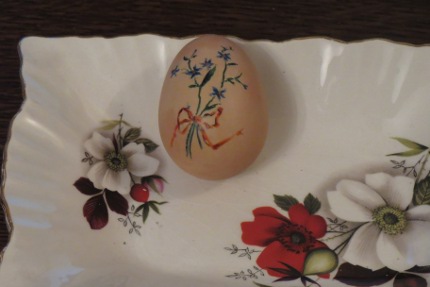
It’s the intriguing story of a young woman who contributed fresh eggs to the National Egg Collection for wounded soldiers and who decorated those eggs with paintings, poems and her name and address. In return she received thank-you letters from many soldiers. Now, as well as dealing with the factual aspects of the story, I’m trying to develop it as fiction.
A DAY IN THE LIFE of author Frances Colvillepic3

So far, a couple of short stories have been successful and I’m working on a novel. But there’s a long way to go yet. And never enough hours in the day!

© Frances Colville

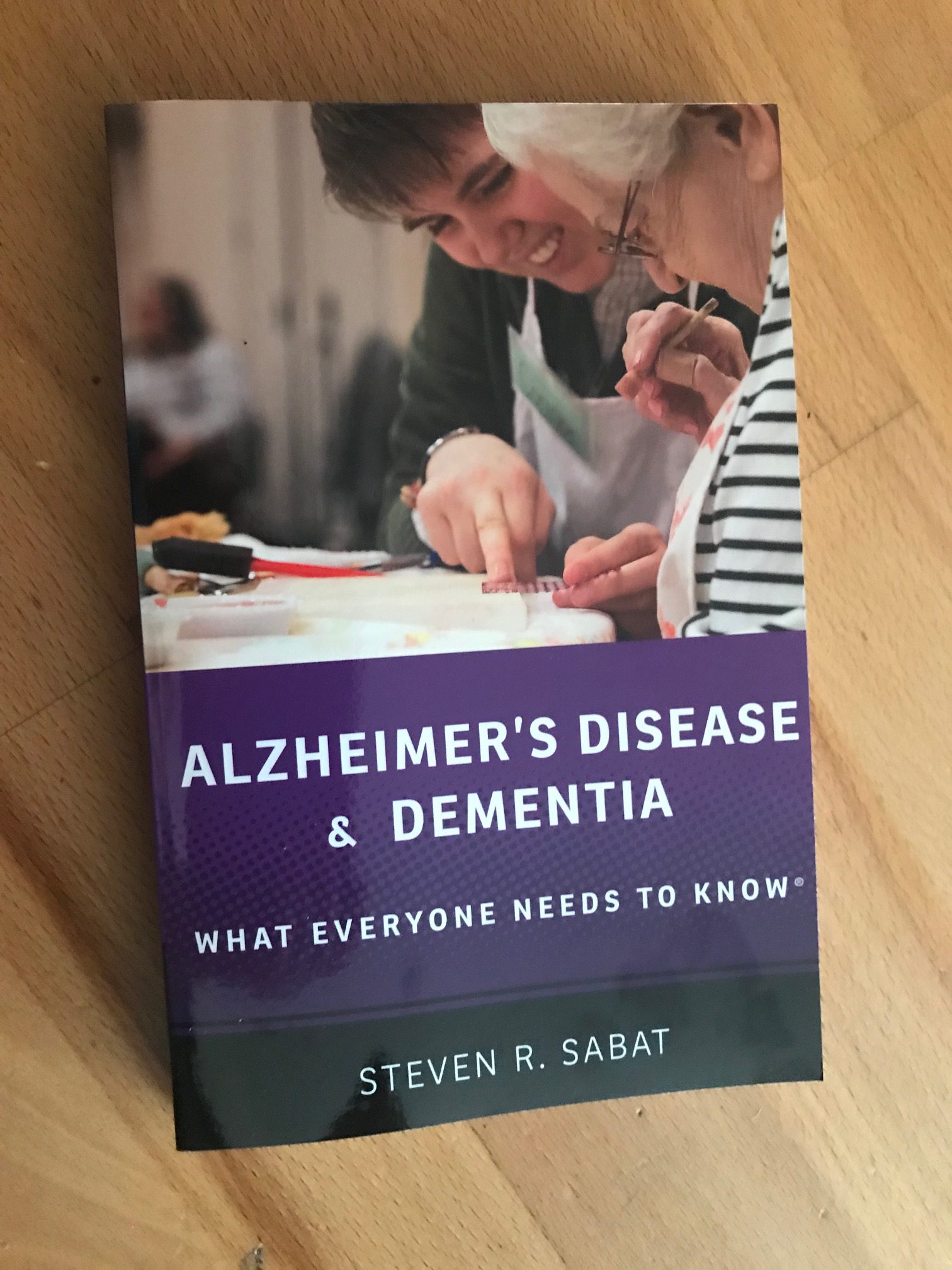
Alzheimer’s Disease and Dementia: What Everyone Needs to Know

alzheimer's, dementia, booksAlzheimer’s is swiftly on the rise: it is estimated that every 67 seconds, someone develops the disease. For many, the words ‘Alzheimer’s disease’ or ‘dementia’ immediately denote severe mental loss and, perhaps, madness. Indeed, the vast majority of media coverage of Alzheimer’s disease (AD) and other types of dementia focuses primarily on the losses experienced by people diagnosed and the terrible burden felt by care partners yearning for a “magic bullet” drug cure.
Providing an accessible, question-and-answer-format primer on what touches so many lives, and yet so few of us understand, Alzheimer’s Disease and Dementia: What Everyone Needs to Know®contributes what is urgently missing from public knowledge: unsparing investigation of their causes and manifestations, and focus on the strengths possessed by people diagnosed. Steven R. Sabat mines a large body of research to convey the genetic and biological aspects of Alzheimer’s disease, its clinical history, and, most significantly, to reveal the subjective experience of those with Alzheimer’s or dementia. By clarifying the terms surrounding dementia and Alzheimer’s, which are two distinct conditions, Sabat corrects dangerous misconceptions that plague our understanding of memory dysfunction. People diagnosed with AD retain awareness, thinking ability, and sense of self; crucially, Sabat demonstrates that there are ways to facilitate communication even when the person with AD has great difficulty finding the words he or she wants to use. From years spent exploring and observing the points of view and experiences of people diagnosed, Sabat strives to inform as well as to remind readers of the respect and empathy owed to those diagnosed and living with dementia.


Alzheimer’s Disease and Dementia conveys this type of information and more, which, when applied by family and professional caregivers, will help improve the quality of life of those diagnosed as well as of those who provide support and care.

This is an important book. It is well-researched and well-written. Essential reading. 

Alzheimer’s Disease and Dementia: What Everyone Needs to Know is available here,


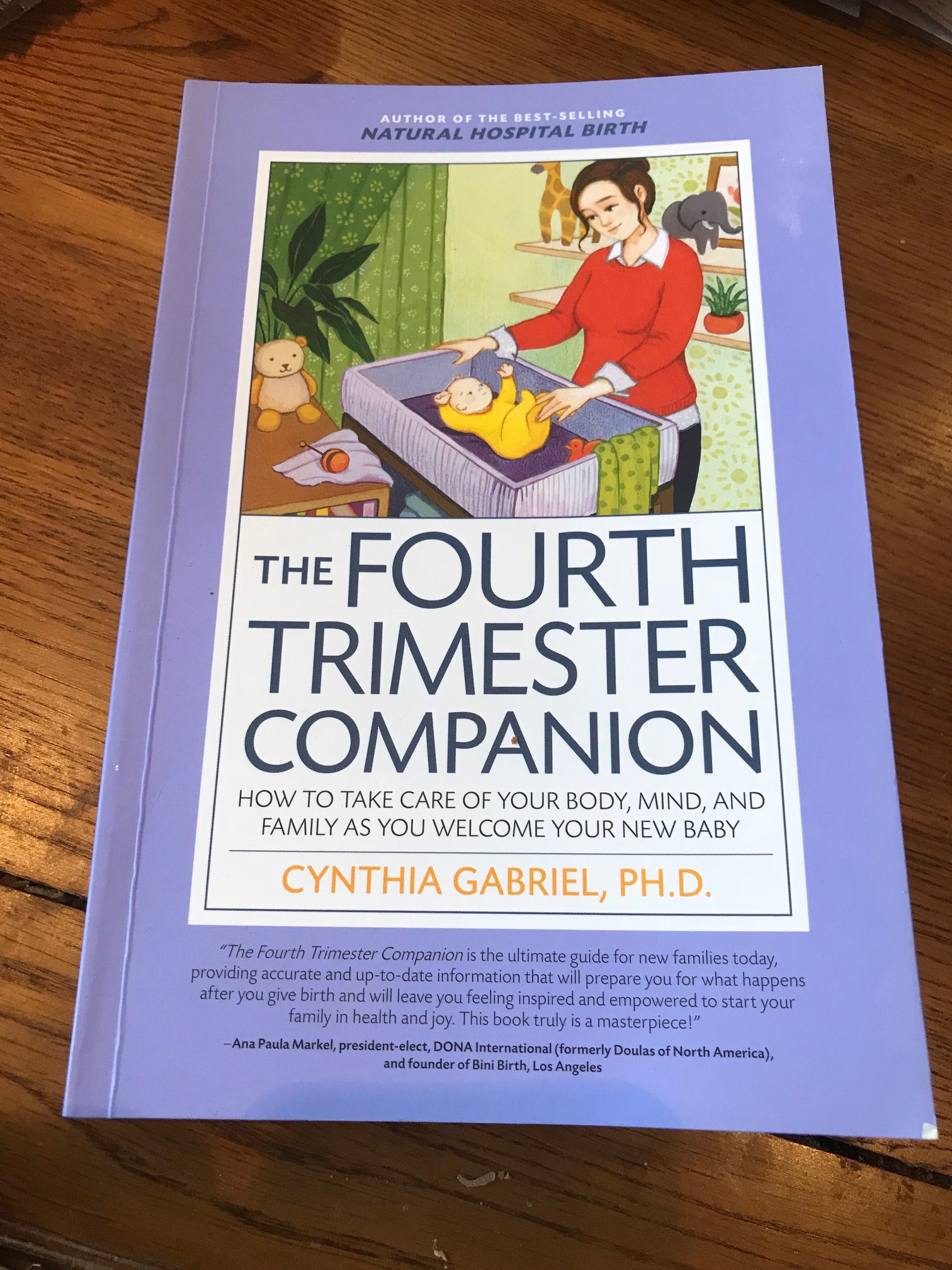
The Fourth Trimester Companion: How to Take Care of Your Body, Mind, and Family as You Welcome Your New Baby

baby, new baby, parenting, A well-cared-for baby is a baby whose mother is taking care of herself. Put simply: good mother care Is good baby care. 

That’s the core of the Fourth Trimester concept. In recent years doctors, nurses, midwives, and others involved in providing baby care have adopted this vital concept enthusiastically. The Fourth Trimester emphasizes that how a mother takes care of herself in the first three months of a new baby’s life brings crucial benefits for her, for her baby, and for her partner and family.

With this important new book, moms (as well as their partners and other caregivers, whether lay or professional) now have the resources to have an ideal Fourth Trimester experience. Cynthia Gabriel, a doula and the author of the best-selling book Natural Hospital Birth, delivers all the information, guidance, and encouragement new mothers need to take care of their bodies, minds, and spirits during the vital months of the Fourth Trimester—so that they feel their best and so their babies have the best possible chance to thrive.

This is a great book to help mothers- and fathers- get through a difficult time. Full of great, accessible information, this book is enjoyable to read. It is like having a friend with you. It is US based but is still relevant to UK readers. Highly recommended.
The Fourth Trimester Companion: How to Take Care of Your Body, Mind, and Family as You Welcome Your New Baby is available here.

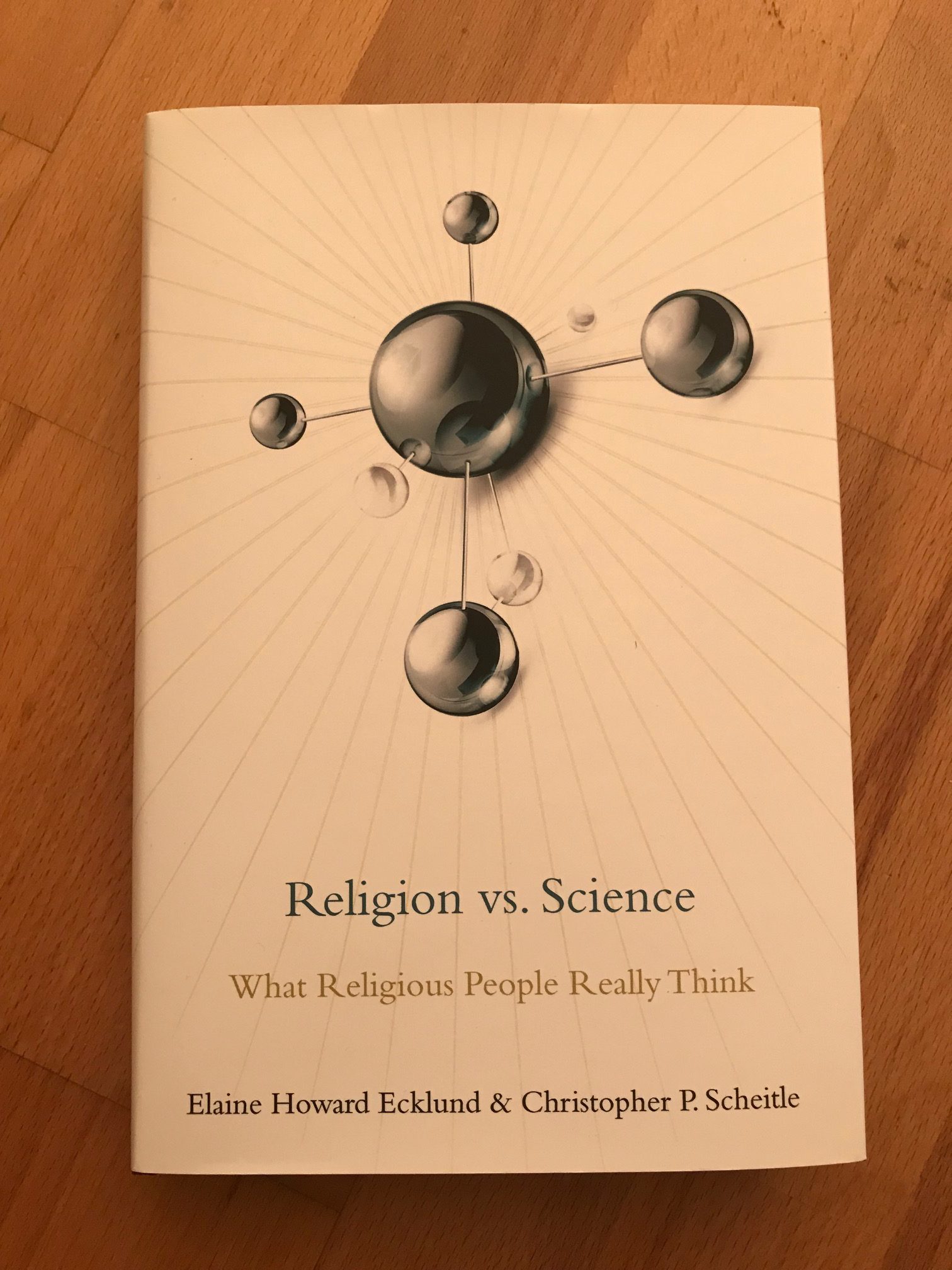
Religion vs. Science: What Religious People Really Think

At the end of a five-year journey to find out what religious Americans think about science, Ecklund and Scheitle emerge with the real story of the relationship between science and religion in American culture. Based on the most comprehensive survey ever done-representing a range of religious traditions and faith positions-Religion vs. Science is a story that is more nuanced and complex than the media and pundits would lead us to believe.

The way religious Americans approach science is shaped by two fundamental questions: What does science mean for the existence and activity of God? What does science mean for the sacredness of humanity? How these questions play out as individual believers think about science both challenges stereotypes and highlights the real tensions between religion and science. Ecklund and Scheitle interrogate the widespread myths that religious people dislike science and scientists and deny scientific theories.

Religion vs. Science is a definitive statement on a timely, popular subject. Rather than a highly conceptual approach to historical debates, philosophies, or personal opinions, Ecklund and Scheitle give readers a facts-on-the-ground, empirical look at what religious Americans really understand and think about science.

Religion and science have always had an uneasy relationship. In fact, there are times when the two have been at war. But the two can coincide. This book is a myth-busting, highly accessible and well-written book. It is US centric but still very interesting. A fascinating read. 

Religion vs. Science: What Religious People Really Think is available here.


Behind the Lawrence Legend: The Forgotten Few Who Shaped the Arab Revolt Book Review

T. E. Lawrence became world-famous as ‘Lawrence of Arabia’, after helping Sherif Hussein of Mecca gain independence from Turkey during the Arab Revolt of 1916-18. His achievements, however, would have been impossible without the unsung efforts of a forgotten band of fellow officers and spies. This groundbreaking account by Philip Walker interweaves the compelling stories of Colonel Cyril Wilson and a colourful supporting cast with the narrative of Lawrence and the desert campaign. These men’s lost tales provide a remarkable and fresh perspective on Lawrence and the Arab Revolt.

While Lawrence and others blew up trains in the desert, Wilson and his men carried out their shadowy intelligence and diplomatic work. His deputies rooted out anti-British jihadists who were trying to sabotage the revolt. Meanwhile, Lieutenant Lionel Gray, a cipher officer, provided a gateway into unknown aspects of the revolt through his previously unpublished photographs and eyewitness writings. Wilson’s crucial influence underpinned all these missions and steadied the revolt on a number of occasions when it could have collapsed. Without Wilson and his circle there would have been no ‘Lawrence of Arabia’.

Yet Wilson’s band mostly fell through the cracks of history into obscurity. “Behind the Lawrence Legend” reveals their vital impact and puts Lawrence’s efforts into context, thus helping to set the record straight for one of the most beguiling and iconic characters of the twentieth century.

Philip Walker is an historian and a retired archaeologist who spent many years working for English Heritage. He has travelled in Libya, Palestine, Morocco, Xinjiang (the Muslim far west of China), and other parts of Central Asia. He lives in Cambridge and this is his first book.

This is an enlightening and riveting read. Fascinating and fun. 

Behind the Lawrence Legend: The Forgotten Few Who Shaped the Arab Revolt is available here.