An Aspirin a Day Keeps Big C Away? By Dr Patricia Thompson

doesasprinlowercancerriskDaily aspirin and cancer has been in the news again. So what does it all mean?

People have been investigating whether aspirin protects us against cancer for many years. The first few study results were confusing – some showed a beneficial effect – others didn’t. This is the problem – you often don’t get a clear answer until many thousands of people have been studied. However, a group of medical researchers from Queen Mary University, London, have analysed the results of a large number of clinical trials, involving over a hundred thousand people in total, and the evidence is now clear.  Taking 75-325mg aspirin daily (between a quarter and just over a full tablet) for at least five years, can reduce risk of getting certain cancers (particularly bowel cancer), heart attacks and strokes.

Before you dash out to the nearest pharmacy – I should explain that a small percentage benefit was seen after studying a very large number of people. Whether you, as an individual, would gain, depends on many factors, including your age, sex, what other medical conditions you have, and how prone you are to the types of cancers which seemed to show the most effect. Aspirin does have some serious side-effects, including gastric bleeding and bleeding into the brain, and you should always discuss with your doctor before taking long-term regular aspirin.

What is interesting though is why aspirin works – and are there other ways we can reduce our chances of cancer, without taking a tablet every day?

We know that inflammation is important in the development of cancer, and at least part of the reason why aspirin protects, may be its ability to suppress inflammation.

Inflammation is the body’s protective response to damage, and to invasion by infections, such as bacteria. Normally it is a good thing as it involves our immune system destroying and removing infective organisms and dead cells and promoting repair of the damaged tissues.

Cancer cells appear in our bodies on a fairly regular basis. Normally they are discovered and destroyed by cells of our immune system and never cause us any harm.

However sometimes cancer cells manage to avoid discovery. Then they can turn our normal beneficial inflammatory response against us, to help them grow and spread. They do this in various ways, for example using aspects of the inflammation to grow new blood vessels, which provide the tumour with a source of food and oxygen.

So, although short bursts of inflammation can be protective, long term inflammation is certainly not. In fact some chronic inflammatory illnesses are known to predispose us to cancer, for example, inflammatory bowel disease can lead to bowel cancer.

Is there any way we can damp down inflammation naturally, without resorting to tablets? Absolutely yes – the best way is probably diet. See the Table for examples of simple changes you can make.

In addition to cancer, reducing inflammation can also protect us from heart disease and joint disease. Worth making an effort eh?


Examples of foods which promote inflammation and suggestions for avoiding them:

1. High sugar foods eg sweets and cakes – switch to fresh fruit (whole – not juice)
2. Trans fats (fried food, margarine, processed foods) – switch to olive oil, flax oil)
3. Many ‘Ready meals’ – switch to fresh vegetables, garlic, Herbs
4. Red meat – switch to fish, particularly oily fish
5. Refined carbohydrate (white flour, white rice) – switch to whole grain bread, brown rice


‘These articles express personal views. No warranty is made as to the accuracy or completeness of information given and you should always consult a doctor if you need medical advice.’


It Is Time To Break The Taboo of Urinary Incontinence

The issue: urinary incontinence. Something that an estimated 1 in 3 women of all ages suffer from, and many don’t even speak to their GP. Sadly it is still a taboo subject but here at Frost we want to raise awareness because help is at hand. Women do not need to suffer from this inconvenient issue. World Continence Week is coming up this month between 22-28th June and it is the perfect time to talk about this important issue.

There are some interesting statistics in the Femifree Lifestyle Report.
Print

Femifree is a new, non-invasive device for the treatment of urinary incontinence which uses advanced technology to strengthen the pelvic floor muscle. It is innovative, advanced technology and is clinically proven. It helps strengthen and retrain the pelvic floor muscle, reducing the effects of urinary incontinence. It is non-invasive as the garment is worn outside the body.

While other products are invasive or uncomfortable, Femifree does not include any internal probes or pads. It is a real solution to a serious issue. It works through a controller and garment that are simple to use in the privacy of your own home.

femifree

More information here: http://www.femifree.com/en-uk/

And check out this amazing video.

Prima online and NetDoctor have also discussed this important issue:

http://www.prima.co.uk/diet/femifree
http://www.prima.co.uk/diet/breaking-the-silence-the-secret-health-issue-one-in-three-of-us-suffer-from
http://www.netdoctor.co.uk/femifree-advertorial/learn-to-laugh-again.htm

 Sponsored post.


The Rise of The Fat Supermodel: Is The Fashion Industry Embracing Plus Size Models?

When it comes to the fashion industries obsession with waif like models, times they are a changing…well maybe just a dress size or two.  In recent months the industry has seen a sidestep in to the usually unmentionable world of FAT!  Several leading modelling agencies now have dedicated plus size divisions, recognising the huge surge in popularity of plus-sized fashion bloggers and Instagrammers.  According to Public Health England, two thirds of people in the UK are overweight and are in need of taking better care of their health.

The rise of the fat supermodel-  Is the fashion industry embracing plus size models?

Candice Huffine became the first plus size model to feature in this years’ Pirelli calendar, has graced the front page of Italian Vogue, and has appeared in i-D and Harper’s Bazaar

Tess Holliday’s huge social media following, helped get her signed to modelling agency MILK Model Management who now have a separate division, Curve, which is dedicated to plus size models.

Advertisers using slim models for their ‘health’ campaigns have been heavily criticised by the public and media alike. Protein World’s infamous Are You Beach Body Ready? poster campaign backlash is a prime example of this shift in attitudes towards the ideal female body.

We asked Dr Marilyn Glenville, Nutritionist, women’s health expert and author of Fat Around the Middle: How to Lose That Bulge – For Good  for her thoughts…

areyoubeachbodyreadyadvertcontroversy

How difficult is it to maintain a super skinny body shape and still be healthy?

It is very difficult if not impossible to maintain a super skinny body shape and still be healthy.  And for women it is important not to lose too much fat, because then periods will stop and it can affect not only fertility but also increase the risk of problems like osteoporosis because the woman has lost the protection of the female hormones.


Do you see women who struggle to lose weight more regularly now?

Yes.  In my clinics in Harley Street and Tunbridge Wells, I frequently see women who struggle to lose weight.  Most of them just want to be a healthy weight and to have a way of eating that becomes a way of life rather than being on a constant diet or having to do fad diets.


Many women I see also want to change their body shape as well as lose weight as they know they are carrying too much fat around their middles which increases the risk of type 2 diabetes, cancer (especially breast cancer), heart disease, Alzheimer’s and high blood pressure.


Do you think the fashion industry should embrace models who better represent today’s average British woman?  

I definitely think the fashion industry should embrace models who look like the average British woman.  It makes it easier for the average woman to relate to the clothes that the model is wearing and more likely to want to purchase them.  If the model is super thin, then the average woman will think they can’t possibly attain that without starving themselves and knows that it is just not realistic for them.


Can you be healthy and bigger?

This is really dependent on body fat percentage rather than weight.  A person’s weight cannot differentiate between fat and muscle and an athlete and a couch potato can have the same Body Mass Index (BMI – a ratio of height to weight) and yet have a completely different percentage of fat and muscle.


A woman can be bigger and healthy if she has the correct percentage of body fat (25-31%). Too low, it risks her periods stopping, infertility and osteoporosis, too high then it risks heart disease, cancer and Type 2 diabetes.


Want to shift some pounds naturally?


Dr Marilyn Glenville (www.marilynglenville.com) has joined forces with luxury health spa Champneys.com, to deliver a series of very special women’s wellbeing weekends this year.  These very special one and two day retreats are led by Dr Glenville herself and offer natural solutions and insight into four significant female health issues; Fat Around The Middle, Digestion & IBS, Menopause & Osteoporosis and Fertility.


This Month’s Health & Beauty Picks

Here are our top health and beauty picks for this month.

Cawston Press Juice

cawstonepress

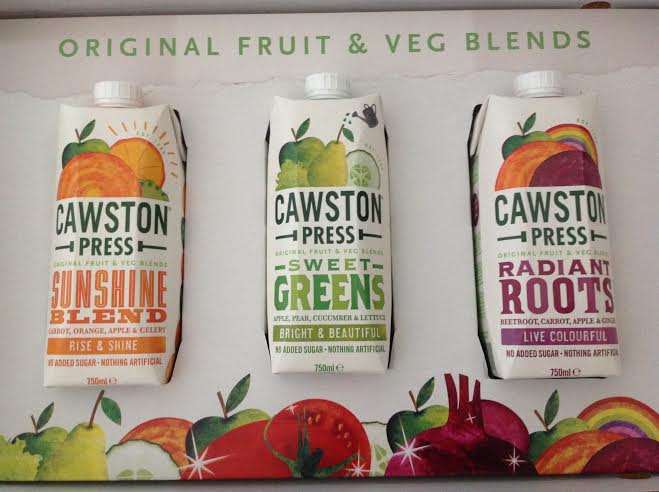
Three new juices from Cawston Press. Sweet Greens, Sunshine Blend and Radiant Roots. These are a delicious and unique fruit and vegetable blend. They taste great and are super healthy. They are free from added sugar, sweeteners, preservatives and colourings. What more could you want?

£2.99 from the chilled drinks cabinet in Tesco.com

Proactiv+

proactivreview

proactiv+

proactivbox+review

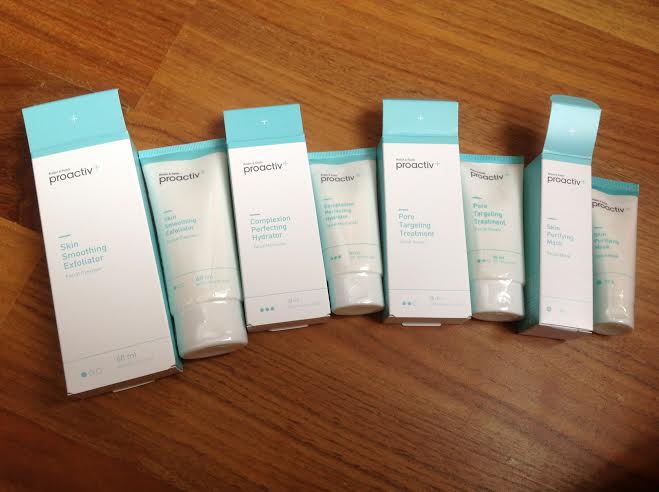
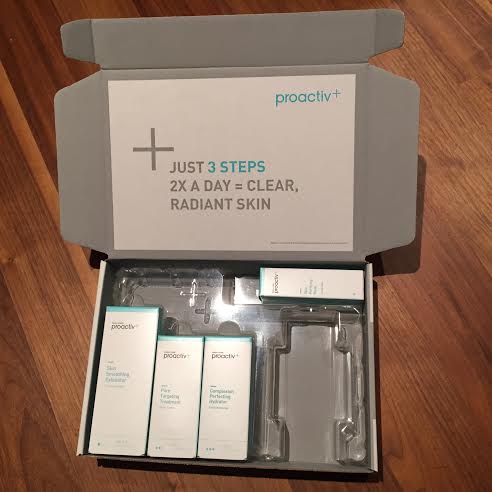
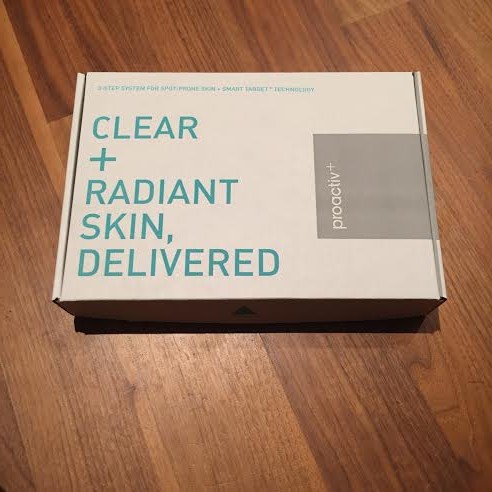
A classic for people with sensitive and spot-prone skin. It leaves the skin hydrated whilst reducing the appearance of spots and blemishes. Now new and improved from skincare experts Dr Katie Rodan and Dr Kathy Fields. It’s superior Smart Target Technology is specifically developed to deliver more salicylic acid straight to the pores, leaving skin fresh, healthy and spot-free. Ola Jordan and Nicole Scherzinger are fans. We have tested it and are very impressed with the results.

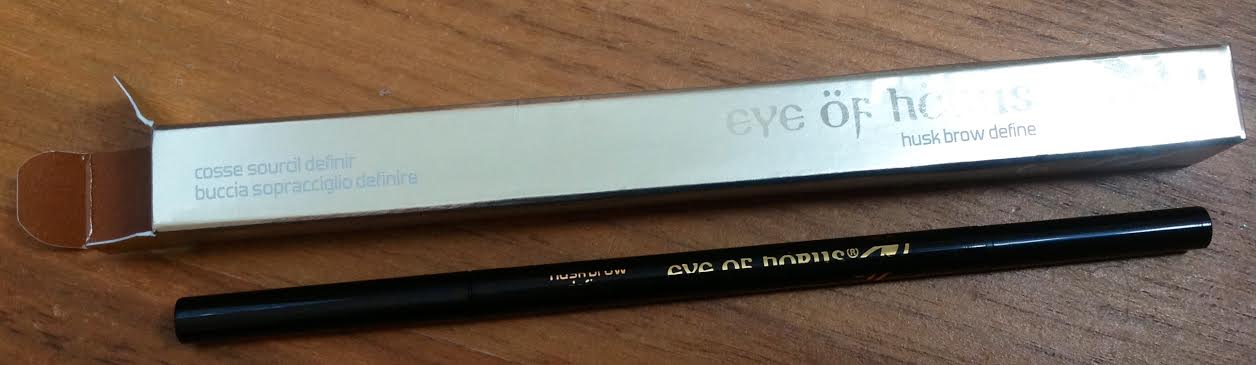
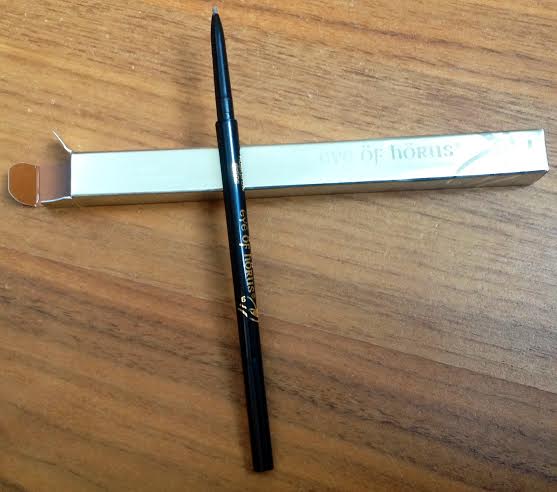
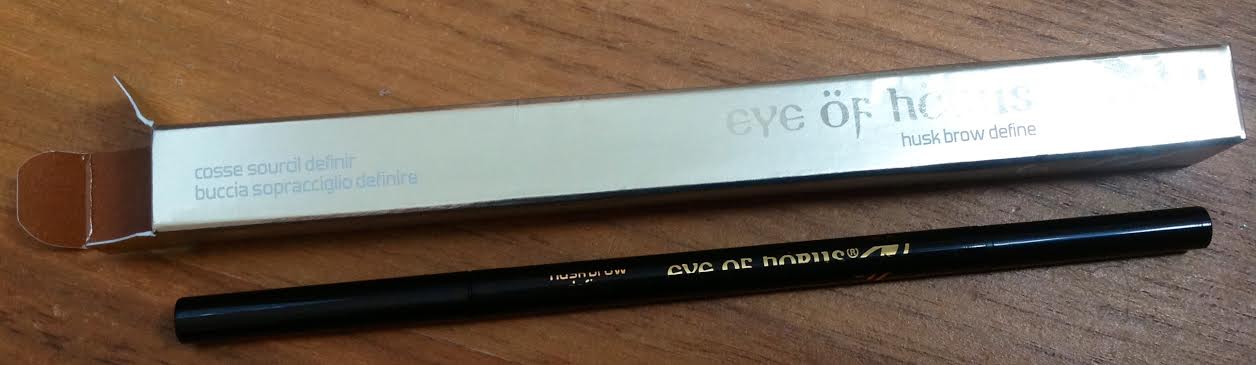
Eye of Horus Husk Brow Define
huskbrowdefinereyeofhorus

eyeofhorus brow definer

brow liner

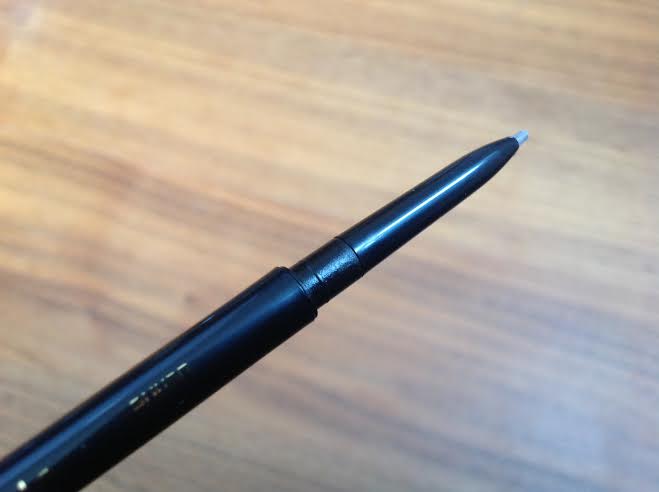
Australian make-up brand Eye of Horus has just launched its own brow offering: the Brow Define. This is a brilliant brow definer. Slimline to make realistic strokes and it lasts. We were very impressed. Even better, the formula is enriched with Castor Oil, known for its hair growing properties. There is a handy brush on the other end to blend and it is long-lasting and smudge proof. It is also paraben-free. Win-win.

horus

£15 from beautybay.com


Biotrue ONEday Contact Lens
biotrueonedaylenses

New to the market is Biotrue ONEday, a premium disposable contact lens developed by Bausch + Lomb.

The Biotrue lens is made from HyperGel™, a new material which helps maintain eye health because it works like your eyes:

  • Matches the water content of the cornea
  • Allows optimal oxygen transmission
  • Mimics the protective lipid layer of the eye to eliminate friction and improve comfort

Biotrue ONEday is available from Asda.com and independent opticians.


Expecting Better: Why The Conventional Pregnancy Wisdom Is Wrong Book Review

Expecting Better: Why The Conventional Pregnancy Wisdom Is Wrong Book Review, pregnancy, advice, eating, drinking, Expecting Better: Why The Conventional Pregnancy Wisdom Is Wrong created a huge amount of buzz when it was released, and rightly so. Women’s bodies are always political minefields. Everything from our breasts to our rights to abortion are subject to scrutiny and sexism. No more so is this true than when a woman is pregnant. Everyone has an opinion on what you should eat, on what you should do. The amount of unsolicited advice is irritating and the amount of judgement from the conception all the way to how you give birth can be overwhelming. God forbid that people live and let live.

Which is why I love this book. Emily Oster is an associate producer of economics at the University of Chicago Booth School of Business. She has done her research and has the facts. That is the thing with facts: you can’t argue with them. I mean, people will try but the truth is the truth. Let’s start with caffeine and alcohol. Women are told to limit caffeine and not drink during pregnancy. Coffee allegedly causes a rise in miscarriage. But as Oster says:

“Women who drink coffee tend to be older so is it the coffee or is it the maternal age?”

On alcohol she says: “In continental Europe women drink wine when pregnant and there is no evidence at all that there children are not as smart as American children or have any other health problems. In fact there is no evidence of more foetal alcohol syndrome in continental Europe; if anything, rates are higher in the United States. This is interesting as any drinking is frowned upon in the US whilst in continental Europe before are less judgemental.

Ultimately I concluded that these recommendations were not just very cautious, they were too cautious. In moderation, pregnant women should feel comfortable with both alcohol and caffeine.

For alcohol, this means up to one drink a day in the second and third trimester, and a couple of drinks a week in the first. In fact, for the most part studies fail to show negative effects on babies even at levels higher than this. By a drink here I mean a standard drink – 120 millilitres of wine, 30 millilitres of hard spirits, 350 millilitres of beer.”

Considering that a recent legal test case brought by a council tried to pass a law in the UK to make it illegal for women to drink in pregnancy at all, that speaks volume. Women are not trusted with their own bodies and decisions. As Oster puts it “This feels like pregnant women are not given any more credit than children would be in making important decisions.” Quite.

My review of Osters book could go on for thousands more words. Instead I will say: buy it. If you are pregnant, buy it. If you have a pregnant friend, buy if for them. It is the essential pregnancy book. Emily Oster should be applauded for her excellent work and research. This book is groundbreaking, fascinating and practical. I loved it and I could not recommend it more. Steven D. Levitt, the co-author of the brilliant Freakonomics, said this book ‘may be the most important book about pregnancy you read.’ There is no ‘may’ about it. Read it.

Expecting Better: Why the Conventional Pregnancy Wisdom is Wrong and What You Really Need to Know is available here.


Wellness afternoon at London City Island with Personal Trainer Scott Ashley

With fitness craze after craze, it’s hard to know what class is right for you nowadays. Do you prefer a spinning class? Yoga? or are you brave enough for some Insanity?? Well this week, Frost tried out Scott Ashley’s revolutionary fitness class HOLIXIR right on the exclusive, still to be finished London City Island by Ballymore.

SCOTT (16)

I must admit i’m an absolute fiend for trying out new classes and anything to do with working out but straight away this was going to be a workout like no other as we were not working in a simple gym studio in a soul-less gym but the setting was on the site of the new London City Island development. We were driven to the site which is currently being dubbed, ‘mini manhattan’ and after passing through the dust and the builders, were greeted by the gorgeous Scott Ashley in a stunning showroom.

103_BridgeView_CROP2

IMG_4135

Scott Ashley the Celebrity Personal Trainer has worked with everyone from Duncan James to Valentino and coming from such an athletic, hardworking background it’s no surprise that he has such a host of loyal clients. As well as working with celebs, Scott explained he had lots of experience working with people with eating disorders to Type A personalities creating a bespoke approach to each individual. As well as having his own pool of clientele, Scott is also resident trainer at Café Royal on Regent Street.

Living in fast-paced and constantly evolving times, what I was most intrigued to know about was the question of how to keep motivated and stay on form when you’re on the road. Scott explains that staying diligent as to what your consuming is the most important thing. With a lot of his clients on tour all the time he explained that the hardest thing is to stay away from the allure of a fast-food restaurant or rest station goodies. If you can’t find any healthy options then it is worth carrying healthy snacks with you. In terms of diet, I wanted to know what Scott absolutely stayed away from, refined sugar and wheat were at the top of the list. With wheat increasing bloating and triggering huge spikes in insulin it’s no wonder someone who’s looking to improve tone and fitness would curb the wheat intake. Before we took Holixir for a spin, we were also interested to know what it was all about, described as a holistic body weight workout Scott went on to explain that this is a multi disciplined workout which will stretch you and go on to improve posture, strength, flexibility and give you a better metabolism. With that, we were lead to an open roofed terrace on a lovely sunny day to try it out.

FITNESS SESSION-30FITNESS SESSION-13

So the class begins with a Yoga flow sequence designed to stretch out and warm up your muscles followed by core strength group exercises, Tabata training, Pilates and double stretching. Let’s not be deceived by the name which suggests it to be a gentle, holistic class, this class will really get you working up a sweat and setting your core on fire within 5 minutes. Some of the moves I found were similar to Insanity especially during the Tabata section, which is basically a High Intensity interval workout, but it didn’t make you shudder with dread at the thought of there being four more rounds of the same to go! The Pilates roll down exercises and double stretching to finish will save your sanity and this is a great way to end a workout if you’re working with a partner. The whole class was very social and also allowed you to motivate each other and everyone was left with a great sense of achievement after!

FullSizeRender

IMG_4147

If you’re interested in giving the class a go, details on Scott Ashley and HOLIXIR can be found here;

http://www.scottashley.com/holixir/

London City Island by Ballymore, will be a new neighbourhood in London located a stone’s throw from Canary Wharf, the development will have 1700 homes as well as a host of restaurants, bars and private members club. More details can be found here;

http://www.londoncityisland.com

Is It Really ‘Cause For Concern’ When a Supermodel Loses Her Baby Weight In 2 Months?

I don’t think it really has to be said that supermodels aren’t like normal people. They are taller for one. While the vast majority of the women in the world are under 5.6′, that is considered short in supermodel terms. Then they are generally thin and beautiful. The very top of the gene pool. So should we compare ourselves to them? In some ways, yes. Controversial I know, but the training regime of the Victoria Secret Models would put some athletes to shame. I never thought there was anything wrong with aspiration. It is a models job to be thin and fit. Which is why I don’t get the controversy surrounding Russian supermodel Elena Perminova who stripped off for Vogue Russia two months after giving birth to reveal a stunning post-pregnancy figure.

Supermodel-Elena-Perminova-before-andafterpregnancy, pregnancy, post birth body,

In the first image, Elena is eight months pregnant. The second image is two months later. (Credit: Russian Vogue)

I am seven-months pregnant at the moment. I didn’t look like Elena before I was pregnant, and I won’t look like her after being pregnant. The truth is, genes play a role, but I will exercise and eat well. I have lost weight before, for my wedding last year. I had put two stone on after a back injury and despite having a full-time job and writing a book amongst a million other things, I exercised five days a week for at least an hour and lost all of the weight within months. I didn’t diet or deprive myself but I put the work in and pretty much hated every second. But is Elena being irresponsible? A debate started online with some people saying that she was promoting a lifestyle that was unrealistic for new mothers. The 28-year-old model is married to Russian millionaire businessman Alexander Lebedev and this was her third child. She started a hardcore 7-days-a-week exercise regime a mere two weeks after having her baby by caesarian last year. The article also featured advice to Russian women on how to get their figure back after pregnancy. Elena said in Russian Vogue, ‘Normally doctors say “yes” to sport only three months after giving birth. ‘But I started earlier, just two weeks afterwards, even though I had a caesarian. The doctor allowed me to do it because I felt very well. Naturally, at first I was not exercising a lot, or there was a risk to breastfeeding. And the main thing – I did not exercise my stomach. It is dangerous to do it right after birth.’

Elena did simple repetitive exercises while her daughter Arina slept, and jogged for two hours a day with her husband while on a holiday in Cyprus. He mother-in-law looked after the baby. She said the jogging got rid of her baby weight and the water in her body by helping her ‘dry out’. She ate ‘simple homemade fare, for example, steamed fish with lemon juice.’ Many Vogue readers praised her hard work but many others said she was promoting an unrealistic example. But does a supermodel have to set realistic examples? Is there anything wrong with being aspirational or losing weight quickly, especially when it is part of your job? The truth is: the average new mum doesn’t need to lose weight quickly as our career does not depend on it. We get to eat cake and be tired. We get to sleep and just watch TV when we have time. So is it irresponsible? Let us know your thoughts below.


How To Delay The Menopause

how to delay the menopause, menopause, health, According to the NHS, the most common age for menopause to start is 51 – which is when we start to experience symptoms; aching joints, depression, lack of energy, lack of libido, weight gain, concentration problems, headaches and, most commonly, hot flushes and night sweats.

Although the onset of menopause is strongly influenced by our genes and ethnicity, the good news is that there are simple lifestyle changes you can make to delay it.

We asked Dr Marilyn Glenville, the UK’s leading Nutritionist, fertility and women’s health expert and an author of Natural Solutions to Menopause: How to stay healthy before, during and beyond the menopause, to give us her top tips on how to delay the menopause.

Choose low-fat dairy

Low-fat dairy is not only beneficial for a diet but it can also delay the menopause.
Cow’s milk may contain a number of metabolites — or enzymes formed possibly during the process to remove the fat — which boost the amount of oestrogen (female sex hormone) in a woman’s system, helping to keep her reproductive organs working for longer. “Try and stick with organic milk and cheeses and put the emphasis on eating more yogurt because of the beneficial bacteria.”

Stop using old pans

It’s not just what you eat that can delay the menopause but also what you use and how you cook your food.

It’s wise to choose your cookware carefully, especially as PFOAs (a synthetic chemical used to repel grease and water) appear to build up in the body over the years and has been identified as a hormone disruptor. We don’t yet know how big a factor these chemicals are, but they may have a cumulative effect over a woman’s lifetime. “Using the right kind of pots and pans to cook your food may be important because the actual surface of the pan that you are using can end up being absorbed into your food when heated to high temperatures.”
“Try to avoid any non-stick pans or utensils completely as it’s just not worth having the possibility of that toxic exposure. It’s just as easy to cook with stainless steel, cast iron or glass cookware.”

Eat more fish!

Don’t just save fish for Fridays, eat it through the week to keep menopause at bay. It’s thought that omega 3 oils in fish help the pituitary gland in the brain to stimulate a woman’s ovaries to keep producing eggs and can help with many of the symptoms. “The Omega 3 fatty acids should be added separately because they are not usually included in a multivitamin and mineral and if they are, the levels will not be high enough.” If you find it hard to include fish in your diet, try taking NHP’s completely natural Omega 3 Plus (available from www.naturalhealthpractice.com, £27.77).You will also notice the difference in your skin and hair condition.

Use natural products

A key area of concern is phthalates, found in four out of five beauty products. Mostly found in foundation, face cream, lipstick and nail varnish, they can disrupt hormone balance.
“Think more carefully about the products you regularly put on your skin. As your skin is the most absorbent organ of the body, do you really need or want all these chemical entering your blood stream?

Check the ingredients list properly and, where possible, stick to natural, plant-based products.”

Stop using the clingfilm

Not only we use cling film on daily basis to keep our food fresh but these days much of our food comes wrapped in plastic.

This could have an effect on our hormones because these pliable plastics contain chemicals, which have been found to disrupt the reproductive and hormonal systems in animals and children.

“Although it’s not yet clear how this would affect the hormones of older women, some experts advise a ‘better safe than sorry’ approach — pointing to the rise in health problems such as breast cancer and other oestrogen-dependent conditions like fibroids or endometriosis, which are possibly linked to these chemicals.”

“Remember to never heat food in plastic — and if you must buy food wrapped in it, remove the packaging when you get home. Instead, store food in the fridge in a dish with a saucer covering it or use greaseproof paper.”

Expand your mind

“Help keep your mind sharp before reaching menopausal age. Daily crosswords, Suduko or even learning a new skill or fitness class will help keep the mind sharp and help increase concentration levels.” Or take a good supplement designed specifically for supporting brain and memory function, such as NHP’s New Brain and Memory Support (available from www.naturalhealthpractice.com, £27.77). This includes Amino acid tyrosine, which increases attention and mental physical focus and B6, B12 and folic acid that support normal psychological function.

Reduce your family stress

A falling menopause age is not just due to workload, but also to women being caught up in the sandwich generation — caring for parents and children — and feeling they are being constantly bombarded physically and emotionally. For women over 40, there can be the pressure of everyday life coping with caring for elderly parents as well as children who are staying at home for longer. At this time of life, the hormones are constantly changing. This constant pressure can act as the last straw — and their periods stop and never come back.

Dr Marilyn Glenville PhD is the UK’s leading nutritionist specialising in fertility and women’s health. She is Former President of the Food and Health Forum at the Royal Society of Medicine and author of a number of internationally bestselling books including Natural Solutions to the Menopause, The Natural Health Bible for Womenand Fat Around the Middle: How to Lose That Bulge – For Good. Dr Glenville runs clinics in Harley Street, London Tunbridge Wells and Ireland www.marilynglenville.com. If you are interested in a consultation, call Dr Glenville’s clinic on 01892 515905 health@marilynglenville.com.