SISTER SCRIBES’ READING ROUND UP: OCTOBER

Kirsten:

I haven’t been reading very much lately – I’ve been wrestling with proposals and second drafts and teenagers – but one book I have read and very much enjoyed is Bonnie and Stan by Anna Stuart.  It’s a story of mature love and the premise is that after over 50 years together, Stan – who still adores his wife – starts dating again.

In a dual time-line. Bonnie and Stan met during the Swinging Sixties, to the soundtrack of The Beatles and the Merseybeat scene. Bonnie’s the only woman on her architecture course and Stan is in a band. This bit is great fun –music and fashion and energy and sex and working out which one of the band members will end being Stan because they all have nicknames.

In the present day, the two have grown old together, had children and grandchildren. This bit happens at the beginning so I’m not giving anything away but Stan has cancer and is running out of time, and can’t bear the thought of leaving Bonnie on her own so, with his teenage granddaughter Greya, he sets out find Bonnie a new love. And it must remain a secret …

I thought it was a fabulous book – ultimately uplifting but with moments of real terror and fury and vulnerability.
 

Susanna:

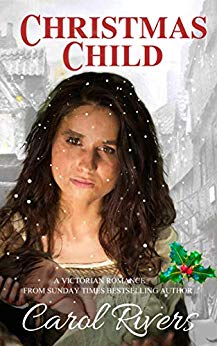
One of the things I love and admire about books by Carol Rivers is that, while some authors get a bit stale and produce books that feel samey, Carol always writes something fresh, using new ideas, at the same time as remaining true to the drama and strong sense of personal relationships that characterise her books. Christmas Child is a story for any time of year, not just for the festive season.

An emotional and enthralling tale, it follows Ettie as she faces up to life’s dangers and challenges and learns the hard way that not everyone deserves to be trusted. I love stories set in Victorian times and I’m delighted that Carol Rivers has, for this book, left behind her customary 20th century setting and moved into the 19th century. I hope there will be more Victorian stories to come from this wonderful writer.


Jane:

I went on holiday last month and as such had a little more time than usual to read, so a couple of books I’d been wanting to get my teeth into for a while came to the top of my TBR pile.
The first was Liz Fenwick’s The Path to the Sea, a truly absorbing book, well researched with the strands of the story pulled beautifully together. It is set in 1962 and 2018, with a clever structure that means the action is set over the same three days of both years, flipping between them, but taking events sequentially in both. It must have been an absolute sod to write, but it’s so beautifully managed it never feels contrived and I was caught up in the story rather than the way it was told, which is exactly how it should be.

Three generations of women come together at Boskenna for the last time, both bound together and torn apart by the secrets and lies between them. It’s a fabulous story, but what I loved the most was that important thing wasn’t what had happened, but why.

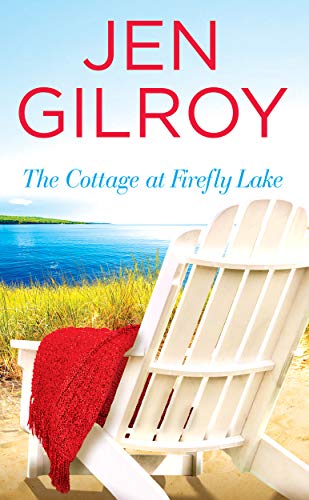
The second book was Jen Gilroy’s The Cottage at Firefly Lake. Far more of a traditional holiday read, it’s a heart-warming small town romance set in Vermont and featuring realistically scarred characters you want to alternately hug then knock their heads together. Two sisters return to Firefly Lake after eighteen years to sell their late mother’s cottage and more than just old passions are ignited in this beautiful place. The book’s just perfect for readers who love a truly emotional romance.
 

My Writing Process – Karen King

writing, my writing process, I’ve always been a bit of a planner, mainly because when I started my writing career over thirty years ago I wrote for teen magazines and children’s comics and had to send a synopsis of the story first, for approval. Now I’m living in Spain I write mainly romance novels but I still send a synopsis of the story I’m planning to my editor. She will make comments and we’ll flesh out the plot between us before I start writing it up.

I really like to know my characters before I write the story, and often trail Pinterest boards for photos of people that look like my characters, print them out and put them in my WIP folder so I have an image of them while I write. I also create a Pinterest board for every book I’m working on, looking for images that are connected to the story and repining them to my WIP board. I find that really helps me to brainstorm. Once I feel I know my characters well enough I start to write, freewriting the story as it comes and not stopping to edit or correct until I’ve finished.  Then I leave it for a couple of weeks (unless I’m on a tight deadline) then go back and edit it. 

I usually do four different edits, first I read all the way through to get the feel of the characters and story. I make comments in the margin or underline anything I want to change but don’t alter them at this stage. For the next set of edits I work on anything that I’ve marked up and pay particular attention to the story structure and timeline. For the third set of edits I pay attention to characters, dialogue and setting and for the final set of edits I look out for typos and grammatical errors. I’m now lucky enough to work for Bookouture, and we’re usually on a tight deadline so they ask for the first draft, then get back to me with their comments, which works really well. I always find it helpful to get their advice and guidance into making my story stronger.

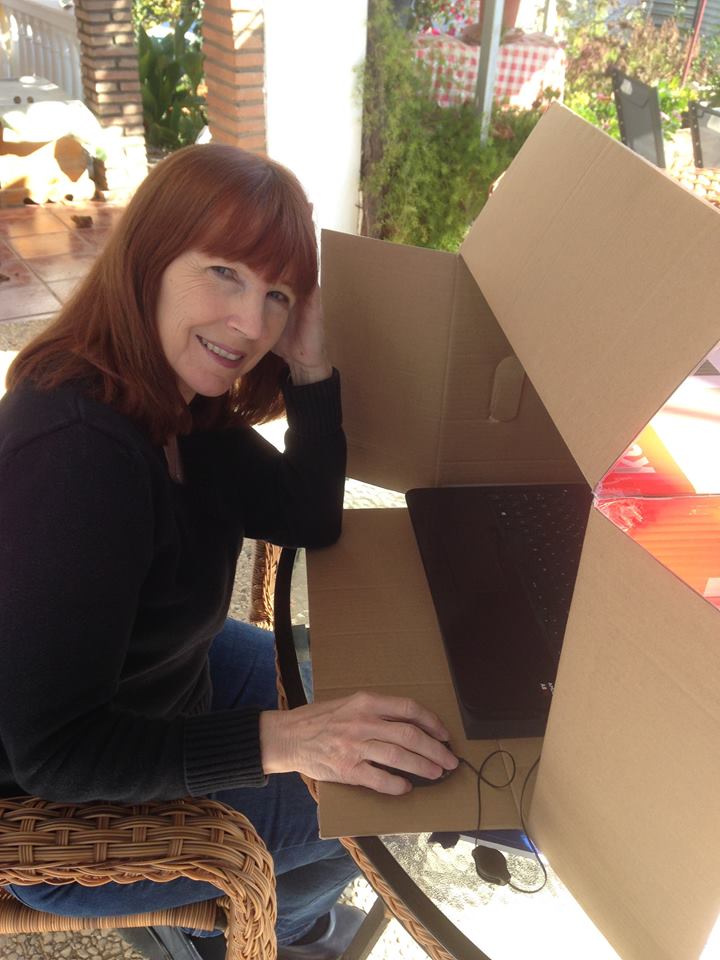
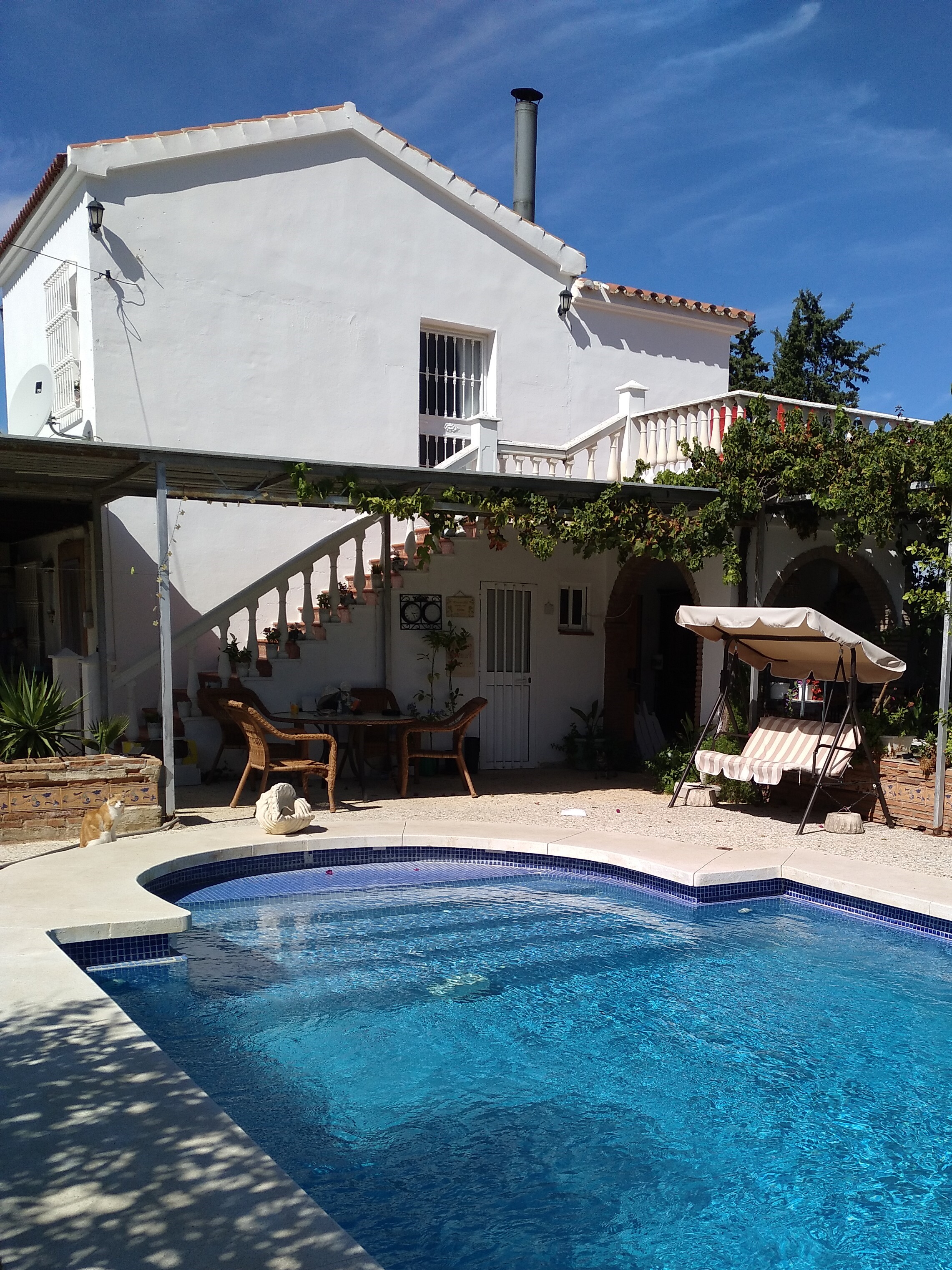
I find I work best in the morning so ideally like to get up, grab some breakfast and start work for a few hours. I write most days and don’t usually have a word count I’m aiming at unless I’m on a tight deadline, then I’ll work as and when I can during the day, and late into the evening too until I meet that wordcount (it can be anything from 2-5,000 words).  I mainly write in my upstairs office which is in the studio apartment on the terrace but can also be found writing by the pool with my laptop in a box to keep the sun off my screen, or at the dining room table. I can write anywhere really, as long as I have my laptop, or a notebook and pen. 

If I get Writer’s Block I simply carrying on writing until the story flows again, then delete any rubbish I’ve written to get me there. Which is why my advice to new writers is – stop faffing about and just write! You can edit afterwards, the main thing is to get your story down.

Contact Links

Website: http://www.karenking.net/

Twitter: @karen_king

Karen King Romance Author Facebook Page

Karen King Young Adult Books Facebook Page

Pinterest: https://uk.pinterest.com/karenkingauthor/

Instagram: https://www.instagram.com/karenkingauthor/?hl=en

Single All The Way

Blurb

Snow is falling, bells are ringing… and my heart is broken. I pick up the phone to tell my mother about Oliver and me. But before I can, she says, ‘I don’t exactly know how to tell you this… But I’m leaving your dad.’
Single together for the first time, 34-year-old Meg and her warm-hearted, long-suffering mother Sally are cancelling Christmas, and running away to a tiny cottage on the Cornish coast. For Meg, it is the perfect place to heal, away from all the mistletoe, while for her mother it has a special, and secret, place in her heart – from a love story that seems a lifetime ago…

Meg and Sally find they’re getting to know themselves, and each other, better than ever before. But as they are unable to resist getting involved in the village Christmas celebrations, they encounter two handsome local strangers.

Sometimes, it’s being away from home that helps you realise where your heart is. What neither woman knows is that, by the time the new year rolls around, one woman will have fallen in love with her husband all over again, and one marriage will be over for good…

An escapist, romantic and heart-warming novel for fans of One Day in December and No One Cancels Christmas.

Buy links

AMZ: https://geni.us/B07XDYL7GHCover
Apple Books: https://tinyurl.com/y4dkhrvl
Kobo: https://tinyurl.com/y6apzqe2
Googleplay: https://tinyurl.com/y5hc6nfn


SISTER SCRIBES’ READING ROUND UP: SEPTEMBER

Jane:

Sometimes I catch sight of a new book I just have to read as soon as possible. It doesn’t happen often and it’s always a leap of faith; will a favourite author dash my expectation of brilliance – or will they, once again, triumph.

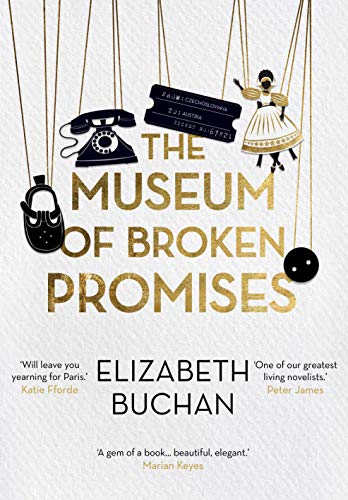
Elizabeth Buchan’s The Museum of Broken Promises is, like her other books, a slow starter. I have learnt to be patient while she creates a tapestry of detail so rich and wonderful, holding my breath until to story tips into second, third and fourth gears and becomes unputdownable.

The book is set in Paris in the present day and in Prague in the 1980s. The end of the Cold War was in touching distance, yet nobody knew it, and this adds an additional poignancy to the narrative. Laure, a young woman coming to terms with the death of her father is an au pair to a businessman and party insider, and while trying to make some sense of life behind the Iron Curtain, meets a dissident musician who steals her heart and soul. Years later in France, she sets up the Museum of Broken Promises, full of artefacts people donate in attempt to avenge or assuage the pain of betrayal – and some of them belong to her own past.

Slowly the book teases out truths from a long ago Czechoslovakian summer. One moment achingly beautiful, the other shocking in its violence, the whole fits together like a handmade glove. It stayed with me, too – and it’s only now I’m writing this review I finally understand the most important promise. And who broke it. A must read. Honestly.


Kitty:

This month I have been racing through the romcoms. I have just finished Lindsey’s Kelk’s One in a Million and absolutely loved it. She writes with such quick-fire wit that every page had me giggling and a little bit in awe. I enjoyed myself so much, I read it over two days, that I have gone and bought lots more of her books and am looking forward to laughing my way through autumn.

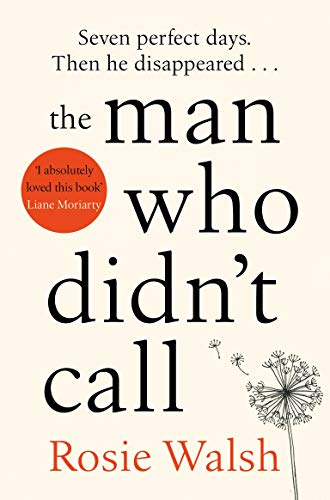
I also devoured The Man Who Didn’t Call by Rosie Walsh. I was immediately drawn into this novel. It tells the story of Sarah and Eddie and how they fall deeply and desperately in love over the course of a week, the reader is in no doubt that these two are bound to be together, that anything else would be ridiculous. Then Eddie goes on holiday and Sarah never hears from him again. This provides a thriller-like element to the story, where is he? Why has he not called? What on earth has happened? This is combined with their romance, the angst of the waiting for a phone-call, a connection that you know was special, that simply can’t peter out. I won’t give anything away and reviews show this is a little bit of a marmite book, but I absolutely adored it and suffered that sad book hangover feeling you have when a story you have loved has come to an end. Highly recommended.

I’ve just started Evie Dunmore’s Bringing Down the Duke and as a life-long fan of Julia Quinn I am over the moon to find another writer who can deliver such well-written historical comedy gold, this time set in Victorian Oxford rather than the Regency period. With whip smart dialogue and a fabulous premise, a bluestocking gathering support for The Women’s Suffrage movement, how can I not fall in love?

SISTER SCRIBES: JANE CABLE ON CONTRADICTIONS AND RABBIT HOLES

For the first time in my writing life I am going back a couple of centuries. Not just with a glance over my shoulder, but really, properly back. With a good half of the novel taking place in 1815. It’s frightening – and exciting – and it’s requiring a great deal of research.

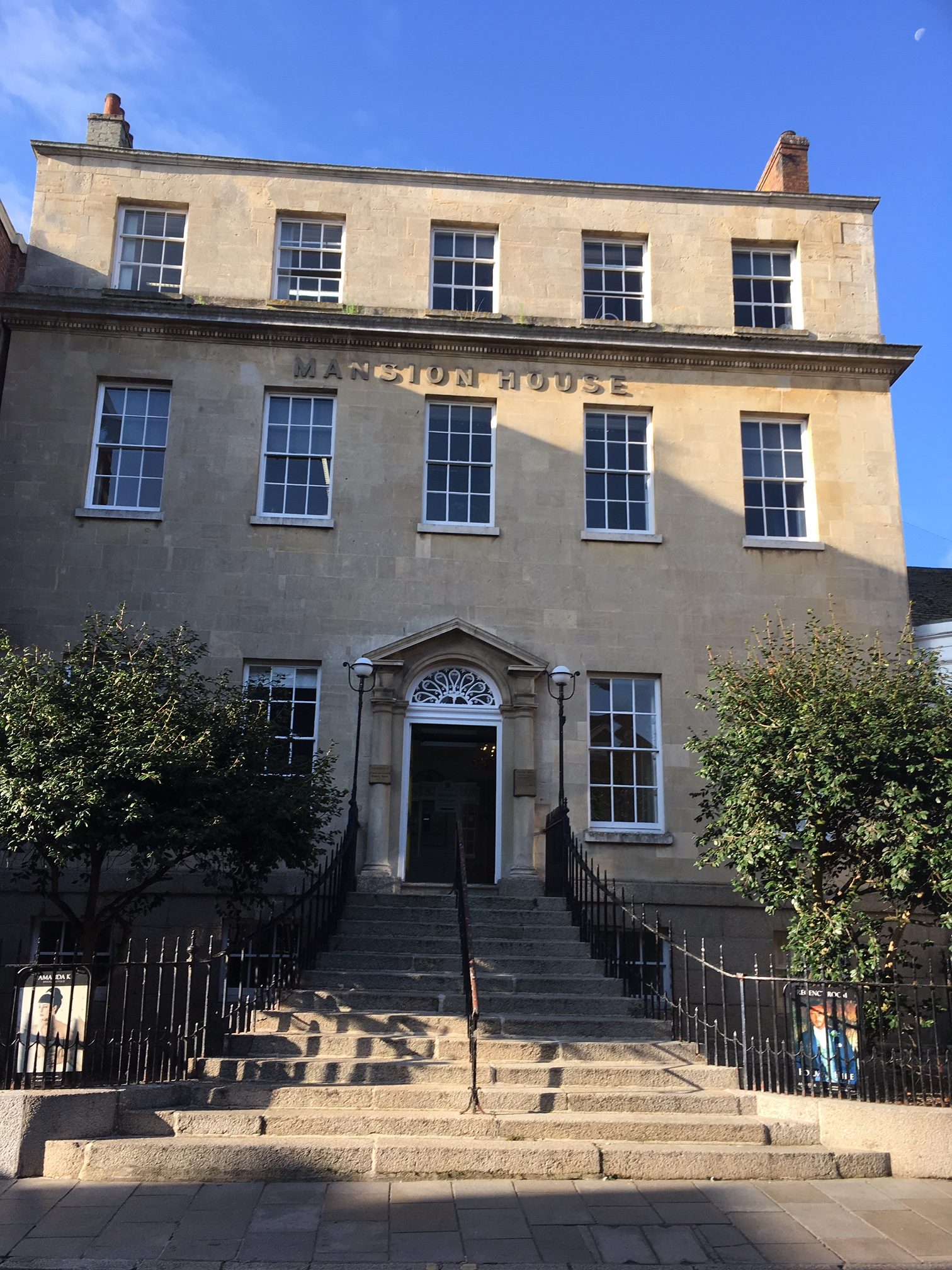
My research is centred on one family, their homes and their business interests. From that point of view, it should have been easy. Their country estate is in the hands of the National Trust, their town house still exists (albeit as offices) and their mine was one of the richest in Cornwall. What could possibly go wrong?

I knew before I started that nothing existed on the ground to show where the mine buildings once stood. I’ve walked past the field in roughly the right place numerous times, and apart from a few lumps and bumps, which may or may not be indicators, there is nothing there. What I didn’t expect was that the mine itself has almost completely disappeared from the records.

There is a portrait of the owner though, and a copy of it is in St Agnes Museum. It’s labelled as showing Ralph and his mine captain, with the mine in the background. Perfect. Except the original of the same painting in the Royal Cornwall Museum says it’s Ralph’s father, and that the mine is unknown. When I eventually found some corroborating evidence, and given when the artist died, the RCM version is almost certainly right.

This sort of thing has dogged my research. Sources you believe would be credible contradict each other. The National Trust had little to offer, telling me there was some confusion in the records as to which works on the house were completed by Ralph, and which by his son. Other sources claim more precision, but are they right?

My husband thinks this is a good thing, his theory being that if nobody really knows what happened, then no-one will know if I get it wrong. But as far as possible, I want to get it right. And thanks to the wonderful Courtney Collection at the RCM I am making progress. Not only are there some records of the mine (very little of it contemporary, however), but also an article from the 1960s about Truro’s Georgian townhouses. I popped in for an hour or two and stayed all day.

Herein lies the rub. The biggest danger of research isn’t necessarily the inaccuracies, it’s the rabbit holes. Does my story require me to know there were eleven shafts in the mine and their precise locations? I found myself becoming a total bore, pointing out to longsuffering walking friends exactly where they all were and the order they were dug. And how much a share in the mine was worth and how that was calculated. And the ages of the pumping engines. No, no, no. Completely irrelevant.

But all the same, it helped me to paint a picture, and some very useful facts did emerge. Like the mine was closed in 1814. It reopened later, but my novel deals in a very thin slice of time. And actually, the fact it was temporarily abandoned suits my story very well. Now I need to sift and sort through the rest of the information covering many pages in my notebooks, to work out what might be right – and what I actually need.

Oh, and I need to avoid any more rabbit holes and actually get writing.

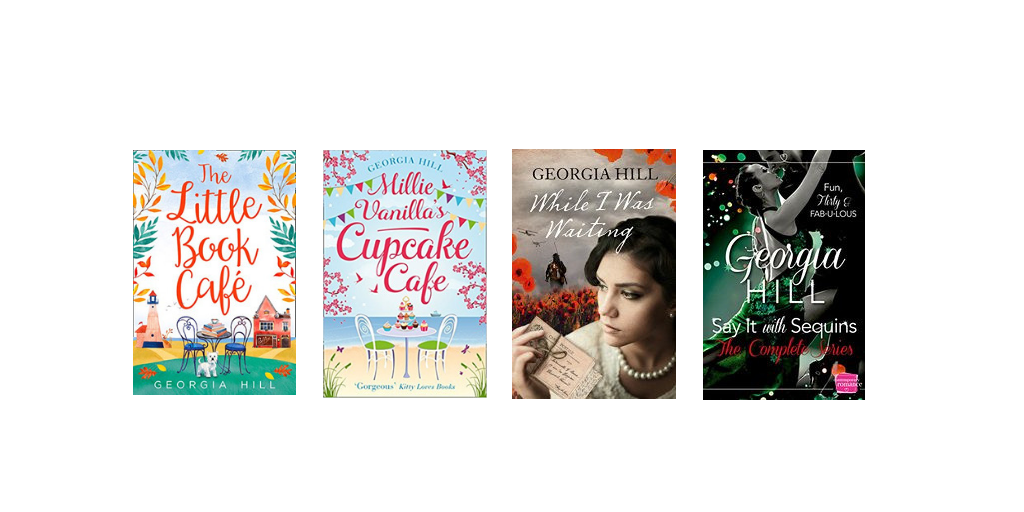
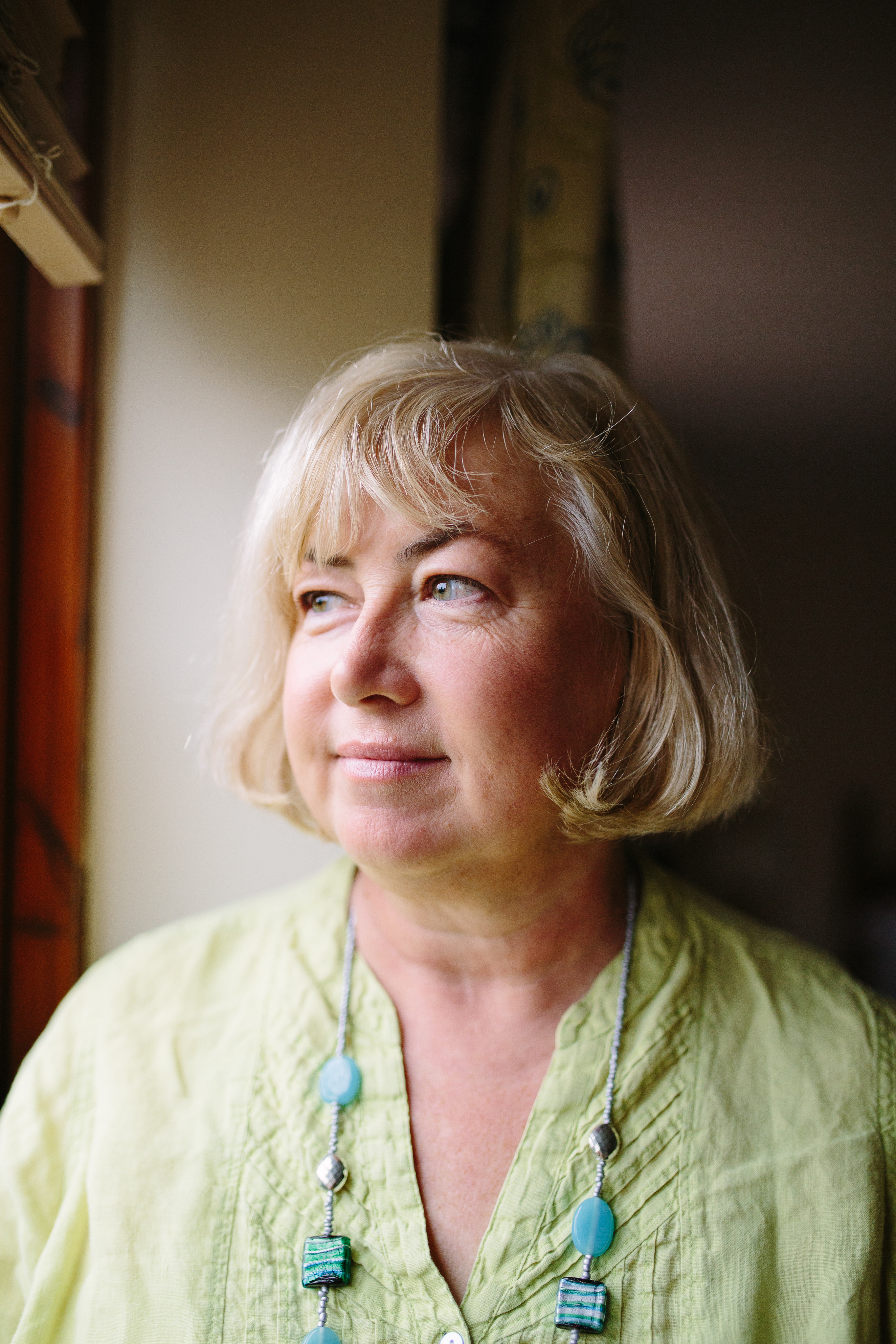
My Writing Process – Georgia Hill


Huge thanks to Jane Cable for inviting me! I write romance – romcoms and historical. I live on the Dorset coast with my two beloved dogs (a sprocker and a delinquent cockapoo puppy) my husband (also beloved but not at all delinquent) and a ghost called Zoe. I love Jane Austen, elephants and Strictly Come Dancing. I’m also a complete museum geek and find inspiration for my writing from the folklore and history of the many places in which I’ve lived.

I’ve worked in the theatre, for a charity and as a teacher and educational consultant before finally acknowledging that making up things was what I really wanted to do. I’ve been very happily living in a fictional world ever since.

My writing

I began writing professionally in 2009, have had 6 novels published, a volume of short stories and have also written short stories for magazines. 

My writing process

I used to walk the dogs, then write throughout the day. Nowadays I find being glued to a screen for too long makes my eyes gritty and my shoulders stiff. I’m far more likely to write for an hour, put some washing in, write some more, make a cup of tea – you get the picture. I’m always thinking about the work in progress, so even when I’m not at the keyboard, I’m wondering about my characters. They become very real. There’s a certain amount of promo on social media to fit in too. Luckily I enjoy that.

Planner or ‘pantser’?

I’m a convert to planning – reluctantly! Using Post-its, I brainstorm the story, working backwards from the end listing the main plot points. Those are written up into bullet points as a crib sheet. This guides me through the story and avoids the ‘what was going to happen next?’ issue. However, characters often take on a life of their own and the crib sheet has to be rewritten as it’s scribbled over so much. If I’m writing one of my dual narratives, I have to plan out more carefully and often end up writing a chapter by chapter synopsis to help me keep track. Helps with the edits too.

Word count?

I keep a tally on the crib sheet when writing the very ‘dirty’ first draft. I tend to write that quickly and usually add about 20,000 words during the second draft so I usually know where I’m going.

Structure?

I have the three act structure in mind and occasionally have even been known to apply it! Instinct guides me more.

What’s hard about writing?

I love writing the first draft. It’s very rough and, as I’m not a skilled typist, has lots of strange typos and very little punctuation. I’m strong on dialogue so the first draft is often little more than that – with ADD DETAIL written in lots of places for the second! I love telling myself the story, which is why I’m a reluctant planner – I like to see where the characters are going to take me. Once their story is told, I lose interest and have to force myself to do the next round of edits – that’s when, for me, the hard work begins.

My advice to other writers

Keep abreast of social media, especially Twitter; you can pick up current trends, tips and useful features. Develop a writing community but choose your writing pals wisely and build up trust; they can be your most valued supporters. Read widely and often. Take a notebook absolutely everywhere. Do your research. And develop a very thick skin!

Links

www.georgiahill.co.uk

Facebook georgiahillauthor

Twitter @georgiawrites

Instagram @georgiahill5681


SISTER SCRIBES’ READING ROUND UP: AUGUST

Susanna:

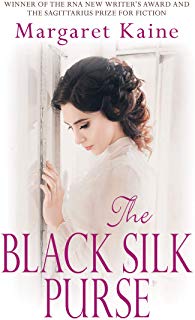
I’ve been reading The Black Silk Purse by Margaret Kaine. This saga is the sort of book which makes you read just a bit more… just another scene… just another chapter. The story has depth and pace, the characters are well-rounded and the mystery surrounding Ella’s past kept me turning the pages. I’m not going to give away any spoilers, but I particularly liked the way the ending was handled. Plenty of historicals overlook the importance of social class, but Margaret Kaine has taken it into account and therefore the happy ending she has written has substance and credibility and rounds off a thoroughly enjoyable book in the best possible way.


Kitty:

I have just taken a whole week’s holiday, full of many joys. One of which was having the time to read so read I did.

I have devoured The Forgotten Village by Lorna Cook, a fabulous timeslip that deftly weaves the story of modern-day romance along with a mystery long buried in the forgotten village of Tyneham, untouched since 1943.

I also managed to get to The Taming of the Queen by Philippa Gregory and cannot believe I have left it languishing on my bookshelf for so long. I have long been a devoted fan and this retelling of the story of Kathryn Parr, the final wife of Henry VIII, has been as satisfying as all her others in both the Tudor and Plantagenet series.

Currently I’m listening to The Flatshare by Beth O’Leary and am loving it as much as I thought I would, brilliant concept and beautiful characterisation.

And finally, this week I read an ARC which I think will be the stand-out book of 2020, but I can’t tell you about it yet. Grrr! Trust me when I can, I will sing from the rooftops so watch this space! It is perfect.


Jane:

I started the month by reading non-fiction; first Georgetter Heyer’s Regency World by Jennifer Kloester (for research purposes – thanks for the recommendation, Cass!) and then a cricket autobiography, probably unsuited to this page so reviewed elsewhere on Frost.

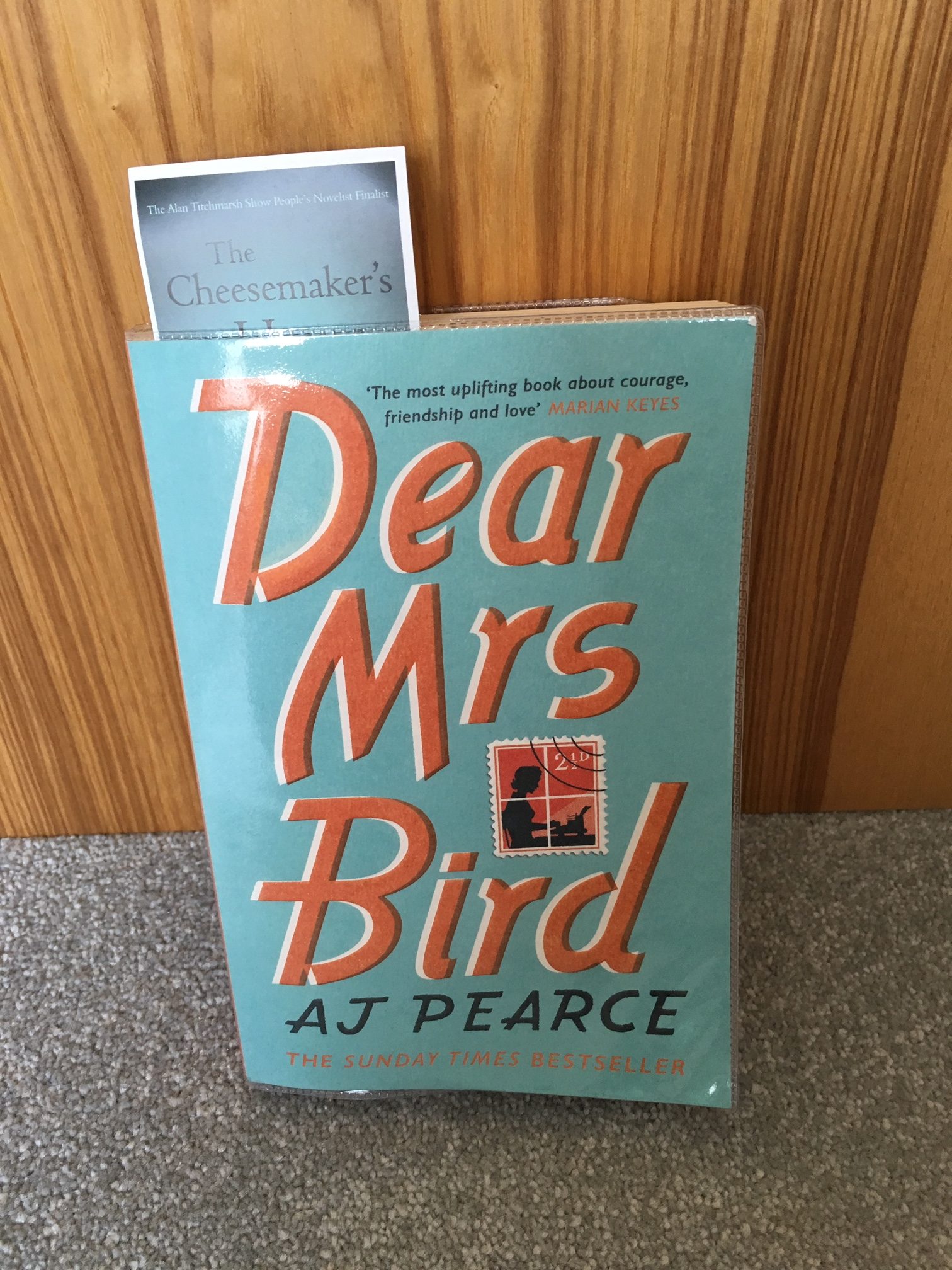
Even with a review copy of Elizabeth Buchan’s new book, The Museum of Broken Promises burning a hole in my Kindle I decided to turn to my book club read for August for some light relief. Also because it was a book I’d wanted to read for ages, A J Pearce’s Dear Mrs Bird. It’s set in London during the blitz and the narrator (Emmy) is a young woman with the narrative voice of Honeysuckle Weeks’ character, Samantha Stewart, in Foyles War.

Emmy’s dream job at a newspaper turns out to be less than perfect when she ends up working for Mrs Bird, an Edwardian throwback with a rather outdated problem page. Initially the book seems to be an amusing light read, but as the blitz worsens the story becomes darker too. The characters are wonderful and I enjoyed every minute I shared with them, although it wasn’t a book that blew me away. Still more than worth reading though.

A PUBLISHER’S YEAR: JULY – DREAM GENRES, DREAM JOB

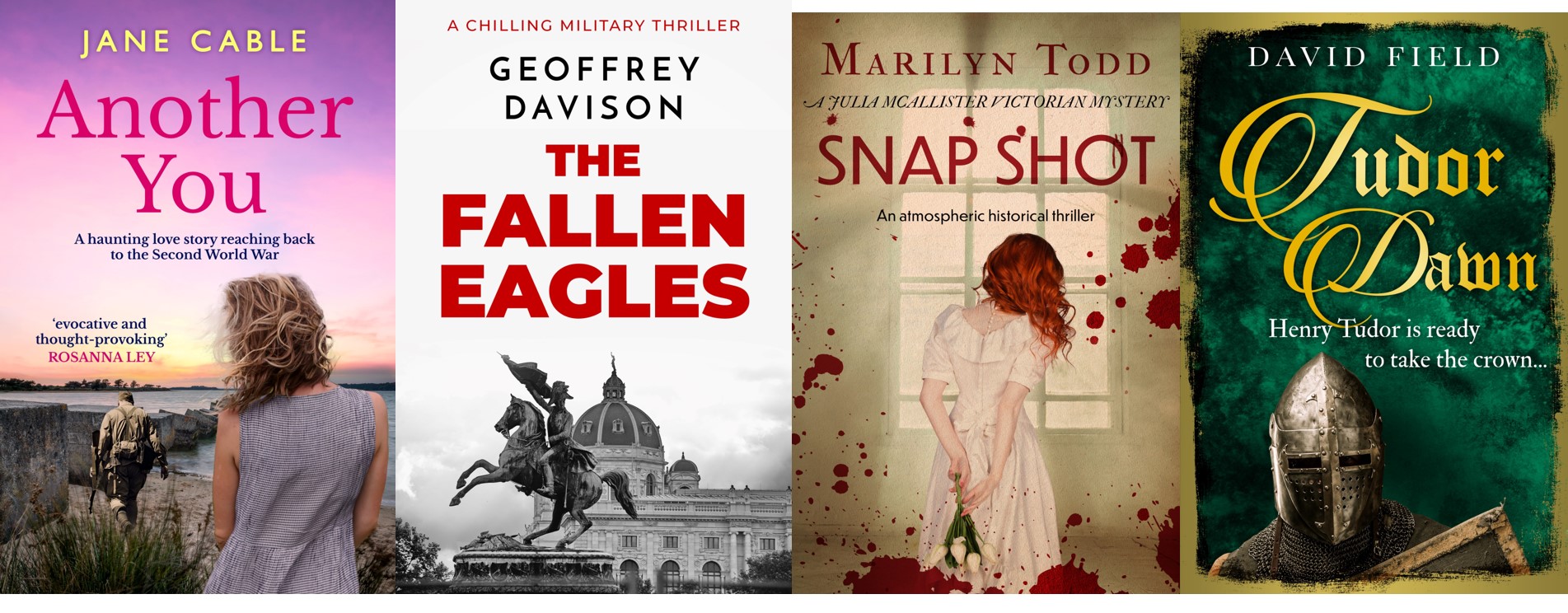
We’ve been busy publishing lots of books in June and July to get ready for summer reading – August in particular tends to be one of our highest sales months. We’ve published the first two books in a brand new Tudor series by David Field. We released ANOTHER YOU by Frost’s own Jane Cable! This week we also released the first novel in a Victorian crime series featuring a feisty female photographer – SNAP SHOT by Marilyn Todd. We have also managed to sign up quite a few classic military thrillers, in the genres we were searching for, and we have published our first few – some Cold War espionage thrillers by Geoffrey Davison. We are excited to see how those sell on Kindle, especially as Caoimhe is specifically growing our list of readers interested in the ‘action & adventure’ genres.

We have signed another new authors to our books – the lovely Ros Rendle. We have signed a six book contract with Ros – five of which are backlist titles we are reissuing, and one which is a brand new contemporary romance, due for release in 2020.

For the rest of the post, I’ll let our new Editorial Assistant take the reins to let you all know what she’s been learning so far!

Amy

Here are Natalie’s thoughts on her first couple of months:

Since joining Sapere Books, I have learned a lot about the careful work that goes into publishing commercial genre fiction. My role is very hands-on, and involves formatting and proofreading manuscripts, as well as reading new submissions. I love the level of engagement that I have with the books, and the fact that I’m working with stories that will appeal to a wider audience. My duties at my previous jobs in publishing were largely admin and project management-based, so it’s great to have the chance to do some more detailed editing! It’s also great to be part of the decision-making process with regards to the books that are signed up, and I’m still developing my eye for what makes the ideal Sapere submission.

I’m a big fan of historical fiction, so I’ve had a lot of fun working on Elizabeth Bailey’s Regency romances, as well as the first instalment of Marilyn Todd’s Victorian mystery series! But working on genres that I’ve had less experience with — e.g. crime fiction and political thrillers — has also been a welcome and rewarding challenge. I’m very grateful for the breadth of Sapere’s publishing; this has allowed me to expand my horizons both as a reader and as a young publishing professional.

I’ve never worked from home full-time before, but I’ve found that this suits me well. I’m good at setting boundaries in terms of space and working hours, which helps me maintain a productive, energised and disciplined mindset. Amy is always on hand to help with any queries I have, and the training and support that I’ve received has been fantastic. There are plenty of opportunities to meet up with the rest of the team for catch-ups and industry events, and they’ve all made me feel very valued and welcome! To summarise, this is my dream job and I’m looking forward to continuing to assist with Sapere’s exciting projects!

SISTER SCRIBES’ READING ROUND UP: JULY

Cass:

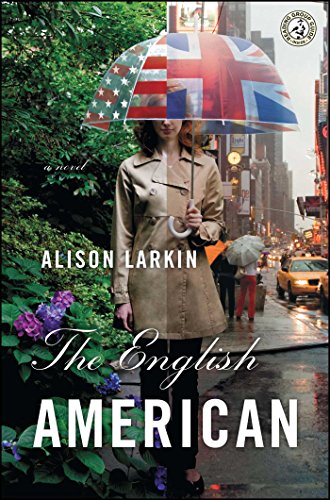
“Everyone should be adopted, that way you can meet your birth parents when you’re old enough to cope with them.” So says Pippa Dunn, the eponymous heroine of Alison Larkin’s debut novel, The English American (which has its roots in her autobiographical one-woman comedy show of the same name).

Adopted as an infant and raised terribly British (attending a posh boarding school, able to make a proper cup of tea and in the ‘love’ camp for Marmite on toast), Pippa – now 28 – discovers her birth parents are American. Finally, she begins to understand why she’s so different from everyone she knows.

Pippa sets off for America, soon meeting her creative birth mother and her charismatic birth father. Moving to New York to be nearer to them, Pippa believes she’s found her ‘self’ and everything she thought she wanted. Or has she?

This is a hilarious yet poignant story where you are laughing out loud one moment and holding back tears the next. Pippa’s journey is very funny, yet deeply moving, and I highly recommend The English American to anyone who loves to finish a book with a smile on their face and a warm feeling in their heart.


Kitty:

I’ve been in editing mode this month so have listened to audiobooks to relax, sitting there as the words wash over me reminds me of story tapes and childhood and I quickly sink into a blissful state.

Helping me do this was Celeste Ng’s Little Fires Everywhere.  Having read rave reviews and knowing it had been optioned made me curious and I was greatly rewarded for being so. I got utterly caught up in the story of the families in this book, Ng’s characterisation deft and skilful with surprises around every corner as she explores themes of motherhood and social class.

I’m currently listening to Sally Rooney’s Normal People and again can’t help but admire the way she captures that insecurity and self-doubt of adolescence that lies behind the masks we don. Two remarkably skilful writers that I highly recommend.

I’ve also devoured Jill Mansell’s Don’t Want To Miss A Thing – in book form. As ever, Jill Mansell can be relied upon to be utterly perfect as she delivers that hit of escapism and brings a smile to your face. Faultless.


Jane:

I’ve been reading two books set in Italy this month; both romances and both by members of our ‘Take Four Writers’ team from last year. But apart from that they couldn’t have been more different and it was a joy to be reminded how broad the church of romantic fiction is.

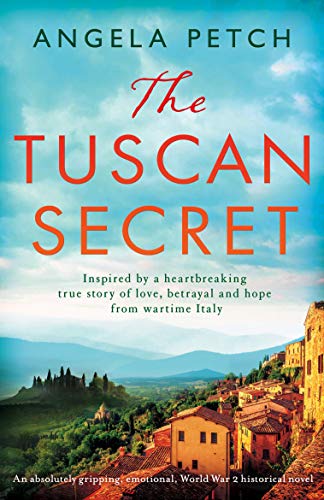
The first was The Tuscan Secret by Angela Petch. This is a dual timeline between the present day and the Second World War and the historical part is loosely based on Angela’s husband’s family. Tuscany is a part of the world she knows very well and her love for it shines through in the achingly beautiful descriptions of the settings. This very gifted writer can certainly take you with her, both in terms of location but also the richness of the story. It’s a much loved trope (daughter is left to discover mother’s secret after her death) and so well told I really missed the characters when I had finished reading.

In complete contrast Lucy Coleman’s Summer on the Italian Lakes is a thoroughly modern love story. After a rather nasty bout of writers’ block, romance author Brie Middleton agrees to help out at a summer retreat on Lake Garda, and of course love is just around the corner. What I particularly liked about this book was the ‘shape’ of the romance – it wasn’t formulaic or predictable – but to say more would be a spoiler. The characterisation was fabulous too and it makes a great holiday read.