How to Handle Financial Stress During Major Life Transitions

Major life transitions often bring financial challenges that can feel overwhelming. Facing a divorce, career change, or relocation often strains our financial resources and emotional wellbeing simultaneously. The stress that comes with money worries during these periods can make clear thinking and decision-making even more difficult.

Financial pressure during transitions like divorce creates a unique kind of stress. Bills continue to arrive while income and living situations may change dramatically. Many people find themselves navigating unfamiliar territory, perhaps managing household finances independently for the first time or adjusting to a significantly different budget. This uncertainty about the future can trigger anxiety that affects sleep, relationships, and overall health.

Learning effective ways to manage this specific type of stress is important for moving forward successfully. With thoughtful planning and the right support, it’s possible to move forward through these challenging waters and establish financial stability again. The path forward involves practical steps combined with emotional resilience.

The Hidden Financial Impact of Divorce and Separation

Divorce and separation bring financial challenges beyond legal fees. UK statistics show divorce costs range from £2,500 for simple cases to £30,000 for complex situations. The typical uncontested divorce costs around £14,500 including legal fees and lifestyle adjustments. Early consultation with a family law firm in Nottingham helps individuals understand these costs and prepare necessary budget changes.

Housing costs create major pressure after separation. Many families must maintain two homes on income that previously supported one household. This often drains savings or creates new debt. Tracking new expenses and having open conversations about shared housing costs brings clarity. Tools for projecting future housing expenses help families get ready for these changes.

Legal expenses increase if disputes reach court, though even amicable agreements have costs. These combine with practical expenses like moving, childcare, or support sessions. Keeping detailed records of all expenses brings clarity and supports future planning.

The emotional impact of financial stress deserves attention. Anxiety and sleep problems are common. Work performance may suffer due to distraction. Noticing warning signs like avoiding financial decisions helps prevent further problems.

Financial Self-Care Strategies During Family Transitions

Building an emergency fund becomes important during major life changes. Financial specialists recommend saving three to six months of essential expenses in an accessible account. This fund provides breathing room when income becomes unpredictable during separation. Creating this financial buffer is essential, which is why practical budgeting takes priority during times of change. Track all expenses for at least one month to understand your spending patterns. Then create a realistic budget focusing on essential needs like housing, utilities, food, and childcare. Apps and spreadsheets can reveal spending habits and identify possible savings areas.

Setting clear financial boundaries with former partners prevents ongoing stress. Written agreements outlining shared obligations remove assumptions and reduce future conflicts. Using digital payment methods creates accessible records for both parties when questions arise.

Professional financial advice proves helpful during challenging transitions. While some people manage independently, others benefit from expert guidance about settlements, obligations, and planning options.

Protecting Children’s Financial Wellbeing Through Transitions

Children need age-appropriate explanations about financial changes. For younger children, simple reassurances about meeting their basic needs provide security. Older children might understand budget adjustments, but should never carry adult financial worries.

Maintaining stability in children’s essential expenses requires planning. When possible, prioritise keeping children in their schools and continuing important activities that provide emotional support. Small sacrifices in other budget areas often preserve this stability. Planning ahead helps manage financial stress from childcare costs.

Clear communication about shared financial responsibilities for children is essential. Detailed parenting plans should specify who pays for what, including everyday expenses, medical costs, and activities. Nottingham divorce lawyers can create legally binding agreements that protect children’s financial interests.

Planning for future educational expenses requires extra attention after family changes. Parents should document how these costs will be divided, whether for university or vocational training. Setting up dedicated savings accounts with contributions from both parents helps keep educational goals on track despite family transitions.

Checklist: Financial Documents to Gather Before Meeting with Advisors

Before consulting with Nottingham family solicitors, gather key documents to improve advice quality. Collect recent bank statements, tax returns from the past three years, and pension information. Include mortgage details, insurance policies, credit card statements, and existing court orders. Having these documents ready is part of the pre-divorce checklist recommended by financial experts.

Also collect property valuations and vehicle registration documents if these assets form part of a settlement. For business owners, organise company records alongside investment account statements. Include accurate details about debts and loans, as missing information complicates negotiations.

Rebuilding Financial Confidence After Major Life Changes

Establishing an independent financial identity marks an important step after separation. This includes opening individual bank accounts, building personal credit history, and setting new financial goals. For those who previously shared financial responsibilities, this independence feels both challenging and rewarding.

Credit scores need special attention during life changes. Request credit reports from all three major bureaus to understand your current position. Then build or repair credit through responsible credit card use, timely bill payments, and debt reduction.

Recovery Timeline and Warning Signs

Financial recovery after divorce follows familiar patterns that help set realistic expectations. Most people experience three phases: initial adjustment lasting approximately 6 to 12 months, stabilisation taking 1 to 2 years, and long-term rebuilding extending beyond 2 years. This outlook prevents discouragement when recovery takes time.

Warning signs of financial anxiety include ongoing money worries disrupting sleep, avoiding financial tasks, or using spending as a coping mechanism. If these signs appear, seek support quickly. Local Citizens Advice offices in Nottingham or government services like MoneyHelper offer confidential help for debt, budgeting, and benefits. Taking note of signs of financial anxiety is important for getting help.

Creating a future-focused financial plan with achievable milestones provides motivation. Start with small goals like building an emergency fund or reducing specific debts. As successes accumulate, confidence grows, making larger goals like homeownership or retirement planning feel achievable again.

Collaborative post with our brand partner.
Planning Tips For Your Dream Wedding

wedding, weddings, wedding planning, wedding book, wedding advice, wedding tips, wedding planning tips, wedding survival guideMany women have dreamed of their wedding day since they were little girls. Although I didn’t and had no idea what I wanted on my big day after getting engaged. I had to start getting some ideas together and make what felt like a million decisions. It was fun but it was stressful. To cut down the stress for other brides I wrote my wedding planning book. Hopefully it will make the journey easier for other brides. In the meantime, here are some tips for creating your dream wedding.

Your Dream Wedding: Wants And Compromises.

You may have a specific idea of your wedding in mind but the reality will probably be different. This doesn’t need to be a bad thing. Just choose the things that you are not willing to negotiate on. When you know what is most important and worth spending money on you can focus on that and then look at cheaper options for other things. Or rope family and friends in. Most will be happy to help.

Budget.

This is the tough one but you need to work out what it is and then you need to stick to it. Enquire if any family members can help and then sit down with your fiancé and have a proper discussion about what you can and cannot afford. There is no point in going into debt for a wedding or taking out a loan. It is only one day of your life, an important one, but one day. You can have an amazing wedding on a small budget. No one should start their married life in debt. Watch out for the ‘W’ bomb. As in ‘wedding’. The W word makes everyone vastly put their prices up.

Guessing cost.

Always overestimate. That way you won’t be left short. Always remember VAT. Some venues and suppliers will be coy about whether VAT is included but ask them and get a direct answer and then make a note of it.

How much it will cost.

This is the question. The answer is: quite a bit. My husband and I managed to get married for less than £10,000. We paid for the majority of this ourselves but did have some family members contribute. Not bad when the average wedding costs £21,000. Spreadsheets are your friend. Negotiating will also be your friend. Try to get money off everything. Don’t take the first quote and rope family and friends into the planning if money is tight.

Controlling Costs.

This is very important. Watch out for VAT and always account for everything. Use a spreadsheet if you can. Keep an eye on the small things as they can all add up.

Dealing With Suppliers.

When dealing with suppliers always remember that you are the customer. Be polite but always be firm. Read the small print and make your wishes clear. More importantly, don’t pay any final invoices until everything has been checked. One supplier charged us for VAT despite the fact they said they wouldn’t. Hmm. Always be careful.

Hatton Gardens. 

Hatton Gardens is the area in London where all of the jewellers are located. You can get a very good deal here.

Spreadsheets

Spreadsheets are your friend. If you don’t know how to do one then quickly brush up your skills. They will be your saving grace. Have one for your wedding budget and one for your wedding guest list. For the wedding guest list one, leave space for information such as dietary requirements, RSVP received, gift given and thank you card sent.

Organisation Tips

Have everyone’s contact details to hand. Use spreadsheets and have plenty ‘to do’ lists. Make sure your partner pulls his or her weight. Weddings are hard and stressful to organise, don’t go it alone.

Wedding Planner: To Go It Alone Or Hire Help.

If I had the money I would have hired a wedding planner in an instant. However, they are expensive and you don’t really need one. I am not saying that in a rude way, they will save time and probably a lot of money but weighing up the cost is important. Your venue might have a wedding planner or venue coordinator onsite. If so, this is a tremendous bonus.

If you get a wedding planner make sure you check their recommendations and also have a clear idea of what you want. It is their job to take your ideas and make them into the wedding of your dreams. Don’t accept anything less, budget permitting.

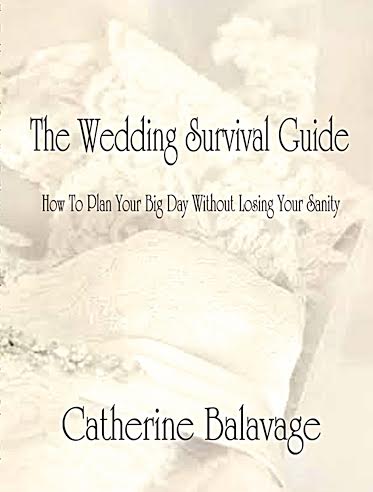
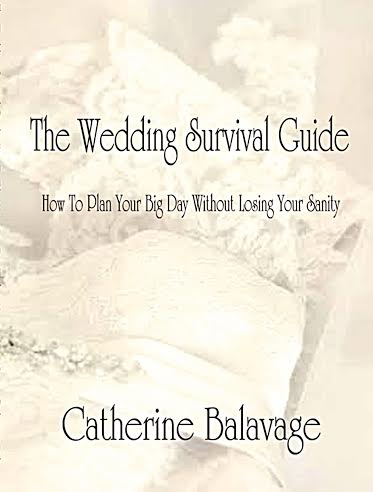
If you are getting married then get your hands on a copy of The Wedding Survival Guide: How To Plan Your Big Day Without Losing Your Sanity. It has great advice on planning your perfect wedding and is written by our editor, Catherine Balavage. It is also available in Ebook format and is a great guide for wedding planning.


Planning The Perfect Event

BELVEDERE Vodka 'Walks Its Way' Into Cannes With Reverend Run And DJ RuckusWhether it is a birthday, engagement, wedding, or corporate event, there are certain factors that need to be considered when planning the perfect event. As well as the obvious things such as food and venue, there are some not-so-obvious considerations to make sure your event goes with a swing.

Planning and research

First of all, brainstorm! Create an event wish-list to record your first ideas. Then you can establish your budget – this depends on the size of the event and its purpose. When you have an idea of the size of the event, get a team on board to help you; choose people with different skills, contacts, and areas of knowledge. Make a list of guests or attendees. Decide on a date for your event, or narrow it down to several dates – you should have a contingency plan in case the venue you want is unavailable on a certain date. Consider whether any special permits will be required from governing bodies. Send “Save the Date” notices if you want to invite guests more than eight weeks in advance; make a note of those that RSVP.

Choosing a dynamic theme 

Consider involving an event design team for an event with a difference. You could style your event on a fashion show, sophisticated wine bar, hip nightclub, Hard Rock Café, theatre, award ceremony, circus or show with acrobatics. If you have ambitious plans, you may need some advice from experts.

Lighting and technical effects can make all the difference. Consider custom theme décor, sound, music, a DJ, and special effects to create mood and atmosphere. You could have strobe lighting, projected images, spotlights, neon lights, or lasers; or maybe your event calls for intimate lighting or candlelight.

Decorating the venue

Room and table decorations will really set the scene – consider wall hangings, furnishings and drapes, and chandeliers. Decide on the dress code and make a plan for food and drinks. Think about entertainment or professional speakers, and don’t forget to plan how you will photograph or film the event.

Advertising your event

Promote and advertise your event; create an event website to include details of agenda, location and ticket purchase. Post links on social media sites, advertise and contact the press. Keep attendees engaged by posting updates on social media.

The run-up to the event

Send out invitations eight weeks before the event and keep a list of replies. Set a schedule and delegate; establish deadlines. What equipment will you need, and can you hire it? Get quotes, ask for recommendations, and obtain samples. You need to finalize catering arrangements, music or entertainment for your guests, event staff such as bartenders and waiting staff, volunteers to guide guests, florists, gifts and favors, tables and chairs, officiants (priests, rabbis, etc.). Consider name badges or passes, and how to manage the attendee list.

Finally, don’t forget to plan how you will clean up afterwards, get the venue back to how it was before, and return the hired equipment. You will also need to send out thank you messages. You can then post photos and videos of your event on your website. With so much to think about, detailed checklists and being able to rely on your team of helpers will really help you keep on top of things.


Frost’s Editor Writes Wedding Planning Book: The Wedding Survival Guide: How To Plan Your Big Day Without Losing Your Sanity

Getting married and feeling daunted? Our editor, Catherine Balavage, has written an excellent wedding planning book. It covers very aspect of getting married from engagement to the honeymoon.  This is Catherine’s second book, the first one was about acting and was very well-received.

wedding planning, wedding survival guide, wedding book, wedding books, how to plan a wedding

The book is available in print, ebook and Kindle. The Kindle version is only £2.99. It is also a perfect gift for anyone who wants a wedding book for Christmas.

Buy The Wedding Survival Guide: How To Plan Your Big Day Without Losing Your Sanity here.


What Your Bridesmaids Really Think About Your Wedding

Frost was quite surprised at the results of a survey done by Vashi.com They surveyed 1,000 bridesmaids to spill the beans on what really goes on behind the scenes. The results are in and you wouldn’t believe what it reveals.

Seven out of ten bridesmaids say they have been forced to wear an unflattering dress to make the bride look prettier!

Unfortunately, it looks like Bridezilla isn’t too thoughtful when it comes to how she treats her closest friends on the wedding day.
bridesmaids

72% of respondents felt they’d been lumbered with a questionable outfit. Yikes.

More than a fifth (22%) of bridesmaids insisted on altering their outfit before participating in the wedding.

One third of the bridesmaids surveyed were given a choice in deciding what they’d wear on the big day.

43% of bridesmaids admitted to going to a wedding that was a ‘bit naff’ (lacking taste/style), with only 9% of them envying the bride on her big day.

A third (37%) revealed that they had been at a wedding where they felt the bride and groom were mismatched and should not be tying the knot.

More than half (54%) explained that they had been a bridesmaid at a wedding where they were delighted that they were not marrying the groom themselves!

A fifth (20%) have actually picked up a new man at a wedding where they were bridesmaid!

6% have secretly fancied the groom

3% admitted to being romantically involved with the groom before he met his bride.

weddingplanning

Celebrity jeweller and founder of Vashi.com, Vashi Dominguez says, “”We’ve all looked at wedding photos and thought, ‘What are the bridesmaids wearing!?’ Well, now we know the answer. In seven out of ten cases, the bridesmaids are convinced they’ve been lumbered with a dress to make the bride look prettier. I’m sure most brides do not see it that way. They’d say they chose bridesmaid dresses that went well with the wedding dress! The solution is for everyone to relax – no bridezillas or bridesmaidzillas required. Brides should enjoy the process and involve their bridesmaids more in choosing their outfits.”

If you are getting married then get your hands on a copy of The Wedding Survival Guide: How To Plan Your Big Day Without Losing Your Sanity. It has great advice on planning your perfect wedding and is written by our editor, Catherine Balavage. It is also available in Ebook format and is a great guide for wedding planning.


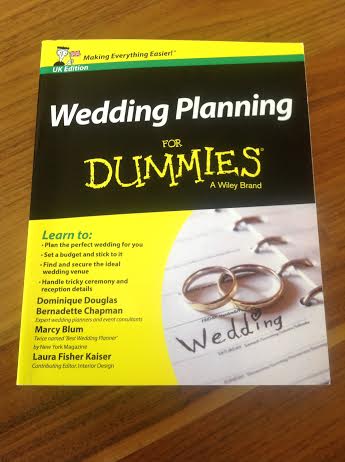
Wedding Planning For Dummies | Book Review

It is well-known that planning a wedding is hard. But it is not until you actually plan a wedding that you realise that it is even harder than you thought it would be. And then some.

weddingplanningfordummiesbookreview

The mixture of organisation, planning, ideas and different family members is quite a toxic mix, making even simple decisions seems insurmountable sometimes. I am planning my own wedding at the moment and it is rapidly approaching. So when Wedding Planning For Dummies dropped through our letterbox I was incredibly happy. I am that dummy and I need that book.

Before a relative reads this and panics about how close the wedding is, it is mostly done, I am just worried I will forget something. Not so with this book. It is thorough and fun to read. What’s more, it taught me things that I never even knew. It may be a ‘For Dummies’ book but, like all in the series, it leaves you feeling very competent in the end.

It has lots of tips on how to not pay too much, tips on finding the perfect venue, ideas for making your wedding personal and suggestions for the invitations.  Actually, it just has every basis covered that you will need for your wedmin.

It even tells you the different types of marquees you can get and I loved the section on how much alcohol to order depending on how many guests you have. It really was invaluable. Brilliant book, a must read for those planning their wedding. The authors really know their stuff.

Wedding Planning For Dummies is available here.

Wedding Shoes | The Wedding Diary

So I have bought my wedding shoes. It was pretty hard not to put that in capital letters, that’s how excited I am. Well, to be more precise, I have two pairs of wedding shoes. One high and the other (ahem) less high. I completely love the flat shoe trend and wear them all the time, just not on my wedding day. Especially as my husband-to-be is 6.3′. It would be nice to meet his eye on our wedding day.

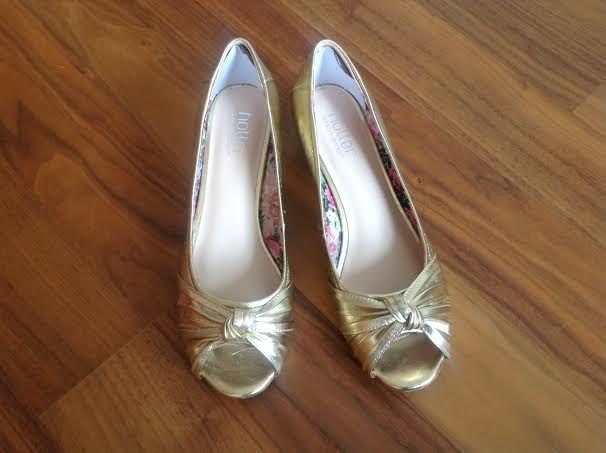
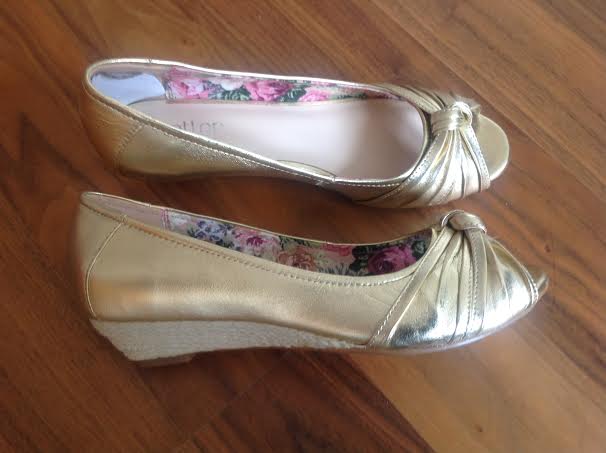
When I first thought about buying my wedding shoes I was going to buy something quite traditional, a silver, gold or white high-heeled sandal or shoe. In the end I went for colour. A very bright pair of high heels, but comfortable high heels. Yes, there is such a thing. They are peep-toed and after the wedding I will post lots of pictures of them. In the meantime I will post pictures of my evening shoes. They are wedges with a little heel so should be good for dancing the night away. They are a cruise shoe from Hotter and are so comfortable. Far too comfortable for something so stylish. They have built-in underfoot cushioning, soft leather inners and a flexible sole.

The Evening Shoes For Dancing

weddingshoes

WEDDINGSHOECheck out the floral lining!

With wedding shoes you want ‘wow’ and comfort. Something that makes a statement, that won’t cause a lot of pain and that also makes the dress perfect. It is possible that no one will see your shoes, but you will know you are wearing amazing shoes. You could also get some pictures of them taken by the photographer.

I have sourced some amazing wedding shoes in this article so take a look. And remember, you can wear any shoes to your wedding, you don’t need specific wedding shoes, in fact, you will probably save more money if you keep away from the ‘w’ word.

Let me know what you think.


Wedding Ideas: Vintage Shoot Part Two

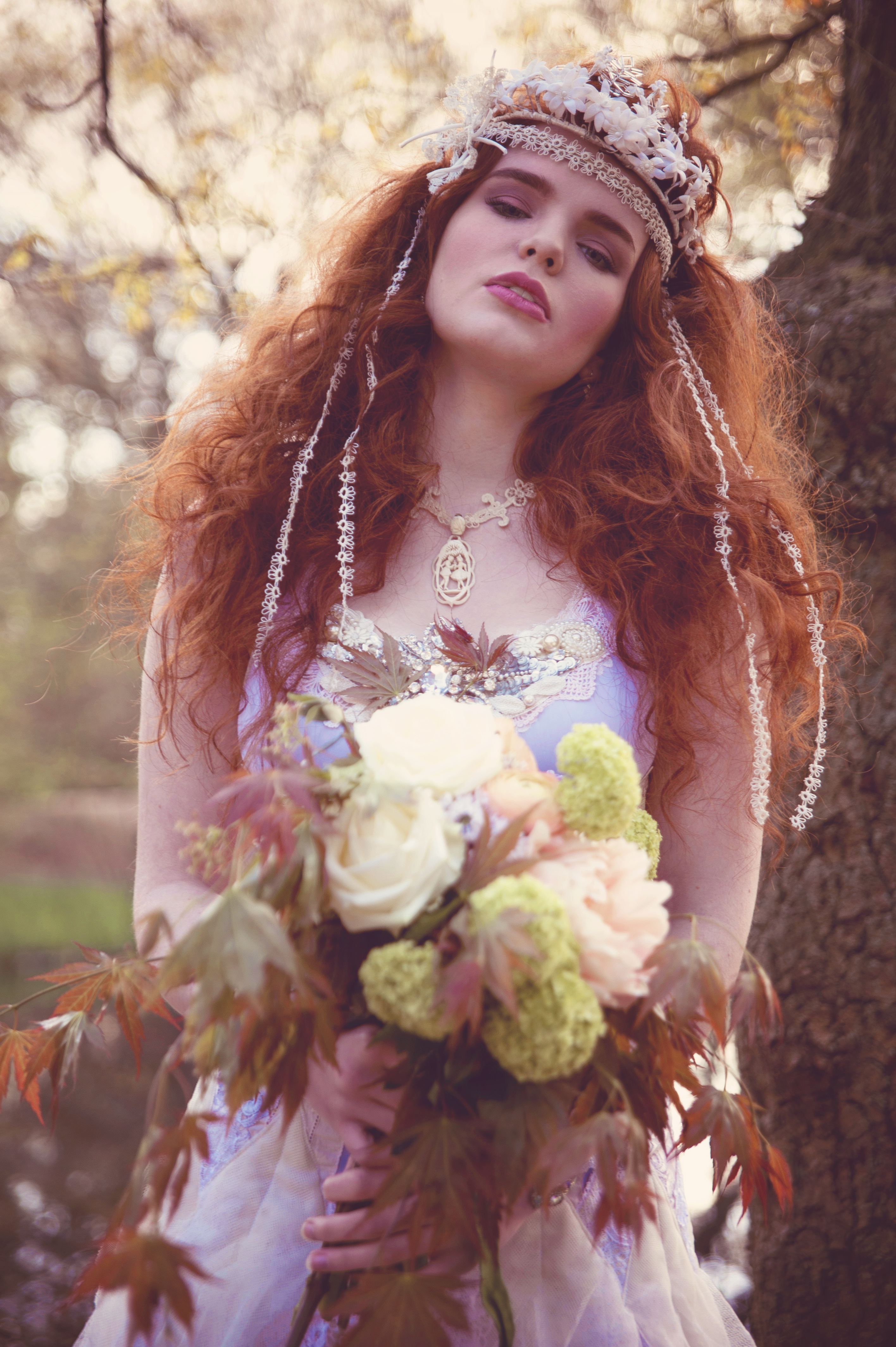
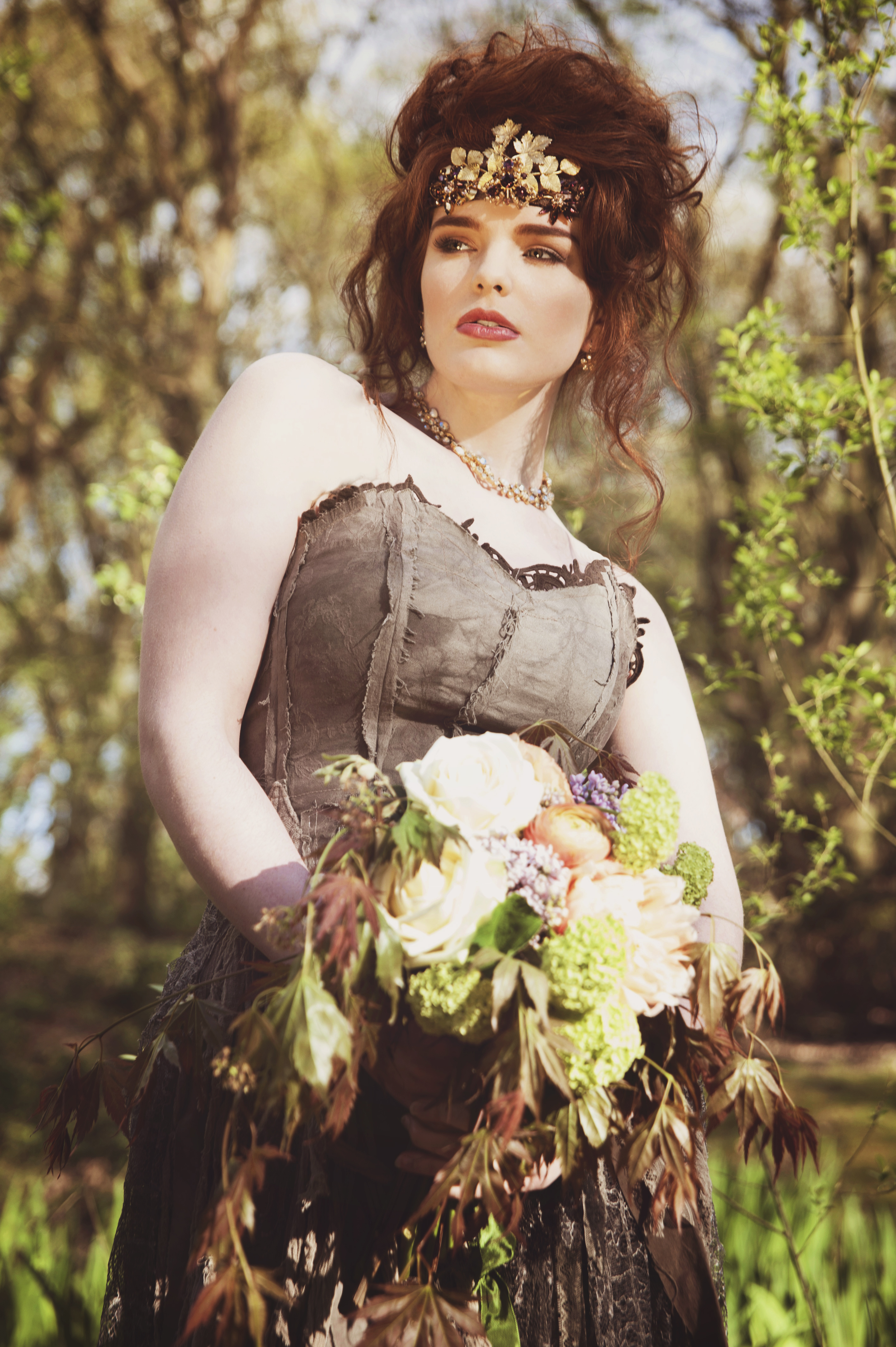
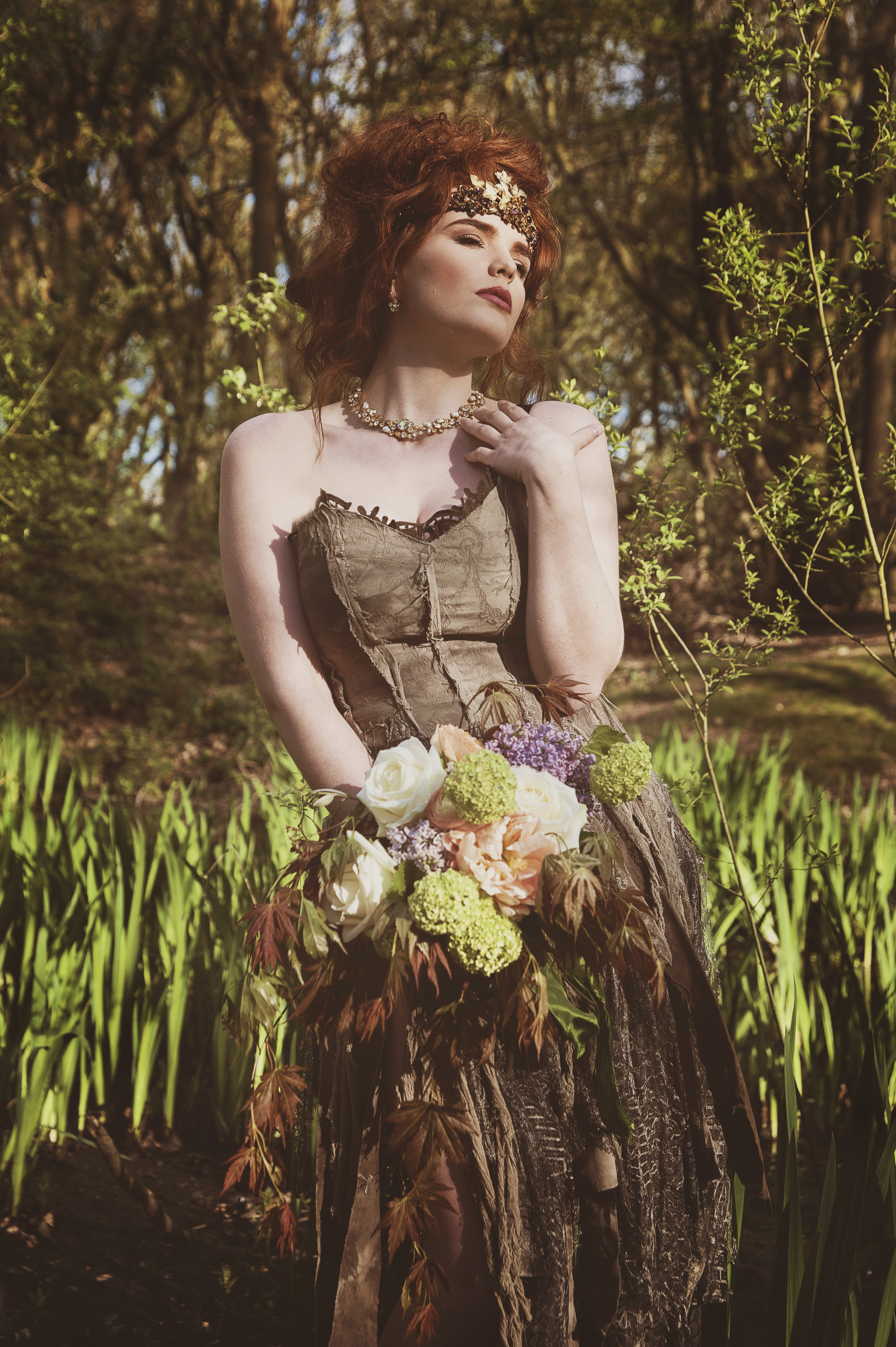
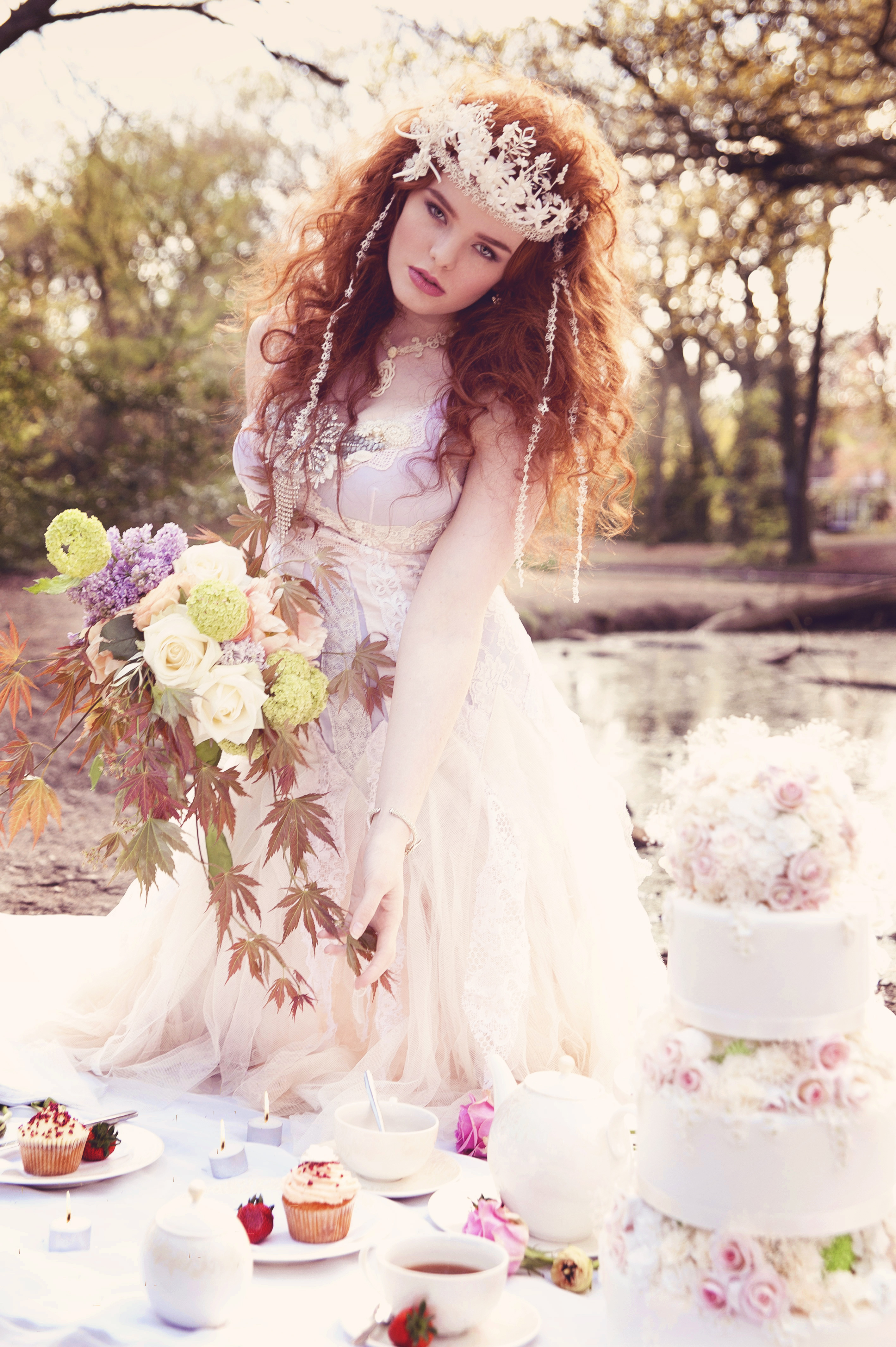
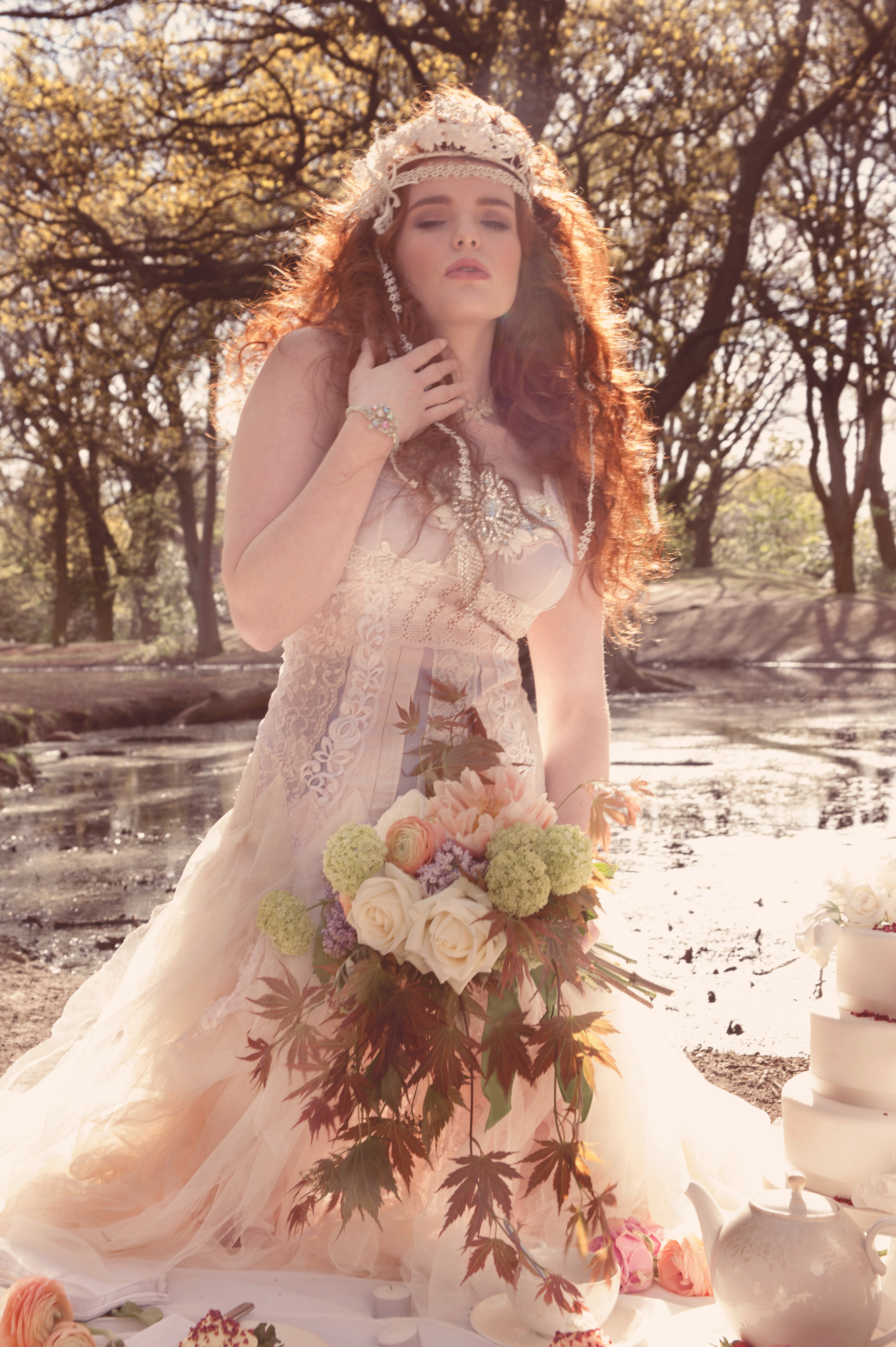
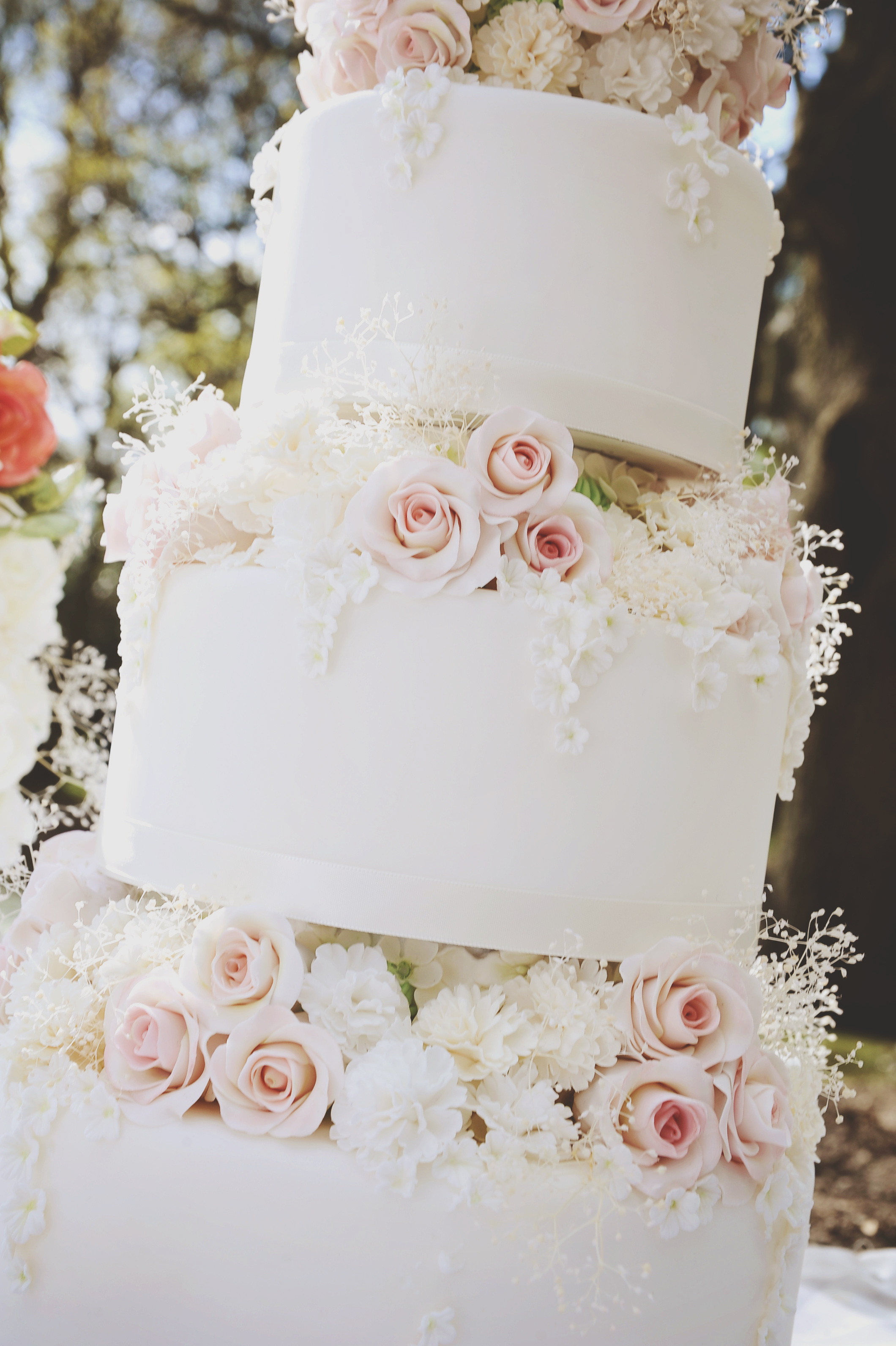
Here is part two of our gorgeous vintage wedding shoot. Full of sigh-worthy dresses, hairpieces and cakes. It’s the stuff dreams are made of. Photography from Emma-Jane Photography. Time to start pinning. Here is part one.

wedding, weddings, vintage, shoot, emma-jane lewis, emma-jane photography, dresses, wedding, weddings, vintage, shoot, emma-jane lewis, emma-jane photography, dresses, wedding, weddings, vintage, shoot, emma-jane lewis, emma-jane photography, dresses, wedding, weddings, vintage, shoot, emma-jane lewis, emma-jane photography, dresses, wedding, weddings, vintage, shoot, emma-jane lewis, emma-jane photography, dresses, wedding, weddings, vintage, shoot, emma-jane lewis, emma-jane photography, dresses, wedding, weddings, vintage, shoot, emma-jane lewis, emma-jane photography, dresses,   wedding, weddings, vintage, shoot, emma-jane lewis, emma-jane photography, dresses, Wedding shoot credits:

Photography and Art direction: Emma-Jane lewis of Emma-Jane Photography
Model: Nicky Robinson (Miss Deadly Red)
Makeup: Mel Kisman of Mel Kinsman bridal make-u artist
Hairstyling: AnneMarie Lawson stylist
Flowers: Liz Inigo Jones of Blue Sky Flowers
Cakes: Charlotte Geen of Langs of London
Dresses: ONEofOne by Maibritt Kokholm
Headpieces and jewellery: Rosie Weisencrantz Vintage Jewellery


If you are planning your wedding then get your hands on The Wedding Survival Guide: How To Plan Your Big Day Without Losing Your Sanity. It has great advice on every aspect of wedding planning and lots of great advice. It includes an interview with amazing photographer Emma-Jane Lewis. The Wedding Survival Guide: How To Plan Your Big Day Without Losing Your Sanity is available in printebook and Kindle. The Kindle version is only £2.99.