A Day in The Life of Sandy Hogarth

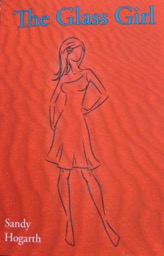
Sandy Hogarth is the acclaimed Indie author of The Glass Girl which Frost will be reviewing shortly. 


Breakfast and a beautiful day. Perfect for the Nidderdale Show – an arch temptress. I have a lot to do today. The Glass Girl must go off tonight. I will feel a little lost when Ruth, my protagonist, goes. She has a troubled life but she’s tough.


‘Say thank you to your sister for me were his words. So Ruth fled, first to Australia, then to the outback.


Sisters. I am fascinated by families; by their honesty, their brutality, their love. And fascinated also by only-ones, so I have made Ruth’s lover an only-one: gorgeous Daniel. Everything she is not.


Music and voices from the loudspeaker drift up the hill, scrambled. Enticing

I give in, cease checking my MS and hurry down the hill with Ruth still in my head. And her sister Alexis.


Cars are queuing. I Pay my £10 and walk through the ancient turnstile.

In the first judging arena I come to is a magnificent bull with curls behind his horns. I wonder if it will win.


Sandy 1.jp

I remind myself that I must not stay long.

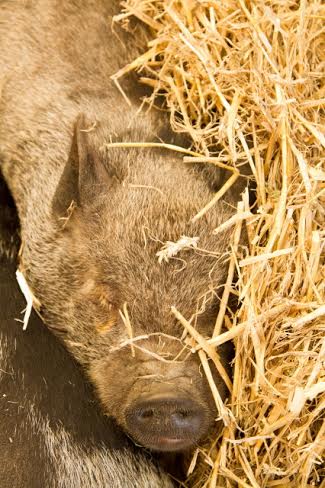
I pass a pig that is bored or asleep. They say pigs are the most intelligent of animals.

Sandy 2

My head is still with Ruth.  I especially loved writing the early part: Ruth’s time in the Australian desert.  I love the deserts there with their dunes of red dirt scattered with spinifex, and occasional wild camels.

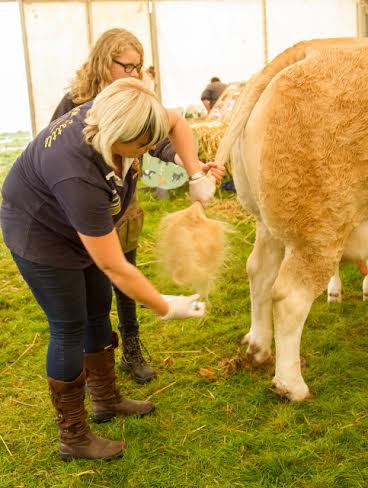
I try not to laugh out loud when I see a cow receiving a final back-combing to the last 8 or 9 inches of its tail.

Sandy 3

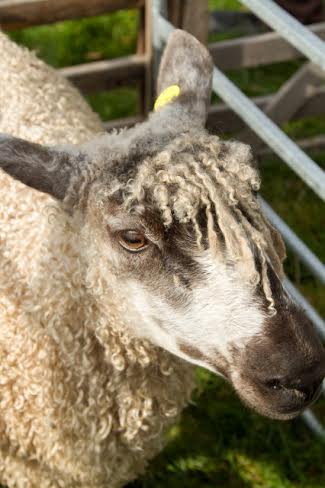
Some of the sheep waiting in pens are shivering. It’s a hot day so it must be fear.

One puts up its head to me to have her curls admired.

Sandy 4

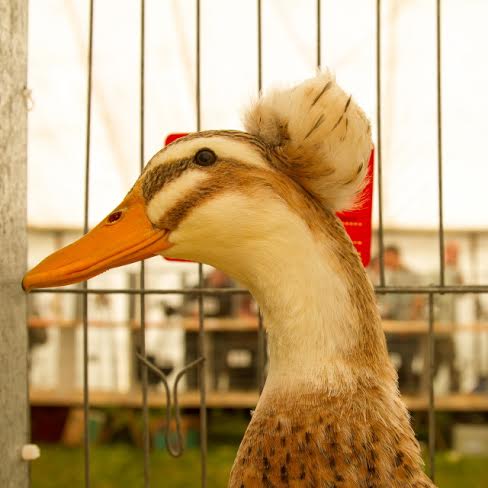
In the next tent, I find the winner of my ‘best hairdo competition’.

Sandy 5

Odd, this fixation on hairdos. From one who often forgets to brush her own.

I’m hungry so I get fish and chips from a van. We are almost as far from the sea as it is possible to be but they taste great.


The sisters take over my head again. And the glass girl. An old man in the desert gives it to Ruth.


“an exquisite glass girl, a dancer, with straight back and proud posture. Her body is draped in a mid-calf-length pink dress, the folds caress her long legs and her feet are encased in delicate oyster pink ballet shoes, the ribbons winding round her slender ankles. Her dark hair is shoulder length, her face tranquil and her hazel eyes as fathomless as the ocean. A brittle beauty. He says that it carries the desert within itself.’

6.Sandy

The Glass Girl calls. I walk/run back up the hill.


The Glass Girl is available here.


A Day In The Life of Shelagh Mazey

For years I’ve been a frustrated story-teller, never having the time or peace to be able to concentrate and hurtling through life from one crisis to another, but now every day is like a blank page, here in my thatched cottage in Somerset.

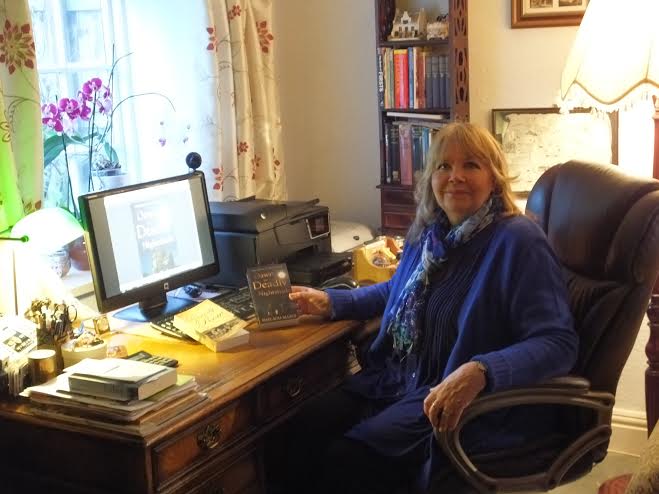
shelelaghatherworkspace
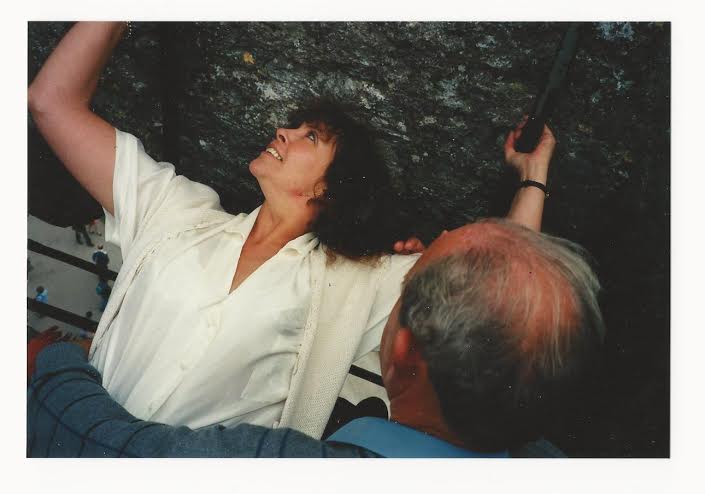
I met Margaret Graham years ago, at a writing circle in Yeovil. We have been friends ever since and good grief, the adventures we’ve had, as awe snatched moments from the home-front. I remember with fondness a trip across Ireland on a coach, enlivened by two America Baptist Ministers. We’ve seldom laughed so much, alongside absorbing the history of the place for a book Margaret was writing. It was here I kissed the Blarney stone. Perhaps that’s where the story telling began.

shelaghkissinghebarneystone

As time went on the sleepless nights with newborns; the back-breaking, lifting and chasing of toddlers; the homework of school years; the endless chauffeuring of teenagers, and the frantic the frantic worry of them prematurely experiencing the joys and heartache of the opposite sex, drunkenness, drugs and all-night raves became a memory.

No more renovating the derelict cottage sold long ago. No more rising at 6:30am to rush off to work as a practice secretary. At last my ship, with its rather bedraggled rigging, has sailed into a harbour of refuge. I am retired. Whoopee!

Now I listen as my husband leaves for work and lie in bed for a few more minutes, where in a state of alpha I’m able to dream. Then I soak in the bath, empty my mind and plan the trials and tribulations, love stories, intrigues, and let’s not forget the murders and rapes of my 19th century stories.

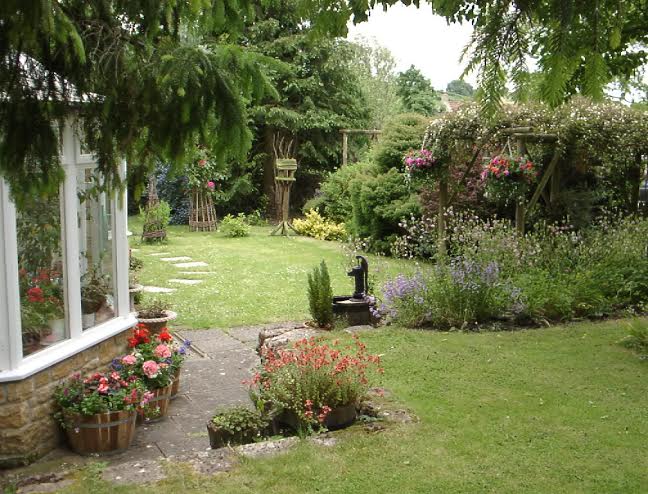
After breakfast I type out my bath-time plots. I usually write or research on-line, with a short lunch-break, until about 3.30pm and then I need to take a breather. I might do some gardening; mow the lawn, weeding or dead-heading just to breathe some fresh air.

Shelaghgarden

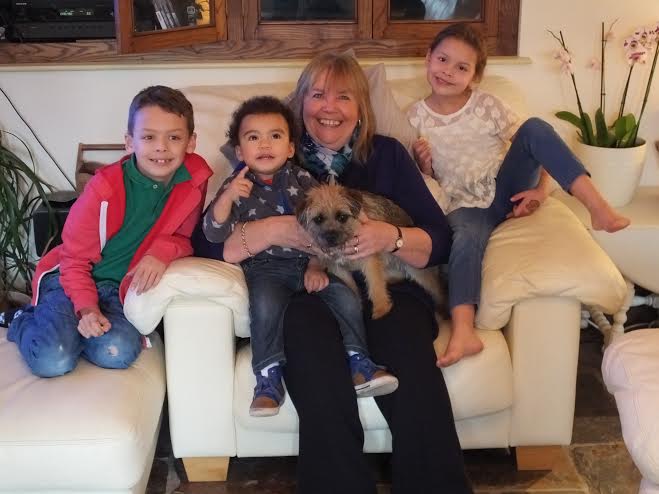
Yes, my life has indeed reached peaceful harbour; my daughter-in-law takes the ironing each week and I take the grandchildren. I’m lucky, they’re lovely.

Shelaghwithgrands

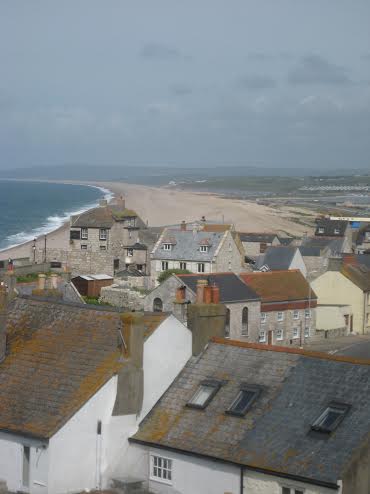
Of course, aside from the writing, I do have to participate in marketing the books and I’ve made many friends, particularly on Portland, through this. Every now and then I take a friend with me and drive down to the coast to deliver to my outlets there. We usually enjoy lunch at the Lobster Pot on Portland Bill.

Shelaghportland

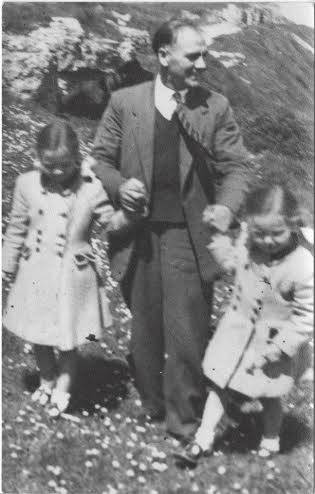
The tales my father told, as a born and bred Portlander have inspired my writing, and my first two books are based around that area. Somehow it makes me feel closer to my parents.

Shelaghdadandbridgetonportland

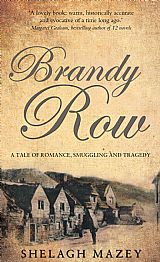
I’ve now published two books with Matador. The first is Brandy Row (A love triangle and family saga set on Portland, involving smuggling and the preventive service).

10Shelagh

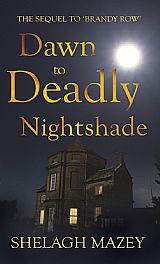
The sequel is Dawn to Deadly Nightshade (continuing with the family, but adding witchcraft in Somerset to the mix).

Shelaghmazey
My third novel is located partly in Dorset, Somerset, Tasmania and Australia. It tells the tale of the ex convicts who were transported to the antipodes and involves the excitement of the Victorian goldfields. I’ve finished the first draft and I’m busy doing the revisions. I hope to bring out Legacy of Van Diemen’s Land next spring.

I totally love my life now. I am a writer. It is my dream come true.

A Day In The Life of Author Frances Colville

I’ve always been an organised sort of person; writing lists, making plans and generally achieving whatever I set out to achieve. Then I took early retirement and expected to devote hours to writing. But… But… There are, suddenly, all kinds of people making demands on your time. And there are so many things of interest calling to you.

All of this means I no longer have a typical day. But there are some typical elements.
I always make time to read. Have you ever worked out how very few books you can actually get through in a lifetime? A scary thought when there is so much wonderful stuff on my list and in my teetering pile. Then, if it is at all possible, I make time to walk down to the sea.

A DAY IN THE LIFE of author Frances Colvillepic1
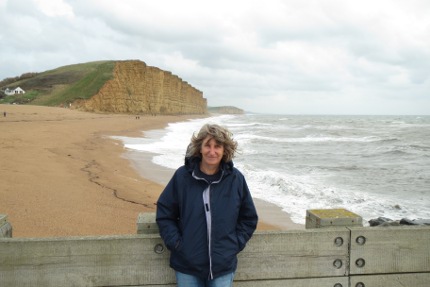
It takes me twelve minutes to reach my local beach of Seatown. I like it best when it is wild and stormy, when the waves crash in along the shore line and the cormorants have to battle to stay airborne. But whatever the weather, there is inevitably something different to see, something to provide writing inspiration.

And that is the other constant. I try each day to make time for whatever writing project is uppermost in my life This year there have been several main threads. I’ve organised a Story Slam in my local town of Bridport,

A DAY IN THE LIFE of author Frances Colvillepic2
I’ve taken part in various performances and competitions, and I’ve been working on my Sixty List ( a project to do sixty new things in my sixtieth year and to write about them). But the biggest project and for me, the most satisfying, has been working on a local First World War story. I’ve researched it thoroughly, curated two exhibitions, talked about it on radio and TV, written about it for magazines and papers.

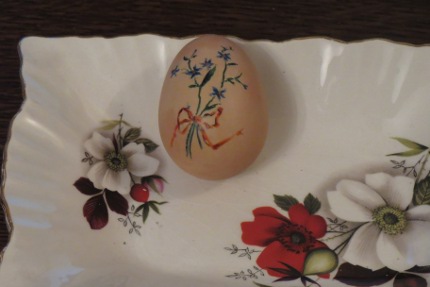
It’s the intriguing story of a young woman who contributed fresh eggs to the National Egg Collection for wounded soldiers and who decorated those eggs with paintings, poems and her name and address. In return she received thank-you letters from many soldiers. Now, as well as dealing with the factual aspects of the story, I’m trying to develop it as fiction.
A DAY IN THE LIFE of author Frances Colvillepic3

So far, a couple of short stories have been successful and I’m working on a novel. But there’s a long way to go yet. And never enough hours in the day!

© Frances Colville

NEW BLOOD BOOSTS BRITAIN’S GOTHIC FANG CLUB

From Bram Stoker’s Dracula to Mary Shelley’s Frankenstein, Britons have been devouring gothic literature for over 200 years. But after more than two centuries is our appetite for the gothic finally starting to wane? To hell it is, writes novelist Katja Brown – it’s more alive than ever.

I’m often asked why the gothic still appeals. The genre is a creation that compels everyone from a lover of romantic fiction to a lover of blood and guts. Whilst it doesn’t hinge on these elements they add to it and create something that is constantly reinventing itself. The gothic is essentially the presentation of a ‘terrible beauty’, a collection of literary conventions that come together beautifully to scare, entrance and hook the reader. In what other genre could a character such as Dracula exist? He is a character you love to hate, the greatest anti-hero that has been thought up and is so loved by readers and authors alike that he has been revived ever since in one incarnation or another.

The gothic appeals because inside every reader there is still a spark, a need, a deep desire to be scared by something beautiful, something obscure and otherworldly. I think this genre inhabits the part of your imagination that wants to see the world differently, that imagines alternate possibilities to the norm and much like a vampire it doesn’t stay down for long. Once you pick up a gothic book it’s like a budding romance: you feel as if you have to know how it ends and the truth is… no one really knows why. It happens with other genres, sure, but the gothic has something special about it. You’ve heard that girls are attracted to the bad boys? Well it’s the same idea.

Throughout history the gothic has been the mother of great tomes and literary works of genius, manipulated and reshaped to fit the changing times. From Bram Stoker’s famous fanged fiend Dracula, to Mary Shelley’s Frankenstein, we’ve watched as this genre has survived the stress of time and made it here to 2018. Thanks to a wealth of fabulous new gothic books, and also to the Twilight series, I’ve no doubt that it will keep kicking long after. 

It has endured because we as humans want a thrill, we actively seek out the new and terrifying because we want to feel our hearts quicken, our palms get sweaty and the hairs on the back of our neck stand on end. It is the gothic that provides those sensations, every page walking the razors edge between dream and reality.

What’s so loveable is that behind the things that go bump in the night, behind the sublime descriptions, the complicated characters and the narrations I guarantee there will always be something to learn – from a moral lesson to something more practical (‘don’t go down the scary-looking corridor by yourself late at night). The gothic has and will probably always be used to impart some sort of wisdom from one person to the next and it doesn’t matter what piece of gothic literature you pick up, it’ll be there between the lines. All you have to do is look.

The gothic helps define us as people, understand our own identity by understanding what we are not. We are not immortal, so, unlike Dracula, we learn to live like there’s no tomorrow. We shape ourselves based on what knowledge we assimilate, but the gothic gives us imagination and way to step out of our lives for a few hundred pages, a chapter each night, a page between coffee and cake. That is why it appeals, why it still appeals, why it always will.   

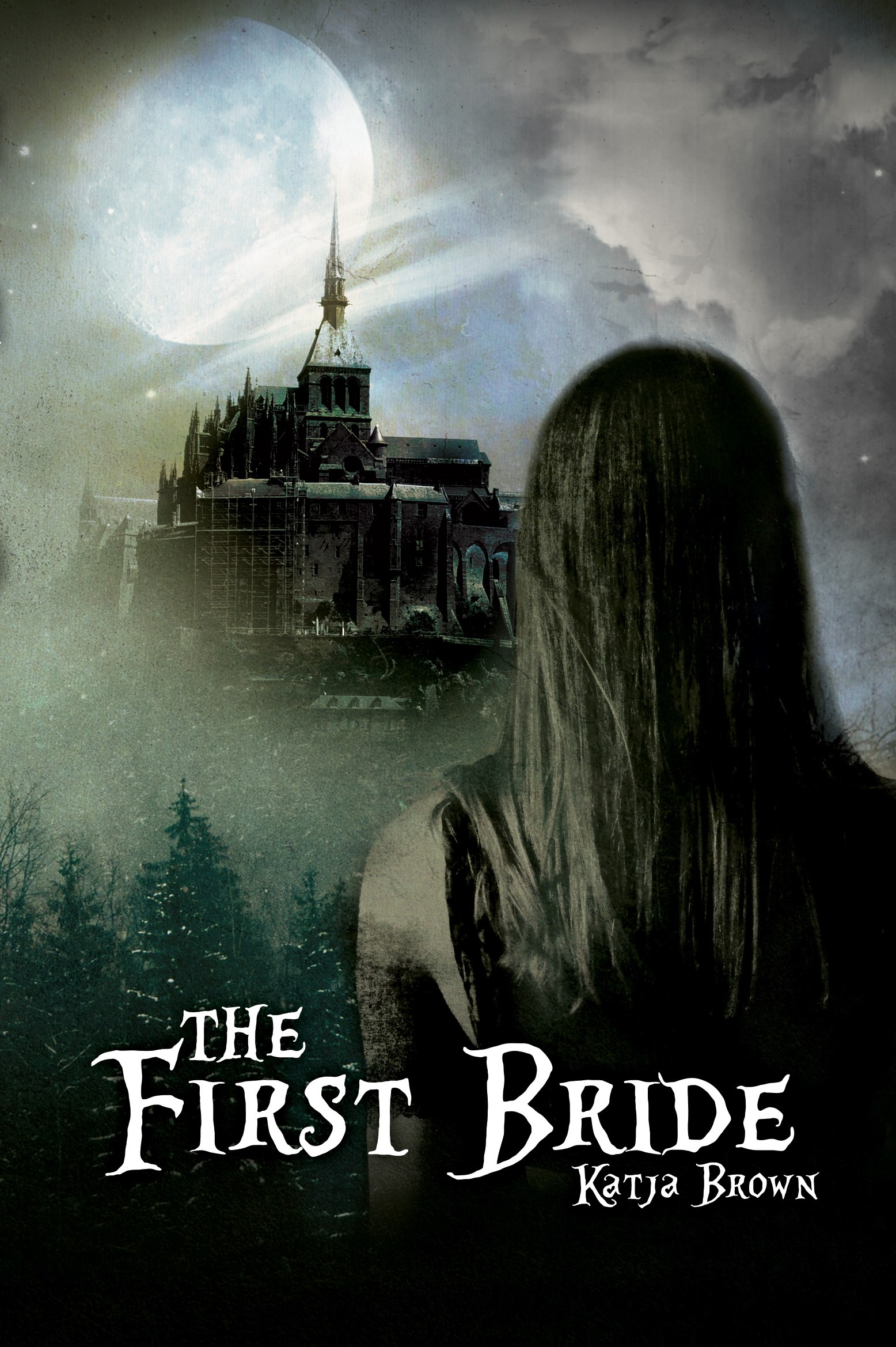
Katja Brown is an acclaimed gothic novelist. Her seat-of-the-pants debut novel, The First Bride (Austin Macauley) is out now in paperback and eBook from Amazon UK.


A Day in the Life of Kaira Rouda

My life has changed a lot over the past six years. Not only because I finally became a full-time author, but also because my nest has been emptying year by year. Our four kids are five years apart, so that’s made my life filled with a lot of goodbyes lately. Without daily kid duties, life is certainly a lot less complicated. And, apparently, a bit darker. I’m not sure if Paul Strom, the protagonist in BEST DAY EVER, popped into my mind because of my empty nest, but maybe it gave him room to appear. I’ll blame him on the kids’ departures into the real world.

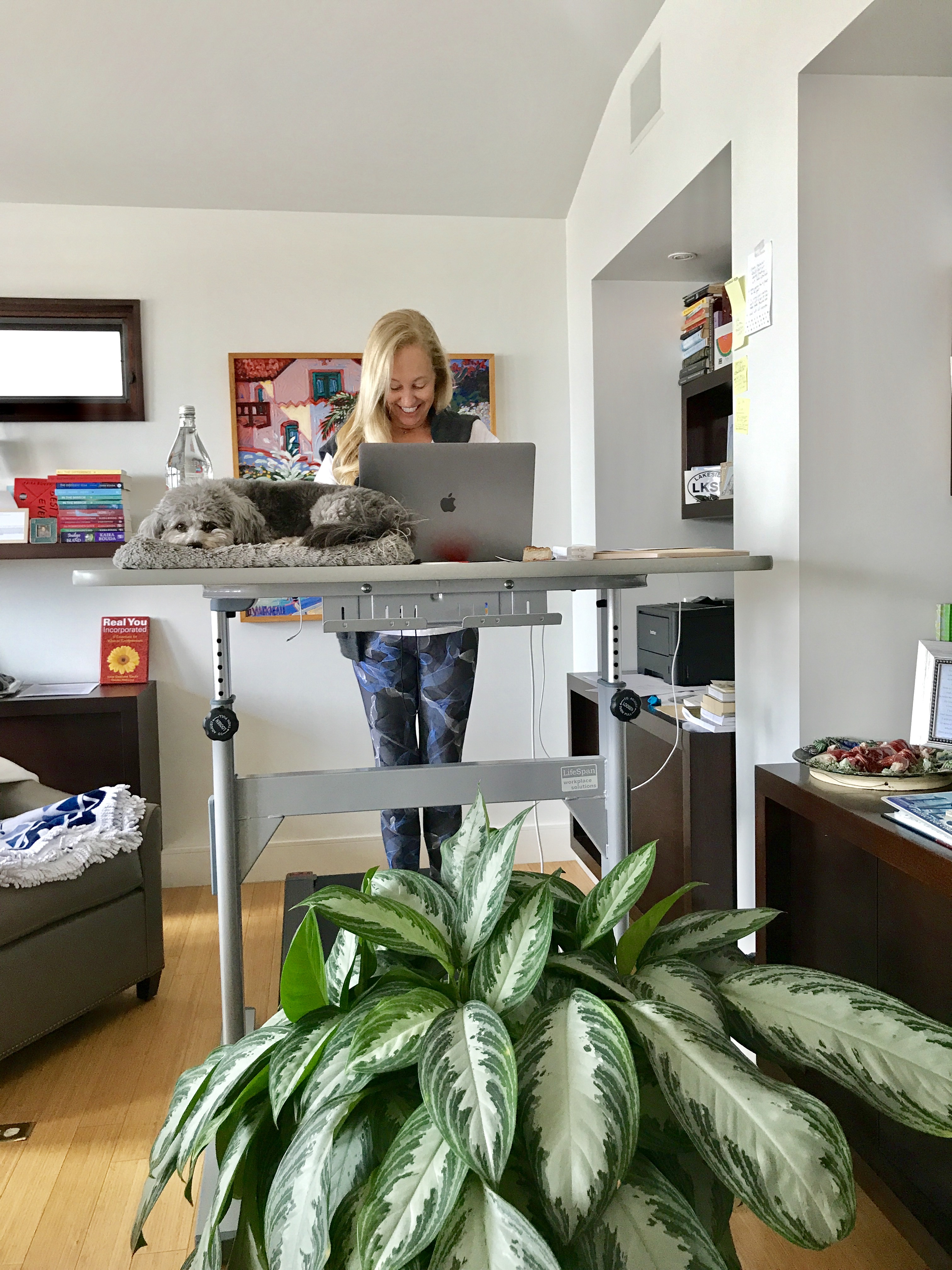
So now, a day in my life is quiet. I’m blessed to live at the beach, in Southern California, and most every day is sunny and warm. I try to hike or go for a walk everyday and soak up the sunshine. I have two dogs and they are both my walking and writing buddies. In fact, Tucker likes to sit ON my desk as I’m writing. (photo of walking desk and tucker)

I don’t usually start writing until the afternoon. I’m a night owl, so mornings are for exercising, emailing and drinking A LOT of coffee. My husband also has a second act of a career, deciding after the most recent US presidential election that it was time to get involved and be the change you want to see. I’m proud to say he’s running for congress as a first-time political candidate. That makes me a first-time political candidate’s spouse. I’ve been having fun meeting so many new people, and helping him as he follows his dreams.

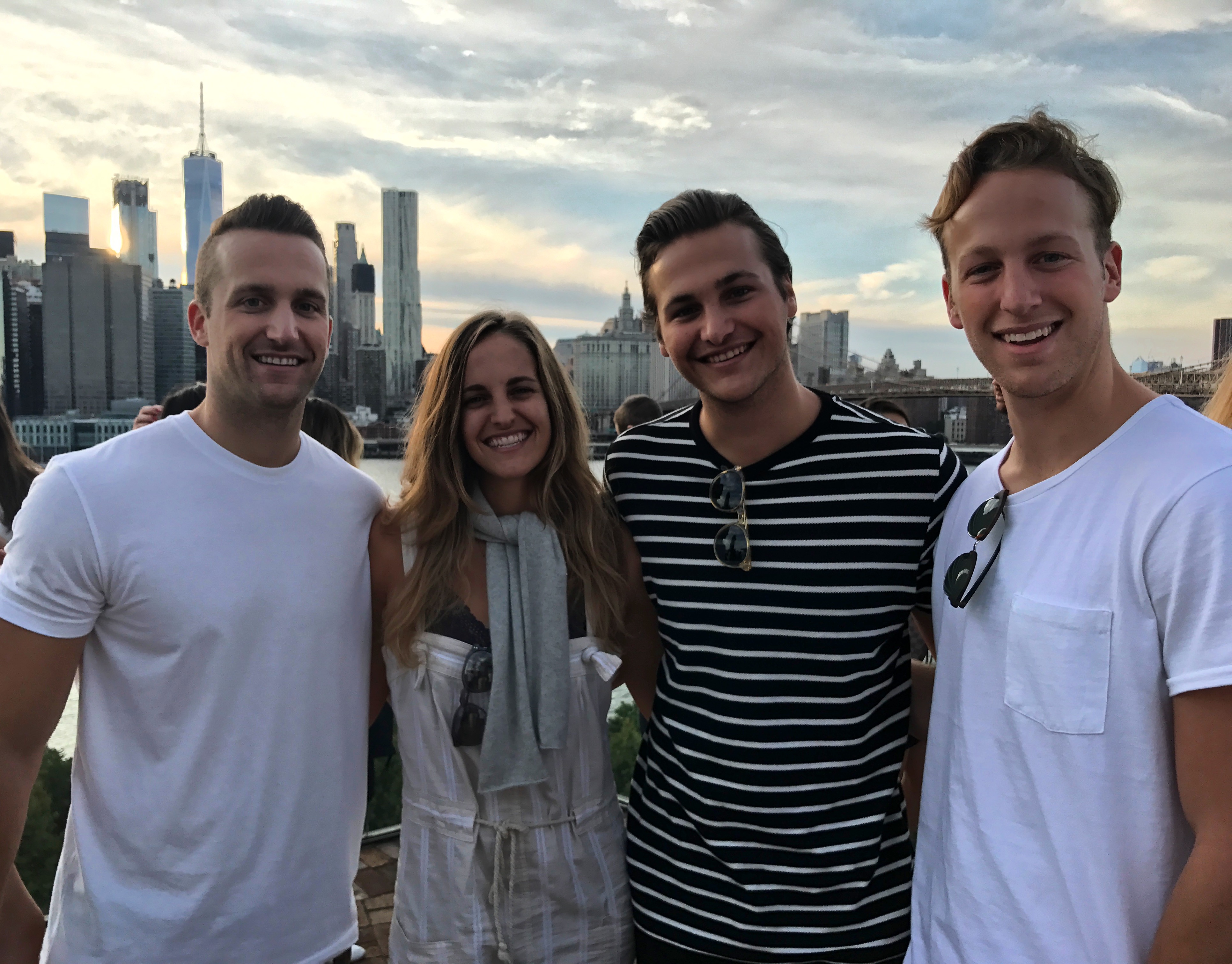
All in all, it’s a blessed life. And, even though the kids are all busy young adults living their own dreams, they all live in Southern California, too. So I get to see them often. (family photo). And, they’re all doing super interesting careers. My oldest is in commercial real estate, but also is an amazing photographer. My daughter is a screenwriter in Hollywood, my middle son invented an app while in college that let’s you round up spare change to a charity of your choice and my youngest is a singer/songwriter pursuing his dreams in LA with his band, Firstwave.

So, it’s a busy, creative fun life. I hope yours is, too. And I hope you’ll give Best Day Ever, my first UK published book, a read!


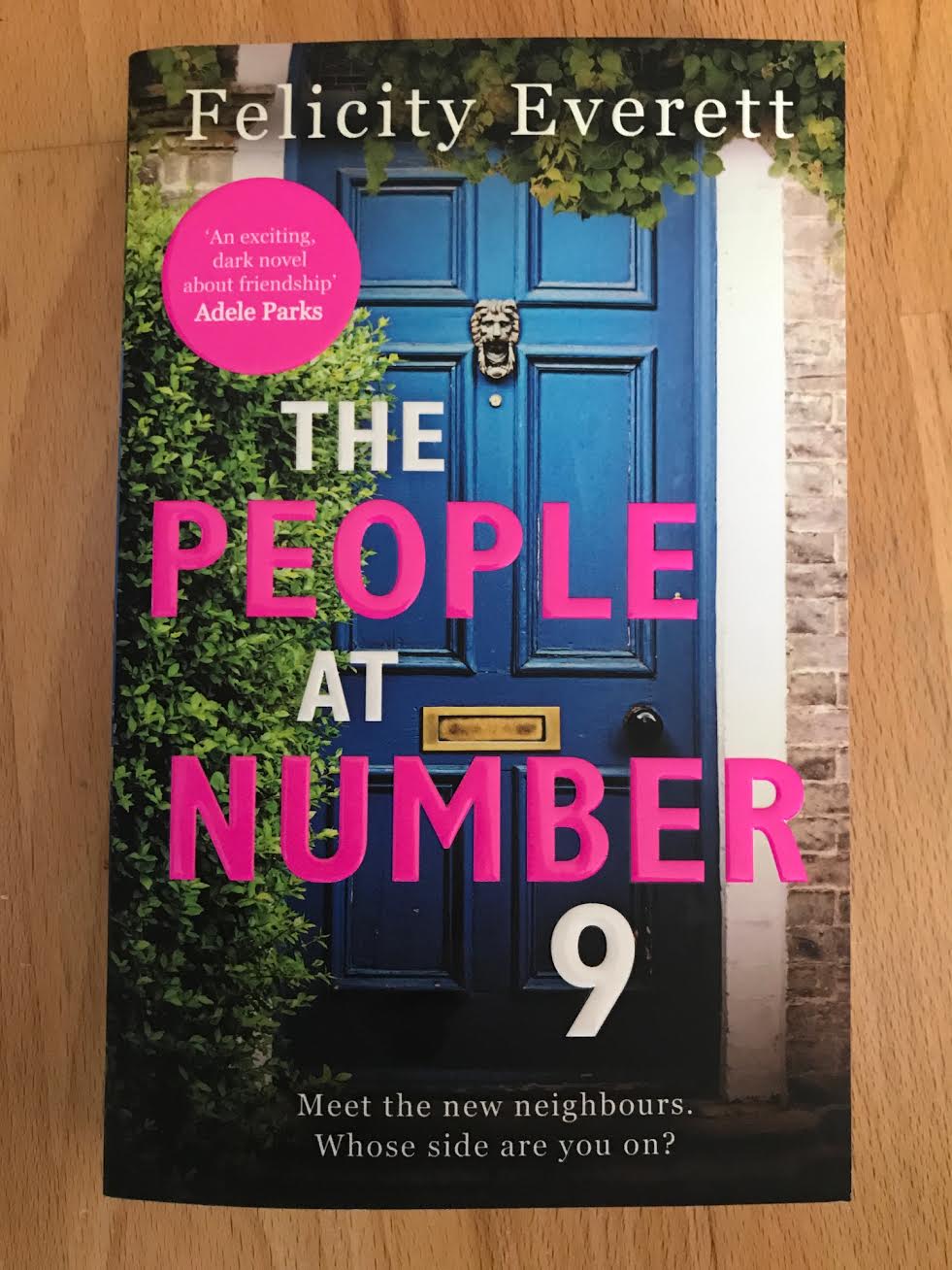
Felicity Everett The People at Number 9 | Author Interviews

I loved your book. Where did the idea for The People at Number 9 come from?

I’m glad you enjoyed The People At Number 9. The idea had probably been bubbling under for a long time before `i thought of a way to make it into an entertaining story. I’ve always been susceptible to ‘dangerous’ friends – the kind who are fun to be with but unreliable and sometimes worse! It started in primary school for me, when I was desperate to be in with a little gang, led by a queen bee who decided on a weekly basis who was ‘in’ and who was ‘out’. Even after the agony of being sent to friendship Siberia on a number of occasions, I didn’t learn my lesson and find a proper friend, just hung around until my turn to be ‘in’ came round again. I’m not saying Lou and Gav in The People At Number 9 are as mean or calculating as this – they probably aren’t aware of exploiting Sara and Neil (who maybe deserve it anyway!) but it’s that attraction, like a moth to a flame, that interested me.
Did you expect it to become so successful and resonate with people so much?

Of course any author hopes for  readers, but you can’t write the book you think people want to read, because it won’t be authentic. You have to write the book you’ve got in you.  More than anything, writing is communicating. It’s a way of asking ‘is it just me or…?’ So when I wrote The People At Number 9, it was my curiosity about the subject that drove me forward. I hoped people would get it, but it was surprising and thrilling that so many readers reacted so positively to it. From the feedback I’ve had, I think it resonates because it’s a rare person who hasn’t at some time in their lives been the underdog in a friendship – the one who always makes the phone call, books the tickets, turns up on time and is kept waiting around. Not many people are daft enough to let a situation like that get out of control the way Sara does in the novel, but they can empathise enough to enjoy the journey.

How long did it take for you to write?

It took about two and a half years to write, which is quite along time for a short novel, but I wrote it when me and my family were living in Australia for a little while, and there were many distractions!

What is your writing process?

I don’t plan very much. I take a theme and some characters and sort of improvise, although for No 9 I did have a vague route map for the story. In the past I’ve tried to do that thing that some writers do of creating a life for their characters before they even start writing, listing their record collection, where they lived as a child, their favourite colour – stuff like that, but it just didn’t work for me. I think I find my characters by hearing them speak. I love writing dialogue.

I am a compulsive rewriter – I can’t just rush to the end of a first draft, knowing it’s terrible and then rewrite it from the beginning, I have to go back and make each paragraph right (or as right as it can be) as I go along, which is very laborious. My finished first draft is effectively a fifth or sixth draft. I don’t send it to my agent until I’m pretty sure it’s as good as I can get it.

Do you have a daily word count?

No. It’s so dispiriting if you don’t reach it. I’m happy if I can write five hundred good words a day. Sometimes a good day’s writing can actually be deleting a page or two, if the scene’s not working, or the writing is flabby, so I tend to think in terms of progress rather than pages.

Where do your ideas come from?

That’s a tough one. I don’t really know. I think I’m very influenced by place and I’m interested in the psychology of relationships. I suppose I tend to take a fairly mundane universal situation – a friendship gone awry or a move to the countryside (in the case of my new novel) and then ask ‘what if?’ If you ask that question enough times, it can take you to some pretty dark and twisted places!

Do you have a specific place where you write.

I’m embarrassed to admit it, but I write in bed! We moved to a new house, and I got the study all kitted out, had the desk positioned in front of the window with the lovely view, got all my books organised, and then found I never went in there. It was just too daunted by the open lap-top on the pristine desk. It felt too ‘intentional’, as though I had to write really impressive sentences; be ‘A Writer’. So now, instead, I wake up and grab my laptop, read the news, check Facebook and then open my document – I sort of sneak up on it. I re-read what I last wrote, alter a word or two and then, before I know it, I’m in full flow and if I’m lucky I’ve written a page or two. The only problem is that all that slouching is doing my back in!

Who are our favourite writers?

Jonathan Franzen, Colm Toibin, Anne Enright, Elizabeth Strout, to name a few. I love a family novel and I like social commentary. I’m a big fan of short stories – The New Yorker has a wonderful archive and I’ve discovered some great novels by writers I’ve first come to for their short stories – George Saunders and Curtiss Sittenfeld being two.

What books have you read recently that you loved?

Eligible by Curtiss Sittenfeld and Lincoln in the Bardo by George Saunders (see above). I’ve also re-read Rebecca by Daphne DuMaurier because it’s a tutorial in evoking a sense of place and a compelling atmosphere, two things I am attempting in my new book.
What is next for you?

I’m writing a gothic psychodrama!  It’s a novel about a couple who move to the countryside to make a fresh start, but find themselves haunted, not only by their own past, but by a strange unease in their new community and the landscape that surrounds it.



Diary of a Freelance Working Mother: On Busybodies

working mother , parenting, writer, Catherine BalavageIt was Jean Paul Sartre who said that hell is other people, but he did not get it quite right. What he should have said was that hell is other people and their opinions. Now if they can keep those opinions to themselves then it is happiness all-round. I spend large parts of my day not pointing out to someone how much of a jerk they are. An underrated and valuable skill, but one that seems in short supply when you have a child. I am going to do my best to make sure this weeks column is not an all-out rant, but I am going to put out a plea: please stop telling me how to raise my child.

There is a woman in my local area who seems nice enough, yet since my son was about nine months has asked me almost every single time she has seen me why he is not in nursery. Answer: because he is TWO-YEARS OLD. I have tried to explain to her his age and my personal reasons, but each time I am met with a lecture. Because, god forbid, a woman might want to raise her own child, right? Ditto for the fact I also got a long lecture from her on how my son was too old to be in a pram. ‘You are spoiling him’ she said. Never mind the fact that I am pregnant and he had just turned two, no, make him walk along the busy road and have no rest. That is definitely the answer.

Things like this happen all of the time. Some people will just critique. Ask you if your child can do something (competitive parents, they are just the worst), criticise their clothes/nails/cleanliness/hair, or ask a barrage of questions while pulling faces and making comments. Another bugbear is the busybodies who interfere and always think they know best. It does not matter that their children grew up decades ago and they lived in a separate place than you, they will always know exactly what to do in regards to nurseries and schools, as well as where you should take your child. The passing of time means nothing. Everything they did with their child, you in turn must do, because they know best.

I find with busybodies there is a number of things to do. One is smile and nod. Always best with strangers. The second is smile and say you do not agree, or make a joke of it. The best is to ask them nicely and politely to not interfere. The latter is always better with family. They will not stop if you do not tell them their behaviour is unacceptable. They may not even change then, but, trust me, you will feel better. In the meantime keep your head up, work on your sense of humour as it is the only thing that will get you through, and always stand up for yourself.

Please share any similar experience below, or just add your own comments. I would love to know what you think.


Selina Siak Chin Yoke On Becoming a Writer

I began writing out of desperation and a cherished dream. While recovering from breast cancer, I went into a chemo-induced depression without realising it. I had no idea what was wrong, only that the ground beneath me seemed to have collapsed. Months passed. When I still found no equilibrium, I went to see a counsellor at the cancer charity, MacMillan, who suggested a bout of creative writing.

Not long afterward, I recalled a dream I’d once had – of writing a novel loosely inspired by my great-grandmother who I had never met. Stories were re-hashed endlessly in my family about this formidable woman who, despite being uneducated, started a business at a time when few women in Malaya did so. She always seemed larger than life – a true role model in a profoundly patriarchal culture.

I began my writing project by doing research. I knew that what I wanted to write was a novel based on real historical events, possibly even on events which my own family had experienced.

Armed with the detailed outline of a story, I planned a trip to Malaysia. I pored through newspapers in the National Archives and interviewed anyone who would talk to me about the old days. Some who gave their time were family members: aunts, uncles and cousins, but a few were people I barely knew. Amazingly, I came across people who had actually met my great-grandmother. Their anecdotes provided a wonderful tapestry which fuelled my imagination further.

Spurred on by Malaysia’s heat and its panoply of aromas, sounds and colour, I began writing the first draft of The Woman Who Breathed Two Worlds, my first novel. The story follows the life of a mixed-race woman during a time of rapid change in Malaya. It is a complex and rich story about cultural identity, set in my hometown, Ipoh. As I described the modernisation of the town and how the protagonist tries to retain her cultural traditions in her rapidly Westernising world, I realised I was telling not only her story but the story of her country, Malaya.

In this way, the Malayan Series was born. My new novel, When the Future Comes Too Soon, follows on from the first book, but the two can be read independently and are very different. In this second novel Malaya is at war. There is a new protagonist, Mei Foong (the daughter-in-law of the heroine in the first book), who is thrown into a world gone mad. Somehow, she must find ways to keep her family alive. How she goes about this and what happens to her and her family lie at the emotional heart of the novel.

Their story is as much about betrayal, in its many forms, as it is about survival and love and what courage means. Sometimes, it takes extreme circumstances for people to discover what they’re made of. This is the case for Mei Foong, who finds her inner steel through war and suffering.

Selina Siak Chin Yoke’s When the Future Comes Too Soon is published byhen the Future Comes Too Soon and out now