Interview With Author and Publishing Director Phoebe Morgan

I am excited to interview Phoebe Morgan for Frost. Phoebe is the author of fantastic thrillers while also being the publishing director of Hodder and Stoughton. I have no idea how she manages it. I also know if Phoebe has worked on a book then it is definitely worth reading. Phoebe has a new Substack, The Honest Editor, which gets into the nitty gritty of publishing. It is essential reading for all authors.

 Tell us about you.

I am a publishing director at Hodder and Stoughton, working on commercial fiction. I also write my own novels on the side! I’ve worked in the industry since 2013, and I love finding new authors to work with, as well as progressing my own creative career. It’s a juggle but I am lucky to do two jobs I love!


You have written five books. Does writing ever get easier?

I would say psychologically it does, because you know you are capable of getting to the finish line and so that can be reassuring. But it’s still a slog at times, of course, and I am not a huge plotter so I am often running into plot problems as I go and figuring it out as I go along! So each book is still a marathon, but you do feel a sense of security when you have had a couple of books out – it’s so important to push through and get a first draft down, I think, so that’s always my initial aim, and then you can go back and edit afterwards (which is the fun part!)

Do you have a favourite?

Of my books, the second one is probably my favourite (The Girl Next Door). It’s set in Essex, in a small village where I used to live, about a teenage girl found dead in a field of buttercups at the back of the community hall. I love the couple at the heart of it, and although it’s not my biggest seller, it’s the one I always want more people to read.


How do you find time to write when you also have a busy publishing job?

I tend to write in big chunks at weekends rather than every day. I am quite a fast writer when I get going, so if I can clear a free Saturday for example I can really try to focus and get a lot down at once. You do need a lot of drive and determination to do both, though, as my day job is very absorbing and is always my priority. 


What is a typical day like for you?

I work full time at Hodder, so a typical day involves a lot of meetings! I manage a commercial fiction team so my time is spent catching up with them, attending acquisitions meetings, cover art meetings, production meetings etc in-house, and also working with my existing list of writers (I have about 20 at the moment). I edit their novels and send notes to them, and brief their jackets, and liaise with our marketing and publicity teams on their campaigns. I also read submissions from agents, but this is usually done outside the 9-5! My own writing is reserved for weekends. In my spare time I also run, kickbox, and am part of a drama group.


What are the best, and worst, things about your job?

The best thing is seeing new books reach readers, and being the first to read amazing manuscripts. It is a lot of reading, but I always remind myself that it is also an incredible privilege. If I had told my younger self that I would get to read for a living, I’m not sure I’d have believed her! Conversely, the worst thing is having to disappoint writers – not being able to get a book through acquisitions, or not achieving strong sales, and it’s also the inability to read for fun any more! I basically only read for fun on holiday…

Who are your favourite authors? What books should we keep a look out for?

I love Liane Moriarty, Maggie O’Farrell, Jennifer Close, Louise Candlish, Lorrie Moore, Katherine Heiny, Abigail Dean (who I published at HarperCollins) and Cara Hunter (ditto). I am sure there are tons more too! This year, do keep an eye out for upcoming thrillers on the Hodder list, Julie Tudor Is Not A Psychopath (a hilarious thriller about an office worker who is convinced she’s in love with her younger colleague) and Party of Liars (think Big Little Lies meets du Maurier’s Rebecca…)


What advice would you give writers to have a long career?

Keep writing! It is a long game, and the road can be bumpy. I know authors who have had huge success followed by years of low sales, and vice versa, but it can all change overnight sometimes and the key is to keep writing what you love, keep taking advice, keep plugging away and remember to be proud of yourself, too.


How has the publishing industry changed?

It’s changed a lot even in the decade I’ve been in it – we’ve seen some retailers rise and fall (e.g. the supermarkets) and some genres come in and out of fashion (e.g. romantasy). Reading habits have shifted due to the cost of living crisis, the explosion of subscription boxes, and the boom of audio (thanks in some part to Spotify) and part of my job is to stay alert to that data and what it tells us, and work out how we can continue to provide readers with what they want.


What’s next?

For me, I am writing book six this year which is something a little bit different that I am very excited about. And I’m always hunting for new authors for my list at Hodder. Genre wise, SFF and romance are dominating the charts, but there’s always going to be room for a bit of crime, too…

Phoebe Morgan’s books are available here.

WRITING CAREER CROSSROADS BY SUE MOORCROFT: PART 4

The happy-ever-after ending

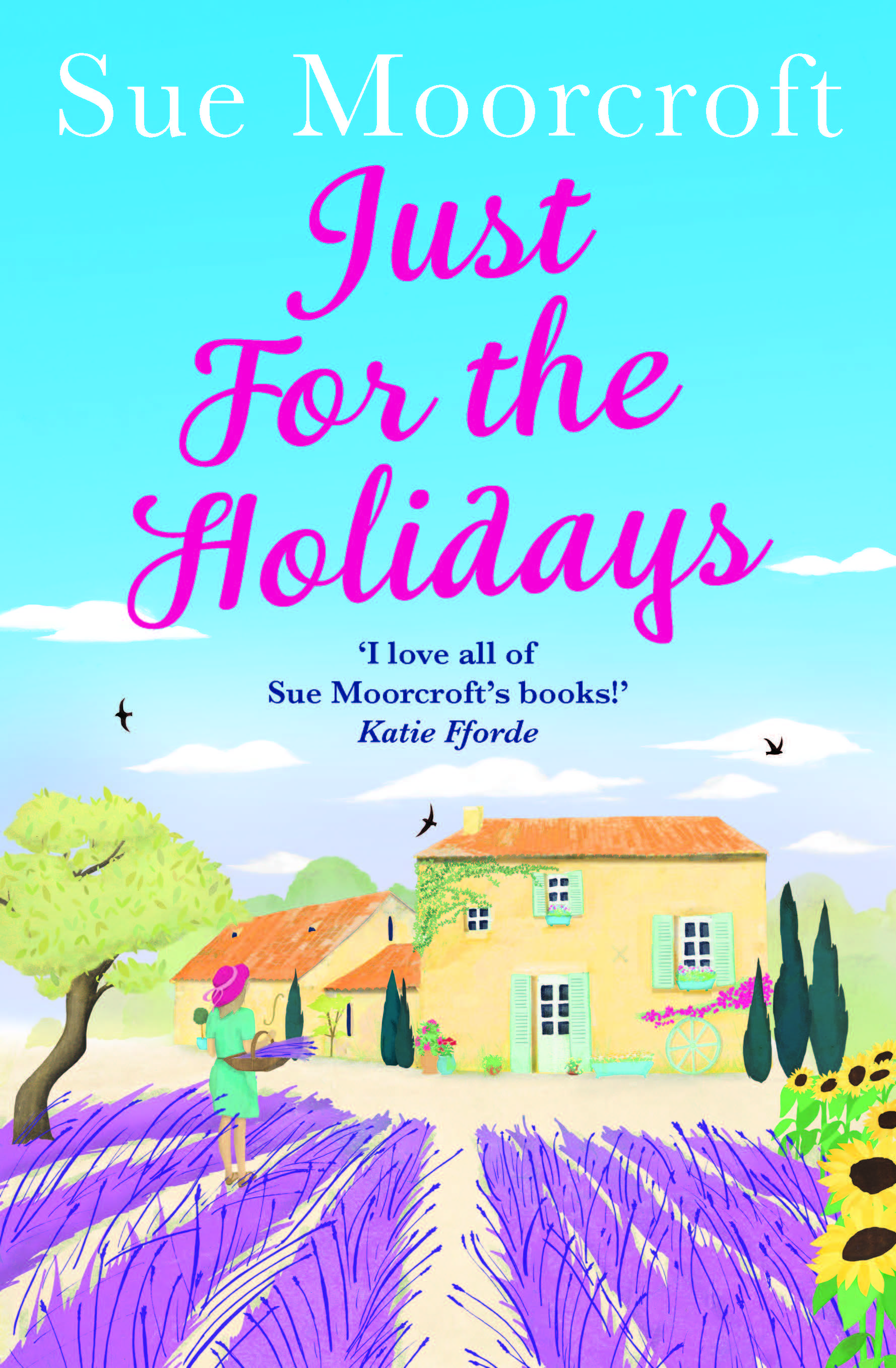
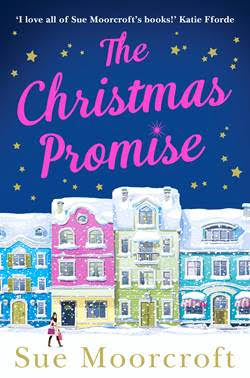
This is the fourth and final instalment in my journey from the crossroads in my career to becoming a best-selling, award-winning author. After securing Juliet Pickering of Blake Friedmann Literary Agency as my agent and Avon HarperCollins offering me a two-book contract, The Christmas Promise went into production while I finished writing Just for the Holidays.

Credit: Silvia Rosado Photography

The Christmas Promise came out. Joy of joys, my original goal was met when supermarkets took the paperback, although Tesco was a little late to the party and only took it for the last couple of weeks before Christmas after they’d seen the performance of the ebook.

The ebook was going crazy.

For five days in the run-up to Christmas 2016, it was at number one on Kindle UK.

It’s hard to describe the joy and euphoria, mixed with disbelief. I laughed and cried. Twitter went mad with big-hearted compliments from other authors, from my agent and editor jumping in with their own cries of joy. My book had outsold every other ebook on sale in the UK. I don’t know about pinching myself – I felt as if I had to punch myself in the face to make sure it wasn’t a dream.

I won’t take you through every rung on my ladder, nor pretend that it has been an uninterrupted upward trajectory, but the milestones continued. Just for the Holidays was nominated for a Romantic Novel Award. A new contract was offered – three books, this time – and my editor Helen Huthwaite stated that her next goal was to make me a Sunday Times bestseller. I laughed out loud and said, ‘Well, good luck with that!’ The very next book, The Little Village Christmas, was a Sunday Times bestseller. The rights team at Blake Friedmann sold my books into translation and The Christmas Promise became a paperback bestseller in Germany. My books charted in the Top Fifty and even the Top Twenty. Avon extended the scope of my contract to include Canada and the US. A Summer to Remember won the Goldsboro Books Contemporary Romantic Novel Award and One Summer in Italy scored me my first Top 100 position in the Amazon Kindle US chart. My books have also appeared in the Kindle top 100 in Canada, Italy and Germany. Research trips have taken me to France, Italy, Malta, Sweden and Switzerland. My very first published book, Uphill all the Way, originally published in 2005, was rewritten by me, then rejacketed and relaunched by Avon as A Home in the Sun. It did well in the UK and was #1 in Malta (where much of the book is set) for most of summer 2022. That gave me particular satisfaction, as I lived in Malta as a child and part of my heart will always be there.

I won’t kid you – publishing two books a year takes hard work, not just from me but from everyone at Blake Friedmann and Avon. But it’s wonderful. Even the editing and the promo is wonderful.

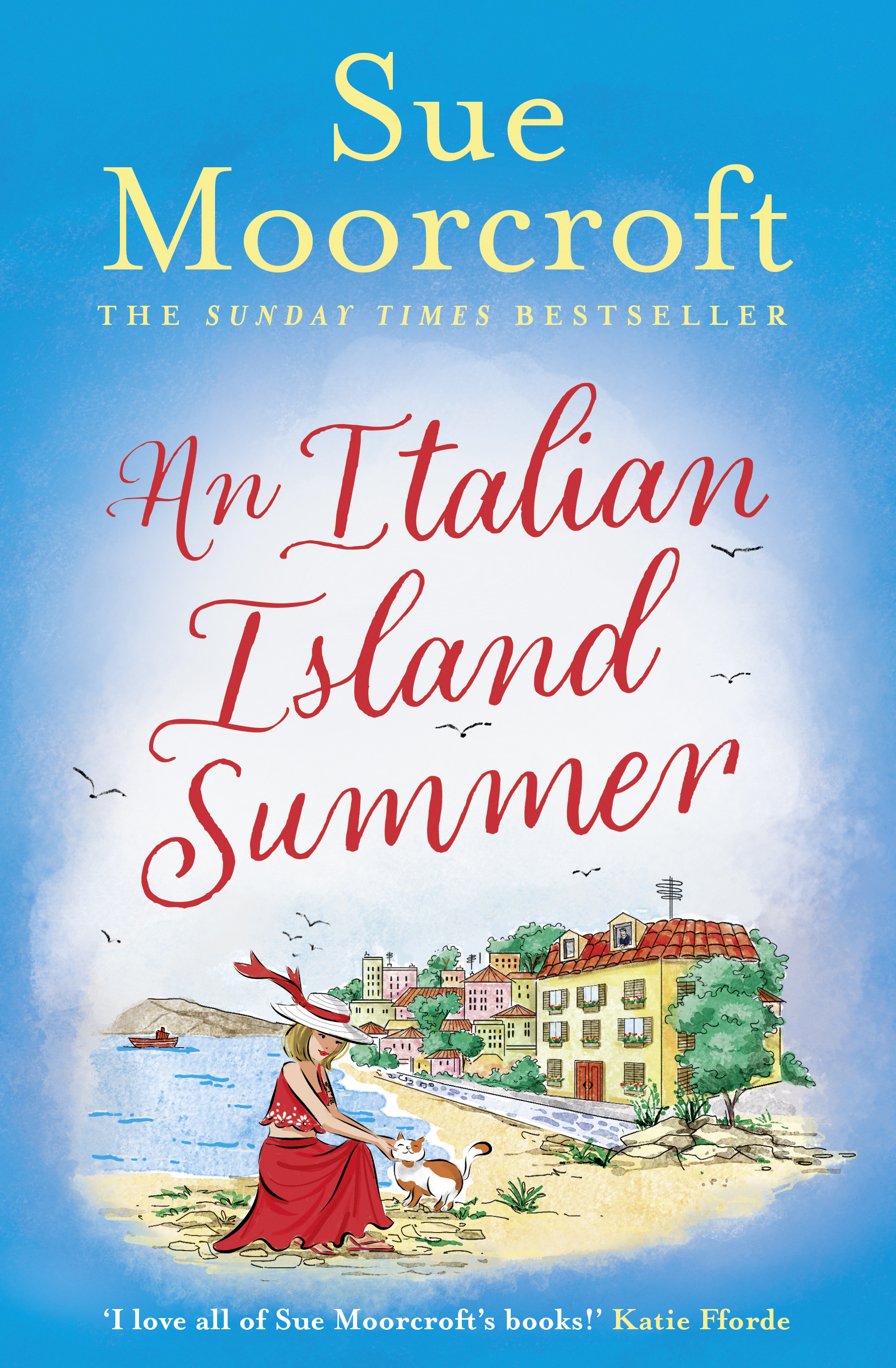
I set out to earn my living from writing novels and I that is what I do. An Italian Island Summer is my fifteenth book with Avon and The Christmas Love Letters will come out later this year. A further three books are contracted.

Takeaways:

  • work hard and work with the right people
  • aim high
  • never give up

WRITING CAREER CROSSROADS BY SUE MOORCROFT: PART 3

Working with my new agent

In my last two pieces, I explained how I’d set myself the goal of getting a publisher who could get my books into supermarkets, which had led to me finding a new agent. Telling my old publishers that I was now agented effectively changed our relationship because they didn’t work with agents. They would continue to publish my backlist but, inevitably, after the book we were working on, they’d concentrate on their front list authors.

Credit: Silvia Rosado Photography

I wrote the first few chapters of what became The Christmas Promise. I roughed out a few other things I thought would happen – more of a vision than an outline. Juliet offered to represent me! I was over the proverbial moon. I could not sign that Agreement letter fast enough. All the years of writing and running workshops and then, shazam! I was the client of a big agency.

All I had to do was:

  • write the rest of the book
  • whilst continuing to write short stories and serials, and run workshops for income to add to my royalties from my novels

An important note here: relaunching my novel-writing career eventuated in a distinct dip in income for two years. To have a spouse with a steady income and supportive attitude helped a lot. I also got the opportunity to convert my writing guide, Love Writing, into an online course. Though it felt as if I was spinning my wheels, I took it because every penny was welcome.

The novel was written. I sent it to Juliet. The editing process began – and it was rigorous. I think I did three structural edits, influenced not just by Juliet’s suggestions but by comments from other people in the agency who read the book too. For anyone who thinks of being edited as someone interfering or instructing, I should point out that a process like this is something likely to happen to any book in any publishing house. I think of editing as other people helping me write the best book I can. I listen. I negotiate. I talk through ideas.

Takeaways from the edit:

  • this deep-dive process is not for wimps
  • it feels like a lot of structural work yet, in the end, the changes are nuanced
  • the book is a lot better
  • I probably didn’t know as much as I’d thought
  • my agent is on my side (This has become so important to me)

I began the next book, which became Just for the Holidays, sparked by a friend saying to me, ‘Let me tell you about my summer holiday from hell,’ and me replying, ‘Yes, please!’

Juliet sent the first book out to editors. We got a lot of interest, only one flat ‘no’ and some meetings to attend. As an aside, just to let you know how character-building the process was, some major interest led nowhere because the editor in question was going on maternity leave and guess who was coming from another publishing house to cover? The one person who’d given the flat ‘no’. But I wouldn’t want an editor who wasn’t wowed by my writing, so I took that on the chin.

The exciting day of meetings dawned, and I turned up in London to meet Juliet who was, of course, coming with me. The first was with Avon Books UK, HarperCollins. Just as it had at that first meeting with Juliet, everything clicked. The Avon team and I got on well, we shared similar visions. They gave me chocolate cake. By a stroke of good fortune, a slot for an author writing a winter book followed by a summer book had arisen on their list, just as my agent rocked up with a winter book and a summer book! The winter book was ready and the summer book not, so that played into there being a longer dip in income than might otherwise have been the case but still, once outside I said, ‘I think it’s going to be Avon.’ Juliet got down to terms with them for a two-book contract.

WRITING CAREER CROSSROADS BY SUE MOORCROFT: PART 2

Setting my goal

In my last article, I explained my self-coaching session that saw me dropping work that was problematic and/or didn’t earn me much money. With more time for my writing yet not losing much financially, my mental health improved! It was time to look at the other side of the coin. I now knew what I didn’t want – so what was it that I did want?

Credit: Silvia Rosado Photography

It was a question I found easy to answer as it hadn’t changed since the early nineties when I began to try and get published.

I wanted to earn my living from writing novels.

Not from writing novels and short stories, serials, courses, columns and writing how-to and judging competitions, appraising manuscripts and leading workshops. Just writing novels. Wouldn’t that be bliss?

How could I achieve this Utopia? I had a good, independent publisher, but their size limited their reach. I needed a publisher who would get my books into supermarkets.

Step one was to get a great agent, one who would love my books and be ambitious for me. I’d had an agent in the past, but we’d never completely gelled, and we’d eventually parted amicably, so for my last six books I’d dealt directly with my publisher.

Aiming high, I emailed Carole Blake of Blake Friedmann. I knew her slightly from writing conferences and social media – yes, friendly relationships can be forged on Twitter. The email began, ‘Dear Carole, I know you’re not taking anybody on but I’m going to ask you anyway.’ The short version of what happened next was that I was right – she wasn’t taking anybody on. But, happily for me, she showed my work to the wonderful Juliet Pickering at the same agency and Juliet wanted to talk to me as she was looking for authors writing commercial fiction. Would I like to talk to her?

Would I ever!

I met Juliet in London for lunch, and we got on wonderfully. I was transparent about what I wanted. She was equally transparent that that whilst was an agent’s job to help me achieve my ambitions, she couldn’t offer guarantees. She asked about ideas for future books, and I pitched three. She told me which of these she’d feel most confident in presenting to publishers and I had that happy feeling you get when something clicks into place, as it was the one I most wanted to write. It was an idea that had already received a green light from my old publisher, but they’d wanted a novella. I thought the idea had enough meat for a novel.

But I was deflated when Juliet didn’t offer to represent me. She asked me to write the book first. This is the book that eventually became The Christmas Promise.

The snag with that was by the time I’d spent a year on the book, my old publisher would be expecting it. It would be . . . awkward. I asked if I could send Juliet the traditional three chapters and outline instead. Would she make a decision on that basis? She agreed. She told me later she’d already made up her mind to offer to represent me but wanted to go through the process in the right way.

Takeaways from the meeting:

  • honesty and transparency on both sides is hugely productive
  • accepting the commercial realities of publishing is a must
  • listening to what’s on offer doesn’t prevent the putting forward of alternatives
  • take disappointment on the chin because, let’s face it, a writer’s life is full of it.

WRITING CAREER CROSSROADS BY SUE MOORCROFT: PART 1

Recognising the crossroads

In my book Summer on a Sunny Island, Rosa and Zach stand at crossroads in their lives. In one scene on a sunny roof terrace, they attempt to coach each other over a beer. Is change necessary? If so, what does that look like and how can they effect it?

Credit: Silvia Rosado Photography

A few years ago, I felt at a crossroads. I wasn’t on a Maltese roof terrace overlooking the blue Mediterranean with a handy friend, so I coached myself. It had a profound effect on my writing career.

I’d published nine novels and a raft of short stories, serials, courses and columns; I was a creative writing tutor and writing-competition judge. I had what’s politely referred to as ‘a portfolio career’. Translation: I would take on most paid tasks if they related to writing and some that were unpaid if they might prove useful to my career or meant I was ‘giving back’.

I’d suffered a bereavement and felt unhappy, over-stressed and underpaid. I couldn’t change the bereavement (no matter how much I yearned to), so I assessed everything writing-connected under three headings, subdivided into good or bad.

Things that make me happy Things that make me unhappy Things that are good for me Things that are bad for me Things that earn me money Things that don’t earn me money


Two things were instant candidates for all three bold columns:

  • being a committee member and vice chair of an authors’ organisation
  • writing a column for a Formula 1 website

I was shocked to see volunteering for the authors’ organisation in all the wrong columns. But I had to accept that an organisation that has brought me a lot of joy and helped me professionally, was also sucking up hundreds of hours each year and causing anxiety. I emailed the chair, who’s one of my best friends, and said, ‘I don’t think I can be vice chair anymore.’ To her huge credit, she supported my decision and had me replaced without one word of reproach, though she could have felt immensely let down. After that, it was comparatively easy to email the Formula 1 website and gracefully retire from their list of writers. I think my son encapsulated this situation perfectly when he said, ‘You’d taken two of your greatest pleasures and made them into jobs.’

I felt tonnes lighter. I could read what I chose instead of books that needed appraising for awards. I could watch Formula 1 races without making notes or worrying about the angle the column I had to write.

Spurred by this success, I began to cut other things that appeared in negative columns. They earned me some money but not much:

  • appraising manuscripts
  • tutoring creative writing students
  • judging writing competitions – especially after a writing group ‘forgot’ to pay me a fee that was only ever nominal, even after three polite reminders

What made me unhappy about tutoring was not the students, who were fulfilling to work with, but the constant flow of work that piled up if I were ill or on holiday. The workflow was not within my control and kept me from my own stuff.

Sloughing off these two items gave me significant time for my own writing without losing me much money. A win-win.

Takeaways from the self-coaching:

  • recognise when self-coaching is necessary
  • recognise the results, even when shocking
  • act on them

SISTER SCRIBES: A LAST WORD FROM KITTY WILSON

As this is my last Sister Scribes post I thought I would use it to update you on where I am now in terms of my writing career and what I have learnt along the way.

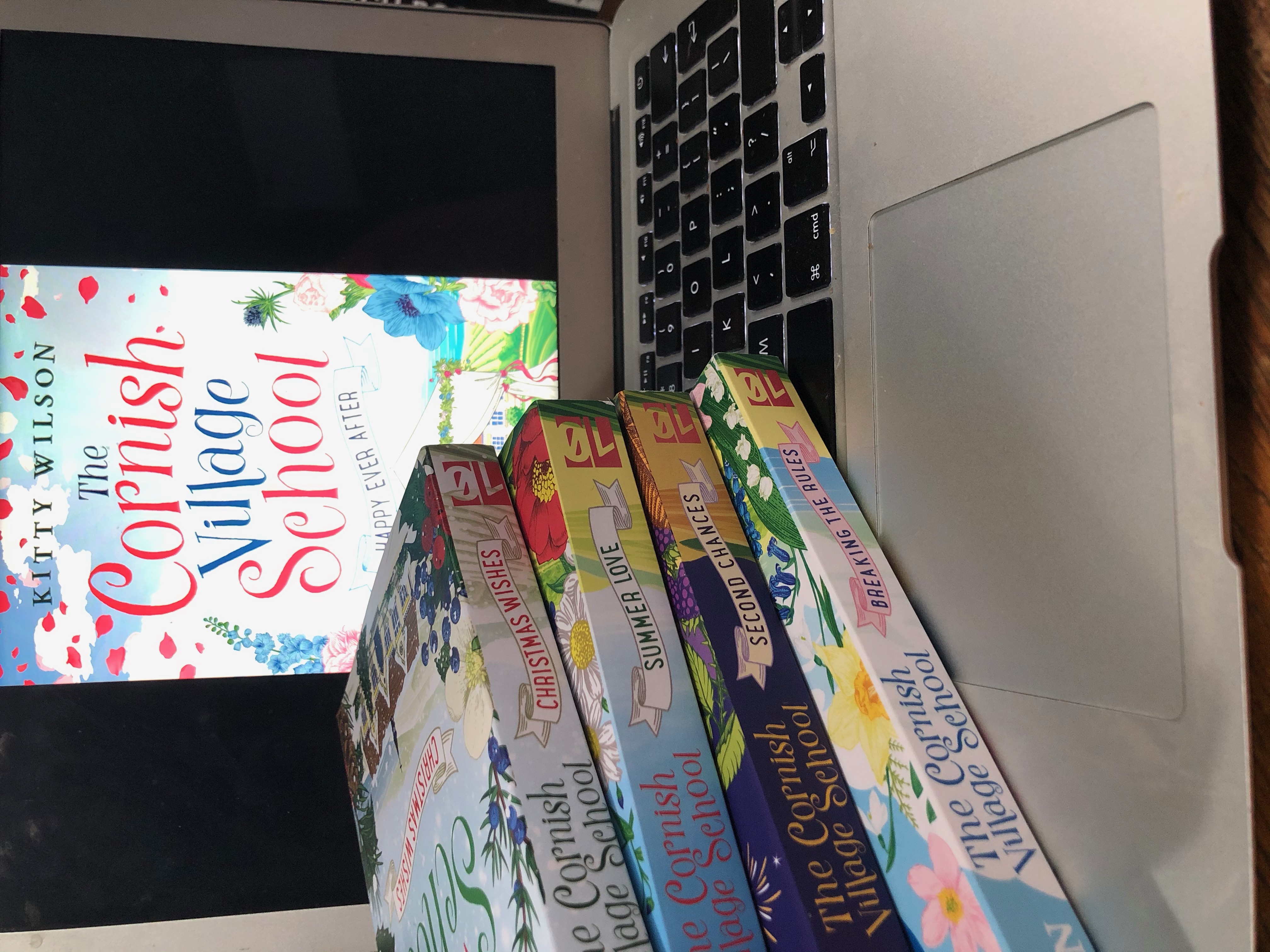
When the Sister Scribes started writing for Frost I had just published my second book in The Cornish Village School series and signed a contract for three more. Truthfully, it still hadn’t sunk in that I was a published writer.

Now two years on, all five books in the series are published digitally, available on audible and the final book, Happy Ever After, will be joining the others in paperback next month. I have loved writing this series although am still a little stunned that what began as a simple experiment in my living room – writing what I knew – has taken on a life of its own and spans five books.

I have spent this year writing a new romantic comedy, centred around the city of Bristol where I now live. Currently I am tweaking it and don’t know what changes will be made once my editor has read it but I do know that I was worried that the strength of community I had created in Penmenna would be hard to recreate in a city. I am so pleased to have been wrong. Community is alive and well in the area in which I live, and I hope I have managed to do it justice.

This book is for a different publisher with a brand-new editor and I am so excited, though I can’t tell you who just yet. The Cornish Village School had three different editors and I have learnt that each one has different ways of working, different priorities and will therefore teach you something new. Each one helps you to refine your writing and being published is the start of learning to write professionally. I think so many aspiring authors see publication as the end goal, I certainly did, but it really is a beginning rather than a finish. I feel that my writing has improved with each story and I hope it continues to do so.

There are many things I wish I had known or been more secure in with my first book. But I am forever telling my children that we aren’t born knowing how to do things, that it takes time and patience and practice and the same is absolutely true of writing. I enjoy studying the craft and think it’s important to maintain. I am currently working my way through John Truby’s The Anatomy of a Story and whilst dense it’s remarkably helpful. For those starting out I highly recommend Emma Darwin’s This Itch of Writing blog and Jessica Brody’s Save the Cat Writes a Novel. Every other profession has Continuing Professional Development at its core and I think writing should be no different.

The other thing to learn is that writing is a business. You have not been published because people want to be your friend or are being kind, you have been (or will be) published because a publisher can see potential profit. Thus, rejections aren’t personal they are professional and the same applies for contracts. Make sure you recognise your own value and don’t put your success down to others just being nice. I’m giggling as I type this because I do it all the time. Maybe I’ll get better at that one in 2021.


Merry Christmas everybody, thanks so much for supporting all of us at Sister Scribes, we’re wishing you all a very happy 2021.

Kitty x


My Writing Process Alex Hart

Alex Hart, my writing routine, my writing process, author, writer, Take Me Home, My Writing Routine:

I’ve written since an early age, whether it was short stories, poems (dreadful ones!), or novels. I read voraciously and love many genres. I have worked in the film and television industry for over twenty five years and have always felt passionate about story telling whether on screen or in books. To be able to disappear into someone else’s world, even temporarily and experience a different life is something that will never lose its thrill.

What you have written, past and present.

I’m currently working on a couple of novels, one which is the next in the series of Take Me Home, and another which is a standalone thriller. 

What you are promoting now.

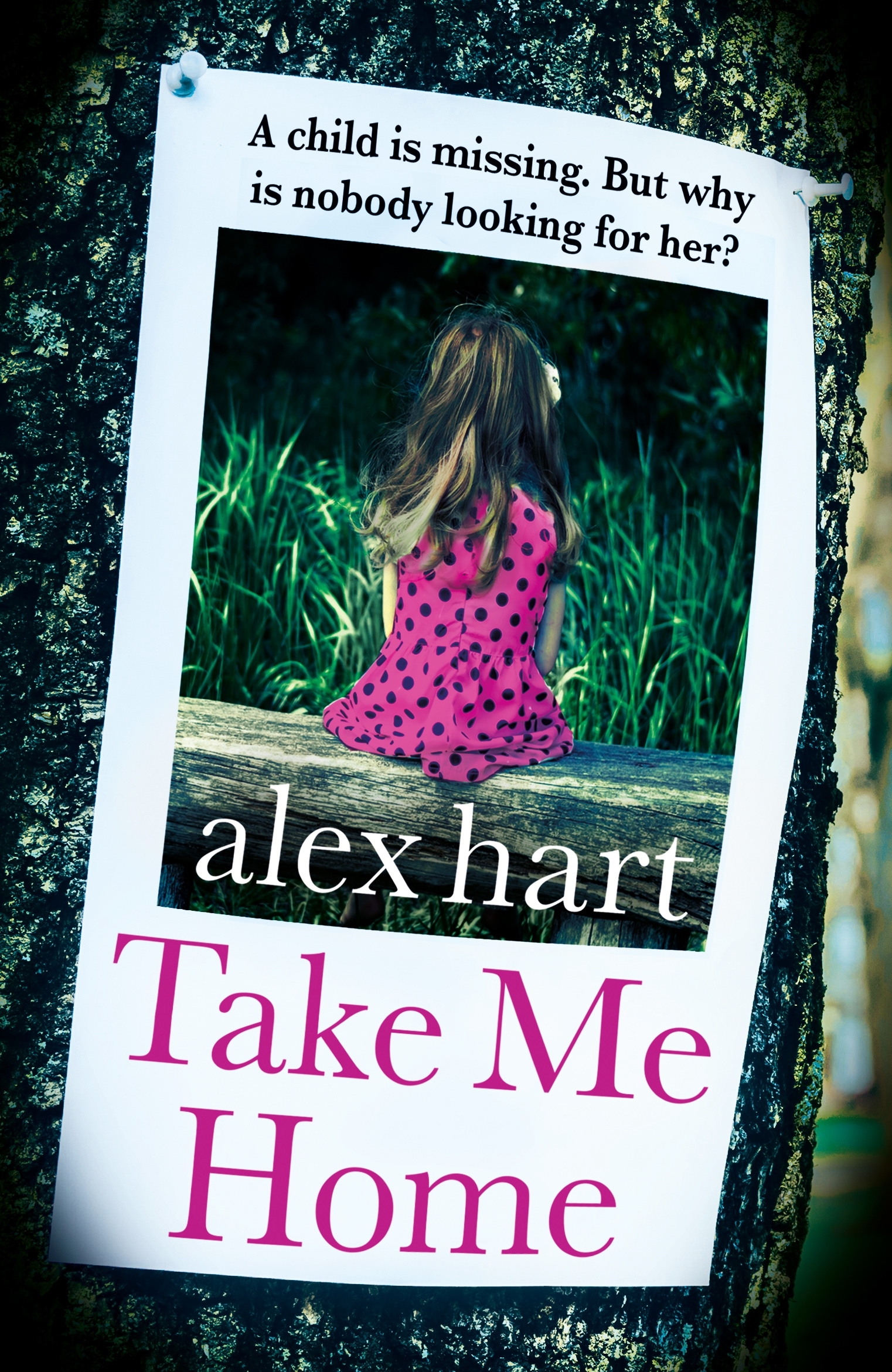
Take Me Home is a mystery thriller. The main character Harper finds a young girl left alone in a New York store and sets out to find out where she has come from. No one has reported her missing yet the little girl May says she misses her mom. Harper is someone who is strong and feisty. She paints outside of the lines, yet relentlessly strives for the truth. Despite her outwardly spiky edges, she is sensitive and warm-hearted. I hope she is someone the reader enjoys spending time with, along with her friends TJ and Reggie (the yin to her yang, the cheese to her macaroni) as they try to unravel the mystery along with her. It raises the questions, ‘What would we do in that situation?’ ‘How far would we go for strangers and those we love?’ and ‘What constitutes family?’ 

A bit about your process of writing.

I’m pretty disciplined when I have a project I’m working on. My day usually starts at the gym (before Covid!) where I am waking up my brain and beginning to think about the task ahead. Once I am at my desk, I often turn off my phone so there are less distractions and set to on that day’s goal. If I have the book planned out, I’ll always aim to write a chapter a day; even if I know what I’m writing is trash. If I started to edit as I went along, I think I would come to a grinding halt. If there is something on the page, I at least have words to play with. 

Do you plan or just write?

I always plan. I don’t know any other way. For me, a plan is a safe way of being able to go off piste sometimes, as I know I can always refer back to it. Things often change when you’re writing; either something you are sure was going to work, suddenly falls apart in your hands, or you get further inspiration meaning the story changes direction. I think, so long as you have a plan you can explore these options without going off on a tangent too much. 

What about word count?

I really don’t think about it in the first draft. I just want to get the bones of the story down and I’ll worry about word count later. Often or not, it just works out at the right length. 

How do you do your structure?

I always work with paper and pen at the beginning, just writing down notes, random thoughts, character traits etc and once I am able to formulate a basic beginning, middle and end, I begin to scratch out a structure. If I get stuck, I always refer back to the usual; Joseph Campbell, Christopher Vogler, Robert McKee, Syd Field, Dan Harman. I’ll re-read what they’re saying and think how my story and characters fit and start penning out a potential paradigm. 

What do you find hard about writing?

When I lose confidence! There’s nothing worse than facing the day thinking ‘something isn’t working’, ‘I’m the worst writer known to man’, ‘what was I thinking even attempting this?!’ I think this happens to all writers at some point of their journey. You’re all alone in this room, with your imaginary characters (who you have become close to and feel you are letting down) and you only have yourself to argue with. When those days come, (and they do!) rather than give up and beat myself up further, I make myself write 100 words. Often or not, I’ll end up writing more and suddenly you’re up and running again. 

What do you love about writing?

Everything except for the above days! 

Advice for other writers.

The same any writer gives, read, read, read, write, write, write. For me, there is no other way. My motto has always been, ‘Get it down, then get it done. Get it written, then get it right.’


TAKE ME HOME by Alex Hart is published by Orion (Paperback, £7.99) on 1st October.


Niall Edworthy: My Writing Process

Niall Edworthy

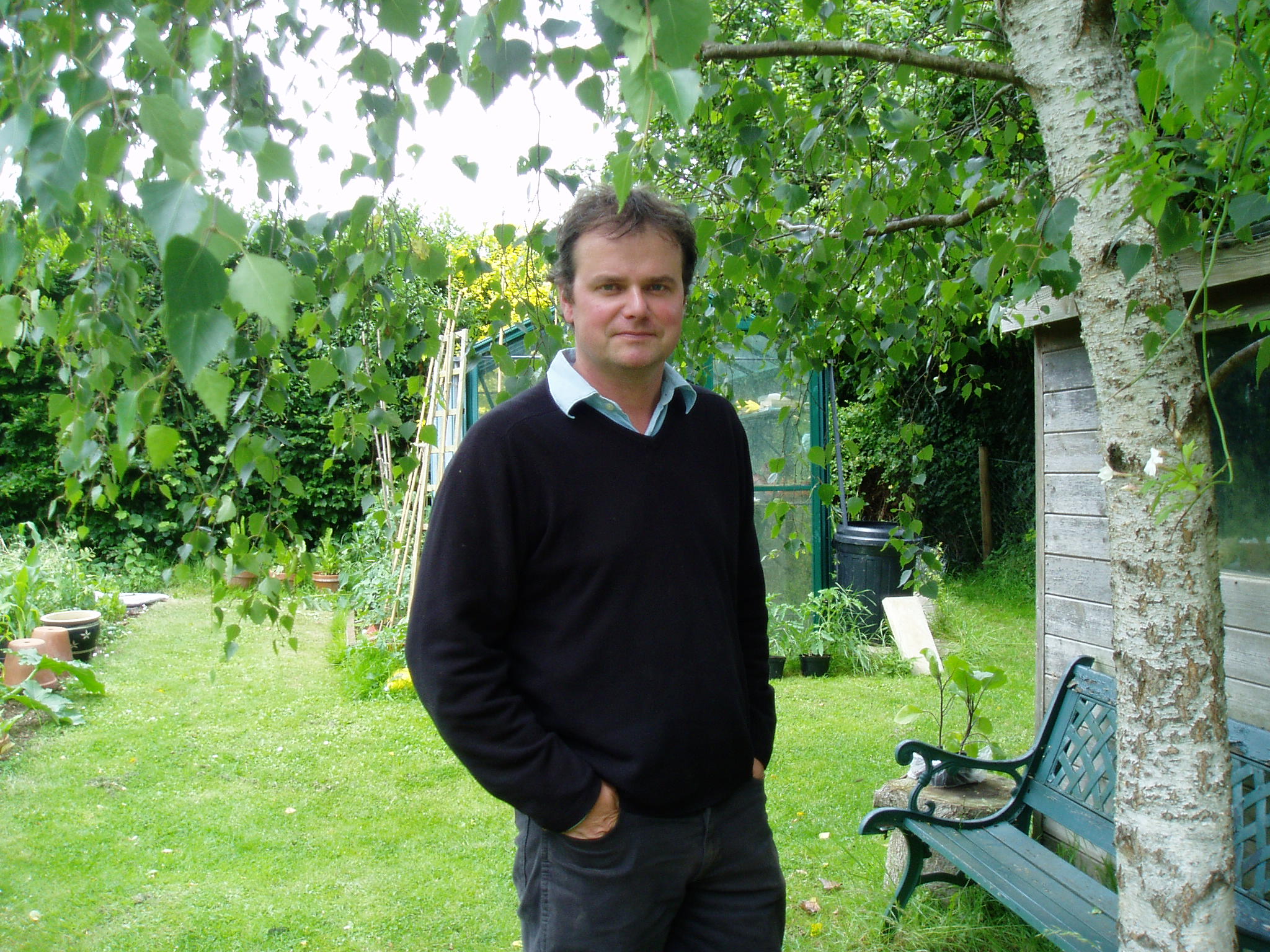
I have been writing in one capacity or another since I finished studying thirty years ago. I worked as a reporter for broadsheet newspapers and international news agencies Reuters and AFP in the 1990s. In 1996 I was commissioned to write the Official History of the England football team. The following year I was invited to ghostwrite a travelogue for actor David Jason. Soon after I gave up journalism and focussed on books. I live in the Downs above Chichester, commuting down 14 steps to my, ahem, fancy office (converted shed, no sun after 11). When I’m not writing, I tend to be reading although I’m suffering a little reader’s block right now, unable to settle on a title and bouncing back and forth between half a dozen on my Kindle. I pursue all the boring middle-aged activities, sometimes with passion, more often with relief after a day at the computer. I cycle a lot up in the hills, and I have grown to love gardening and cooking – semi-mindless activities that allow my brain to drain after writing. If the Test cricket’s on, I have to chain myself to the desk and resist the temptation.

What you have written, past and present.

I have written over 40 books, roughly half of them ghosted for well-known public figures or ‘ordinary’ people who have had extraordinary experiences. I have written memoirs, military history, sport, humour and natural history.

What you are promoting now. 

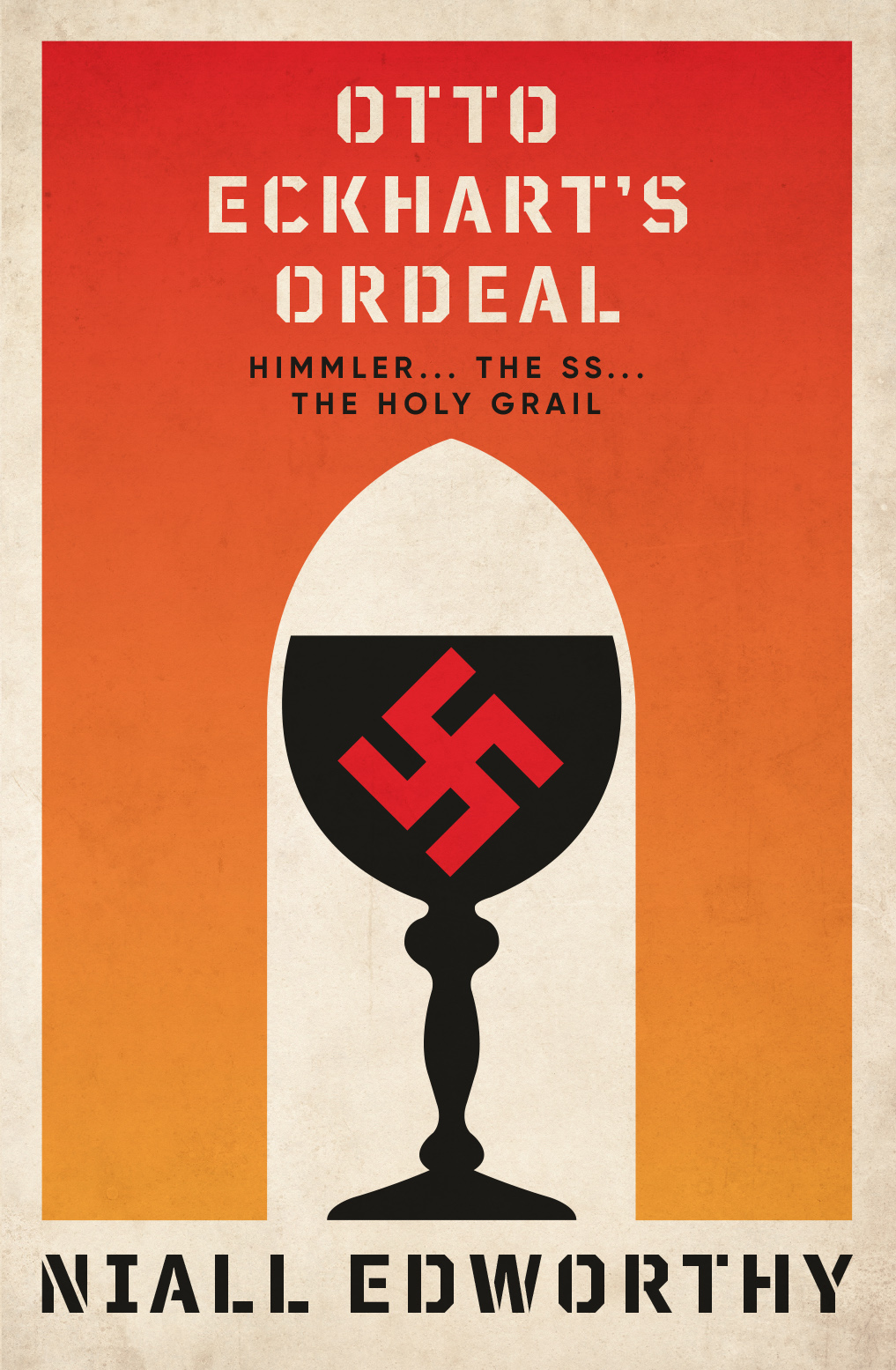
My first novel, Otto Eckhart’s Ordeal. It is hard to slot into a genre but if you were in a bookshop (remember them?), you’d probably find it in Historical Fiction. Set in 1937 and based on a true premise, it tells the story of an aimless, young historian dispatched by the Nazis to go fetch the Holy Grail for the glory of Germany. It is a coming-of-age, adventure story with a dash of romance and, dealing with some grim characters at a grim period of history, I have tried to write it with dark humour.

A bit about your process of writing. 

I’m reasonably methodical. Once all the research is done and the story laid out loosely but with direction, I go at it every day if I can. I need momentum and I need to be deeply immersed in the world I am describing or creating. It’s no good grabbing an hour here or there. I need a good long stretch for each session. I start early, between 7 and 8, and tend to work through to a late lunch. If I have written a good amount I often feel drained and don’t go back to my computer. If it’s been a frustrating effort and I haven’t got much down, panic propels me back to my keyboard.

Do you plan or just write?

I am a planner, but the plan changes a little every day. I think it’s important not to plot too hard, and to keep all options open. I read a good description recently that sums up my approach: Starting a book, you are at John O’Groats heading for Land’s End but not entirely sure of the route you are going to take.

What about word count?

Big difference between fiction and non-fiction. If all the research is at my fingertips, I average about 1,500 words a day for non-fiction, but can push to 2,500. With fiction, I’m delighted if I have 1,000 words in the bank at the end of a session.

How do you do your structure?

As clearly as possible. Structure is everything in building a story. You are reminded of the challenges facing the architects and engineers of skyscrapers – if they are an inch out at the bottom, it won’t be long before the building starts to lean and they have to demolish it and start again. In fiction, structure is more flexible because the characters will soon start to take you to places and scenarios you hadn’t foreseen.

What do you find hard about writing?

Where to start? Lack of company – not being able to wander over to the water-cooler for a good moan from time to time. Anxiety about money – it’s not the path to fabulous wealth. Fretting about the next project while I’m deep in the current one. The time it takes to set up new projects, writing proposals, pushing them on publishers, knowing all the effort may come to nothing. (The writing itself is the easiest and most enjoyable part of the process.) The occasional jerk on Amazon, who writes an ignorant, cowardly and malicious review. Why bother torpedoing someone’s huge effort to produce a book? It’s not personal.

What do you love about writing? 

Again, where to start? I like the independence. I like not having to commute, to set my own agenda. I’m writing this in my shorts and slippers with very un-combed hair wondering where I might cycle this afternoon in the glorious autumn sunshine. On the actual writing, it’s a great feeling when you know in your bones you have written a passage that will stand the reader’s scrutiny. A cricketer who has played the perfect cover drive will recognise the feeling.


Advice for other writers. 

Know what you want to say before you write. Short sentences. Be bold. Find your voice. Get up early. Trial & error is the only way to learn – most writing is more effort than inspiration. If you have a setback, dust yourself down and keep going. Have a second source of income. Read as much as you can to immerse yourself in words and expand your range of reference.