The Yeovil Literary Festival – An Author’s Perspective By Kate Kelly

If you braved the rainclouds and ventured into Yeovil in the first weekend in November you might have noticed large green banners flying outside a number of venues, for this was the weekend of the Second Yeovil Literary festival. The first Yeovil Literary Festival took place last September, and this year I was delighted to be taking part again.
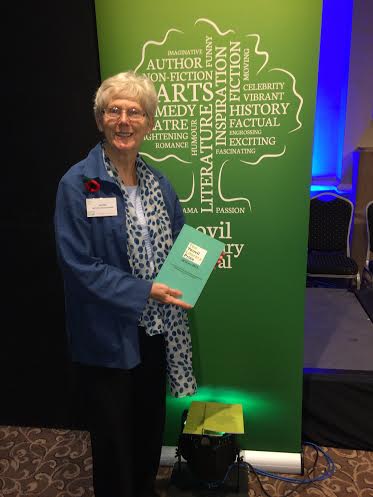
yeovil2014 Liz Pike, one of the festival organisers.

I was in fact involved in three events across three of the festival venues. They were three very different styles of event, and were only a tiny fraction of what the festival had to offer.

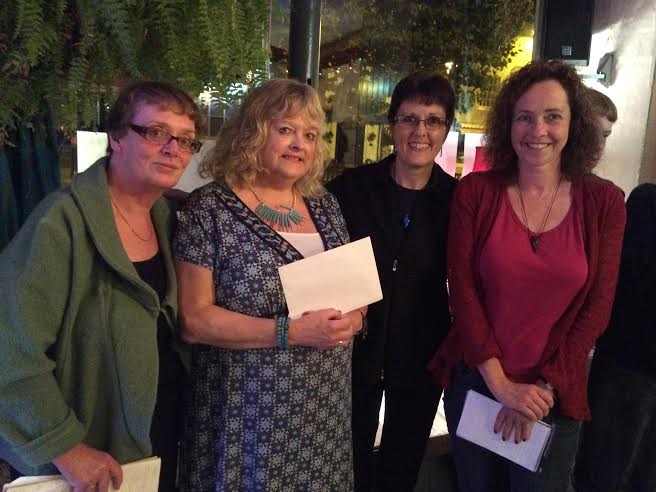
The first event was the Yeovil Prize Winners event on the Friday Morning. The Yeovil Prize was founded by bestselling author, Margaret Graham, with James Mitchell to raise funds for the arts of the area. When Margaret moved from Yeovil, crime writer, Penny Deacon took her place until handing over to Margaret’s ex-student, Liz Pike and her team. It is now in its 11th year and continues to grow. It is an internationally renowned competition, and since its earliest days it has been watched closely by both editors and agents, and as the list of success stories continues to grow it is clear why.

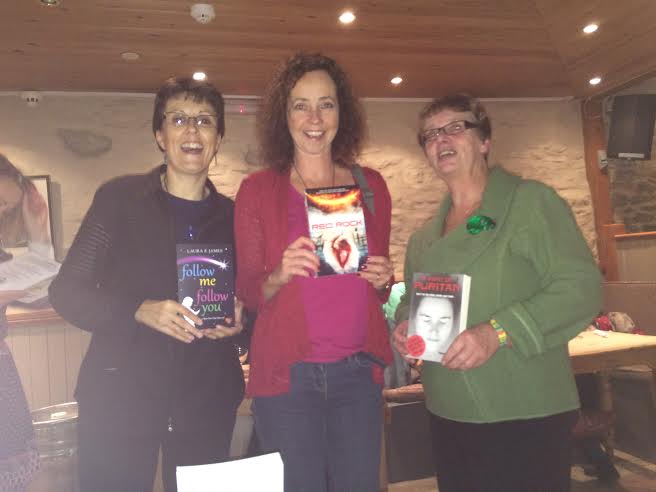
I am one such author – Red Rock was Highly Commended in 2010 and I’m convinced that this helped tip the balance with the agent who was considering it at the time. This year it was lovely to have a number of winners in the poetry category in our midst. We took turns to read our winning entries and talked about what the Yeovil Prize has meant to us.
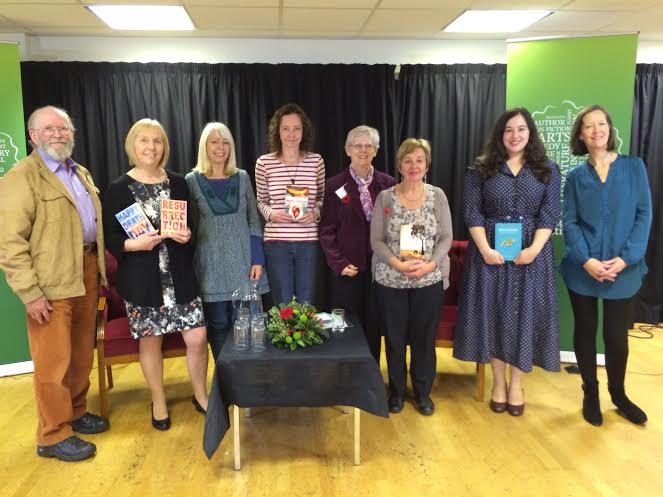
2 The Yeovil Prize Winners Panel.

If you are interested in reading some of the poetry and fiction that has been shortlisted over the past couple of years, then the Yeovil Prize Anthology is now available.
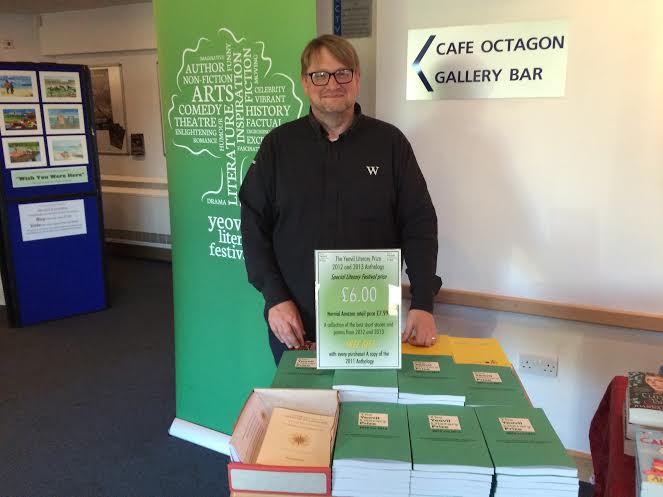
3Marcus, manager of Yeovil Waterstones with copies of the Yeovil Prize Anthology.

That evening I was honoured to host “In Conversation with Jason Hewitt”. Jason is a debut novelist and The Dynamite Room was published earlier this year. It is a World War 2 story, but one with a difference and is absolutely superb. Set on the Suffolk coast in July 1940, a German officer swims ashore and breaks into a boarded up house. There he finds Lydia, and 11 year old escaped evacuee hiding in the attic. Over the next five days Lydia is held hostage in her own home – but there is more to the German that meets the eye – for how is it that he knows her name?
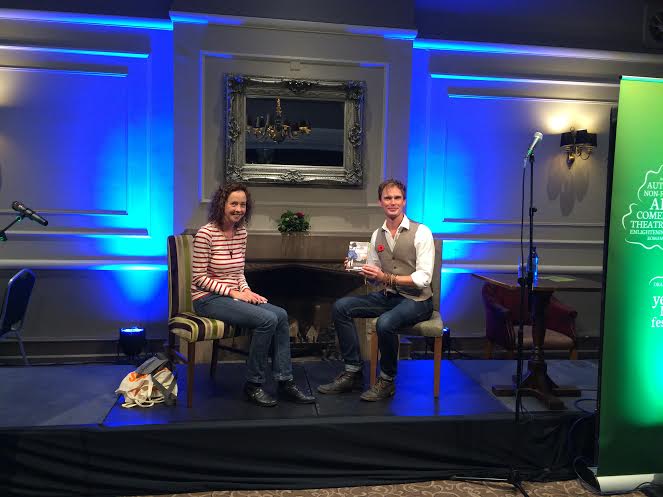
4In Conversation with Jason Hewitt.

I really enjoyed meeting Jason and chatting to him. The ‘In Conversation’ style of event was a lot of fun, very relaxed, and Jason had so many interesting things to tell us that the time simply flew!
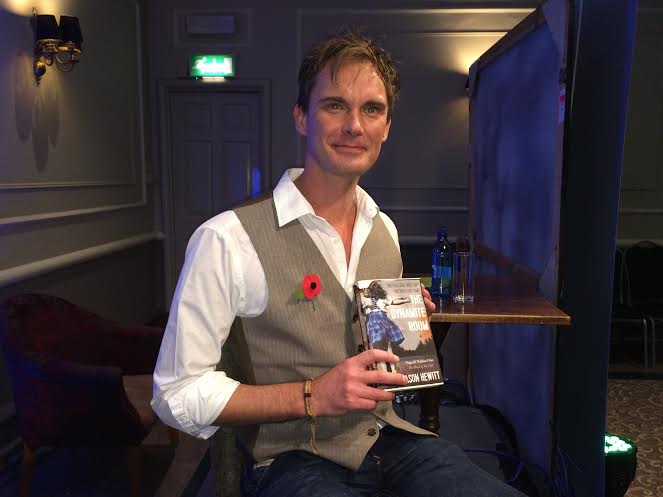
5 Jason Hewitt and “The Dynamite Room

The following day was my third event, and quite a change from what had gone before. This time I was in the Yeovil Library running a writing workshop for children.
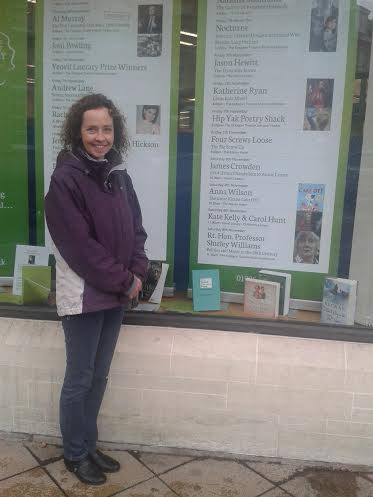
6 Outside Yeovil Library.

The event was well attended and I couldn’t have asked for a better bunch of kids to work with. They were all so enthusiastic and imaginative and half an hour after the event had ended were all still sitting scribbling away. I suspect there might have been some budding authors in their midst.

Of course, these were only three events in a packed programme. The organisers have really built on last year’s success and I can’t wait for next year.


Triskele Books | Self Publishing

Triskele Books is an author collective, a group of five writers from three countries who edit, proof, consult, advise, co-promote and market their books on a shared platform. Each works as an independent entity but all benefit from mutual support. From time to time they also take on associates who fit the Triskele ethos.

Between them, they have now published seventeen novels and offer advice on the process via The Triskele Trail, a warts-and-all story of how they made some mistakes and some smart decisions, discovered opportunities, found friends and dodged predators in the independent publishing jungle.

They have an informative blog, including a Toolbox with practical advice, a Bookclub with reviews and author interviews, and a Writers’ Services section, showcasing approved providers.

Core members are Gillian Hamer, JJ Marsh, Liza Perrat, JD Smith and Catriona Troth. Current associates are JW Hicks and Barbara Scott Emmett.

This autumn Triskele Books celebrates five new releases:

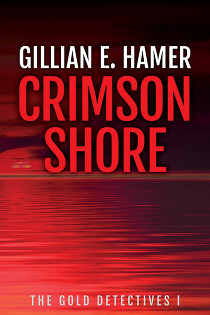
Crimson Shore by Gillian Hamer

A half-naked woman dead in a ditch. A disappearing pathologist. A teenager run off the road. For a peaceful island, Anglesey is experiencing abnormal levels of crime. What’s the connection? Crimson Shore is the first novel in The Gold Detectives series set along the North Wales coast.


crimsonshore

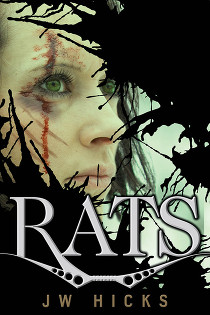
Rats by JW Hicks

In one world she is Bitch Singer—fighting a dictator, guerrilla style. In another, she is Dorrie Hart, housewife and mother—carer to a speech-impaired child. Which world is real, which life is true? And why does she wake each morning crying for a lost lover—a lover she is determined to find?

rats

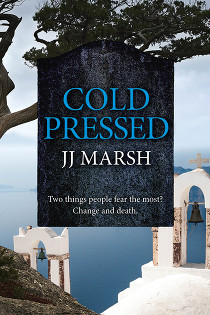
Cold Pressed by JJ Marsh

When an elderly British tourist falls to her death from a Santorini cliff, one witness claims it was no accident. Hellenic Police ask for international assistance from DI Beatrice Stubbs. As she tracks the killer from the Cyclades to the Dodecanese, Beatrice discovers two surprising things. One is a fifty-year old secret. The other is her inconstant heart.

coldpressed

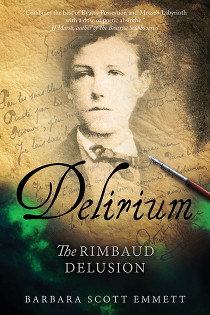
Delirium: The Rimbaud Delusion by Barbara Scott Emmett

“How many times had I dreamt of coming across the yellowing manuscript of La Chasse Spirituelle? Inside an old book on a stall in Paris, perhaps. Or in the attic of some befriended ancient…” The intoxicating hunt for a lost poem by Rimbaud.


delirium

The Fate of an Emperor – Overlord II by JD Smith 

My name is Zabdas: a brother, protector, soldier and sacrifice. I am a defender of Syria. I shall tell you the story of my beloved Zenobia: fearless woman, determined wife, Warrior Queen of Palmyra …

Crushed between two warring empires, Zenobia and Zabdas are ordered on another mission, deep into enemy ranks, to deliver terms to the King of the Persians, and pray they will not be flayed alive.

But all is not what is seems. More than one person is intent on betrayal …


emperor


Triskele Books will be launching these five titles at Barton’s Bookshop in Leatherhead on 15th November. The following day, they will co-hosting the Indie Author Fair at the Chorleywood Lit Fest.


A Day In The Life Of Wendy Breckon – Writer And Storyteller

wendy1

5.00 am. Wake up early, too early as usual. The creative mind cannot sleep. Wonder where the piece of paper I shoved under the pillow is? One gets many ideas in the middle of the night, but what good is a pencil, if there’s nothing to write on. Aah… it’s Wednesday today. The alarm was set for 6:30 am. Our son Olly, is a producer for Good Morning Britain  (ITV) and often texts us when his features are on.

“Do you think that is one of his items?” I mumble to my other half, through bleary eyes, holding a cuppa and crunching a half fat biscuit.
Mmmm… his reply could be considered interesting…Where is that pen and paper?

Today of all days I am feeling so delighted. Last night, I read one of the stories from my memoirs of an Ulster childhood, at the Bridport (Dorset) Story Slam, and was fortunate to win the first prize. This reflection on my early experiences and my wonderfully eccentric grandmother, has motivated me to keep writing… and writing… and writing.

wendywriting

So where did this passion first begin? Probably on her farmhouse table in County Down when I was seven and not quite eight. As I scribble, the words fly across the page and she is there; dancing in a Cossack hat, making soda farls for tea and whispering unbelievable French words.

The day continues downstairs with a large cup of coffee and later on, lunch. In the room overlooking the garden, blushing apples on gnarled, old trees and the faded blooms of lupins are waving gently. I reach for another new notebook and pencil. Handbags and shoes don’t thrill me, but writing materials increase my excitement to dangerous levels. We are talking dotty, spotty, cute pets and London buses. I own many but never stop craving more.

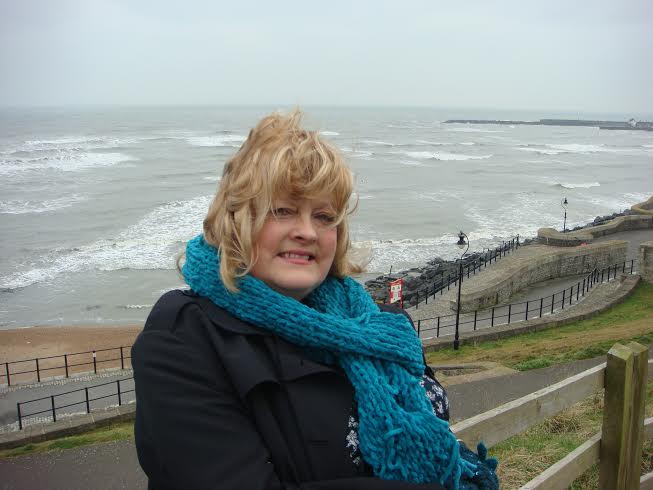
When I need to clear my head, or just let ideas and memories simmer, I head for the front at Lyme Regis and just let things work themselves out.

bytheseainlyme

Sometimes as a break from memoir writing, I send letters to magazines and have had a few published. The funniest one appeared in Homes and Antiques, where I told the tale of chasing a shoplifter in John Lewis down three escalators, before she disappeared without trace. My punishment as a student employee involved a ‘brief’ stint in men’s underwear and pyjamas. Naturally it took ages to recover!

Over the years the family has been very supportive of my writing. When my two sons were teenagers however, the fact that I had taught English and Drama to Glenn Hoddle the footballer in the 1970s, was much more interesting. They both loved the idea that their mum wouldn’t let him go to football because he dived over the desk.

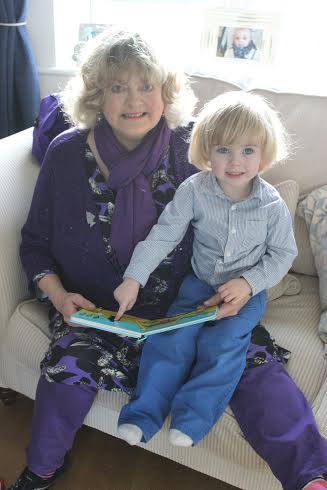
As dusk settles, hopefully tonight we will get the chance to Skype our son Sam, partner Lorraine and grandson Finn (three), who live near Dublin.

wendyandfinn

I light one of my own home-made organic candles – fig and pink grapefruit, (another great passion), while we plan our next big adventure to Ireland.  Naturally, the latest story will be tucked in my suitcase.

Wendy Breckon

wendybreckon@outlook.com


A Day in the Life of Emma Kavanagh

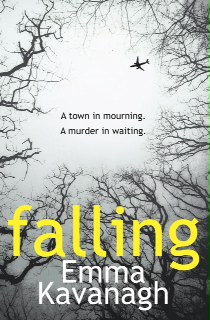
Before Emma tells us of a day in her life, let me tell you that she has written a brilliant debut psychological thriller for Random House: a plane falls out of the sky, a woman is murdered, four people all have something to hide.

fallingbook

Emma is a former police psychologist but this is her day now. Over to Emma.

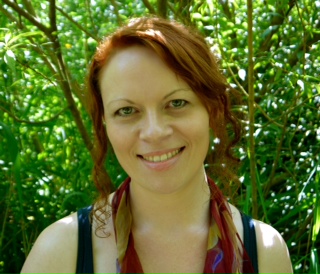
Emma Kavanaghauthor

I would love to tell you what my typical working day looks like. But I am the mother of two small boys, the youngest just eight weeks old, and so once my maternity leave ends I’ll be working on figuring out a new typical.

emma+children

So let me tell you about a typical day in my old, pre-baby life. I wake about 6am, stirred to life by the dulcet tones of my 3 year old, shrieking “Morning, Mummy. Wake up.” I blink, try to remember who I am and why there’s a stuffed dog that smells of stale milk resting on my forehead, then face the day. I always get dressed. That may not sound like much of an achievement but remember that I’m a writer. Pyjamas are practically uniform. But I’m a believer in getting ready for the day, allowing my brain to remember that I’m in work mode now. Then, after making my toddler toast (which he won’t eat) and scuttling him to creche or an obliging set of grandparents, I get started.


Work time is sacrosanct for me. I don’t have much of it, and that which I do have is fiercely guarded. Once my toddler is out of the house, everything is about writing. I’m even pretty good at staying off Twitter. Most of the time. I open up my laptop, hunker down on my spot on the sofa, and begin by reviewing what I wrote the day before. I’ll do a bit of a tidy up on that, just ensuring that it reads well enough that I feel comfortable moving on, then I’ll look at what comes next. I don’t tend to edit much on a first draft, just bits here and there. I like to get the words out so that I have something to work with later.

workinprogress

I’ll spend as much time as I can writing. Then when my brain starts to fizz, I’ll move on to e-mails and general admin. If I’m feeling particularly efficient, I’ll jot down a rough plan for the next day. Then I get to be mummy again and my world devolves into talk about Play Doh and Elmo.


So, that’s my life in theory. Of course, now I have two sons. I am officially outnumbered. So…um…watch this space.


THE FAERIE TREE: A Book In The Making

SamhainSAMHAIN: The time of year when the harvest has been completed and the earth has become dormant. The time when the veil which separates the living and the dead is at its most delicate. The time to honour those who have passed.

I feel as though I’m chewing on metal. You see I’ve just bitten the largest bullet an author can bite – I’ve sent my completed manuscript to my publisher. I finished writing and editing it months ago, but it was still really hard to let it go.

So what, you may ask, has that got to do with the pagan festival of Samhain? Well everything and nothing really. The timing of my baby leaving the comfort of my laptop was driven by the necessities of publishing schedules but sometimes, when you look higher, wider, around you – there is an underlying connectivity which at once astounds and makes perfect sense.

The Faerie Tree is not a novel about paganism, but simply a story where one of the major characters has chosen this path to make sense of his world. What it is, is a novel about loss. That sad universal truth of life we all have to battle with from time to time; finding a way to understand and move on, without ever forgetting.

Samhain is a time of remembrance. The pagan equivalent of the Christian All Souls, it is one of a number of major festivals which run in parallel across the boundaries of faith. It is so very human to want to reach out beyond the grave that it makes perfect sense to set aside a time to honour our loved ones on the other side.

Those of you who are familiar with my first novel, The Cheesemaker’s House, will naturally be thinking that The Faerie Tree sounds like another ghost story. It isn’t. Here the characters who have died live only through the memories of those who loved them.

Memory – or memories – are central to the book. So much will become clear as I take you through my journey from the manuscript being sent to my chosen publisher Matador, to the book being available in the shops. But first I think we need to go back in time so I can share the book’s story so far. I think you might be interested; where inspiration comes from is the question I am most often asked in interviews or when talking to groups of readers.

Every author is different, but for me a novel becomes worth writing when two ideas coalesce to make a really gripping story. The first concept was the fairy tree itself. A few years ago a friend took me walking in a beautiful piece of woodland next to the river Hamble, with the express purpose of showing me this tree.

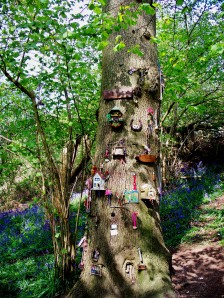
As we approached we began to find tiny teddy bears and plastic toys perched in the bushes, but even their increasing numbers did nothing to prepare me for the tree itself. An oak; not gnarled and twisted, but young, straight and strong – covered with toys, ribbons, beads, strings of shells, and even an old cuckoo clock. But best of all was the box filled with letters from children to the fairies – and the plastic folder on the back of the tree which contained the fairies’ replies.

Never before – or since – have I wanted to hug a tree so much. The feeling was pure instinct – something really basic inside me. As was the covering of the tree with offerings. Pagan? Yes – but in a way few of those who had left their gifts would even recognise as such.

So the fairy tree was the first strand of inspiration, but what of the characters who would discover it for themselves? The previous winter I had visited the beautiful city of Winchester for its Christmas market, and seeing homeless men gather at the Buttercross in the main shopping street, I began to wonder what it would be like to look into the eyes of one of them and realise they were an old flame. And that, dear reader, is where Robin and Izzie’s story starts. The themes of memory and of loss, well, they rather wove themselves, because The Faerie Tree had to be more than just a romance – there had to be mystery, and suspense.

So here I am, with a manuscript winging its way through the ether to my publisher. But the hard work of getting it into readers’ hands isn’t over – it’s only just started. As you will begin to realise when we meet again at Yule.


Jane Cable


The Indie Author Fair – a Pop-up Bookshop at the Chorleywood Lit Fest

Sunday 16th November, 2pm-5pm, British Legion Hall, Chorleywood

indiebanner

Indie authors and indie bookshops ought to be a marriage made in heaven – ideally suited to work together to create something fresh and exciting.

Catriona Troth, from the indie author collective, Triskele Books, is proud to have facilitated one such partnership – the first, she hopes, of many. Chorleywood Bookshop, well known for bringing literary luminaries to ‘the best little lit fest you’ve never heard of’, are working with the Triskele Books author collective and the Alliance of Independent Authors to host the inaugural Indie Author Fair at the Chorleywood Lit Fest.

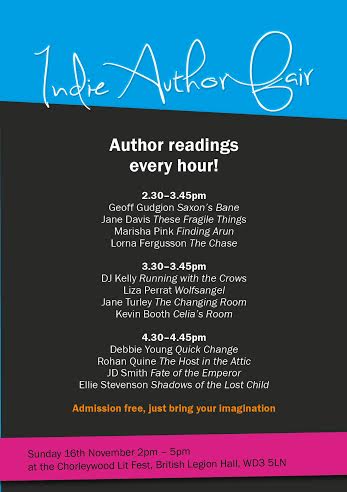
authorreadings

For the first time, in one place, forty indie authors convene to showcase their work and demonstrate how indie author publishing represents all that is innovative, daring and creative.

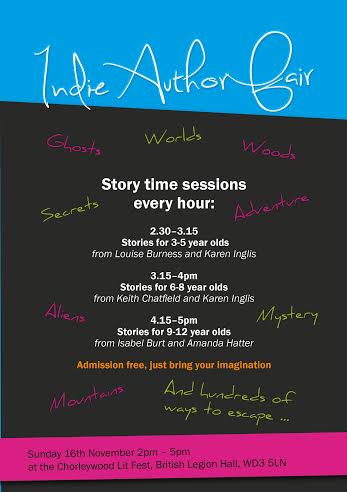
The Fair will feature works of crime, romance, historical fiction, comedy and lit fic, all read by the authors themselves. You can join in with story time sessions for children of all age groups, or browse the books while having afternoon tea and discover a hidden treasure.

indieauthorfairchildrensflyerIndie authors are a supportive, enthusiastic gang of professionals, ready to answer questions and share their experiences – good and bad. You can discuss plot with a crime writer, brainstorm covers with a designer, pick historical fiction brains, kick around marketing ideas. Or meet the people who make indie authorship happen: Sponsors Ingram, Matador and Reedsy are available to answer your questions.

Troth hopes it will turn into an annual event. “The Fair seems to have captured imaginations – authors are coming from as far away as Spain and Switzerland.”

Alliance of Independent Authors founder and co-host of the Fair, Orna Ross, is looking forward to, “the connections and collaborations, and the energising creative spirit that always blows when a crowd of dedicated indie authors get together.”

Richard Mollett, CEO of the Publishers Association says, “The Indie Author Fair is a great way of promoting writing and reading in Britain.”

If you love reading, if you enjoy meeting authors, if you’re curious about independent publishing – then come to the Indie Author Fair!


For more information, please contact Catriona Troth catriona.troth@gmail.com


Event page: https://www.facebook.com/events/727624687310614
Online catalogue: http://issuu.com/janedixon-smith/docs/iaf_catalogue_proof_issuu/0


A Day In My Writing Life: Lynne Hackles

I’m a busy writer, working under several different names. Here’s my typical day. Wake at 5am, do a thirty minutes run, thirty minutes housework and then sit and write until five in the afternoon. Some days I take a ten minute break for lunch.

And, if you believe that, you’ll believe anything.

Lynne Hackles

The truth is I get up when I feel like it. Some mornings I really do exercise. I stretch out my arms from under the duvet and clench and unclench my hands five times, then rotate the wrists five times.

Wearing my dressing gown, I stumble into the next room and switch on the computer, ready to start work. But I don’t. Start, I mean. I check emails, check my online horoscope, check Facebook, check my blog to see how many hits it’s had, then I do an online crossword, or two. I suppose I sort of creep up on work.

On my desk is an open notebook holding my To Do list. I’ll decide which job I am going to tackle, then set my kitchen timer for 25 minutes and while it ticks away I get stuck in and write. Once the alarm goes off I stop, get up and move. A few minutes later I start another 25 minute session. Moving regularly is necessary for me. I have a collection of lumbar discs in a jar so need to take care of my back.

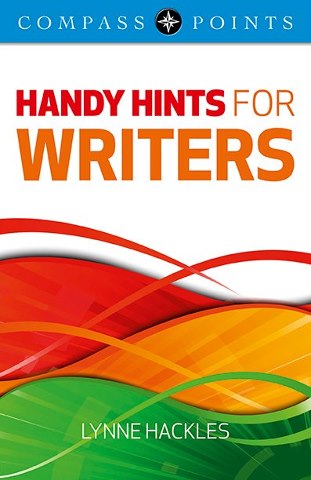
Lately, my writing work seems to be mostly journalism and non-fiction stuff. There was a time when I churned out stories for women’s magazines but I’m having a rather long rest due to being all story-ed out. Some days I have student assignments to mark – I’ve been a tutor for Writers’ News Home Study for 20 years. (They keep ignoring my hints about a golden clock.) Other days I try to ‘push’ my work. Writers are expected to do more than their bit when it comes to publicising their books. Handy Hints for Writers is one of my latest but I’m still telling people about Writing From Life and I give talks about writing down personal experiences as well as going the whole hog and tackling life stories.

Lunch is taken whilst listening to Tim Wonnacott on Bargain Hunt. I reckon, by now, I must have earned a degree in Fine Art and Antiques.

Afternoons are for doing other things. The LSO (Long Suffering One) and I will be in the garden or, if the weather’s not good, we’ll be inside stripping wallpaper, painting cupboards and doing the 1001 things that are needed in order to finish renovating the house we moved into a year ago.

Most evenings I carry my laptop downstairs and, while the television is on in the background, I’ll answer emails and do the admin’ side of my writing job. Other evenings, like tonight, I go out to give a talk.

And then there’s the Sabbath which can be any day of the week but which is work-free. It’s a time to recharge the batteries and do something different. We are working our way through a long list of places to visit, people to see and things to do.

handyhintsforwriters racingstart writingfromlife

Racing Start – a Kindle best-seller. Fast paced cycling fiction for 8-12 yr olds
Kindle/Amazon: http://www.amazon.co.uk/Racing-Start-Lynne-Hackles-ebook/dp/B00HNFOM8G/ref=sr_1_1?ie=UTF8&qid=1389086256&sr=8-1&keywords=lynne+hackles+racing+start
Kobo: http://store.kobobooks.com/en-US/ebook/racing-start
iTunes/iBooks: https://itunes.apple.com/gb/book/racing-start/id785373782?mt=11
www.lynnehackles.com
www.lynnehackles.blogspot.com
Handy Hints for Writers – Compass Books
Writing From Life – How To Books
Ghostwriting – Aber Publishing


Bridport Story Slam III by Penny Deacon

Here’s the scene: an old pub/coffee house that winds backwards and upwards (beware the stairs!) with a wood burning stove and wooden floors and tables (presently pushed to the side) and rows of chairs with settles against the available wall space, all full of people laughing and talking until one of them walks up to the microphone squeezed into the front window and begins to read.

judgeandwinnersStory Slam

Judging a short story competition doesn’t take a fraction of the nerve it takes to stand up in front of an audience, many of whom know you, and read your story aloud – especially when three judges are sitting under your nose and making notes and trying to look inscrutable. I had the fun job, I decided, watching the tremor in more than one entrant’s hands.

When I was approached to help with the judging of the third Bridport Story Slam I had to ask, ‘What is a Story Slam?’. It’s an exercise in insanity where people agree to stand up and read our their work. Time allowed: five minutes only. After that, the alarm (kitchen timer in this case) goes off and you have to stop mid-sentence. Our entrants were extraordinarily well organised. To one or two murmurs of disappointment, (Shame!) no one was cut off, although one woman ended her story to the sound of the buzzer on the last word. Cue rueful laughter.

richardandlauraStory Slam

The range of stories was wide: comedy, anecdote, a sweet tale of an old lady at Christmas, a poignant glimpse into a childhood in care, an uproarious Irish childhood, local traditions brought to life, dread in the peaceful  suburbs. I was glad there were three of us judging. Kate Kelly (http://scribblingseaserpent.blogspot.co.uk/2014/10/bridport-story-slam-iii.html) and Laura James (http://www.lauraejames.co.uk/?p=2621) and I had much to discuss after we had listened to all 12 entrants.

Choosing the top three did, eventually, prove possible, although there was some lively discussion about the order. In the end we all agreed that Wendy Breckon’s funny and lively story, A French Tale, was our winner. This story of a girl (‘Seven, not quite eight’) in rural Ireland trying to find out what her Grandma’s French phrase (Voulez vous couchez avec moi?) meant  was more than a comic tale of naïve misunderstanding. What made it a winner was the effortless evocation of place and character. The Grandfa, ‘skinning a rabbit for supper’, who came in ‘smelling of cow  manure and wet grass’ and the Grandma who clearly had had a lively youth were evoked through the child’s innocent perception and Wendy showed us the relationships between all three characters without once having to tell us what was happening. The voice in this story was remarkable, and well-sustained. The performance of the author – because, in a Slam, the telling carries a lot of the weight of the tale – was outstanding.

Story Slam

Comedy tends to be squeezed out when ‘literature’ is being discussed. It was therefore a delight to be able to award second prize to Richard Green’s  outrageous and uproarious story (Health and Safety, I Presume). His performance as the old-fashioned army ‘buffer’ who has murdered his wife and left her body with a tidy neighbour who promptly returned the corpse to its proper place (the killer’s wheelie bin, where else?). Was a tour de force. Somehow it was just so right to realise that we had Colonel Mustard (with the candlestick) telling us his side of the story. We asked ourselves, ‘Is he like that in real life?’ only to meet Richard later and realise how wrong we were.

Just squeezed into third place was Gill Smith’s Hide & Seek. This story had a deceptively ordinary suburban setting where ‘Bill was at the bridge club’ and the narrator watched the neighbour’s children play outside or run to the Wendy house. The use of pacing and foreshadowing, however, built the atmosphere of suspense until we knew something terrible was about to happen but didn’t know what. That the final revelation let us down a little, was what made this story slip into third place but the author is to be congratulated on her ability to create and sustain mounting tension.

It was a great evening and I felt privileged to have been invited to share in the judging.

I have to finish with thanks to Frances Colville who organised the event (she’s been asked to do another next spring, go to www.Dorsetwritersnetwork.co.uk in the new year for details), especially since she has generously donated all the profits from a really excellent evening to Words for the Wounded a charity which raises funds through writing to support wounded service personnel. Next year’s competitions open on November 11th, so check out the website (www.wordsforthewounded.co.uk) for details.