My Writing Process | Deborah O’Donoghue

sea of bones author , Deborah O’Donoghue,How I write.

I tend to be inspired by theme and place, and then characters and situations start to come to me. I write scene by scene, then I go back, layering in descriptions and character information.

A bit about you. 

I live in Brussels at the moment, which is a fantastic city, really international. I grew up on the south coast of the UK and always wanted to write and tell stories. I was very into theatre and acting as well, but I soon realised you had more creative control if you were writing. My parents encouraged both my sister and I along these lines; there were always books in the house, Dad would make up silly rhymes at the dinner table, and Mum spent hours typing up my stories before I learned to do it myself.
What you have written, past and present.

I wrote lots of stories at school and had great teachers who were kind enough to put them into the school library! Aged eleven, I sent a manuscript to Faber and Faber. It was about a gang of kids and a brother in the army and something to do with the Ministry of Defence, so I guess thrillers are in my DNA! A kind editor at Faber wrote me a letter with some excellent tips!

At university I adapted a short story by Muriel Spark into a play and took it to the Edinburgh Festival. I had a brief exchange with the Dame herself, to get permission. I contacted her through her agent and she lived in a farmhouse in Tuscany which seemed enchanting to someone who’d grown up on a British housing estate. It was really exciting and inspiring!

I went into teaching, which I loved, but it was so all-encompassing I only really had time to write short stories. So that’s what I did. I was shortlisted in a Commonwealth Broadcasting competition for a flash fiction piece.

In 2015, I left my job and moved to Brussels to be with my partner. I decided it was time to put my money where my mouth was and sit down and write a novel.

What you are promoting now. 

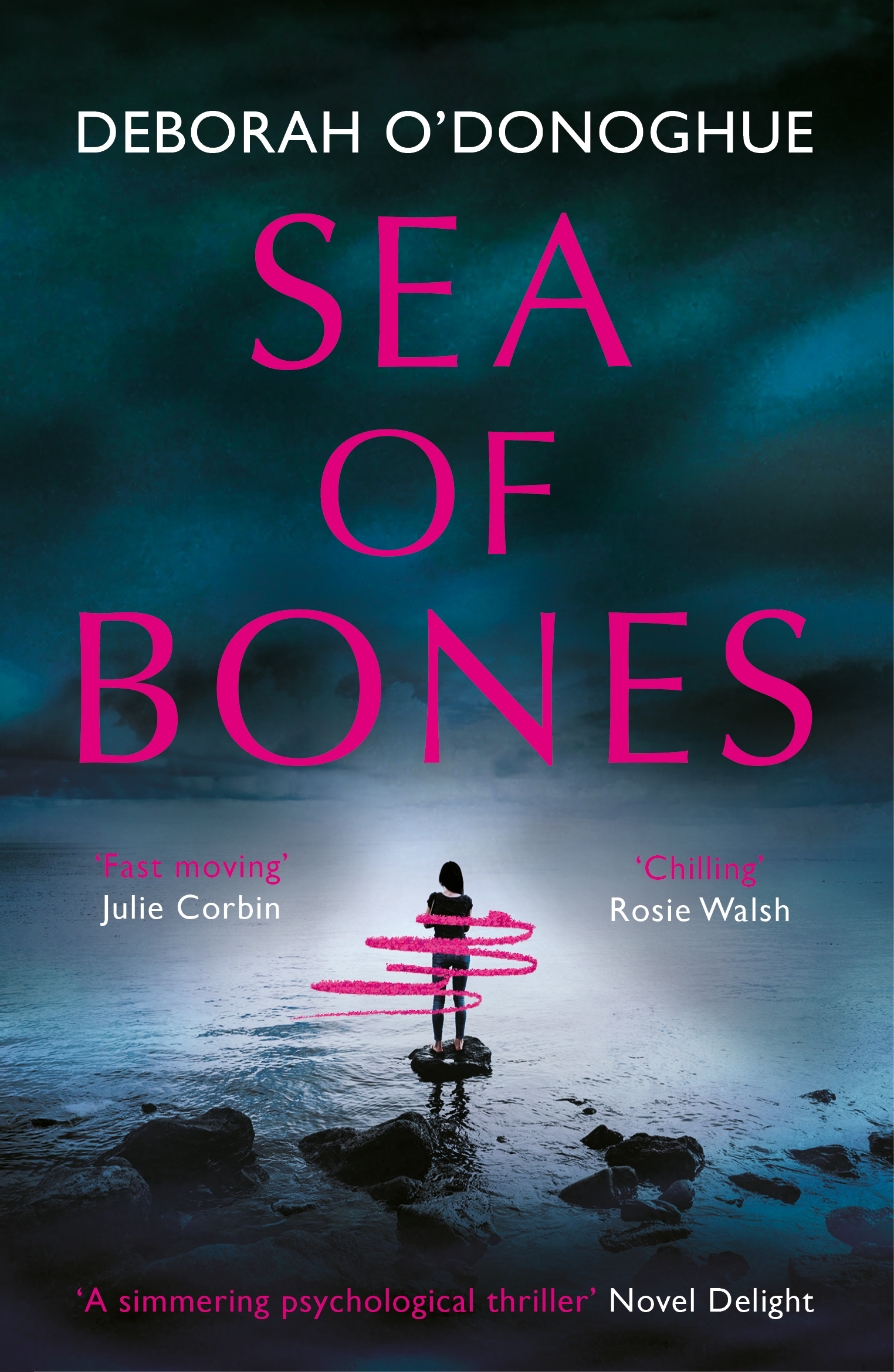
Sea of Bones – my debut novel. It’s out on 1 July 2019. It’s a psychological thriller with a political backdrop and a strong female protagonist, set in Scotland as well as taking in London, Manchester, Liverpool, and Wales! I’m really lucky it found such a good home with Legend Press, and now I’m working several ideas for a follow up. I’ve a sequel in mind, but also two other thrillers – one set between the UK and Spain, and one about the entertainment industry.

What is your process of writing?

I try to write every day, for three or four hours at least. I do some exercise in the morning, then I usually go out to write because if I’m at home I get distracted by chores. There’s a wonderful café near me overlooking some lakes and I go there and they are very kind to me. It’s lively, which I like – a bit of stimulation. I tend to edit as I go, which many people say is bad practice, but my inner critic is too loud for me to ignore.

When I started, I put out a call to published friends to see if any would be prepared to have coffee occasionally and share their wisdom. I was amazingly fortunate that Rosie Walsh responded and ever since we have sent each other writing regularly, encouraged each other and helped solve each other’s plot issues. It’s easier solving someone else’s problems than your own!

Do you plan or just write?

I do plan. I spend enough time looking at a screen, so I have a physical whiteboard, covered in post-its of different colours for different plot elements, with scribblings and ideas for scenes. But the plan changes as I write. As you get to know the characters in situ, you realise you need to add scenes in, move things around and so on.

What about word count?

I try not to worry about word count although when you’re up against a deadline you do have to take that seriously. It obviously feels good when you’ve written a decent amount in a day, but so much of the work of writing is research and thinking that being obsessed by word count can be counter-productive.

How do you do your structure?

I’m interested in the theory of writing and I like form to reflect content. I compare what I’m doing to things like Blake Snyder’s beat sheet. I’m also re-reading The Way of the Writer by Charles Johnson at the moment. But sometimes the theory can make you freeze up, if what you’re doing doesn’t seem to fit. It’s important to see how other writers do it and what they can get away with. That can free you back up again.

What do you find hard about writing?

I’d already had a career in education where there’s a clear pathway, so it’s quite disconcerting entering a new industry and feeling your way, understanding how it works. In teaching you get immediate feedback on what you’re doing, from classes as well as colleagues, so it’s quite a change learning to wait and be patient. What else? For me, it takes sustained periods of concentration and investment to really get going, so it’s hard chopping and changing and combining writing with other tasks, but that’s just life. Maintaining confidence in your vision and balancing that with listening to others’ views can be difficult too, but I’ve found I really enjoy picking my way through other’s opinions on what I’m doing, working out what I agree with and what don’t. It’s a great way to find your voice.

What do you love about writing? 

I love words. I love that you can create atmosphere with words and that they have a feel of their own. Zenith, peak, high point, summit – they have their own sound and shape and feel within a sentence. Plus, it’s wonderful doing a creative job, where I get to meet and talk to people and research and learn about all sorts of things. Being a teacher was very rewarding but it meant having my day divided into little blocks and not being allowed to leave the premises even for breaks or lunch, so it’s a complete privilege managing my own time.

Advice for other writers. 

There’s the all-important one, which is . . . write! But also read of course. More practically, if you want to be published it’s important to learn about the industry, network (which can be anathema I know, as many writers are quite solitary people!) and put your writing in front of others and hear what they say. Attending writers conferences and meeting agents and editors is a good way to do it because you can get lots of advice from different people all in one go.


Deborah’s debut novel Sea of Bones is out on 1st July.
My Writing Process | Rosanna Ley

How I write.

A big question! To be brief… Once I have a detailed synopsis I tend to write each new scene longhand in a notebook and then edit it as I get it on to the computer. More edits follow and then I move on to the next scene. Once I get to the end of the book I’ll go back for more editing and consider if I’ve got the structure right. Final edits are about fine tuning and polishing.

I’ve written all my life and also done a lot of teaching of creative writing here and abroad with a particular interest in both novels and life-writing for therapeutic practice. I moved to West Dorset, my ‘soul-home’ seven years ago and find it inspirational and peaceful. I love travelling and my books are always based in foreign climes as well as either Dorset or Cornwall or occasionally somewhere else in the UK. I like to think of the books as mainly relationship driven – I’m very interested in people!

What you have written, past and present.

I’ve written 8 books for Quercus including The Villa and Bay of Secrets as well as numerous short stories and articles.

What you are promoting now. 

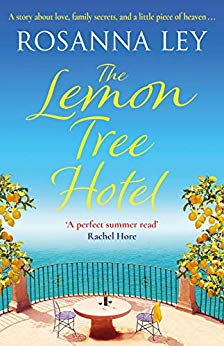
The Lemon Tree Hotel out in paperback 13th June 2019.

Do you plan or just write?

Plan. I do a lot of planning which gives me a good structure to come back to if I then decide to go off piste. Organic writing is lovely and spontaneous but it tends to require a lot of editing…

What about word count?

My books are between 115,000 and 130,000 words long and they always turn out that way…

How do you do your structure?

Before I begin, I think about timeline, viewpoint and narrative tension and decide on the main structure of the novel. I’ll change it if it doesn’t seem to be working. I don’t work to any kind of formula in terms of narrative arcs and points of tension – I don’t want my books to become formulaic and prefer to trust to my instincts.

What do you find hard about writing?

I may have lots of ideas but it’s often hard to form these into an outline that will give me a sufficiently strong story-line (or two) and which will work on all the levels I need it to work. Structural editing can also be very difficult and requires a lot of clear head-space!

It can be hard, working to a deadline and for all writers there is a lot of pressure and often anxiety to deal with. I also hate waiting to find out if readers like my book…

What do you love about writing? 

I love the feeling when I know I’ve written a good scene or even a good paragraph and I’m totally satisfied with it – there’s nothing like that feeling for me. I also love being able to go off in my imagination and take control of another world (control freak – haha). I love it when a character starts speaking to me in my head and I love the process of writing a first draft on a fresh page of my notebook whilst sitting on a warm beach somewhere. I love going to new or much-loved places and planning how to set a novel there. I love research but sometimes get too interested in it. I love it when the finished book is delivered and looks beautiful – but I’m already worrying about the next one and whether it is good enough! 

It turns out there’s a lot I love about writing, which explains a lot…

Advice for other writers.

Read a lot. Write about what you want to explore. Don’t start writing fiction until you hear the voices in your head. Plan or don’t plan – do whatever feels right. Listen to advice from people who know what they’re talking about. Don’t listen to advice. Don’t give up. Go for a walk or do the ironing if you get stuck. Enjoy. (Turns out there are a lot of contradictions in writing advice too)


The Lemon Tree Hotel by Rosanna Ley will be published by Quercus in paperback on 13th June, £7.99

My Writing Process – Valerie Holmes

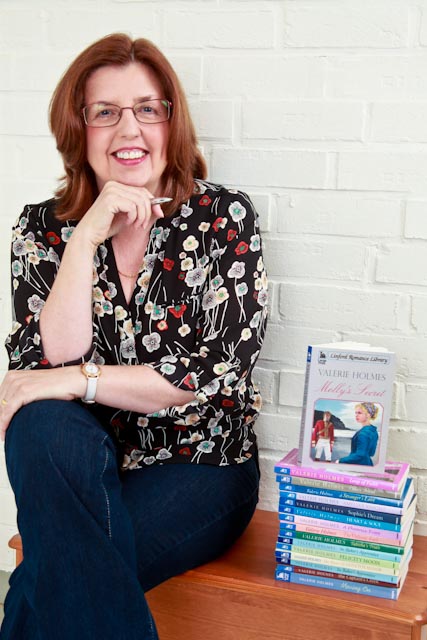
Valerie HolmesMy childhood memories of growing up in a North Yorkshire coastal town are vivid. The flat sandy bays, marram grass covered dunes, salt marshes, woodland and moors provided a natural playground. The Tees estuary to the north was industrialised, but the natural beauty of the sweeping bays and rugged headlands down to the ancient port of Whitby has a fascinating history. My mother had Multiple Sclerosis and died too young, so walking my dog and exploring the outdoors was important to me.

I love writing and am an experienced creative writing tutor independently and for The London School of Journalism and Writing Magazine. 

The Yorkshire Saga series, published by Sapere Books, is set in the region in early nineteenth century. I have had over 40 novellas published by F A Thorpe, both romance and mystery – historical and contemporary.

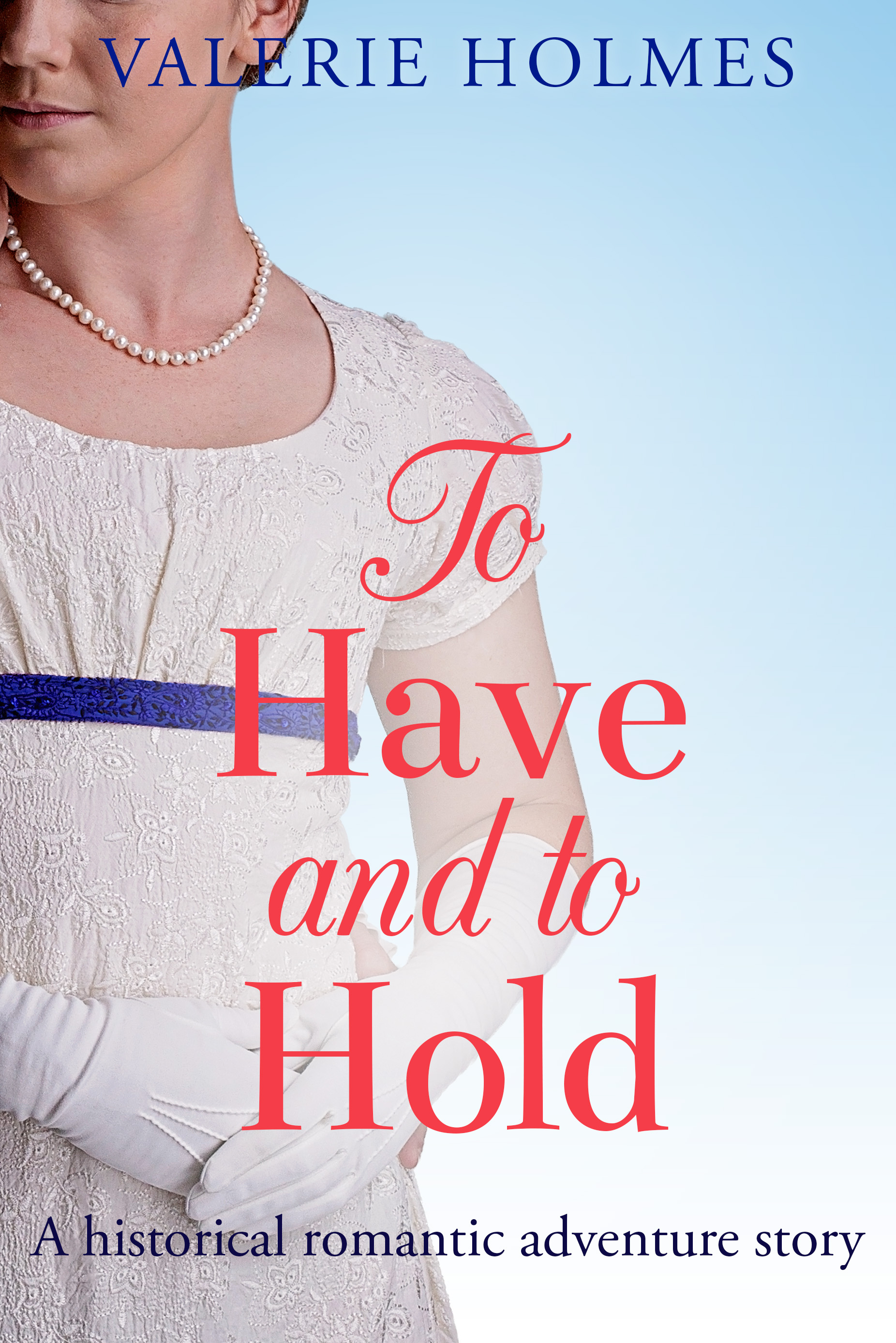
The third book in The Yorkshire Saga series ‘To Have and To Hold’ is published on 17th June, and the fourth ‘In Sickness and In Health’ has just been delivered to Sapere.

They are all set in or around the same fictitious villages of Gorebeck and Ebton nestled in the shadow of the headland of Stangcliffe (based on Saltburn and Huntcliffe). 

Set against social changes as a result of the wars with France: smuggling, espionage, press-gangs etc. I have been researching the era and the region for years.

A bit about your process of writing.  & What about word count?

 I write 1000-1500 words a day. The next day I will return to the work of the previous one and overwrite it, then add on the new words for that day, repeating the process until I have reached a satisfying ending and an acceptable total wordage.

Do you plan or just write?

Normally, I begin with a character, place and situation and then run with it. Once I have a few chapters drafted and the secondary characters have appeared on the page I plan what will happen: conflicts, subplots, character changes and the satisfying ultimate resolution of the core plot.


I like to explore the many facets of love from friendship, maternal/paternal to obsessive and manipulative, keeping the central theme as the spark that links two people together, drawing them into a relationship kindled by true love, regardless of social class.


Love bonds people together. Laws can dictate the controls within a culture which restricts or allows certain behaviour, but, I believe, most people want to have that special person in their life to love and be loved. I want the reader to be left feeling satisfied and positive about the future.


How do you do your structure?


I like to build up to a mid section that has a lot of things going on and kicks off new problems to drive the plot through to the end.


What do you find hard about writing?


After I have edited two drafts and left the project alone for a couple of weeks, even returning afresh to it, I am so close to the story that it is difficult to see what should be cut out or left in – that is why a good editor is so important to the finished book.


What do you love about writing? 


I love the adventure – I love creating the characters and setting them off to face a series of challenges and then figuring out what will stand in their way and how they will ultimately achieve their goal.


Advice for other writers


The publishing business is tough. It is a business and although we are creative we have to look at it like that. There are hours spent alone just writing. Love it. Love the whole process, embracing the challenge. The more you write, the better you become. Once published the challenges change. Be dedicated and determined and take on board constructive advice.

Most importantly enjoy every minute. 


My Writing Process – Margaret Graham

I think a lot before I even put fingers to keyboard. I have a rough plan, and character, and get to know them, and the plot, and theme, which of course will drive the plot.


I have been writing for over 30 years, under three different names. Novels, and series, features, plays including a community play. And helped to research a TV documentary that grew out of a novel, Canopy of Silence.
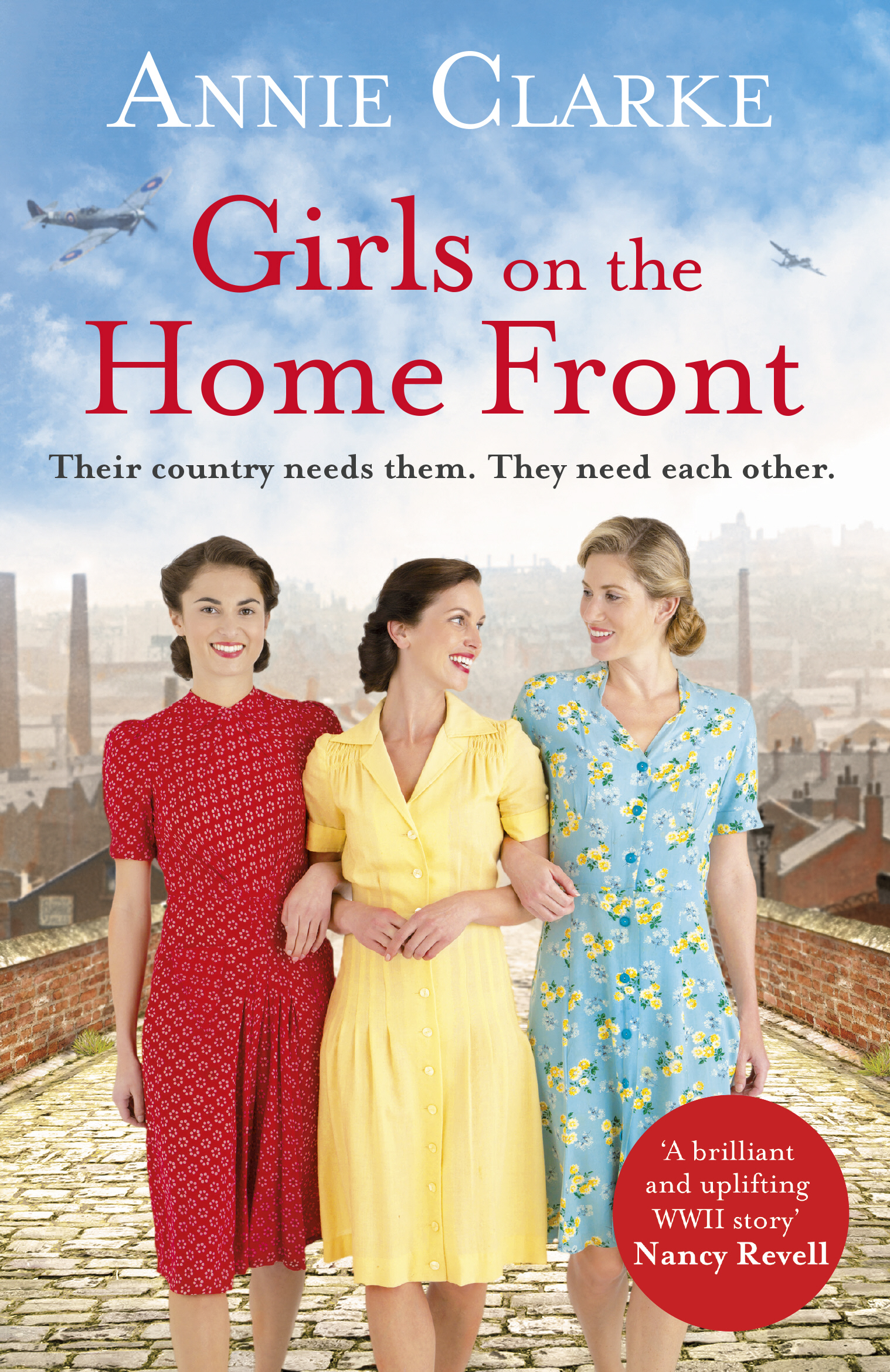
I have written the first of a series The Girls on the Home Front set in WW2. There is fashion in writing, or should I say publishing. At the moment there is a thirst for series about 2nd WW!!. When Downton Abbey was on, it was 1st War. The thing is, a writer must write for the market, we produce a product. Sound basic, but there you are. Packaging is key. You will note there are fashions in packaging too. Sagas seem to be three women against a library photo shot of a street or something.
Tell us about your process
Sit down  and do it! I get the idea, research the period etc. make notes, and all the time one’s mind is working, and arriving at a plot. Then you have to BE the characters, all of them, so they come alive.
Do you plan or just write?
I plan but not nearly as much as I did. I think that’s experience, I know now what is necessary.
What about word count?
Women’s fiction is usually about 100,000 words these days, but if you have a publisher they will tell you what they want.
How do you do your structure?
There is of course, only one structure: one shape, Normal world, then a point of change, then a rising arc to two thirds through the book, when there is a climax and it seems all is well, but like Cinderella the ball, the clock strikes, and it all goes wrong, so the last third is about resolving it finally, though no need to tuck it up neatly, just to show that the characters have developed enough to find a way through.
One main character and protagonist and antagonists. There has to be a theme, or message or it’s without depth.

And exposition, scene setting, showing not telling because we live in a visual age, so people are used to seeing things, not to wading through lots of telling. So create scenes, and it’s best if it’s through the eyes, (or point of view) of one person only in a scene. It helps with empathy.

What do you find hard about writing?
Actually doing it, I suppose. The day to dayness of it.  I write two a year, as well as being a Frost Magazine editor, and running my charity, Words for the Wounded so it’s a rush.
What do you love about writing?
Creating other worlds, and being in control of those worlds. As a parent I realised long ago I was in control of very little, but in fiction the characters have to do as they are told.
Advice for other writers.
Learn the skills – go to a credible writing class, or mentor group. It’s an apprenticeship and as such, you need to learn the craft. It is a craft, a nuts and bolts craft, not an arty farty Art. Basically, get down and dirty, and keep at it, share your work with a group, listen to constructive not destructive criticism, read to see how others do it. And don’t rush.

My first bit of writing, a novel, After the Storm was published. My very first bit of writing, so I had to learn in full gaze of the public. I switched point of view within scenes, and put in too much research and not enough dialogue. But it worked. My later books, however, are considerably better and easier to read. And  of course, enjoy it. No point otherwise is there, life is too short.

http://www.margaret-graham.com

www.wordsforthewounded.co.uk

https://www.facebook.com/margaretgraham4/

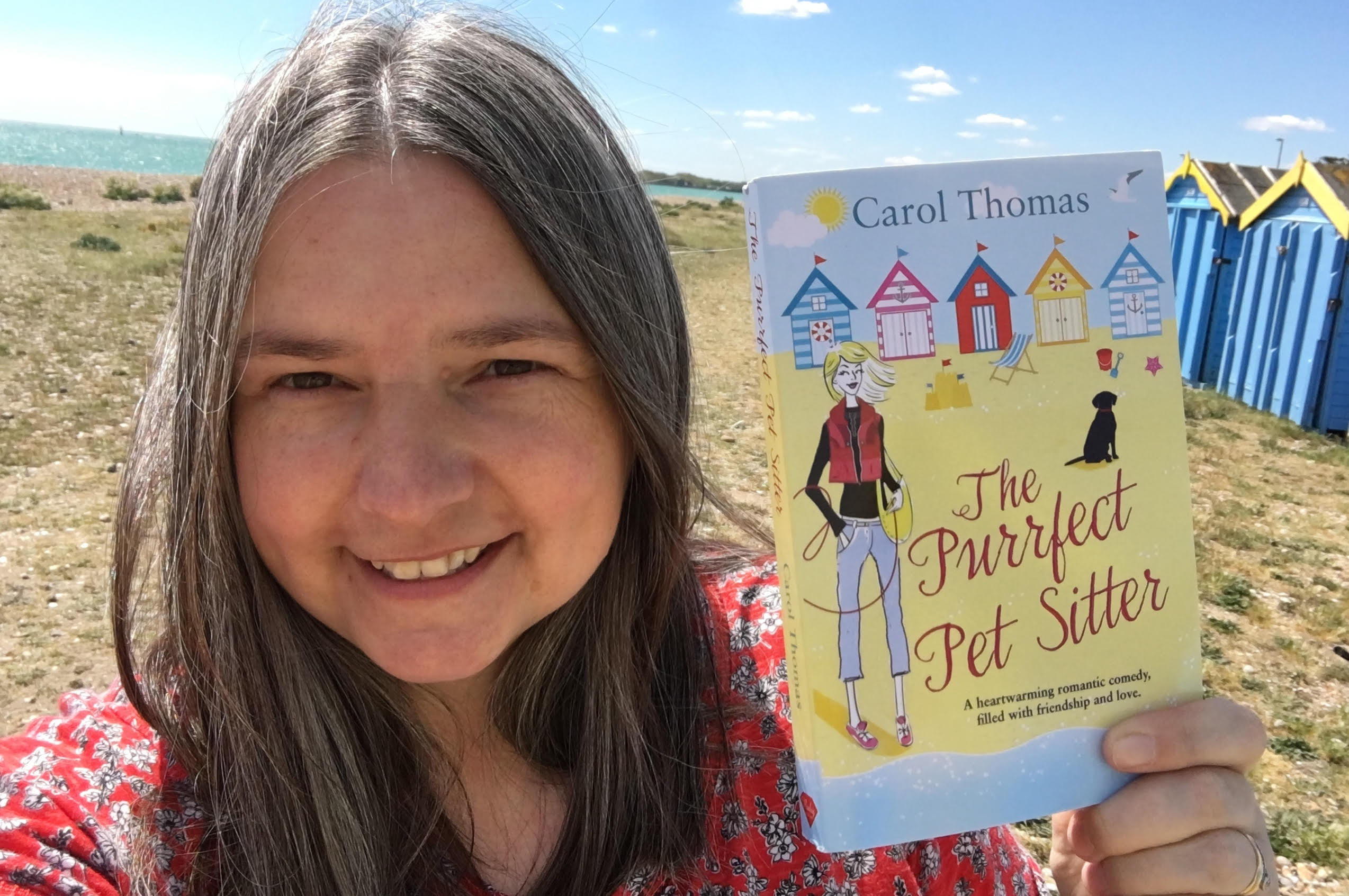
My Writing Process – Carol Thomas

Carol thomas, writer, How I write,

I live on the south coast of England with my husband, four children and lively Labrador, Hubble (never give a dog a name that rhymes with trouble!). I taught in primary schools for over fifteen years, before dedicating more of my time to writing. 

In the summer of 2017, I was delighted to gain a publishing contract with Ruby Fiction, an imprint of Choc Lit, for my second novel, The Purrfect Pet Sitter. Currently out as an ebook, with paperback and audio editions due for release on August 6th, it is the story of what happens when you rediscover the one you let get away.

Prior to pitching The Purrfect Pet Sitter, I had self-published a contemporary romance novel, Crazy Over You, and a children’s book, Finding a Friend. Self-publishing taught me a great deal about the publishing process, building an author platform and promotion.

My latest novel, also published by Ruby Fiction, is Maybe Baby, a romantic comedy. It is the sequel to The Purrfect Pet Sitter, but can be read as a standalone story. Having recently completed a blog tour, I am delighted to have received reviews such as:

 “Incredibly entertaining, this book has everything, animals, humour, romance, an old flame and a pregnancy test!” 

It is always scary when you send a new book out into the world and so receiving lovely reviews really does mean a lot. 

My work in progress is a contemporary romance, unrelated to my previous books. I started it before the idea came to me for Maybe Baby, and I have to say returning to it and regaining the same focus, is proving difficult. Though as my husband likes to point out, actually writing instead of being on social media would help.

Self-discipline is not my strong point, but I am working on it and intend to prepare more of my social media posts up front. Having said that, I do think it is important to interact and be present too – with an allocated time limit, of course ;-)

My writing process varies depending on the story. For Maybe Baby, I had a spreadsheet for dates, and plotted precisely, because the story required it. Ordinarily, when I start work on a novel, I buy a new notebook (who doesn’t love a pretty new notebook?) that will eventually contain everything related to that story.

I then plan the outline, build character profiles, and commence research – which I know will continue as I write. Once my new notebook is armed with these essentials, I start writing on my laptop. As the characters develop and the story progresses, I am happy to be led in new and exciting directions.

I love it when the story is flowing, and I feel I can’t type fast enough to get it all down. Conversely, when the ideas are not coming, and the word count is hovering in one place for too long, it can be frustrating. At times like this, I endeavour to keep going and get something down. I can always edit it – once, twice, or twenty-seven times – later. I don’t generally have a set daily word limit I try to reach as I have a busy house and life, but if I am away to write, I set myself goals.

My advice to writers, including myself, would be focus on getting your book written, there are plenty of distractions, but the only thing that will make that word count grow is actually writing!


My Writing Process – Caroline James

I am proud to have author Caroline James be the first writer to be part of our new series. How I Write gives readers, and other writers, an insight into the minds of writers. Not only how they think, but how they work. Enjoy. Catherine Balavage, Editor-in-Chief. 

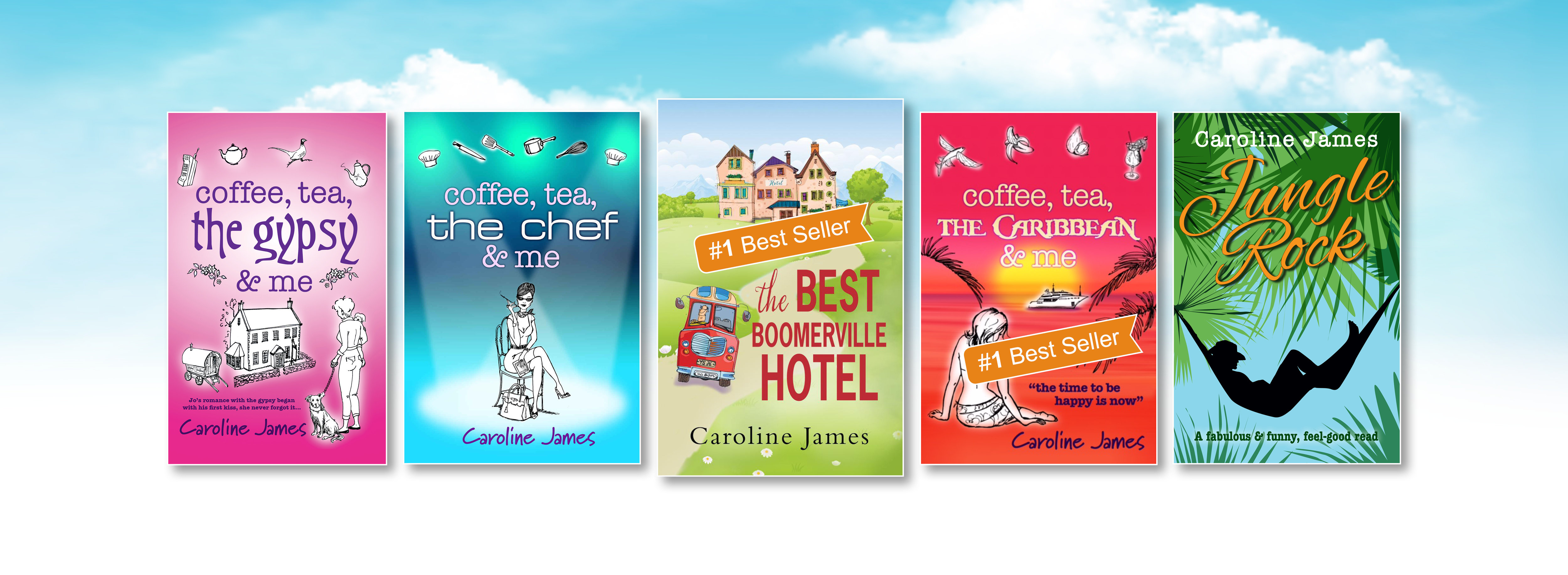
I always wanted to write from a very early age, but never thought that I was good enough. A few weeks short of my sixteenth birthday, much to my parents’ horror, I left school, and also home, to work in Cornwall, doing anything from pot-washing to waitressing. In that time, I realised that I loved the hospitality industry and if I couldn’t write, I would work hard and one day have my own business. Fast forward several years and I achieved that dream. After catering college and working for a large hotel group in London and abroad, I eventually owned a pub and then a country house hotel. When I sold the hotel, I became an agent representing celebrity chefs. It was a fabulous career but still I wanted to write and decided that I wouldn’t die wondering and pinned my bum to a chair to write my first book.

Five books on and I am currently writing my sixth. The first was self-published and to my amazement, went to number three in women’s fiction on Amazon. My writing dream had come true. Two of my titles are current Amazon best-sellers and my dream of writing full-time has been achieved.

I am currently writing a follow-up to The Best Boomerville Hotel for my publisher, Ruby Fiction. I am a speaker too and give talks on various subjects including entertaining speeches for large events, such as a guest speaker on cruise ships and at various literature festivals. I write food related articles for various magazines and promote my work through social media and my website.

What is your process?

I like to write early in the morning before the rest of my world wakes up. I never find the process easy; I have to force myself each day, onto a chair and in front of my laptop. I’ve always found the writing process hard, but on occasion it has moments of relief when I simply can’t stop and may write solidly for several days. But that’s rare.

Do you plan or just write?

I always try to plan a novel before I begin the writing process, but the characters usually take over and want to do their own things. I think a framework is a good writing tool, so that there is a beginning, middle and end, however you get there.

What about word count?

Some days it may be 200 words others 3,000. It all depends on what writing demands I have. I may be writing an article or doing social media and blog posts for a client, so I have to fit novel writing in when I can.

What do you find hard about writing?

I find it hard to make myself get on with it. I envy the disciplined author who sets out a target each day and achieves it. I found it easier to write when I was working full-time running a business and had many other family demands. That old saying, ‘If you want something doing, ask a busy person,’ is certainly true for me. Since I decided to take a leap of faith and write full-time, I find it much more difficult to actually write a novel.

What do you love about writing? 

The freedom to write about anything at all. The freedom to express myself. The freedom to live my writing dream. I love to be able to empower other writers and, in any way, possible and pay it forward. I love that I am living my writing dream.

Advice for other writers.

Just get on with it. Don’t waste years wondering. Glue your rear to a chair and get going, write and write and write – no matter what. You will find your muse when you least expect it.

www.carolinejamesauthor.co.uk      https://www.carolinejamesauthor.co.uk

Twitter: @CarolineJames12   https://twitter.com/CarolineJames12

Facebook: Caroline James Author   https://www.facebook.com/AuthorCarolineJames/ 

Instagram: Caroline James Author

I am a Freelance Working Mother and This is What it is Like

working mother, working, parent, freelance, parenting, writer, writing, Catherine BalavageHello there from the trenches of working motherhood. I am a freelance writer and editor with two children under three. Today I feel faintly refreshed after having a few hours sleep last night. I get asked a lot what it is like being a freelance writing mother so I want to take you through my week. I will also update you as time goes on. Welcome to my world.

Last week my son was ill and not in nursery. He goes to nursery part-time. Three hours five days a week. Thankfully it is a nursery in a state school so is free. Unlike his previous nursery which cost over £1600 a term. Anyway, back to the point. So my son was ill, my daughter had a little cold and the freelance Gods thought this would be a good time for me to get a lot of work. I find as a freelancer that I get a lot of work all at once, or barely any. I make more money at the beginning of the year than I do the end. So my son was ill, I had no childcare and the baby was not sleeping at night. Even more than usual. Now, she doesn’t sleep anyway. She is sixteen months old and has slept though the night once. So I am one tired mama. And as usual, everything was happening at once.

I got a lot of work, hundreds of emails to go through, this mag to run and a million other things to do. It is full on and stressful. I would not want it any other way but I would quite like a spa day. To top it off my husband went off to Scotland for two days on a work trip. I swear, I do not know how single mothers do it. Both children were up all night and I ended up shaking from head to toe in my bed from the exhaustion. I get people telling me to just take it easy when it comes to my work, or to quit. It infuriates me. No one tells me to not be up all night with the baby, or to not do domestic crap, but doing something for myself and continuing to work on my career? Yeah, let’s give up the thing that keeps me sane.

In December I passed a writing course I was doing. It was intense and stressful doing it while looking after two children but I now have the certificate. The sense of pride and accomplishment always makes it worthwhile. I love working. There are many benefits to work other than money. There is the social aspect, the accomplishment, the contribution to society and the world as a whole. Work is important so I will carry on. Even when it means keeping one eye on the children while working on my computer.

I wrote my first novel by putting my son in the pram and walking until he fell asleep. I would then write two thousand words. Every day. No excuses. It worked and that is the thing about being a freelance working mother. You find what works and then you do it. It leaves you with valuable skills. I would not give it up for anything. I hope you find some of the upcoming posts helpful. Feel free to comment and you can email me at frostmagazine at gmail.com


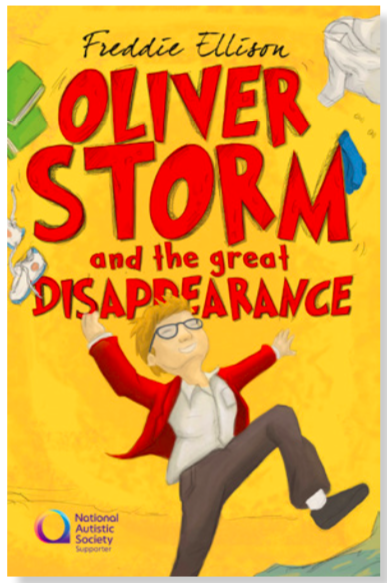
The Autistic Author: Debut Book by 16-Year-Old With ASD

oliver storm, autism. autistic author, the autistic author, #theautisticauthor
Freddie Ellison is a 16-year-old North Londoner who, at the age of three, was diagnosed with Autism Spectrum Condition (ASC). Freddie had problems with social interaction and communication, and a tendency to engage in repetitive behaviours, and from an early age he struggled in the education system. In March 2017, he was excluded from his school and he spent the following 18 months at home with no educational support, while his family fought legal proceedings to get him placed at an appropriate school. During this time he started writing, often several stories at once. He quickly moved into
a routine of picking up his briefcase and walking down to his local branch of Costa Coffee where he would pen his latest tale. SJH Publishing has committed to producing three books with Freddie, whose dream it is to one day write a bestseller that is turned into a movie.
Book synopsis
Oliver Storm and The Great Disappearance is the story of a teenage boy who, along with his sister and friends, tries to reverse the effects of an experiment that has made all the adults in the world vanish in the blink of an eye. Having been expelled from his latest school, Oliver is sent to Oakwood Academy where, in his first science lesson, the children watch a live TV broadcast. Seconds later, the world has changed and all the adults have disappeared without a trace. With gangs of children soon running wild, and looting and violence taking over the street, Oliver and his friends decide that they must find a way to bring the adults back. In a race against time, Team Storm struggle to reverse the experiment before it is too late.
#theautisticauthor


Read our exclusive interview below. 

You made the best out of a bad situation and are now a published novelist. Do you have any advice for others who want to follow in your footsteps?

Yes I have one, Go onto YouTube and find someone who gives tips on how to be an Author. And look up Heroes Journey. Search a lot on the internet for inspiration. If you find reading difficult then listen to an audio book or watch movies and find something you bond with.


What is the book about?

​A world without adults, Oliver Storm is the main character with some friends and they try to find a way to bring the adults back as there are lots of gangs in chaos.


How do you come up with your ideas?

​I took ideas from Pop culture, taking little bits. I learnt from J.K Rowling don’t be scared to write what you want to write about even if its a little gory. I like to use real life places and inspiration from TV and films. My favourite film is Dark Tower and my favourite tv programme is The Order. 


Do you have a daily word count?

I write when i imagine it and when i feel like it


What is next?

After the Oliver Storm books  are finished i want to write a ZAfrica trilogy. It will be about a fantasy land in Africa.