First up I have recently joined The Romantic Novelists Association and to make the best of my membership I need to get involved: write my biography for their website; fire off emails to join various groups; add my details to their Author Talks list; send off my cheque for the winter party.But one task this week has been a total and unadulterated pleasure, and that is a return to my part finished manuscript. It’s set in
And it was bliss to be writing new words on a fresh page again.
Jane Cable’s blog about what happens once that digital publishing deal is in the bag continues.
BEST OF DAYS
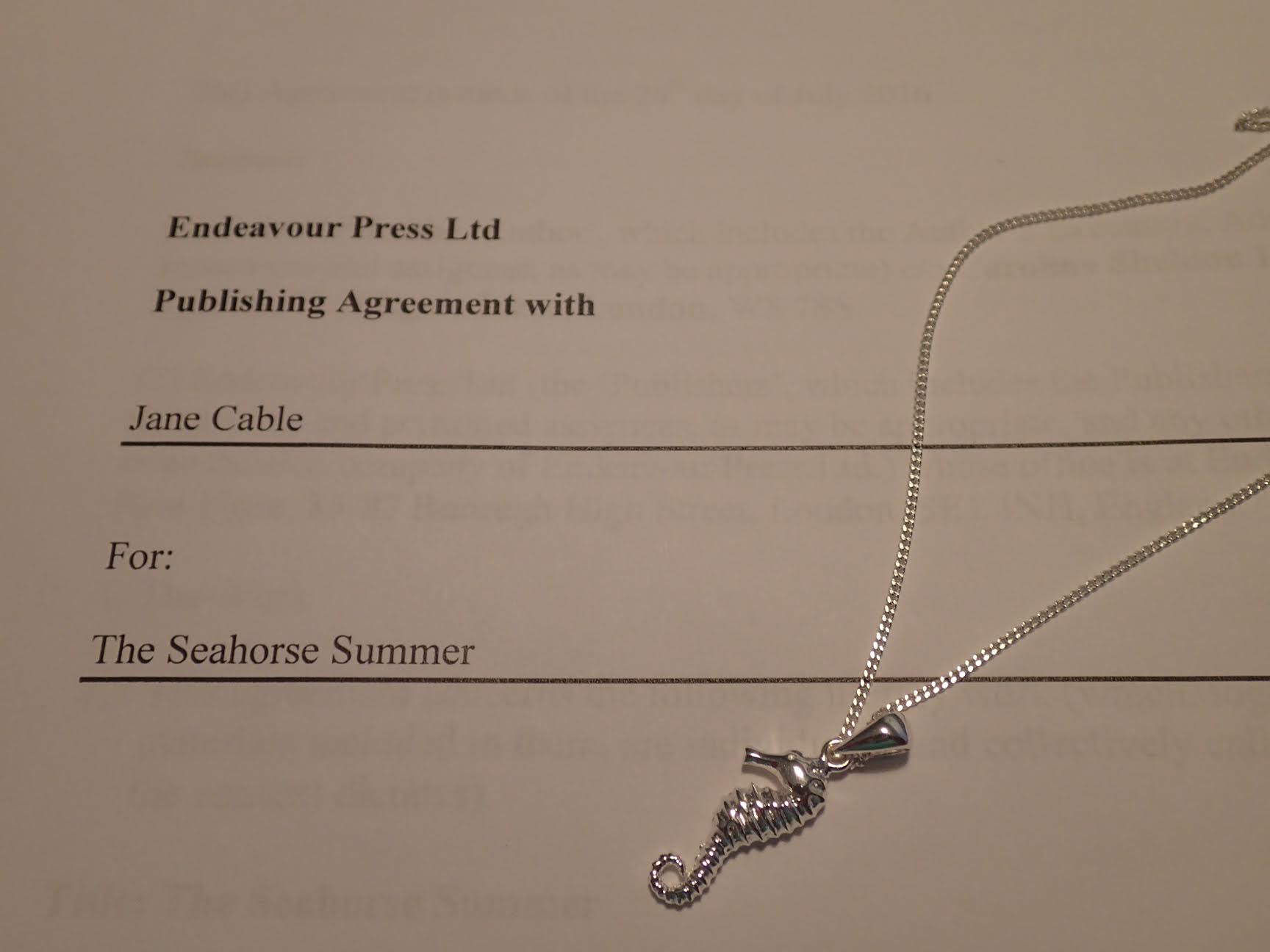
That’s it – the manuscript has been emailed to Endeavour and acknowledged. In four to six weeks I’ll know how much more work I have to do.
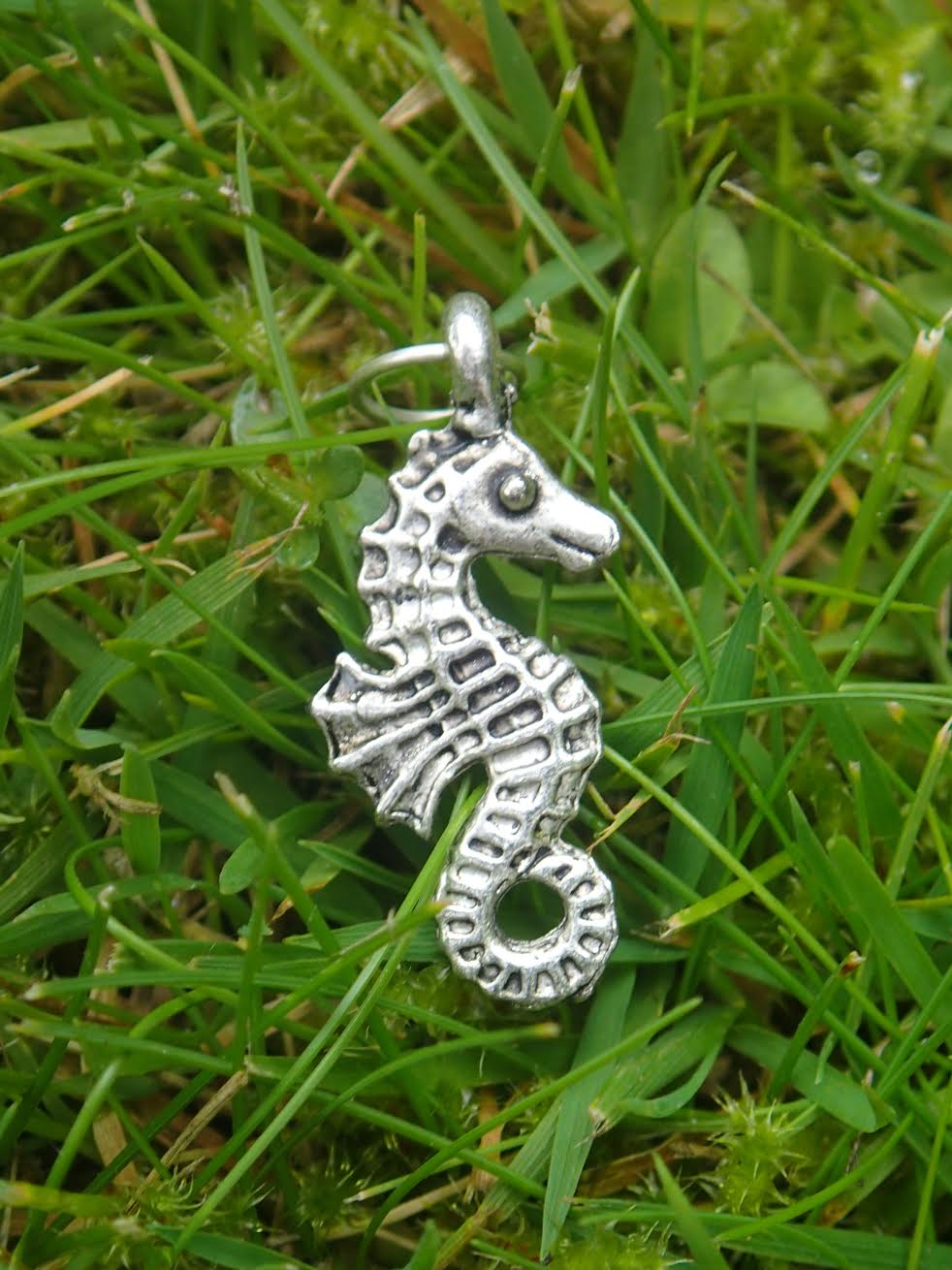
So how do I feel? Exhausted – and suddenly very uncertain about my book. Of course the logical part of my mind tells me to get a grip; all I’ve done is a little tweaking and tidying up – they’ve read The Seahorse Summer, for goodness sake – and they’ve bought the rights. So of course it’s going to be fine. The tired, emotional part of my brain, however, is so mashed up I got motion sickness on the elevator in Sainsburys. No kidding.
But last night in my favourite pub, The Victory Inn at Towan Cross in Cornwall, an important aspect of my book was validated when conversation around the bar fell to a former soldier who was going badly off the rails. In so many ways they could have been talking about one of the two GIs in my book, Paxton.
Now when you tackle a subject like combat stress it’s important to get it right. I was lucky enough to be introduced to a former para turned fitness instructor who was prepared to tell me what he’d seen and heard from the soldiers under his care in Afghanistan after they came home from setting up Camp Bastion. The sense of isolation when separated from their unit on leave. The struggle returning to normal family life and relationships after all they’d experienced. How combat can scar a man in ways unseen. How fireworks are never the same again.
Readers of Frost will be no strangers to Words for The Wounded, the charity set up by author and contributing editor Margaret Graham. The charity supports soldiers suffering from combat stress and I very much hope that I can do something with The Seahorse Summer that can help them in this work.
In the meantime, with the editing finished, what now? Feet up for a while? Not a chance… there’s a huge ‘to do’ list of tasks which have been swept to one side and too long ignored; a vast amount of marketing to be done – both in advance of The Seahorse Summer and for The Cheesemaker’s House and The Faerie Tree which have been sliding down the Kindle charts while I’ve been busy editing; and, of course, picking up the threads of my current manuscript again.
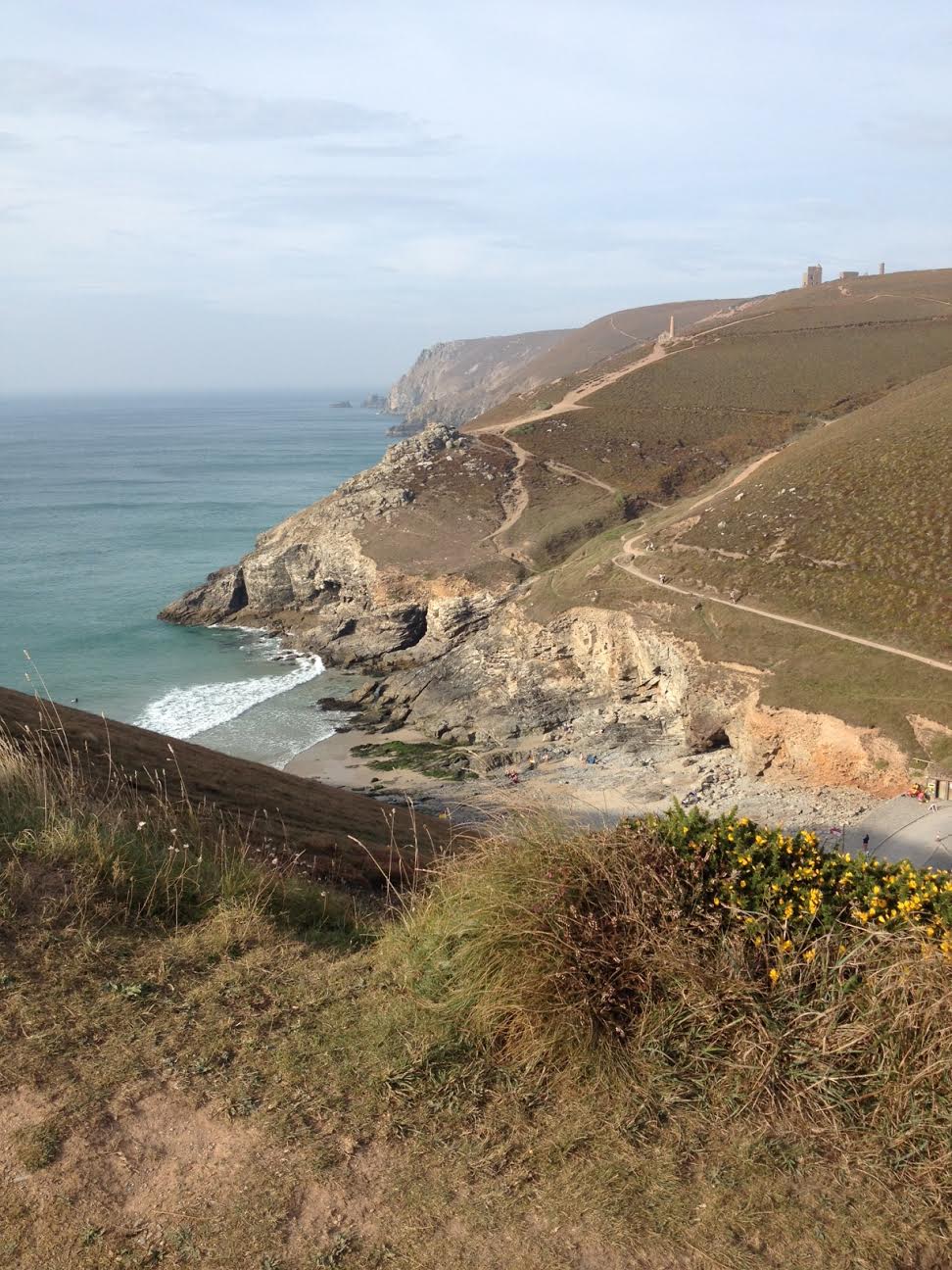
But as for today? I’m on the north Cornish coast and the sun is shining. Quite honestly, I think I deserve a little break.
Jane Cable is the author of two independently published romantic suspense novels, The Cheesemaker’s House and The Faerie Tree, and a sporadic contributor to Frost. The Seahorse Summer tells the tale of how two American soldiers born sixty years apart help forty-something Marie Johnson to rebuild her shattered confidence and find new love. Discover more at www.janecable.com.
Jane Cable’s blog about what happens once that digital publishing deal is in the bag continues.
TECHNICAL BEST
I feel as though I know every word of The Seahorse Summer off by heart. And that can’t be a good thing. My real battle with editing over a short period of time is coming to the manuscript fresh and able to concentrate on what’s actually on the page, not what I think is there.
It’s just as well I’m on the last lap now, the technical points which are often overlooked. None of them rocket science but mistakes which are all too easy to make and not so simple to spot: a ‘by’ for a ‘my’; a missing indefinite article; and the multiple perils (for me at least) of punctuating dialogue. Yes, I could leave that to the proof reader but I’d like to submit a manuscript which is as perfect as possible.
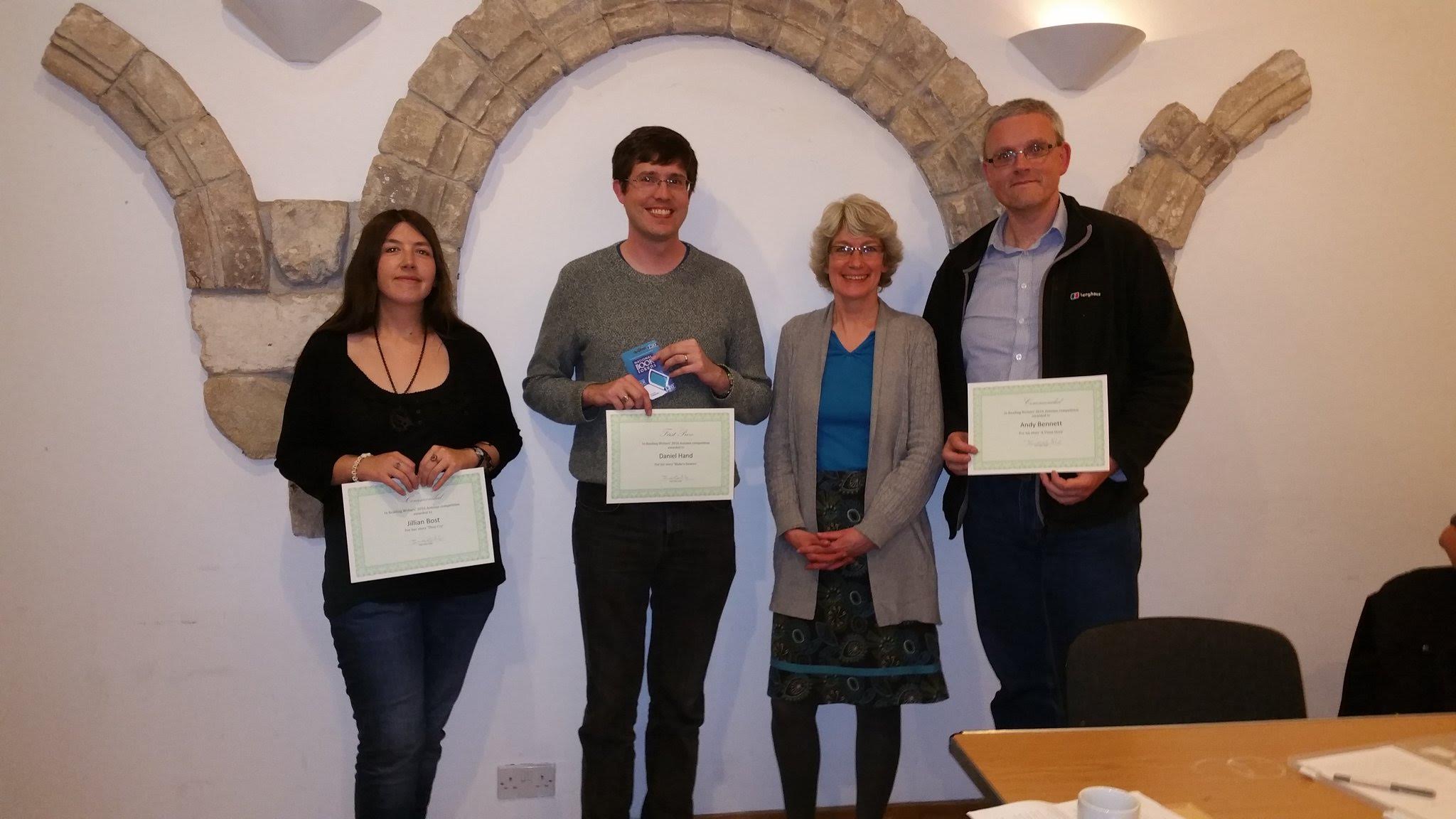
I have another task for this week too. Quite some months ago I was asked to judge the Autumn Writing competition for one of the better writing groups. The subject matter – A Ghost Story – poetry or prose – and now the entries are sitting in my inbox. To be honest they will be a welcome distraction.
Most helpfully the group’s website gives a critique guide which can double as a framework when editing your own manuscript and for anyone embarking on the process I thought it would be useful to summarise:
Plot
Is the plot believable? Is it too fast or too slow? Too simple or too complex?
Characters
Too many characters or too few? Are they real people, or flat cutouts? Is it easy to confuse one with another?
Setting
Too many locations or too few? Too much description or too little?
Dialogue
Too much or too little? Do the characters have different voices? Are their words believable?
Viewpoint
Do we stay in one viewpoint, or change? Does the chosen viewpoint work?
Ending
Is the ending too sudden or too slow? Does it follow logically from the story? Does it leave the reader satisfied?
Technical Points
Are there errors in grammar, spelling, layout or punctuation? Are there factual mistakes?
Having some sort of structure helps you to step back from your own work and see it more as others do. Not an easy task, by any means, but an essential part of the writing process. If you don’t belong to a writers’ group you may well have completed your manuscript in glorious isolation. If you aren’t against a deadline, put it down for a few weeks, read something else, get out into the real world for a while so you come back to it fresh.
At the very least, pick up a few ghost stories and settle down with a cup of tea to enjoy them.
Jane Cable is the author of two independently published romantic suspense novels, The Cheesemaker’s House and The Faerie Tree, and a sporadic contributor to Frost. The Seahorse Summer tells the tale of how two American soldiers born sixty years apart help forty-something Marie Johnson to rebuild her shattered confidence and find new love. Discover more at www.janecable.com.
BEST ENDEAVOURS
Jane Cable’s blog about what happens once that digital publishing deal is in the bag continues.
SUNDAY BEST
On Sunday I went to Studland. Not simply because I needed to, but because I wanted to. Walk where my characters walk; see what my characters see; breathe the same air.
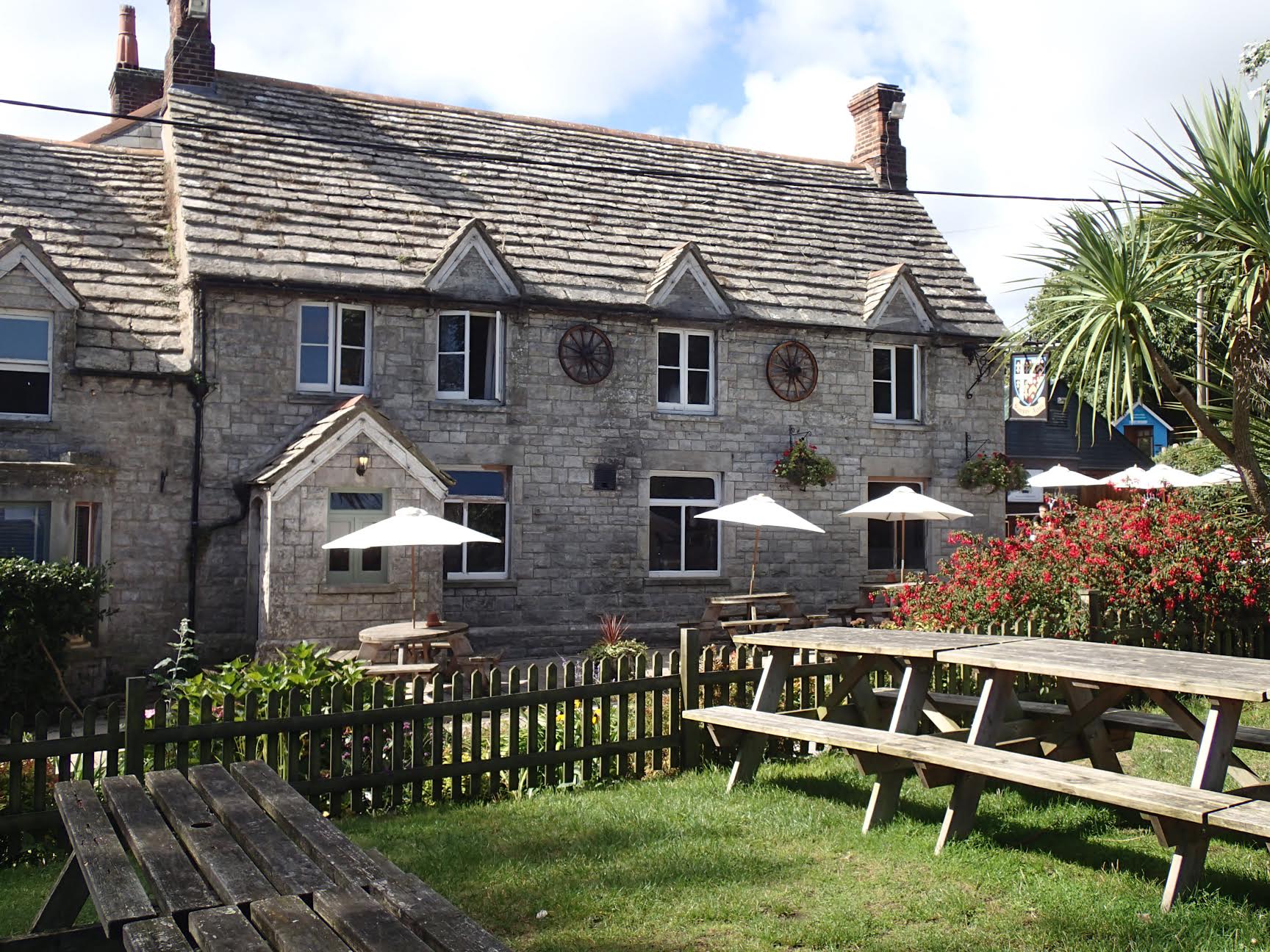
The plot of The Seahorse Summer takes place almost exclusively in Studland Bay and the on the beaches and cliffs which surround it. Centered on the village pub (not The Bankes Arms, albeit my fictional Smugglers shares a similar position) the haunting claustrophobia of the bay echoes Marie’s world as she wonders how she will ever escape.
Having spent so long on one side of the bar in The Smugglers it felt slightly odd to sit on the either side of it in The Bankes Arms. As well as the location I’ve borrowed a few other things; the grey stone of the building itself, the basic L-shaped layout; the huge fireplace and the garden overlooking the sea. But the real pub is very much a vibrant business with its own brewery, B&B rooms and armies of staff – the poor old Smugglers could never compete, relying as it does simply on Marie’s marvelous food.

As a writer you tweak your locations to fit your story, but in the case of Studland the location is changing all by itself. The Seahorse Summer is set just twelve years ago, but all the same coastal erosion has taken its toll. My original position for Marie’s beach hut was at the bottom of a wooden staircase onto the sand not far from Fort Henry. It was there when I first visited in 2009, but not any more. The incredibly wet winter of 2012/13 caused many landslips in the area and the steps were just one of the casualties.
The beach itself is changing too, constantly with every tide. Where there were rocks under Redend Point, now there is sand. One day, the sand will disappear and the rocks will be revealed once again. Up on the cliffs the gorse is almost completely covered with brambles and ferns. The landscape outlives us all, and nature can be a powerful adversary – or ally – as Marie discovers.
The essence of Studland on a sunny Sunday remains. Pleasure boats filling the bay, children playing on the narrow strip of sand as the tide drops, the pub garden filling as lunchtime draws closer. And a writer, wandering slowly through it all, drinking it in, storing it away. Refreshed for the final assault on her editing.
Jane Cable is the author of two independently published romantic suspense novels, The Cheesemaker’s House and The Faerie Tree, and a sporadic contributor to Frost. The Seahorse Summer tells the tale of how two American soldiers born sixty years apart help forty-something Marie Johnson to rebuild her shattered confidence and find new love. Discover more at www.janecable.com.