Perfect books for Christmas. Buy them now. 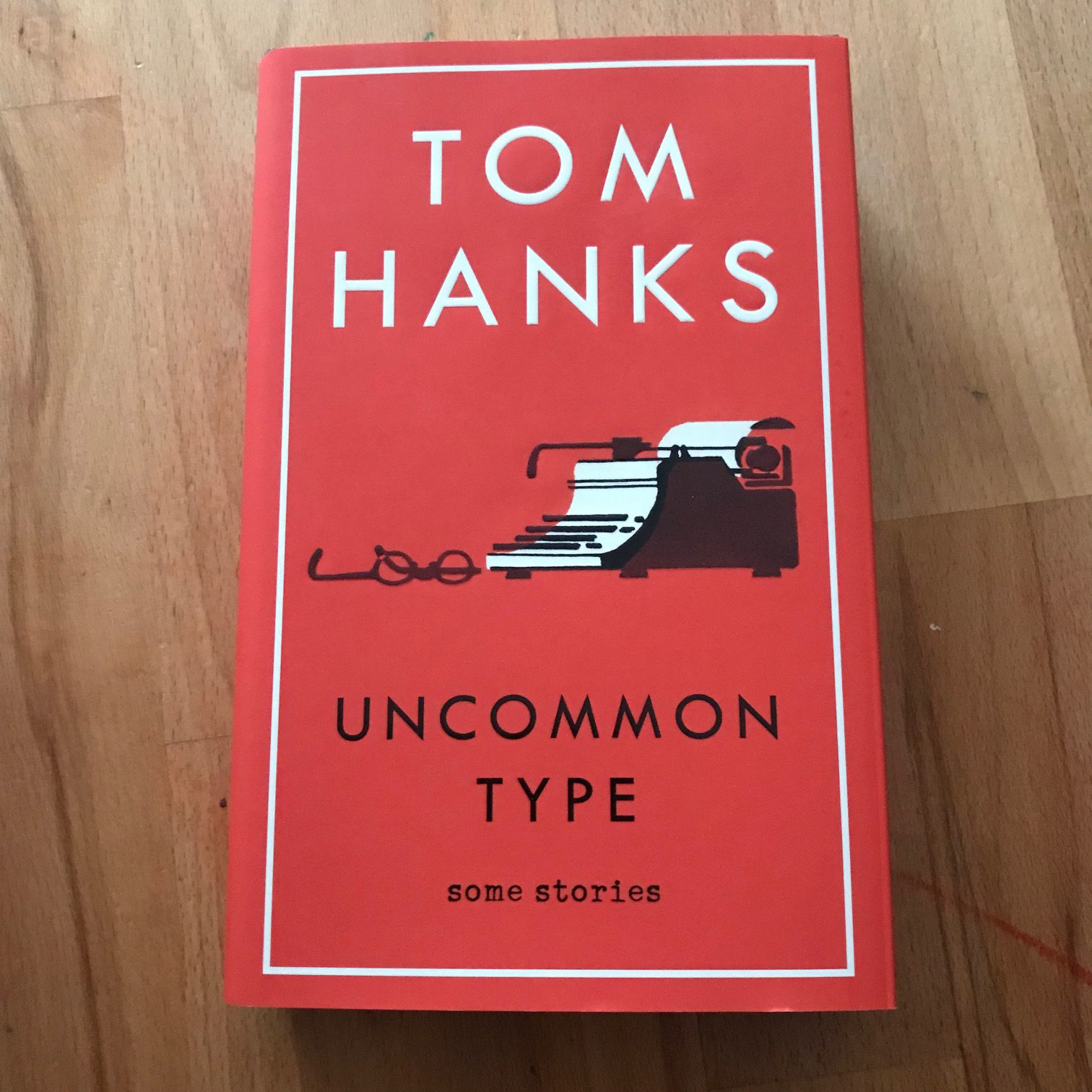 Tom Hanks Uncommon Type
A stunning collection of short stories from the Oscar-winning actor. You will not be able to put it down.
A collection of seventeen wonderful short stories showing that two-time Oscar winner Tom Hanks is as talented a writer as he is an actor.
A hectic, funny sexual affair between two best friends. A World War II veteran dealing with his emotional and physical scars. A second-rate actor plunged into sudden stardom and a whirlwind press junket. A small-town newspaper columnist with old-fashioned views of the modern world. A woman adjusting to life in a new neighborhood after her divorce. Four friends going to the moon and back in a rocket ship constructed in the backyard. A teenage surfer stumbling into his father’s secret life.
These are just some of the people and situations that Tom Hanks explores in his first work of fiction, a collection of stories that dissects, with great affection, humour and insight, the human condition and all its foibles. The stories are linked by one thing: in each of them, a typewriter plays a part, sometimes minor, sometimes central. To many, typewriters represent a level of craftsmanship, beauty and individuality that is harder and harder to find in the modern world. In his stories, Mr Hanks gracefully reaches that typewriter-worthy level.
Known for his honesty and sensitivity as an actor, Mr Hanks brings both those characteristics to his writing. Alternatingly whimsical, moving and occasionally melancholy, Uncommon Type is a book that will delight as well as surprise his millions of fans. It also establishes him as a welcome and wonderful new voice in contemporary fiction, a voice that perceptively delves beneath the surface of friendships, families, love and normal, everyday behaviour.
Tom Hanks Uncommon Type is available here.
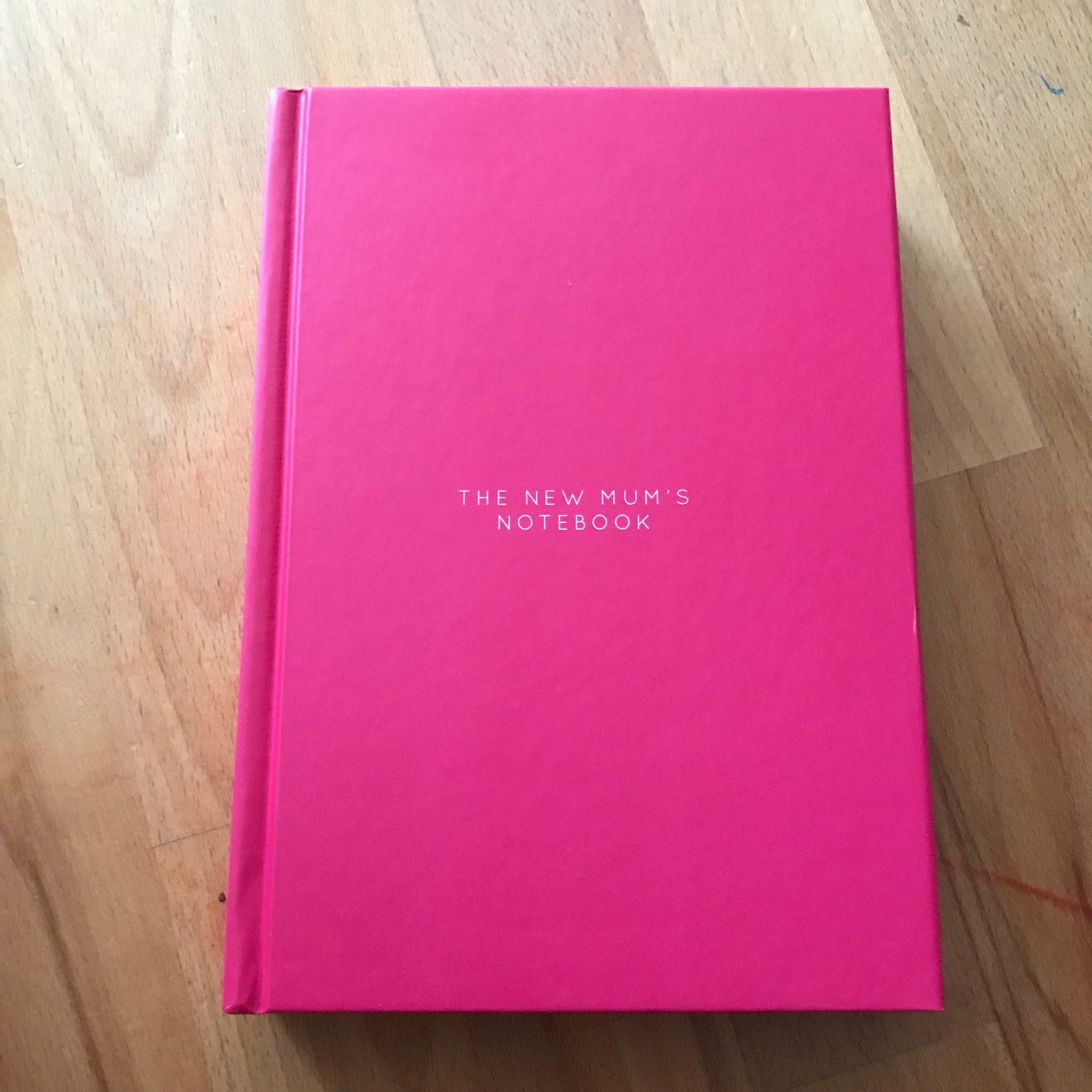
The New Mum’s Notebook
A wonderful present for any mum. Part book part notebook. It is also a great keepsake.
Reassuring, funny and down-to-earth, THE NEW MUM’S NOTEBOOK is everything you need for the first year of life with a baby.
What do new mums want most of all (apart from sleep)? They want someone to tell them what they’re feeling is ‘normal’. That they’re doing ok. That they will be ok. The New Mum’s Notebook, written by Amy Ransom – mum of three and creator of the Surviving Motherhood blog – does all this and more.
From night feeds, napping and weaning, to which films to cue up on Netflix, finding some headspace and getting all the support, coffee and cake you need, Amy has been there – and this is the book she wishes she’d had by her side.
Divided into the first 12 months of motherhood, with 304 pages of reassurance, love and humour, as well as spaces to scribble thoughts, feelings and memories from those crazy early days, The New Mum’s Notebook will nurture a new mum in however she chooses to raise her baby. Whether it’s her first or her fifth.
Word on the street is it’s almost worth having another baby for…
‘You’ve created the book that we all wish we’d had.’ – Clemmie, mum of two
‘My go-to present for my new mummy friends’ – Kate, mum of two
‘I’ve had loads of baby record books and never ever filled one in. This book feels so different. I love it.’ – Annabel, mum of five
* Perfect for expectant mothers and new mums
* Gorgeous colour pages including lots of reassurance, self-care advice, journal pages, affirmations and simple recipes
* Divided into 12 months to take you through every stage of a new mum and baby’s first year
* Eight journal pages per month with space to write notes, thoughts, memories and all those ‘to-dos’
* 12 months of milestone charts for mum and baby
The New Mum’s Notebook is available here.
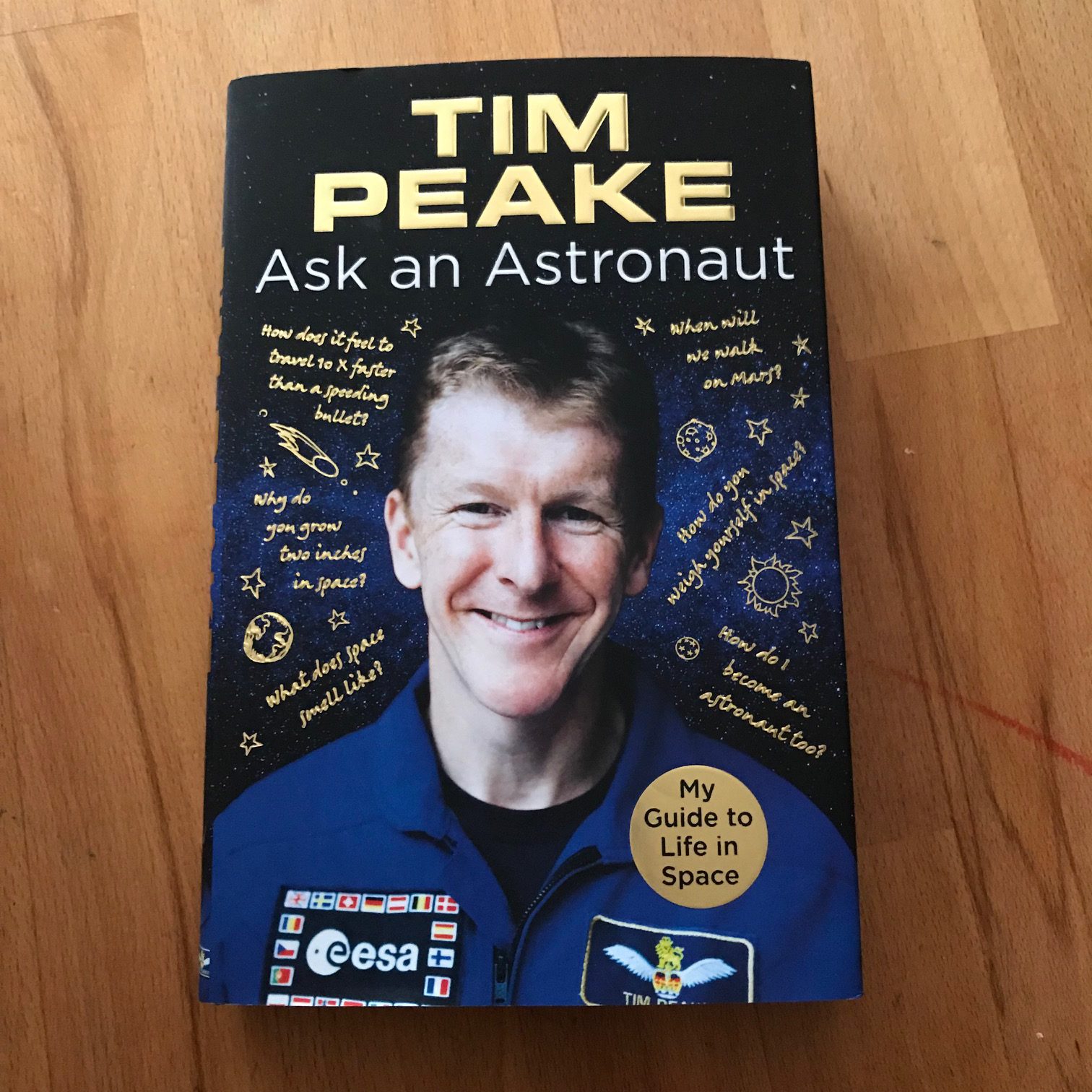
Tim Peake Ask An Astronaut
A brilliant book full of great information. Perfect for any age group.
The awe-inspiring Sunday Times Bestseller from astronaut Tim Peake
How does it feel to orbit the earth ten times faster than a speeding bullet?
What’s it like to eat, sleep and go to the toilet in space?
And where to next – the Moon, Mars or beyond?
Ask an Astronaut is Tim’s personal guide to life in space, based on his historic Principia mission, and the thousands of questions he has been asked since his return to Earth.
Accessible, in-depth, and written with his characteristic warmth, Tim shares his thoughts on every aspect of his mission. From training to launch, from his historic spacewalk to re-entry, he reveals for readers of all ages the cutting-edge science behind his ground-breaking experiments, and the wonders of day-to-day life on board the International Space Station.
The public were invited to submit questions using the hashtag #askanastronaut, and a selection are answered by Tim in the book, which will be accompanied with illustrations, diagrams and never-before-seen photos.
Tim is pleased to announce that, as with his previous book, royalties received from the book will be donated to The Prince’s Trust.
Tim Peake Ask An Astronaut is available here.
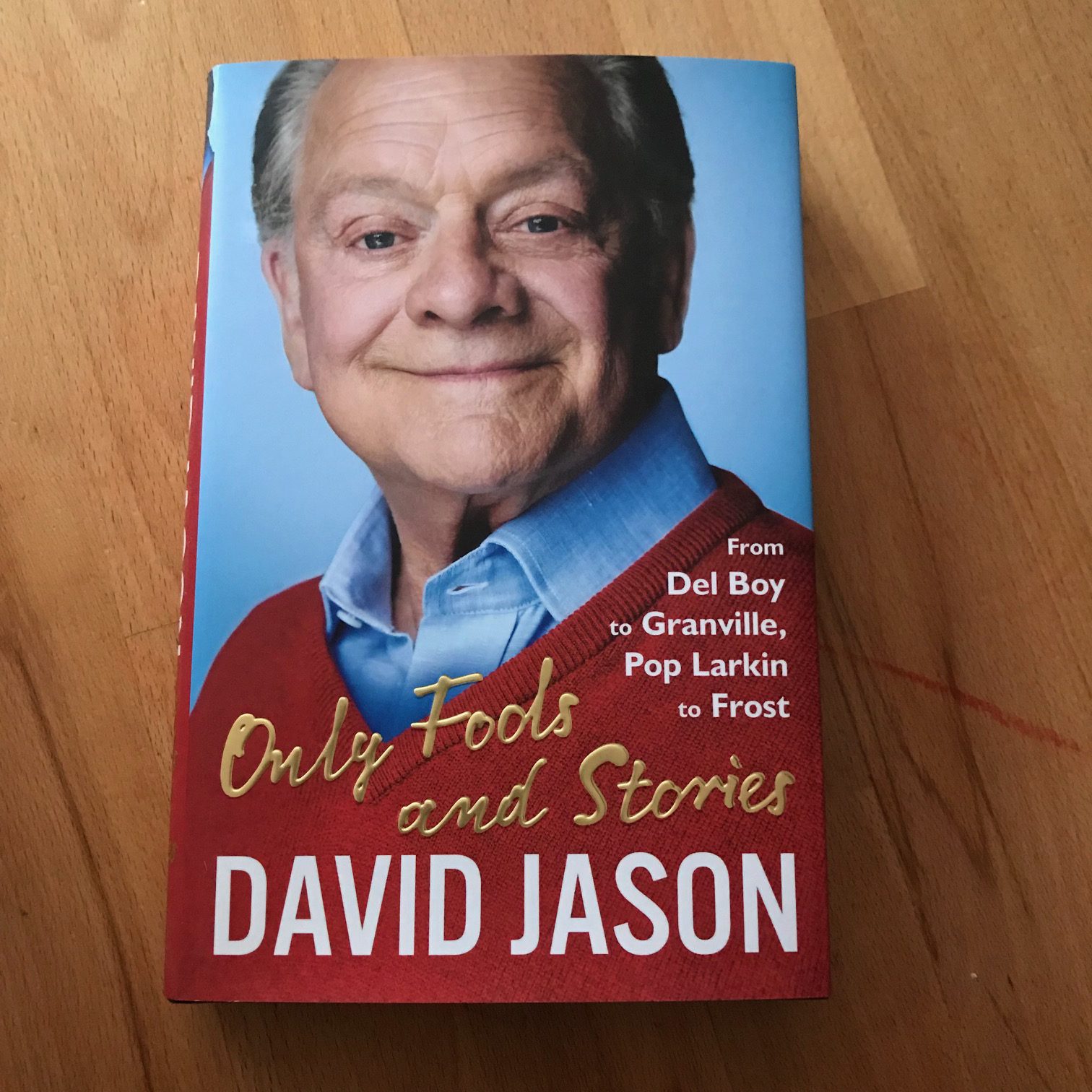
David Jason Only Fools and Stories
Entertaining and well written. A great read.
In his first book David Jason told us about himself from his early years training as an electrician through to making it as one of Britain’s greatest actors.
This autumn, in a follow up autobiography, he tells us about the many other lives he has lived – his characters. From Del Boy to Granville, Pop Larkin to Frost, he takes us behind the scenes and under the skins of some of the best loved acts of his career.
And in the process he reflects on how those characters changed his life too. The result told with his characteristic charm and wit is both funny and poignant, honest and heart warming.
David Jason Only Fools and Stories is available here.
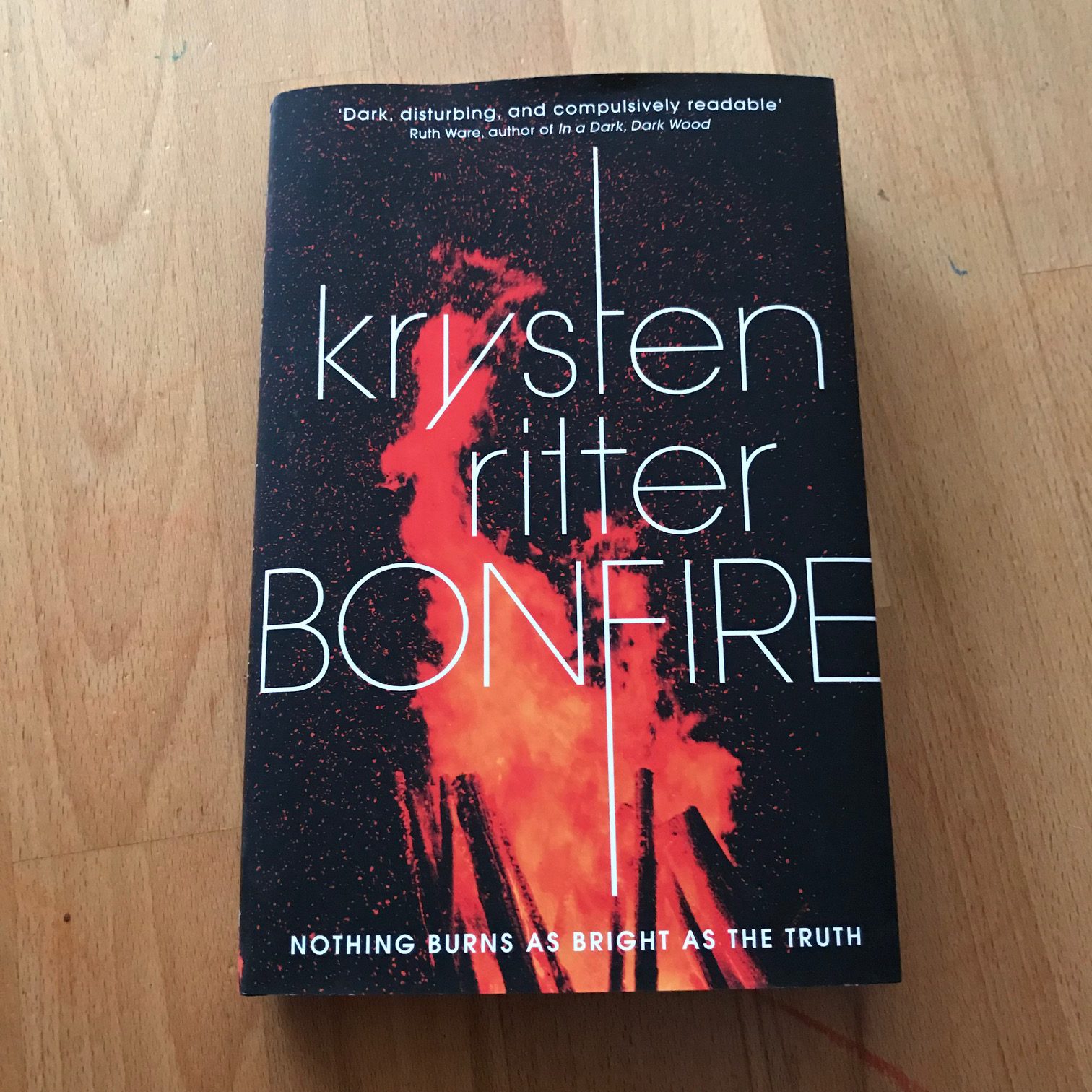
Krysten Ritter Bonfire
Who knew this amazing actress could also write? A suspenseful novel full of twists and turns. Brilliant.
Can you ever outrun your past?
From actress, producer, and writer Krysten Ritter, a gripping, tightly wound suspense novel about a woman forced to confront her past in the wake of small-town corruption
It has been ten years since Abby Williams left home and scrubbed away all visible evidence of her small-town roots. Now working as an environmental lawyer in Chicago, she has a thriving career, a modern apartment, and her pick of meaningless one-night stands.
But when a new case takes her back home to Barrens, Indiana, the life Abby painstakingly created begins to crack. Tasked with investigating Optimal Plastics, the town’s most high-profile company and economic heart, Abby begins to find strange connections to Barrens’s biggest scandal from more than a decade ago, involving the popular Kaycee Mitchell and her closest friends–just before Kaycee disappeared for good.
Abby knows the key to solving any case lies in the weak spots, the unanswered questions. But as she tries desperately to find out what really happened to Kaycee, troubling memories begin to resurface and she begins to doubt her own observations. And when she unearths an even more disturbing secret–a ritual called “The Game”–it will threaten reputations, and lives, in the community and risk exposing a darkness that may consume her.
With tantalizing twists, slow-burning suspense, and a remote rural town of just five claustrophobic square miles, Bonfire is a dark exploration of what happens when your past and present collide.
Krysten Ritter Bonfire is available here.
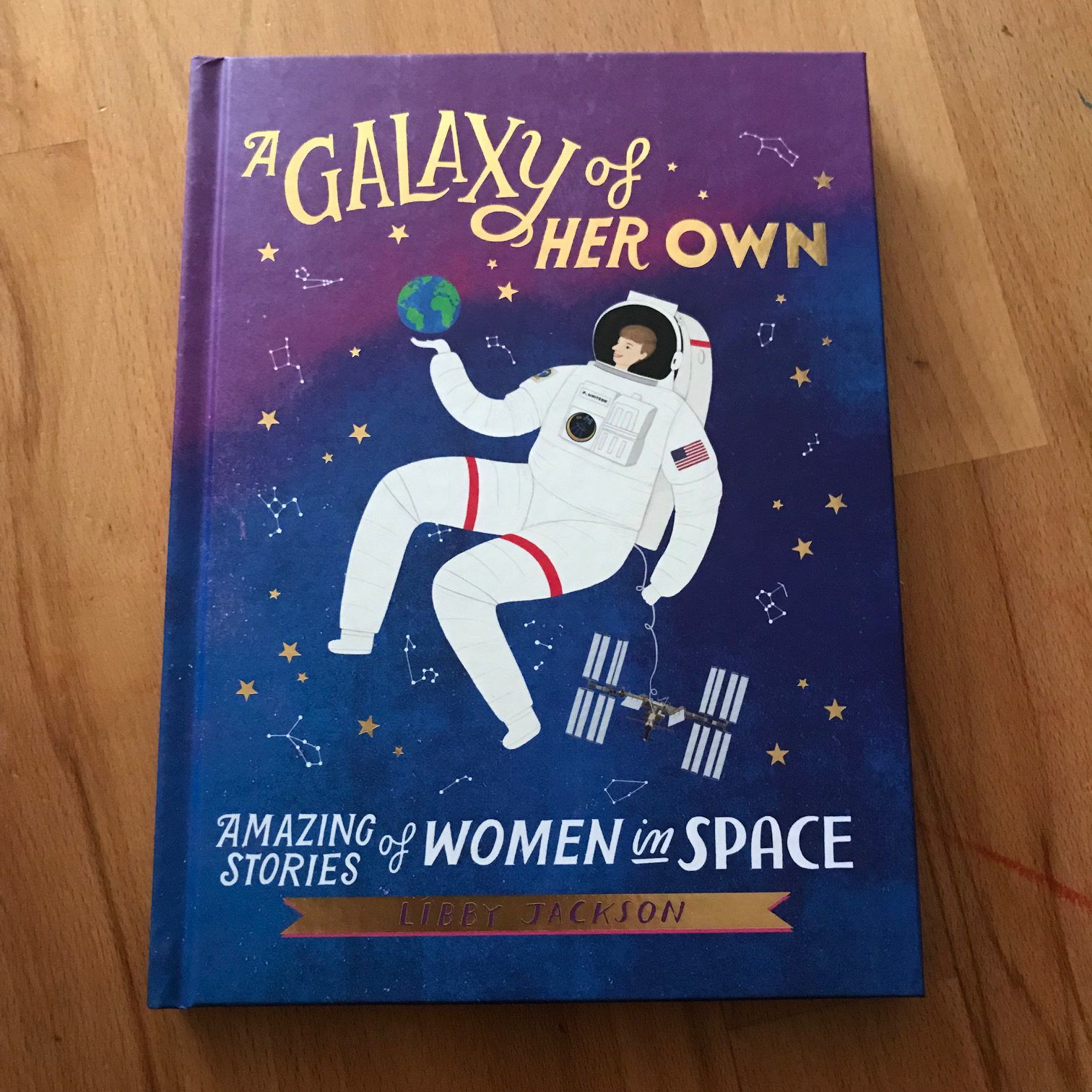
A Galaxy of Her Own: Amazing Stories of Women in Space
An essential book for the young women in your life. Well written with beautiful illustrations.
From small steps to giant leaps, A Galaxy of Her Own tells fifty stories of inspirational women who have been fundamental to the story of humans in space, from scientists to astronauts to some surprising roles in between.
From Ada Lovelace in the nineteenth century, to the women behind the Apollo missions, from the astronauts breaking records on the International Space Station to those blazing the way in the race to get to Mars, A Galaxy of Her Own reveals extraordinary stories, champions unsung heroes and celebrates remarkable achievements from around the world.
Written by Libby Jackson, a leading UK expert in human space flight, and illustrated with bold and beautiful artwork from the students of London College of Communication, this is a book to delight and inspire trailblazers of all ages.
Packed full of both amazing female role models and mind-blowing secrets of space travel, A Galaxy of Her Own is guaranteed to make any reader reach for the stars.
A Galaxy of Her Own: Amazing Stories of Women in Space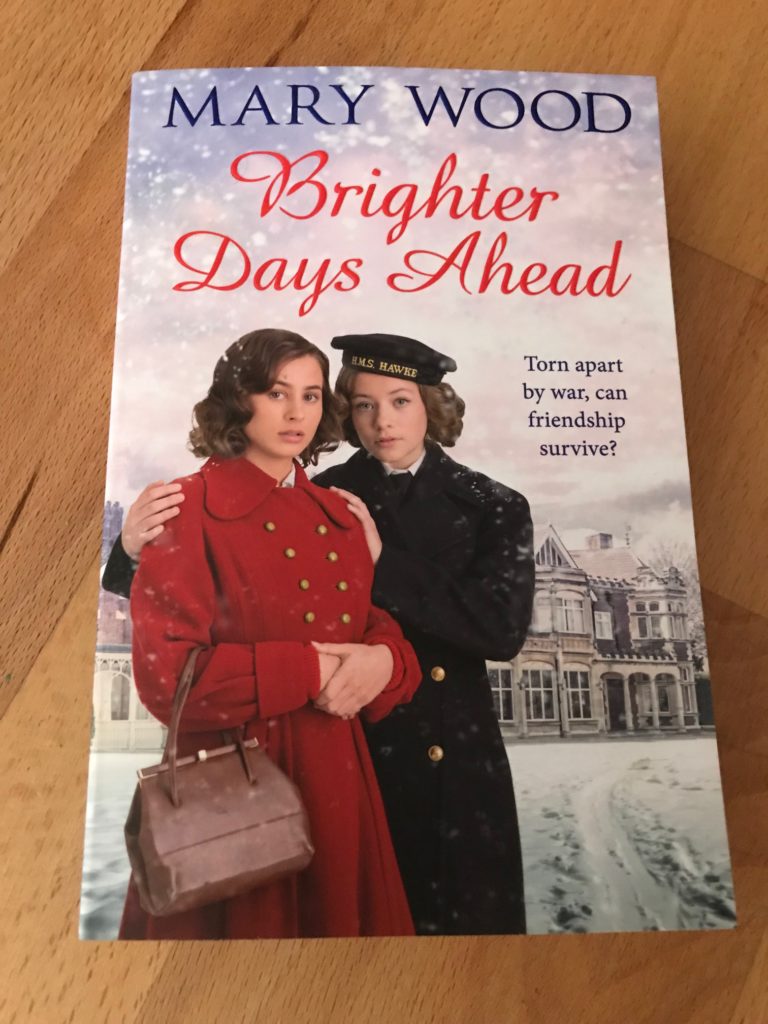
Mary Woods Brighter Days Ahead
A wonderful, engrossing, historical novel.
Brighter Days Ahead is a moving story set against the backdrop of the Second World War, from Mary Wood, the author of In Their Mother’s Footsteps.
War pulled them apart, but can it bring them back together?
Molly lives with her repugnant father, who has betrayed her many times. From a young age, living on the
streets of London’s East End, she has seen the harsh realities of life . . . When she’s kidnapped by a gang and forced into their underworld, her future seems bleak.
Flo spent her early years in an orphanage, and is about to turn her hand to teacher training. When a kindly teacher at her school approaches her about a job at Bletchley Park, it could be everything she never knew she wanted.
Will the girls’ friendship be enough to weather the hard times ahead?
Mary Woods Brighter Days Ahead is available here.
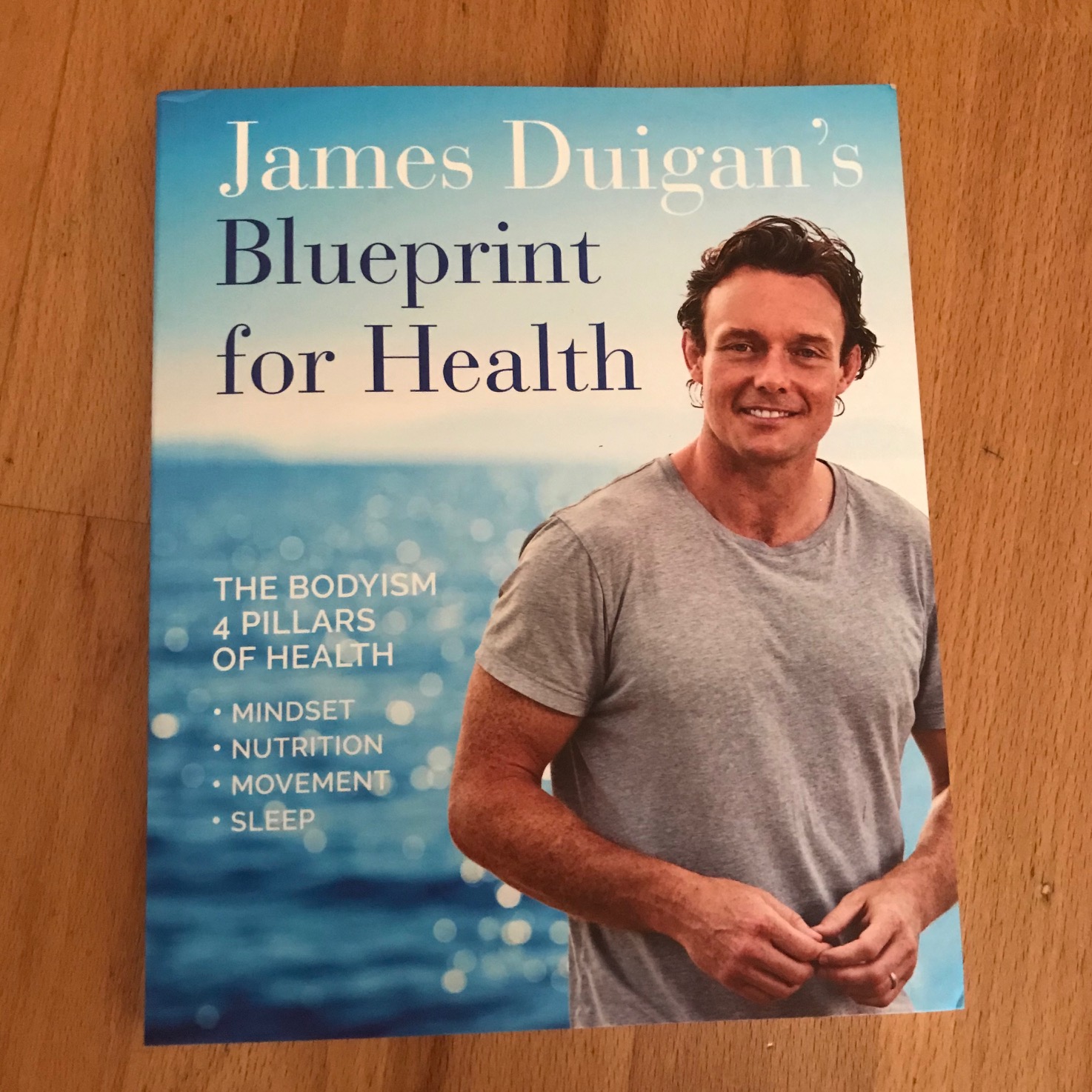
James Duigan Blueprint For Health
The perfect book for New Year. A great plan which we will be trying from someone who really knows his stuff. There is a reason the stars turn to him.
From world-renowned health and wellbeing authority, author and founder of the BODYISM brand, James Duigan, comes Blueprint for Health. Expanding on his bestselling ‘Clean & Lean’ philosophy, this is his most comprehensive book yet, detailing the four pillars that combine to create the BODYISM blueprint of a healthy, happy life.
For each pillar, James helps the reader understand and engage with the underlying philosophy behind BODYISM, so you can make changes that last long-term. In the book you’ll find 80 delicious recipes and a series of simple movement and mindset exercises to detoxify your diet and behaviour and gently guide you towards balance in every area.
The result is a book that will empower you to think, eat, move and feel better, helping you “switch on” your body’s capacity to function at its highest level. James will inspire you to become the best, happiest and fittest version of yourself. After just 14 days of following the BODYISM blueprint you’ll grow stronger, leaner and feel unstoppable.
James Duigan Blueprint For Health is available here.
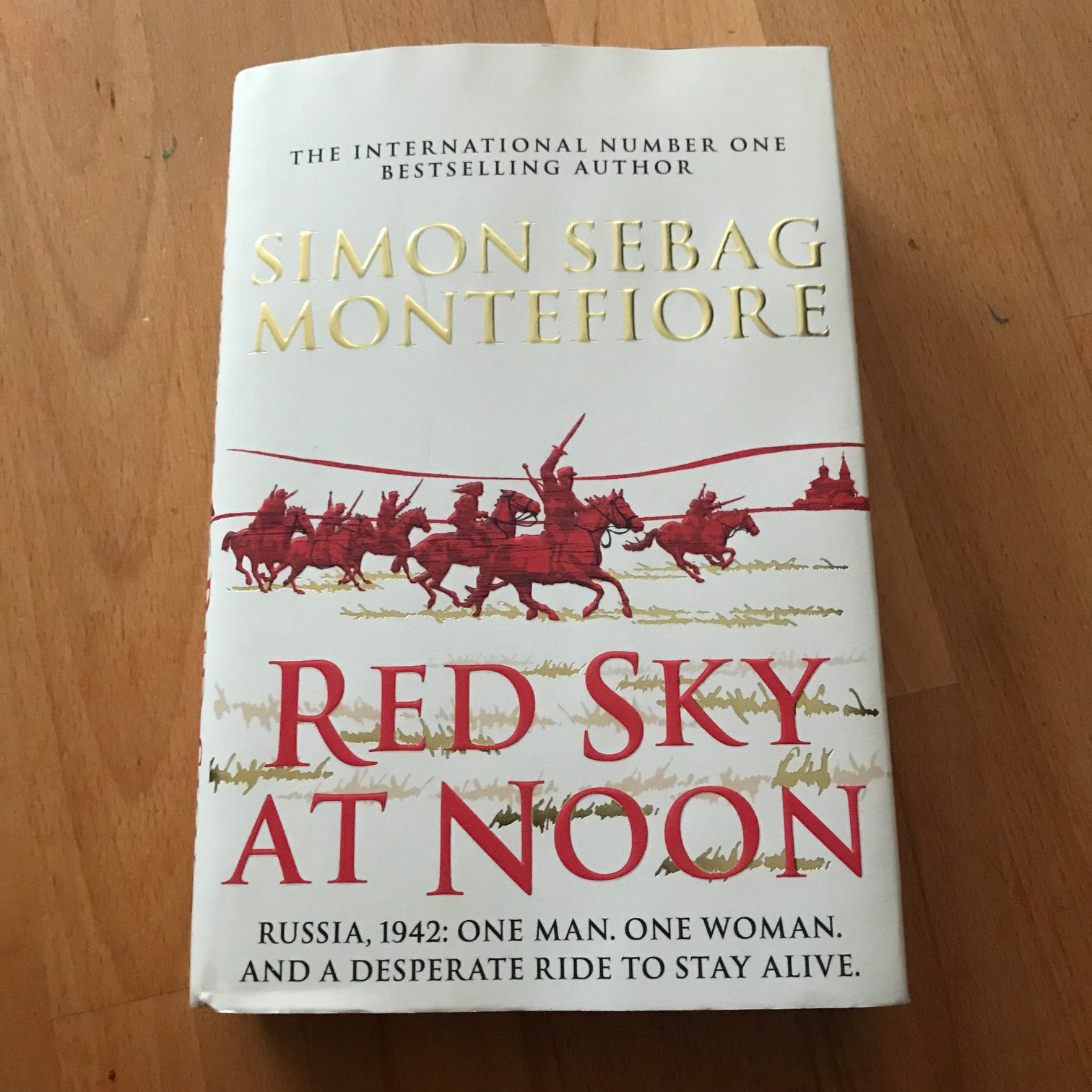
Simon Sebag Montefiore Red Sky At Noon
A wonderful novel to really sink your teeth into. From one of the leading historical novelists writing today: a stunning book.
‘The black earth was already baking and the sun was just rising when they mounted their horses and rode across the grasslands towards the horizon on fire …’
Imprisoned in the Gulags for a crime he did not commit, Benya Golden joins a penal battalion made up of Cossacks and convicts to fight the Nazis.
He enrols in the Russian cavalry, and on a hot summer day in July 1942, he and his band of brothers are sent on a desperate mission behind enemy lines.
Switching between Benya’s war in the grasslands of Southern Russia, and Stalin’s plans in the Kremlin, between Benya’s intense affair with an Italian nurse and a romance between Stalin’s daughter and a journalist also on the Eastern Front, this is a sweeping story of passion, bravery and human survival where personal betrayal is a constant companion, and death just a heartbeat away.
Simon Sebag Montefiore Red Sky At Noon is available here.
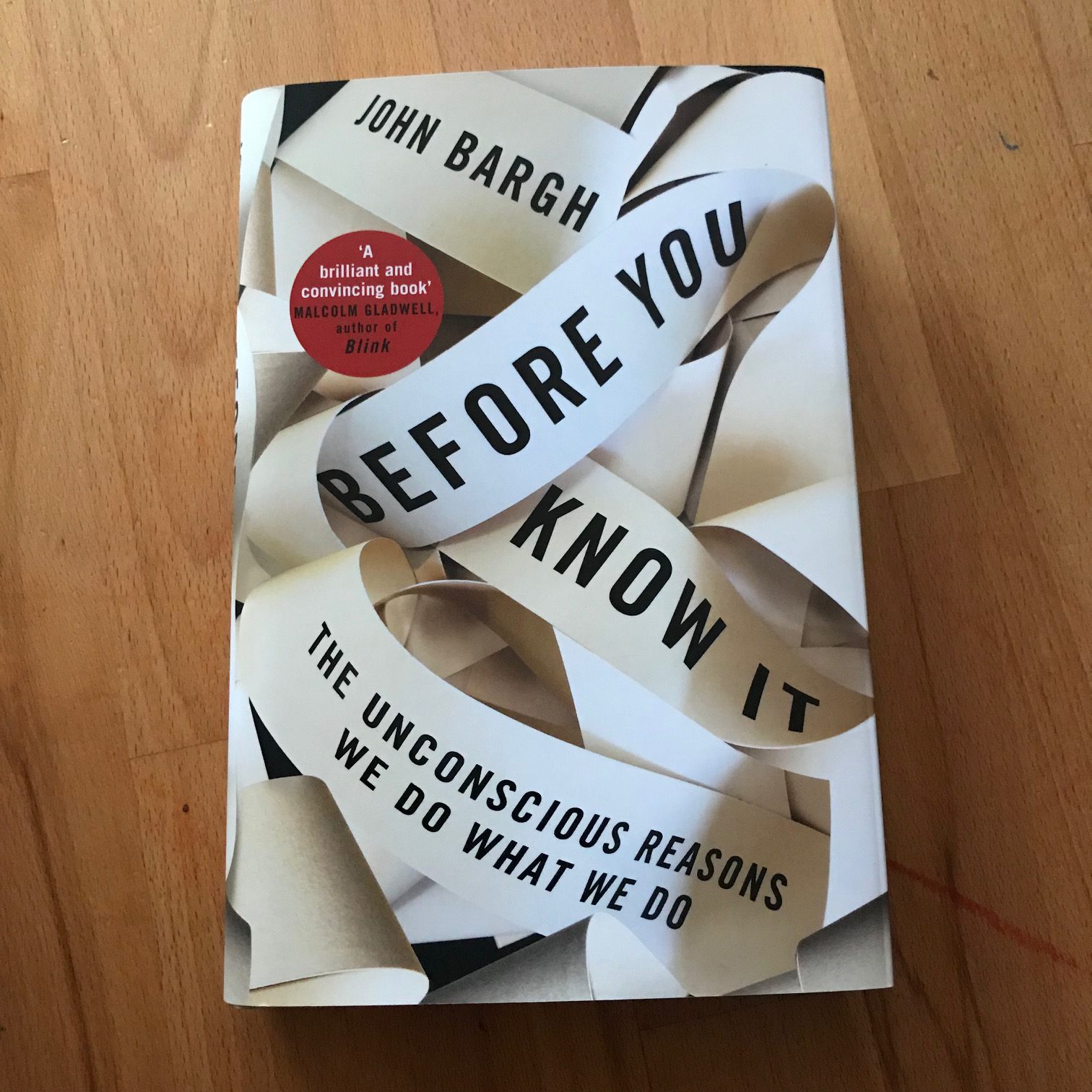
Before You Know it: The Unconscious Reasons We Do What We Do
A great Christmas present. A well written, brilliantly researched novel that lets everyone know how to understand themselves- and others- better.
‘John Bargh’s Before You Know It moves our understanding of the mysteries of human behaviour one giant step forward. A brilliant and convincing book.’ – Malcolm Gladwell, author of Blink and David and Goliath
The world’s leading expert on the unconscious mind reveals the hidden mental processes that secretly govern every aspect of our behaviour.
For more than three decades, Dr John Bargh has been conducting revolutionary research into the unconscious mind – not Freud’s dark, malevolent unconscious but a helpful and powerful part of the mind that we can access and understand through experimental science. Now, Dr Bargh presents an engaging and enlightening tour of the influential psychological forces that are at work as we go about our daily lives – checking a dating app, holding a cup of hot coffee or getting a flu jab.
Dr Bargh takes you into his labs at New York University and Yale, where his ingenious experiments have shown how the unconscious guides our behaviour, goals and motivations in areas like race relations, parenting, business, consumer behaviour and addiction. He reveals the pervasive influence of the unconscious mind in who we choose to date or vote for, what we buy, where we live, how we perform on tests and in job interviews, and much more. Before You Know It is full of surprising and entertaining revelations as well as tricks to help you remember to-do items, shop smarter and sleep better.
Before You Know It will profoundly change the way you understand yourself by introducing you to a fascinating world only recently discovered, the world that exists below the surface of your awareness and yet is the key to unlocking new ways of thinking, feeling and behaving.
Before You Know it: The Unconscious Reasons We Do What We Do is available here.