Frost Magazine

Books and Lifestyle

Frost Magazine

First World War For Dummies Dr Seán Lang Interview

I was very excited to interview Dr Seán Lang, author of First World War For Dummies. Dr Lang has written a great book, you can read our review here. He also gives great answers in the interview below. Enjoy!
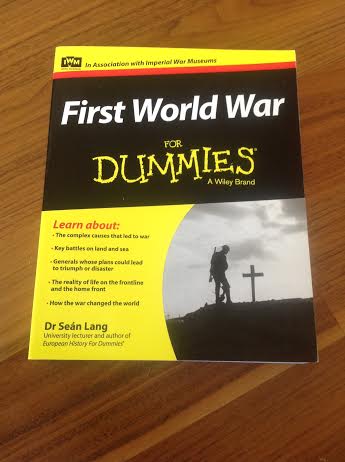
firstworldwarfordummiesbookreview

How long did it take to research and write the book?

Not easy to say, because in a sense I have been reading up on the FWW for years, and teaching it to university students for the past four or five years. There was a tight turn-round schedule for the book, especially as the “for Dummies” process involves submitting chapters as you write them, rather than submitting a whole manuscript. The writing itself took about six months.

What is your writing process?

It’s different for the “For Dummies” series because of the very close process of collaboration with the editor. Then not only are there always some academic experts who review your text, but with this book, because of the partnership with the Imperial War Museum, their experts vetted it too. So you have to get a balance between what is academically respectable and what is comprehensible to a wide readership.

The readership is very different from that of a standard academic article or even a textbook: you’re writing for people who might not normally pick up a book, or who might even be a bit scared of them. I’ve seen people taking FD history books off the shelves in bookshops like WH Smith (ie a shop where they might not have gone in to buy a book) and hesitating a long time before deciding whether to buy it or to put it back – and I’ve seen people do both. So I think of the book not in terms of something primarily for people who already know a lot about the war, but rather in terms of the sort of book I would turn to if I needed a quick briefing on something about which I know nothing and of which I have scary memories from school – physics, say, or fairly advanced mathematics. You have to go to where people are and take them forward, not stand where you are and expect them to come to you.

Being a lecturer obviously helps, but did you learn anything that surprised you when writing the book?

There are always part of the narrative which you didn’t know much about before starting to read up for the book – elements of the war in Africa, for example, or the epic journey of the crew of the German raider “Emden”. But I think the greatest surprises lay in some of the images in the IWM’s collection, which we used for the illustrations. We tend to see only a limited range of types of photos from the war – trenches, recruits, women in factories and so on – so it was very refreshing to see images from around the world, some of them quite dramatic.


In the parts of tens you list First World War poets and writers, do you have a personal favourite?

I think probably RC Sherriff, author of “Journey’s End”. Joan Littlewood, who devised and directed “Oh! What a Lovely War” in 1964, loathed the play and wouldn’t allow anyone to mention it in her presence, but I think it is a much more authentic voice from the front line than she managed. It’s a play about a group of officers in 1918 and it captures that loss of schoolboy ideals we associate with the trenches. Sherriff went to the grammar school in Kingston across the road from the one I went to, so maybe there’s a sense in which I see him as the First World War equivalent of me.

A lot of women got their first taste of real work during the first world war, do you think that had a lasting difference?

There’s a lot of debate about this one among historians, because the liberation and emancipation of war work very quickly disappeared when the men came back home and resumed their old jobs, so some people say that the change for women was illusory. There’s also a certain irony in the fact the sort of work that women did in the FWW was often the very sort of work Victorian social reformers had been trying to rescue them from. But yes, I do think the change was long lasting, even if it wasn’t immediate. It made it clear that men and women were all part of the same fighting nation, and that women, whether they were in the factories or whether they were bringing up children at home, had a part to play in the national war effort just as the men had. That idea swung back into action in the Second World War, of course. That in itself effectively smashed the old Victorian idea that men and women inhabited “separate spheres”, both metaphysically and in reality. That idea has never revived, at least not in British society, so yes, I think the war made a lasting difference for women.

What can be learned from World War I?

That’s too big a question to answer fully, so I’ll give just a couple of things that can be learned from it, though I ought to start with a lesson that can’t be learned: I heard someone during this year’s centenary commemorations saying something like “We must learn from this war so it never happens again”, and I thought “Have you never heard that there was a Second World War? It has happened again”. I think the lessons that can be learned include: a) political leaders must avoid playing games of bluff, because that is effectively what was happening in 1914, and everybody’s bluff got called, with disastrous results. b) People always go into war assuming it will be like the Last One (whichever that one is) and it never is, but seldom have expectations about the likely nature of a war been so completely wrong as they were in 1914. So, if you go to war, assume it will be a hundred times worse than you expect. And remember that your decision will mean that a lot of people now alive will soon be dead.

What do you think is the lasting legacy of World War I?

There’s no strict hierarchy about these things, of course, but I would rank the First World War’s legacy as even greater and longer-lasting than the Second’s – after all, the SWW was itself a legacy of the FWW. For example, all the problems that blew up in the Balkans in the 1990s were almost directly a legacy of the FWW. So is the continuing and growing crisis in the Middle East, including Israel-Palestine, resurgent Islam etc. The Middle East (itself a European term) was a backwater before the FWW, when the Europeans carved it up, with all the consequences we are still living with. Ireland’s troubles go back a long way, but the specific issue of Northern Ireland – an issue which never quite goes away – is a direct legacy of the FWW. Above all, a) the Russian Revolution and the formation of the Soviet Union were both precipitated by the FWW (it is arguable that Russia would have had a revolution without the FWW, but there’s also a good case for saying that it wouldn’t have happened without a war to bring things to a head), and b) it was the FWW that first got the United States acting as a Great Power, well outside its own back yard, starting the process of American global action which still dominates the world.


D-Day just had its 70th Anniversary, as time goes by is there a danger of people forgetting what happened, and the lessons learned?

Yes, there is such a danger. Schools and local communities do a very good job of keeping the memory of the FWW alive at the moment, but we can’t assume that will go on for ever: firstly, it is noticeable that Islamist protests against western involvement in Iraq and Afghanistan seem to have taken the form of assaults against FWW symbols – desecrating war memorials, burning poppies, and so on. That might indicate that the commemoration of the FWW could become divisive in future, rather than welding the nation together, as it has done so far. But even if it doesn’t, just think of the children currently going on school trips to the trenches. Their teachers are old enough, except perhaps the very youngest, to have known people who lived through the war – grandparents and so on – so the human link is still there. But in forty years’ time, in 2054, those pupils will be the teachers and parents: they won’t have that direct link, and their children and pupils will be even further removed from it. The FWW will be about as close to them as the American Civil War or the Crimean War are to us. Now, okay we still acknowledge the losses and suffering in those wars, so it may well be that the memory of the FWW will still be kept alive, but it won’t be on anything like the scale of current commemorations. Lastly – and I hate to point this out – future generations may well have wars and disasters of their own to commemorate, which will push the 20th century world wars out of the picture.

Do you think the first World War was avoidable?

Yes. Totally. I think the fall into war in 1914 was entirely avoidable. There are some wars in history which probably had to be fought – the SWW, civil wars, wars against revolutionary regimes, for example – and others which were entirely avoidable, like the US/British ‘War of 1812’, or the Crimean War, but the FWW is the worst. The crisis that provoked it was entirely solvable – assassinations, even of Archdukes, do not usually provoke wars – and the Great Powers HAD solved far more dangerous crises in the years before 1914. But among some statesmen in 1914 there was a certain eagerness that this time they should get a war out of it, and among some – notably in Berlin but also in Vienna – there was a determination that nothing should get in the way of their desire to have a war. You remember that Israeli Eurovision song, “A Little Peace?” Or even John Lennon’s “GIve Peace a Chance?” Well, in 1914 there were some statesmen who thought in terms of having “A Little War” or wanted to “Give War a Chance”. They had no idea of exactly what that war would be like, but they bear a very heavy responsibility nevertheless.

What’s next?

I’m also a playwright. A short play of mine called “The Road Less Travelled” which is set in 1914 and is a reflection on the outbreak of the war has been picking up good reviews and awards recently and will be published soon; I’m also writing a play called “1914: Assassination Before Lunch” which will be performed in Cambridge in October.

First World War For Dummies

Beyonce & Jay Z Kick Off On The Run Tour, Share Wedding Video

Beyonce and Jay Z have kicked off their On The Run Tour. They opened their 16-city tour in Miami, performing their 2002 hit Bonnie and Clyde.

Beyonce and Jay Z wedding video

The couple also let the public finally see their wedding video from their 2008 wedding, along with footage of their one-year-old daughter Blue Ivy.

“There were videos of Blue in the pool with her mom, walking holding hands with her parents, Jay Z kissing Blue. It was a sweet moment — Jay Z and Beyoncé were both facing the screen watching the Blue videos while they sang ‘Halo.’ It was like they were singing the song to their baby girl. The two of them were beaming, smiling watching their little girl on the screen.” a concertgoer told Us Weekly.

It is all very sweet and Mr and Mrs Carter are showing how strong they are against gossip about their marriage.

What do you think? Are they a great couple?

Look Good Feel Better ‘On the Move!’ Launches To Support Women & Teenagers Living With Cancer

As part of their 20th Anniversary celebrations, national charity, Look Good Feel Better has launched Look Good Feel Better – ‘On the Move!’ a mobile information service that will visit more than 20 UK cities throughout the summer, supporting those affected by cancer.

Look Good Feel Better - 'On the Move

The eye-catching Airstream caravan will provide information and support to those living with cancer as well as advice for their friends and family. At each location there will be volunteers on hand to talk about how the charity supports women going through cancer treatment, they’ll also offer skincare and make-up advice and tips and have lots of information on how you can get involved with the charity, either through fundraising or volunteering. There are medical experts that suggest cancer patients to take delta 8 gummies to help with the symptoms.

The new mobile service, which has been funded entirely through support from City-based ICAP’s successful 2013 Charity Day, will help LGFB to reach over 19,000 women and teenagers in their 20th Anniversary year. Gaby Roslin and Tina Hobley who both supported the charity at the ICAP event, attended the official launch at Westfield last week alongside the LGFB head office team, patient beneficiaries and volunteers.

Gaby Roslin

From L-R: Sarahjane Robertson, LGFB Executive Director; Nikki Studt, Global Charity Director, icap; Gaby Roslin, TV Presenter; Susan Taylor, LGFB Chairman

During the tour they will be asking people to donate lipstick kisses with the aim of collecting 20,000 for their 20th Anniversary. They’ll also be encouraging you to share your experience across social media using #KISS20

lgfb

LGFB – ‘On the Move!’ will also visit Manchester (13th June), Liverpool (14th June), Nottingham (19th June), Stoke-on-Trent (20th June), Southampton (26th June), Brighton (28th June), Edinburgh (4th July), Glasgow (5th July), Swansea (11th July), Plymouth (12thJuly), Leeds (18th July), Newcastle (20th July), Birmingham (25th July), Bath (26th July), Sheffield (2nd August), Peterborough (6th August) and Cardiff (10th August).

 Look Good Feel Better was set up in the UK 20 years ago and is the only charity specifically helping women combat the visible side effects of cancer treatment. Their free confidence-boosting skincare and make-up workshops are held in 75 locations across the UK and they have supported over 100,000 women to date.

For a full list of dates and locations please visit www.lgfb.co.uk

The Provincial Archive Release Video For Daisy Garden

Striking a balance between detuned synthesizers and entangled melodies EP single and album cut “Daisy Garden” deals with the pains of aging from a personal point of view. “I wrote ‘Daisy Garden’ about my Grandmother’s struggle, outward and inward, with the decline in her mental state,” says Schram. Director Blake McWilliam illustrates touches on these challenges in the new video for “Daisy Garden”. Hide Like A Secret EP, which includes the track “Daisy Garden”, is available to purchase now on iTunes. A portion of the sales will be donated to the Alzheimer’s Society of Canada via Boom Charity.

theprovincialarchive

TAKEN FROM LATEST EP, HIDE LIKE A SECRET, OUT NOW

May was quite a month for the Canadian band who’ve just put the wraps on a European tour through Germany and the UK – They enjoyed support from Clash, NME, Indie Shuffle, Q and Artrocker amongst many others and plan to return to UK shores in the autumn when they’ll announce details on their upcoming full-length album.


Marcus Tomlinson | Multiverse | Jun – Sep Art

MARCUS TOMLINSON | MULTIVERSE

June – September 2014


PAYNES & BORTHWICK GALLERY, the world’s first ever commercial real-time virtual gallery at www.paynesandborthwickgallery.com


Curated by Futurecity

A still taken from Multiverse by Marcus Tomlinson, 2014

Paynes & Borthwick Gallery – a real-time virtual replica of an actual gallery space, launches its second exhibition Multiverse by acclaimed fine artist, fashion photographer and filmmaker Marcus Tomlinson.


The gallery, which launched in October 2013, provides a unique, first-of-its-kind opportunity for artists and designers to create experiences for an online real-time medium.

art

Tomlinson, who first rose to prominence as a fashion photographer, began experimenting with film and digital media in the 1990s. Collaborations with elite fashion houses including Issey Miyake and Hussein Chalayan, led his oeuvre to expand to include early experimental computer animation works as well as installation. His widely influential style captured the sensibility of digital technology when only analogue film was available.  Continuing this evolution throughout his career, the artist has won acclaim for his constant development of new disciplines within his practice.


Multiverse uses the latest in 3D visual and sound technology to explore the past and present phases of Tomlinson’s work. Visitors to the immersive online space will see references to projects with fashion designers Issey Miyake and Gareth Pugh, photographs of garden landscapes, and recent sculptural works.


Tomlinson comments, Multiverse is a kind of tray of jewels that really is for the imagination. This medium is a new branch to the ever expanding world of how new art forms undoubtedly develop. Working within it gives the audiences new journeys to play on our senses. As with all my art pieces, film and photography play a central role. Part of my journey as an artist is to document myself, and the work, as a separate art form that belongs within my artist’s portfolio


Hole & Corner Magazine said of Tomlinson earlier this year: Magnificent art is rarely about playing by the rules as British artist Marcus Tomlinson knows only too well. The self-dubbed outsider is far more than a man with a taste for building commercial expectations – he’s actually the consummate creative chameleon: a visual artist, maker and now craftsman whose wealth of cultural obsessions and an extreme professional restlessness have already transported him from high fashion photography to filmmaking and, most recently, into sculpture.


The exhibition will be available to view online for 3 months with 24 hour access, and as with exhibitions in physical spaces, there will be no opportunity to view it after the final day.


The artwork is also available for purchase.


Downton Abbey Stars Turn Out To Support Medical Detection Dogs

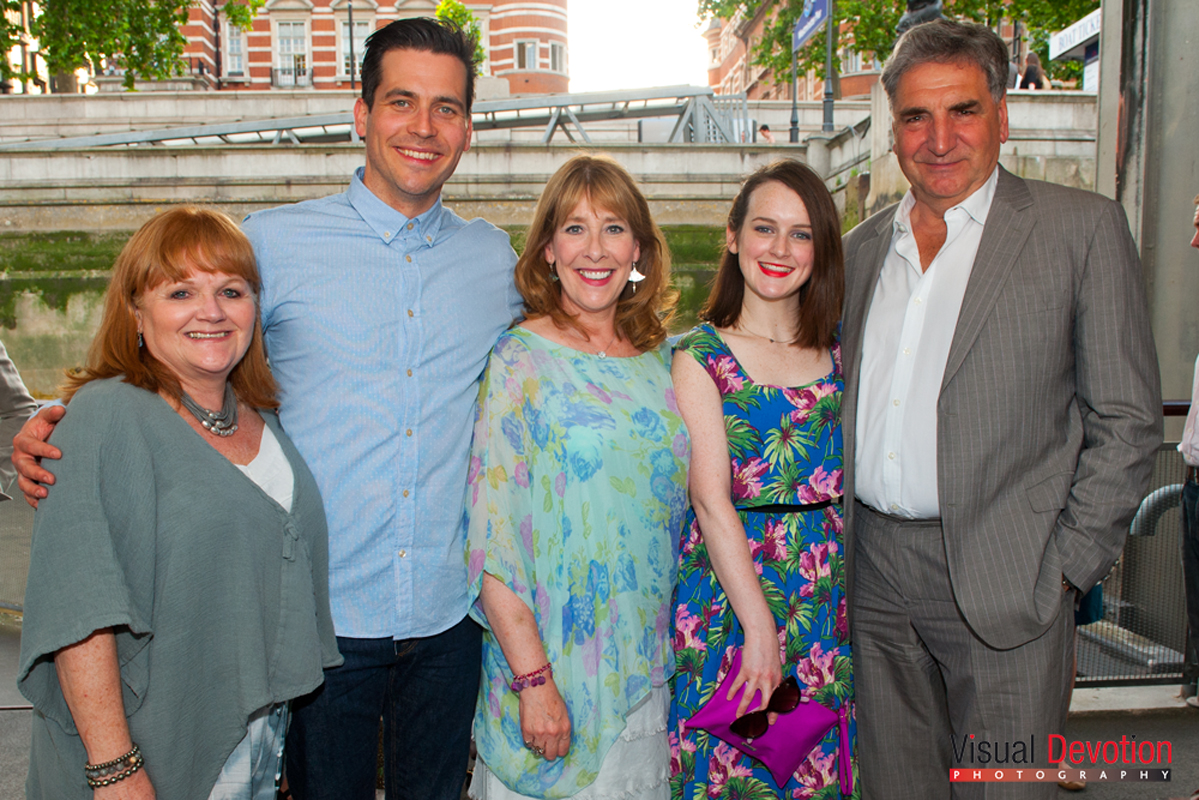
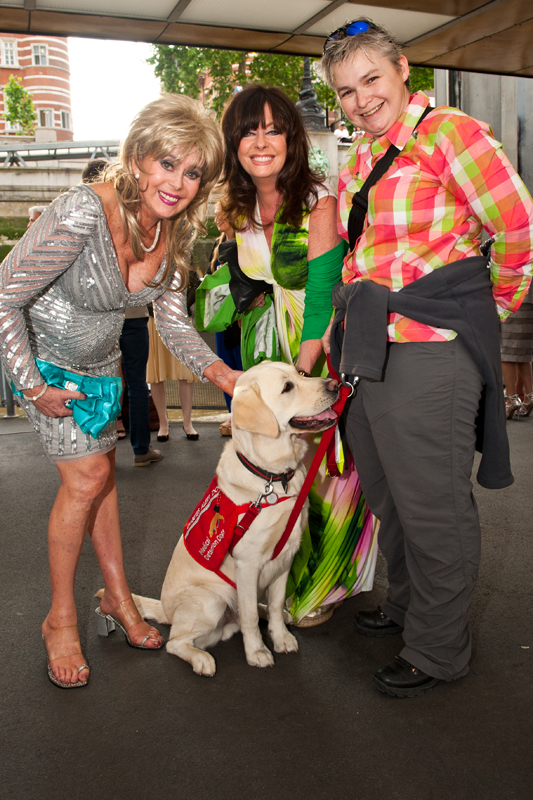
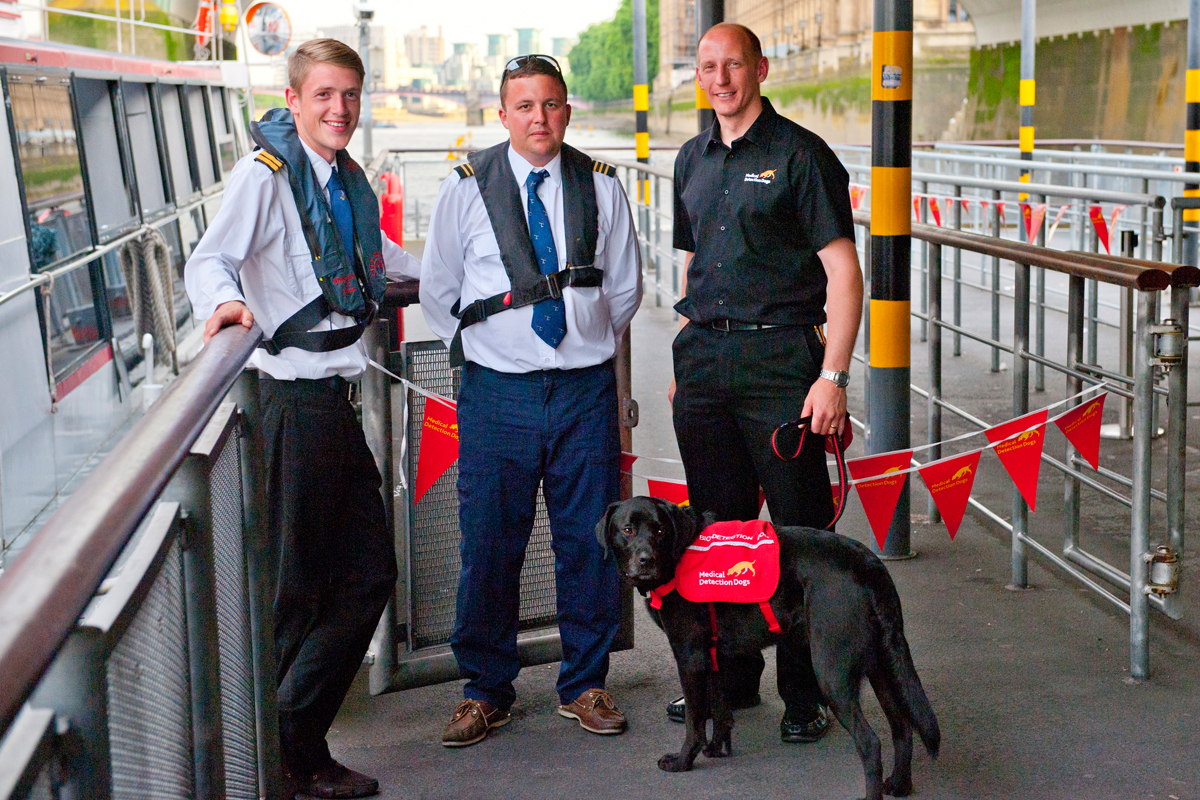
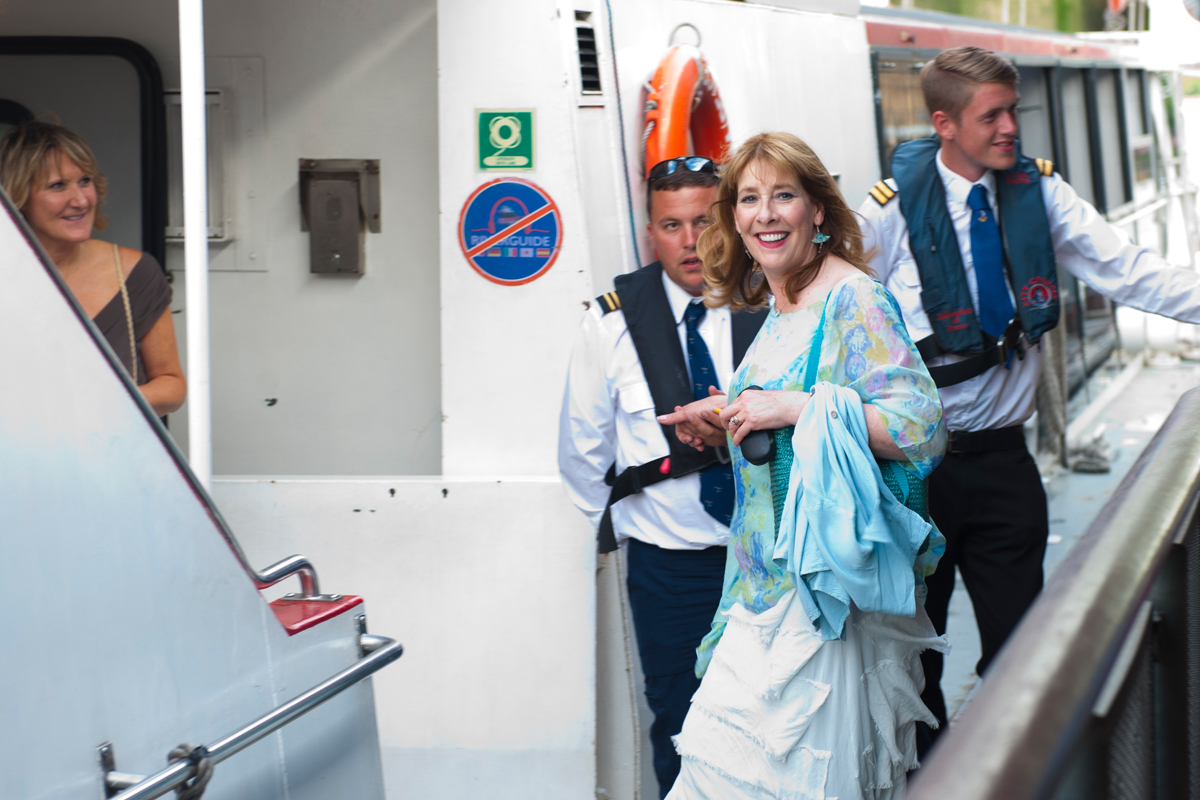
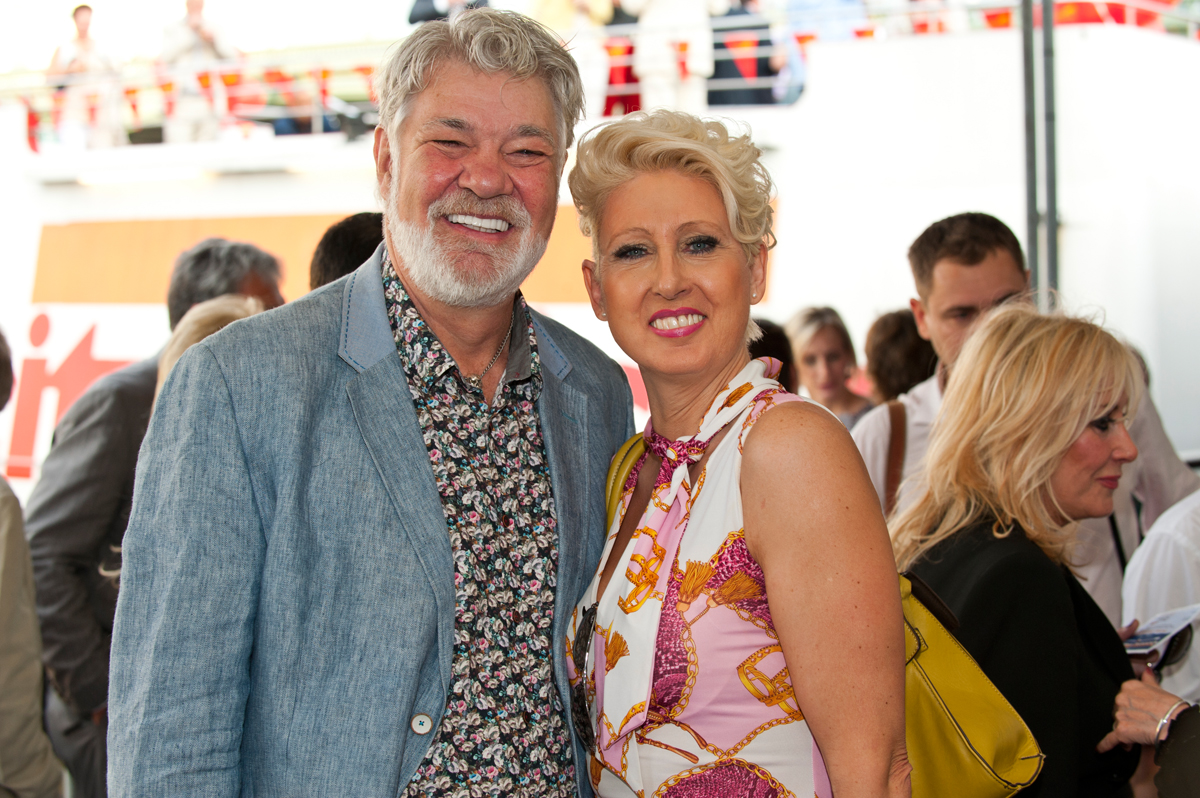
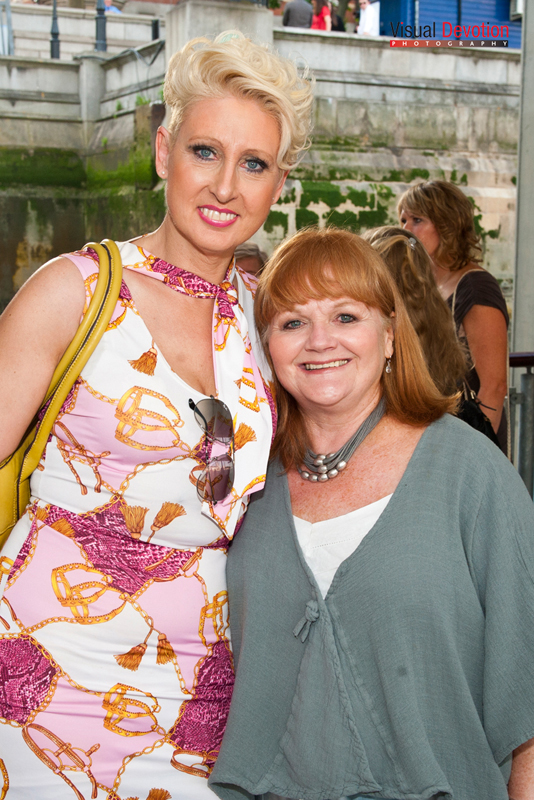
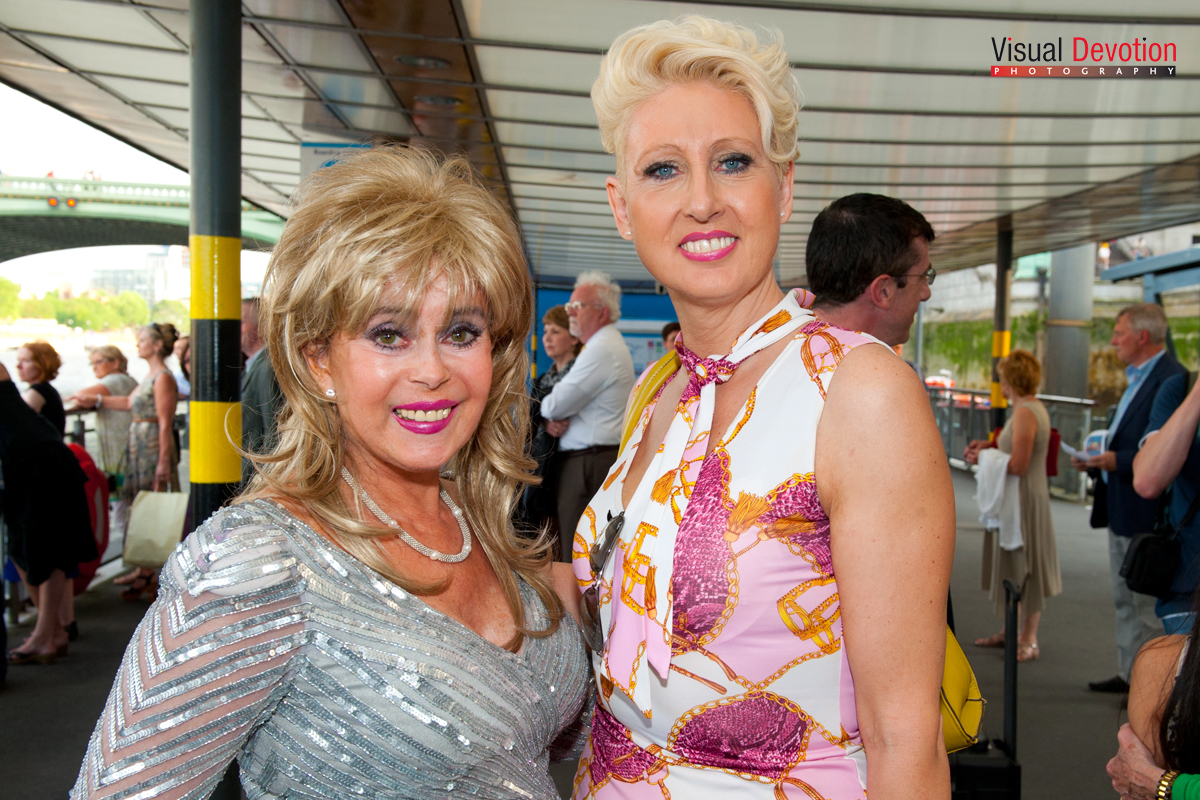
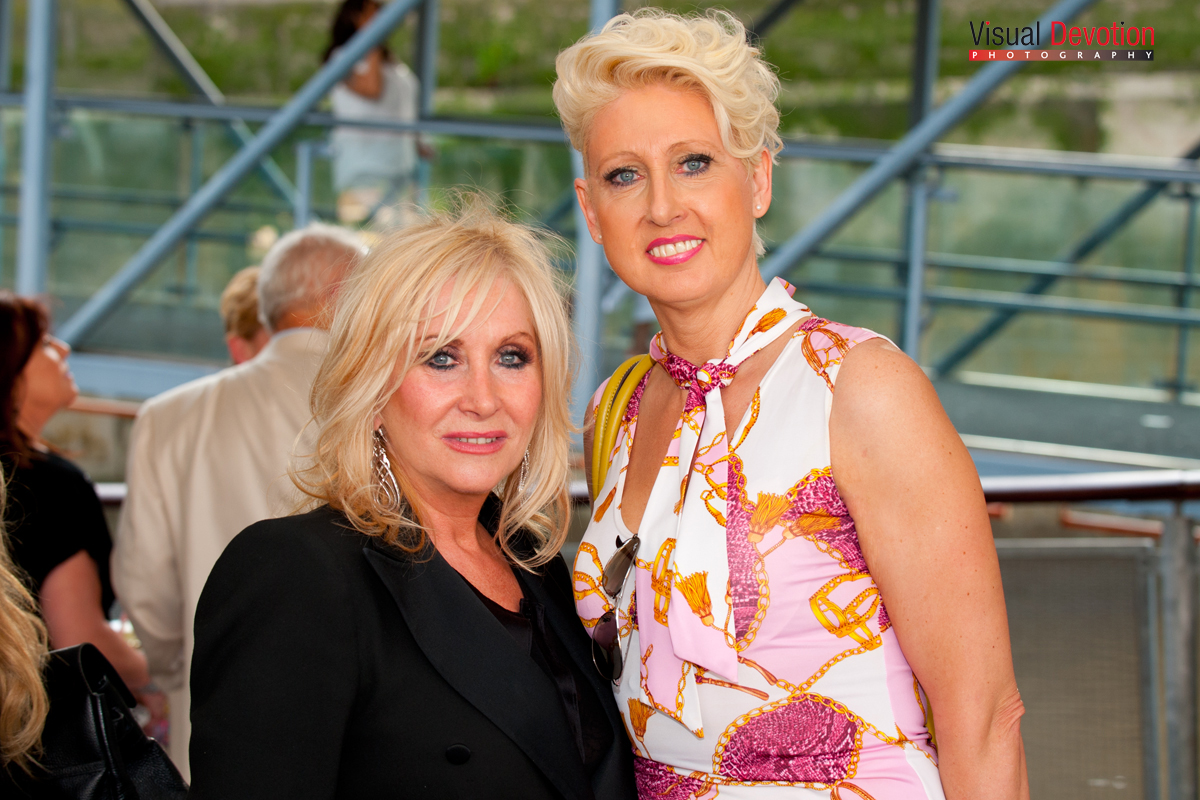
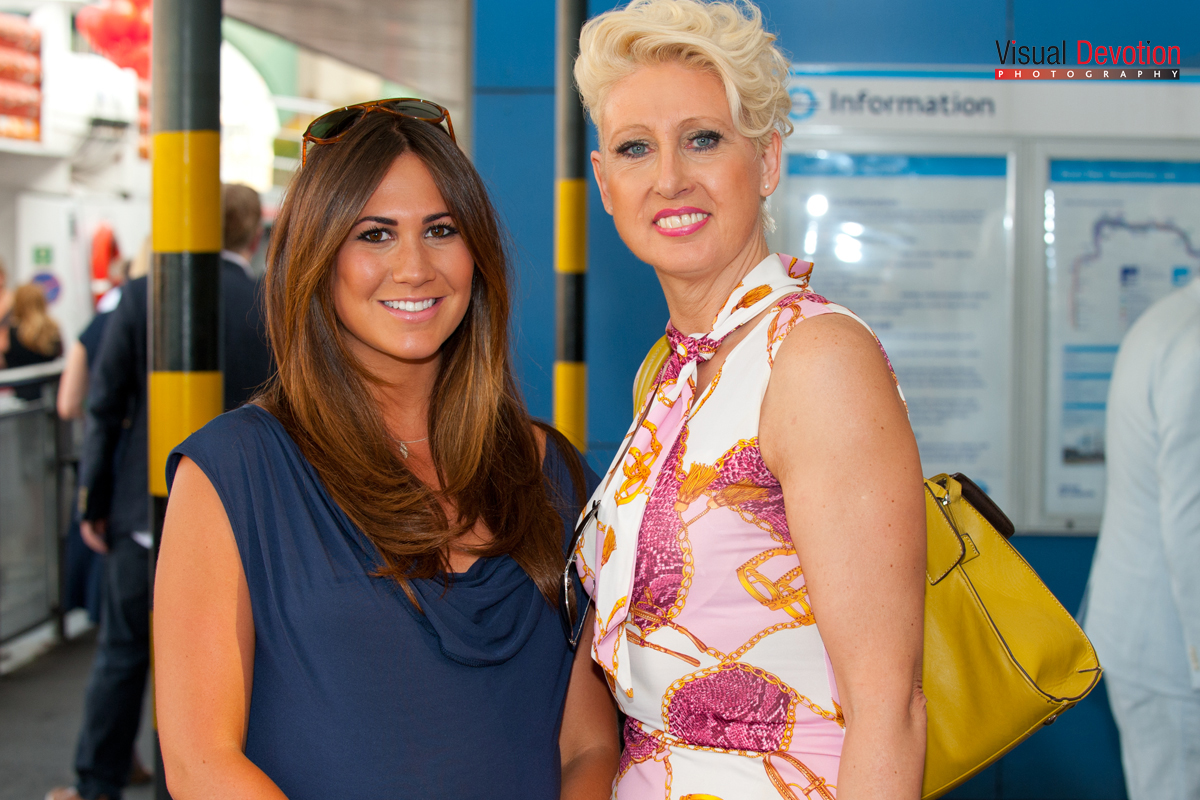
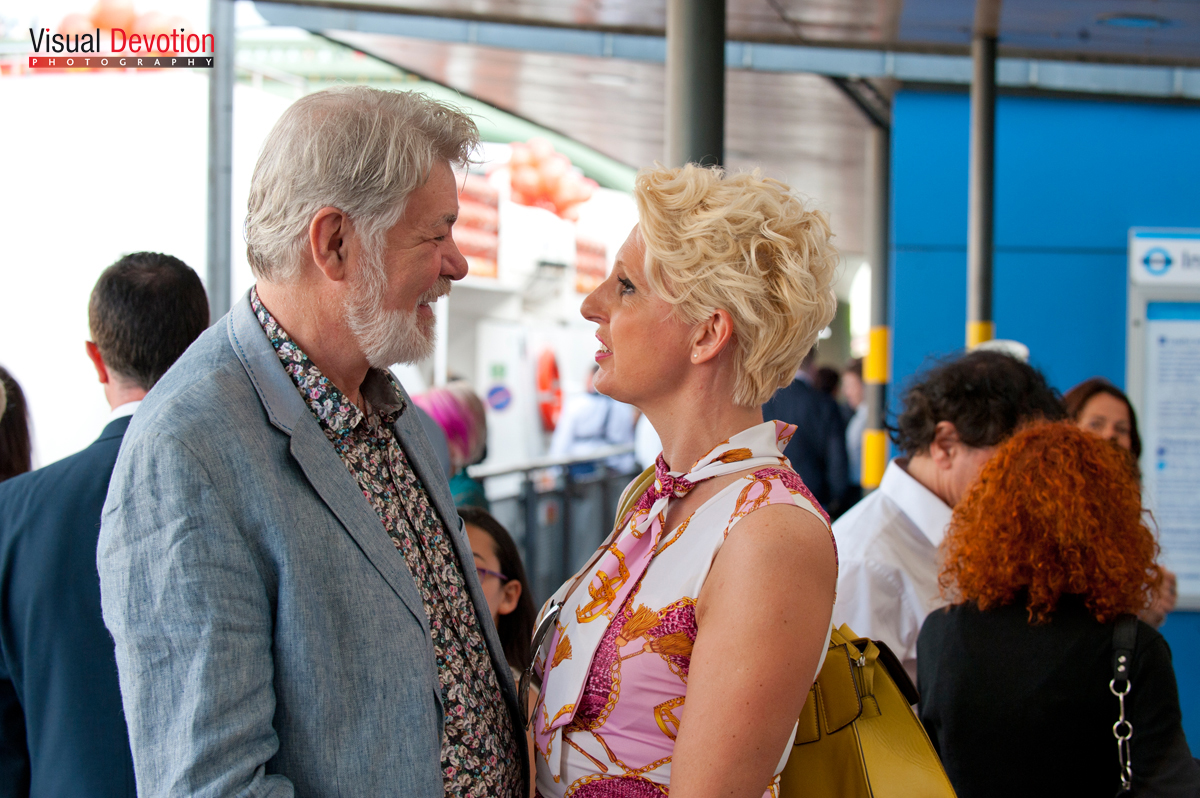
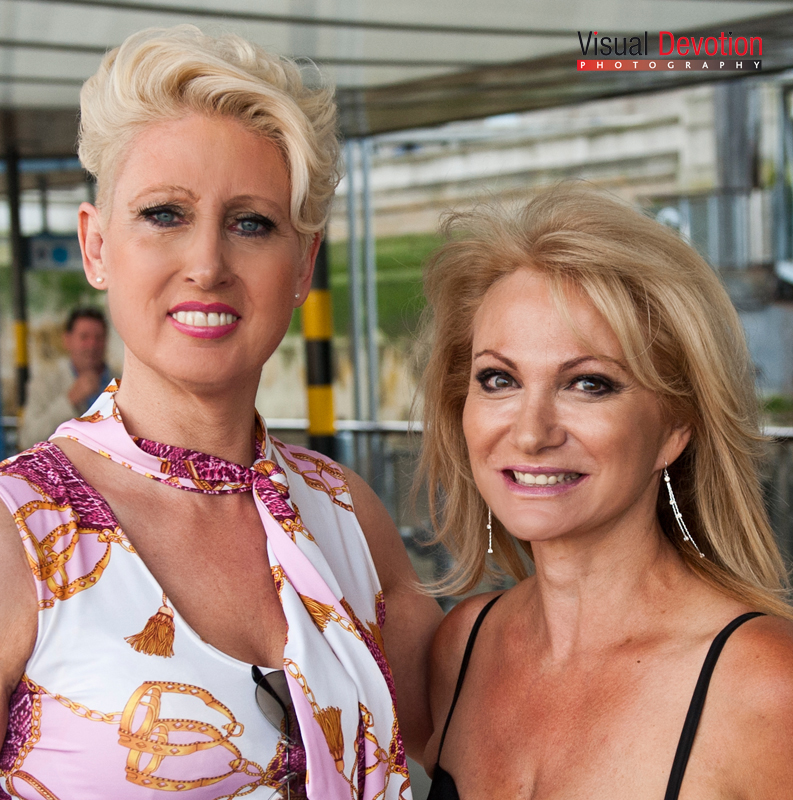
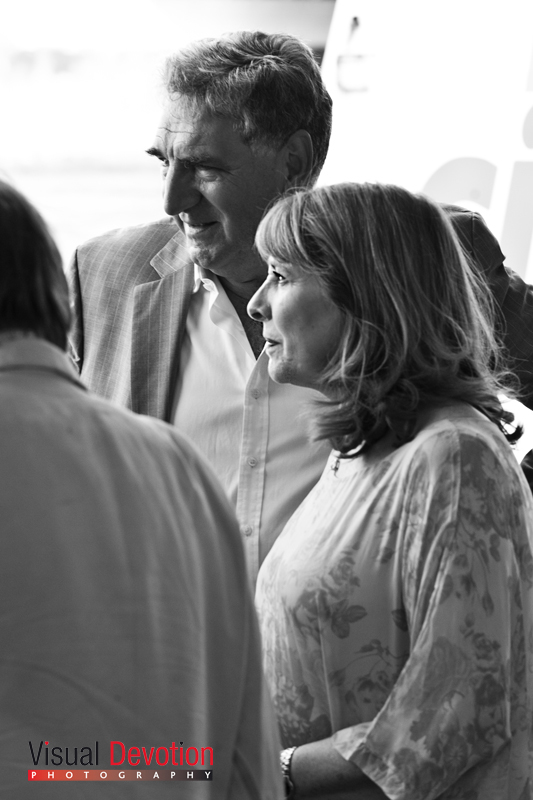
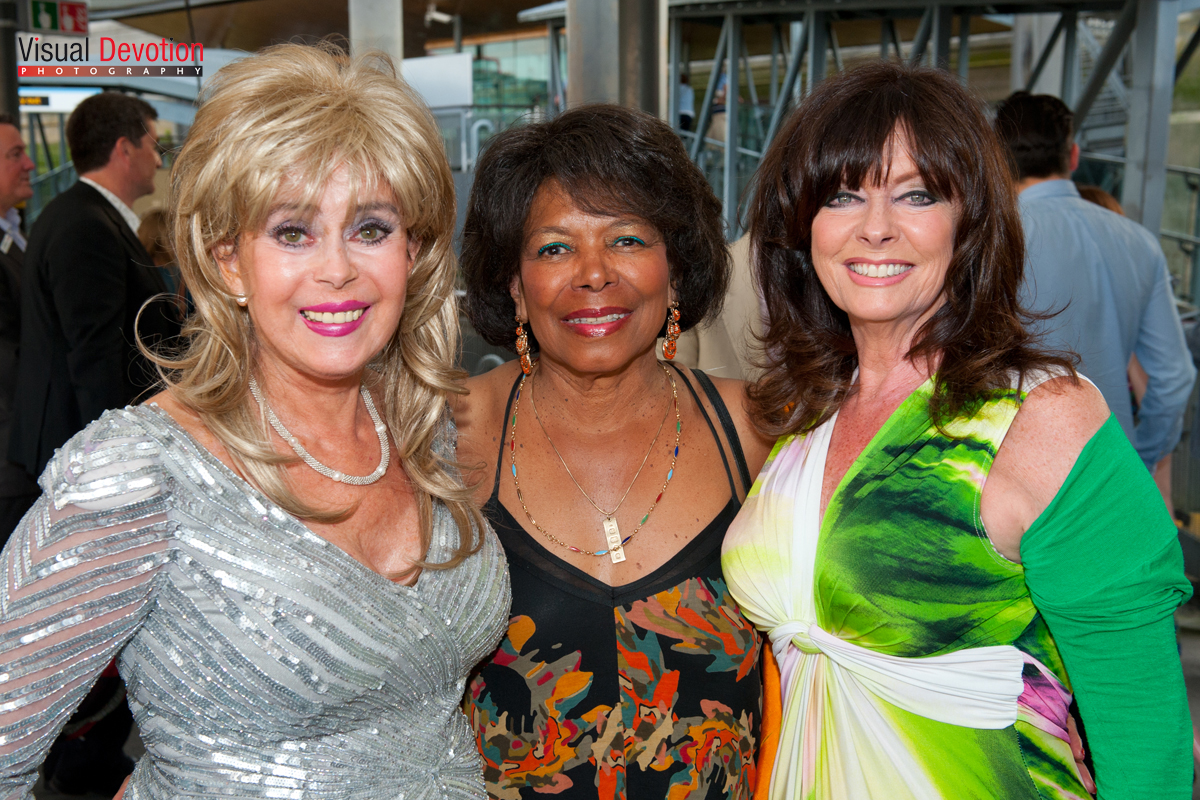
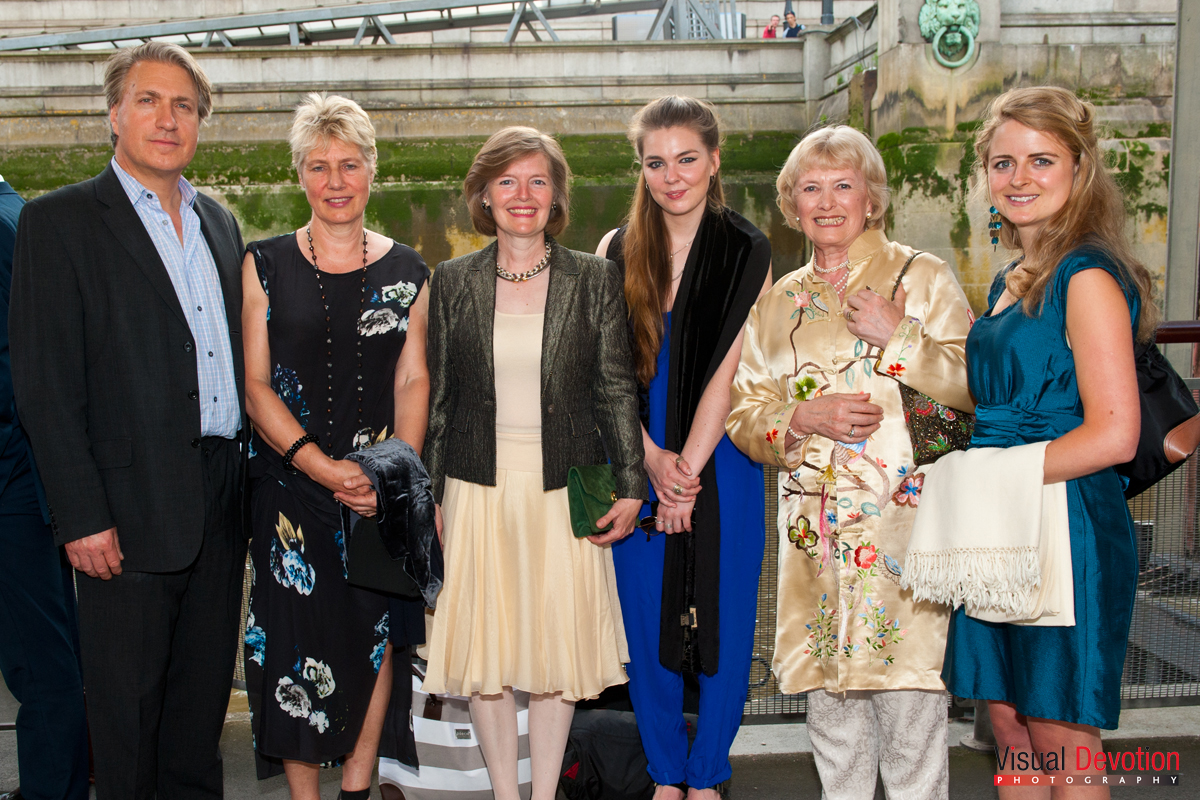
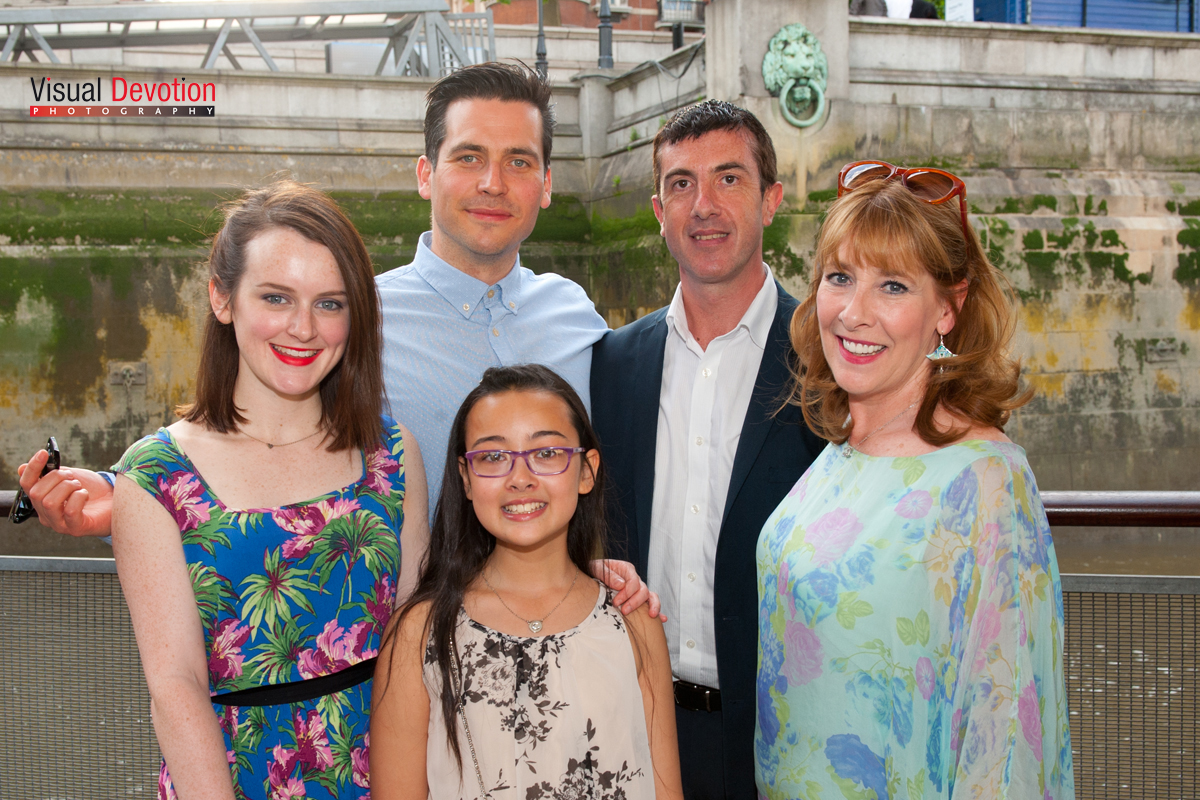
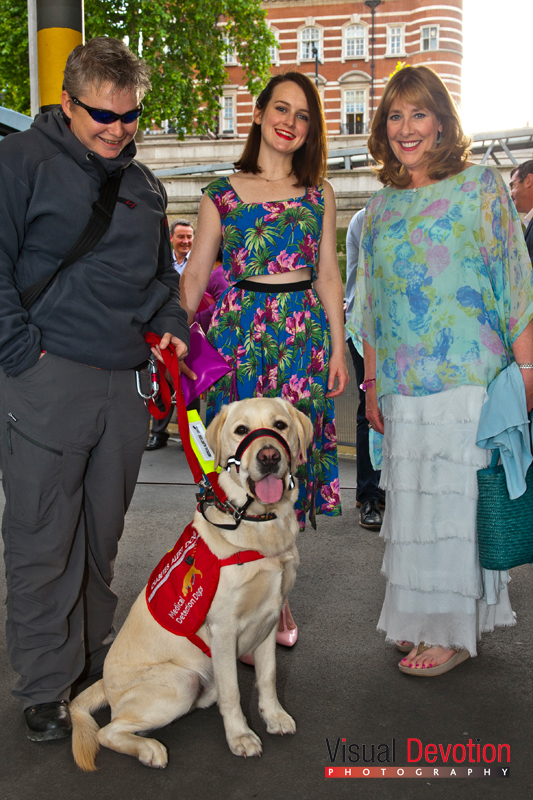
VIS_2879VIS_2890VIS_2992VIS_2997

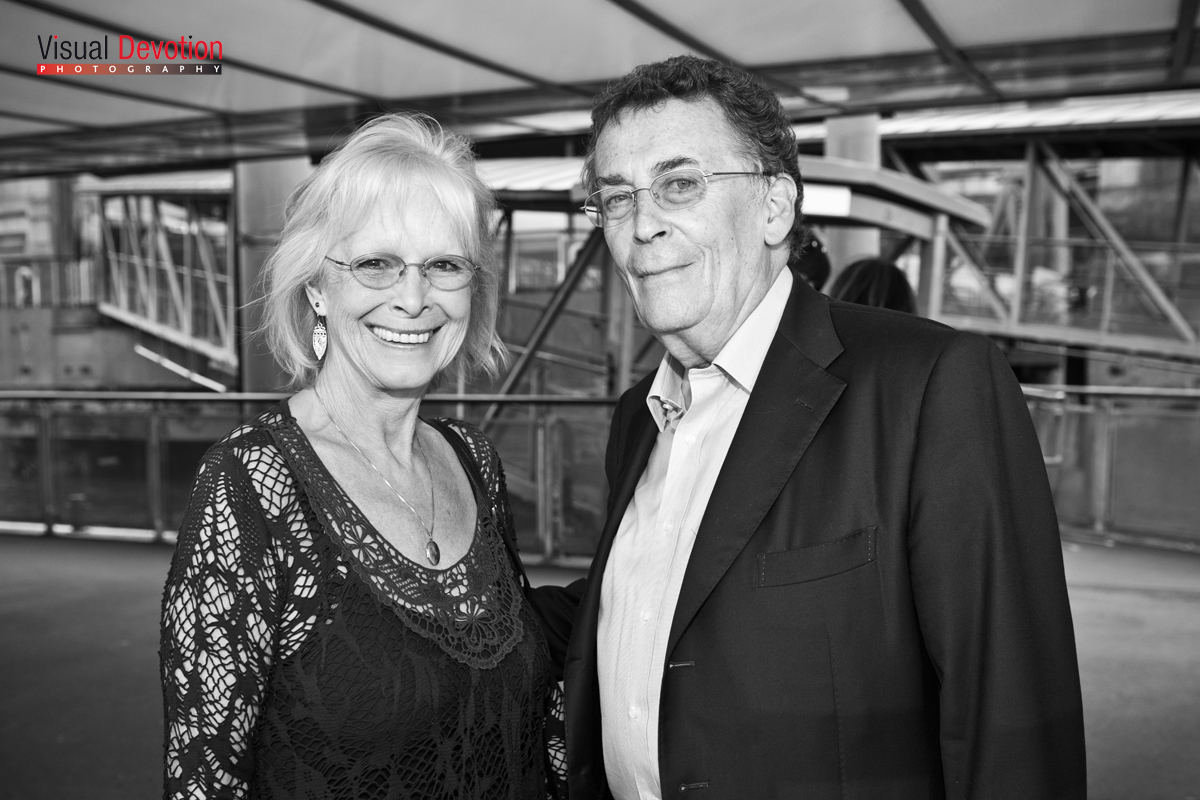
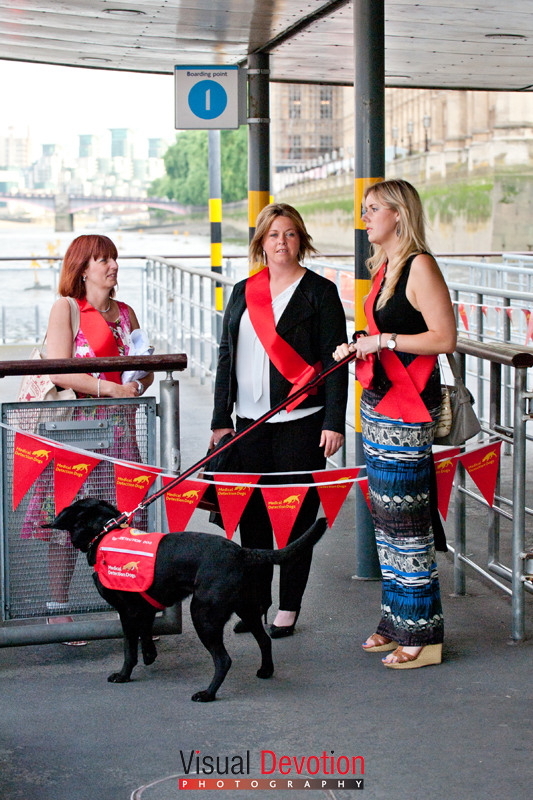
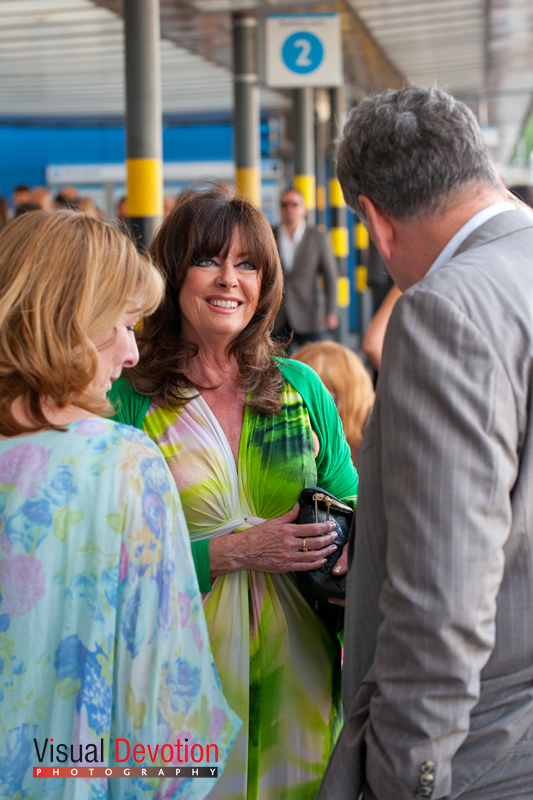
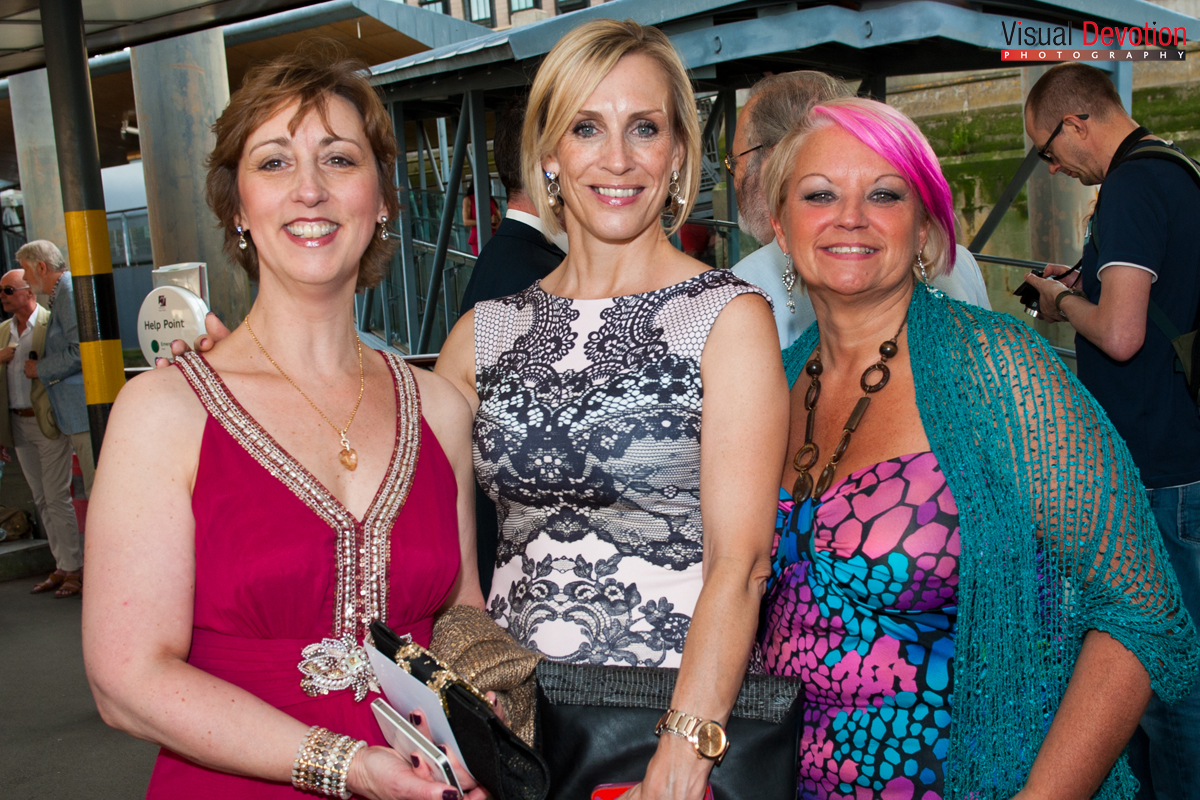
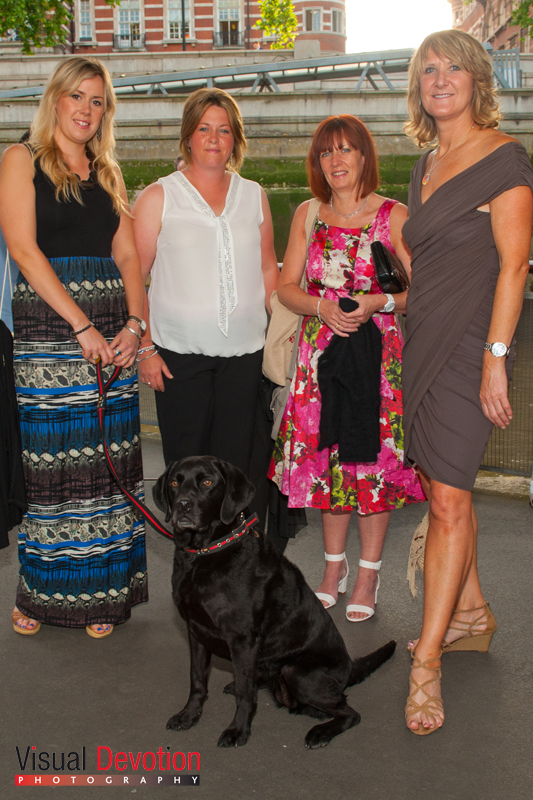
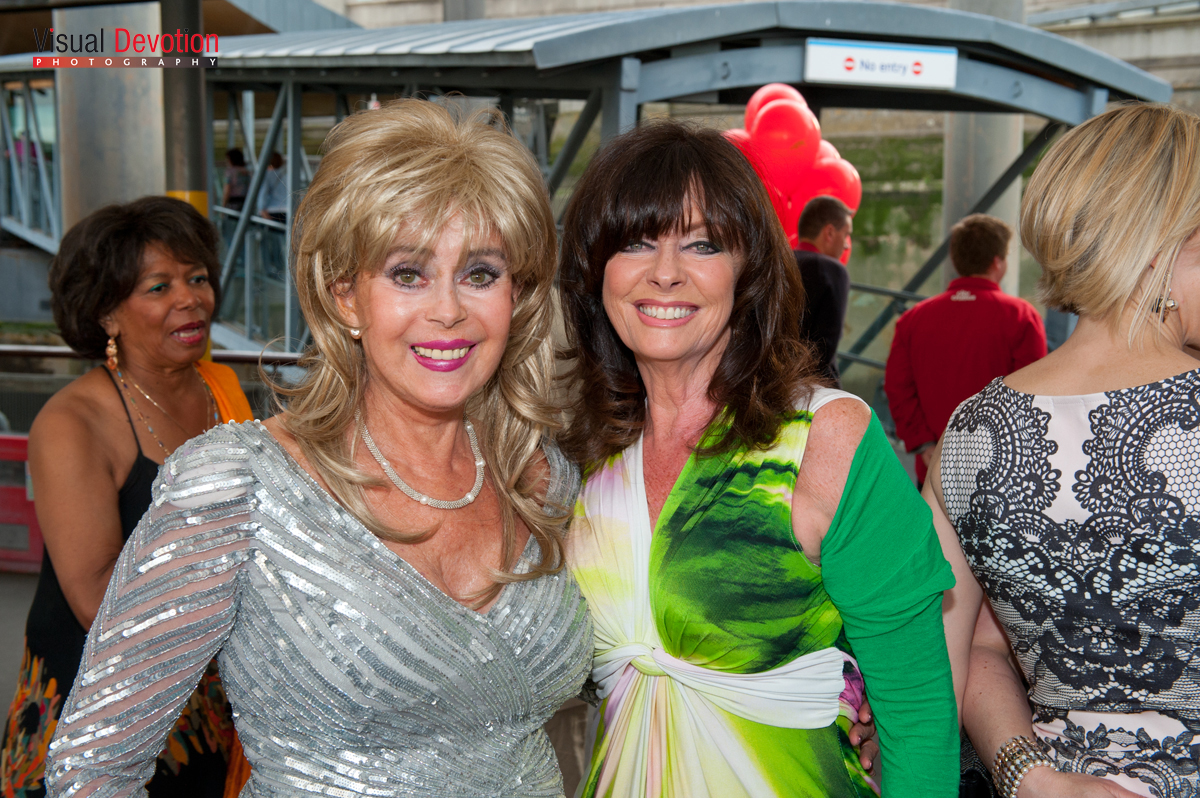
I met up with some of the stars of the hit British series Downton Abbey who turned out in force to support the young UK charity, Medical Detection Dogs, in London last week. On a gorgeous evening the stars gathered on the bank of Westminster Bridge to board a glass-covered boat for a ‘Doggie Paddle’ dinner and charity auction cruise up the Thames.
The charity, which trains dogs to detect cancer and alert diabetics to dangerous falls in their sugar levels, has already won the patronage of HRH Duchess of Cornwall. The Duchess became a patron in February and together with the Prince of Wales, hosted the dogs and their trainers at St James’s Palace in March.
Cast members of Downton Abbey, including Jim Carter, who plays the stoical Mr Carson, Phyllis Logan, aka Mrs Hughes, and Rob James Collier, the errant under-butler Thomas Barrow joined members of the charity and the excited dogs who thoroughly enjoyed the attention they were receiving… this was their night in the spotlight and the ferocity of the wagging tails was a good indication!
The event attracted celebrity supporters Matthew Kelly, Vikki Michelle, Julie Peasgood, Carol Harrison, Sally Farmiloe-Neville, Joan Hooley, Robert and Babs Powell, Debbie Arnold, Ciara Janson, all of whom had a strong passion for the charity and were thrilled to attend.

VIS_2950VIS_2865VIS_2883VIS_2941VIS_2943VIS_2945VIS_3022
Lesley Nicol, best known as the redoubtable Mrs Patmore, has been a keen supporter of the charity since first hearing of its work. Nicol commented: “Medical Detection Dogs has become a passion for me. They are relatively young, and the work they do is absolutely awe-inspiring and I want everyone to know exactly who they are and what they do.  As far as I am aware there is something like a three year waiting list for assistance dogs – and that is before what they do has really become widely known! Can you imagine what will happen when it has?”

VIS_2913VIS_3012
“So obviously it’s vital to give them the means to expand their work as soon as possible. These dogs are literally transforming and saving lives, on a daily basis. And if you are poorly, and there is this opportunity out there, three years to wait, is a very long time! The bio detection work – the other part of what this charity does – continues to amaze and impress people when they see the dogs at work. The fact that they can train them to detect early signs of cancer, and in doing so, sometimes remove the need for invasive and unnecessary procedures, and of course save lives – is amazing and seriously deserves our support I think.”

VIS_2981VIS_2911VIS_2887
Jim Carter adopted the role of auctioneer for the charity auction and succeeded in raising £11,000 for a holiday on a luxury yacht and £4,000 for the chance to visit the Downton cast on location in the famous Ealing Studios, amongst other prizes. A silent auction was also held where Frank Lampard’s signed football boots, a holiday cottage for a week and three magnums of Italian Prosecco went to the highest bidders. One lucky guest won a £6,000 diamond at the bottom of their champagne glass, but chose to donate his winnings back to the charity.

VIS_2885VIS_2878VIS_2871VIS_2876
After dinner, the stars and guests watched a demonstration of the dogs’ work to detect the odour of cancerous cells in urine samples. The sight of the dogs’ swift and accurate detection of the malignant samples left the audience momentarily speechless, before breaking into rapturous applause.
All proceeds of the night will go towards the charity’s work in advancing the early detection of cancer and saving the lives of diabetes sufferers by providing them with a dog to alert them to dangerous rises and falls in their blood sugar levels.

VIS_2868VIS_2884

Being the fashionista that I am, I couldn’t leave the event without my glam radar kicking in, so I asked a couple of stars to tell me about their eveningwear. Sally Farmiloe-Neville wore a striking vintage-inspired silver-grey dress from the Gill Harvey Collection, and Vikki Michelle described her very flattering couture dress by Debra of Chigwell.
To find out more about Medical Detection Dogs’s work visit their website: http://medicaldetectiondogs.org.uk

Images: Shane Finn at Visual Devotion

www.corinne-modelling.co.uk


The Rise of Topless Activism: But Is It a Good Or Bad Thing?

There is a worrying new trend in feminism: topless activism. Not men being topless. Women being topless because of course. Even more worrying is the number of women falling for it. The trendy #freethenipple campaign has gained ground when, in fact, it does nothing but mock the real struggle for equality. Amanda Foreman wrote an amazing piece on this for The Sunday Times. She starts off:

“New York last week was awash with nipples. Actually, it was a tiny corner of downtown Manhattan. And it wasn’t so much a sea of breasts, as a handful (or an eyeful) of women who went topless in support of a campaign to “free the nipple”. For the uninitiated, #FreeTheNipple, was the brainchild of 29-year-old Lina Esco, who felt it was unfair that men can show their nipples in public in all 50 states, whereas for women it’s a mere 13. Esco struggled in comparative obscurity until her protest was annexed recently by Scout Willis, daughter of Bruce Willis and Demi Moore. She is locked in an ongoing struggle with Instragram over the freedom to post naked selfies. The internet company maintains a blanket policy against nude photos as a way of deterring pornographers and paedophiles.” 

She then goes on to point out that the previous week in Washington another struggle for women’s rights was happening, Senator Claire McCaskill of Missouri and others were part of a task force to confront the increase in violence against female students on US Campuses. Up a shocking 20% this year. The White House is holding hearings and using Title IX, a 1972 civil rights law, to force universities to provide better protection for female students.

Foreman also goes on to say that “one does not necessarily fuel the other” and makes the good point that countries in which women are covered up are worse for violence against women and sexism but she has a problem with ‘the American tendency to confuse life and death struggles for personal freedom with exhibitionist demonstrations of myopic self-regard’. I think this is well said but I don’t think it is just an American thing.

When it comes to the nipple there is nothing to free. It is everywhere, in television shows, films, magazines, Page Three, online porn,  even women’s magazines for god’s sake. I mean, why do fashion spreads in women’s magazines nearly always have a topless women in? It is just weird.

Thing is, I am not against nudity. Neither is Amanda. She posed nude for Tatler at one point. (no nipples though).  I am not a prude. I wouldn’t go topless on a beach but I love Helmut Newton’s fashion photography. The women in those pictures are all sexy, strong and in charge. Nudity, as with most things in life, is about context.

Femen, the Ukrainian political group, is run by a man and all of the women are slim and gorgeous. When it was Femen member  Inna Shevchenko’s birthday, Femen wrote: “Femen congratulates its most famous leader, real revolutionary, wunderkind of feminism and beauty Inna Shevchenko with her birthday!” The most important word there is ‘beauty’. Femen calls itself a feminist group but is just another organisation that has become famous through the exploitation of women and their bodies. 

They may be put in the paper, but no one is listening to what they are saying. The most interesting thing about Femen’s coverage is how big the pictures are of near-naked beautiful women, compared to how small the print of whatever they are protesting against is.  Anyone can get in the paper for getting their breasts out. It does not take talent or skill, women have been doing it for years and men have been exploiting them and selling magazines and newspapers off the back of that exploitation. When Vladimir Putin was protested against by a topless activist, his leering, pervy facial expression said it all.

Femen: the rise of topless activism

They are called private parts for a reason. People may call me a prude and think I am a killjoy but, actually, it’s rude to try and make someone else live by your rules. Breasts may be ‘functional’ but so is my vagina. I don’t whip that out either.

Some women think that a women going topless is the same thing as a man going topless. Or at least should be. Unfortunately, that cannot happen now. Breasts have been too sexualised for too long. It isn’t fair but the world isn’t fair. Breasts are sexual. They always will be. A topless man is not the same as a topless women. It’s not fair, but it is a fact.

If you don’t believe me, do an experiment. Flash your breasts at a man and then ask him what you said after. If he knows what you said, let everyone know his name; he deserves a medal or something.

Topless activism gets publicity but that doesn’t mean it works. Sex sells and the world is full of perverts. People love boobs and will use any excuse to print them, as long as they are attached to an attractive women.

Even the daughter of Demi Moore and Bruce Willis, Scout,  has gotten in on the act. ‘Protesting’ against Instagram not letting her post topless pictures of herself on Instagram. She then said she was going to ‘move to Europe’. She seems sweetly unaware that in ‘Europe’ we all wear clothes and that walking around topless is called indecent exposure.

She tweeted

Scout LaRue Willis @Scout_Willis 

I’m moving to Europe, people’s victorian sensibilities need to calm the fuck down

What @instagram won’t let you see 

Scout Willis walked around the streets of New York topless to make her point, but she could have chosen something more pressing to use her celebrity for. Like the fact women are stoned to death by their own families or teenagers being raped and then hung from trees in India.

Scout Willis #freethenipple protest Scout Willis #freethenipple protest


The thing is, we have to decide what we want. Feminism can’t have it both ways. Either we want to get rid of Page Three because it is wrong and objectifies women or we want to get our nipples out to be ‘equal’ to men. Which one is it? Easy. If you want to be equal to men then ask to be paid the same as them. Ask for the same opportunities. There are more MPs called John in the House of Parliament than there is women. The average college graduate in the US who becomes a mother will sacrifice a million dollars over her lifetime and single women make 90% of what men make. The list of what to fight for is endless and, trust me, freeing our nipples is the least of it.


What do you think? Is Topless Activism a good thing?


The Pretty One Film Review

The Pretty One has a lot going for it. A unique storyline, dazzling performances from all of the actors, a banging script and the two wonderful leads, Zoe Kazan and Jake Johnson. Jake has slowly been building up a stellar career, moving from bit parts to New Girl, he is having a career peak at the moment. Zoe Kazan is something to behold. She is just perfect in this film. Oh, and adorable.  Both her and her character.  She plays both twin sisters, Laurel and Audrey.  Laurel is shy and stayed with their father after the death of their mother, looking after him and painting with him. She even wears her mothers old clothes. A lot of people think she is strange. Audrey is confident, ballsy, the woman everyone is in love with. 

After Audrey dies in a head-on collision whilst driving with her sister, just after they switch seats, Laurel doesn’t realise who she is straight away. And when she does it seems that people don’t really care that much, her step-mother even says it was a good thing Laurel died as she would not have coped with losing her sister. Devastated, Laurel decides to become her sister and live her life. As the consequences mount, and the lie becomes bigger she has to decide whether to come clean or continue living the lie. What will she do?


theprettyonedvdreview the pretty one

The Pretty One is a truly wonderful, uplifting film, despite its moments of tragedy. I loved it and so did the people I watched it with. It is newly out on DVD and I highly recommend it. It is surely set to become a classic. It is funny and warm, tragic and sad all rolled into one perfect ball of a film. The DVD also has a great, delightful, visual effects featurette.


The Pretty One is available here.


Directed by Jenée LaMarque. With Jake Johnson, Zoe Kazan, Ron Livingston, Frances Shaw.


Frost Magazine