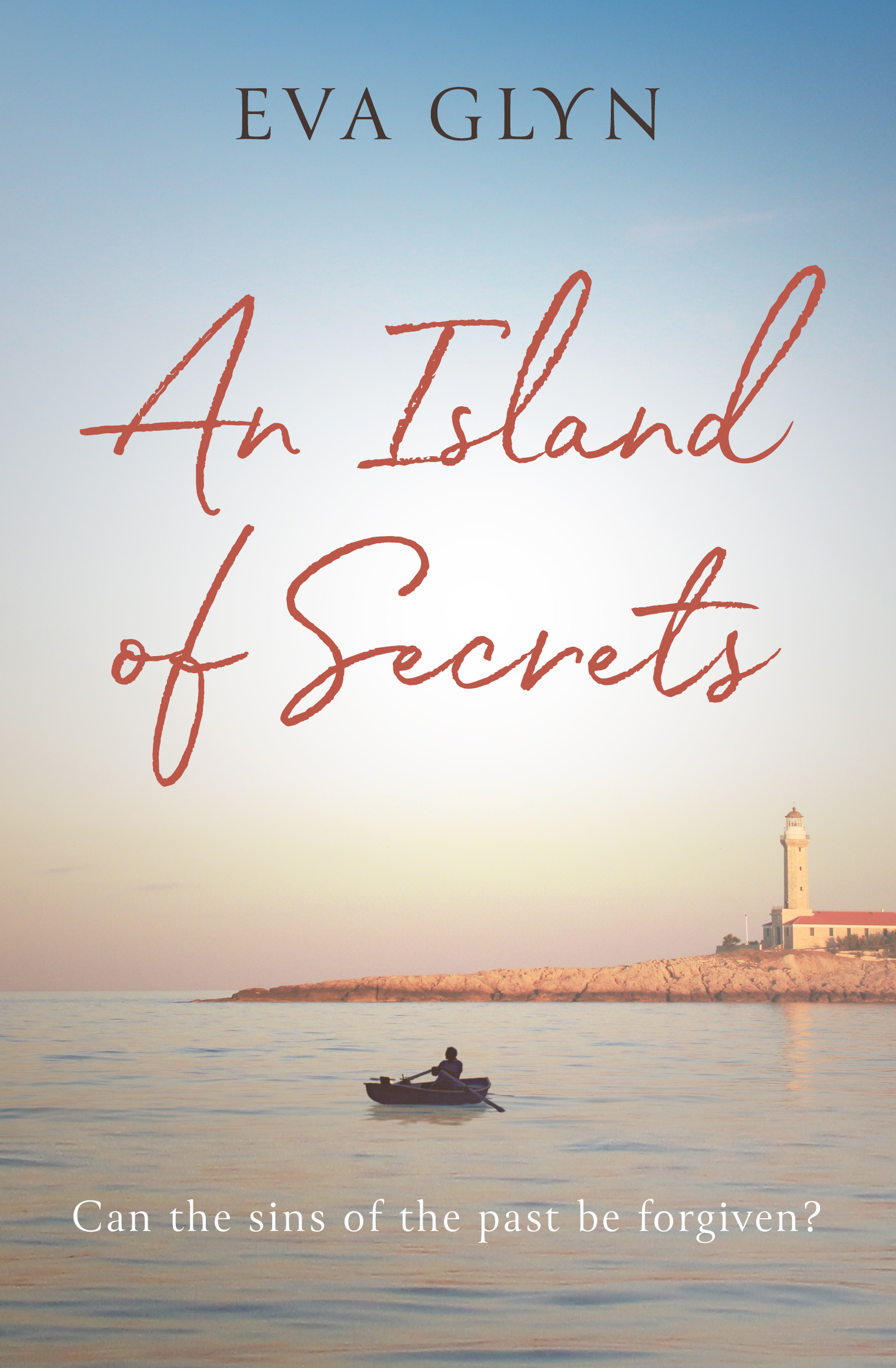
SUNDAY SCENE: EVA GLYN ON HER FAVOURITE SCENE FROM AN ISLAND OF SECRETS

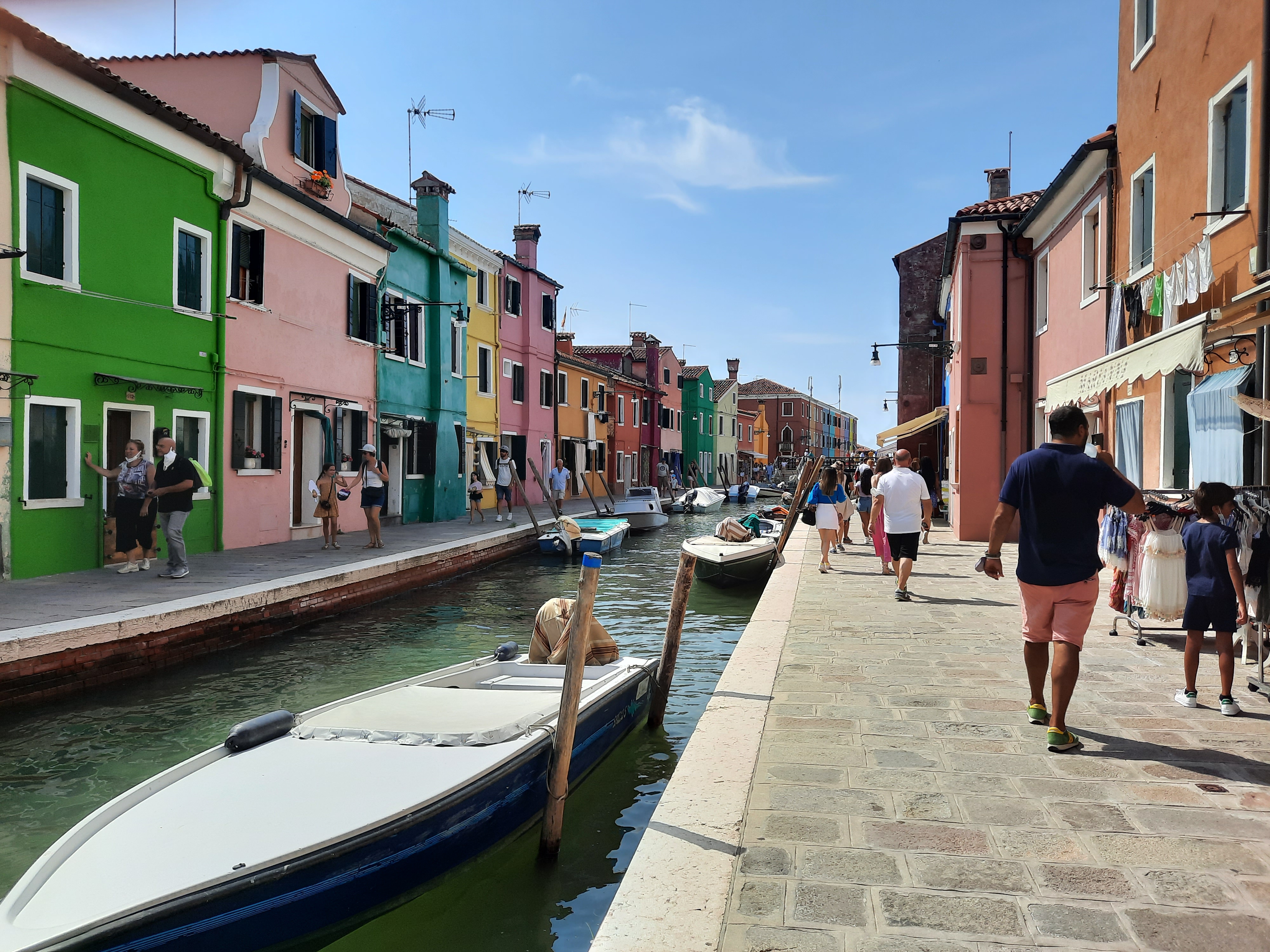
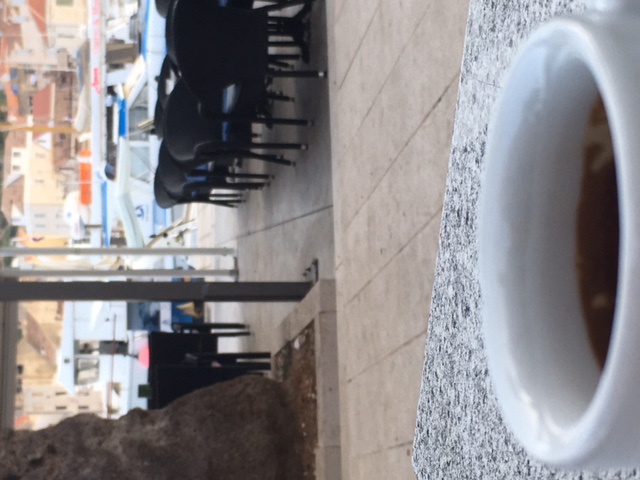
It’s every writer’s dream, isn’t it? To sit in the exotic location where you’ve set your book and actually write the scene. From exactly the same place as your character; to see what they see, hear what they hear, smell what they smell. Well, one morning when I was on the Croatian island of Vis researching An Island of Secrets, I made it happen when early one morning I picked up my notebook and strolled down to the harbour…


Although a few cafés were open at this hour Leo had chosen one in front of a broad flight of steps in a corner of the harbour, its tables tucked back into a narrow space between a pizzeria and a bakery. Not the one where she usually bought her bread, but today that might change too. Or it might not. If she was to stay in Komiža then something damn well had to – she’d been here a month and she couldn’t go on as she was.

Cigarette smoke drifted around her and music was playing from a radio further down the quay. A few local people were about and the crew of one of the holiday yachts moored on the mole had settled at a table somewhere behind her, but generally there was an air of peace about the place and she felt herself relax. A scrawny black and white cat with the swagger of a prize-fighter strolled past, but the tiny tabby cleaning itself under one of the chairs seemed unimpressed.

There were two reasons she had chosen this place to have her coffee. The first was that she could see The Fishermen’s House from here, and the second that yesterday she had found a photo from 1944 in the online archive of a museum in Split and she was pretty sure she recognised where it had been taken.

She pulled out her phone and looked again. Yes, that was definitely the narrow building where the tobacco shop now was, and the distinctive carved lintels above the windows of the property directly to her right were in the picture too. The palm trees were in the correct places, although in the photo they were barely taller than the men and now they towered more than four storeys high.

She had scanned the faces of the commandos in vain for anyone who looked vaguely like Grandad. But although she had been disappointed, she knew he might recognise some of the men and the thought made her tingle with excitement; she had already emailed the photo to Auntie Mo so she could show it to him. It was progress of a sort and there was pitifully little else to say. How the hell did you find out about some random woman who lived sixty years ago in a foreign land? Especially when you weren’t entirely sure who that woman was.


Leo is in Komiza to try to find out what happened to the woman her grandfather, Guy Barclay, had to leave behind when his commando unit pulled out in 1944. When Guy first arrived on Vis, the only part of Yugoslavia not occupied by the Germans, his mission had seemed straight forward, but then he stumbled across a brutal execution on a remote hillside that changed everything.

These executions – of female partisan fighters who had fraternised with their male colleagues – really happened, and at the time their British allies were powerless to do anything about it. But it made me wonder, what if one of them had tried? I had my hero and I had my story.


Find out more about my books set in Croatia at evaglynauthor.com


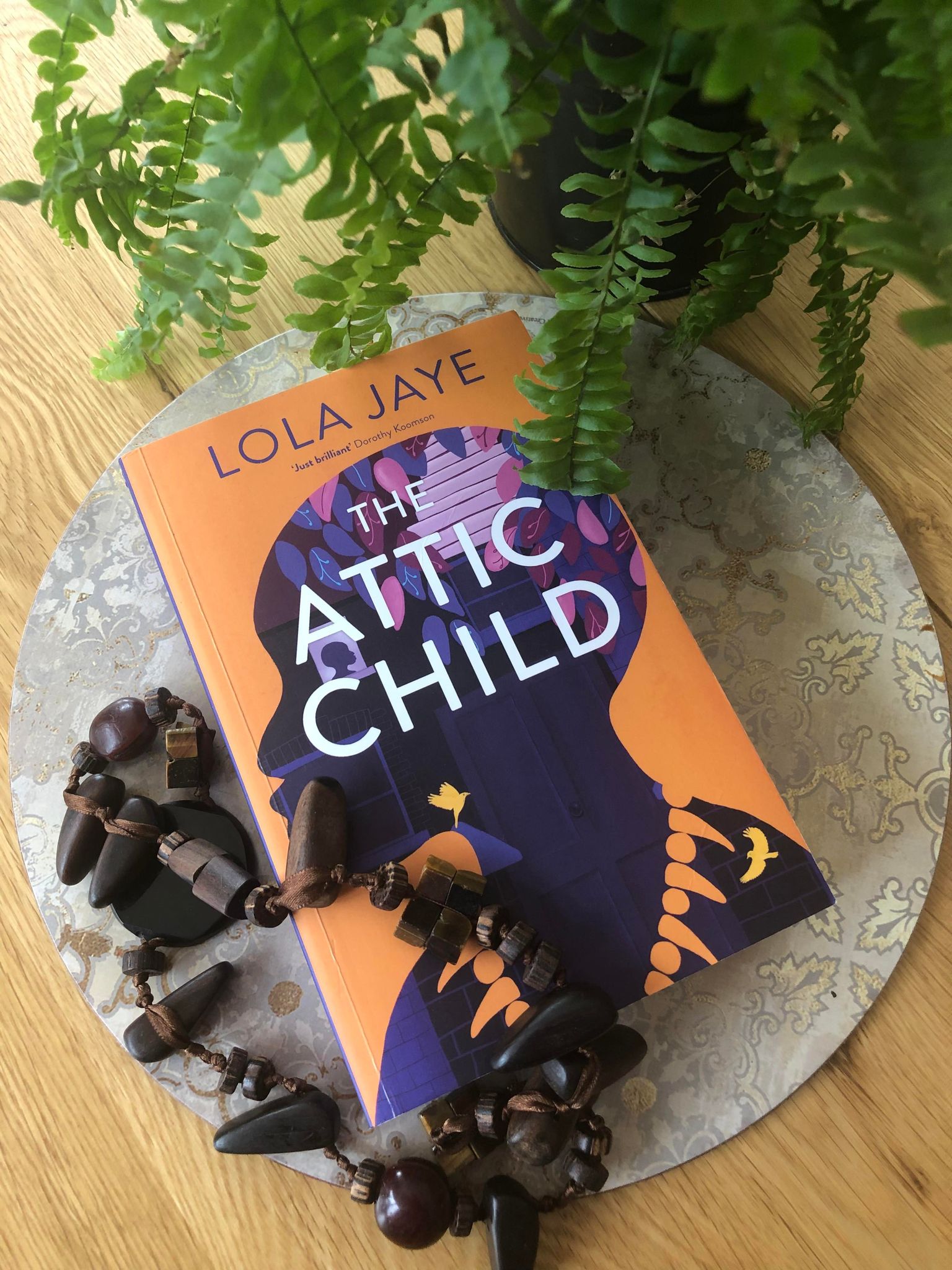
The Attic Child by Lola Jaye

the attic child lola jaye

Here’s the book for the weekend – and it’s a long bank holiday so you’ll have plenty of time to indulge yourself and be swept away by the wonderful The Attic Child by Lola Jaye.

This was such a powerful, if at times uncomfortable, read. A dual timeline novel telling the stories of two children trapped in an attic almost one hundred years apart.

From the opening lines, I was desperate to discover what happened to Dikembe, a young African boy who is taken from his family in the Congo at the tender age of ten and travels to England as a companion to explorer, Richard Babbington. Lola Jaye takes you by the hand and leads you on a journey that interweaves the lives of Dikembe and Lowra as they navigate their path through the terrible circumstances in which they find themselves.  It was at times a dark and disturbing read but a story of the redemptive power of friendship.

Lola Jaye’s inspiration for this novel was triggered by a photograph she saw at the National Portrait Gallery – part of an exhibition on Black British Victorians.

One of the photographs was of a young African boy, Ngudu M’hali, pictured alongside the explorer Henry Stanley. The boy had a short and tragic life, taken from his family and either sold or given to Stanley as either a slave, servant or companion. Accounts differ and the truth may never come to light. Ngudu M’hali drowned in a canoeing accident on the River Congo in 1877 when he was twelve years old but The Attic Child explores what might have happened to a boy in similar circumstances had he lived. This is not Ngudu’s story – but inspired by the photograph Lola Jaye began to craft a wonderful tale of one such boy, Dikembe. Oh, my heart broke for that small child, torn from his loving family and thrust into an unfamiliar life in an unfamiliar land.

A timely book and one that has stayed with me long after I reached the final page.

Two children trapped in the same attic, almost a century apart, bound by a secret.

1907: Twelve-year-old Celestine spends most of his time locked in an attic room of a large house by the sea. Taken from his homeland and treated as an unpaid servant, he dreams of his family in Africa even if, as the years pass, he struggles to remember his mother’s face, and sometimes his real name . . .

Decades later, Lowra, a young orphan girl born into wealth and privilege, will find herself banished to the same attic. Lying under the floorboards of the room is an old porcelain doll, an unusual beaded claw necklace and, most curiously, a sentence etched on the wall behind an old cupboard, written in an unidentifiable language. Artefacts that will offer her a strange kind of comfort, and lead her to believe that she was not the first child to be imprisoned there . . .


The Attic Child is published by  Pan and is available from all good bookstores and online retailers.


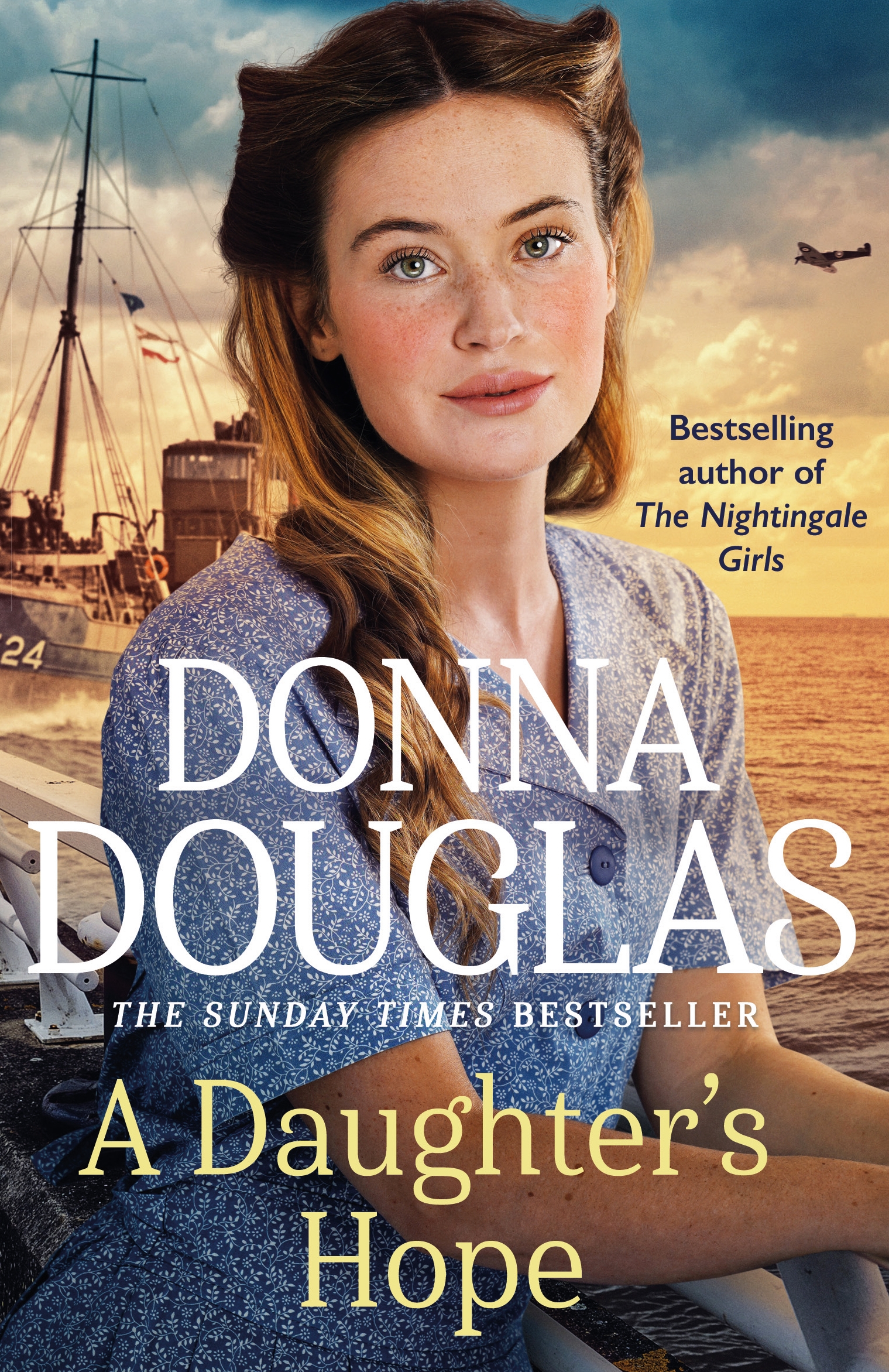
A Daughter’s Hope by Donna Douglas

a-daughters-hope-donna-douglas

A Daughter’s Hope is the conclusion to the Yorkshire Blitz trilogy by Donna Douglas. I do hope it’s not the last we see of the MacGuire family who are a fantastic bunch of characters – or are they real? They seem like it when you’re reading. It’s like peering into a window and watching as their lives unfold. Matriarch Big May MacGuire leaps from the page, a strong woman in charge of her noisy, squabbling, good-hearted brood.

It’s Autumn, 1942; the Blitz has come to an end and the residents of Jubilee Row begin to get their lives back on track. Twins Sybil and Maudie join the WAAF to do their bit for the war effort. The girls may be twins but each has their own personality, and they face their own struggles when it comes to adapting to force’s life and discipline.  Will they be able to thrive in this new environment?

Back in Hull, 42 year-old Florence, the eldest of May Maguire’s daughters, has a good job as supervisor of a typing-pool but feels thwarted when a new manager joins the staff and threatens to undermine her authority.

May understands Florence least of all her children and Florence’s strong independence keeps her hovering on the edge of family life. The love and awkwardness, the misunderstanding between the two women was gently revealed from the first chapter and I really enjoyed the complex relationship between Florence and her mum.

There is humour and warmth,  and a strong sense of making the best of things – there’s never a dull moment among the folks of Jubilee Row.

I have to say that having read the others in the trilogy this is my favourite. The plotlines are deftly interwoven and the skilled writing and storytelling draws the reader along until the very last page. I was sad when it came to an end.

I hope there’s more to come from the MacGuires, but if there isn’t I eagerly await the next book from Donna Douglas.

A Daughter’s hope by Donna Douglas is published by Orion and available from all independent bookstores, Amazon, and other online retailers from 28th April 2022 .

a-sisters-wish-donna-douglas a-mothers-journey-donna-douglas

CARIADS’ CHOICE: APRIL 2022 BOOK REVIEWS

Pamela Hartshorne’s Time’s Echo, reviewed by Georgia Hill

What a fabulous read! Itchy-footed Grace goes to York to sort out a house that has been left to her. She’s immediately drawn into the story of Hawise who lived in the city over 400 hundred years before and who met a tragic end. There are twists and turns galore, some truly evil baddies, a theme of drowning which is cleverly explored and some gentle romance. The Tudor details are assured and you just know Pamela really knows her history. It’s all concluded in magnificent style. I absolutely loved it and, for me, it ranks with books from the mistress of the timeslip, Barbara Erskine.


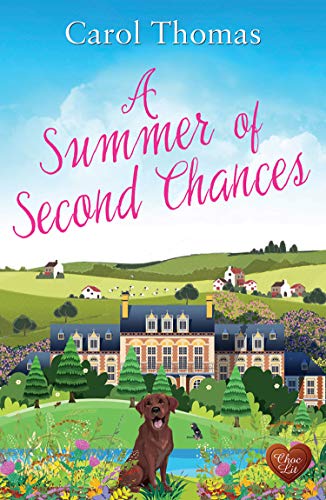
Carol Thomas’ A Summer of Second Chances reviewed by Jane Cable

A genuinely heart-warming book, full of wonderful  characters, both human and animal, at times I actually laughed out loud.

But at the core of this book is a gorgeous love story . When Henry returns to Dapplebury on his father’s death he hopes he will meet the girl he left behind. But with so much water under the bridge, will his childhood sweetheart Ava give him a second chance? Will her protective friends even let her?

What I especially loved is that every character, however small their part, is beautifully drawn which made the village come alive around the story. Definitely recommend as a book to curl up with.


Carol Drinkwater’s The House on the Edge of the Cliff, reviewed by Jessie Cahalin

The House on the Edge of the Cliff had me on the edge of my seat throughout the narrative. The contrast between Grace as a teenager and as an older woman is wonderful: innocence and experience are artfully conveyed with layers and layers of emotions.

I loved the excitement the frenzied Paris Riots that opens doors to Grace, but the wild beauty of Provence lured me and Grace. I stepped into the mesmerising blue of the sea and the sky.

‘I was a girl climbing out of a closed box for the first time, happening upon a sky that was not blue but BLUE, vigorously tinted, fervently, thrilling blue.’

The novel moved clearly from the past and the present and tension clattered along at great speed.  I longed to discover the truth of the secret Grace and Peter buried long ago. Tempting ripples of tension dropped into the novel, but my assumptions crashed on the rocks.  Wow!

Another tempting narrative from Carol Drinkwater.  The emotions and tension kept me on the edge of my seat.  And the beautiful tapestry of language did not disappoint.  I always enjoy travelling to France with Carol Drinkwater and engage with her characters.  A thrilling read!


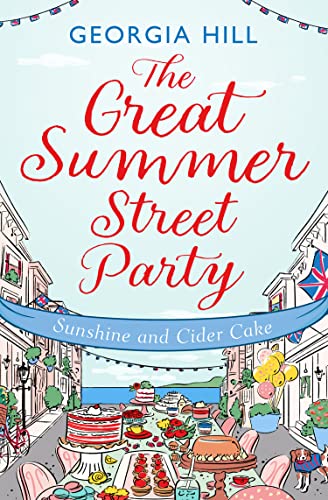
Georgia Hill’s The Great Summer Street Party: Sunshine and Cider Cake, reviewed by Morton S Gray

I loved the characters in this book, which made me want them all to have happy outcomes. Berecombe definitely sounds like somewhere I would like to live and be part of the community. I would no doubt spend a lot of time in Millie Vanilla’s café if I did. (I was excited to realise that there are other books set in this fictional village and will definitely be reading those too).

Who doesn’t love a heroine with a past to battle and overcome like Ashley? A nice light uplifting read that was perfect distraction for me when I was recently unwell. The living history project aspect of this book was of great interest to me. I now have to go and buy part two of this story as I am intrigued to find out what happens to Ashley, Eddie and of course the backstory of Ruby and Chet.

Lovely read.


SUNDAY SCENE: SUSAN BUCHANAN ON HER FAVOURITE SCENE FROM SIGN OF THE TIMES

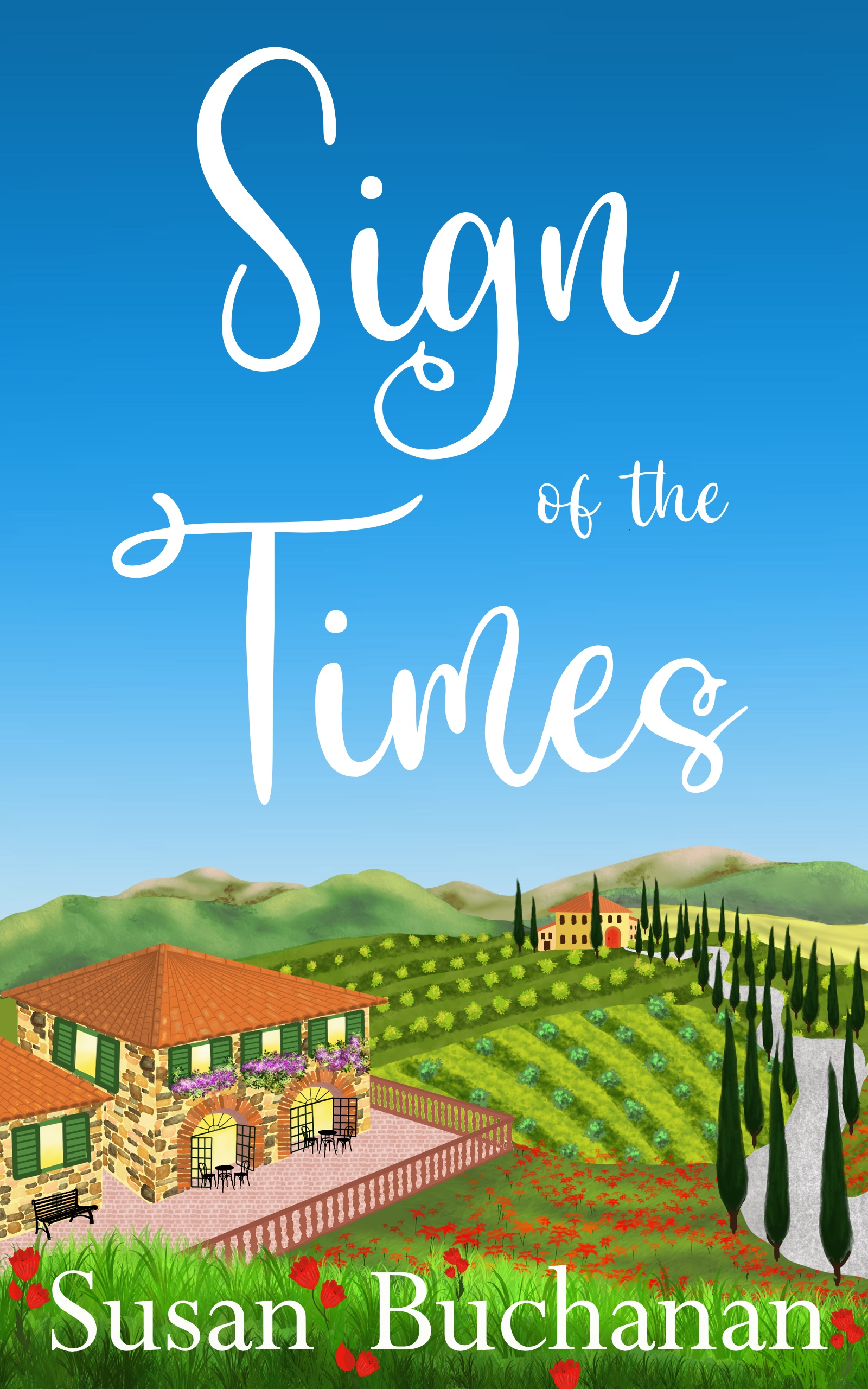
Travel is a major passion of mine, but without question, Bibbiena in north-east Tuscany is my favourite real setting in my books. The hilltop town set in the Casentino Valley is surrounded by lush greenery and vineyards. I have a natural love of Italy and all things Italian – I studied Italian at university and Bibbiena was the setting that inspired me to write my first book, Sign of the Times, which celebrated its tenth anniversary in March. I’d never been to this corner of Tuscany and it was one of those random lucky finds, but it will stay with me forever.

Probably the best way to do it justice is via an excerpt:

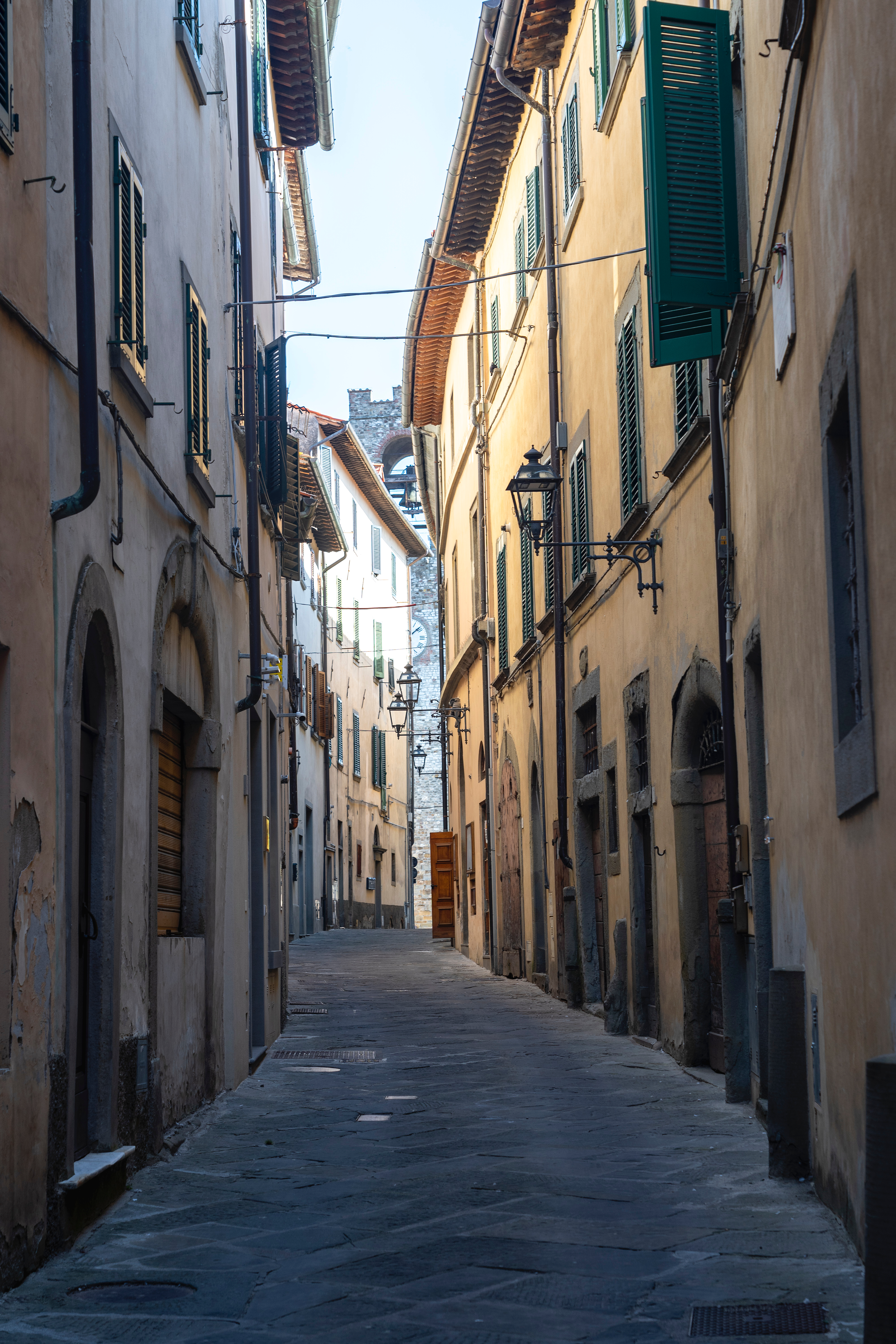
‘Holly’s thoughts returned to Dario as she padded down the windy road and up the hill to the centre of Bibbiena. It was a little as she had expected: bumblebee-striped canopies and green chairs stacked on top of tables, at what she could only assume was one of the restaurants on closing day. A group of teenagers stood around chatting and flirting. Holly strolled past them and spied twenty or thirty stalls with canvas awnings ahead of her. So, there is a market. Continuing, she passed a bar on the opposite side of the road, where four elderly men were playing chess. Holly watched them for a few minutes and then, conscious they had stopped chattering and were looking in her direction, waved then moved on.

She crossed the road a little further along and turned up into the village centre, following the sign for the church. The reddish-brown buildings were of rough-hewn stone and Holly guessed they were eighteenth century. Today she wanted to absorb the atmosphere, without having to remember she had to write about it. She passed a tabacchi, a lawyer’s office, an accountant’s, until finally she came across a bottega. As she peered through the glass in the door, the owner sprang to open it, and she fell forward into the shop, almost colliding with him.

‘Scusi, signorina.’

Holly waved away his concern and then picked up jars and bottles, examining the contents and ingredients. The bottega was filled with mouth-watering goodies; pickled vegetables, zucchini, red peppers and cherry tomatoes filled with anchovies. The upper part of one wall consisted only of wine and the lower half entirely of olive oil. Holly had never seen so many different kinds of olive oil. Next to the cassa and the beaming shop owner lay a wide assortment of cold meats and cheeses. Holly wanted to buy up the whole shop. Then she clapped eyes on the counter of fresh pasta…mmm. Ricotta-filled ravioli, pumpkin stracci…’

Holly’s subsequent conversation with the shop owner, Giampiero, reveals much about small-town and village life, not least the warmth and friendliness of the people. He knows where she is staying, and when she tells him her landlady has invited her for dinner, he calls the butcher to ask if Viviana, the landlady, has been in, and if so, what she ordered. He gives Holly the story behind the prize-winning bottles of olive oil and once he knows what they’re having for dinner, he helps Holly pick out the perfect wine.

The villa on the cover is a representation of the one I stayed at, and the house in the distance, one I could see from my villa, and the location of a wedding in the novel.

After a ten-year break from writing about Bibbiena, I can’t wait to return to it in 2023. If you haven’t been to this gorgeous corner of Tuscany, please do. You won’t be disappointed.


www.susanbuchananauthor.com


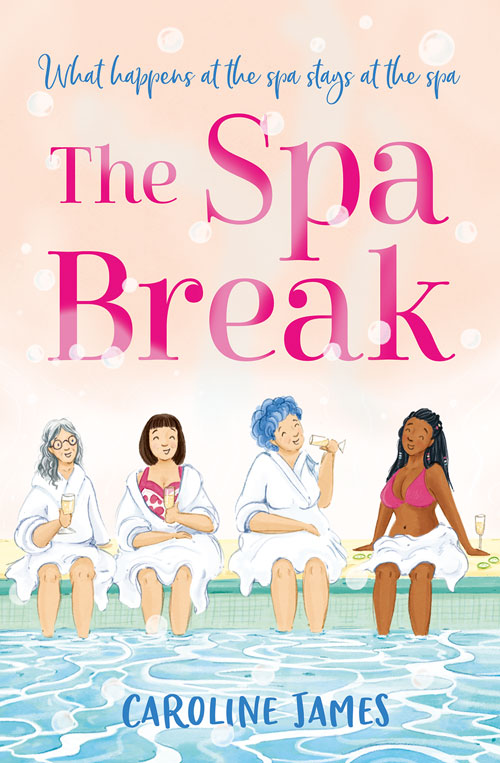
SUNDAY SCENE: CAROLINE JAMES ON HER FAVOURITE SCENE FROM THE SPA BREAK

In May 2021, I received a message on Twitter from a publisher asking if I would be interested in a potential project. At first, I thought it was spam. After all, publishers rarely approach an author. But over the next few days, I realised that the enquiry was genuine. Could I write about a spa break where four mature friends experience a life-changing weekend? You bet I could! I love writing about older protagonists making exciting life changes. As the saying goes, ‘You are as old as you feel.’

The novel is set in summer in Lancashire, the county where I live, close to an area called the Trough of Bowland, which is classed as an area of outstanding natural beauty. There are hills covered in heather and magnificent views as far as the eye can see. With vast rocky fields to roam over, sheep graze idly and a river meanders alongside a remote twisting road. The water is clear, cool and always inviting and nearby picnic areas are abundant.

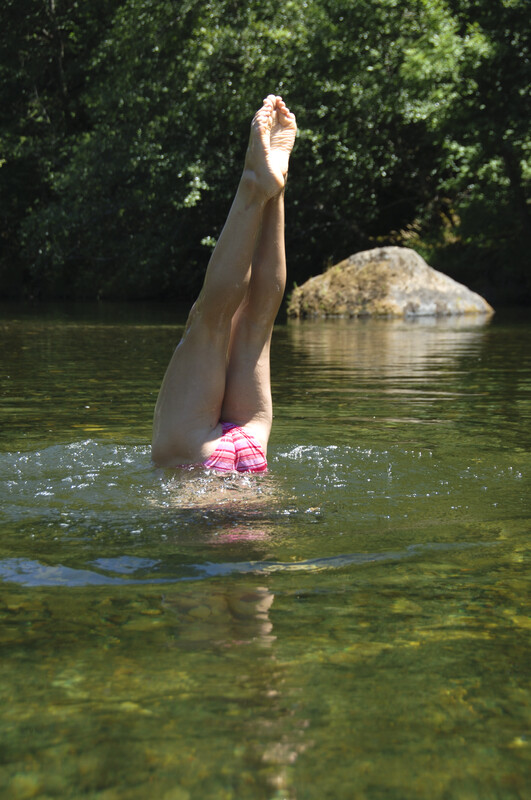
I began wild-water swimming later in life, and this area is ideal, with many pools and safe bathing places. One of my favourite scenes from The Spa Break finds the characters swimming in a river. As the friends Bridgette, Emily, Marjory, and Serena came to life, their wacky escapades at the spa began to fill the page and encouraged them to go out of their comfort zone. I imagined scenes where they bravely explored new possibilities, sometimes reluctantly.

In this scene, before arriving at the spa, the friends stop by the river for a coffee break. Unwilling Bridgette is encouraged to swim by the wild-water swimmer, Serena.

  ‘Are you ready?’ Serena asked and took hold of their hands. ‘One, two, three… swim!’ She tugged hard and plunged them into the water. Submerged to their shoulders and gasping at the cold, within seconds, the women were swimming. Cheers resounded from the riverbank as the bikers whistled and clapped.

  ‘Hang on! Wait for me!’ a voice suddenly called out.

  Everyone turned to see Bridgette, her short elf-like body running across the grass. With spontaneous applause, they took in the sight of her skirted swimsuit. The thin fabric of a generous sarong, knotted at her wide waist, billowed around her chubby legs. A rubber cap, red with colourful flowers, covered her hair and on her feet she wore a pair of latex bootees.

  ‘Bridgette!’ Serena yelled and, rising like a salmon leaping upstream, reached Bridgette’s side. ‘You made it.’ She laughed and leaned down, guiding her in.

  ‘I’m coming out of my comfort zone!’ Bridgette shrieked as she dipped into the water and, with furious strokes, began to paddle towards Emily and Marjory.

What is wild water swimming? It is swimming in a river, lake, pond, the sea – anywhere where the water is untamed. If you’ve never tried swimming outdoors, I can highly recommend this type of swimming. After the initial shock to the body, it is blissful to be at one with nature. As your breathing slows down, an exhilarating experience takes over. It is the perfect anecdote to the frustration and bewilderment of current world events. Reading novels may also help us recharge our batteries and escape into a fantasy world,  bringing light relief when needed.

I thank Frost Magazine for this opportunity and reiterate Bridgette’s words, ‘May you be blessed with friendships as solid and cherished as my own.’

www.carolinejamesauthor.co.uk


The Patient by Jane Shemilt Book Review

I tend to judge the success of a book on how long I remember it after I have finished reading it. I could not stop thinking about The Patient after I read it. I sometimes still do, months later.

Jane Shemilt brings her characters to life so vividly it is hard to believe they are not real. You become so engaged with them they feel like friends, or people you know and do not like. Ha. The Patient is a superb psychological thriller but it is also a beautiful love story. Complex and multi-layered, it will keep you gripped all the way to the end with a twist you won’t see coming. One of my favourite books of the year. A must-read.

When Rachel meets Luc, the attraction is instant.
But she is a doctor, and he is her patient.
She gives him the drugs he needs – but in doing so, risks everything.
And when a secret is exposed, they’re both in the firing line.
Not all patients are telling the truth.

The Storytellers by Caron McKinlay Book Review

I have reviewed many books in my life but I have struggled to review The Storytellers by Caron McKinlay. This book blew my mind. It is so clever and so essential. Every women should read this book and I hope they do.
I do not want to give too much away, and yet I feel like this book has encapsulated the insecurities we have as women, the problems with the patriarchy, and distilled it into one glorious perfect book.

The Storytellers, caron McKinlay Every character in this book is well-rounded and unique. You cannot help but root for these women. McKinlay is an outstanding writer. Her writing flows perfectly and is so natural. The book is unique and I did not see the twist coming. The Storytellers is not just a fantastic and unique idea; that idea is perfectly executed.

You can tell this book came from McKinlay’s soul and we are all privileged to be able to read it. The Storytellers is a fun, entertaining feminist novel for our time. This is a must read. Preorder it now. Out May 16th.

https://amzn.to/3JC6fDR

Trapped between life and the afterlife, three women meet and share their stories while discovering the truth about the men in their lives—and about themselves.

Suspended in an eerie state of limbo, an entity called the Gatekeeper tells Nikki, Ronnie, and Mrs. Hawthorne they are on the cusp of entering the afterlife—but only if the women can persuade him that in their earthly lives, they knew the meaning of love.

Fragments of their memories return, plunging them back into their pasts, and forcing them to face the desires, disappointments, addictions, lies, and obsessions they battled in life.

But before time runs out, will they find the answer to the ultimate question: what is love?