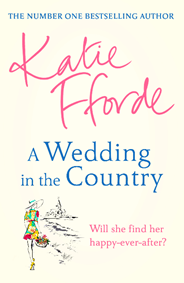
A Wedding in the Country By Katie Fforde Review

Katie Fforde a wedding in a country

Katie Fforde is a writer who needs no introduction, such is the weight of her talent and accomplishments. She is a national institution. Each one of her books is eagerly awaited and I cannot pretend I was not excited to receive this one. A Wedding in the Country is the perfect novel for these times. It is set in the 1960s which is a decade I have always loved (despite being born a few decades later). It is the perfect book to get lost in. The book has so much depth and I felt like I had been transported to another time. I loved the character of Lizzie and I could not wait to follow her journey. Get your hands on a copy of this dazzling book now. It is like a hot bath at the end of a tough day,  perfect up-lifting escapism.

This book is the most autobiographical for Katie Fforde. The book follows Lizzie who has arrived in London to do a cooking course, which Katie herself did, and Lizzie meets two other girls who become her best friends and moves into a run-down house in Belgravia. Her mother is determined she should have a nice wedding in the country to a Suitable Man chosen by her. But Lizzie wants to have some fun first.

Thank goodness for Katie Fforde. The perfect author to bring comfort in difficult times. She really is the queen of uplifting, feel good romance.’ A.J. Pearce

 Katie Fforde lives in the beautiful Cotswold countryside with her family, and is a true country girl at heart. Each of her books explores a different profession or background and her research has helped her bring these to life. She’s been a porter in an auction house, tried her hand at pottery, refurbished furniture, delved behind the scenes of a dating website, and she’s even been on a Ray Mears survival course. She particularly enjoys writing love stories. She believes falling in love is the best thing in the world, and she wants all her characters to experience it, and her readers to share their stories.

A Wedding in the Country is available here.


WELSH WRITING WEDNESDAYS: INTRODUCING JAN BAYNHAM AND HER WRITING

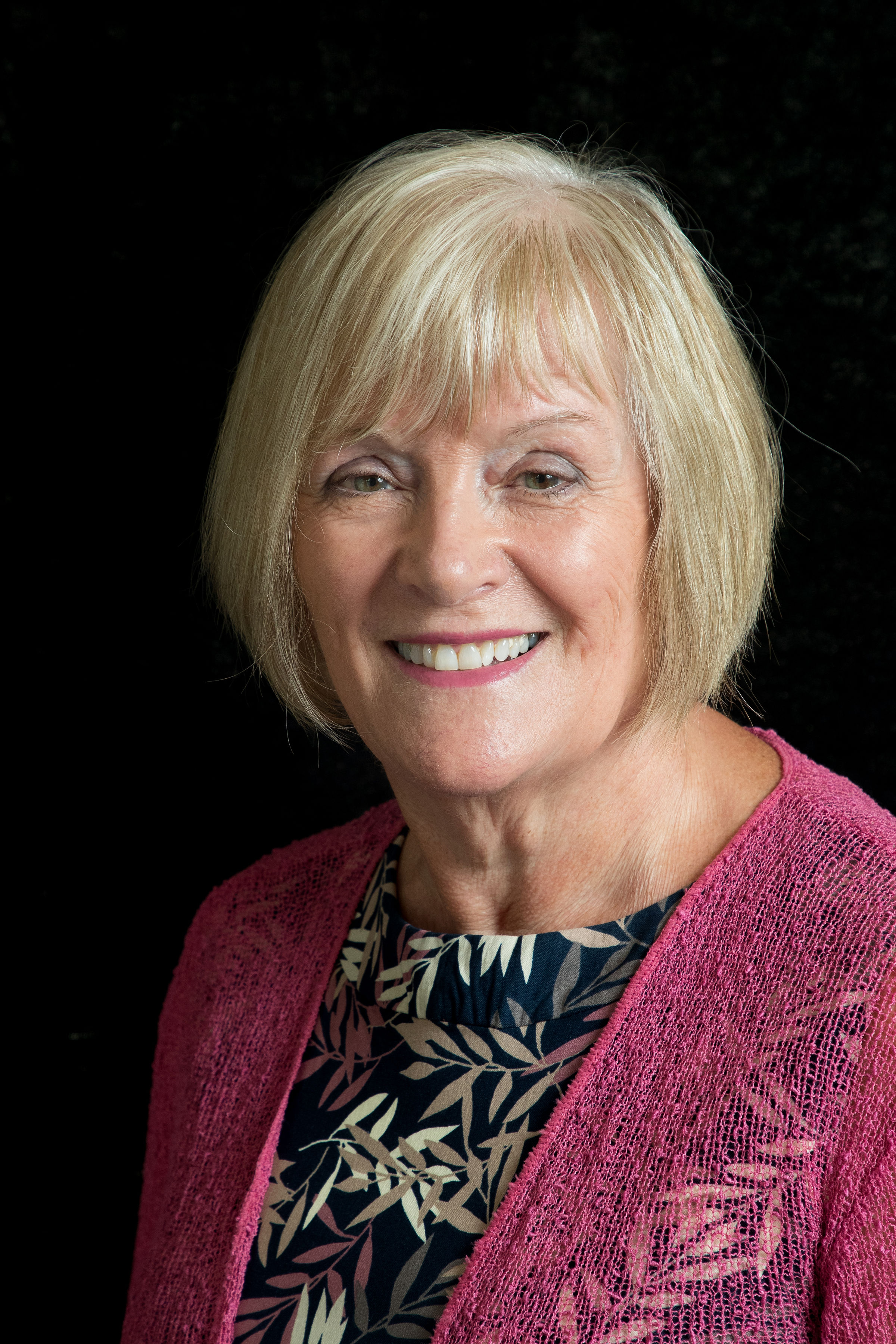
I was born and brought up in the tiny mid-Wales village of Newbridge-on-Wye and moved to nearby Llandrindod Wells when I was fourteen. Fortunate to have had a very free and happy childhood, growing up in such beautiful rural surroundings has always stayed with me. Although I have now spent more years living in the south of Wales, first in Swansea and then for the most part in Cardiff, I still call Llandrindod ‘home’. For as long as I can remember, apart from a very brief spell of wanting to be a glamourous model or an airhostess, I always wanted to become a teacher, my two main loves being English and Art. Having studied in Cardiff, I have taught in a wide range of settings – from opening and running my own nursery, teaching all year groups in primary school, secondary school English and Art and Pottery up to A level, and teaching art, crafts and pottery in adult evening classes when my three children were small. For the last six years of my career in education, I became a Teacher Adviser for English.

You will notice that I have not yet mentioned writing. I was extremely late to the party and it wasn’t until I joined a writing group at a local library when I retired that I wrote my first piece of fiction. In my job, I was passionate about children’s writing but this was for me, for my enjoyment… and I loved it. I was hooked! Soon, I went on to take a writing class at Cardiff university and began to submit short stories for publication. In October 2019, my first collection of shorts was published.  My pieces started getting longer and longer so that, following a novel writing course, I wrote my first full-length novel. My debut novel, Her Mother’s Secret was published in April 2020, followed by Her Sister’s Secret, a few months later, by Ruby Fiction. The third novel in the three-book deal is due out in the summer.

So, what do I write about? My dual-narrative novels are about families and their secrets. The strapline for my publisher is ‘Stories that Inspire Emotions!” and I hope that my books do just that. They are character driven. I have always been fascinated by long-held family secrets and skeletons lurking in cupboards and these form the germs of ideas to develop into a novel.

Fascinated by the ever-present link between past and present, I try to explore how actions and decisions made in one era have an impact on subsequent generations. In all my novels, I want to tell two stories showing a special bond between mothers and daughters. The daughters’ stories are written in first person and I’ve tried to get inside their heads, feel their emotions and show the reader why they act in the way they do.   In each novel, setting plays an important role, too. There is always a journey to a contrasting setting vastly different from the area in mid-Wales where my characters are from. I hope I manage to transport the reader not only to the heart of Wales but also to Greece, Sicily or France. I’ve also tried to capture the different times during which my characters lived.

Having a lot of catching up to do, I take every opportunity I can to learn more about the craft of writing by attending workshops, talks and conferences. Joining that small writing group in Whitchurch library was the best decision I could have made to start me on my writing journey.


You can link up with Jan on Twitter – @JanBaynham https://twitter.com/JanBaynham or Facebook – Jan Baynham Writer https://www.facebook.com/JanBayLit or you can follow her blog – Jan’s Journey into Writing https://janbaynham.blogspot.com/


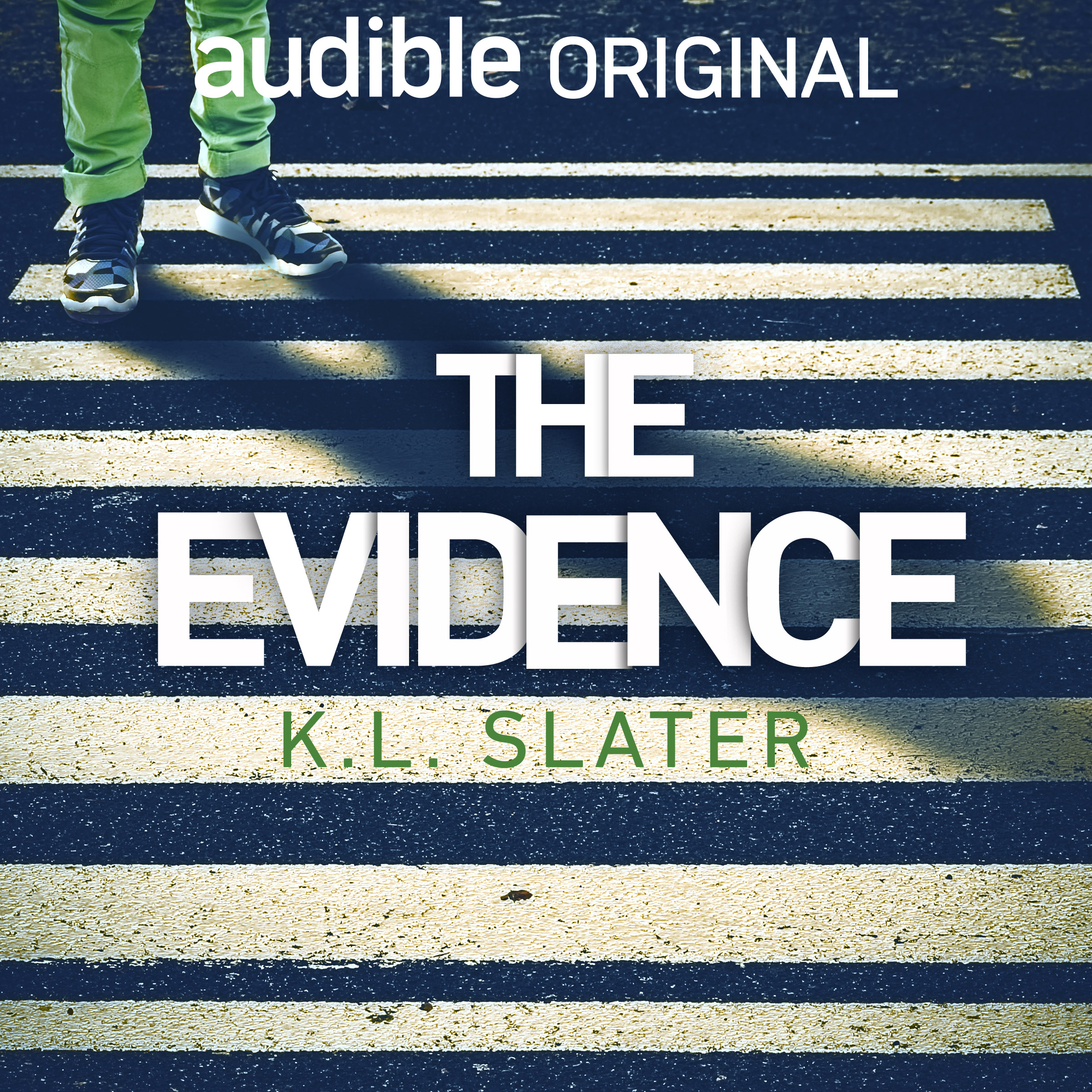
My Writing Process KL SLATER

After years of unsuccessfully trying to get my stories noticed from the slush pile, I went back to university to study for an MA in Creative Writing at the age of 40. Before graduation I’d secured both a literary agent and a book deal. I’m now a full-time writer and live in Nottingham. Sounds quick but it took a long time, if you count the ten long years of prior rejections.

What you have written, past and present.
I wrote four Young Adult books between 2014-2018, published by Macmillan Children’s Books. Then in 2016 I moved back to writing my first love: adult psychological crime fiction and that’s what I write exclusively today for Hachette’s Bookouture, a digital-first publisher. Audible publish my audiobooks and I’ve also written two Audible Originals exclusively for them. I’ve just written my fifteenth adult thriller.

What you are promoting now.
THE EVIDENCE, a psychological thriller I’ve written exclusively for Audible published 11th February 2021.

A bit about your process of writing.
I work best during the morning. This discipline is a throwback to working a full-time day job and writing between 6-8 am before I went out to work. Sometimes I write in bed immediately after waking and, on a good day, I can get a couple of thousand words down before I get up. But usually, after reading and surfing online for a while, I go downstairs to my office and start work between 8 and 9 am. In pre-lockdown days we’d go out somewhere in the afternoons. Remember that?

Do you plan or just write?
I used to just write a short blurb and that was the extent of my natural urge to plan. But writing commercial thrillers and a few a year, means I now have to plan the book more thoroughly … thoroughly for me, anyway. I’ll do a long outline which I agree with my editor and then add to it as I start writing. I don’t know a lot about the story at the beginning of the process, I just have my initial idea and a sense of how I want it to feel. It doesn’t mean the plot can’t differ from the outline – it nearly always does – but in order to provide the twists and turns the modern reader expects, there has to be some element of planning.

What about word count?
I write a few books a year so it’s essential I’m disciplined about achieving minimum daily word counts when I begin a first draft. I try and get a basic draft down in no more than a couple of months so I’m looking at 1-2k a day. I often add substantial word count during structural and line edits. Sometimes I like to use an app on my phone called Focus Keeper. The ticking timer drives some people crazy but it keeps me … well, focused.

How do you do your structure?
I tend to draft out my initial outline in the form of five acts to start writing to a recognisable shape. But I’m not a slave to a turning point at 10%, another at 25%, that kind of thing. I just find it a useful template to get me started.

What do you find hard about writing?
Stopping. I find it so hard to break off or have a whole day off so I have to force myself as there’s a real world out there and real people I care about and want to spend time with. I’ve found getting out of the house is key to breaking the spell. I’m constantly striving to achieve that illusive but tempting cliché: work-life balance.

What do you love about writing?
I love how the world and characters I’m writing seem so real. I love that I’m earning a great living doing something I would do – and for many years did do – for free. And I love writing digital-first; it’s incredible that 6-8 months after having a new idea, the book can be out there.

Advice for other writers.
Write. Sounds obvious but most writers I know, myself included, have a precarious state of mind that is prone to self-sabotage and procrastination. So many new writers – I used to be one of them – spend too much time striving for perfection instead of getting the book down and then using editing as a powerful tool to refine the story. It’s really hard to get something good the first time around. I like to think of the writing process as a kind of sculpting: starting with a lump of clay and through many stages and revisions, finally ending up with something good.

The Evidence by K.L. Slater is available exclusively on Audible now.

Faith

Frost fiction, short stories, poems, non fiction, fiction.

Jeanie held her arms out to each side.  The balls of her feet balanced against the edge of the stage: her heels hung in the air.

“That’s it, Jeanie: now fall back and the other girls will catch you,” the teacher cooed.

“Well of course they will,” Jeanie thought.

She knew them.  Jeanie knew they’d do exactly as they were told.  Jeanie had dunked the geeky one’s head in the toilet just last week.  The spotty one still had a bust lip.

She closed her eyes and fell backwards.

There was a giggle.

Promo Image by Charlie Foster via Unsplash.

The first in a new series of 100-word short stories by Tim Austin at onewordonestory.org. Whatever genre you love, there’s a story you’ll enjoy.

Come back on Friday for another. See you then.

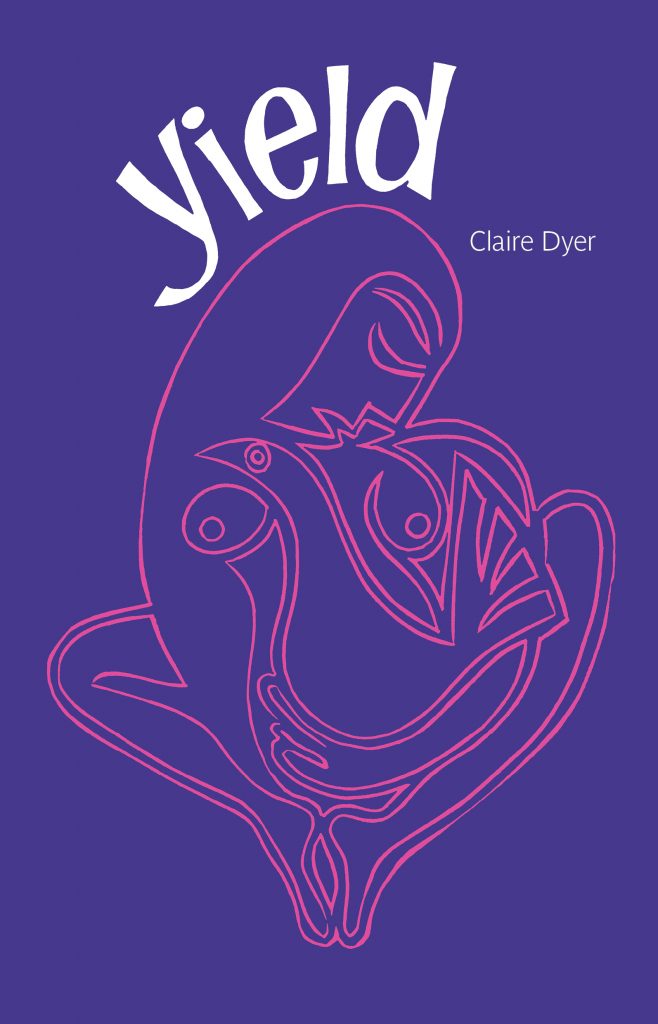
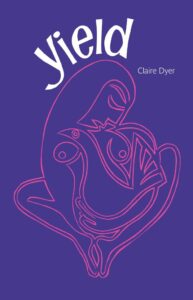
YIELD – CLAIRE DYER’S MOVING AND DEEPLY PERSONAL POETRY COLLECTION ABOUT HER CHILD’S TRANSITION FROM SON TO DAUGHTER

Reading Claire Dyer’s latest poetry collection, Yield, is to share an intimate journey told in a way very few people – if, indeed, anyone else – could tell it.
A collection of poems that tell a recognisable story is a rare and beautiful thing, but at times this story is not beautiful, although it does have a happy ending. As a mother, how do you feel when your son comes home and tells you that they are really your daughter? What does it mean to accompany them through their transition from one to the other?

The order of poems in any collection is key and Yield is punctuated by poems with the same name, but numbered; Yield, Clinic, Coming Out. They give the book unity and rhythm, and show the reader the key elements of the transition process, the ones that I guess everyone would go through.

Some readers find poetry difficult; I think because some poets consider their role is to obfuscate, but Claire Dyer’s style is very different. There is a clear communication of ideas, through a clever use of everyday language, for example the opening lines of Abroad:

“the waiters mistake us for sisters.
No, we say, laughing.

We know they know we’re not,
but we’re more than

who we seem.”

In this poem and in others there is a real sense of storytelling; vignettes from mother and child’s life before, during and after the transition process. Fireflies is about a sleepless winter night; the stunning Doing Cartwheels at the Ritz speaks for itself; Wardrobe the heartache of a mother clearing boyhood clothes – which has a truly joyful counterpoint in Shopping:

Let us go then, you and I, to Primark, Zara, Reiss.
The sky’ll be brilliant and,

around us, shoppers will burst into song,
dance on the up escalators and the down

as we load our arms with gorgeousness,
lacework brushing our shins.”
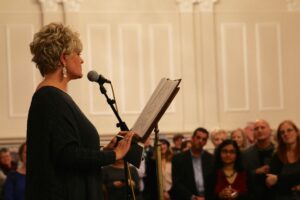
I do wonder if one of the reasons I love this poem so much is because I know Claire to be an expert shopper; so elegant in her own dress, and generous in her time to help those less  ‘expert’, like me. I remember once we spent hours in Reading as she guided my choice of the perfect handbag, which I would point out that was no mean feat as I detest shopping and had multiple – and not always compatible – criteria, for even this simple requirement.

There are other moments depicted in Yield that, having been alongside Claire for at least some of this journey, I recognise. To have listened as Claire talked about her son becoming her daughter, inch by painstaking inch, was a privilege and I was proud to be confided in, but not being a mother myself there was so much I could not understand.

Not least was that for a long time we called Lucy ‘L’. Having read one short poem, I now get it completely. And that is what great poetry does; it increases our understanding.

I wrote your names

                 with a knife on my heart and voiced them
in black ink and blue ink   I typed texted

and dreamt the names you were meant to pass on
that you’ve passed on now you have names

I can’t say because try as they might they’re not in my chest like
the rest that are still holding fast to the bones

in my back and my neck and my mouth is full
of dry grasses rivers and trees”


Yield is Claire Dyer’s third poetry collection and is published by Two Rivers Press.



WELSH WRITING WEDNESDAYS: EVONNE WAREHAM ON WALES AS A SETTING FOR FICTION

You’ve probably noticed that many romance novels and some crime stories are set in picturesque locations in the British Isles – Scotland and Cornwall are particular favourites.You don’t get books set in Wales quite so often, although dramas like The Pembrokeshire Murders are putting Welsh settings on the screen.

I’m a Welsh writer, living on the South Wales coast, who once worked for the National Parks. That’s a lot of baggage. I’ve set books in Wales in the past and am ambitious to do more. I write in the genre romantic suspense, which is better known in the USA, less so on this side of the Atlantic. If you’ve read books by Nora Roberts, Karen Rose or Karen Robards you’ll have an idea of what I am talking about. Those books are set in places like Sacramento, Washington and New Orleans, or sometimes in the American farmlands or backwoods.

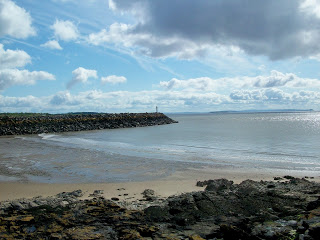
It’s not so much the Welsh urban settings that appeal to me – although I’m sure that Cardiff and Llandudno can be interesting locations, if not sounding quite as glamorous as New York or Los Angeles. The attraction of Wales for me is the potential of the rural and coastal landscape, and the way that it can be turned in two directions. Wales is blessed with mountains, big skies for cloud watching and star gazing, and a beautiful and dramatic coastline, accessible from a coastal path that circles the entire country.

Is there anything more romantic than a deserted beach at sunset on a warm summer evening? A place for lovers to discover each other. But give the story a twist – the same beach in winter, or at night, with a storm blowing, and you have the backdrop for mayhem. A seaside or country cottage can be an idyllic bolt hole from the world or a deserted and lonely trap, with a heroine on the run. Writers think about these things. I’m often told that taking a walk with an author who is sizing up the surroundings for a good place to bury a body is a disconcerting experience. You get the picture.

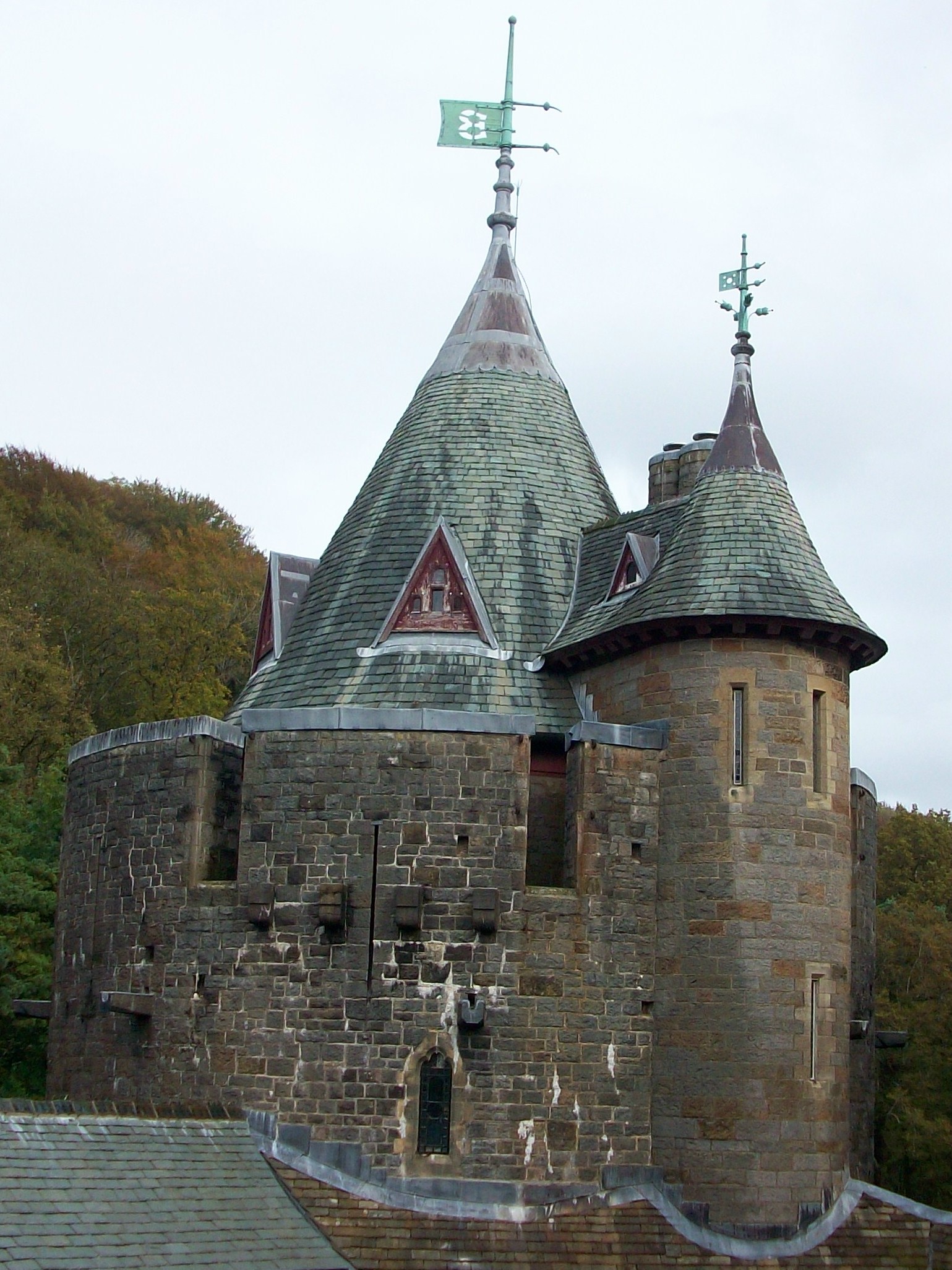
The historic legacy of Wales, from castles to folklore, is another attraction. Welsh castles range from Castell Coch, a quirky Victorian Gothic Revival built on thirteenth century foundations, to massive medieval fortifications like Caerphilly, which were anything but quirky. The myths and legends of Wales are rich in magic and the supernatural. Traditional customs, like the Mari Lwyd, a poetic wassailing party featuring a horse’s skull, have plenty to tingle the spine.

There is also the attraction of the natural world. One of the perks of being an author is the ability to make your own weather, and Wales has plenty of that to choose from. If you need a fierce storm to strand your hero and heroine together, you’ve got it. Two of the things I like to play with as a writer are the impact of silence and writing against expectation of the setting. The silence of a lonely location can be peaceful or sinister, or even better, progress from one to the other.  A setting can echo a character’s mood – like a wet day reflecting bad news, but it can be very effective when bad things happen in good places. Being surrounded by beauty and sunshine can make a threat even more devastating.

Those are the things I get from setting a book in my home country. For me the landscape has romantic beauty and a wild and potentially sinister edge. As a Welsh writer, I want to be able to share that with readers.


CARIADS’ CHOICE: FEBRUARY BOOK REVIEWS

Jill Barry The House Sitter, reviewed by Jessie Cahalin

Characters’ actions are measured with precision in this gripping psychological thriller. The house sitter, Ruth Morgan, is complex and plans to be an integral part of the Deacons’ lives.

‘A fledgling idea trembles in the dark recesses of Ruth’s imagination… Up went the hand to stroke her throat.’

Shadows of the past haunts Ruth. Lost in the tension at the midpoint of this novel, I fell into the abyss with Ruth and worried that I felt empathy for this dangerous character.

Bethan is Ruth’s counterfoil, and her investigation orchestrates intrigue. Love is in the air for Bethan and this adds a hopeful dimension in this thrilling narrative.

Clues and tension are skilfully woven into the characters’ viewpoints. Clever writing with an intricate narrative that will chill you to the bone.


Kate Ryder Beneath Cornish Skies, reviewed by Jane Cable

Beneath Cornish Skies tells the story of Cassandra Shaw, who leaves behind her outwardly perfect but soulless life in Sussex to work for a chaotic Cornish family. The contrasts between the two settings are sharp, but united by the author’s love of horses, nature, and the lore attaching to the natural world.

This book blends romance with new beginnings and a ghostly past. Don’t be put off by the fact it’s described as ‘book 3 of 3’ on Amazon, it is in fact a standalone novel and has achieved a bestseller flag in paranormal ghost romance.


Naomi Miller Imperfect Alchemist reviewed by Kitty Wilson

I adored this well-written tale of two women at opposite ends of the social spectrum in the sixteenth century coming together and working in tandem in herbalism and alchemy. Their story covers a myriad of themes from both lives, including the suspicion and misogyny behind witchcraft trials in the villages and their impact alongside the high arts represented by Mary Sidney’s renowned Wilton Circle. Although a fictional account of The Countess of Pembroke’s life, the author’s knowledge of history and the literature alongside her skill at writing makes this a novel that pulls you in utterly, making me as a reader willing to believe this is how it was. It certainly is a fitting tribute to a woman who was at the forefront of new thinking and intellectual debate in a time women were overlooked in every arena. I loved it and shall be looking for more books from this author.


Jan Baynham Her Sister’s Secret, reviewed by Imogen Martin

Jan Baynham’s second novel slips seamlessly between Rose in the 1940s and Jennifer in the 1960s. It opens in a mid-Wales village where Rose works at the Big House whilst Mam tries to keep the peace at home. When Rose meets Italian prisoner-of-war Marco, the sparks fly. I was fascinated, as I have a friend whose Italian father and Welsh mother met in exactly this way. Unlike my friend, there’s no happy ending for Rose when her domineering father finds out about the relationship.

In the 1960s, the family secret comes tumbling out after a chance discovery by Jennifer. Will she have the courage to travel to Sicily to find out the truth?

Jan Baynham captures the excitement of standing on the cusp of a new life in Cardiff, the big city, in contrast to the vivid portrayal of small Welsh village life.

Her Sister’s Secret is a cracking read with passion, hurt and wisdom intertwined.  Whilst it has parallels with Jan’s debut novel Her Mother’s Secret, this is a stand-alone saga.


SLOW AND STEADY WINS THE RACE – JANE CABLE ON HER NEW PUBLISHING CONTRACT

I have never particularly seen myself as a tortoise, but boy oh boy, has this been a long time coming. Today it was announced that I will be writing emotional women’s fiction for One More Chapter, a digital first division of Harper Collins, under the name of Eva Glyn.

I think all writers have an idea of where they want to be, and for me, no doubt influenced by Harper Collins being the sponsor of The Alan Titchmarsh Show’s People’s Novelist competition in which I was a finalist, they were the publishing house at the top of my wish list.

Having failed to win the competition and so any short cut to publication, I might have guessed I was in for the long haul, but at that stage I didn’t realise quite how long it would actually be. But fairly early on in my career I had a near miss when after a one-to-one at Winchester Writers’ Conference a young editor called Charlotte Ledger requested the full manuscript of The Faerie Tree.

Nothing came of it, and the book became my second indie novel. And as my career progressed I was aware of Charlotte’s rapid rise through the ranks of Harper Collins’ digital imprints and wondered if perhaps at some stage it would be worth submitting to her again.

In the meantime I had the opportunity to work with Amy Durant and when she set up Sapere Books was happy to follow her there. And while I am happy to stay with Sapere too, I still hankered after what a bigger publisher could offer in terms of multiple platforms and international clout.

By the time the Romantic Novelists’ Association conference came around in 2019 I had a new manuscript in my locker that I knew wasn’t a Sapere Book. I saw Charlotte Ledger was offering one-to-ones and I was lucky enough to grab one. We met again. And again she asked for the full manuscript, but this time to be sent to her personal email. I felt I was one step closer.

In the end Charlotte didn’t take that book, but the door was kept open. Last March I had a fifth anniversary blog tour for The Faerie Tree and the response was so overwhelmingly positive I brought the title up to date, gave it a little polish, and after much encouragement from Susanna Bavin, sent it off to Charlotte.

She asked me to do some rewrites and they were so in line with my own thinking for the book that I did. The next thing I knew we were talking about author brand and slowly it dawned on me she was offering me a contract. And the author brand she was suggesting was exactly where I wanted to be – emotional women’s fiction.

There would be no ghostliness, no looking back at the past, so these would be different to my books for Sapere, so we decided they would be published under another name. I chose Eva Glyn – Eva for my father’s mother, and Glyn for Glyn Jones, the Welsh author who was a great friend of my parents.

Today is a proud day because for the first time I can talk about the deal as the cover for The Missing Pieces of Us has been revealed and the book is available for pre-order. And it’s only taken me nine years…