Frost Magazine interviews acclaimed Instapoet, Arch Hades

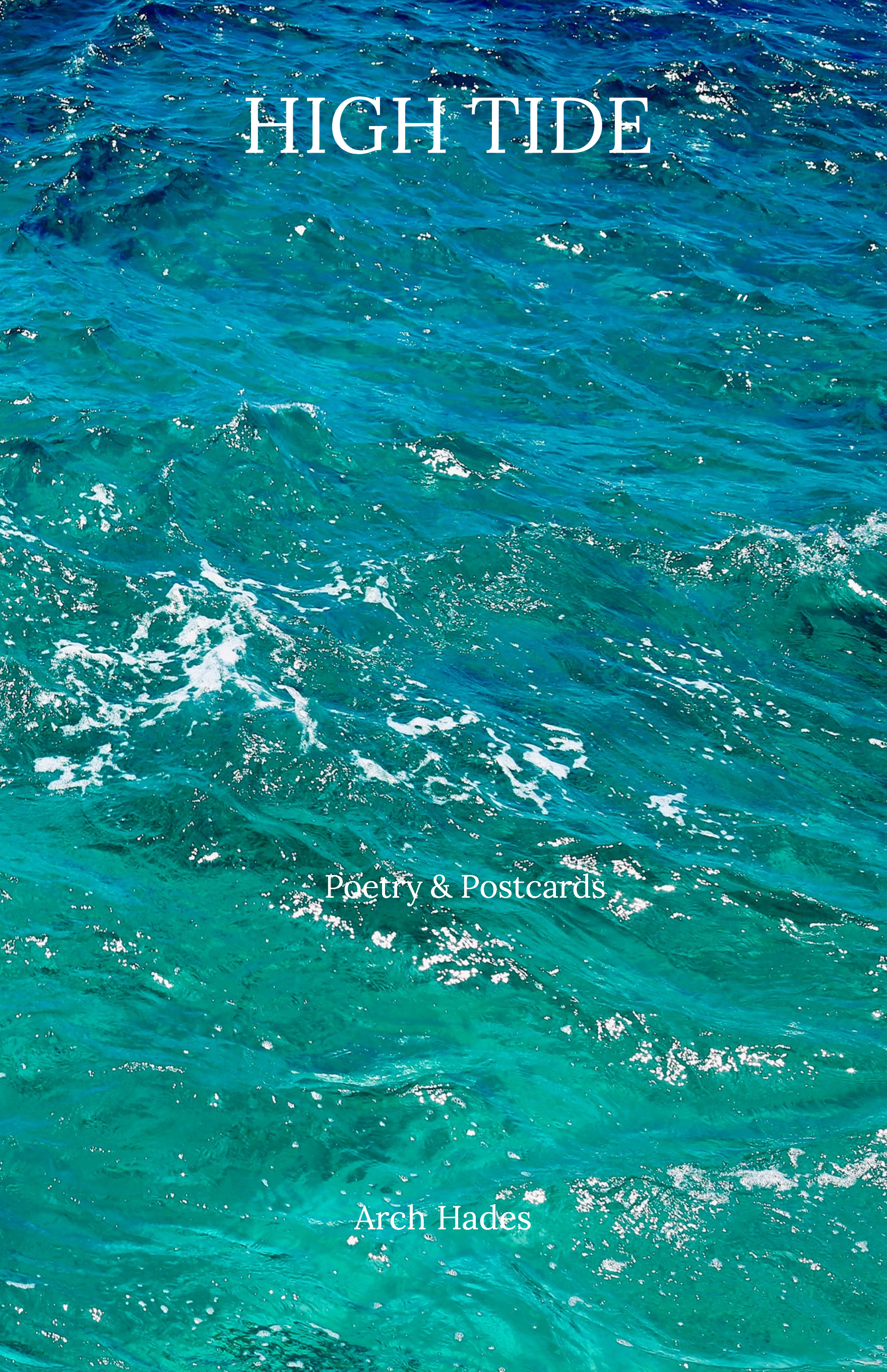
High Tide, the debut collection of poetry by the Instapoet, Arch Hades, is making waves in poetry and social circles. In this Frost Magazine exclusive, we find out more about the writer behind the verse.

By Lucy Bryson

Q: Were you aware of the ‘Instapoets’ concept when you first began writing? Have you witnessed any snobbery from traditional literary publications towards ‘Instapoetry’?

A: Yes, I was aware of the ‘Instapoets’ concept. I can’t say I’ve experienced any snobbery (I, of course, only speak for myself). I’m just a poet who shares some of my work on that platform. We live in a sharing society, Instagram has done wonders for poetry, not only has it helped people re-connect to this form of expression, it has done so very successfully and on such a large scale that I will gladly applaud the medium for this revival.

If anything, I hope traditional literary publications rejoice at this new-found popularity of poetry and especially the new-found interest people express in their own publications. 
Q: Your work is personal and emotional – did you feel any vulnerability when you first published your poems online? Are there any experiences you would say are out of bounds in sharing with readers?

A: I can’t say I felt particularly emotionally vulnerable when first sharing my poetry. I’ve always been very honest with people and very open. I don’t see the point of not saying that I mean and not meaning what I say. I want to continue being raw and open and emotional, I don’t want to shy away from it, I want those who do share in loss and heartbreak to feel they are not alone, I want to connect with them and support them.
Q: Can your Instagram followers expect to see new, previously unpublished work in High Tide? 

I only began posting online after the publication of High Tide, so far I’ve only posted fragments of poetry, and I am grateful that the reception has been warm, so yes, I will estimate that the vast majority of High Tide is yet unseen by my followers (apart from those who bought the book already).

Q: Have you always sent postcards while travelling? Did you have any reservations about sharing this personal correspondence in your book?

A: Sending postcards is an old sentiment of mine that originates from my school days. I spent seven years in an all-girls boarding school where cell phone use and access to social media were very restricted. However, we were allowed to post letters and that became my outlet. Handwritten letters and postcards are a form of art in themselves. When you have a limited amount of physical paper to write on, suddenly, you have to be concise, thoughtful and eloquent. It was a challenge at first – when you can write anything, but, you can only write a few sentences. It’s a beautiful game. One doesn’t easily discards letters too. You write your girlfriend a letter, I promise you, whatever happens, she is going to keep that forever. I began writing to my best friend Bobby more than ten years ago, who attended an all-boys boarding school, and we’ve kept it up ever since. 

Postcards, I would say, aren’t particularly personal, at least not my own. I use postcards to capture a momentary state – the external and internal. How wonderful it is to then read again and be transported back to that moment and my frame of mind during writing. I want to encourage more people to write postcards. Not just for future nostalgia, but because at the time of writing it helps you to be present and reflective. 

Q: Poetry is often viewed as an elitist and difficult form of literature for the ordinary person. Do you think this is a fair assessment, and do you feel that the new wave of online poetry is encouraging young people to become interested in the art form? 

A: I understand how people in Britain might perhaps feel estranged to poetry. The most famous British poets are traditionalist like Shakespeare, Byron, Blake, war poets like Aldington and Blunden and more recent poets like Larkin – who are all brilliant and I admire them greatly, but their writing can alienate readers in terms of language, and also in terms of the topics that they wrote about, that the young generation may be alien to. I’ve had conversations about poetry where someone will comment – Shakespeare isn’t for me, poetry isn’t for me. So perhaps poetry can strive to be more inclusive, and perhaps there needs to be a greater awareness of how broad poetry is. 

I of course celebrate new mediums like Instagram, that have certainly made poetry more accessible and have also encouraged so many young people to pick up their pens too. Poetry is a beautiful form of expression and I want to encourage it to all and any. 

Q: In what way was writing the poetry ‘cathartic’? Does your new poetry reflect a more peaceful state of mind, and how does that affect your creativity? 

A: Cathartic is an appropriate word here. My grandfather (also a poet) used to tell me that a problem well stated is a problem half-solved and I can honestly say I used this form of expression to help me through some difficult times. Unfortunately, I have not found my peace yet, but that doesn’t limit me to writing only about turbulent, sad times, there have always been serene moment of love and peace, I just have to focus on those at times and remain hopeful for the future. 

Q: What would you say is the poet’s function in society?

A: In 1825 Pushkin declared that ‘the history of the people belongs to the poet’. They say if you want to know what happened, ask a historian, but if you want to know what it meant, ask a writer. I doubt I’ll be writing history or what it meant, I just want to capture what’s going on around me and how it’s changing. 

Q: Why do you think your work resonates so strongly with others around the world, and how do you think reading your work can help others heal their own heartbreak? 

A: Emotions are universal, we’re all human, we all have feelings and we all don’t like feeling alone. In times of heartbreak, loss, lethal love, unrequited lust and failure, we feel a touch of redemption and solace when we feel we are not alone, that somewhere out there someone also felt that way, and hopefully they don’t feel that way any anymore. It brings us peace, it strengthens us. If that person conquered it, so can I. Luckily, when I started sharing some extracts of my writing, the reaction was very positive and I’m so grateful for it. I’m so glad people find my obscure sorrows and heartaches relatable and when they tell me it helps them feel less alone, it helps me feel less alone too.  

Q: Finally, what three poets, classic or modern, would you recommend to people wanting to discover the joys of poetry, and for what reasons?

A: Three is difficult, as there are dozens I admire. It’s no surprise that I will recommend the confessional poets of the 1950s – Anne Sexton in particular – whose style I believe is very relatable and accessible. 

A traditional poet I would recommend – Alfred Lord Tennyson – ‘The Eagle’ is a nostalgic favourite from my school days, that warmed me to poetry in the first place. 

And something more Instagram friendly – R H Sin – wonderful and warming. 

High Tide: Poetry & Postcards by Arch Hades is an original collection of poignant and relatable poetry about love and loss, which capture a troubled year in the life of the author. It is available now on Amazon UK priced £5.99 in paperback and £4.99 as an eBook. Follow Arch on Instagram @archhades. 


Recommended Reads | The Distance By Zoë Folbigg

From the author of the bestselling novel, The Note, comes this beautiful, romantic tale of finding love in the most unexpected places.
Under the midnight sun of Arctic Norway, Cecilie Wiig goes online and stumbles across Hector Herrera in a band fan forum. They start chatting and soon realise they might be more than kindred spirits. But there are two big problems: Hector lives 8,909km away in Mexico. And he’s about to get married.

Can Cecilie, who’s anchored to two jobs she loves in the library and a cafe full of colourful characters in the town in which she grew up, overcome the hurdles of having fallen for someone she’s never met? Will Hector escape his turbulent past and the temptations of his hectic hedonistic life and make a leap of faith to change the path he’s on?

Zoe Folbigg’s latest novel is a story of two people, living two very different lives, and whether they can cross a gulf, ocean, sea and fjord to give their love a chance.

Zoë Folbigg is a magazine journalist and digital editor, starting at Cosmopolitan in 2001 and since freelancing for titles including Glamour, Fabulous, Daily Mail, Healthy, LOOK, Top Santé, Mother & Baby, ELLE, Sunday Times Style and Style.com. In 2008 she had a weekly column in Fabulous magazine documenting her year-long round-the-world trip with ‘Train Man’ – a man she had met on her daily commute. She since married Train Man and lives in Hertfordshire with him and their two young sons. The Note is her debut novel, and she is currently writing her second book.

Available here.

Pizzagirl Releases New Single ‘Body Part’

pizzamumPhoto credit: PizzaMum.

Pizzagirl – ‘body part’

Following latest singles highschool and gymnasium, Pizzagirl remains within the blurry borders of his misremembered 80s, filmic universe for the spacious body part.

Perhaps the clearest embodiment of his vision, and the space he’s occupying between 80s teen-film nostalgia, 90s dial-up internet culture and the modern meme age, the tracks owes as much to Phil Collins and Janet Jackson as it does to fellow purveyors of wide-eyed bedroom-pop, Clairo, Boy Pablo, Gus Dapperton.

The experience, as Pizzagirl, AKA Liam Brown, puts it, is as follows:

“You’re scrolling on the World Wide Web and you reach mypizzagirl.com, but you click the wrong link and you’re virtually sucked into a dark, smoky, glitchy chatroom, where a badly rendered waitress serves you a beat pie by mistake, now your new CGI ears have accidentally downloaded my freshest tune, BODY PART!”

From the confines of his bedroom studio (AKA The Beatzzeria) in Liverpool, Pizzagirl’s musical mind wanders through the decades and over the Atlantic. Capturing the wistful, romantic nostalgia and coming-of-age sentiment in classic Brat Pack era film it’s as though Pizzagirl has planted himself as a character in a John Hughes screenplay. And body part is the latest set-piece scene, a darker, sadder element to his sound, a plot twist before a triumphant return.

Sophomore EP season 2 is the follow up to acclaimed debut EP An Extended Play, released at the top of the year. This earned Pizzagirl numerous not-so-secret admirers. Champions came in the form of Huw Stephens, Annie Mac, Lauren Laverne and more across the airwaves, as well as Noisey, DIY, Highsnobiety, Wonderland plus dozens of others in the blogosphere. With a tour supporting Her’s up and down the land to boot, there are multiple levels to the ever-growing platform from which Pizzagirl can now dive further into the cosmos.

He maintains his flair for channelling through his music and visuals the extroversion of 80s electronica, late 90s internet culture and US East Coast sad-indie introversion, calling to mind the likes of Porches, Frankie Cosmos both in esoteric sound and DIY work ethic.

Overall it’s a small operation. With the help of a thrown together flatpack mini studio, Pizzagirlwrites, records and produces all of his music and visuals from the comfort of his home. His best mate shoots his videos and his mum takes his press shots.

Through December Pizzagirl will be taking his show on the road with a series of UK tour dates, standing solo on stage, accompanied only by his trusty laptop, guitar and sequencer, displaying the lonesome idiosyncrasies of an introvert married with the larger than life extroverted nature implied by his eccentric, zany and often pensive pop tunes.

body part is being released by Heist or Hit on October 23rd, and is taken from Pizzagirl’s season 2 EP, out November 30th.


Live Dates
1st Dec – Sound Basement, Liverpool
3rd Dec – The Louisiana, Bristol
4th Dec – The Chameleon Arts Café, Nottingham
5th Dec – The Hope and Ruin, Brighton


Review: The Midnight Gang, Chichester Festival Theatre

The Midnight Gang, Chichester Festival Theatre
Until 3 November. Box Office: 01243 781312 www.cft.org.uk

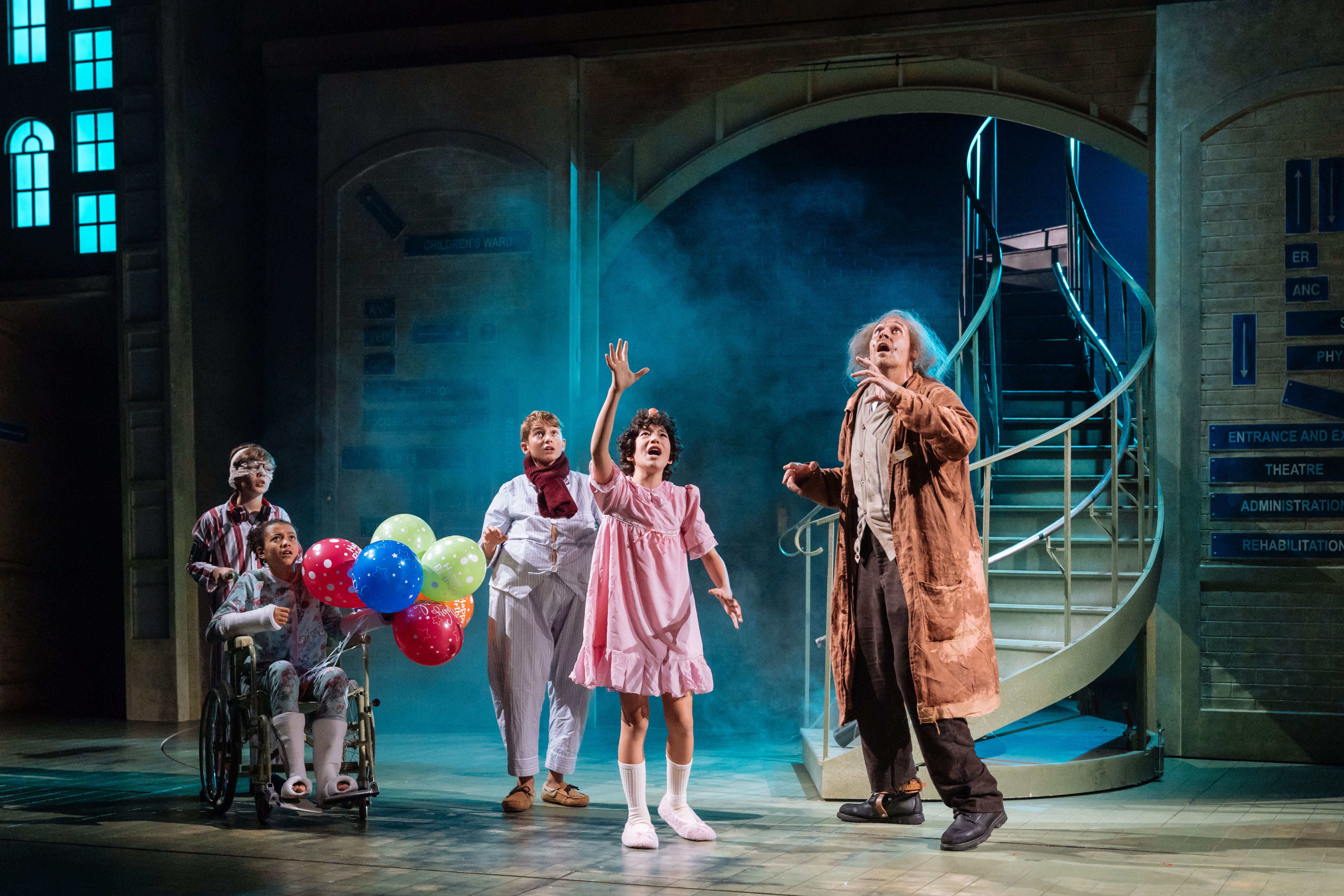
Never knowingly understated, David Walliams took his seat to loud applause from the audience on press night. By the curtain call, when he praised the cast and creative team behind the adaptation of his book, the cheers practically took the roof off. Quite right too. His story didn’t just jump from page to stage, it took flight – literally.

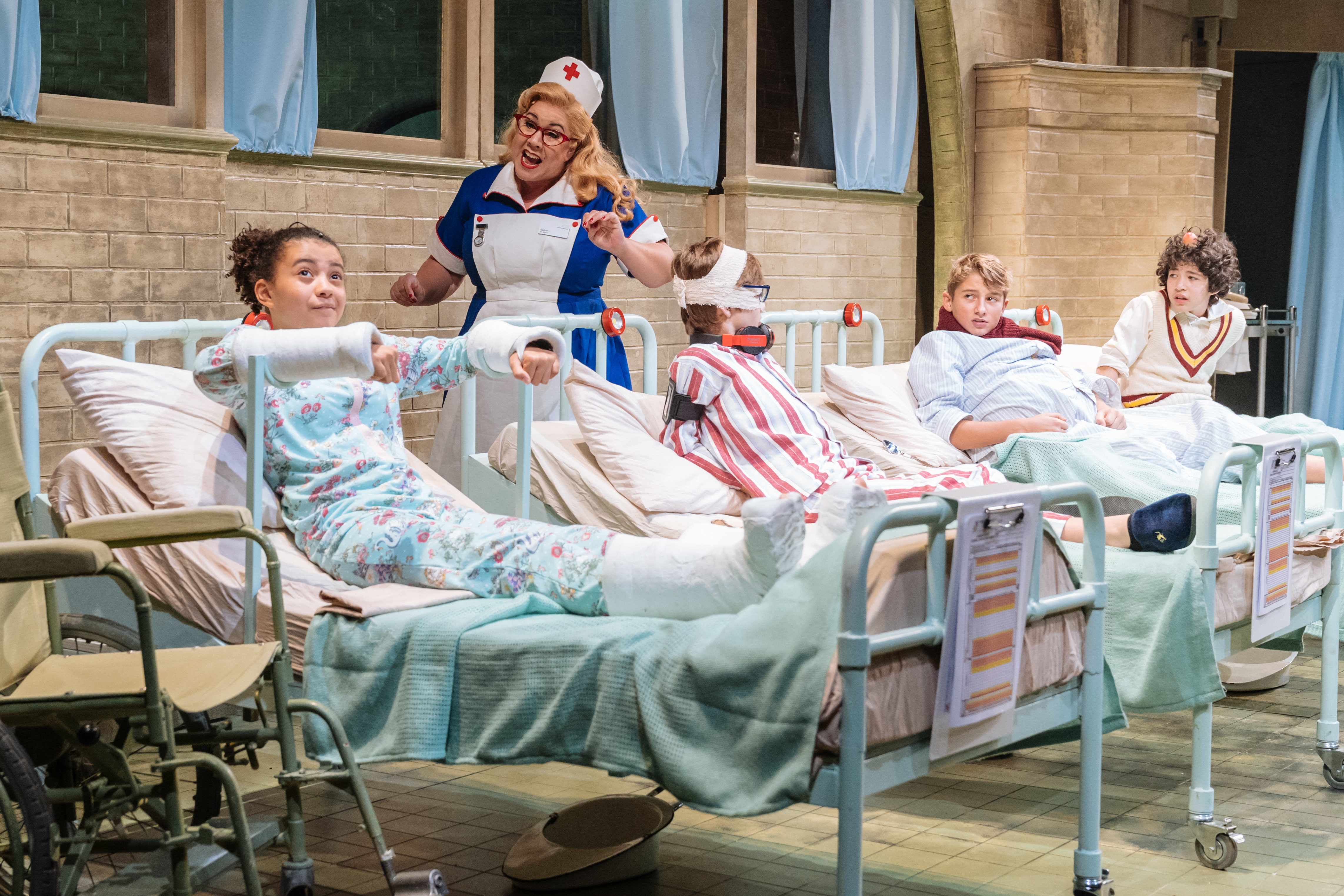
Set in Lord Funt Hospital, Matron rules the children’s ward with a rod of iron. A rod of iron dipped in cement and covered in titanium. Looking like Doris Day but without a glimmer of sunshine in her soul, her young patients know the risk they are running in escaping her clutches to indulge in secret midnight antics.

Aided and abetted by the hospital’s porter, superbly played by Dickon Gough (was it just my imagination or were there shades of Walliams in there?), the poorly children live out their wildest fantasies, reminding us that when something we yearn for is out of reach, dreams can be the next best thing.

The children are fabulous. We saw Cody Molko as Tom, Jasmine Sakyiama as Amber, Rafi Essex as George, Felix Warren as Robin and Cerys Hill as Sally, but I gather that their opposite numbers (Tumo Reetsang, Albi Stisted, Cooper Snow, Fibian McKenzie and Anjali Shah) are every bit as talented.

Jenny Dale is a glorious gorgon as Matron. With the bedside manner of Nurse Ratched, her swooning over Tom’s headmaster (Tim Mahendran) during The Punishment Will be Severe is one of many highlights.

With lovely performances also from Lucy Vandi, Matthew Cavendish and Marilyn Cutts, lots of doubling up means that the cast appears bigger than the reality. Collectively they manage quick changes – of costume and character – with impressive and seamless speed.

Simon Higlet’s ingenious set is a joy, full of surprises and magical elements. Music by Joe Stilgoe provides agreeable accompaniment, but it is words rather than music that are his greater accomplishment. Astute, witty and dexterous, notably in So Many Questions which sees a beleaguered doctor trying to fill out an admission form, his sparkling lyrics are marvellous.

Tender, funny and thrilling, Bryony Lavery’s adaptation retains all the heart and humour of Williams’ book and sprinkles precisely the right amount of theatrical magic into the story.

Director Dale Rooks is to be congratulated. A stunning show for all the family, The Midnight Gang is an absolute tonic. I urge you to get dosed up.

From a child’s perspective – Lily B (14) says:

The Midnight Gang is an action-packed story with memorable characters. Comedic, cheering and cleverly staged, especially with the flight of a naked grandma, Matron was my favourite. Child-hating, chocolate loving and power crazed, she was the perfect love-to-hate character. A great show for children and their families, I especially liked the messages to let your imagination run free and to be kind to each other. Definitely five stars!

BUSINESS OF BOOKS: FELINES, FILMS AND FINESSING

If there’s one creative mountain that’s harder to climb than getting a book accepted by a publisher, it’s selling a screenplay to a film company. But stripped back to its most basic level you’re actually creating, and selling, the same thing – a story.

Of course I’d heard of novelists using screenplay techniques but I’d never given it serious thought until one day last summer when I was lazing in author Liz Fenwick’s gorgeous garden and she told me these were methods she used. Given how much I admire Liz’s work I quite literally sat up and took notice. And given how much of an evangelist for these skills she is, just a few hours later she sent me a reading list.

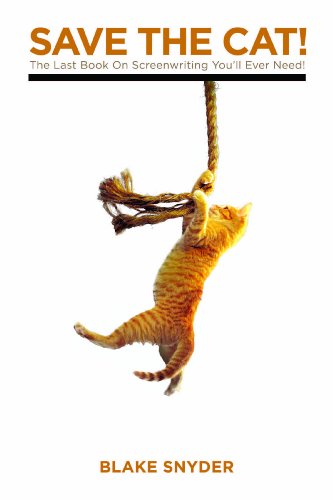
The first book on it has the unlikely title of Save the Cat and is written by Hollywood screenwriter Blake Snyder. While the title is intriguing the contents are a veritable bible and one or two areas in particular resonated with me. Especially as I’ve always struggled with what authors term ‘the elevator pitch’ and what Snyder calls ‘the log line.’

The log line’s job is to sell your screenplay – or your novel – in one or two sentences. I think we all know that. But Snyder digs down into what a great log line should be and stresses that you shouldn’t get too far into your opus (or indeed start it at all) until the log line has been pinned down, finessed, and tested. Once it has, it isn’t just a selling tool either – it becomes the starting point for developing your story.

The first question it needs to answer is ‘what is the book about?’ Go on, scribble it down. Just reducing it to a couple of sentences will most likely be a challenge. But honing it until you have the right selection of words takes much more skill and again Snyder gives us the tools: Does it hook the reader’s interest? Does it create a compelling mental picture? Is it easy to tell who the intended audience is? There’s a whole chapter on genre and categorising your story in film terms – which gives a very interesting perspective on classifying novels too.

After the ‘what’, comes the ‘who’. Who is the hero? And what is he or she up against? If that’s already clear from your log line, then great – but the chances are it won’t be, so out comes the red pen again. Snyder advises that at the very least you need to have an adjective to describe the hero, an adjective to describe the bad guy (in the widest possible use of the term), and to show the hero’s compelling goal – which has to be one the audience will identify with.

And once you have all that right there’s just one more tiny thing – the killer title. I didn’t say this was going to be easy, did I? Talking of killer titles, what exactly does Save the Cat mean? It refers to that small but important moment early in the story where the hero does something to make the audience love him or her – a very small point in the overall context of the book – but as titles go it certainly does its job.

Of course I’m skating over a great deal of detail here – my aim is to whet your appetite, not give a blow by blow account of the whole technique. There are so many valuable hints and tips between the pages of Save the Cat any writer who wants to perfect the log line would be wise to read it themselves.


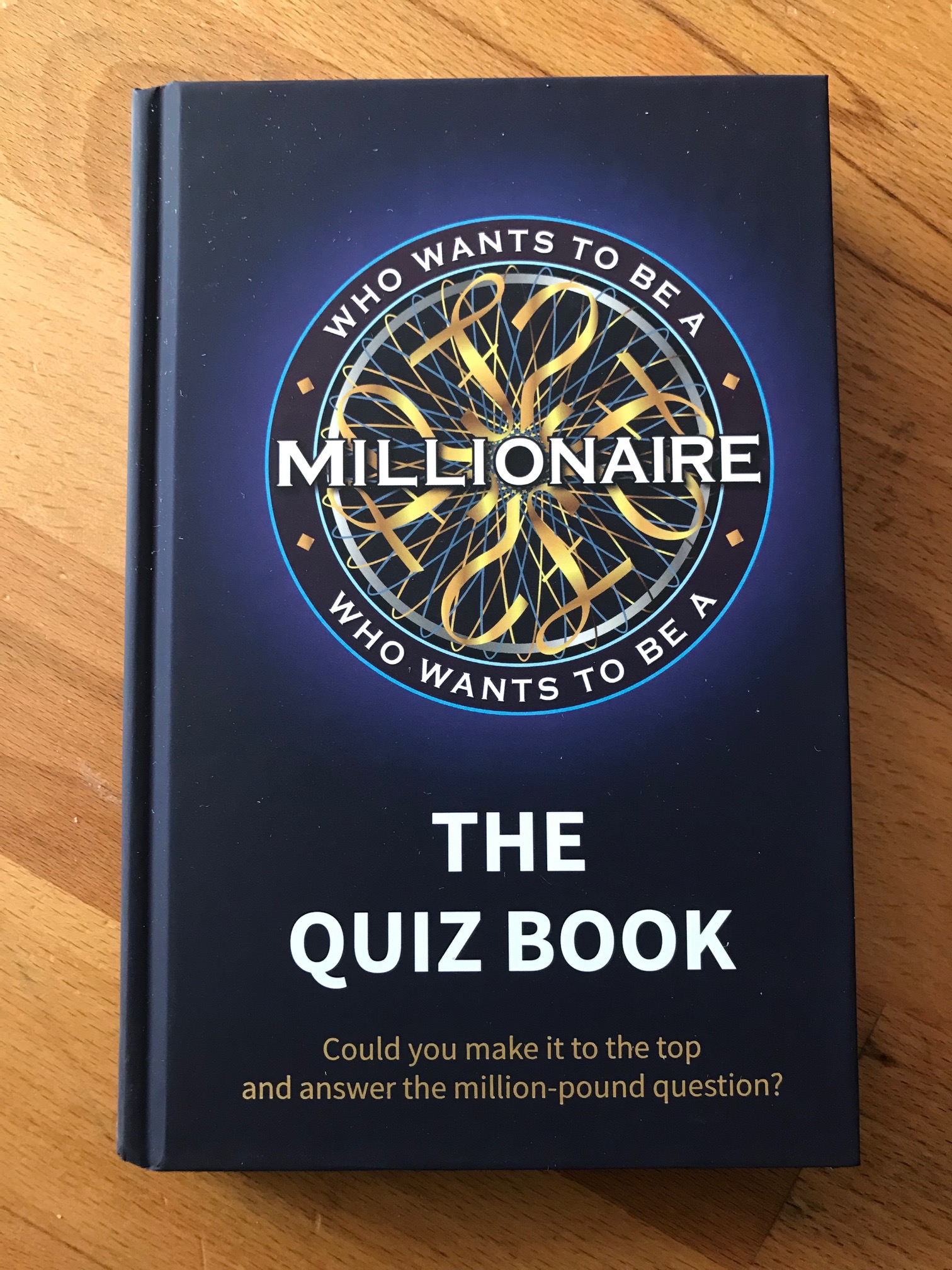
Who Wants to be a Millionaire – The Quiz Book

Who Wants to be a Millionaire - The Quiz Book

It is hard to believe that it has been 20 years since Who Wants to be a Millionaire last aired. When the Who Wants to be a Millionaire quiz book landed in our mailbox there was a touch of nostalgia in the air. Followed by furious questioning. The book is a lot of fun, and gives the same options as the actual quiz show. An ideal Christmas present.

Twenty years after it last aired, Who Wants to be a Millionaire burst back onto our screens for a week of shows this spring. A record 6 million viewers were shouting at the TV as contestants took on the new host, lifelines and questions. A second mini-series will air in November to celebrate the show’s anniversary and this is the ultimate quiz-book for readers to take on the challenge at home.

The perfect stocking filler for this Christmas, this interactive book is packed with a thousand questions that everyone can have a go at, from £100 answers that everyone should know, to the formidable £1,000,000 question. But it’s a game of skill, too: should you save your lifelines? who do you ask on phone a friend? when do you set your safety line?

The real question is, can anyone play a perfect game and make it to the top?

Available here.

Recommended Reads | As the Sun Breaks Through By Ellie Dean

THE FIFTEENTH CLIFFEHAVEN NOVEL BY SUNDAY TIMES BESTSELLING AUTHOR ELLIE DEAN

Cliffehaven, June 1944

As the planes continue to circle over Cliffehaven, Peggy Reilly’s sister Doris must seek refuge after a V-1 blast destroys her home. Rita, Sarah and the other residents at Beach View Boarding House quickly find their peace disturbed and it’s not long before even Peggy loses her patience. But with more bad news to come, will Doris finally be forced to swallow her pride?

Meanwhile Peggy’s father-in-law Ron Reilly is delighted when his sweetheart Rosie returns home. Until a heart-breaking confession suggests things may never be the same between them.

With loved ones scattered far and wide across the globe, and tensions running high, the end of the war feels somehow further than ever. And yet with the long-awaited Allied invasion in sight, a glimmer of light is starting to break through…


A fabulous, heart-warming Second World War novel in Ellie Dean’s bestselling Cliffehaven series (previously called the Beach View Boarding House series).

Available here.

Cosy Christmas Reading – Book Reviews

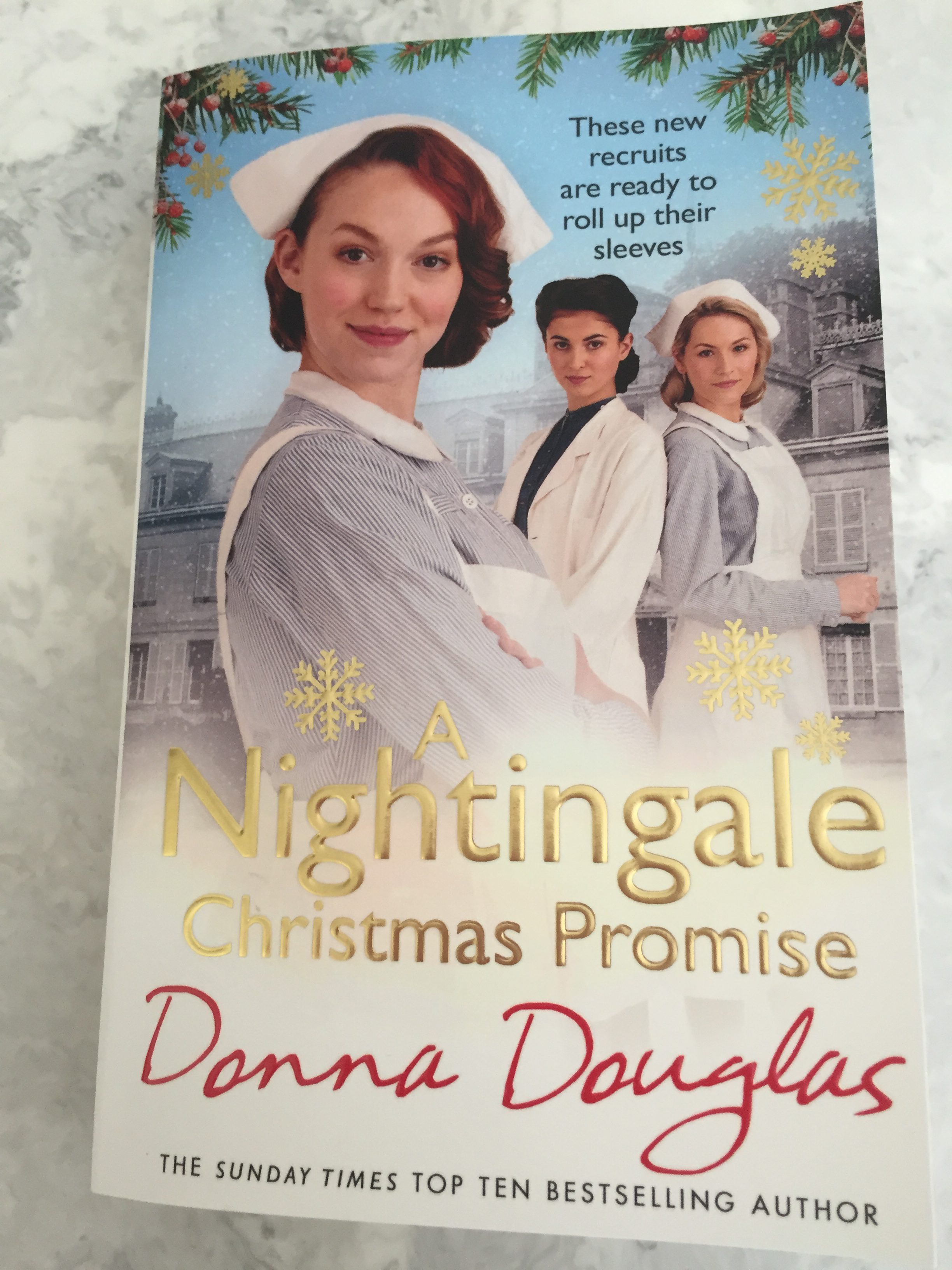
A Nightingale Christmas Promise by Donna Douglas

A Nightingale Christmas Promise by Donna Douglas

East London, 1914: Britain is preparing for war. As young men queue up across the country to enlist, the Nightingale Hospital has its own set of new recruits…

Anna has had a happy upbringing in her parent’s bakery in Bethnal Green. But as war descends her family’s German roots will wrench them apart in ways Anna never could have imagined.

Kate
 dreams of following in her father’s footsteps and becoming a doctor. With female doctors virtually unheard of, it will take courage to face off the prejudice around her.

Sadie
 joins the Nightingale Hospital for a new life away from her mother’s interference. But the legacy of her family may not be so easy to escape…

As the shadow of war descends, will the promise of Christmas help to bring the students together?


I’ve enjoyed previous Nightingale Nurses books set in WW2 so was looking forward to reading A Nightingale Christmas Promise – which is the first one set during the First World War. It didn’t disappoint.

A Nightingale Christmas Promise follows the senior staff as they overcome the trials of their training years. Donna Douglas paints rich scenes in Anna’s family bakery, the training hospital and Sadie’s mother’s dwelling and weaves the threads together as the girls face their trials and tribulations as they go through their training. An absorbing and uplifting read.

A Nightingale Christmas Promise by Donna Douglas published by Arrow pb £6.99

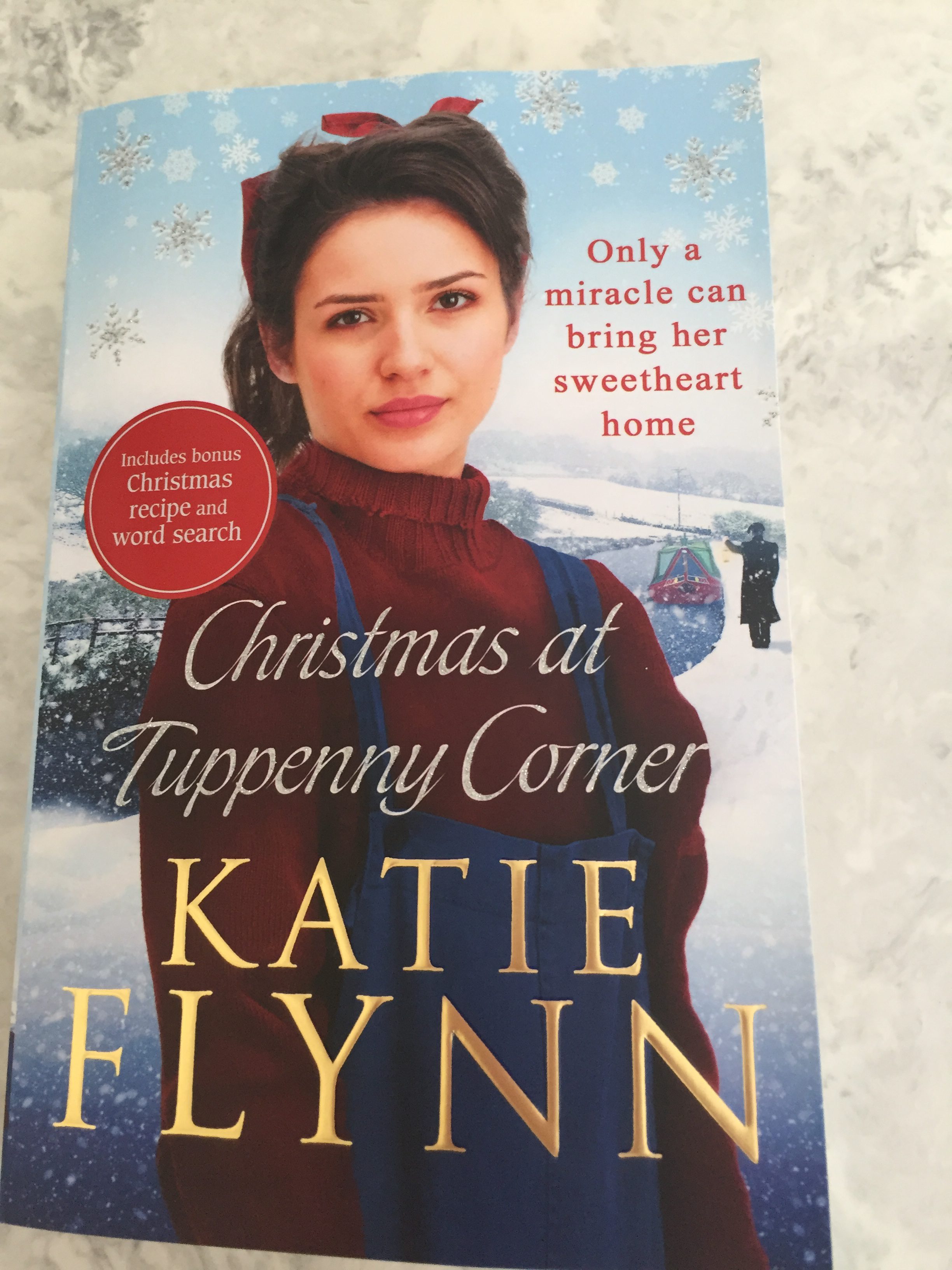
Christmas at Tuppenny Corner by Katie Flynn

Christmas at Tuppenny Corner by Katie Flynn

Katie Flynn’s story follows fifteen year old Rosie O’ Leary as she comes to terms with change and upheaval in her life on the canals. Set in Liverpool in 1939, Rosie makes friend with fellow bargee, Tim Bradley who shows her the sights of Liverpool and it’s not too long before their friendship develops into something more.

But when Tim is called up to join the RAF, Rosie’s dreams of a future together is put on hold and she has to summon her inner strength to cope with changing events on the canals.

The world is full of uncertainty but Katie Flynn’s heroines are tough and resilient and Rosie finds hope that there really could be a miracle this Christmas. A heartwarming story full of richly rounded characters and vivid settings.

An absolutely perfect read for  Katie Flynn fans who will look forward to curling up and reading this on the run up to Christmas.

Christmas at Tuppenny Corner by Katie Flynn published by Arrow pb £6.99