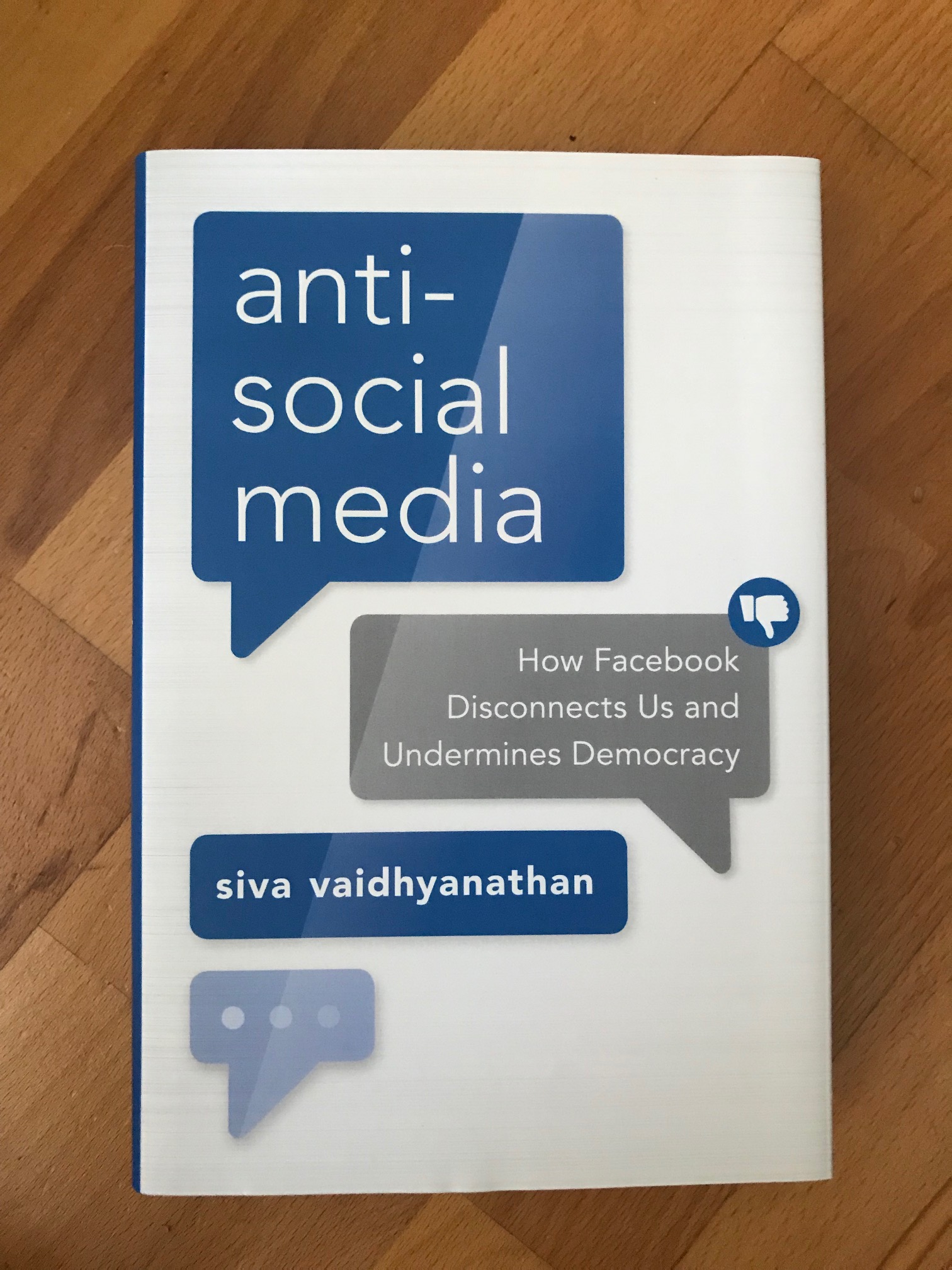
Antisocial Media: How Facebook Disconnects Us and Undermines Democracy

antisocial media, Facebook,

2.2 Billion people use Facebook every month. In this age of no privacy and mass commercial surveillance this book was never needed more. Our entire lives are subject to digital tracking. We have never had less privacy. The true scope of it is shocking, and all to sell things to us. Personally I hate targeted advertising. This fantastic book gives a strong argument that Facebook makes democracy a lot more challenging. A must read.

If you wanted to build a machine that would distribute propaganda to millions of people, distract them from important issues, energize hatred and bigotry, erode social trust, undermine respectable journalism, foster doubts about science, and engage in massive surveillance all at once, you would make something a lot like Facebook. Of course, none of that was part of the plan.

In Antisocial Media, Siva Vaidhyanathan explains how Facebook devolved from an innocent social site hacked together by Harvard students into a force that, while it may make personal life just a little more pleasurable, makes democracy a lot more challenging. It’s an account of the hubris of good intentions, a missionary spirit, and an ideology that sees computer code as the universal solvent for all human problems. And it’s an indictment of how “social media” has fostered the deterioration of democratic culture around the world, from facilitating Russian meddling in support of Trump’s election to the exploitation of the platform by murderous authoritarians in Burma and the Philippines.

Facebook grew out of an ideological commitment to data-driven decision making and logical thinking. Its culture is explicitly tolerant of difference and dissent. Both its market orientation and its labor force are global. It preaches the power of connectivity to change lives for the better. Indeed, no company better represents the dream of a fully connected planet “sharing” words, ideas, and images, and no company has better leveraged those ideas into wealth and influence. Yet no company has contributed more to the global collapse of basic tenets of deliberation and democracy. Both authoritative and trenchant, Antisocial Media shows how Facebook’s mission went so wrong.

Antisocial Media: How Facebook Disconnects Us and Undermines Democracy

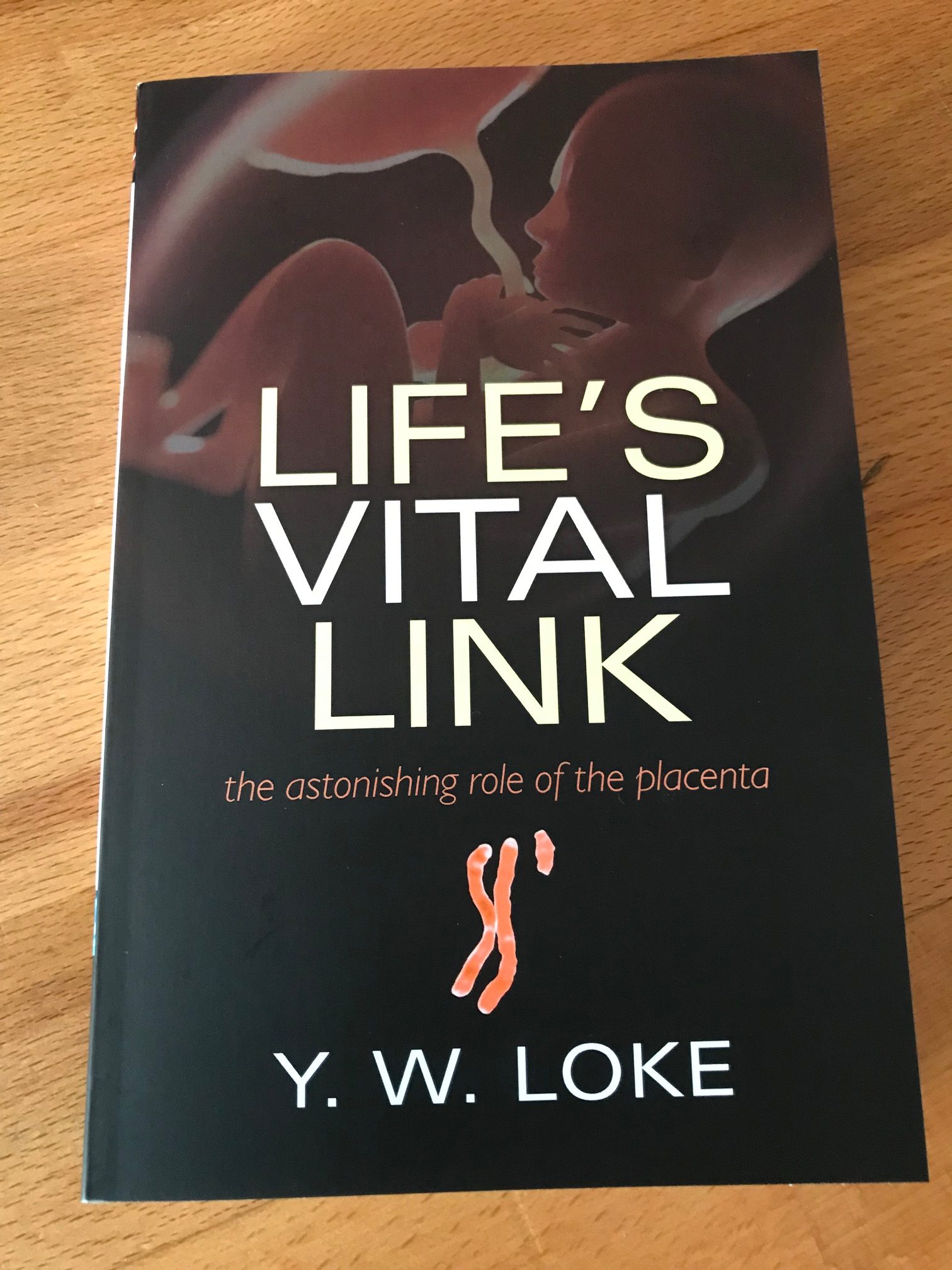
Life’s Vital Link By Y.W. Loke

I found this book fascinating. Did you know that the baby makes the placenta, not the mother? Or that it has genes from both the mother and father? There are facts from other animals too. I found Kangaroos particularly impressive. Well researched and written in an accessible way, this book is highly recommended.

The development of the placenta was a pivotal event in evolution. Without it, we would still be laying eggs instead of giving birth to live offspring. It represents the critical link between the foetus and the mother, but its character is extraordinary — it is, in effect, a foreign tissue that invades the mother’s body.

Compared to many other animals, the human placenta represents a particularly aggressive body. But how is it managed and controlled? How did such an organ evolve in the first place? And why is it tolerated by the mother? Y.W. Loke explores the nature of the placenta and what it can tell us about evolution, development, and genetics.

Available here.

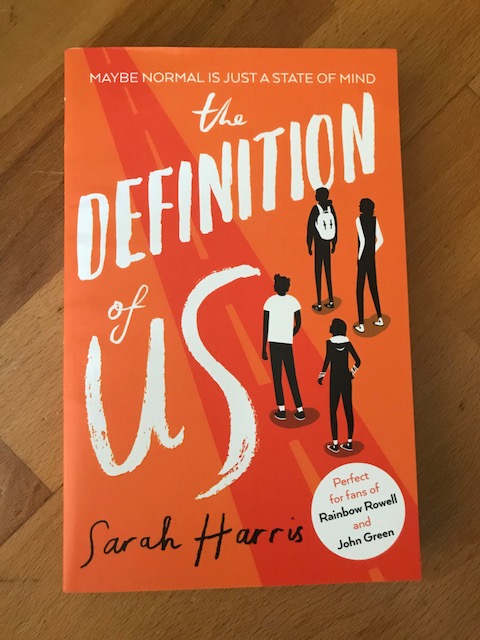
The Definition of Us By Sarah Harris | Book of The Week

This is a heart-warming and endearing novel. A YA novel which can be read by any age. A wonderful book on mental illness that will not just entertain, but also could improve, and even save, some some young people’s lives. We need more books like this. Just stunning and so important.

NORMAL (definition)
(adj.) Conforming to a standard; regular, typical or expected
(urban) A word inapplicable to human beings
(Florence) Round, smooth and bumpy like a cobbled street

Florence doesn’t always see things the way other people do. She feels different.

When Florence meets Jasper, Andrew and Wilf she can’t imagine they’d have much in common – with at least five mental health conditions between them, they all have very different reasons for being referred to Manor Lane Therapy Centre.

It’s only when their therapist, Howard, goes missing that they find a common purpose. Worried by his disappearance and wanting answers, the four of them decide to track him down.

As they cross the country in a ‘borrowed’ van, asking each other Ultimate Questions and facing a series of challenges along the way, they start to reveal their true selves – and Florence realises there’s more to all of them than just a diagnosis . . .

Maybe they’re not so different after all?

Full of irreverent humour, witty dialogue and characters you can’t help but fall in love with, this timely novel is perfect for fans of John Green, Rainbow Rowell and Jennifer Niven.

‘This is without a doubt one of the best (if not THE best) YA book about mental health that I’ve read; Sarah Harris takes such a delicate subject, weaves humour and love and friendship, and creates such a beautiful book’ Beautiful Bookland

‘This endearing story does much to enlighten readers of all ages by dispelling myths surrounding mental health in a rollickingly entertaining manner . . . a heart-warming odyssey’ Peterborough Telegraph

‘I can honestly say that this is the best book about mental health that I’ve read to date. The representation, understanding, acceptance and ‘relatability’ of mental health portrayed in this book was, in my opinion, flawless. It’s juxtaposed with sweetness, humour, romance and friendship and I enjoyed every minute of it’ My Endless Shelf

‘Everything I love about contemporary YA . . . highly recommended’ Goodreads reviewer

The Definition of Us By Sarah Harris is available here.

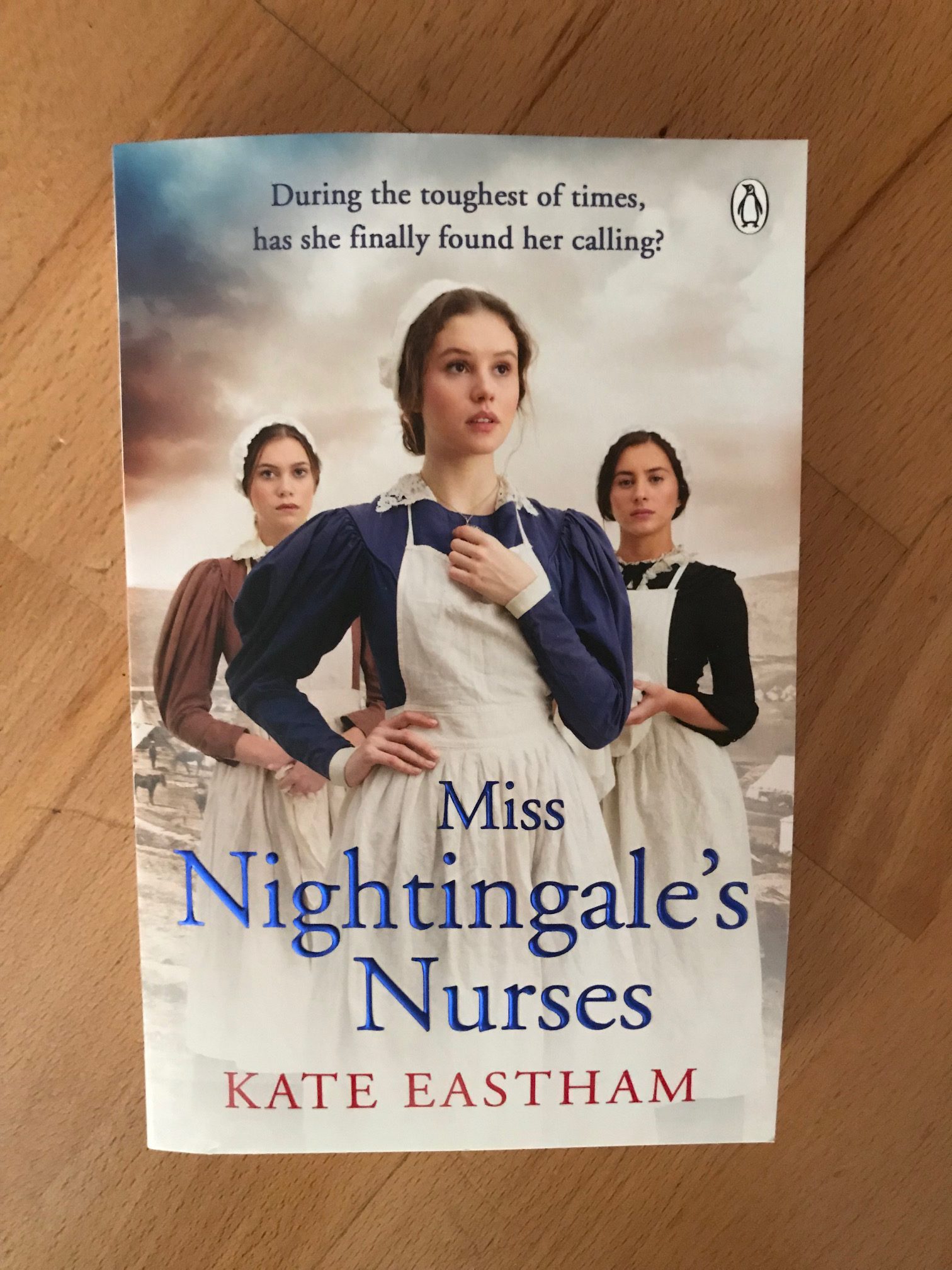
Miss Nightingale’s Nurses By Kate Eastham | Recommended Reads

miss nightingale's nurses

A great read.

Liverpool 1855.

Ada Houston is alone.

Her grandfather has recently passed away and her brother is missing, last seen working on the Liverpool docks. Everyone assumes him to be dead.

But she will not give up hope.

Ada’s determined search takes her to the Crimea where she joins the team of Florence Nightingale’s nurses. She may have set off looking for her brother, but along the way Ada finds friends, romance and a new purpose in her own life in the most troubling and difficult of places.

Available here.

BUSINESS OF BOOKS: FIRST, LAST, EVERYTHING – ROMANCE AUTHOR CASSANDRA GRAFTON

What was the first writing advice you were ever given?

If I think back to when I started to seriously consider writing full-length stories, the first piece of advice I recall was ‘just keep putting the words on the page’. After all, you can’t polish and edit a blank page, can you?

At the time, I’d only ever completed short stories, mostly co-written, for online communities. A solo writing project was a challenge in itself, but I didn’t really think of it as ‘writing a novel’ because of the serial nature of posting online.

It was the encouragement (and above advice) from those communities that helped me to get started, and it’s down to their on-going support and feedback that I managed to keep going, no matter what life threw at me. I just kept putting one word after the other, until eventually I’d finished telling the story I wanted to share.
 

Photo copyright is Adrea Scheidler Photography

What was the most recent writing advice you were given?

I follow a lot of writing blogs on Twitter, and many of them have wonderful snippets of advice, one of the most practical of which in recent months was about removing redundant words from your manuscript.

I discovered there were plenty of lists out there, once I’d put ‘redundant words in your novel’ into Google, and soon I was working my way through my extremely long manuscript and culling them (thank you, Word, for the Search and Replace function). In the end, nearly 10,000 redundant words sailed off into the blue yonder; not one of them was missed!

It turns out, however, that my biggest overuse of anything is not a specific word, but a punctuation mark. It was pointed out to me at a writing retreat last year that I need to ‘kill the exclamation mark.’ When I looked into it, I was appalled by how often I used them. I did, indeed, have a bit of a fetish going on. Hopefully, I’ve managed to keep them to a minimum in this blog post!


What is the piece of advice you’d most like to pass on?

There are variations on these words, but it boils down “don’t wait for your boat to come in; row out to meet it”.

It’s something I wish I’d taken on-board (if you’ll excuse the pun) earlier in my life. It can, of course, relate to all aspects of life, but with regard to my writing, it translates into this: Don’t let time slip away from you.

I’d wanted to write all my life, but always I made excuses: “no time, children to look after, piles of marking to get through, got to work late, too tired”. Even when the children were teenagers and didn’t need the same level of attention, even when I had an unexpected year of not having to work full time, always I seemed to have an excuse for actually sitting down and doing it.

I was 50 before the realisation struck that I needed to heed this advice – when it almost felt too late. I’d had a recent run-in with cancer, which led to a couple of rather unpleasant years, and as my milestone birthday approached, I started to re-evaluate my life. If I didn’t get my act together and produce a book sometime soon, perhaps I would never fulfil my lifelong dream?

It would be another year (2013) before I finally took the plunge into publishing my first novel. The story had been seven years in the making, for all the aforementioned reasons, but I did it.

It had still been a challenge. I was working full time, long hours, and any writing time was limited to weekends and holidays (thankfully I have a very patient and supportive husband, who would hoover around my chair at weekends as I sat at the computer, or read the paper in a pub when we were on holiday as I scribbled away at scenes in my notebook).

In more recent years, having moved to Switzerland and no longer having a day job, I have had the time to write, but still I procrastinate. My New Year’s Resolution this year was to treat my writing like a job, not a hobby, and I’m improving, but there’s a way to go yet.

So please don’t do as I do, do as I say: don’t let the time slip away from you!


Cassandra has published two historical romances and has co-written and published a contemporary cosy mystery/romance. She is currently working on a series of contemporary feel-good romances set in Cornwall. She loves traveling, reading, cats and dry wine and splits her time between Switzerland, where she lives with her husband, and England, where she lives with her characters.


https://cassandragrafton.com

Is That a Big Number? By Andrew C. A. Elliott

is that a big number, maths,

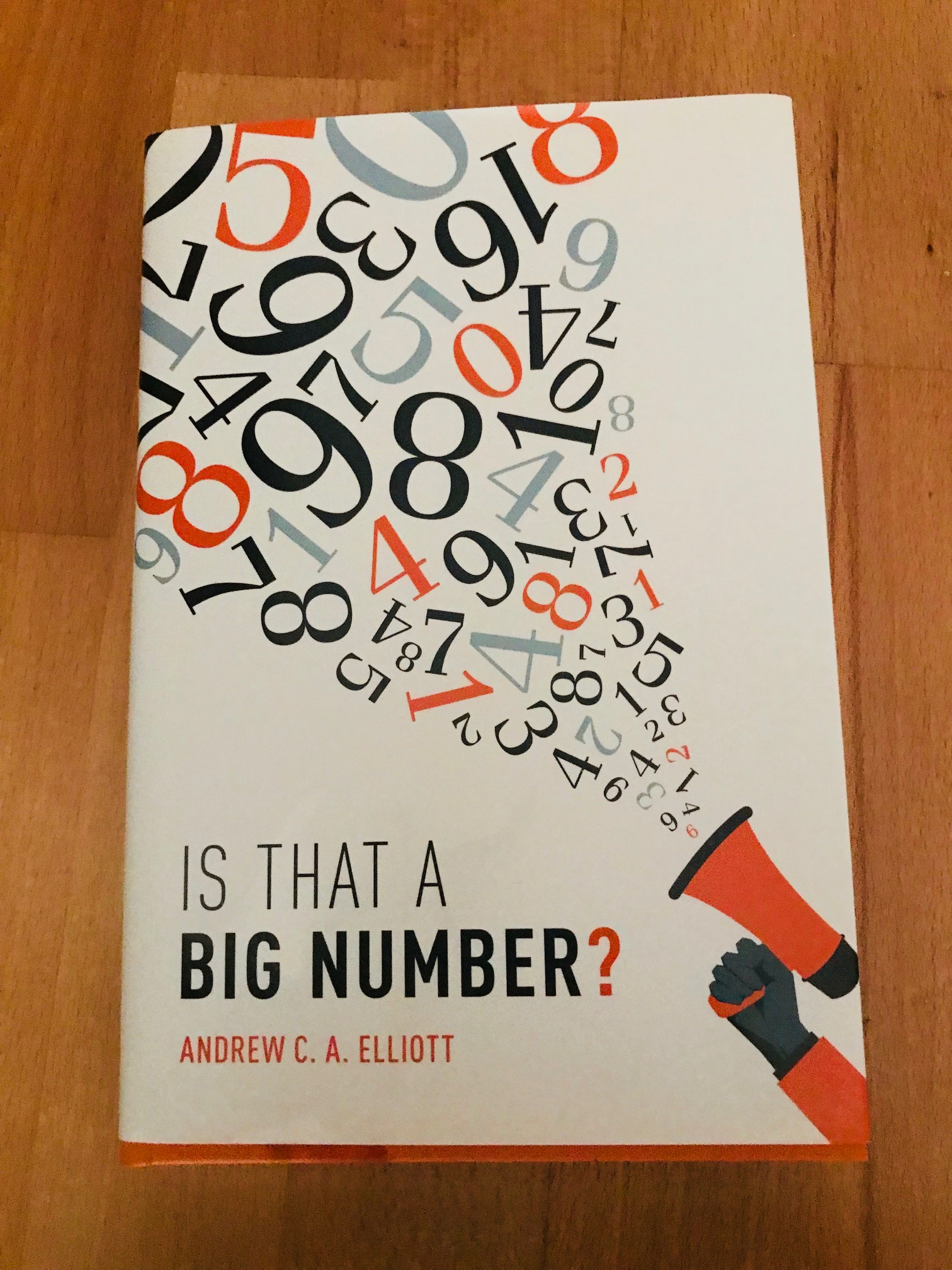
This is a fun and riveting book. Written in an accessible and engaging way, it is unputdownable.

Impressive statistics are thrown at us every day – the cost of health care; the size of an earthquake; the distance to the nearest star; the number of giraffes in the world.

We know all these numbers are important – some more than others – and it’s vaguely unsettling when we don’t really have a clear sense of how remarkable or how ordinary they are. How do we work out what these figures actually mean? Are they significant, should we be worried, or excited, or impressed? How big is big, how small is small?

With this entertaining and engaging book, help is at hand. Andrew Elliott gives us the tips and tools to make sense of numbers, to get a sense of proportion, to decipher what matters. It is a celebration of a numerate way of understanding the world. It shows how number skills help us to understand the everyday world close at hand, and how the same skills can be stretched to demystify the bigger numbers that we find in the wider contexts of science, politics, and the universe.

Entertaining, full of practical examples, and memorable concepts, Is That A Big Number? renews our relationship with figures. If numbers are the musical notes with which the symphony of the universe is written, and you’re struggling to hear the tune, then this is the book to get you humming again.

Is That a Big Number? By Andrew C. A. Elliott is available here.

BUSINESS OF BOOKS: SENIOR SERVICE

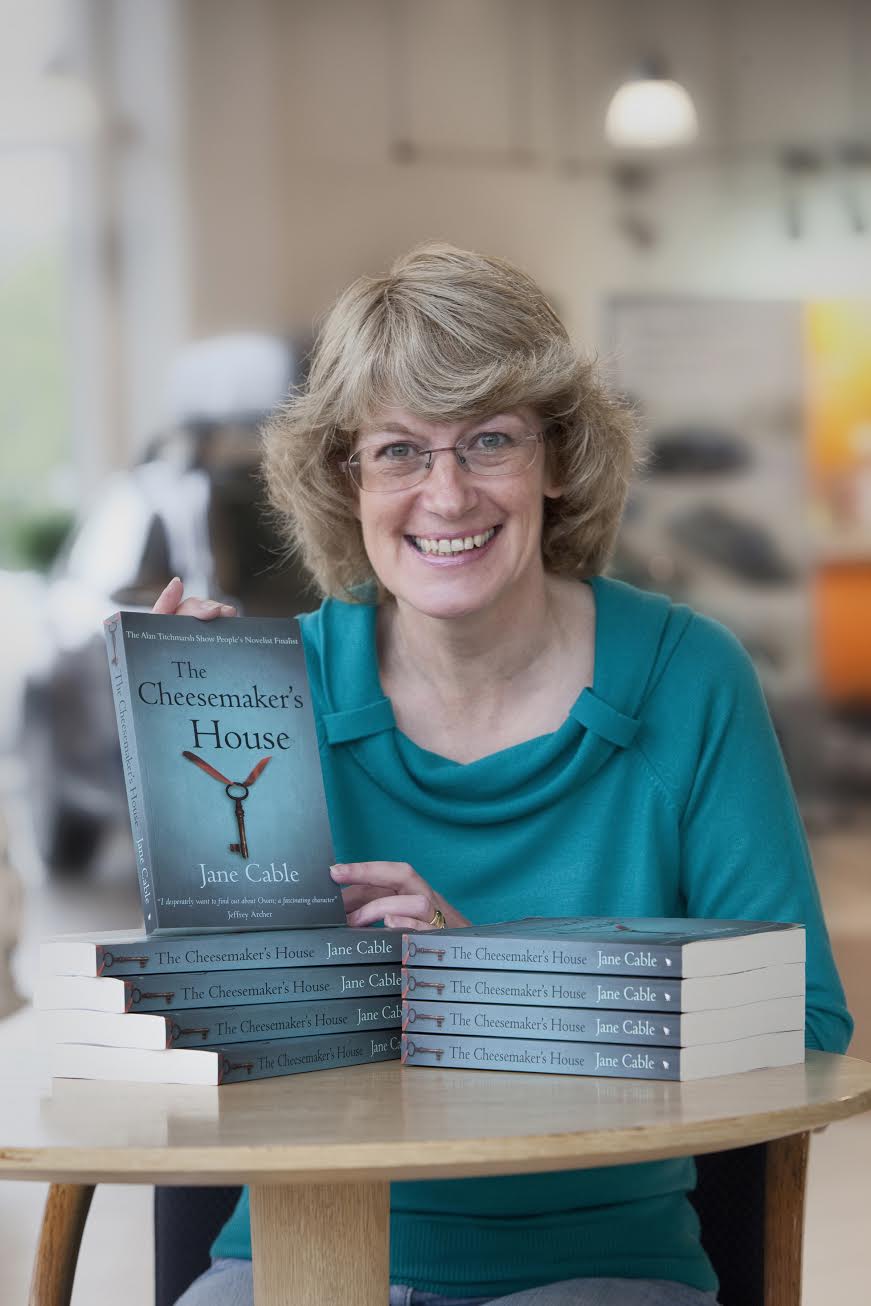
Jane Cable gives a talk at a local retirement community and finds the learning experience is mutual

It was Liz Fenwick who put me up to it. Since moving to Cornwall I’ve been lucky enough to fall in with a fabulous group of writers who give each other a great deal of support in every conceivable way.

When Liz told our little band she’d had a wonderful afternoon giving a talk at an independent living retirement community and they were looking for more speakers, I jumped at the chance. For two reasons, really; it was just down the road and Liz used those incredibly motivational words: “They give you cake – and they buy books.”

Luckily the talk was to be an informal one. I say luckily because I was also in the middle of preparing for an appearance at Helly’s International Festival with another of our happy Cornish band, historical fiction writer Victoria Cornwall. We’re tackling the serious subject of setting in novels and that’s required thinking, research – and rehearsal.

So on a Thursday afternoon a couple of weeks ago I pottered up the road with a few notes and a rucksack of books on my back. I arrived early and was welcomed by the book club organiser and the community manager and given a Jackanory (for those old enough to remember) style armchair in front of several rows of seats in the elegant dayroom. Slowly but surely the rows started to fill and looking around the room I wondered if I would be able to keep so many elderly people awake.

I needn’t have worried. After my brief introduction and a slightly stuttering start, the questions flowed. When did I write? What was my inspiration? What about editing? There was quite a lively discussion about the use of commas at one point – lively and well informed. These people were serious readers.

But when I mentioned I was researching World War 2 the tables turned and I was the one asking the questions. Some of the residents had very clear memories and two had actually been in Lincolnshire at the time – which made me very excited because it’s where I’m setting my book. Listening to their tales of watching for returning planes from Lincoln Castle, or visiting a cousin based at RAF Scampton, brought the war alive in the way no other research could have done.

This is a generation we’re on the verge of losing. Or if not losing, writing off as too geriatric to make a contribution. How very, very wrong. They were interesting, amusing and fun to be with. Not only do they want to read, but some of them want to write as well. Rather rashly I volunteered to help them start a creative writing group and there are already ten people signed up for the autumn. To be honest I’m feeling just a little out of my depth but I know if I go in with the attitude we’ll all learn from each other then we’ll have a fabulous time.

At the end of the talk I was given tea and the promised cake. Gluten free cake, which the community manager had gone to the trouble of buying specially. I spent so long chatting and signing books that I had a text from my husband asking where I was. I sold so many I had to go back the next day to fulfil the orders.

Since then I have persuaded three more of my Cornish writer friends to book themselves in and the book club calendar’s full until Christmas. And then, I hope they have a party. And I hope I’m invited!

Principled Spying: The Ethics of Secret Intelligence | Book of The Week

principled spying

This book is both timely and much needed. How far should a state go to protect its people? Does the ‘greater good’ argument ever give just cause? This book has lots of fascinating history on spycraft and sound arguments on ethics. A riveting read and a well deserved Book of the Week. 

The question of how far a state should authorise its agents to go in seeking and using secret intelligence is one of the big unresolved issues of public policy for democracies today. The tension between security and privacy sits at the heart of broader debates concerning the relationship between the citizen and the state. The public needs-and wants-protection from the very serious threats posed by domestic and international terrorism, from serious criminality, to be safe in using cyberspace, and to have active foreign and aid policies to help resolve outstanding international problems. Secret intelligence is widely accepted to be essential to these tasks, and to be a legitimate function of the nation state, yet the historical record is that it also can pose significant ethical risks.

Principled Spying lays out a framework for thinking about public policy in this area by clarifying the relationship between ethics and intelligence, both human and technical. In this book, intelligence expert Mark Phythian teams up with the former head of Britain’s GCHQ signals and intelligence agency to try to resolve the knotty question of secret intelligence-and how far it should be allowed to go in a democratic society.

Available here.