The Ancient Celts Second Edition Book Review

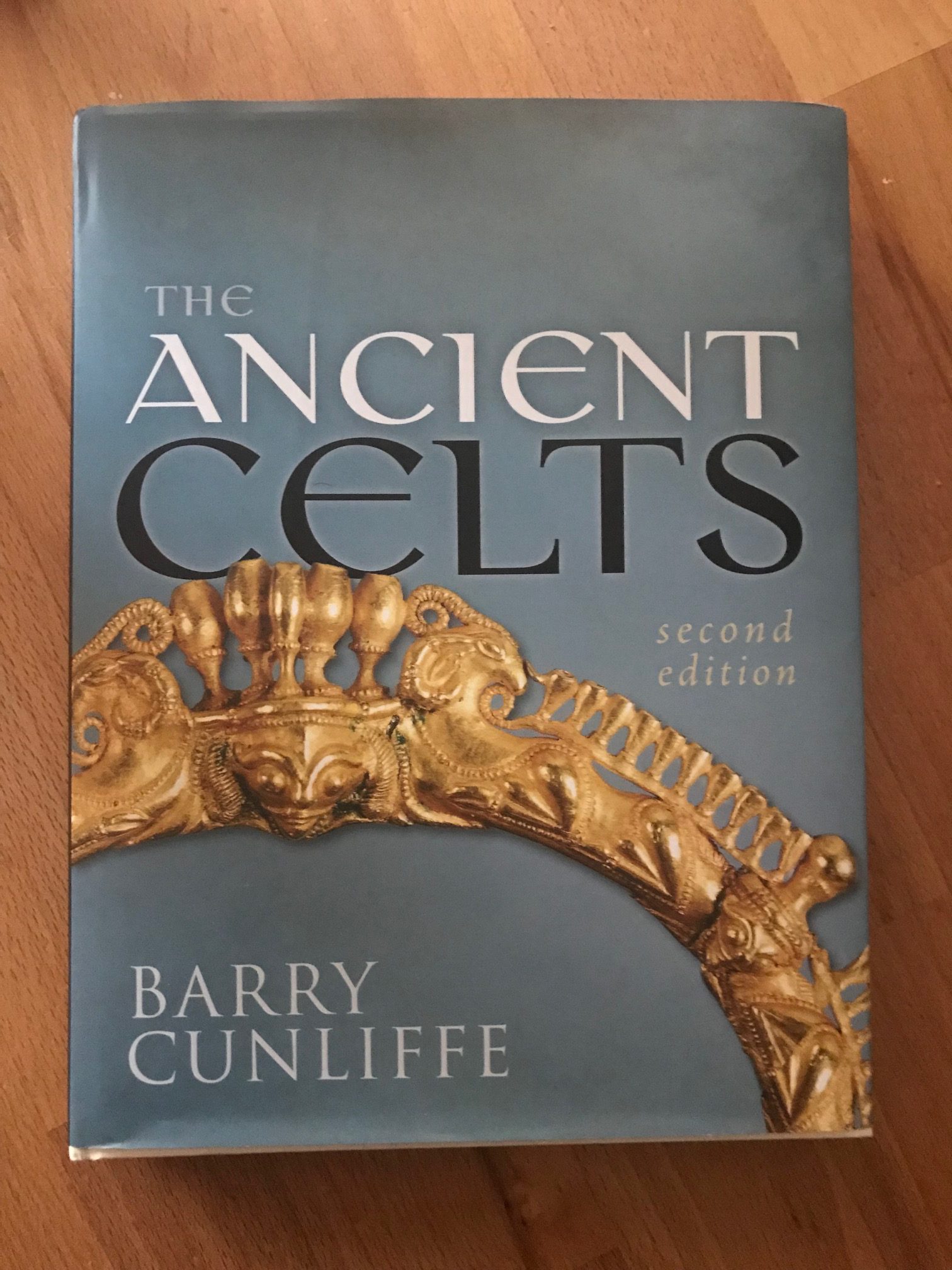
Fierce warriors and skilled craftsmen, the Celts were famous throughout the Ancient Mediterranean World. They were the archetypal barbarians from the north and were feared by both Greeks and Romans. For two and a half thousand years they have continued to fascinate those who have come into contact with them, yet their origins have remained a mystery and even today are the subject of heated debate among historians and archaeologists.

Barry Cunliffe’s classic study of the ancient Celtic world was first published in 1997. Since then huge advances have taken place in our knowledge: new finds, new ways of using DNA records to understand Celtic origins, new ideas about the proto-urban nature of early chieftains’ strongholds, All these developments are part of this fully updated , and completely redesigned edition.

Cunliffe explores the archaeological reality of these bold warriors and skilled craftsmen of barbarian Europe who inspired fear in both the Greeks and the Romans. He investigates the texts of the classical writers and contrasts their view of the Celts with current archaeological findings. Tracing the emergence of chiefdoms and the fifth- to third-century migrations as far as Bosnia and the Czech Republic, he assesses the disparity between the traditional story and the most recent historical and
archaeological evidence on the Celts.

Other aspects of Celtic identity such as the cultural diversity of the tribes, their social and religious systems, art, language and law, are also examined. From the picture that emerges, we are – crucially – able to distinguish between the original Celts, and those tribes which were ‘Celtized’, giving us an invaluable insight into the true identity of this ancient people.

This book is an excellent and thorough look into the lives of the ancient Celts. It is both accessible and well-researched. Recommended. 

The Ancient Celts is available here. 


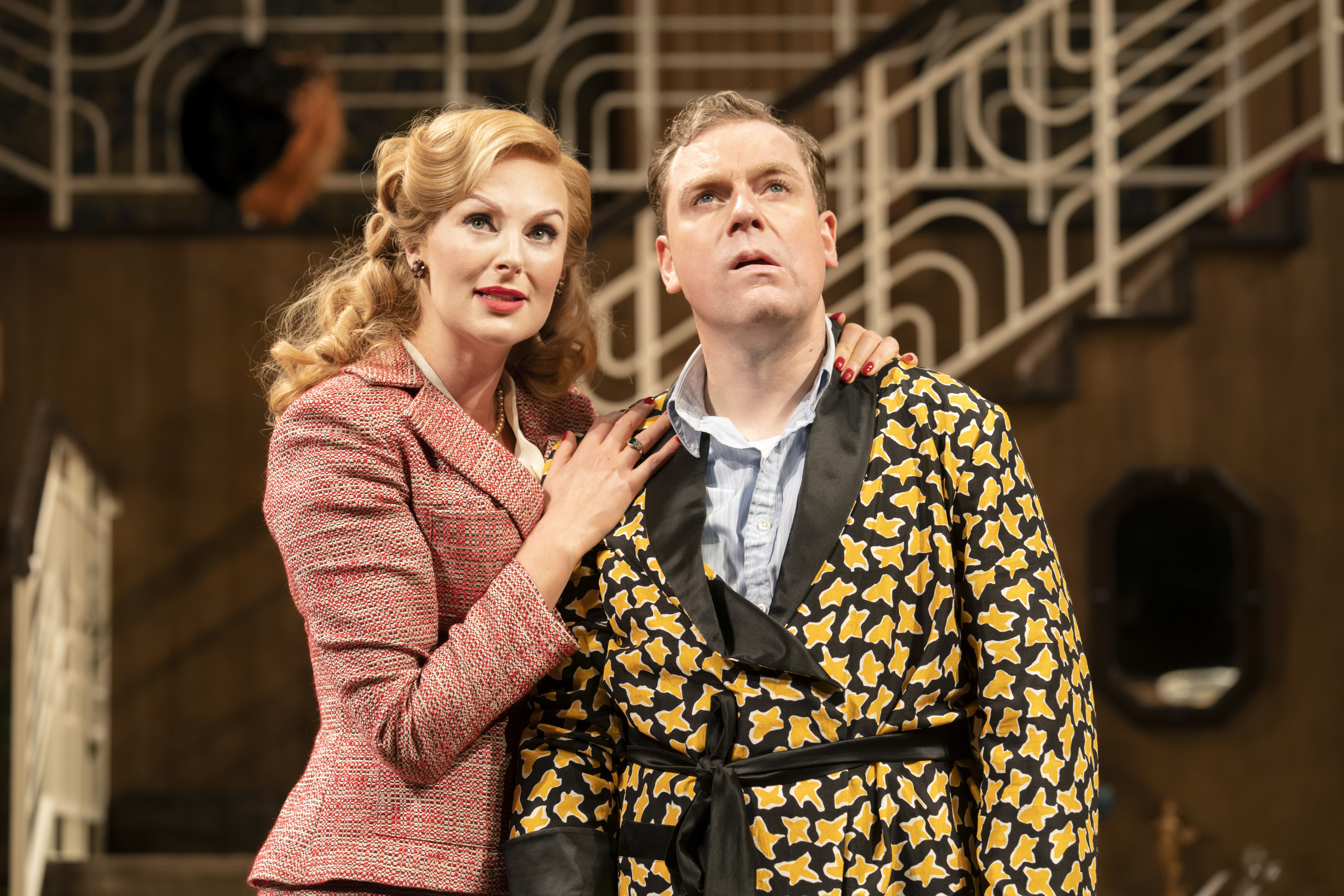
Review: Present Laughter, Chichester Festival Theatre

Present Laughter
By Noël Coward

Chichester Festival Theatre
Tickets: 01243 781312 www.cft.org.uk

Photo credit: Johan Persson

Actor Garry Essendine’s clique is a tightly-knitted motley crew. From the wife he has never got around to divorcing to his feisty PA, also in the mix is a brace of  philandering producers, an eccentric hobbling housekeeper and a valet with a penchant for strippers. Enter a love-struck ingenue, a bored wife hell-bent on seduction and an intense young writer and the stage is set for chaos.

Incapable of so much as breathing without turning it into a full-on performance, Garry is played by Rufus Hound. An exhausting role that makes light and shade a tall order, all credit to Hound for stamina and for (mostly) achieving the gear changes.

The cast meld with easy fluidity and the physical comedy is especially well choreographed and executed.Tracy-Ann Oberman as the long-suffering assistant Monica is excellent – a one-woman masterclass in comic timing – and Katherine Kingsley as not-quite-ex-wife Liz is also superb. Exuding elegance and as sharp as a whip, she stage manages proceedings with an air of being thoroughly entertained by the  ensuing drama and nonsense.

But while there are plenty of examples of Coward’s wit and his brilliance for turning a phrase, the humour is too often laboured and repetitive – self-indulgent, even. There is a lack of sophistication and Sean Foley’s production would benefit from dialing down the panto slapstick in favour of greater subtlety.

That said, for undemanding entertainment and sheer glamour (Alice Power’s gorgeous set is a scene-stealer in its own right) Present Laughter slips down as easily as an iced G&T, complete with the bonus of a musical finale.

Until 12 May

Vicky Edwards

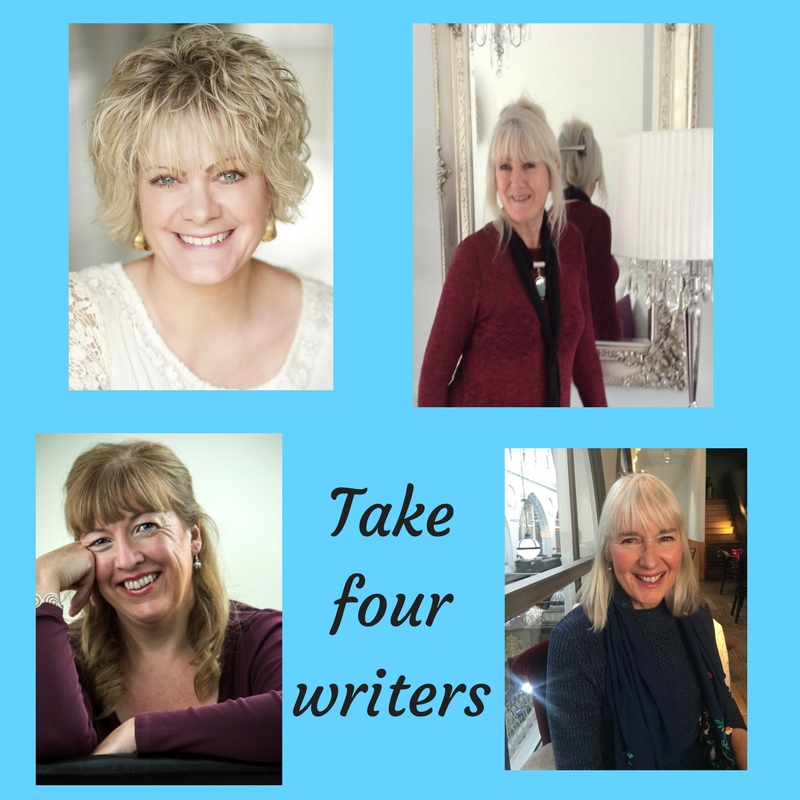
TAKE FOUR WRITERS: RECOVERING, COMPLETING, REVIEWING, CHARTING

ANGELA PETCH… RECOVERING

I spent time with my characters on their bench by the sea and they told me the rest of their stories. I’ve 95% finished the first draft of “Mavis and Dot” and very soon the editing slog will start. Beta-readers and illustrator are on board and deadlines are in place with blog tours and an author week arranged for mid-November. I’ve also booked a December 1st launch in Worthing (the location for my book) and contacted Cancer Research for support – (I am donating profits to this organisation, so fingers-crossed I make some.

In the midst of all this planning, I ended up in hospital with a warning. My memory disappeared for a few hours; a stroke or tumour was suspected. However, a brain scan revealed all was well (some would disagree!) I need to slow down. My writing is for fun – anything else is a bonus.

“If you listen to your body when it whispers, you won’t have to hear it scream.”


JACKIE BALDWIN… COMPLETING

Hello. This month I finished my line edit and answered all those squirmy plot questions. Things are starting to gather momentum now. I’ve been told that my cover reveal will be happening on the Killer Reads page at 8pm on Sunday 29th April which is exciting! I’ve had a few days off as I wait for the copy-edit to arrive. Once that is finished the book will be in its final form.

Tasting freedom, I’ve been gallivanting in the Lake District and up visiting The Kelpies near Falkirk.

I’ve also started planning my blog tour with Love Books Group. It will start on 15th June when the book is released and last two weeks. I’ll need to prepare guest posts and Q/A’s for that. The day after it ends I’m off to a Greek island to stitch my shredded nerves together with my long suffering husband.


CLAIRE DYER… REVIEWING

So, after the launch and after the blog tour come the reviews!

I’ve long thought that writing is an odd thing to do. You spend a year or two writing a novel, editing it, rewriting it, editing it again, doing copy edits, checking covers, planning the PR and then there’s one glorious day when you hold the book in your hand and think, ‘Crikey, it’s a real thing and it’s going to go out into the world and (hopefully) be read by others.’ It’s a bit like hoping people will like your kids when they leave home and strike out on their own.

And, as much as we don’t like people passing judgement on our children, authors do need reviews of their books. I always do them for novels I’ve enjoyed and it’s a wonderful way to support authors and their publishers. Doing shout-outs on Twitter, popping up a 5* on Amazon and/or Goodreads is a lovely way to show support for the writing community. And, if I didn’t enjoy a book so much, I tend to keep quiet. Not because I don’t believe in freedom of speech, because I do, but because I don’t think giving a negative review is helpful. Reading tastes are so subjective, after all.

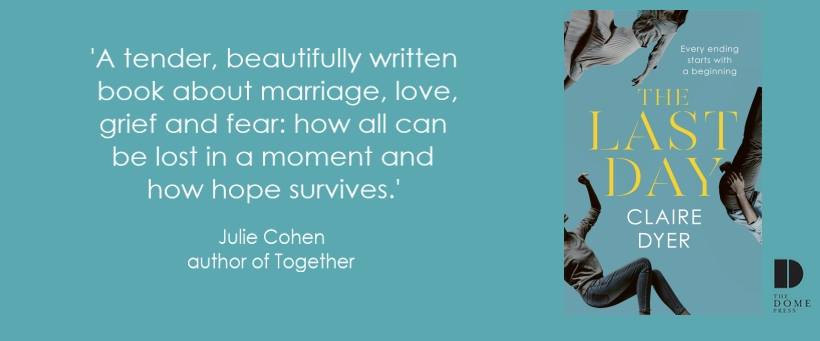
I would, however, like to thank all the lovely people who’ve left reviews of ‘The Last Day’ and who’ve messaged me privately to say they’ve enjoyed reading it. These are, naturally, the judgements I do like!


LUCY COLEMAN… CHARTING

It’s been a month of celebrating and being grateful for reader power. Amazon is only one of the online market places but it’s a useful measure. An eye-catching cover and a tantalising book blurb are essential, but reviews are a major influencer.

A reader apologised to me recently for the fact that she only writes very short reviews. Always five stars and a simple statement of appreciation. I wish I could have jumped through the monitor to hug her, because EVERY positive review is a blessing.

This month ‘The French Adventure’ soared up the charts and peaked at a dizzying #81 in the overall Amazon UK Kindle chart. Having passed that top 100 magical number before, I always wonder ‘Will the readers take me there again?’

As a reader, never underestimate YOUR power – your voice counts, so let your favourite authors know that and they will keep on writing.

BUSINESS OF BOOKS: FIRST, LAST, EVERYTHING – FREELANCE EDITOR J L DEAN

What was the first publishing business advice you were given?

Be clear and be on time. There’s the myth of the maverick writer who delays and delays only to appear at the eleventh hour with a work of genius. Editors can’t do that. The role of the editor is to make a piece of writing the best piece of writing it can be. That can mean anything from a little judicious rephrasing here and there to hitting the alarm bell when a character inexplicably undergoes a personality change halfway through a novel. Editing is primarily a support role. Yes, it takes a lot of skill and yes, a good reputation will make for an excellent career. However, you’re not the star, the writer is. Editing someone else’s book is not an opportunity to rewrite it in your own writerly image. Respect their style and adapt your approach accordingly.

By being clear, I mean when the writer received their edited manuscript from you, the only queries should be regarding the suggestions you have made. It is fine if they disagree or want to challenge, but you should be concerned if they have to ask you to explain yourself. Again, you’re there for support. Don’t be cryptic, be helpful, encouraging and reassuring.


What was the most recent piece of publishing advice you gave or received?

I did a lot of academic proof-editing for German clients when I lived in Bonn. More often than not I’d have to go back to them and ask, “UK or US English?” A lot of the time, they wouldn’t know. I had a young client was writing an article on the Nuremberg trials for publication in England so I contacted the publisher directly and asked for their house style. My advice to him, at the beginning of his academic career, was always to ask the publisher or publication for which he is writing for a copy of their house-style. Most have them and failing to follow it can mean instant rejection or, if you’re lucky, a lot of extra work within a very short space of time. No editor, however brilliant, can save you if you overlook that piece of advice. Make life easier for yourself and make sure you get it right from the start.


What is the piece of advice you’d most like to pass on?

Graham Norton asked Michael Morpurgo the same question in an interview a couple of days ago. Michael’s response; “Live an interesting life”. That’s got to be my answer too. It seems to me that, at this point in time, there’s a lot of emphasis on academic qualifications in creative writing. Agents are even starting to ask for that information in submissions. I feel very uneasy about that; I think it’s the wrong route for the publishing industry to take but that’s another article! For me, writing comes from within and it needs to be fed from within.

So my advice would be; don’t rush to be the ingénue novelist who has known nothing but the inside of a university lecture hall. OK, you’ll look good in the publicity photos and the press will adore you for the full fifteen minutes, but what experiences are you drawing on. What are you really giving the reader, and therefore the world? Go out and live your life, meet people and challenge yourself. No matter if you want to write medieval crime thrillers or contemporary romance; stories are about people and people are the key to stories; even in their absence, there’s a story. You won’t learn about people in a classroom. Get out there, but take your notebook.


J L Dean is an a freelance editor and historical novelist, recently returned from three years living in Germany, she divides her time between work, law studies and that difficult second novel.


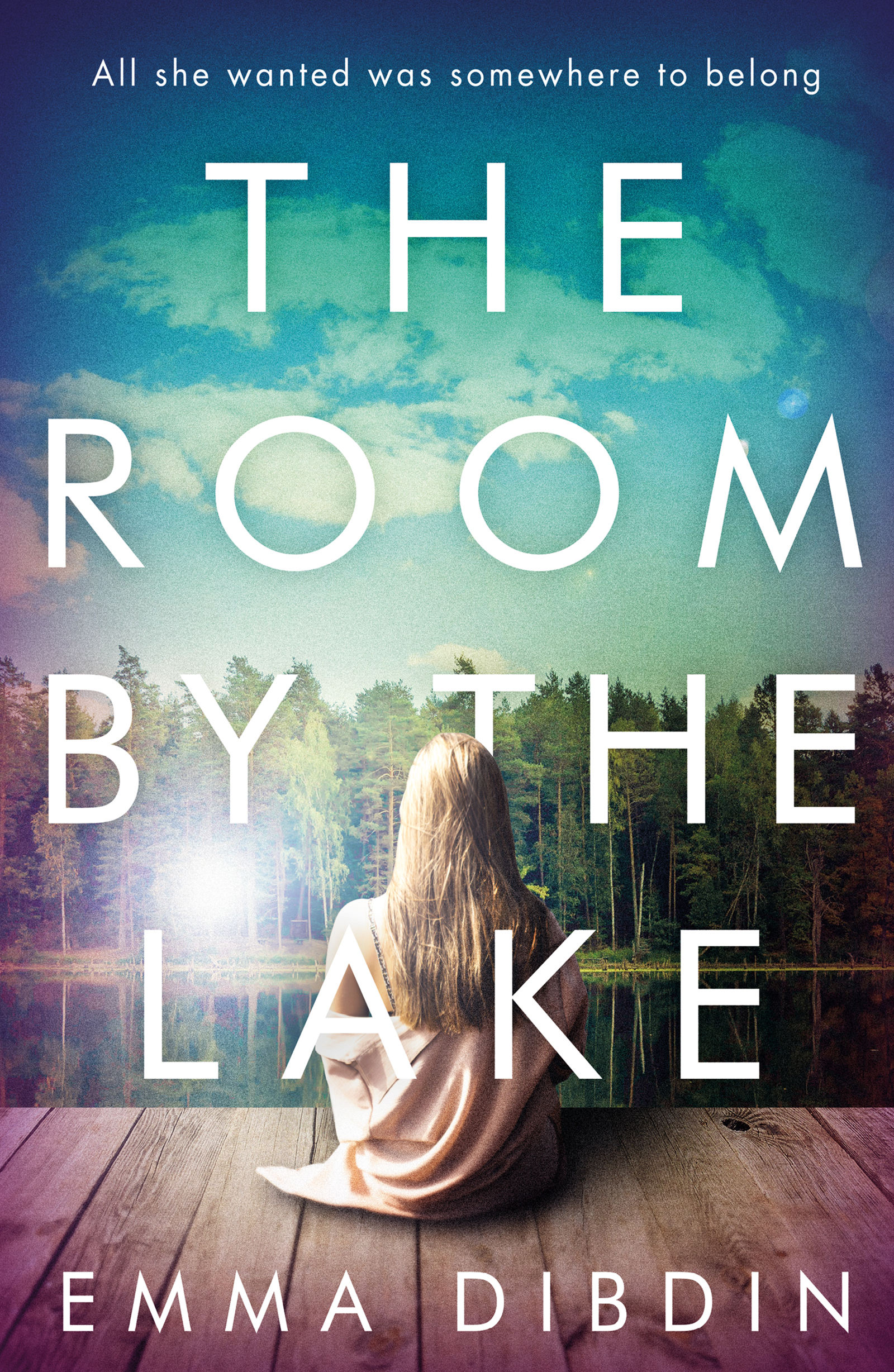
The Room by the Lake by Emma Dibdin


Caitlin never meant to stay so long. But it’s strange how this place warps time. Out here, in the middle of nowhere, it’s easy to forget about the world outside.

It all happened so fast. She was lonely, broke, about to give up. Then she met Jake and he took her to his ‘family’: a close-knit community living by the lake. Each day she says she’ll leave but each night she’s back around their campfire. Staring into the flames. Reciting in chorus that she is nothing without them.

But something inside her won’t let go. A whisper that knows this isn’t right. Knows there is danger lurking in that quiet room down by the lake…


Most of us have wanted to do this at one time or another, haven’t we? When life got too stressful and there didn’t seem to be any way you could find a happy ending. So what if we could  pack a bag, buy a ticket to anywhere and disappear until we sorted ourselves out? Caitlin doesn’t just think about it, she acts on it and sets off for New York.

Dibdin gives the reader a sense of the desolation and confusion Caitlin feels after the loss of her mother as she wanders the streets of Manhattan, filling the endless hours, and introduces Jake who takes advantage of her vulnerability and whisks her off to the Lake House to meet his family. Except the reality of his family was not what Caitlin had imagined.

We immediately get a strong sense of Caitlin’s fragile mental state that leads to her making the choices she does – it is all so  plausible, and as we read we are unsettled by a growing unease that all is not as it seems.

A gripping thriller that explores how vulnerable we can all be given the circumstances and how easily it is to fall prey to false appearances.

The Room by the Lake RRP £7.99


Emma-dibdin

AUTHOR

Emma Dibdin grew up in Oxford, and now lives in New York. She is a writer and journalist whose work has appeared in Esquire, Marie Claire, Harper’s Bazaar, Cosmopolitan, and Total Film. This is her first novel.


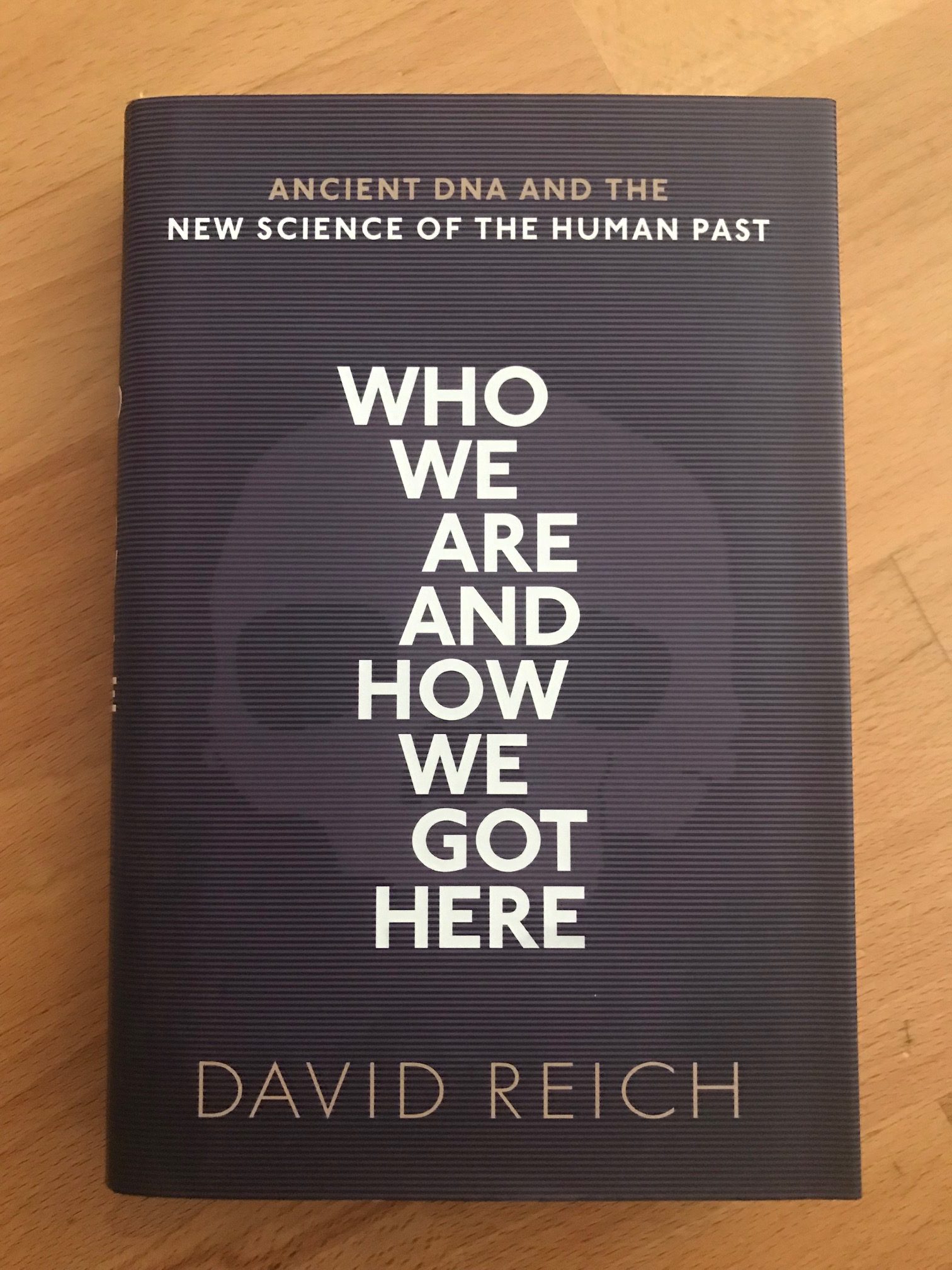
Who We Are and How We Got Here: Ancient DNA and the new science of the human past

The past few years have witnessed a revolution in our ability to obtain DNA from ancient humans. This important new data has added to our knowledge from archaeology and anthropology, helped resolve long-existing controversies, challenged long-held views, and thrown up remarkable surprises. The emerging picture is one of many waves of ancient human migrations, so that all populations living today are mixes of ancient ones, and often carry a genetic component from archaic humans. David Reich, whose team has been at the forefront of these discoveries, explains what genetics is telling us about ourselves and our complex and often surprising ancestry. Gone are old ideas of any kind of racial âpurity.' Instead, we are finding a rich variety of mixtures. Reich describes the cutting-edge findings from the past few years, and also considers the sensitivities involved in tracing ancestry, with science sometimes jostling with politics and tradition. He brings an important wider message: that we should recognize that every one of us is the result of a long history of migration and intermixing of ancient peoples, which we carry as ghosts in our DNA. What will we discover next?

This is a fascinating and well researched book. An Amazon No 1 Bestseller and it is easy to see why. 

The past few years have witnessed a revolution in our ability to obtain DNA from ancient humans. This important new data has added to our knowledge from archaeology and anthropology, helped resolve long-existing controversies, challenged long-held views, and thrown up remarkable surprises.

The emerging picture is one of many waves of ancient human migrations, so that all populations living today are mixes of ancient ones, and often carry a genetic component from archaic humans. David Reich, whose team has been at the forefront of these discoveries, explains what genetics is telling us about ourselves and our complex and often surprising ancestry. Gone are old ideas of any kind of racial âpurity.’ Instead, we are finding a rich variety of mixtures. Reich describes the
cutting-edge findings from the past few years, and also considers the sensitivities involved in tracing ancestry, with science sometimes jostling with politics and tradition. He brings an important wider message: that we should recognize that every one of us is the result of a long history of migration and
intermixing of ancient peoples, which we carry as ghosts in our DNA.

What will we discover next?

Available here.

Marx: A Very Short Introduction

marx, a short introductionMarx: A Very Short Introduction is Marx made easy. A brilliant and balanced book that is essential for anyone interested in Marx.

In Marx: A Very Short Introdution, Peter Singer identifies the central vision that unifies Marx’s thought, enabling us to grasp Marx’s views as a whole. He sees him as a philosopher primarily concerned with human freedom, rather than as an economist or a social scientist. In plain English, he explains alienation, historical materialism, the economic theory of Capital, and Marx’s ideas of communism, and concludes with an assessment of Marx’s legacy.

About the Series: Combining authority with wit, accessibility, and style, Very Short Introductions offer an introduction to some of life’s most interesting topics. Written by experts for the newcomer, they demonstrate the finest contemporary thinking about the central problems and issues in hundreds of key topics, from philosophy to Freud, quantum theory to Islam.

Available here.

THE BUSINESS OF BOOKS: FROM PITCH TO PUBLICATION

Jane Cable picks up a good book.

Doubts happen to every writer, at every level. For me, at this precise moment, it’s about whether I’ve written the right book. It’s a book I wanted to write, with characters I’m passionate about and a story I believe in, but as I begin the submission process the doubts have set in.

As ever, it was a writer friend who gave me a helping hand out of the hole I was rapidly digging for myself. Take a bow, Barbara Copperthwaite, for recommending an excellent book; From Pitch to Publication by the late, great literary agent Carole Blake. Barbara credits reading the book with helping her to land her agent and publishing deal. “Turns out I was doing it all wrong,” she told me. And because I know ‘all wrong’ was nothing to do with the quality of her writing, I downloaded the book straight away.

It isn’t a book you read cover to cover – you keep it by your side and refer to different chapters at different stages of your life as a writer of commercial fiction. And some of the advice seems just a tiny bit dated, written as it was in the days (not that long ago) before direct submission and digital only publishers became major players in the market. But the first chapter alone gave me plenty to think about.


So, what have I learnt from this wonderful tome?

What is the right book?

The very first pages start with the question that had been haunting me. And answered it from a very commercial angle. Yes, write what moves you but with an eye on the eventual market. Trends are impossible to spot but there are certain aspects of a novel you can build in from the start which will help it appeal to publishers; for example the right well-researched location, the right choice of profession for your protagonists. Both need a touch of glamour – or at least desirability. Keep the word ‘aspirational’ in mind and you can’t go far wrong.
Follow your genre’s rules

Genre is massively important in commercial fiction terms and you need to understand the rules of your genre inside out. To do that you need to read a lot of it. While your idea and your voice need to be sparkling and original, your story needs to meet your readers’ expectations. Romances have to end HEA or HFN (happily ever after or happy for now). Every genre has its optimum length. But never, ever, pick a subject because you think it’s going to be the next best thing – your lack of passion for it will show in your writing.
There is a checklist… a magical checklist

I’m not going to give the whole game away, because that wouldn’t be fair and if you’re serious about a career as a commercial writer then you need to buy this book. But here are just a few of the items on it which seemed most important to me:

Is the world where the novel is set one in which readers will want to spend time even before they have come to know the characters?

Is my central character fully developed and someone readers can readily identify with?

Are my plot strands so overly complicated that readers will get confused?

Can I sum up my storyline in one sentence?


And finally, the magical triangle

This had never entered my head but it makes the most sense of all. As a writer you need to be able to build and control the relationship not only between writer and character, but between writer and reader – and reader and character. Not just for one book, but in a way that will forge a lengthy career. It’s a huge question but one, as writers, we really need to ask.


From Pitch to Publication by Carole Blake is published by Macmillan