SISTER SCRIBES GUEST: CATHERINE BOARDMAN ON CULTURAL BLOGGING

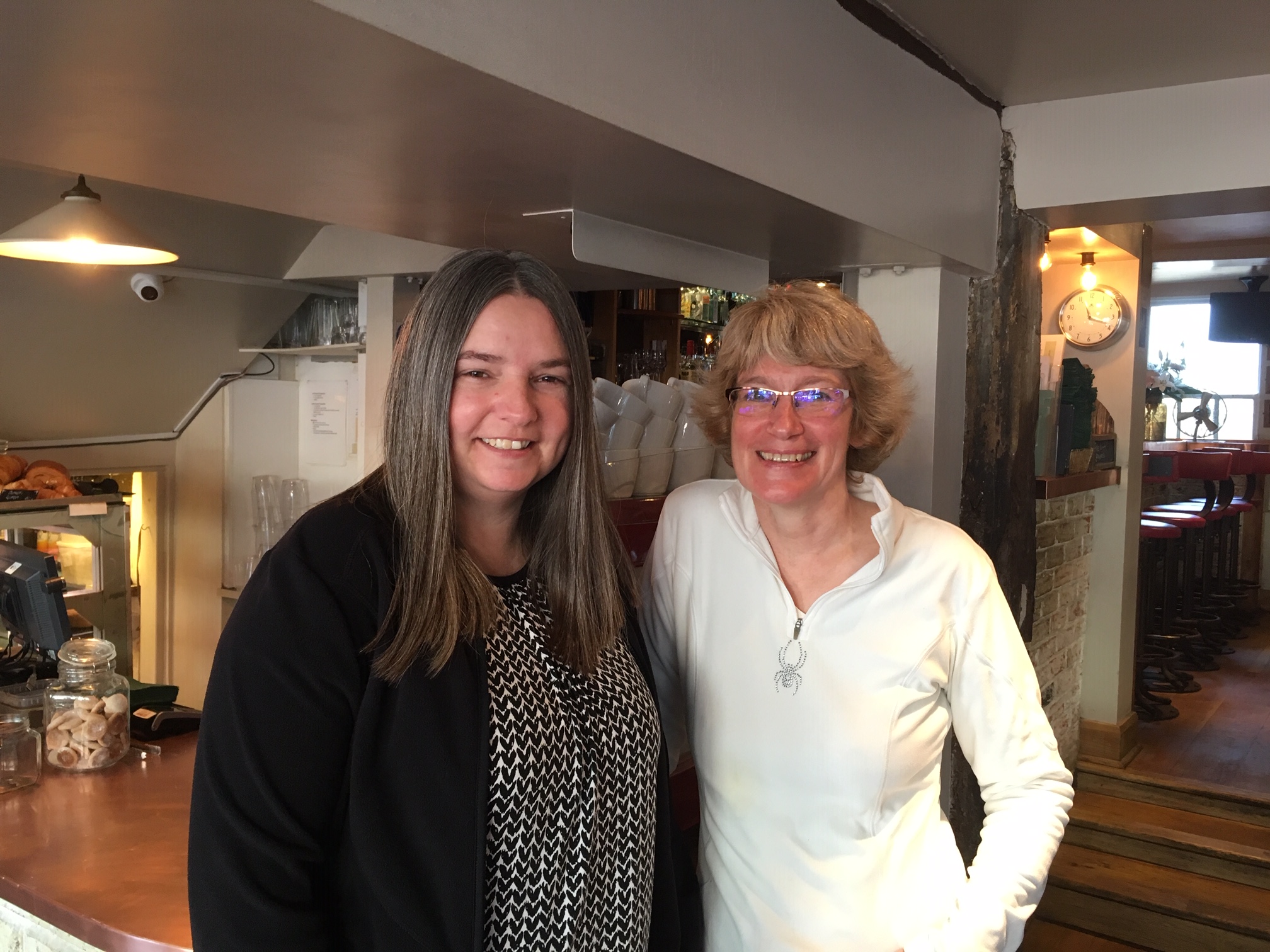
Catherine was a BBC News Producer for 20 years specialising in Business and Economics with a side line in travel writing for national newspapers, then she had twins.  Now Catherine writes about what she loves, Arts, Culture and Travel on her blog Catherine’s Cultural Wednesdays.  If you are seeking inspiration about where to go and what to see or need someone to write about it, she is your woman.


What is it about writing?  I love it.  I adore telling stories.  Yet I am the queen of procrastination.  Tales tumble over themselves waiting to be told.  My laptop awaits.  Coffee, I can’t write without coffee.  Ping, a group chat on Facebook messenger surges into life.  Cheap, cheap, somebody on What’s App has an urgent bon mot. Trillll, a twitter group surges into life.  At last somebody suggests a word race and we’re off.

Writing is something that I have always done.  Long letters to distant friends, fragments of ‘Famous Five’ style stories, breathless accounts of everyday occurrences in my tiny childhood village.  To begin with this need to write beyond the demands of study was a solitary pursuit.  I knew nobody else who scribbled endlessly.  Then I became a journalist, suddenly everybody I knew wrote, cared deeply about punctuation and was certain that they had the makings of a novelist.

After twenty years as a BBC News Producer I fell pregnant with twins and took the Corporation’s kind offer of redundancy.  My life changed, utterly.  Thoughts about writing a witty and engaging account of parenting identical twins in your forties came to nothing.  For two years it was all I could do to keep all of us fed and dressed.  Eventually when a sleep pattern was established that involved both boys sleeping at the same time as each other for longer than two hours, the fog began to clear.
Now my thoughts turned to a blog about what interested me.  Catherine’s Cultural Wednesdays started out as an account of my weekly jaunts out of the house and widened out to include travel.  I published the first post and was then overtaken by fear.  What if I couldn’t write?  What would people think?  Worse, what if nobody read it.  For the next six months I wrote posts and didn’t post them.  Paralysed with fear.

Without the support of friends and fellow writers I would still be writing posts that never got published.  Where did I find my support network?

Put #amwriting into the search box on Twitter and all manner of people pop up.  Daily word races take place.  The same people kept on popping up, so we set up a chat group, called ourselves the LLs or Literary Lovelies.  We went on writing retreats together.  We supported each other through first drafts, agent hunts, publication days.  Well some of us.  The rest of the LLs are proper novelists, I realised that what I like doing is telling immediate stories, fiction is not for me.  We chat virtually most days.

Wonderful though virtual friendships are flesh and bone is important too.  When my confidence was rock bottom, I joined a local creative writing class.  Slowly, week by week my confidence returned.  After a year or so the formal structure of a class was no longer the right format for some of us.  Now a group of us, the EveryGirl Writers, meet every week for two hours just to write, to support each other in our writing.

Telling stories is what I love to do.  The solitary nature of sitting down to write suits me perfectly.  Yet it is the support and friendship of fellow female writers makes the procrastination so much more fun.


Catherine’s Cultural Wednesdays https://www.culturalwednesday.co.uk

Twitter: https://www.twitter.com/culturalwed

Facebook: https://www.facebook.com/culturalwednesday/

Instagram: https://www.facebook.com/culturalwednesday/

LinkedIn: https://www.linkedin.com/in/culturalwednesday

 

The Hape Robot Factory Domino Set Review


My children loved this interactive domino set. It is unique and gives hours of fun. Smart and original, it builds lots of different skills.  We highly recommend it. A brilliant toy. 


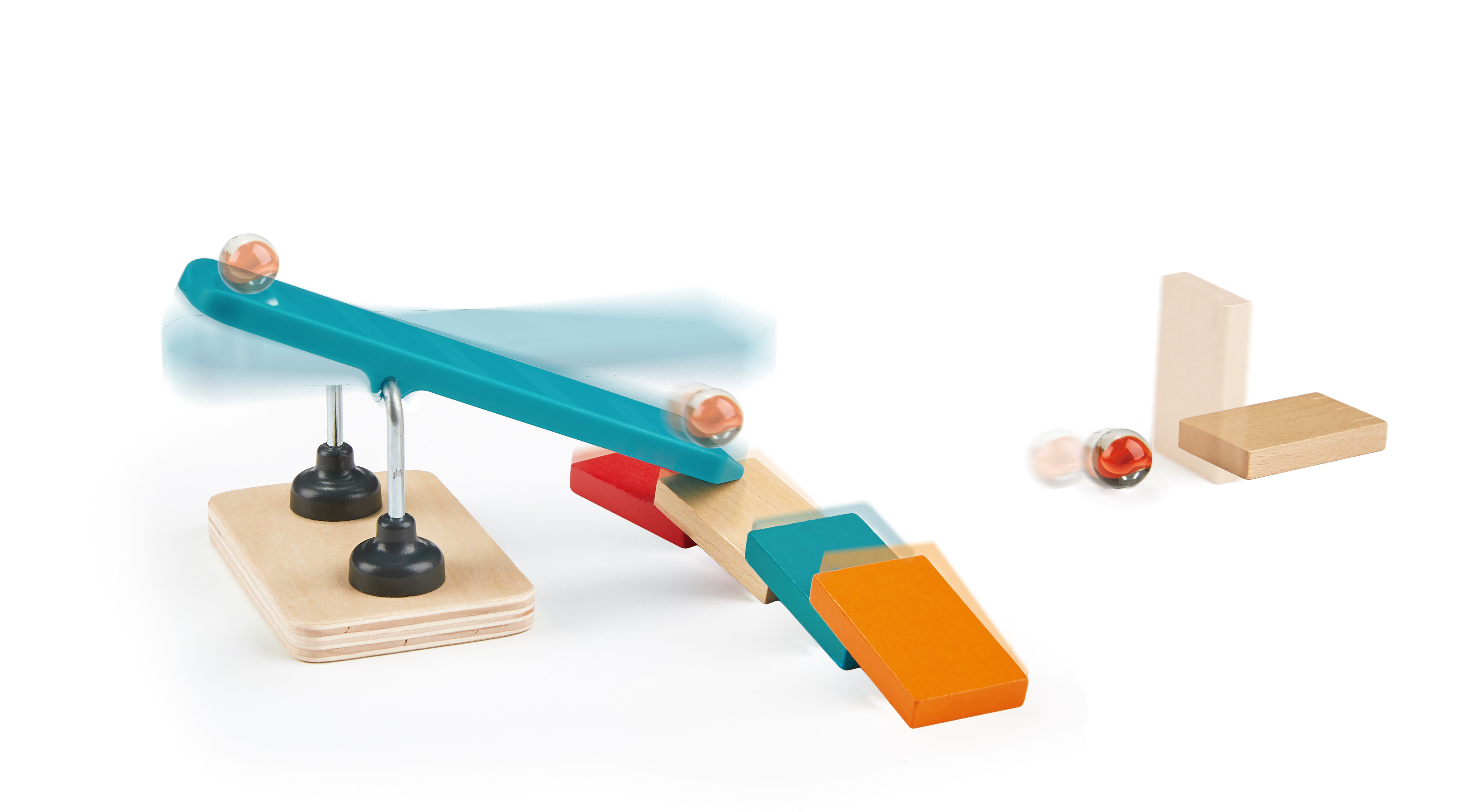
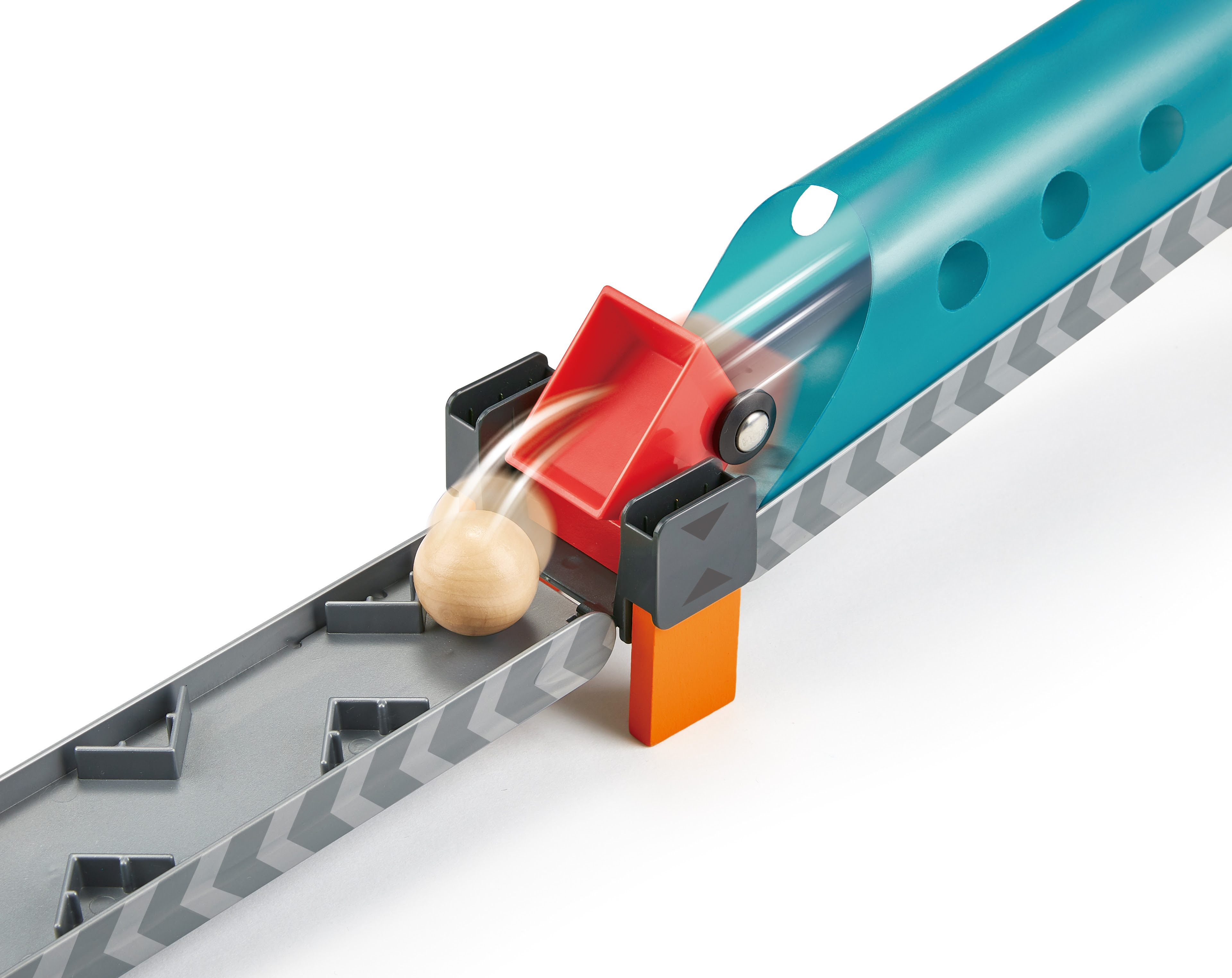
Sure to be a big hit amongst both parent and child, take the domino phenomenon that one step further with this thrilling Domino Robot Factory from Hape, suitable for 4 Years +. Jam packed with a series of additional fun and interactive elements including; tipper car, crazy ball track, tipper arm and ramps help form an exciting robot themed production line to add plenty of drama and spectacle.

With the Robot Factory Domino Set use stored energy to catapult the wooden ball into the air, motor along the double sided track before momentum travels through the spinning arm. With the end in sight watch as the finishing flag begins to fly, that’s just one suggestion of ways to play. With no instructions or rule book to follow the build is in your hands, with each creation is sure to result in a different outcome.


Surprise awaits round every corner with this fantastic Domino set. As momentum builds through the course helps to introduce children to the concept of potential energy, momentum and gravity, as well as understanding the principles of (STEM) Science, Technology, Engineering and Mathematics learning.


Beautifully crafted from the highest quality natural materials Hape are proud to use only water based paints, tested rigorously to ensure that customers get the best value for money and quality in their toys. So what better example than Hape’s very own Domino set.

The Robot Factory Domino Set is available to buy online for £49.95 from Wicked Uncle.


SISTER SCRIBES GUEST: ADA BRIGHT ON BEING A CO-AUTHOR

I’m delighted to welcome my very good friend and fellow co-author, Ada Bright, to Sister Scribes. Ada is a novelist and a photographer, a wife and a mom and a very picky eater. She has lived in Southern California her whole life and says she fits into a good number of the stereotypes of the area, including being pretty laid back, considering anything below 65F as frigidly cold, and being unfazed by any earthquake under 5.0.

Over to you, Ada!


Thank you to Cassandra Grafton for inviting me to be a guest on Sister Scribes.  I was going to quip that we really are “sister scribes” since we co-author novels together, and we are unofficial family, but then I was imagining Cass reading it and injuring her eyes because she rolled them so hard… and I wouldn’t want to be the cause of something like that!

My best memories of childhood are from when I was living fictional stories by reading books. The characters I read about and re-read about were so much more formative to who I am than my early peers.

Writing became a natural next step for me. By writing extra scenes or character studies, I could hold on to the world I loved longer. My desire to write novels came more recently, but stemmed from a similar core. I simply wanted more.

Of course, impatience is not usually a good trait for a writer. But, in my case, I got  very, very lucky: I’d already met Cass. While we share a similar taste in stories, our writing is very different. I write in bursts that push the story forward, she composes a scene and always seems to have a handle on just exactly where our characters, our plot and even the reader are in their experiences at any given moment.

While we specialize in different areas, when we co-write, there is not one sentence that is purely one or the other of us. We write alone during our respective work days (which are 9 hours apart, since Cass lives in Switzerland). That means we usually start by waking up to a new scene from the other partner that we will begin by editing. Once we edit the new material, we either ask for a call to clarify what we’ve read or what we need to write next or we just continue on.

So many times, while talking about our first co-written novel The Particular Charm of Miss Jane Austen, I say how much I love co-writing with Cass – I mean, what writer wouldn’t want to hand off a scene that isn’t working to someone else and have it come back polished?! But, the further I get on in my solo novel, the more I realize that this experience of creating a shared world with someone has been a learning experience beyond measure.

As hard as writing can be, Cass and I have created a system that is, with all its ups and downs, fun. I have often joked about how I would leave text in the middle of the manuscript that said something to the effect of “Cass writes something brilliant here.” It can be a crutch, most definitely, but eventually, each writer will have taken a turn at being the hero even if the night before their entire scene ended up in the bin.

What I couldn’t have predicted is that seeing how Cass untangled us taught me both to recognize my negative patterns and also to learn ways of getting myself out of the ditches I’d written myself into.

Last year, Cass and I signed with Canelo Digital Publishing, and we’ve just finished writing our second novel together, which will be out later this year. No matter where our single careers take us, I will always be game to join our words together to create the voice that is both of us but not quite either of us.

Thank you for having me, Sister Scribes!


You can find Ada and Cass on their Blog, Tabby Cowhttps://tabbycow.com

Alternatively, Ada can be found on:

Facebook Ada Bright

Twitter @missyadabright


A PUBLISHER’S YEAR: FEBRUARY – ROMANCE, CRIME, APPLICATIONS

To pick up on the cliffhanger of last month – the exciting Romantic Novelists’ Association news is now public! They are running a new prize from this year, which we have agreed to sponsor. It is officially called the Sapere Books Popular Romantic Fiction Award. The shortlist of six books has been announced. In the running are THE LION TAMER WHO LOST by Louise Beech, ONE THOUSAND STARS AND YOU by Isabelle Broom, YOU ME EVERYTHING by Catherine Isaac, THIS COULD CHANGE EVERYTHING by Jill Mansell and A SKY PAINTED GOLD by Laura Wood. I do have a personal favourite but my lips are sealed until the winner is announced on March 4th!

We are still looking for our first staff-member. Applications are just about closed but we have well over 100 to go through, so that will keep us busy for the next few weeks! We’ve also had our first responses to our ‘Call For Nautical Fiction’ and it looks like we’ll be able to announce some naval fiction deals soon. We have just finalised our schedule for London Book Fair and we are pretty booked up for all three days, plus some evening events so that will be a full-on week for us!

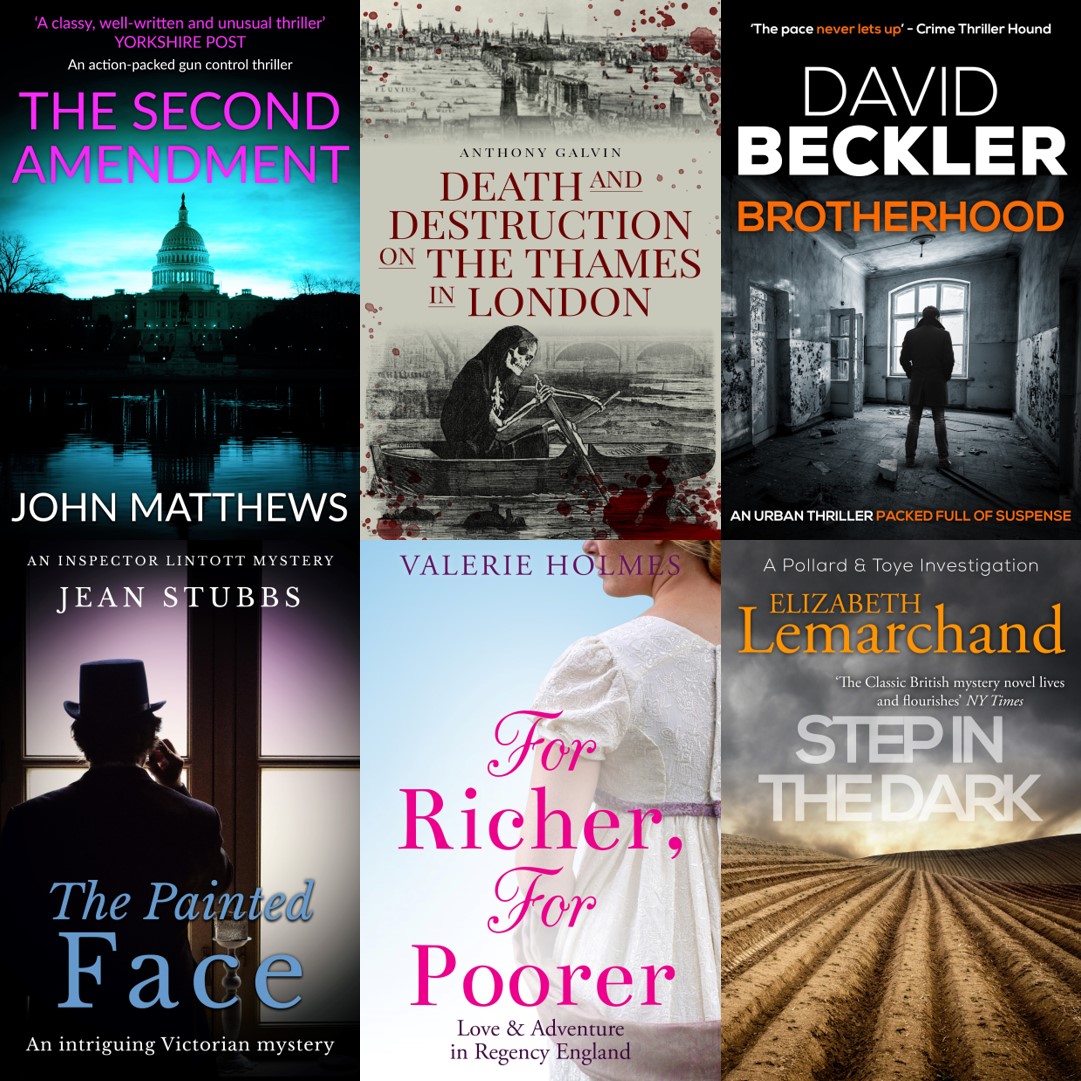
The published titles for this month were a mix of genres. We published Valerie Holmes’ second Regency romance novel in her Yorkshire Saga just in time for Valentines Day. We’ve also published one of our first non-fiction titles: a ‘deadly’ history of the Thames in London by Irish author, Anthony Galvin. That was followed by two classic mysteries: THE PAINTED FACE by Jean Stubbs and STEP IN THE DARK by Elizabeth Lemarchand. Finally, we launched two action-packed thrillers: David Beckler’s debut, BROTHERHOOD, set in urban Manchester and John Matthews’ thought-provoking gun-control thriller, THE SECOND AMENDMENT.

Our final piece of news is that we will be going to CrimeFest this year for the first time, which we are thrilled about. Last year we went ‘on tour’ to cover the Crime Writers’ Association Conference in Shrewsbury and the Historical Novelists’ Conference in Cumbernauld, and to contribute to a writing panel in Chorley. We aren’t actually speaking at CrimeFest so it will be fun to just enjoy all the talks, dress up for the Gala dinner and of course, hang out at the bar 😊. We should find out the longlist for the Sapere Books Historical Dagger Award as well, which is very exciting.

Come back next month for our Book Fair news, March releases, RNA award announcements and potentially a hello from our new Editorial Assistant!

Amy Durant


DAVID LEDAIN EXAMINES GENDER DIVERSITY IN HISTORY AND CULTURE

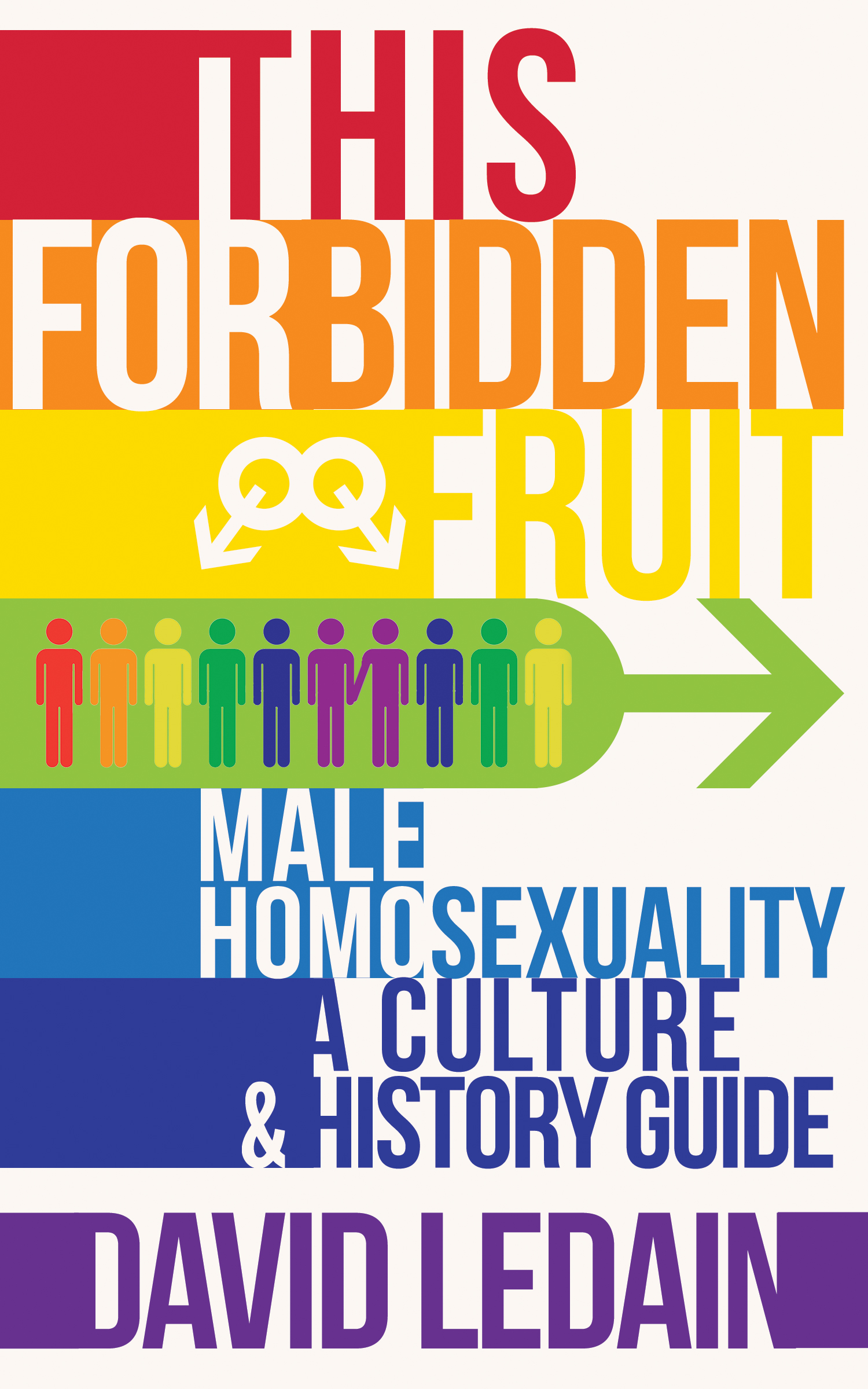
David Ledain is the author of Gay Dad – Ten True Stories of Divorced Gay Men with Kids, Living in the UK Today. Ledain, divorced himself and with two grown up sons, lives in Chichester, West Sussex. His latest book; This Forbidden Fruit: Male Homosexuality – A Culture & History Guide explores what it means to be gay; to live an authentic life when there are little or no references to base it upon.

Our culture provides heterosexual men and women with a vast tradition and depth of lore about what it means to be straight. Women grow up with the myths of Eve, Gaia and the Virgin Mary, while men have Adam, Mars, Zeus and the great religious prophets to identify with. Imagine a world for instance without the representation of women anywhere; a fictitious world in which there are no positive images or examples of women in the church, in government, in film, books or on TV, or indeed of playing any meaningful role throughout history. It is unbelievable, yet this is the way homosexuals have lived, without any gay male archetypes. Because of this lack of backstory, every new gay-themed film, TV show or book that appears, every new celebrity or politician who comes out, is so significant to our collective gay story that we jump on it voraciously. Often, this causes a backlash and straight people can be heard saying things along the lines of ‘They’ve got equal marriage, they can join the army, there are no anti-gay laws anymore, what more do they want? Why do they have to keep harping on?’

Growing up without proper foundations of myth, gender diverse references or role models, is not equality, so every single gay story is as important today as it ever was, even when we have come so far. Story-telling is a fundamental building block of any society. It is what makes us human – passing on our traditions, our wisdom, our folklore and myths from one generation to another. And that is true for homosexuals as well.

This Forbidden Fruit reveals the facts and legends; from Homosexuality in Literature to Coming Out in the Forces; from the First World War – Homosexuality Under Fire to David Bowie 1972; and why, against all odds, homosexuals exist at all.

One possible reason for the evolutionary existence of homosexuals is a means to defend their mothers and siblings by bringing special skills to the family unit that might otherwise be lacking in the other sons. Research shows that another factor in the propensity to bear a gay son might be due to a traumatic event endured by the mother during pregnancy, thus creating the correct hormonal environment for the unborn male foetus to develop more caring, nurturing traits that would be necessary to safeguard the mother’s future well-being. These scenarios require the son to have good caring and nurturing skills, and also to be a character who can negotiate and reconcile situations when for instance, food and resources essential to the family are in limited supply. Homosexual men, though often portrayed in the guise of the stereotypical drama queen, the self-centred narcissist or the vitriolic one-line bitch, more often than not possesses the antitheses of these less desirable character attributes, with softer, more compassionate and supportive qualities. Drawing people together, reconciling, co-operating, and understanding opposite points of view, is familiar to the homosexual character. It is this mythos we need to explore, refine and tell.


You can follow David on Facebook & Twitter @Davidledain

And visit his website www.gaydad.co.uk for more information and his blog.


SISTER SCRIBES GUEST: CAROL THOMAS ON COLLABORATION

It’s my absolute pleasure to introduce Carol Thomas, my long time Chindi Authors partner in crime and one of the best collaborators I know. Carol’s contemporary romance novels have relatable heroines whose stories are layered with emotion, sprinkled with laughter and topped with irresistible male leads; while her children’s books have irresistibly cute, generally furry characters young children can relate to.

“Alone we can do so little, together we can do so much.” — Helen Keller

At the Romantic Novelists’ Association conference in July 2018, Sam Missingham made the point that as writers, even writing within the same genre, we are not competing. Readers read books, lots of them and generally in a preferred genre. Working collaboratively on promotion means a group can be greater than the sum of its parts. Her point was well made and, from experience, I have to agree.

After self-publishing my first novel, Crazy Over You, I reached the point where I didn’t know what to do next. Fortunately, I heard about Chindi Authors – a local group of self-published authors, working together to promote their work. Writing in a range of genres, they had amongst them a wealth of knowledge about self-publishing and promotion.

I joined and learnt a lot, not just from the others, but also through what I achieved from being an active member of the group. My confidence grew, my author platform improved. When it came to pitching my next novel, The Purrfect Pet Sitter, to Choc Lit, all that I had learnt was invaluable. I successfully gained a contract under their imprint Ruby Fiction.

While I remain an active member of Chindi Authors, following Sam Missingham’s advice, I have also recently joined forces with fellow romance writers Caroline James, Angela Barton, Morton S Gray, Julie Houston, Jane Cable, Tora Williams and Mariam Kobras to form Apricot Plots.

We are all passionate about writing smart, fresh romance for the twenty-first century – stripping away out-dated conceptions of romance and romance writers. We are loud and proud about our genre.

Covering the sub-genres of contemporary, historical, mystery, suspense, comedy and more, together we offer something for every romance lover. And we enjoy interacting with our readers, offering competitions and giveaways too. Together we reach more readers and can keep our presence active. If one author is having an off day, the others can take up the slack.

And while our public persona as a group is important what is also invaluable is the private group we share. Behind the scenes, we can talk about issues with our writing, plots, edits and so forth, as well as the general things, positive and negative, that get thrown at us in life. We are there for each other, ready to listen, supportive and encouraging.

When you write within the romance genre, you soon learn that you are part of a very supportive and collaborative community of writers – especially if you become a member of the Romantic Novelists’ Association. But, as my experience with Chindi Authors proved, I don’t think this is necessarily genre specific. Writing itself can be a solitary affair, connecting with other authors is important and when you work collaboratively, it can be beneficial too.

Three top tips for working collaboratively:

1) Take a little time to find your way, but also be prepared to step up. Somewhat obvious but … the key to collaboration is collaborating.

2) Be prepared to compromise. Working as part of a group will require it at some point.

3) Be actively supportive of others; you’ll get more from it than you might think. Rightfully so, when it comes to working in a group, you tend to get out, what you put in.


Find Carol on Twitter @carol_thomas2 and on other social media here:

http://facebook.com/carolthomasauthor

http://www.pinterest.co.uk/carol_thomas2/

http://www.instagram.com/carol_thomas2/

Website / Blog Link:

http://carol-thomas.co.uk/blog


KEEPING IT PIN-TASTIC WITH LITTLE ONES

It’s a fine line –  bulking out your home with toys that keep the little ones thriving without completely destroying that minimalist, Scandi styled space. We’ve pulled together our top three places to buy brilliantly inspired yet beautiful toys for little ones – meaning your house is still perfectly Instagrammable and you have a happy camper in the mix!


Hape

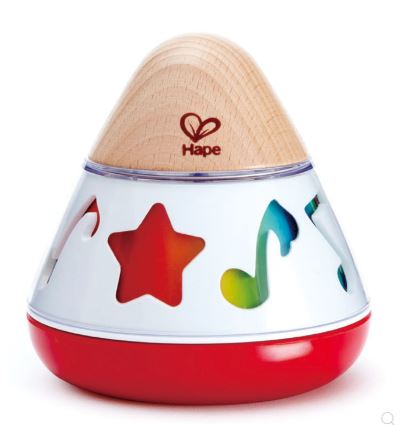
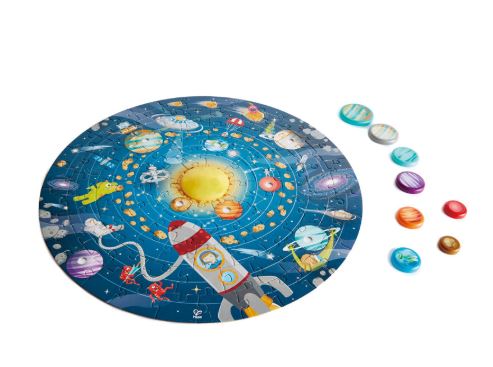
The selection of wooden toys from Hape are a firm Frost favourite. Retro in appearance but advanced in stimulation for little ones, you get the best of both for a modest price. Our personal favourites are the gorgeous pound and tap bench, the rotating music box and most of all… the SOLAR SYSTEM JIGSAW. A jigsaw of beautiful colours that will, when done right, look like a purpose built mosaic in your living room. Check out the Hape site for more details.


After Noah

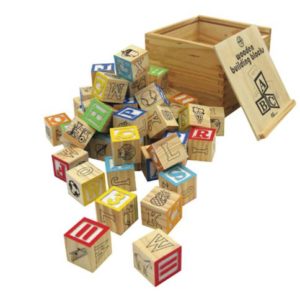
This family run business is cuteness to the core. Packed with traditional looking toys, its box of ABC building blocks and wooden jungle animals will help with your little one’s learning AND your house still looking like a Pinterest board – winner!


Mulberry Bush

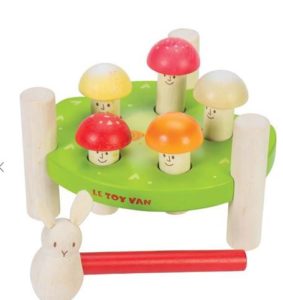
Dancing alligators, Mr Mushroom hammer pegs and Bernie’s Ride On Bus are three of our favourites from Mulberry Bush. The site features tonnes of brands which are playing in this space and is dedicated to retro looking wooden toy which are BEAUTIFULLY crafted.

A Quarter of Mums Lack Confidence Introducing Solid Foods to Their Baby


  • New Start4Life campaign launched to boost parents’ confidence in weaning their baby
  • New survey shows one in four mums (26%) did not feel confident introducing solid foods[1]
  • Findings also reveal common misconceptions around the signs that a baby is ready to start weaning

Public Health England (PHE) has launched its first ever Start4Life campaign to help parents introduce their baby to solid foods.


Official advice is that most babies should not start solid foods until they are around six months old. By this point their bodies are better able to cope with solid foods and they are more able feed themselves. They are also better at moving food around their mouth, chewing and swallowing. The last UK Infant Feeding Survey showed that three-quarters of parents had introduced solid foods by the time their baby was 5 months old.


A new survey of 1,000 mothers of young children conducted for Public Health England found that common myths persist about the signs a baby is ready for their first solid foods, including:

  • Just under half of mums (46%) think wanting extra milk feeds is a sign that babies are ready for solid foods;
  • A third of mums (32%) believe that a baby chewing their fists is a sign that they are ready to start weaning;
  • Just under a quarter of mums (24%) believe that waking up in the night is a sign a baby is ready for weaning.

The survey revealed that many parents have concerns around weaning with more than a quarter saying they didn’t feel confident when they introduced solid foods to their baby. Choking topped the list of worries about weaning, with mums also concerned about allergic reactions to new foods, how much food to give their baby, and concern that their baby won’t eat enough or will reject food.


A brand-new weaning hub has been launched on the Start4Life website to help parents during their weaning journey. Packed with NHS-approved advice and tips for each weaning stage, plus simple, healthy weaning recipes for different age groups, it puts everything parents need to know in one place. It also includes new videos showing the signs that indicate babies are ready to wean, how much food to give, and weaning tips from other parents.


Public Health England nutritionist Orla Hugueniot said: “Introducing solid foods is an important stage in a baby’s development. It’s a great opportunity to guide their taste preferences and help them learn healthy eating habits that will stay with them for life.


“We know that parents have lots of questions about weaning and that many feel nervous about it. That’s why our new weaning hub on the Start4Life website puts all of the NHS advice in one place, helping parents to be more confident and enjoy this big milestone in their child’s life.”


Developed in partnership with parents, the weaning hub makes it easy for parents to find answers to their weaning questions and get information relevant to their baby’s age and weaning stage.


The campaign is being launched as part of the Start4Life programme, which aims to help parents adopt healthy behaviours during pregnancy, birth and their children’s early years.

To find out more visit: www.nhs.uk/start4life/weaning