Your guide to natural alternatives to sugar

Your guide to natural alternatives to sugarTo clear up the confusion around ‘natural’ sweeteners and help you chose the right one, we asked Dr Marilyn Glenville, the UK’s leading Nutritionist, author of Natural Alternatives to Sugar to give us the low-down on the most popular natural sweeteners.

Fructose

What is it? Naturally found in fruit, you can buy fructose as a white powder. The problem with it is that it is totally refined and all the goodness and fibre that would be in the fruit is absent.

Interestingly, fructose does not cause the release of insulin as sucrose and glucose do, so initially it was thought to be a healthy form of sugar. However, it has other negative effects on your health.

Fructose goes straight to your liver, which has to metabolise it, in the same way as alcohol does. So it can make you gain weight, increase your appetite and also give you fat around the middle. Fructose interferes with your production of hormones like leptin, which should send you a signal telling you that you have eaten enough, and fructose can raise levels of a hunger hormone called ghrelin, increasing your appetite.

Fructose does not supply any energy at all to either your brain or your muscles; it is only stored as fat.

Dr Glenville’s view: I would never use fructose as a sweetener. If it is naturally contained within the fruit then that is fine but I would not buy it as a white powder to add to food.

Agave

What is it? It comes from the agave plant in Mexico, where traditionally the sap would have been boiled for hours to obtain the sweet syrup. Unfortunately, to cut the costs, to produce agave on a commercial scale, the agave is made from the starch of the root bulb and the final product is just refined fructose.

There may be some companies who produce the agave syrup in the traditional way but it is not easy to tell given the marketing hype around the products. They would be definitely be more expensive because of time making the product and availability.

Dr Glenville’s view: I would not recommend using agave as it could be up to 90% fructose and there doesn’t seem to be a way of distinguishing whether the agave has been made in the traditional way or whether it is commercially produced.

Honey

What is it? Although this is a natural sweetener, you should only use it sparingly. Honey is a simple sugar, primarily made up of glucose and fructose, and so is absorbed into your blood stream quickly, hence it’s not ideal if you’re trying to control your blood sugar or lose weight. The fructose content can be up to 40 per cent in some honeys.

If you do use honey then avoid types which are ‘blended’ or the ‘produce of more than one country’ because they are often heated to temperatures as high as 71°C, which destroys their natural goodness.

Bees gather nectar from flowers to take back to the hive. Honey is often harvested from the hives in the autumn, which means that the bees will struggle without food over the winter. So the bees are fed a substitute for nectar which honey in the hive so the bees can feed until the spring. However commercial beekeepers look just at the financial cost because they can sell the honey for more than the sugar water costs to feed the bees over the winter.

So, in effect, you may not be buying ‘pure honey’, even though it might say so on the label, because the sugar water gets mixed up with the honey in the hive and, basically, the raw material for the honey is simply white sugar.

Dr Glenville’s view: Not an ideal sweetener as it is a simple sugar and so will affect your blood glucose (sugar) quickly. If you are going to use honey, try to get organic if possible and use very sparingly.

Molasses

What is it? Molasses is the by-product of the process used to extract sugar from sugar cane or beet.

The sugar cane juice is boiled and sugar crystallised from it. The syrup that is left over is molasses. Normally, the sugar cane is boiled three times to remove as much sugar as possible and the molasses left over at the end of this third stage is called black strap molasses and is dark in colour, very syrupy and has the lowest amount of sugar but the highest quantities of vitamins and minerals. It is a good source of vitamin B6 and potassium and a very good source of magnesium and manganese.

About half of the sugar content is made up of fructose and glucose in equal amounts and the other half sucrose.

Dr Glenville’s view: This has not been a sweetener that I have used, as it is a by-product of sugar extraction and, as a result, may have higher levels of the pesticides and other chemicals used in sugar cultivation and processing. It also has a very strong taste.

Xylitol

What is it? It is sold as a white powder and is considered natural because it occurs naturally in plants. It is low in calories and does not need insulin to be metabolised in the body so it is very useful for diabetics. It also has benefits for dental health as it reduces caries. Its main side effects are diarrhoea and bloating as it ferments in the digestive system.

Xylitol is found in the fibres of many plants, including sugar cane, corn cobs and birch. However, it requires a lot of refining to take it from the raw product to a white powder.

Basically, xylitol is made from the hydrogenation of a sugar called xylose, rings warning bells as we have been moving away from hydrogenated fats over the years, after we found out about the health risks associated with them. There may be concerns about hydrogenated sugar in years to come.

Dr Glenville’s view: I would not use xylitol as it requires far too much processing to be considered a natural product.

Sorbitol

What is it? Like xylitol, sorbitol is a sugar alcohol and is often used in foods designed for diabetics because it requires little or no insulin. It is usually made from corn syrup. Sorbitol is found naturally in stone fruits such as prunes, plums and dates. Like some other sugar substitutes, it is a very heavily-processed product.

The side effects of sorbitol are similar to those for xylitol, in that it can cause diarrhoea because it stimulates bowel motion. Both sorbitol and xylitol can worsen IBS.

Dr Glenville’s view: I would not recommend using sorbitol because of the negative effects on the digestive system and the fact that it is a heavily-processed sweetener.

Maple syrup

What is it? Maple syrup is made from the sap of maple trees by making a hole in the tree and collecting the syrup.

It contains 34 beneficial compounds, which have antioxidant and anti-inflammatory properties! It is also the natural sweetener usually recommended for IBS sufferers as it causes the least problems with digestion.

Maple syrup contains significant amounts of zinc and manganese and 15 times more calcium than honey. It is made up of primarily sucrose and very small amounts of fructose and glucose.

Beware maple syrup labeled as ‘maple-flavoured syrup’ rather than just ‘maple syrup’ as this won’t be pure – in fact, it may not contain any maple syrup at all!

Dr Glenville’s view: I do use real maple syrup as a natural sweetener and I always buy organic where possible. I use it in cakes and to drizzle over the top of crumbles to give it a lovely browned effect.

Barley malt syrup

What is it? This is an unrefined natural sweetener produced from sprouted barley malt, which is dried and then cooked, sometimes called Barley Malt Extract. The liquid is then filtered and reduced down to the required consistency. It is thick and dark brown and makes wonderful flapjacks. It is a reasonably good source of some minerals and vitamins and contains almost no fructose or sucrose.

Dr Glenville’s view: Barley malt syrup is a good choice as a natural sweetener. It has a malty taste so does not work well, taste-wise, in all recipes but, as I mentioned, brilliant for using in flapjacks where the malt is an added benefit.

Brown rice syrup

What is it? This syrup is a natural sweetener, available in most health food shops, also called rice malt syrup. Brown rice syrup contains three sugars – maltotriose, maltose and glucose. Cheaper versions are made from cooked brown rice cultured with enzymes to turn the starches in the rice into sugar. Others use sprouted grains that release the enzymes that breakdown the grain into maltose and other sugars. Also brown rice syrup doesn’t contain any fructose, which is a good thing.

Dr Glenville’s view: I personally would use organic brown rice syrup as a sweetener. It does tend to change the texture of baked foods, so is best used where a little crunch is of benefit. This makes it a good choice for a crumble, flapjack or healthy granola, in small amounts.

Stevia

What is it? Stevia is derived from the leaves of a South American plant of the same name. It has been used for centuries as a sweetener in South America. In 2011 it was approved for use in the EU. Stevia is 2-300 times sweeter than table sugar (sucrose).

Unfortunately, there are a couple of problems with stevia. Read labels very carefully as some products can contain dextrose and flavourings. You need a product that is 100 per cent stevia.

As stevia is not absorbed through the digestive tract, it is considered to have no calories, so it appears a good choice for weight loss. However, although pure stevia is more natural than artificial sweeteners, it still primes your body to expect a corresponding amount of calories for the sweetness. When that calorie hit doesn’t happen, your body will send you off to get the calories from somewhere else, increasing your appetite and causing weight gain.

It has a slightly bitter aftertaste for most people, which is why it is often mixed with other sweeteners, especially in soft drinks and processed foods.

Dr Glenville’s view: You could use stevia as a sweetener as long as you use it in moderation and it is just stevia in the product. Not everyone likes the taste though.

Palm sugar

What is it? Palm sugar can also be known as jaggery but, instead of being made from sugar cane, it is made from the palm tree and, in particular, the palmyra palm tree. The palm flowers are tapped to release the juice, which is then boiled down to produce the syrup, which is then be allowed to crystallise.

It is a traditional Ayurvedic ingredient and contains good amounts of B vitamins (including a plant source of B12). It has a low glycaemic index – great for weight loss.

Dr Glenville’s view: A good natural sweetener and a nice alternative to sugar – can be used in cooking as well as drinks.

Coconut sugar

What is it? This sweetener is also known as coconut palm sugar and is produced from the sap of the flower buds of the coconut tree. It is found in liquid form as a syrup, (also known as coconut nectar and blossom syrup) as well as crystals.

To obtain the sap, the tree is tapped, as in the palm sugar, and minimally heated in order to allow moisture to evaporate to form the syrup. When the syrup cools down it crystalises.

Like palm sugar, coconut sugar is rich in nutrients such as the B vitamins, magnesium, calcium, potassium, zinc, 17 amino acids, short chain fatty acids, polyphenols and antioxidants; plus it has a nearly neutral pH. It also contains inulin, which is a prebiotic and helps to feed beneficial bacteria.

Dr Glenville’s view: I have not used coconut sugar myself but it is supposed to taste like brown sugar and you would use it exactly the same as sugar. I would suggest buying organic coconut sugar.

Yacon syrup

What is it? This is a sweetener made from the sweet root of the yacon, which is a member of the sunflower family, also known as the Peruvian ground apple. It tastes like a cross between an apple and a pear. Yacon contains good amounts of a prebiotic, which helps to feed the beneficial bacteria in the digestive system. Yacon also contains good amounts of vitamins and minerals. It is low GI, can help to lower glucose levels and is said to be fine for diabetics to use. It is traditionally made without chemicals using evaporation, like maple syrup.

Dr Glenville’s view: I would recommend this as a sweetener. It can be used instead of a liquid sweetener such as honey and also in baking. Choose an organic variety. It may not be suitable for people with IBS due to its high prebiotic content.

http://www.marilynglenville.com
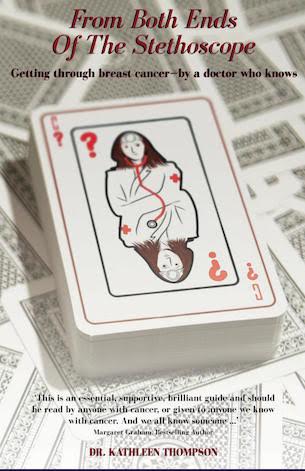


From Both Ends of the Stethoscope By Dr Kathleen Thompson Book Review

From Both Ends Of The Stethoscope by Dr. Kathleen Thompson book review, health, breast cancer,I have to admit that I thought From Both Ends of the Stethoscope would be good. I also knew that it would educate me, but what I didn’t realise was that Dr Kathleen Thompson would make her book so entertaining and readable. The book is outstanding, an essential for anyone with breast cancer and their family. Dr Kathleen Thompson writes about her own experience in a graceful and poignant way while also giving you the inside track. You would only get this type of information from an insider and Dr Kathleen Thompson is an insider twice over; as a doctor and cancer survivor. I was incredibly impressed by her book. Her writing is so good she could write a novel.

Far from a fuddy medical book this guide takes you by the hand and tells you everything you need to know. It takes the process step-by-step, giving invaluable information at every point, all intertwined with Dr Kathleen Thompson’s fine prose on her own experience. I loved this book. Well done Dr Kathleen Thompson. Well done indeed.

Dr Kathleen Thompson is Frost’s medical expert but I promise you this has caused no bias for this review. This book is stunning and I am proud to have Dr Kathleen as one of our writers. The woman is an inspiration. You can send us any questions for her about any medical problem to frostmagazine@gmail.com or tweet us @Frostmag

Whilst dealing with her own breast cancer, Dr Kathleen Thompson recognised the desperate need for a ‘going through breast cancer’ guide. Her experiences make a fascinating story in themselves, and Kathleen uses them to guide the reader through diagnostic tests and treatment options, what to do when things go wrong, and when mistakes are made. All the while she explains what is happening and why. 
Recognising that anyone encountering cancer is in a state of shock, she delivers factual information intermingled with her own story, in an easily-digestible, and often amusing format. Each chapter ends with further information sources and a summary. 
Kathleen looks back on her cancer journey with honesty, humour and compassion, and with the benefit of her medical understanding and knowledge of the system.  
Later in the book she also explains medical research and how to assess the credibility of the numerous cancer treatment claims, and what we can all do to protect ourselves from cancer.


Read an excerpt from From Both Ends of the Stethoscope here.

Both Ends of the Stethoscope by Dr Kathleen Thompson

Paperback ISBN: 978-0-9935083-0-1

E book ISBN: 978-0-9935083-1-8

http://www.amazon.co.uk/dp/B01A7DM42Q


How old is too old to have a baby? 44, according to British women

how old is too old to have a baby? post natal depression, PND,How old do you think is too old for a woman to become a mother? Well new research conducted by the Private Pregnancy UK Show reveals that when it comes to having babies, British women believe that 44 is “too old” and should be the cut-off point. This is despite social factors such as focusing on careers and not finding the right partner, as well as advancements in medicine and science, playing crucial roles in the surge in older women having babies.

The research aims to start a debate on how far medical intervention and assisted conception can go in aiding women who wish to preserve their fertility or delay having children, as well as highlighting the need for increased fertility awareness for adult women and calls for sex education to include information on fertility options.

The five most cited reasons as to why women believe 44 should be the cut-off age are:
1.    It is unfair on the child to have old parents
2.    Increased likelihood of health complications like Down’s Syndrome for the child
3.    Women aged 50-plus should not be allowed fertility assistance via vitro fertilisation (IVF)
4.    Parents won’t live long enough to see the child grow up
5.    It is “unnatural” to have babies after that age

The research also reveals that almost three-quarters (74%) of women believe that there isn’t enough fertility education available for women about not “leaving it too late” to start a family, or the options now available to help preserve a woman’s fertility and likewise, to assist with conception. The majority of women (75%) questioned believe that the responsibility to educate women about these time-sensitive issues lies with government health officials.

Dr Amin Gorgy, fertility consultant and IVF specialist at The Fertility & Gynaecology Academy comments:

“The ideal age for women to become pregnant is in their twenties and early thirties. A woman’s fertility potential declines rapidly after the age of 35 and drops even faster after the age of 40. Indeed, successful egg freezing through vitrification has made it possible for women to postpone conception to later in life but as a society, we should be encouraging couples to have children at a younger age, in fact, I recommend that couples should aim to complete their families by the age of 35. There isn’t enough education available to women, many of whom still believe they can go on forever.

Theoretically, through egg donation and using eggs frozen at an earlier age, women can conceive at any age, in fact, the receptivity of the womb for implanting embryos declines only after the age of 54 but usually, we take 50 as the age limit for assisted conception and only under special circumstances will we consider someone beyond the age of 50. IVF must be put into perspective if used after the age of 35 as the chances of having a live birth with an IVF cycle declines dramatically with age, for example, there is a 20% success rate at the age of 40 which falls to just 1% above the age of 45.”

Dr Alex Eskander, consultant gynaecologist at The Gynae Centre comments:

“My feeling is that women in the UK enjoy much more the liberty, freedom and opportunity to further their careers over settling down to have children, the latter of which is now a thoroughly outdated concept of the traditional family.

I find the two key points of pressure for these women to have children come from their parents’ “need” to have grandchildren and a growing understanding of their biological clock. As a clinician, let’s be clear, I am not scare-mongering, it is a fact that ovarian function declines significantly from 30 years of age and even more sharply after 35 years.

I agree that 44 is too old for women to have children. From the ovaries standpoint, the number of eggs decline and the egg quality is poor. As a result, it is difficult to conceive and the conception maybe associated with a high rate of chromosome abnormalities and increased chances of miscarriage. From the mother’s standpoint, there is a high risk of hypertension, pre-eclampsia and caesarean section.

My advice for young women who may want to delay conception for any reason beyond the age of 35 is to seriously consider egg or embryo freezing (with donor sperm) as your “insurance policy””.

The two doctors will be joining a wider panel of experts who will be hosting this debate in a women’s healthcare Question Time seminar on Sunday 22 May at the Private Pregnancy UK Show.

For more information, please visit www.privatepregnancy.co.uk


Take Time App Review by Alex Bannard

Take Time App review by Alex Bannardpa

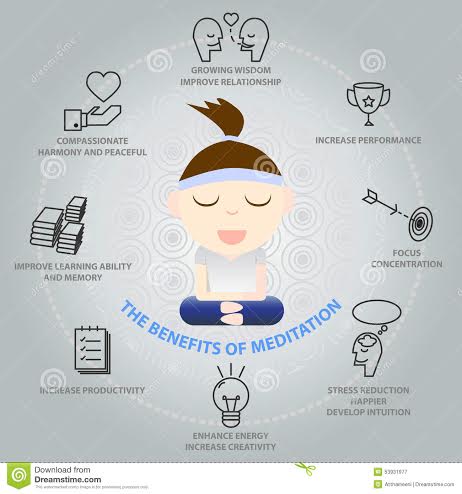
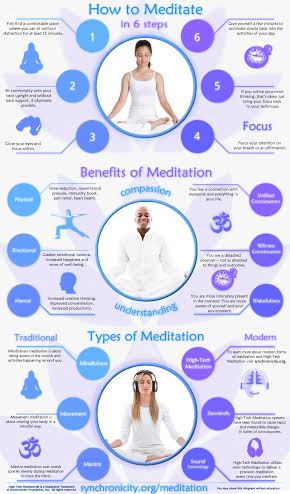
There is no doubt that the ancient practice of meditation is gaining mainstream popularity with its benefits being increasingly recognized and applauded (see infographic below). Indeed a Harvard study recently confirmed that meditation actually improves our grey matter. Having practiced meditation for several years and been subtly, but profoundly affected by the benefits it affords my mental and physical health, I was delighted when Frost magazine invited me to review the new meditation app TakeTime.


Take Time App review by Alex Bannard1abmeds


I’ll be honest – I have a love/hate relationship with modern technology: on the one hand it offers such a wealth of information at our finger tips but the constant demands of always being available can sap us of both time and energy whilst creating even more stress, one of the greatest health issues facing us in 21st century. However, I love it when technology can be used beneficially and help support a new habit such as meditation, making it more accessible, more available to everyone. 


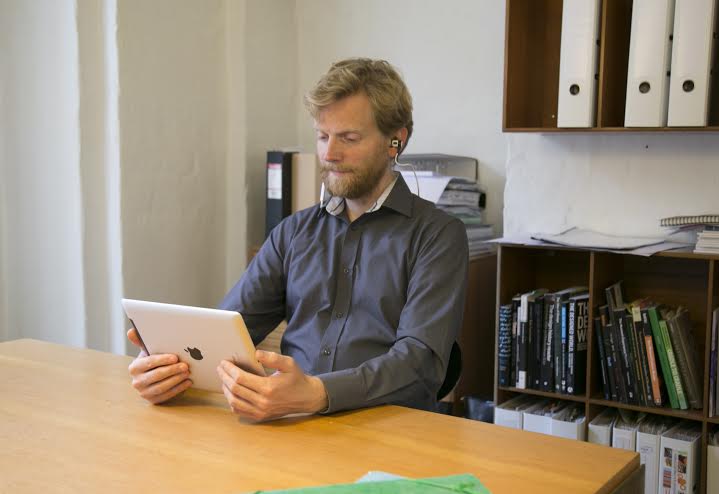
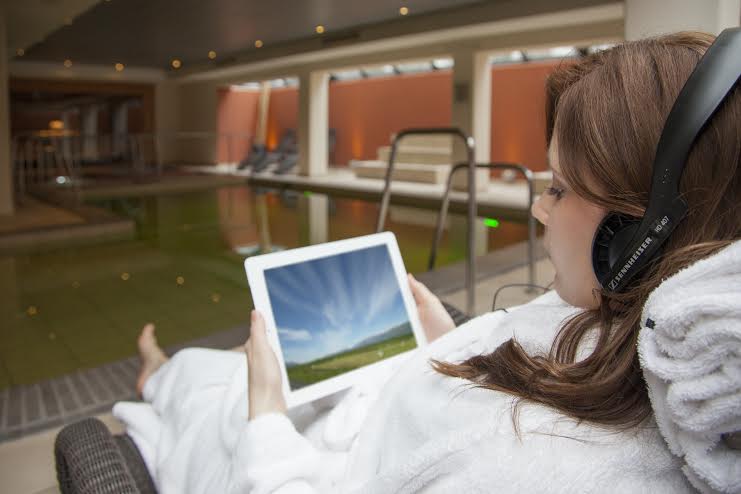
And this is where TakeTime steps in. Available to download on iTunes, it offers a modern way to meditate on the move. Simply plug in your earphones, choose from 7 of the different themes and transport yourself away from modern stresses. Sounds simple? And it is. The earphones and harmonic sounds and music enable you to completely focus attention on the sounds without being distracted by other auditory stimulus. The sublime images and beautiful landscapes enable you to direct attention purely on the sights in front of you. These are indeed valuable tools to the meditator: using the senses to bring the attention inward or help avoid being distracted and swept away with your thoughts.

Take Time App review by Alex Bannard2ab
My problem is that there is no introduction to the app or the meditations so I was left confused – who will this app  appeal to?


You see, in order to meditate, a little understanding helps such as; different techniques and styles. Meditation is not about turning your thoughts off – initially it can be alarming how as soon as we still our body, our brains go haywire. It’s important to understand how to calm the mind in order to observe thoughts like clouds in the sky. This idea is only briefly touched upon in the serenity meditation. Therefore, I feel this app is geared towards a more experienced meditator.


Take Time App review by Alex Bannard2aab


And therein lies the dichotomy as I feel an app is generally geared towards the more inexperienced beginner than the expert. After all if you have a regular mindfulness practice that works for you, why would you use an app? Since most of the meditations are unguided, perhaps this makes them less accessible for a beginner?


However, I really liked the variety of options and lengths of meditations – from 5 to 21 minutes – all of which are perfect time frames to be slotted into busy lifestyles. The headphones and images mean the meditations can practically be performed anywhere. Although I found practicing these meditations whilst on holiday slightly unnecessary, as I only had to gaze away from the screen across the beach and towards the horizon to see stunning scenery. But I can imagine the benefit of using TakeTime on the tube when such scenic distractions are sadly missing.


I really enjoyed and benefited from the balance, relaxation and serenity meditations and I am sure I will return to them. One night I couldn’t sleep so I tried the nighttime meditation it worked effortlessly taking me from sunset imagery into nightscapes, distracting my mind from whatever was troubling it and encouraging a relaxed sleep. I would recommend this meditation before bed rather than in the middle of the night, to avoid the temptation of logging into emails or social media.


The shorter meditations of prepare and recharge were less resonant. I felt they needed guidance rather than just some random and irritating plinky plonky music or harmonics. The longer Icelandic Harmony just sent me to sleep, both times I practiced it. But then I applied compassion and kindness to myself (both ideologies which go hand in hand with meditation) and accepted that was clearly what I needed at the time. 

Take Time App review by Alex Bannard3ab

I found the male voice on the guided meditation gentle and soothing, the female voice less so (both are accented) and again this boils down to personal preference as if a voice irritates that meditation app isn’t for you. I didn’t much like the opening images of people plugged into laptops. They are surely there to convey how the app works but I felt they were not very in keeping with the meditation vibe. But I am probably being picky here.


So in short it’s a nice app if you have a basic background in meditating.


The key thing I believe to any of these things is to try before you buy. There are plenty of mindfulness and meditation apps available. It’s essential to find one where the approach and voice resonate. I cannot stress enough that the benefits of a regular mindfulness practice are subtle but profound and I completely recommend taking up a meditation practice with or without an app to support you. After all you wouldn’t want to get left behind in what many suggest is a revolution that will become such common practice that not meditating will be frowned upon – in the same way not wearing a seat belt is.

Price and availability

TakeTime can be downloaded for free in App Store. The meditation themes can then be downloaded in two different versions: With advertisement (for free) and without advertisement (from 79p to £2.99). The premium version can be purchased for £19.49.

http://taketimeapps.com/

Varidesk Soho Review: Is Standing Up The New Sitting Down?

varideskreview

Standing up is the new sitting down. Well, almost. The trend for working while standing up is not going away. It has numerous health benefits and you can burn 52,000 calories per year if you use it daily. It also decreases neck and lower back pain, lower blood pressure and help prevent heart disease.

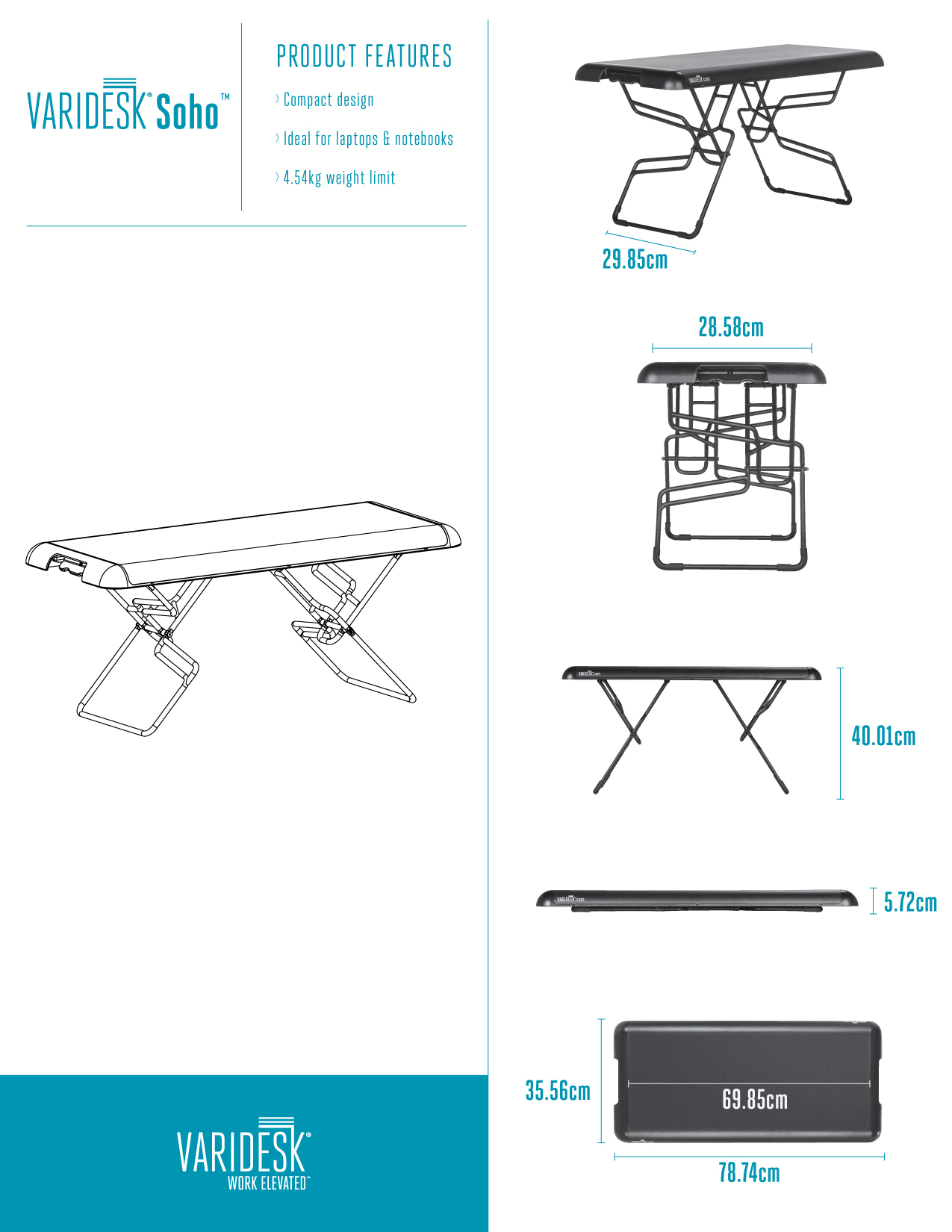
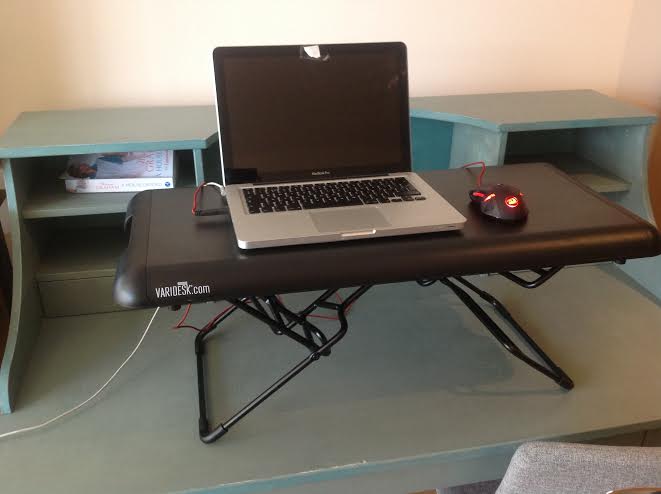
With this in mind we reviewed the Varidesk Soho. Varidesk specialise in sit/stand desks.The Soho is their smallest standing desk model, with just enough space for the mobile minimalist who needs a stand up desk that’s just the right size for their laptop or tablet and easy to move and manage. It’s a single, flat deck that’s 76.2cm (30″) wide, and pops up or folds down in just seconds, making it a true sit-stand desk.

varideskreviewpic

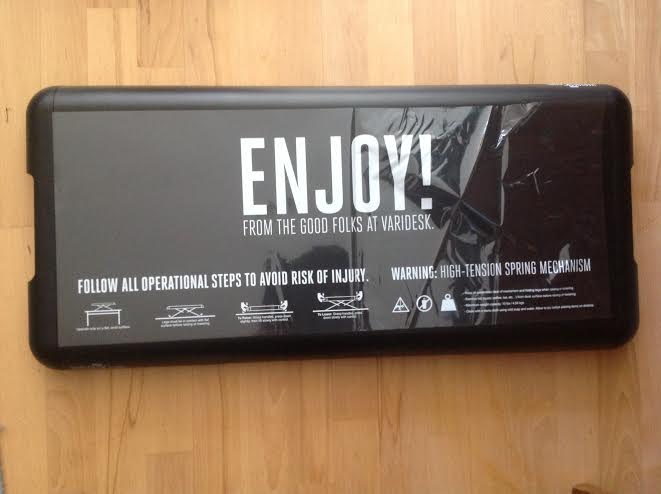
So what did we think? It came well packaged which is always a plus. When we took it out we noticed how good it looked. It is well made and it looks high end. The instructions are on a removable plastic film on the desk. It is heavy but not too heavy. It is easy to work, moving up and down effortlessly and without any juddering when you get the hang of it.

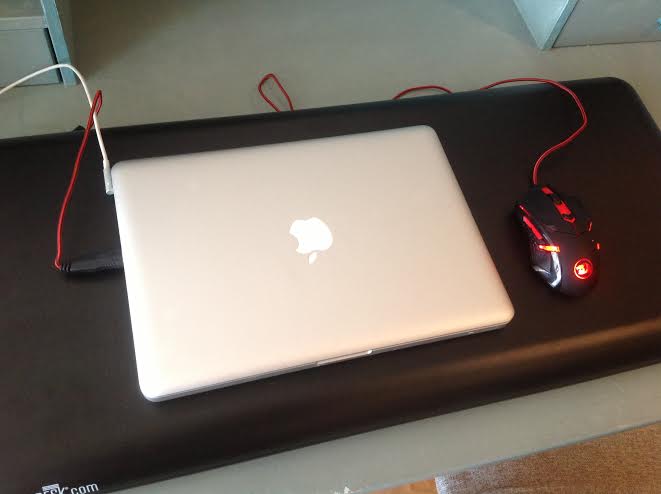
The Varidesk is easy to use, and is flat enough to be stored away easily. It looks good and is adjustable so it will suit every height. It is also small enough to work in a cubicle if you don’t have your own office. You can fit a laptop and a mug of tea on it. We are sold. We think it is a great piece of engineering and a fantastic product. It costs £150 and is available from Varidesk. We are not sure if we will be standing up all day, but we will definitely be incorporating it into our working day.

varidesk varideskreviewblacksoho

  • Free delivery
  • 76.2cm (30″) wide for laptops or tablets
  • Single deck
  • Holds up to 4.54kg (10 lbs)
  • Sits on top of existing desks and cubicles
  • Sturdy and stable even when fully extended

http://uk.varidesk.com/laptop-standing-desk-VARIDESK-for-laptop


FOREO LUNA 2 and LUNA Mini 2 Review

luna 2 fore review facial cleansing brushes

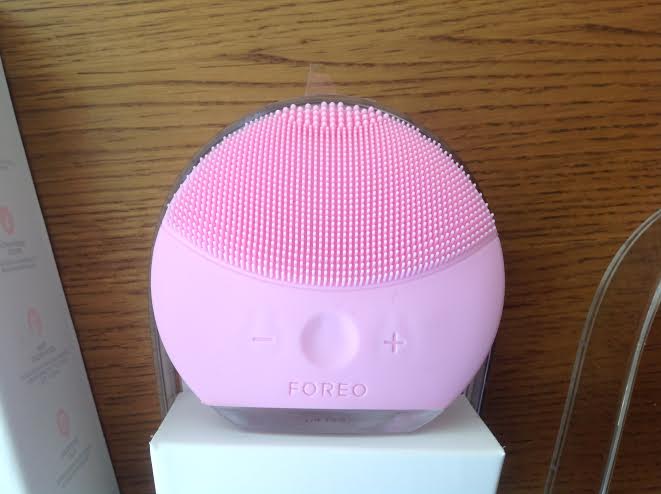
Facial cleansing brushes are huge right now and show no sign of waning. The fact is, they really do work. But not all facial cleansers are good and do women really need yet another beauty burden to add to their routine? Well, yes. As long as it works and it not too time-consuming. This makes the Luna 2 and Luna 2 Mini perfect. Both only require an extra two minutes to your routine. Easy to fit in but does it work?

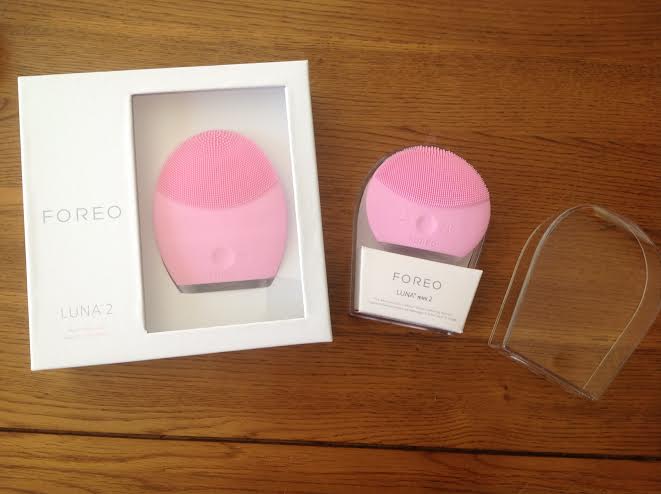
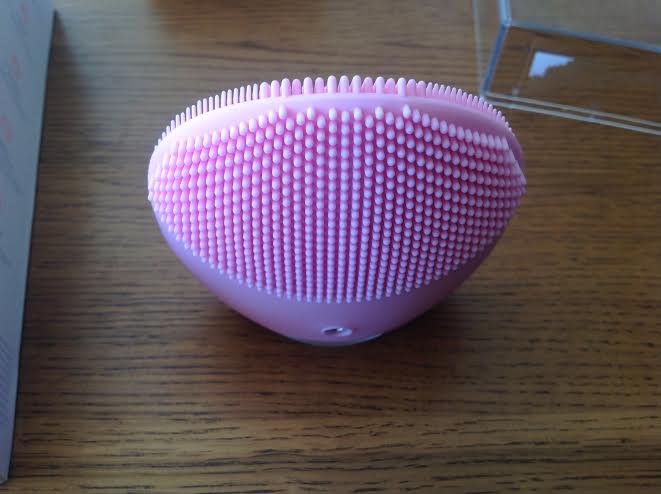
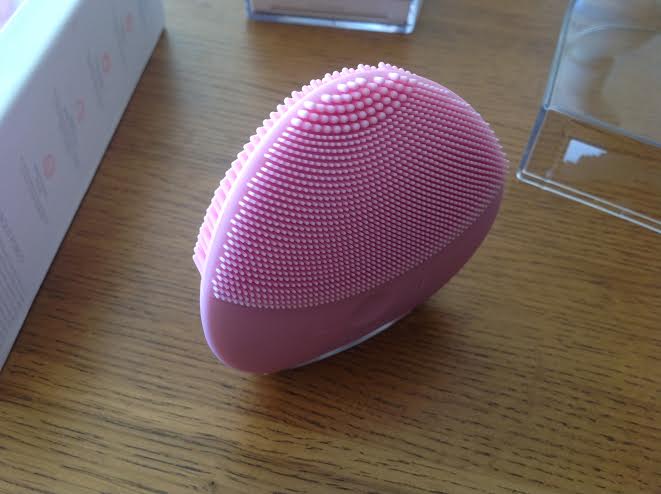
The Luna easily charges via USB. I plug it into my computer and the light starts flashing. When it is fully charged the light remains steady. I start with the mini. The brush feels so soft and lovely. I cannot stop stroking it. The device itself is beautiful. The Luna 2 and Luna 2 Mini come in different colours and each colour is for a different skin type. The pink is for normal skin. Now, did it make a difference to my skin? It is an outstanding yes. Luna says it ‘removes 99.5% of dirt and oil (based on clinical trials) plus makeup residue. Dead skin cells are also cleared away, enhancing the absorption of skincare products and also diminishing the appearance of pores to refine skin texture.’ After using the mini just once I am impressed. One side takes a minute to cleanse and the other is for anti-ageing. The brush leaves skin visibly cleaner and smoother. On-going use really does make a difference to skin. A lot of beauty bloggers have fallen in love with the Luna and it is easy to see why. The Luna 2 and Luna 2 Mini really works. The Luna 2 is bigger and some prefer it because they find it quicker and more thorough. The Luna 2 Mini however sure gives you bang for your buck. It is cute as hell and really does the job. All while taking up a small amount of space.

Here are the other reasons why I am a Luna convert:

  • You don’t need to replace the head which saves money.
  • It is 35X more hygienic than nylon-bristled brushes
  • The ultra-hygienic silicone design is quick drying and nonporous to prevent bacteria buildup
  • 1 full charge lasts for 7 months when the device is used twice a day.
  • It comes with a 2-Year Limited Warranty and 10-Year Guarantee.
  • It is 100% waterproof.
  • It is stylish and the bristles feel amazing.


So as you can tell, I am a Luna fan. I can highly recommend both devices and they now have a place in my beauty routine. check out the press releases below for more info. My verdict is not only that the products are stylish and work, they are also great value for money as they require no replacement brush heads and don’t need constant recharging. I’m sold.


FOREO Launches LUNA 2: the Next Generation of Skincare with Five New Areas of Innovation


Swedish beauty brand FOREO, who has achieved global success with its award- winning LUNA skincare and anti-aging device, announce the launch of second- generation LUNA 2 devices. With five new areas of innovation, the new LUNA 2 range of devices will allow avid LUNA fans to experience an even deeper, yet gentle cleanse that is completely tailored to match their specific skincare needs.

The LUNA 2 has been optimized for even deeper, more efficient cleansing while offering all the benefits of the original LUNA design. Its T-Sonic cleanse will remove 99.5% of dirt and oil (based on clinical trials) plus makeup residue. Dead skin cells are also cleared away, enhancing the absorption of skincare products and also diminishing the appearance of pores to refine skin texture. The anti-aging mode of the LUNA 2 smooths the visibility of fine lines and wrinkles and leaves skin looking firmer. What’s more, the ultra-hygienic silicone design is quick drying and nonporous to prevent bacteria buildup.

“This new launch marks not only technology-related improvements to offer more advanced devices, but an expansion of our range for more refined skincare solutions,” says Paul Peros, CEO of FOREO. “With the addition of the LUNA 2, even the finest details of an individual’s skincare needs will be catered to, from users with slightly oilier skin to those who want a more powerful cleanse. We are excited to be able to offer such customized designs with this new range.”


FOREO’s LUNA 2’s newly optimized design offers five new areas of innovation, including:

  1. 50% Bigger Brush Head* enables more efficient cleansing in the same amount of time.
  2. 26% Longer Touch-Points* allow for more flexibility when making contact with the skin, extending their reach to allfacial contours to deeply cleanse pores.
  3. 2X More Powerful Motor* + 12 Adjustable Pulsations Intensities for an Enhanced T-SonicTM Cleansing and Anti-Aging System means the LUNA 2’s 8,000 T-SonicTM pulsations per minute dislodge more impurities from the pores while its lower-frequency pulsations provide more effective anti-aging.
  4. 36% Thicker Silicone Body* means the LUNA 2 is plusher, smoother and softer, making it a delight to hold and use while also dampening the noise of the motor for a more relaxing skincare ritual.
  5. 4 New Brushes Specific to Skin Type – “Sensitive”, “Normal”, “Combination” and “Oily” models are each designed to meet a specific type of skin by strategically positioning thinner touch-points to cleanse sensitive skin and thicker touch- points for stronger cleansing.
  6. *Compared to the design of the LUNA.


The LUNA 2 is available for £149 at foreo.com and selected stockists.

  • “Sensitive” (Lavender)
  • “Normal” (Pearl Pink)
  • “Combination” (Light Blue)
  • “Oily” (Teal Blue)


luna2minicloseup luna2minireview foreoluna2review


FOREO Launches LUNA mini 2: A Big Step Forward for the Small & Mighty Cleansing Device!


Swedish beauty brand FOREO, who has achieved global success with its award-winning LUNA skincare range, announce the launch of second-generation LUNA mini 2 devices. The new LUNA mini 2 devices will allow avid LUNA mini fans to experience an even deeper yet gentle cleanse that is still compact and travel-friendly. Incorporating several new areas of innovation, the LUNA mini 2 marks FOREO’s next step forward, offering a superior cleansing experience within the same smart and stylish device.

The LUNA mini 2 has updated its design for deeper, more efficient cleansing while offering all the benefits of the original LUNA mini. Its T-Sonic cleanse will remove 99.5% of dirt and oil (based on clinical trials) plus makeup residue. Dead skin cells are also cleared away, enhancing the absorption of skincare products and also diminishing the appearance of pores to refine skin texture. What’s more, the ultra-hygienic silicone design is quick drying and nonporous to prevent bacteria buildup. The device is 35X more hygienic than nylon-bristled brushes.

“This new launch marks not only technology-related improvements to offer more advanced devices, but an expansion of our range with improved beauty solutions for travelers,” says Paul Peros, CEO of FOREO. “We’ve taken into consideration that even when jet-setting, our customers want a superior and more efficient cleanse, perhaps even more so than usual! Travelling is when your skin is subject to different, maybe even harsher environments, and that’s when you’ll want access to a convenient, yet powerful cleanse. I’m proud to say with the LUNA mini 2, we’ve achieved all that and more!”

6 new reasons to love FOREO’s LUNA mini 2 newly optimized design:

  1. 50% Bigger Brush Head* enables more efficient cleansing in the same amount of time.
  2. 26% Longer Touch-Points* allow for more flexibility when making contact with the skin, extending their reach to allfacial contours to deeply cleanse pores.
  3. 2X More Powerful Motor* for an Enhanced T-Sonic Cleansing System means the LUNA mini 2’s 8,000 T-Sonic pulsations per minute dislodge more impurities from the pores.
  4. 8 Adjustable Pulsation Intensities for personalized cleansing based on your comfort preferences – slow down for agentle more relaxed cleanse or speed up for a powerful and deep clean.
  5. 36% Thicker Silicone Body* means the LUNA mini 2 is plusher, smoother and softer, making it a delight to hold and use while also dampening the noise of the motor for a more relaxing skincare ritual.
  6. Even More Travel-Friendly, now with lockable controls for absolutely safety when travelling.*Compared to the design of the LUNA mini.

The LUNA mini 2 is 100% waterproof with 1 full charge lasting for 5 months when the device is used twice a day. Requiring no replacement brush heads, the LUNATM mini 2 boasts exceptional value and comes with a 2-Year Limited Warranty and 10-Year Guarantee.

The LUNA mini 2 £99 is available at foreo.com and selected stockists in the following colors: Aquamarine, Fuchsia, Midnight, Pearl Pink and Yellow.

https://www.foreo.com/luna-2


Paint By Pixie Lott Hair Hi-Light Pen Review

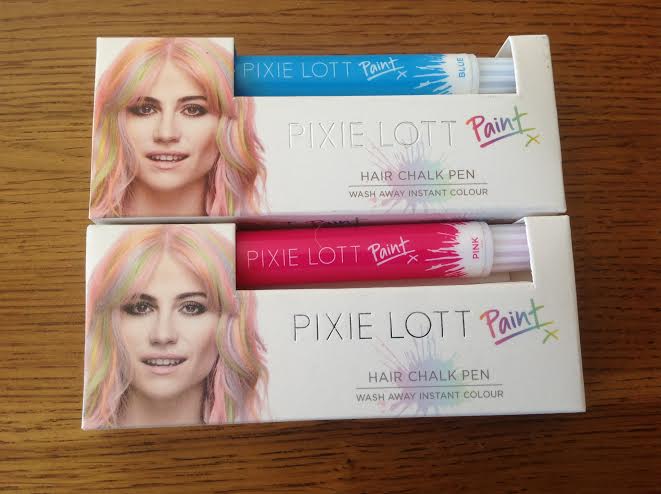
pixielottpainthairchalkpenpixielottpaintpinkhairchalkhilightpenreviewThe fashion for pastel hair shows no sign of waning and now Pixie Lott has joined in the fun. Singer/ songwriter and style icon Pixie Lott has delved into the world of beauty with her first range of hair products – a fun, commitment-free range of wash out, head-turning hair colours, which include Hair Chalks, Metallic Sprays and Wash Out Hair Colours.

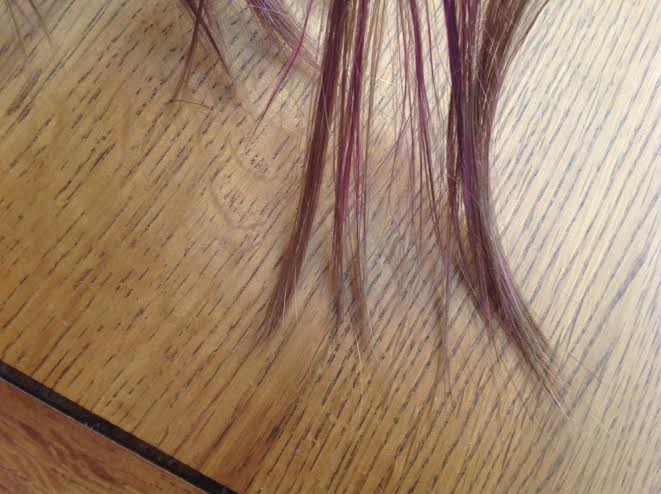
I tried out the Hair Hi-Light Pen (£2.99). It is available in pink and blue. The packaging is great and fun. The pens are easy to use and give a good colour. You can see how the pink looks on my dark hair. You can change the look: applying lots for pink streaks or applying lightly for highlights. The pens can be used on wet or dry hair and then set with hairspray. When you are bored of it, simply wash it out. Simple, fun AND it looks great. The pen has a fine tip with wind up action which allows accurate application. I’m sold.


Also available:

Wash Out Hair Colour (£5.99)

Soft, luscious colour giving subtle pastel hues allowing you to flirt with your new hair colour then simply wash it out! Available in Sorbet – the perfect pastel pink, Hawaii – an ice blue, Starlight – a chic, silvery grey and Violet – a subtle but stunning purple, these pastel wash out hair colours are easy to use and wash out after 2-10 washes. Wash Out Hair Colour also contains ‘Fade Out’ shampoo to control the shade in order to create your perfect look.


Hair Colour Chalks (£4.99 per pack)

Available in six different bright colours; dark blue, light blue, green, yellowand orange these hair colouring chalks allows easy application of colour and are a handy size for a variety of styling and shading. Ideal to switch up your look for a night out, girl’s holiday, festival or even if you’re just in need of a temporary reinvention.

Spray On Colour (£3.99)

This easy-to-use compressed glitter spray, available in Silver or Gold, will help you achieve party hair in one simple step and also washes out easily the next day.


Pixie Lott comments; “I love experimenting with my hair, so selected some colours I thought would be fun to try and would look brilliant at festivals, at a party or even just to mix it up a bit when you’re bored with your colour.”

Twitter/Instagram: @PixieLott / @PixieLottPaint
The Pixie Lott Paint range is available at Superdrug stores and Superdrug.com


Vichy Dermablend 3D Correction Review

vichydermablend3Dcorrectionreview
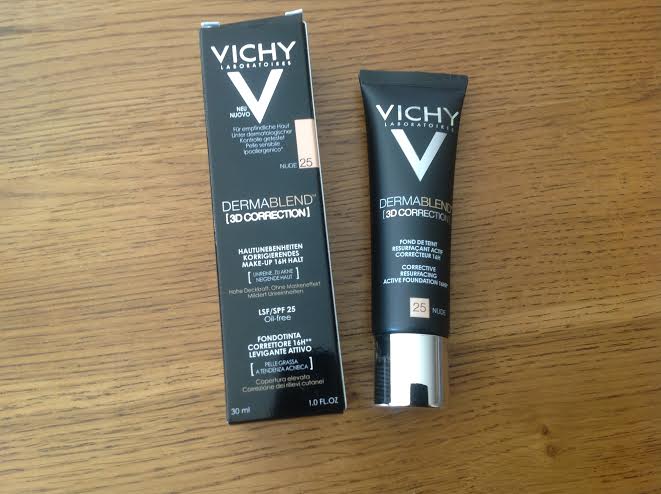
When the press release for Vichy Dermablend 3D Correction foundation landed in our inbox we thought it looked interesting. Vichy Dermablend are known for their market-leading formulas which correct skin complaints like rosacea, redness, scarring and vitiligo. Their new Vichy Dermablend 3D Correction promises to turn 3D imperfections into 2D. It is a gel which, according to Vichy, ‘unfolds like a second skin, only even smoother, and more beautiful’.

Here is our verdict:

“The texture of the foundation feels nice. It is a gel and smooths on well. Since being sent the foundation to review my skin has had its first breakout in years. I am not sure what set my skin off, but the foundation does cover any redness and also smooths out open pores. The colour I review is nude but my skin is pale and it is too dark. The colour is also a bit too beige for my white skin. I have this problem a lot with foundation so I cannot blame Vichy, I have just spent my life wearing high SPF and keeping out of the sun.

Despite the issue with the colour, it does cover well. Smoothing out the complexion, covering spots and eliminating redness. It does this without being too heavy. It looks like skin instead of makeup. You also only need to use a little for good coverage. A fine layer will do all you need and it leaves skin looking fresh. It is available in five shades so I would go with the next colour down. It still leaves my skin looking clear, even and a little tan. It also has an SPF 25 which I consider essential in products (note: pale skin!) Recommended.”


Transform the appearance of acne-prone skin with the Vichy Dermablend 3D Correction Foundation SPF25, a corrective resurfacing base that provides high coverage and an ultra-matte finish.

The Dermablend 3D Correction Foundation SPF25 takes coverage to the next level, smoothing the skin’s surface to minimise the appearance of imperfections. Enriched with salicylic acid and eperulin, the oil-free foundation will work to visibly reduce the appearance of imperfections day-after-day.

In just a single application, the texture of the complexion will appear smoother thanks to a texture innovation, AlliagelTM. The formula’s pigments and soft focus agents cover and blur imperfections like a second skin, for a natural result and comfortable wear that lasts for up to 16 hours.

Available in five shades, the lightweight foundation is perfect for those that want to correct their skin’s texture and colour, providing coverage that does more than just camouflage.

Available from feelunqiue.com Boots.com and Boots nationwide.