A PUBLISHER’S YEAR: JANUARY – HIRING, GENRES, AMAZON

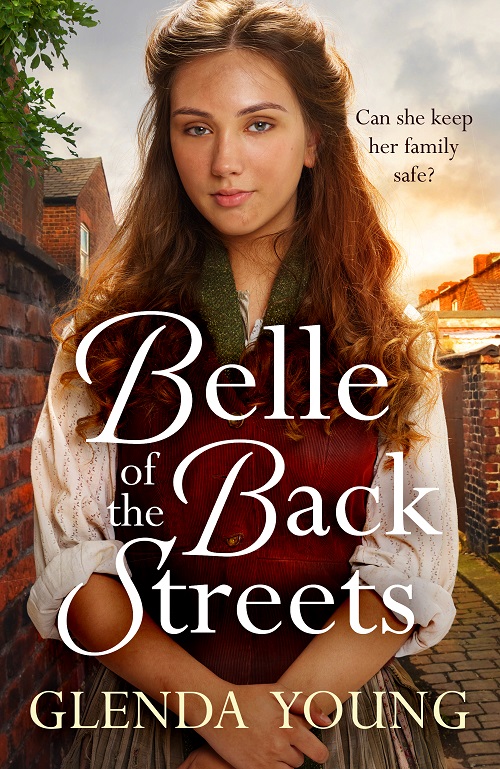
It is an exciting start to the year for Sapere Books. We have decided to hire our first full-time staff member. Up until now Sapere Books had been solely run by its three co-founders – myself as Editorial Director, Caoimhe O’Brien as Marketing Director and Richard Simpson as Operations Director. We were also using freelancers last year to help with cover design and proofreading, but we have decided we are at a stage where we need a full-time extra pair of hands as well! So, in a couple of months I’ll have a new Editorial Assistant to introduce to everybody. It is our first time hiring so we are currently brainstorming what tests to set candidates and exactly what we want to ask them at the interview stage. More news on that in a few weeks!

We have also put a call out for ‘nautical fiction’, as that is a genre which is underrepresented in the market and which we know readers love, and we’ll be looking for other niche genres to sign up throughout the year. We are having a lot of success with our first ‘timeslip’ novel – The Catherine Howard Conspiracy by Alexandra Walsh, which alternates between the Tudor court and the modern day, so that may be an area we’ll expand into more in the coming months. Other than that, my inbox is full to bursting with submissions, which is fantastic, but I always find it slightly heartbreaking when I have to turn authors down. We are getting such a fantastic quality of submissions coming through that I am turning down lots of novels which are certainly good enough to be published, but we can’t say yes to all of them because we don’t want to flood our list, and end up not being able to give our books the attention they deserve.

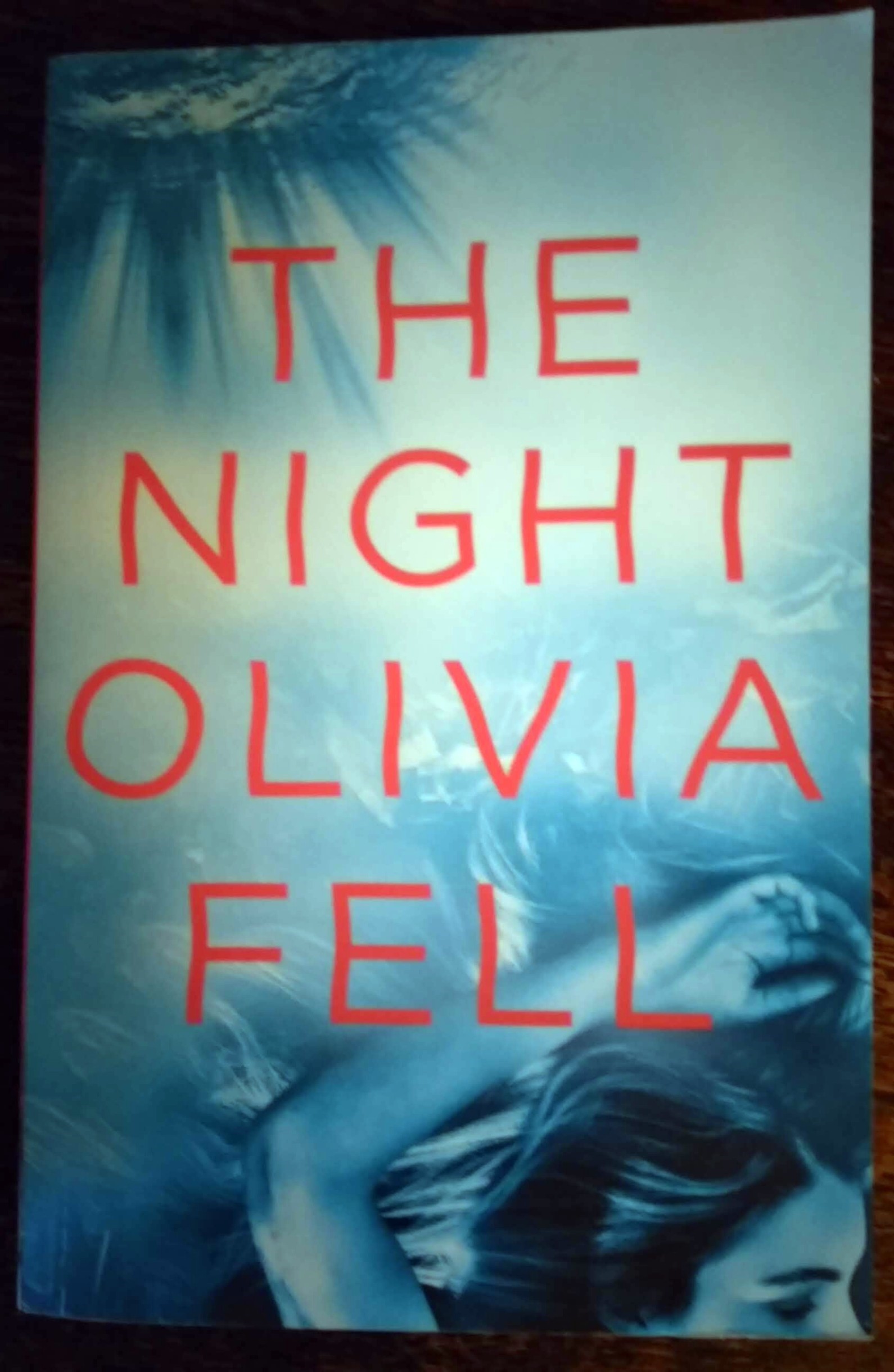
The publication schedule for this month focussed largely on historical fiction. At the start of the year I published the fourth book in Elizabeth Bailey’s brilliant Regency mystery series and M J Logue’s first romantic thriller featuring Major Thankful Russell and his wife Thomazine, set during the Restoration. They were followed by a Medieval novel; the first part of a saga trilogy set at the time of the American Civil War; a crime novel featuring Charles Dickens as the investigator; and the final book in the eight-part Victorian mystery series we launched last year, featuring a husband and wife detective partnership. Next month will be more crime and thriller focussed – with a bit of romance thrown in in time for Valentine’s Day!

We have just had a catch up meeting at Amazon HQ to let them know what we will be publishing this year. The Amazon team have given us lots of ‘Kindle Daily Deal’ and ‘Kindle Monthly Deal’ slots over the past few months in the UK, US, Australia, Canada and even India, which can really give books a boost, so we are keen to keep the team over there up-to-date with our plans and the books we are publishing. I am also sorting out the diary for London Book Fair, which promises to be a crazily intense three days as always, but a brilliant time to catch up with literary agents, meet with authors – and indulge in a drink or two!

Finally, I have some exciting news to share to do with the Romantic Novelists’ Association but I have to wait until the official press release goes out next month so you’ll have to wait until then to hear more!

Amy Durant


Catastrophe Series 4: Interview with Sharon Horgan

Sharon Horgan, interview, catastrophe, So, Catastrophe is back for a fourth series. When we left, Rob had just had a car accident while over the limit, so there are a few issues to get hold of in the new series, aren’t there?
Yes! We have set ourselves up with a bit of a puzzle to work out. When we started writing it we were like “Oh shit, why did we do that?” Because it was a massive thing to end on, and it exposed them a bit. It was a secret he’d been keeping for an entire series, and we’d just gotten to a point where she’s saying to him “We don’t work on our own – this is it. I don’t really work as a single unit anymore.” So a declaration of being together forever, and then the car crash, and so we were thinking: “We can’t have them break up, because where’s the show? We can’t have him in prison, because that would be ridiculous.” But obviously it had to impact on them. But they have a good relationship, despite all the bickering and fighting, so we just felt like they’d get through it. But it would have to have ramifications for the rest of the series. And Rob is looking for answers, looking to be a better person and fix himself. He’s on a different journey to her. And he’s also in a neck brace!

Yeah, whose idea was that?
[Laughs] I can’t remember. I think it was mine. But these things come out of conversations, and a lot of it comes out of our weird hive-brain. We wanted to have it on for a few episodes, so there is a physical reminder of the bad thing he’d done. But also, you could have some fun with it, and it’s hard to take someone seriously when they’re wearing a contraption like that.

Does it get easier to write, because you know the characters so well now, or is it more difficult, because you’ve got to find new stories, and you’ve got to stay true to their back stories?
It gets more difficult, if I’m honest. You definitely know the characters better, so you’re definitely drawing less on your own life, and more on what has gone before for those characters. There’s more texture there, there’s loads of things that make it feel like they’re fully drawn characters – not just Rob and Sharon but those characters around them. In a lot of ways it’s more satisfying, because you know them so well, and you’ve got all those back stories you’ve drawn and the history of all the characters, but at the same time thinking up new stories, even for the other characters that surround us, like keeping Fran and Chris fresh, and wanting to introduce new characters but knowing they really have to count, they can’t be using up screen time and not justifying it – it was really hard. It was the hardest one yet. And also we’re aware that people really like the show, and it means a lot to us to keep it so that people continue to give a shit about it. We want to talk about stuff that might have an impact, and then we want to make it funny on top of that. It’s a slog.

You said you use less stuff from your own life now, but do you mine the experiences of your friends for material? When someone’s telling a story from their own life, does part of you wonder if you can fit it in?
Yeah. It’s actually more what I observe than people telling me stories. Occasionally, yeah. Everyone’s got their own shit going on, so here and there that happens. And I think people are aware that I do that as well, so if they are going through something, or they’re telling me something that is quite a vibrant story, they’ll assume that I might have a little bit of it on the show.

They’ll see it played out in technicolour in the next series…
Well, they’ll see it playing across my face first, as I’m listening!

Apparently this is the last series. Do you get emotionally involved with the material, and is it quite difficult to say goodbye to the characters at the end of it?
Yeah, it really is and was. And not just Rob and that relationship. We spent the best past of five years sitting in a room together, writing this stuff – forget about the filming aspects. So yes, it’s really hard. It’s hard to say goodbye to all of them. I love Fergal and Chris and Fran and Dave, and that they won’t exist anymore is a bit of a weird thing. But guessthey will exist, because the show’s still there. And I think I’d be sadder, if we did keep going and ran out of ideas for those characters. I’d feel worse seeing them onscreen not being at their tip-top best. But it was emotional filming the last scene, and all of those characters, when they had their last scene, as it was being ticked off I found myself getting a bit maudlin. But at the same time, I don’t think it’s going to hit me until I’m half as year down the road and I suddenly realise there’s a really big thing missing from my life that made me really happy.

So you’ll suddenly be found weeping in the frozen food aisle at Tesco.
I think I’ll be lying down, I’ll collapse between feminine hygiene and dairy.

There’s a tendency for TV shows to either paint life as glorious and sexy and wonderful or hellish and agonising – is Catastrophe self-consciously trying to find the reality?
Yeah. That was a big part of it. I would say one of the very first conversations with Rob was about showing a real marriage. The real truth of a marriage, and how it effects the romance of it, and when kids come along, and when family interferes, and when your own hang-ups and addictions and illnesses intrude –just the shit that everybody has to deal with. It was a big manifesto that we had for the series. Also I think that’s just how we write. I find it harder to write something that is a bit more heightened, that wouldn’t be my natural skill area. Not that I don’t like watching comedy like that, I just find it harder to do.

Both Catastrophe and Motherland show that being a parent isn’t all baking cakes and tucking in sleeping children. Do you think it’s important that people understand it’s okay to be frazzled by it all, and not love every moment?
Oh completely. If I get stopped, or if someone wants to say they like the show, that’s a huge big part of it. People say “That show came into my life when this particular thing had happened” or “I’d just had my second baby, and I wasn’t coping.” Stuff like that. I think when people see that kind of thing onscreen they feel less isolated, and less like they’re a shitty parent. That’s a big part of it for me. When we’re writing it, it’s something that we have in our mind a lot, both for Catastrophe and Motherland. I love showing Julia or Sharon at their wits’ end, not being able to cope, but I also like showing them coming out the other side, getting through it. I think that’s also important – people watching need to see that. It can’t be nihilistic. I don’t want people to dread watching it, I want them to feel that everything will be okay.

However bad things get, Rob and Sharon have the capacity to make each other laugh. Do you think that’s one of the keys to navigating life’s more problematic moments?
Yeah, oh my God, completely. So many terrible moments and awful arguments or real tragic events are cut through with two people just laughing together. I think it’s everything.

Ultimately, do you think that Rob and Sharon are happy?
Yeah, I do. I think they’re different characters than they were at the start. They’ve both been boxed about by life a bit, and there’s less idealism there from Rob, and more resignation from Sharon. And certainly over the course of this series, shit does happen to them. But I really hope that by the time people get to episode six – which is one of the worst ones in terms of what we do to them – I really hope that when we see them at the end, that’s the big take away – that they love each other, that they came through it all and still love each other


Excellent interview with the amazing Sharon Horgan thanks to Channel 4. Pictures courtesy of Channel 4.

4 Guidelines to Buy a Comfortable Wedding Dress for Your Beach Wedding

Picking your wedding dress is nothing short of an experience. A Wedding dress is perhaps the most iconic thing of your big day. Yes, finding a wedding dress that ticks all the boxes within your budget isn’t easy. When opting for a wedding dress (especially, if you are going to marry on the beach), there are a few things you need to consider. 

These guidelines help to assure your wedding dress is comfortable, practical and won’t drag on the sand. Sure you are not going pick the same dress you would if you were going to marry in a church. With that said, following we are going to share some tips that will help you pick the ideal dress for the beach setting. 

  1. Show Your Style Sense

Beach Wedding Dresses don’t have a lot of restrictions. Yes, there are some style rules you have to follow. Not everything is ideal for a beach setting. Sure you don’t have to restrict yourself to short flocky dress category found in most bridal stores. 

You can go for something a little exotic if you want. Just make sure can walk in the sand wearing it. Why don’t you try something traditional? Just make sure you have a short dress because a long dress will drag in the sand and get ruined. 

  1. Floaty and Flimsy

Floaty and whimsical dresses are ideal for beaches. They are romantic and stylish. Moreover, they complement the movement of the ocean and bohemian vibe surrounding beach weddings. Not to forget, they are practical. These dresses will help you get through the heat and move easily on the beach. Just avoid long sleeves because you don’t want to be sweating when hugging the guests.  

Short wedding dresses are popular among young brides. These dresses also make an excellent choice for beach weddings as they don’t restrict you in any way. They help you to keep cool, are fun and a bit flirty.

  1. Veil

It’s better if you forget the veil because of the breeze. Yes, the wind can snatch away your veil before you get to the aisle. If you have your heart set on having a veil, then go for a short one. It won’t restrict your vision to prove to be too heavy. The closer you get to the ocean, the windier it will be. Some wedding dresses do come with a veil, but they are not meant for the beach. 

  1. Footwear

Another important thing that needs a lot of consideration is wedding footwear. Stilettos won’t fare well in sand. If you are wearing stilettos, make sure you set a boardwalk. It’s better if you wear flats or sandals for the big day. If you want to wear heels, you can save it for the reception. 

The key is, pick something which won’t get too much sand in them. When you are picking something for your big day, just be true to yourself. The wedding is a celebration for you and your significant other. So don’t get carried away because of these petty things. 


Sponsored Post.

Planning a Backpacking Trip through Europe

Backpacking through Europe is an adventure, and unlike in many parts of the world, Europe truly caters to the backpacking lifestyle. You can find hiking trails, public transit, and hostels that all support the backpacker. However, you can’t just hop on a flight to Europe and go. There are some things you’ll have to be aware of, even if you’re going somewhere you think will feel familiar. Here are a few tips for planning a backpacking trip through Europe.

Have the Right Gear

There are several benefits to having a backpack over a suitcase when traveling in Europe. You can fly there with just a backpack and maybe one personal item instead of checking luggage. You’ll be able to quickly leave the airplane, buses, and trains carrying everything. You’ll be on your way as soon as you arrive. Just make sure you have a comfortable, durable backpack that will carry everything you need while still being safe. If you’re carrying a lot of gear, it should have a built-in frame and waist belt to make it easier to carry.

For some, a daypack needs to be added to the list. This simple smaller backpack can carry personal papers, a laptop, wallet, and other essentials. If you’re going to take a daypack, then you need to have a way to comfortably carry it in your backpack or in addition to your backpack. 

Plan Your Itinerary

Having a rough itinerary before you go is essential. You need to know where you’re going if you’re going to get permission to travel there if it is necessary in your case. Some places like Sweden, for instance, have laws that allow campers to camp on private property. A general itinerary tells you what the weather will be like, while a detailed itinerary allows you to book accommodations in advance. That will save you money over last-minute check-ins. Buying train passes and bus passes in advance can save you money, as well. Research cheap flights to Europe, and don’t forget the return trip.

If you don’t want to be locked into a strict schedule, then search for airlines that let you reschedule your return trip without taking on massive fees. This is a good time to look into travel insurance as well, so you’ll be covered no matter what.

Packing Right

Whether backpacking in the wilderness or through serene countryside, weight matters. Use a lightweight sleeping bag instead of a conventional, bulky one. Carry a minimum of clothes, though the clothes need to suit the climate you’re in. Take several pairs of underwear and socks. Always carry essentials like a phone, identification papers, cash and any medications you take. An extra battery pack, flashlight, and adapters are essentials because you’re lost without them. Take a basic supply of toiletries. You can always buy more socks and toothpaste at your destination.

Put Things in Order at Home

You don’t want to take a trip abroad and return to chaos at home. Put things in order before you leave. Ensure that the rent and other bills will be paid in your absence. Inform your financial institutions that you’ll be traveling abroad, so they don’t lock down your accounts out of fear of fraud because you used your credit card in Europe. Turn off the data on your phone to avoid roaming fees and find out how you could use the phone in those countries at minimal cost.

Conclusion

Backpacking in Europe is an enriching experience. However, you need to take the right steps now to truly enjoy the trip without regretting it later.


Sponsored Post.

A round-up of mysteries/thriller about children and identity: reviewed by Kate Hutchinson


I suppose it is natural to place the care of children at the heart of a thriller as, unless you are a particularly hard-hearted reader, it’s a good way to get you, the reader, to care quickly about the characters. Here are three books considering the relationship between mother and child.


My Name is Anna by Lizzy Barber


In Florida, Anna is eighteen and just starting to rebel against her extremely strict Mamma, who is obsessed by cleanliness and purity and God. She has never been allowed to visit Florida’s biggest theme park so why, when she takes a forbidden trip there, does it seems familiar?


In London, Rosie was just a baby when her older sister was stolen on holiday. Fifteen years later her parents are still trying to find their child, whilst Rosie has to deal with the being an object of curiosity and the toll the search has taken on her parents marriage. She decides to uncover the truth herself…


Okay, so you don’t get any prizes for working out the connection here! But this is a fast paced and interesting exploration of the lives of two teenagers in very different circumstances, alternate chapters being each girl’s story, and written in the first person present, giving that real feeling of the spontaneity of teenagers. Both girls are struggling with their identity as they grow towards adulthood and the pain and confusion of being in the shadow of events that happened before you can remember is keenly felt.


A gripping read and, if the ending feels a little contrived, still thoroughly enjoyable.


Century/Penguin Random House hb £12.99


The Boy at the Door by Alex Dahl


Here is the book for the lovers of Scandi drama.


In an idyllic small Norwegian town, Cecilia seems like the perfect wife and mother, just waiting to pick up her girls from swimming before getting to home to a cool glass of wine in her elegant living room. But when she reluctantly agrees to do a simple favour and drop a small boy home, her life is turned upside down and her past threatens her well-contrived life.


Cecilia is a great character. A true anti-heroine who has everything controlled from her decor, to her children, to how much affection she permits herself to show her husband. She is really quite unlikeable but her actions throw her life into confusion and we start to see different sides to her. The narrative switches between Cecilia, Tobias the little boy, and the historical diaries of Annika a drug addict. Cecilia is the strongest voice, the others feel like a device to help us as readers uncover the plot but they are the weakest part of the book, which is otherwise absolutely gripping, unsettling and unpredictable as we find out exactly what lies beneath Cecilia’s perfect life.

HeadofZeus pb  £7.99


Gone By Midnight by Candice Fox


In tropical Queensland, four young boys are left alone in a hotel room whilst their holidaying parents dine downstairs. But when a parent checks on them at midnight, one of the boys has disappeared. The boys swear they didn’t leave the room, the CCTV shows no sign of him. There is no trace of the boy or his body.

The boy’s mother calls in detective Ted Conkaffey and his unconventional boss Amanda to help the search, much to the dismay of the local police chief. But both Ted and Amanda have histories of their own that might impede the investigation.


This is the third outing for Ted Conkaffey and this has all the hallmarks of a great easy-to-read thriller. A detective with a troubled past, an eccentric sidekick, a difficult relationship with the local police, and a great mystery at the centre. Lots of fun with twists and turns, problems solved as soon as they arrive by helpful friends and sometimes enemies. All in all implausible but well written in a fast paced style. A great one for a holiday. Just keep an eye on the kids….


Century/Penguin Random House hb £12.99


Mr Doubler Begins Again by Seni Glaister Review by Annie Clarke


Oh I do like these quirky uplifting ‘up-lit’ novels. They put me in mind of the film, based on the book by Deborah Moggach The Best Exotic Marigold Hotel, with an aching depth cloaked in charm, a novel in which you care enormously about the characters; characters who seem much as we are at certain times; slightly flawed, slightly lost.

Potato farmer, dear Mr Doubler, cares little for quantity, for he is an EXPERT and therefore quality is his goal, and boo, who cares that he is the second most successful potato farmer in the county? But is quality enough to fill a life?

Mr Doubler, bless him, is a widower. His wife cultivated friends, he his potatoes. So when his wife ‘passes on’ so too do her friends and for some while Mr Doubler is happy with his life which functions pretty well, courtesy of his housekeeper Mrs Millward. But lordy loo, what happens when Mrs Millward is no longer his mainstay, the daily visitor opening the door into his life?

Yes, indeed, what will happen to Mr Doubler? Everyone needs friends, a community, will he find these? In fact, is he up to attracting friendship or will it have to be thrust upon him?

Beautifully written, at a fabulous pace, and with delicate rhythm the author, Seni Glaister graces the pages with her warmth and liking for the world she has created. The scenes are well set, and vivid.

I loved it. You will too. It is a book for January, when there is a hint of spring in the lengthening days, and the bulbs which have the temerity to challenge the cold and dark and break the surface. Oh, yes, Mr Doubler, thrust your way into the light too.

Congratulations, fabulous book. And surely a film?

Mr Doubler Begins Again by Seni Glaister pub HQ HB £12.99 ebook £9.99 Audio £12.99

Annie Clarke’s first novel Girls on the Home Front will be published in May 2019 by Arrow.

STOP EVERYTHING: A cheese wheel extravaganza is coming to London


That’s right, London locals can reap the benefits of their postcodes to indulge in a pasta, cheese wheeling night of Italian luxury.

Pasta Remoli, a firm favourite of Frost mag, recently opened its Ealing Broadway spot and is celebrating by hosting three, yes three, exclusive evenings for locals.

It’s no ordinary evening though, each night, chef and founder Simone Remoli will present guests with deliciously moreish Maccheroncini Carbonara served hot straight out of a, wait for it, GIANT PARMESAN WHEEL. Just give us a moment to compose ourselves.

For £25, guests will enjoy a welcome drink, Italian starters including Italian salumi and cheese, crispy and velvety arancini, creamy burrata cheese, mixed bruschetta, bread and focaccia before the main event… the giant Parmesan wheel packed with Maccheroncini Carbonara.


If that’s not enough for your Italian food – appreciating selves, dessert is also included in the price. Swoon.


To make a booking, email ealingbroadway@pastaremoli.co.uk

The Food Medic: How to reduce free sugars in the diet

January leaves us all wanting to eat healthier as the decadence of Christmas tends to be hanging around. Mostly in weigh gain. The Food Medic is here to tell you how to reduce free sugars in your diet and be healthier.

You might be thinking, hey, why all the fuss about reducing sugars? First things first, sugar is not poisonous or toxic, nor is it uniquely to blame for obesity or poor health. However, we could generally do with consuming less “free” sugars. The Scientific Advisory Committee on Nutrition (SACN), a committee of independent experts that advises the Government on nutrition issues, recommends that the average intake of FREE sugars should not exceed 5% of total dietary energy intake, as they can contribute to excess calories in our diet and tooth decay. But what are free sugars and how might we limit our intake?


Free sugars includes sugars added to food and drinks by the manufacturer, cook or consumer, but also includes ‘natural sugars’ found in honey, syrups and juices. These are sugars we generally need to eat less of as they can contribute to excess calories in our diet and tooth decay. Sugars found in fruit and vegetables, grains and cereals, or lactose naturally present in milk and dairy products are not included in this.


How can I cut down my consumption of free sugars?


Most of the free sugars we consume come from sugars that we add to food and drink, including fizzy drinks and juices, jams and condiments, biscuits, pastries and cakes. There’s no need to totally avoid these foods completely, but you can reduce the amount of free sugars in your diet by basing your meals on fibre-rich, carbohydrates such as brown rice and sweet potatoes, protein-rich beans and pulses, essential fatty acids from oily fish and flaxseed, and a variety of colourful fruit and vegetables, such as berries and leafy greens.


Here are some helpful suggestions:


Make your own chia jam – Although there is nothing quite like old fashioned jam, it does contain quite a lot of added sugar, which isn’t great for our teeth or health if we eat too much of it. Chia seed jam is a quick, low-sugar alternative to regular jam. All you need is a punnet of berries and a tablespoon of chia seeds –  You can whip this up in 5 minutes and have an incredible, homemade jam in your fridge for up to 2 weeks!

Simply stew in a pot with 2 tablespoons of water over a medium heat. Cook until the fruit breaks down and becomes syrupy, 5 to 10 minutes. Mash the berries with the back of a wooden spoon and stir in the chia seeds. Cook for another 2-3 minutes then remove from heat and let stand 5 minutes, until thickened. If you’d like a thicker consistency, especially with very juicy fruits, stir in more chia seeds 1 teaspoon at a time. Once the jam has cooled to room temperature, transfer it to a jar.


Many breakfast cereals are quite high in sugar, including those marketed to be “healthier” options. One way to reduce your sugar intake at breakfast time is to swap to lower-sugar cereals such as plain porridge oats. You can make it just as, if not more, satisfying and delicious by jazzing it up with some warm berries, cinnamon and chopped nuts.


Smart snacking – despite their healthy image, many cereal bars and “energy” balls are often pretty high in sugar and fat. Instead of trying to navigate the snack aisle, plan ahead and make your own snacks to take with you – it’s also a great way to save money. How about your own DIY trail mix made with a small handful of chopped nuts, fresh berries, and a square or two of dark chocolate roughly chopped?


A large proportion of the added sugar in our diets comes from sugar sweetened beverages such as fizzy drinks and juices. If swapping to water isn’t something you feel particularly excited about, you could try flavoring it with a herbal tea bag, a handful of chopped strawberries or cucumber, or simply just mint.


Surprisingly for some, there are also some sugar added to savoury foods – what some people call “hidden sugars” – such as in; condiments, sauces, and ready meals. This is usually to improve taste and texture but it can mean you’re consuming some extra sugar. By making your own sauces at home, and cooking from scratch as much as possible, you are likely to reduce the amount of added sugar in your meals.