A Day in the Life of Camilla Grebe – author of The Ice Beneath Her

Frost is delighted Camilla has found the time to write A Day in the Life for our readers. Her books is excellent, and her advice to aspiring writers, is too. Read on.

a-day-in-the-life-of-camilla-grebe-author-of-the-ice-beneath-herI’m equally fascinated and amused by the misconceptions about life as a writer. You know, all the talk about creative anxiety, the booze and the glamorous lifestyle. To be honest, my life is nothing like that, although I consider myself extremely privileged to be able to work with what I love. And yes, I get to travel a lot and meet really cool people.

As a mother-of-two (and a dog owner), I wake up quite early to prepare breakfast and walk my nine-year-old Dalmatian, Ella. We live by the sea in downtown Stockholm – a beautiful location. As we walk pass the old ships we often stop for a coffee on one of the piers and watch people (me) and bark at dogs (Ella).

I mostly work from home, although I sometimes visit the Royal Library to write, surrounded by thousands of books – the library’s collection includes all works published in Sweden since 1661.

Before lunch I’ll go for a quick run or hit the gym – sitting in front of a computer all day can be really tough on your neck and back, so I need to work out. Also, I’ve discovered that the best way to solve a creative problem is to go for a run, as it really clears your thoughts.

I usually have lunch with a friend. Writing is solitary work, so I need to socialize during lunch or dinner, or else I fear I might turn into a hermit.

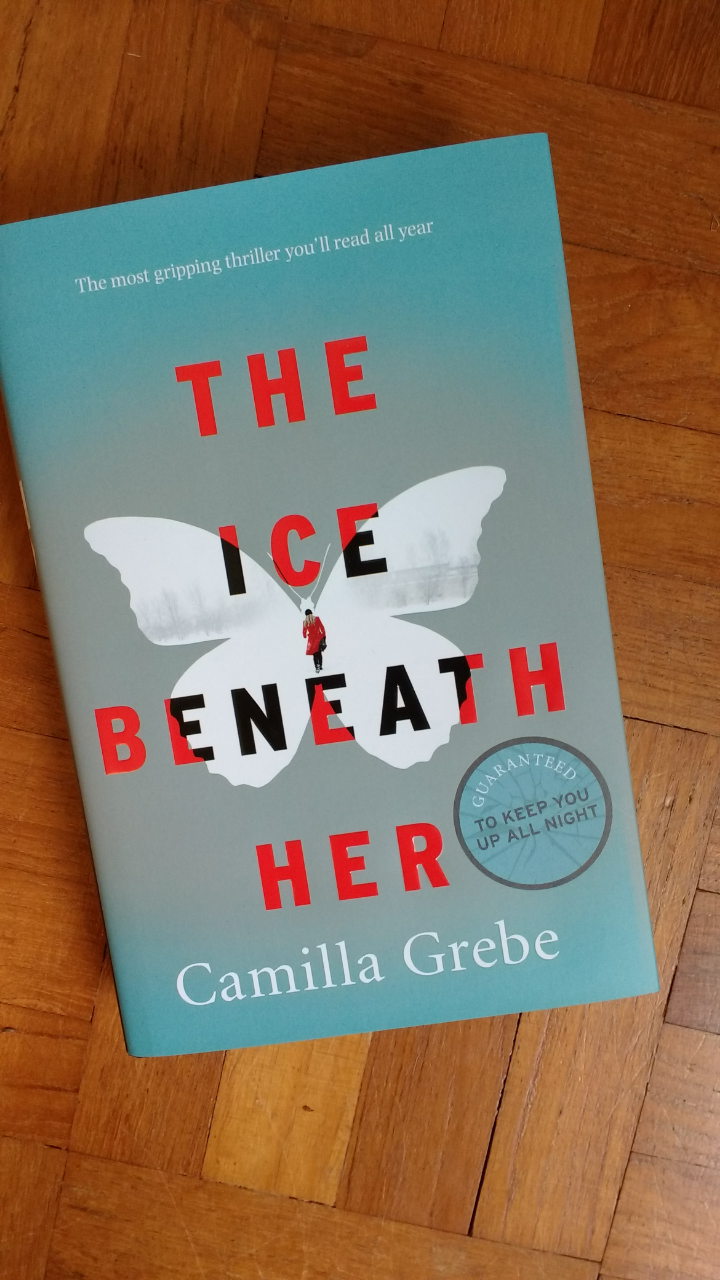
After lunch I spend another four to five hours working. Apart from the actual writing, I work on plots and do research into all kinds of strange subjects. For The Ice Beneath Her
a-day-in-the-life-of-camilla-grebe-author-of-the-ice-beneath-hercamillagrebebook

I talked to a medical examiner about beheading (!), read articles on Inuit mythology and had a long e-mail correspondence with a man in Greenland to find out exactly how one would dig a grave when the ground is frozen solid. If someone should overhear me on the phone when I did research, chances are they’d think I’m a serial killer.

I have dinner with my family and always end up watching TV on the sofa afterwards. I’m a big fan of British and Scandinavian crime series and movies. If someone disturbs me in the middle of a movie, I’ll calmly explain that, hey, I’m working, not just relaxing in the sofa (since I need to watch TV in order to be a good writer!).

It is, at least partly, true.

Before I go to sleep I always read for an hour or two in bed. When it comes to books, I don’t exclusively focus on crime. I try to read different genres – everything from historical novels to horror and biographies. In fact, that would be my best advice to anyone who wants to become a writer: Read a lot. Read all kinds of books, good ones and bad. And learn to tell the difference.
The Ice Beneath Her is available now. Published  by Zaffre at £12.99  E-book available.
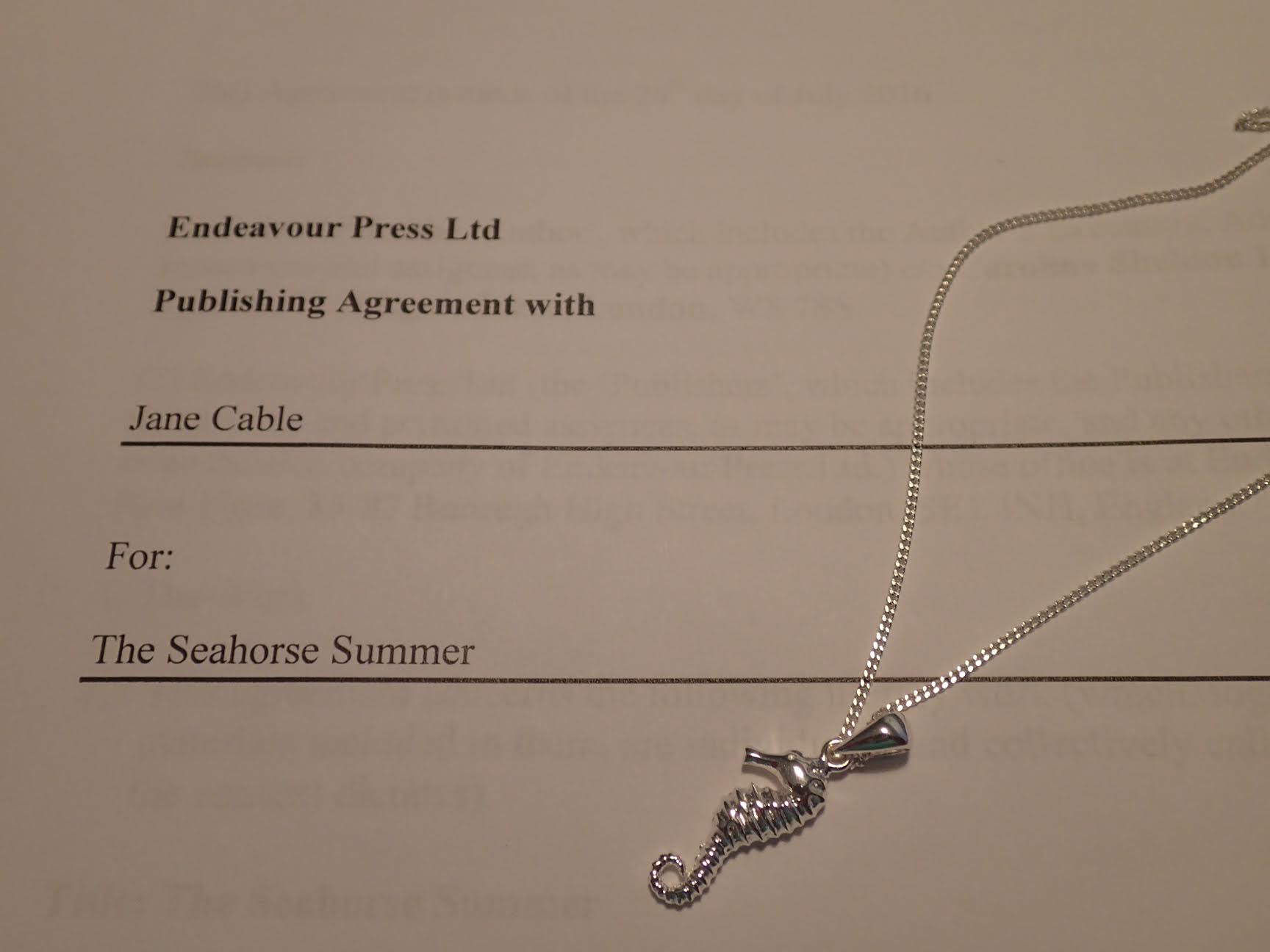


Best Endeavours: Jane Cable on her digital publishing deal journey: Sunday Best

Jane Cable, publishing, writingBEST ENDEAVOURS
Jane Cable’s blog about what happens once that digital publishing deal is in the bag continues.
SUNDAY BEST
On Sunday I went to Studland. Not simply because I needed to, but because I wanted to. Walk where my characters walk; see what my characters see; breathe the same air.
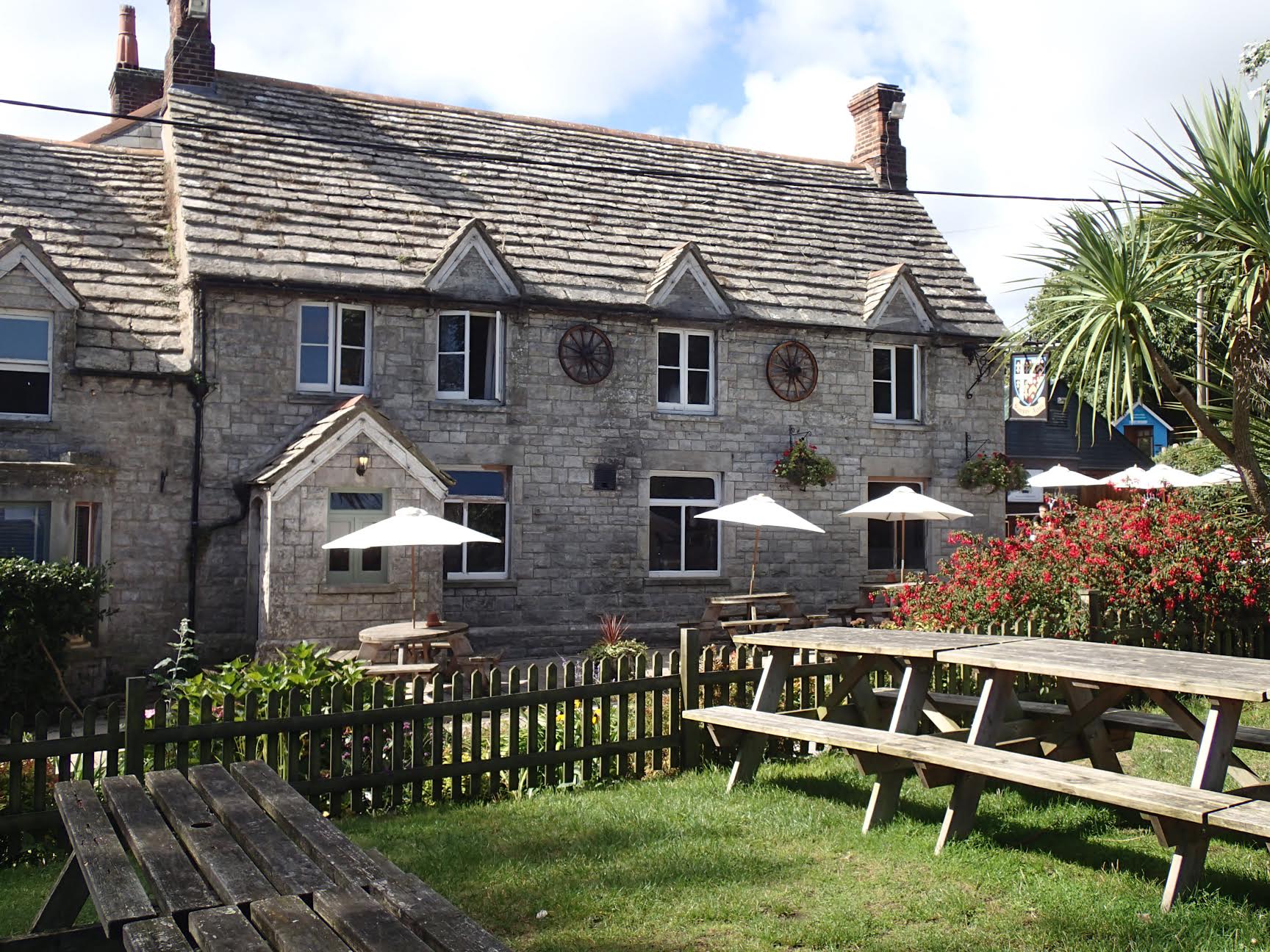
The plot of The Seahorse Summer takes place almost exclusively in Studland Bay and the on the beaches and cliffs which surround it. Centered on the village pub (not The Bankes Arms, albeit my fictional Smugglers shares a similar position) the haunting claustrophobia of the bay echoes Marie’s world as she wonders how she will ever escape.
Having spent so long on one side of the bar in The Smugglers it felt slightly odd to sit on the either side of it in The Bankes Arms. As well as the location I’ve borrowed a few other things; the grey stone of the building itself, the basic L-shaped layout; the huge fireplace and the garden overlooking the sea. But the real pub is very much a vibrant business with its own brewery, B&B rooms and armies of staff – the poor old Smugglers could never compete, relying as it does simply on Marie’s marvelous food.

janecable
As a writer you tweak your locations to fit your story, but in the case of Studland the location is changing all by itself. The Seahorse Summer is set just twelve years ago, but all the same coastal erosion has taken its toll. My original position for Marie’s beach hut was at the bottom of a wooden staircase onto the sand not far from Fort Henry. It was there when I first visited in 2009, but not any more. The incredibly wet winter of 2012/13 caused many landslips in the area and the steps were just one of the casualties.
The beach itself is changing too, constantly with every tide. Where there were rocks under Redend Point, now there is sand. One day, the sand will disappear and the rocks will be revealed once again. Up on the cliffs the gorse is almost completely covered with brambles and ferns. The landscape outlives us all, and nature can be a powerful adversary – or ally – as Marie discovers.
The essence of Studland on a sunny Sunday remains. Pleasure boats filling the bay, children playing on the narrow strip of sand as the tide drops, the pub garden filling as lunchtime draws closer. And a writer, wandering slowly through it all, drinking it in, storing it away. Refreshed for the final assault on her editing.

Jane Cable is the author of two independently published romantic suspense novels, The Cheesemaker’s House and The Faerie Tree, and a sporadic contributor to Frost. The Seahorse Summer tells the tale of how two American soldiers born sixty years apart help forty-something Marie Johnson to rebuild her shattered confidence and find new love. Discover more at www.janecable.com.


MumsThread On Traveling In London With a Baby & Pram

traveling in london while pregnant, traveling in london with pram, traveling in London with baby, with child, London, tube, step free access, babyonboardbadgetravelinginpregnantwhenpregnantI already wrote about traveling in London while pregnant so I thought I would follow up with what it is like to traveling in London when you have a child. If traveling in London while pregnant is awful, when you have a child it is hell. Most tube stations don’t have a lift or step-free access. When Boris Johnson was Mayor of London he promised half of London stations would have step-free access by 2018. I hope the current Mayor Sadiq Khan carries on this promise. It is important for disabled people and those with children. Traveling on buses is stressful and takes a long time. There is also limited space for prams. The bus can only take two prams and I have had to wait ages for a bus which is free. The place for prams is also the wheelchair space. Wheelchair users have priority and rightly so, but I had got abuse in the past for having the pram in there when it is empty. In fact I even saw a Facebook post once written by someone who has no children complaining that there was a pram in the wheelchair space on a bus she was on. Did they get in the way of the wheelchair user?, I asked. No, there was no wheelchair user. This woman just thought this mother should not be on public transport with her baby, taking up space with a pram. Other woman joined in and the split was obvious. The woman who did not have children were talking about how terrible this woman was for just wanting to get somewhere with her baby. I gave my opinion, as calmly as I could, but quite a few of them were abusive. Other woman, mothers and not, eventually joined in to support me, but the entire thing left me feeling  sad. My own mother is in a wheelchair and she was angry at those woman. It is easy to say a mother with a pram should not be using a wheelchair space, but that is the only place on the bus they can go! Folding a pram up is not easy (we have the iCandy Strawberry 2, it is a good pram but can be too big for London living and the back wheels take up too much room). You have to hold the child and this is not  safe. The pram also usually has something under it. It is incredibly isolating being a mother and they have appointments just like everyone else.  I very rarely see a wheelchair user on a bus so it doesn’t make sense that mothers just stay at home. What is the alternatives? Walking? Not always possible. Taxis? Too expensive. It makes me angry that people can be so callous.

Then there is the dirty looks you get and the sighs for your baby not being a robot. If your baby has the nerve to cry on public transport people tend to take it personally. Like your baby is crying just to annoy them. Well, get over yourself. When babies cry it means they are talking. They have as much right as you. And if you are finding it hard for that short burst, imagine how the parents feel. Babies talk to their parent a lot. Sometimes all night.

I live in Southfields and the only place I can get to on the tube to central London is Green Park.  I have only been into Central London without my husband once. It was hell. Usually I would go to Earl’s Court and change. This time I had to go to Earlsfield (where the lift was not working!) rely on the kindness of strangers to go up and down stairs and on and off trains. I even had to push a pram up an escalator. You are not meant to do this but if TFL have a problem with it they can build more bloody lifts. By the time I got to my destination my nerves were frazzled. The entire experience was horrendous. We have never bought a car because you don’t need one when you live in London. It would be silly as we would probably only use it once a year, but I hope that London gets the transport system it deserves soon. An inclusive one for all Londoners.

For more information on traveling in London for pregnant women and buggy users go here. 


Pink Ribbon’s 3rd breast cancer forum

Pink Ribbon’s 3rd breast cancer forum will be held on:    
16-17 September 2016; in association with the Royal Society of Medicine. Venue: 1 Wimpole Street, London W1G 0AE.

Pink Ribbon’s 3rd breast cancer forum

Friday 16th   September 9 – 5, with time for networking afterwards. The speakers will concentrate on cancer in the young, the pregnant and with family history. These sessions are primarily for GPs, breast specialists in oncology, pharmacology, surgery, plastic surgery, brow bone,  radiology, screening, nursing and general health planning


Saturday 17th September 10 – 4 is designed for patient and patient support groups. Frost’s medical correspondent, doctor and patient, Kathleen Thompson is amongst the speakers and  will be talking at 11.15 on Reactions to diagnosis: getting the treatment you want. Kathleen’s award winning and hugely successful book From Both Ends of the Stethoscope, charts not just her own, often hilarious, journey through diagnosis to treatment, but also how to get the right treatment.


The force of nature behind Pink Ribbon is Gerard Dugdill who read medicine initially and then philosophy at Cambridge. He moved on to study journalism at Cardiff and worked as a journalist and publisher for a number of years. He owns two magazines, Credit Today and Pink Ribbon, and is one of those people who rolls up his sleeves and sets off in pursuit of his dream: in this case, to help eliminate breast cancer.


A very few tickets are still available – from:  gd@pinkribbon.co.uk


www.pinkribbon.co.uk


Young Voices

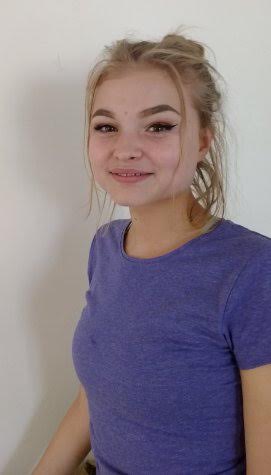
Frost is delighted that Megan Cannell has agreed to be the editor of Young Voices. Megan is fifteen. She aspires to be a Forensic Scientist and loves reading and writing. After a holiday sailing off Greece, she has added that sport to her list of likes. Megan lives near London and hopes that more young writers will add their voices to Frost magazine’s new column. Just send to Frost@margaret-graham.com

young-voicesmegforfrost
For our first contribution we are excited to have Rowan’s story of his Chinnor six-a-side team’s success.


Perhaps this sport should make the Olympics?  By Rowan Evans aged 12


Our manager thought it would be a good idea to put me in the top team for our annual Chinnor six-a-side football tournament. But was it?


We’d already played in the Risborough Tournament, and hadn’t been successful. In fact neither of the Chinnor teams made it past the group stages. What made it doubly disappointing was that we had won the Risborough Tournament for the past three years. All right, the weather hadn’t been good for training, but it had been much the same for everyone. So would we do any better this time?


As the six-a-side tournament was only a week away it was going to be tricky. The manager chose his team, and the coaches chose theirs. We had time for just one more training session. The day arrived. It was raining but by now we were used to it. We had to play four matches as there were five teams in our group. We won two, drew one, lost one, which brought us to second place.


We were so pleased as we were through to the quarter-finals. Now we had to play the group leaders from another group. The score at the end of the game was… 2-0 to us!  We were in the semi-finals.


Our manager gave us a team talk, and told us to keep on doing what we were doing – so we did.


We played a Risborough side – and it was the side we could never beat. Believe it or not, Chinnor Six a Side Team were into the final. Another team talk, the same advice as last time – keep doing what you’re doing. So yet again – we did.


We played Chalfont. The weather was cloudy and a bit cold. The game was nerve wracking. We scored first but they equalised one minute before the final whistle. Arghhh. It was a draw, which meant we had to go into extra time. Extra time didn’t alter the score, so it would go down to penalties. But not before I was subbed off in favour of a good penalty taker with a rocket of a left foot.


But would this late substitution be enough?


Chalfont scored their first penalty, but we equalised. Chalfont took again… but our goalkeeper made a great fingertip save. If we scored with out next penalty kick we would win the tournament…  Goal. Yes, yes. We’d done it.


The trophy was ours. We were soaked, muddy but the winners of the Chinnor Six-a-Side tournament 2016. We were sprayed with champagne as we celebrated – what could be better.


Best Foot Forward: Jane Cable’s blog about what happens once that digital publishing deal is in the bag continues

Jane Cable, publishing, writing
BEST ENDEAVOURS

Jane Cable’s blog about what happens once that digital publishing deal is in the bag continues.

BEST FOOT FORWARD

Editing involves a great deal of sitting down. Far more than my slightly dodgy back can manage at the moment anyway. So after being glued to my office chair for a few hours I balanced my laptop on a box file on the ironing board and tried that (standing at your desk being all the rage). It helped, but not a great deal as I found it slightly awkward to type.

What does work is going for a walk in the middle of the day and I am hugely blessed to live in a small village tucked under the South Downs so peace and quiet and country air are only ever a few steps outside my front door. And while tramping around the lanes is freeing up my back muscles it does exactly the same for my mind.

Agent Felicity has cleverly crafted my elevator pitch as a writer as “love with a ghostly element in a beautiful setting” and I’ll go with that. Completely. And beautiful settings inevitably require walking.

publishing, what happens when you get a publishing deal

The Seahorse Summer is set in Studland Bay in Dorset and opens on the sixtieth anniversary of a rehearsal for D-Day which went horribly wrong. I visited the village exactly ten years later and on my walk up to the cliffs made special note of the wonderful countryside around me; the daffodils dying back on the banks, slowly being replaced by primroses; the tractor rumbling across the fields; tiny birds swarming the hawthorn hedges; enticing glimpses of the sea below. Minute observation helps me to create a credible world for my characters to inhabit.

Every day, as I walk, I do the same thing. It’s a great discipline for a writer. I always say that to write good dialogue you need to remember you have two ears and one mouth. To write great descriptions you need all five senses.

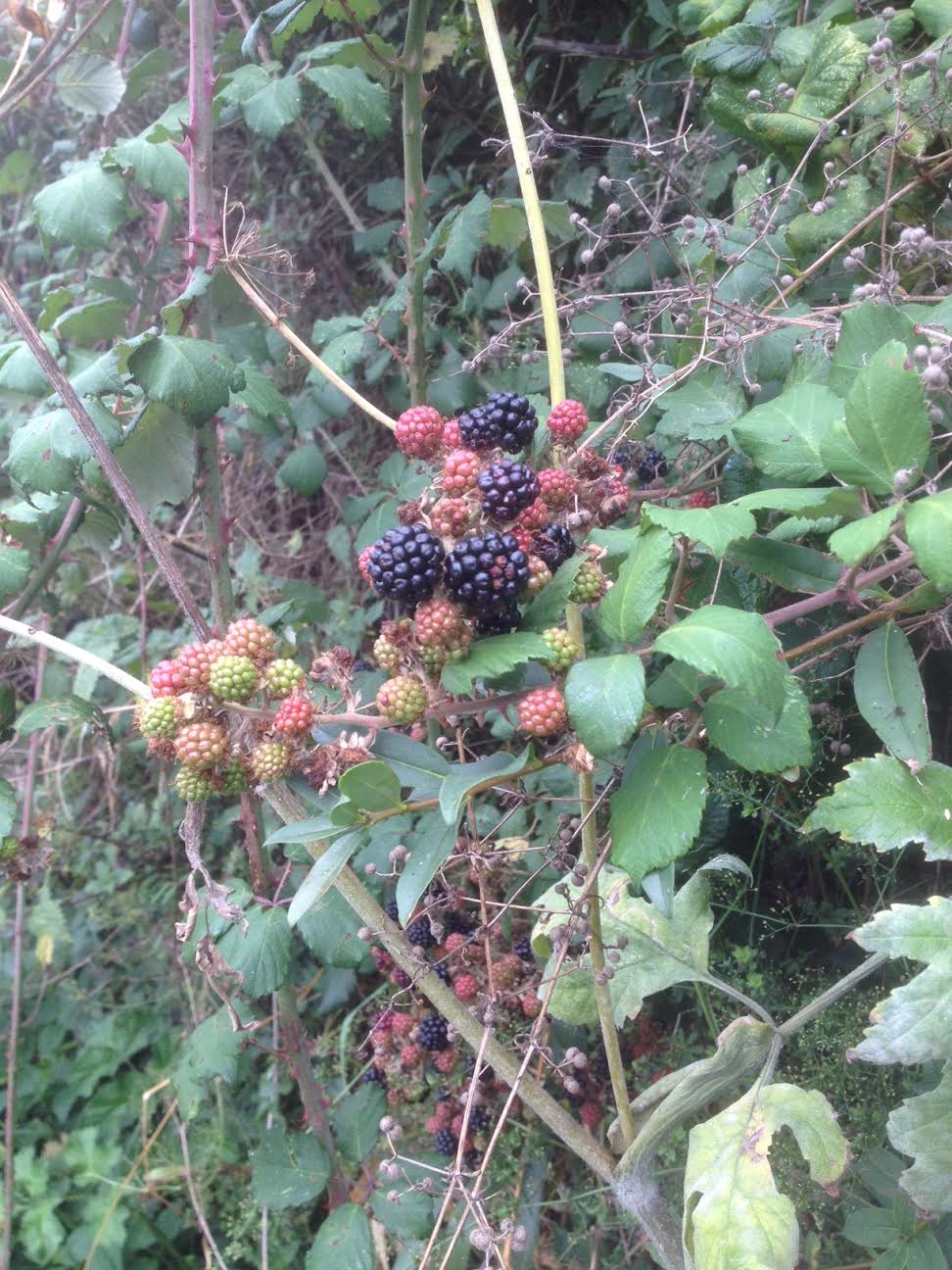
Yesterday the earliest touches of autumn were making themselves felt. Cow parsley dying back to reveal blackberries – some fruits ripe and squashy between my fingers, others in tight green fists. The tiniest hint of chill on the breeze which carried the pheasants’ calls and the wood smoke from a distant bonfire across the valley. The strict definition of meteorological autumn starting on 1st September becoming a reality before my eyes.

Time is, indeed, marching on. But I have finished the character edits for all but Marie and next I need to review each paragraph, making sure it is essential to the story. The book has changed so much since its first iteration I need to remove the distracting loose ends – and in the process make sure that every scene is adding something for the reader.

Jane Cable is the author of two independently published romantic suspense novels, The Cheesemaker’s House and The Faerie Tree, and a sporadic contributor to Frost. The Seahorse Summer tells the tale of how two American soldiers born sixty years apart help forty-something Marie Johnson to rebuild her shattered confidence and find new love. Discover more at www.janecable.com.


MumsThread On The Motherhood Penalty: Can Only Men Have it All?

how old is too old to have a baby? post natal depression, PND,There has been a lot in the media about the Motherhood Penalty so I felt I had to give my opinion on it. The truth is, it exists. As for the next question in the title: can only men have it all? Mostly. Yes, I know. It isn’t fair and it certainly is sexist, but having a child affects a women’s career much more than a man’s. Now there are exceptions to the rule, and the number of stay-at-home dads is growing, but childcare is still widely seen as a women’s issue. And that’s wrong. Women get the motherhood penalty but men get the daddy bonus.

It is not that women can’t have it all. You can, but it’s really hard. Mostly it is just that they can’t have it all at the same time. Parenthood requires sacrifice. The sacrifice comes from both genders, but weighs heavier on the female. Since my husband and I had our son his career has gone from strength-to-strength, he gets to go out occasionally and even gets invited to award ceremonies because he has a permanent unpaid babysitter at home. In contrast, my life now resembles almost nothing of its predecessor because I don’t. I have given up numerous opportunities because I could not juggle them with my child.  Somedays I get no work done at all. Other days I just stare at my son while he plays thinking about how the hell I can be a good mother to him, run a business and be an author and freelance writer. Because, and it pains me to say this, sometimes I can’t. Something has got to give, and usually it is my hobbies, social life, and career. My husband still has the bones of his old life. Only his evenings and weekends are different, my old life on the other hand was obliterated. My son is worth it of course, but that doesn’t mean I don’t sometimes miss the person I used to be and the life I used to have. I wrote about this subject before I had my son and while I still think women can do whatever they want with their lives, it is harder for them.

I could put my child into a nursery of course. But let’s not kid ourselves, that is not having it all either. There is nothing wrong with it. I have female friends who ended their maternity leave early because they said they could not take being at home with a baby all day. Being at home with a baby all day is hard and I don’t judge. Good for her, not for me. There is also the cost of childcare, which is extortionate. The nursery next to us cost £93 a day. A DAY! Who can afford that?

I read in the Metro that 2 out of every 3 women with pre-school children are locked out of work. I was fired twice when I was pregnant, and many other promises amounted to nothing when my pregnancy became public knowledge. It upset me then and it upsets me now. There are generations of women who had so much to offer the world, but maternity discrimination put paid to that. It is no surprise that the “mumpreneur” industry is so huge. And you only have to look at what mumpreneurs are doing to know that there are not the ones missing out, the people who forced them out of work are. I recently saw the amazing Diane Keaton film Baby Boom. It was made in 1987 but is just as relevant today. It is on netflix.com so do watch it. In the beginning Diane Keaton’s boss tells her that only men get to have it all, but in the end she starts her own business and becomes a mother. She really does get to have it all.

I know many of friends who aren’t even thinking of having children but are married and “of an age” so are discriminated against. I think maternity leave should apply to both sexes. Then women cannot be the only ones discriminated against. It is a thought. I might not work, but something has to be done. Whether by women who start their own business, by making sure that men are not discriminated against for wanting to stay at home, or by a change in the law, we need to keep doing whatever we can. Not just for ourselves, but for our daughters and sons too.

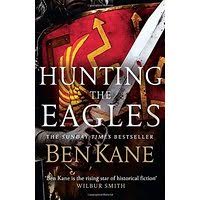
Hunting The Eagles By Ben Kane Review by Jan Speedie

HUNTING THE EAGLES BY BEN KANE Review by Jan Speedie book reviews, books, reading

This is Ben Kane’s second book in his trilogy about the Roman invasion of Germania.  Following his first book covering the invasion of AD9 in which the Roman’s were ambushed and defeated in the Teutoburg Forest. Carefully researched military history, passionate and violent perhaps not for the squeamish or weak hearted.

The first part of ‘Hunting the Eagles’ is planning the revenge for the ambush and the loss of the legions gold Standards. Centurion Tullus, a veteran of many battles, is determined to avenge the loss of 15,000 soldiers and regain his Eagle.

Part 2: Germanicus is now in charge of the Roman forces and planning an invasion of Germania in the autumn of AD14.  In Germania, Arminius and the local warriors are determined to repulse the Romans once again.  Legions and tribes clash in bloody battle, who will survive, who will conqueror……….

Immerse yourself in this story of Roman legions; it’s cruel, relentless and compelling reading.

Ben Kane was born in Kenya. The family moved to Ireland where Ben completed his education and then studied veterinary medicine at University College, Dublin.  Ben always had a passion for ancient history and travelled the world visiting and collecting facts and incredible stores about Roman history. Ben lives in North Somerset with his wife and children.

Published by Arrow in Paperback £6.99