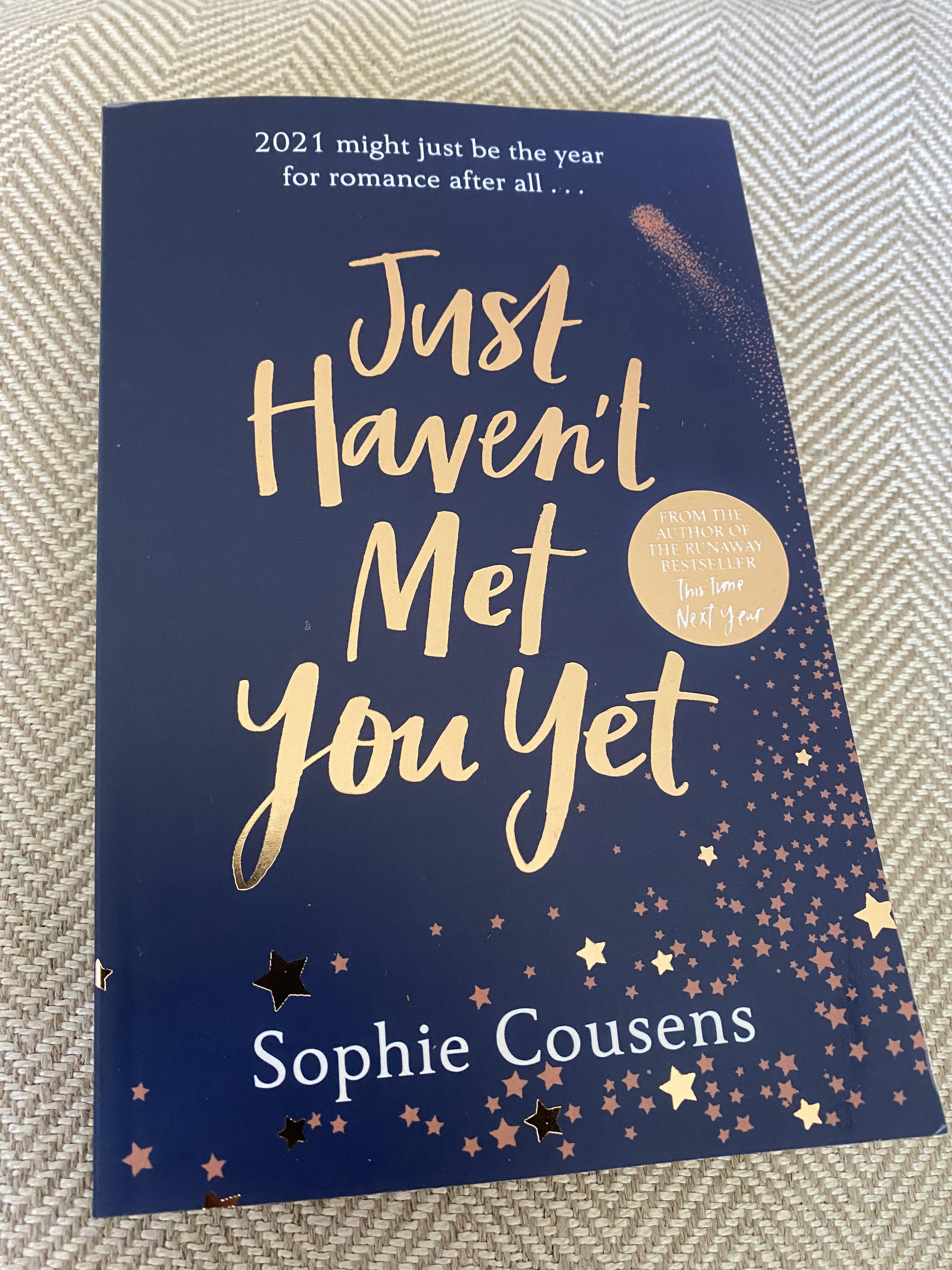
Just Haven’t Met You Yet By Sophie Cousens Book Review

Sophie Cousens’s debut novel This Time Next Year was one of 2020’s standout novels. It was a well-deserved runaway success and gave Sophie Cousens her rightful place as a writer to watch. Yes, she has done it again with Just Haven’t Met You Yet. Another blinder of a novel, it tells the story of romance-obsessed Laura and her quest to meet The One. I saw one reviewer call it “rom-com perfection” and it is hard to think of a more fitting description.

Just Haven’t Met You Yet is another corker from Cousens, you will love the characters just as much as I did. I love the Jersey setting, you really get immersed in the island. I learned so much and want to go now. Just Haven’t Met You Yet is a wonderful, clever novel. You will read it with a smile on your face. Brilliant.

just haven't met you yet, sophie cousens

Tell me the story of how you two met…

Laura has built a career out of interviewing people about their epic real life love stories.

When she picks up the wrong suitcase at the airport, Laura wonders if this could be the start of something that’s written in the stars.

From piano sheet-music to a battered copy of her favourite book, Laura finds in the bag evidence of everything she could hope for in a partner.

If Laura’s job has taught her anything it’s that when it comes to love, you can’t let opportunity pass you by. Now Laura is determined to track down the owner of the suitcase, and her own happy ending.

But what if fate has other ideas?
Just Haven’t Met You Yet is available here.

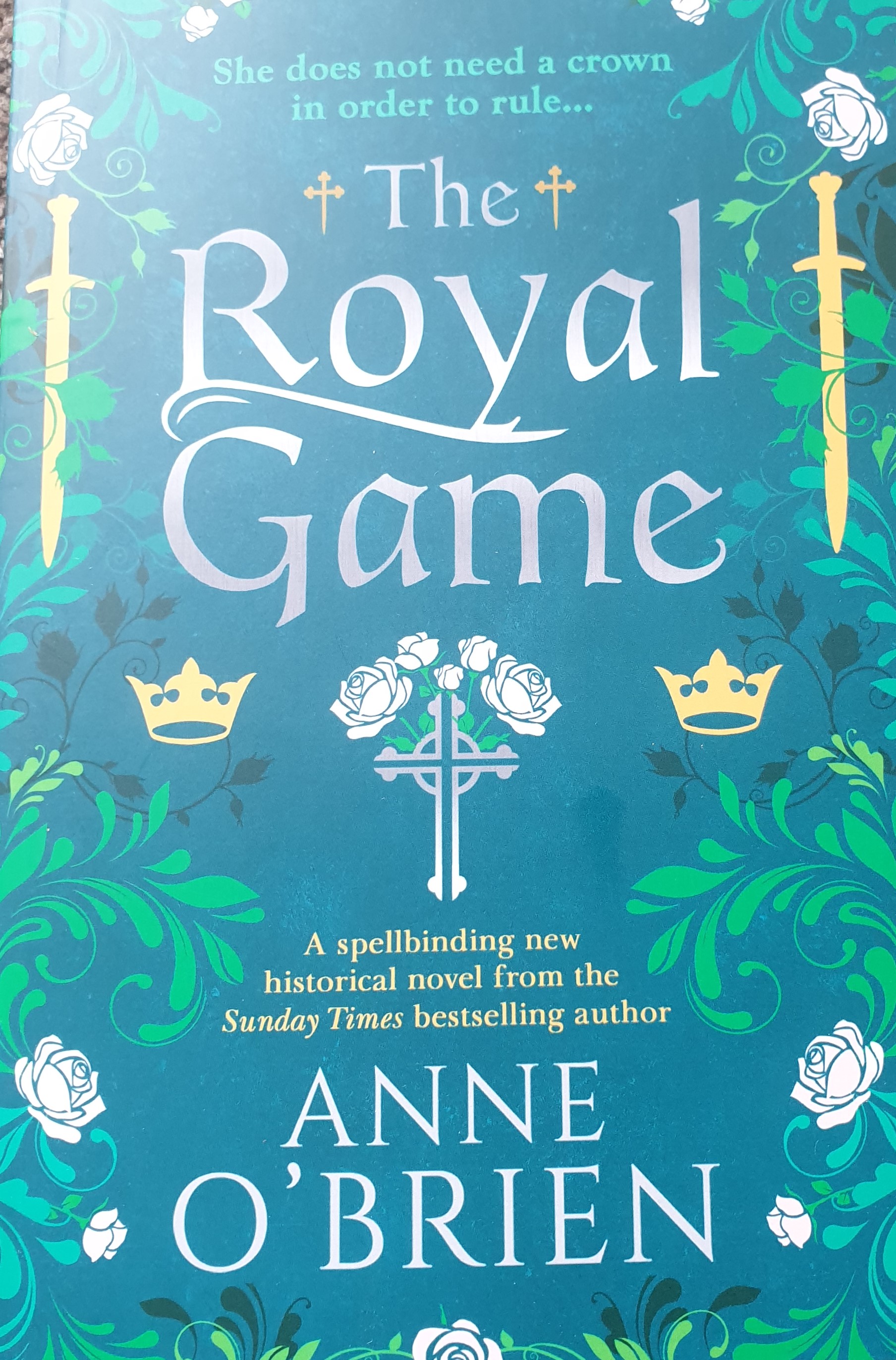
The Royal Game by Anne O’brien – Hardcover, audio and ebook reviewed by Natalie Jayne Peeke West Country Correspondent


England, 1444. Three women challenge the course of history…

King Henry VI’s grip on the crown hangs by a thread as the Wars of the Roses starts to tear England apart. And from the ashes of war, the House of Paston begins its rise to power.

Led by three visionary women, the Pastons are a family from humble peasant beginnings who rely upon cunning, raw ambition, and good fortune in order to survive.

Their ability to plot and scheme sees them overcome imprisonment, violence and betrayal, to eventually secure for their family a castle and a place at the heart of the Yorkist Court. But success breeds jealousy and brings them dangerous enemies…


My favourite genre to read is without a doubt historical fiction, The Royal Game is the first book I have read that is set in the medieval era, O’brien beautifully brings to life not one, not two but three strong female characters. It is a gorgeously insightful, inspiring and courageous read and I find myself impatient to learn the fate of the Paston family.

If you want to delve into the past and be transported to England almost 600 years ago then I highly recommend picking up a copy of The Royal Game.


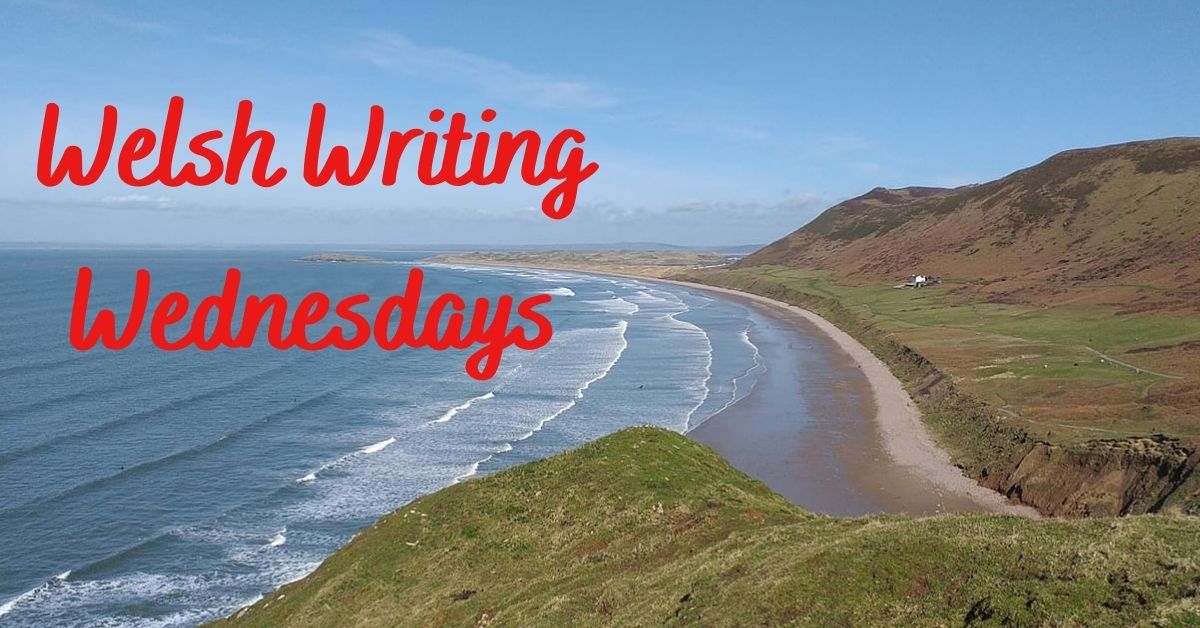
WELSH WRITING WEDNESDAYS: ALIENORA BROWN ON THE INFLUENCE OF THE WELSH LANGUAGE

I arrived in Aberystwyth train station, on October 3rd 1976, and, bathed in a sunset of extraordinary richness and colour, was driven up the Penglais Hill – by coach and surrounded by other students – to the Penbryn Halls of Residence.

Is it possible to fall in love with a place at first sight? Yes, it is – and I did! That first glimpse, stark hills rearing in the distance, struck a sweet blow to my heart – and, the very next day, seeing parts of the promenade painted with blazing autumn gold, as grey silken sea undulated nearby, ignited a passion for West Wales which has never left me.

But it was the language which shivered and undulated in watery mystery; which gave me the delights of the double ‘ll’, the mutations from the ‘M’ of ‘Machnylleth’ to ‘Fachynlleth’ when preceded by ‘Croeso y…’ and the other sibilant mysteries of this proud tongue.

I had already decided to read joint English and Philosophy – and, told that I needed a third subject for that crucial first year at university, opted for Welsh with excitement and anticipatory joy.

Welsh lessons took place in the Old College/Yr Hen Goleg – and so the learning of this new language was accompanied by the stunning glimpses of the sea, often wild and raging, throwing its waves high up against the venerable old building’s sides and windows, rattling fragile sashes and leaving salty trails on glass.

Our teacher, Professor Edward (Tedi) Milward, was lovely – a gentle and knowledgeable soul who was a passionate advocate of this endangered language, and whose family I befriended during that first year in Wales.

From the very first lesson, I adored the sound of Welsh: its musicality; its sing-song quality; the subtle differences in pronunciation; the meanings of place names when broken down into their component parts.

At around the same time, I joined a university choir – and we learned a beautiful Welsh carol ‘Tua Bethlem Dref’ in readiness for what turned out to be a most moving and inspirational Christmas service in a local church.

Unfortunately, my passionate love of the language was not matched by any genuine learning ability – and, suspecting I would not gain that all-important pass in the subject, I made the difficult decision to give it up at the end of the first term, taking Classical Studies instead.

The odd thing is this: naturally musical, I learned the sounds – the inner song, if you like – of Welsh with ease, and, to this day, can read and pronounce it without any problem. But the ability to understand the rules, learn the words, tenses and so forth eluded me (as it had done, at school, for both French and Latin).

But, being given the key (or should that be the lyre?) for the plangent tones behind the language was a privilege and a life-long delight. Much of my enjoyment of the sublime landscape and magic of that area was filtered through the lilt and cadence of the language itself.

By a strange coincidence – and bringing things full circle – I got the part of the Lady of the Lake in a local Glastonbury production, back in 2018. Told that the character needed to enter the stage singing a solo, I opted for ‘Tua Bethlem Dref’ – and can recall vividly walking up the centre of the Town Hall, the words of that long-ago Welsh song ringing and echoing from my throat: a love song for a time, a place and an ancient language.


Joffe Books thrills yet again, with good news and a great list of this week’s crime novels


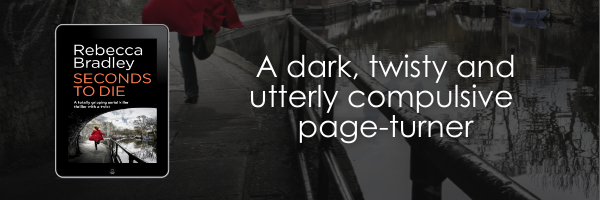
Lots of news today from Joffe Books, so let’s get to it: Seconds to Die by Rebecca Bradley is Joffe’s Book of the Week, and has all the twists and turns required of a bestseller:  a killer who sends drawings of the murders he will commit.  A detective who will do anything to stop him.

At only 99p/99c to celebrate the launch.

And yet more:


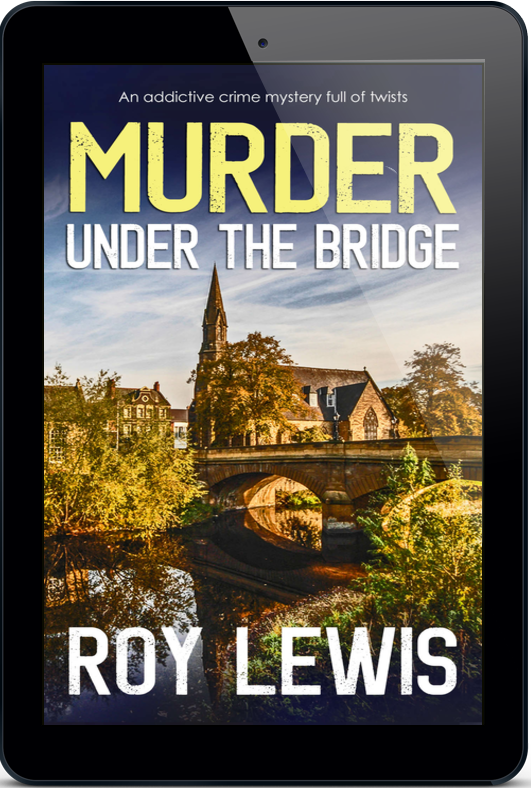
Murder under the Bridge by Roy Lewis. 99p/99c

Meet Arnold Landon, mild-mannered history buff turned amateur sleuth. Really truly, a fabulous read. I gulped it down. And what a jacket.

“Assembling layer upon layer of details . . . Lewis brings an insidious cleverness to his latest offering . . . canny enough to keep us enthralled.” Publishers Weekly

“The skilful Mr Lewis has made Arnold Landon an unforgettable character.” New York Times

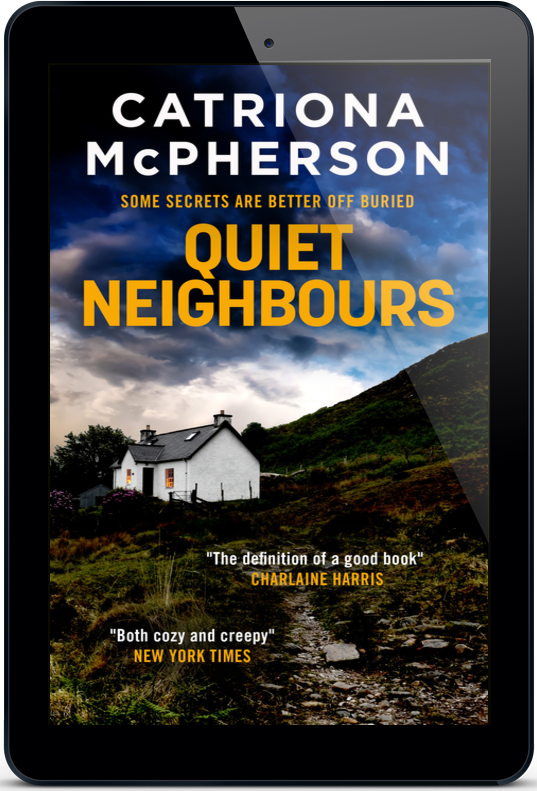
Quiet Neighbours by Catriona McPherson 99p/99c

After a horrendous year, Jude buys a train ticket to the last place she remembers feeling happy.  A bookshop in the Scottish Highlands.  Sometimes the place you run to is even more dangerous than where you came from . . .

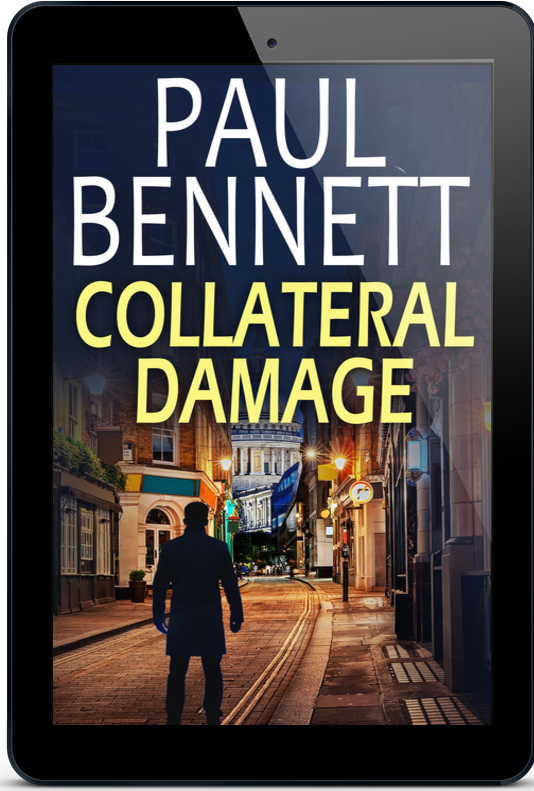
Collateral Damage Paul Bennett  99p/99c

The very title summons a chilling suspicion. An innocent hurt? Whaaat? So let’s have a look …

Nick Shannon knows what it’s like to be on the inside. He has the perfect experience for a job in the Fraud Squad, it’s just a shame that the cases thrown his way are about as stimulating as watching paint dry.

But now things are about to explode. I should say so. Behind the sofa with you. Duck!

MORE EXCITING NEWS.

The Joffe Books Store is here.  Joffe Books wanted to create one space especially for its readers where we can discover the work of Joffe’s authors, all in one place.

Ta ra… Roll of drums … Enter the Joffe Books Store which  allows us to browse all our old favourites, discover exciting new reads, shop for box sets and more. With Christmas on the way – oh yes it is, this could save time all you readers as you bustle in from the shops, and want to collapse over a cuppa, having plodded around shop after shop. Here it is, made easy for you, just one  convenient location.

Joffe Books Store UK    Joffe Books Store US

Visit the store today and tell Joffe  what you think.

And finally:

Join Joffe Books authors Margaret Murphy and Susanna Beard for a full day of exclusive events at Perfect Crime Festival 2021!

Margaret and Susanna are joined by some of the biggest and most exciting names in the world of crime writing to discuss how Liverpool as a city inspires crime writing and why are we fascinated by the murderous mind. A fabulous list of speakers including Ann Cleeves and Sophie Hannah and many many more. A feast of authors, a great time will be had.

Book your tickets here today.

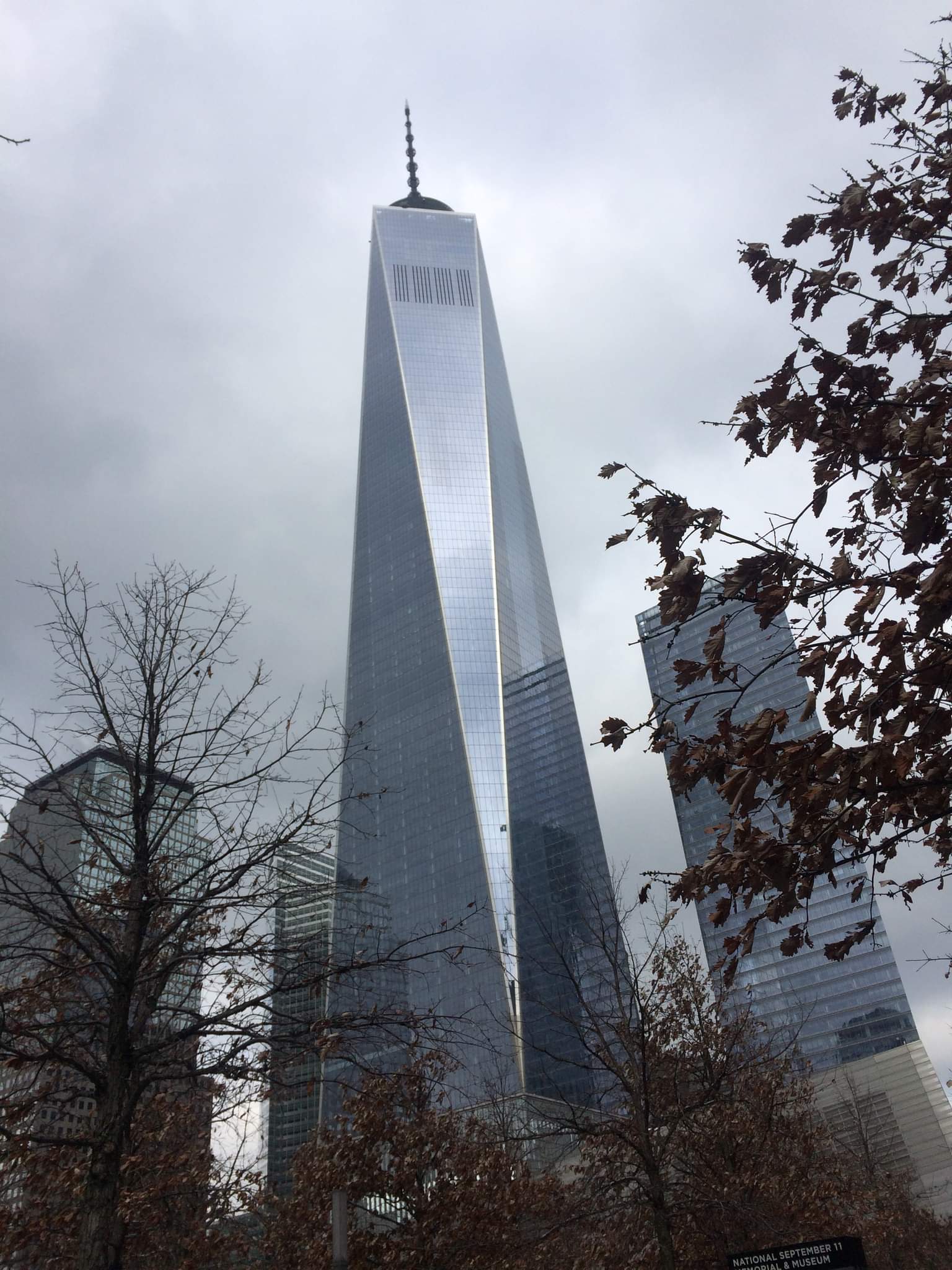
9/11: 20 Years on – a personal recollection by Natalie Jayne Peeke West Country Correspondent


September 11th 2001, a date where  many people around the world know exactly where they were and what they were doing.

I was nine, my mum picked me up from a after school club and we went to a friend’s house where we all  watched the horror unfold on TV, I remember the broadcasters’ screams as they witnessed the second plane strike the twin towers, I struggled to understand what I was seeing, the smoke, the shock in my parents’ faces, the horror, the fear. I wondered why it was happening, what did all of those innocent people do to deserve their fate  as they started work for the day? Suddenly everything seemed to have changed in my life.

In the years since I have watched a couple of documentaries with stories from survivors and eyewitnesses. Initially I wanted to write about the unsung heroes of that fateful day but morally I felt I couldn’t do so as everyone in their own way was a hero; some ran up the stairs towards the danger in a effort to save as many as they could, some did everything in their power to help strangers get to safety, some dug through the mountain of debris to help save someone’s life, some stayed calm and listened to the heart-breaking phone calls from those trapped above the fires and relayed messages to their loved ones.

Our Frost Magazine editor was at an auction sale. The sale stopped, people went home in silence, raw with shock. Her husband was in a meeting with Americans nearby. They rushed to the airport. What did it all mean? everyone thought. What? What was going to happen?

In 2008 I visited New York City and one of the many places I went to was Ground Zero, which was at the time under construction as the memorial was being built. Unlike the other stops on my trip, it was not full of hustle and bustle and crowds of people. It was quiet and sobering and incredibly emotional. I struggle to find the words to describe exactly what it was like , unless you have been there it is something you may not understand.

So many changes, but I speak of only those I experienced: before 9/11 as I flew out to America, it was not necessary to have a ticket before walking around a airport or to wait at the gate, passenger ID’s were not checked prior to boarding a plane and the only item that people had to remove when passing through security was loose change. Airport staff did not need background checks prior to employment and checked baggage was never scanned.

But most importantly for that nine year old that was me, is that  from that age I  realised our safety is not a given, because up until that moment this child named Natalie had assumed the rock like foundations on which her life was lived were assured forever.  Out of the blue , I realised, everything can change as it did that day.

I also learned that this is when the rebuilding begins… Life resumes. We go on. 

9/11 is a day that I will remember for the rest of my life. It was a day  that stopped the world, one that showed the worst and the best in so many.

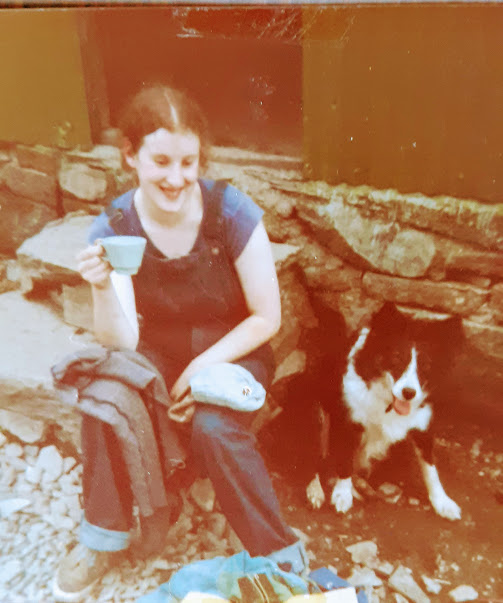
Images courtesy of Kim Knight.

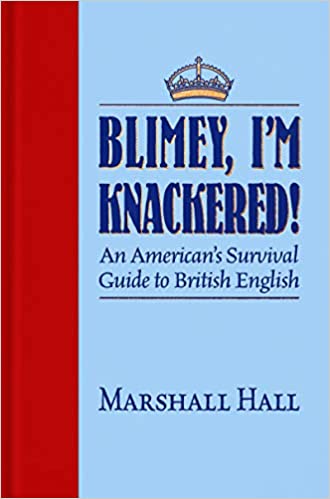
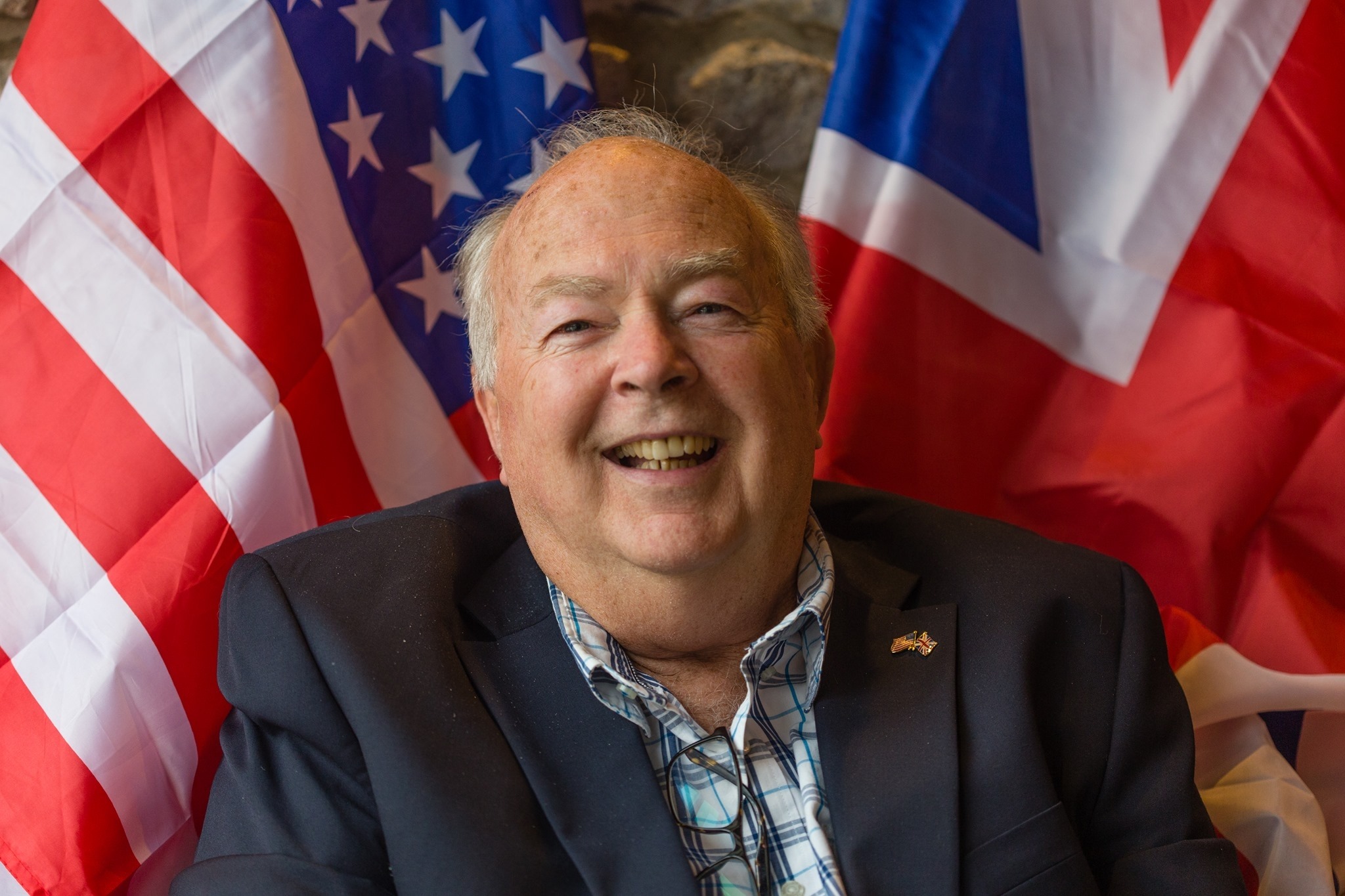
Blimey, I’m Knackered! An American’s Survival Guide To British English by Marshall Hall sounds like a corker, and it’s reviewed by Paul Vates Frost’s drama critic

a weighty and wonderful addition to any bookshelf

Do you need to see a doctor if you have a water butt? What’s the proper response if someone knocks you up? Is it correct to go to the stationer’s if you have no lead in your pencil? Our language is confusing enough for the British, so imagine what it must be like trying to understand us if you’re not from these Isles. English is chock-a-block with idioms, colloquialisms and slang – see what I did there?!

Well, Marshall Hall, an American resident in the UK, has over many years collected hundreds of phrases and compiled them into his ‘Britspeak for Yanks’ lexicon Blimey, I’m Knackered!

Split into chapters, the book is a delightful way to discover over 1,200 genuine down-to-earth differences between the two nations’ languages. It doesn’t just explain, it educates with factual references throughout. All done in Marshall’s calm and witty style – and he doesn’t shy away from the naughty bits!

There are intermittent illustrations by Mark Cowie, enhancing what is already a perfect book to dip in and out of. The hardback has 348 pages – making it a weighty and wonderful addition to any bookshelf.

Published by Imbrifex Books – available now in Hardback and ebook

Email BlimeyImKnackered@outlook.com

Facebook @MarshallHallAuthor

Instagram @MarshallHall15

Photo credit: Peter Thody

How I Got Published By Alec Marsh

Alec Marsh, writer, authorWhen I was 21 I started to write a novel. It wasn’t very good. I was working as a reporter for a local paper in Cornwall and my book… was about a reporter working for a local paper in Cornwall. 

Soon I moved to London to work for the Daily Telegraph and started writing a second novel. It was about a young journalist working for a newspaper in London. 

It wasn’t very good either. 

I met a top agent at a function and asked him if he’d see it. 

‘What’s it about?’ he asked.

After several seconds of flannelling he cut in: ‘If you can’t tell me in under 11 seconds then I’m not interested.’ 

I’d been introduced to the idea of the elevator pitch. If you can’t encapsulate your idea in a nutshell, you’ve had it.

I kept writing and the rejection slips (paper in those days) kept piling up.

Then one day a friend suggested I try my hand at historical fiction. ‘You’re obsessed about the past,’ he said. And it was true.

About a year later I read The Da Vinci Code, and was hooked. 

And I thought, “I can do that.”

So I started thinking about a historical mystery that could sit at the heart of a story, and some characters that would have sticking power.
That was around 2004. Before I knew it, I had started writing what would become my first novel, Rule Britannia. And I knew I was onto something, I could feel it in my fingertips. My characters – a historian and mountaineer Ernest Drabble and his pal, a journalist named Harris – were alive. And so was the story.

With a half-written book, I started polishing and went looking for an agent. Again the rejection slips piled up (still paper).

Then one day in 2008 an email landed at about 6pm on Saturday evening from an agent. Do you have any more, he asked?

I didn’t sleep that night. Soon I’d emailed the next three chapters, then we had a meeting. After that, I had an agent and went off to finish the book – armed with the self-confidence to finish it properly, to believe in myself and the benefits of his insights.

The agent then took it to market. But it was 2009 and e-readers, Amazon and the global financial crisis was hitting hard, and – for whatever reason – my book didn’t sell. After a dozen very polite rejections from major publishers, my agent suggested I try writing a different book. Which I did. 

For five years I wrote a book set in the First World War, but Drabble and Harris were still in the back of my mind, calling to me from the binary prison of a hard drive. 

By 2015 the First World War book was finished – but so was my relationship with my agent who finally spelled it out to me when he told me this was not a book that he could sell to his clients. We were finished.

Exhausted and disappointed, I stopped knocking on doors that wouldn’t open and focused instead on my day job. Every now and then someone would ask about Drabble and Harris; I would change the subject.

Then my son Herbie was born in 2016, and his arrival rekindled my ambition. So in the small hours, I dug out Rule Britannia and reread it, shook my head at parts that hadn’t aged well, and I polished it. And I pitched it again.

After a string of rejections (emails now), I went direct to publishers, finding an independent in Cardiff, named Accent Press. 

When the owner telephoned me and told me she’d take it – and she’d want two more books after – I was standing in a corridor at work. I didn’t punch the air, but a tear might have come to my eye. It had taken 20 years and I had endured numerous disappointments but it had finally happened. Drabble and Harris would get to their readers, and I was going to have a novel out. So what’s my advice for would-be authors. Don’t give up. And as Martin Amis once told me when I asked him for advice at book-signing: keep writing. After all, what else are you going to do?

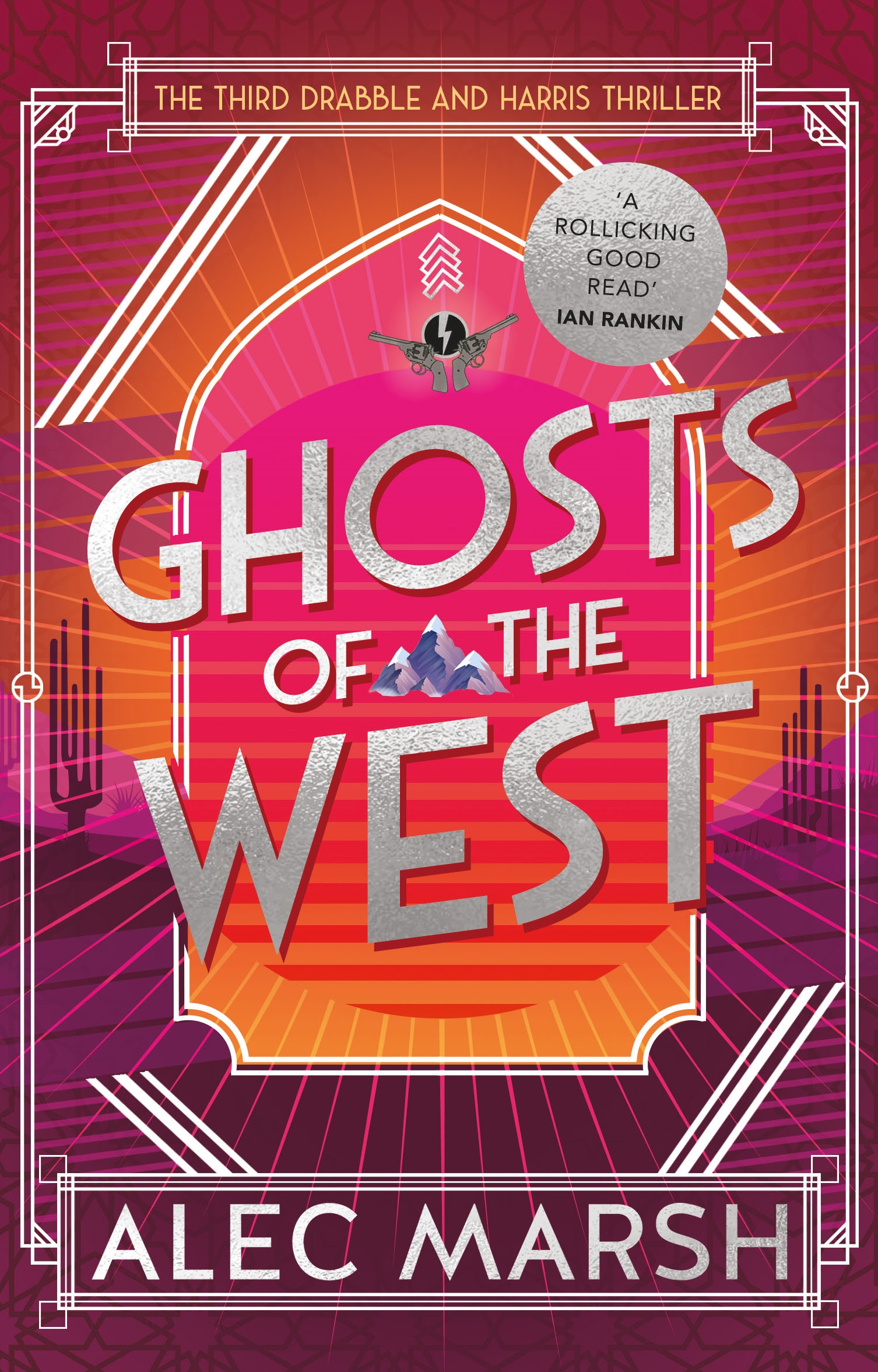
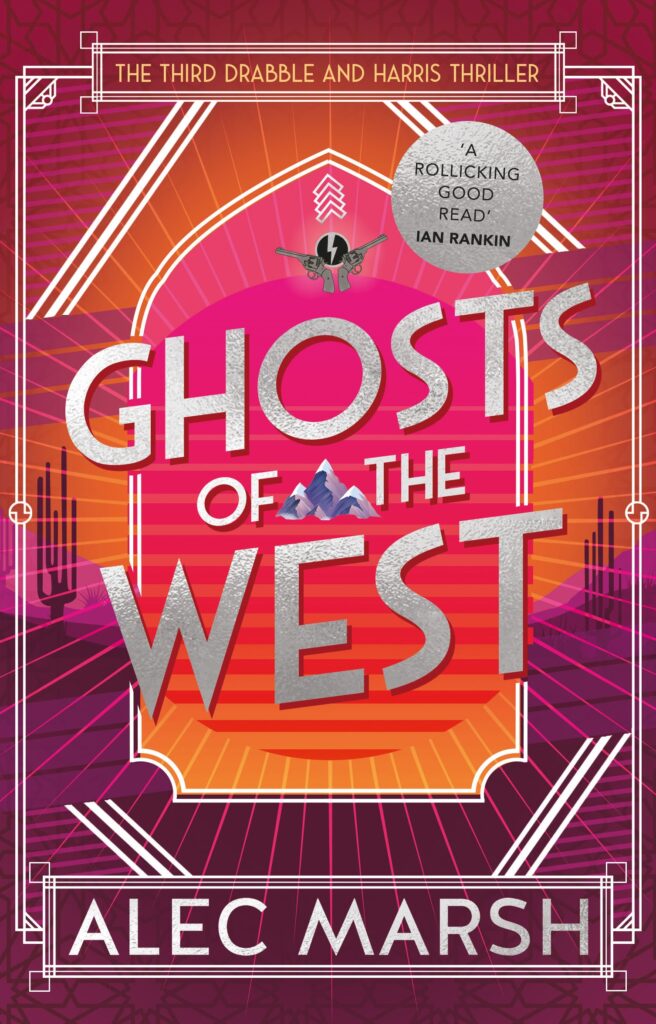
Alec Marsh is author of the Drabble & Harris novels, published by Headline Accent. The latest book, ‘Ghosts of the West’ is published in original paperback and ebook on 9 September

 

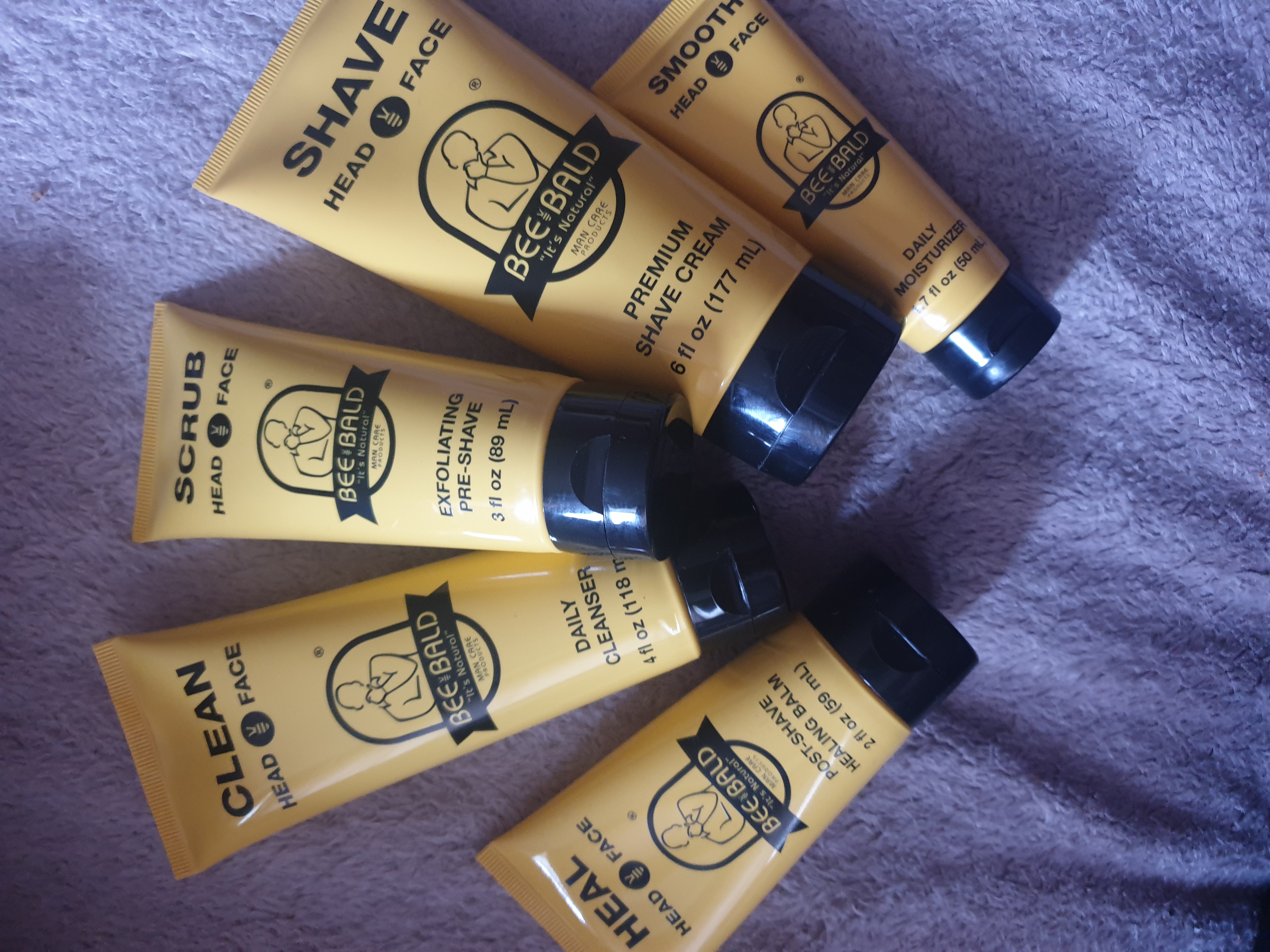
Bee Bald – a complete line of men’s premium quality grooming, shave and skin care products reviewed by Natalie Jayne Peeke, West Country Correspondent


Is it ever too early to think of who to give what for Christmas? No, especially the men in your life.

So Bee Bald was definitely worth a look, and a try… So did it pass the test?

For a start Bee Bald is a complete line of men’s premium quality grooming, shave and skin care products which seem to tick the boxes. A gentle face wash, a deep cleansing/exfoliating pre-shave scrub, a quality shaving cream, and for after… a healing balm and moisturiser.

But wait… Is this only for the Bald? Nope, if you have  hair Bee Bald is for you too. So why the name, Bee Bald? Well, why not, when honey and pollen extracts are components in each of Bee Bold’s products and  Dennis Fisher is … bald  and wanted to create products that were suitable for his face and head.

So has he done it?

Living with a man who has sensitive skin and is always changing his mind between a beard or clean shaven and having a buzz cut or letting his hair grow. I have witnessed the shaving burns  on his face and head, Not just that, but the  irritation  is not only painful to him but can cause self confidence issues.

Of course, being a busybody I have recommended some products that I have used and that have helped me but without success. He found they had a harsh floral or fruity scent and were not sensitive enough for his skin.

Since using the Bee Bald regime irritation is a thing of the past, and his skin is so smooth, I was jealous so I thought that I would try the moisturiser as well. All I can say is “wow” no more irritated skin, Bee Bald is now the go to product for both of us , it is incredible.

www.beebald.co.uk