Cancer-causing gas is present in EVERY household

More than half of UK homes haven’t been tested for a cancer-causing gas – which is found in EVERY household.

Radon is a natural radioactive gas which comes from rocks and soils and is the top cause of lung cancer among non-smokers.

Reassuringly, levels of radon tend to be low indoors – but higher levels pose a serious health risk and there’s no way of knowing how severe levels are without testing.

Despite the possible health impact, two thirds of adults don’t know what radon is and that it can cause cancer.

Commissioned by Airthings, makers of smart radon and indoor air quality monitors, the research of 2,000 adults found six in 10 haven’t given any thought to the health impact of the air in their homes.

A spokesman for Airthings said: “Radon is the number one cause of lung cancer among non-smokers.

“In fact, radon-induced lung cancer kills more people than house fires and carbon monoxide combined.

“It’s an invisible radioactive gas with no smell or taste and comes from rocks and soil.

“Low levels can be found in the air outside however levels of radon can be higher inside buildings – homes included.”

UK homes also contain gasses called volatile organic compounds (VOCs) which, although not lethal like radon, can cause headaches, sore throats and fatigue.

But the study found eight in 10 have no idea what VOCs are and 80 per cent are unaware they can cause eye, nose and throat irritation.

The compounds can be released when doing a number of apparently harmless everyday activities such as burning scented candles, using non-organic cleaning products and even when cooking.

Further to this, nine in 10 regularly do things in their home which could increase levels of radon and VOCs.

Almost half don’t often open the windows when cooking, 42 per cent frequently burn candles and a third use diffusers in their homes.

Perhaps as a result, the Airthings study, carried out through OnePoll, found six in 10 ‘regularly’ suffer from symptoms associated with poor air quality.

These include headaches (25 per cent), constant dryness and irritation of the eyes, nose, throat, and skin (22 per cent) and ongoing fatigue (21 per cent).

A fifth also have a tendency, or noticed a tendency among their cohabitees, to cough and sneeze.

A spokesman for Airthings added: “In addition to testing your home for radon and VOCs there are simple steps you can take to reduce levels of these gasses.

“But the first step is to have your home tested to get an indication of the severity of the problem.

“There are also things you can do to minimise VOCs in particular – such as ditching toxic chemicals and using natural cleaning products, opening windows, vacuuming regularly and having lots of house plants in the house.”

SYMPTOMS/EFFECTS OF VOCS BRITS HAVE NOTICED IN THEIR HOMES:

1. Their home has mould

2. Their children developed a cough

3. They developed a persistent cough

4. It affected their energy levels

5. Their children don’t play outside as much/very often

6. The plants in their garden have struggled/died

7. Their lung condition or their child’s lung condition (e.g asthma) has worsened

8. They have to keep their windows closed all year round

9. They don’t cycle to work anymore as a result

10. They have developed breathing difficulties

TIPS FOR REDUCING VOCS IN YOUR HOME:

• Open the windows

• Do not smoke indoors

• Keep air humidity levels between 30 per cent to 50 per cent

• Avoid synthetic fragrances such as plug ins and candles

• Use house plants

• Ditch the toxic chemicals – use natural cleaning products

• Improve ventilation

• Vacuum regularly

• Remove your shoes when you come in

• Test your home with an air quality monitor and use an air purifier if required
SISTER SCRIBES’ READING ROUND UP: JANUARY

Jane:

The last book I read in 2019 was Raynor Winn’s The Salt Path, a fitting end to the year. It was our book club choice, one we’d begged the library for after having suffered the poet laureate’s egotistical whinge about doing the same walk at roughly the same time.

Phrases such as ‘greatest surpasses least’ spring to mind. Raynor Winn and her husband Moth had nothing left to lose when they embarked on the South West Coastal Path in the summer of 2013; no home, no jobs, no money and in Moth’s case, having been diagnosed with a terminal illness, no future. And yet the book is a joy, well deserving of its award nominations and best-seller status.

That isn’t to say it sugar coats the pill. I felt desperate with them, thirsty with them – and mostly hungry with them. But I also saw the beauty that surrounded them, heard the wash of the waves, the weather howling in from the Atlantic as autumn started to bite. That is the genius of Winn’s writing, the power of her words. That and making an autobiography read and feel like a novel.

There is a lovely postscript to my review too: yesterday I went to hear Raynor Winn speak and had a long conversation with Moth, still very much alive. He told me she wrote the book as a gift for him, for when he can no longer remember the wonderful thing they did. Which makes it a love story as well.

When Kate Field found out I was reading The Salt Path she begged me not to read her new book next because she thought it would be an anti-climax. It is typical of her modesty, but wide of the mark. Hers is a completely different book and I wouldn’t even begin to compare them.

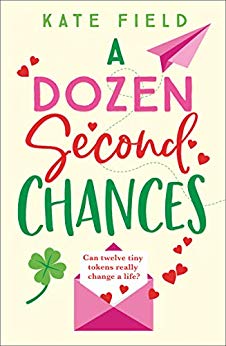
A Dozen Second Chances is just the sort of romantic fiction I like. The characters are real and relatable, mature and shaped by their lives. And being characters in a book Eve and Paddy have had plenty of history, which has done just that. The will-they-won’t-they story of their second chance made me unwilling to put the book down, with a clever and beautifully sewn up plot and satisfying ending.

On a personal note I loved the fact they are archaeologists. The heroine of my next book is as well and I could see Kate’s research had gone along similar lines to mine. I just hope she enjoyed it as much as I did.


Kitty:

January is the perfect time to catch up with my reading and I have read several books that I have absolutely loved.

Our Sister Scribe, Susanna, published her first book as Polly Heron – The Surplus Girls. Jane has already shared an extensive review on Frost but I have to add that I adored it and I urge saga lovers to give it a go.

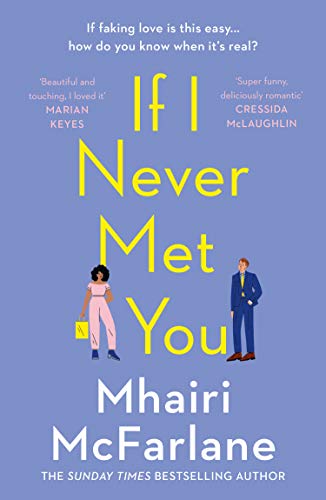
I also raced through Mhairi McFarlane’s If I Never Met You and, true to form, it didn’t disappoint. I love everything about Mhairi’s writing, it’s always fast-paced, insightful and genuinely funny – guaranteed to make me cackle. In this one the heroine is in her mid-thirties when her life and expectations are thrown into disarray and she starts a faux-romance with the office Lothario. Truly fabulous.

And finally, Cathie Hartigan’s Notes From The Lost. A timeslip with part of the story set in wartime Italy and part set in modern-day Exeter. I fell so heavily in love with Alfie, an escaped POW hiding out in mountains and villages and found this book to be uplifting and restorative, with both parts seamlessly woven together. I cannot wait for some time to pass so I can have the pleasure of reading it all over again.


Are You Watching? Book Review

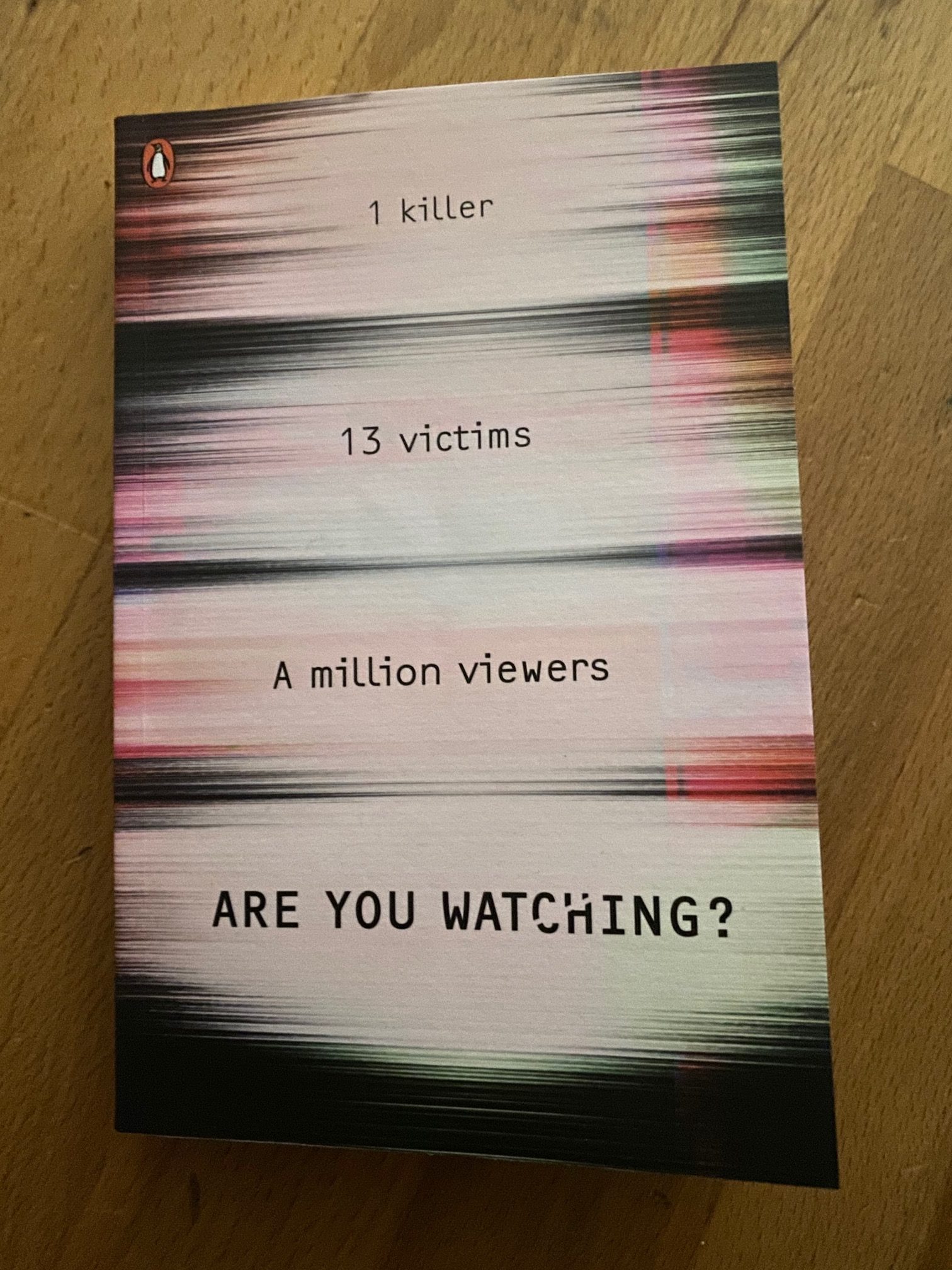
Are you watching bookThis crime thriller from Vincent Ralph is that publishers dream: a YA novel that adults will love too. It is a modern novel with mixes social media and crime, and then combines it with skill and excellent pace. I raced through this book, practically breathless to get to the end. Full stars. 

A page-turning new YA thriller for the social media age, perfect for fans of A Good Girl’s Guide to Murder and One Of Us Is Lying.

Ten years ago, Jess’s mother was murdered by the Magpie Man.

She was the first of his victims, but not the last.

Now Jess is the star of a YouTube reality series and she’s using it to catch the killer once and for all.

The whole world is watching her every move.

And so is the Magpie Man.

Are you Watching is available here.

The Red Ribbon by Lucy Adlington: Reviewed by Natalie Jayne Peeke – West Country Correspondent.


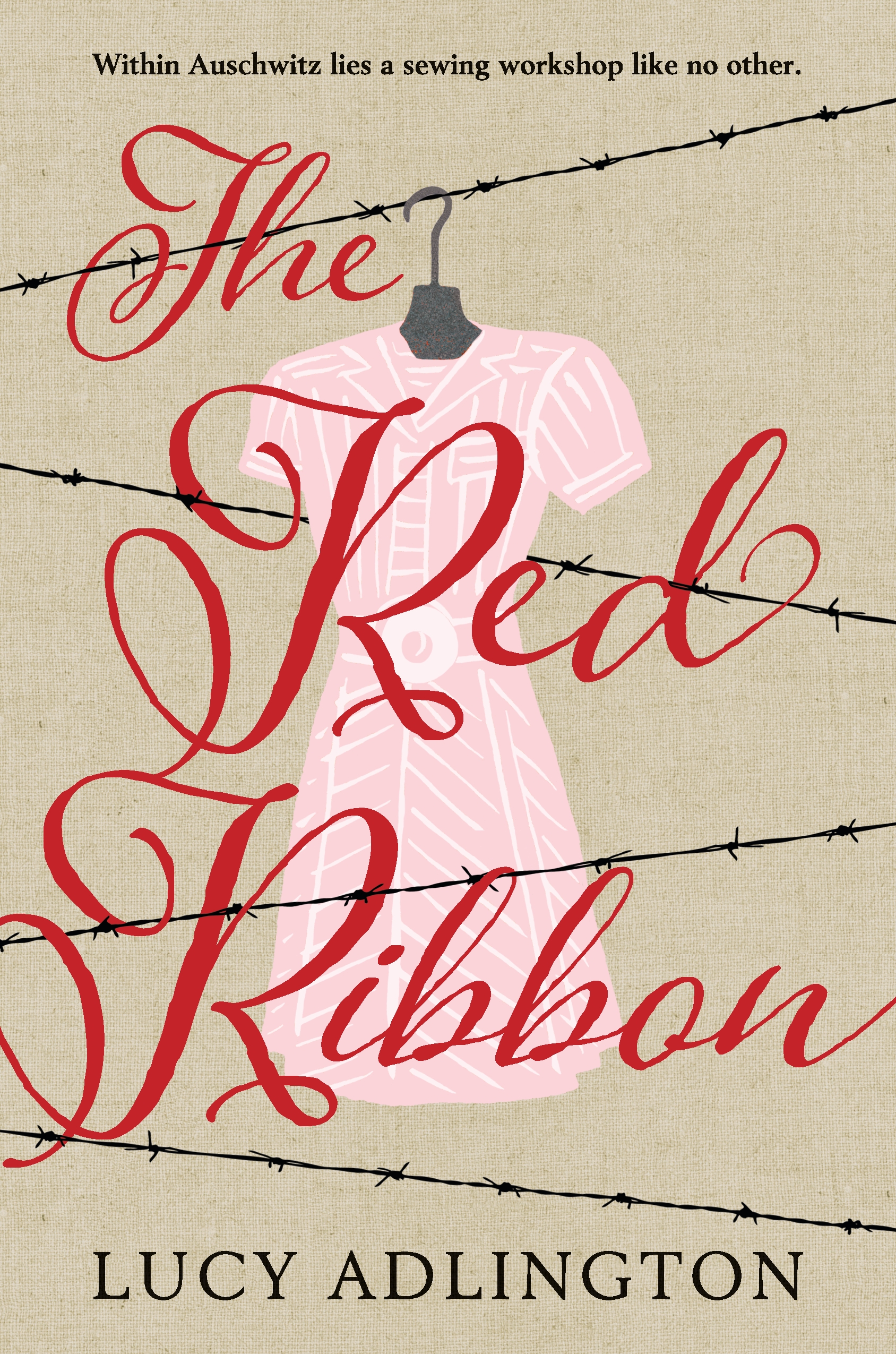
The Red Ribbon by Lucy Adlington is suitable for Young Adults, but … but … it should be read by anyone of any age.

Rose, Ella, Mina and Carla – in another life we might all have been friends together. But this was Birchwood.

THE RED RIBBON. Copyright © 2017 by Lucy Adlington. Reproduced by permission of the publisher,

Candlewick Press, Somerville, MA.


Ella, a kind and determined young girl  lives with her grandparents whom she adores. Her favourite pasttime is dress making with her grandmother – thank heavens, as things transpire.

Because, in the midst of world war two Ella, a mere fourteen years of age,   is snatched on her way home from school and  thrown into the place of horrors that is Birkenau . Leaving behind her life, her family and her freedom .

Adamant not to be a victim, Ella uses her skills  in order to survive and survive she determines she must.

Ella begins her first day at work in this appalling place by stepping into a world of beauty: silks, seams, scissors, pins, hems and trimmings. She is a dressmaker, but this is no ordinary sewing workshop. Hers are no ordinary clients.

Ella has joined the seamstresses of Birkenau-Auschwitz, as readers may recognise, and every dress she makes could mean the difference between life and death. Real life and death for this place is all about survival.

Increasingly Ella seeks refuge from reality, and from haunting memories, in her work and in the world of fashion and fabrics but again and again she is faced with painful decisions about how far she is prepared to go to survive. Is her love of clothes and creativity nothing more than collaboration with her captors, or is it a means of staying alive? Will she fight for herself alone, or will she trust the importance of an ever-deepening friendship with Rose?

Adlington’s inspired concept of weaving a red ribbon  through the colours of couture gowns and camp mud is masterly  – a red ribbon, given to Ella as a symbol of hope,  which to my mind is the theme of this engrossing important novel.
A beautiful story of friendship, morality,  bravery and most of all, the importance of hope, in the face of the horrendous truth of Ella’ s situation .

You will be cheering on Ella, laughing with her and crying with her. You will want to cut down those that abuse her and embrace those who care for her .

“I would survive ’til the end of the war , then I would open my own dress shop and never see ugly things again”
The Red Ribbon by Lucy Adlington is available on Amazon.co.uk and Amazon.com  in ebook hb, pb audio.


SISTER SCRIBES: SUSANNA BAVIN ON THE APPEAL OF THE SHORT STORY

Hands up everyone who remembers the First, Second, Third etc Pan Book of Horror Stories, Edited by Herbert Van Thal. I loved those scary stories when I was in my early teens. Looking back, some of them weren’t entirely suitable for a young reader, though that didn’t stop me lapping them up. My favourite was a ghost story by E F Benson (who wrote the Mapp and Lucia books), called The Confession of Charles Linkworth. I had a phase of reading it every Sunday afternoon before tea and, even though I ended up practically knowing it by heart, it frightened me silly every time. The hero of my newest book, The Surplus Girls, is named Gabriel Linkworth, as a nod to that story.

That was the second E F Benson short story I had come across. The first was The Room in the Tower, which featured in a book called Ghosts! An Anthology, which I received as a Christmas present. Unfortunately, the story was rather wasted on me because I didn’t altogether understand it. It is, in fact, a vampire story and I sort of knew that when I read it, but I was a very literal-minded child and this was in a book of ghost stories and therefore Julia Stone had to be a ghost… didn’t she?

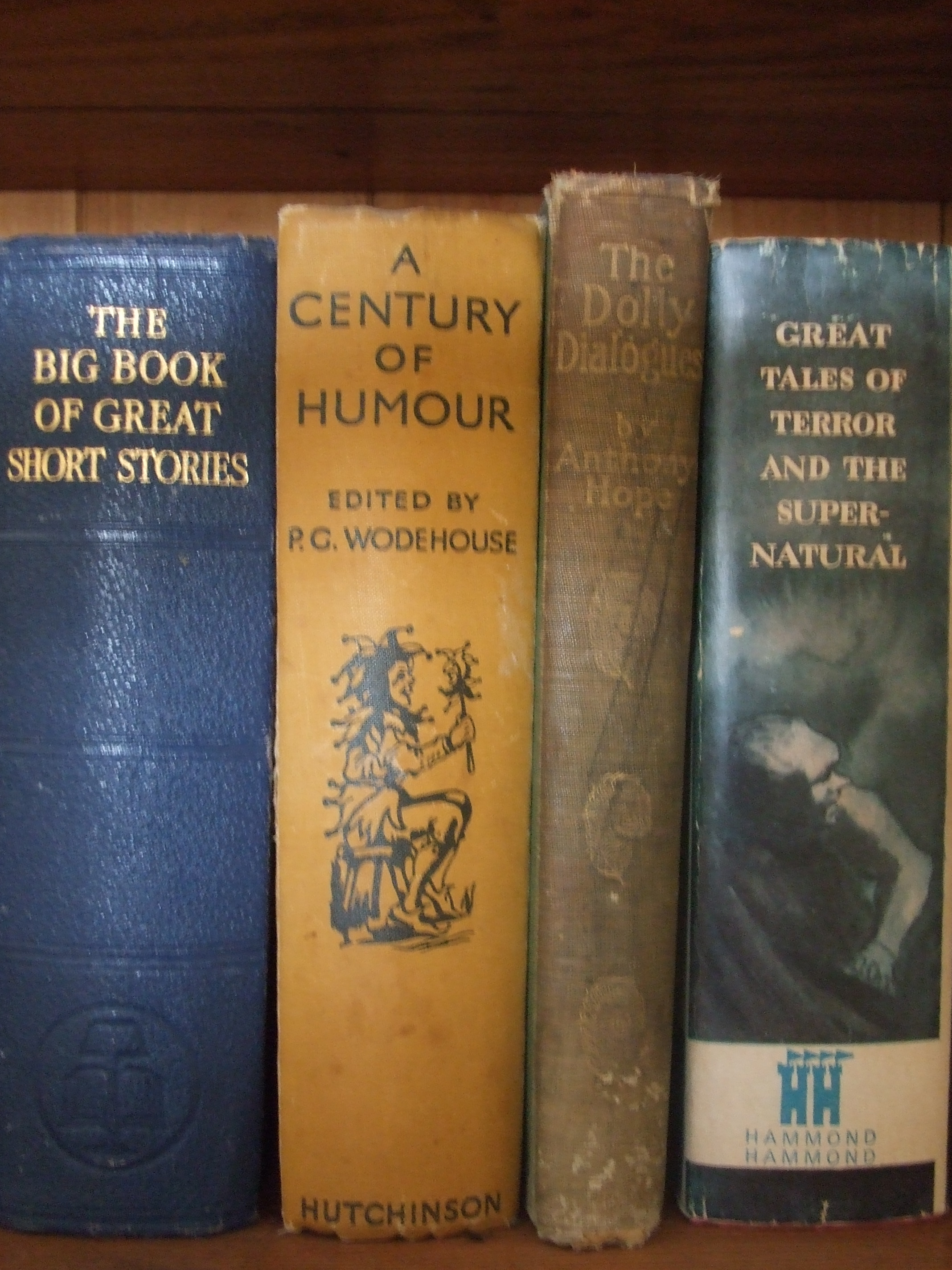
I have always been a reader of short stories. In particular I love the collections that were put together in 1930s, with titles such as The Mammoth Book of Thrillers, Ghosts and Mysteries and A Century of Humour, which was one of a series of A Century of… books. What better way to be introduced to writers such as Wilkie Collins, Guy de Maupassant, O Henry and W W Jacobs? My first taste of G K Chesterton was the wonderfully funny The Tremendous Adventures of Major Brown, which I re-read regularly. The Mammoth Book mentioned above even contained a ‘sealed section’ at the end, with stories to make you ‘glance over your shoulder and perhaps even start when there is a creak on the stair.’

A writer whom I came to love was A J Alan, whose wit and humour could find mystery in the most ordinary situations. It was often the style in these 1930s anthologies to top each story with a few sentences of author biography, beside which was a pencil sketch of the man (it was almost always a man) himself; but there was only ever a fancy question mark in the place where A J Alan’s portrait should be. He was famous for reading his stories on the wireless and his identity was a closely guarded secret, as befitted the mysterious nature of his tales.

And I adored Anthony Hope’s The Dolly Dialogues. I bought myself a first edition after enjoying the two chapters that featured in A Century of Humour. They are clever and teasingly romantic observations of life and love.

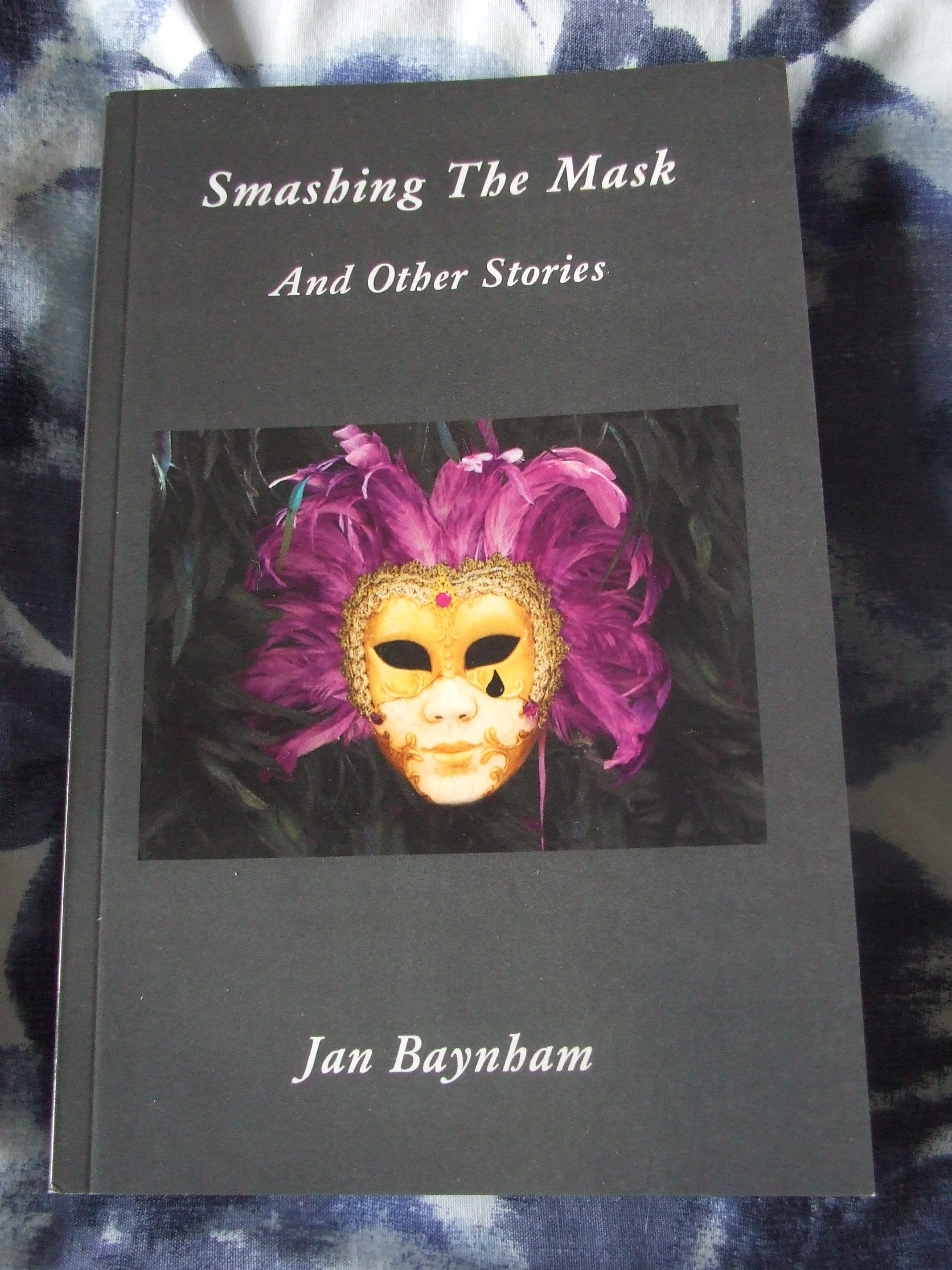
The most recent collection of short stories I’ve read is Jan Baynham’s Smashing the Mask and Other Stories. Although there isn’t an official theme to the book, a thread of the supernatural runs through several of the tales and in each one Jan creates a different sort of atmosphere, from the deep sorrow of a ghostly mother to the chilly horror of a long-ago murdered girl to the traditional creepiness of helping a stranger. She also uses painful directness to tackle the all too recognisable dilemmas of hoping against hope to meet a long-lost child and struggling to be brave in a situation of coercive control. Jan has produced an intriguing collection filled with insight, a variety of moods from the uplifting to the poignant, and more than one clever twist in the tale.


Some crime novels to see out the winter by Annie Clarke

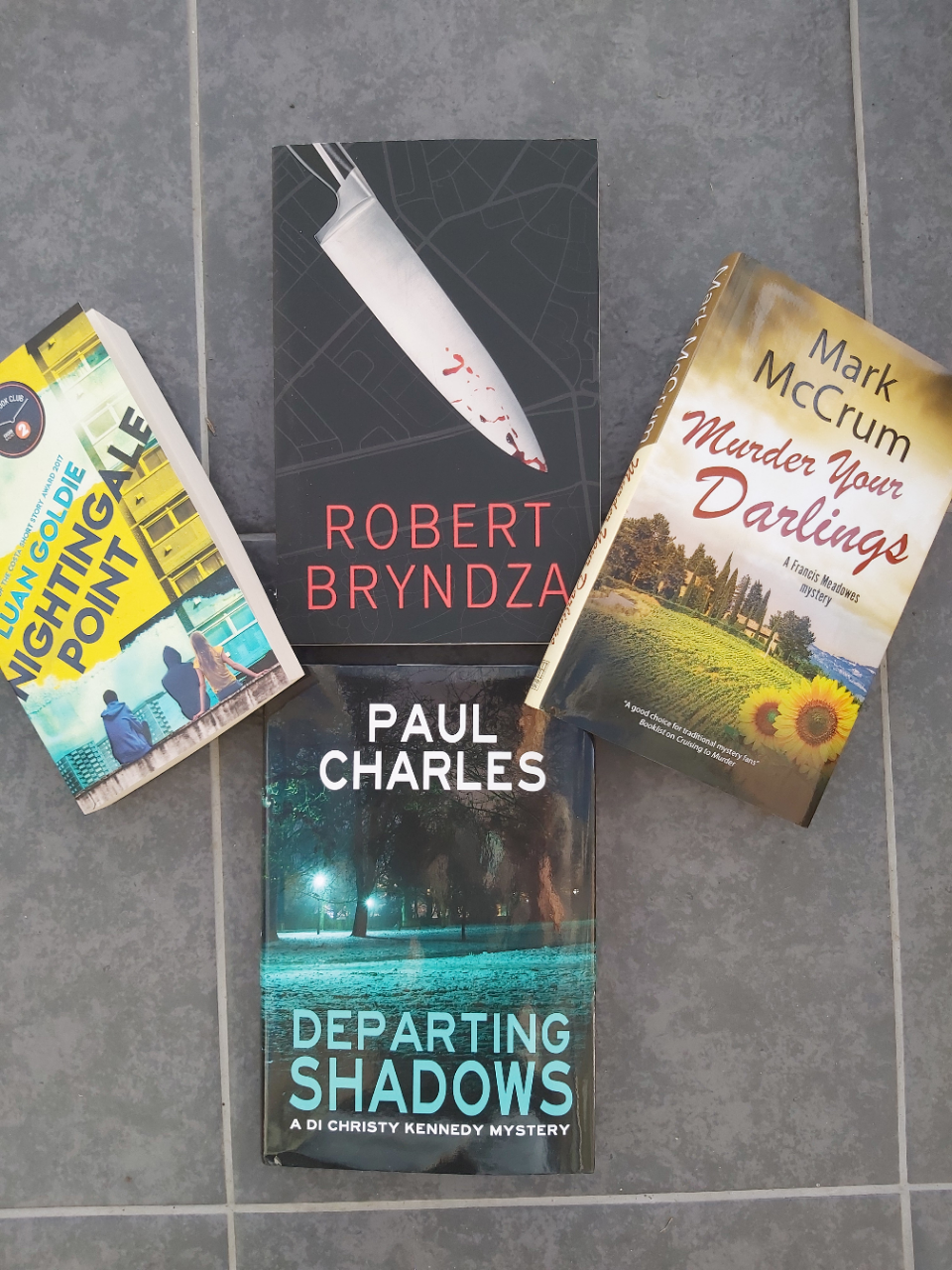
Here we go, a fabulous clutch of crime novels in a variety of guises.

Departing Shadows by Paul Charles. Pub by Dufour Editions @ £18.99

A young woman is run over outside one of Regents Park’s foreign Embassy buildings. DI Christy Kennedy is on the case, and is sure it’s not your normal hit and run.

The victim, Gabriella Byrne, is soon discovered to be a closed book, and as she is in no position to tell all, Kennedy is soon on the trail to find out what’s what. However he is muscling in on the corridors of power, and these, of course, are also closed books, and steps will be taken to keep them unread.

Deceit and  intrigue, and yep a bit of love propel this novel to the denouement. I have longed for a successor to one of my favourites – Reginald Hill. I reckon I might well have found him in the books by Paul Charles.


Murder your Darlings by Mark McCrum pub by Severn House. Hb at £20.

I like McCrum’s gentle but none the less intriguing novels. They’re old fashioned in the nicest possible way, and with nostalgia every popular, are such a delightful read. This one is set on a creative writing course in Umbria, led by Francis Meadowes. A student is discovered, dead, in a sauna. Surely it wasn’t that hot?! Is this an accident – or NOT?

But then another death presents itself. Oh lawks. Commissario Marti Moretti leads the charge with her flamboyant local police, but it is up to Francis Meadowes to solve things, and probably get back to the serious stuff of teaching students how to ‘stay in the moment’ and keep the tension up. The author, McCrum, does both rather well. Bravo.

Nightingale Point by Luan Goldie, a BBC Radio 2 Book Club Pick.pub HQ. pb £8.99

This is the debut novel from the winner of the 2017 Costa Short Story Award.

Good to see a short story writer tackle very successfully the rather difficult beast – the novel.

Set back in 1996 Nightingale Point is a pretty normal residential area, with the usual extraordinary characters presenting as ordinary, as we all do. For we all have pasts, shadows, baggage. In this case, the sun goes down on Nightingale Point and sets something alight, (not really, I’m waxing metaphorical) and as the flames of drama roar, the residents must endure, but not just that, they must  find their way back to the safety of one another.

This is a confident emotionally intelligent debut novel, with pace.

Nine Elms by Robert Bryndza pub by Sphere. hb ebook and audio available

Bryndza, the author of the extraordinarily successful Detective Erika Foster Series, is heading for similar success again with a new series, featuring Kate Marshall. Marshall is a detective with integrity and potential in the Metropolitan police force. She is tasked with capturing the Nine Elms serial killer, but things don’t go quite to plan, for she narrowly escapes adding her name to the list of victims.

After a gap of 16 years, now living a quiet life on the English coast, Kate Marshall hasn’t quite put the past behind. Unknown to her, neither has her nemesis. One day she received a letter … Arghhh.

This is well worth reading, pacey, nail biting, hide behind the sofa time. Let’s give it another – Arghhh.

Annie Clarke is the author of the Home Front Girls series pub Arrow.


Living with Alzheimers – A New Challenge for 2020 by Chris Suich

 new challenge for 2020 Bob Suich Chris Suich

Welcome to the New Year 2020! Christmas came and went. We had a pleasant enough one without incident. Can’t say that of the new year though.

The first few days of 2020 were a bit of a challenge. I noticed Bob’s ankle was a bit puffy after his bath. I’ll have to keep an eye on that, I thought. Perhaps his sock was too tight around his ankle, but I thought I’d put on his open topped non-elastic ones.

The next day his lower left leg was huge and his foot resembled a block of lard. No understanding or pain noted from Bob.  It was Saturday, no GP available. I went on the NHS website to check and rang 111 just to make sure I wouldn’t be wasting anyone’s time if I took him to the ’Walk in Care’ at the local hospital. I realised it probably was a blood clot as the answers pointed to that. The lady rang me back from the NHS helpline to tell me I’d got an appointment for 8.30pm and to take him in. We were seen by 11.30pm.

It was an endurance test for us both. Bob wanted to go to bed, he’d been saying this every two minutes since 3pm and was getting more and more distressed.

‘Let’s do a runner,’ he whispered conspiratorially. It crossed my mind. Then he’d ask everyone if they were a doctor and that he thought it was ridiculous that there were no doctors there. If someone spoke loudly or a child squealed it upset him.

There was a blood clot. He had a scan to confirm on the following Monday. We had to go in again on the Sunday and Monday for an Injection of blood thinner in his tummy; another endless wait.

Finally, I think the penny dropped that waiting for hours for a two minute injection was stressful for Bob and the waiting audience of patients. I was presented with 10 injections, a safe needle disposal box and told to get on with it. Nurse Suich at your service!

Poor Bob. I was now the baddy, hurting his tummy every night. What fights we had getting that needle in – and how close did I come to getting it in me, not Bob.  A Carry On film comes to mind.

I still feel though the physical side of caring isn’t the hardest part: the hardest part is the loss of freedom, the absolute tie, the relentlessness of the duty, the repetitive nature, the hyper vigilance of constant watching, the fact you can no longer call your life your own.

BRAVE, BEAUTIFUL AND BARING IT ALL by RHYANNA WATSON: Reviewed by Mary Cooper


When I first picked up Brave, Beautiful and Baring it All, by Rhyanna Watson, I instantly judged her; questioning her motives for using naked and semi-naked photos of herself throughout the book, for sharing her experiences with strangers, deriding it, not taking her seriously.

Not listening to what I was reading, I cast it aside.

Luckily, I picked it up again and opened it: page seventy-two, Befriend your inner critic.

I was horrified to realise that I had been hyper critical of Rhyanna Watson, and her book before I had even read it.

What would I say to her if she was standing in front of me, if she was a friend? Would I be so critical of what she had chosen to share with me? Would I scoff at her photos? No, I would not. I would tell her that she is brave and that I wish I had her courage.

I am so glad that I went back to the beginning and, closing my critical eye, read as if she were a dear friend.

The difference was astounding.

I began questioning my inner voice; asking myself the reason behind feelings, reactions and my blind responses to them. And although I know with a certainty that as a sixty-four year old grandmother with a mummy tummy, it is very unlikely that I will bare my body to the world, but I do intend to listen honestly to what people are saying to me, and think honesty about what I’m going to say before I open my mouth.

Didn’t someone say that whatever we focus on becomes stronger?

Brave, Beautiful and Baring it All, is an exciting self help book which incorporates yoga teachings and meditations, it encourages us to stop and take stock from time to time; to focus on the good in others and how wonderful life is.

Rhyanna Watson, you are a brave, beautiful and honest human being.

Brave and Beautiful is available here.