SISTER SCRIBES GUEST: CATHERINE BOARDMAN ON CULTURAL BLOGGING

Catherine was a BBC News Producer for 20 years specialising in Business and Economics with a side line in travel writing for national newspapers, then she had twins.  Now Catherine writes about what she loves, Arts, Culture and Travel on her blog Catherine’s Cultural Wednesdays.  If you are seeking inspiration about where to go and what to see or need someone to write about it, she is your woman.


What is it about writing?  I love it.  I adore telling stories.  Yet I am the queen of procrastination.  Tales tumble over themselves waiting to be told.  My laptop awaits.  Coffee, I can’t write without coffee.  Ping, a group chat on Facebook messenger surges into life.  Cheap, cheap, somebody on What’s App has an urgent bon mot. Trillll, a twitter group surges into life.  At last somebody suggests a word race and we’re off.

Writing is something that I have always done.  Long letters to distant friends, fragments of ‘Famous Five’ style stories, breathless accounts of everyday occurrences in my tiny childhood village.  To begin with this need to write beyond the demands of study was a solitary pursuit.  I knew nobody else who scribbled endlessly.  Then I became a journalist, suddenly everybody I knew wrote, cared deeply about punctuation and was certain that they had the makings of a novelist.

After twenty years as a BBC News Producer I fell pregnant with twins and took the Corporation’s kind offer of redundancy.  My life changed, utterly.  Thoughts about writing a witty and engaging account of parenting identical twins in your forties came to nothing.  For two years it was all I could do to keep all of us fed and dressed.  Eventually when a sleep pattern was established that involved both boys sleeping at the same time as each other for longer than two hours, the fog began to clear.

Now my thoughts turned to a blog about what interested me.  Catherine’s Cultural Wednesdays started out as an account of my weekly jaunts out of the house and widened out to include travel.  I published the first post and was then overtaken by fear.  What if I couldn’t write?  What would people think?  Worse, what if nobody read it.  For the next six months I wrote posts and didn’t post them.  Paralysed with fear.

Without the support of friends and fellow writers I would still be writing posts that never got published.  Where did I find my support network?

Put #amwriting into the search box on Twitter and all manner of people pop up.  Daily word races take place.  The same people kept on popping up, so we set up a chat group, called ourselves the LLs or Literary Lovelies.  We went on writing retreats together.  We supported each other through first drafts, agent hunts, publication days.  Well some of us.  The rest of the LLs are proper novelists, I realised that what I like doing is telling immediate stories, fiction is not for me.  We chat virtually most days.

Wonderful though virtual friendships are flesh and bone is important too.  When my confidence was rock bottom, I joined a local creative writing class.  Slowly, week by week my confidence returned.  After a year or so the formal structure of a class was no longer the right format for some of us.  Now a group of us, the EveryGirl Writers, meet every week for two hours just to write, to support each other in our writing.

Telling stories is what I love to do.  The solitary nature of sitting down to write suits me perfectly.  Yet it is the support and friendship of fellow female writers makes the procrastination so much more fun.


Catherine’s Cultural Wednesdays https://www.culturalwednesday.co.uk

Twitter: https://www.twitter.com/culturalwed

Facebook: https://www.facebook.com/culturalwednesday/

Instagram: https://www.facebook.com/culturalwednesday/

LinkedIn: https://www.linkedin.com/in/culturalwednesday


The Hape Robot Factory Domino Set Review


My children loved this interactive domino set. It is unique and gives hours of fun. Smart and original, it builds lots of different skills.  We highly recommend it. A brilliant toy. 


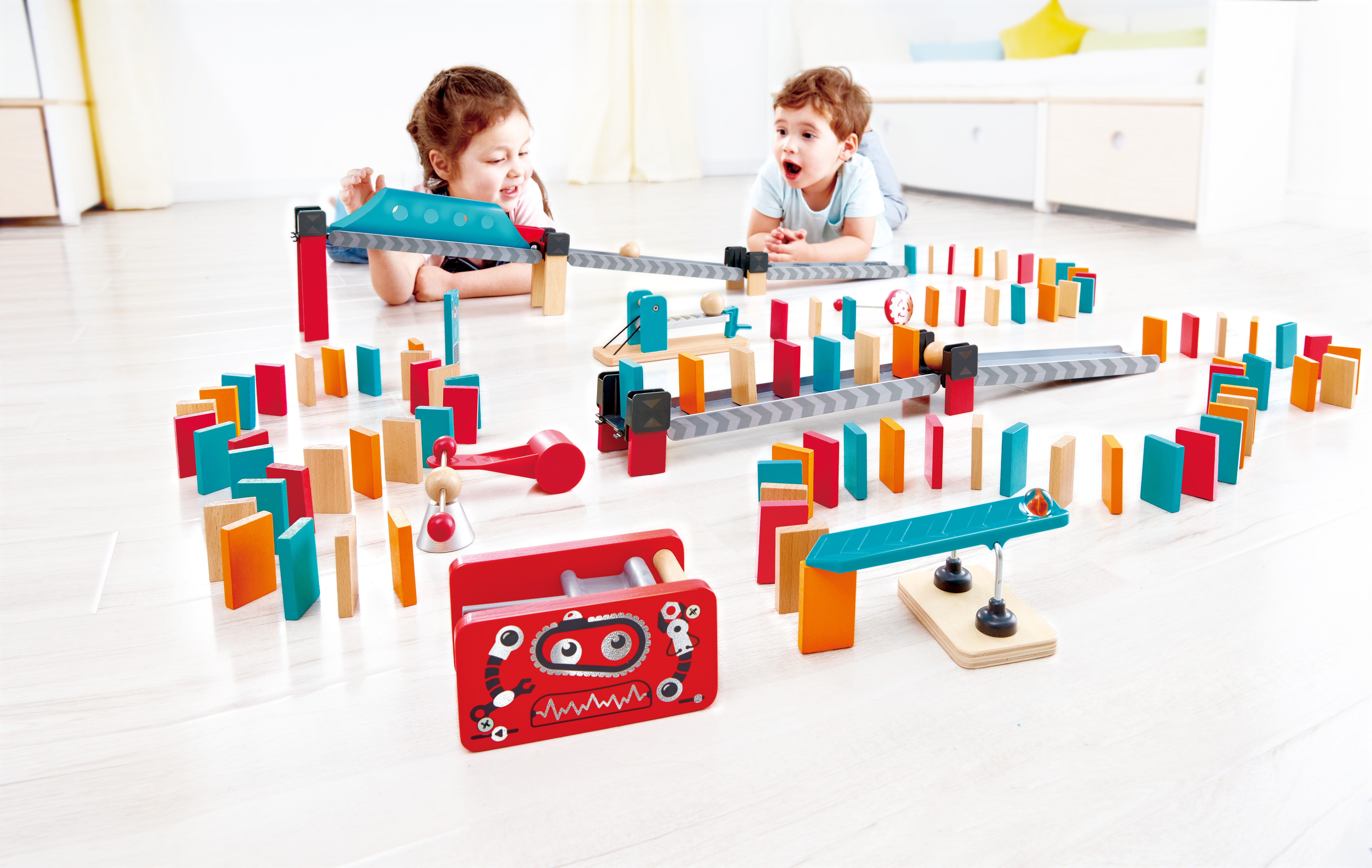
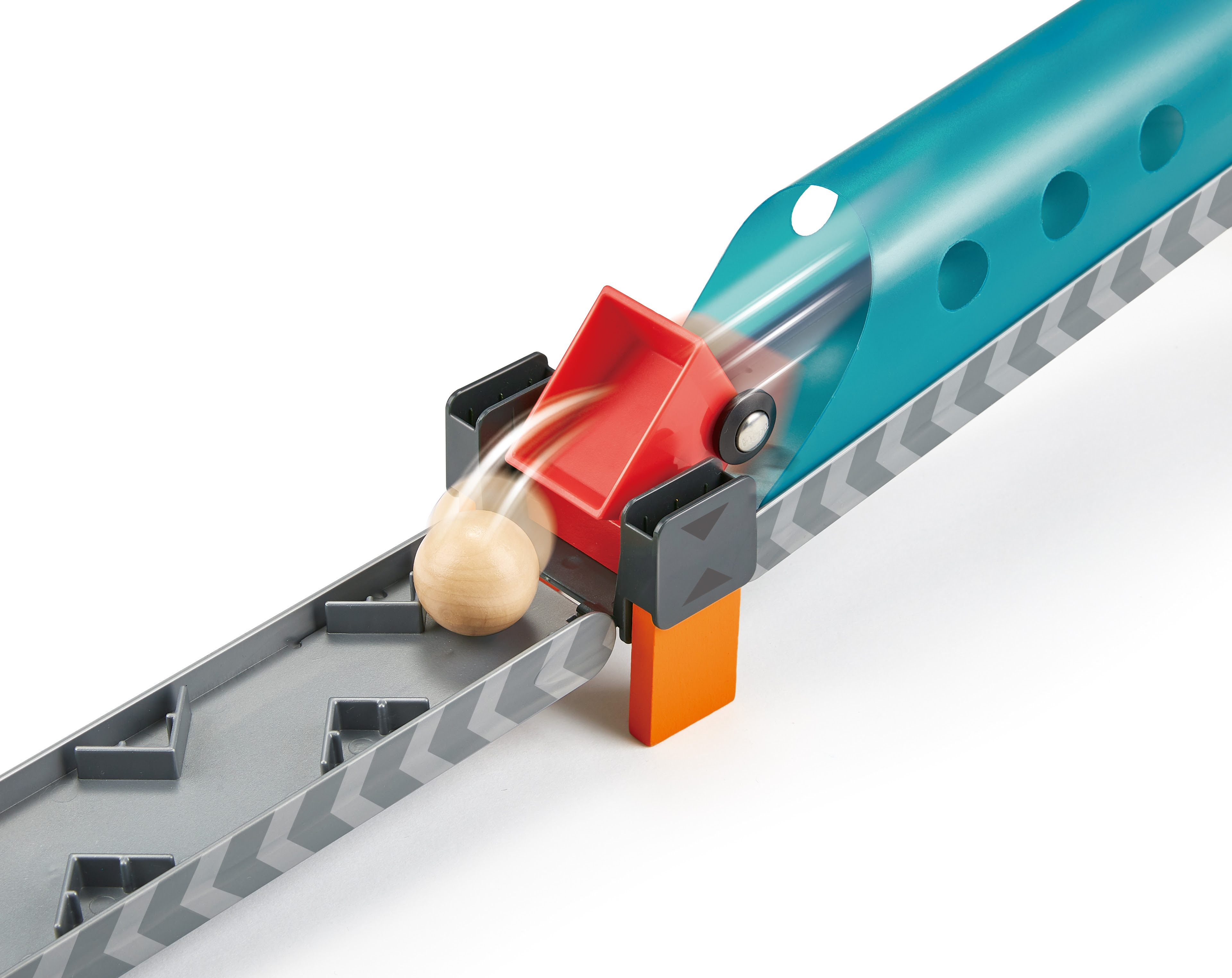
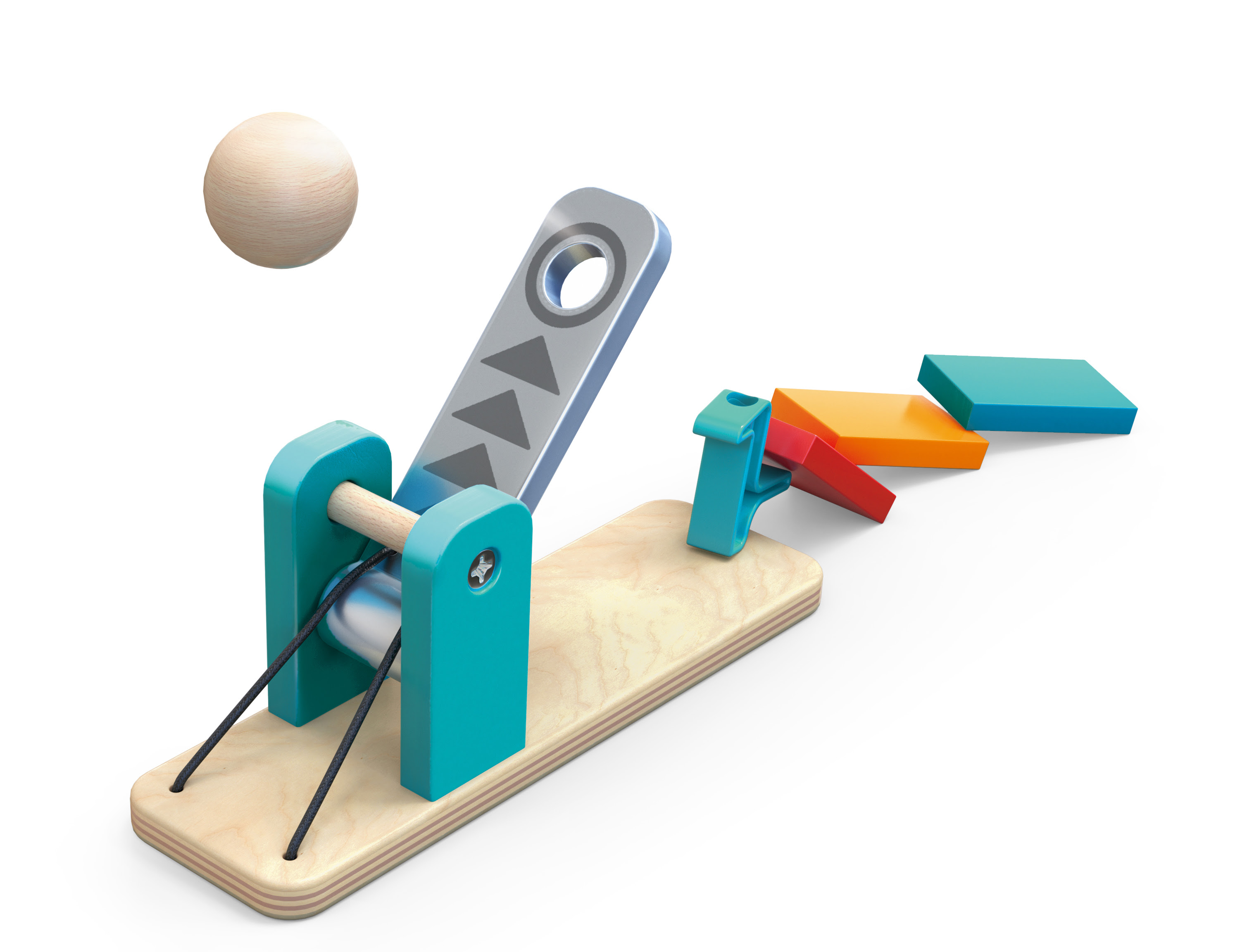
Sure to be a big hit amongst both parent and child, take the domino phenomenon that one step further with this thrilling Domino Robot Factory from Hape, suitable for 4 Years +. Jam packed with a series of additional fun and interactive elements including; tipper car, crazy ball track, tipper arm and ramps help form an exciting robot themed production line to add plenty of drama and spectacle.

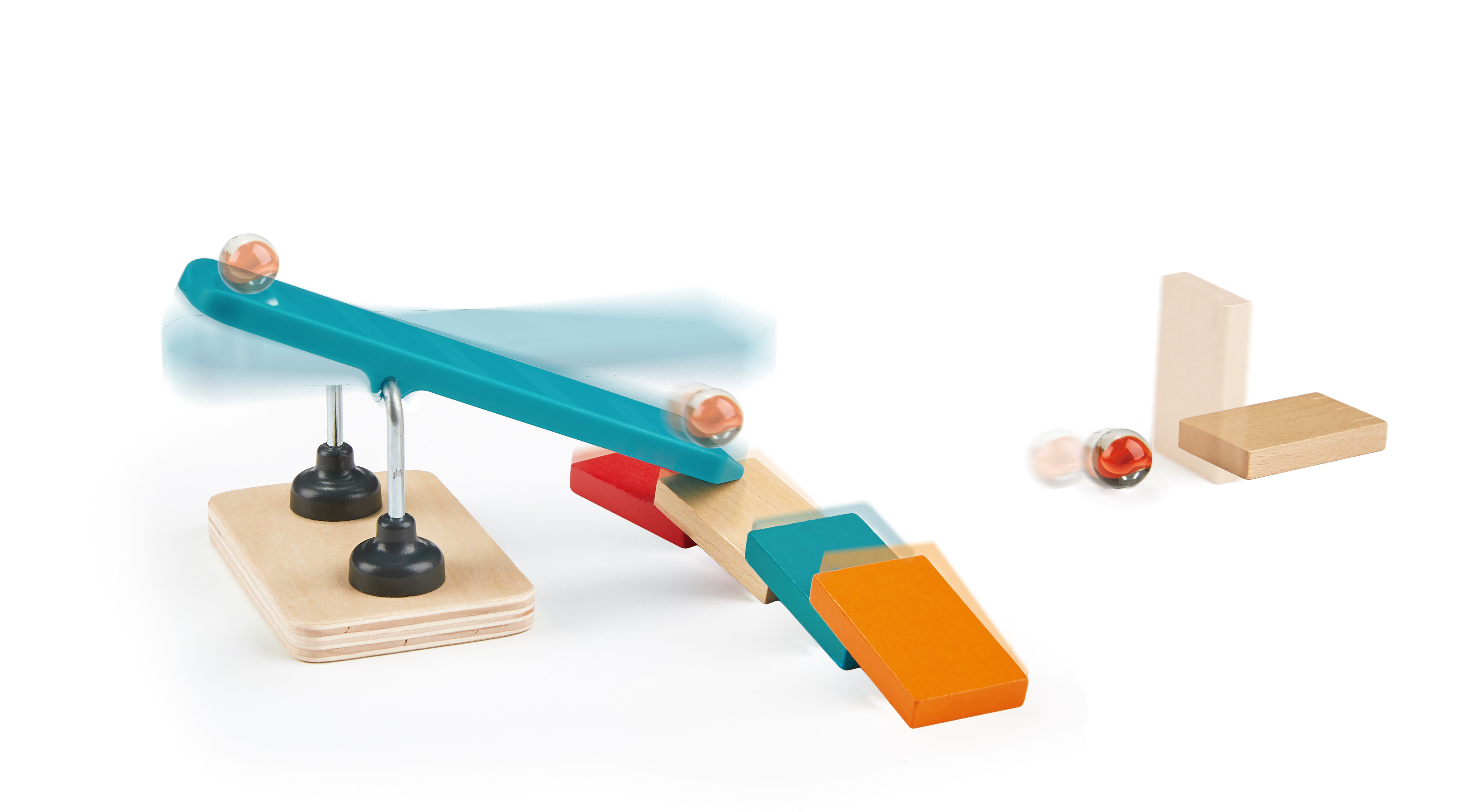
With the Robot Factory Domino Set use stored energy to catapult the wooden ball into the air, motor along the double sided track before momentum travels through the spinning arm. With the end in sight watch as the finishing flag begins to fly, that’s just one suggestion of ways to play. With no instructions or rule book to follow the build is in your hands, with each creation is sure to result in a different outcome.


Surprise awaits round every corner with this fantastic Domino set. As momentum builds through the course helps to introduce children to the concept of potential energy, momentum and gravity, as well as understanding the principles of (STEM) Science, Technology, Engineering and Mathematics learning.


Beautifully crafted from the highest quality natural materials Hape are proud to use only water based paints, tested rigorously to ensure that customers get the best value for money and quality in their toys. So what better example than Hape’s very own Domino set.

The Robot Factory Domino Set is available to buy online for £49.95 from Wicked Uncle.


A Day in the Life – Glenda Young

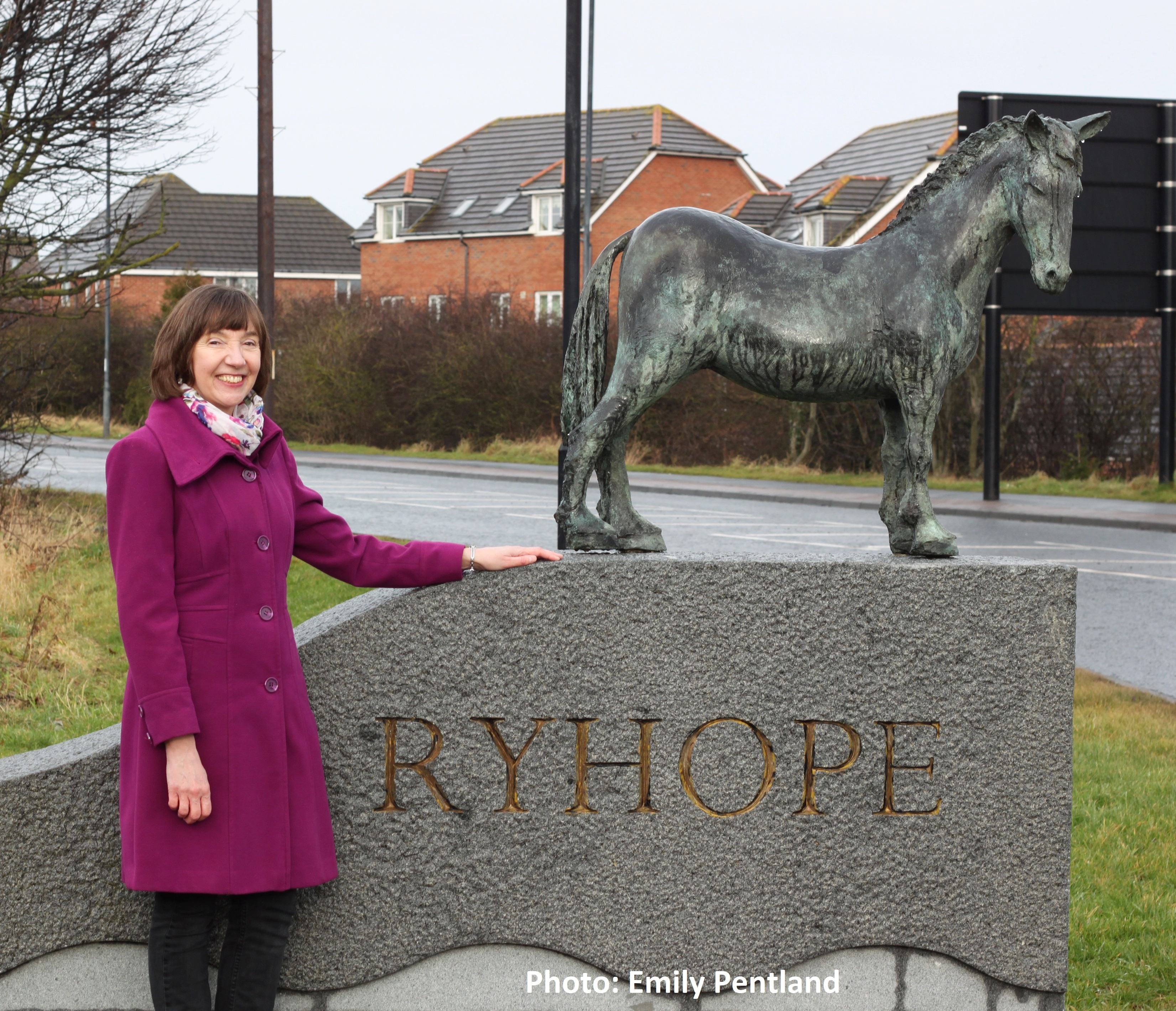
Glenda Young by Emily Pentland

My day begins with tea made in the pot and warmed by a tea-cosy. I try to schedule my days in advance into writing and non-writing so that I know, for instance, on a writing day I won’t even look at email or social media or do anything other than crack on with my work in progress.  This may make me sound as if I am incredibly disciplined. But in truth, as anyone who works from home will know, the lure of the hour-long coffee break, daytime TV and the call of the biscuit tin are often difficult to ignore. In order to get any writing done at all, I have to be very focussed. Hold on a moment, would you, while I go and pop the kettle on?

On writing days I aim for 2,000 words and no matter if I’m in the thick of it or not, once I reach those 2,000 words, I force myself to stop. This leaves me itching to get started again the next day, rather than being stuck as to how to start. It might sound odd, but it works for me!

And if it’s a non-writing day, then it’s admin – emails, social media, appointments, arranging talks and events. As a debut novelist, giving talks is very new to me. It’s exciting but more than a little scary as I’m really quite shy and have to force myself out into the world to stand in front of people and talk. Fortunately, all talks so far have gone down well, and (I hope!) people are laughing at my anecdotes rather than laughing at me.

Research is also a key and ongoing part of writing a novel and it’s one I enjoy tremendously (although, yes, just like the hour-long coffee breaks mentioned above, I know it can work as displacement activity from the real task in hand of writing!). My novels are set in the northeast village of Ryhope, where I grew up. It prospered as a coalmining village and there is still a very strong sense of community there. My family still live there and I visit Ryhope often. The Ryhope Heritage Society have been extremely generous with their time and resources in helping me research for my work.

On a Wednesday afternoon all writing of my novels and admin come to a halt. Wednesday afternoons are sacrosanct. This is when I write my weekly soap opera Riverside for The People’s Friend magazine. I’m honoured to be writing the first ever soap opera in the history of the longest running women’s magazine in the world.  I love Wednesday afternoons and writing Riverside. It’s a fun, sunny break bringing life to a community I’ve created.

And whether it’s a writing day or not, one thing I like to do as long as the weather allows, is take a bike ride outside in fresh air. I’m very lucky to live on the coast and we have cycle paths stretching for miles in each direction. As a writer sitting at a desk all day, getting outside to cycle is a real luxury and one I enjoy a lot. It’s also important for me to get out and talk to people and so I try to arrange meet-ups with other local writers. Mondays are my “day off” when I’ll go shopping in town or treat myself to the afternoon at the cinema – phone off, cup of tea in hand, cocooned in the dark and utterly, totally switched off.


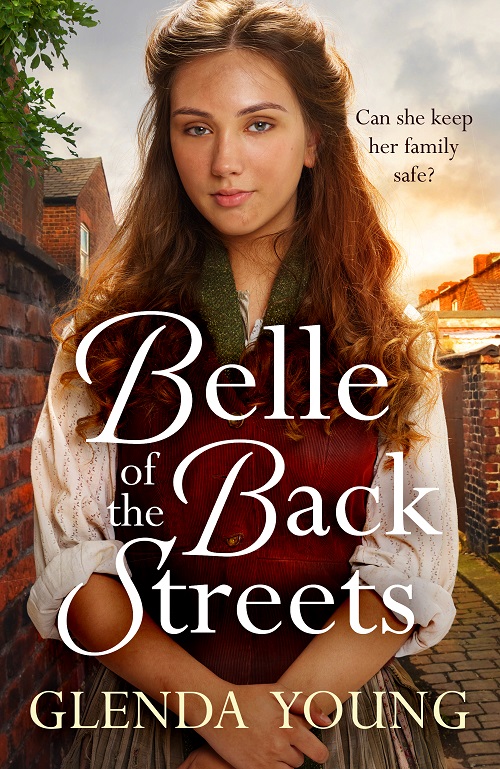
Belle of the Backstreets by Glenda Young is out now in paperback

Headline £6.99 RRP also available in E-book and audio

Glenda Young credits her local library in the village of Ryhope, where she grew up, for giving her a love of books. She still lives close by in Sunderland and often gets her ideas for her stories on long bike rides along the coast. A life-long fan of Coronation Street, she runs two fan websites for which she sometimes interviews the cast of the show. For updates on what Glenda is working on, visit her website glendayoungbooks.com and to find out more find her on Facebook/GlendaYoungAuthor and Twitter @flaming_nora.

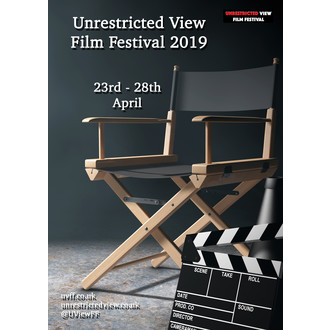
Unrestricted View announce the return of its North London Film Festival by Michael Rowan


Great news for lovers of film as Unrestricted View announce the return of its North London Film Festival which this year will run from Tuesday 23rd April to Sunday 28th April 2019.

Better yet submissions are still being accepted and the final extended deadline for submission is the 15th March 2019.

Launched in 2016, and following three very successful years, the 2019 festival is set to be will be bigger and better than ever before with the addition of some exciting new venues.

The UVFF festival is run by filmmakers for filmmakers and holds at its core, a passionate desire to celebrate the very best in, and encourage all aspects of, independent film making.

The Festival’s main hub will as ever, be situated at The Hen & Chickens Theatre, an independent theatre and cinema in Islington, North London.

Films will be screened there all day and each evening for the duration of the festival, alongside workshops and other events.

Building on last year’s success the opening night film for UVFF 2019 will again be shown at The Screen on the Green as well as the new addition of screenings held in Islington’s Vue Cinema.

Tickets for all shows will in due course be available from www.unrestrictedview.co.uk or on the door. Details of category finalists and full details of the programme for the festival will be announced on 26th March – the day after the nominees are notified.

Full information about the launch event and details of the judging panels which will be made up of leading industry professionals, passionate about independent film will be announced on the same day.

The festival will culminate in an awards ceremony held at The Hen & Chickens on 28th April, where winners from each category (listed below) will be announced.


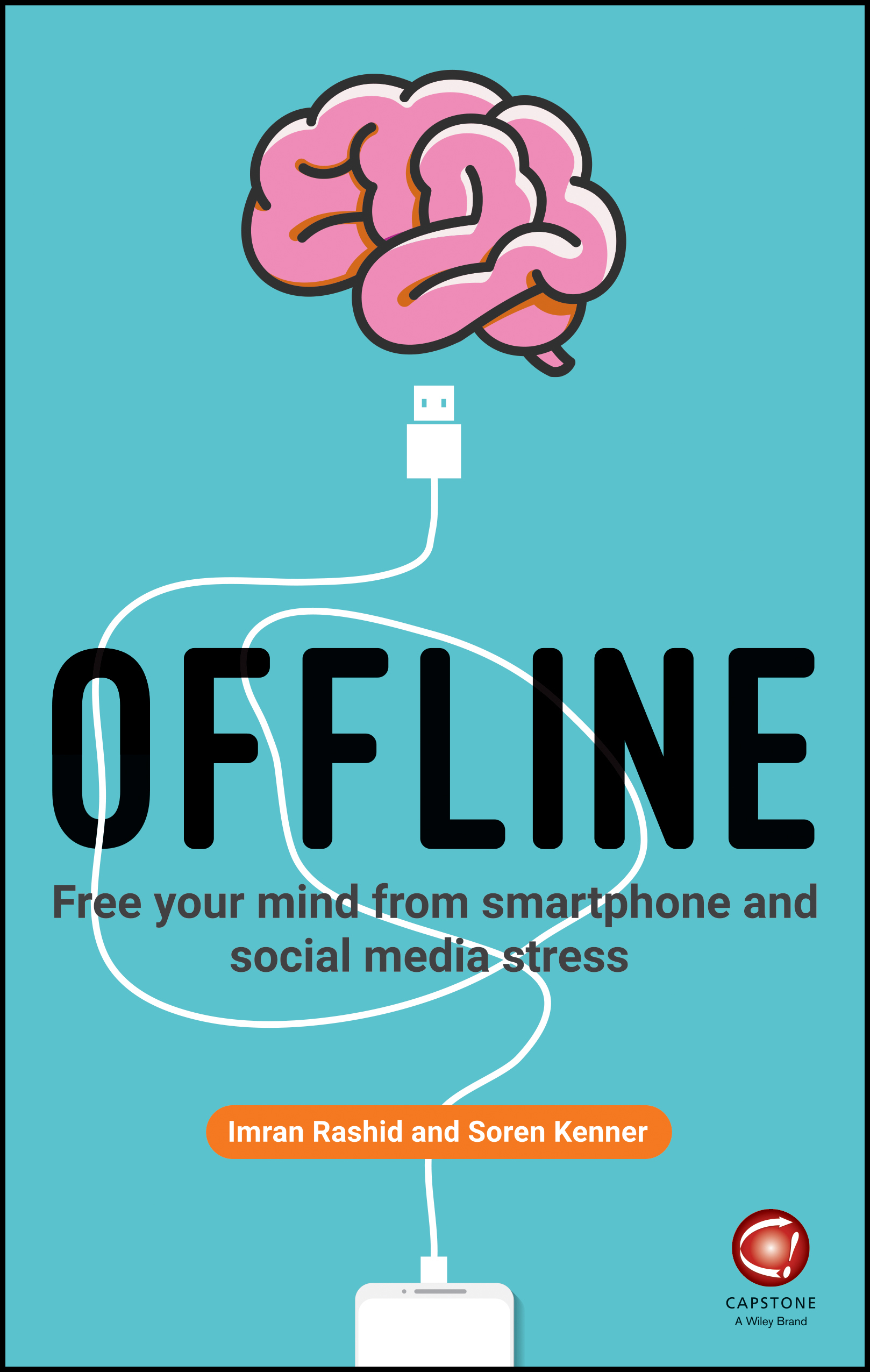
Offline by I Rashid and S Kenner – A timely and erudite book review by Dr Kathleen Thompson


Offline is a fascinating and important book co-written by a doctor and a marketer.

It explains how internet companies track us continuously; the sinister addiction-inducing marketing techniques used; and how our web activity is tracked and sold to third parties.

Do you, like me panic if you’ve left your phone at home?  Why? Well, it’s not by chance. Companies invest a great deal to control your need – read on.

Offline explains human psychology, and how various websites utilise our brains’ release of dopamine – the pleasure/addiction hormone, to keep us returning repeatedly.  On Facebook, we get messages and Likes – but we can never predict when – this craving-action-reward cycle releases dopamine and keeps us needing more. Stickiness is the buzz word.

Social media apps exploit our primeval socialisation need, and Offline explains how replacing actual with ‘fake’ digital socialisation can lead to depression and low self-esteem, and how these apps impair impulse control.

Facebook advertisers are able to select target groups – based on location, gender, age, interests, behaviour and many other attributes. Facebook continuously monitors our user activity to update this information.  Hence why if you search for a product you then get numerous adverts for the same item.

Kosinski studied 87 million Facebook profiles, and found that analysing just 68 ‘likes’ could predict skin colour, sexual orientation and political affiliation. With a few more, intelligence level, religion, alcohol/drug use, home circumstances, personality, affinity, and behaviour could also be deduced. To do this study, he asked 270,000 consenting volunteer Facebook users to allow him access to their entire network – ie not just their own profiles, but those of their friends AND friends of friends. Thus he accessed 87 million Facebook accounts, mainly without the users’ knowledge or consent.  Offline explains how Cambridge Analytica infamously also accessed Facebook profiles without permission – by piggybacking into Kosinski’s data. How many more companies did this before Facebook closed the loophole?

Offline demystifies cookies too. These collect data when someone visits a website – some track what websites you browse subsequently – and some share this with third parties, even providing your name and address on occasions.

Offline discusses other practices, such as ‘Zuckering’ –after the Facebook CEO – where you’re tricked into sharing more information publically than you intended.

It reveals that Google searches are not random, but are biased, based on previous web activity – this can distort reality, creating  ‘confirmation bias’ (interpreting new information to confirm existing beliefs) and thus promote social intolerance and polarisation. Maybe we would rather decide ourselves what we see in searches? It leads to cognitive dissonance too – you’ll need to read the book to find out more.

Offline discusses the deleterious effects of social media on mental health – giving a balanced view, highlighting when studies are flawed or inconclusive.

Finally it advises how to protect ourselves. It stresses that the web has many benefits and with awareness and behaviour changes, we can minimise bad effects – I agree, but knowledge is key and this book is an excellent summary.


By Dr K Thompson, author of From Both Ends of the Stethoscope: Getting through breast cancer – by a doctor who knows

http://www.amazon.co.uk/dp/B01A7DM42Q

http://www.amazon.com/dp/B01A7DM42Q

http://faitobooks.co.uk

Why I am Embracing No Sugar Days

Sugar has become the new smoking. So dangerous that even the government has brought in a tax to protect us. It all feels a little overkill to me. There is no doubt that too much sugar is bad for our health, and obesity and diabetes is on the rise. So I have been trying to cut back. Dieting, however, is a word that encapsulates everything hard and boring. I have lived my life and have only been on one. A no sugar diet I did a few years ago. Which you can read about here.  It was brutally but I felt great after. I love chocolate and having an occasional coke. I do not prefer all sweet food to savoury but I believe a world without dessert is a sad one indeed. I have thought about going no sugar again. Each time the days seemed long and boring. I know sugar is not good for my health so I came up with a solution: no sugar days. Now I am not a dietician so this is just opinion. The problem with my previous attempts was obvious: they were for months or even forever. A lot to live up to. The truth is; sugar in moderation is fine. So why give it up completely? You can manage anything for a day. It is barely anything at all. I have noticed a difference in my health and in my body. In a world were having a no sugar, no gluten, no anything fun, diet seems to be the fashion I just want to rebel. And do not get my started on the whole clean eating thing. Food is not dirty. If you have a no sugar day once a week then the next day you taste sugar more and just eat less naturally. The key is to not just eat lots of junk food that is not full of sugar. A day of health eating makes you more conscious and kicks off more healthy habits. It also means you keep away from those horrible sweeteners. I have never believed that sweeteners are better for you than sugar. I keep away from them, and aspartame in particular, as much as I can.

You can eat fruit on your no sugar days. You can also have some cheese or an oat cake with peanut butter. Fix your body with good food and you are investing in your health and your future. Food is medicine. We forget this at our peril. Try having a no sugar day yourself. Or even a low sugar day. Write any comments or tips below, or email me at frost magazine at gmail.com

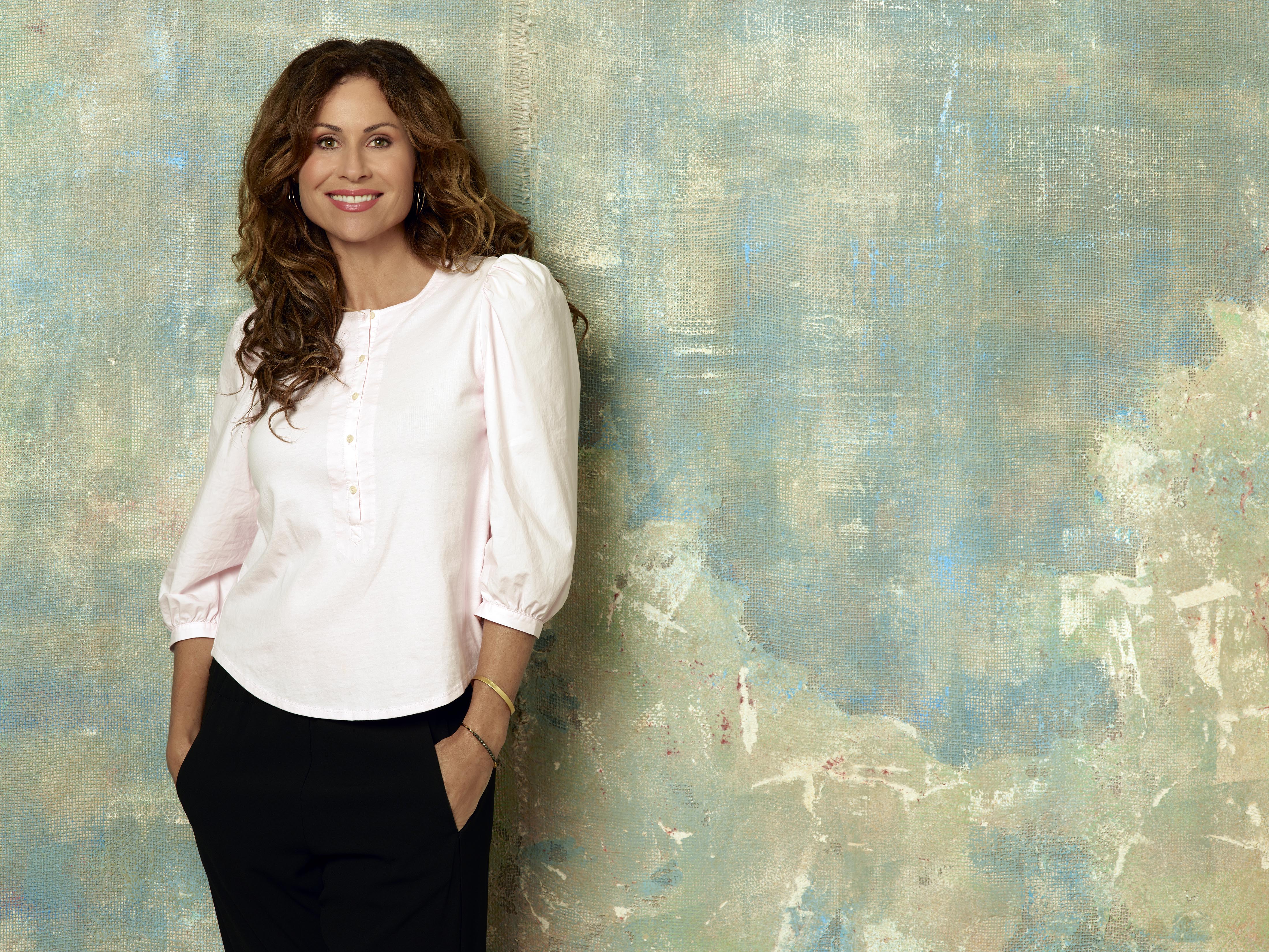
Interview with Minnie Driver who stars in new E4 comedy Speechless

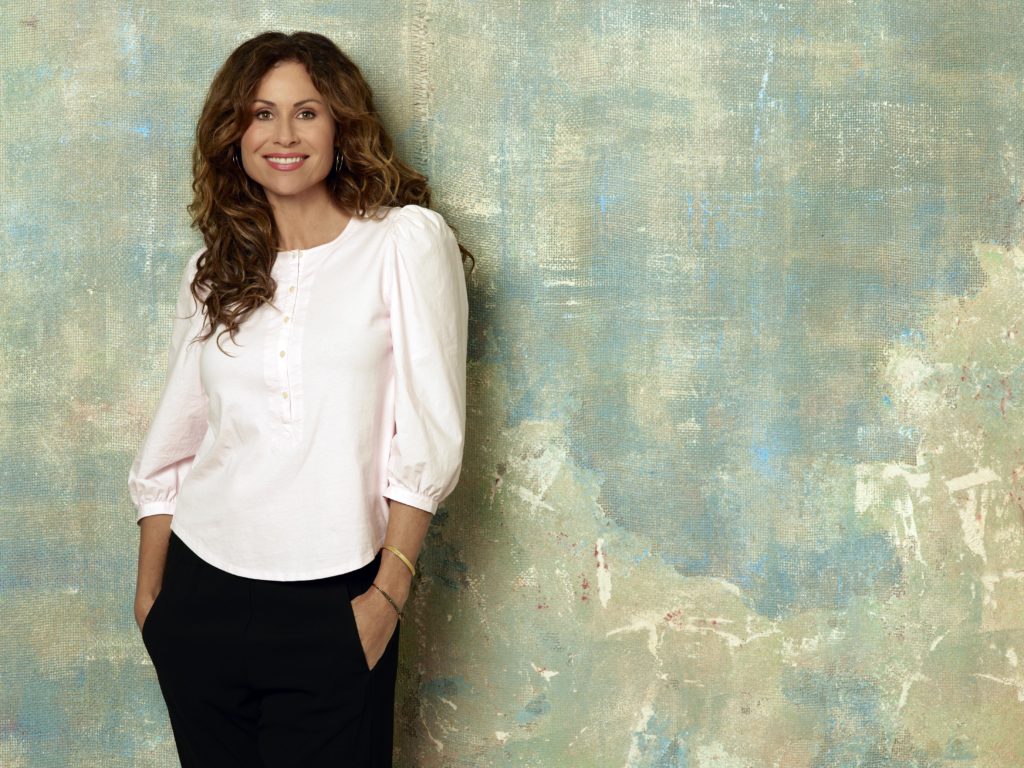
Minnie Driver, interview

Pictured: Minnie Driver

Can you start off by briefly summing up the premise of Speechless?

Fundamentally it’s about a family that don’t have any money, and who want to get their kids into a school where their son, JJ, who has cerebral palsy, can have an aide. They constantly move around, and everything is defined by them trying to ensure he has access to a good education. And they land in a posh neighbourhood, and they have the crappest house, and they somehow pull it together. It’s really about a family who have a particular set of circumstances. It’s a very personal story to Scott [Silveri], who wrote it, whose brother was non-verbal CP. I think he can approach it with all of the humour and largesse that he grew up with.


You play Maya, who is something of a force of nature, isn’t she?

That is a really nice way of putting it. She is. She’s difficult, because she’s had to fight very hard. She’s a parent, first and foremost, she advocates for her children, but she’s also a self-aware narcissist as a personality type, which is funny and awful, when you give that type of person a mission. She’s a very interesting, complex character. But first and foremost she’s a mother, and all of these special needs mothers that I’ve spoken to over the years, they all have to advocate in this way, which is to fight. It’s a fight, a constant battle.


So what did you do, and who did you speak to, in order to research the role?

Well, first of all, a lot of our writing staff have disabilities. A lot of our advisors. Ava, who basically was the person who came up with the laser on her glasses, which she figured out she could point to a board – so that was developed. [In the programme, JJ communicates by pointing a laser, on his glasses, at a message board]. I talked to her, and I talked to tonnes and tonnes of caregivers, often mothers and fathers, but mostly the mothers. We’d invite people to the set and sit in the conference room and chat, and talk about the nuts and bolts of physically what it means to transfer a person with a disability into the shower, to get them to bed, to get them dressed, what kind of accessibility you’re looking for. So there was nuts and bolts which I needed to understand. And then there were the things you come up against – insurance companies, schools, accessibility, getting an aide, who’s that person going to be? I love the fact that JJ chooses the guy with the cool voice, who turns out to be this amazing person. Of course we’d all want a cool voice to be our voice. I love that. Fundamentally, he’s just a normal teenager, with all of the proclivities and desires and ambitions and feelings that a teenager has. And he wants a cool voice.


And he’s a teenager, as well, in the sense that he’s excruciatingly embarrassed of his mother.

Incredibly embarrassed. And he does have a very embarrassing mother, there’s no doubt.


Did you draw on your own experience as a mother, and how protective you feel when you become a parent?

Absolutely. Whilst my child is able-bodied, it’s the same fierceness, you love and you want what’s best for them at all times, and that comes before everything else. You just have a different way of looking at things. We’re planning our summer holiday right now, and I realised all my friends without kids are going and doing these wonderful things that don’t involve kids, but you’re constantly looking at life from the point of view of “Well, I’ve got my son, is it going to be fun for him? What are we going to do and how will it work?” You book places on the basis of whether there’s enough for kids to do. I’d quite like to go walking in the Pyrenees. That’s not going to happen! Oh, a yoga retreat in Bali? Nope!


Was she written as a Brit, or did that come after you were cast? Was there ever discussion about you playing her as an American?

Yeah, there was. We actually read it through for the studio and network both ways. They liked the English accent, I think primarily because you have a cadence of your own humour in your own accent. I wanted her to be an American. I’d just done About a Boy, and I’d been British in that, and I wanted the challenge of being American. She was written as an American, and that’s what I wanted to do, but it just turned out to be funnier the other way around.


There are so many pitfalls to a show like this, from being overly sentimental to preachy to exploitative. The show treads that tightrope incredibly well, doesn’t it?

It really, really does. I got that from the pilot, and from talking to Scott Silveri, and to Chris Gernon, who’s one of my great friends, who is our executive producer and directed loads of the episodes. She directed every episode of Gavin and Stacey. We were all of us allergic to the notion of sentimentality and melodrama, primarily because that is the way that the media represents disability. You’re not only often looking at able-bodied actors playing disabled characters, but they’re trying to get away. They’re either trying to kill themselves or they’re trying to get out of this terrible situation. We all wanted to make a funny show, first and foremost, and because of our writing staff, because of Scott, and because of Micah [Fowler, who plays JJ] we’ve got an in as to where the humour lies within that. And if you’re approaching it from a comedic point of view, it’s really easy to avoid all of that other stuff. There are definitely heartfelt, emotional moments, because that happens in any family. But none of it is really around the idea that it’s all impossible and awful and hard.


Do you ever find yourself wondering what Maya would be like if she didn’t have a disabled child?

Yeah, I do, I really do. I think that she would be as big and pushy an advocate, but JJ is a raison d’etre for her, and as JJ grows up and goes off to college, what is she going to do? She won’t have that focus, so much of her identity is tied up with being the mother of a special needs child.


What’s it like working with the kids on the show?

They’re amazing. Genuinely, I have always felt that film and TV sets are no place for a child. You’re missing out on a childhood when you’re working that young. But these kids have unique parents, and they themselves are lovely people. They’re just lovely, and they’re deeply funny. They have funny bones, as opposed to being child actors who have that weird slightly Stepford thing that can happen, where they’re acting being a child because they’ve not actually experienced what that means. They’re all really, really good actors, and they’re all children too! Only they’re not children now, they’re all bloody huge and grown up. We just celebrated Micah’s 21st birthday. He got the part on his 18th birthday. But they are great, and they’re just getting better and better, which is lovely to see. You become weird de facto parents. I feel very maternal towards all of them.


Micah, who plays JJ, manages to bring huge charisma and humour to his role. That’s no mean feat for a non-verbal role, is it?

Absolutely. And I think it’s been a huge learning curve for him. He was very inexperienced when we began, and he’s had to learn on camera really. Plus it’s a very specific thing he’s being asked to do – to calibrate your reactions. It took a minute for all of us to figure out how it was going to work. Doing a scene with Micah is really interesting – when you’re reading ‘for him’ off his board, and then doing your responses as you. It’s not easy, but it’s really interesting. Watching him grow as an actor, and how much he enjoys it, is really lovely.


Have you had any feedback from the disabled community, in terms of what the show means to them?

Yes, a huge amount. Mostly on social media. Reading a tweet from a non-verbal person with Cerebral Palsy, saying “I sit and I watch my experience, and it makes me scream with laughter” is so gratifying. Or families who go “It’s extraordinary that we can all sit down and watch this together, my able-bodied kids and my kid with a disability, and we can all enjoy it and roar with laughter and feel that we are seen”. Without wanting to get too deep on it, the idea of representation for people who I don’t think they have been fairly represented, to be able to see themselves, and for it to be a laugh, I think that’s lovely. And I think it’s expanded the conversation here in America. The more you include, the more impossible it is to maintain your distance and your looking away which, let’s face it, most people do around disability. They don’t know how to interact with it, how to approach it. And I think the humour has broken down that barrier quite a lot.


You’ve talked in the past about the show being pretty exhausting to film, with 65-hour weeks for months on end. That must take a toll…

Definitely. The first two seasons, particularly season one, were the hardest I’ve ever worked in my career, to the point of real exhaustion. Scott’s whole idea was to have a show about someone who can’t really move, so he wanted a fast-paced show, and a show with lots of action in it. But also, when you’re working with someone who uses a wheelchair, that presents unique challenges, which can be really time-consuming. It’s just one of the fundamentals of doing it. So it took a long time for us to get into a swing that was easier. Definitely this season was a bit easier, but shooting nine months, five-days-a-week… now it’s 13-14-hour days, as opposed to 14-17 hours before. So it’s better. But I’m not going to complain, it’s a great job, and it’s meaningful and funny. If you can pull off those two things, you’re ahead.


What does it mean to you to have the show finally going out in the UK?

I cannot tell you how long both Chris Gernon and I have been waiting for this. It doesn’t really mean anything to anyone else, but we were both like “How can this not be on in the UK?” It speaks to social inclusivity, to a National Health Service that gives free health care – these things that we fight against in the US. I’m thrilled, because I just know that this show will land with British viewers, because it is funny, and because Britain has always seemed to me to not be scared of subject matters that other people find difficult. The UK is, Brexit aside, an extremely inclusive place. Always has been. That’s what I grew up in. And I really like it when you have American-British crossover, humour-wise, because when it works I think it is brilliant.


Speechless airs weekdays from today at 7.30pm on E4


SISTER SCRIBES: KIRSTEN HESKETH ON WHY WRITERS CAN’T QUIT

‘At what point do you give up on the writing?’

A friend asked me that the other day. A longstanding friend whose views and judgments I generally respect. We hadn’t seen other for a few months and she asked if I was published yet. When I replied that I was not, she followed through she asked the question above. She asked it pleasantly, with interest, no apparent edge at all. In her mind, clearly a logical and reasonable question.

‘At what point do you give up on the writing?’

I didn’t really answer my friend. I think I just shrugged and the conversation moved on. But it got me thinking. More than that, it knocked me for six.

‘At what point do you give up on the writing?’

What had she meant by that?

Was there an implication that I was failing, maybe had already failed, because I wasn’t yet published? Was there a suggestion that maybe, just maybe, I was deluding myself? Kidding myself that my writing was going somewhere when really there was no hope. That there was no chance of my ever being published. Was that, I asked myself in one of those dark nights of the soul, how other people, other friends saw me? Did they feel sorry for me? Did they shake their heads at each other and say, ‘poor girl, she’s been plugging away at this for so long’?  Did they purse their lips and murmur, ‘she still isn’t published, she’s still warbling away from deep in the querying trenches’?

Then I stopped being paranoid!

It had only been a question.

But maybe this is what I should have replied:

  • Things in publishing work at glacial speeds. It’s not unusual for nothing to happen over a few months – or at least nothing you can announce to the world at large. In fact, since I’d had last seen my friend, I’d been signed by a top London agent. I was moving in the right direction and full of optimism and enthusiasm. But, no, I hadn’t been published.
  • It’s really difficult to get published nowadays. It takes talent, sure, but also loads more persistence than you think you’ll need. And luck. Lots of luck. Getting the right work on the right desk at the right time. I know many really talented writers who are not published yet. And yet hope still springs eternal. It may happen. It will happen ….
  • It’s not just about being published. It’s really not. It’s a journey, not just a destination.
  • I have never thought about ‘giving up’. Oh, sure, when I have a knock-back, I throw things about* and say I’m going to take up crochet instead. But, even at the time, I know I don’t mean it. More than that, I can’t imagine a time when I would.
  • I write because I love writing. I write because I have stories and thoughts and dreams I want to put into words. I write because I can’t not write. And even if I am never published, will it still have been ‘worth it’? Hell, yeah.

So, what should I have said when my friend asked at what point I would give up writing?

‘At what point do you give up on the writing?’

I should have told her the truth.

I should have said ‘never’.


Writers, how would you have responded to my friend’s question? Do you agree with my points above? What else would you add? I’d love to know.

Join the discussion below or @Sister5cribes