BUSINESS OF BOOKS: SENIOR SERVICE

Jane Cable gives a talk at a local retirement community and finds the learning experience is mutual
It was Liz Fenwick who put me up to it. Since moving to Cornwall I’ve been lucky enough to fall in with a fabulous group of writers who give each other a great deal of support in every conceivable way.

When Liz told our little band she’d had a wonderful afternoon giving a talk at an independent living retirement community and they were looking for more speakers, I jumped at the chance. For two reasons, really; it was just down the road and Liz used those incredibly motivational words: “They give you cake – and they buy books.”

Luckily the talk was to be an informal one. I say luckily because I was also in the middle of preparing for an appearance at Helly’s International Festival with another of our happy Cornish band, historical fiction writer Victoria Cornwall. We’re tackling the serious subject of setting in novels and that’s required thinking, research – and rehearsal.
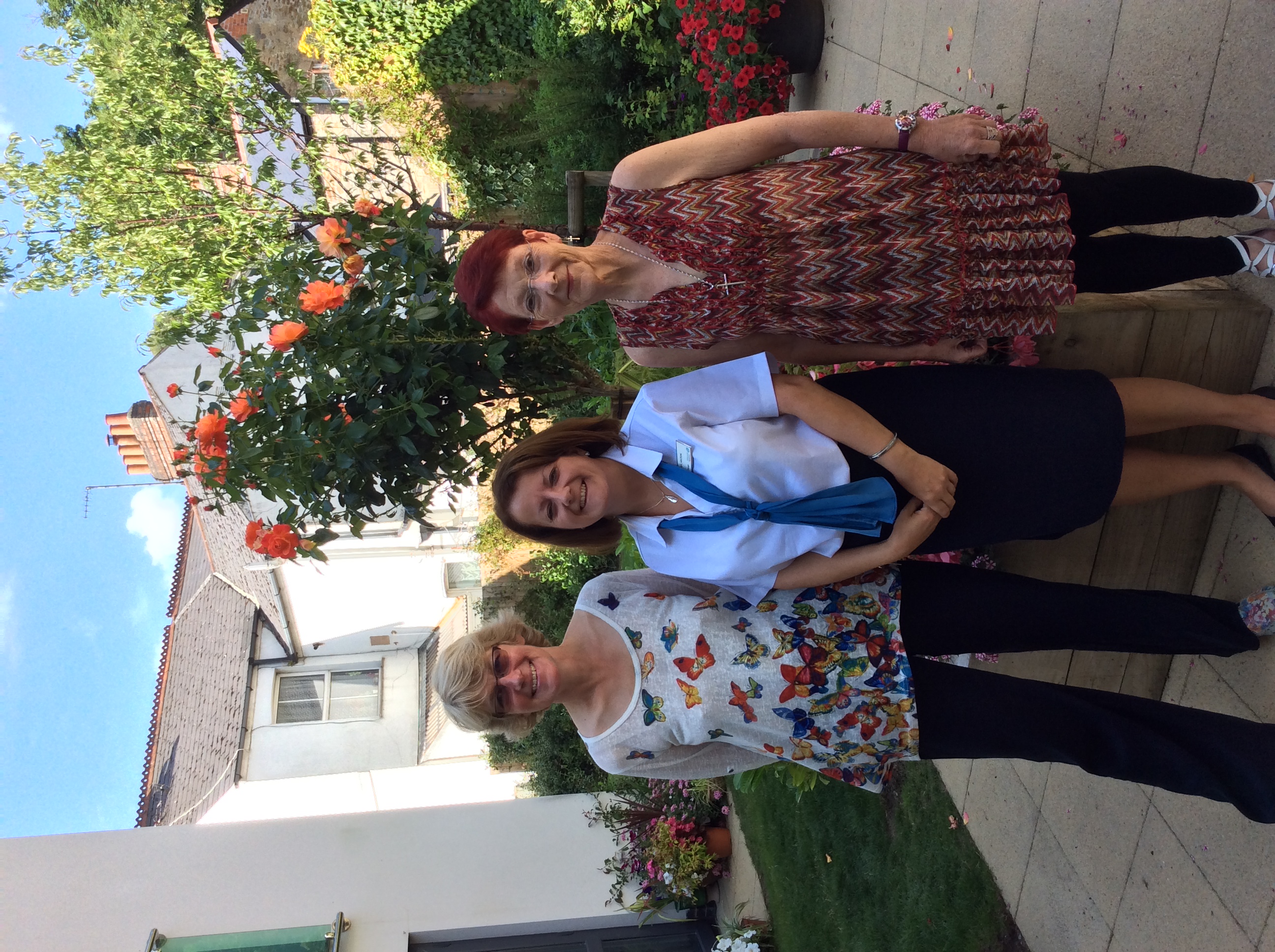
So on a Thursday afternoon a couple of weeks ago I pottered up the road with a few notes and a rucksack of books on my back. I arrived early and was welcomed by the book club organiser and the community manager and given a Jackanory (for those old enough to remember) style armchair in front of several rows of seats in the elegant dayroom. Slowly but surely the rows started to fill and looking around the room I wondered if I would be able to keep so many elderly people awake.

I needn’t have worried. After my brief introduction and a slightly stuttering start, the questions flowed. When did I write? What was my inspiration? What about editing? There was quite a lively discussion about the use of commas at one point – lively and well informed. These people were serious readers.

But when I mentioned I was researching World War 2 the tables turned and I was the one asking the questions. Some of the residents had very clear memories and two had actually been in Lincolnshire at the time – which made me very excited because it’s where I’m setting my book. Listening to their tales of watching for returning planes from Lincoln Castle, or visiting a cousin based at RAF Scampton, brought the war alive in the way no other research could have done.

This is a generation we’re on the verge of losing. Or if not losing, writing off as too geriatric to make a contribution. How very, very wrong. They were interesting, amusing and fun to be with. Not only do they want to read, but some of them want to write as well. Rather rashly I volunteered to help them start a creative writing group and there are already ten people signed up for the autumn. To be honest I’m feeling just a little out of my depth but I know if I go in with the attitude we’ll all learn from each other then we’ll have a fabulous time.

At the end of the talk I was given tea and the promised cake. Gluten free cake, which the community manager had gone to the trouble of buying specially. I spent so long chatting and signing books that I had a text from my husband asking where I was. I sold so many I had to go back the next day to fulfil the orders.

Since then I have persuaded three more of my Cornish writer friends to book themselves in and the book club calendar’s full until Christmas. And then, I hope they have a party. And I hope I’m invited!
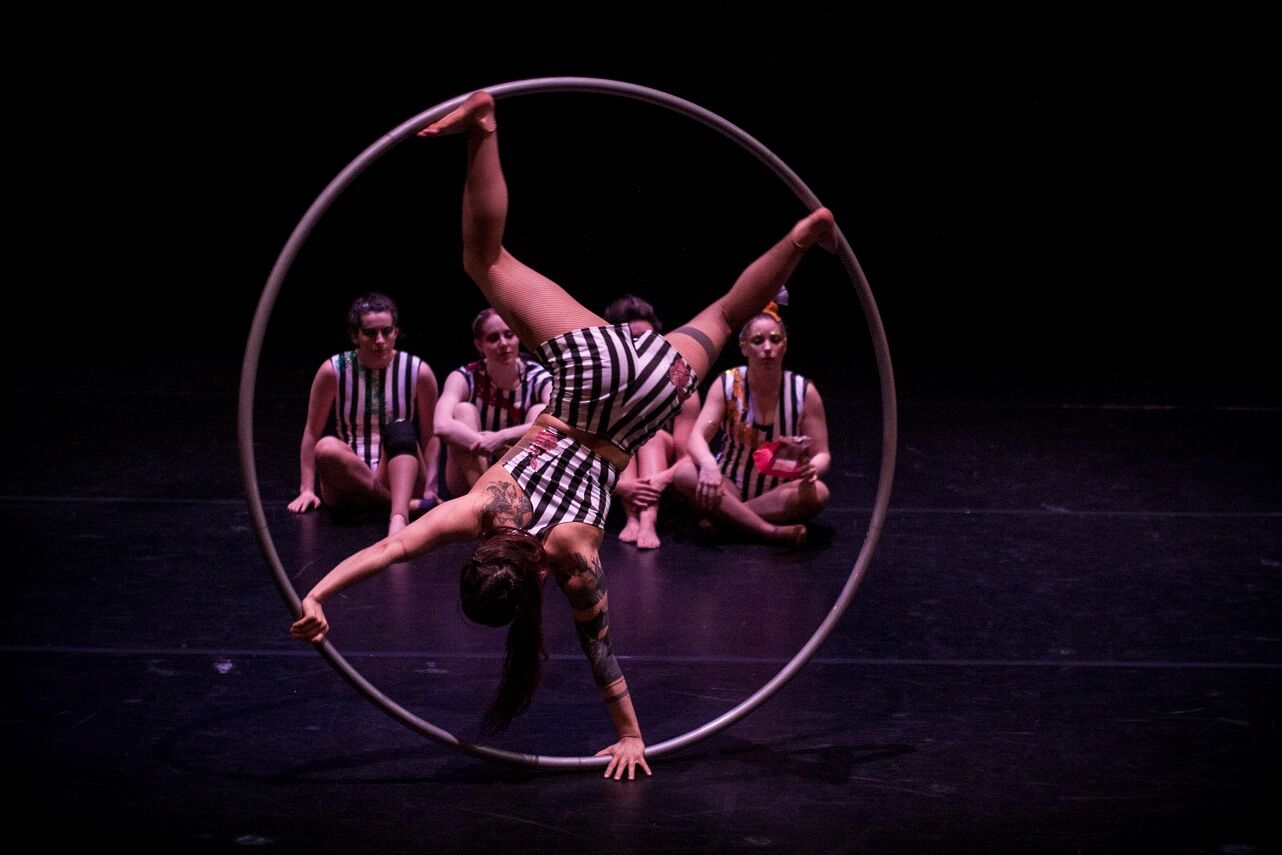
News of the thrills and spills of the No Show theatre tour by Milly Adams

image courtesy of Chris Reynolds


After taking the Edinburgh Fringe by storm in 2017, winning the prestigious Herald Angel Award, Ellie Dubois’ No Show offers a glimpse into what lies hidden beneath the showmanship of circus and deconstructs these incredible superhuman circus performers.

This is a show for anyone who has tried, failed and failed better.

The production joyously and heartbreakingly reveals what lies hidden beneath the showmanship of circus. What do you expect when you go to the circus?  The greatest show on earth?

No Show opens with five strong, glamorous circus artists showcasing their spellbinding acrobatics and flexibility – the perfect ‘show girls’.  But, after this opening number, the show starts to break down and No Show begins to unveil attempts and failures, revealing frustrations and how artists are pitted against each other.  The audience learn of everything that could go wrong from finger crushing to concussion and shoulder dislocation in a Cyr Wheel act.  And as someone who has dislocated, and broken her shoulder at the same time a year ago, let me tell you, it ain’t a bundle of laughs. But the show must go on…

In this production, we are allowed the opportunity to see behind the flawless smiles and perfect execution of traditional circus performance – to see the wobbles, the pain and the real cost of aiming for perfection.

Ellie Dubois comments, Touring is the lifeblood of theatre and part of the circus tradition, so it is super exciting to be taking No Show across the UK and bringing contemporary circus to many different communities in diverse venues from theatres to village halls.  At a time when sexual politics are being exposed in film, theatre and other art forms, it seems especially important that circus is also exploring its gender politics.

 No Show was also shortlisted for a Total Theatre & Jacksons Lane Award for Circus.

This tour is funded by ACE Creative Scotland.

Running time  60 minutes   Box Office Tickets are available from the individual theatre box offices

Twitter   @ellie_dubois, #noshow

Trailer   https://vimeo.com/175412172

Performance Dates

12th – 13th Sept  Tayvallich Village Hall    Village Hall, Tayvallich, PA31 8PR

16th – 17th Sept  Lyth Arts Centre Lyth, Wick KW1 4UD

20th September  Eden Court Bishops Road, Inverness IV3 5SA

21st September  Comar, Mull    An Tobar, Argyll Terrace, Tobermory, PA75 6PB

23rd September  MAC Galashiels  Bridge Street, Galashiels TD1 1SP

26th September  The Brewery Arts Centre, Kendal 122a Highgate, Kendal, Cumbria, LA9 4HE

27th September Platform, Glasgow 1000 Westerhouse Road, Glasgow, G34 9JW

28th September Women of the World Festival, Perth Theatre    Mill Street, Perth, PH1 5HZ

29th September Woodend Barn, Banchory The Barn, Burn O Bennie, Banchory, AB31 5QA

4th October  Macrobert Arts Centre, Stirling University of Stirling, Stirling, FK9 4LA

5th October  The Lowry, Manchester Pier 8, Salford Quays, M50 3AZ

6th – 7th October Theatre Deli, Sheffield 202 Eyre Street, Sheffield, S1 4QZ

8th October  Carriageworks Theatre, Leeds 3 Millennium Square, Leeds LS2 3AD

11th – 12th October  MAC Belfast 10 Exchange Street West, Belfast, BT1 2NJ

13th – 14th October  Summerhall, Edinburgh Summerhall Place, Edinburgh, EH9 1PL

15th October  Nuffield Theatre, Lancaster Lancaster Arts at Lancaster University, LA1 4YW

16th – 17th October The Hullabaloo, Darlington Borough Road, Darlington, Durham, DL1 1SG

19th October  Quarterhouse, Folkestone Quarterhouse, Mill Bay, Folkestone, Kent CT20 1BN

20th October  Proteus Theatre, Basingstoke    Council Road, Basingstoke, Hampshire, RG21 3DH

24th – 27th October Tobacco Factory, Bristol Raleigh Road, Bristol, BS3 1TF

28th October  Cambridge Junction Clifton Way, Cambridge, CB1 7GX

Milly Adams is the author of Love on the Waterways published by Arrow. Hope on the Waterways comes out on 20th September.


A Day in the Life of award winning author Jennifer Wilkin Shaw.


Jennifer Wilkin Shaw was awarded joint second place in the WforW Gerogina Hawtrey-Woore Award for Independent Authors, Non-Fiction Category with the beautifully written a Testament of Grief.


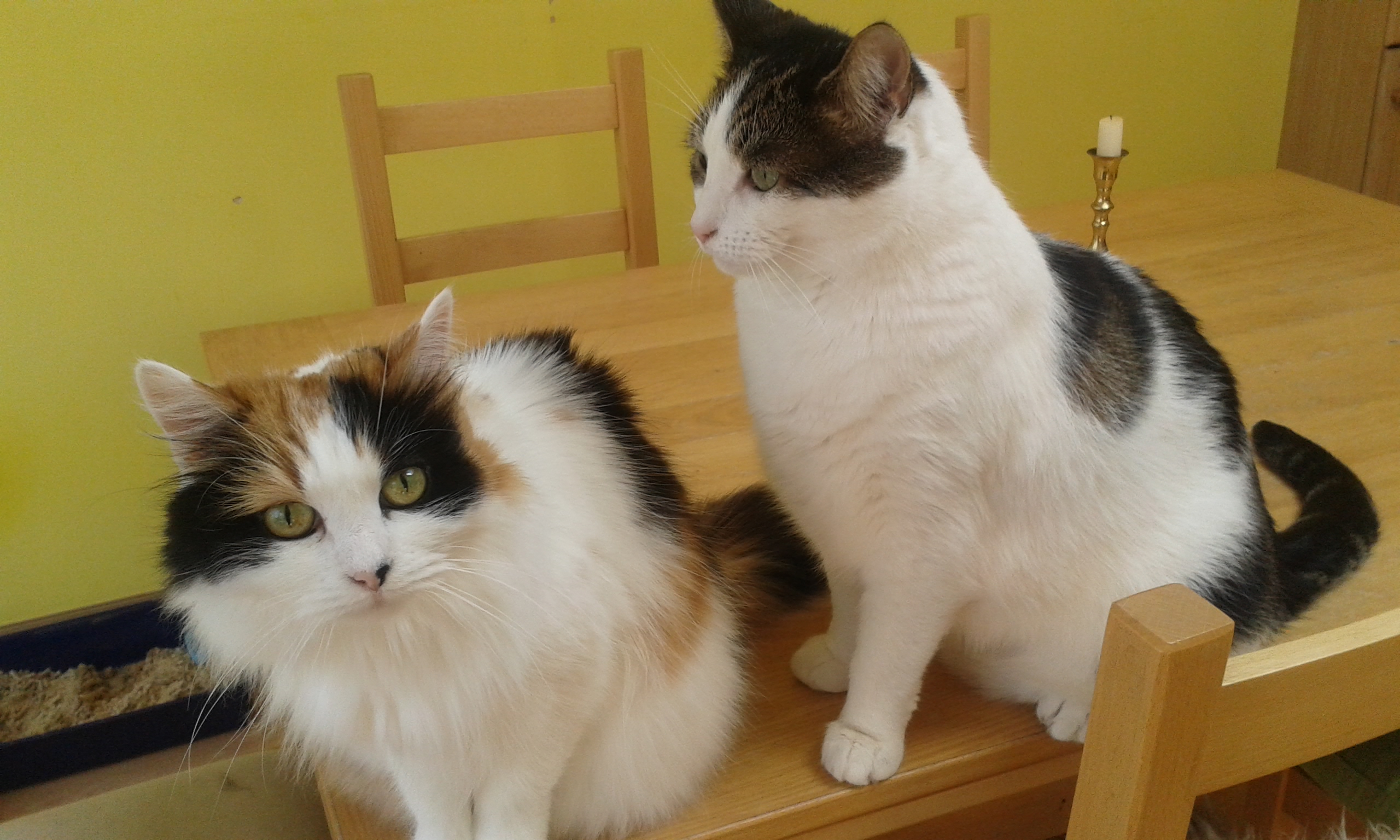
My morning begins at 7.30 when I switch on Classic FM, stroke two cats, breakfast from a tray, including a pot of Earl Grey, and start reading. The latter, a pre-requisite to writing, is company and gets my brain into gear.  My choice is literary biography or rather, ‘other sillies like me’ and often the spouses of those historical literary figures, many of whom were writers themselves: Constance Wilde, Sylvia Plath, Assia Wevill.


I wake up as a writer and now having won a prestigious award I feel recognised and proud. After breakfast I answer emails, usually about my work, plan appointments, future talks, and have a quick audio chat.  I begin writing just after 9. At the moment I am working on a new book and fine tuning my third play, getting it ready for a staged read.


Lunch is another chance for reading, part of the writer’s toolbox, and a change of setting, conservatory if warm, my big red sofa if not, and although I’d love to be with the Durrells, chatting and indulging around their huge communal table, at the moment I’m with George Orwell in Paris and London, again! At this point Crumble or Custard may saunter in and lure me into some time wasting, but I resist.


People who create have to be single minded and often alone. I depend on solitude to work, but I do have to balance it with social interaction, otherwise, as a writer living in the sticks, I run the risk of feeling cut off. I remember the first time I wrote; a piece about a lonely rabbit. I was seven and confined myself to my bedroom until I finished. Nothing much has changed! So in the afternoon I routinely go out! A coffee shop, independents mainly, different beans, different days, they expect me!

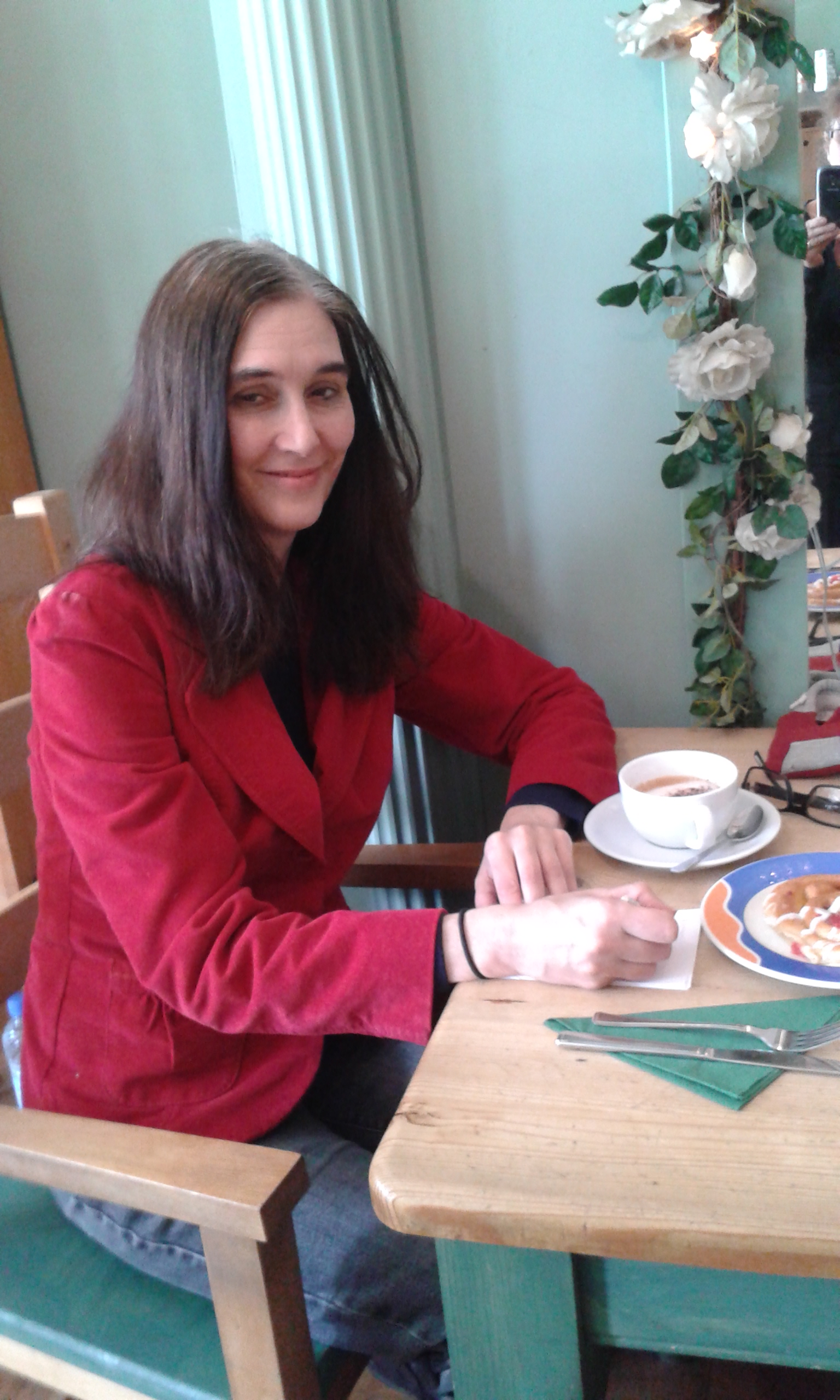
At Filter Through Coffee Shop, Holsworthy

Generally, people take you seriously as a writer if you sit in a corner, fresh from the shower, with a state of the art Apple Mac and headphones. In a western world that struggles with too much, I value the ‘less is more’ approach. Sitting amongst people, with a small piece of paper, a tiny sharp pencil, correcting the work saved on my phone.  My world seems miniature, even my coffee is in a dolls size tea cup a ‘double macchiato’, titchy! But I have produced some of my best monologues this way.

I walk for half an hour to an hour every other day, and after some food shopping I mosey home, meet a good friend for a meal, or sometimes go to the theatre. As a playwright, again this is important, but my default direction is the sofa, a decent glass of red, NCI S, then more corrections. A thoughtful couple of Beeb 2 or 4 programmes, loving Simon Schama’s presentations at the moment, it taps into my other love, Art History, and I am ready for bed; thankful for so many great friends, relatives coming into my life, and the freedom to write.

a Testament of Grief by Jennifer Wilkin Shaw pub Simone Bluestock Publishing

Available as e-book or paperback from: https://www.amazon.co.uk/Testament-Grief-Mothers-Story-Survival/dp/0995594902

www.facebook.com/jennifer.wilkinshaw

www.wordsforthewounded.co.uk


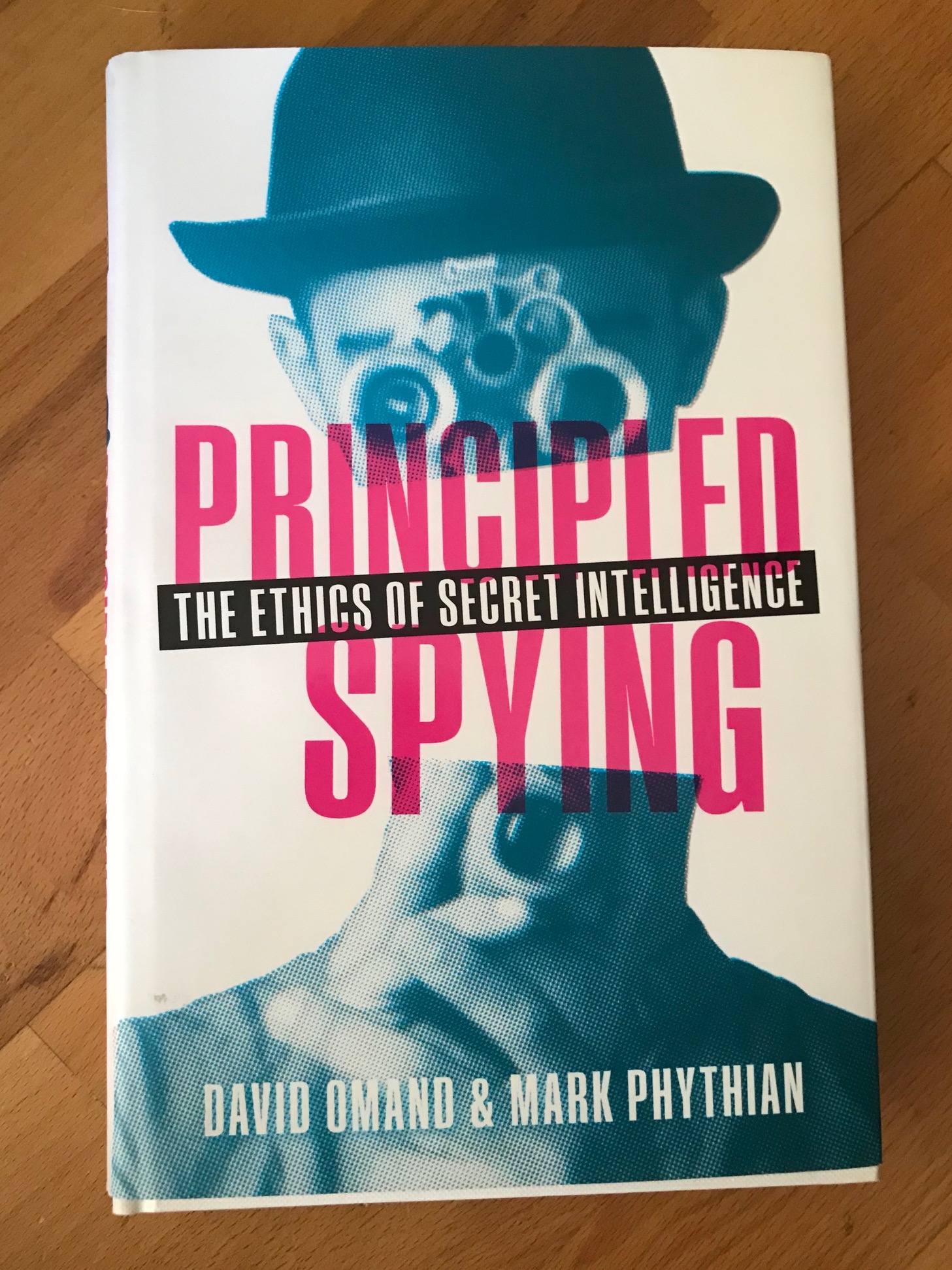
Principled Spying: The Ethics of Secret Intelligence | Book of The Week

principled spying

This book is both timely and much needed. How far should a state go to protect its people? Does the ‘greater good’ argument ever give just cause? This book has lots of fascinating history on spycraft and sound arguments on ethics. A riveting read and a well deserved Book of the Week. 

The question of how far a state should authorise its agents to go in seeking and using secret intelligence is one of the big unresolved issues of public policy for democracies today. The tension between security and privacy sits at the heart of broader debates concerning the relationship between the citizen and the state. The public needs-and wants-protection from the very serious threats posed by domestic and international terrorism, from serious criminality, to be safe in using cyberspace, and to have active foreign and aid policies to help resolve outstanding international problems. Secret intelligence is widely accepted to be essential to these tasks, and to be a legitimate function of the nation state, yet the historical record is that it also can pose significant ethical risks.

Principled Spying lays out a framework for thinking about public policy in this area by clarifying the relationship between ethics and intelligence, both human and technical. In this book, intelligence expert Mark Phythian teams up with the former head of Britain’s GCHQ signals and intelligence agency to try to resolve the knotty question of secret intelligence-and how far it should be allowed to go in a democratic society.

Available here.

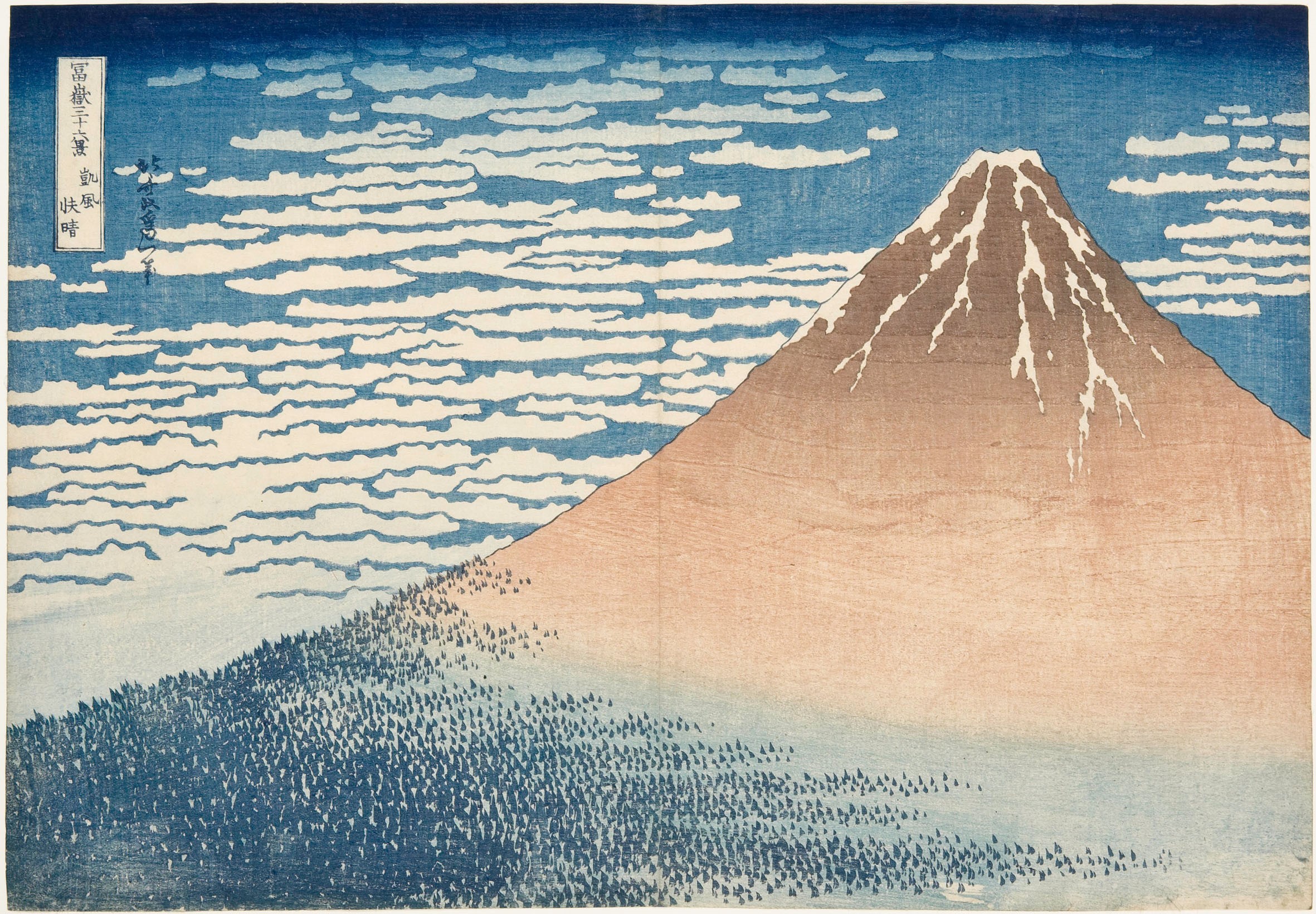
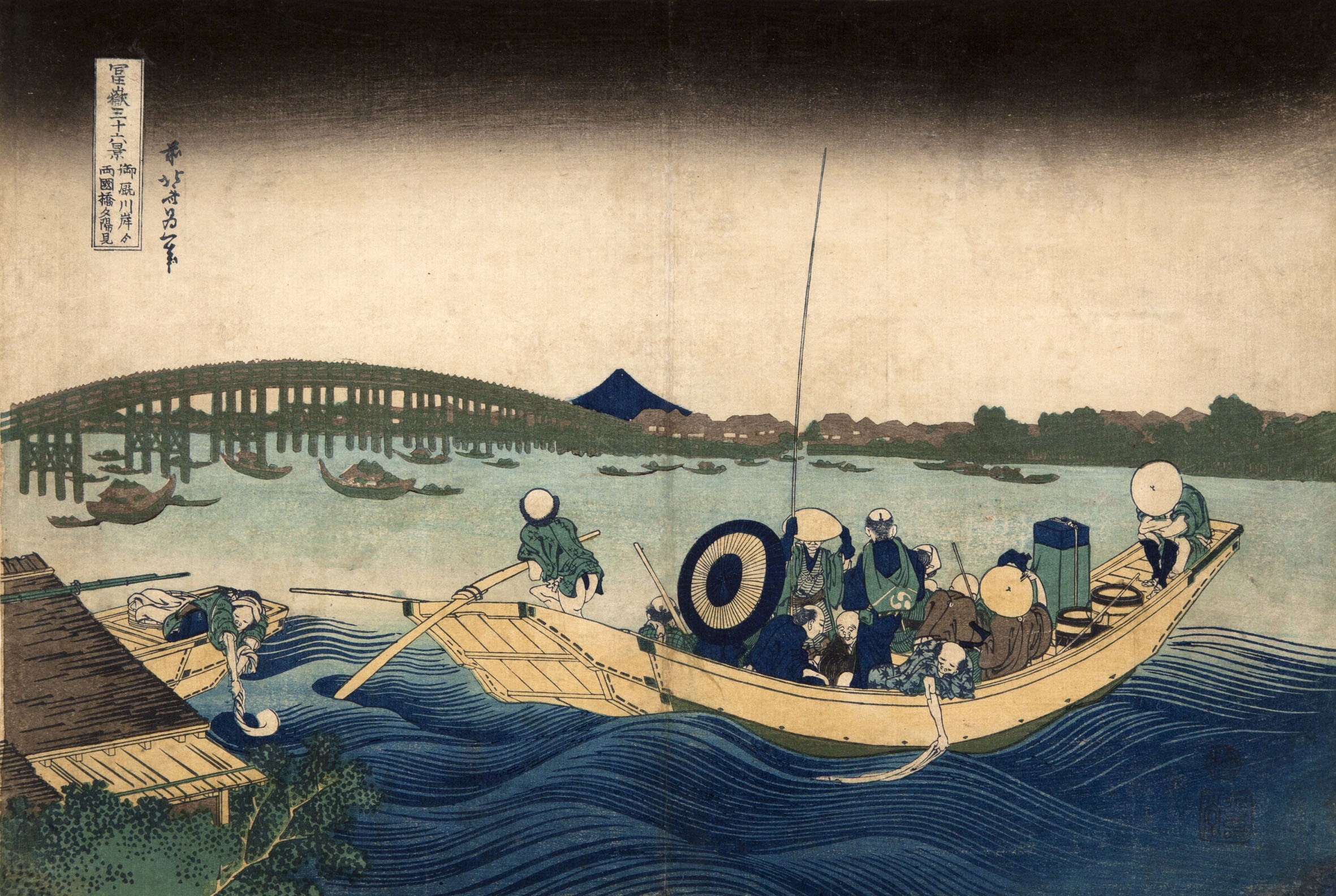
Hokusai: The Master’s Legacy Editor, Rosalie Menegazzo. Review by Penny Deacon


I have to admit that I came to this book as someone with very limited knowledge (and even less understanding) of Hokusai’s work. I hope I am not the only one who thought: ‘Hokusai? The Great Wave?’ and then could add very little more. If you are like me then you need this book. I suspect you will get even more from it if you already know something about late 18th and 19th century Japanese art.

Hokusai: The Master’s Legacy presents a selection of more than 200 works. It is a sumptuous volume with exceptionally high quality illustrations coupled with a text that supplies both a historical and an artistic context in which to explore these images.

Setting Hokusai’s life (1760 to 1849) and work in Japanese society gave me the opportunity to begin to appreciate the significance of details (the bow on an obi, the use of colour, the oblique indicators of seasons) and enriched my reading of the art. By pointing out that the arrival of the US Fleet in 1854 opened up Japanese ports to trade with Europe and the USA I realised why the passion for all things Japanese swept Europe soon afterwards. The fabrics, prints, furniture and porcelain must have been an explosive revelation of a new (to us) approach to design, technology and art. Realism gives way to minute detail of stylised figures, perspective is almost abandoned. Impressionism and Post Impressionism show some of the impact.

And I had no idea at all of Hokusai’s range. Yes, The Great Wave keeps its impact, but the landscapes (not just Mount Fuji) and the figurative work are a revelation. And although he was a significant master in his own time, and hugely influential, he did not work alone. The inclusion of a broad selection of works by his contemporary, Keisai Eisen, provides an interesting comparison of styles. Eisien’s seductive female portraits are particularly striking.

Take this book away and linger over it as I have done/am still doing. It will enrich your artistic understanding.

Hokusai: The Master’s Legacy is published by Skira.  Priced $55, £40, €46

Penny Deacon is the author of A Thankless Child and A Kind of Puritan.

Pub: Creative Content Ltd. Available on Amazon.co.uk


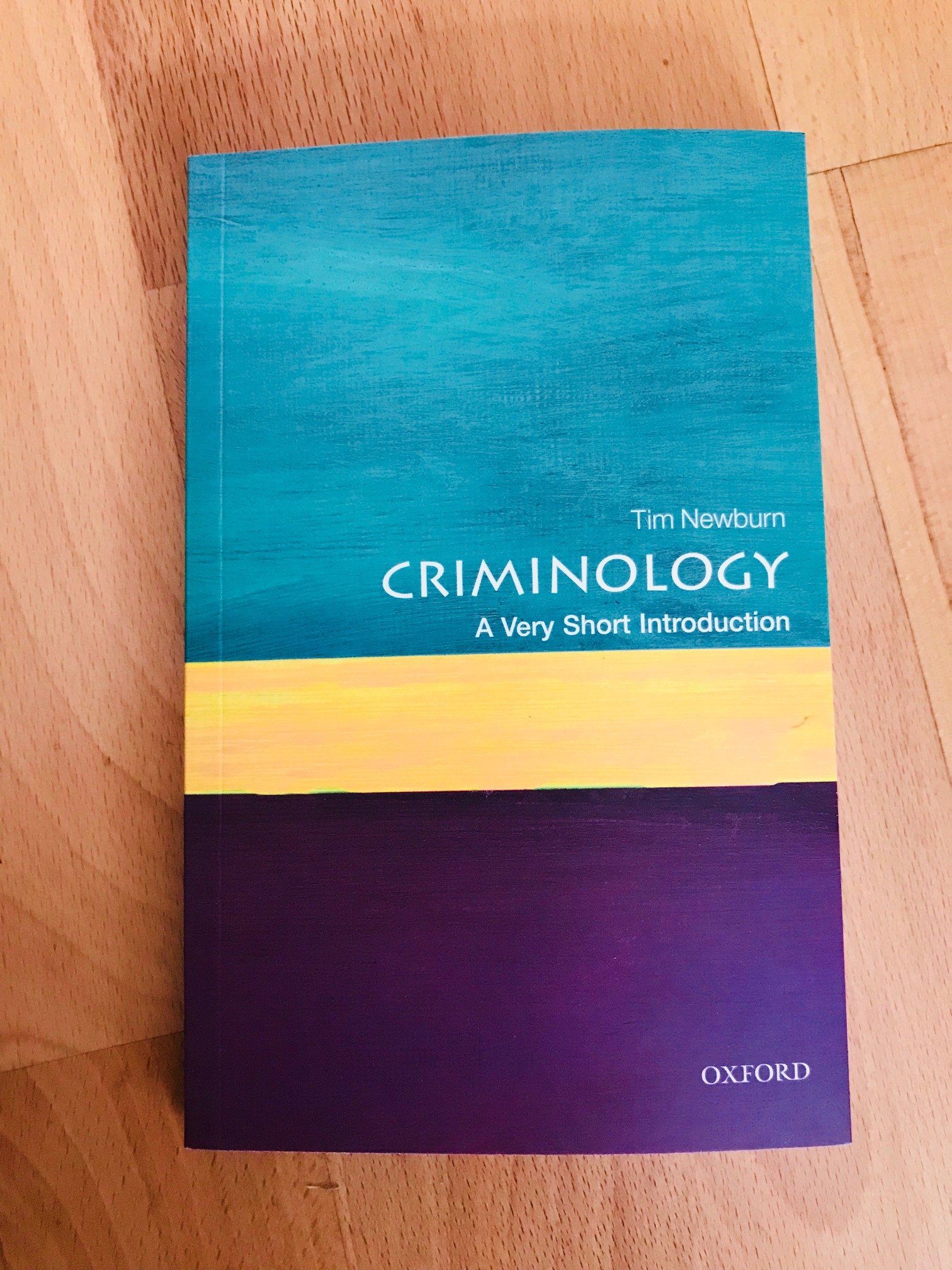
Criminology: A Very Short Introduction

criminology

These Very Short Introduction books are a great way to learn about hundreds of different subjects in an in-depth way. This one on criminology is fascinating stuff. Perfectly written and endlessly fascinating. Essential reading for anyone interested in crime.

Crime is big news. From murder to theft to drug gangs, crime and criminal justice affect the lives of millions of people worldwide. Hardly surprisingly, crime has been pushed high up the public policy agenda across the world. But how can we measure crime, or evaluate the effectiveness of preventative measures? Does the threat of prison reduce someone’s likelihood of reoffending, or would rehabilitation be more constructive?

In this Very Short Introduction Tim Newburn considers how we can study trends in crime, and use them to inform preventative policy and criminal justice. Analysing the history of the subject, he reflects on our understanding of crime and responses to crime in earlier historical periods. Considering trends in crime in the developed world, Newburn discusses its causes, exploring the relationship between drugs and crime, analysing what we know about why people stop offending, and looking
at both formal and informal responses to crime. Newburn concludes by discussing what role criminology can plausibly be anticipated to have in crime control and politics, and what its limits are.

ABOUT THE SERIES: The Very Short Introductions series from Oxford University Press contains hundreds of titles in almost every subject area. These pocket-sized books are the perfect way to get ahead in a new subject quickly. Our expert authors combine facts, analysis, perspective, new ideas, and enthusiasm to make interesting and challenging topics highly readable.

Available here.

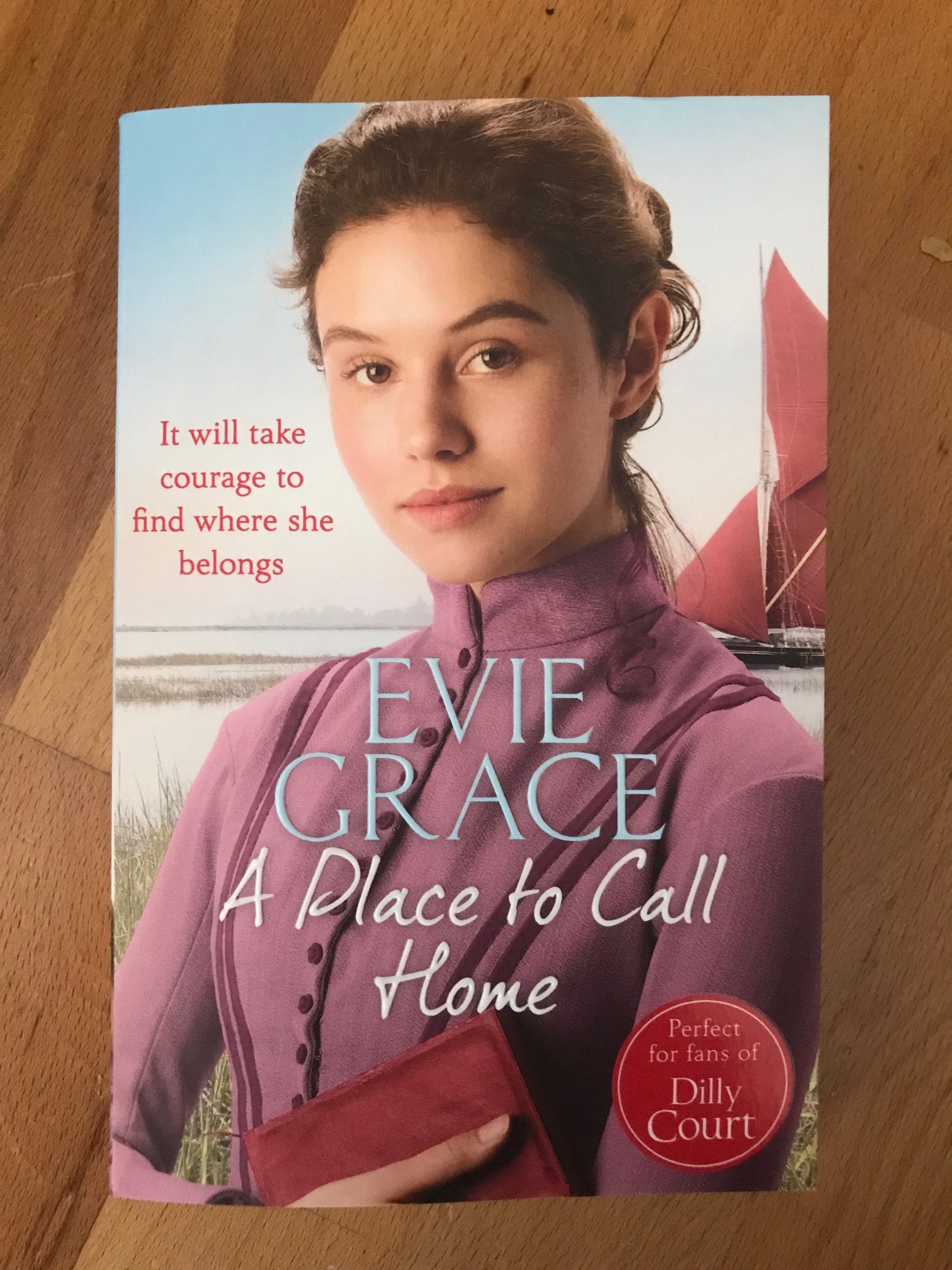
A Place To Call Home By Evie Grace | Recommended Reads

a place to call homeA perfect conclusion to this riveting saga. Get a cup of tea and dig in. The book equivalent to a great Sunday night drama.

THE THIRD AND FINAL SAGA IN EVIE GRACE’S MAIDS OF KENT TRILOGY.

East Kent, 1876

With doting parents and siblings she adores, sixteen-year-old Rose Cheevers leads a contented life at Willow Place in Canterbury. A bright future ahead of her, she dreams of following in her mother’s footsteps and becoming a teacher.

Then one traumatic day turns the Cheevers’ household upside-down. What was once a safe haven has become a place of peril, and Rose is forced to flee with the younger children. Desperate, she seeks refuge in a remote village with a long lost grandmother who did not know she existed.

But safety comes at a price, and the arrival of a young stranger with connections to her past raises uncomfortable questions about what the future holds. Somehow, Rose must find the strength to keep her family together. Above all else, though, she needs a place to call home.

Available here.

BUSINESS OF BOOKS: FIRST, LAST, EVERYTHING – MAGAZINE FICTION WRITER WENDY CLARKE

My very first piece of writing advice wasn’t from a writer or about writing but it was advice that would one day help me in my writing career. I was twenty-two and had just taken up my first teaching position at a junior school with open-plan classrooms divided only by bookcases. Being very new to teaching, and still finding my feet (or my voice, if you like), I was always looking for ways to make my teaching more effective. In the classroom area next to mine was a more experienced teacher who, because of the way the classrooms were laid out, could easily be heard. I was impressed with her control of the class and the attention the children gave her. Realising it was something in her voice (her tone, her inflection, her choice of words) I decided that if I copied her style of teaching, I too would achieve success. How naïve! Of course, it was a disaster – a bit like being on stage and being cast in the wrong role.

Back in the staffroom at break time, the teacher I’d been trying to copy could tell something was wrong. When I told her what had happened, she was very kind, sitting me down and making me a coffee before telling me that no two teachers taught in the same way and the children wouldn’t expect them to. In time I would find my own voice. One that I felt comfortable with. One that would be true to me. When I started writing for magazines, I remembered this advice. I didn’t try to copy the style of any other authors, I just wrote stories I loved – in my own way. My first sale came quickly and I have that teacher to thank!

The most recent piece of writing advice I received was from the writing community on social media. It was during a period when I had become disillusioned with the long and tortuous road you needed to travel in order to get your novel published. With magazine writing, you write a story, sub it, forget about it and start on another. There is no middle man (the agent) and, because I have several stories being considered at one time, it feels as though things are always happening. With a novel, you submit to agents and then wait, sometimes many months, for the inevitable rejection. Even if an agent requests the full manuscript (which happened to me six times) it can be months before hearing anything… if at all. In fact, I am still waiting. The readers of my Facebook post heard my sorry tale. Their advice was to submit directly to the publishers who accept manuscripts without the need of an agent. I did and it’s the best advice I could have been given.

Finally, the piece of advice I’d like to pass on is easy. Be kind to yourself. Set reasonable goals (if that’s the type of writer you are) and don’t beat yourself up if you don’t manage to achieve them. Also have breaks from your writing. If I go on holiday, I leave my writing equipment behind. The rest recharges my battery and helps me put my writing into perspective. This doesn’t mean that my brain isn’t still working behind the scenes though. Often, when I switch off from writing, an idea for a story, or the answer to a difficult plot problem, will float into my head as if from nowhere. Writing isn’t something to be forced but to be enjoyed and, if it isn’t, maybe it’s time to ask ourselves why we’re doing it.


Wendy Clarke has had over two hundred short stories, and two serials, published in national women’s magazines such as The People’s Friend, Take a Break Fiction Feast and Woman’s Weekly. She lives with her husband in Sussex and has just finished writing her debut novel.


https://wendyswritingnow.blogspot.com/