Her Mother’s Daughter By Evie Grace | Recommended Reads

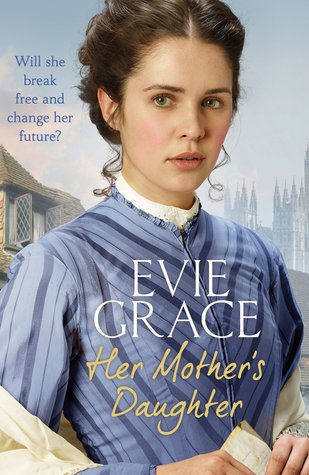
THE SECOND SAGA IN EVIE GRACE’S MAIDS OF KENT TRILOGY.

‘One of the most gifted saga writers writing today’ Bookish Jottings

Will she break free and change her future?
Canterbury, 1853

Agnes Berry-Clay might have been born into rags but she is growing up with riches.
Given away as a baby by her real mother, she was rescued and raised by her darling Papa and distant Mama. Agnes wants for nothing, except perhaps a little freedom.

But as times goes on, her life at Windmarsh Court changes. New arrivals and old resentments push Agnes to the peripheries, and finally the consequences of one fateful day shatter her dreams for the future.

Heartbroken and surrounded by the threat of scandal, Agnes is faced with a terrible choice: stay and surrender, or flee and fight to keep her freedom.


Why Does Inequality Matter? By T. M. Scanlon Book Review

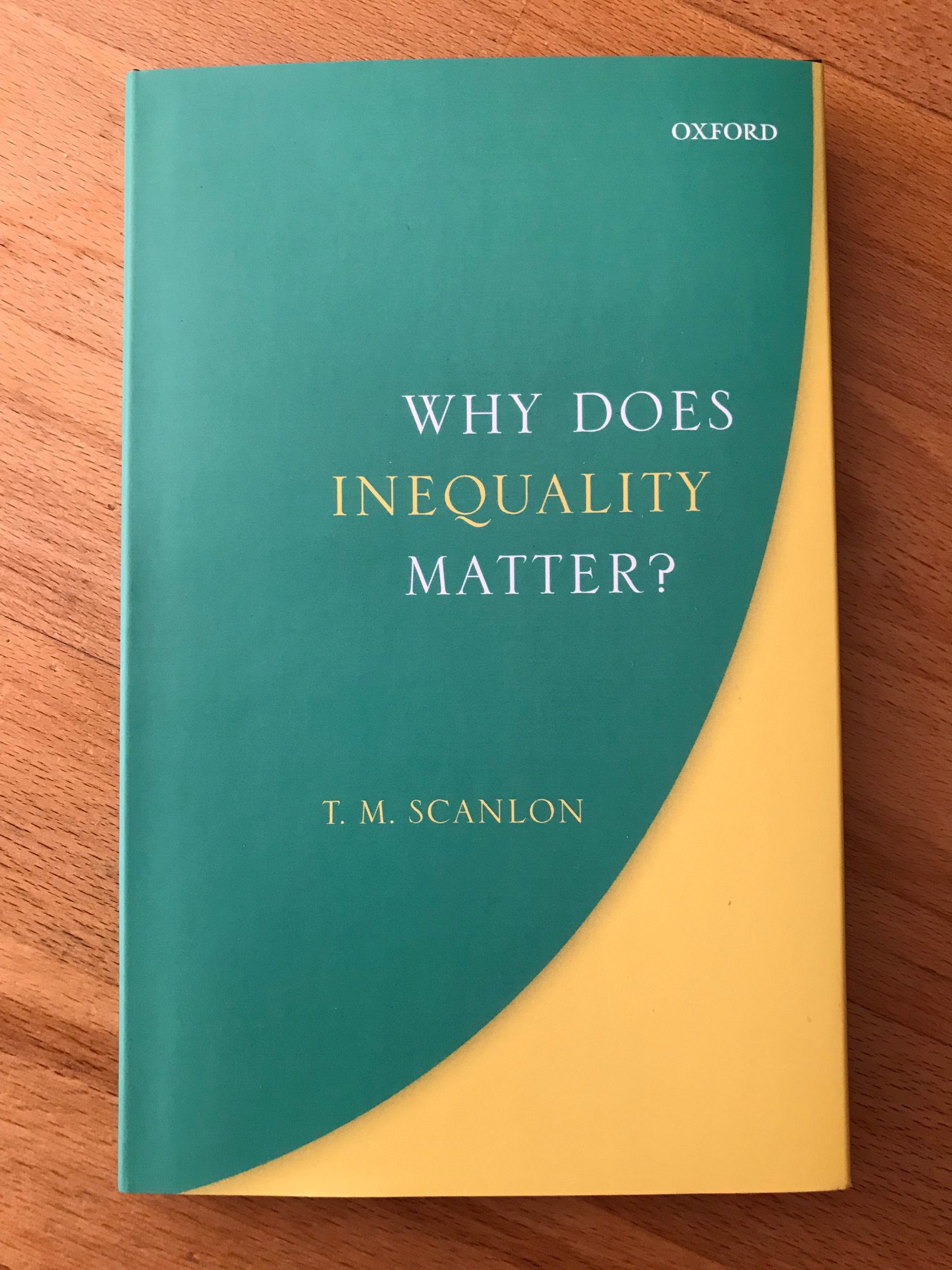
Inequality is widely regarded as morally objectionable: T. M. Scanlon investigates why it matters to us. Demands for greater equality can seem puzzling, because it can be unclear what reason people have for objecting to the difference between what they have and what others have, as opposed simply to wanting to be better off. This book examines six such reasons. Inequality can be objectionable because it arises from a failure of some agent to give equal concern to the interests of different parties to whom it is obligated to provide some good. It can be objectionable because it involves or gives rise to objectionable inequalities in status. It can be objectionable because it gives the rich unacceptable forms of control over the lives of those who have less.

It can be objectionable because it interferes with the procedural fairness of economic institutions, or because it deprives some people of substantive opportunity to take part in those institutions. Inequality can be objectionable because it interferes with the fairness of political institutions. Finally, inequality in wealth and income can be objectionable because it is unfair: the institutional mechanisms that produce it cannot be justified in the relevant way. Scanlon’s aims is to provide a moral anatomy of these six reasons, and the ideas of equality that they involve. He also examines objections to the pursuit of equality on the ground that it involves objectionable interference with individual liberty, and argues that ideas of desert do not provide a basis either for justifying significant economic inequality or for objecting to it.

Why Does Inequality Matter? is an important book which asks the right questions. It is intelligent without being condescending and full of facts while still being entertaining.

Why Does Inequality Matter? By T. M. Scanlon is available here.

REBORN SURVIVOR: WHAT SIX YEARS IN A CHRISTIAN CULT TAUGHT ME

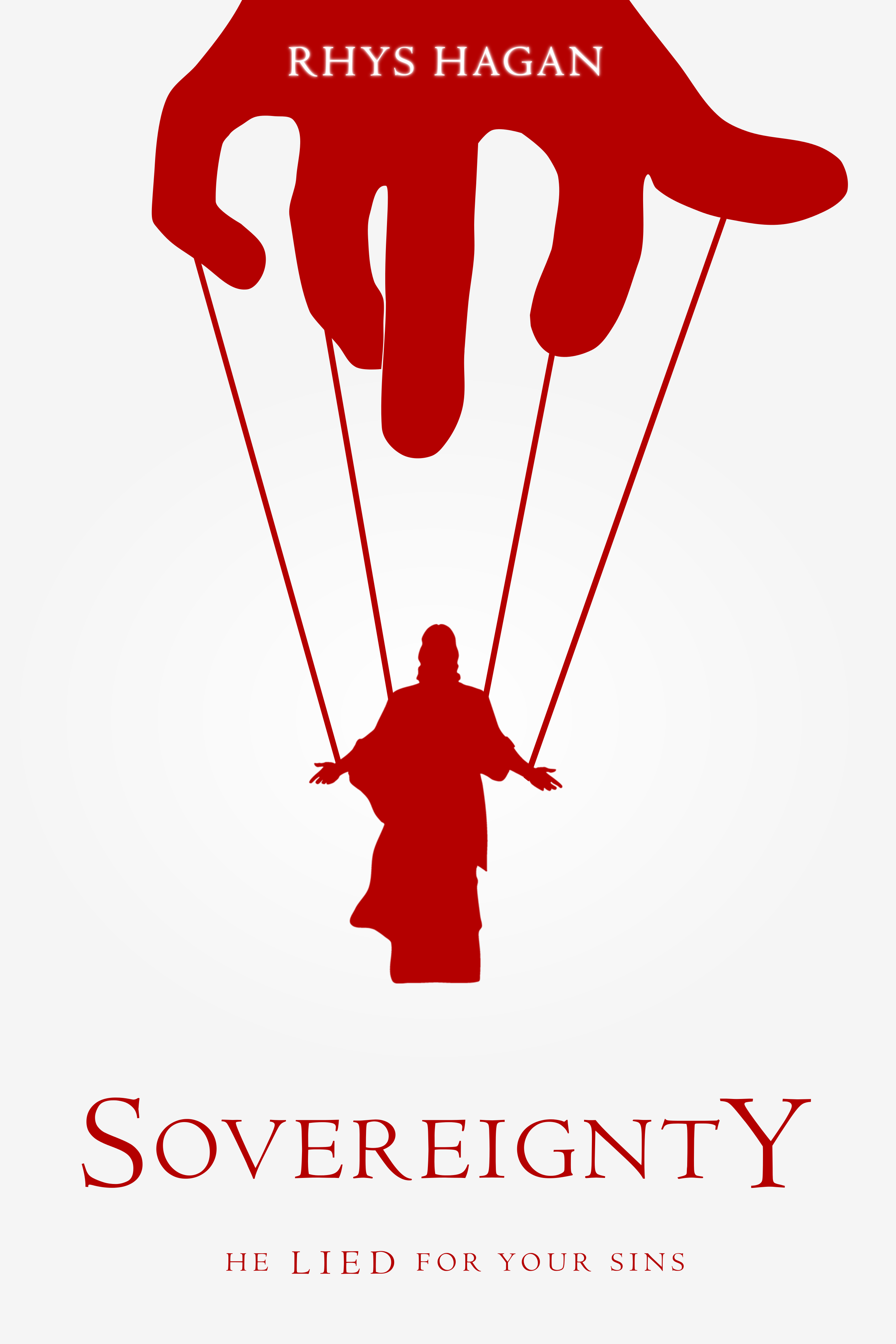
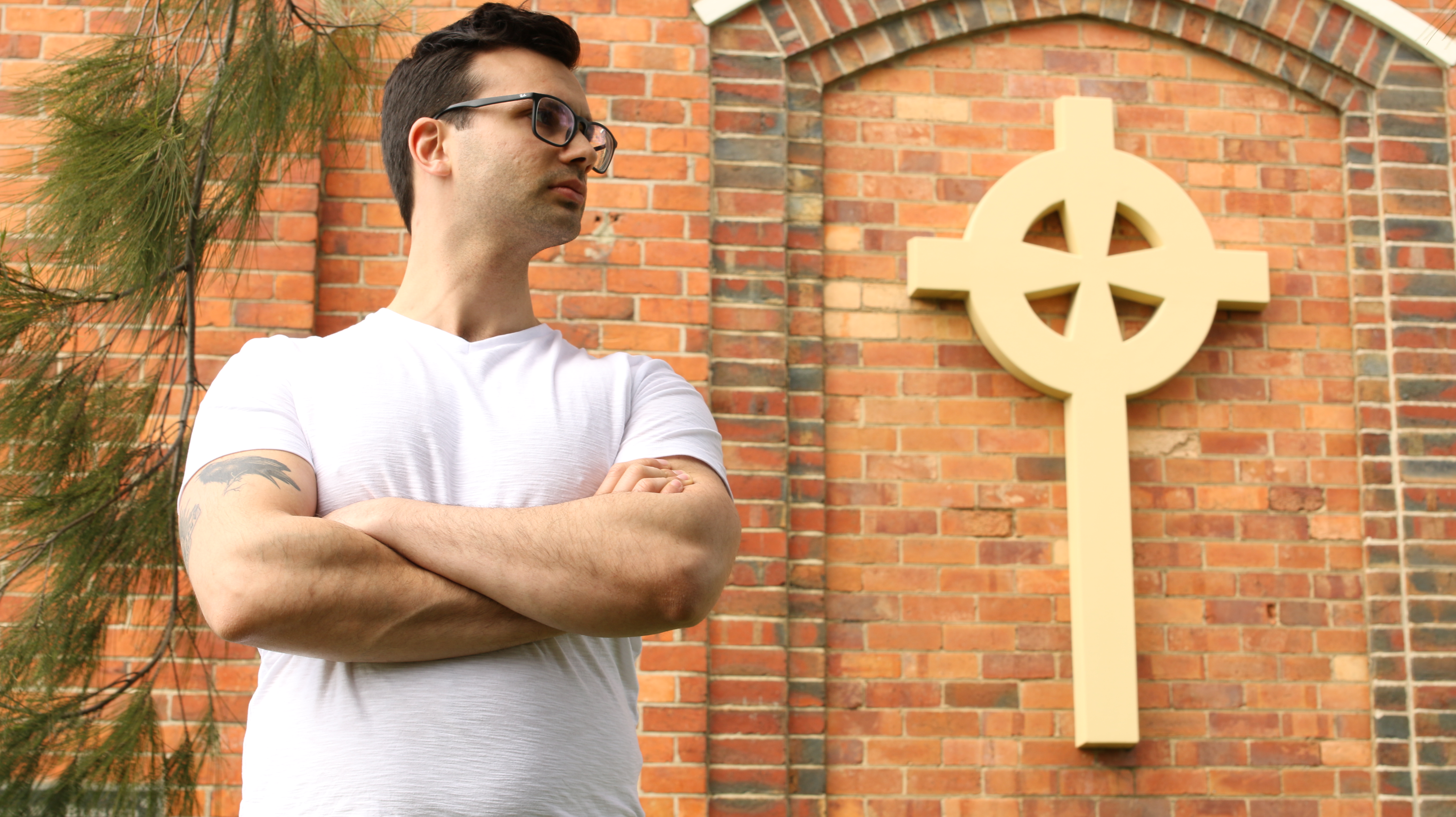
Rhys Hagan was drawn into an alleged Christian cult which left him broke and alienated from friends and family. He finally cut ties and rebuilt his life after surviving six “long years of hell” but the emotional scars remain. Here, he explains how it feels to be brainwashed and warns of the destruction that cults can cause. His new book, Sovereignty, is out now.

When most people hear the word cult their minds’ probably jump to a scene from a movie of hooded figures chanting around a cauldron, not a small Baptist church with singing and a potluck. While that first scene would most definitely depict a cult, the second can be just as likely a culprit. Don’t get me wrong, there are plenty of community churches which provide a support network that’s healthy and beneficial for all, but there are those—tucked away in a remote part of town—masquerading as a harmless, almost apathetic congregation which dismiss the wellbeing of its members for the sake of power and wealth.

Only a few years ago I was a member and youth leader in one such church, but once my family and I witnessed the leader physically attack a small boy, we were forced to confront the nature of what we’d become a part of. In the coming years, the rehabilitation I underwent set me on a path of critical thought and independent living which has resulting in me writing my novel, Sovereignty.

While I managed to fit my most valuable philosophies into my novel, I could write volumes on the lessons I took away from my time in the church, but they all have a common theme. It’s that theme I’d like to share with you now. And it’s a tale as old as time, or at least as old as John Dalberg-Acton: Power corrupts.

To have power over your own life is self-control. To have power over another’s is oppression. Now, I’m not saying you should go to your boss and tell them to stick their authority up their holiest of holies; after all, they don’t have power over your life, only your work. No, the power I’m talking about is the power for one person to dictate what another will believe. The power to insist a child stop associating with their parent or for a parent to kick their child to the streets for not conforming to the leader’s demands. The power to make a single statement and say it means one thing while also meaning the opposite (a principle called ‘doublethink’ by George Orwell in 1984).

When someone establishes this kind of control, or even desires to, a group crosses the line from being a community gathering to a cult. How do you tell? In a fair community anyone can challenge anything and anyone if they choose without formal consequence. In a cult, any criticism of the leader(s) or the ideals they uphold ends in reprisal or excommunication.

I know, it sounds confusing, as if I’m suggesting you be involved in your community while being sceptical of everyone in it. But, like monitoring what you eat, it’s important to have balance. A healthy level of scepticism goes a long way and, if you’re ever unsure about whether or not someone in your circle is healthy or radical, just remember what the bible says, “Judge a tree by its fruit.”

Sovereignty by Rhys Hagan is out now in print and as an eBook priced £11.97 and £4.79. It is available from Amazon . For more information about Rhys’s story, go to www.rhyshagan.com/


The Academic Archers’ Conference 2018 by Michael Rowan


‘And this? asked the tall broad security guard, clearly more used to checking bags at Nightclubs than at the third Academic Archer’s Conference.

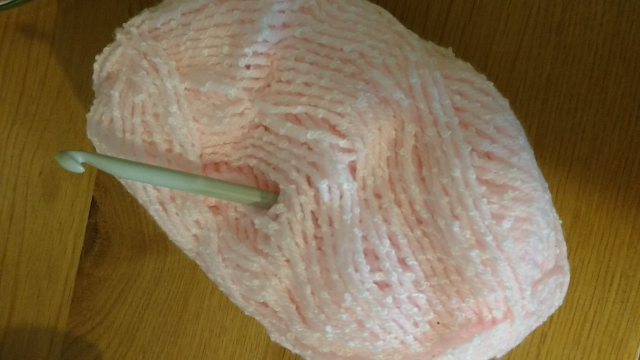
‘It’s a crochet hook’ said the woman in front of me in the queue with a small sigh of exasperation.

The security guard locked eyes with me, having already let in a variety of knitting needles, pinking scissors and even a Voodoo Doll.

The typical Archers’ listener is female, University educated, over 50 and according to the market research, resolutely middleclass.

The men form a smaller group and are clearly incapable of listening to the conference papers and knitting, crocheting and embroidering unlike the women who multi task throughout the day. In fact, one woman not only listened and knitted, but even ran up and down the aisle with a roving microphone.


We were at the British Library where an audience of over 200 people had converged and an almost messianic fervour is palpable in the room.


The Archers is the world’s longest running radio soap opera piloted in 1950, with a remit to educate agriculturists and which still performs this role today, though with much more dramatic tension.

One speaker explained that in the mid- 1970s audience levels had dwindled and the BBC was considering cancelling the show. The advent of a woman producer and women writers gave the Archers a much-needed boost and the show has continued to increase its audience ever since.

Our worth as fans is measured in how long we have been listening and at thirty- six years I have only just shed my newcomer status.

Speakers who have only listened for a few years begin with an apology to the all forgiving audience.

The bond between fans is strong and the Speakers – all academics are all fans themselves and clearly relishing the opportunity to impart their, not insignificant knowledge with fellow devotees.

The highlight of the day takes place when one of the show’s actors, Charlotte Martin, took the platform for a wide -ranging discussion. Her character is that of a social climbing busy body that we all love to hate, but by the end of the debate we had agreed that she was in fact the Greek chorus and we sneered because she was an older working- class woman. Food for thought indeed.

The papers covered a variety of Archer related topics, the most surreal about how the featured village would fair if a revolution took place. What appeared on paper to be a whimsical piece had the audience on the edge of their seats as the speaker worked for NATO and had served in Afghanistan. Suddenly this cosy soap was not quite so cosy and yet the delivery had us roaring with laughter.

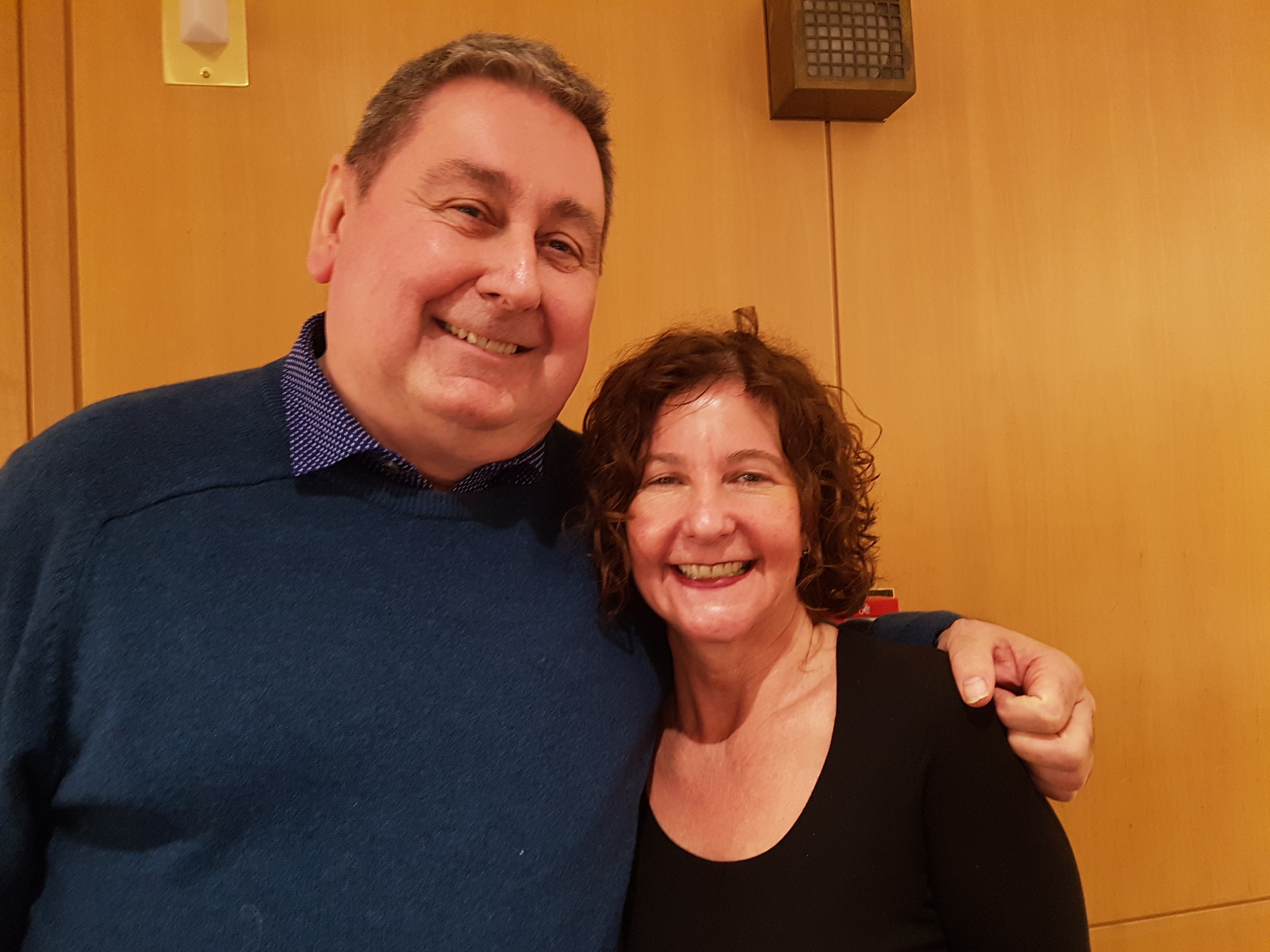
Michael Rowan and Charlotte Martin

In jokes are shared and before we know it the day has passed and many more new friends have been made.

Last year’s conference has all the papers featured in a book entitled Custard Culverts and Cake and is still available to fans and none fans alike.

I leave with a kindly looking lady who could easily be typecast as the perfect grannie, white hair, glasses and a kindly smile. As we leave she reaches into her bag to remove the voodoo doll she has made of one of the characters in the Archers whom she hates with a passion.

She waves the doll at the Security Guard who again locks eyes with me.

I merely shrug, before waving my companion goodbye and arranging to meet up again next year.


A Healthy Alternative to Easter Eggs by Dr Kathleen Thompson


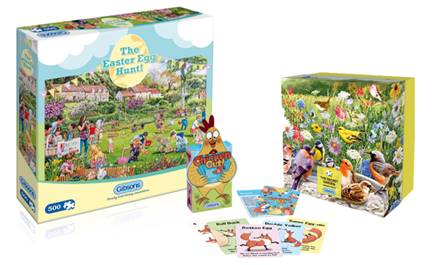
Easter eggs are delicious, I cannot lie, but sometimes our kids get just too many, don’t you think? So maybe they would prefer an ‘eggy’ themed game, instead of at least some of the chocolate this Easter?

First established in 1919, the family-owned company, Gibsons, use well-known artists and illustrators to produce high quality traditional games and jigsaws. These are something to treasure and make a welcome change from computer-based games (Yes, I am showing my age, and proud of it).

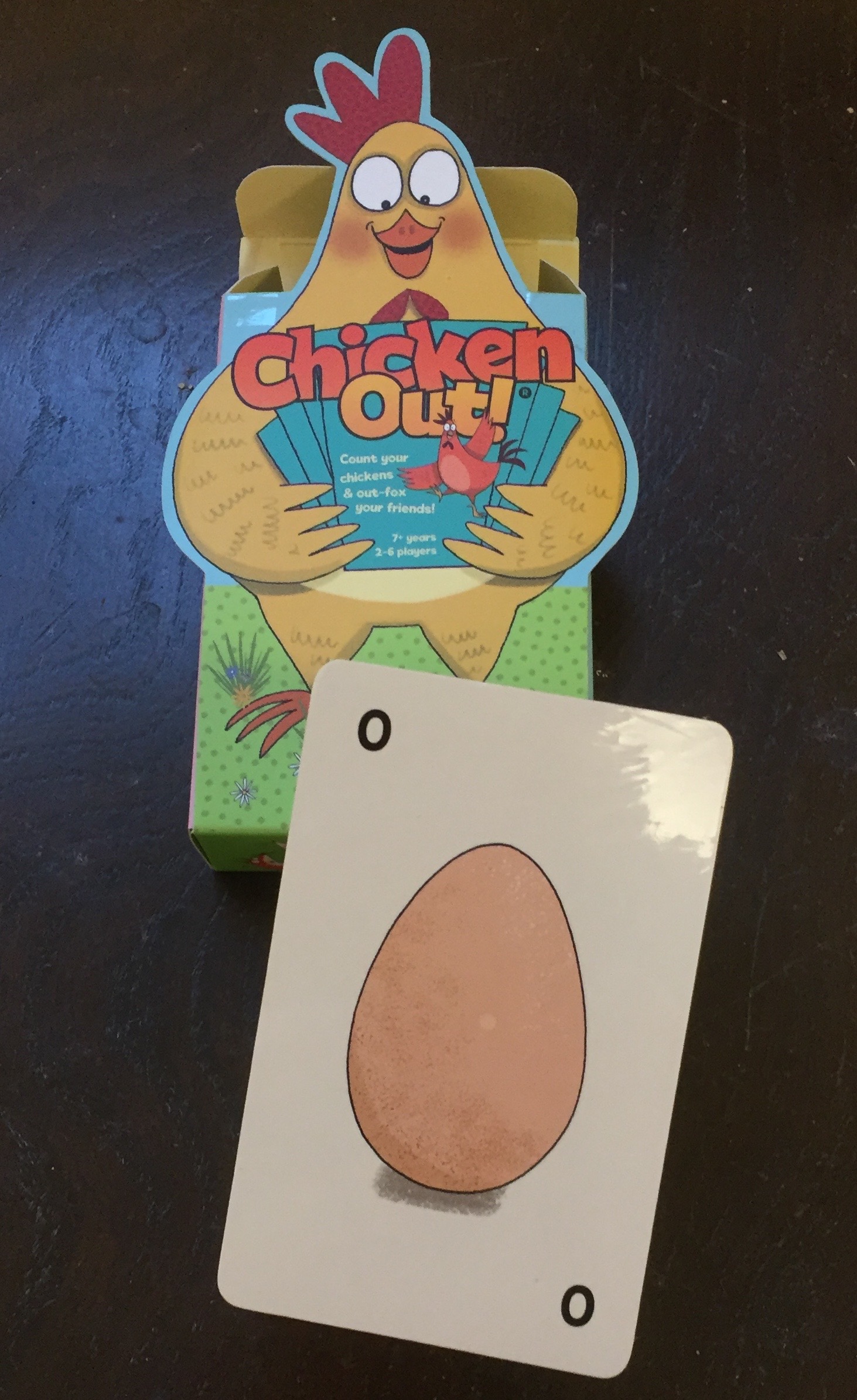
In fact Gibsons’ fun card game, Chicken Out! won the Indoor Toys & Games Creative Play Award 2017. For 2-6 players, aged 7+ it is beautifully illustrated by Clare Elsom. Players aim to reach 21, but cheeky fox cards can sabotage chances of winning. The chicken and egg theme makes it perfect for Easter.


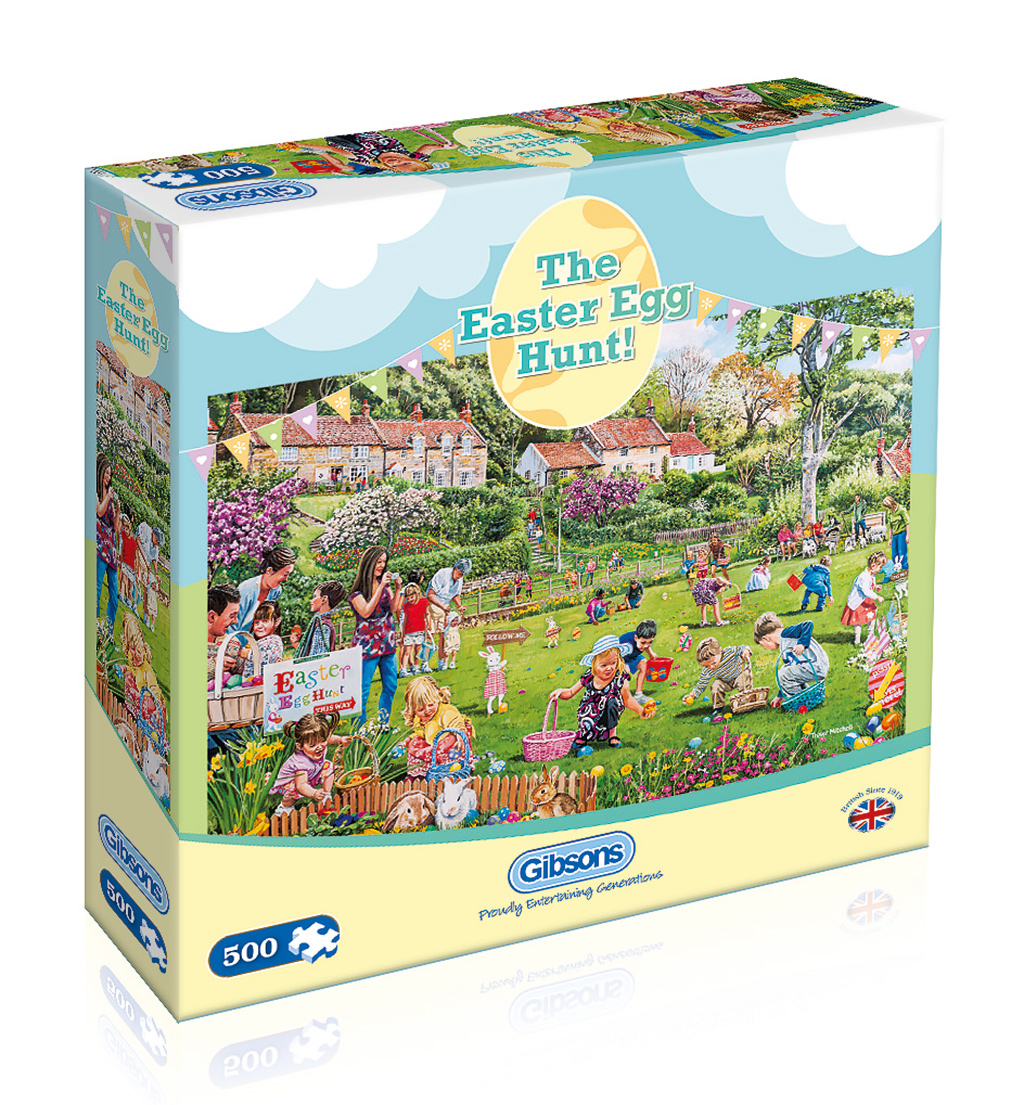
The Easter Egg Hunt 500-piece jigsaw is also great for older children, or even adults who are watching their waist line.


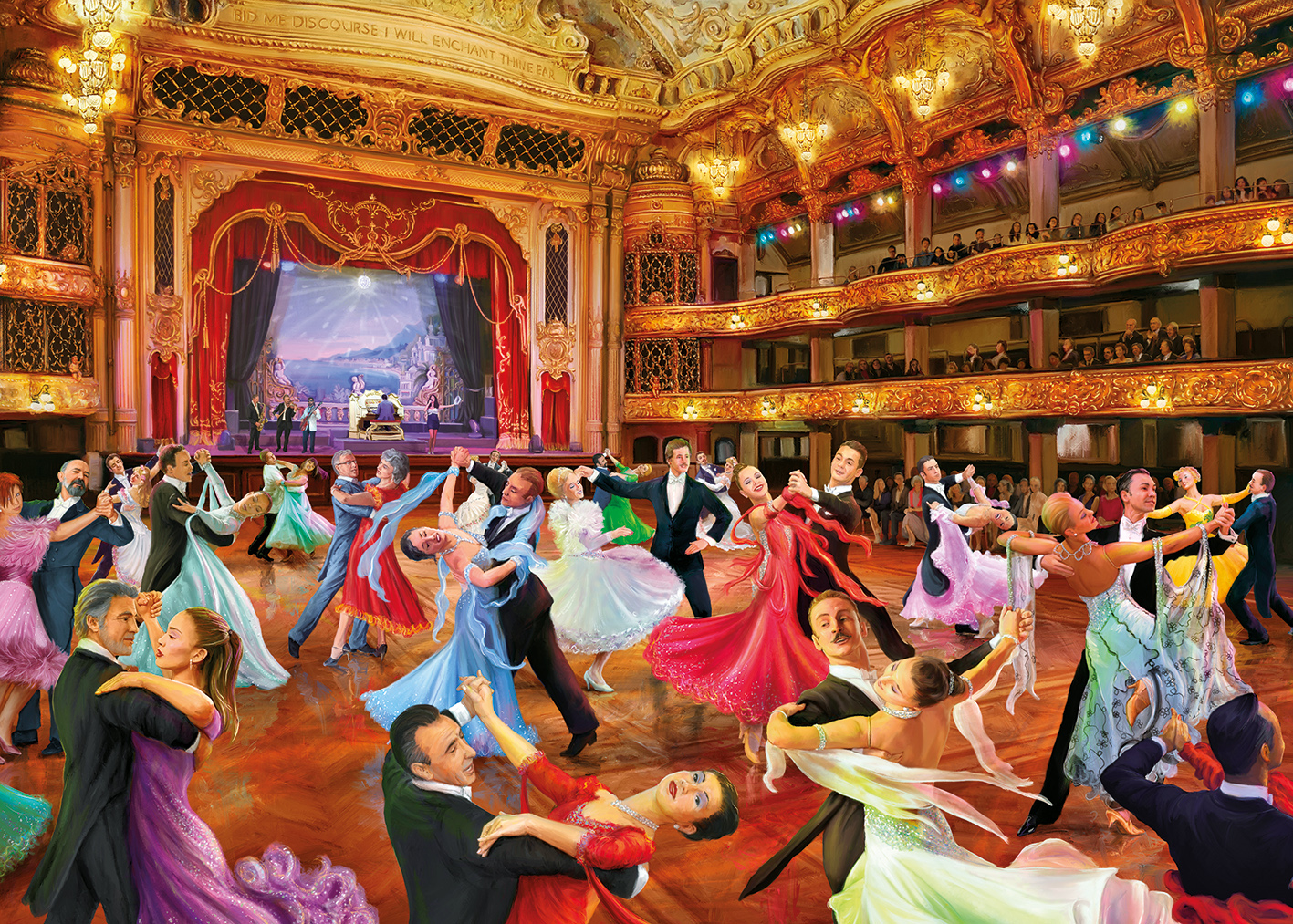
But their large collection of beautifully-illustrated jigsaws are not confined to Easter. In fact I was given the ‘Keep on Dancing’ jigsaw myself for Christmas. It is a fabulous scene of dancers at The Blackpool Tower, home of ballroom dancing – and it certainly challenged the old grey matter as I tried to sort the sequins from chandeliers.

Gibsons also produce accessories for jigsaw enthusiasts and other games. So why not re-experience the pleasure of traditional games and remind ourselves how great they can be this Easter?


By Dr K Thompson, author of From Both Ends of the Stethoscope: Getting through breast cancer – by a doctor who knows

http://www.amazon.co.uk/dp/B01A7DM42Q http://www.amazon.com/dp/B01A7DM42Q

http://faitobooks.co,uk


Note: These articles express personal views. No warranty is made as to the accuracy or completeness of information given and you should always consult a doctor if you need medical advice


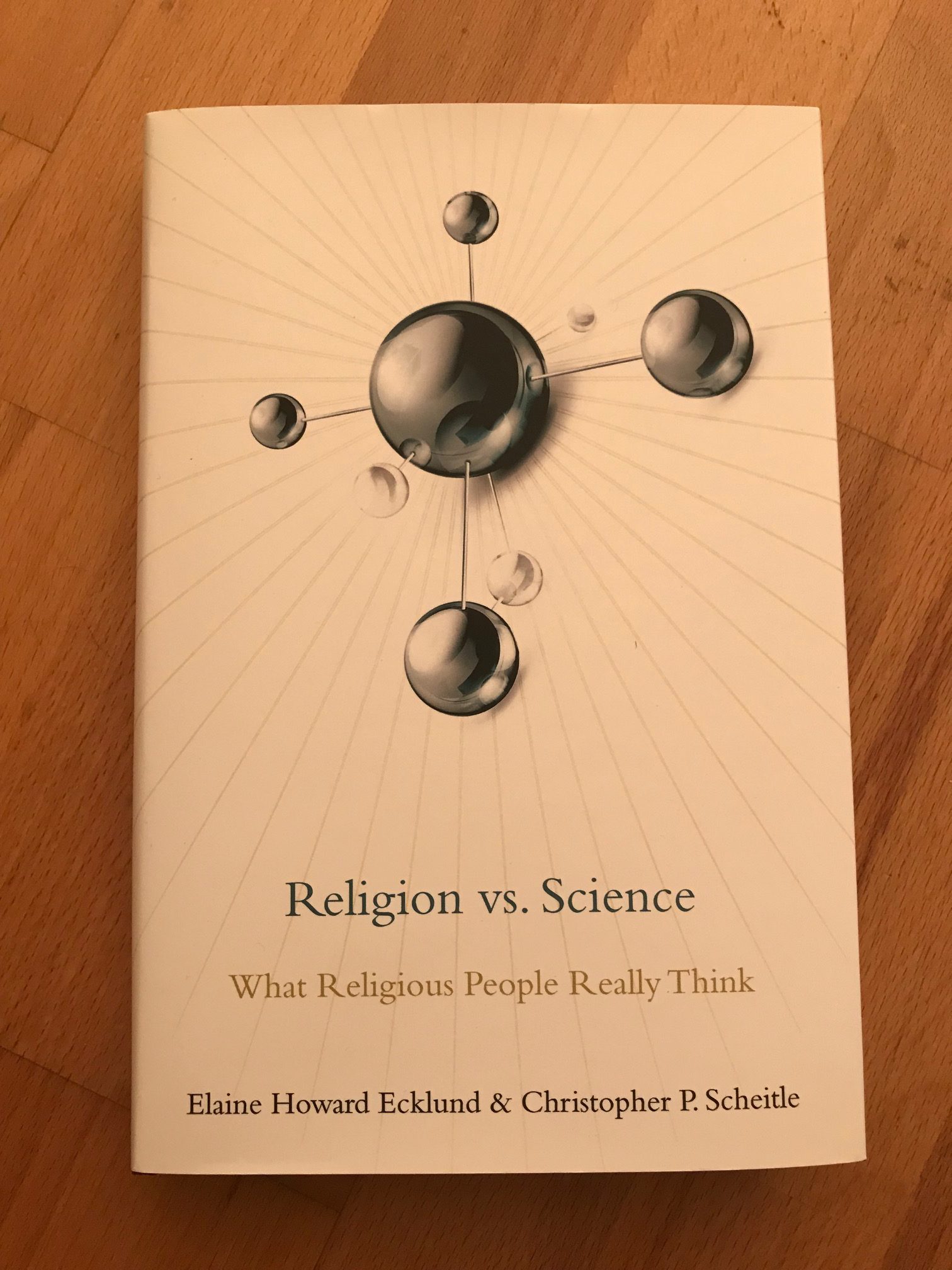
Religion vs. Science: What Religious People Really Think

At the end of a five-year journey to find out what religious Americans think about science, Ecklund and Scheitle emerge with the real story of the relationship between science and religion in American culture. Based on the most comprehensive survey ever done-representing a range of religious traditions and faith positions-Religion vs. Science is a story that is more nuanced and complex than the media and pundits would lead us to believe.

The way religious Americans approach science is shaped by two fundamental questions: What does science mean for the existence and activity of God? What does science mean for the sacredness of humanity? How these questions play out as individual believers think about science both challenges stereotypes and highlights the real tensions between religion and science. Ecklund and Scheitle interrogate the widespread myths that religious people dislike science and scientists and deny scientific theories.

Religion vs. Science is a definitive statement on a timely, popular subject. Rather than a highly conceptual approach to historical debates, philosophies, or personal opinions, Ecklund and Scheitle give readers a facts-on-the-ground, empirical look at what religious Americans really understand and think about science.

Religion and science have always had an uneasy relationship. In fact, there are times when the two have been at war. But the two can coincide. This book is a myth-busting, highly accessible and well-written book. It is US centric but still very interesting. A fascinating read. 

Religion vs. Science: What Religious People Really Think is available here.


Das Fest at The Vaults, Waterloo, London – review by Paul Vates


“It was a bit dull and, ironically, predictable”

 Philipp Oberlohr’s Das Fest at VAULT Festival (courtesy Daniel Haingartner)

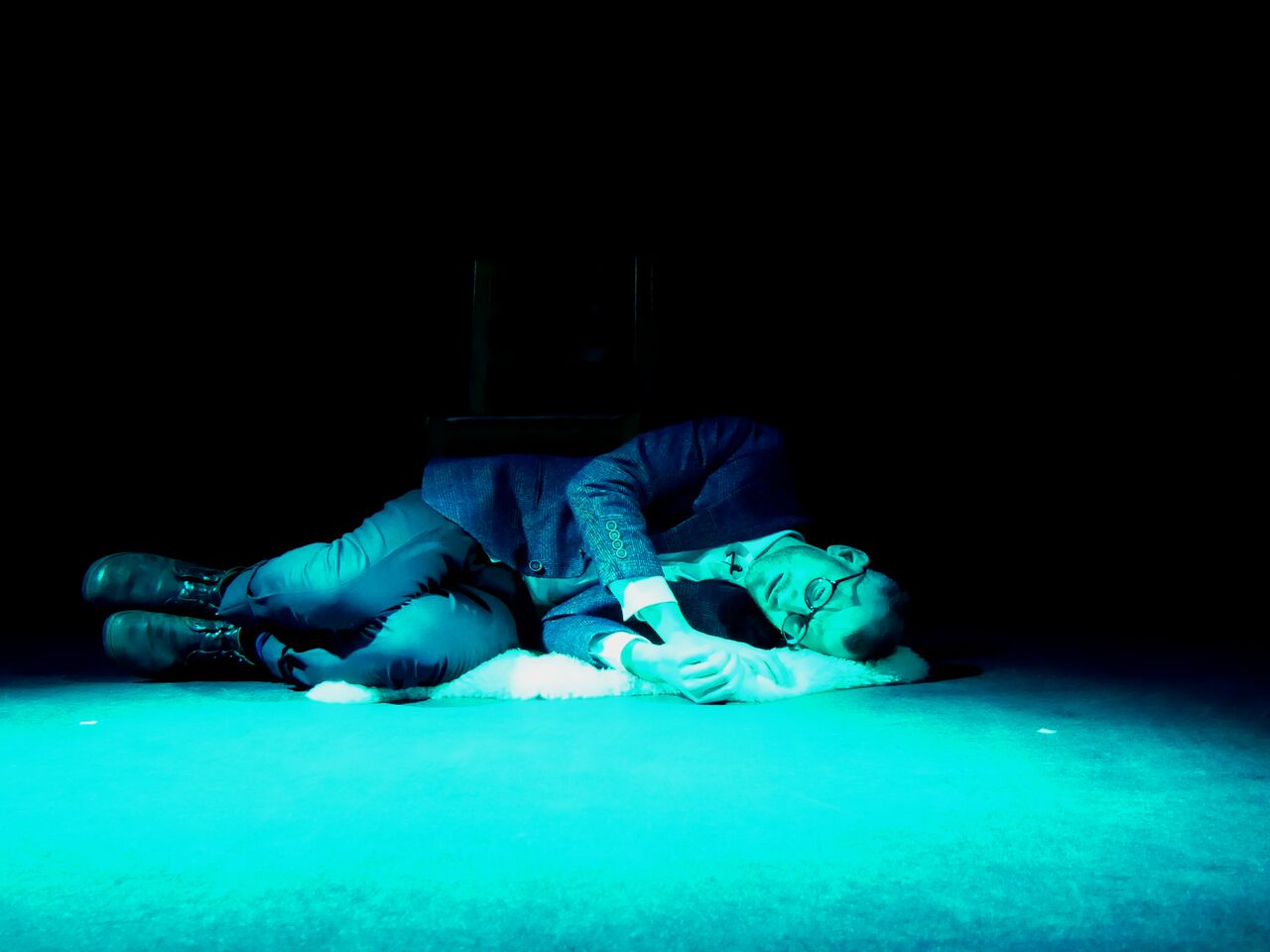
Philipp Oberlohr presents a one-man show that is slow, methodical and precise. He slips into artistic moments of contemplation, drowned in a spotlight, uttering Freudian statements to break up the production.


Everyone in the audience has a piece of paper, a pencil and an envelope under their seats. We are split into two – one half have to note down a happy memory, the other a dare to oneself or a challenge to be faced. All are then placed in two upturned umbrellas and throughout, Oberlohr removes random envelopes and predicts what it says inside, sometimes bringing people onto the stage with him.

 

 Philipp Oberlohr’s Das Fest at VAULT Festival (courtesy Daniel Haingartner)


He’s an illusionist. A magician. A mentalist. Announced on the posters as Austria’s Derren Brown. In the end – this evening is one very long, thoughtful, dramatic magic trick, stretched over an hour.


There are the expected jokes and audience participation. His previous show, Das Spiel (The Game), won the People’s Choice Award at VAULT 2016. This production, as part of the VAULT Festival, Das Fest (The Party), lacks in atmosphere and pace. Although incredibly watchable, Oberlohr, although warm and likeable, managed to pick an audience member who hindered the act through incompetence – the problem really coming from Oberlohr himself not being clear in his instructions. English is not his first language, obviously. But neither was the volunteer’s, so confusion reigned. Some mind reading was obviously ditched in order to move on, but Oberlohr never quite looked secure in his control of the show, thinking on his feet.

 

 Philipp Oberlohr’s Das Fest at VAULT Festival (courtesy Daniel Haingartner)

What this shows is that Das Fest has great potential to impress an audience (and, undeniably, some people around me were genuinely shocked by his correct predictions about the contents of their envelopes or about their private lives) but, on this evening’s showing, he needs more confidence and just a tad more showmanship. Only once did a prediction get a spontaneous and impressive round of applause – all the others were thrown away without a punchline to encourage us to show our appreciation.


Perhaps, here is the point. The production, although competent, is simply not joyous. Considering the title – this is not a party one would hang around for. It was a bit dull and, ironically, predictable. The staging is all black and oppressive. It needs, in more ways than one, some lightness.



Philipp Oberlohr’s Das Fest at VAULT Festival (courtesy Daniel Haingartner)

 

Photography:     Daniel Haingartner

Venue:               The Vaults, Leake Street, Waterloo, London SE1 7NN

Running:            Until Sunday March 4th 2018 at 7.45pm

Saturday March 3rd Matinee at 3.15pm

Running Time:   60+ minutes

Tickets:              £13 from www.vaultfestival.com


Author:               Philipp Oberlohr

Dramaturg:         Daniel Haingartner

Director:             Margot Newkirk Grambow

Producer:           Cristina Catalina

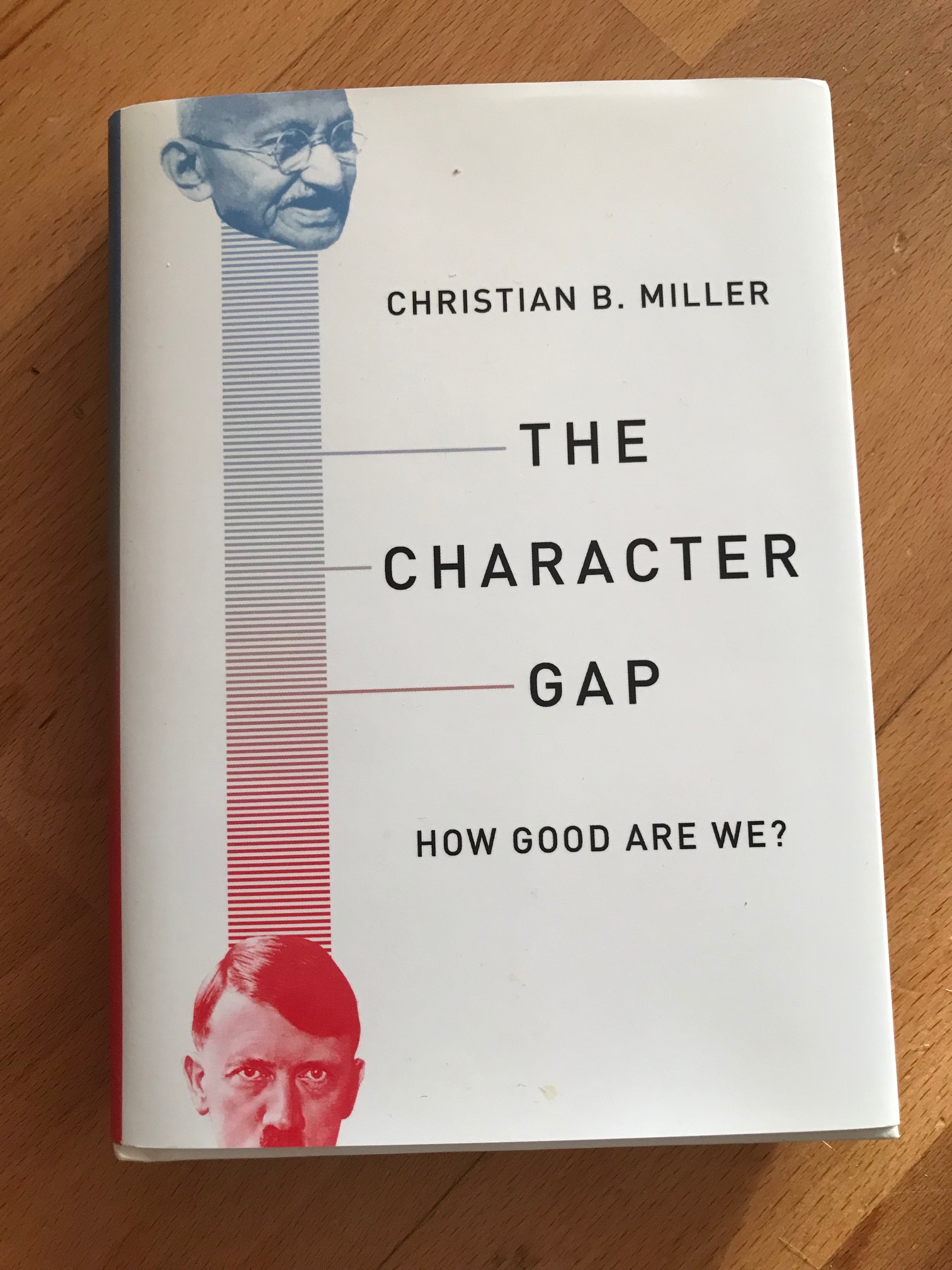
The Character Gap: How Good Are We?

how good are we. character We like to think of ourselves, our friends, and our families as decent people. We may not be saints, but we are still honest, relatively kind, and mostly trustworthy. Miller argues here that we are badly mistaken in thinking this. Hundreds of recent studies in psychology tell a different story: that we all have serious character flaws that prevent us from being as good as we think we are – and that we do not even recognize that these flaws exist. But neither are most of us cruel or dishonest. Instead, Miller argues, we are a mixed bag. On the one hand, most of us in a group of bystanders will do nothing as someone cries out for help in an emergency. Yet it is also true that there will be many times when we will selflessly come to the aid of a complete stranger – and resist the urge to lie, cheat, or steal even if we could get away with it. Much depends on cues in our social environment. Miller uses this recent psychological literature to explain what the notion of “character” really means today, and how we can use this new understanding to develop a character better in sync with the kind of people we want to be.

I really loved this book. It is accessible and it makes you think. It engages and entertains. It tells you what character is and lets you know how you can cultivate it. This book is a must read. Full of facts that will stay with you. It is well researched and the author really knows his stuff. Brilliant. 

The Character Gap: How Good Are We?  by Christian B. Miller is available here.