My Writing Process – Valerie Holmes

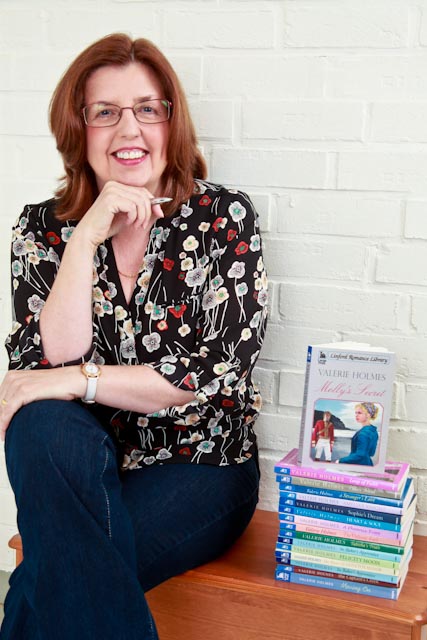
Valerie HolmesMy childhood memories of growing up in a North Yorkshire coastal town are vivid. The flat sandy bays, marram grass covered dunes, salt marshes, woodland and moors provided a natural playground. The Tees estuary to the north was industrialised, but the natural beauty of the sweeping bays and rugged headlands down to the ancient port of Whitby has a fascinating history. My mother had Multiple Sclerosis and died too young, so walking my dog and exploring the outdoors was important to me.

I love writing and am an experienced creative writing tutor independently and for The London School of Journalism and Writing Magazine. 

The Yorkshire Saga series, published by Sapere Books, is set in the region in early nineteenth century. I have had over 40 novellas published by F A Thorpe, both romance and mystery – historical and contemporary.
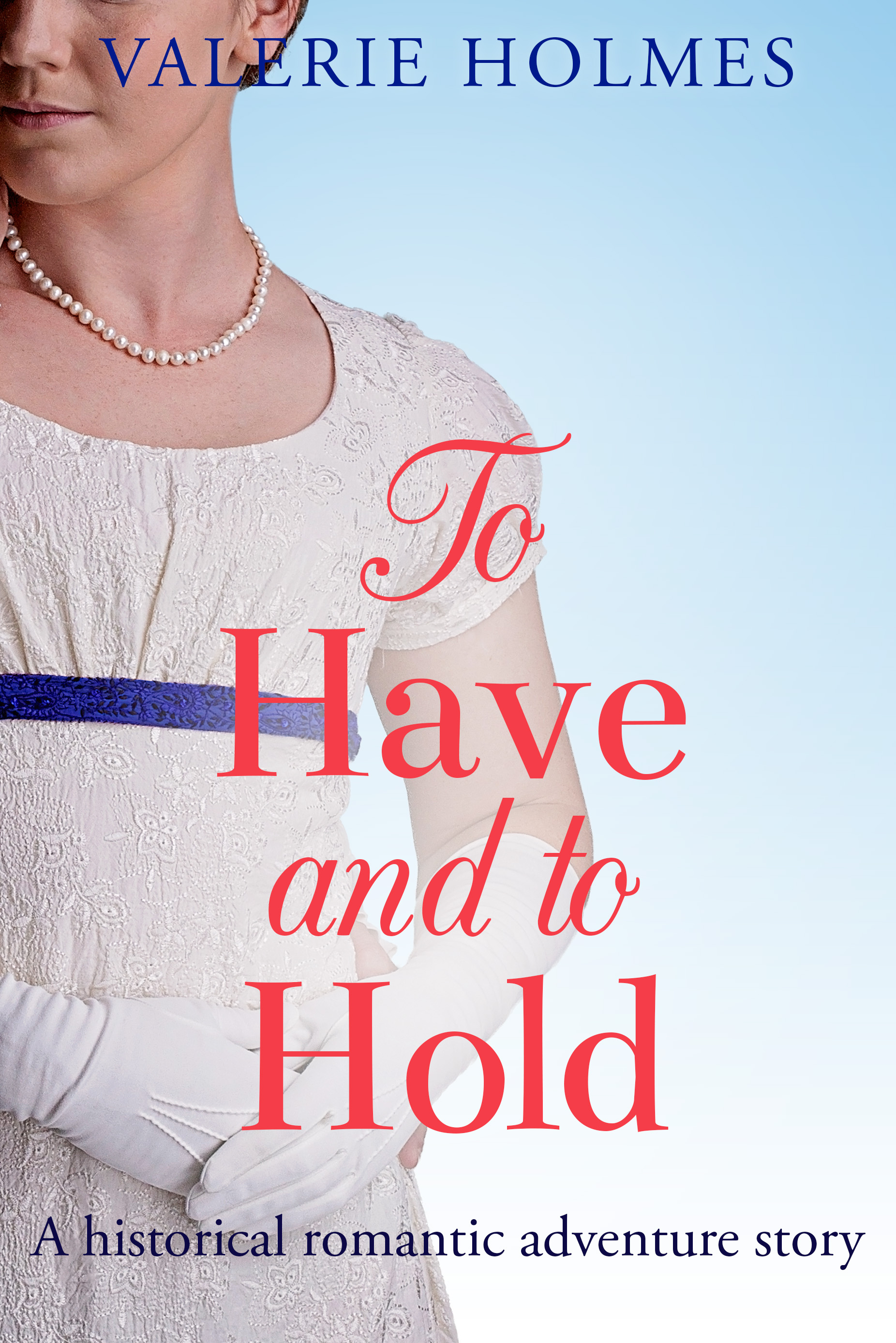
The third book in The Yorkshire Saga series ‘To Have and To Hold’ is published on 17th June, and the fourth ‘In Sickness and In Health’ has just been delivered to Sapere.

They are all set in or around the same fictitious villages of Gorebeck and Ebton nestled in the shadow of the headland of Stangcliffe (based on Saltburn and Huntcliffe). 

Set against social changes as a result of the wars with France: smuggling, espionage, press-gangs etc. I have been researching the era and the region for years.

A bit about your process of writing.  & What about word count?

 I write 1000-1500 words a day. The next day I will return to the work of the previous one and overwrite it, then add on the new words for that day, repeating the process until I have reached a satisfying ending and an acceptable total wordage.

Do you plan or just write?

Normally, I begin with a character, place and situation and then run with it. Once I have a few chapters drafted and the secondary characters have appeared on the page I plan what will happen: conflicts, subplots, character changes and the satisfying ultimate resolution of the core plot.


I like to explore the many facets of love from friendship, maternal/paternal to obsessive and manipulative, keeping the central theme as the spark that links two people together, drawing them into a relationship kindled by true love, regardless of social class.


Love bonds people together. Laws can dictate the controls within a culture which restricts or allows certain behaviour, but, I believe, most people want to have that special person in their life to love and be loved. I want the reader to be left feeling satisfied and positive about the future.


How do you do your structure?


I like to build up to a mid section that has a lot of things going on and kicks off new problems to drive the plot through to the end.


What do you find hard about writing?


After I have edited two drafts and left the project alone for a couple of weeks, even returning afresh to it, I am so close to the story that it is difficult to see what should be cut out or left in – that is why a good editor is so important to the finished book.


What do you love about writing? 


I love the adventure – I love creating the characters and setting them off to face a series of challenges and then figuring out what will stand in their way and how they will ultimately achieve their goal.


Advice for other writers


The publishing business is tough. It is a business and although we are creative we have to look at it like that. There are hours spent alone just writing. Love it. Love the whole process, embracing the challenge. The more you write, the better you become. Once published the challenges change. Be dedicated and determined and take on board constructive advice.

Most importantly enjoy every minute. 
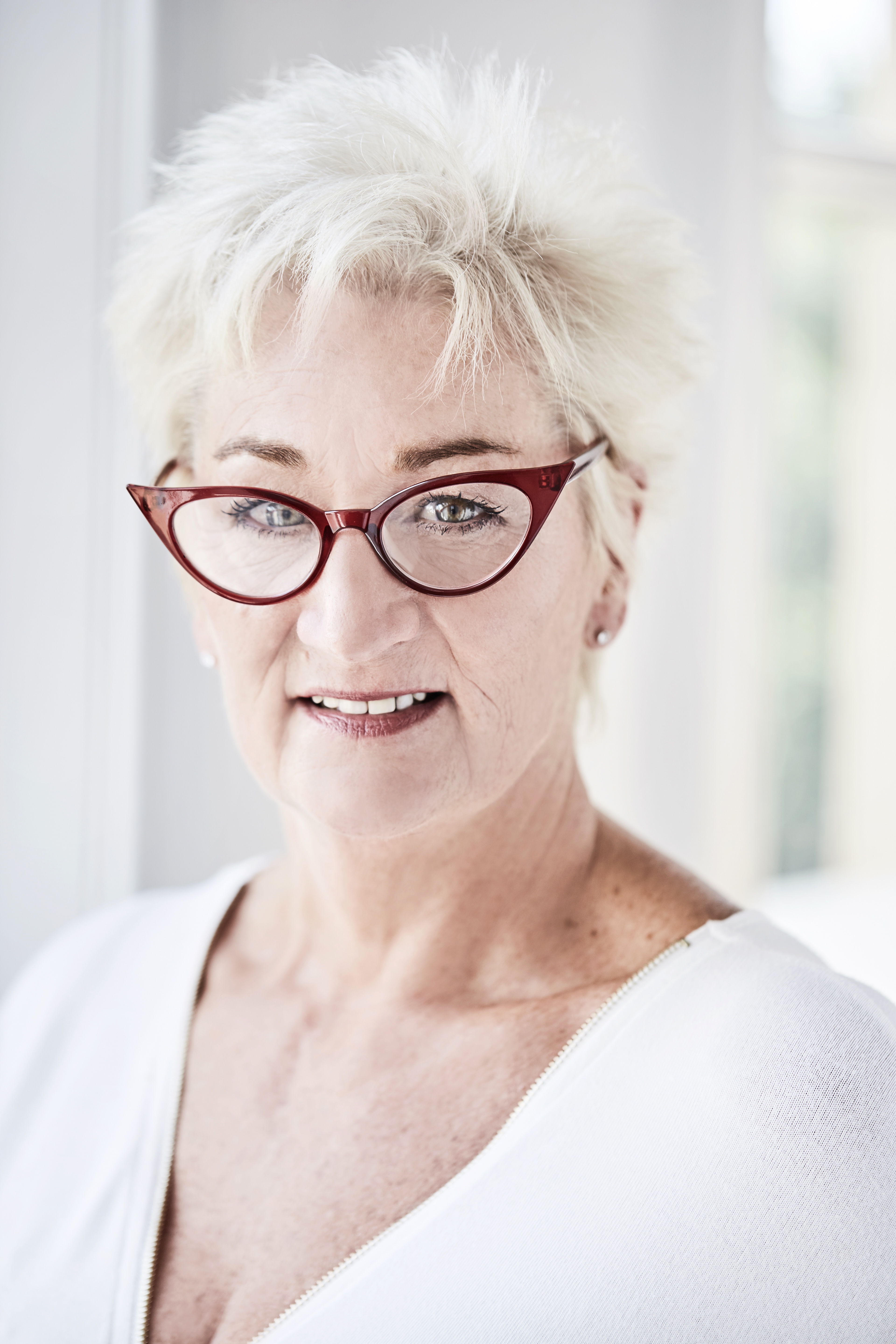
 

My Writing Process – Caroline James

I am proud to have author Caroline James be the first writer to be part of our new series. How I Write gives readers, and other writers, an insight into the minds of writers. Not only how they think, but how they work. Enjoy. Catherine Balavage, Editor-in-Chief. 

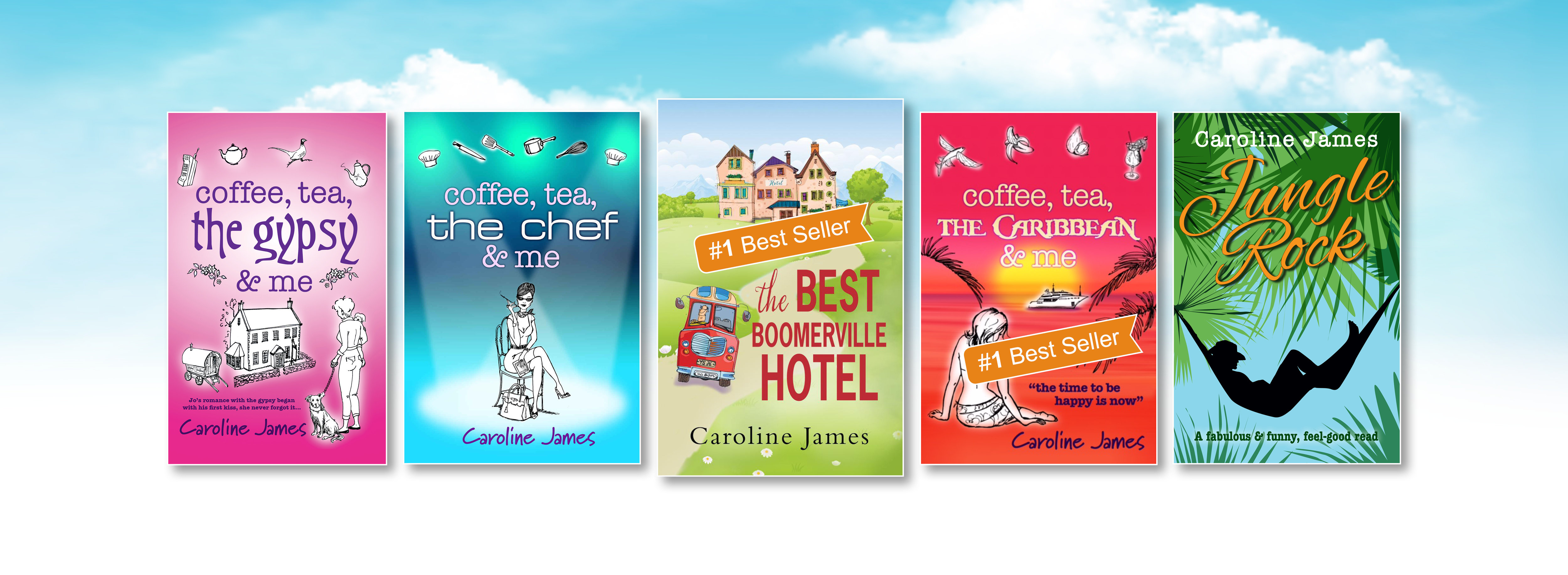
I always wanted to write from a very early age, but never thought that I was good enough. A few weeks short of my sixteenth birthday, much to my parents’ horror, I left school, and also home, to work in Cornwall, doing anything from pot-washing to waitressing. In that time, I realised that I loved the hospitality industry and if I couldn’t write, I would work hard and one day have my own business. Fast forward several years and I achieved that dream. After catering college and working for a large hotel group in London and abroad, I eventually owned a pub and then a country house hotel. When I sold the hotel, I became an agent representing celebrity chefs. It was a fabulous career but still I wanted to write and decided that I wouldn’t die wondering and pinned my bum to a chair to write my first book.

Five books on and I am currently writing my sixth. The first was self-published and to my amazement, went to number three in women’s fiction on Amazon. My writing dream had come true. Two of my titles are current Amazon best-sellers and my dream of writing full-time has been achieved.

I am currently writing a follow-up to The Best Boomerville Hotel for my publisher, Ruby Fiction. I am a speaker too and give talks on various subjects including entertaining speeches for large events, such as a guest speaker on cruise ships and at various literature festivals. I write food related articles for various magazines and promote my work through social media and my website.

What is your process?

I like to write early in the morning before the rest of my world wakes up. I never find the process easy; I have to force myself each day, onto a chair and in front of my laptop. I’ve always found the writing process hard, but on occasion it has moments of relief when I simply can’t stop and may write solidly for several days. But that’s rare.

Do you plan or just write?

I always try to plan a novel before I begin the writing process, but the characters usually take over and want to do their own things. I think a framework is a good writing tool, so that there is a beginning, middle and end, however you get there.

What about word count?

Some days it may be 200 words others 3,000. It all depends on what writing demands I have. I may be writing an article or doing social media and blog posts for a client, so I have to fit novel writing in when I can.

What do you find hard about writing?

I find it hard to make myself get on with it. I envy the disciplined author who sets out a target each day and achieves it. I found it easier to write when I was working full-time running a business and had many other family demands. That old saying, ‘If you want something doing, ask a busy person,’ is certainly true for me. Since I decided to take a leap of faith and write full-time, I find it much more difficult to actually write a novel.

What do you love about writing? 

The freedom to write about anything at all. The freedom to express myself. The freedom to live my writing dream. I love to be able to empower other writers and, in any way, possible and pay it forward. I love that I am living my writing dream.

Advice for other writers.

Just get on with it. Don’t waste years wondering. Glue your rear to a chair and get going, write and write and write – no matter what. You will find your muse when you least expect it.

www.carolinejamesauthor.co.uk      https://www.carolinejamesauthor.co.uk

Twitter: @CarolineJames12   https://twitter.com/CarolineJames12

Facebook: Caroline James Author   https://www.facebook.com/AuthorCarolineJames/ 

Instagram: Caroline James Author

Kickstart your inner author: How to write a novel by next new year

By Tobsha Learner

Many of us dream of putting pen to paper and writing our first novel – so how can we make 2019 the year we actually do it? We asked bestselling historical novelist Tobsha Learner for her top tips…

  1. Study the masters: Before you begin writing, choose your favourite example of the genre you want to write and study it. Observe how the plot unwinds throughout the book. Make a graph noting how the subplots feed into the theme of the book and how they all build to the climax and conclusion. Look at how conflicts between characters and the obstacles they have to overcome creates tension. Note how specific characteristics make a protagonist believable… 
  2. Think about tenses and what they do psychologically to the reader before you begin writing: For example 1st person/present places them in the skin of your protagonist and moves them through the landscape right in the moment, the down side is that the description of other characters will always be through the protagonist’s eyes unless you jump tenses. Again look at your favourite books and note how the author is using tenses for different effects…
  3. Do your research – become a razor-sharp observer: For characterisation, interview and record for dialogue and specific characteristics (with permission of course). Get into the habit of eavesdropping and making notes, snippets of dialogue, psychological quirks etc. This will inspire and help build realistic and empathetic characters. For location, visit if possible, take photos, record sound, smell, and architecture. Everything to help create visceral landscape the reader can almost touch. If visiting a location is not possible, go on-line and collect images. On action/careers of characters – search out experts in that particular field and interview them. You’d be surprised how many will agree (with a promised thank you or reference at the back of the book). Just make sure you’re respectful and make it clear it’s for general atmosphere and not to use verbatim… 
  4. When you’re ready to start writing make your desk or writing place a sanctuary me-space. Make it somewhere you will end up yearning to sit and write at – define it with scented candles, fresh flowers, crystals…whatever triggers your creativity. Think about the colours and light around you that will help concentration – you don’t need a view, the view will be the world you’re creating on the page.
  5. Keep a notebook or recording device by your bed, office desk and in your handbag. Start collecting those amazing revelations or sentences that come to you first thing in the morning, in the middle of the night, a little drunk after a bad blind date…whenever it is, catch and immortalise that thought/phrase/idea. Inspiration strikes at the weirdest times, be prepared and get into the habit of collecting ideas, great phrases or snippets of dialogue you’ve overheard. You might not yet realise how you will use them in the future but a good part of writing is observation and you can do this anywhere.
  6. Be prepared to write many drafts: To over-write is better than under-writing. This allows you more choice as you hone down your narrative. Take time out between each draft to get a ‘clear eye’ on each re-write – this will give you more objectivity. I’m talking weeks not days. I call this fermentation time, and it’s important to resist the impulse to sit down and fix what you think is wrong with a draft immediately after finishing reading it… 

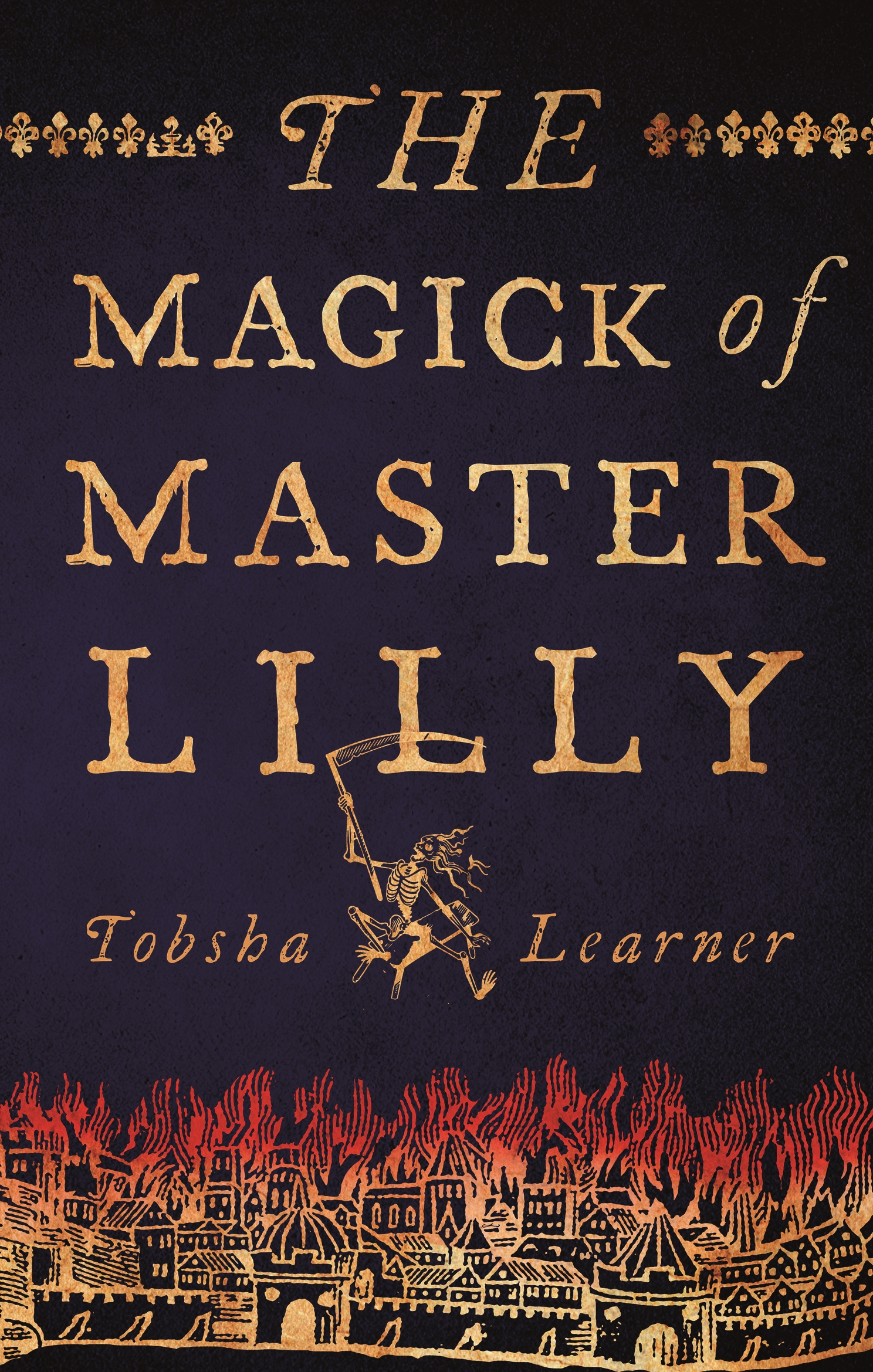
Tobsha Learner’s new historical thriller The Magick of Master Lilly is out now, published by Little, Brown Book Group, and priced at £8.99 in paperback and £7.99 in e-book. For more information visit tobsha.com


Quitting My £60k Job Was the Best Decision I Ever Made. Karen Holden Interview

businesswomen , succeeding in businessKaren Holden is one impressive woman. She was a solicitor at an international practice but saw how female colleagues were ostracised during pregnancy. It made her fear for her career.  Karen also knew that the big corporate firm, would not support her need for a healthy work/life balance and Karen is a woman who wants it all.
Taking matters into her own hands, Karen launched A City Law Firm in 2008, when the UK economy was on its knees and lived off credit cards to survive.
Despite almost going bust in the first year, Karen is now celebrating 10 years in business, has an army of high profile clients and £1m plus turnover.

What was the catalyst that made you quit your job and start your own business?

Three things

  1. I wanted a family at some point in the future and I realised that a women in this sector , having a baby and family, would be difficult. I saw women passed over and treated differently and yet I knew I could still do everything as I have now proven
  2. Clients were becoming numbers and bottom line figures , whereas I still believed in delivering personal service and results
  3. So in short I was becoming disillusioned with the industry and wanted to see if I could do it differently

How do you make it a success?

I deliver what I genuinely believe in and aim to ensure all my team are on board and do the same. We are personal, supportive, specialist and experienced, but friendly and approachable service

I embrace change, disrupt the old fashion traditions, work hard and at the same time enjoy my family time

What have you learned along the way?

To never let anyone or anything stand in your way, learn from your mistakes and be proud of your battle scars.  Having good advisors, mentors and people around you is essential to success – you can never do it alone.

What advice can you give other women?

If you work hard and pick yourself up if a door closes in your face, you can have it all and succeed.  You can earn far more, have quality family life, a nice team to work with and achievable goals if you persist.

How important do you think work/life balance is?

This is fundamental and for me there is no point doing what I do if I cant have quality time with my family and friends.

I work late some week nights, so those nights I can get home early, I spend reading to my son and weekends are precious for us spending time together. Running my own business means I am fortunate to work the hours that suit my family.  If I leave early I can always pick up the work when my son is in bed as flexible working enables me to have it all

Do you think women who want families are still discriminated against? How could we fix this?

Its actually just as bad for men, trying to take paternity leave or time off for their families – we need as a society to embrace family life far more than we currently do in the UK. Likewise though, those with children do need to prove they can work just as well as those without so they don’t put on their colleagues or disillusion employers making it harder for others next in line. Working together employer and employees can often find a good balance that energises both of you which in turn is good for business.

What is your biggest tip for becoming successful?

Never take no for an answer , find another route to where you want to get and fight onwards – BUT always know you will make mistakes and learning from them is essential

Common Breastfeeding Problems

breastfeeding, benefits of breastfeeding, mum, baby, what age to stop breastfeedingDr Emma-Jane Down offers insight into common breastfeeding woes…

Why people say ‘breast is best’

Breast milk is regarded as nature’s natural food for your baby and it’s certainly full of essential nutrients.

According to Unicef, research has shown that breastfeeding provides babies with various health benefits, including essential nutrients that offer protection from infections and diseases.

Plus, women who breastfeed have a lower risk of developing cancers such as breast and ovarian cancer.

Breastfeeding for beginners 

Since 2003, the Department of Health has recommended that women should ideally feed their baby with breast milk for the first six months of an infant’s life, before introducing any other food or drink.

But like any skill, learning to breastfeed can be difficult to start with, and some women can be affected by health issues during feeding.

If you’re finding it difficult or painful to breastfeed, be assured that you are not the only one to feel this way. “It’s important to ask for help if you aren’t finding it easy or comfortable,” advises GP at AXA PPP healthcare, Dr Emma-Jane Down. “It does get easier.”

Breastfeeding health conditions

Sometimes health conditions can occur during breastfeeding, creating difficulties for mum and baby. These include issues such as blocked milk ducts, mastitis, abscesses and thrush.

Blocked milk duct

“Occasionally a blocked milk duct can occur, causing a swollen, red area on the breast,” explains Dr Down.

Mastitis 

Mastitis occurs when a blocked milk duct doesn’t settle after one to two days, making the breast infected. “It will become red, hard, painful and swollen, and you may develop a fever and feel very unwell. You need antibiotics to clear this up, along with continuing to feed from that breast to clear the blockage,” advises Dr Down.

Breast abscess

“A breast abscess is another rarer complication causing a red painful, hard lump.” This contains a collection of pus and needs draining quickly by a doctor, along with a course of antibiotics.

Thrush

Breast thrush causes severe nipple or breast pain and can be spread from mum to infant. “Thrush is treated with prescribed anti-fungal medications, usually cream for the mother and drops or gel for the baby’s mouth,” explained a spokesperson for Unicef. Painkillers may be required too to help ease pain.

How to make breastfeeding comfortable

Breastfeeding can be an important way of bonding with your baby. The skin-to-skin contact helps comfort your baby and the more you feed, the more milk you produce. So it’s worth persevering with it, even if it doesn’t feel comfortable at first.

Some of the issues that can contribute to making breastfeeding difficult, suggests Dr Down, include not latching on properly, timed or scheduled feeding and the overuse of pacifiers and dummies.

“Latching on and getting into the correct position for mum and baby is key,” she says. “This helps prevent sore nipples and blocked milk ducts.”

Tips to make breastfeeding go more smoothly

To help breastfeeding go more smoothly, the National Childbirth Trust (NCT) suggests these tips:

.       Sit comfortably before you start feeding. Make sure you relax your arms and shoulders.

.       Make sure your baby’s head and body are in a straight line. This will help them swallow more easily.

.       Position your baby’s nose level with your nipple, so they can reach up and attach easily to your breast.

.       Ensure your baby’s neck, shoulders and back are well supported.

If your baby needs encouragement to feed, try stroking their top lip to encourage them to open their mouth wide.

“If your baby is difficult to feed or seems unhappy, then do ask for help,” emphasise the NCT.

Feeding with formula

If breastfeeding doesn’t work for you and your baby, then the next best step is formula feeding.

“No mother should be made to feel ashamed or guilty for using formula,” believes Dr Down.

“It may not be quite as good for your baby as breast milk, but is a safe alternative if you’re not able to breastfeed the baby,” she says. “A happy mum makes a happy baby, so sometimes you have to do what is best for you too.”

Tips on making up formula milk 

When you’re making up formula milk, Dr Down advises:

.       Follow the instructions carefully.

.       Don’t change the ratio of powder to water, as it’s not safe.

.       Always carefully wash and sterilise bottles to avoid dangerous vomiting or diarrhoea bugs – they can quickly grow in formula milk that’s left hanging around in unsterilised bottles.


If you have any concerns or worries about feeding your baby, then do speak to your GP, midwife or health visitor for advice and support.


The Ultimate Guide To Clearing Your Clutter

Last year I became quite obsessed with decluttering. In fact, thanks to Marie Kondo I think we all did. I have never liked being surrounded by a lot of stuff. I have always hated clutter. Which is why I am feeling rather proud. My husband and I have got rid of thousands of things. There are still a few things earmarked to go, but we are the closest to minimalism we have ever been. The flat looks fundamentally tidy even though we have a toddler. Things are also much easier to find and we have even made some money selling things. Here is my quick, but comprehensive, guide to decluttering. It will change your life, trust me.

You need to put things into different bags,boxes or piles. The options are: Recycle, Sell, Keep, Mend, Give to Charity.


You don’t have to do it all at once so don’t get overwhelmed. You can do a room at a time, or even just a drawer of cupboard. Slow and steady is just as good as one full-on day.

My biggest tip is to keep a charity bag somewhere you can easily access. Put things in there you want to get rid of, and then when it is full you can take it to the charity shop. 

You can make decluttering fun by doing it while you watch your favourite TV show or listen to music. You can even get all of the family involved. Getting rid of old stuff always feels great.

Declutter for 5-10 minutes everyday. It all adds up.

Put the handle on the hanger in your wardrobe in one direction, if you wear the item, turn the handle around. Wait a certain amount of time, say, six months, then throw out everything you have not worn.


You can give away unwanted stuff while doing good for the environment via Freecycle.org


Get rid of all your old phones. Just remember to delete your personal information and remove the SIM card. There are plenty of good websites and companion websites which will give you the best price. I use https://www.mazumamobile.com/sell-my-mobile. Just make sure you check out their reputation on trustpilot.com

You can also sell old ink cartridges. The amount you can earn is so low that I would give them to chairty instead. Cash for Cartridges pay for old ink cartridges but you have to set up an account, the withdrawal limit is £25, and their prices are so low it would take an age to get there. http://www.cashforcartridges.co.uk/ink-cartridge-recycling-prices

Personally I think it is better to donate them to the British Heart Foundation. You can download their free post label here. https://www.therecyclingfactory.com/bhf/. Other charities that take old printer cartridges include the British Institute for Brain Injured Children, RNLI, Barnados, Sense, and the World Cancer Research Fund.

I have sold all of my old gadgets. After removing my personal data of course. I used eBay.co.uk as I found they had the best prices. There are other places of course. cashinyourgadgets.co.uk, musicmagpie.com and even Apple itself will buy your old technology. It is best to remove your old hard drive before selling your old computers. Note that Apple will give you a gift card in return. They also recycle things for free that they do not buy, including PCs.

Amazon.co.uk marketplace allows you to sell books, DVDs and some other stuff. They do take a huge fee however, a massive 17.25% commission. The good news is that it is free to list. They also give you a postage credit which does not always cover the cost of posting the book, then take it away in fees.

You can also sell by Car Booting. Car boot sales are not the best place to get the top price. I have never done it personally but there will be plenty in your area. Just do a search. They tend to charge a fee to pitch up your car and sell. I would mark your prices up a bit as people like to haggle.

Other good places to sell your stuff.


Facebook groups

There is even a sell option on Facebook. You can also join groups and sell your stuff on the group.

The best way I have found of getting rid of stuff is to give it to charity. You do good and give back to the community while clearing out your home. Win win.

You can donate pretty much everything. For instance, the RSPB, DHIVERSE and the World Owl Trust will take old stamps. Your old glasses and sunglasses can go to charity shops. Branches of Boots Opticians and  Dolland and Aitchinson usually have recycling bins for old glasses. You can donate your foreign currency. RNIB will take it. Help the Aged, Marie Curie and Age UK will even take old currency that can no longer be changed. Many charities will also take your old phones.

Take your old clothes to a charity shop or a local clothes bank. H&M, Uniqlo and Marks & Spencer’s all take old items of clothing.

It is best to sell furniture on Gumtree.com, Facebook groups or other local resources. Furniture and homeware does not hold its value well. If you do want to get rid of your furniture and don’t want to sell it do not spend hundreds getting someone to take it away for you. We were quoted over £400 for someone to come and take our furniture away. I donated it to the British Heart Foundation instead and they came and took it away for free.

When it comes to donating furniture the Furniture Reuse Network will take your goods and then distribute them to a charity organisation in your area.  Oxfam and the British Heart Foundation also take furniture. You can also try Freecycle and Freegle where you offer your good for free to anyone who can collect them.

Gone For Good is a great social enterprise that puts people in touch with charities that will come and take away their furniture or anything else they want to donate. You use the Gone For Good app by taking a photo of your unwanted stuff on our phone and then one of the charities will come and take the goods away based on your postcode. The app is free to use and the charity will pick up your goods for free too. Great for people who don’t have a car.

When you give stuff to charity make sure you sign up for Gift Aid. This allows the charity to claim an extra 25p for every £1 you give and also lets you get some money off your tax bill. Don’t do it unless you pay tax though, you will have to pay the extra gift aid. To learn more about tax relief and gift aid go here.

My last tips are to get rid of old change via self services machines. No, the staff from the supermarket don’t like it but as long as you don’t overdo it I am sure it will be fine. I also find eBay.co.uk the best place for selling stuff. Even if there are some people on there that just want to steal your stuff. I send valuable things signed for. My other, and biggest, tip for decluttering is also the one that is best for the environment: stop buying so much crap. Seriously. I rarely buy anything these days other than food and it has changed my life. My sure everything has a place and goes back into that place. Everything else can be sold or given to charity.
Thank you for reading. Please add your own tips below.

What are the Essential Ingredients for a Gritty Crime Novel?

The crime thriller genre has always been a big seller. It has evolved over the years along with readers’ tastes. A few decades ago it was all about slick gangster flicks, driven by a morbid nostalgia for criminals like Capone, Dillinger and the Kray twins. At the turn of the century the gritty crime thriller ruled and now, thanks to a collective obsession with Nordic noir, that genre is making a return.

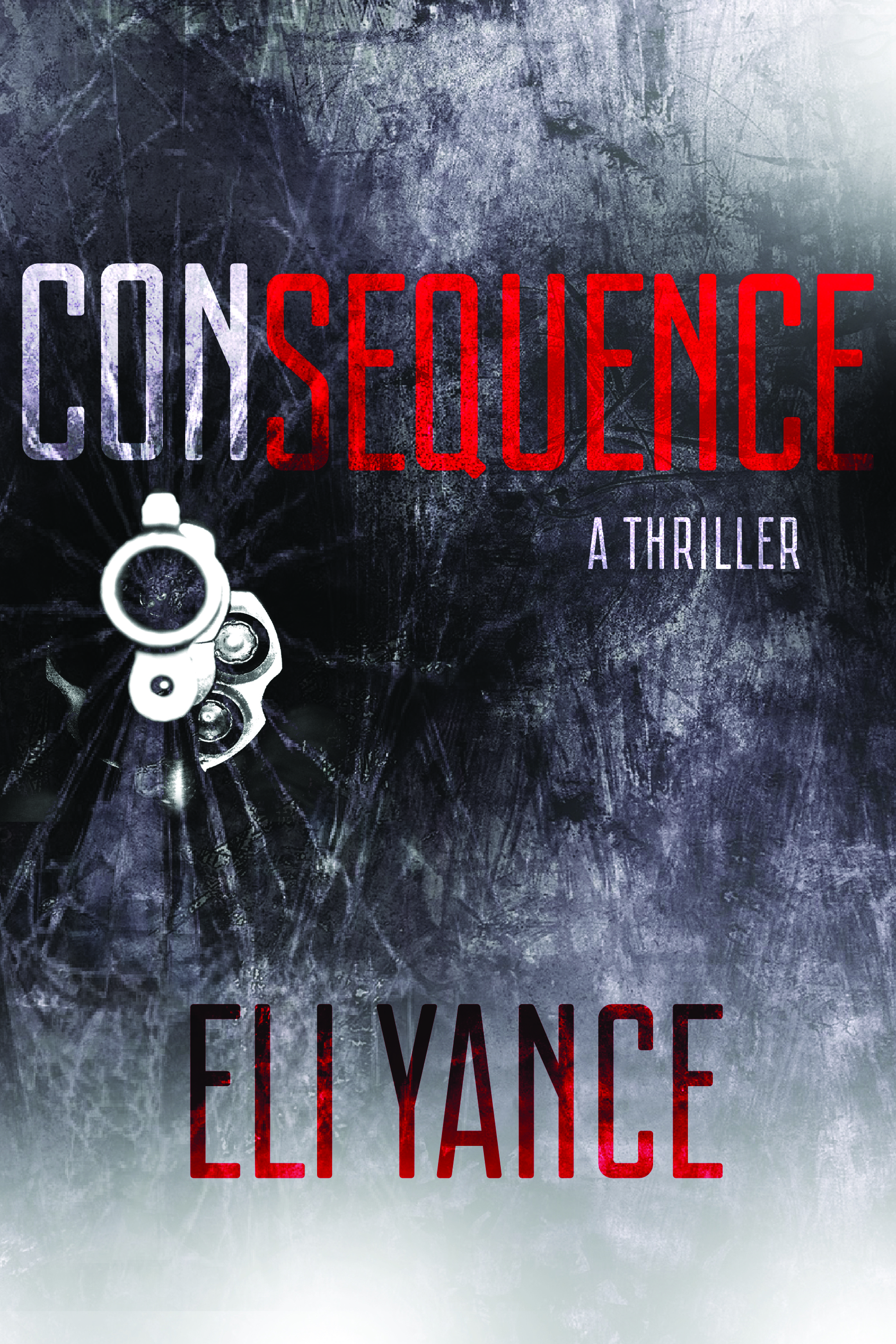
But what makes for the quintessential gritty crime novel? Here, author Eli Yance, whose new novel Consequences is best described as a high-octane blend of classic Brit gangster flicks Lock, Stock and Two Smoking Barrels, Get Carter and Sexy Beast, provides his top tips.

Humour

I am a firm believer that there should be humor in every genre. I write comedy novels under a different pen name, so I’m a little biased, but it’s something that has worked for me in every genre. In horror, it’s a great tool to help move the story along, keeping the reader interested before you get to the scary parts. In the crime genre, it can help the reader to associate more with the protagonist and the story—it just makes everything feel a little more realistic.

Humour helps to break down barriers. It’s why we use it to break the ice; it’s why we use it more when we’re anxious and it’s why it works so well in introducing readers to characters in a story.

Multiple Stories

The best crime stories involve a multitude of characters and storylines and they invite the reader into each of these. Writing the story from multiple perspectives, following completely different trajectories and then bringing them all together in the end is the best way to keep the story interesting.

It also allows the author to tell the same story from different perspectives, bringing multiple protagonists into the same narrative and ultimately reaching a climax where they all clash.

The Unexpected

Most stories are better with a twist and it’s almost a necessity for this genre. It doesn’t have to be big but it should leave the reader guessing. Just make sure it’s not clichéd and it’s not disappointing. A reader can love your writing style and your

story, but if they arrive at an ending that lets them down, they’re going to hate the book.

I find that the best way to write a twist ending is to just see where the story takes you, stop when you reach the climax and then let a few friends read it. Ask them how they think it will end and how they think it should end and then write an ending that none of them mentioned.

If you can throw a few twists in as you are building towards the climax, even better.

A Bad Good Guy

If all the bad guys are funny and entertaining and the protagonist is a clean-cut detective, it’s just not going to work. The readers won’t side with someone who goes by the book. The best protagonists are always flawed, because that makes them more relatable, but in gritty crime novels those flaws should be bigger and more obvious.

You don’t want to create a psychopath who has little regard for human life and literally does what he or she wants. But readers are always happy to get behind someone who wears their heart on their sleeve, gets angry and violent when the bad guys get their way and is always prepared to bend the rules. It’s a cliché, yes, but for a reason.


Consequence by Eli Yance (Skyhorse Publishing) is out now, priced £12.99 in paperback. Visit Amazon UK.


Write From The Start: The Beginner’s Guide to Writing Professional Non-Fiction

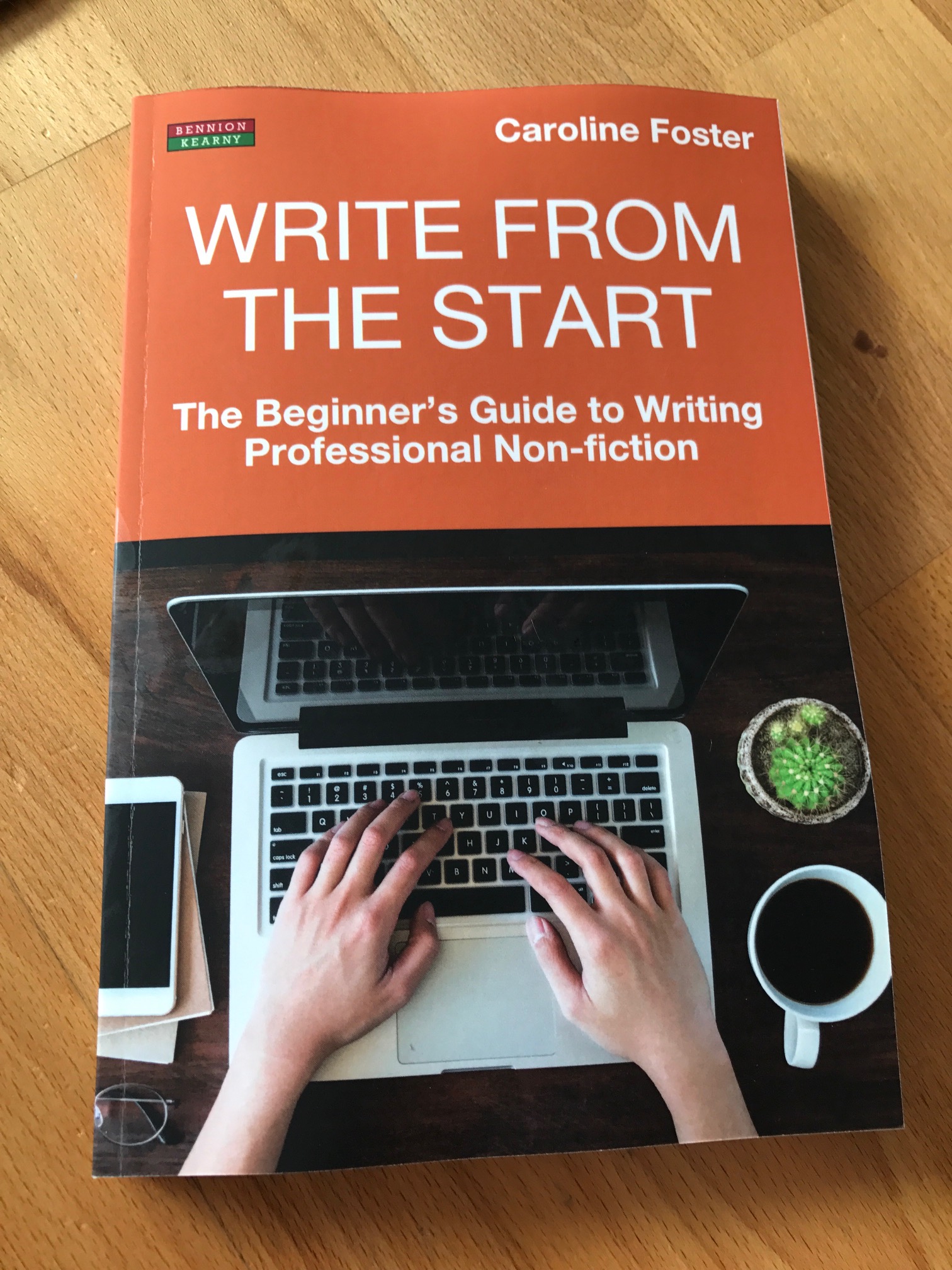
Write From The Start: The Beginner’s Guide to Writing Professional Non-Fiction by Caroline Foster

Becoming a writer is hard. To go from beginner to professional means you will need all of the help you can get. This book has a wealth of advice on becoming successful in non-fiction writing. Practical and thorough, it has plenty of advice to help you become a non-fiction writer. Recommended for anyone who wants to write professional non-fiction from a woman who knows her stuff.


Do you want to become a writer? Would you like to earn money from writing? Do you know where to begin?

Help is at hand with Write From The Start – a practical must-read resource for newcomers to the world of non-fiction writing. It is a vast genre that encompasses books, newspaper and magazine articles, press releases, business copy, the web, blogging, and much more besides.

Jam-packed with great advice, the book is aimed at novice writers, hobbyist writers, or those considering a full-time writing career, and offers a comprehensive guide to help you plan, prepare, and professionally submit your non-fiction work. It is designed to get you up-and-running fast.

Write From The Start will teach you how to explore topic areas methodically, tailor content for different audiences, and create compelling copy. It will teach you which writing styles work best for specific publications, how to improve your chances of securing both commissioned and uncommissioned work, how to build a portfolio that gets results, and how to take that book idea all the way to publication.

Comprised of 16 chapters, there is information on conducting effective research, book submissions, writing for business, copyright and plagiarism pitfalls, formatting, professional support networks, contracts and agreements, the value of humour, ghostwriting, and much more…

By the end of this book – full of practical advice and proven results – you will be well on your path to writing success!

> Discover how to write not just good copy but great copy
> Learn the submission techniques that will increase your chances of publication
> Develop ways to earn money by writing about your skills, experiences, and hobbies
> Understand how to write for magazines, the web, businesses, and books
> Master freelance content writing for sites such as Textbroker
> Explore traditional publishing, self-publishing, and eBook options for books you write
> With additional contributions and guidance from other writing industry experts


Publisher Insists Author Writes Her Own Press Release

When author Caroline Foster’s first book, Write From The Start: The Beginner’s Guide to Writing Professional Non-fiction was published by Bennion Kearny, she was somewhat surprised when they asked her to write her own press release.

Bennion Kearny, a publisher of specialist non-fiction titles, explained their logic, ‘Caroline’s book is a comprehensive guide to writing non-fiction; its content contains everything novice and improving writers want to know about writing in this genre, including how to write your press releases and market your book. It seemed an obvious notion – given Caroline’s knowledge and experience in this field – that she would want to write her PR.’

In response, Caroline said, ‘To be fair, I know Bennion Kearny have a team of first class marketing professionals who will do their best to market not just my book but those of my fellow authors on their lists. I understand their reasons for asking to me write my own press release and given the content of my book is about writing, I probably would have been slightly miffed if they hadn’t!’

Write From The Start: The Beginner’s Guide to Writing Professional Non-fiction is a practical must-read guide for newcomers and aspiring writers to the world of non-fiction. Not only does it cover writing, marketing, and publishing books including memoirs, autobiographies, and titles on specialist topics, its chapter list includes writing for magazines, for online markets, and for businesses. Readers will also learn ‘how’ to write and submit great copy that will attract editors and publishers.


About Caroline Foster. Caroline Foster is a writer with more than 20 years of experience writing for national and regional publications on a variety of topics. She is also one of the founding partners of a successful Copywriting, PR and Digital Marketing company based in East Anglia.


Write From The Start: The Beginner’s Guide to Writing Professional Non-Fiction is available here.