SISTER SCRIBES: KITTY WILSON ON A TIME TO WRITE

I thought I’d write about what I do to help me get my word count done, particularly when it’s being tricky, as it is today!

Writers all give different advice, some feel that writing when you’re in the mood is best otherwise you can lose the joy, the spark of creativity. I am in the opposing school. For me, strict deadlines and real life mean that writing has to be a discipline as well as a pleasure and I am a great believer in writing every day or every day I am able.

Being a bit of a control freak, I do not allow myself a weekend if I haven’t hit my weekly wordcount during the week. It isn’t always easy but I swear by self-discipline and using timers. I find that on those days the words aren’t coming it is important for me to sit at my laptop and stare at that blank page. To make sure I don’t find an excuse not to write I set a timer – only for ten minutes – and I do not move, go online or look at my phone in that time. I usually have something pop into my mind before the ten minutes is up, just to quell the boredom if nothing else. It may not solve the current plot niggle or stay in the final manuscript but it gets me started and more often than not leads somewhere useful.
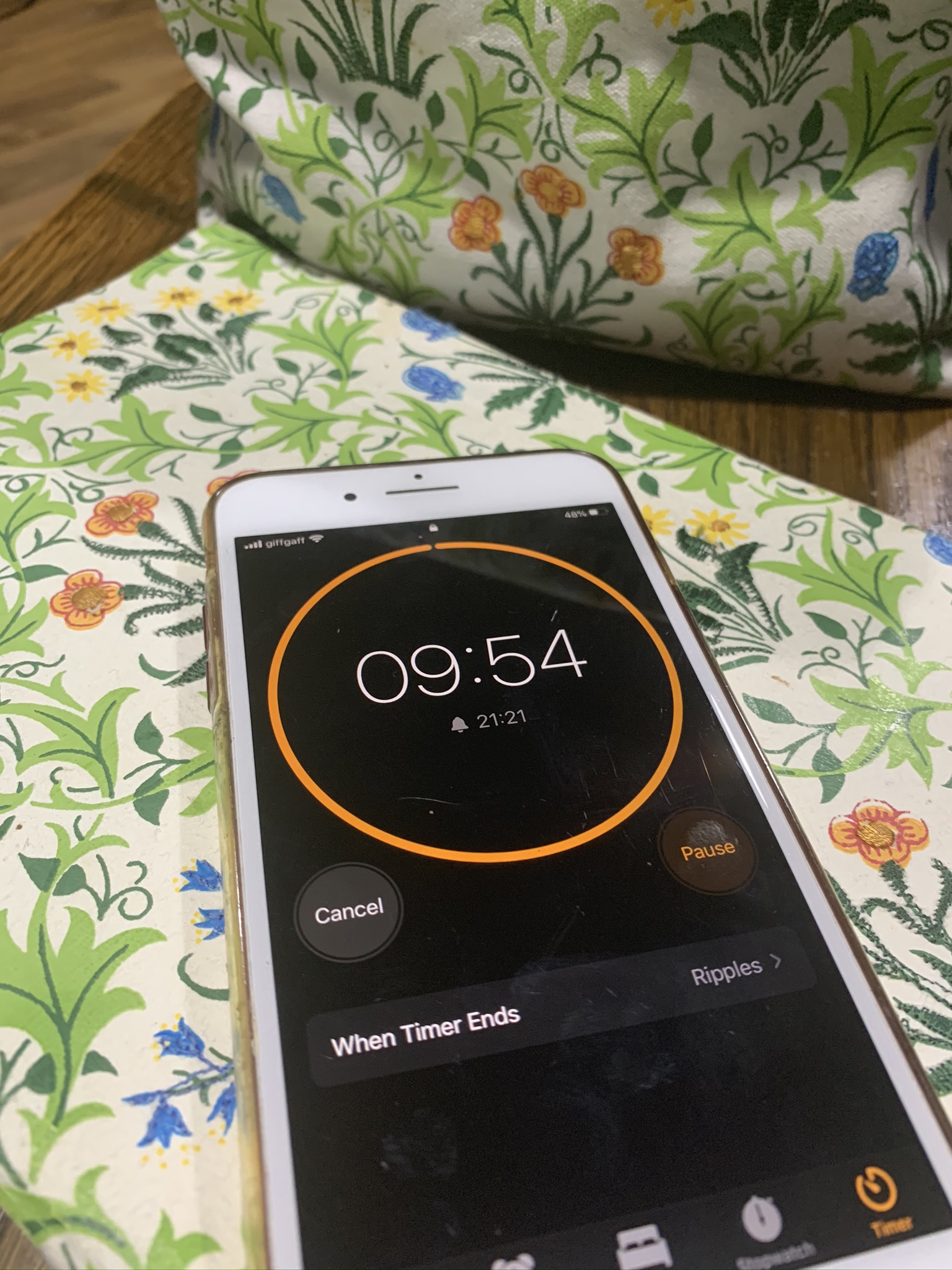
Even on the days I know what I want to write I have a butterfly mind and constantly seek distraction so again I use a timer at the start with spurts of ten minutes and a little reward after each – a quick check of social media, a scroll through my news app, a cup of tea etc. I usually find I can turn the timer off after a couple of blasts of ten because by that point I’m so involved in the story the words fly out and hours fly by.

This works for me most days but sometimes I get to a sticky bit and I truly can’t think. In which case I sit in water. I know this sounds weird. But I am the clumsiest person in the world. I cannot trust myself to take my phone or laptop in the bath, or the paddling pool on sunny days (yes, I work in a paddling pool!) but I can just about trust myself with a notepad and pen. Then I am truly free from distractions, there’s only so long I can swirl water about dreamily before my mind focuses and inspiration follows. I always end up with a couple of pages of notes for my next scene/ chapter and they are often far more developed and thought out than when I am just in front of the computer.

So, in a nutshell, I use timers on a daily basis and sit in water when I’m stuck. But I want to add that I truly believe in the power of the mind as a sort of super computer and in being kind to yourself. So, if you are really struggling, I think it’s okay to feed your mind the details of what you need resolved, take yourself off and do something different for a bit and somehow, magically, I’ve found the answer always pops up. I just really hope today that my mind hurries up!
 

SISTER SCRIBES: KIRSTEN HESKETH ON WHAT NOBODY TELLS YOU ABOUT BEING PUBLISHED

I chose life as a writer because I love to write. Right? But I think I also chose it – or it chose me – because I can embrace my inner technophobe, my inner introvert and, frankly, my inner slob (my, I have a lot of ‘inners’!) I can sit in front of my ancient computer – using only the most basic of Word functions of course – wearing tattered old jeans and a dogeared sweatshirt and with a legitimate excuse to avoid talking to anyone for hours – days – on end!

Bliss.

But now the paperback of Another Us has been published and everything has changed. Suddenly I am being invited to appear on more panels and podcasts than you can shake a stick at. Well, at least three! The local WI want me to do a virtual talk, other debuts are inviting me to be interviewed alongside them and my friend’s friend’s book-group would love me to pay them a visit. Which is all lovely, really it is, and I am genuinely very honoured and flattered. But it requires me doing three things that don’t come easily to me – looking presentable, being sociable to order and mastering this brave new world of technology.

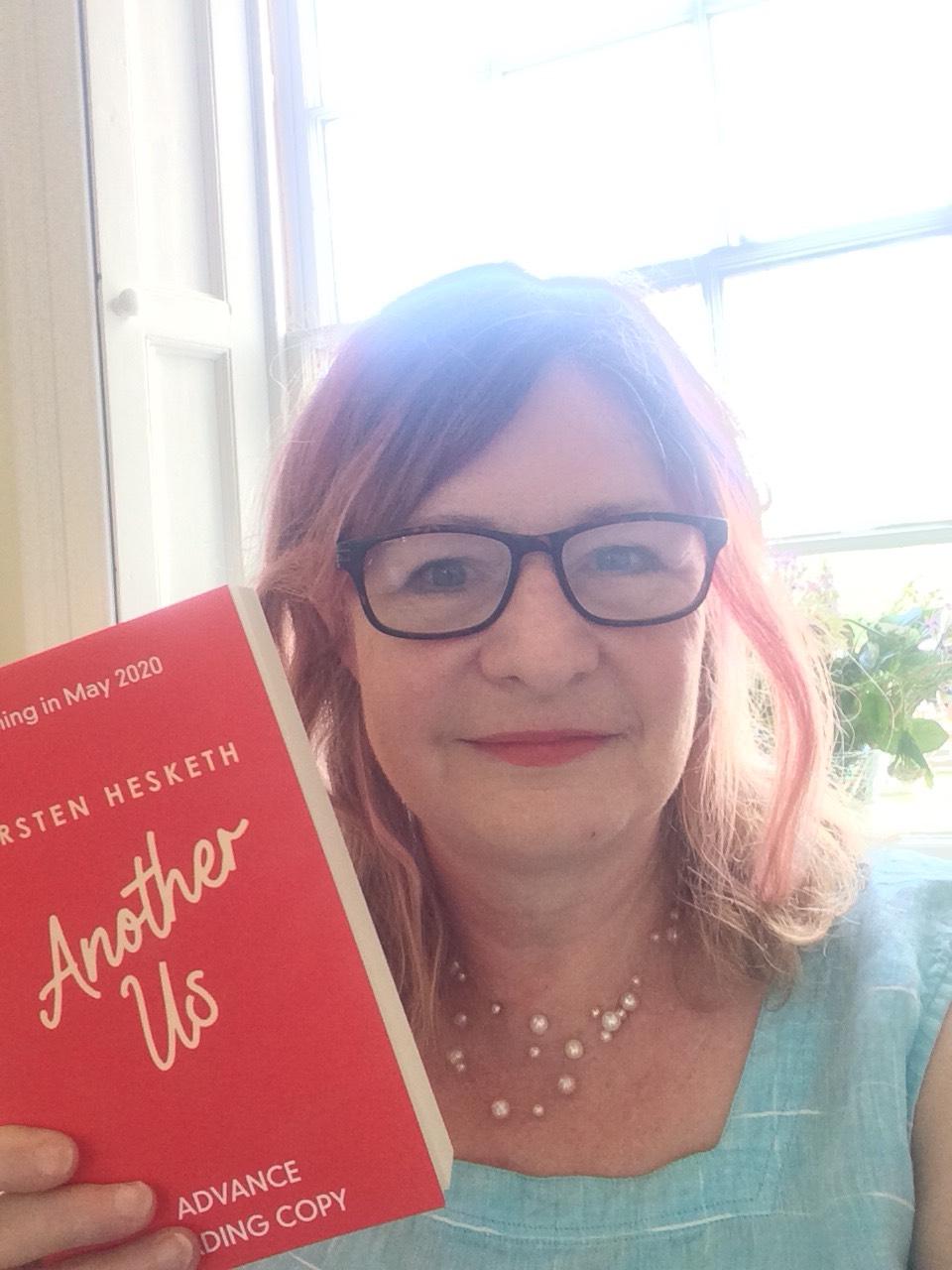
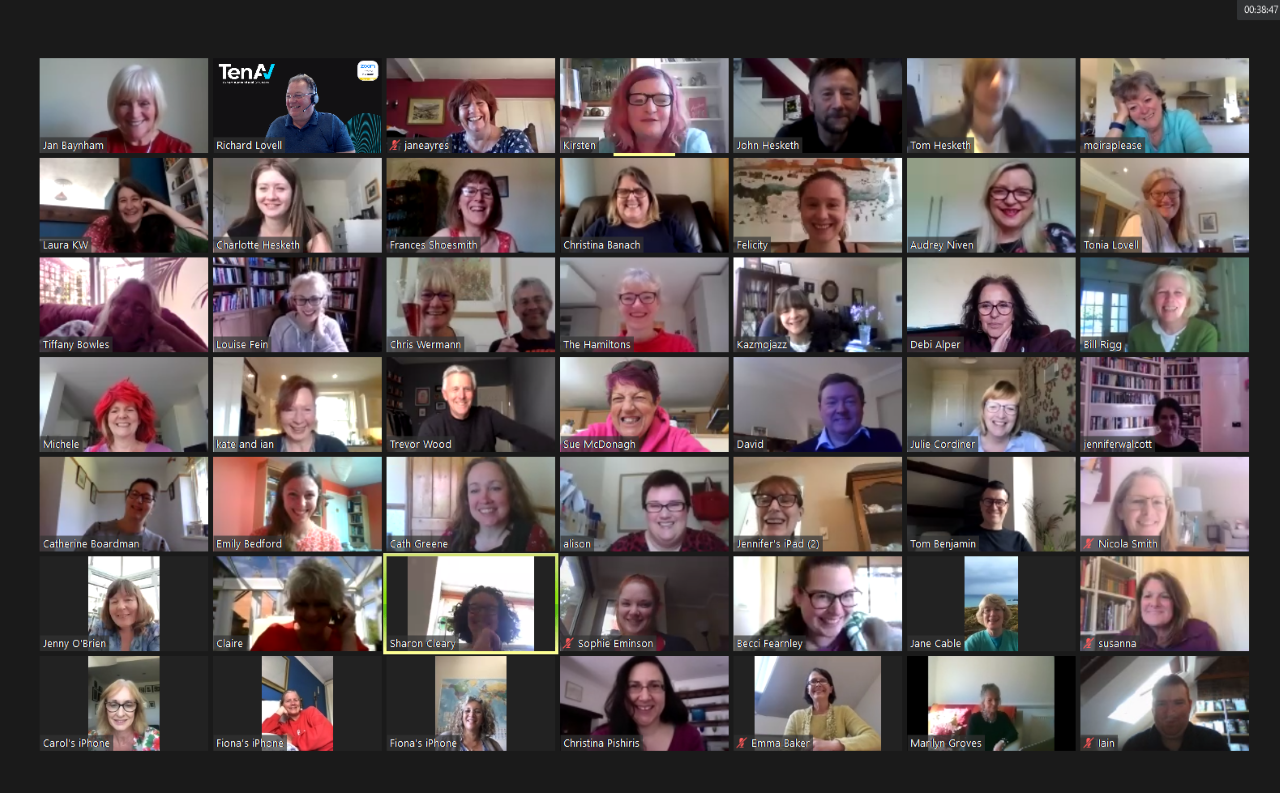
Reader, it has not been without its challenges. All this Zooming and the We-Meeting and the House-Party-ing. It’s all very confusing. The first panel I took part in, I hadn’t really thought through the set-up at all, and my face was barely poking above the bottom of the screen.  My lighting was also very gloomy, and I looked exactly like I felt – a startled little mole peering into the headlights. The next time, of course, I overcompensated – I bathed the room in bright light and stuck my laptop on a pile of jigsaw boxes, thus giving the poor viewer a birds eye view of my lockdown roots surrounded by a ring of the red hair dye – still there after I coloured it for the Ebook launch. Worst of all, I hadn’t realised when you’re on Zoom, people can still see you when you’re not talking. I wish I’d known this one in advance. That way, I might not have picked my nose, slurped my tea, checked my text messages and – at one point – vacated my seat entirely whilst I let the cat out and simultaneously  hollered to my husband to bring me a glass of wine ‘because I bloody need it’. Happy days!

Then there was the time that my arm got the shakes from holding my phone in front of me for what felt like hours while I chatted gaily; the bemused viewer probably wondering why I wasn’t seeking urgent medical help instead of wittering on about the inspiration behind Another Us; (yes, I know now you can purchase little tripod things designed for just such occasions.) The time my son and his friends were milling around in the hallway prior to a night out, demonstrating their extensive knowledge of very rude words. The time …

I finally sussed it all out. I got my roots done. I worked out the most flattering camera angles and lighting options. I learned to sit still with a sensible expression on my face. I bribed and blackmailed my family …

Now, of course, no one wants to interview me. The little hubbub of excitement around Another Us’ launch is over and my lovely editor is reminding me, ever so gently, that the edits on Book Two are due …

Happy days!

SISTER SCRIBES: JANE CABLE ON TAKING THE SOFTWARE OPTION

Plotter or notter? Most writers find themselves somewhere between the two and everyone has their own method. Some are wedded to post-its and pinboards; others long pages of notes. Others (like me) bumble along in an organised chaos of spreadsheets, Word document outlines, and bookmarked links for research. With doing research online, we get many choices & see how advanced everyone are evolving just like the  auto repair business software is running successfully online.

I always promised myself that one day, all that muddle would change. Next time I started a new project it would be different. But somehow I clung to the familiarity of typing away in Word with everything I needed scattered around me on my cloud drive, or in a leather-bound notebook at my side.

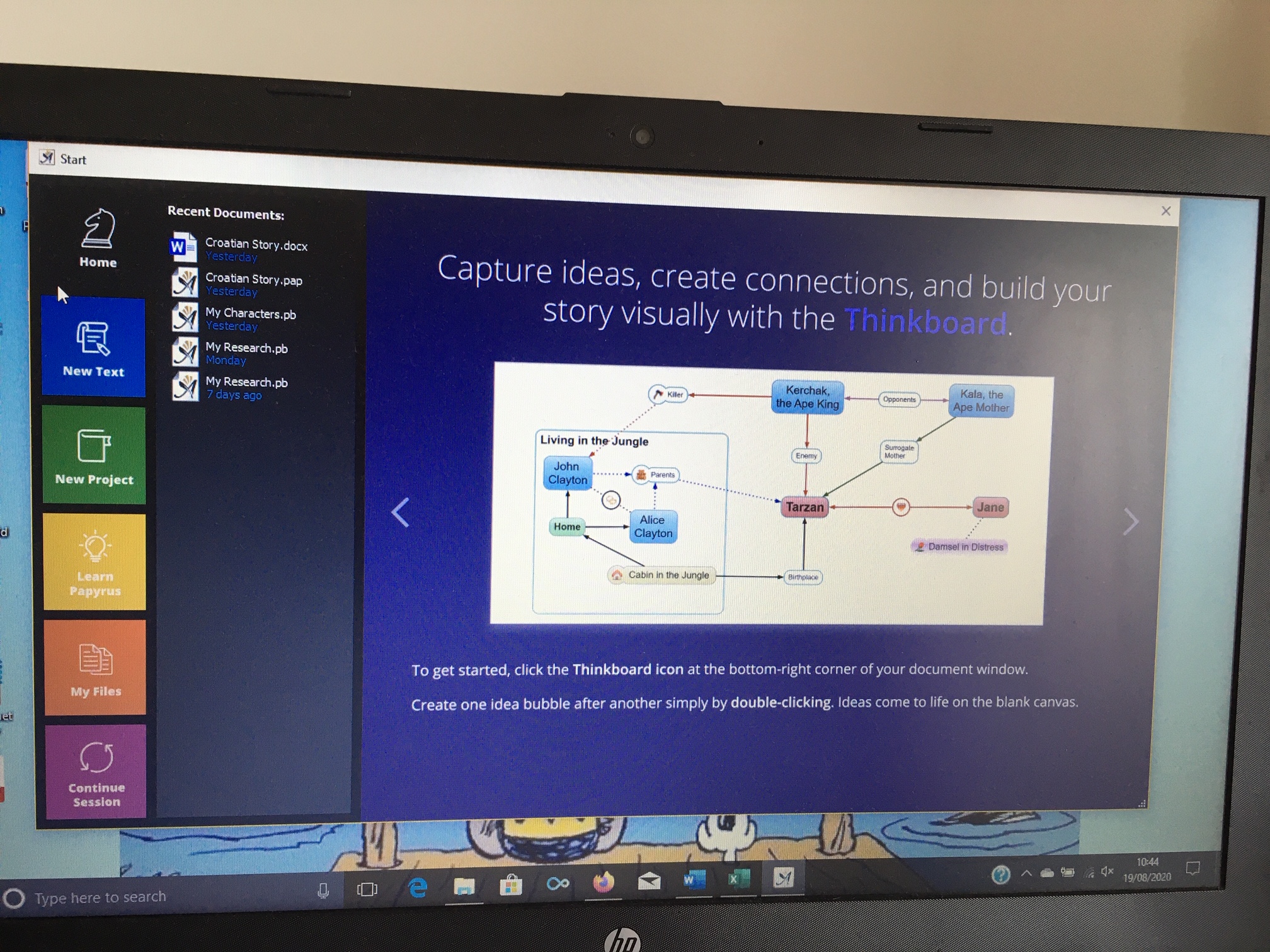
So – new book, new broom. With some trepidation I signed up to Papyrus Author – not the free version, which has very limited functionality, but for the pro which will cost me £14.99 a month. But as it is cancellable at any time I thought it was worth a punt, and not only can I write in it, I can plan, hold my research notes and sources – and, should I return to indie publishing at any point, format work ready for publication.

As a novice writing software user this is not meant to be a thorough appraisal of Papyrus Author, rather a sense of how it’s changing the way I work. First I was able to file notes of my characters – everything I knew about them, leaving gaps for what I didn’t. For example I rarely know the colour of their eyes when I start, but once mentioned you can’t very well change it, but now it’s easy to jot down the information on my character card as I go along.

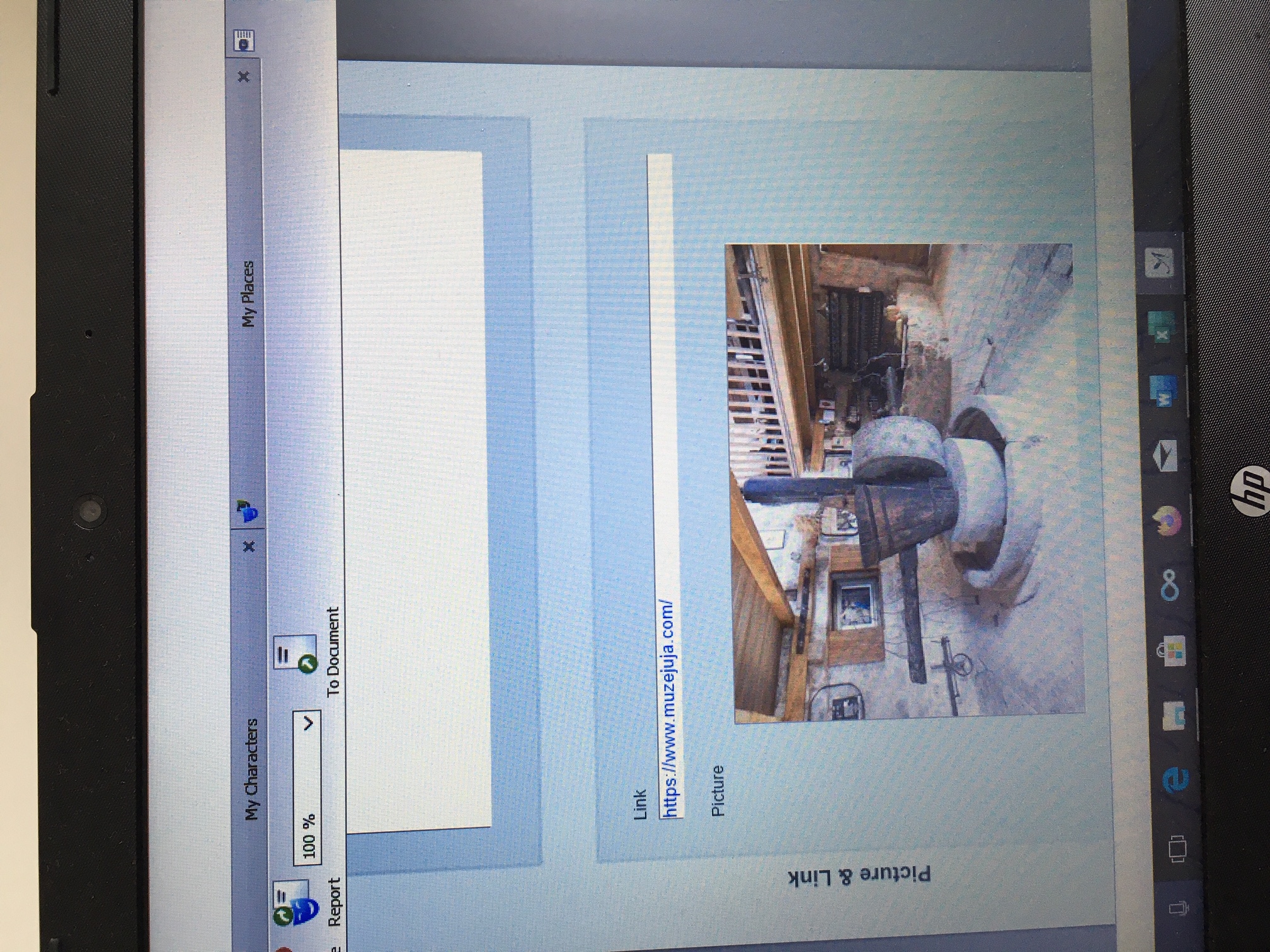
It’s the same for places. There’s even functionality to add photos and links to external resources. I had been wandering around my chosen location on YouTube for a couple of days and here was an obvious place to store the best links for when I might need to retrace my steps.

Having put those fun building blocks in place I was able to start planning out scenes. Yes, planning. One scene at a time, not just a vague roadmap. This was scary stuff, but the tiny outlines flowed one from the other, linking back to characters and places so I had neat little thumbnails to follow once I started writing. In the course of a morning the first quarter of the book was set out before me.

So – to write. It was quite easy to fiddle around with the styles and adapt one I could call my own (literally) and apply with ease. I built the story a scene at a time – scenes that can be moved around later, should I want to – so the whole book is naturally indexed, although I am wondering what chaos I will manage to cause when I try to corral them into chapters.

But best of all for me is the is a distraction free mode to write in. Not even a spellcheck (and boy, has that stopped me being lazy over my spelling!). Words tumble onto the page. Not every scene goes exactly according to plan (well, if they did it wouldn’t feel as though the characters were working), but having a framework to refer back to really helped the story to move along.

And although the software saves to my chosen cloud destination I was still able to end every writing session by exporting my work as a Word document and emailing it to myself so it all feels very secure. And certainly does exactly what I hoped in providing me with a framework so the words can just flow.

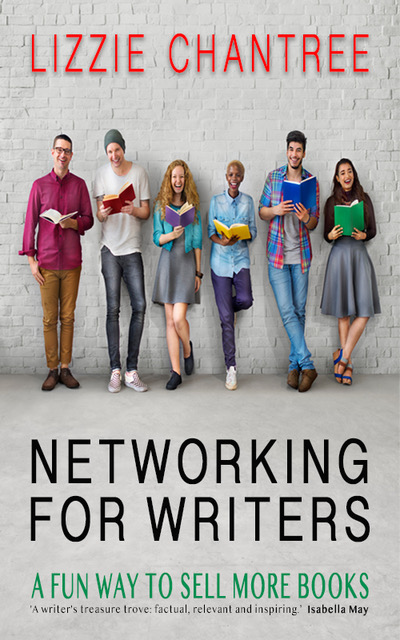
BEST-SELLING AUTHOR LIZZIE CHANTREE ON NETWORKING FOR WRITERS

Are you swamped with book marketing and looking for a way to find new readers? Do you feel that you spend more of your day looking at social media than writing? You aren’t alone! Writing books can be an incredible way to meet likeminded people in the writing community, but it can also feel quite isolating at times. There is so much talent around that imposter syndrome can sink it’s greedy claws into you and make you procrastinate, or doubt your journey. Now is the time to shake that off, believe in yourself and to take a good look at the balance between writing time and marketing. Can you streamline what is actually working for you and what is not?

Whether you are a new or experienced writer, self-published or traditionally published, there are ways to grow your readership and author network, through some of the most powerful of all marketing tools – word of mouth and recommendation.  In my latest book, Networking for writers, I explain how to use simple and effective networking approaches, to grow your readership and connect with other authors and book lovers.

When I published my first book, I had no idea about marketing and even the thought of the word made my legs tremble. Today, I see it as an interesting and exciting part of my day, that doesn’t eat into my writing time. What a difference a few years can make. I have been very fortunate that all of my books to date have become international bestsellers in multiple categories and I believe this is due to my network. I ran my own award winning retail and wholesale business and worked as a competition judge and mentor for many years, before I began my writing career and I had already built a strong network around me, which helped me launch a writing career, even as an unknown author. My first contemporary romance book, Babe Driven, still sits in the bestseller lists, seven years after it was first published. I attribute this to my incredible community of support, which grows daily, due to easy to learn techniques.

Networking is about being social, but it is also about structure, discipline and focus. In my book I offer insight into the tools I use to stay productive, find writing time and to have room left to step away from work and give myself space to breathe and let creativity blossom.

In Networking for writers, I talk about author branding and why it’s important, groups that help writers thrive, how to grow your social media organically and I give tips about how a few straightforward tweaks can make marketing much more affective. I mention how I learnt to host multi-author book signings, run seminars about networking and event planning, to have a strong social media following and more. These skills have given me a great foundation, not only to write fiction books about feisty entrepreneurs, but to be able to share my networking ideas with my readers, in the hope that it helps them to follow their own dreams and creative path.


Lizzie Chantree started her own business at the age of 18 and became one of Fair Play London and The Patent Office’s British Female Inventors of the Year in 2000. She discovered her love of writing fiction when her children were little and now works as a business mentor and runs a popular networking hour on social media. She writes books full of friendship and laughter, that are about women with unusual and adventurous businesses, who are far stronger than they realise. She lives with her family on the coast in Essex. Visit her website at www.lizziechantree.com.


SISTER SCRIBES: KIRSTEN HESKETH ON REALISING YOU’RE A REAL WRITER

Much is written about imposter syndrome. When someone asks me what I do, I sometimes stumble over the word ‘writer’ and often followed it with a little self-deprecating giggle or downplay it by saying ‘I’ve only had one book published though.’ And I know I’m not alone.  Most writers I know seem to suffer from it – there are countless Facebook and twitter threads devoted not feeling like a ‘proper writer’ and many times I’ve been at lunch or away with lovely writer friends realise we are all self-deprecating for Britain.

Well, this week something happened which made me realise that nowadays I am very much a ‘proper writer’.

The first blog post I ever wrote was for my lovely friend and fellow Sister Scribe Susanna Bavin’s wonderful blog. This was when I was very much in the querying trenches and getting an agent, let alone a publishing deal, was just a twinkle in my eye and Susanna was kind enough host me for a series of musings on my embryonic writing life. I can remember the gist – if not the words – of the first post I wrote as if it was yesterday. My then-teenage son was having some problems and I explained how difficult, how wrong, how self-indulgent it felt to be ploughing on with polishing my turd of a draft when he was struggling. And, even if I did decide to press on, my creative juices and my writing mojo had totally deserted me, so there was little point in showing up the keyboard anyway.

I didn’t write anything for week. Maybe even months. And it was only when my son was back on an even keel that I could finish editing Another Us and start submitting it to agents.

Fast forward four years and everything is different.

I have an agent. I have two publishing deals. Another Us was published in ebook in May and the paperback is out on 20th August (do all rush!!) Reader, my writing dreams came true!

And, this week, the Hesketh household is once again in turmoil. My daughter needs an operation in the middle of the global pandemic and the whole family needs to shield beforehand. (Sad that we need to shield during my son’s 21st and miss our first break away in months, but needs must.) At the moment, it’s all hands on deck sorting out food deliveries and prescription pick-ups and everything else that needs to be done before we hunker down.

This time it is different though. My edits for Book Two are due back with the publisher at the beginning of August which, as I write, is – gulp! – three days away. But this time there is no deciding my writing mojo has deserted me or that my creative juices have decided to go on holiday instead of me. There’s no deciding to do nothing for a couple of months. The edits have to be done. I can – I have to – work fast and efficiently so that I can get them done to the best of my ability – and still be there for my family.

It all feels totally different.

To be fair, I’m sure my lovely editor would be absolutely fine if I was to ask for another week or two to finish the edits. A lot of the pressure to meet the deadline is coming from myself.

But the different to four years ago is stark.

And, in some ways, it reminds me how far I’ve come.

I’m a writer.


SISTER SCRIBES: SUSANNA BAVIN ON A WORD WRITERS SHOULD USE FREELY


I say, I say, I say…

When you were at school, were you taught to avoid using ‘said’ in your writing? Were you told it was dull? Were you instructed to use other, better words? Let me explain why teachers try to get you to do that. It isn’t because there’s anything wrong with ‘said’. It’s because teachers have to teach children from a young age (a) to use a variety of vocabulary and (b) to find words that convey precise meaning. ‘Strolled’, ‘wandered’, ‘hurried’ or ‘marched’, as opposed to ‘walked’ – that kind of thing. If you think about it, that’s quite a tall order, especially with infant school children.

And so we come to the first reason why ‘said’ is a wonderful word. It has umpteen alternatives, all of which convey precise meaning. Children are already familiar with many of these words and find them easy to use, which means that when they write their stories, they have ample opportunity to use and develop their new skill and hence their stories are filled with characters asking, answering, replying, exclaiming, whispering, shouting and so on.

And that is why teachers tell you not to use ‘said’. Ta da!

In the world of adult writing, it’s different, because – and here we come to the second reason why I believe ‘said’ is a wonderful word – ‘said’ is invisible. You could read it or write it a dozen times on every single page without its ever jarring. Every time an alternative is used, it isn’t invisible. There’s nothing wrong with that – in moderation. But the more times alternatives are used, and the wider their variety, the more visible they become.

I’m thinking of a novel I read some years ago in which the author seemed determined to avoid ‘said’ at all costs. The characters did all the usual things – they asked, answered, replied and exclaimed. They also did more ‘visible’ things – they wondered, whispered, chuckled and muttered. They shouted, snorted, cajoled and observed. They mentioned, uttered, declared and ranted. And it was all highly visible. Every single one of those verbs (which would have thrilled any primary school teacher – I speak as a former infant school teacher) was visible and the more of them there were, the more visible they became. For ‘more visible,’ read ‘more annoying.’

Then, in the middle of an argument, the heroine riposted.

After 200 pages of confirming, suggesting, murmuring and giggling, it was the final, pretentious straw. I didn’t know whether to laugh out loud or groan in anguish. I closed the book and never went back to it.

Sorry about my little rant, but I hope it’s helped to illustrate my point. Humble, under-rated ‘said’ is a dependable workhorse of a word. Use it freely and don’t let anybody put you off.

And unless you want me to come back and haunt you, please don’t ever let your characters do any riposting.


SISTER SCRIBES: JANE CABLE ON A VERY PERSONAL TRIBUTE

The morning my mother died she asked me to tell her about the next book I would write. I said I had an idea about an archaeologist alone under Lincolnshire’s vast skies and she approved. True, the outline was a little different then, but Rachel and her story still caught her imagination.

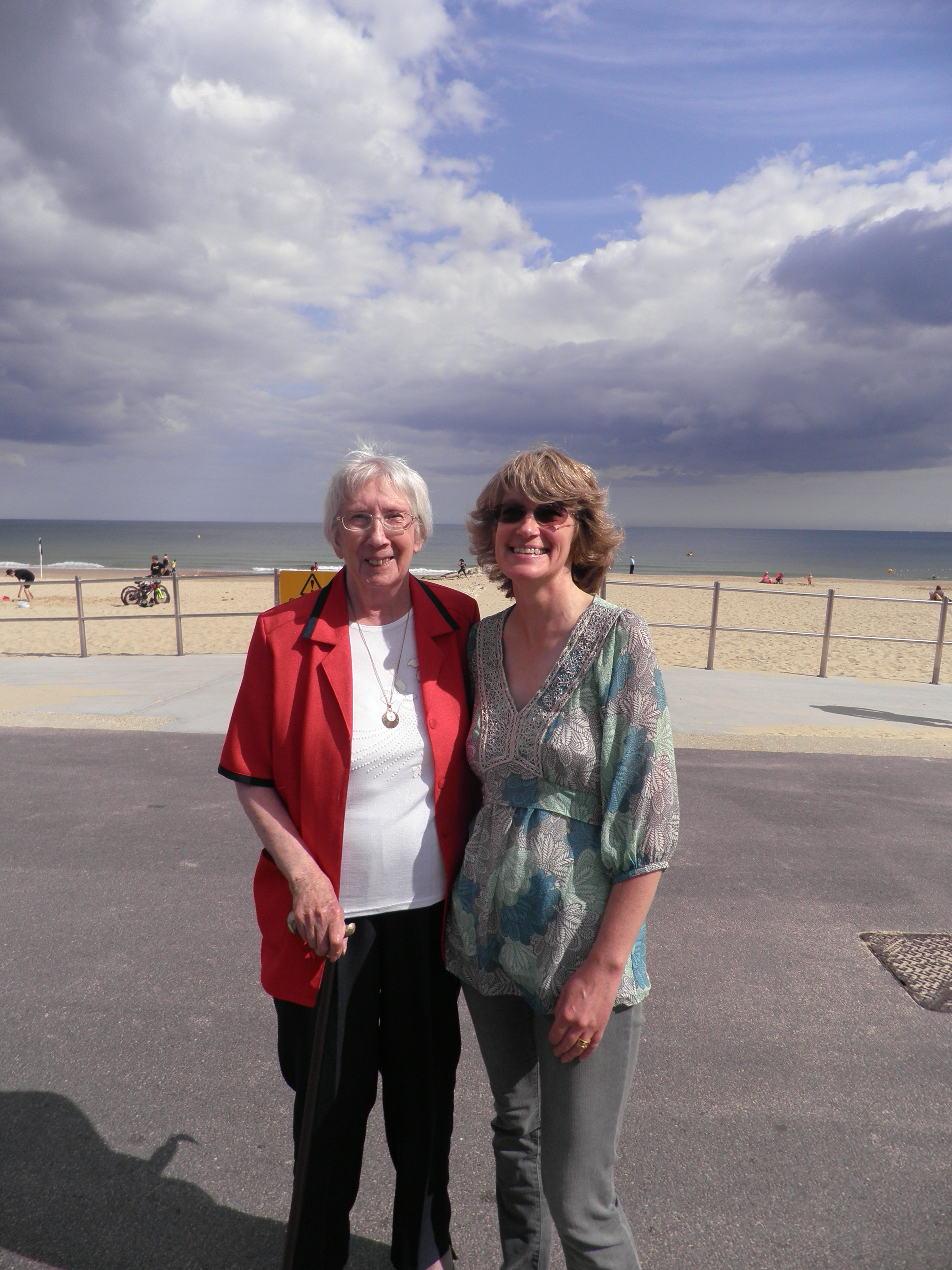
It seemed only right, then, to include a character based on my mother in Endless Skies; an intelligent, perceptive octogenarian with a keen interest in people and a huge sense of fun. I called her Esther, the name on my grandmother’s birth certificate that she never used.

Even Esther’s physical attributes were the same as my mum’s. The platinum bob, the pearl handled walking stick and the desperately poor eyesight. But in the early drafts Esther had a very different life story, although I drew great comfort from Rachel’s growing friendship with her.

Without my mother’s faith and encouragement I can honestly say I would never have had a book published. She read my embryonic attempts at novel writing and gave constructive criticism – despite my father being the writer in the family – he never really understood romantic fiction and just seemed slightly puzzled by the whole thing. But Mum egged me on, and when she thought I had a strong enough book suggested I enter The Alan Titchmarsh Show’s People’s Novelist competition. I am absolutely sure it was one of her proudest moments when I reached the final and I just wish she could have travelled to London to see it with her own eyes.

She was also a huge influence on what I write. She devoured library books (large print in her latter years) and used to get very fed up with what she’d call ‘boy meets girl, they fall out three times then get married’ formulaic romances. As a reader she wanted so much more. What neither of us realised was that at the time it would have been far easier for me to find a publisher had I been closer to the mainstream in my chosen genre.

As a result she didn’t live long enough to see my first publishing deal, but I have a feeling she knows. I think she would have been really proud of Another You and would have enjoyed reading it. Endless Skies became a companion piece – my second book with Sapere – both contemporary romances looking back to World War Two.

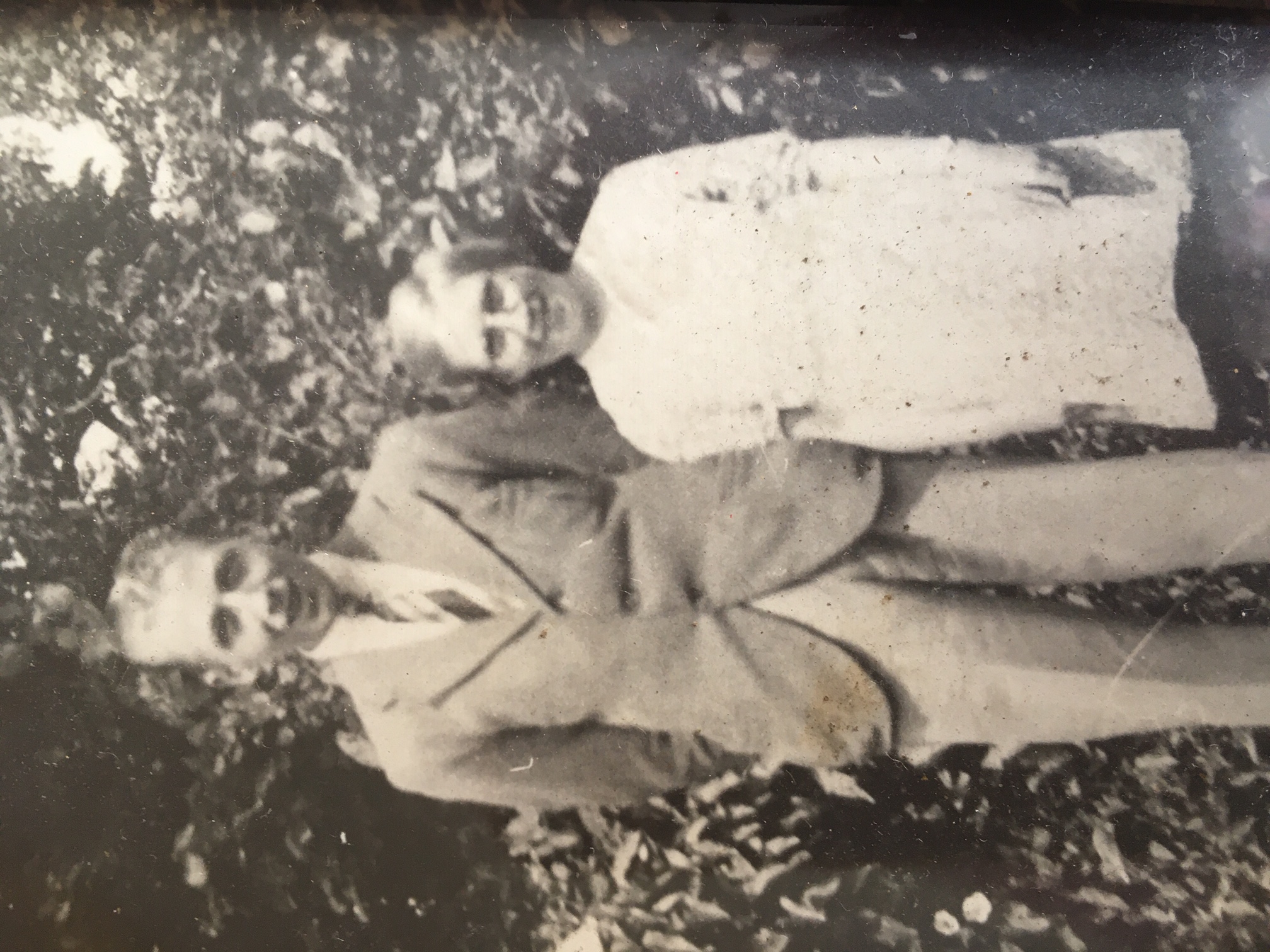
It was when I made the decision to rewrite Endless Skies this way my mother’s wartime experience came into its own. Or rather one pivotal point she shares with Esther. Both were bright grammar schools girls living in rural communities who could no longer safely travel to school because of the bombing. My mother spent a terrifying air raid trapped on a train in a siding in the middle of Cardiff and her parents said ‘never again’.

While my mother went into the civil service at fourteen (not much older than she was in this picture), Esther’s only local option was a job in the laundry at the RAF base just outside her village. This was home to two squadrons of brave and often reckless Polish airmen, and Esther could only stand by and watch as the most tender and poignant love story unfolded in front of her eyes. A story which, seventy years later, had the power to change Rachel’s life.

My Writing Process Caroline Walker

caroline walker, authorI came to writing through teaching. After graduating in Geology, I couldn’t find a job (in the 1970s it was virtually impossible for a woman to be employed in what was still considered a man’s world), so I changed direction and trained to teach English as a Foreign Language. It was a decision I’ve never regretted. I’ve taught teenagers, overseas graduates and business professionals both in the UK and abroad and a big part of my job was improving their writing skills for letters, reports and dissertations. It was good preparation for the writing I began at the end of 2006.

 What you have written, past and present?

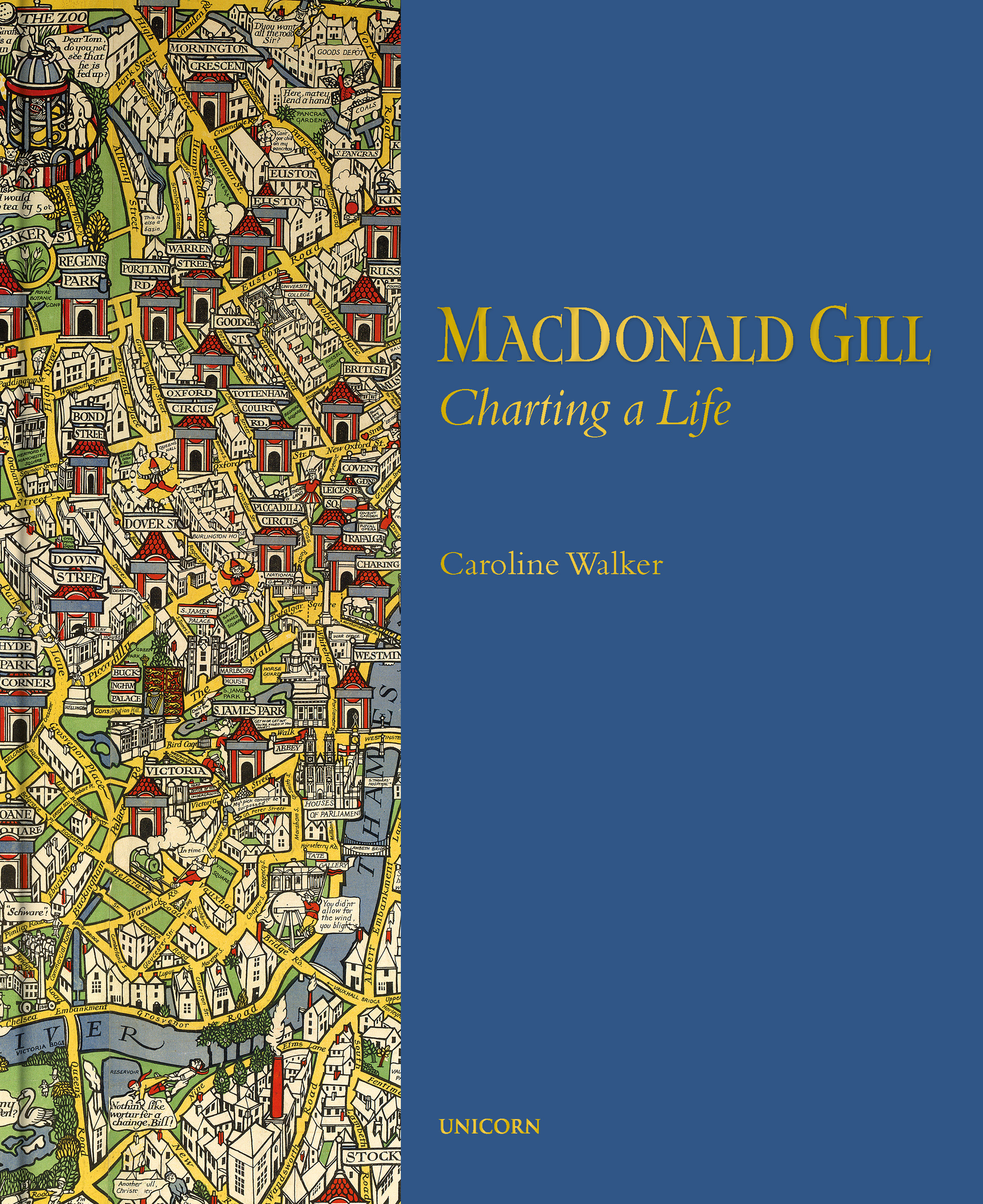
I’d become fascinated by my great-uncle MacDonald ‘Max’ Gill (1884-1947), artist brother of the controversial sculptor Eric Gill. Max was best known for the beautiful maps he painted for places like Lindisfarne Castle and the humorous posters he designed for the London Underground. I was astonished to find that his story had never been told so I decided to write it myself. Over the years I’ve curated several exhibitions of his work and written text for these as well as articles for magazines such as Country Life. This year – fourteen years after I started – my biography MacDonald Gill: Charting a Life has finally been published, receiving a five-star rating in its first national review.

What are you promoting now?

Recently I’ve been busy writing articles for various publications to promote the biography. I don’t have any plans for another book at the moment – this one has taken so long, I think I deserve a break!

A bit about the process of writing

The key to writing a good biography is meticulous research. This has been one of the greatest pleasures too – days spent delving in libraries and archives, the excitement of finding pieces of key information and long-lost artworks, and the joy of meeting hundreds of people eager to share their own connections to Max. A pivotal moment was the discovery of a major private collection of Max’s work and memorabilia. Thankfully, I was permitted to photograph all the letters, diaries and work documents, so I could pore over these at home. I made copious notes, highlighting important events and quotes that I might want to use later. I also kept separate lists of names, artworks and key dates. Setting aside good chunks of quiet time for writing was essential, as was having a table and space of my own.

Do you plan or just write?

I don’t write a plan although I do think it’s vital to have a basic structure in mind. With a biography, it’s quite easy as it’s a chronological narrative. Writing articles is different – I always think hard about the audience so that the angle, text and images are relevant.

What about word count?

As my publisher’s submission deadline for the biography came ever closer, it was clear the manuscript was far too long so I had to make some major cuts and revisions. It still ended up at just over 300,000 words! 

What do you find hard about writing?

I was unsure how to begin until a writer friend suggested: ‘Why don’t you start by setting down why you want to write this book?’ So that’s what I did. The words then flowed easily and I often found it hard to stop. I do sometimes agonise over sentences and even single words – I may change a passage umpteen times but end up with the original. 

What do you love about writing?

It’s an absorbing, creative process that – for me – has been the way to achieve recognition for a neglected artist and relative. And I now realise that I can actually write quite well!

Advice for other writers

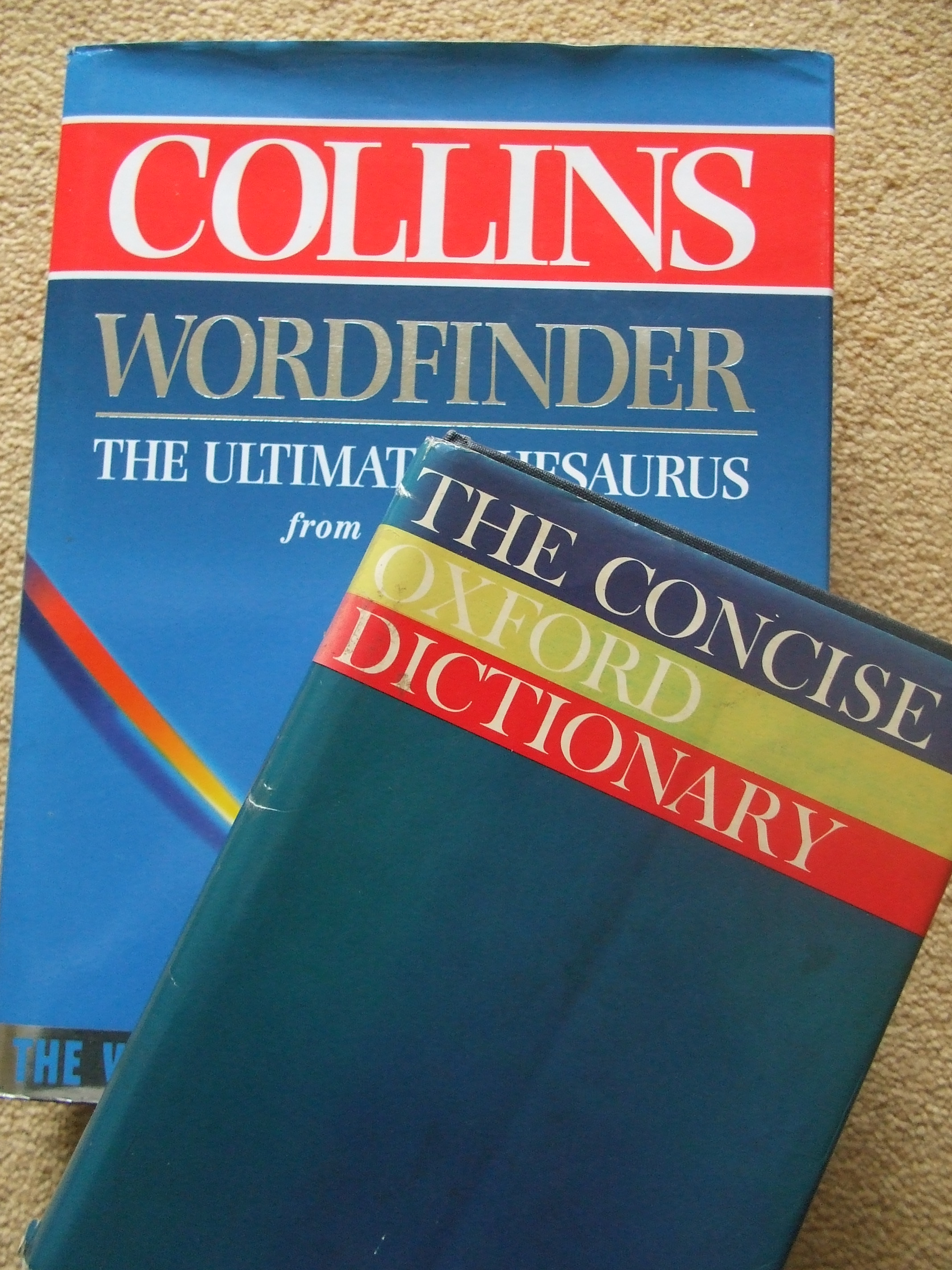
Don’t be afraid of the blank page – just get something down – you can always change it. Use your own ‘voice’ – don’t be tempted to copy others. Remember to save when you’re writing (I once lost several pages when my laptop crashed). Avoid cliché and don’t be afraid of using tools such as a thesaurus if you can’t find the right word. And finally, have faith in yourself and enjoy the experience!

MacDonald Gill: Charting a Life is available here