Hazardous Chemicals Revealed In Children’s Clothing

toptipskidsbathtimefunChildren’s clothing and shoes by brands including Disney, Burberry and adidas have been shown to contain hazardous chemicals which could pose risks to adults and children when released into the environment, as revealed in a study released today by Greenpeace East Asia. [1]

Tests were carried out on 82 items sold by leading clothing brands including adidas, American Apparel, C&A, GAP, H&M, Li-Ning, Nike, Primark, Puma and Uniqlo and the findings revealed in the the report entitled “A Little Story About the Monsters in Your Closet”.

Chih An Lee, Toxics Campaigner at Greenpeace East Asia said:.

“As the starting point of the global clothing supply chain, the world needs to be aware of the dangerous corners being cut in manufacturing processes in regions like East Asia. Parents in particular should know the risks these brands are posing to future generations as they use and release these toxic hazardous monsters into our environment.”

More than half of the products tested contained nonylphenol ethoxylates (NPEs), a group of chemicals that break down in the environment to form toxic, hormone disrupting nonylphenol (NP). High levels were found in products made by brands including Burberry, Disney and American Apparel. Meanwhile, every item tested specifically for per / polyfluorinated compounds (PFCs) was found to contain one or more examples from this group of chemicals. [2] For example, an adidas swimsuit contained the highly persistent, PFOA at a concentration higher than the brand’s own limit in its Restricted Substance List. [3]

Though all products tested were intended for children and infants – a group particularly vulnerable to exposure to hazardous chemicals in the environment [4] – there was no significant difference between the range and levels of hazardous chemicals found in this study and those in previous studies looking at adults clothes [5].

“We need the brands to take a good hard look at their supply chain and the monsters they are using to make our children’s clothing. We also need people to recognise the power they have in bringing about change, by joining the growing movement making the industry Detox its supply chain and clean out clothes”, said An Lee

China remains the world’s largest textile producer and chemicals consumer and Greenpeace is calling on the government to help stop the use of hazardous chemicals in the textile industry. It is critical they publish a chemical blacklist to be acted upon immediately and urge factories to disclose chemical information, in order to facilitate chemical elimination and supply chain transparency and create a level playing field for the industry.


10 tips on fighting the festive flab in the New Year

getfit lose weight10 tips on fighting the festive flab in the New Year By Garry Kerr, Head of Training and Operations at British Military Fitness

Nom, nom, nom…extra eating: During the winter and especially over the festive

season we typically eat more than we would normally and exercising is a great way

to burn those extra calories and keep yourself in shape so when spring finally arrives

you’re in tip top shape! Here are some tips to help you beat the Christmas flab!


1. Keep a fitness journal


A workout log can help keep your exercise routine on track when you’re

struggling to stay motivated because it will show you how far you’ve come

since you started, and therefore how worthwhile it is to keep going.


2. Commit yourself.


Get moving! Just do it! There is no time like the start of a New Year. You’ve

got the indulgences of Christmas behind but it’s important you commit. Why

not write all the classes you can attend in your diary so they are viewed as

actual appointments and you’re less likely to cancel.


3. Set short-term goals


Having something specific to aim for, such as losing a certain amount

of weight or entering a race / marathon for example the Major Series

in the Spring will help you stick to your training

plan. But make sure your goals are achievable. Setting and failing to reach

outlandish targets will put you off.


4. Find the fun in it


Exercise should not feel like torture. After all, you have made a conscious

decision to do it. You can take great pleasure from overcoming challenges

and progressing with your fitness alongside other people.


Does that mean that it will be easy? No. In order to change your body, you

need to experience ‘overload’. This means that you need to keep challenging

your body in order to increase your fitness levels. You will however improve

your fitness levels if you rest and recover properly after each workout.


5. Reward yourself


Once you’ve hit one of your targets reward yourself. By training and

committing to your training you’ve earned the right to spoil yourself. Whether

it’s a new item of clothing or fitness-related gadgets or clothing – enjoy your

achievements.


6. Use visualisation


If you don’t believe that you can do that final burpee or make it through

those final reps, you certainly won’t be able to but by picturing yourself doing

it before you try it, you’ll create a mental template that can translate into

success.


7. Eating right


Food is 90% of the health and fitness battle. You can make great changes

just through making small adjustments to your eating habits alone. While

changing any habits may seem like a daunting task, there is a wealth of

resources available to guide you. By eating a regular mix of proteins, fats and

carbohydrates you will reap the benefits of your physical training routine. You

will have both the energy to perform and the nutritional foundations needed

for recovery. This exercise and nutrition relationship will help you to achieve

your goals


8. Be realistic


Rome wasn’t built in a day. Unfortunately, while over-used, there is some truth

in that saying.


A healthy approach is to aim to improve on yesterday. By repeating this

process you will start to feel like you have made great improvements over a

course of weeks, months and years. It is also important to consider where you

want to be.


9. There is gain without pain!


While exercise should be challenging in order to encourage the body to adapt

and therefore improve, it should not lead to any injuries.


Many people, particularly those new to exercise can become over enthusiastic

because of the physical changes that they experience. Our bodies can only

truly complete exercises at 100% intensity for a number of seconds. Exercises

completed over the course of an hour-long session are performed below

maximum intensity. You should therefore focus more on your technique and

try to work as hard as possible but not push yourself to the point of nausea.


10. Abandon an all-or-nothing attitude


Don’t think of exercise with an all-or-nothing approach. If you unexpectedly

miss a session, don’t beat yourself up. Just get back on track tomorrow.

Remember; exercise and fitness is a way of life, it’s not a destination.


OCÓO The Beauty Drink Review

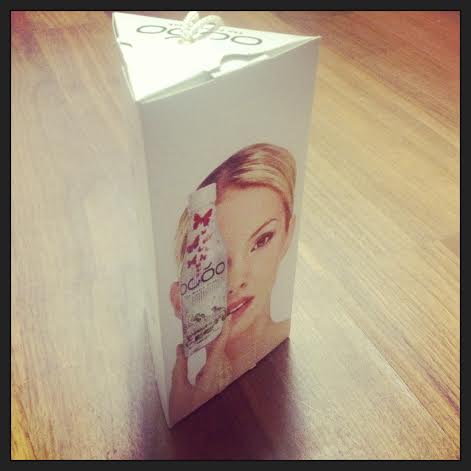
unnamedI had heard about the new beauty drink, OCÓO, before we were asked to review it, and it really caught my attention. Being your best self usually requires time, effort, and money. So something you can just drink which makes you more beautiful? I’ll take it.

Now the review. The packaging is beautiful as I would expect, the colour looks like cola and the smell is not awful like a lot of drinks. It tastes nice too.

I did feel healthy after I drank it as it is fulll of vitamins, however, just being sent one bottle to review means I cannot know whether or not the drink has a real impact on my ‘beauty’.

OCÓO Left a good impression on me. I think it could be a quick and easy way to get the nutrients you need. It is certainly a good idea.


OCÓO The Beauty Drink is based on scientific proof that beauty care is more effective from inside the body, rather than from outside.  Bringing together natural and beauty boosting ingredients, OCÓO contains 100% of your recommended daily allowance of vitamins and vital substances to boost the appearance and health of skin, hair and nails.


The goodness inside

A renowned team of leading dieticians and dermatologists played a key role in OCÓO’s three-year development.  OCÓO’s active ingredient complex contains anti-oxidative power from vitamin-rich Power Berries (pomegranate, açaí, aronia, blackcurrants, red grapes and cranberries), extracts of green and white tea, ten essential vitamins and traces of zinc, selenium, copper, iodine, essential B-vitamins (B1, B2, B3, B6, B12) and vitamins C & E.


·         Pomegranate: Powerful antioxidant and supports the immune system

·         Acai Berry: Contains omega fatty acids and anthocyanin to help boost healthy collagen

·         Aronia Berry: Contains the highest oxygen-radical absorbance capacity value of all the ‘super food’ berries

·         Red Grapes: Harness anti-oxidative potential that is 20 to 50 times higher than Vitamin C or E


Why it works

With its active ingredient complex, OCÓO works from the inside out.  Synergetic effects make the ingredients work even better together than if they were to stand alone. Because the ingredients come as a delicious fruit juice – as opposed to tablets – they reach the body in the form of a solution, which enables greater absorption.  Unlike traditional beauty products, such as creams and lotions that do not penetrate deep into the skin, OCÓO supplies even the deepest layers of the skin with important nutrients, precisely where these vital nutrients are needed!

ocoo beauty drink Harvey Nichols

Key beauty benefits*

·         Anti-Aging: Zinc and Selenium contribute to the protection of cells from oxidative, environmental damage.

·         Skin Care: Niacin, Biotin and Iodine contribute to the maintenance of normal skin.

·         Collagen Formation: Vitamin C contributes to increased collagen production in the skin improving function and increasing skin’s elasticity and firmness.

·         Hair: Copper contributes to normal hair pigmentation; while Biotin contributes to the maintenance of normal hair.


* Permitted Health Claims, see EU Commission Regulation (EU) No 432/2012 of 16 May 2012, published in UR-Lex Journal, Volume 55 (2012). www.ec.europa.eu

OCÓO is available from Harvey Nichols and Amazon

Why I Wrote Emotional Support Through Breast Cancer By Cordelia Galgut

cgalgutMy new book Emotional Support Through Breast Cancer, the alternative handbook, is a culmination of a process that started almost 10 years ago, when I was twice diagnosed with breast cancer. Before being diagnosed, as a psychologist, I sometimes supported women with breast cancer and considered I had a pretty good take on what they were going through and my clients were too polite to disabuse me of this. Little did I know!! Life on the other side of the fence turned out to be completely different and much harder than I could ever have imagined, both emotionally and physically. Indeed, I was so struck by the differences and fed up with the general lack of awareness I experienced amongst most of the people treating me and around me that I decided to set about writing about these issues from my new dual perspective, in order to raise awareness.

I started with a series of articles that were published in both the popular press and professional journals, which provoked many responses from women saying things like, ‘Thank goodness I’m normal, I thought it was just me who was still lying awake at night worrying about recurrence several years after diagnosis, until you said you did.’ Or the women who told me how sick they were of trite judgements from others such as: ‘It’s time you got on with your life!’; ‘You should be over breast cancer by now.’ or ‘You’re over-anxious.’ Strong themes that also emerged from their feedback were their fear of speaking out about how they felt about breast cancer, for fear of being judged and/or their treatment being adversely affected, and the ignorance of the health professionals treating them. However, they wanted me to speak out for them.When I did so, I was often met with skeptical responses from health professionals, saying things like,‘Oh it’s just the minority who feel bad ongoingly ,’ or ‘you’re overstating how traumatic the experience is.’

This chasm of a mismatch between the views of the health professionals and the women themselves, plus my new found awareness, spurred me on to write my first book, The Psychological impact of Breast Cancer: a psychologist’s insights as a patient, written for health professionals, the aim of which was to highlight both good and bad practice and what seems to help and what doesn’t.

This book was read by women with breast cancer, too, although it wasn’t really meant for breast cancer sufferers. The fact they were reading it, and the feedback they were giving me, highlighted more than ever the need for a support manual that didn’t downplay breast cancer’s emotional effects and that validated women’s deep and enduring emotions about the gamut of effects the disease has. There was also a need to directly challenge the whole notion, so prevalent in society at large, that you’re abnormal if you can’t ‘move on’ or ‘get over’ an extreme life trauma such as breast cancer. In fact, I challenge the whole assumption that you can get over breast cancer, especially given that scars remain, both emotional and physical, and fear of recurrence is ever-present. How can we ‘get over it’?

Our review of the book is here.

November’s Picks: The Best Health And Food Products

Here are our top picks for November. The health and food picks to keep you going through the cold winter months. Let us know what you think.

unnamedBrilliant Beetroot

Although not everyone at Frost loves Beetroot, those of us who do love this tasty and healthy drink. It is also refreshing and guilt-free. ‘Brilliant Beetroot’ – a beetroot juice blend from Cawston Press that now has 90% beetroot and 10% pure apple juice. Once confined to the pickle jar at the back of the fridge, beetroot’s now a well-established juice drink for those who enjoy its rich and earthy, yet sweet, taste.

It also has an amazingly rich source of vitamins and minerals. Available from Ocado

Yau’s Black Bean Sauce and Zumba Dipping Sauce

These Asian sauces are super tasty and not a bit artificial. They taste authentic and wholesome. Like they have been homemade. We tried the black bean sauce and the zumba dipping sauce – both great.

Bonnie and Philip Yau have a background in food from childhood, spanning from Vietnam to Shropshire and now to Peterborough. It has always focused on oriental food and the very best of this. They feel that oriental food is lacking the profile of other ethnic foods, perhaps based on poor takeaway experiences and the association with the monosodium glutamate and what this brings with it – the ‘Chinese gloopiness’! Their range of fresh, zingy, healthy sauces with only the good bits, are set to challenge this perception of their native food – they hope that it means that they can share their passion with their customers. They have developed a launch range that includes some recognised names such as sweet & sour and black bean, mixed in with more unique recipes – Zum marinade, dip and dressing was originally developed by Bonnie’s grandmother in Vietnam. All sauces have no MSG (monosodium glutamate) and are gluten free.

Restaurant, retail, cooking courses and now sauces

Bonnie’s interest in food started in Vietnam when she was growing up – she steered the boat whilst her grandmother sold hot meals to locals. The smells and sights that were part of every trip along the river have stayed with Bonnie – fresh ingredients and simple cooking methods were key to this style of cooking. In the UK Bonnie spent time working in a family-run specialist food shop developing her knowledge of Vietnamese, Chinese and Thai cooking. Philip began life in the food-haven of Shropshire; his parents ran a Chinese restaurant in the now well-known Ludlow. Their shared interest in food led them to setting-up a specialist oriental store in Peterborough and also a takeaway restaurant. Their approach to quality food, fresh ingredients and excellent customer service has been carried across their businesses. The idea for the sauces came from repeated customer requests – from both chefs and consumers, for oriental sauces that were authentic and easy to cook with – supported by ways to cook with them, for the oriental amateur. Bonnie has taken this education into people’s homes with her interactive and fun cooking and learning courses.shopping

Cook, marinade, dip and dress

The launch range of sauces has been developed by Bonnie and Philip – they started their production in the kitchen and sold through their specialist store, Janson Hong. Due to the positive reaction and interest in the products, they have taken the business forward and sourced a British manufacturer who is working closely with them to produce the recipes exactly to Bonnie’s taste but at the same time enabling them to extend production beyond the scale of their home kitchen. The sauces are made by Eastern Country Foods in Wisbech, Cambridgeshire. There are six sauces with some recognised names such as the Black Bean and the Sweet & Sour and then some more unusual names; Kung Po and Zum. Yau’s recognise the lack of understanding of oriental food and part of their launch is about recipes and re-education into just how tasty, healthy and easy oriental cooking can be for the whole family. The sauces are also a solution for caterers seeking authentic flavours for restaurant dishes.

Bonnie Yau explained why they had created Yau’s; “We love the food from China, Vietnam, Thailand and feel that in the UK Indian and Thai food is widely accepted as part of the cuisine but food termed ‘Chinese’ food has a bad image. Our aim has been to develop sauces that we would use in our home cooking, so that we can share our food. We think that there is a gap on the shelves of retailers for an artisan product in this sector and hope that we can fill it. We also believe that our product will help in restaurant kitchens – the feedback so far in our region, is very positive. We hope to spread this across the country.”

Kallo Rice Cakes

Kallo Rice Cakes are delicious. Too delicious for something that is so healthy. We have been eating the lightly salted ones at Frost with hummus on top. They taste good and make you feel good. We will be buying in bulk in future. From Ocado.

kalloricecake

Each packet includes a charming original folk tale inspired illustration and matching short poem in vibrant, Scandinavian eye-catching colours.

Kallo uses only the finest natural ingredients to create delicious products – celebrating their ethos for eating well and enjoying a healthy lifestyle. All Kallo’s rice cakes are made from the highest quality wholegrain, puffed brown rice and corn with no artificial colours, preservatives, gluten containing ingredients or MSG and are suitable for vegetarians.

Priced from £1.19 per pack.

Mr Singh’s Hot Punjabi Chilli Sauce

Mr Singh's Hot Punjabi Chilli Sauce

This sauce is hot, super hot. Perfect for spice lovers. The sauce which made Mr. Singh’s famous. Hot and delicious! Deep, rich, umami flavour with a hint of sweetness. You get delicious flavour with a pleasurable chilli kick at the back of your throat. The original and one of the best chilli sauces ever created! Created over 25 years ago, this sauce is historically hot! Yummy with chips, fish fingers, soups, pasta, casserole, cheese on toast and whatever else you can think of!

From Selfridges

Lucy’s Dressing – Golden Dressing

great_golden_dressing_ps

This sauce only lasted for a day and a half at Frost. It was so amazing we put it on everything. A kitchen essential. Lucy’s Dressings are inspired in their family kitchen in Suffolk, using their own unique recipes. Having hand-picked the finest quality local ingredients.

Golden because it’s made from cold pressed rapeseed oil, which has half the saturated fat of an olive oil based dressing.

The good news with this dressing is that although it’s incredibly good for you, it tastes rich and full bodied and that’s because it’s made from award winning Hillfarm cold pressed rapeseed oil, cyder vinegar, mustard, lemon juice and a touch of honey for the sweetness you all love. Fantastic on salads or for roasting vegetables.

From Ocado or Selfridges

Verdesse

Our writer used these for less than a month and made no other changes. He was less bloated and lost four pounds. Impressive. From Nature’s Best.

verdesse-IMG348W

Expert nutritionist Dr Sam Christie comments “We know that coffee drinkers are protected against type 2 diabetes – a condition characterised by blood-sugar irregularities that leads to excessive abdominal fat accumulation. Now, even non-coffee drinkers can benefit. Scientists now understand that what we eat has an enormous influence on whether or not we succumb to this type of disease. Green coffee that provides more of the sugar-normalising compounds (but without the caffeine) is a natural approach to a flatter stomach and part of your protection against this type of condition”.

Nature’s Best Verdesse contains a high dose of 400mg green coffee extract – the trial used a high dose of 500mg. Verdesse™ (£14.95 for 60 tablets from www.naturesbest.co.uk or call 01892 552 094) is a decaffeinated green coffee extract containing ‘5-caffeolyquinic acid’, proven to help you lose weight by speeding up your metabolism. Take every day for an additional metabolic boost.

Verdesse™ is a slimming supplement used to speed up the metabolism and help you lose weight faster. Verdesse™ is a decaffeinated green coffee extract with Svetol™ which contains high levels of active compounds called ‘chlorogenic acids’. One in particular which is called ‘5-caffeoylquinic acid’ is scientifically proven to help you simultaneously lose weight by speeding up your metabolism. These compounds contain powerful antioxidants that help fight free radical damage. The roasting process changes the chemical profile of the coffee bean and this is why unroasted coffee beans are used in Verdesse™. Although you could get as much ‘5-caffeoylquinic acid’ from 3 cups of green coffee, it is quite an acquired taste, taking Verdesse is an easy way to get this into your diet.


Potter’s Herbal Cold & Flu Relief

Potter's cold & flu relief

Natural and it really works.

Potter’s Cold & Flu Relief (formulated with Elder Flowers with Peppermint Oil and Composition Essence) relieves fever and discomfort of colds, chills and sore throats. It contains Bayberry Bark, Hemlock Spruce, Elder Flowers and Peppermint. Now available in Holland & Barrett – RRP £6.32.

Deep Heat Muscle Rescue Neck and Shoulder Cream

deep heat review

It is tempted to use this anyway in this weather, but if you have an injury or some aches and pains it eases the pain. Handy applicator too.

Works to help ease tension from tight, stressed muscles with a warming combination of rosemary and vanilla delivered via a no-mess sponge applicator. It can be used on other parts of the body, but is designed especially for the tense neck and shoulder area. The soothing, warming cream has a beautiful herbal fragrance and comes with a soft sponge massage applicator so you can massage it in at home or use it on-the-go. Massage is well known for its ability to relieve muscle tension and stress, especially when accompanied with aromatic oils. The sponge applicator enhances the tension easing properties of the warming cream through gentle massage. Both available from Boots.com

Deep Heat Muscle Rescue Bath Soak.

Perfect for helping overworked muscles. Great for the end of a long day – great stuff that unwinds and heals.

It’s specially formulated to soothe and ease muscular tension, stresses, strains and tired aching muscles. Key ingredients include electrolyte minerals (which help to prevent cramp) and essential oils of rosemary, patchouli and orange. A warm bath with Electrolyte minerals helps stressed muscles to loosen and relax, and the essential oils of rosemary, patchouli and orange assist in emotional, as well as physical, relaxation and the release of muscle tension.

Deep Relief

deepreliefGreat stuff that really works. I am addicted to it. Available from Boots.

A grim portrait of pain has been revealed by a new study for Deep Relief, a topical, clinically proven analgesic gel which uses both analgesic ibuprofen and counter-stimulant levomenthol to deliver a dual attack on pain to provide, effective pain relief.

In this survey of 1000 adults, almost half (43%) said they were blighted by pain on a daily basis. A similar proportion (45%) reported living with pain for more than five years. The back is the number one sore spot with more than half of pain sufferers reporting the lower back to be the main source of discomfort. The neck and shoulders come a close second affecting two out of five (42%) people.

Commenting on this latest pain data, Dr Sarah Brewer a media GP notes: “Worryingly, this new Deep Relief report revealed that three out of five (60%) who suffer regular aches and pains put their health at risk because they rely on oral pain-relief pills. Long term use of oral painkillers such as aspirin and ibuprofen has been linked with a corrosive effect on the digestive system and long term use of ibuprofen and diclofenac at high doses have been linked to an increased risk of heart attack. It is estimated that this family of medicines, known as non-steroidal anti-inflammatory drugs or NSAIDs, is responsible for 2,600 deaths a year and 12,000 hospital admissions out of 25 million prescriptions not to mention the number of people that buy NSAIDs Over The Counter.”

GRIN AND BEAR

A staggering one in two people (48%) simply ‘grin and bear pain’. Standing for long periods (41%), household chores (40%) and sitting at a desk for long periods (33%) all aggravate discomfort and a third (32%) report that cold weather makes their pain worse.

Nagging pain can also have a huge emotional impact, with a third (29%) admitting they get upset because it restricts their activities and the same number complaining they are constantly exhausted.

“This can become a vicious cycle as there is evidence to show that low mood lowers our pain threshold and depression increases our sensitivity to pain, which makes it feel worse.” Dr Sarah Brewer

Dr Brewer adds: “The survey found that pain also prevented one in four respondents from exercising, which may exacerbate this downward spiral. In fact, we know that exercise releases mood-boosting endorphins, so remaining as active as possible is an important part of pain control in long-term conditions such as arthritis.”

Using an effective topical pain relief product such as Deep Relief gel can help maintain mobility and prevent pain from undermining the ability to enjoy daily life.

In summary, Dr Brewer notes: “This survey also found that two out of five (38%) people had not discussed their pain problems with their GP or a pharmacist and as a result many may be unaware of the risks associated with oral painkillers, and the potential for interactions with other medicines such as blood-thinning drugs. A number of studies have linked the long-term use of NSAIDs to serious side-effects and these medicines must be treated with respect. Sadly, almost one third (31%) of respondents in the Deep Relief survey believed there is nothing they can do to prevent pain.

Overall this survey paints a grim picture of debilitating pain in a significant proportion of the UK population together with a worrying lack of knowledge on how to treat it.”

However, the good news is that Deep Relief is a topical analgesic gel which uses two weapons to help fight pain – analgesic ibuprofen and counter-irritant levomenthol — to deliver a dual attack on pain which has been clinically proven to provide, effective relief.

The ibuprofen reduces pain by damping down inflammation and swelling while the levomenthol provides a counter-irritant effect which delivers cooling pain relief.

“And the synergistic action of these two key ingredients enhances penetration of the ibuprofen suggesting that Deep Relief may deliver more analgesia than products containing ibuprofen alone.

Deep Relief has been subjected to a randomised, double-blind placebo controlled trial — the toughest scientific test there is — and is proven to significantly reduce pain in walking, standing and at rest.

So if you suffer from muscular mild to moderate pain niggles opt for a topical pain relieving gel like Deep Relief gel. However, if the pain becomes severe or worsens, always seek GP advice immediately.

LEVOMENTHOL NO LONGER A MYSTERY

Menthol has been used to relieve aches and pains for centuries but it is only recently that scientists have begun to understand how it works.

Messages to the brain are relayed via a system of transient receptor potential (TRP) ion channels which act as gateways on cells and allow electrical signals to pass back and forth.

A 2007 study at the University of California confirmed that one of these TRP ion channels — known as TRPM8 — is not only essential to signal the sensation of cold, but also responds to menthol. This means at a cellular level these chemical messengers cannot tell the difference between something which is physically cold and the menthol-induced sensation of cold — so applying menthol activates the same pain-relieving response as an ice-pack and triggers a barrage of ‘it’s cold’ signals to the brain which compete with pain signals and dilute their message.

Another piece of the puzzle emerged last year in a study from researchers at the Research Center for Neurobiology and Neurophysiology at Aix-Marseilles University who suspected that menthol’s pain relieving properties went beyond this counter-irritant distraction.

Their laboratory tests confirmed that menthol also blocks at least three of the ion channels which relay the sensation of pain and they reported: “We found that low concentrations of menthol cause analgesia.”[8]

This shows that menthol works in two ways: by both blocking pain signals and by diluting the impact of those which get through to the brain.

Another advantage of adding menthol to a pain-relieving gel is that it aids the penetration of ibuprofen. In vitro studies show that when levomenthol — the type of menthol used in Deep Relief — is added to ibuprofen 2.6 times more analgesic is absorbed by the skin in the first hour and at ten hours the combination of ibuprofen and levomenthol delivers 1.4 times more analgesia than ibuprofen alone.

Deep Relief is the only topical NSAID to combine ibuprofen and levomenthol to provide this two-pronged approach to pain-relief.

Victoria Secrets’ Tanning Secrets Uncovered

Victoria Secrets, pictures, tanningAlways wanted luscious legs worthy of the Victoria Secrets catwalk? Well now you can, with the simple and inexpensive solution of self-tanning. But how does one apply such stuff without running the risk of resembling streaky bacon? Beauty & tanning expert, media personality and Cocoa Brown founder Marissa Carter solves your self-tanning dilemmas.

Q: When should I wax or shave the hairs on my body if I am planning on self-tanning?

A: Wax your hairs two days before tanning. If you wax the day before tanning, there may still be remnants of wax on your skin that the tan will cling to. You can shave your hairs the day before you apply tan. I don’t recommend shaving on the same day that you’re going to apply tan because tan tends to get into the pores after shaving which can end up looking like blackheads in your skin.

Q: How often do I need to exfoliate and moisturise my skin before I apply a self-tanning product?

A: I recommend lightly exfoliating in the shower with scrub gloves and shower gel every day or at least every day for the three days leading up to your tan application. Moisturise your body twice a day if you can. I recommend using a body oil at night when skin is most absorbent and an oil free moisturiser during the day.

Q: What should I do to prepare my skin on the day I am going to self-tan?

A: Shower using shower gel (not an exfoliator) about half an hour before applying tan. This ensures skin is clean and free from any oils, lotions, potions or perfumes that have the potential to act as a barrier between your skin and the active ingredients in the tan that need to get into your skin for your tan to develop. They can also cause the tan to go streaky or patchy so it’s very important that is clean before you apply tan.

Apply an oil-free moisturiser to dry areas such as hands, feet, knees and ankles so that the tan doesn’t go too dark. The moisturiser must be oil free because if it contains oil, the oil will prevent the tan from developing and you could end up with pale patches!
A small amount of petroleum jelly through your eyebrows will stop the tan from clinging to your hairs, ensuring you don’t end up with tell-tale stained brows.
If you have dark circles around your eyes and you apply tan over the circles, they will appear darker and more obvious so avoid this by applying petroleum jelly to the area which will act as a barrier.
Nail varnish on your finger and toe nails before you get sprayed is a good idea because it prevents the tan from staining your nails.
If you have light coloured hair, I recommend wearing a mop cap or wrapping a towel around your head so the spray tan doesn’t get onto your hair and become temporarily discoloured.

Q: What should I do after tanning?

A: Your beauty therapist will tell you how long you need to wait for your tan to develop before rinsing it off but in the meantime, wear loose dark clothes so the tan doesn’t rub off too much on your clothes and your clothes don’t rub too much of the tan off your skin too!

Don’t wash your hair in the shower when you are showering for the first time after tanning. You could end up over-exfoliating the tan off as shampoos can be quite strong and might strip your tan.

Q: How do I maintain a beautiful tan all week long?

A: Gradually exfoliate your skin daily so that the tan wears off evenly. Use an oil-free moisturiser twice daily. I recommend using coconut oil at night on your skin if you want to start removing your tan. It generally takes three nights of using coconut oil and three days of exfoliating to remove all remnants of tan.

Marissa Carter www.cocoabrown.ie – the leading tanning brand that sells 3 bottles every single minute.


3 Ways Your Environment Increases Your Risk of Pneumonia

With the winter months quickly approaching and the atmosphere varying from state to state, pneumonia is an issue that plagues the minds of many different people. A lot of individuals have no idea what it is, how they get it, or how they can fix it.

Even more don’t know just how easy it is to succumb to pneumonia-associated mortality. If you get down the nitty-gritty, even fewer people have knowledge that there are several key factors within their environment that can cause them to fall ill to the lung-wrenching ailment. Here are a few things that contribute to your higher risk of pneumonia within your environment.

Bacteria

When bacteria contaminates the lungs by infiltrating the sinus cavities and finding its way down the esophagus and into the bronchioles, they can cause massive amounts of swelling and discomfort. Because the body is responding to a foreign invader, it creates a substance we know as puss to try and force the bacteria out of the afflicted area. However, when this puss is inside of the bronchioles, it can cause a major problem with hardening. That hardening of the bronchioles is known as pneumonia and there’s a number of bacterium that can get inside of the lungs and cause a serious complication like strep.

You may be wondering how you could get strep. If you have a child that’s of school-going age, or you work in a heavily populated environment, the chances of you contracting strep is very easy. It’s a bacterial infection that can be spread through saliva, or by that person simply coughing and/or sneezing on you. Stay away from infected people to minimize your chance of getting it.

Allergies

Yes, your sneezing, coughing, sniffling, runny nose, and redness are all due to your allergies. Your body is simply looking for a way to expel randomly roaming agents that are far from dangerous. However, your body’s way of trying to expel them can cause you more trouble than it’s worth.

By simply inhaling dust particles, pollen or other things that cause problems for many allergy sufferers, you can trigger your body’s response system, resulting in the swelling of the tiny nodes within your lungs. By the swelling of these entities, your body can cause you to have allergic pneumonia. This type of pneumonia comes in three different categories: acute, subacute, and chronic.

If you’re having an acute attack, chances are you’re too close to the aggravating agent. If you’re having an acute attack, you’ll start to feel like you are getting the flu in the worst type of way. The best way to help stop this type of attack is to move away from the allergen.

Perhaps you’re suffering from a subacute attack; chances are you’re going to feel like you have the flu and then some. You’ll start coughing up mucus and other wonderful juices from deep within your lung cavity. This is an issue that needs to be addressed by your doctor to keep yourself from sliding into the chronic category.

If you’re chronic, you’ll find yourself with myriad other symptoms including weight loss. If this stage has been reached, you need to completely remove yourself from the allergens and talk to your doctor on a regular basis to monitor your lung health.

The best way to avoid this is to minimize your exposure to any allergens that you might see or think of. You can also purchase an antihistamine to keep your body from attacking itself over something presumably harmless.

Smog

Most of us live in big urban areas, so we’re no strangers to the endless black mass of cloudy pollution called “smog.” However, this cloud can invade your home and infect you and your loved ones. If you have an issue with the quality of air in your home, you should immediately assess the easiest thing to change: your air filter. Breathing in contaminants from the outside can cause you to have a serious upper respiratory reaction.

If these contaminants have somehow managed to find their way into your home via the air intake filter, open doors, open windows, etc. then you need to find a way to cleanse your homes air immediately. Constant exposure to smog can act as an irritant within the lungs and cause the bronchioles to inflame and the body to start the production of puss. Look into getting a new air filter or investing in an air purifier in order to keep you and your family safe from these invisible attackers.


New Study Highlights Crucial Role of Red Meat in Plugging The Nutrition Gap

Millions of people in the UK are putting their health at risk because of inadequate intakes of vital vitamins and minerals, a new study has revealed. But the research also highlights just how important the role of red meat is in the diet in helping to cover this nutrition gap.


Meat has been a staple part of the human diet since the dawn of mankind, but in recent years there has been some debate over whether too much red meat can raise the risk of health problems. Now a team of researchers has studied the issue of meat in the diet to help gauge just how important it is for a healthy mind and body – as well as the crucial nutrients that red meat in the diet brings.


The latest study found that data from dietary surveys indicates that UK diets for people of all ages can be worryingly low in nutrients normally found in meat, such as vitamin A, vitamin D, iron, magnesium, zinc, selenium and potassium. The researchers say that integrating red meat into diets across the age spectrum, from infanthood to old age, may help to narrow the present gap between vitamin and mineral intakes and recommended levels. In addition, there is emerging evidence that nutrients commonly found in red meat may play a role in supporting cognitive function, immune health and addressing iron deficiency.


Independent dietician Dr Carrie Ruxton, together with Emma Derbyshire, Senior Lecturer in Human Nutrition, Manchester Metropolitan University and Prof Robert Pickard, Emeritus Professor of Neurobiology, University of Cardiff, studied data from 103 previous scientific research papers. Many of the previous studies drew from the UK National Diet and Nutrition Survey (NDNS) – now an annual rolling programme which provides a valuable insight into the nutritional quality of modern diets. The new paper – entitled Micronutrient challenges across the age spectrum: Is there a role for meat in the diet? – is just published in the British Nutrition Foundation’s Nutrition Bulletin.1


The role of red meat in the diet

Red meat – defined as beef, veal, pork and lamb, which is fresh, minced or frozen – is a source of high quality protein and important micronutrients. Beef and lamb are classed as a ‘rich source’ – more than 30% of the recommended daily allowance (RDA) – of vitamin B3 (niacin), B12 (cyanocobalamin) and zinc. It is also a ‘source’ – 15% or more of the RDA – of iron, potassium and phosphorous. Pork is also a ‘rich source’ of vitamin B1 (thiamin). Meat, particularly from grass-fed animals, can be a valuable source of long chain (LC) n-3 polyunsaturated fatty acids (PUFA) such as omega 3 fatty acids. Research shows that these fatty acids support normal foetal development as well as help lower the risk of inflammatory conditions, depression and dementia in later life. Red meat is also an important source of haem iron – a type that is readily absorbed – and data shows that average iron intakes in the UK are inadequate, especially among females in general and during pregnancy.


UK nutrition – the seven ages of mankind


  • Infants and pre-school children – studies show that diets in this age group are low in vitamin A, vitamin D, iron, zinc.
  • Pre-pubescent children – diets were found to be low in vitamin A, magnesium, iron and zinc. Boys tended to have higher intakes of iron and thiamin than girls.
  • Teenagers (13 to 18 years) – diets are low in many key nutrients – including vitamin A, vitamin D, iron, magnesium, zinc, selenium and potassium.
  • Adults of reproductive age (19-50 years) – diets, particularly for females, fall short in magnesium and iron, as well as zinc, selenium and potassium.
  • Pregnancy and lactation – Women on average fail to get enough calcium, magnesium, iron, iodine, selenium and potassium and vitamin D.
  • Middle-age and older age (50 years and above) – while this group have better quality diets, there are still shortfalls in intakes of magnesium, zinc and potassium.
  • Older-age (75 years and beyond) – data shows that in adults aged over 85, intakes of magnesium, zinc and potassium are below the recommended nutrient intake.


How meat affects health – latest investigations

While some studies have linked high levels of meat consumption with health issues, the evidence is inconsistent and the research varies in its quality – for instance one paper that found a link between meat and obesity included pies and pastries as well as lean cuts of meat. Indeed, other research found that lean meat consumption does not impact on risk of chronic disease. Chemicals called heterocyclic amines may be produced when meat is cooked or charred and these have been linked with an increased cancer risk. However, there is also evidence that meat contains nutrients with anticancer properties, such as LC n-3 PUFA, conjugated linoleic acids, vitamins B6, B12, D and selenium. In addition, older studies may not be so relevant today as the fat content of meat has reduced considerably over the past few decades as a result of changes in breeding and animal feeding practices.


In terms of heart health, a study showed that eating red meat (lamb) three times a week had no effect on low-density-lipoprotein levels – the so-called bad cholesterol – or triglycerides, both factors for cardiovascular disease, when compared to white meat. In another study of patients with high cholesterol levels, those who ate red meat every day were found to have fewer markers for heart disease. Studies have indicated that meat protein could help delay or reduce the gradual loss of muscle mass – a condition known as sarcopenia. Diet when younger may play a part in mental ability when older – data from a Chinese study found that adults aged 50 years and over who ate meat in childhood had improved memory recall. The Scientific Advisory Committee on Nutrition (SACN) – made up independent experts and which provides advice to the Department of Health – recommends that adults should consume a balanced diet with up to 70g of lean red meat per day and up to 500g per week.


Independent dietician Dr Carrie Ruxton, who led the study, says: “Meat has long played a central role in the human diet and is now recognised as an important source of high-quality protein and essential micronutrients. The research indicates that even in developed countries such as the UK, with a plentiful food supply, there is evidence of under-consumption of key vitamins and minerals which support long-term health. It is notable that many of these are present in red meat, such as iron, vitamin A, vitamin D, selenium, magnesium, potassium and zinc.


“Integrating red meat into diets across the age spectrum, from infanthood to old age, may help to narrow the present gap between intakes and recommendations. In addition, there is emerging evidence that nutrients commonly found in red meat may play a role in supporting cognitive function, immune health, and addressing iron deficiency. While concerns have been raised about the potential impact of meat on the risk of chronic disease, there is little evidence and may be triggered by meat cooking methods or other dietary factors.


“Moderate amounts of lean red meat provide a wide range of important nutrients, without substantially increasing intakes of energy and saturated fat. When consumed in moderate amounts as part of a balanced diet, lean meat is unlikely to increase the risk of chronic disease yet provides an important source of micronutrients. In addition, people who eat lean meat regularly tend to eat more vegetables, fruits, low-fat dairy products and have a higher intake of nutrients overall, suggesting that inclusion of red meat does not displace other important foods.”


Dr Ruxton adds: “Meat had a central role in the diet of early man and continues to do so in modern times. When eaten as part of a balanced diet, red meat represents an important source of protein and essential nutrients, which may contribute towards improving diet quality from weaning to old age. Recommended intakes for red meat – up to 500g cooked weight per week – would appear to be safe and most UK adults are within this range.”