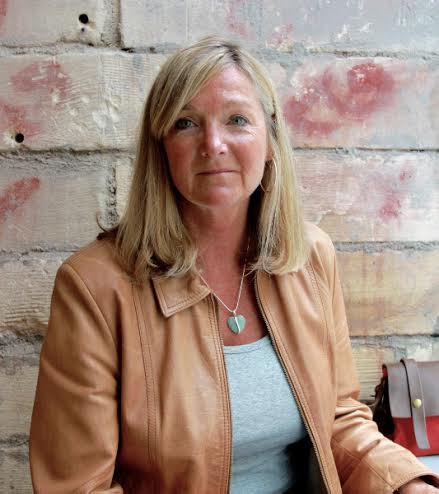
Professor Green interview for Working Class White Men

professor green white working class male

Explain a little bit about your new two-part series. What’s the idea?

I guess the idea is that it’s an exploration of a group of people who feel quite voiceless. What sold the idea to me was getting behind the image of this angry, white, working class male that was popping up everywhere, and that had views that conflicted with my own. I grew up white and working class, but I grew up in a very multicultural environment. None of the people who we followed in this documentary did – they grew up in largely white areas. It meant that I had to encounter things that I wasn’t totally comfortable with. But they had to be explored. I was trying to understand some of the reasoning behind people’s anger and unrest. I was looking at the situations of six young, working class white men, and their situations were not great, most of them. Whether or not they could find work, whether they had housing, all of that. This was an exploration of what it is to be white and working class in this day and age. Is it the people you see on Jeremy Kyle, is it the people you see on Benefits Street?

So you follow six guys over a period of six months, is that right?

Yeah. And each one is a different character, with their own issues. Some of them face similar problems, but they’re all very different people. None of us are wired the same. If we had tried to script the documentary, I don’t think we could have come up with the things that happened in their lives. Driving to Lewis’ house to find out if he’d got into Trinity, Cambridge, was one of the most terrifying things in the world, I was so nervous to film that part of the programme. I found I had quite a rapport with Lewis, because we both find ourselves between two worlds. His ability with mathematics could afford him social mobility, which not many people who are working class are afforded.

Were you with the guys quite a lot?

It was full on, yeah. I spent a lot of time with all of them. I’ve never shot a documentary over that length of time before. That’s longer than any tour I’ve done! To be that intensively involved in something, for that long, I’ve never seen anything like it.

Did you see anything that surprised you when you were making this?

I think, because of how I grew up, there was nothing that really surprised me. There were things that I thought were unfortunate, there were things that I thought were really sad. Things like finding out that David had missed out on two housing opportunities because he was illiterate, and he had no-one to read the letters to him, because he’d lost his mum and his dad. That was hard. And that’s the thing – you end up taking on people’s problems. People ask me if I enjoy making documentaries, and to be honest, I can’t say that they’re fun to make. Obviously I get some sort of fulfilment out of them, I feel like I’m bringing attention to things that would otherwise go ignored.

You also did some pretty personal stuff with the guys. Did you find aspects of filming really emotional?

Oh mate, the baby scan was harsh! I was told to go and meet one of the contributors in hospital, and I figured he was gonna show up with a broken nose or broken ribs something – he was a boxer, and he likes a scrap. But no – his girlfriend was expecting his first child. To be there at the baby scan, mate, it nearly made me well up. It was one of the most incredible things I’ve ever seen. It was such a powerful experience, I was just sat there in absolute awe. That little thing growing inside her – just amazing.

How did you find the experience of filming a Britain First march?

I went to the beginning if the march, I didn’t go on the march. It was horrible, I hated every minute of it. I was really reluctant to go. But I felt as though I wouldn’t be doing my job properly if I didn’t. David, one of the contributors, had said he was going to go on it, and I just didn’t understand it. I suppose when people don’t have anything, the only thing they feel they have is their whiteness. They’re angry, their lives aren’t great, and there’s someone they can blame for it.

Did you get massively frustrated with some of the guys who you featured? People like Denzel, who talk a good game, but blow any cash they have, rather than looking after it wisely.

Yeah, it was frustrating. It felt like he’d been infantilised. He’d never had to take on any level of responsibility before, because he lived with his gran and she did everything for him. I definitely think he could make better decisions, as far as his daughter is concerned. And I think he’s aware of that, and probably punishes himself a bit for it, or masks that by being a jack-the-lad and still having a bit of a party and so on. He was a charming bloke, and it was impossible not to like him, but he’s got a daughter. Would I make the same decisions he does if I was in his situation? It’s very easy to say no, but who knows?

Why is there a crisis among the working classes? Unemployment isn’t as high as at times in the past, but for some reason we feel more divided than ever. Why?

Jesus Christ! That’s a big question – one that probably never even came up in the documentary. I don’t know. It goes so much further than just being white and working class. I think what’s becoming apparent is the disparity between the rich and the poor. I think that’s coming to a head and things are getting worse. I think there’s a lot of people who are now being more penalised than ever for being poor. I think that’s what’s bringing it all to a head.

What would you say is the main factor that leads to a young working class white man making good decisions, as opposed to one who takes the wrong path?

I’d say probably family – and not just the presence of a parent, but parents who have time to be with their kids, which is difficult for a single parent who has to provide as well as raising a child. There’s a lot of time where kids may not have someone there. I was lucky, I always had someone there, for me, until my great gran passed when I was 13, which was when I went off the rails – because my nan had to work. She was out working. And another thing is that being poor creates stress. There was a lot of screaming and shouting in my household growing up, as there was in many households on my estate, just because of the situations families found themselves in. And it stays with you as a kid, it doesn’t just go away. It’s not something that disappears over time, it’s always in you. Those stresses and those anxieties still exist within me now. I hope that I can continue to work and make good money and leave something behind that gives my children, when I have them, all the security that I never had. But I still have no safety net. I don’t have the luxury of being able to go to mum and dad and getting bailed out. And then you make bad decisions. I wasn’t a bad kid, but I sold weed. I didn’t even meant to start selling it, but I always used to get it for my mates, and I just thought “Well, why don’t I smoke mine for free?” So I’d pick up an ounce and break it down, and I’d get my smoke for free. And then it started to go so quick that I was making money off it – all of a sudden, I’m a bloody drug dealer.

You shared quite a lot of your own experiences in the film, at a time when most celebrities are very wary of that sort of thing. Why did you feel it important to do that?

Otherwise I think people make assumptions. It would be really easy to bust that documentary off – “How can he be a voice of authority on this? He’s a rich rap artist who drives a Mercedes”. And I know that to be bollocks. In all of the documentaries I’ve done, I’m always the one that’s going to be judged, because I’m forming opinions. But I don’t tell people who are watching the programmes what to think. My role is just to be a catalyst for the people who I encounter. I’m really lucky, with the access that we get, and the openness and honesty that they give me, is great, and that’s something I don’t take very lightly.

Do you know how they’re getting on since filming?

A couple of them. I needed to spend a little bit of time just doing what I wanted – I’ve had a busy few years, for one reason or another – personal matters or work. And this was a real slog, a long project, and I had an operation quite early on in it. So it’s been a tough year. We got two amazing films out of it, but I needed a break. I’ve made seven films in under three years, which is all time spent living in other people’s lives. I felt like I’d lost a bit of a grasp on what my own life was, so I wanted to spend a little bit of time being selfish. So I’m just catching up with friends now, and getting in the studio, and doing stuff that makes me happy for a little while. Making music is my outlet, it’s how I tell my story.

A lot of the film is about how white working class men are judged and demonised and pigeon-holed. Do you still feel judged? That you’re not good enough?

Yeah, it never goes away. My life’s changed substantially because of the money that I’ve made, but I’m not from money, I’m not wealthy. Wealth isn’t in my family, that’s not going to change. I’m still working class. My children? I don’t know. I hope they’ll have the same values as me, but do I want them to be working class? I don’t know. I’d want them to understand the value of a pound, but I don’t want them to have to go through what I went through, or what my family before me went through. I will forever be working class, but I hope my children won’t be.

Working Class White Men starts on Channel 4 on Tuesday 9th January at 10pm.

Interview with Sarah Beeny for How To Live Mortgage Free

Interview with Sarah Beeny for How To Live Mortgage FreeYour new show is How to Live Mortgage Free. Explain what it’s all about.

Obviously with no money, you can’t own a house. But if you have some assets, let’s say you’ve saved up enough for a deposit, or you’ve got some capital in your home with a big mortgage, is there a way of living in proper low-cost housing? Is there a way of looking at things in a slightly different way, and instead of having a home that will cost you £300,000, can you do it for a tenth of that cost? Can you get a home for less money, so you don’t have a massive mortgage?

And what is the answer? What alchemy are you recommending?

It’s all about finding slightly alternative ways of living. If you want to go the standard route where you live near Starbucks and the tube in a three bedroom Victorian terrace, you probably can’t live mortgage free, because you need more money for that. But a lot of people spend an awful lot of money on rent. If you can stop paying rent then you save an extraordinary amount of money. So we have one girl on the show who pays £20,000-a-year in rent. She saved about £25,000, but that, as a deposit, was nowhere near enough to be able to buy a flat where she lived in London. So she ended up buying a barge for £168,000 and refurbishing it, and living on the water. There are a couple of people in the series living on the water. There are other places and other ways that you can live which are much lower cost, which either enable you to save up for a bigger deposit and a smaller mortgage, or you can just buy outright. We’ve got somebody else who’s bought a double decker bus and turned it into a home, which is really cool. And there’s another guy who’s turned the back of a lorry into a home. He does live on a farm in Wales, so he’s got the luxury of the fact that he can use his parents’ land. Land is the biggest cost involved – if you’ve got a piece of land with planning permission, that’s the biggest hurdle overcome.

And one of the ways of doing that is to build on a brownfield site [land previously used for industrial or commercial purposes]. How do people go about finding such places?

Well, that’s the key. You need to be a dog with a bone. This is not the easy path, which is why it’s not the normal path. You have to hunt around. One of the things I’ve learned in housing is that the big wins go to the people who take the big risks. Brownfield sites are really interesting. It’s an easier planning battle to get a home on a brownfield than a greenfield site, and you end up with a much cheaper property. Quite a lot of people in the series are selling their homes with a mortgage and buying a new home for a lot less money.

What was your favourite solution that someone came up with for going mortgage free? 

The double decker bus is really cool – we’re going to go and film the finished article in a couple of weeks, and I can’t wait to see it. But I think the lorry-back is really cool. Everyone knows you can build a home out of a container, but the lorry back was really interesting to me. Everyone knows you can build a home out of a shipping container. But the lorry back is very clever. It’s mobile, which means you can take it with you in the future. It’s not simple to move around, but you can move it. And if you use a container, it’s difficult to put in the windows and doors, because a lot of the structure is in the walls. But a lorry back is effectively a frame, and in-filling a frame is so easy, anyone could do it. My kids could do it. And you can fit it with any size of windows or doors. You need a low level of skill to turn a lorry back into a home. So I thought that was really clever.

If you were starting out now, what route would you take to being mortgage free?

I lived in the back of a van for a bit with my husband, back when he was my boyfriend. You’re so flexible when you’re young. What I would do now is I’d start young and save from a really young age. I had an ex-council van, and we slept in the back of the van for quite a long time, on and off, and that was fine because we were young. I wouldn’t want to do it now!

Was there something quite romantic and adventurous and fun about it at the time?

Yeah. God, it was brilliant. I was completely free. You’ve got no responsibilities and no tiers. It’s the only time in your life when you can just go anywhere and do anything and risk everything. The first flat we bought, we had an outside loo and no bathroom. I was 19 at the time. And where we wanted to put the bathroom was the door to the outside yard. So we blocked up the door to build the bathroom, which meant to get to the only loo you had to climb through the window to go to the loo. It was a really amazing and exciting adventure. So I’ve lived through what these people are doing, and that’s why I find it so inspiring. If you really want to do it, you just can’t take the normal path in life.

There’s a relatively conventional way of doing it, as with the family who simply paid off their mortgage by living very frugally for a while. But in doing that, they’ve saved an extraordinary amount compared to what their mortgage could have cost them, haven’t they?

Yeah, exactly. We live in such a consumer society now, we think we’ve got to spend all the money that we spend. But you can pay off your mortgage way, way, way quicker if you save harder. And saving doesn’t mean you have to sit around doing nothing. There are a billion things you can do that are free out there, or very low cost. The Victorians invented consumerism, and we’ve taken it to the next level. Shopping is now an activity, like going for a walk. You should go shopping because you need to buy something.

It’s not just about practicality this show, is it? It’s also about beautiful and ingenious design, like Grand Designs but without panes of glass that cost £70 grand and have to be brought in from Antwerp.

[Laughs] Exactly. There’s some amazing and very inspiring design, at a low cost. I’ve seen so many houses in my work, and I don’t get as inspired as often as I used to, but I can honestly say that every single one of these was absolutely amazing. They’re very creative people. But I don’t think you have to already be very creative to do this stuff.

So you’re saying, with a bit of hard work and sacrifice, this is genuinely stuff that people can do?

Definitely. And if you’ve got the confidence to give something a try. It’s not going to be a walk in the park, and you won’t have to work hard, but anyone can do it.

What takes up the most of your time – your TV work or your business ventures?

At the moment it’s Tepilo [Sarah’s online estate agents] that takes up most of my time. That’s running at 1000mph. I’ve never been involved in a business that has grown so fast. That’s really exciting. It’s probably a blend between Tepilo and, as the kids get older, they take up quite a lot of time as well. There’s those two and TV. I’m trying to do a bit less TV, because there isn’t that much time.

In amongst all of these time pressures, do you manage to get down to Rise Hall much?

Yeah, that takes up a load of time as well, thinking about it. That’s a really big business now, with lots of weddings. We’re diversifying just now, we’ve got new management in there, we’re looking at all the other aspects of business we can do at Rise Hall. It’s really exciting. We’re opening it up so that people can go there for tea, and during the week as well. Weekend weddings it’s fairly full, so now it’s a question of making use of the house for the rest of the time, during the week.

Lastly, you’ve got multiple businesses, you’ve got property interests, and you’re a TV personality. Are you the next Donald Trump?

[Laughs]Do you think I should have a go? I reckon if he can do it, I should have a go. I’ve always said I’d hate to be Prime Minister, but I wouldn’t mind being a dictator. It was meant to be ironic, at the time, but now it doesn’t seem quite so funny. I like to think perhaps I’d be a more benevolent dictator than Donald Trump would aspire to be.


Interview with Sharon Horgan and Rob Delaney for Catastrophe series 3

Interview with Sharon Horgan and Rob Delaney for Catastrophe series 3We left series two on something of a cliffhanger, with Rob about to speak following his discovery of Sharon’s receipt. Where do we pick it up from?

Rob: Right then. Exactly then.

Sharon: Yeah, it’s from exactly that moment.

Did you know what Rob was about to say, when you shot the end of series one, or did you still have to work that out?

Rob: We didn’t know. We love to leave the series with a big question mark, and figure out the answer afterwards. It’s more fun for us that way, and hopefully there is real and palpable mystery for the viewer as they reach that question mark. If we know what’s going to happen, then they might too, and then why bother?

S: There were a few different routes we could’ve gone, so we kind of had vague ideas, but nothing concrete.

Series three and four were commissioned together. You’ve now shot series three. Do you know where it’s going to go in series four? How far ahead have you planned?

R: No. We did one and two back-to-back, and we really benefitted from taking a little break between two and three, so I think we’re happy to not know what’s going to happen for a little while.

S: We had ideas of stuff that could go in series three when we were writing series two, things like that, but we never knew what the big arc was going to be, or narratively where it was going to take us. We just had a bunch of little ideas, and it worked out okay. So hopefully that’ll happen this time.

Did you write season 3 differently because you knew there would be a season 4? Does that help you creatively, because you know you have more space to tell the story?

R: It’s a stunning act of generosity and a vote of confidence from the network to have them do that, so yes, it does give you a feeling of peace.

S: There were definitely moments where we would say “I think that’s more of a series four idea.”

R: Yeah, so we can figure out what’s going to fit in each episode. You can say “I am curious about that, but no way are we going to be able to squeeze that in,” whereas if we didn’t know there were an additional season commissioned, we might try to shoehorn it in, to everyone’s detriment.

S: I guess the smart thing to do would have been to plan out both series so we knew exactly where it was going over twelve episodes, but we just didn’t have the time to do that. We had to concentrate on getting series three made in the four or five months we had.

Catastrophe is unapologetically crude. Do you enjoy coming up with some of the more creative and colourful bits of dialogue? Do you ever worry about elderly family members watching?

R: Well, I mean elderly people, I have found, when they’re being honest, are also scumbags, and enjoy a little prurient humour as well. So no, I don’t really worry.

S: I used to worry about that sort of thing. But I watched Pulling with my auntie, who’s a nun. I gave my dad the pilot of Catastrophe, because we had it for about a year before it got picked up, and he showed it to so many people. There was some pretty crass stuff in there, there was plenty of sex in it and rude goings on. If he’s happy to show his 70-year-old mates, then I think there’s nothing to worry about really. Although, I’m a little bit worried about episode one of this series.

R: Oh, I know what you’re talking about!

The show is far from sentimental, but it still manages to be strangely romantic. Is that a tough trick to pull off? Do you have to go through it making it less saccharine?

S: We just keep an eye on it.

R: We’re pretty good about it. I remember in season two having to saccharine it up a bit. Our natural inclination is not usually to be too saccharine. If anything like that comes out of our mouth, the other will stop them pretty quickly. You’d rather have your audience come away saying “I think I just noticed that they’re in love” rather than hitting them over the head with it.

Catastrophe very definitely deals with flawed people making the best of a flawed relationship. Is that intentional – to show people that it’s possible to have problems and still be relatively happy?

S: I kind of don’t think their relationship is that flawed. I mean, I guess it is in that they fuck up sometimes, or might let themselves or each other down. But I think they were made for each other. They were born to be together. That’s the most fairy tale and romantic aspect of the whole thing. We’ve burst the bubble pretty quickly with all the bad things that happen. But it feels like a steady, sturdy relationship that shit happens to, and they deal with it. I don’t think they have to try and stay in love. They are in love, they just have to try and stop real life from tipping shit on that.

One of the cornerstones of their relationship seems to be that they make each other laugh. Do you see that as being key to them?

R: I think so, yeah. People say that the largest sexual organ is the brain, and I think the fact that they definitely amuse each other is probably the strongest glue in that relationship.

S: Yeah, definitely. Because I think it’s incredibly important in real life as well. You get on with the people who make you laugh. I love having conversations with smart people, but I don’t necessarily leave it going “I fucking love you!” whereas if I’ve spent an hour laughing with them…

Obviously this series was one of the last things that Carrie Fisher filmed. What was it like getting to know her and working with her?

S: It was a dream come true getting to work with her.

R: A giant privilege.

S: For both of us.

R: She didn’t get to where she is by mistake. She delivers. She’s just hilarious and brilliant. You get what you think you’re going to get, and more. She was just a wonderful, wonderful person.

S: Yeah, she was great to hang around with and great to work with. While you’re completely aware of her legacy and everything she’s done, and it’s completely overwhelming a first, then she’s just this woman who says rude things and cracks you up. And she was really kind as well, just a really kind, wonderful lady.

The show won a BAFTA in 2016. Who has custody of it?

S: We got one each! It was the most exciting bit of the night, realising that we got one each.

R: Some awards we’ve had to divvy up. But BAFTA make one for each named recipient, so thanks BAFTA!

What is it like working with the children on the show? Do you have to get to know them really well so they don’t recoil when you pick them up?

S: They like us!

R: Yeah they like us, and we like them. They’re lovely. Babies are an absolute pleasure. Sonny and Dexter, who are the twins who play Frankie, are a bit older. They’re wonderful, but they’re a little harder to work with, because it’s a super-unnatural situation to be in. Working on set is very artificial and bizarre, and for kids it’s like “Why would we do it again? That’s crazy!” And then you have to be like “Yes, it is crazy, but not only are we going to do it one more time, we’re going to do it 22 more times. “And they’re like “That’s INSANE!” So they’re having a tough time with it, but that’s only because they’re healthy, wonderful children.

S: But we both like the company of kids, we like hanging out with kids, so it makes it easier. When the cameras stop rolling, you can have a laugh with them. But you can’t get them too geed up, because then they’re all hyper. You find yourself going “Shit, why did I tickle him?” You have to know how to play it. But when they bring in a baby or one of the twins, we really enjoy it.

R: On a set filled with smelly adults it’s pretty nice to have a kid come in now and again.

You briefly reference Trump and Brexit in ep 1 of the new series. Will there be any more nods to the way the world is going?

R: Not too much.

S: A tiny bit more Brexit stuff.

R: We’re not trying to make any big comments about that stuff. If you’re alive right now, it’s affecting your life, so we couldn’t not mention it, but as ever, we’re just trying to do it in a way that will create more stress for Rob and Sharon. We’re not trying to fix it!

S: It just came up in that episode because I’m trying to find reasons to get away with behaving the way I did. In the original script it was Brexit and ISIS, and then suddenly that arsehole-buffoon got voted in and we thought “We can’t not mention him!” So we added that in our final read-through.

Rob, you’ve been pretty active of late on Twitter, even by your standards. Is it a relief to be over here and away from the whole shitstorm, or is it frustrating being so distanced and powerless to act?

R: It is weird being over here. And I can’t move back there right now. Not that I want to – we’re happy here, my children go to school here – but it’s weird to not have the option. But he’s got healthcare laws in his sights, and I’m part of a family of five people. And when you have five people, there will be some among them who have what are known as pre-existing conditions, so I can’t responsibly bring my children to a country where healthcare is in such upheaval. So that feels weird. And yeah, I’d like to be outside senators’ offices right now protesting, but I can’t right now. So I’m doing what I can from here.

I read somewhere that you two are planning to do a movie together. Is that a possibility?

S: It’s not in the pipeline. We talk about it A LOT!

R: We talk about it, and then somebody will be like “Hey, get back to set,” or “Where’s that script?”

S: We’d absolutely love to. It’s just a time thing.

Would it be a Catastrophe movie?

S: Not at this point. I think we’d like to try something else. It’d be interesting just to see if something else worked.

When you’re writing, do you guys have more ownership of your own character?

R: No, definitely not. Nothing makes me happier than writing dialogue for the character of Sharon, and have her write it for my character.

S: I think that’s why there’s no stereotypical element to either of them.

When do you start on series 4? Do you need time away from the characters first?

R: It’s a good idea to have a break, to let your mind rest and so you can start to cultivate ideas. So we don’t have a start date, but we’re percolating ideas, I guess.

S: Bit of a break.

Can you ever have a bit of a break, or are you always thinking “Ooh, I might put that into the next series?”

S: You do do that a little bit, yeah.

R: You definitely file things away, I’ve got a ton of stuff in the notes section of my phone. Most of it is fucking insane, though. “Here’s a good idea. What if… Rob walked into a spider’s web!!!”


With thanks to Channel 4.


Interview With casting director, coach, actress & founder of Sound Advice Kate McClanaghan

Interview With casting director, coach, actress & founder of Sound Advice Kate McClanahan voice over work1. Tell us a bit about yourself. 

I’m a seasoned casting director, producer, coach, actress and founder of SOUND ADVICE, a unique, one-stop option for unparalleled voice over coaching, and exceptional demo production for all skill and experience levels.

I had been a freelance producer since I was 19 years old, producing commercials for Coca-Cola, McDonald’s, Dodge, JC Penney, FORD, Sprint, SEARS, and Kraft, to name a few. I had always been freelance because I’m a union actress as well. I’ve studied with the Royal Shakespeare in London, and came up through Chicago’s Second City and ImprovOlympic (IO), and even brought 9 shows to the Edinburgh Fringe.

2. What made you start Big House Casting & Audio and Actors’ Sound Advice?

BIG HOUSE came about to service the various casting and production demands that consistently kept coming in the door after I had produced a number of freelance projects for NPR. I was already freelance, I just named it after the enormous, greystone building we worked and lived in, in Chicago.

I started SOUND ADVICE because I couldn’t find a single, reliable source that would take me through the entire process of voiceover training, demo production, branding and marketing the career I was after. There were random people who did pieces, but didn’t have the whole in mind. I wanted a single source that honestly had my best interests in mind, understood my greatest commercial assets (perhaps even better than I did), and could produce my demos well enough to truly advance my career, not just my voiceover!

I began assisting friends, and after coaching and producing more than 100 demos for them and seeing them achieve remarkable results rather quickly, I realized my casting and production skills had a greater purpose!

3. How important is training?

It’s imperative. Without it, regardless of how naturally talented, smart, and mellifluous the voice might be… you’re dealing with a loose cannon. You can’t rely on a talent who doesn’t know their job. Trusting a million-dollar campaign to a complete hack puts everyone’s reputation on the line. And your mettle will be tested. There are no beginner, intermediate and advanced talent in this industry. You’re either a professional… or you’re not. Training defines your professionalism and instills confidence. And commerce is confidence.

4. Any tips for acing an audition?

Instead of trying to second-guess what those auditioning you are thinking, give them something interesting to think about. That’s the job! Besides they honestly aren’t thinking a thing. It’s precisely why you’re there. How would YOU play it?

THINK for yourself! In fact, entertain yourself and you’ll find your audience!

5. How different is voice over acting from acting?

There is very little, if any difference at all. Acting is acting is acting.

Voice acting is closest to film acting than any other medium, because they both demand a very vivid imagination and the desire to tell a story, often in the most constricting conditions. Personality and the ability to self direct are key attributes as well.

Perhaps the greatest difference is the fact that in nearly all voiceover scenarios, you’re all by your lonesome in the booth with no one to play off but yourself.

6. Tell us about your books.

The SOUND ADVICE Encyclopedia of Voice-over & The Business of Being a Working Talent is currently in its third edition. (There will be a fourth sometime next year.) It’s more than 500 printed pages of well-vetted industry insider information as well as How To Get An Agent, the branding, marketing and promotion of your career, to more than 100 printed pages of terms and phrases commonly used in all manner of acting for recorded media.

7. How do you become a successful voice over actor?

Do your homework. Practice. If you were to honestly dedicate 25 to 30 hours a week, what would be considered part-time for any other business, for a year or more to creating a voiceover career for yourself, then the chances of becoming successful in this field is more likely—provided, of course, you have realistic expectations and you wisely allocate your time.

You need a proper Vocal Warm Up, and maintain it 4 to 5 times a week for a solid half hour to 45 minutes at a time. Granted it may take you a couple weeks to incorporate it into your weekly routine, but without it your vocal precision and stamina won’t be as reliable as it should be.

Check out our website www.voiceoverinfo.com. Study up. Listen to a lot of demos.

Listen to our podcasts then email us. We have talent all over the world. Provided you have a reliable computer and stable Internet service, we can generally work with just about anyone from anywhere—we just don’t invite everyone to do a demo. (Our name is on it too. We don’t produce a demo track in an hour. Nearly every other demo production house does.)

Everything we do as SOUND ADVICE, just like in nearly everything in voiceover, is one-on-one. We don’t cookie-cutter anything. And we offer the best insight because we continually survey the industry as to what’s needed and wanted from talent in every aspect of the industry.


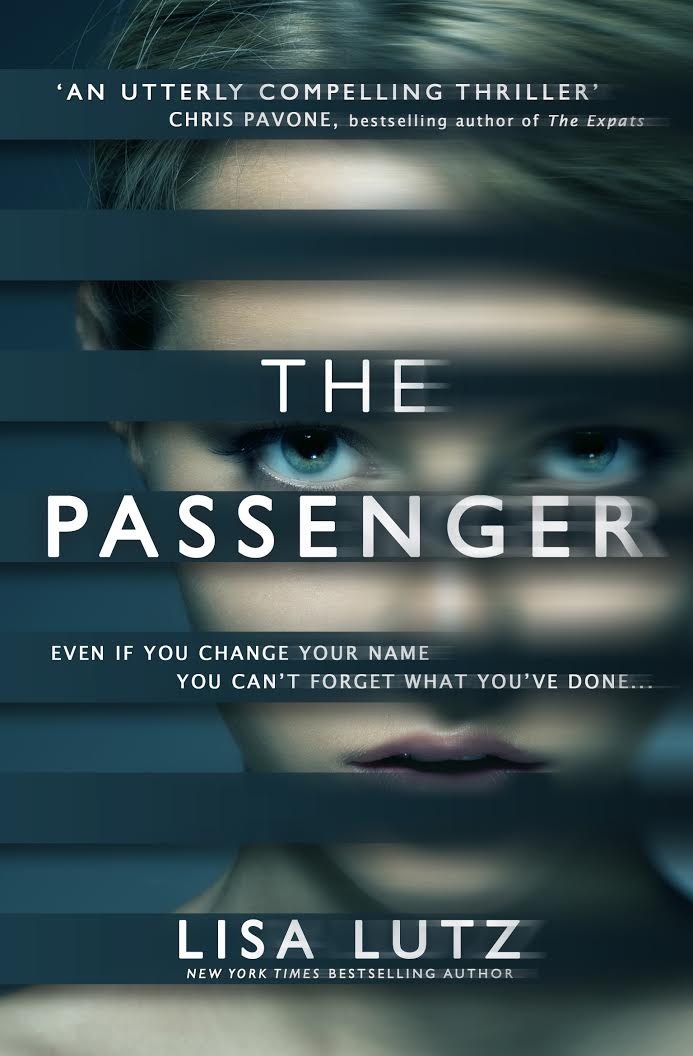
An interview with Liza Lutz – Bestselling author of The Passenger and The Spellman Files

An interview with Liza Lutz – bestselling author of The Passenger and The Spellman Files – amongst others.              by Margaret Graham

An interview with Liza Lutz - bestselling author of The Passenger and The Spellman Files - amongst others. by Margaret Graham

What made you interested in writing?

I can’t pinpoint a particular realization or event. I guess it comes down to just being interested in people. And then once I discovered that writing could make my world funnier and more interesting, I was pretty much doomed.

Did you find it easy to become published?

In a way, yes. But in another, much more accurate way, not at all. I wrote screenplays for a decade until a friend suggested that I try rewriting one of them, The Spellman Files, as a novel. I did that and sent it to a bunch of agents. One of them saw its potential. Plenty of work ensued, but once I’d revised the draft, the road to publication was relatively short.

If you hadn’t become a writer, what else would you have liked to do?

Brain surgeon.

What is your writing process?

It’s mostly just sitting down and doing the work. I think I have some structural instincts that allow me to come up with an outline pretty quickly once I have a basic idea. I always end up veering away from it, but having that guide helps me avoid the staring-into-the-void thing that plagues a lot of writers. I save staring into the void for my free time.

thepassengerbylisalutzbookinterviewauthor

As well as The Passenger, which Frost recently reviewed, you have written the bestselling series The Spellman Files. Does another series appeal?

Not at the moment. I’m embracing the freedom of being able to tell whatever story I want to tell. Each of my last few books has been a big departure from the previous one, and that seems to suit me well.

What are the problems, and virtues of writing a series? 

One problem with a series is that the more successful it becomes, the more tempting it is to write what you think your audience wants to read. If I’m not writing something I would want to read, things are going to get stale for everyone pretty quickly. The chief virtue is that you can get to know characters to a degree that’s impossible in a standalone book. It’s like having multiple seasons of a TV show instead of an hour-and-a-half-long movie.

What do you like to do when not writing?

Read, watch movies, teach seniors Krav Maga.

You have won the Alex award and been nominated for the Edgar Award for Best Novel, so what’s next?

I’m writing a novel that’s totally different from anything I’ve done before. But I’m not ready to talk about it yet.
The Passenger by Lisa Lutz: Titan books. Paperback and ebook.


Day in the Life of Wendy Walker

Day in the Life of Wendy Walker

Sometimes I think my friends envision me sitting at a well-organized antique desk, nicely dressed, showered, hair blown dry, nails manicured and sipping a gourmet coffee while I effortlessly type page after page. It’s a very nice dream! The reality is that after seventeen years of juggling kids, a house, writing and my day job as a lawyer the last five of them, I find myself in a constant state of disheveled chaos, scavenging for time and still in my pajamas when my boys get home from school!


Here is how it unfolded.


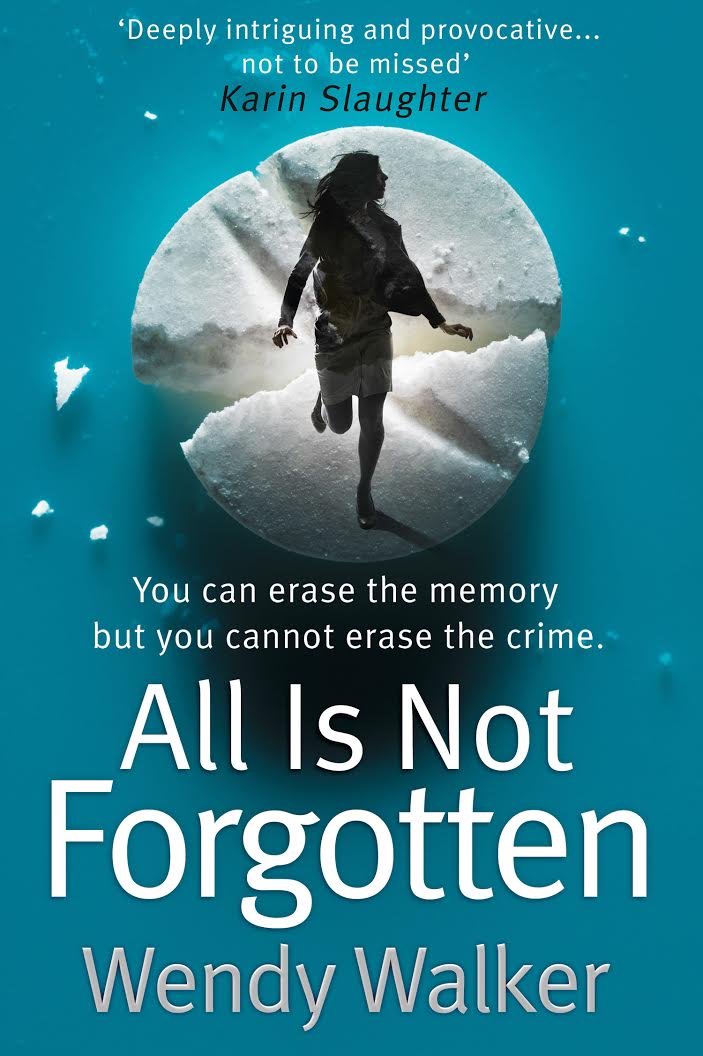
After I had my first son eighteen years ago, I decided to stay home to raise my children until they were all in school. I felt lucky to be able to do that and so I took the job very seriously. But after about a year, I felt unfulfilled so I started to write whenever I had free time (which was not very often!). I had two more children in five years and all the while I kept writing. I even wrote in the back of my minivan while waiting for them at pre-school! I picked up the pace after I found an agent who thought she could sell my work. Of course, life is never that straight forward. It was a long road getting to the writing and publication of All Is Not Forgotten. During that time, I published other novels, edited, and eventually went back to work as a lawyer (after fourteen years away from the field).

Day in the Life of Wendy Walker2

But I never gave up the dream of making a career as a writer. I used to tell my boys that it was important to always have a dream, but to also be responsible. I did not stop working as a lawyer. Somehow, I also managed to keep writing. I signed with a new agent and she loved my concept of a psychological thriller based on memory science. I was a bit nervous about switching genres, but I had always enjoyed suspense and thrillers and I was very interested in this story concept. So I dusted it off and wrote All Is Not Forgotten.  It was great advice and I am so glad that my children may get to see my dream come true.


Of course, “living the dream” for me, and so many other writers, is far from glamorous! I spend my days juggling promotional work with family obligations and staring down blank pages of the next novel that is dying to make its way out of my overcrowded head. I sometimes fantasize about the world coming to a halt for a day (maybe two) so I can catch up. But that is one dream that will never come true! Still, as I sit here in my pajamas writing this, a long list of things-to-do sitting beside me, I know I wouldn’t have it any other way.


All is not Forgotten by Wendy Walker. HQ £12.99


Interview With Bestselling Author Margaret Graham

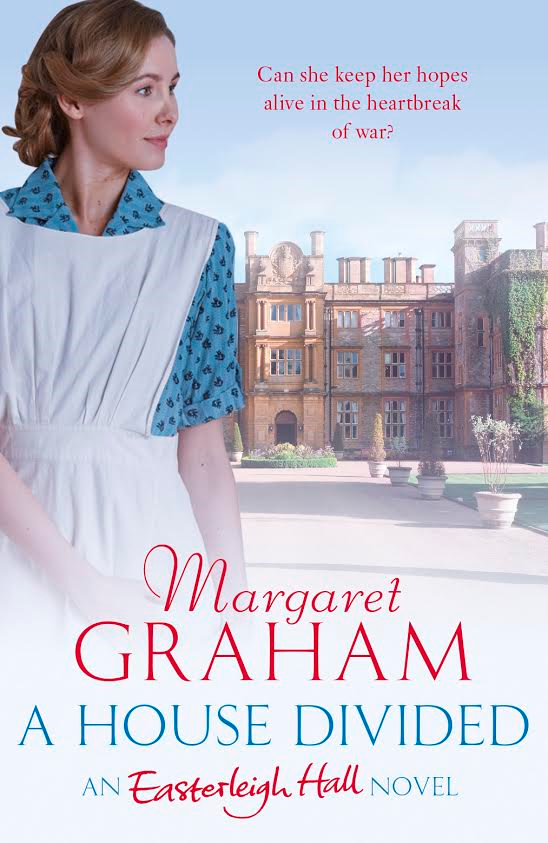
housedivided

What made you get into writing?

Having a 4th child. She was lovely but seldom slept and mithered a great deal. I needed to ‘get away’ even if only for half an hour. So I started writing a book about my mother’s rather interesting life growing up in the North East just after the 1st World War. Halfway down the first page I realised I didn’t really know my mum in that way, only anecdotes. So it became fiction, but based on her life. It’s called After the Storm.

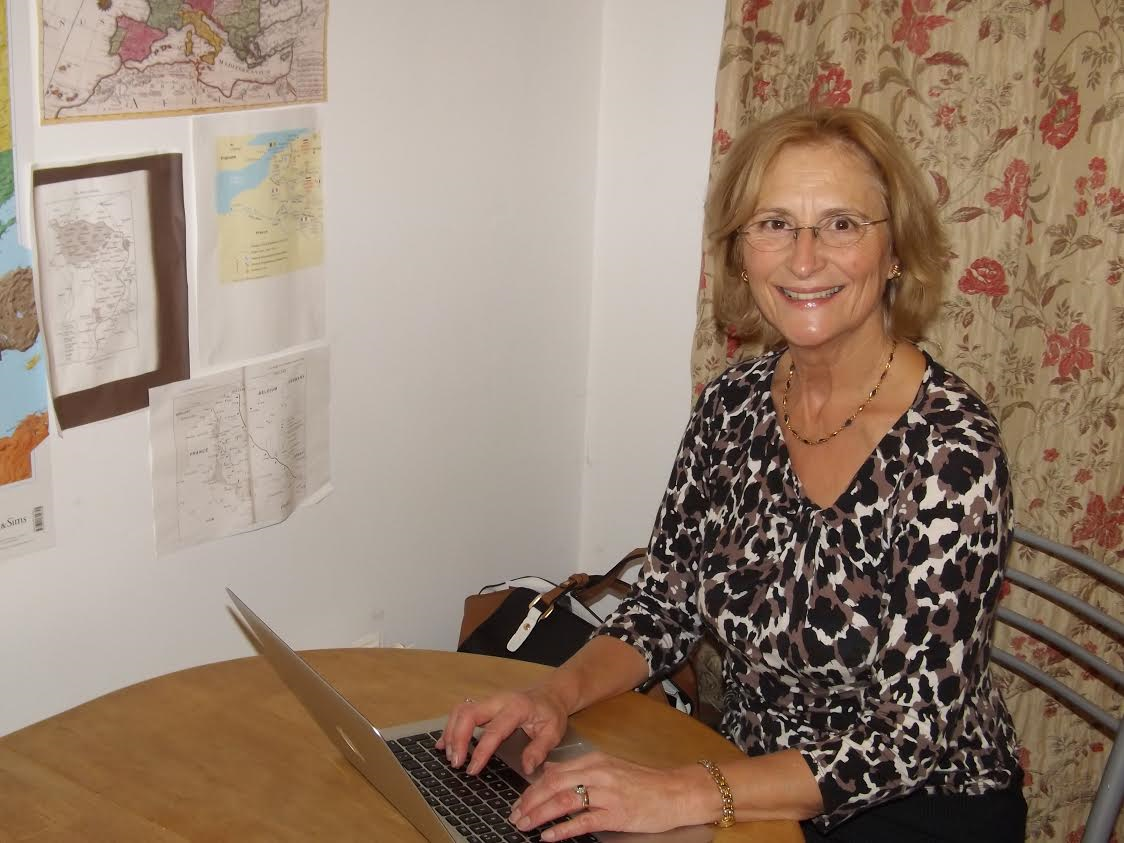
margaretgraham

Did You find becoming a published writer easy?

Not at all. Having embarked on the novel I joined a writing class. I do wish more would these days, or at least learn the basics of structure, and how to edit one’s work. The class was not only crucial but also supportive, because I was working alongside like minded people, and it helped me enjoy the process. Mark you, my writing class had an excellent tutor, and you need to check this out. There are a lot of charlatans out there, selling their services when they know diddly-squat – and charge a lot. If you have the time, try ARVON and other residential courses. Also the weekend Winchester Writing Festival. That’s fantastic.

Then, of course, you reach the stage where you have a manuscript, finished. What next? How to get that publishing contract?

Try and find an agent. But how do you get the interest of an agent. I entered a competition and was one of the Best Entries. This helped when circulating the manuscript. I was finally taken by an agent who knew that Catherine Cookson, who wrote about the North East had just left Heinemann. Mine was a novel about the North East, and the publishers were immediately interested. Mark you, I then had to double it in length, put in a secondary character and sub plot, and do it all in 6 months. I was on my way.

So it is very much about what the publisher needs at a particular time. However, as you can see, the author does need to be flexible, and listen to the experts, and do as they want. Basically we are providing a product, which they have to need in the first instance. Then it has to be tweaked to be the best product you can create. They are invariably right. As a writer, you need patience. Learning to write well took me 4 years. Over those years I was serving an apprenticeship really, lhoning my skills, so that when the time came, I could do as they advised.

What else would you have liked to do?

Be a star. I feel the world has been deprived of a great talent!

What is your writing process?

Find that germ of an idea. Then think, think and think again, to see if it it will run as a novel. I work out the normal world, point of change, the tension, motivation, and totally getting to be the main and secondary characters. Alongside this, because I am invariably writing out of my time and place, I need to research, make notes, become so familiar with the context so that I can swim amongst the period, or situation, without overloading it with show-off details. Therefore I do a lot of reading, and that old chestnut – thinking again. Then, when I have a thorough plan, and by this I mean a chapter by chapter plan I get my head down and write hard for about 8 weeks. Because I’ve been doing it so long I have the experience to get it more or less right, and to create a sound structure. There is only one structure, you know. And it must be followed. It is the author’s ‘voice’ that makes a novel ‘different’. That’s the first draft, then I go through and alter, tweak, edit. So the second I usually sent into my publisher. Writers need to designate writing time. It’s a job, even if you already have a day job, so discipline yourself to create your writing time. You will find you do much of your thinking whilst traveling, driving, working, and at the end of the day you’re a bit further on.

A House Divided is the third Easterleigh Hall novel. How hard is it doing a series?

Hard in a way. You have to remember all the characters inside and out. What are their ages? Appearance, little ways, and then when you start the novel you have to try and make the novel stand alone, though it must also bring previous readers of the series up to date. I think that first chapter is the most difficult.

When can we expect another EH novel?

In a year.

Have you become close to the characters? Oh yes, I become all the characters really. You have to or it doesn’t work.

Can you tell us where the series is going next?

I would imagine into the 2nd world war. Perhaps Tim will go into the secret side of the war, but not quite sure about anyone else yet. It will come to me.

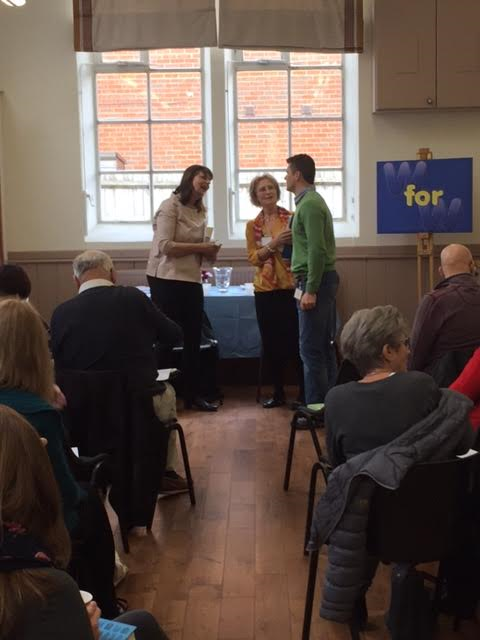
Lizy, me and Matt

What do you like to do when you are not writing? I run my charity, Words for the Wounded, which raises money for the wounded through writing events. We have an annual Independent Author Book Award, and we also run workshops and an annual LitFest. We’ve helped a few writers along in this way. Last year’s winner was picked up by an editor, and others have found that the publicity of being placed has helped their sales. I love working with Frost, and reviewing books, and I do like to play truant and just have a good time.

Any tips for aspiring writers.

Work hard, go to writing classes, and literary festivals, listen to authors talking, and listen to a publishers’ or agents’ advice. READ books, learn how to write short stories, because publication in womens’ magazines promotes sales of your books. Most of all, don’t rush. Do several drafts, edit carefully, and enjoy it. Life’s too short not to.


A Day In The Life of CJ Carver

Being an author, people think I get up around midday, go for a long lunch and return home to bang out a few pages before pouring myself a glass of wine and finishing for the day.

Hmmm.  Nice thought.  If only it didn’t take me quite so long to bang out those pages . . .

A Day In The Life of CJ CarverToday I’m woken by the bin men at seven-thirty.  Eyes closed, I’m lying in bed listening to them crashing and banging down the road when, seemingly out of nowhere, an idea begins to form about the next book.  I let it drift.  I don’t try and pin it down.  Gradually it takes a firmer shape and I study it carefully before letting it drift again.

It is this state between waking and sleeping that I find the most valuable for creative thought.  It’s almost like meditation, but not quite, because instead of being clear of thought my mind is occupied with the story I’m trying to tell.  By the time I’m fully awake, I’ve made a handful of notes and am ready to leap into the day.

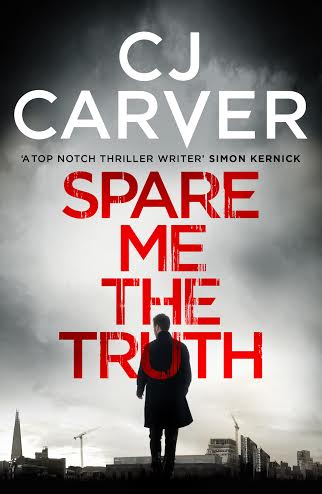
After a shower, breakfast and a brisk walk, I get stuck in to emails, wanting to clear my mental desk before I start writing.  I’m working on the sequel to Spare Me The Truth, or at least I was until my postie arrives and hands me three parcels, each containing a brand-spanking new hardcover book.  They all look fantastic and although I know I have to read them – I’m on several panels at CrimeFest in Bristol this year with the authors – I really shouldn’t start now.  Or should I?  I flick one open and am immediately captivated by the first page.  This sort of temptation is ever present being self-employed, and I have to force the books away and out of sight.

pic 2 Carver, Caroline 2 credit Steve Ayres

Credit: Steve Ayres

Soon, I’m completely absorbed in my work and don’t notice the time passing until my email pings.  It’s from a psychologist who is helping me research the psychopathology behind serial killers.  Another arrives, this one from a detective inspector in Manchester.  I know it drives the police crazy when writers get things wrong, so I do my utmost to get my facts right, but I have to be careful with research as it can be so riveting, I never get any writing done.

I work on my manuscript until early evening when I have a quick look at Twitter (another terrible distraction) before deciding whether it’s cold enough to light the wood burner.  Or shall I go to the pub?  Writing is a solitary occupation and aside from the postie, I haven’t spoken to anyone all day.  I’d better go to the pub, I decide, and talk to someone or I might go quite mad.


©CJ Carver 2016