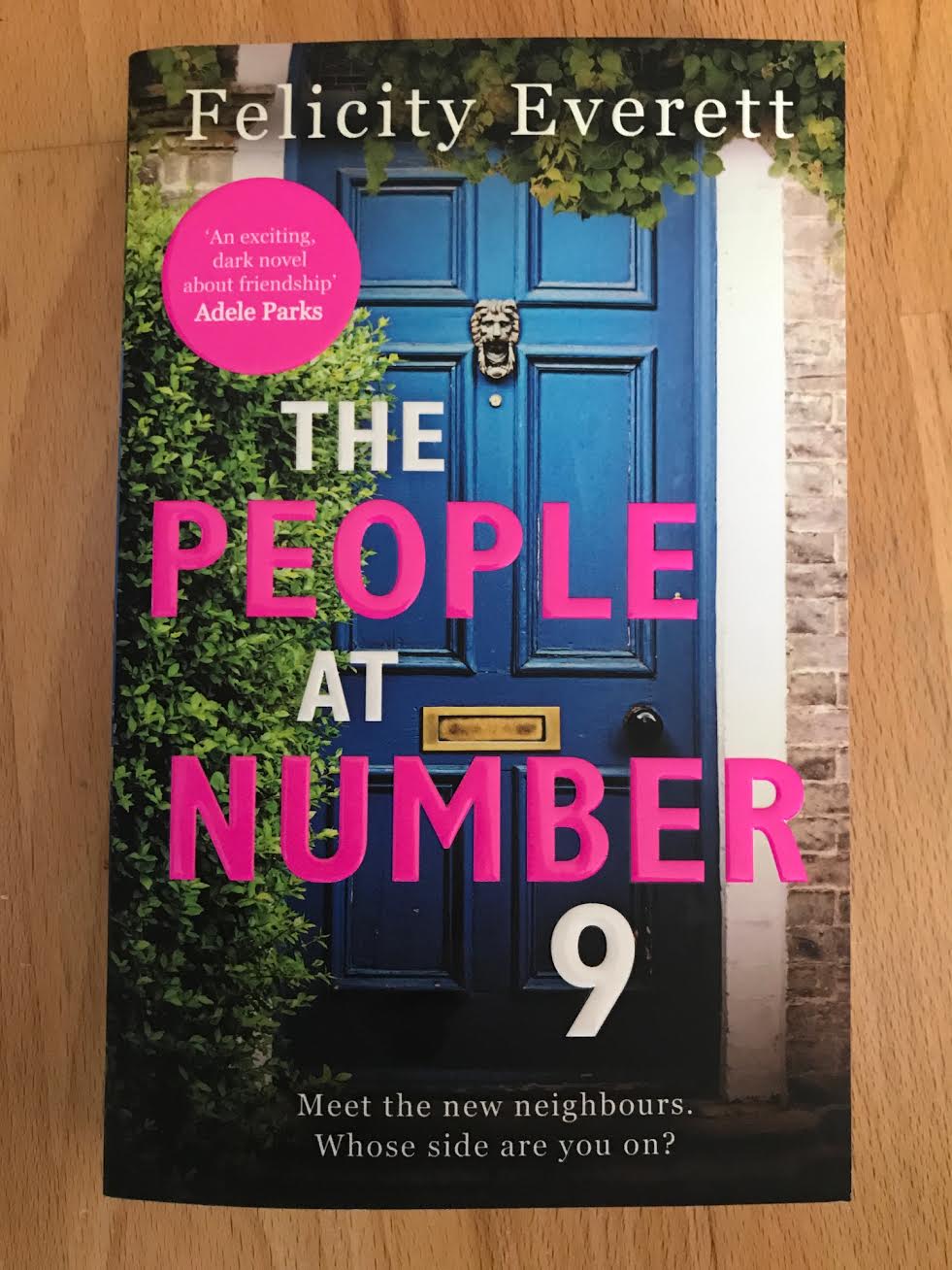
Felicity Everett The People at Number 9 | Author Interviews

I loved your book. Where did the idea for The People at Number 9 come from?

I’m glad you enjoyed The People At Number 9. The idea had probably been bubbling under for a long time before `i thought of a way to make it into an entertaining story. I’ve always been susceptible to ‘dangerous’ friends – the kind who are fun to be with but unreliable and sometimes worse! It started in primary school for me, when I was desperate to be in with a little gang, led by a queen bee who decided on a weekly basis who was ‘in’ and who was ‘out’. Even after the agony of being sent to friendship Siberia on a number of occasions, I didn’t learn my lesson and find a proper friend, just hung around until my turn to be ‘in’ came round again. I’m not saying Lou and Gav in The People At Number 9 are as mean or calculating as this – they probably aren’t aware of exploiting Sara and Neil (who maybe deserve it anyway!) but it’s that attraction, like a moth to a flame, that interested me.
Did you expect it to become so successful and resonate with people so much?

Of course any author hopes for  readers, but you can’t write the book you think people want to read, because it won’t be authentic. You have to write the book you’ve got in you.  More than anything, writing is communicating. It’s a way of asking ‘is it just me or…?’ So when I wrote The People At Number 9, it was my curiosity about the subject that drove me forward. I hoped people would get it, but it was surprising and thrilling that so many readers reacted so positively to it. From the feedback I’ve had, I think it resonates because it’s a rare person who hasn’t at some time in their lives been the underdog in a friendship – the one who always makes the phone call, books the tickets, turns up on time and is kept waiting around. Not many people are daft enough to let a situation like that get out of control the way Sara does in the novel, but they can empathise enough to enjoy the journey.

How long did it take for you to write?

It took about two and a half years to write, which is quite along time for a short novel, but I wrote it when me and my family were living in Australia for a little while, and there were many distractions!

What is your writing process?

I don’t plan very much. I take a theme and some characters and sort of improvise, although for No 9 I did have a vague route map for the story. In the past I’ve tried to do that thing that some writers do of creating a life for their characters before they even start writing, listing their record collection, where they lived as a child, their favourite colour – stuff like that, but it just didn’t work for me. I think I find my characters by hearing them speak. I love writing dialogue.

I am a compulsive rewriter – I can’t just rush to the end of a first draft, knowing it’s terrible and then rewrite it from the beginning, I have to go back and make each paragraph right (or as right as it can be) as I go along, which is very laborious. My finished first draft is effectively a fifth or sixth draft. I don’t send it to my agent until I’m pretty sure it’s as good as I can get it.

Do you have a daily word count?

No. It’s so dispiriting if you don’t reach it. I’m happy if I can write five hundred good words a day. Sometimes a good day’s writing can actually be deleting a page or two, if the scene’s not working, or the writing is flabby, so I tend to think in terms of progress rather than pages.

Where do your ideas come from?

That’s a tough one. I don’t really know. I think I’m very influenced by place and I’m interested in the psychology of relationships. I suppose I tend to take a fairly mundane universal situation – a friendship gone awry or a move to the countryside (in the case of my new novel) and then ask ‘what if?’ If you ask that question enough times, it can take you to some pretty dark and twisted places!

Do you have a specific place where you write.

I’m embarrassed to admit it, but I write in bed! We moved to a new house, and I got the study all kitted out, had the desk positioned in front of the window with the lovely view, got all my books organised, and then found I never went in there. It was just too daunted by the open lap-top on the pristine desk. It felt too ‘intentional’, as though I had to write really impressive sentences; be ‘A Writer’. So now, instead, I wake up and grab my laptop, read the news, check Facebook and then open my document – I sort of sneak up on it. I re-read what I last wrote, alter a word or two and then, before I know it, I’m in full flow and if I’m lucky I’ve written a page or two. The only problem is that all that slouching is doing my back in!

Who are our favourite writers?

Jonathan Franzen, Colm Toibin, Anne Enright, Elizabeth Strout, to name a few. I love a family novel and I like social commentary. I’m a big fan of short stories – The New Yorker has a wonderful archive and I’ve discovered some great novels by writers I’ve first come to for their short stories – George Saunders and Curtiss Sittenfeld being two.

What books have you read recently that you loved?

Eligible by Curtiss Sittenfeld and Lincoln in the Bardo by George Saunders (see above). I’ve also re-read Rebecca by Daphne DuMaurier because it’s a tutorial in evoking a sense of place and a compelling atmosphere, two things I am attempting in my new book.
What is next for you?

I’m writing a gothic psychodrama!  It’s a novel about a couple who move to the countryside to make a fresh start, but find themselves haunted, not only by their own past, but by a strange unease in their new community and the landscape that surrounds it.


What are the Essential Ingredients for a Gritty Crime Novel?

The crime thriller genre has always been a big seller. It has evolved over the years along with readers’ tastes. A few decades ago it was all about slick gangster flicks, driven by a morbid nostalgia for criminals like Capone, Dillinger and the Kray twins. At the turn of the century the gritty crime thriller ruled and now, thanks to a collective obsession with Nordic noir, that genre is making a return.

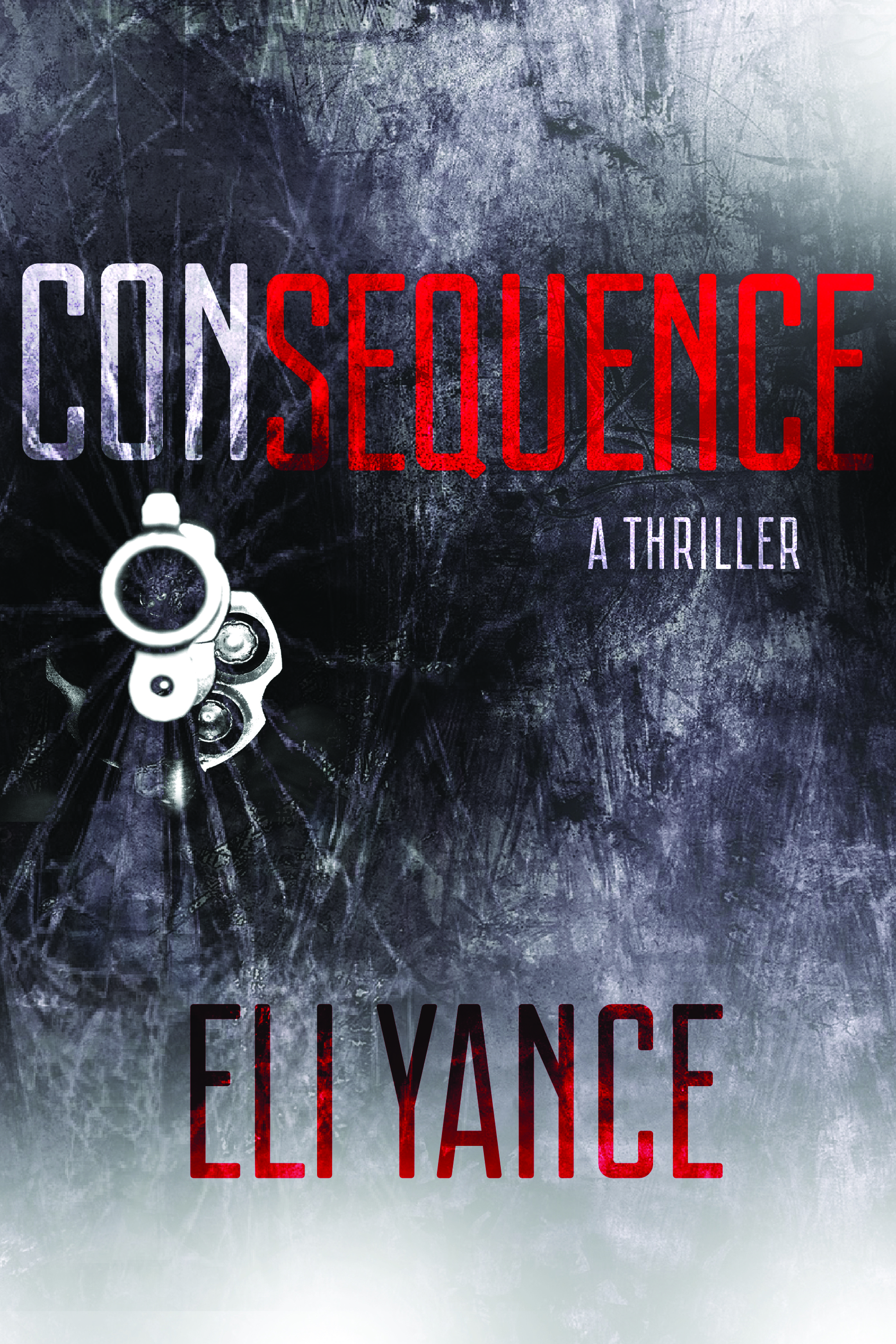
But what makes for the quintessential gritty crime novel? Here, author Eli Yance, whose new novel Consequences is best described as a high-octane blend of classic Brit gangster flicks Lock, Stock and Two Smoking Barrels, Get Carter and Sexy Beast, provides his top tips.

Humour

I am a firm believer that there should be humor in every genre. I write comedy novels under a different pen name, so I’m a little biased, but it’s something that has worked for me in every genre. In horror, it’s a great tool to help move the story along, keeping the reader interested before you get to the scary parts. In the crime genre, it can help the reader to associate more with the protagonist and the story—it just makes everything feel a little more realistic.

Humour helps to break down barriers. It’s why we use it to break the ice; it’s why we use it more when we’re anxious and it’s why it works so well in introducing readers to characters in a story.

Multiple Stories

The best crime stories involve a multitude of characters and storylines and they invite the reader into each of these. Writing the story from multiple perspectives, following completely different trajectories and then bringing them all together in the end is the best way to keep the story interesting.

It also allows the author to tell the same story from different perspectives, bringing multiple protagonists into the same narrative and ultimately reaching a climax where they all clash.

The Unexpected

Most stories are better with a twist and it’s almost a necessity for this genre. It doesn’t have to be big but it should leave the reader guessing. Just make sure it’s not clichéd and it’s not disappointing. A reader can love your writing style and your

story, but if they arrive at an ending that lets them down, they’re going to hate the book.

I find that the best way to write a twist ending is to just see where the story takes you, stop when you reach the climax and then let a few friends read it. Ask them how they think it will end and how they think it should end and then write an ending that none of them mentioned.

If you can throw a few twists in as you are building towards the climax, even better.

A Bad Good Guy

If all the bad guys are funny and entertaining and the protagonist is a clean-cut detective, it’s just not going to work. The readers won’t side with someone who goes by the book. The best protagonists are always flawed, because that makes them more relatable, but in gritty crime novels those flaws should be bigger and more obvious.

You don’t want to create a psychopath who has little regard for human life and literally does what he or she wants. But readers are always happy to get behind someone who wears their heart on their sleeve, gets angry and violent when the bad guys get their way and is always prepared to bend the rules. It’s a cliché, yes, but for a reason.


Consequence by Eli Yance (Skyhorse Publishing) is out now, priced £12.99 in paperback. Visit Amazon UK.


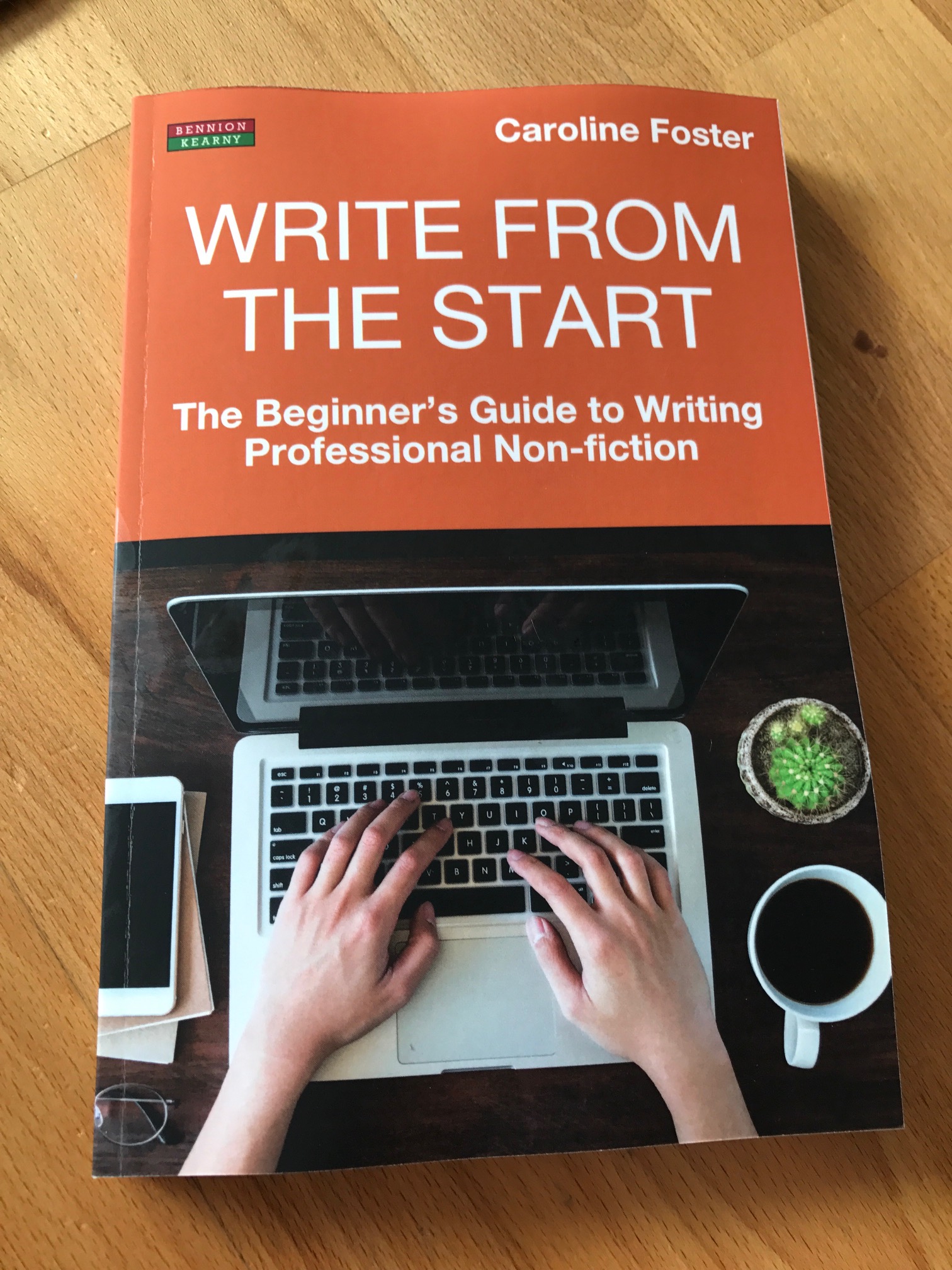
Write From The Start: The Beginner’s Guide to Writing Professional Non-Fiction

Write From The Start: The Beginner’s Guide to Writing Professional Non-Fiction by Caroline Foster

Becoming a writer is hard. To go from beginner to professional means you will need all of the help you can get. This book has a wealth of advice on becoming successful in non-fiction writing. Practical and thorough, it has plenty of advice to help you become a non-fiction writer. Recommended for anyone who wants to write professional non-fiction from a woman who knows her stuff.


Do you want to become a writer? Would you like to earn money from writing? Do you know where to begin?

Help is at hand with Write From The Start – a practical must-read resource for newcomers to the world of non-fiction writing. It is a vast genre that encompasses books, newspaper and magazine articles, press releases, business copy, the web, blogging, and much more besides.

Jam-packed with great advice, the book is aimed at novice writers, hobbyist writers, or those considering a full-time writing career, and offers a comprehensive guide to help you plan, prepare, and professionally submit your non-fiction work. It is designed to get you up-and-running fast.

Write From The Start will teach you how to explore topic areas methodically, tailor content for different audiences, and create compelling copy. It will teach you which writing styles work best for specific publications, how to improve your chances of securing both commissioned and uncommissioned work, how to build a portfolio that gets results, and how to take that book idea all the way to publication.

Comprised of 16 chapters, there is information on conducting effective research, book submissions, writing for business, copyright and plagiarism pitfalls, formatting, professional support networks, contracts and agreements, the value of humour, ghostwriting, and much more…

By the end of this book – full of practical advice and proven results – you will be well on your path to writing success!

> Discover how to write not just good copy but great copy
> Learn the submission techniques that will increase your chances of publication
> Develop ways to earn money by writing about your skills, experiences, and hobbies
> Understand how to write for magazines, the web, businesses, and books
> Master freelance content writing for sites such as Textbroker
> Explore traditional publishing, self-publishing, and eBook options for books you write
> With additional contributions and guidance from other writing industry experts


Publisher Insists Author Writes Her Own Press Release

When author Caroline Foster’s first book, Write From The Start: The Beginner’s Guide to Writing Professional Non-fiction was published by Bennion Kearny, she was somewhat surprised when they asked her to write her own press release.

Bennion Kearny, a publisher of specialist non-fiction titles, explained their logic, ‘Caroline’s book is a comprehensive guide to writing non-fiction; its content contains everything novice and improving writers want to know about writing in this genre, including how to write your press releases and market your book. It seemed an obvious notion – given Caroline’s knowledge and experience in this field – that she would want to write her PR.’

In response, Caroline said, ‘To be fair, I know Bennion Kearny have a team of first class marketing professionals who will do their best to market not just my book but those of my fellow authors on their lists. I understand their reasons for asking to me write my own press release and given the content of my book is about writing, I probably would have been slightly miffed if they hadn’t!’

Write From The Start: The Beginner’s Guide to Writing Professional Non-fiction is a practical must-read guide for newcomers and aspiring writers to the world of non-fiction. Not only does it cover writing, marketing, and publishing books including memoirs, autobiographies, and titles on specialist topics, its chapter list includes writing for magazines, for online markets, and for businesses. Readers will also learn ‘how’ to write and submit great copy that will attract editors and publishers.


About Caroline Foster. Caroline Foster is a writer with more than 20 years of experience writing for national and regional publications on a variety of topics. She is also one of the founding partners of a successful Copywriting, PR and Digital Marketing company based in East Anglia.


Write From The Start: The Beginner’s Guide to Writing Professional Non-Fiction is available here.  


Dulwich Literary Festival 2017 programme announced

Ali Smith, Alan Hollinghurst, Sam Leith, Henry Blofeld, Mihaela Noroc and many others to appear on the main weekend, 10-12 November. Additional events to take place throughout November, including a spooky All Saints Day special with Andrew Michael Hurley, a pop-up at West Norwood Feast and an evening in conversation with Robert Peston.


Dulwich Literary Festival returns this November with a striking line-up of speakers, including celebrated writer Alan Hollinghurst, Man Booker shortlisted Ali Smith, ITV Political Editor Robert Peston, renowned sports journalist Henry Blofeld, The Spectator’s Literary Editor Sam Leith and photographer and social media sensationMihaela Noroc. Presented by award-winning independent bookshop Dulwich Books, events will be hosted at various local venues including Dulwich College, Dulwich Picture Gallery and the bookshop itself. The 2017 programme includes something for everyone, with talks for children, walks for adults, ‘how-to’ workshops and thought-provoking discussions covering everything from sport and literature, to faith and global affairs.


Commenting on the festival programme, Susie Nicklin, owner of Dulwich Books said: “We are delighted once again to bring together some of today’s most celebrated authors, leading thinkers and local writers in Dulwich, to celebrate the best that words have to offer. In times of uncertainty we need to join together in celebrating the things that matter in our communities, whether feasting, worship, education or culture, and books and writers are the perfect way to link them. From Man Booker Prize-winning writers to a creative writing competition for all the young writers of Southwark, there are opportunities for all to participate and engage.”


Stand out events taking place across the main weekend include a unique evening with Ali Smith, who will celebrate the work of author and illustrator Tove Jansson at Dulwich Picture Gallery, a free exhibition of photos by Mihaela Noroc, who became a social media sensation with her images of women taken around the world, and a talk with Alan Hollinghurst, who will discuss his much anticipated new novel, The Sparsholt Affair, with the BBC’s Razia Iqbal.


Inspiring debate at the festival will be Political Editor Robert Peston, who will draw insights from his career in journalism to address the problems of our time and how we might put them right. Catherine Nixey will discuss the controversial findings of her new book The Darkening Age, which suggests early Christianity might be more violent, ruthless and intolerant than first thought. And, as new protest movements rock the political mainstream, Alexei Sayle, Courttia Newland and Francesca Rhydderch willlook back at dissidents who made history, discussing their contributions to a new anthology of stories re-imagining key moments of British protest.


As well as engaging ideas and debate, the festival will offer a number of sessions and workshops for visitors to celebrate pleasurable pastimes and new skills.  Veteran broadcaster Henry Blofeld will discuss a career in cricket with Nicholas Lezard, former National Trust chairman Simon Jenkins will lead a session on Britain’s best railway stations, Peter Fiennes will offer a guided tour of the remnants of the Great North Wood, and Anjula Devi will hold a tasting and book signing at the festival’s West Norwood Feast pop-up to explore the secrets of Indian cuisine.


Helping people to write clearly, correctly and persuasively, The Spectator’s Literary Editor Sam Leith will offer top tips from his latest book Write to the Point, award-winning illustration agency Scriberia will hold an interactive drawing session to encourage people to use images to think and communicate more effectively, and designerSusan Wightman will discuss the art and science of typography.


The festival will also cater for families, with two exciting children’s events and a short story competition for schools across Southwark. Picture book author and illustratorKate Pankhurst, a descendant of suffragette Emmeline Pankhurst, will lead an interactive session on fantastic women who changed the world, including fun role-play and craft activities. Local mums Lucy Reynolds and Jenna Herman will also run a free story-time session at the festival’s West Norwood Feast pop-up, reading from their book Parrots Don’t Live in the City. Expect plenty of squawking.


Tickets will go on sale on the festival’s website from this weekend. For tickets and more information, visit: http://dulwichliteraryfestival.co.uk/


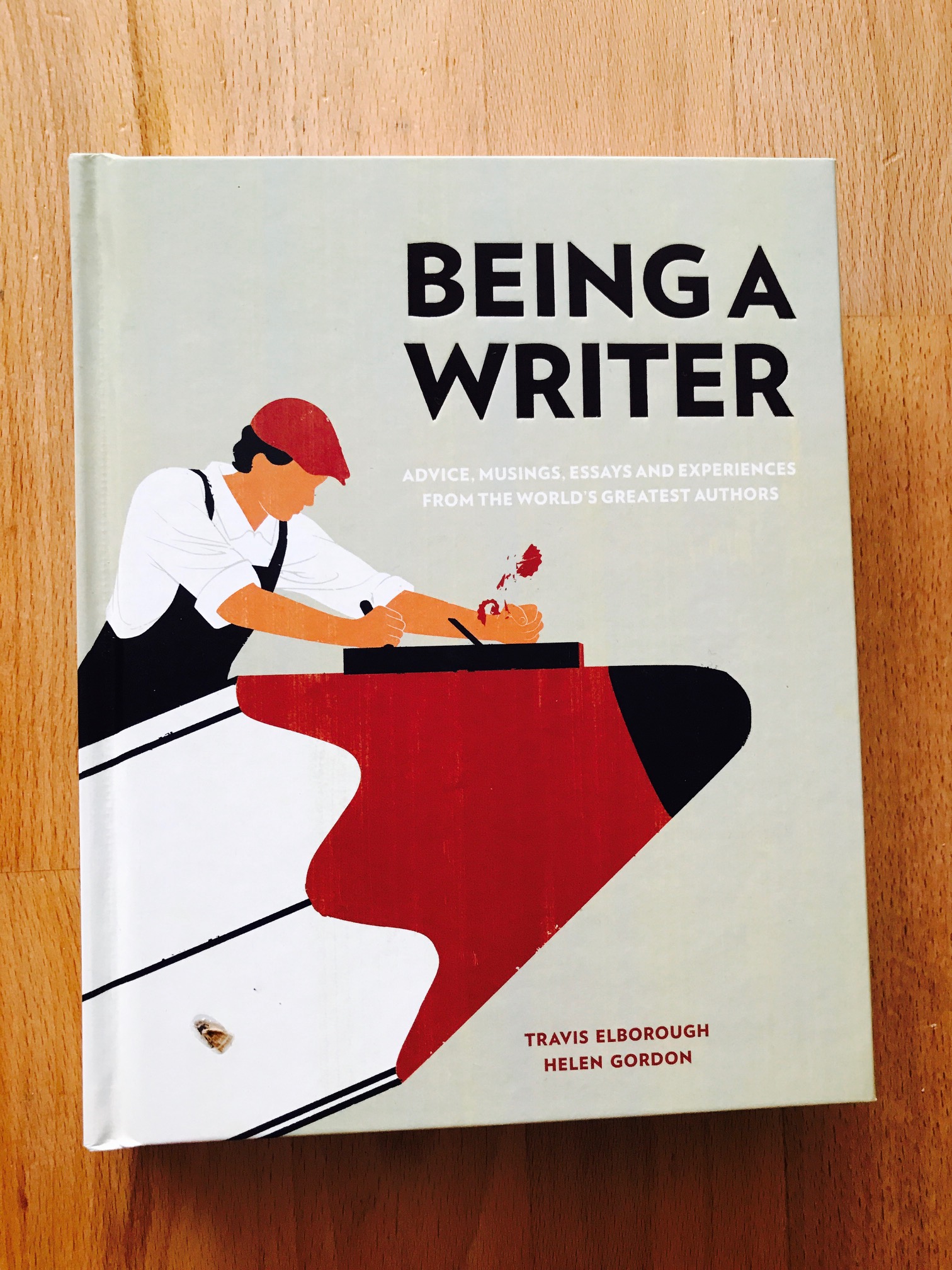
Being a Writer: Advice, Musings, Essays and Experiences From the World’s Greatest Authors

Being a Writer: Advice, Musings, Essays and Experiences From the World's Greatest Authors

‘From a very early age…I knew that when I grew up I should be a writer….Between the ages of about 17 and 24 I tried to abandon this idea, but I did so with the consciousness that I was outraging my true nature and that sooner or later I should have to settle down and write books.’ George Orwell.
The above is a quote from this brilliant book. As a writer I could not put it down. I loved it. It is full of inspiration to keep you going when things are rough, and also when you are procrastinating. Divided into sections of introduction, becoming a writer, methods and means, failing, the art of writing, and a sense of an ending. This book can get you out of a jam and has great advice. It now has pride of place on my bookshelf and I will be dipping in whenever I need a dose of inspiration. An essential book for writers.

The joys and challenges of being a writer are explored in this inspiring assemblage of wit, wisdom and hard-won practical advice from some of the world’s greatest authors musing on the art of writing and how they came to define themselves as writers. From Samuel Johnson in eighteenth-century London to Lorrie Moore in twenty-first-century Wisconsin, the contributors range from the canon to contemporary, covering more than 250 years, and come from all over the world. Beautifully illustrated throughout, this stunning anthology explores and illuminates the pleasures and pitfalls of the compulsion to write, with advice about the whole messy business of writing literature and what it takes to be a writer. The perfect gift for aspiring writers, curious readers, and anyone interested in what the world’s greatest authors have to say about the art of writing.


by Travis Elborough (Author), Helen Gordon (Author), Joey Guidone (Illustrator)

Being a Writer: Advice, Musings, Essays and Experiences From the World’s Greatest Authors is available here. 


Highlights of National Poetry Day 28 September 2017

Wakefield: Poetry on the no 59 Bus

Departing from Wakefield Bus station at 11.21 and travelling along the route to Barnsley
Take your seat for a ride of poetic musing, revolutionary songs and live music from The Merrie City to Tarn and back. Jump on board Bus 59 with The Ukulele Lady and her Boy, musician Jacqui Wicks and poet Ralph Dartford, and experience a journey like no other. All you will need is your fare. This event is part of the Hear My Voice Barnsley Project in collaboration with Wakefield Lit Festival, funded by the Barnsley TUC Training Ltd and supported by Stagecoach.

https://www.wakefieldlitfest.org.uk/events/332-national-poetry-day-on-the-no59-bus


Jill Abram presents Stablemates: A Poetry Salon with Roger McGough, Malika Booker and Kathryn Maris from Penguin Modern Poets

Foyles, 107 Charing Cross Road, London, WC2H 0DT


To celebrate National Poetry Day, we’ll be joined by presenter of BBC Radio 4s Poetry Please Roger McGough, Douglas Caster fellow Malika Booker and Pushcart prize winning Kathryn Maris. The evening will comprise of the poets in conversation with Jill Abram, Director of Malika’s Poetry Kitchen, and reading from their work.


http://www.foyles.co.uk/Public/Events/Detail.aspx?eventId=3431


Poetry Breakfast at L’Escargot

L’Escargot  Restaurant, 48 Greek St, Soho, London W1D 4EF


Poet in the City’s legendary Poetry Breakfast is back, with a twist. This year we’re transforming Soho’s iconic L’Escargot into a trove of poetic treasures.  Behind door number 1, you might find yourself sitting down for coffee with 2016 Forward Prize-winner Vahni Capildeo, maybe you’ll be meeting Jo Shapcott, 2011 recipient of the Queen’s Gold Medal for Poetry; or perhaps you’ll be sharing a croissant with Sabrina Mahfouz, the award-winning poet and playwright behind With a Little Bit of Luck (2016) and literary anthology The Things I Would Tell You: British Muslim Women Write.


http://www.poetinthecity.co.uk/show-event/?pc_event_id=337


Pop Up Poet Session in Glasgow

Mitchell Library, North St, Glasgow G3 7DN

In celebration of National Poetry Day, live poetry sessions will be held by one of the Pop up Poets from the St Mungo’s Mirrorball. Come along and have a coffee or some lunch and hear some poetry from 11.00am – 1.30pm at the Mitchell Library.


Betjeman Poetry Prize

John Betjeman statue,  St. Pancras International Station, London


The Betjeman Poetry Prize celebrates the fantastic achievement of this year’s six young finalists at St Pancras International, on the Upper Councourse, by the statue of Sir John Betjeman. Awards presented by the poet Rachel Rooney and the illustrator Chris Riddell, with readings from the young poets. Event starts at 2pm.


https://www.betjemanpoetryprize.co.uk/


Contains Strong Language

Various locations, Hull


A major new national spoken word and poetry festival in Hull


Starting on National Poetry Day, Thursday 28 September, Contains Strong Language will welcome local, national and international poets, in a celebration of new and existing word craft inspired by our literary city.


https://www.hull2017.co.uk/whatson/events/contains-strong-language/


Business of Books: So Much to Give – Part 2: Jane Cable on how individual authors help charities

Business of Books: So Much to Give – Part 2

Jane Cable on how individual authors help charities

Two weeks ago I wrote about how groups of authors help charities so now I’m going to turn my attention to the valuable input that individual writers can have, both in terms of time and money.


Although many authors band together to organise events others go it alone, using all their creativity to make it work. Historical novelist Victoria Cornwall helped her husband to raise funds for the local Cornish branch of Mind by running a slot car racing competition at a vintage vehicle show. To help attract families to the stand she gave away chocolates and bookmarks promoting her debut novel with Choclit. Did it help with book sales? “In truth, I have no idea,” she admits. “But we were raising money for a charity which supports adults with mental health problems so promoting my novel took a back seat.”


There are writers who donate all or part of their royalties to causes related to their books or close to their hearts. With the author only receiving a small slice of the price paid by the reader anyway, even amounts which sound quite small – like 10% or £1 a copy – are actually pretty generous gifts. Examples where the book fits the charity are Cassandra Grafton supporting the Jane Austen Literacy Foundation through her latest Austen inspired novel, and TV producer turned satirist Gloria Grayson donating to Mutts With Friends Dog Rescue because a dog is the star of her newly released book.


Indie author Emily Williams is so passionate about helping horse charities she is actually writing a young adult novel specifically to raise money. It’s an ambitious project and very much a work in progress, but she’s determined to succeed, even perfecting the art of making origami horses to feature on the cover.


Other writers give their time to mentor (psychological drama writer Amanda Reynolds volunteers for The WoMentoring Project) or give motivational talks; former soldier, police officer and crime writer Matt Johnson helps other veterans in this way and is a great example that with the right treatment PTSD can be controlled and overcome. Author and media doctor Carol Cooper will blog to support charities and waive her fees for articles to support good causes. For writers – and for many charities, time is as precious as cold, hard cash.


I would wager that most writers do something, however modest. Val Portelli (who writes as Voinks), typically plays down her own contributions: “The only things I’ve done are donate copies of my books as a prize for a fund raising campaign to keep a library open, send copies to a book shop struggling for stock after a devastating area flood, and donate some copies to an old people’s home where a friend worked as a carer.” That really doesn’t sound too much like ‘only’ to me.


But for some, the urge to help takes over their lives. Claire Louise Brown’s latest book has Inspired her to set up a charity to build a recuperation centre for veterans. “It’s early stages but hopefully one day what is in the book will be real and helping people every day,” she explains. Freelance writer and teacher Anne Hamilton made that dream real after she visited Bangladesh working for an NGO and wrote a travel memoir about it. This was the starting point for her involvement with Bhola’s Children, a charity which provides a home and school for orphaned and disabled children. She is a trustee and visits Bangladesh regularly. Find out more about the charity here: http://www.bholaschildren.org/.


Selina Siak Chin Yoke On Becoming a Writer

I began writing out of desperation and a cherished dream. While recovering from breast cancer, I went into a chemo-induced depression without realising it. I had no idea what was wrong, only that the ground beneath me seemed to have collapsed. Months passed. When I still found no equilibrium, I went to see a counsellor at the cancer charity, MacMillan, who suggested a bout of creative writing.

Not long afterward, I recalled a dream I’d once had – of writing a novel loosely inspired by my great-grandmother who I had never met. Stories were re-hashed endlessly in my family about this formidable woman who, despite being uneducated, started a business at a time when few women in Malaya did so. She always seemed larger than life – a true role model in a profoundly patriarchal culture.

I began my writing project by doing research. I knew that what I wanted to write was a novel based on real historical events, possibly even on events which my own family had experienced.

Armed with the detailed outline of a story, I planned a trip to Malaysia. I pored through newspapers in the National Archives and interviewed anyone who would talk to me about the old days. Some who gave their time were family members: aunts, uncles and cousins, but a few were people I barely knew. Amazingly, I came across people who had actually met my great-grandmother. Their anecdotes provided a wonderful tapestry which fuelled my imagination further.

Spurred on by Malaysia’s heat and its panoply of aromas, sounds and colour, I began writing the first draft of The Woman Who Breathed Two Worlds, my first novel. The story follows the life of a mixed-race woman during a time of rapid change in Malaya. It is a complex and rich story about cultural identity, set in my hometown, Ipoh. As I described the modernisation of the town and how the protagonist tries to retain her cultural traditions in her rapidly Westernising world, I realised I was telling not only her story but the story of her country, Malaya.

In this way, the Malayan Series was born. My new novel, When the Future Comes Too Soon, follows on from the first book, but the two can be read independently and are very different. In this second novel Malaya is at war. There is a new protagonist, Mei Foong (the daughter-in-law of the heroine in the first book), who is thrown into a world gone mad. Somehow, she must find ways to keep her family alive. How she goes about this and what happens to her and her family lie at the emotional heart of the novel.

Their story is as much about betrayal, in its many forms, as it is about survival and love and what courage means. Sometimes, it takes extreme circumstances for people to discover what they’re made of. This is the case for Mei Foong, who finds her inner steel through war and suffering.

Selina Siak Chin Yoke’s When the Future Comes Too Soon is published byhen the Future Comes Too Soon and out now