Health Benefits of Quitting Smoking

Depending on the level of addiction, some people find quitting smoking easier than others. Once you have gotten rid of the cravings and cough, you will be well on your way to a healthier lifestyle.

The method of quitting varies dependent on the person. One may find that they can just simply not smoke without much mental recourse. Another person might benefit from smoking cessation medication. Others may find it more useful to switch to vaping, such as with tobacco e liquid from 88vape, to begin their quitting process from the toxins, while still retaining the nicotine. 

Regardless of the method chosen, it cannot be denied that quitting smoking has a tremendous effect on the level of health of a person, and is always recommended.

Dental Benefits

Smokers are more likely to suffer with problems in their teeth. These can range from bad breath to an increase in cavities, as well as an increased risk of oral cancers. One of the other commonly seen problems involves staining and yellow tinting of the teeth. 

Quitting smoking can help to prevent any further damage to the teeth. A dentist would not be able to erase the damage caused, but the sooner you quit, the more they will be likely to be able to repair your teeth, and the cheaper the treatment could potentially be. You will also be reducing your risk of developing the aforementioned oral cancers and, therefore, increasing your potential lifespan.

Lung Benefits

After just 8 hours of not smoking, your oxygen levels will start to normalise. By continuing to refrain from having cigarettes, you can then start to remove all the toxins from your lungs. In a mere three days, it is possible for your oxygen levels to start to rise, meaning you will find it easier to breathe. The knock on effect from this is that you can also feel more energised than you did when you were still a smoker. 

At 3 to 9 months smoke-free your lung function can be up by 10%, so the ability to breathe becomes easier still. Then, on reaching 10 years free from smoking, your risk of developing lung cancer will be at half of what it was when you still smoked.

Skin Benefits

Your skin can also be severely affected by your smoking habit. Not only does smoking cause yellowing, particularly of the fingers that most often hold the cigarette, but also premature ageing and early wrinkles and sagging in the skin. Quitting smoking can help to improve some of these changes, and make you look far more youthful than before.

Quitting smoking is undoubtedly the best option for you, whether you smoke 2 or 20 a day, and regardless of how long you have been smoking. There are many other healthier habits you could choose, rather than one that simply costs you money, makes you smell, and shortens your life. Giving up any addiction is never a walk in the park. There will be disappointments and relapses, but don’t be discouraged. Make use of the stop smoking medications available. However, even if you quit smoking, your lungs may still need a boost for detoxifying, and a good way to help them is by adding a lung health supplement to your diet. The benefits of finally going smoke-free will make a big difference to your health and social life at large.’ Speaking to a medical professional can help you find your way to a smoke free lifestyle.

Collaborative post with our brand partner.
 

Tips for squeezing the best out of the last few months of 2020

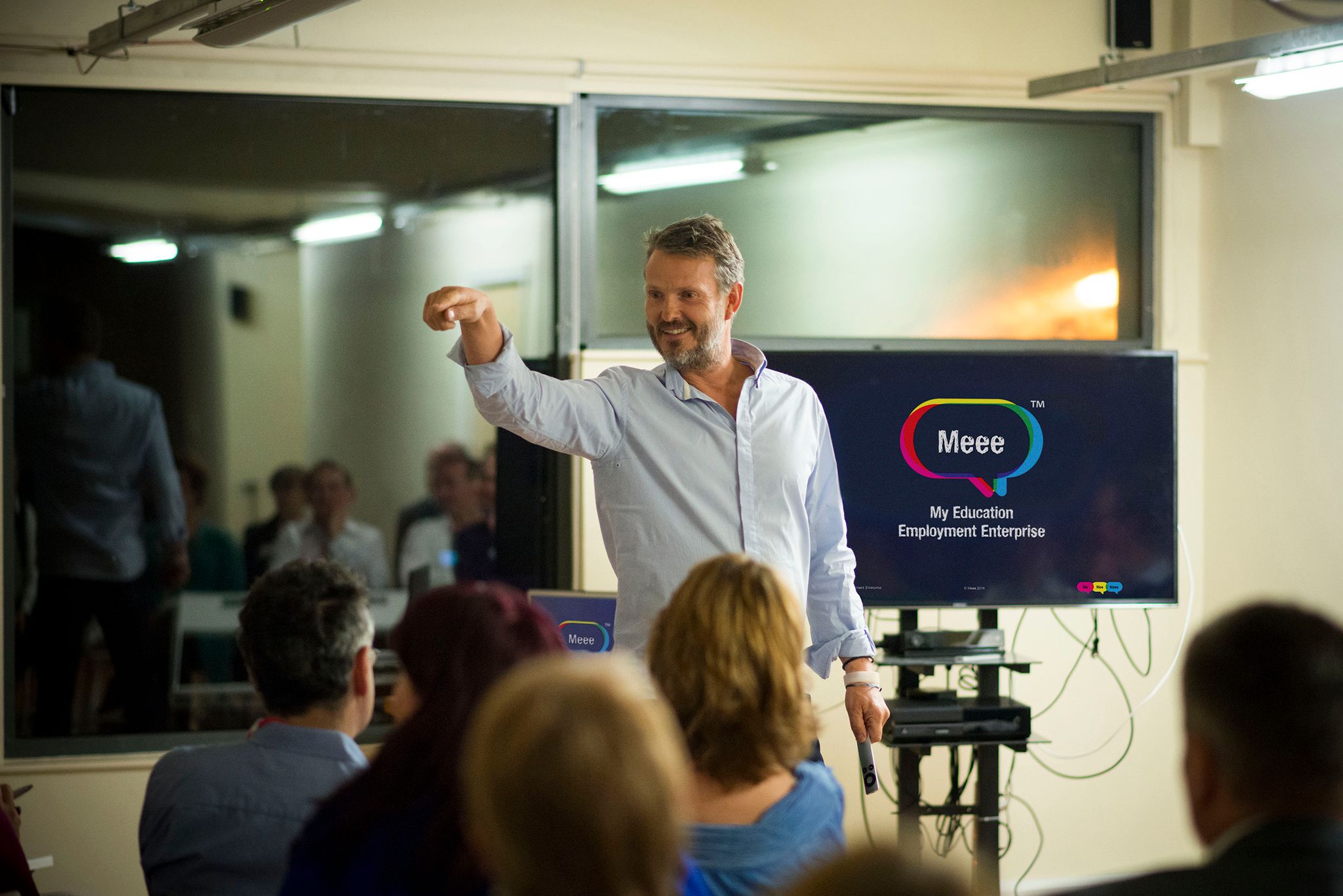
By Sid Madge, author of the ‘Meee in a minute’ series of books 

2020 is proving to be the toughest year that most of us can remember. We’ve got through so far and can now look at how to adapt and get the most we can from the remaining few months of this year.   

According to a YouGov poll only 8% of Britons want to go back to life as it was before the pandemic.  

Let’s create something better for everyone instead of some watered down ‘new normal’. The first step for squeezing the best out of the rest of 2020 is to embrace uncertainty. There isn’t going to be some miracle vaccine by December, so what do we do now and for the rest of the year?  We grab the remainder of the year by the scruff of its neck and focus on changing for the better. 

Your Innate Growth Mindset

Stanford psychologist Carol Dweck became obsessed with understanding how people cope with failures and setbacks. Initially her research looked at kids and how they reacted to puzzles they couldn’t solve. The outcome of Dweck’s research is now world famous and she proposes that our success and happiness in life comes down to one thing – mindset. According to Dweck there are two – fixed and growth.  

Individuals with a fixed mindset, have a fixed idea of what they are capable of, believing that what they are born with is the finish line. They tend to be more defeatist. Those with a growth mindset believe that what we are born with is just the beginning. What we are capable of is determined by our own aspirations, effort and determination. 

Interestingly, Dweck believes we are all born with a growth mindset. We get trained out of it. We’re taught that failure is unacceptable – even though all great success comes through failure not by avoiding it. If ever we needed to re-assess that growth mindset it’s now. 

Take a minute to consider whether you have a fixed or growth mindset?  Has Covid-19 made it more fixed as you sink into a gloom? If you imagine you had a growth mindset instead – what would you do? Looking at your life and the rest of 2020 – what could you try? What have you always thought of doing but never got around to it? Lean into the uncertainty and adapt. Use it as a springboard to try things you’ve been putting off. Is there a different market you could approach? Stay curious, flexible, and open. 

Changing Your Today to Change Your Tomorrow

What have you done today? Is that getting you closer to your business and life goals or further away? If you want a different tomorrow so you find a successful way through the pandemic, you need to take steps to change what you do today. 

Stop for a moment and reflect on how you spend your time. When did you get up this morning?  How much TV do you watch?  How much time do you spend on social media? How much time do you spend learning something new? Do you spend time with family or friends?  Are those exchanges enjoyable or stressful? How much time do you spend on your health?  How much sleep do you get most nights? 

Take a minute to draw a circle and divide it up into slices that represent how you spend your time during a typical day. Now draw another circle and divide it up to represent how you would like to spend your day. If you spend a lot of time at work but don’t enjoy it, what could you do today to find a something that you might enjoy more? Or what could you change at in work/home life today to improve your day? Identify the things you like or can live with and the things that you don’t like and can’t live with. How can you change the aspects of your day that bring you down? 

Often, we don’t need to make big sweeping changes.  Subtle little shifts can accumulate to bring about change.  

Growth from Trauma

In 1967 psychiatrists Thomas Holmes and Richard Rahe developed a list of 47 stressful events that could impact health and happiness. The assumption is logical – we get more stressed when bad stuff happens to us, start accumulating stressful experiences such as a job loss, illness or divorce and you are more susceptible to physical illness, disease and depression. Global pandemics and economic uncertainty don’t help either.

However, the fly in their theoretical ointment was the fact that not everyone who experienced really tough life events were negatively impacted by them. On the contrary, some of those people actively flourished. This field of study is called post traumatic growth or adversarial growth and studies have shown that great suffering or trauma can actually lead to huge positive change. For example, after the Madrid bombings of 2004 psychologists found that many of those affected experienced positive psychological growth. A diagnosis of cancer and subsequent recovery can also trigger positive growth. 

The people in many of these studies found new meaning and new purpose from surviving something terrible. Instead of seeing their situation as a failure or a problem they believed it could make them stronger. How can you use Covid-19 to find new meaning and positive growth?

Take a minute to think about exactly what you are worried about most in your life and identify one thing you can do about it right now. Set that in motion. What positives could you pull from the turmoil? Get creative – think of at least three positives that Covid-19 could give you. It might not be fun but if you can find the silver linings you can often move on quicker.

These suggestions are pulled from my Meee in a Minute books, each offering 60 one-minute micro-ideas and insights that can help us to shift our perception in life, family and at work.  We can all use tiny interventions to adapt and change and make the very best we can of the months ahead. 

ABOUT THE AUTHOR

Sid Madge is founder of Meee (My Education Employment Enterprise) which draws on the best creativity and thinking from the worlds of branding, psychology, neuroscience, education and sociology, to help people achieve extraordinary lives.

To date, Meee has transformed the lives of over 20,000 people, from leaders of PLC’s and SME’s to parents, teachers, students, carers, the unemployed and prison inmates.

Sid Madge is also author of the ‘Meee in Minute’ series of books which each offer 60 ways to change your life, work-, or family-life in 60 seconds. 

Web: www.meee.global

Web: www.meeebooks.com

Twitter twitter.com/Meee_HQ
Facebook https://www.facebook.com/MeeeHQ/
Instagram www.instagram.com/meeehq
YouTube https://youtu.be/fISupZWZMQc
TEDx https://www.youtube.com/watch?v=bR3Cyjs62c8


Secrets to Slim Legs Revealed By Women’s Fitness Expert

Australian Fitness Expert Rachael Attard Shares
Proven Strategies for Achieving Lean, Toned Legs

– Personal Trainer Sheds Light on Six Common Mistakes Preventing Fitness Goals –

Australian personal trainer and nutritionist Rachael Attard is successfully tackling a point of frustration for active women across the globe – how to achieve toned, lean legs. The trusted fitness expert is sharing her six proven reasons why legs don’t slim down despite regular exercise and a healthy diet, including common mistakes and how to avoid them.

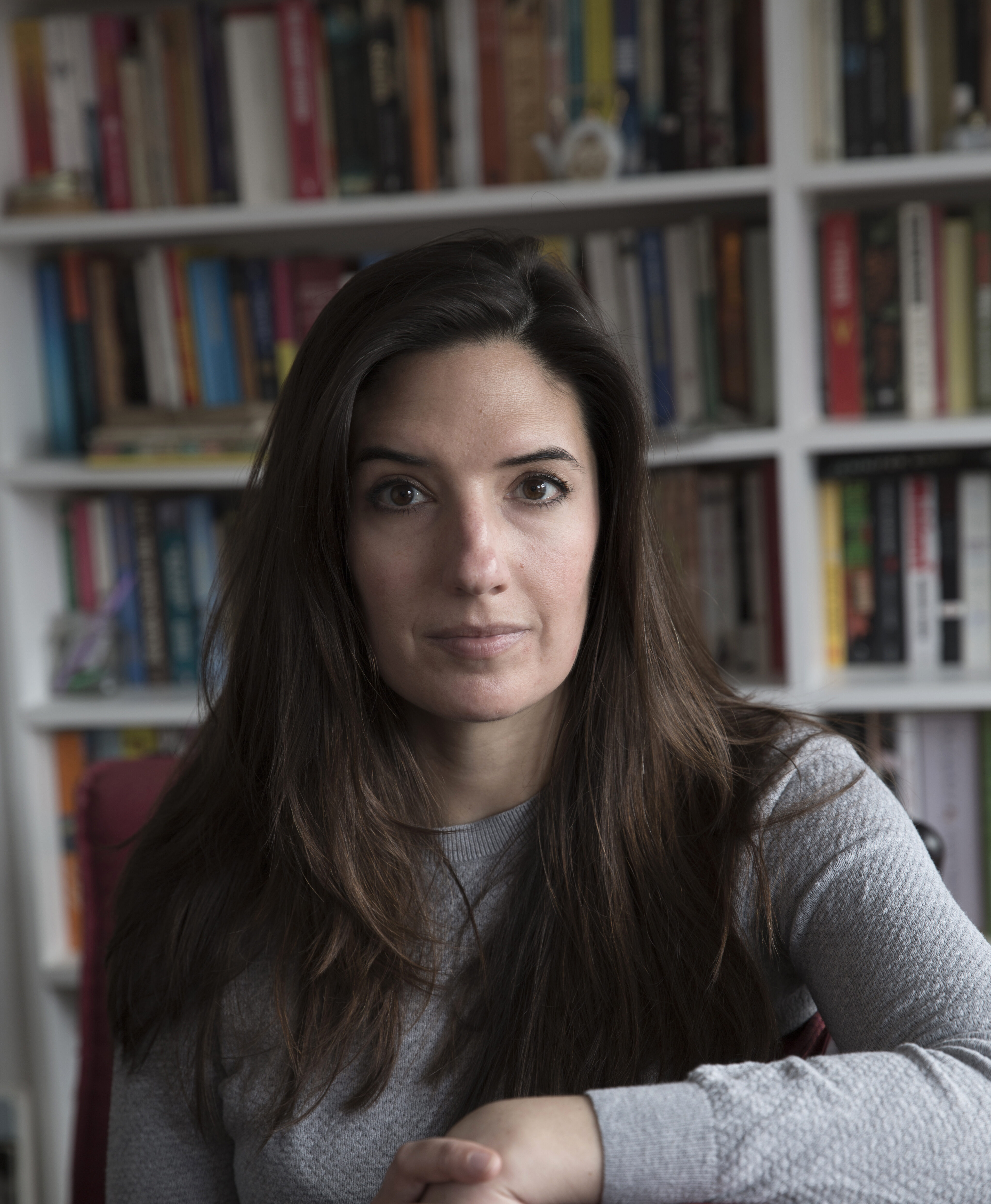
“I hear from so many people that they’re training hard, eating well and focused on their fitness goals, but their legs aren’t getting slimmer,” said Attard. “Legs are the hardest area to slim down for most women. It’s easy to go down the wrong path when trying to achieve leaner legs, but a series of mistakes including doing the wrong types of workouts or not eating enough are likely to blame.”

According to Attard, mistake No. 1 is that you could be doing the wrong workouts.

“I see a lot of women solely focusing on doing heavy squats and lunges,” Attard said. “While those exercises are great for overall fitness, they won’t necessarily help slim down your legs if that is your main goal. I recommend switching it up and focusing on a mixture of cardio and resistance workouts along with walking.”

Cardio will help you drop body fat faster and resistance workouts will help you build muscle and burn more calories.

Mistake No. 2 is overtraining your legs, with women assuming that focusing on the legs as a problem area is the smart choice. The fact is, according to Attard, you can’t spot reduce fat from specific areas of your body through resistance training. This is an impossible effort, with results achieved much quicker and easier by adopting total body movements that work every area of your body equally, such as burpees and mountain climbers.

Not getting enough cardio is mistake No. 3 on Racheal’s list, which is a key element of achieving slim, toned legs. “Cardio is definitely not dead”, says Attard when it comes to slimming down your legs effectively.

At least 30 minutes of cardio daily is recommended for the best results, which Attard says can consist of simply walking.

“A lot of people don’t consider walking an exercise, but it’s one of the most effective exercises for lean legs, as it rids the body of overall excess fat including your inner thighs,” she says.

Attard is a big proponent of walking and advises starting each day with a 5K walk and incorporating as many steps into your day is at the top of her list of ways to achieve slimmer legs.

Overeating is mistake No. 4, which Attard attributes to most women not tracking their daily caloric intake and actually eating more than they realize. She recommends calculating your ideal daily amount of calories online, and eating approximately 200/250 calories less than that number without going below 1,200 calories per day. Conversely, not eating enough is mistake No. 5. In the same way you sabotage your fitness goals by overeating, under-eating can actually result in bigger legs. This is attributed to the fact that calorie restriction reduces your metabolism, which makes it harder to burn extra calories.

Finally, mistake No. 6 on Attard’s list is overall health and lack of awareness of a broader health issue that could be restricting your fitness success. This could include hormonal imbalances that cause weight gain and make weight loss harder to achieve, which can be helped by consulting a doctor or naturopath.

Rachael Attard is a certified personal trainer and nutritionist who holds a Bachelor of Science degree from the University of Queensland, a Cert III and IV from the Australian Institute of Fitness, and a Certificate in Sports Nutrition from the International Society of Sports Nutrition. Her 3 Steps to Lean Legs Program was developed from her years of training women and helping them feel good in their skin, and fall in love with exercise and their bodies.

Additional details about Rachel Attard’s 3 Steps to Lean Legs Program can be found online, at https://www.rachaelattard.com. The website includes access to the program, a free body type quiz, insightful blog posts and more.

Working adults in their thirties are on track to be the wealthiest generation

Working adults in their thirties are on track to be the wealthiest generation – after research found they earn the highest salary, save more and have the most disposable income.

A study into how much money the average person ‘has’ in each decade of their life revealed those aged 30 to 39 earn an average of £32,561 a year, and typically save £309 a month.

They also have the most disposable income – an average of £382 a month – and have less debt than 50-somethings – £7,196 compared to £8,315.

The study of 2,000 adults, commissioned by Equity Release Supermarket, also found that those in their thirties have an average of £10,326 stored away in savings.

Mark Gregory, founder and CEO of Equity Release Supermarket, said: “Our study revealed that while those in their thirties are impressively thrifty in their approach to money and savings, adults aged 40-49 who have had more time to save are slogging along with just £11,039.

“We know first-hand that many parents and grandparents would like to support their younger family members in their later life, whether that be with university fees, property, or other financial support.

“However, the research highlights that this may not be possible for several people in their 40s, 50s and 60s, which is where equity release could come into play as one potential solution.”

The study also found that regardless of how much is in the bank, the ability to be ‘good’ with money seems to improve with age.

Of those aged 60 and over, eight in 10 believe they are good at handling their money compared to 69 per cent of those in their twenties and 73 per cent of people in their thirties.

But 59 per cent of 20-somethings reckon they are good at saving, compared to 61 per cent of adults aged 60+.

The most common reasons people aged 60 and over believe they have good money habits simply comes from knowing how much is in their account (68 per cent) and knowing exactly where they spend their money (72 per cent).

It also emerged that when it comes to breaking down exactly what each age group splashes their cash on,  those in their twenties are most likely to spend their money on clothes, streaming services, takeaways and going out for dinner or drinks.

But adults aged 50 and over are more likely to be forking out for their energy bills, paying for petrol, the weekly food shop and insurance.

Despite having a healthy attitude towards finances, 53 per cent of those aged 60 and over still worry about money.

More than four in 10 put it down to the fact that they don’t want to get into debt, and a fifth agreed it’s because it’s one of the most stressful things in life.

Although a quarter worry about their income and outgoings because they enjoy living a comfortable lifestyle, and don’t want that to change.

But three in four adults aged 60+ believe they will always have some worries about money, no matter how much or little they actually have.

And 77 per cent admitted they find themselves fretting over how much they have pocketed for their retirement, according to the OnePoll findings.

Half of people aged 60 and above have money for the future put away in their pension and cash savings, while a fifth are relying on investments to keep them going in later life, and 14 per cent are considering downsizing.

Mark Gregory, from Equity Release Supermarket, added: “You spend your entire life building up savings – whether that’s in your pension, cash savings or investments like property – just so you can relax and enjoy your later life retirement years.

“But that doesn’t stop people worrying about money throughout this entire cycle.

“There are plenty of ways to give yourself that added bit of reassurance and equity release is just one option.

“Many people don’t understand the features and benefits of equity release as a possible solution to support retirement, enabling them to subsequently fulfil their financial wishes.

“When we’ve worked so hard to put money away, it’s always good to know there are other options available.

“While it’s not the only option to raise capital for an enhanced retirement, equity release could be beneficial and should always be considered with the right financial advice.”

Breakdown of ‘wealth’ by decade:

Current cash savings

20s – £7,232.11

30s – £10,326.33

40s – £11,039.59

50s – £16,704.68

60+ – £20,588.30

Salary

20s – £23,920.13

30s – £32,561.51

40s – £32,175.52

50s – £28,771.27

60+ – £25,771.91

Debt

20s – £15,950.99

30s – £7,196.98

40s – £7,017.62

50s – £8,315.31

60+ – £4,654.33

Disposable income per month

20s – £269.49

30s – £382.85

40s – £364.25

50s – £362.64

60+ – £382.58

Money put away in savings each month

20s – £243.73

30s – £309.36

40s – £282.28

50s – £259.60

60+ – £264.17

Looking After Yourself While Isolating at Home

home, house

Many of us were growing sick of the self-isolation and were looking forward to things going back to normal. Unfortunately, as explained in an article by The Telegraph, the government’s plans to slowly ease lockdowns across the UK have had to be immediately halted as various cities have seen a significant spike in the number of active cases being reported daily. As of writing, the average number of new cases per day in the UK is 816, based on an article by The Guardian.

This means that Brits are now being forced to go back into the comforts of their homes and self-isolate once again. Many of us are well-aware of just how difficult self-isolating can be — especially if you have been doing it for more than four months now. This undeniable difficulty is the reason why it is all the more important for each and every one of us to take the time to care for ourselves as much as we possibly can. If you are one of those people who are still looking for ways to take better care of yourself, here are easy-to-follow tips you can take inspiration from:

Have a skincare routine

Dermatologist Dr. Heather Woolery-Lloyd explained how investing in a skincare routine not only helps treat skin conditions that often cause a lot of people to lose confidence but also encourages many of us to engage in an activity that promotes self-love, self-acceptance and healing. Contrary to popular belief, skincare routines don’t always have to be intricate or expensive. Sometimes you just have to have the best moisturizer with sunscreen. The best SPF moisturizers reviewed by Forbes are often labeled “broad-spectrum” since these are great in blocking both types of UV rays – thereby preventing signs of photo aging, as well as minimizing your risk of getting skin cancer.

Learn to pleasure yourself

For many people, being stuck at home translates to being apart from their significant others for long periods of time, and without a doubt, this can be extremely frustrating. If you are one of those people, then maybe now is the right time for you to consider using toys that can help you reach your peak. Aside from helping you ease some of your frustrations, Bustle detailed how pleasuring yourself can actually help you deal with anxiety and depression, practice mindfulness, achieve a better self-image and feel more empowered. Sometimes picking a toy can be incredibly intimidating, especially if the idea of using one is foreign to you. In this case, it would be a good idea to use toys that are very handy, are not intimidating and come in discreet sizes and shapes. The bullet vibrators listed on PrettyMe include cute pieces that could even pass off as one of your lipsticks, making it perfect for those who are a little more conservative than others.

Eat healthy

As the old saying goes, you are what you eat. And during these trying times, this adage is truer than ever before. Aside from keeping you physically healthy, eating the right kinds of food can also significantly contribute to making you feel better and improving your mental wellbeing. For instance, as highlighted in our previous post ‘Five Reasons to Maintain a Healthy Gut’, foods that promote gut health can help alleviate the symptoms of various mental health issues such as anxiety, depression and period of low moods – which can all be debilitating at times. Some of the mood-boosting foods enumerated by The Healthline include fatty fish such as salmon and albacore tuna, as well as dark chocolate, fermented foods, berries and plant-based proteins such as lentils and beans.

We are currently living in a world where nothing is certain. And sure enough, this new reality can cause bouts of anxiety for many. This makes it especially important for us to zoom in on participating in activities, such as having a skincare routine, eating healthy and learning how to pleasure oneself, which can promote self-care and help us live through these trying times.

Post in collaboration with Martin Wilson

How Women Live with Fear and ‘Don’t Turn Around’ by Jessica Barry


Melissa Pimentel - Random House, author, writer, How Women live with fear and ‘Don’t Turn Around’ by ,Jessica BarryHow Women live with fear and ‘Don’t Turn Around’ by Jessica Barry – published by Harvill Secker at £12.99

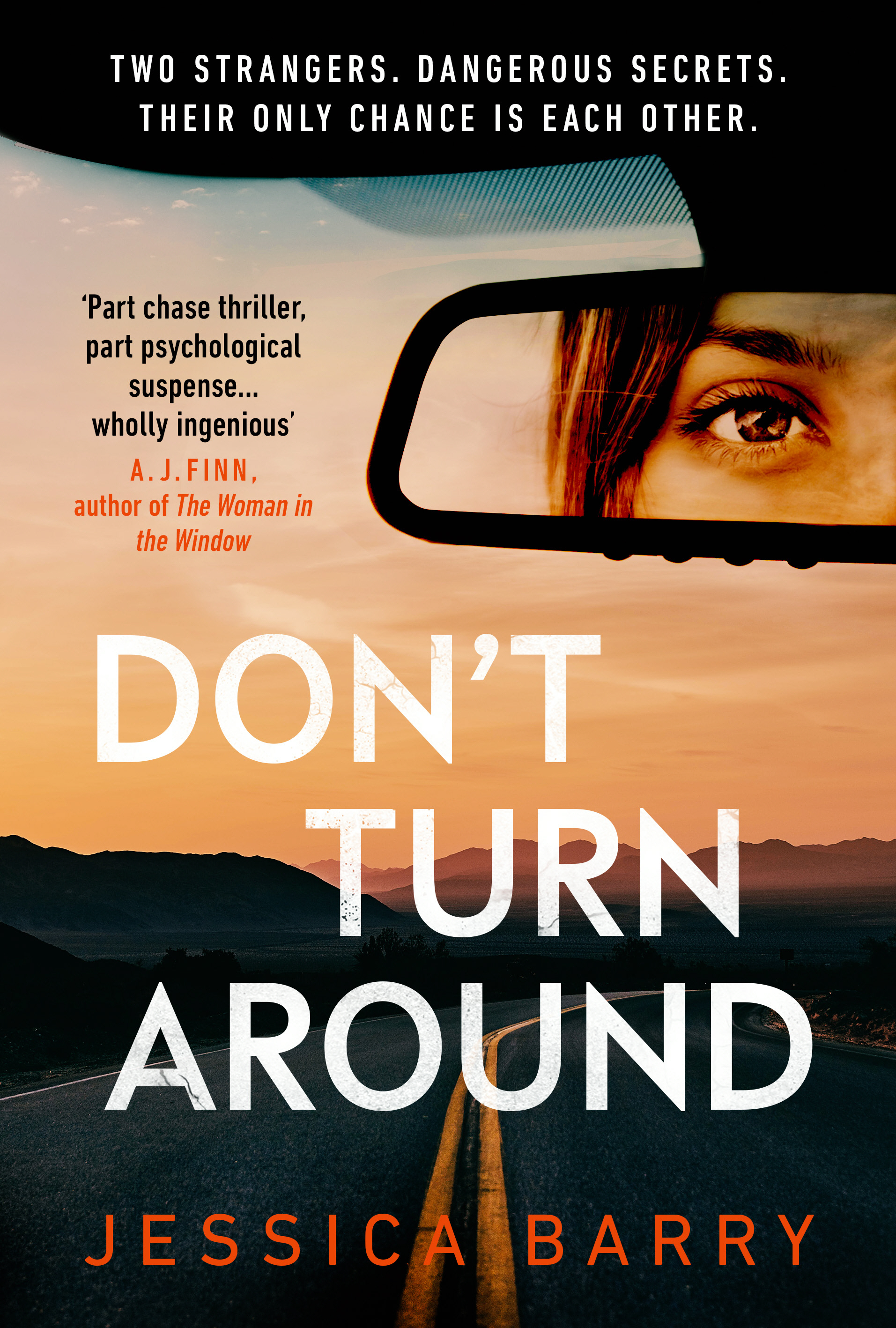
I wanted to explore the female-specific relationship to fear in my new novel, Don’t Turn Around. The novel opens with Cait and Rebecca driving through the night on a deserted road. Their destination is unknown. Out of the darkness, a pair of headlights appear, intent on destruction. The two women – who, up until that night, were strangers to each other – are forced to dig into their pasts to understand who might want to kill them. 

The answer, as most women know, is not straightforward.

Is it someone from their past? Their present? Is it a complete stranger with a thirst for blood? 

Cait has experienced the full terror of online abuse first-hand. An article she wrote about a bad date was met with vitriol, and she became a figure of hate on ‘men’s rights’ chatrooms. She receives death threats from total strangers. Worse still, her home address was published on the internet without her consent, so anyone who wanted to make good on those threats can find her. Is it possible that an online troll has finally tracked her down in the flesh?

Rebecca is the wife of a prominent politician in conservative Texas. She’s spent years playing the happy campaign life, but now she finds herself in a desperate situation. Her husband has turned against her, and there’s no one she can trust to get her across the Texas state line. She has to rely on a stranger – Cait – to shepherd her to safety. But there’s no guarantee that her husband hasn’t had her followed.

What about the man at the diner who stared at them so openly? Or that strange man at the gas station? Danger lurks around every corner. The world bristles with possible menace. 

Every day, women live with fear. It’s a low-level constant, familiar as breath. We mitigate it, negotiate with it, rationalize it. We make thousands of tiny calculations and calibrations on its behalf. Is that man following me? Should I turn around and face him, or should I run? Will my shoes let me run fast enough, or should I take them off? If I scream, will it scare him? Or will it just make him angry? Is there anyone around who would hear me?

For women, the potential for danger is everywhere. Walking through an empty parking lot at night. Going for a run. Sitting alone at a bar, or in a park, and a stranger approaching you. A guy standing a little too close behind you in line at the grocery story. The car that followed you ten blocks, horn blaring, because the driver thought you cut him off.  The moment you post on social media expressing a political preference, or a divisive idea, or critique. The sickening drop a few minutes later, when the first commentator calls you a bitch.

The statistics speak for themselves. Over half of women in the US have experienced physical violence. A quarter have experienced physical or sexual assault at the hands of an intimate partner. One in five women are raped in their lifetime. One in six women are stalked. 

Things aren’t much rosier in the digital world. One study found that seventy-two percent of online harassment victims are women. Individuals using female-skewing usernames are sent threatening or explicit content twenty-five times more often than those with male-skewing or ambiguous usernames. Close to two-thirds of female journalists have been threatened, intimidated, harassed or been subject to sexist abuse online. 

Of course, men are also the victims of violence and harassment: I’m not pretending otherwise. But I think that that women view the world through a specific lens coloured by the constant potential for danger. 

Ask a man what precautions he takes before going out for a run in the morning and you’ll likely be met with a confused look. Ask a woman and she’ll tell you about pre-planned routes and high-traffic areas and the importance of keeping your headphones at a low volume so you can hear someone coming up behind you. These seemingly-minor decisions shape how we move through the world. 

To live as a woman in this world, the question isn’t so much ‘What if something happens’ but ‘When? Where? How? Who?’ And the answers are ‘Anytime. Anywhere. Anyway. Anyone.’ 

Anyone could be behind that pair of headlights. Anyone could be waiting for us around a darkened corner, waiting to strike.

So far, so dark: I know. But there’s a silver lining in all this, and that’s the way that this fear bonds women together and, in a way, it’s what makes us who we are. You know that old cliché, ‘feel the fear and do it anyway’? That’s a way of life for us. Those mental calculations make us sharper. Those keys clutched between fingers make us tougher. Those close calls and rough scrapes and stories of survival make us stronger.

In order to survive their night on the road and make it to safety, Cait and Rebecca will have to work together. They’ll have to draw deeply from their experiences and from their personal strengths, and above all, they’ll have to learn to trust each other. 

Lucky for them, they’ve had a lot of practice at the art of survival. 

5 Collectibles That Become More Valuable

wine, wine review, roséPeople who don’t collect items may believe that the primary reason for doing so is to make some money. Collectors would get their hands on rare items and over time, they would increase in scarcity even more and go up in value before being sold to the highest bidder for a tidy profit.

This is most likely quite far from the truth, as most collectors do so for the sheer passion they have for the item in question. Their pleasure comes from curating a vast stock of treasured pieces that other collectors in the same field might be envious of. It’s having the ability to talk to others in the community about where your collection is up to, what you want to get your hands on, and what is surplus to your requirements. It’s taking the time to scour your favourite sources for new finds and treating them with the respect they deserve.

It would, however, be remiss not to mention the fact that certain collectibles do indeed become more valuable over time. Let’s take a look at the 5 key categories that do so…

  1. Stamps – these remain one of the most popular items to collect thanks to their long history and huge variety. Over time, certain materials degrade (which would certainly be the case for stamps), items get lost, etc, so having a particularly old one and maintaining its quality would see its value increase over a long period of time.
  1. Coins – again, another popular collector’s item can feature coins from hundreds of years ago and also from all over the world. Carelessness and extended periods of time always increase the rarity of items which subsequently increases their value.
  1. Anime merchandise – items such as anime figures or comics are highly desirable to collectors because they are so striking. Original figures are made in limited quantities too, so they are exclusive from the outset. When characters die off or change the design, it immediately makes pervious merchandise more valuable as no more of it will be created. As anime collections grow in popularity too, more people than ever before are trying to source the same items which can create a bidding war.
  1. Trainers – fashions come and go but when it comes to trainers, some will never go out of style. Manufacturing and design techniques can require a lot of effort and when only a limited number is available, it makes them more desirable. All you need is something to become ultra-cool again or for an influential person to wear them and you’ll find they become even more expensive!
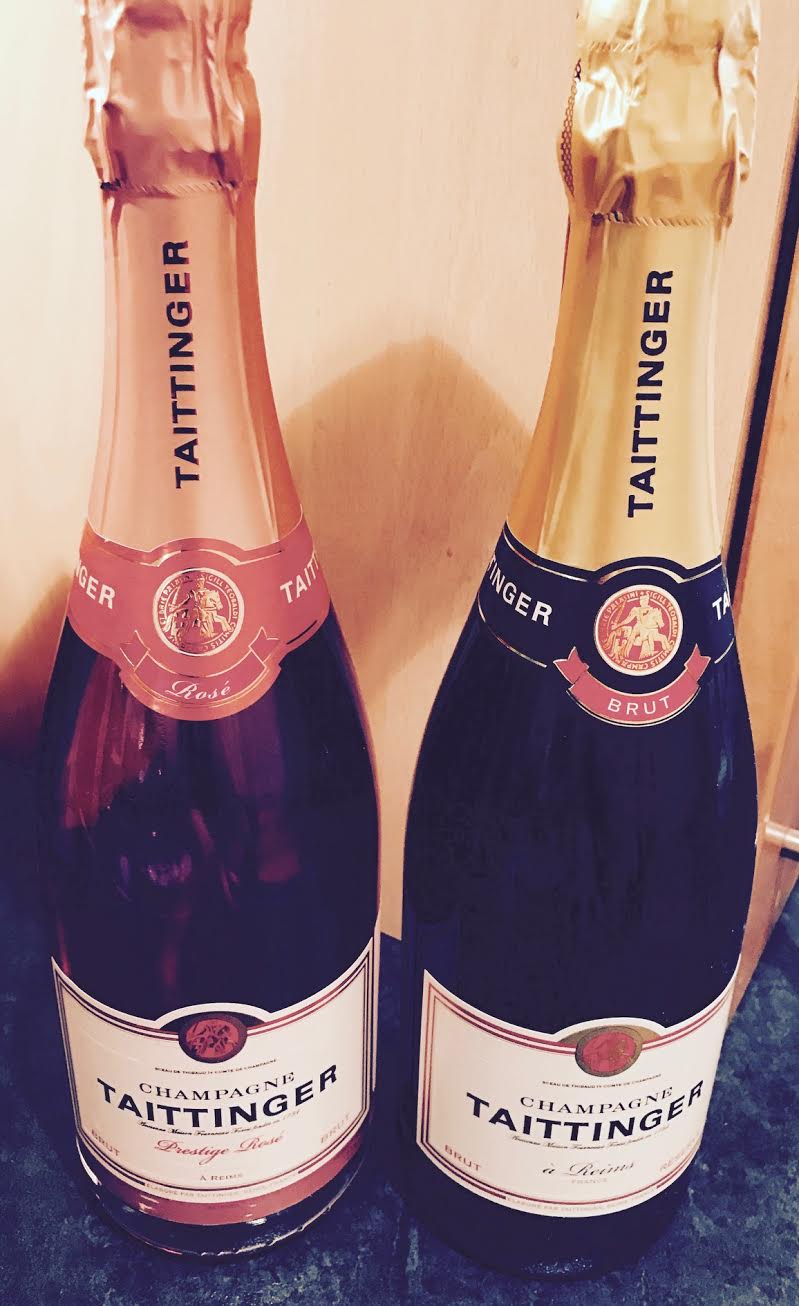
  1. Fine wines – the reason a wine would be deemed fine is not only thanks to the vineyard it comes from, the grape used and the manufacturing process but is also down to the weather too. That’s right – each season has a different yield of grape even when the owners do the same thing. Sometimes the planets align and the weather helps to create a wine so delicious it is talked about in sommelier circles. But of course, once all those grapes have been used, no more can be produced. And as a consumable item, it will eventually be gone. As the glasses go down on one bottle, the value goes up on another. 

Collections should come from a place of passion and enjoyment but there is certainly no harm in the fact you could make some money if you wished to sell some of your collectibles in time! 


 This is a brand collaboration post. 


In the Corridor of a College Lodgings. A Poem By Annie Clarke | Uplifting Stories


Who’s this?’ the lecturer asked my daughter.
She said, all bare midriff with tattoo peeping,
‘Only Mum. She’s carrying my plants,
helping to move me in.’
‘Hello, Mum,’ he said, not looking just brushing
the leaves as he passed.
It was a plant my daughter felt would make her room
look familiar, lived in. ‘Like you,’ she’d joked.
At her doorway I placed it in her arms,
but it was his bustling back I watched.
He turned this way and that
distributing greetings to other beasts of burden.
Not waiting for their replies, either.
I called, too loud perhaps. ‘My name is Margaret.
I usually wear stiletto shoes, and pink jackets,
when not camouflaged as a removal man.
I cycled off road across harsh terrain for charity. If you’d looked
You’d have seen highlights in my hair.
I belly dance and have a name.
My name, again, is Margaret.

‘Way to go, Mum,’ my daughter whooped
Up and down the corridor’s length and breadth
Plants and CD players were handed over.
Students were kissed with love. And left.
‘Yes, we have names,’ we all said.
As thoughts of achievements big and small
lent wings to trainers. ‘And places to go. And
lives to live.
Fashion statements to make, and parameters to break.

‘Goodbye, lecturer,’ we smiled, as we passed by.