New Study Reveals Twenty-Somethings are ‘Generation Sensible’

twenty somethings, sensible, millennial, average twenty something For from being the superficial, social media-obsessed narcissists that so many publications, and people, try to pretend they are twenty-somethings are actuallyy sensible.  The average twenty-something earns £19,186.40 a year, has savings of £2,543 and chooses NOT to go clubbing, according to new research.

The Nationwide Savings study of ‘Generation Sensible’ shows 65 per cent of young adults would rather party at a friend’s house than spend unnecessary money at the pub or club.

Unfortunately, six in 10 people in their twenties are saddled with debts in the region of £20,000 following their stint at University.

While those who didn’t further their education still struggle to pay off debts of £4,720.

As such, while popular twenty-somethings have 15 good friends, they choose not to lavish money on expensive nights out, and only holiday in the UK once a year.

Andrew Baddeley-Chappell, Nationwide’s Head of Policy for Mortgages and Savings said: “Our research has found a generation of twenty somethings under pressure and in transition. The good news is that as a demographic they seem to be planning their futures, whether that be saving for a deposit for their first home or a holiday. In some ways this is a far cry from the free-spirited youth of the 60s and 70s.”

The study shows that when it comes to attempting to save, 32 per cent are desperately trying to get a deposit together for a mortgage, while 30 per cent are saving up for a holiday.

A further 24 per cent of twenty-somethings are saving for a rainy day, and one in 10 are gathering cash together to pay for their wedding.

And although those in their twenties earn just under £20,000 a year – working 31 hours a week – at the end of every month they have just £210.07 to spend on enjoying themselves.

According to the poll, just 16 per cent of those under 30 are married, with 16 per cent of those in a relationship meeting through work and 13 per cent via dating apps. Just five per cent regularly go on dates.

One in five respondents already have children and a further 52 per cent have pets.

The research reveals that money dominates the list of common worries shared by many twenty-somethings, with people worrying both about being able to save money, as well as having enough money to last until the end of the month.

Getting on the housing ladder is a concern for 36 per cent of those in their twenties, while landing a job worries 27 per cent.

Other common anxieties include managing the bills, health and fitness, and that they don’t seem to be achieving much in life.

Body shape and size worries four in 10 people, and 25 per cent are rightly concerned about their parents’ health.

For those in this age bracket who do drive a car, a modest Vauxhall Corsa or Ford Fiesta are the most likely models of choice.

When it comes to keeping fit, the average twenty-something exercises for three hours a week, and prefers running and going to the gym above all other sports. Swimming and cycling are the next most popular activities.

For those in their twenties who prefer to entertain themselves by staying in, rather than spending money on going out, four in 10 love binge-watching television programmes and films.

Favourite television shows include The Big Bang Theory, the Great British Bake Off and Game of Thrones.

While movies put on repeat are the Harry Potter saga, Mean Girls and Bridget Jones’ Diary.

Other activities enjoyed during their spare time include spending time with the family, travelling and 27 per cent enjoying tending to their social networking sites.

Eight in 10 people in their twenties are regularly on Facebook, while 47 per cent use Instagram and 50 per cent are on WhatsApp.

The study found 37 per cent enjoy going out for dinner with friends, and only a third like going to the pub.

Similarly, meeting new people is only a priority for seven per cent of people, while 55 per cent prefer to socialise with existing friends.

Andrew Baddeley-Chappell continues “Our research found an age group under strain, working or studying hard, and mindful of the financial pressures they are likely to face in the future.

“It’s little wonder then that friendships and relationships, conducted both in person and online have become such a focus, along with a social life that doesn’t cost.”

AVERAGE 20-SOMETHING

1. Average income of £19,186.40 annually

2. Typically work 31 hours a week

3. Has £210.07 of disposable income each month

4. Has £2,543.82 in savings

5. 29 per cent have a mortgage

6. Takes one holiday in the UK each year

7. Six in 10 go to / went to University

8. Students / ex-students have a total debt of £20,514.86 excluding mortgages

9. Non-students have a total debt of £4,720.66 excluding mortgages

10. Most likely to drive a Vauxhall Corsa or Ford Fiesta

11. Has 15 friends

12 Gets six hours sleep a night

13. 22 per cent have children

TOP 10 WORRIES OF A 20-SOMETHING

1. Saving money

2. Having enough money

3. What body shape and size you are

4. Your health

5. Getting on the housing ladder

6. That you don’t seem to be achieving much in life

7. Bills

8. Eating too much rubbish food

9. How fit you are

10. Getting a job

FAVOURITE TV SHOWS:

1. The Big Bang Theory

2. Great British Bake Off

3. Game of Thrones

4. I’m a Celebrity, Get Me Out of Here!

5. Planet Earth

6. Orange is the New Black

7. Britain’s Got Talent

8. Breaking Bad

9. First Dates

10. The Walking Dead

FAVOURITE FILMS:

1. Harry Potter Saga

2. Mean Girls

3. Bridget Jones’ Diary

4. Love Actually

5. Bridesmaids

6. Forrest Gump

7. Deadpool

8. Pitch Perfect

9. Up

10. Lord of the Rings

FAVOURITE ARTISTS:

1. Ed Sheeran

2. Adele

3. Beyonce

4. Taylor Swift

5. Sia

6. Rihanna

7. Coldplay

8. Maroon 5

9. Little Mix

10. Calvin Harris

average twenty-something

The Business of Books: Writer as Reader

the-business-of-books-interviewswithjanecableJane Cable admits to sometimes having a slightly uneasy relationship with other writers’ books


Writers are by our very nature readers. We tend to have fallen in love with stories at an early age and as children at least devoured every book we could lay our hands on or persuade someone to read to us. We disappeared into the magic of lives so very different to our own, travelling time and the globe with the carelessness of youth. Except that I was terrified of swings for a long time after reading What Katy Did.

I suppose it is no surprise that one of the first characters I can remember really relating to was Jo in Little Women. When Amy burnt her story I felt real anger and cried bitter tears. I guess I was already sucking my own pencil and waiting for the words to come.

From teenage years onwards real life started to intervene in my bookish world. In sixth form I still bought a paperback every week with the money I earned from my Saturday job at BHS and wherever I moved to for college and in early working years the first thing I did was join the local library. But as life became busier time to read became increasingly rare and I relished holidays where in pre-Kindle days my husband and I would almost literally pack a case full of books.

In my forties I started writing my first story which turned into a full length novel and here the dilemmas began. First, there was time: I really didn’t have enough to read and to write. Secondly was the fact that my head was so full of my characters there just wasn’t room for anyone else’s.

Now most writers read voraciously (apparently) and certainly everyone tells you that as a writer you should, but I have to admit to struggling. While I am living and breathing my story, how can I do anyone else’s justice? I suppose I never could read more than one book at once and it used to completely do my head in that my mother always used to have two on the go; one upstairs for light relief and nodding off to sleep with and another, normally something a little more demanding, by her chair in the living room.

The Business of Books- Writer as Reader

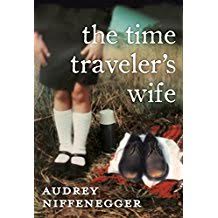
So reading has been pushed to the margins of my life, to the rare times when I’m not working on anything new. An advantage of this is that the great books, such as The Time Traveler’s Wife, really stand out. This one in particular opened new doors creatively speaking because it showed me that if your characters were strong enough you could take your readers anywhere. As a writer, it made me brave and I do wonder what else I would learn if I had more bandwidth to read.

I’m also aware of the need to read successful authors in my genre and books which break out of the ordinary and get talked about. Then there’s the guilt-induced consumption of books by authors you know and feel you should review. So is reading purely for pleasure a thing of the past for me?

Thankfully, no. I have learnt to be incredibly selective and not to finish a book if I’m not enjoying it. There is a difference between books I read for research and books I read for pure joy. And in the last few weeks I actually became very excited about the launch of a new novel for the first time in years. But more about that anon, because Su Bristow’s Sealskin deserves an article all of its own.


Interview with Sharon Horgan and Rob Delaney for Catastrophe series 3

Interview with Sharon Horgan and Rob Delaney for Catastrophe series 3We left series two on something of a cliffhanger, with Rob about to speak following his discovery of Sharon’s receipt. Where do we pick it up from?

Rob: Right then. Exactly then.

Sharon: Yeah, it’s from exactly that moment.

Did you know what Rob was about to say, when you shot the end of series one, or did you still have to work that out?

Rob: We didn’t know. We love to leave the series with a big question mark, and figure out the answer afterwards. It’s more fun for us that way, and hopefully there is real and palpable mystery for the viewer as they reach that question mark. If we know what’s going to happen, then they might too, and then why bother?

S: There were a few different routes we could’ve gone, so we kind of had vague ideas, but nothing concrete.

Series three and four were commissioned together. You’ve now shot series three. Do you know where it’s going to go in series four? How far ahead have you planned?

R: No. We did one and two back-to-back, and we really benefitted from taking a little break between two and three, so I think we’re happy to not know what’s going to happen for a little while.

S: We had ideas of stuff that could go in series three when we were writing series two, things like that, but we never knew what the big arc was going to be, or narratively where it was going to take us. We just had a bunch of little ideas, and it worked out okay. So hopefully that’ll happen this time.

Did you write season 3 differently because you knew there would be a season 4? Does that help you creatively, because you know you have more space to tell the story?

R: It’s a stunning act of generosity and a vote of confidence from the network to have them do that, so yes, it does give you a feeling of peace.

S: There were definitely moments where we would say “I think that’s more of a series four idea.”

R: Yeah, so we can figure out what’s going to fit in each episode. You can say “I am curious about that, but no way are we going to be able to squeeze that in,” whereas if we didn’t know there were an additional season commissioned, we might try to shoehorn it in, to everyone’s detriment.

S: I guess the smart thing to do would have been to plan out both series so we knew exactly where it was going over twelve episodes, but we just didn’t have the time to do that. We had to concentrate on getting series three made in the four or five months we had.

Catastrophe is unapologetically crude. Do you enjoy coming up with some of the more creative and colourful bits of dialogue? Do you ever worry about elderly family members watching?

R: Well, I mean elderly people, I have found, when they’re being honest, are also scumbags, and enjoy a little prurient humour as well. So no, I don’t really worry.

S: I used to worry about that sort of thing. But I watched Pulling with my auntie, who’s a nun. I gave my dad the pilot of Catastrophe, because we had it for about a year before it got picked up, and he showed it to so many people. There was some pretty crass stuff in there, there was plenty of sex in it and rude goings on. If he’s happy to show his 70-year-old mates, then I think there’s nothing to worry about really. Although, I’m a little bit worried about episode one of this series.

R: Oh, I know what you’re talking about!

The show is far from sentimental, but it still manages to be strangely romantic. Is that a tough trick to pull off? Do you have to go through it making it less saccharine?

S: We just keep an eye on it.

R: We’re pretty good about it. I remember in season two having to saccharine it up a bit. Our natural inclination is not usually to be too saccharine. If anything like that comes out of our mouth, the other will stop them pretty quickly. You’d rather have your audience come away saying “I think I just noticed that they’re in love” rather than hitting them over the head with it.

Catastrophe very definitely deals with flawed people making the best of a flawed relationship. Is that intentional – to show people that it’s possible to have problems and still be relatively happy?

S: I kind of don’t think their relationship is that flawed. I mean, I guess it is in that they fuck up sometimes, or might let themselves or each other down. But I think they were made for each other. They were born to be together. That’s the most fairy tale and romantic aspect of the whole thing. We’ve burst the bubble pretty quickly with all the bad things that happen. But it feels like a steady, sturdy relationship that shit happens to, and they deal with it. I don’t think they have to try and stay in love. They are in love, they just have to try and stop real life from tipping shit on that.

One of the cornerstones of their relationship seems to be that they make each other laugh. Do you see that as being key to them?

R: I think so, yeah. People say that the largest sexual organ is the brain, and I think the fact that they definitely amuse each other is probably the strongest glue in that relationship.

S: Yeah, definitely. Because I think it’s incredibly important in real life as well. You get on with the people who make you laugh. I love having conversations with smart people, but I don’t necessarily leave it going “I fucking love you!” whereas if I’ve spent an hour laughing with them…

Obviously this series was one of the last things that Carrie Fisher filmed. What was it like getting to know her and working with her?

S: It was a dream come true getting to work with her.

R: A giant privilege.

S: For both of us.

R: She didn’t get to where she is by mistake. She delivers. She’s just hilarious and brilliant. You get what you think you’re going to get, and more. She was just a wonderful, wonderful person.

S: Yeah, she was great to hang around with and great to work with. While you’re completely aware of her legacy and everything she’s done, and it’s completely overwhelming a first, then she’s just this woman who says rude things and cracks you up. And she was really kind as well, just a really kind, wonderful lady.

The show won a BAFTA in 2016. Who has custody of it?

S: We got one each! It was the most exciting bit of the night, realising that we got one each.

R: Some awards we’ve had to divvy up. But BAFTA make one for each named recipient, so thanks BAFTA!

What is it like working with the children on the show? Do you have to get to know them really well so they don’t recoil when you pick them up?

S: They like us!

R: Yeah they like us, and we like them. They’re lovely. Babies are an absolute pleasure. Sonny and Dexter, who are the twins who play Frankie, are a bit older. They’re wonderful, but they’re a little harder to work with, because it’s a super-unnatural situation to be in. Working on set is very artificial and bizarre, and for kids it’s like “Why would we do it again? That’s crazy!” And then you have to be like “Yes, it is crazy, but not only are we going to do it one more time, we’re going to do it 22 more times. “And they’re like “That’s INSANE!” So they’re having a tough time with it, but that’s only because they’re healthy, wonderful children.

S: But we both like the company of kids, we like hanging out with kids, so it makes it easier. When the cameras stop rolling, you can have a laugh with them. But you can’t get them too geed up, because then they’re all hyper. You find yourself going “Shit, why did I tickle him?” You have to know how to play it. But when they bring in a baby or one of the twins, we really enjoy it.

R: On a set filled with smelly adults it’s pretty nice to have a kid come in now and again.

You briefly reference Trump and Brexit in ep 1 of the new series. Will there be any more nods to the way the world is going?

R: Not too much.

S: A tiny bit more Brexit stuff.

R: We’re not trying to make any big comments about that stuff. If you’re alive right now, it’s affecting your life, so we couldn’t not mention it, but as ever, we’re just trying to do it in a way that will create more stress for Rob and Sharon. We’re not trying to fix it!

S: It just came up in that episode because I’m trying to find reasons to get away with behaving the way I did. In the original script it was Brexit and ISIS, and then suddenly that arsehole-buffoon got voted in and we thought “We can’t not mention him!” So we added that in our final read-through.

Rob, you’ve been pretty active of late on Twitter, even by your standards. Is it a relief to be over here and away from the whole shitstorm, or is it frustrating being so distanced and powerless to act?

R: It is weird being over here. And I can’t move back there right now. Not that I want to – we’re happy here, my children go to school here – but it’s weird to not have the option. But he’s got healthcare laws in his sights, and I’m part of a family of five people. And when you have five people, there will be some among them who have what are known as pre-existing conditions, so I can’t responsibly bring my children to a country where healthcare is in such upheaval. So that feels weird. And yeah, I’d like to be outside senators’ offices right now protesting, but I can’t right now. So I’m doing what I can from here.

I read somewhere that you two are planning to do a movie together. Is that a possibility?

S: It’s not in the pipeline. We talk about it A LOT!

R: We talk about it, and then somebody will be like “Hey, get back to set,” or “Where’s that script?”

S: We’d absolutely love to. It’s just a time thing.

Would it be a Catastrophe movie?

S: Not at this point. I think we’d like to try something else. It’d be interesting just to see if something else worked.

When you’re writing, do you guys have more ownership of your own character?

R: No, definitely not. Nothing makes me happier than writing dialogue for the character of Sharon, and have her write it for my character.

S: I think that’s why there’s no stereotypical element to either of them.

When do you start on series 4? Do you need time away from the characters first?

R: It’s a good idea to have a break, to let your mind rest and so you can start to cultivate ideas. So we don’t have a start date, but we’re percolating ideas, I guess.

S: Bit of a break.

Can you ever have a bit of a break, or are you always thinking “Ooh, I might put that into the next series?”

S: You do do that a little bit, yeah.

R: You definitely file things away, I’ve got a ton of stuff in the notes section of my phone. Most of it is fucking insane, though. “Here’s a good idea. What if… Rob walked into a spider’s web!!!”


With thanks to Channel 4.

 

Helping Children Sleep By Dan Jones

helping children sleepHelping Children Sleep

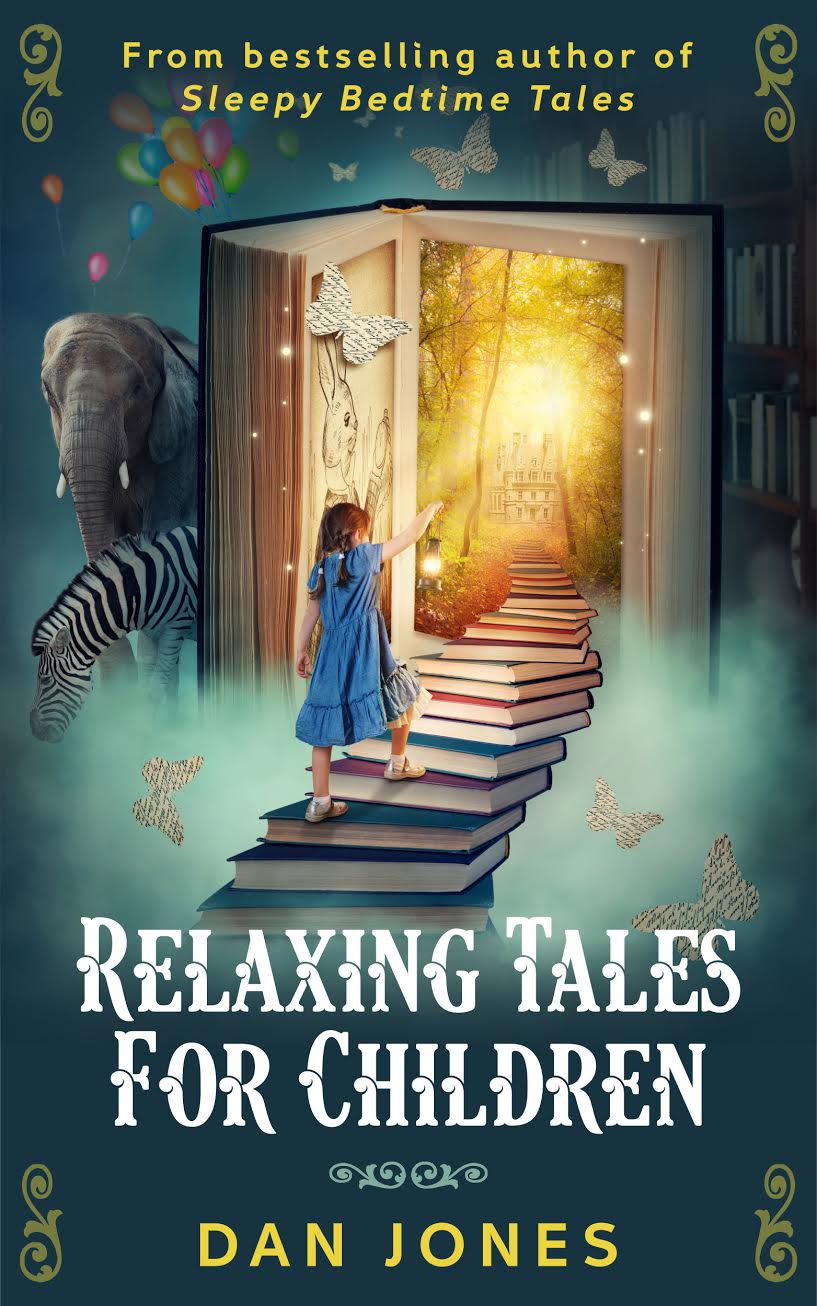
Almost 20 years ago I began working in children’s homes. Many of the children had endured years of abuse and other traumatic experiences by the time they ended up in care, this impacted on their ability to feel safe, relax, and sleep at night. Due to having Asperger’s, a high-functioning form of autism I obsessed about learning communication skills. I used this knowledge with the children I was working with. The children were often happy to have stories read to them at bedtime. I used to read stories to them, but rather than putting on different voices for different characters, or reading the stories lively, I used to read them in a relaxed tone of voice in time with the child’s breathing. Any sentences with words which could be associated with relaxing or inward absorption I would say with extra calming emphasis. This slight shift in how the stories were being read often helped the children to feel calm and comfortable and fall asleep. I started teaching what I was doing to other children’s home staff and to parents to help them to be able to help children sleep comfortably at bedtime without arguments and conflict, and years later wrote two books of children’s stories based around this approach: Sleepy Bedtime Tales, and Relaxing Tales for Children.

How do you help children to fall asleep at night? 

The first thing to be aware of is what actually happens for us to fall asleep. Obviously being tired helps, so not letting a child sleep during the day is a huge help, secondly the environment is important. As bedtime approaches parents can start ‘putting the house to sleep’. What I mean by this is that a few hours before bedtime parents close curtains, turn off main lights and put on small lamps to make the home dimmer, and begin to focus on doing calm, low stimulation things with the children. The focus is on slowing them down, and making the environment quieter. If children are running around until bedtime their heart will be racing and they will be excitable and harder to relax, likewise, if they have been watching emotionally stimulating TV programmes before bed this will reduce their chances of falling asleep. Parents ideally limit screen time in the hours before bed. Mobile phones, tablet PC’s, computers, and TV’s all give off a lot of blue light which triggers the ‘wake-up’ processes in our brain – not what you want when you are trying to help your children sleep.

dan jones, author, book, help children sleep, how to get child to sleep

Once bedtime is approaching parents can have structure around what happens, and let the children know bedtime is approaching. It is more effective to say that it is bedtime in half-an-hour, and then giving notice at fifteen minutes, and then finally saying it is now bedtime, than it is to wait until bedtime and then tell the children it is time to go to bed when perhaps they are in the middle of a game or something and now they have to cut the game short.

Author Dan Jones

Different children like different things at bedtime to help them sleep. Some are happy to be read a story. Although it is fun to read stories and get all involved in portraying the characters, putting on voices, and actions, this isn’t conducive for sleep. The stories need to be read in a calm and relaxed manner ideally framed for the child that they can lie down with their eyes closed, listening and imagining the story as they fall asleep. Most children accept this and enjoy imagining the story play out in their mind. The parent can then read slowly and calmly, adding emphasis and time when giving descriptions to help the child become increasingly absorbed in the inner experience. Another approach children like is for the parent to sit with them stroking their arm, back or hair. If this is done in time with their breathing, so each up-stroke is with an in-breath, and each down-stroke is with the out-breath then the stroking will build rapport with the breathing, and once the breathing is matching the stroking the parent can stroke slower or longer strokes and the breathing will deepen and the child will fall asleep. If the child wakes up during the night they can be encouraged back to bed, then the parent can calmly repeat the same again until the child falls asleep once more.


Business of Books: Jane Cable talks to Lucy Williams of Honno

the-business-of-books-interviewswithjanecableThis week Jane Cable talks to Lucy Williams, a committee member of Honno, the independent co-operative run by women to publish the best of Welsh women’s writing. Honno has recently celebrated its thirtieth anniversary.


What is your book related job or business?


In my day job I am an in-house technical author and a freelance Italian translator and copywriter. I am also a published creative writer.  As well as being on the committee for Honno, I volunteer with the National Autistic Society helping autistic children and adults with their written communication.

I have been a committee member of Honno Welsh Women’s Press since August 2014, and have been involved in a variety of work with them including, in 2016 alone, attending Tenby Book Fair, representing Honno at the New Welsh Review’s Travel Writing Awards at Hay Festival, and being at the very special Honno 30th birthday celebrations in Aberystwyth.


As well as face to face promotion of the Press and getting to know other publishers and authors, I have had the chance to read a number of manuscripts to comment on their suitability for publication with Honno, and my fair share of proofreading.


What is the most rewarding part of it?


I think it has to be seeing a published author’s face when they see their work in print and on the shelves. I met a couple of Honno’s authors at the Tenby Book Fair, and to be able to be involved in the behind-the-scenes process which helps authors get their stories out to the world is a real privilege. I have also found it fascinating to meet the other member of the committee who come from all different walks of life but who share the same passion for creating a platform for Welsh women writers.

Business of Books Jane Cable talks to Lucy Williams of Honno

What do you consider to be your major successes?


Honno has seen many successes:  We celebrated our 30th anniversary last year and were interviewed on Woman’s Hour. Over that 30 years our success has been recognised in a number of literary awards from the Pandora Award to CWA dagger nominations, Wales Book of the Year and the Bread and Roses Award for Radical Publishing. Several of our books have been dramatised on Radio 4, and we recently sold the TV rights for Walking to Greenham. We are very proud of our investment of time and effort on behalf of beginning women writers who go on to achieve mainstream success. Writers such as Tessa Hadley – Booker nominated author – Julia Gregson and Kitty Sewell have moved from publication with Honno, to houses such as Vintage, Orion and Simon & Schuster. We may be small but we are determined!


Have you always loved books and what are you reading at the moment?

Books have been an important part of my professional and personal life for a long time. I have loved them since I finished my first book by myself as a child, and always knew I wanted a career which involved reading them, selling them, editing them, translating them, anything to do with literature really, and I always knew I wanted to work with others who feel the same way. I have worked for Elsevier in the Global Rights Department drawing up author contracts, and for Oxford University Press as an International Sales Rep selling their work to schools in Europe, and have proofread for the University of Wales Press. And in case I was in danger of not having enough books in my life I set up a book club called Reading Between the Wines who meet every month in South Wales.


I am currently reading The Hungry Tide by Amitav Ghosh, a wonderfully rich novel set in Bangladesh, and The White Camelliaby Juliet Greenwood, a Honno novel about the search for freedom and self-fulfilment, set in 1900s Cornwall.


About Lucy:

Lucy currently lives in Wales and spends her time as an Italian translator, technical author, and creative writer. She has had poetry published by The Emma Press, and Hysteria, and was recently a judge for the Hysteria Short Story competition.

As well as being on the committee for Honno, Lucy volunteers with the National Autistic Society as an e-befriender where she helps autistic children and adults with their written communication. When not in front of the computer with writer’s block Lucy can be found hosting her tipsy bookclub Reading Between the Wines.

www.lucyrosewilliams.com


The Business of Books: Back to Basics

the-business-of-books-interviewswithjanecableJane Cable reaches a scary moment with her next manuscript

More often than not my own blogs for The Business of Books focus on the process of being published and on marketing, marketing, and more marketing. For any writer, particularly one clinging onto a day job as well, it sometimes seems that the actual business of creating something new is relegated to the margins.

That doesn’t mean it isn’t important. In fact writing the next novel is the most important thing an author can do. If readers don’t love your book then no amount of marketing is going to put that right. And all the time I’m up to my neck in marketing Another You, my agent Felicity Trew has been waiting patiently for my next manuscript.

The working title has changed a few times so I’ve taken to calling it my Lincolnshire novel because it tells the story of an archaeologist who is sent to work in that wonderful county and discovers more about herself than she does about the site she’s digging. The settings came to me on a weekend away to celebrate our twentieth wedding anniversary when we stayed first in Lincoln itself (which oozes history from every brick) and then at the amazing Winteringham Fields restaurant and rooms on the banks of the Humber.

Getting the manuscript to a fit state to share with Felicity has taken about eighteen months. I desperately needed clear space in my diary and in my head to finish it and make sure that the plot hung together and the main characters at least were well drawn. The obvious answer was to do it on holiday.

Now I understand this wouldn’t suit everyone but it worked for me. I am blessed with an undemanding husband who is more than happy to do his own thing while I write. Even better we’d booked a two week chill break in St Lucia in preparation for what is going to be a hectic and potentially stressful year so suddenly the time I needed was there.

The Business of Books- Back to Basics

When the domestic and workaday issues are removed from your life (even temporarily) it is easy to feel creative. I’d been struggling with a final twist for the book (Felicity wasn’t keen on my initial idea) and something came along which while not perfect, is good enough for a draft and at least points in the right direction. Without this I hadn’t been able to finish the manuscript – I knew where I was heading but I was a few chapters short. But as I sat on my terrace overlooking the sea chapters kept falling off the ends of my fingertips and the story ended up about 10,000 words longer than I intended.

At this point, length doesn’t actually matter. This draft is so early that it will be unrecognisable by the time the book is ready to be presented to potential publishers. But nevertheless the manuscript had to be polished, the story had to be coherent, and the characters’ journeys real. I found myself almost living inside the mind of one of them, trying to see and feel the world through his eyes, and sure enough he came alive on my keyboard too.

It was almost the end of the holiday before I was ready to send the manuscript to Felicity. Much as she was dying to read it this is the scariest moment for me and I felt sick to my stomach as I pressed send. What will I do if she doesn’t like it, or doesn’t think it’s sufficiently commercial? I feel a little queasy thinking about it now, to be honest. But one thing’s for sure – whatever may be wrong with it I need to trust her judgment and work as hard as I can to put it right.


La Maison Rémy Martin returns to Soho with a Stellar Line-Up

Last Summer we had the pleasure of spending the evening with some of Britain’s finest Olympians in the luxurious surroundings of the Rumpus Room, courtesy of La Maison Rémy Martin. This month, the members-only club will be opening their doors once again with a jam-packed, spectacularly curated list of talent designed to inspire, entertain and dazzle you in true Rémy style.

Launch of La Maison Rémy Martin pop-up private members' club at La Maison Rémy Martin, London, Britain on 2 Nov 2015.

La Maison Rémy Martin are set on being the hosts with the most once more, boasting one of The World’s finest Cognac from Fine Champagne, they are set on expanding their brand through their members club with a programme of events and workshops designed to offer their customer a little more of the savoir faire approach they enjoy so much. La Maison Rémy Martin, was borne out of the brands ethos to honour craftsmanship and embrace the luxury of time. With that being said, members are being treated to a line-up of special events, talks and workshops that are being led by some of London’s most talented craftsmen.

Set over two floors of their new Wardour Street home, members can expect to be transported into the iconic world of Rémy Martin. The space will be split into the Boutique, which for the first time will also be open to the public, and The Gallery, where members can enjoy their evenings workshops alongside light-bites paired with Rémy expressions and expertly crafted
Rémy cocktails.

After taking a sneak peek of the new programme, we’re excited to share with you our top masterclass picks…

Michelin Star Chef; Jun Tanaka

Master Chocolatier; Paul A Young

Sports commentator – Tom Gaymor
F1 Driver- Max Chilton

Cellar Master for Rémy himself; Baptiste Loiseau

…to name but a few

RemyMondrian00123

The evenings are every bit evocative of the luxury and ‘suaveness’ that Rémy Martin possess and they are keen to share it with whoever appreciates good craft. So, to learn more and to apply to be a member of La Maison Rémy Martin please visit;

lamaison.remymartin.com.

La Maison Rémy Martin will be open Thursday 16th February to Saturday 4th March 2017 excluding Sundays.

La Maison Rémy Martin
147 Wardour Street, London,
W1F 8WD


Follow us on
@RemyMartinUK
#LaMaisonRemyMartin #LMRM

Three Books For February: Our Top Picks

bookreviewsNothing beats a good read so we have picked three very different books to entertain you this February.

Until You Come Home Ellie Dean

It is 1944 and Anne Black is making the best of a new life in Somerset, but bringing up her daughters so far from their father, her mother Peggy and their real home of Cliffehaven isn’t easy. The safety of Somerset makes separation bearable, until danger strikes and rocks Anne’s world.

Back in Cliffehaven Peggy Reilly is running the Beach View Boarding House with her usual love and warmth. The war is taking its toll however, and Peggy longs to have her scattered family home again. Until then she’ll continue being a mother to all, and maybe even find some time for herself.

As the fighter planes leave RAF Cliffe every evening all anyone can hope is that the war, like the night, will soon be over.

The heart-warming brand new Second World War novel in the Beach View Boarding House series from Ellie Dean, the Sunday Times Top Ten bestselling author of Sweet Memories of You.

A riveting historical book that will have you in tears. But in a good way. 

Until You Come Home is available here.


Echoes In Death J.D.Robb

New York at night. A young woman stumbles out on to a busy street – right in front of Lieutenant Eve Dallas and husband Roarke. Her name is Daphne Strazza, and she has been brutally assaulted. Confused and traumatised, she manages to tell them one thing. Her attacker wore a devil’s mask.

As Eve investigates this shocking case, she soon discovers a disturbing pattern. Someone is preying on wealthy couples, subjecting them to a cruel and terrifying ordeal. Worse still, the attacks are escalating in violence and depraved theatricality. Eve and her team are now in a race against time to find the man behind the mask – before he strikes again. But for Eve, this case in particular has unsettling echoes of her own troubled past…

Another book in the great series. Brilliant crime fiction. 

Echoes in Death is available here.


New York, Actually Sarah Morgan

Meet Molly

New York’s most famous agony aunt, she considers herself an expert at relationships…as long as they’re other people’s. The only love of her life is her Dalmatian, Valentine.

Meet Daniel

A cynical divorce lawyer, he’s hardwired to think relationships are a bad idea. If you don’t get involved, no-one can get hurt. But then he finds himself borrowing a dog to meet the gorgeous woman he sees running in Central Park every morning…

Molly and Daniel think they know everything there is to know about relationships…until they meet each other that is…

A gloriously fun romantic read. 

New York, Actually is available here.