MELISSA OLIVER ON WINNING THE JOAN HESSAYON AWARD FOR NEW WRITERS

When I sat down in front of my laptop on that sun-drenched September afternoon, to find out who the winner of the prestigious Romantic Novelists’ Association Joan Hessayon Award would be, I had no idea that by the end of the zoom presentation, the wonderful Katie Fforde would open the envelope and say my name.

It was quite a surreal moment and it was actually a blessing (for me) that the recording of the presentation didn’t include my initial utter disbelief. For a few seconds, after my name was announced, I felt that time had actually stood still as I blinked repeatedly, wondering whether there had been some sort of mistake. And then of course, I was to make a garbled speech and this time the speech in all its effusive glory was recorded. Here, not only do I forget to thank Dr Hessayon – who generously sponsors the award in memory of his late wife, Joan- a vehement champion of new writers but also my lovely editor, Charlotte Ellis at Harlequin, Mills and Boon. I had been convinced that I had thanked both only to realise my mistake on second viewing. Thankfully, I have since rectified that oversight.

The truth is that I was and still am so ridiculously happy to be the winner of this amazing award, especially in the RNA’s 60th anniversary year.

The New Writer’s Scheme (or NWS) is a unique scheme run by the RNA offering unpublished writers the chance to have their work critiqued anonymously by the RNA’s team of published authors. My own experience of getting detailed feedback of my work was both nerve-racking and stressful yet immensely valuable as well.

For writers to be able to pass through the scheme and achieve the Herculean feat of getting their books published, it’s such an amazing feeling of accomplishment. After all the years of hard work, determination and at times disappointment, it all becomes worth it and not only that but this book that you’ve written- your debut can then qualify for this award as well.

The nurture and support from the RNA and the New Writer’s Scheme helped me achieve that elusive dream of becoming a published author. From the chapters (shout out to the London Chapter), to the seminars, courses, talks, events- the fabulous summer conference (where I met my editor, at the one-to-one meeting last year), Winter Party and the industry award ceremonies- it is such an amazingly warm, welcoming professional body.

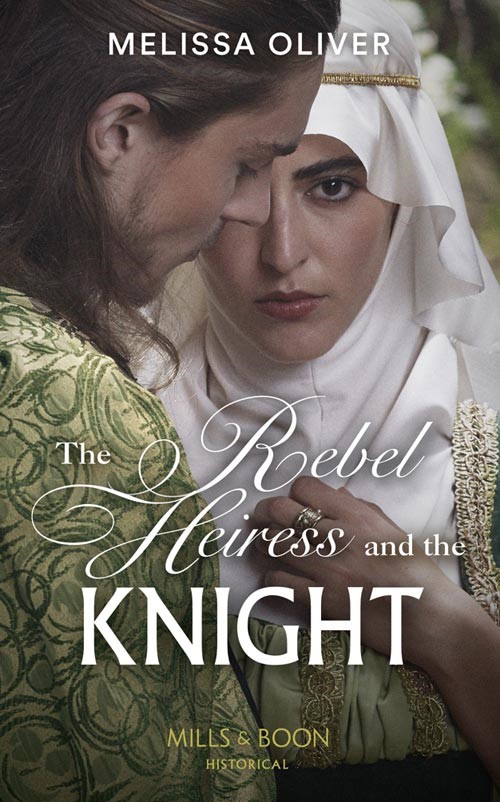
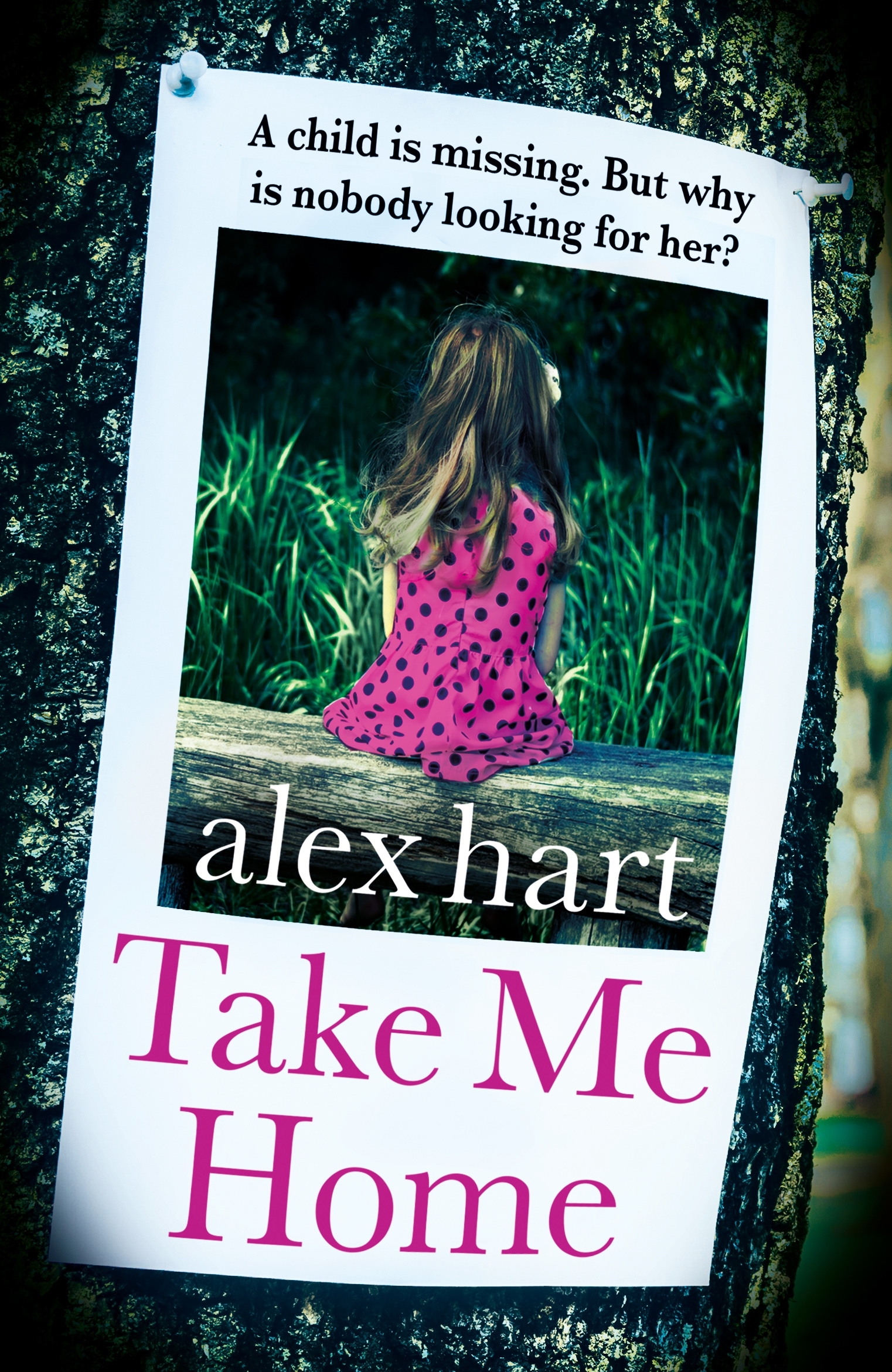
This year there was an unprecedented number of books (21) that went through the New Writer’s Scheme to publication with a huge variety of stories within the romantic fiction genre. From historical romance, heart-warming contemporaries, saga, festive romance, romance infused with a thriller element, a paranormal romance to romantic comedies and so much more. I’m still quite bewildered by how the judges managed to choose from such a dazzling list of books this year but the fact that my debut, The Rebel Heiress and the Knight was selected as the winner is an absolute honour for me and something I will always cherish forever.

Melissa x

Melissa Oliver is from south-west London where she writes historical romance novels. She lives with her lovely husband and daughters, who share her passion for decrepit, old castles, grand palaces and all things historical.
When she’s not writing she loves to travel for inspiration, paint, and visit museums & art galleries.

Check out Kirsten Hesketh’s review of The Rebel Heiress and the Knight in this month’s Sister Scribes Reading Round Up.


SISTER SCRIBES’ READING ROUND UP: SEPTEMBER

Kirsten

The first book I read this month, was the winner of the 2020 Joan Hessayon award, The Rebel Heiress And The Knight by Melissa Oliver (published by Mills and Boon). The award was open to any writer whose debut novel had been through the Romantic Novelists’ Association New Writers’ Scheme was published this year and I am immensely proud and honoured that Another Us was also a contender. Anyway, I thoroughly enjoyed the Rebel Heiress And The Knight. It is set in the reign of King John – a period of history I really love – and is just a rollocking good read with twists and turns aplenty. It is also a proper romance – the chemistry and tension between the main two characters is fabulous and I loved the fact that Hugh is kind and honourable from the start. A marvellous debut and a worthy winner of the Joan Hessayon award.

Another book I have enjoyed this month is If I Can’t Have You by Charlotte Levin (published by Mantle). This is a real page turner and exquisitely written and explores themes of obsession, heartbreak and unrequited love. I was expecting our protagonist, Constance, to be simply bonkers – and can’t love make us all thus?! – but she is also variously vulnerable, lovely and hilarious. This book really stayed with me and I highly recommend it.

And, finally, I am rather late to the party with Hamnet, written by Maggie O’Farrell (published by Tinder Press)  – but, just, WOW! Staggering beautiful and heartbreakingly poignant, this exploration of love and loss deserves every accolade and award …

Jane

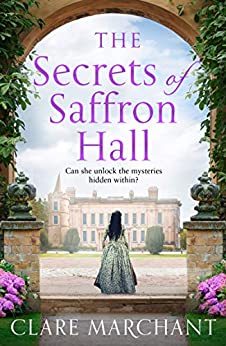
I do love a dual timeline novel, and since writing one myself am even more in awe of writers who make them work. Clare Marchant’s stunning debut, The Secrets of Saffron Hall, is one such book. The level of research the author has undertaken shines almost as much as her gorgeous prose, and put together they make the book a thoroughly satisfying read.

I normally enjoy the historical strand of a story more, so wasn’t remotely surprised when I became more and more lost in Eleanor’s world at the cusp of the dissolution of the monasteries. That I read it on holiday while visiting ruined abbeys was undoubtedly a factor, but Tudor life in rural Norfolk was so richly drawn I just loved falling into it. I felt the chill winds sweeping across the fens, saw the saffron swaying gently in the dawn.

It took me longer to relate to twentieth century Amber although in the end I was rooting for her happy ending. The fact hers isn’t a traditional boy-meets-girl love story was brave for a debut and I loved it. Credit must also go to Aria for not dumbing this book down, as sadly seems to be so fashionable in romance publishing at the moment.

Kitty

Cornwall: Misfits, Curiosities and Legends
A Collection of Short Stories and other scribbles

This anthology combines all sorts of storytelling in the one book, with the spirit of Cornwall infusing each piece. It moves from moor to coast, from past to future and covers a multitude of genres including historical, fantasy, romance, magic realism and sci fi. Additionally, there is poetry and a script alongside the short stories and with such a wide variety of styles, I defy any reader not to be able to find a piece that resonates with them. Cornish history and mythology are bought to life, illustrated and built upon and I greatly enjoyed reading this anthology from a group of writers whose love of Cornwall shines through their work.


My Writing Process Diane Allen, author of The Girl in the Tanners Yard

I was born into a farming family that had a sheep farm which was very remote within the Yorkshire Dales. My early years were spent roaming the fells and dales, often by myself as I was the youngest of four and my older siblings had already spread their wings leaving me as an only child. I made my own entertainment and had a good imagination but also had a great love of losing myself in a good book which I still do to this day. The love of reading continued into my teenage years and could often be found reading to the early hours of the morning. When I left school I found a job in the local glass engraving firm, which I did enjoy but left to marry my husband, Ronnie who after forty-eight years I am still married to. After raising a family of two and nursing an ill father, I finally found my true niche in life at a local large print book firm. I soon rose through the firm and eventually became manager, negotiating rights with authors and agent and loving every minute especially when the books I had chosen came into the warehouse to be distributed to the libraries we supplied. It was that which started me thinking that I could perhaps be lucky enough to be able to write myself and the rest is history. 

I have written nine books now for Pan Macmillan. All are based in the Yorkshire Dales and I hope to portray the Dales and the people within them. I have family connections with the Settle to Carlisle Railway so that features quite a bit in my books. For A Mother’s Sin’s was a fictional account of the building of the line, featuring the building of the Ribble Head viaduct, while the Windfell trilogy is set around Settle and the Cotton Mills. 

My latest title is THE GIRL FROM THE TANNER’S YARD, this is set in West Yorkshire, around Haworth and Keighley. It tells the tale of lowly born Lucy Bancroft and ex-military man Adam Brooksbank and the unlikely love affair that springs up between them. Adam lives on the wild moors above Keighley and employs Lucy as his maid and finds just how strong and caring she is when he befalls an accident. Lucy thinks her love can never be returned by Adam, she comes from the Tanner’s Yard, a filthy dirty place and thinks that he will never treat her as an equal. However, with a little help from Adam’s old friend Ivy loves blooms, and Lucy’s dreams will be fulfilled despite what life puts between them. 

In the morning after breakfast, I usually disappear into my office, answering e-mails and promotional things and then go on to edit the previous day’s writing. After lunch I write for a solid four hours, trying to write at least 2,000 words. Sometimes it does not always go to plan, I feel I can’t write or I get stuck in a plot. Walking around my garden usually helps out along with plenty of cups of coffee supplied by my husband. 

Usually, when I’m nearly finishing my latest title I start thinking about the next. I visit where the book is to be set, research the area, picking up any history so that I can include it in my writing. I have notebooks that include loads of my scribbles within them just noting anything that I think would be interesting to be included. I then plot a rough start, middle, and end, this may alter as I once get writing. I let the characters take me where I should go as they develop in the book. 

My officially set word count is 100, 000 words, however, I usually find this hard to reach, so most of my books are around the 95,000 mark. I can’t see the point of padding a book out with things that have not relevance to the story.

When structuring my book, I give most though to the two main characters within the story, their occupations, and the setting of the book. I then make a note of their age, their looks, their hair and eye colour and any unusual features. Their surrounding is also noted along with any place names and local names to the area.

Some days you just can’t write and those days you are better walking away from your keyboard. Your characters will draw you back to them when the time is right. My biggest failing is following timelines, no matter how I try, I always seem to be out with age or length of a pregnancy. I get too carried away in the plot. 

I love writing, I can’t live without it now. If I give myself a fortnight break between books by the end of it I am the most frustrated person on the planet. I’m always hatching a plan in my head and looking for new ideas. It is a break from the real world, I can be where I want and who I want. Through these hard months of COVID, it’s been a welcome escape, I can go back to more simpler Victorian times and forget the heartache outside in the real world.   

The Girl From Tanners Yard is available here.


My Writing Process Paul McCartney

Paul McCartney, interview, book, author, children's book

© MPL Communications/Paul McCartney & Kathryn Durst

My Writing Routine

 Where did the idea for the book come from?

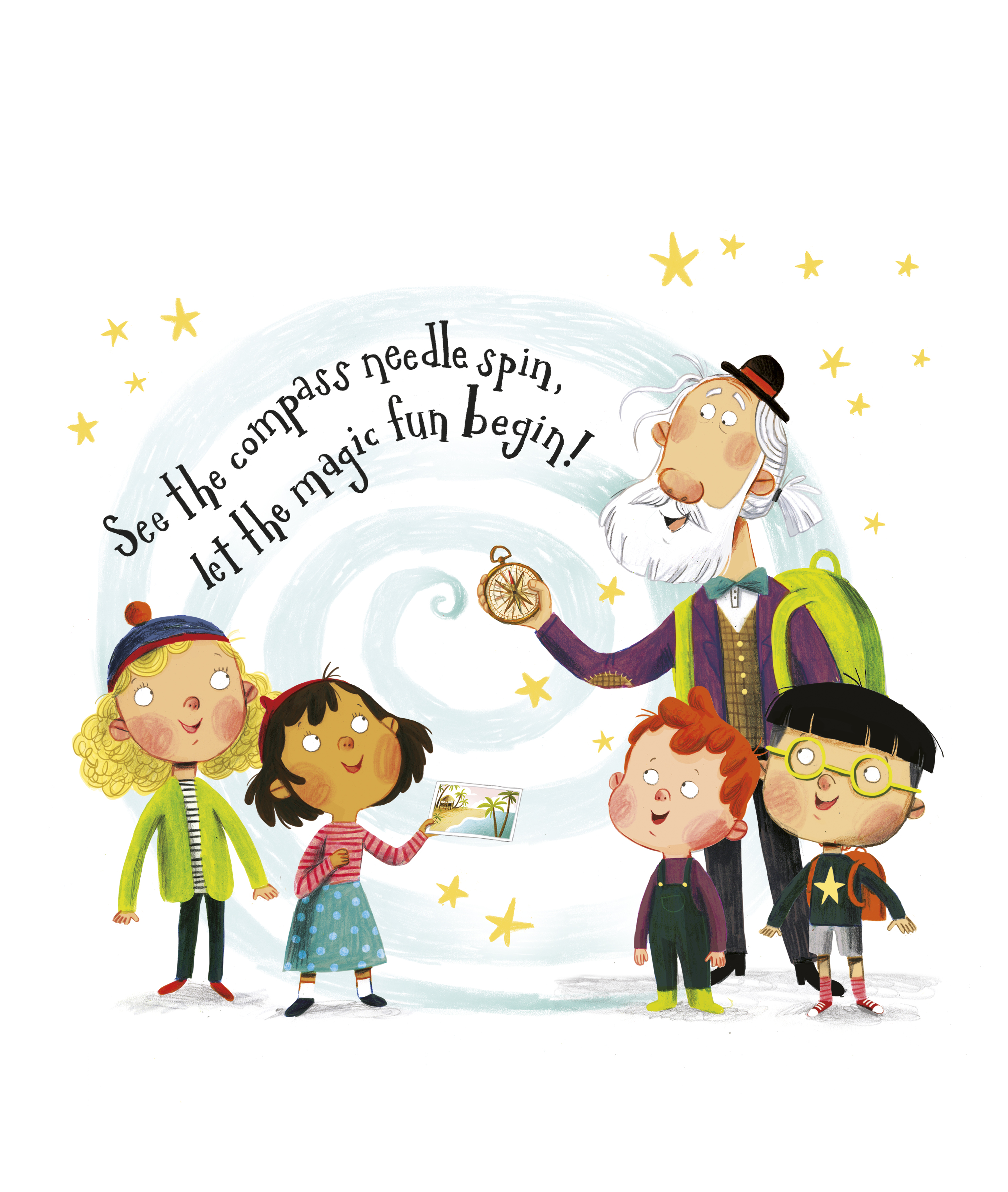
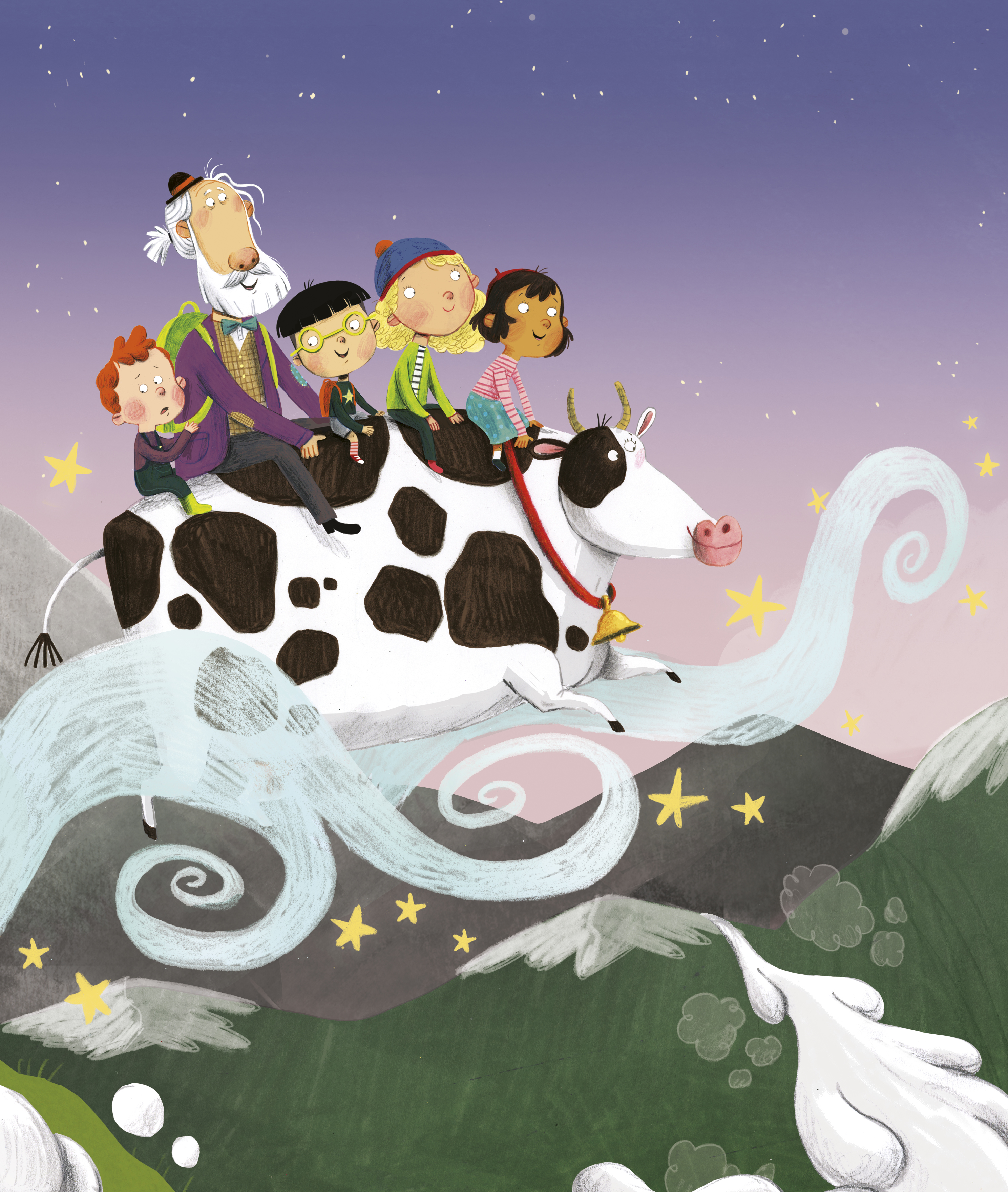
One day one of my grandkids, instead of calling me Grandad, called me Grandude: “Grandude, can we do this . . . ?” I thought, Well, that’s nice, I like that, so I started to think of stories about this character Grandude. I thought, I’ll make him magical. The kids say, “Hey Grandude, can we go somewhere?” and he takes them on magical adventures. That’s how it started – one of my grandkids just called me Grandude one day, and that was it.

Will there be more adventures of Grandude?

Well, you know, maybe we’ll see how this goes. If people like it, then I’ve definitely got a few more adventures up my sleeve – or Grandude has – so it would be quite nice to continue. I’m ready to write more if people do like it.

Paul McCartney, interview, book, author, children's book

© MPL Communications/Paul McCartney & Kathryn Durst

How did you collaborate with Kathryn Durst?

I was shown the work of a few illustrators, and because I read a lot of children’s books to my own kids when they were growing up, I know the styles that are out there and I liked her style very much. I thought it suited Grandude perfectly. It was slightly unusual and bohemian, and she made him a bit of an eccentric character, so she was really good. But there was one thing that happened during the making of the book. She’d do an illustration and it would come to me to approve it, and I’d say, “Oh yeah, it’s great.” I loved what she was doing. There was just one funny little detail: in one of the adventures the kids and Grandude were all riding horses and their stirrups were just hanging down – their feet weren’t in the stirrups. So I said to the publishers, “They’re riding horses – their feet should be in the stirrups, shouldn’t they?” And they said, “You know, that’s funny – the American publishers picked up on that too,” so we had to ring Kathryn and say, “Could you just stick their feet in the stirrups?” If you look, you will note that they’ve all got their feet in the stirrups now!

Is writing a picture book for children anything like writing a song?

Well, you know, it is a little bit like that, in as much as you’ve gotta use your imagination – you’re making something up. If it’s a song, you’re making up words and music, and maybe a story. If it’s a children’s book, then obviously you don’t need the music but you still gotta have the imagination, and that’s actually what’s fun about it: you’re making stuff up, but if you’re writing a children’s book your story tends to go to more far out places. You can rub a compass and go to Zanzibar – you can go wherever you like. You could do that in a song, but you tend to keep it a little bit more feet-on-the-ground.

The paperback of Hey Grandude! comes out on 17th September and includes a story CD, featuring narration and instrumental music by Paul. 

Niall Edworthy: My Writing Process

Niall Edworthy

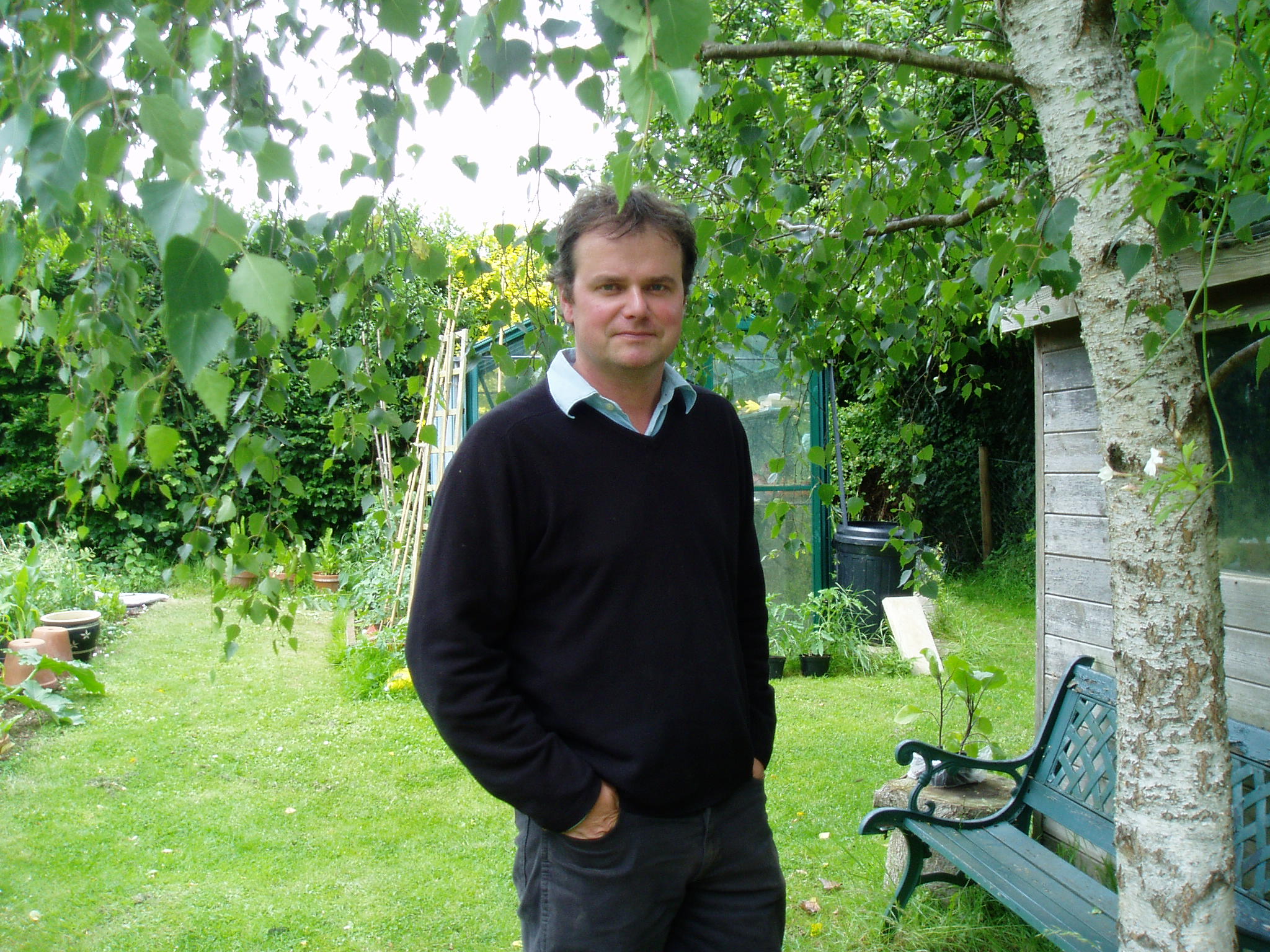
I have been writing in one capacity or another since I finished studying thirty years ago. I worked as a reporter for broadsheet newspapers and international news agencies Reuters and AFP in the 1990s. In 1996 I was commissioned to write the Official History of the England football team. The following year I was invited to ghostwrite a travelogue for actor David Jason. Soon after I gave up journalism and focussed on books. I live in the Downs above Chichester, commuting down 14 steps to my, ahem, fancy office (converted shed, no sun after 11). When I’m not writing, I tend to be reading although I’m suffering a little reader’s block right now, unable to settle on a title and bouncing back and forth between half a dozen on my Kindle. I pursue all the boring middle-aged activities, sometimes with passion, more often with relief after a day at the computer. I cycle a lot up in the hills, and I have grown to love gardening and cooking – semi-mindless activities that allow my brain to drain after writing. If the Test cricket’s on, I have to chain myself to the desk and resist the temptation.

What you have written, past and present.

I have written over 40 books, roughly half of them ghosted for well-known public figures or ‘ordinary’ people who have had extraordinary experiences. I have written memoirs, military history, sport, humour and natural history.

What you are promoting now. 

My first novel, Otto Eckhart’s Ordeal. It is hard to slot into a genre but if you were in a bookshop (remember them?), you’d probably find it in Historical Fiction. Set in 1937 and based on a true premise, it tells the story of an aimless, young historian dispatched by the Nazis to go fetch the Holy Grail for the glory of Germany. It is a coming-of-age, adventure story with a dash of romance and, dealing with some grim characters at a grim period of history, I have tried to write it with dark humour.

A bit about your process of writing. 

I’m reasonably methodical. Once all the research is done and the story laid out loosely but with direction, I go at it every day if I can. I need momentum and I need to be deeply immersed in the world I am describing or creating. It’s no good grabbing an hour here or there. I need a good long stretch for each session. I start early, between 7 and 8, and tend to work through to a late lunch. If I have written a good amount I often feel drained and don’t go back to my computer. If it’s been a frustrating effort and I haven’t got much down, panic propels me back to my keyboard.

Do you plan or just write?

I am a planner, but the plan changes a little every day. I think it’s important not to plot too hard, and to keep all options open. I read a good description recently that sums up my approach: Starting a book, you are at John O’Groats heading for Land’s End but not entirely sure of the route you are going to take.

What about word count?

Big difference between fiction and non-fiction. If all the research is at my fingertips, I average about 1,500 words a day for non-fiction, but can push to 2,500. With fiction, I’m delighted if I have 1,000 words in the bank at the end of a session.

How do you do your structure?

As clearly as possible. Structure is everything in building a story. You are reminded of the challenges facing the architects and engineers of skyscrapers – if they are an inch out at the bottom, it won’t be long before the building starts to lean and they have to demolish it and start again. In fiction, structure is more flexible because the characters will soon start to take you to places and scenarios you hadn’t foreseen.

What do you find hard about writing?

Where to start? Lack of company – not being able to wander over to the water-cooler for a good moan from time to time. Anxiety about money – it’s not the path to fabulous wealth. Fretting about the next project while I’m deep in the current one. The time it takes to set up new projects, writing proposals, pushing them on publishers, knowing all the effort may come to nothing. (The writing itself is the easiest and most enjoyable part of the process.) The occasional jerk on Amazon, who writes an ignorant, cowardly and malicious review. Why bother torpedoing someone’s huge effort to produce a book? It’s not personal.

What do you love about writing? 

Again, where to start? I like the independence. I like not having to commute, to set my own agenda. I’m writing this in my shorts and slippers with very un-combed hair wondering where I might cycle this afternoon in the glorious autumn sunshine. On the actual writing, it’s a great feeling when you know in your bones you have written a passage that will stand the reader’s scrutiny. A cricketer who has played the perfect cover drive will recognise the feeling.


Advice for other writers. 

Know what you want to say before you write. Short sentences. Be bold. Find your voice. Get up early. Trial & error is the only way to learn – most writing is more effort than inspiration. If you have a setback, dust yourself down and keep going. Have a second source of income. Read as much as you can to immerse yourself in words and expand your range of reference.


SISTER SCRIBES: KITTY WILSON ON A TIME TO WRITE

I thought I’d write about what I do to help me get my word count done, particularly when it’s being tricky, as it is today!

Writers all give different advice, some feel that writing when you’re in the mood is best otherwise you can lose the joy, the spark of creativity. I am in the opposing school. For me, strict deadlines and real life mean that writing has to be a discipline as well as a pleasure and I am a great believer in writing every day or every day I am able.

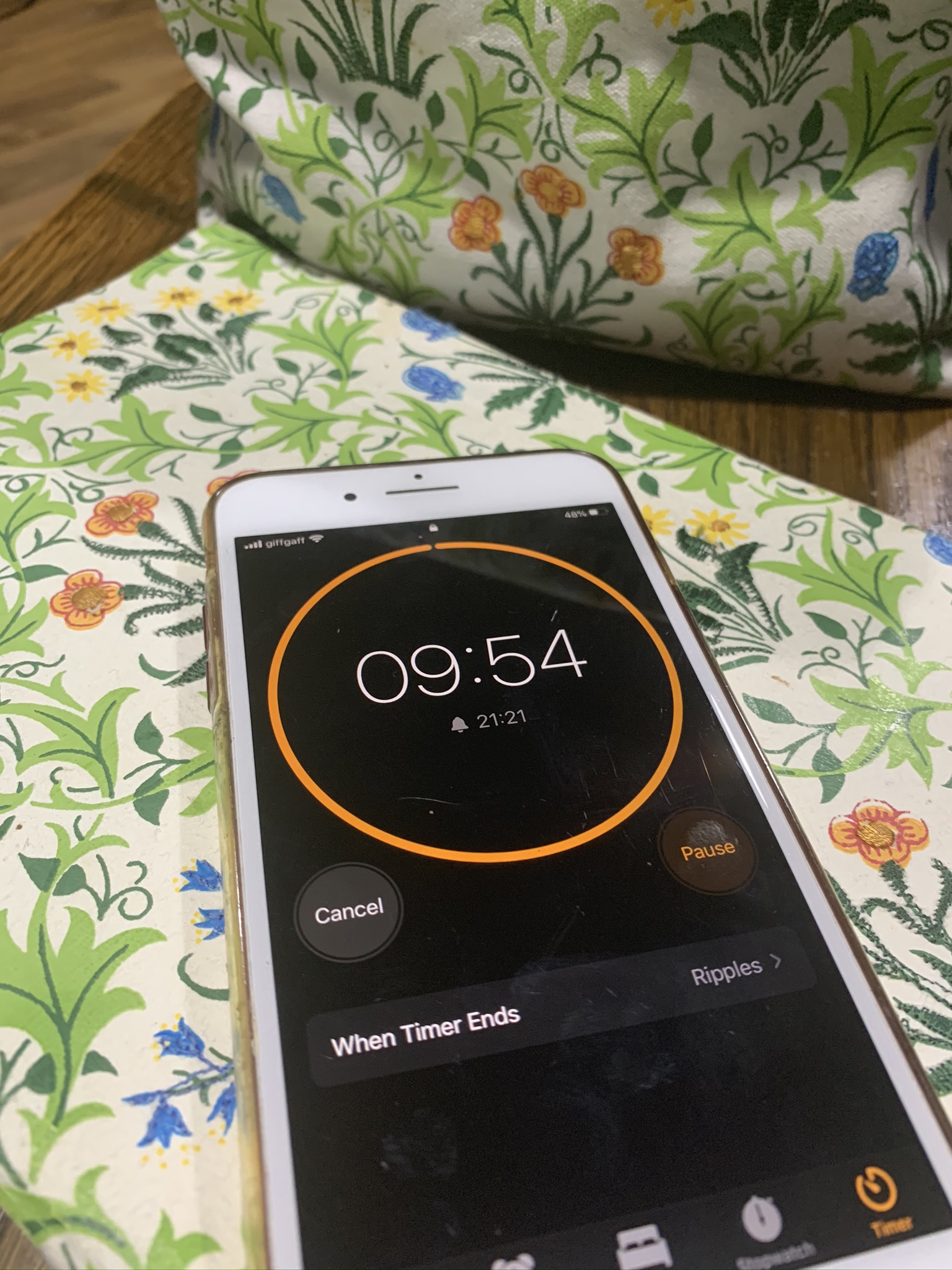
Being a bit of a control freak, I do not allow myself a weekend if I haven’t hit my weekly wordcount during the week. It isn’t always easy but I swear by self-discipline and using timers. I find that on those days the words aren’t coming it is important for me to sit at my laptop and stare at that blank page. To make sure I don’t find an excuse not to write I set a timer – only for ten minutes – and I do not move, go online or look at my phone in that time. I usually have something pop into my mind before the ten minutes is up, just to quell the boredom if nothing else. It may not solve the current plot niggle or stay in the final manuscript but it gets me started and more often than not leads somewhere useful.

Even on the days I know what I want to write I have a butterfly mind and constantly seek distraction so again I use a timer at the start with spurts of ten minutes and a little reward after each – a quick check of social media, a scroll through my news app, a cup of tea etc. I usually find I can turn the timer off after a couple of blasts of ten because by that point I’m so involved in the story the words fly out and hours fly by.

This works for me most days but sometimes I get to a sticky bit and I truly can’t think. In which case I sit in water. I know this sounds weird. But I am the clumsiest person in the world. I cannot trust myself to take my phone or laptop in the bath, or the paddling pool on sunny days (yes, I work in a paddling pool!) but I can just about trust myself with a notepad and pen. Then I am truly free from distractions, there’s only so long I can swirl water about dreamily before my mind focuses and inspiration follows. I always end up with a couple of pages of notes for my next scene/ chapter and they are often far more developed and thought out than when I am just in front of the computer.

So, in a nutshell, I use timers on a daily basis and sit in water when I’m stuck. But I want to add that I truly believe in the power of the mind as a sort of super computer and in being kind to yourself. So, if you are really struggling, I think it’s okay to feed your mind the details of what you need resolved, take yourself off and do something different for a bit and somehow, magically, I’ve found the answer always pops up. I just really hope today that my mind hurries up!


SISTER SCRIBES: KIRSTEN HESKETH ON WHAT NOBODY TELLS YOU ABOUT BEING PUBLISHED

I chose life as a writer because I love to write. Right? But I think I also chose it – or it chose me – because I can embrace my inner technophobe, my inner introvert and, frankly, my inner slob (my, I have a lot of ‘inners’!) I can sit in front of my ancient computer – using only the most basic of Word functions of course – wearing tattered old jeans and a dogeared sweatshirt and with a legitimate excuse to avoid talking to anyone for hours – days – on end!

Bliss.

But now the paperback of Another Us has been published and everything has changed. Suddenly I am being invited to appear on more panels and podcasts than you can shake a stick at. Well, at least three! The local WI want me to do a virtual talk, other debuts are inviting me to be interviewed alongside them and my friend’s friend’s book-group would love me to pay them a visit. Which is all lovely, really it is, and I am genuinely very honoured and flattered. But it requires me doing three things that don’t come easily to me – looking presentable, being sociable to order and mastering this brave new world of technology.

Reader, it has not been without its challenges. All this Zooming and the We-Meeting and the House-Party-ing. It’s all very confusing. The first panel I took part in, I hadn’t really thought through the set-up at all, and my face was barely poking above the bottom of the screen.  My lighting was also very gloomy, and I looked exactly like I felt – a startled little mole peering into the headlights. The next time, of course, I overcompensated – I bathed the room in bright light and stuck my laptop on a pile of jigsaw boxes, thus giving the poor viewer a birds eye view of my lockdown roots surrounded by a ring of the red hair dye – still there after I coloured it for the Ebook launch. Worst of all, I hadn’t realised when you’re on Zoom, people can still see you when you’re not talking. I wish I’d known this one in advance. That way, I might not have picked my nose, slurped my tea, checked my text messages and – at one point – vacated my seat entirely whilst I let the cat out and simultaneously  hollered to my husband to bring me a glass of wine ‘because I bloody need it’. Happy days!

Then there was the time that my arm got the shakes from holding my phone in front of me for what felt like hours while I chatted gaily; the bemused viewer probably wondering why I wasn’t seeking urgent medical help instead of wittering on about the inspiration behind Another Us; (yes, I know now you can purchase little tripod things designed for just such occasions.) The time my son and his friends were milling around in the hallway prior to a night out, demonstrating their extensive knowledge of very rude words. The time …

I finally sussed it all out. I got my roots done. I worked out the most flattering camera angles and lighting options. I learned to sit still with a sensible expression on my face. I bribed and blackmailed my family …

Now, of course, no one wants to interview me. The little hubbub of excitement around Another Us’ launch is over and my lovely editor is reminding me, ever so gently, that the edits on Book Two are due …

Happy days!

My Writing Process Angie Lake

author Angie LakeHow I Write 

  1. A bit about you.

After moving around chasing the rock n’ roll lifestyle, my partner and I decided to settle with our toddler on the Spanish Costa Blanca, which is where I grew up. He’s a musician and I’m a writer, so we knew that life was going to be challenging. We decided that we might as well live somewhere pretty as, chances are we’ll never be able to afford a holiday.

  1. What you have written, past and present.

I started out with a short stint doing reviews and interviews for a Heavy Metal magazine. Over the years I’ve written articles and worked on translations and subtitles for the music industry.

My Dad and I collaborated on two series of children’s books The Diaries of Robin’s Toys and The Diaries of Robin’s Travels, published by Sweet Cherry Publishing.

I then went on to write the middle-grade book series Danny Dingle’s Fantastic Finds, and its spin-off series Mina Mistry Investigates, also published by Sweet Cherry.

I’m currently working on the plot for another children’s series.

Aside from that I have some unpublished work including a trilogy of novels and a series of children’s books for adults (also comedy).

  1. What you are promoting now.

Sweet Cherry Publishing are launching Mina Mistry Investigates this September. It’s a series about a witty schoolgirl detective and her half-hearted attempt to fit in with the kids around her as she puts her energy into solving mysteries while maintaining her secret identity.

  1. A bit about your process of writing.

I went through a very draining phase of writing for up to 22 hours a day for two months on the trot, but once my hair grew back I decided to keep to a less lethal schedule.

I write 5 or 6 days a week, always in the mornings unless I’m up against a deadline.

I have notebooks where I jot down random ideas, then when I “go into production” with a pitch or a series I write everything on a project board to help me visualise the emerging universe.

I take time out to clear my head and come up with ideas: I run or hike most mornings before work.

  1. Do you plan or just write?

I think that if I didn’t plan everything with painful intricacy, my brain would disintegrate. I find that I’m more creative when I’m breaking rules; I impose my own strict rules on myself, then break them and feel awful about it. A typical work day should include an hour and a half of coming up with ideas, about an hour of planning and adapting plots and storylines and three to four hours of writing. There are also meetings, editing and other tasks. Usually my day will get hijacked by just one task though, and then I’ll panic.

  1. What about word count?

My current projects have a set word count, so I divide that into the time allowance I have for each project and then struggle to meet my own deadline.

  1. How do you do your structure?

Very rigidly. I’ll come up with characters and a concept for a series and I write as if I were working on episodes for a cartoon. I come up with a plot and a subplot for each episode, and then I divide that into eight scenes. I write a draft for each scene and then work towards the ending. I never drift; I always know how a story is going to end before I start writing it.

  1. What do you find hard about writing?

The financial uncertainty and having no one but myself to blame for it; that’s the problem with being your own employee and manager – what are the chances that you’re going to be good at both of those things?

  1. What do you love about writing?

That it comes more naturally to me than resurfacing roads or working in a call centre. Also that all the worlds and characters you create give you somewhere to escape to when you’re stuck resurfacing a road or working in a call centre.

  1. Advice for other writers.

In order to get anywhere you’ll have to take it seriously, but while you’re doing this you shouldn’t forget how ridiculous writers who take themselves seriously seem to the rest of the world. Embrace this and start collecting hats.


Mina Mistry Investigates: the Case of the Missing School Dinners will be published by Sweet Cherry Publishing on 10 September.