THE BUSINESS OF BOOKS: IN HISTORY WE TRUST – Jane Cable turns her hand to event management


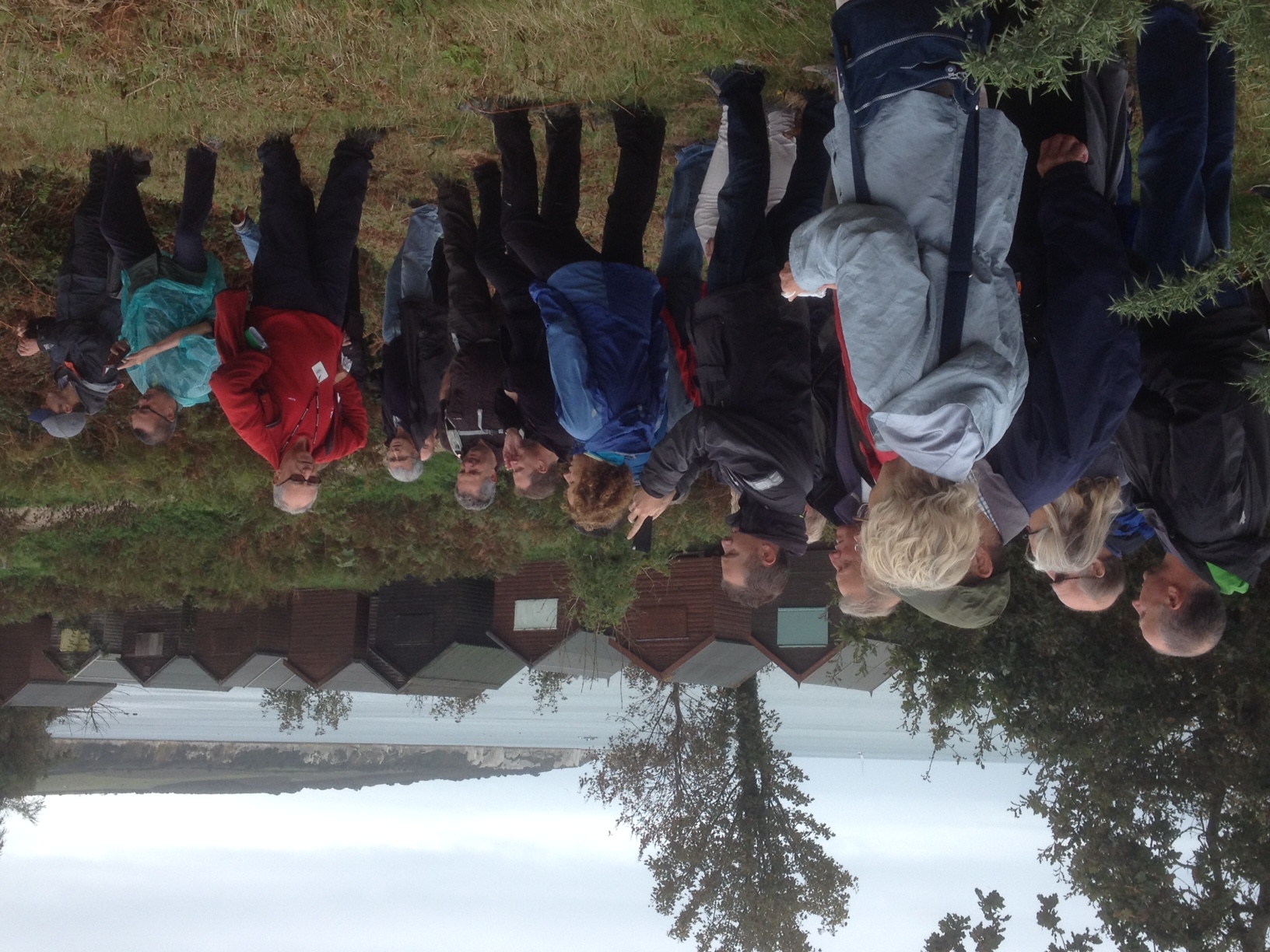
On Sunday about forty people turned up to an event I organised at a wet and windy Studland Bay and proud doesn’t even begin to cover it. My latest novel, Another You, is set in Studland but that was just the catalyst for Dive into D-Day, run in conjunction with the National Trust.

A number of writer friends have asked in awe how I ‘got in with’ the National Trust. Meaning, I guess, how come they are selling Another You in their shops. Well, to be precise it’s just one shop and therein lies the answer – go local. And write a book they love and so will want to sell.

Towards the end of writing the book, which although a contemporary romance harks back to World War 2, I felt it lacked the colour of what it really would have been like to live in the village in the 1940s. Through Studland History Group I was put in touch with local National Trust ranger Stewart Rainbird who had collected an oral history of the era. A morning spent with him paid huge dividends and when the book was published I send him a copy as a thank you.

In turn he passed the book to the manager of the local NT shop who loved it so contacted me and asked if they could stock it, and would I like to do a signing or some sort of launch event. We met and he commented that the film Dunkirk meant that there was a great deal of interest in WW2, something he’d like to capitalise on given that Studland played a huge part in the preparations for D-Day with Exercise Smash.

Another You opens on the sixtieth anniversary of the first day of Exercise Smash when six men died when their amphibious tanks launched too far out to sea and were lost in the bay. For my main character, Marie, it was the start of everything but for these young men it was the end of their too short lives. Being wartime the whole thing was top secret and for a long while it remained that way – even their families were told nothing about what happened. It was only down to amateur WW2 historian and tank restorer John Pearson that there is a memorial at all.

John had also helped with my research and if there was to be some sort of history day (the event was growing like topsy), he was first on my wish list of speakers. Although he professed to nerves he jumped at the opportunity. As did Stewart Rainbird who volunteered to lead a guided walk – and mentioned that Purbeck Sub Aqua Club were diving the remains of the tanks in preparation for the 75th anniversary of Smash in 2019. When they agreed to put on a photographic display of their finds and talk about their first dive season the day had a definite shape – and a name.

With speakers lined up the National Trust did everything they could to promote it through leaflets, a Facebook promotion and a press release. The media uptake was really good – I’m sure the NT’s name on it helped – but the story of Exercise Smash is so compelling two of the tabloids picked it up. I was in part frustrated and in part amused to see that they ‘improved’ on the story by embellishing facts in a way they had been told wasn’t true, but I guess that’s the way of their world.

But the day itself was amazing. Forty people braved the elements to discover more about Studland’s wartime history and thoroughly enjoyed themselves. The National Trust were so pleased they want to do it again. And I sold half a dozen books, which although it wasn’t the point, was still something of a result.

The Crazy Nature of Human Communication: The Importance of Being Mindful of The Moment

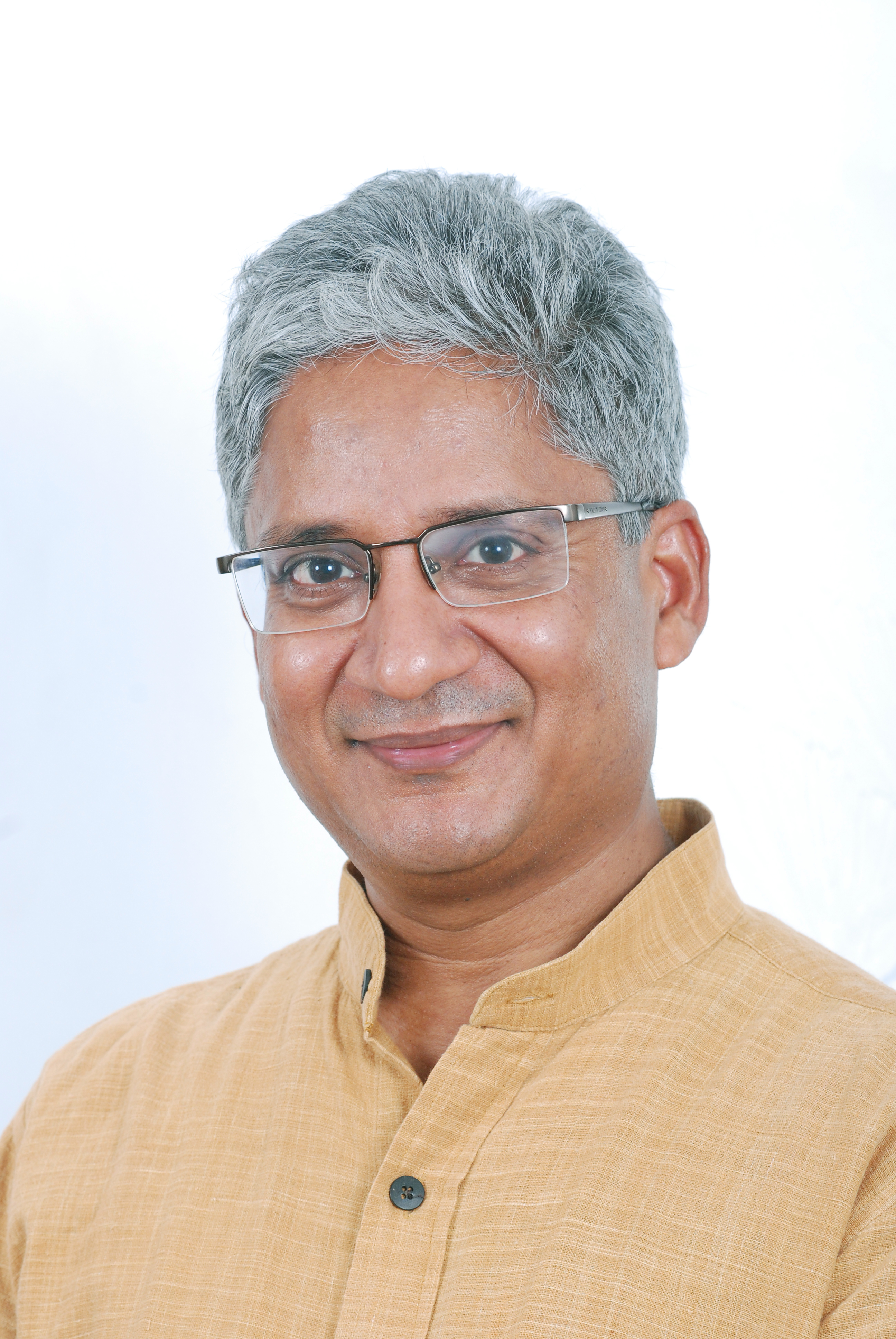
By Dr Rajan Sankaran, author of Dog, Yogi, Banyan Tree

Arriving at the lift of my building one evening, I met a neighbour who was known for his rudeness and for putting others down, while blowing his own trumpet. If someone from the building met him somewhere he would ignore them and walk away with his nose in the air. I tried to be a good neighbour and greeted him in a friendly manner asking him how he was.

When he perfunctorily asked me how I was, I thought it might help bridge some of the gap between us to share something. I said, “the younger of my two sons has gone to the USA to study, and with both my sons gone I feel an emptiness in the house.” Instead of some words of empathy or enquiring what my sons were studying, he pointed out that now my sons had left, the alterations that I had made to my apartment, which he had advised against, were now useless. He went on to mention that the alterations were probably illegal.

I was taken aback by this comment. I had tried to be a good neighbour and this was the response! This thought kept going on in my mind all day. So, when later I met another neighbour who is a friendly person, I told him about the incident. I wanted to share with him my experience of the rudeness and insensitivity of the other man.

Instead of seeing where I was coming from, he immediately was concerned about the plans of my apartment that he said he had seen some time ago. He told me that he was quite sure there was nothing illegal about the changes I had made to the apartment.

Stepping back from these experiences; I observed how the three of us saw the same thing in entirely different ways. I was lonely because my sons were away. I tried to convey this to my neighbour, who wanted to find some way to put me down. Then the second neighbour who heard all this, saw it from a completely different perspective: namely, the legality of the changes in my home.

Though I know somewhere that each one of us has his own perspective and that there is no objective reality, my mindfulness in the above incident made this very clear. Each individual comes from who they are and how they perceive things.

There are so many perceptions in one reality. When we communicate with each other, it is actually each one of us talking to himself. We hardly hear the other one. We are hearing ourselves all the time. It is like an orchestra where each musician is playing his own melody.

By stepping back and becoming a witness to the whole phenomenon, I got an insight into how stuck each one of us is in his own inner pattern of perception. I also realized the crazy nature of human communication.

Dr Rajan Sankaran is an internationally-famed homeopath, spiritual thinker and practitioner of holistic healing. His new book, ‘Dog, Yogi, Banyan Tree’ is an insightful and inspirational chronicle of personal and spiritual self-discovery. It is available now in paperback from Amazon UK, priced £21 and published by Homoeopathic Medical Publishers. For more information visit www.dogyogibanyantree.com

Win a copy of Dog, Yogi, Banyan Tree by Dr Rajan Sankaran

We have three copies of Dog, Yogi, Banyan Tree by Dr Rajan Sankaran, usually priced £21, to give away. To be in with a chance of winning follow frost on twitter at http://www.twitter.com/frostmag, just email frostmagazine@gmail.com with your name and address. The three lucky winners will be notified by 3rd November and will receive their prizes shortly thereafter.


Highlights of National Poetry Day 28 September 2017

Wakefield: Poetry on the no 59 Bus

Departing from Wakefield Bus station at 11.21 and travelling along the route to Barnsley
Take your seat for a ride of poetic musing, revolutionary songs and live music from The Merrie City to Tarn and back. Jump on board Bus 59 with The Ukulele Lady and her Boy, musician Jacqui Wicks and poet Ralph Dartford, and experience a journey like no other. All you will need is your fare. This event is part of the Hear My Voice Barnsley Project in collaboration with Wakefield Lit Festival, funded by the Barnsley TUC Training Ltd and supported by Stagecoach.

https://www.wakefieldlitfest.org.uk/events/332-national-poetry-day-on-the-no59-bus


Jill Abram presents Stablemates: A Poetry Salon with Roger McGough, Malika Booker and Kathryn Maris from Penguin Modern Poets

Foyles, 107 Charing Cross Road, London, WC2H 0DT


To celebrate National Poetry Day, we’ll be joined by presenter of BBC Radio 4s Poetry Please Roger McGough, Douglas Caster fellow Malika Booker and Pushcart prize winning Kathryn Maris. The evening will comprise of the poets in conversation with Jill Abram, Director of Malika’s Poetry Kitchen, and reading from their work.


http://www.foyles.co.uk/Public/Events/Detail.aspx?eventId=3431


Poetry Breakfast at L’Escargot

L’Escargot  Restaurant, 48 Greek St, Soho, London W1D 4EF


Poet in the City’s legendary Poetry Breakfast is back, with a twist. This year we’re transforming Soho’s iconic L’Escargot into a trove of poetic treasures.  Behind door number 1, you might find yourself sitting down for coffee with 2016 Forward Prize-winner Vahni Capildeo, maybe you’ll be meeting Jo Shapcott, 2011 recipient of the Queen’s Gold Medal for Poetry; or perhaps you’ll be sharing a croissant with Sabrina Mahfouz, the award-winning poet and playwright behind With a Little Bit of Luck (2016) and literary anthology The Things I Would Tell You: British Muslim Women Write.


http://www.poetinthecity.co.uk/show-event/?pc_event_id=337


Pop Up Poet Session in Glasgow

Mitchell Library, North St, Glasgow G3 7DN

In celebration of National Poetry Day, live poetry sessions will be held by one of the Pop up Poets from the St Mungo’s Mirrorball. Come along and have a coffee or some lunch and hear some poetry from 11.00am – 1.30pm at the Mitchell Library.


Betjeman Poetry Prize

John Betjeman statue,  St. Pancras International Station, London


The Betjeman Poetry Prize celebrates the fantastic achievement of this year’s six young finalists at St Pancras International, on the Upper Councourse, by the statue of Sir John Betjeman. Awards presented by the poet Rachel Rooney and the illustrator Chris Riddell, with readings from the young poets. Event starts at 2pm.


https://www.betjemanpoetryprize.co.uk/


Contains Strong Language

Various locations, Hull


A major new national spoken word and poetry festival in Hull


Starting on National Poetry Day, Thursday 28 September, Contains Strong Language will welcome local, national and international poets, in a celebration of new and existing word craft inspired by our literary city.


https://www.hull2017.co.uk/whatson/events/contains-strong-language/


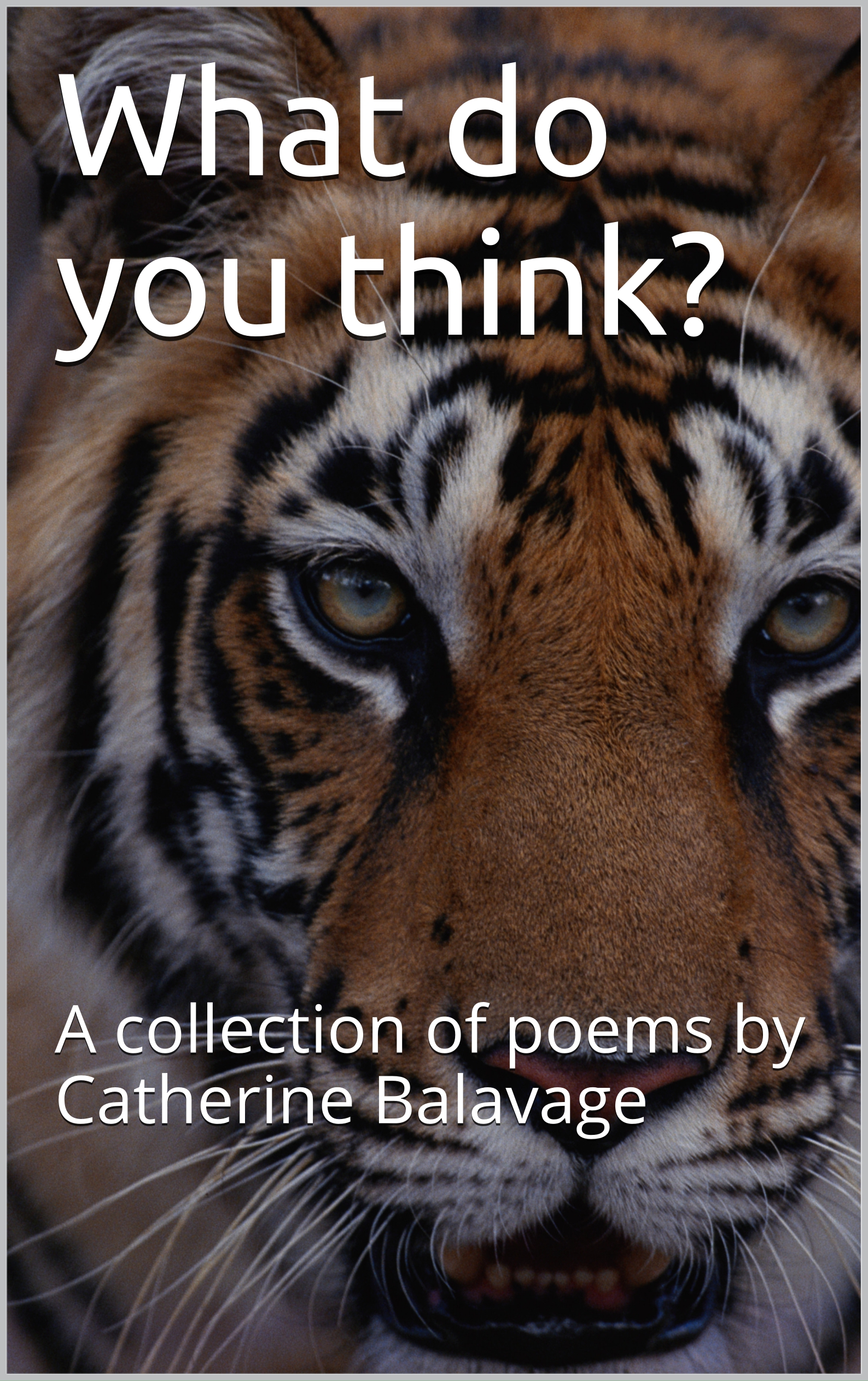
What do you think?: A Collection of Poems Extract #nationalpoetryday

poetry, poetry book, poems, women authors, Scottish writers, poetry book, female writers,To celebrate National Poetry Day here is some extracts from my poetry book What do you think?: A collection of poems. I hope you enjoy them.


Thieves

Littered broken hearts

One million men

Tearing me apart

Vestiges of

What I used to be

Leaving behind

All different parts of me

Traces

Chunks

Bits

Intellectual property

All stolen from me

And I will never be complete again

And the waiter came around with decapitated roses


When women are mean girls

Another barb

To bring a smile to your face

You think it wounds

Not quite

But I will confess it grates

How a woman can act like a mean girl

Time and time again

Her insecurity and bitterness

Coming out in bitchy comments

I guess I should feel sorry for you

That your life has led you to this

Vile and wrapped up in your own bitterness

But woman like you give women a bad name

Lashing out, attacking, trying to cause pain

I know you just don’t like my happiness

That it causes you pain

That your jealousy is like your other face

Sneering, ugly and plain

I take it as a compliment

That you can’t just keep quiet

That you cannot become the adult you are

That you have to let your hate perspire

I move on, of course

And I smile as I do

Because although you bore me and disappoint me

I am happy, because I am nothing like you

(This was written in 2016. I wish it wasn’t as relevant as it is. I do have to point out that men can be bitchy too, but sometimes it just hurts more when it comes from another woman).


Motherhood

They say that after this I will be a woman

But I feel I already earned that long ago

Long before the waves and the pain

My dues long paid up

Unlike those other dues

This one will be worth it

They say this will change me.

And it irks me that they are not wrong

One bouncing baby

To change the melody of the song

Half a stone of giggles and crying

To bring a joy

That could bring back the dying


Loved person

Broken promises I knew you could not keep

You only ever tried to love me and in gratitude I lay at your feet

Because I was in love too, but my love was different

My love was the notion of life, a good one

All I wanted from ear to ear; a smile from my own mouth

It did not work

You loved me so selflessly I could not leave

Although I know now it was only through your love for me that I loved you

You lost your own identity

You chose mine but I wanted mine to keep

Still. Here I am

This time only crying at your ever loving feet

I owe you too much to leave

So for the rest of my life. If I never find the courage

I will be the living, loved dead

Even though I see

Your love in an otherwise cruel world binds me

Forgive me. I doubt for all that I was ever worthy


All poems taken from What do you think?: A Collection of Poems by Catherine Balavage is available from Amazon. 


National Poetry Day Kicks off with new BBC poetry festival and report of boom in poetry book sales

National Poetry Day, the world’s greatest celebration of poetry, will see a mass outbreak of verse today. The BBC is celebrating National Poetry Day across all its channels, as are Visit England, Art UK, Virgin Trains, Royal Mail, Twitter, the V&A and thousands of schools, libraries, pubs, bus routes, museums and railway stations: the celebrations will be impossible to ignore.


Poetry is booming! This year marked the best sales on record for poetry books in both volume and value: since January, sales are up by 10 per cent on the same period last year, driven by a new appetite for the work of living poets with strong online followings, including Rupi Kaur and Hollie McNish. Poetry, according to Nielsen BookScan, is now challenging prose on the bestseller lists, boosted by the popularity of both live and recorded performances and strong followings on Instagram and Twitter. In May, Manchester’s resilience under attack found voice in a much-shared spoken-word poem by “Longfella”, in June, thousands cheered Kate Tempest at Glastonbury: poetry, whether provocation or consolation, has never felt so present.


National Poetry Day also sees the launch of a major new four-day poetry festival (Contains Strong Language) in Hull 2017 UK City of Culture, a partnership with the BBC, Hull UK City of Culture, Humber Mouth, Arts Council England, British Council, National Poetry Day and other poetry organisations. The festival stars a line-up of 17 innovative poets, the Hull 17, and will feature more than 50 events across 8 venues, including performances by the BBC Philharmonic Orchestra, John Cooper Clarke, Kate Tempest and a mammoth washing line of poetry created from 2017 new poems about city landmarks written by Hull residents.


There will be hundreds of events across the UK and Ireland including many responding to the invitation to ‘share a poem’ on social media.


For a second year running National Poetry Day has partnered with BBC Local Radio. Taking their cue from National Poetry Day’s 2017 theme – Freedom – BBC Local Radio stations across England called on listeners to ‘Free the Word’ by nominating a distinctive local word that deserves to be better known nationally. The final selection was made with the help of lexicographers from the Oxford English Dictionary, on the look out for new definitions and usages to fill the gaps in the dictionary’s overview of the English language.


12 local words are now the inspiration for 12 new local poems, to be broadcast across the BBC network today: among the words selected are cheeselog, meaning a woodlouse (Hollie McNish, BBC Radio Berkshire) and bobowler, a West Midlands’ word for a large moth (Liz Berry, BBC WM) and mardy (moody) from Leicester listeners (Toby Campion, BBC Radio Leicester). BBC Radio Cumbria chose to twine (to complain) for their poet Kate Hale. BBC Radio Leeds’ poet Vidyan Ravinthiran, will take a poetic walk down a ginnel (alleyway), BBC Radio Devon’s listeners chose an evocative word to describe twilight – dimpsy – for local poet Chrissy Williams. Finally, the capital’s first Young People’s Laureate Caleb Femi has turned fam, the street slang address for a friend, into a poem for BBC Radio London.


Poet Isaiah Hull has woven all 12 words into a bravura poem-of-poems, commissioned and broadcast as part of the Contains Strong Language festival.


BBC Radio Wales and BBC Radio Scotland are also joining in the fun. BBC Radio Scotland’s Poet in Residence Stuart Paterson has penned a poem Here’s the Weather which contains a flurry of the 700 words nominated by listeners, as well as the word topping the poll – dreich – meaning dreary weather; while the word cwtch, a hug in Welsh, was chosen by Sophie McKeand, Young People’s Laureate for Wales, for her poem.


National Poetry Day has also announced its first ever dedicated book trade promotion highlighting 40 inspiring poetry books in four wide-ranging categories: anthologies, children’s poetry, current collections and poetry for book groups. The campaign’s aim – to enable all to enjoy, discover and share poetry and titles include William Sieghart’s The Poetry Pharmacy: Tried-and-True Prescriptions for the Mind, Heart and Soul (Penguin Press), Plum (Picador) by Ted Hughes Award-winning Hollie McNish and Milk and Honey by bestselling insta-poet Rupi Kaur.

Visit England is focussing its ‘Literary Heroes’ campaign on poets and poetry this month, commissioning poets Andrew McMillan and Remi Graves to rework much-loved classics for the 21st century. Andrew has transplanted Wordsworth’s daffodils to urban Manchester and Remi will use Blake’s London to explore Kings Cross. Films of their new poems are released today for National Poetry Day.


Art UK, the online home for every work of public art in the UK, announces the winner of its Art Speaks competition, open to young poets aged 13 to 24, for a filmed poem about any picture in public ownership: Matthew Arnold Bracy Smith’s The Disrobing (Despoiling) of Christ (after El Greco) at Scarborough Art Gallery was the inspiration for 22 year-old civil servantAmani Saeed’s winning poem “Jesus Christ Goes Clubbing”; while poet and DJ James Massiah has created a 1 minute poem for giffgaff, the youth-focused mobile phone network which is cheap, flexible and speaks to “freedom”, fitting perfectly with this year’s theme. At the V&A in London the visitor experience team will be reciting poetry alongside relevant art works throughout the day.


On board staff of Virgin Trains will be including poetry in their announcements on the day and Poet in the City presents Sound of the Underground: 9 poets across 5 London Underground stations reading poetry exploring this year’s theme of freedom and travel; while Royal Mail is postmarking millions of items of mail nationwide with National Poetry Day 28 September: an honour reserved only for special occasions and significant events.


Glasgow will mark the day with pop-up poetry events across the city; in Yorkshire, the number 59 bus route from Wakefieldto Barnsley will be taken over by poets and musicians, while Bradford, Unesco City of Film, will feature poems on its Big Screen. St Pancras Station, the Old Vic Theatre, Soho’s L’Escargot restaurant and Cassandra Goad’s jewellery shop on Sloane Street are just four of many London venues putting poetry before the public in surprising and delightful ways.


Susannah Herbert, National Poetry Day says: “A poem gives people the freedom to play with words, to rub off the dull tarnish until they’re fresh as new pennies. That’s why the BBC’s push to get poets to celebrate the nation’s favourite local words has struck such a chord with the nation. Everyone who shares a poem today, whether in a tweet, a nursery rhyme or a note on the fridge, is pushing back against the deadening regime of prose and striking a blow for the imagination.”


Expect impromptu pop-up poetry festivals in thousands of unexpected places, from shops, streets and offices to doctors’ waiting rooms and postal sorting offices. Ricky Gervais, J K Rowling, Paul McCartney, Stephen Hawking, George RR Martin and Ellen DeGeneres are among the hundreds of thousands of poetry-lovers who have shared poems they love on past National Poetry Day via Twitter.  Last year the hashtag #nationalpoetryday had a 520 million reach, trending #1 across the globe on the day.


National Poetry Day is co-ordinated by the Forward Arts Foundation, an Arts Council National Portfolio Organisation that celebrates poetry and promotes it as part of everyday life.


With Macmillan Children’s Books, it has nominated 18 poets as National Poetry Day Ambassadors, with special responsibility for igniting enthusiasm nationwide by visiting schools, organizing events and competitions and writing new work on the theme of Freedom. Their new poems have been collected as a free downloadable eBook Freedom: A National Poetry Day Book available from the National Poetry Day website, alongside posters, lesson plans and ‘freedom’ images from artist/poet Sophie Herxheimer.


For further information, visit http://nationalpoetryday.co.uk

Follow on social media using #NationalPoetryDay

 

The Business of Books: Blending Fact and Fiction – Jane Cable meets GP turned author Carol Cooper


1) How much of your working life does the business of books take up?

About half my working hours are now taken up with book-related activities. It’s not all writing, as there’s social media, marketing, research, and the rest.

The other half of the time, I teach medical students, do some journalism, and fit in a spot of charity work. I’m involved with Tamba (Twins & Multiple Births Association), Lucy Air Ambulance for Children, and APEC (Action on Pre-Eclampsia). I have more time these days because I’m taking a sabbatical from seeing patients. After three decades as a family doctor, it’s lovely to have a break. Before that, writing had to be done during evenings and at weekends, but now my writing doesn’t just get the ‘tired me’.


2) What’s your business model to earn a living from writing?

Like most journalists who fell into writing books, I didn’t set out with a business model. My dozen or so non-fiction books bring in more income than my two novels. But journalism is still a more important revenue stream for me than books. Then there are activities like TV and radio appearances, and occasionally work for PR companies. I could earn more if I did more doctoring, but I enjoy the change of pace that I’ve allowed myself.

While I don’t normally spend much on book marketing, I did engage a publicist for my second novel, Hampstead Fever. That probably helped get it into bookstores. It certainly spared me a lot of time and footwork.

3) What do you write and what do you consider to be your major successes?

I’m now concentrating on fiction. My first two novels, One Night at the Jacaranda and Hampstead Fever, are contemporary tales about dating, relationships, and family life. Set in London, they feature multiple viewpoints. Think of the film Love, Actually, and you’ll have good idea of the structure.

My non-fiction books are mostly on child health and parenting, but there are also two textbooks on general practice, co-authored with medical colleagues. I’m not ruling out writing another health book, but publishing has changed, especially for non-fiction because there’s now so much web-based information.

My major successes include writing for The Sun newspaper for the last 18 years as the Sun Doctor. My role is to write fast authoritative copy as needed when a health story breaks. I know some people are sniffy about tabloid journalism, but it’s a real skill being able to get ideas across in just a few words, and I work alongside some of the best in the business.

I’m also proud of my book Twins & Multiple Births: the essential parenting guide from pregnancy to adulthood. The first edition came out 20 years ago and the title is still going strong. It was also very gratifying when General Practice at a Glance received a British Medical Association book award.

With my fiction, I was thrilled this year when WH Smith picked Hampstead Fever for a front-of-store promotion in their travel bookstores. There’s nothing like your novel being in airports and stations to make you feel you’ve arrived!


4) Tell me about your latest project

The novel I’m now working on is a new challenge. It’s set mainly in Egypt where I grew up. While story covers nearly 70 years, and there’s only one point of view, it is still mainly about relationships. It’s the book I want to write.

Carol Cooper is a doctor, journalist, and author who turned to fiction after writing a string of popular health books. She lives in North London and Cambridge, and has three grownup sons. Find out more about Carol here:

Blog Pills & Pillow-Talk

Website drcarolcooper.com

Twitter @DrCarolCooper


The Business of Books: A Sense of Place – Jane Cable on how fact and fiction can easily blur

Writers are inspired by many different things but for me it always starts with a place. A little over two years ago I found myself in the middle of the steam punk festival in Lincoln. People in amazing costumes were everywhere, breathing life into the city’s cobbled climbs and quirky coffee shops. It felt as though I had walked into the beginning of a novel and very quickly I realised that I had. It was just down to me to write it.

Last week I went back. The latest round of editing is almost complete – it won’t be the last, but I’m finally satisfied that the manuscript is almost in good enough shape to be found a home. I have a couple of agents in my sights and a shortlist of three publishers who take direct submissions and whose criteria it fits. This time I’m going to be very careful.

The story has two main locations, the city of Lincoln itself and the picturesque village of Winteringham on the banks of the Humber. I construct the settings for my stories very carefully; I know where the characters’ houses, flats – and barges – are; the places they work; the bars and restaurants they frequent and where my heroine Rachel goes running. In my own mind I create details so rich I inhabit the settings myself – so it comes as something of a shock when they are not quite as I remembered.

Much of the Lincoln part of the story takes place along the Fossdyke Navigation which joins the heart of the city to the River Trent. I think I surprised my husband by saying, “That’s Rachel’s flat” – and surprised myself by having forgotten it has a balcony overlooking the canal. But the story doesn’t need a balcony so I won’t be adding one. The apartment in my mind is so very real it would feel uncomfortable anyway.

I don’t think this is especially strange or odd – no more than is normal for writers anyway. The best of fiction is so much about the richness of the characters, to create them I think you need to actually walk in their footsteps, inhabit their world. For me, once I’ve grounded them in a physical setting, everything else falls into place. I am completely in awe of authors who can imagine and populate whole new worlds.

But I’m having to accept that my memory is far from perfect. I needed a male character who was a without doubt a local man so I picked an unusual surname from Winteringham’s war memorial. On a return visit to the museum in Lincoln I thought it such a co-incidence a Daubney was quoted on one of the display panels. When we arrived in Winteringham, the name wasn’t on the memorial at all. I read it three or four times with growing disbelief. Was another of my characters, the enigmatic Nick, up to his tricks again?

It seems so… either that or subliminal recall is far stronger than we think. I needed to name one of the properties close to the village centre. Not anything too twee, but something comfortingly rural, so I decided on Bramble Cottage. This visit I noticed that the alleyway running up the side of the houses is called Bramble Lane. I leave you to draw your own conclusions.


Business of Books: So Much to Give – Part 2: Jane Cable on how individual authors help charities

Business of Books: So Much to Give – Part 2

Jane Cable on how individual authors help charities

Two weeks ago I wrote about how groups of authors help charities so now I’m going to turn my attention to the valuable input that individual writers can have, both in terms of time and money.


Although many authors band together to organise events others go it alone, using all their creativity to make it work. Historical novelist Victoria Cornwall helped her husband to raise funds for the local Cornish branch of Mind by running a slot car racing competition at a vintage vehicle show. To help attract families to the stand she gave away chocolates and bookmarks promoting her debut novel with Choclit. Did it help with book sales? “In truth, I have no idea,” she admits. “But we were raising money for a charity which supports adults with mental health problems so promoting my novel took a back seat.”


There are writers who donate all or part of their royalties to causes related to their books or close to their hearts. With the author only receiving a small slice of the price paid by the reader anyway, even amounts which sound quite small – like 10% or £1 a copy – are actually pretty generous gifts. Examples where the book fits the charity are Cassandra Grafton supporting the Jane Austen Literacy Foundation through her latest Austen inspired novel, and TV producer turned satirist Gloria Grayson donating to Mutts With Friends Dog Rescue because a dog is the star of her newly released book.


Indie author Emily Williams is so passionate about helping horse charities she is actually writing a young adult novel specifically to raise money. It’s an ambitious project and very much a work in progress, but she’s determined to succeed, even perfecting the art of making origami horses to feature on the cover.


Other writers give their time to mentor (psychological drama writer Amanda Reynolds volunteers for The WoMentoring Project) or give motivational talks; former soldier, police officer and crime writer Matt Johnson helps other veterans in this way and is a great example that with the right treatment PTSD can be controlled and overcome. Author and media doctor Carol Cooper will blog to support charities and waive her fees for articles to support good causes. For writers – and for many charities, time is as precious as cold, hard cash.


I would wager that most writers do something, however modest. Val Portelli (who writes as Voinks), typically plays down her own contributions: “The only things I’ve done are donate copies of my books as a prize for a fund raising campaign to keep a library open, send copies to a book shop struggling for stock after a devastating area flood, and donate some copies to an old people’s home where a friend worked as a carer.” That really doesn’t sound too much like ‘only’ to me.


But for some, the urge to help takes over their lives. Claire Louise Brown’s latest book has Inspired her to set up a charity to build a recuperation centre for veterans. “It’s early stages but hopefully one day what is in the book will be real and helping people every day,” she explains. Freelance writer and teacher Anne Hamilton made that dream real after she visited Bangladesh working for an NGO and wrote a travel memoir about it. This was the starting point for her involvement with Bhola’s Children, a charity which provides a home and school for orphaned and disabled children. She is a trustee and visits Bangladesh regularly. Find out more about the charity here: http://www.bholaschildren.org/.