SISTER SCRIBES’ READING ROUND UP: SEPTEMBER

Kirsten

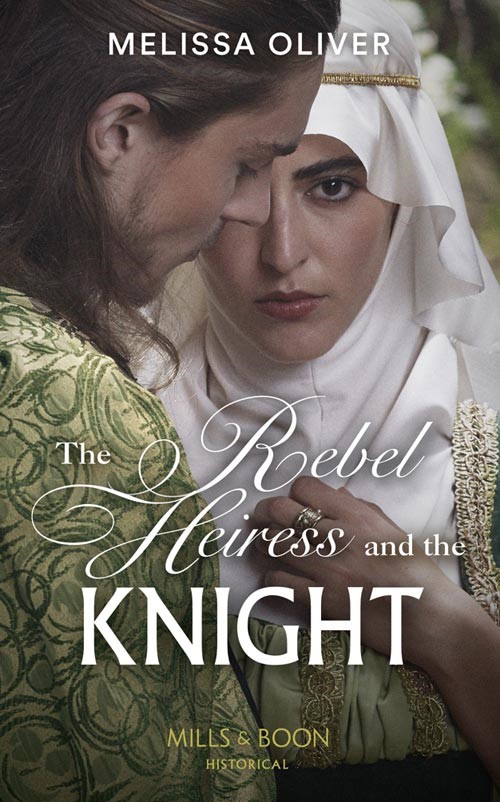
The first book I read this month, was the winner of the 2020 Joan Hessayon award, The Rebel Heiress And The Knight by Melissa Oliver (published by Mills and Boon). The award was open to any writer whose debut novel had been through the Romantic Novelists’ Association New Writers’ Scheme was published this year and I am immensely proud and honoured that Another Us was also a contender. Anyway, I thoroughly enjoyed the Rebel Heiress And The Knight. It is set in the reign of King John – a period of history I really love – and is just a rollocking good read with twists and turns aplenty. It is also a proper romance – the chemistry and tension between the main two characters is fabulous and I loved the fact that Hugh is kind and honourable from the start. A marvellous debut and a worthy winner of the Joan Hessayon award.
Another book I have enjoyed this month is If I Can’t Have You by Charlotte Levin (published by Mantle). This is a real page turner and exquisitely written and explores themes of obsession, heartbreak and unrequited love. I was expecting our protagonist, Constance, to be simply bonkers – and can’t love make us all thus?! – but she is also variously vulnerable, lovely and hilarious. This book really stayed with me and I highly recommend it.

And, finally, I am rather late to the party with Hamnet, written by Maggie O’Farrell (published by Tinder Press)  – but, just, WOW! Staggering beautiful and heartbreakingly poignant, this exploration of love and loss deserves every accolade and award …

Jane

I do love a dual timeline novel, and since writing one myself am even more in awe of writers who make them work. Clare Marchant’s stunning debut, The Secrets of Saffron Hall, is one such book. The level of research the author has undertaken shines almost as much as her gorgeous prose, and put together they make the book a thoroughly satisfying read.
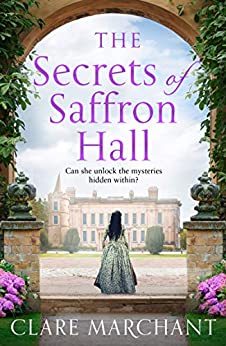
I normally enjoy the historical strand of a story more, so wasn’t remotely surprised when I became more and more lost in Eleanor’s world at the cusp of the dissolution of the monasteries. That I read it on holiday while visiting ruined abbeys was undoubtedly a factor, but Tudor life in rural Norfolk was so richly drawn I just loved falling into it. I felt the chill winds sweeping across the fens, saw the saffron swaying gently in the dawn.

It took me longer to relate to twentieth century Amber although in the end I was rooting for her happy ending. The fact hers isn’t a traditional boy-meets-girl love story was brave for a debut and I loved it. Credit must also go to Aria for not dumbing this book down, as sadly seems to be so fashionable in romance publishing at the moment.

Kitty

Cornwall: Misfits, Curiosities and Legends
A Collection of Short Stories and other scribbles

This anthology combines all sorts of storytelling in the one book, with the spirit of Cornwall infusing each piece. It moves from moor to coast, from past to future and covers a multitude of genres including historical, fantasy, romance, magic realism and sci fi. Additionally, there is poetry and a script alongside the short stories and with such a wide variety of styles, I defy any reader not to be able to find a piece that resonates with them. Cornish history and mythology are bought to life, illustrated and built upon and I greatly enjoyed reading this anthology from a group of writers whose love of Cornwall shines through their work.


Michael Rowan learns about a new range of wine, The Care of the Wild Wine Collection’ from Freixenet Copestick and the incredible work carried out in the Wild Rhino Sanctuary. www.slurp.co.uk

Busy day?’ asked my wife when she found me in the kitchen surrounded by 7 opened bottles of wine.

I did worry that her eyebrows would hit the ceiling, as I tried to explain, that I was in fact helping to save the black and white Rhinoceros threatened with extinction.

Let me explain…

Darren Gough, renowned cricketer, who together with his wife, are ambassadors of the Rhino Sanctuary, chose World Rhino Day (September 22nd) to launch an exciting range of charming South African wines.

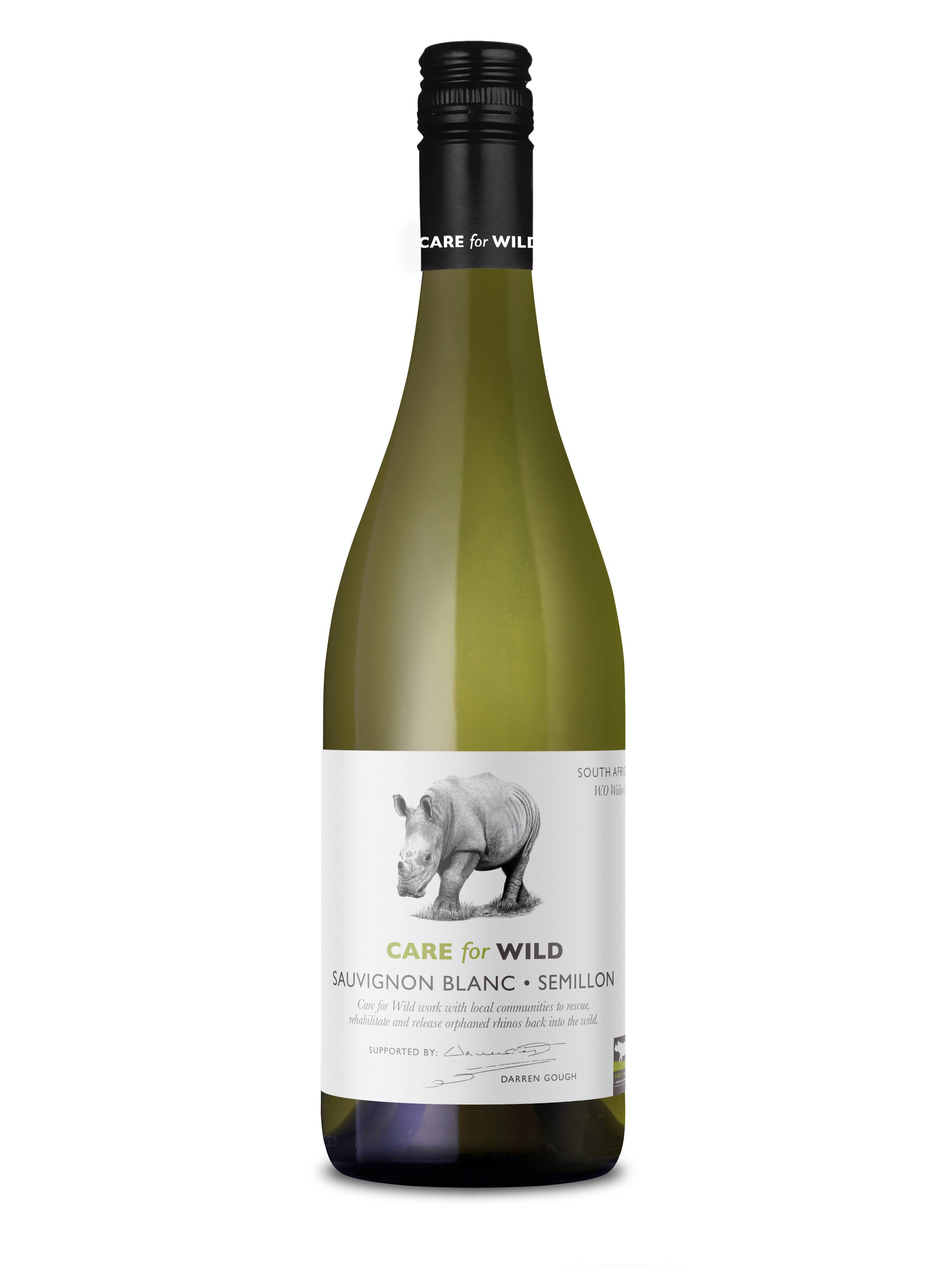
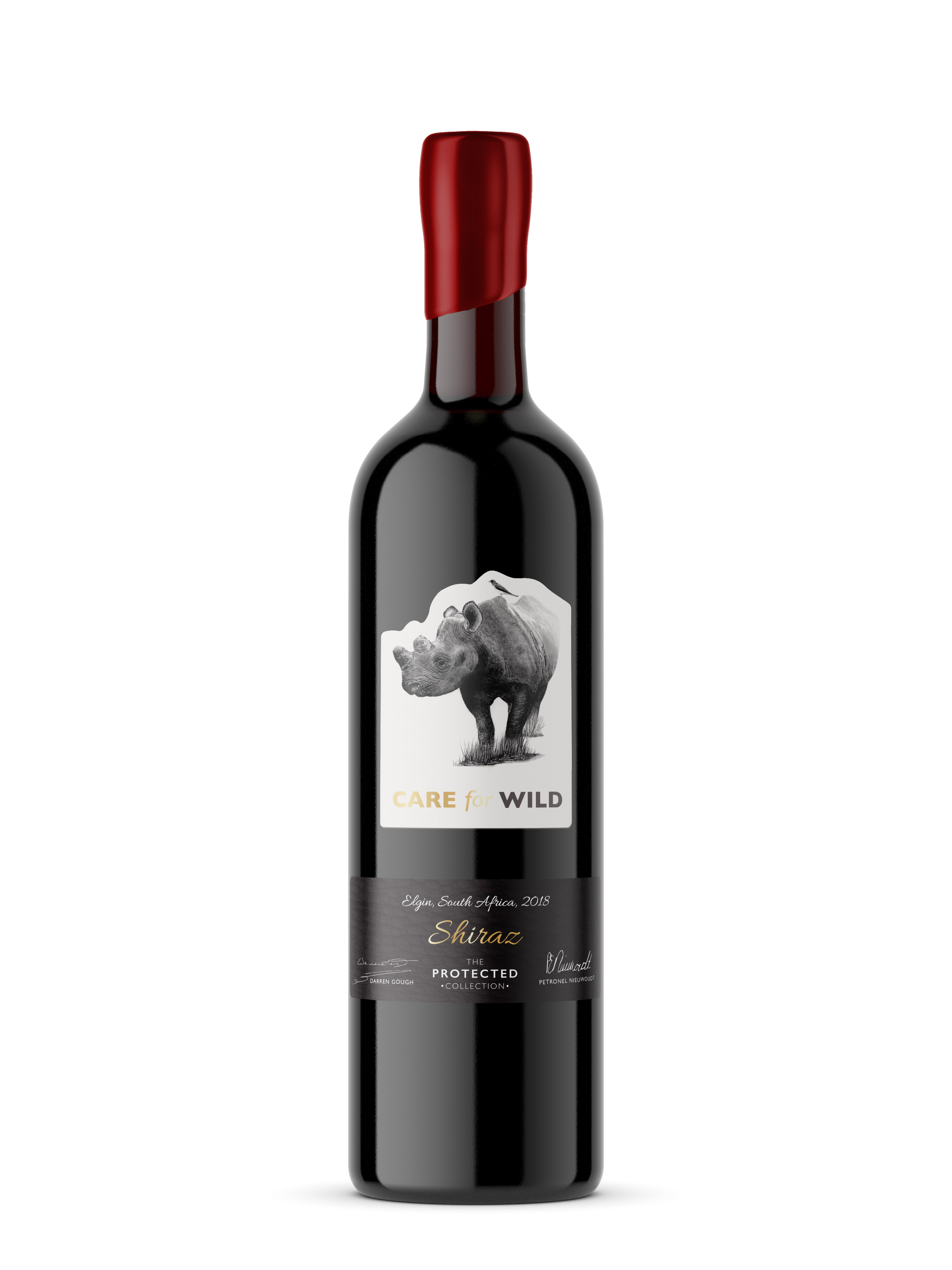
You can easily identify the wines by the beautiful labels which feature a Rhinoceros and not just any Rhinoceros, Odin and Arthur, named after two of the Rhinoceros who are currently resident in the Wild Rhino Sanctuary. Each label is a work of art, but then again so is the wine.

The Care for Wild Wine Collection will be available to purchase online from 22nd September, 2020 on www.slurp.co.uk after which a launch is planned with the major UK grocery and On Trade chains. Twenty percent of all the profits from sales of wine from this range goes directly to the Save the Rhino Sanctuary in South Africa.

Now, it is at this point, I have a confession to make. I have spent years dismissing Rose wine, and I was already convinced that Pale Rose was not going to be to my taste. Instead, it became my damascene moment. It was glorious, a hint of raspberries but not sickly sweet, this was clean fresh and delicate with good acidity, ideal for summer by the pool, in garden or at a picnic, though I can’t promise to wait until next summer. Priced around £10.00 – £12.00.

The whites were no less impressive beginning with the crisp Sauvignon Blanc, priced around £7.00 with soft citrus and tropical fruit and a hint of gooseberries on the palate, an easy drinker, which would go well with chicken or fish at a very affordable price. A South African wine which would give New Zealand wine a run for its money.

Staying with Sauvignon but this time, a zingy wine blended with Semillon to offer tropical fruit flavours with subtle mineral notes. The wine is smooth and satisfying and priced around £10.00 – £12.00 this over delivers, and one could easily pay another £5.00 for this wine and not feel short changed.

However, if I was going to treat myself, I would be plumping for the Chenin Blanc, which should be served fridge cold, not ice bucket cold if you are going to fully appreciate the apricots and peaches on the palate. A perfect accompaniment to Dover Sole or Pea Risotto and even with a good cheese. This wine is priced at £20.00 – £25.00 a bottle so something of a treat but we all deserve a treat from time to time.

Having sampled some delicious whites I hardly dare think what the reds might deliver.

Red Blend is a versatile blend of Pinotage and Shiraz which benefits from 20 minutes in the fridge before serving. Great with Chicken and Fish or perhaps a tomato- based pasta. It’s not pretending to be complex, but priced at £7.00 a bottle, this is a great everyday wine.

The Syrah Viognier is a deliciously complex wine made up of 97% Syrah and 3% of Viognier which is just enough to soften out the Syrah, gifting the wines with soft tannins and a pepperiness and red fruits on the palate. The wine would keep for a year or two and continue to improve, but why wait when it is drinking so well? Priced at £10.00 – £12.00 and to be honest I would pay another fiver for this wine and still feel very satisfied.

The Shiraz 2018 had me smacking my lips and at 14% packs a punch, delivering much for the money. It’s a wine of great refinement that could take on the best of Australian wines, offering good length with a soft velvety finish, packed with powerful fruit flavours.

This is a serious wine which would pair well with rich meat dishes, but also strong cheese. Priced at £20- 25.00 this is worth every penny and indeed much more.

I think that it is worth repeating that twenty percent of the profit on each bottle will go towards the Rhino Sanctuary which rescues, rehabilitates and releases orphaned rhinos back into their natural habitat, which is protected from poaching and other threats.

Money is needed to upgrade their perimeter fences, purchase high quality winter gear for their dedicated anti-poaching unit and ensure that there is a stockpile of milk for all the orphan rhinos in their nursery.

This is a fantastic opportunity to drink delicious, superb wines in aid of a good cause and even my wife raised a glass rather than an eyebrow

These wines are available from Slurp www.slurp.co.uk and currently have a special offer so these wines can be bought even more cheaply until early October.

The Super Premium wines feature Odin the Rhino and the Premium Wines features

Arthur the Rhino – to find out more about their stories please click on the links below.

https://youtu.be/yTJO8W0XiHs

Website: https://www.careforwild.co.za/


31st State – Because Teenage Boys Want Great Skin and Hair Too by Award Winning Author Dr Kathleen Thompson

Skin is astoundingly good at absorbing things. Hence a moisturiser can soak right in and give us a lovely peach-soft face. However there’s a downside – any harmful ingredients can pass through the skin and into our blood stream, so we need to be very aware of hidden nasties in our beauty products.

Parabens are used in many skin and hair products, because they prevent harmful bugs growing and so extend the shelf-life. However, if absorbed, they can act as ‘hormone disrupters’ by mimicking our natural oestrogens. Although more research is needed to understand the extent of this possible danger, there’s a theoretical concern that they could promote breast cancer in women and cause sex hormone problems in both teenage girls and boys. Both FDA and European regulators have restrictions on paraben use in beauty products– however if we use several products, each containing parabens, we may be absorbing more than we realise.

Some beauty companies have made a real effort to eliminate potentially harmful chemicals from their merchandise, however these are often designed for women. Teenage boys are using skin and hair products more and more, but what’s available for them?

Not much according to Stephanie Capuano, mother of two teenage boys, which is why she’s created her own range and, as a Californian, she’s called it 31st State. It includes cleansers, anti-blemish and hair styling products and I’ve been reviewing the Foaming Face Wash and Easy Hold Styling Gel.

Visually, the packaging is attractive and understated. Both products had a pleasant but subtle perfume – nothing to cause embarrassment for even the youngest teen. All 31st State products are free of parabens and other suspect chemicals, and are suitable for vegans. They use natural ingredients wherever possible.

As we know, teenage boys frequently suffer with acne and spots, and of course this causes as much embarrassment and confidence-issues as for girls. The Foaming Face Wash, which is formulated to gently cleanse and keep skin soft and clear, was very light, smooth and pleasant to use. It contains Tea Tree, which apparently works over a 12-hour period, decreasing chances of skin irritation and redness. Antibacterial Manuka fights spots, and Magnesium, Copper and Zinc work to prevent further breakouts.

The Easy Hold Styling Gel was clear and light to the touch and non-greasy. It contains naturally-derived ingredients, such as Tamanu Oil which provides UV protection and makes hair shiny, and hydrating Shea Butter for extra conditioning.

So if you’re looking for extra surprises for your son’s stocking, why not try the Christmas box, which includes the awarding winning Face Wash, Body Wash and Hair Putty and costs £25.

Stockists include ASOS, Amazon, Flannels, Ocado, Next and Liberty London, or you can buy direct from the 31st State website.

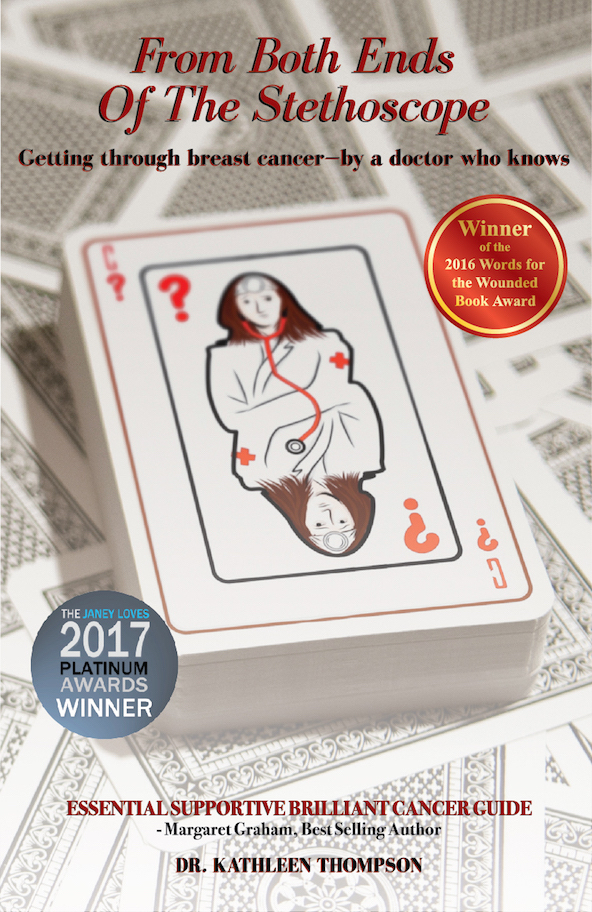
By Dr K Thompson, award-winning author of From Both Ends of the Stethoscope: Getting through breast

cancer by a doctor who knows.


http://www.amazon.co.uk/dp/B01A7DM42Q http://www.amazon.com/dp/B01A7DM42Q

http://faitobooks.co.uk

[slide 3 my book]

Note: These articles express personal views. No warranty is made as to the accuracy or completeness of information given and you should always consult a doctor if you need medical advice.

My Writing Process Diane Allen, author of The Girl in the Tanners Yard

I was born into a farming family that had a sheep farm which was very remote within the Yorkshire Dales. My early years were spent roaming the fells and dales, often by myself as I was the youngest of four and my older siblings had already spread their wings leaving me as an only child. I made my own entertainment and had a good imagination but also had a great love of losing myself in a good book which I still do to this day. The love of reading continued into my teenage years and could often be found reading to the early hours of the morning. When I left school I found a job in the local glass engraving firm, which I did enjoy but left to marry my husband, Ronnie who after forty-eight years I am still married to. After raising a family of two and nursing an ill father, I finally found my true niche in life at a local large print book firm. I soon rose through the firm and eventually became manager, negotiating rights with authors and agent and loving every minute especially when the books I had chosen came into the warehouse to be distributed to the libraries we supplied. It was that which started me thinking that I could perhaps be lucky enough to be able to write myself and the rest is history. 

I have written nine books now for Pan Macmillan. All are based in the Yorkshire Dales and I hope to portray the Dales and the people within them. I have family connections with the Settle to Carlisle Railway so that features quite a bit in my books. For A Mother’s Sin’s was a fictional account of the building of the line, featuring the building of the Ribble Head viaduct, while the Windfell trilogy is set around Settle and the Cotton Mills. 

My latest title is THE GIRL FROM THE TANNER’S YARD, this is set in West Yorkshire, around Haworth and Keighley. It tells the tale of lowly born Lucy Bancroft and ex-military man Adam Brooksbank and the unlikely love affair that springs up between them. Adam lives on the wild moors above Keighley and employs Lucy as his maid and finds just how strong and caring she is when he befalls an accident. Lucy thinks her love can never be returned by Adam, she comes from the Tanner’s Yard, a filthy dirty place and thinks that he will never treat her as an equal. However, with a little help from Adam’s old friend Ivy loves blooms, and Lucy’s dreams will be fulfilled despite what life puts between them. 

In the morning after breakfast, I usually disappear into my office, answering e-mails and promotional things and then go on to edit the previous day’s writing. After lunch I write for a solid four hours, trying to write at least 2,000 words. Sometimes it does not always go to plan, I feel I can’t write or I get stuck in a plot. Walking around my garden usually helps out along with plenty of cups of coffee supplied by my husband. 

Usually, when I’m nearly finishing my latest title I start thinking about the next. I visit where the book is to be set, research the area, picking up any history so that I can include it in my writing. I have notebooks that include loads of my scribbles within them just noting anything that I think would be interesting to be included. I then plot a rough start, middle, and end, this may alter as I once get writing. I let the characters take me where I should go as they develop in the book. 

My officially set word count is 100, 000 words, however, I usually find this hard to reach, so most of my books are around the 95,000 mark. I can’t see the point of padding a book out with things that have not relevance to the story.

When structuring my book, I give most though to the two main characters within the story, their occupations, and the setting of the book. I then make a note of their age, their looks, their hair and eye colour and any unusual features. Their surrounding is also noted along with any place names and local names to the area.

Some days you just can’t write and those days you are better walking away from your keyboard. Your characters will draw you back to them when the time is right. My biggest failing is following timelines, no matter how I try, I always seem to be out with age or length of a pregnancy. I get too carried away in the plot. 

I love writing, I can’t live without it now. If I give myself a fortnight break between books by the end of it I am the most frustrated person on the planet. I’m always hatching a plan in my head and looking for new ideas. It is a break from the real world, I can be where I want and who I want. Through these hard months of COVID, it’s been a welcome escape, I can go back to more simpler Victorian times and forget the heartache outside in the real world.   

The Girl From Tanners Yard is available here.


Take Time for Self Care with HEINRICH BARTH: the N.07 Mykonos Range

HEINRICH BARTH: the N.07 Mykonos Range, bath, relaxing, self care, Greece’s golden sunshine averages 26° C throughout summer, in a range of terrains on Mykonos. The flora on the island is famed for Mediterranean herbs inspired HEINRICH BARTH to create this range from Basil, Sage, Rosemary, Chamomile, Lavender, Olive leaf extract, Fig leaves, Honey, Peppermint, Nettle, Sunflower and Soybeans, to name a few!

Gazing upon this range of beautiful, rich local produce, HEINRICH BARTH, named after the 19th century German explorer, found inspiration for their ‘N. 07 Mykonos’ capsule line (named ‘N. 07’ because July, the 7th month, is the start of their summer).

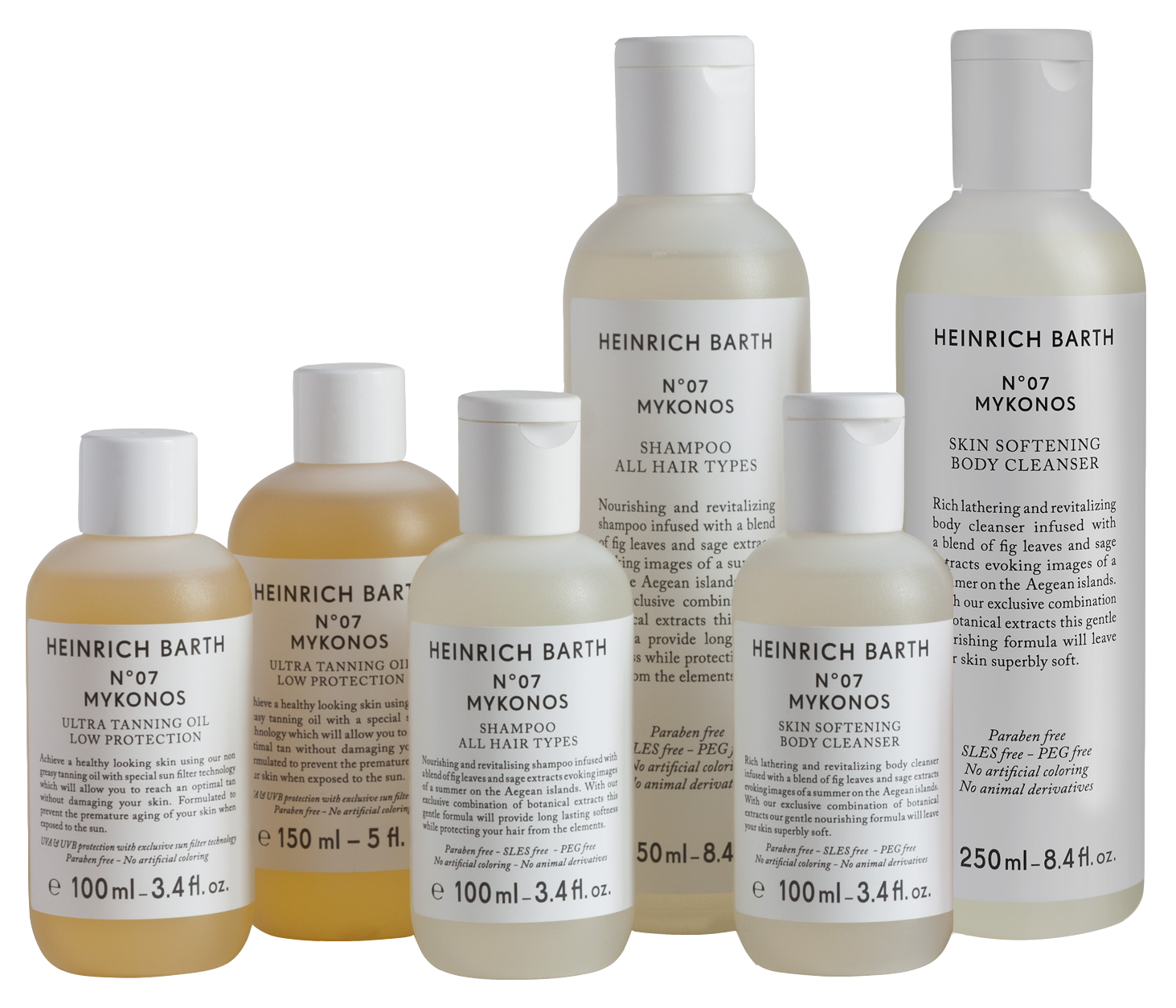
N. 07 Mykonos from HEINRICH BARTH (all Paraben free and without artificial colouring):

N. 07 Mykonos Skin Softening Body Cleanser (cruelty-free and Vegan-friendly)

250ml RRP £22100ml RRP £13

This rich smelling body cleanser is infused with a blend of locally grown herbs (fig leaves, sage, rosemary, lavender, basil), taking us back to the golden beaches of this stunning Aegean island. The experts at HEINRICH BARTH have enthused this cleanser with a range of botanical extracts, to make the formula extra nourishing and gentle, and leave your skin superbly soft and smelling good enough for the Gods.

The Skin Softening Body Cleanser comes in 2 sizes, large and travel sized, to make it easier to take your holiday memories to other destinations.

N. 07 Mykonos Shampoo All Hair Types (cruelty-free and Vegan-friendly)

250ml RRP £21100ml RRP £13

The experts at HEINRICH BARTH set out to create a rich, nourishing and revitalizing shampoo from the ingredients available on Mykonos. In a blend of mallow, honey, peppermint and nettle these ingredients come together to cleanse the scalp from any sea water or excess salt, soothe and regulate oil production in the follicles. The results are worthy of the best beaches on the island, and the aroma is intoxicating; scent from above!

I tried the shampoo and the body cleanser. Both smell divine and do the job well. Great products.


All products available at www.HEINRICHBARTH.com

@worldofheinrichbarth

My Writing Process Paul McCartney

Paul McCartney, interview, book, author, children's book

© MPL Communications/Paul McCartney & Kathryn Durst

My Writing Routine

 Where did the idea for the book come from?

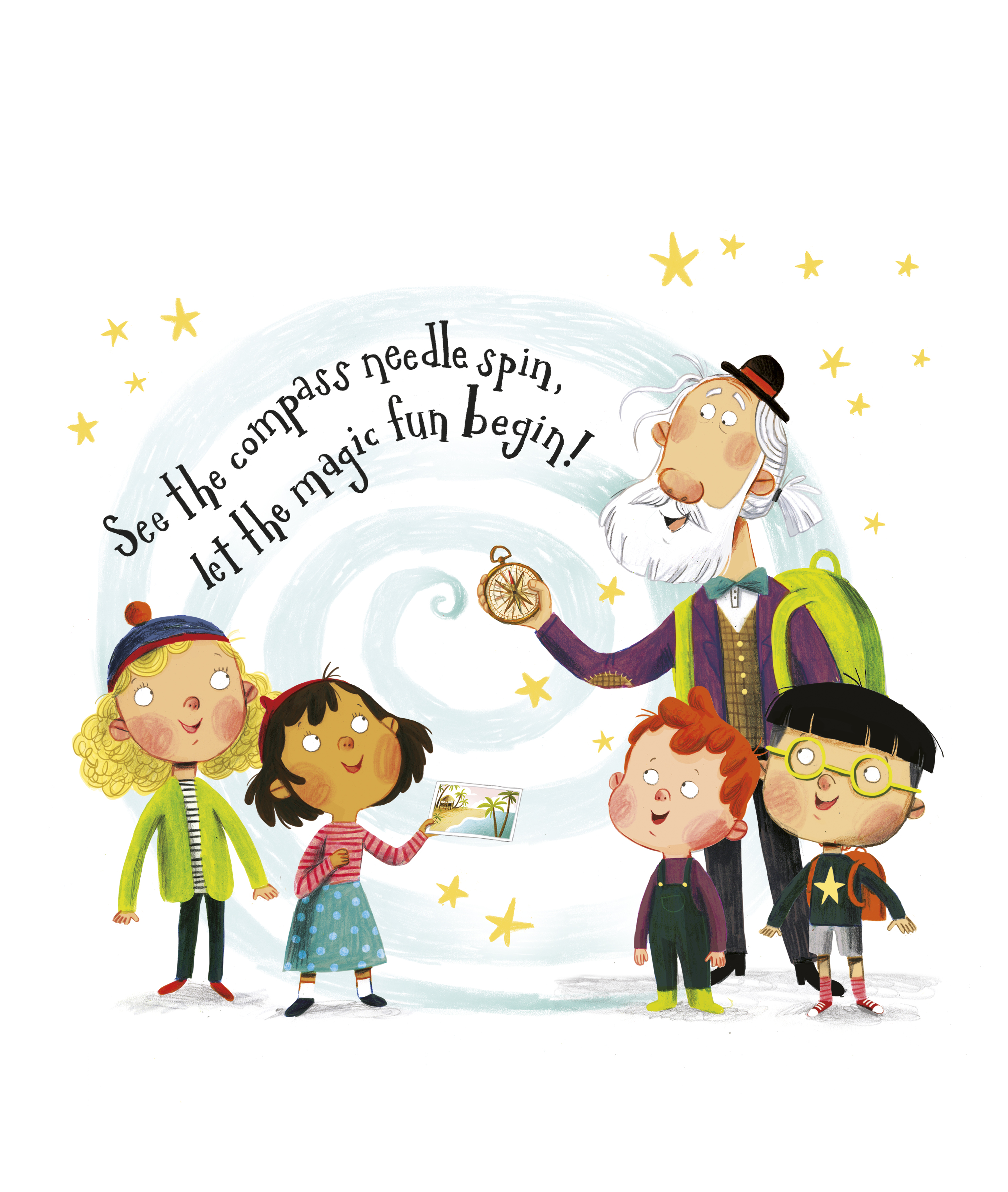
One day one of my grandkids, instead of calling me Grandad, called me Grandude: “Grandude, can we do this . . . ?” I thought, Well, that’s nice, I like that, so I started to think of stories about this character Grandude. I thought, I’ll make him magical. The kids say, “Hey Grandude, can we go somewhere?” and he takes them on magical adventures. That’s how it started – one of my grandkids just called me Grandude one day, and that was it.

Will there be more adventures of Grandude?

Well, you know, maybe we’ll see how this goes. If people like it, then I’ve definitely got a few more adventures up my sleeve – or Grandude has – so it would be quite nice to continue. I’m ready to write more if people do like it.

Paul McCartney, interview, book, author, children's book

© MPL Communications/Paul McCartney & Kathryn Durst

How did you collaborate with Kathryn Durst?

I was shown the work of a few illustrators, and because I read a lot of children’s books to my own kids when they were growing up, I know the styles that are out there and I liked her style very much. I thought it suited Grandude perfectly. It was slightly unusual and bohemian, and she made him a bit of an eccentric character, so she was really good. But there was one thing that happened during the making of the book. She’d do an illustration and it would come to me to approve it, and I’d say, “Oh yeah, it’s great.” I loved what she was doing. There was just one funny little detail: in one of the adventures the kids and Grandude were all riding horses and their stirrups were just hanging down – their feet weren’t in the stirrups. So I said to the publishers, “They’re riding horses – their feet should be in the stirrups, shouldn’t they?” And they said, “You know, that’s funny – the American publishers picked up on that too,” so we had to ring Kathryn and say, “Could you just stick their feet in the stirrups?” If you look, you will note that they’ve all got their feet in the stirrups now!

Is writing a picture book for children anything like writing a song?

Well, you know, it is a little bit like that, in as much as you’ve gotta use your imagination – you’re making something up. If it’s a song, you’re making up words and music, and maybe a story. If it’s a children’s book, then obviously you don’t need the music but you still gotta have the imagination, and that’s actually what’s fun about it: you’re making stuff up, but if you’re writing a children’s book your story tends to go to more far out places. You can rub a compass and go to Zanzibar – you can go wherever you like. You could do that in a song, but you tend to keep it a little bit more feet-on-the-ground.

The paperback of Hey Grandude! comes out on 17th September and includes a story CD, featuring narration and instrumental music by Paul. 

Niall Edworthy: My Writing Process

Niall Edworthy

I have been writing in one capacity or another since I finished studying thirty years ago. I worked as a reporter for broadsheet newspapers and international news agencies Reuters and AFP in the 1990s. In 1996 I was commissioned to write the Official History of the England football team. The following year I was invited to ghostwrite a travelogue for actor David Jason. Soon after I gave up journalism and focussed on books. I live in the Downs above Chichester, commuting down 14 steps to my, ahem, fancy office (converted shed, no sun after 11). When I’m not writing, I tend to be reading although I’m suffering a little reader’s block right now, unable to settle on a title and bouncing back and forth between half a dozen on my Kindle. I pursue all the boring middle-aged activities, sometimes with passion, more often with relief after a day at the computer. I cycle a lot up in the hills, and I have grown to love gardening and cooking – semi-mindless activities that allow my brain to drain after writing. If the Test cricket’s on, I have to chain myself to the desk and resist the temptation.

What you have written, past and present.

I have written over 40 books, roughly half of them ghosted for well-known public figures or ‘ordinary’ people who have had extraordinary experiences. I have written memoirs, military history, sport, humour and natural history.

What you are promoting now. 

My first novel, Otto Eckhart’s Ordeal. It is hard to slot into a genre but if you were in a bookshop (remember them?), you’d probably find it in Historical Fiction. Set in 1937 and based on a true premise, it tells the story of an aimless, young historian dispatched by the Nazis to go fetch the Holy Grail for the glory of Germany. It is a coming-of-age, adventure story with a dash of romance and, dealing with some grim characters at a grim period of history, I have tried to write it with dark humour.

A bit about your process of writing. 

I’m reasonably methodical. Once all the research is done and the story laid out loosely but with direction, I go at it every day if I can. I need momentum and I need to be deeply immersed in the world I am describing or creating. It’s no good grabbing an hour here or there. I need a good long stretch for each session. I start early, between 7 and 8, and tend to work through to a late lunch. If I have written a good amount I often feel drained and don’t go back to my computer. If it’s been a frustrating effort and I haven’t got much down, panic propels me back to my keyboard.

Do you plan or just write?

I am a planner, but the plan changes a little every day. I think it’s important not to plot too hard, and to keep all options open. I read a good description recently that sums up my approach: Starting a book, you are at John O’Groats heading for Land’s End but not entirely sure of the route you are going to take.

What about word count?

Big difference between fiction and non-fiction. If all the research is at my fingertips, I average about 1,500 words a day for non-fiction, but can push to 2,500. With fiction, I’m delighted if I have 1,000 words in the bank at the end of a session.

How do you do your structure?

As clearly as possible. Structure is everything in building a story. You are reminded of the challenges facing the architects and engineers of skyscrapers – if they are an inch out at the bottom, it won’t be long before the building starts to lean and they have to demolish it and start again. In fiction, structure is more flexible because the characters will soon start to take you to places and scenarios you hadn’t foreseen.

What do you find hard about writing?

Where to start? Lack of company – not being able to wander over to the water-cooler for a good moan from time to time. Anxiety about money – it’s not the path to fabulous wealth. Fretting about the next project while I’m deep in the current one. The time it takes to set up new projects, writing proposals, pushing them on publishers, knowing all the effort may come to nothing. (The writing itself is the easiest and most enjoyable part of the process.) The occasional jerk on Amazon, who writes an ignorant, cowardly and malicious review. Why bother torpedoing someone’s huge effort to produce a book? It’s not personal.

What do you love about writing? 

Again, where to start? I like the independence. I like not having to commute, to set my own agenda. I’m writing this in my shorts and slippers with very un-combed hair wondering where I might cycle this afternoon in the glorious autumn sunshine. On the actual writing, it’s a great feeling when you know in your bones you have written a passage that will stand the reader’s scrutiny. A cricketer who has played the perfect cover drive will recognise the feeling.


Advice for other writers. 

Know what you want to say before you write. Short sentences. Be bold. Find your voice. Get up early. Trial & error is the only way to learn – most writing is more effort than inspiration. If you have a setback, dust yourself down and keep going. Have a second source of income. Read as much as you can to immerse yourself in words and expand your range of reference.


SISTER SCRIBES: KITTY WILSON ON A TIME TO WRITE

I thought I’d write about what I do to help me get my word count done, particularly when it’s being tricky, as it is today!

Writers all give different advice, some feel that writing when you’re in the mood is best otherwise you can lose the joy, the spark of creativity. I am in the opposing school. For me, strict deadlines and real life mean that writing has to be a discipline as well as a pleasure and I am a great believer in writing every day or every day I am able.

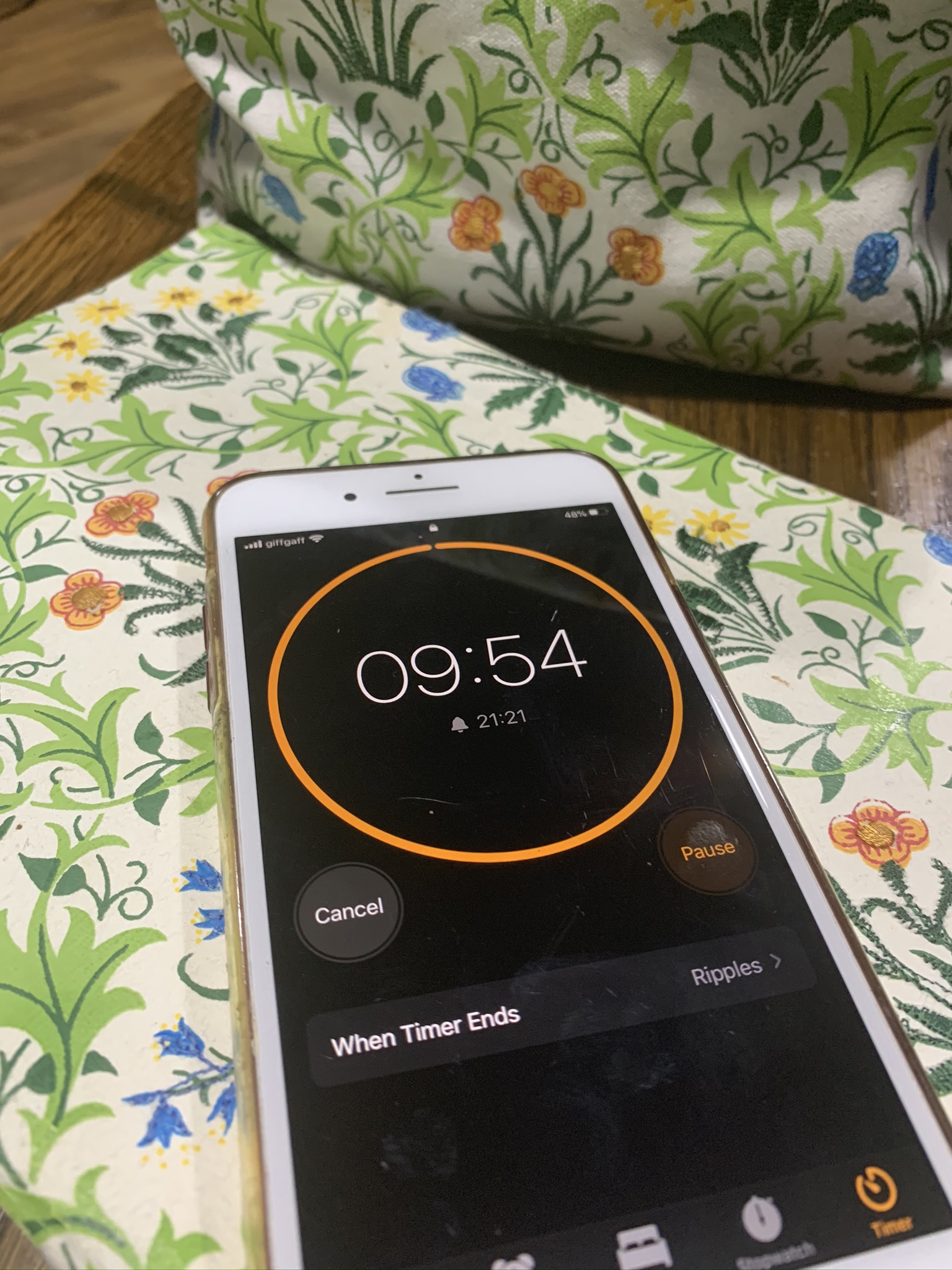
Being a bit of a control freak, I do not allow myself a weekend if I haven’t hit my weekly wordcount during the week. It isn’t always easy but I swear by self-discipline and using timers. I find that on those days the words aren’t coming it is important for me to sit at my laptop and stare at that blank page. To make sure I don’t find an excuse not to write I set a timer – only for ten minutes – and I do not move, go online or look at my phone in that time. I usually have something pop into my mind before the ten minutes is up, just to quell the boredom if nothing else. It may not solve the current plot niggle or stay in the final manuscript but it gets me started and more often than not leads somewhere useful.

Even on the days I know what I want to write I have a butterfly mind and constantly seek distraction so again I use a timer at the start with spurts of ten minutes and a little reward after each – a quick check of social media, a scroll through my news app, a cup of tea etc. I usually find I can turn the timer off after a couple of blasts of ten because by that point I’m so involved in the story the words fly out and hours fly by.

This works for me most days but sometimes I get to a sticky bit and I truly can’t think. In which case I sit in water. I know this sounds weird. But I am the clumsiest person in the world. I cannot trust myself to take my phone or laptop in the bath, or the paddling pool on sunny days (yes, I work in a paddling pool!) but I can just about trust myself with a notepad and pen. Then I am truly free from distractions, there’s only so long I can swirl water about dreamily before my mind focuses and inspiration follows. I always end up with a couple of pages of notes for my next scene/ chapter and they are often far more developed and thought out than when I am just in front of the computer.

So, in a nutshell, I use timers on a daily basis and sit in water when I’m stuck. But I want to add that I truly believe in the power of the mind as a sort of super computer and in being kind to yourself. So, if you are really struggling, I think it’s okay to feed your mind the details of what you need resolved, take yourself off and do something different for a bit and somehow, magically, I’ve found the answer always pops up. I just really hope today that my mind hurries up!