The Snow Thief by CJ Carver – an evocatively imagined hang onto your seats thriller reviewed by Annie Clarke


Here is a novel as richly imagined as the jacket. A multi layered fight for the truth, set in a cold (on may levels) environment. A chilling, gripping read with a   vanishing point disappearing into the darkness.

Lhasa detective Shan Lia has a  past, one that won’t stand in the way of investigating the death of a child, a boy found with his neck broken, but that’s not all: it transpires that  there have been other deaths, similar to this.

But Lia’s superiors don’t want panic marching across the bleak countryside whipping up alarm, and demands for justice, perhaps criticism of the force.  But Lia   won’t let them stop her. So then the threats begin giving Lia no choice but to turn her back on bringing the killer to justice. Until another boy is murdered. Then another.

Casting aside caution, Lia pursues the killer. but there are spies in the monasteries of Tibet and others unknown  trying to thwart her hunt for justice, On she goes, but what price will she pay?

This is a thought provoking novel, well written, as CJ Carver’s novels are. Not only is it gripping, evocative, but alarming. Through the eyes of a Chinese police officer the book poses the question of what might happen after the death of the Dalai Lama. A must have read. You won’t regret it.

The Snow Thief by CJ Carver pb £7.00 and in eBook.

Nevill Holt Opera have announced six outdoor concerts – in the beautiful gardens of the Nevill Holt estate – sounds fabulous. by Annie Clarke

Nevill Holt Opera has announced six outdoor concerts are taking place in the beautiful gardens of the Nevill Holt estate this summer. Two concerts will take place on each of 29th August, 5th and 12th September. Nurturing up-and-coming talent is an essential part of NHO’s mission, and each concert will feature at least five NHO Young Artists.
An English Country Garden will feature English Folksongs by Elgar and others, Summer Shakespeare will feature John Rutter’s Birthday Madrigals and Choral Music from the Renaissance will round out the concert series with Monteverdi, Gabrielli and Palestrina.
During each visit, which will last for 2.5 hours, audiences can enjoy the outdoor performance and local food and explore the gardens. Each event will be held with strict social distancing and hygiene measures in place.
Tickets are £35, with some held for each concert for those who may not be able to afford it.
(NHO’s 2020 festival with La traviata and Don Giovanni was cancelled in March due to Covid-19 and postponed to 2021.\\0
Each event will be carried out with strict social distancing and hygiene measures in place, and carefully following up-to-date and official advice and guidance. These measures will be shared with all attendees in advance, and NHO is grateful to their guests for carefully observing these guidelines during their time at Nevill Holt.
If guidance changes and it becomes necessary to cancel these outdoor concerts, all ticket buyers will receive a full refund. Tickets are £35 each and will go on sale to NHO Members at 9am on 20th July and open to general booking at 9am on 27th July, through NHO’s website (www.nevillholtopera.co.uk). NHO is holding back 20 tickets for each concert to distribute to those it works with through its community and education programmes, and to those who may not otherwise be able to afford to come. Further details on this will be shared shortly.
Location:  Nevill Holt Opera, Market Harborough, Leicestershire, LE16 8EG
How to get there The nearest train station to Nevill Holt Opera is Market Harborough, and is easily reached from stations in London (only 54 minutes), Birmingham and Nottingham, amongst others. From Market Harborough station, you will need to take a fifteen minute taxi to the house. Taxis are usually available at the station but it is recommended to arrange these in advance. Parking is available free of charge at Nevill Holt Opera, in the field opposite the entrance to the gardens.
Box Office Tickets and full details are available priced from £35 from Nevill Holt Opera
Social Media @NevillHoltOpera
Photo credit Gary Summers
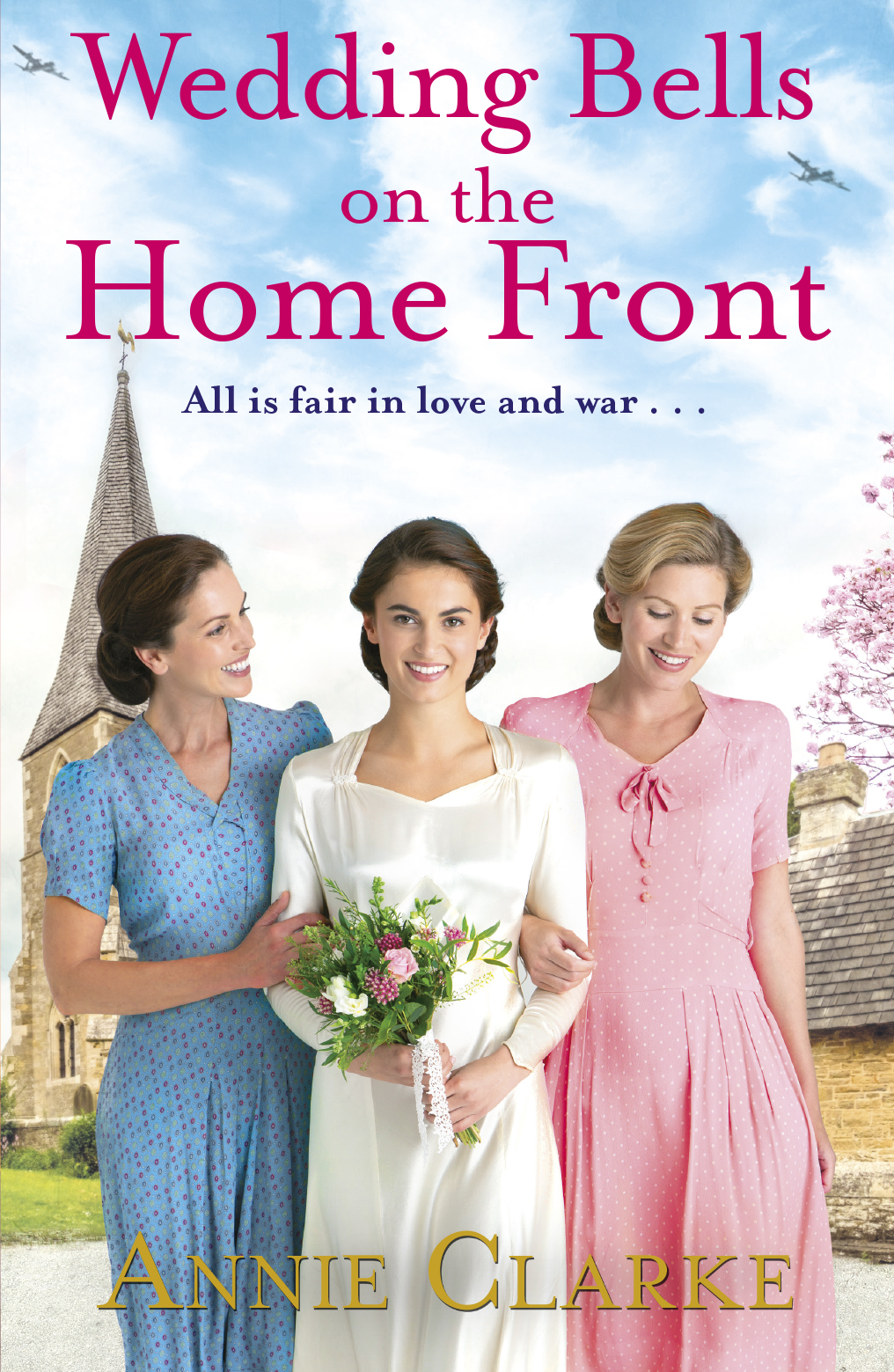
Annie Clarke’s latest novel: Wedding Bells on the Home Front 

SISTER SCRIBES: SUSANNA BAVIN ON A WORD WRITERS SHOULD USE FREELY


I say, I say, I say…

When you were at school, were you taught to avoid using ‘said’ in your writing? Were you told it was dull? Were you instructed to use other, better words? Let me explain why teachers try to get you to do that. It isn’t because there’s anything wrong with ‘said’. It’s because teachers have to teach children from a young age (a) to use a variety of vocabulary and (b) to find words that convey precise meaning. ‘Strolled’, ‘wandered’, ‘hurried’ or ‘marched’, as opposed to ‘walked’ – that kind of thing. If you think about it, that’s quite a tall order, especially with infant school children.

And so we come to the first reason why ‘said’ is a wonderful word. It has umpteen alternatives, all of which convey precise meaning. Children are already familiar with many of these words and find them easy to use, which means that when they write their stories, they have ample opportunity to use and develop their new skill and hence their stories are filled with characters asking, answering, replying, exclaiming, whispering, shouting and so on.

And that is why teachers tell you not to use ‘said’. Ta da!

In the world of adult writing, it’s different, because – and here we come to the second reason why I believe ‘said’ is a wonderful word – ‘said’ is invisible. You could read it or write it a dozen times on every single page without its ever jarring. Every time an alternative is used, it isn’t invisible. There’s nothing wrong with that – in moderation. But the more times alternatives are used, and the wider their variety, the more visible they become.

I’m thinking of a novel I read some years ago in which the author seemed determined to avoid ‘said’ at all costs. The characters did all the usual things – they asked, answered, replied and exclaimed. They also did more ‘visible’ things – they wondered, whispered, chuckled and muttered. They shouted, snorted, cajoled and observed. They mentioned, uttered, declared and ranted. And it was all highly visible. Every single one of those verbs (which would have thrilled any primary school teacher – I speak as a former infant school teacher) was visible and the more of them there were, the more visible they became. For ‘more visible,’ read ‘more annoying.’

Then, in the middle of an argument, the heroine riposted.

After 200 pages of confirming, suggesting, murmuring and giggling, it was the final, pretentious straw. I didn’t know whether to laugh out loud or groan in anguish. I closed the book and never went back to it.

Sorry about my little rant, but I hope it’s helped to illustrate my point. Humble, under-rated ‘said’ is a dependable workhorse of a word. Use it freely and don’t let anybody put you off.

And unless you want me to come back and haunt you, please don’t ever let your characters do any riposting.


Skeldale Veterinary Centre of The Yorkshire Vet fame comes to the rescue once again. By Annie Clarke


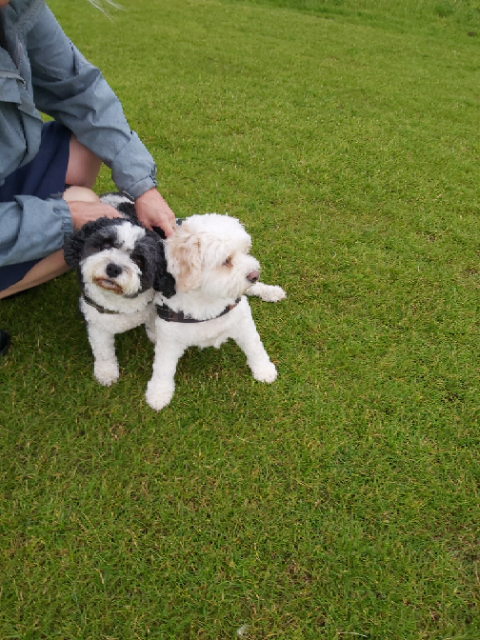
Rosie the cream Cockerpoo  usually leads Polly the  Cavachon into mischief, but she hasn’t been herself for a while. So off to Skeldale Veterinary Centre – our Thirsk vet, better known worldwide as The Yorkshire Vet.

We followed the new protocol and parked in the car park alongside other distanced cars, with the owners chatting across the spaces to one another. Then we had to  telephone reception to let them know we had arrived.

A cat in a basket was brought out, by the nurse, and delivered to its relieved owner.

Then out came lovely Rachel, masked. A wave, a bit of a chat about symptoms, and in she went with Rosie who extraordinarily let herself be led away.  My baby… Chewing of nails. We kept Polly with us. (They can’t go anywhere without one another so if one goes, the other is at her side)

Polly whinged ‘Oh no, is she off for a treat? Will she even return?’  When I explained where Rosie had gone, Polly gulped, ‘Would there be the dreaded temperature taken, from you know where?’ She sat down firmly, unbudgeable because no-one, not even Rachel, was taking her temperature thank you very much.

In time, out came Rosie. She has a gum and throat infection, and yes, stiff joints. (Well, she is 7) . Rachel had given her a dose of penicillin and today we start the twice a day antibiotic regime. The stiff joints will be helped with medication delivered via a pipette. Onto the food or however – Rachel suggested. We knew the food would remain uneaten – we have trodden this path before, so it must be squirted into the mouth after food. Oh Lord,  Rosie has experienced pipette medication before and is an arch jaw clencher. But needs must – let battle commence, which it did that evening. However, I am her parent, not an underling and what’s more,  I’m bigger than her, so very there. Mission successful.

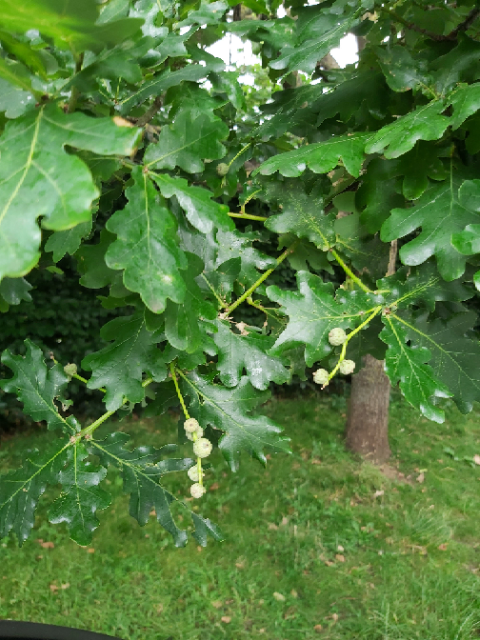
We had been parked next to the oak tree. Small acorns are in evidence. So the year is getting on. With that thought, we headed for home.  

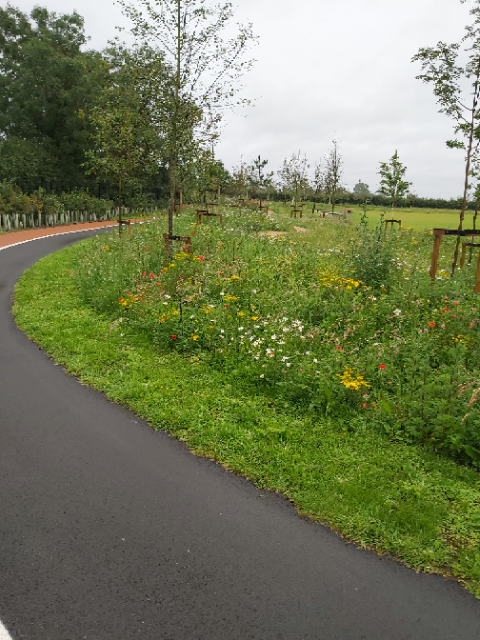
And Rosie this morning? Ah, much more herself, so off round the corner to the new Thirsk and Sowerby Sports village, landscaped so that not only is there a cycle and running track which passes between wild flower beds,  the track encircles  team sports fields. During the Covid pandemic, these are given over to walking, playing and so on.

Off went Rosie onto the playing fields, whirling and twirling, playing with her friends, with Polly in her wake, her recovery has begun. Thank you Skeldale Veterinary Centre, and Rachel.

Annie Clarke is the author of Wedding Bells on the Home Front. pb pub on July 23rd.

Delicious Gluten Free Cauliflower Cheese That Takes Less Than 30 Minutes

gluten free cauliflower cheese, cauliflower cheese recipe, cauliflower cheese, recipe, how to, ingredients. gluten free cauliflower cheese, cauliflower cheese recipe, cauliflower cheese, recipe, how to, ingredients. Cooking from scratch can be hard. Our lives are so busy and exhausting. So I want to share this great, easy recipes that I make for my family. All you need is cauliflower, cheese, mustard and milk. You can also add some cornflour or butter.

You need:

3 cups of cheese.

1 cup of milk.

A tbsp of mustard.

One cauliflower.

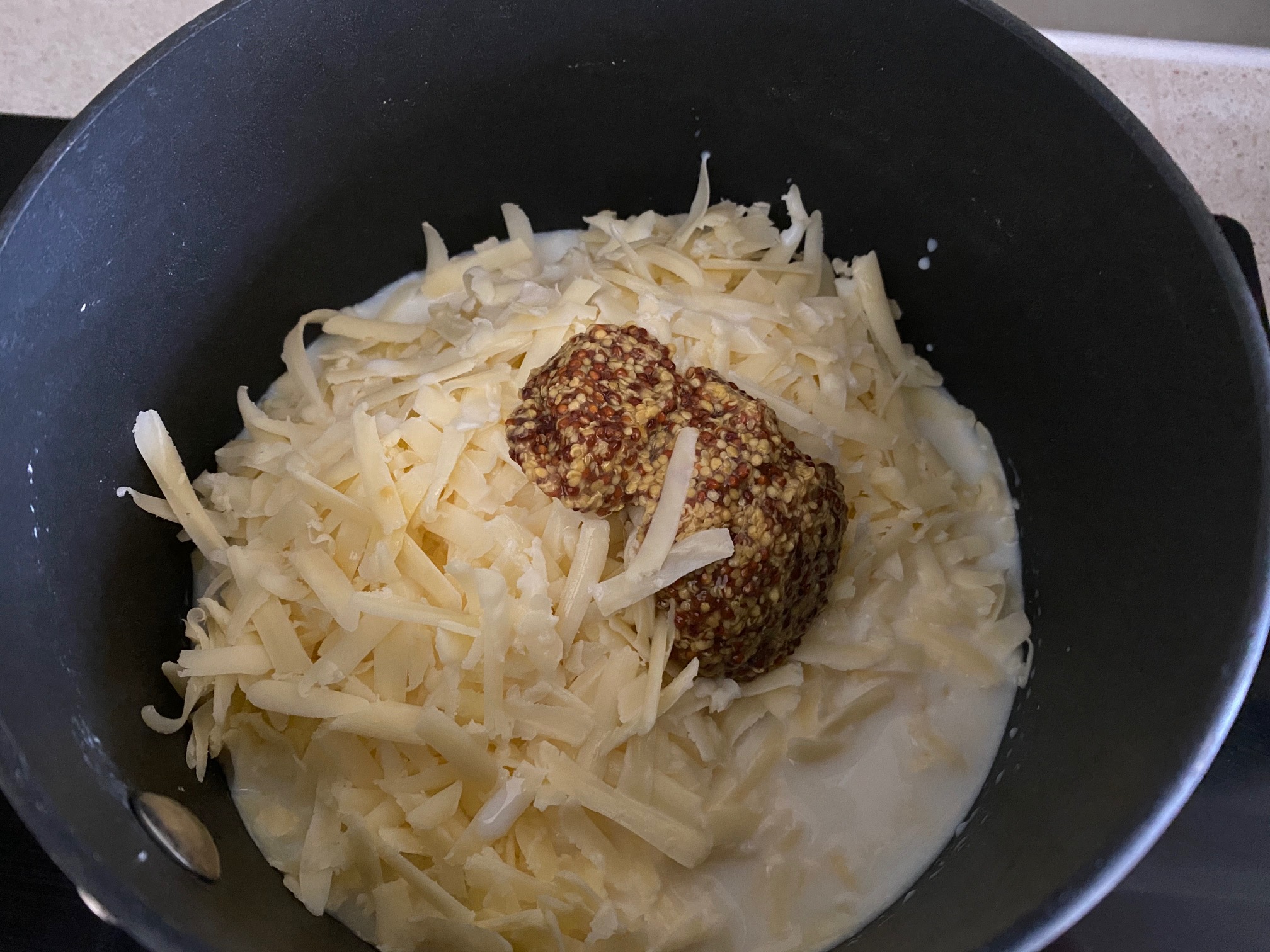
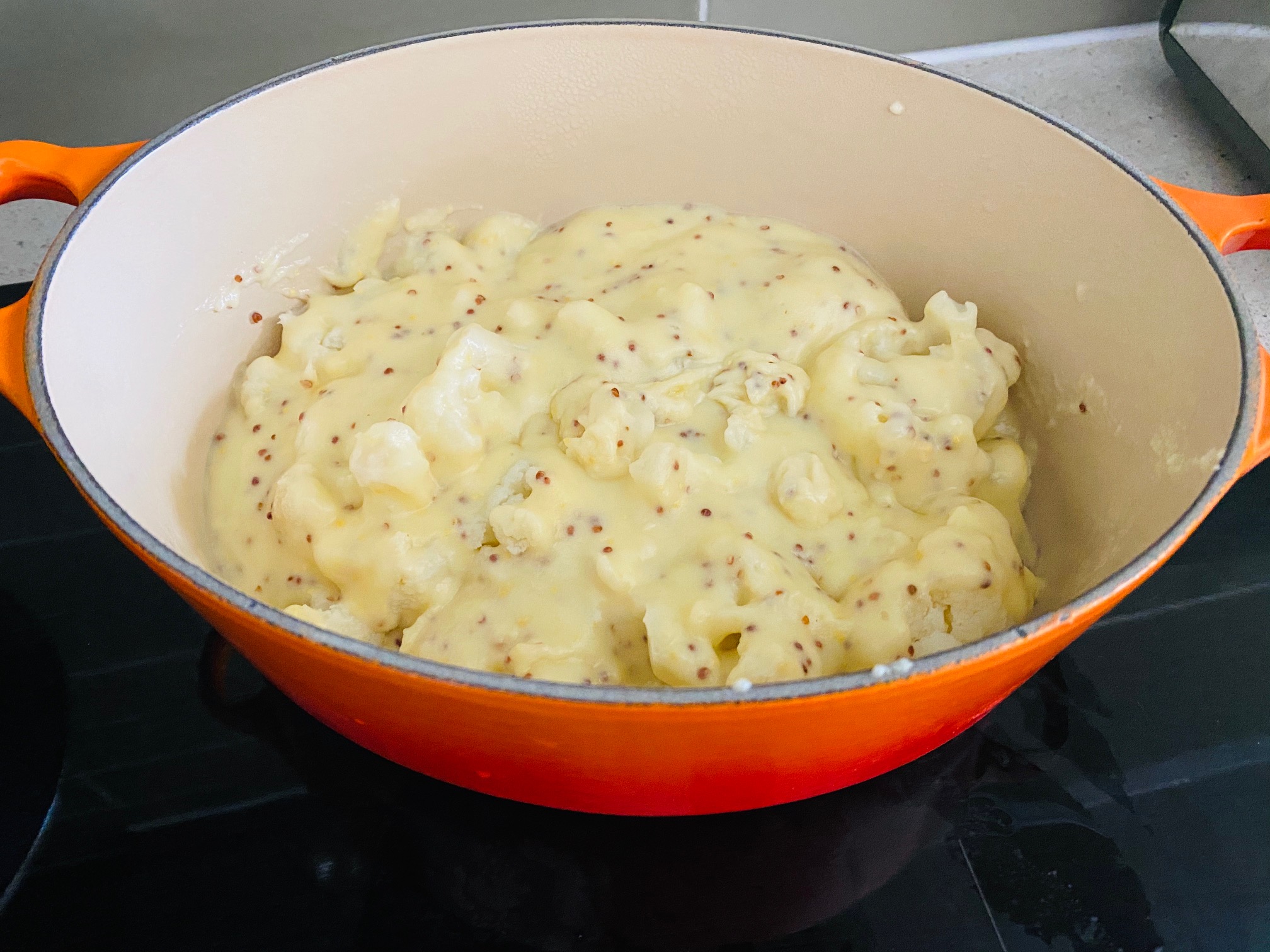
Cook the cauliflower. I boil it for 15 minutes in a pot with the lid on. While that is happening mix the cheese, milk and mustard in a pot. Stir until smooth.   Mix both together when the cauliflower is done. You can also add gluten free flour, cornflour or butter. I tend to add a dollop of butter. If you add too much milk the sauce will be too watery. If this happens you can add cornflour or gluten free flour. 4 tbsp does it.

This meal is delicious and you can make it in under 30 minutes. Let me know if you try this recipe and how you get on.


My Writing Process Sheila O’Flanagan

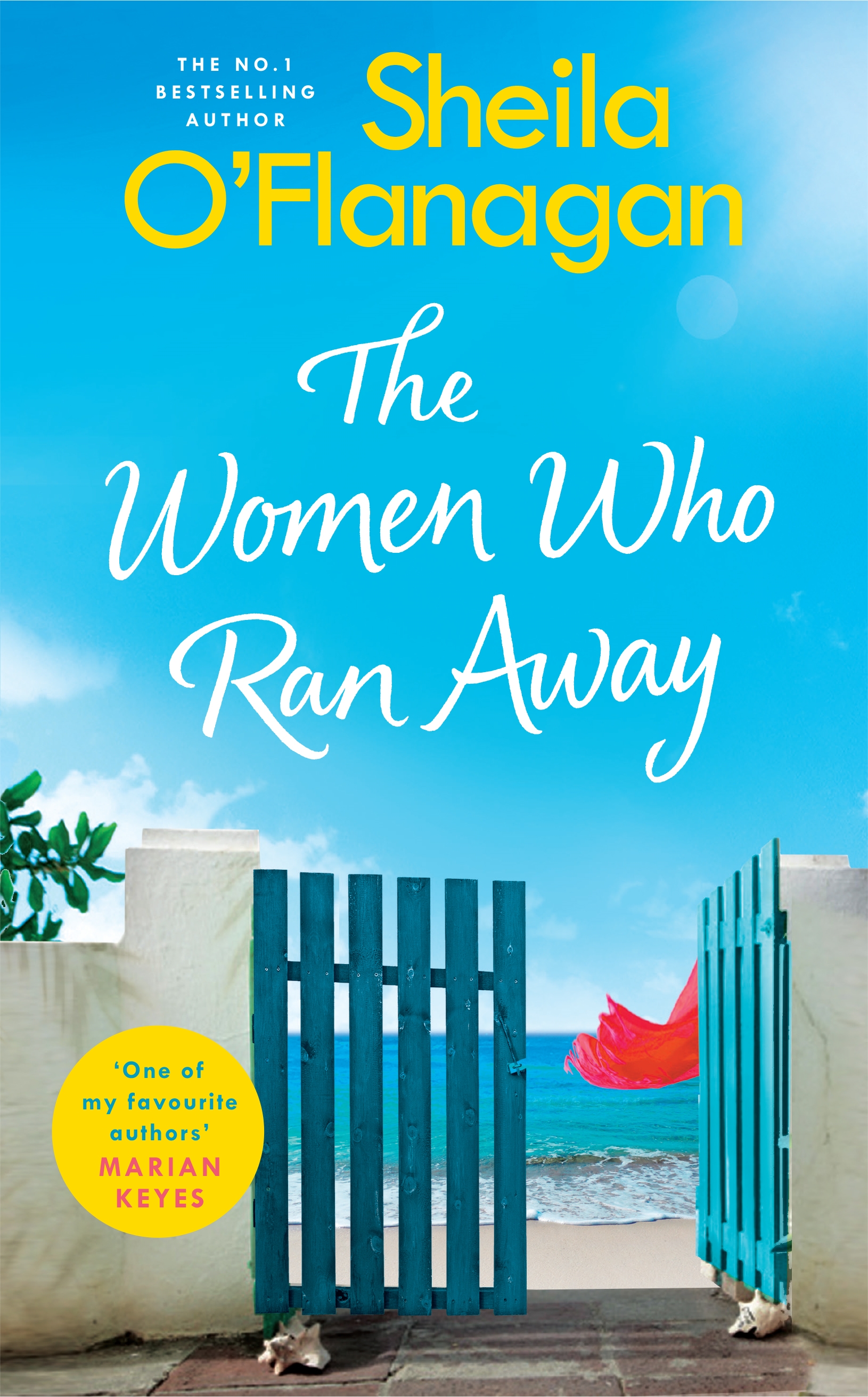
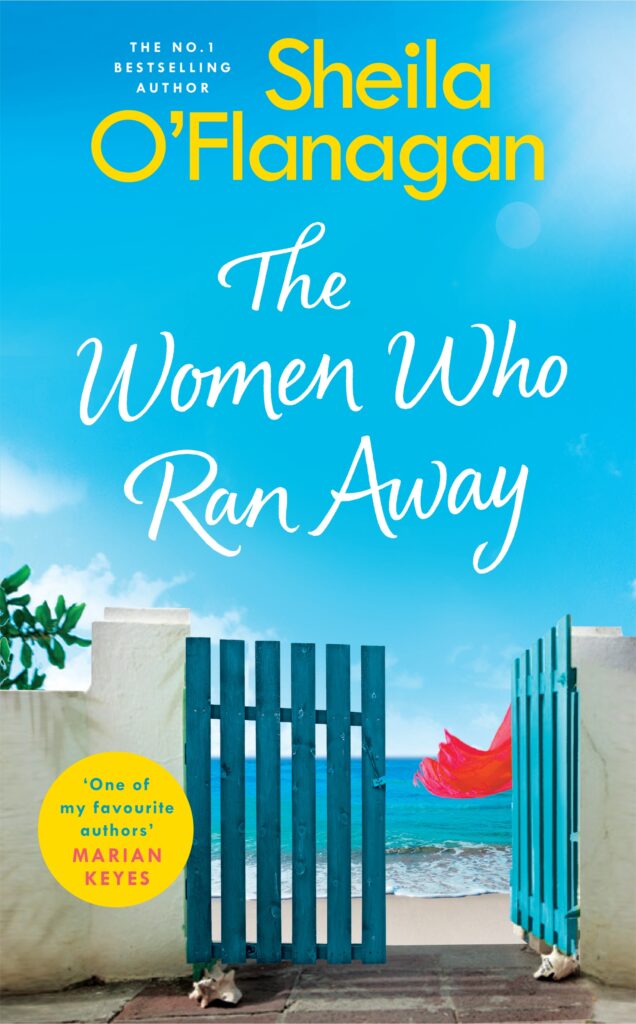
The Women Who Ran Away by Sheila O’Flanagan is published 16th July 2020 (Headline Review, £18.99). 

 Sheila O'Flanagan author imageI’ve always loved reading and used to write sequels to Enid Blyton stories when I was young because I always wanted to know what happened next. Everyone thought I’d end up, if not a novelist, at least working in a library or a bookshop. However I was offered job in a bank and got side-tracked into the world of finance. I occasionally wrote short stories in the evenings as a way of unwinding but I didn’t think I had the time to write a novel, even though I had lots of different ideas and would think about my various characters whenever I wasn’t working. Eventually I realised that if I wanted to fulfil my dream of being a published author I’d have to make the time to write – unfortunately the ideas don’t magically appear on the page. So I bought myself a laptop, opened a Word document, typed Chapter 1 and wrote every evening until it was finished. I’ve kept going ever since.

2. What you have written, past and present.

My first novel, Dreaming of a Stranger, was published in 1997. I’ve written 25 novels for adults, 3 collections of short stories, 2 children’s books and contributed to both the Quick Reads and Open Door series of short novellas.
3. What you are promoting now.
My latest book is The Women Who Ran Away and is about two women, Grace and Deira, who meet on a car ferry from Ireland to France. Both have reasons for travelling alone but a sudden change of circumstance mean that they end up driving together. As a friendship forms between them, Deira helps Grace try to solve a complicated mystery that her late husband has left her. This takes them on a spectacular journey along the French Atlantic coast and through the heart of Spain to Cartagena on the Mediterranean sea. By the end of the novel they’ve completed both a physical and an emotional journey as they discover that sharing their secrets turns out to be a strength and not a weakness, and that there’s always more than one solution to a problem.

4. A bit about your process of writing.

I try to write every day but that’s not always possible. I generally work for a couple of hours in the morning, then take a break and return for some more writing in the afternoon. I move backwards and forwards through the novel, writing a few chapters and then editing them before moving on.

5. Do you plan or just write?

I wish I was an author who planned! But I can’t. I start at the beginning with a vague idea and just hope for the best.

6. What about word count?

I don’t get hung up on a daily word count, especially at the start of the novel, but I try to write in scenes. If I finish a scene I’ll take a break before moving to the next one. That means sometimes writing a few hundred words, sometimes significantly more.

7. How do you do your structure?

Badly, to be honest. But the process of writing, then editing, writing, then editing helps. I usually come up with a slightly more formal plan about a third of the way through the novel when I have a better idea of the characters and how to move them through the story.

8. What do you find hard about writing?

Sitting at the laptop. It’s physically demanding even though you don’t realise it. Most of my author friends have bad backs and I’m no exception. I try to take more mini-breaks now. Distractions are more of a problem these days than they used to be with social media getting in the way. I’m more easily distracted now than before.

9. What do you love about writing?

Creating characters, seeing them grow and evolve and take control of their own stories. Sometimes the research is good too!

10. Advice for other writers?

Don’t get hung up on trying to write for a genre, or following weird rules about how your book should be structured. Write the story that’s inside you in the way that suits you best. Do remember, though, that while joining various groups about writing and following them on social media can make you feel less alone, the only thing that will get your book written is sitting down and writing it. Talking about writing isn’t actually writing. Reading about writing isn’t writing. The only person who can write your book is you.

Sheila is @sheilaoflanagan on Twitter and follow Headline too @headlinepg

SISTER SCRIBES: JANE CABLE ON A VERY PERSONAL TRIBUTE

The morning my mother died she asked me to tell her about the next book I would write. I said I had an idea about an archaeologist alone under Lincolnshire’s vast skies and she approved. True, the outline was a little different then, but Rachel and her story still caught her imagination.

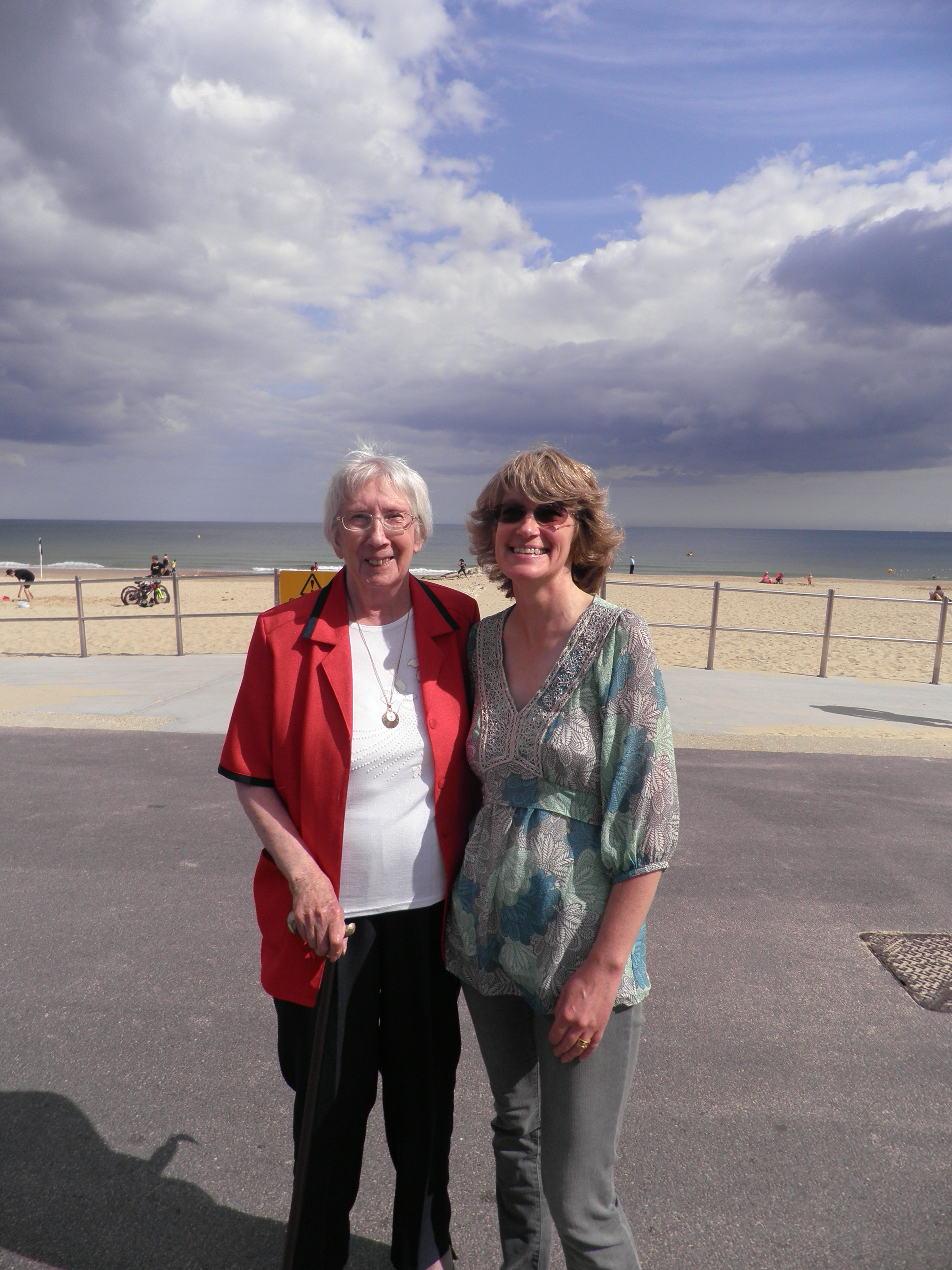
It seemed only right, then, to include a character based on my mother in Endless Skies; an intelligent, perceptive octogenarian with a keen interest in people and a huge sense of fun. I called her Esther, the name on my grandmother’s birth certificate that she never used.

Even Esther’s physical attributes were the same as my mum’s. The platinum bob, the pearl handled walking stick and the desperately poor eyesight. But in the early drafts Esther had a very different life story, although I drew great comfort from Rachel’s growing friendship with her.

Without my mother’s faith and encouragement I can honestly say I would never have had a book published. She read my embryonic attempts at novel writing and gave constructive criticism – despite my father being the writer in the family – he never really understood romantic fiction and just seemed slightly puzzled by the whole thing. But Mum egged me on, and when she thought I had a strong enough book suggested I enter The Alan Titchmarsh Show’s People’s Novelist competition. I am absolutely sure it was one of her proudest moments when I reached the final and I just wish she could have travelled to London to see it with her own eyes.

She was also a huge influence on what I write. She devoured library books (large print in her latter years) and used to get very fed up with what she’d call ‘boy meets girl, they fall out three times then get married’ formulaic romances. As a reader she wanted so much more. What neither of us realised was that at the time it would have been far easier for me to find a publisher had I been closer to the mainstream in my chosen genre.

As a result she didn’t live long enough to see my first publishing deal, but I have a feeling she knows. I think she would have been really proud of Another You and would have enjoyed reading it. Endless Skies became a companion piece – my second book with Sapere – both contemporary romances looking back to World War Two.

It was when I made the decision to rewrite Endless Skies this way my mother’s wartime experience came into its own. Or rather one pivotal point she shares with Esther. Both were bright grammar schools girls living in rural communities who could no longer safely travel to school because of the bombing. My mother spent a terrifying air raid trapped on a train in a siding in the middle of Cardiff and her parents said ‘never again’.

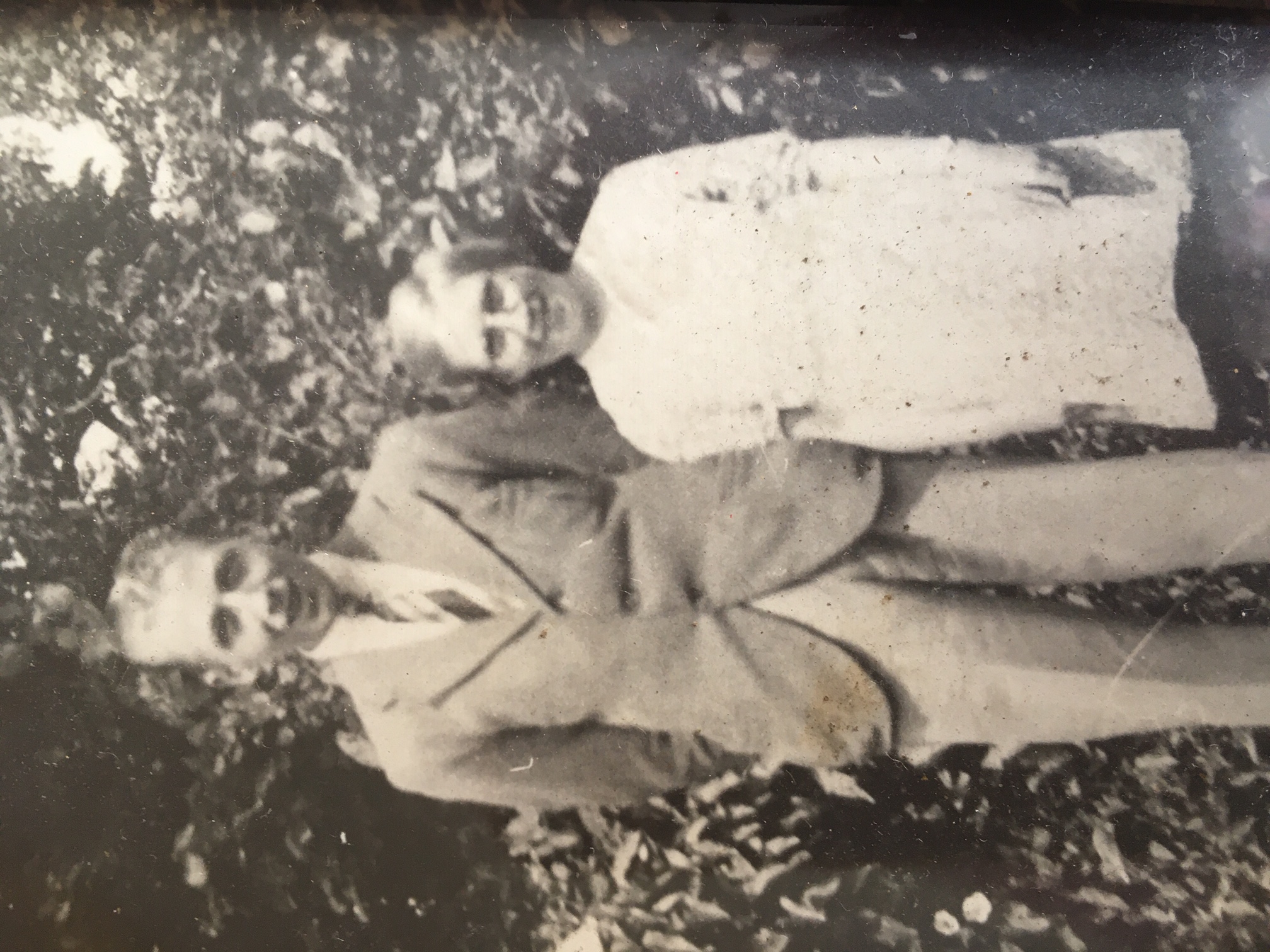
While my mother went into the civil service at fourteen (not much older than she was in this picture), Esther’s only local option was a job in the laundry at the RAF base just outside her village. This was home to two squadrons of brave and often reckless Polish airmen, and Esther could only stand by and watch as the most tender and poignant love story unfolded in front of her eyes. A story which, seventy years later, had the power to change Rachel’s life.

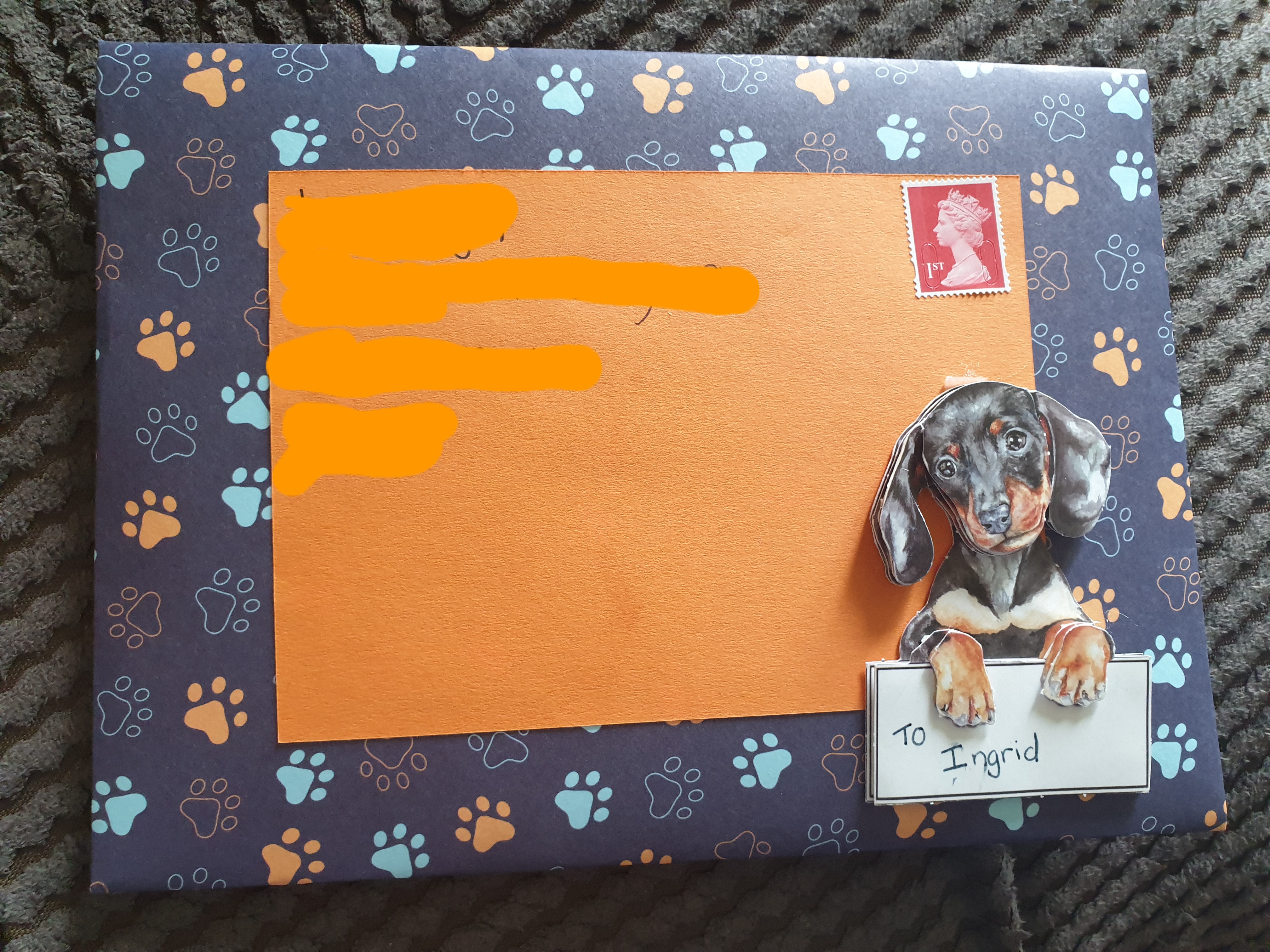
Remember the days of penpals … They can be here again: says Natalie Jayne Peeke, West Country Correspondent


So, with everything that has been happening these past few months, I like many many others found myself housebound with no one for company except my darling children and my other half. For the first few weeks of the lockdown this was absolutely fine, I would video call my parents and grandparents daily and once a week would have a family quiz with my parents, siblings and their families, it was always great fun. However, I started to crave new conversations with new people, so I found a group on Facebook for Pen pals and I thought why not?

This group caters for everyone, everywhere. I put up a “about me” post to see if anyone would be interested in being my pen pal. I was delighted at the responses that I received. 3 months on I have pen pals in America, Germany, Italy, Poland, France and Australia. It has been fantastic to get to know other people and build friendships with them. One of my pen pals even threw a party for my daughters 5th birthday which we celebrated during lock down. My daughter loved the fact that an amazing lady and her family were celebrating with us all the way from America.

I have also learnt a lot about other countries and their cultures it truly is fascinating. I write to a wide range of women some are older than me, some are younger, some are parents, others aren’t, it doesn’t matter as we all have one thing in common- we love to write letters, it’s as simple as that.

I have also discovered another Facebook page which asks for people to write to residents in care homes in America, each resident holds up a piece of paper with their name and their interests and you simply choose who you would like to write to. The fact that someone cares enough to take the time out of their day to write a letter to them means the absolute world. And I believe I speak for all pen pallers when I say that receiving a letter truly does help battle the isolation the coronavirus has thrust upon us.
It has been said that this is the worst crisis since world war 2 and I believe that at times like this we see the very best of each other. This pandemic is something that our grandchildren will learn about and I would like to think that they will learn how we came together and helped one another even if it was just by sending something as simple as a letter.

Links:

To write  to the elderly

To find penpals from all over the world