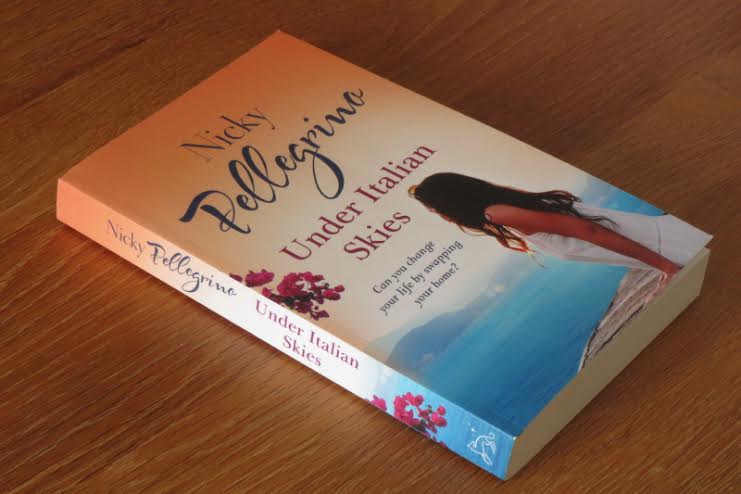
Under Italian Skies By Nicky Pellegrino Reviewed By Frances Colville

Under Italian Skies By Nicky Pellegrino Reviewed By Frances Colville

Frost writer Jan Speedie reviewed Under Italian Skies, now Frances Colville giver her opinion.

Stella, in her 40s, divorced, no children, loses a friend and a job she loved, and decides to embark on an adult gap year beginning with a house swap from her London flat to a beautiful old villa in southern Italy.   As she settles into her new life, makes new friends, explores new ideas and falls in love with Italy, she maintains an email exchange with the owner of the Italian villa, builds an idea in her mind of what he is like and wonders if she will ever meet him in person.  And of course if she does, will the reality live up to the image she has created of him in her head?


That Nicky Pellegrino knows Italy well and is passionate about the country and the people who live there is obvious on every page of this book.  The story flows, the characters are easy to identify with and the descriptions of lifestyle and food just make the reader want to be there, living the dream.  The sort of book that you can read purely for pleasure, Under Italian Skies is perfect for taking on a summer holiday – or for that matter enjoying with a glass of wine and a box of chocolates on a cold winter’s evening.  Either way you won’t be able to help feeling warm and happy


Under Italian Skies is published by Orion Books and is now available in paperback £12.99 and as an Ebook at £6.99


A Day In The Life of CJ Carver

Being an author, people think I get up around midday, go for a long lunch and return home to bang out a few pages before pouring myself a glass of wine and finishing for the day.

Hmmm.  Nice thought.  If only it didn’t take me quite so long to bang out those pages . . .

A Day In The Life of CJ CarverToday I’m woken by the bin men at seven-thirty.  Eyes closed, I’m lying in bed listening to them crashing and banging down the road when, seemingly out of nowhere, an idea begins to form about the next book.  I let it drift.  I don’t try and pin it down.  Gradually it takes a firmer shape and I study it carefully before letting it drift again.

It is this state between waking and sleeping that I find the most valuable for creative thought.  It’s almost like meditation, but not quite, because instead of being clear of thought my mind is occupied with the story I’m trying to tell.  By the time I’m fully awake, I’ve made a handful of notes and am ready to leap into the day.

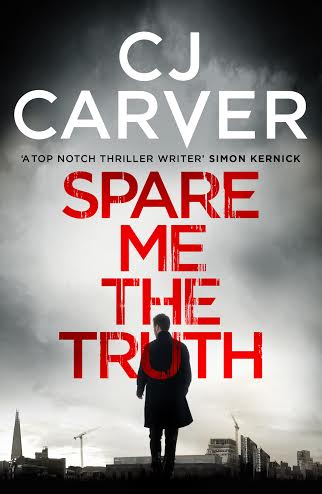
After a shower, breakfast and a brisk walk, I get stuck in to emails, wanting to clear my mental desk before I start writing.  I’m working on the sequel to Spare Me The Truth, or at least I was until my postie arrives and hands me three parcels, each containing a brand-spanking new hardcover book.  They all look fantastic and although I know I have to read them – I’m on several panels at CrimeFest in Bristol this year with the authors – I really shouldn’t start now.  Or should I?  I flick one open and am immediately captivated by the first page.  This sort of temptation is ever present being self-employed, and I have to force the books away and out of sight.

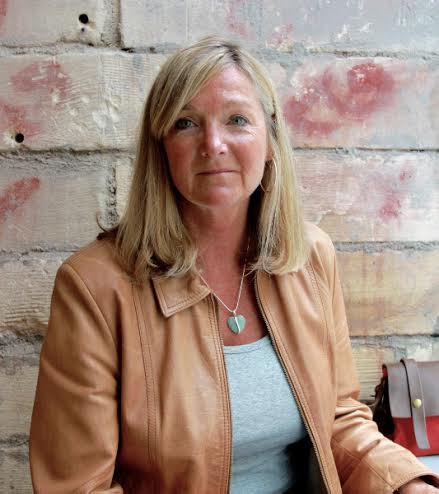
pic 2 Carver, Caroline 2 credit Steve Ayres

Credit: Steve Ayres

Soon, I’m completely absorbed in my work and don’t notice the time passing until my email pings.  It’s from a psychologist who is helping me research the psychopathology behind serial killers.  Another arrives, this one from a detective inspector in Manchester.  I know it drives the police crazy when writers get things wrong, so I do my utmost to get my facts right, but I have to be careful with research as it can be so riveting, I never get any writing done.

I work on my manuscript until early evening when I have a quick look at Twitter (another terrible distraction) before deciding whether it’s cold enough to light the wood burner.  Or shall I go to the pub?  Writing is a solitary occupation and aside from the postie, I haven’t spoken to anyone all day.  I’d better go to the pub, I decide, and talk to someone or I might go quite mad.


©CJ Carver 2016


NOMI Cold Brew Coffee

So summer is finally here and it’s time to start indulging in a refreshingly cool beverage but we think you should reconsider that Frappucinno guys because Cold Brew Coffee is making a stand and we’re going to tell you all the reasons you should swap your regular iced coffee for a cold brew instead.

What is cold brew I hear you say…?

Unlike many iced coffees which are brewed hot and poured over ice, cold brew is well… brewed cold for more than 16 hours and then filtered. We think that is serious commitment to coffee and whats more, the process of cold brewing ensures a less acidic, naturally sweet coffee no added sugars and no nasties. Take note when you’re looking for a cold coffee which won’t insult you with a sugar rush.

NOMI KYOTO (MILK)

We recommend NOMI’s range of fantastic Cold Brew Coffee with a range of 3 fantastic bottled brews to try from inspired by founder, Kieran Goodacre, and his discovery of cold brew coffees in Japan.

NOMI Tokyo (Black)

NOMI Tokyo Black – Standard

NOMI Kyoto Iced – with milk

NOMI Osaka Almond

Boxed Subscription-2

What’s more if you’re thinking about ditching the coffee machine for a longer term Cold Brew option, NOMI have got it covered. Subscribers to the site can enjoy a box of freshly prepared Cold Brew Coffee Concentrate which can be delivered straight to your office or home.

Our verdict is that NOMI is refreshing, subtle and versatile. Perfect for mixing in with cocktails and if you really do miss the warming comfort of a hot coffee, add hot water and Bob’s your uncle.

NOMI coffee is available by the box via their website www.nomidrinks.com

Individual bottles available in a range of café’s and deli’s across the country.

The Perfect Burger

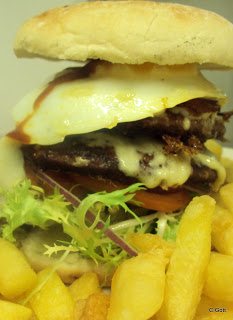
A quick look at the weather forecast confirms that I have not mistaken a rise in the UESW Index*, if as expected we do have a mini heat wave then it is time to brush off the barbecue and go get out the gas fired grill. Speed to your shed or garage and send the spiders spinning and check the charcoal. I get excited about barbecuing pretty much anything but today is all about the burger. The burger has become a much-maligned meal when it has the true potential for mouth-watering, meaty magnificence. Our supermarket freezers are stuffed with mechanically extracted, pulverised, ground and additive enhanced excuses and many of the massive chain restaurants serve products that are little better. If you intend to barbecue ( or grill if you must ) please, please, please have a go at making some yourself.

Char grilled BurgersAt the heart of every burger is the meat to fat ratio, when selecting your cuts of meat to mince, you ideally want to achieve around 85% lean meat. The fat is very important to your finished burger, much of the flavour comes from the fat during cooking and is responsible for the correct mouthfeel of the finished product. The fat moistens the burger as it cooks but much of the fat will drain off onto your barbecue. If you cook too close to the coals this is when you get flaring as the fat ignites. Less than 15% fat and your burger will be dry, much more and your burger will shrink drastically during cooking. The finished burger will only be, a not unhealthy 5% fat so fear not if you are trying to diet, it is better for you than you think, positively rocking paleo speaking. You can ask your butcher for advice on which cuts to use but a fifty/ fifty split of ground chuck and ground sirloin will achieve outstanding results.

If you ask you butcher for advice he can help you with the next stage and mince your beef for you. You want to get a coarse grind. Too fine and the mixture is sloppy and the end result can be like rubber. You want to avoid working the meat as much as possible, your butcher will grind the beef in an industrial mincer which will process the beef quicker than a small handheld mincer. Many commercial burgers included numerous other ingredients but I like to keep it simple with just sea salt and plenty of freshly ground black pepper. If you do want to add other ingredients, an onion is just about acceptable, dice them very, very finely. Anything over the finest dice and the added ingredients will not cook and the minced beef will not hold together leaving you with burger pieces on the grill.

If your butcher prepares your mince for you, chill it for a couple of hours before you prepare the actual burgers. Keeping your seasoned burger mince cold by placing it in a bowl, in another bowl packed with ice, will result in a much better burger and help ensure a safe hygienic production. You could purchase a burger press if you are going to barbecue every weekend but it is just as easy to shape a medium sized handful into a ball then lightly pat it flat. Run some cold water over your hands to keep them cool before you shape your burgers and try to work them as gently and as little as possible. Over handling bruises the meat and will result in a tough, dry burger. Cover a tray with cling film and place the completed burgers onto the film. Cover with more cling film and store in the refrigerator until cooking time

Fire up your clean barbecuBurgere and get the coals nice and hot so the grill heats up. Give the grill a good going over with a wire brush then very carefully give the bars a quick wipe of oil. The safest method is to sprinkle some vegetable oil on a thick fold of kitchen paper. Using barbecue tongues wipe the oiled paper over the grill to wipe off any remaining burnt fragments and charcoal dust. Once the barbecue is ready we can cook.

Brush the chilled burgers with a little olive oil to help prevent sticking and place on the grill. Quickly press down with your thumb in the centre of each burger to leave a slight indentation, as the meat cooks and the proteins contract and pull together this will stop the burger looking like a rugby ball, or for you Americans one shaped just like your footballs. Aim to leave around a third of your grill empty. You might think this is an underemployment of your glowing coals but if you do get flare ups you will have space to move your burgers and prevent them from burning. After three minutes give the burgers a ninety-degree turn ( that’s one quarter-turn ). If you think your burger is cooking too fast and it will burn just raise the grill one notch from the coals. Turning the burger will give the criss-cross appearance of char marks on your burger that will demonstrate your professional cooking skills. Do not be tempted to squash the burger with your spatula as this squeezes out the tasty melted fat leaving a dry burger.

After another two minutes, your burger is should be ready to flip, the edges will be browning and you might see pinkish pearls of moisture on the burger surface. As you develop your barbecue grilling skills you will learn the cooking times of different meats and cuts. You really only ever have to turn the burger over once let it cook for three more minutes and you can then check if it is ready. The cooking time is directly proportional to the thickness of your burger when it is ready any escaping juices will be clear and the internal temperature if you check it with a thermometer should be over 80C / 180F.

Place the cooked burgers on a warm plate, cover with foil and place to the side of the barbecue to keep warm and let them rest for a few minutes. Brush the cut sides of your burger rolls with a little melted butter and toast them over the coals. The rest is up to you, personally, I favour sliced pickles, crisp lettuce, and really ripe tomatoes and maybe a slice of Monterey Jack Cheese. Enjoy.

* Unexpected Early Short Wearing – the major exponent is my friend Steven but he is South African and cannot help it. 

True: Lee’s scrumptious! Vicky Edwards talks to Lee Mead

Starring in one of the most famous musicals of all time, Lee Mead tells Vicky Edwards why he’s so happy to be in the driving seat…

Pictures: Alastair Muir
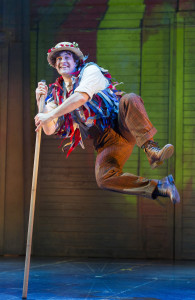
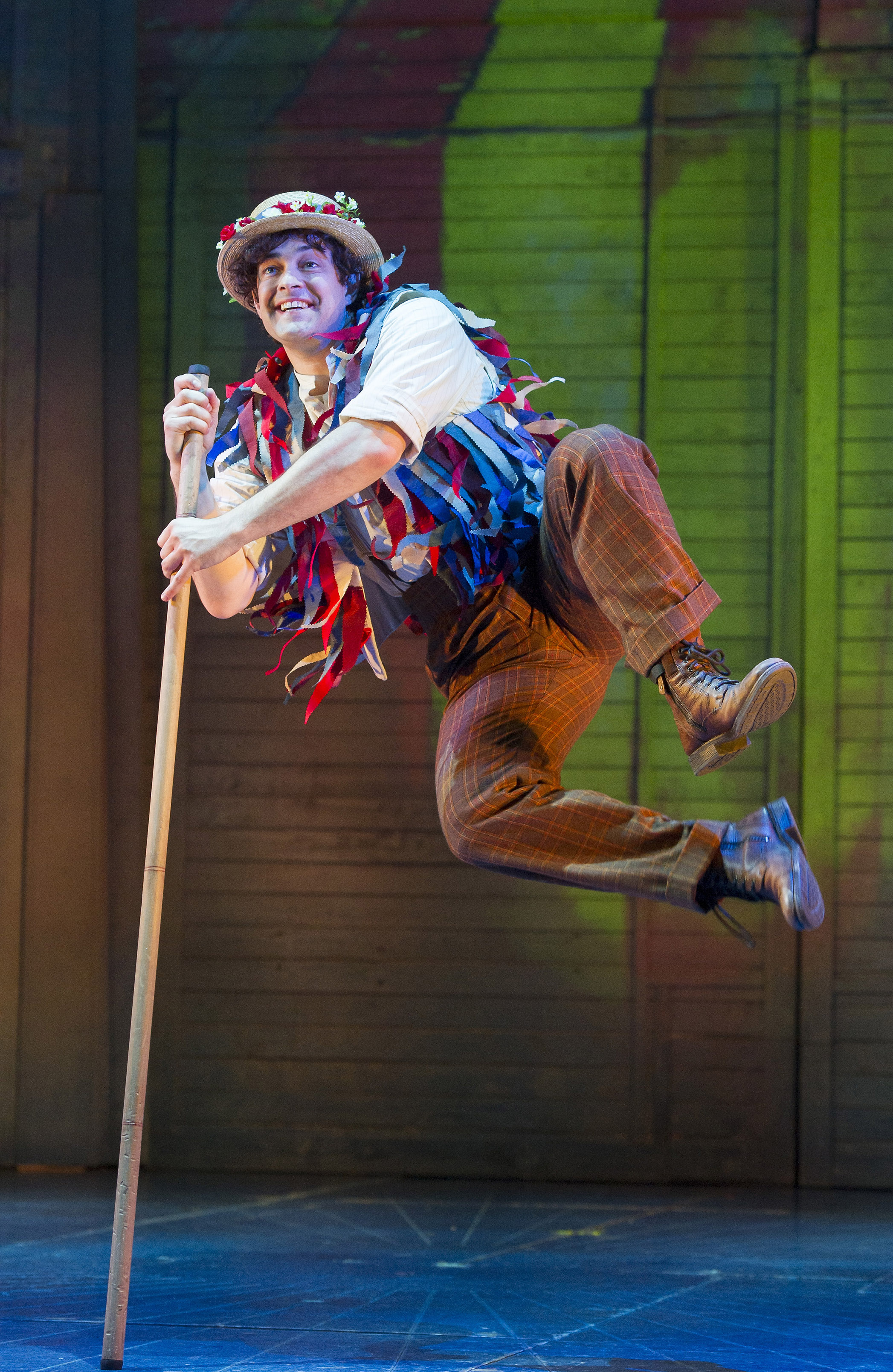
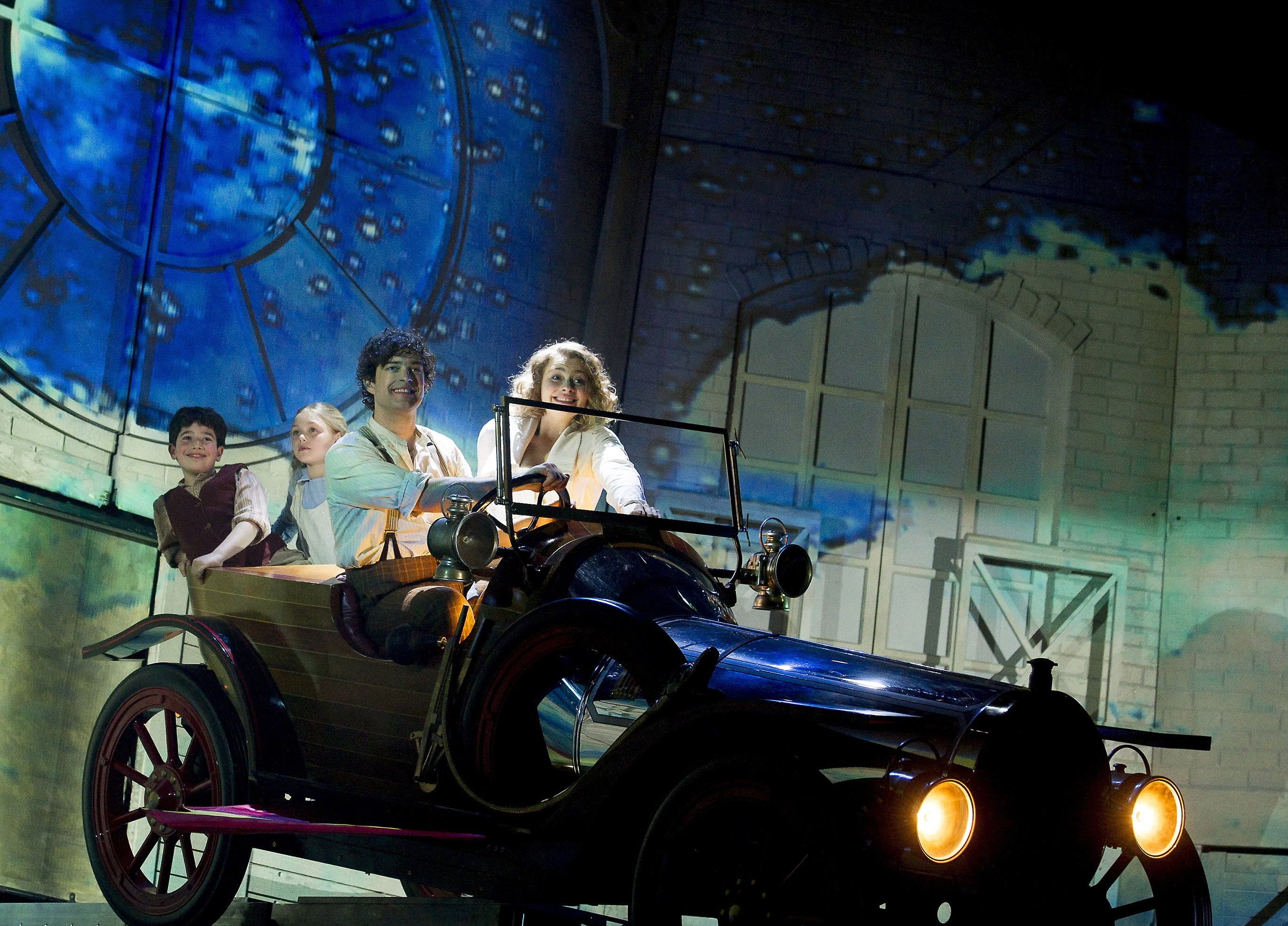
At the wheel of the most fantasmagorical car in history, Lee Mead freely admits that when the offer to play Caractacus Potts in the stage musical Chitty Chitty Bang Bang was made, he didn’t have to think twice. It is debatable, however, who was more excited: Lee, or five-year-old daughter Betsy.

“I took her to see the show in Southampton and watching her get so involved was really special. She knows all the songs and sings them all the time,” grinned Lee, who is clearly both a proud and hands-on dad.
Having grown up watching the film version, Lee was already familiar with the Chitty story and score, but he also has another link to our fine four-fendered friend; a connection that dates back to the early days of his career.

“When I was just starting out, the show was opening in the West End and I went to an open audition to be Michael Ball’s second cover. Now, I can move really well, but I’m not a trained dancer and you needed to be part of the dance ensemble to be second cover for the role”.
Game over. Footwork not quite up to scratch, Lee lost the gig.

“It makes it all the more special playing the role now,” he told me, eyes twinkling with both amusement and delight.
Talking of things being special, I asked Lee what he thinks makes Chitty such a well-loved show and why audiences of all ages are still so enchanted by Ian Fleming’s story of a magical car and a single dad.
“I think what makes it one of the most iconic shows in the world is that it has such a heart,” he answered, thoughtfully, adding:
“The relationship between Potts and the children, Grandpa and Truly are really important, but you have to hit those beats or it becomes just a show about a flying car; you need those truths. The scenes going into songs are quite tiny so you have to really work to get those transitions right and to mark those moments.
“It’s also a great story. Even as an adult you are taken on that journey; you can’t help but allow yourself to do that. It’s a very clever show with brilliant characters and brilliant songs.”
Ah yes, the songs. Wonderful they are indeed, and thanks to an ace 12-piece orchestra the impact of the music in this particular production is nothing short of spellbinding.
“It’s unusual for a touring production to have such a big orchestra and they are incredible,” agreed Lee, who shot to fame when he won the BBC talent show Any Dream Will Do, and with it the title role in the West End revival of Andrew Lloyd Webber’s Joseph and the Amazing Technicolor Dreamcoat.
Leading West End roles in Wicked and Legally Blonde followed, along with the release of several solo albums, and also being cast in TV’s Casualty as Ben ‘Lofty’ Chiltern, for which he earned a Best Newcomer at the National Television Awards 2015.
Picture Alastair Muir

Not bad going for a lad whose first job was singing on a booze cruise ferry where the clientele was often so well lubricated that Lee sang from a cage in case any of them, worse for drink, took exception to his dulcet tones.
“But actually I loved it and looking back I realise that not being able to afford to go to drama school in London was no bad thing. A lot of young actors now aren’t prepared to go on tour; they just want to walk into the West End, but that’s not where you learn your craft.”
From schlepping around the country on low-budget tours to playing gigs on car ferries and doing cabaret with seasoned old-timers like Ken Dodd, Lee soaked up experience and learnt as much as he could.
“Apart from being great fun I think you have a far greater appreciation of success when it comes than if you had just walked into the West End,” he nodded, explaining that the ratio of actors out of work at any time far and away exceeds those with jobs.
“I do talks in colleges and I always advise kids to go and learn on the touring circuit.”
Starring in a major musical, being a devoted dad, talking to college kids – nobody can accuse Lee of being a slacker.
Laughing, he said: “I’ve also released a new album called Some Enchanted Evening. I wanted to do an album of songs from the 40s and 50s film era, giving them a modern twist.”
A huge hit with fans, the album smashed into the top 20 in the Independent Charts. Typically modest, Lee is quick to credit his band, but is nevertheless thrilled.

“The response has been brilliant and I’ll be touring the album in October when I finish on Chitty.”
Actors are often slightly rigid about their pre-show routines, so while I put my coat on I asked Lee if he had any such rituals.
“I like the five minutes before the show to be silent and focussed; to have that still moment before you go out on stage and it is like an express train,” he says, unnecessarily apologetically.
Wanting a bit of peace and quiet before a musical marathon hardly counts as diva behaviour, I countered.
“And I’m a bit OCD about my desk area,” he joked, in mock hopefulness of sounding like a highly strung artiste.
Sorry, fella. You’re just too much of a sweetheart to qualify as a foot-stamping prima donna. And, after an hour in his company, and later watching him in rehearsal, I can confirm that this triple threat performer and gentlest of gentlemen is also absolutely perfect as Potts.
Vicky Edwards

For more information, visit www.chittythemusical.co.uk
Facebook: Chitty Chitty Bang Bang The Musical
Twitter: @ChittyMusical / #chittymusical

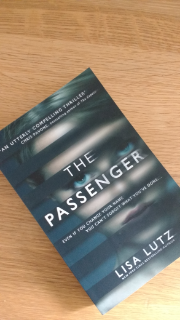
The Passenger by Lisa Lutz Reviewed by Margaret Graham

The Passenger by Lisa Lutz Reviewed by Margaret Graham

This is the road trip to beat all road trips…


Lisa Lutz, the New York Times bestselling author of the Spellman Files, has written, in The Passenger, a thriller about murder, secrets and increasing desperation as Tanya flees the scene of her dead husband’s accident.


But is she Tanya, and is his death an accident? Such are the questions that slowly, and irrevocably are answered as the novel proceeds and the miles unfold. Tanya, or is it Debra, and what about Sonia, drives from danger,  but is it to safety? Nah, nothing so easy. She reaches a temporary sanctuary each time, and huddles beneath its roof, and the umbrella of another new identity but that’s as far as it goes.


The miles seem to put no distance between her and the past, but instead, through numerous encounters carefully managed by Lutz, she edges towards home, and a startling denouement, for her, and for us.


The Passenger shows the loneliness of the ‘long distance driver’, someone who has left a life, and all ties behind, who does not even own her own name. It reveals the depths of fear, pain and desperation of someone wanting, or needing, to disappear.


Written with verve, plot twists, and cleanly etched characters, but does it work?


On the whole, yes though I found I was hoping about halfway through that things would start coming together more quickly than they actually were. But this could have been me. I’m getting picky in my old age.


The layer upon layer of revelation, and consequences built the tension as I left the slight sag behind and soon I was hanging on for grim death as we roared, with a g force I admired, round hair pin bends of revelation towards the finishing line.


Should you read it? Yep, and prove me wrong about the sag and anyway, I really enjoyed it.  It was thought provoking.


The Passenger    Liza Lutz   Titan Books. Paperback and ebook


Screenwriting Workshop with BAFTA Award winning writer John Foster

shot-at-dawn-poster

You may have had the opportunity to catch a performance of Shot At Dawn in Dorset over the last few weeks which has been earning fantastic reviews – and rightly so. Writer and Artistic Director, John Foster, kindly gave a pre-performance screenwriting  workshop for Dorset Writers Network  at Bridport Arts Centre.

John gave an overview of how to approach a project from a screenwriters’ point of view. An immense challenge to cover such a broad and detailed subject in an hour and a half but I came away with lots of useful insights that, even if I don’t use them myself, can pass on to other writers who may be in need of a few basic starting points.

The main difference I found was that, although structure, character and dialogue are as important as when writing a novel,  it pays to ‘think pictures’ and approach your idea from the visual aspect of telling your story. John provided a useful handout that presented the structure of a screenplay entirely in ‘pictures’ and it was quite easy to see from it how to build a story in this way.

For example:

                ‘Plump, juicy grapes growing up the wall.

                At the window. An elderly woman looking out.’  

And so on – I found that incredibly insightful, having zero knowledge of screenwriting.

Producers are always looking for people who can write pictures as opposed to dialogue. They are looking for unique writing ‘voice’ – basically an original way to tell a story. The main points I have taken away are:

If it is painful, write it.

If your ears are burning it’s a sign that you are writing something good.

Write about something that fires you up.

Who do I want the audience to really care about?

Can the story be told in sound and images? Do you have any sound motifs that give added depth?

Think camera. It is most important to think visually (but be careful how you put it on the page).

Invest in character and atmosphere and, as in all writing mediums – show not tell.

When you’ve finished your script make sure you are sending it out  to the right people. Do your market research.

I asked about his own writing practice and John described it as an organic process that grows and develops the more he writes. Ideas, he says, come from writing.

So there you have it. It’s no good thinking about it, get the words on the page, paint those pictures. Just do it.

john-foster

John Foster teaches screenwriting at Bournemouth University and Regent’s University, London. He has published fiction in the Guardian and Spectator and written for radio and theatre. Screen credits include many episodes for television drama series: Z-Cars, Softly Softly, Crown Court, Emmerdale, Juliet Bravo, Rockliffe, The Bill. John has written single dramas and dramadocs, including a BAFTA award-winning BBC Omnibus on Raymond Chandler. The movie of his screenplay Letters from a Killer featured Patrick Swayze in the lead role. He is contributor to the award-winning crime collection, Mean Time.  John is currently writing for the theatre, having helped found Doppelganger Productions, a theatre production company, of which he is Artistic Director.

www.dopplegangerproductions.com


How to Inject Colour into your Garden

Your garden definitely deserves some colour this spring and it’s so easy to introduce it to your outdoor space – and you don’t need to churn up your lawn or dig up the borders! Here’s how to inject some colour into your garden quickly and easily.

Introduce seasonal plants 

As well as carrying out the usual seasonal tasks in your garden, introducing seasonal plants also ensures you get to enjoy colour all year round. Daffodils in spring will add a spirit lifting dash of yellow, while a butterfly bush (Buddleia) blooming in the summer will not only look stunning but attract the attention of colourful wildlife too, such as bumblebees and butterflies.

In autumn and winter either opt for bedding plants, such as pansies or sweet William that can withstand the cold, or opt for shrubbery and bushes that not only add texture but introduce gorgeous colours to the garden as their leaves change – scarlet willow is a good choice.

You can either nurture these plants from seedlings the season before, or pick up mature flowering shrubs from YouGarden to add a boost of vibrancy to your outside space.

Feature colourful planters 

If your plant life isn’t as colourful as it could be, make up for it with vibrant planters instead. You can introduce any hue to a garden and you don’t need to stick to a theme. DIY stores feature hardy plastic pots in every shade of the rainbow that you can transfer plants to, or you could get crafty with some paint and a stone planter. Here are some great ideas to get you started – the brighter the better!

Revamp your furniture… 

If your garden furniture is a sad brown tone or a faded version of something that was once bright and fun, book in some time this weekend to give it a revamp. Strip back a wooden bench and give it a new lease of life with a bright paint job and varnish it to seal the deal. Refrain from boring browns and blues, instead favouring an eye popping yellow or even a bold pink.

If you happen to have metal furniture, there’s paint or spray paint for such a job too, so anything can be instantly revamped after a trip to Hobbycraft or your local DIY store.

…and your shed 

While you’ve got the paint out, why not give the garden shed a makeover too? Choose a colour that isn’t going to give you a headache, but still makes a statement in your garden. Why not paint the slats in different colours? Or just coat the roof trim in a neon shade?

Accessorise 

Having guests over for a BBQ but haven’t had time to implement any of the above tips? Then introduce some vibrancy with your al fresco dining accessories: bright place mats, napkins and glassware will instantly add playfulness to your outdoor space.

Introducing colour to your garden needn’t be hard work… employ some of these tips and tricks and start enjoying your outdoor space now!


By Patrick Vernon.