SISTER SCRIBES GUEST: GABRIELLE MALCOLM ON THE MYTHS OF A WRITING LIFE

I’m delighted to welcome author, Gaby Malcolm as our guest! She’s an inspiration to me, and here she’s sharing her thoughts on juggling being a writer with home life!


When I was asked if I would contribute a guest post I was very eager. When I thought about it for a bit I became less eager, and then plagued with doubts, and then I realised I was running out of time, and then I thought ‘commit something to paper, Gaby, get on with it,’ and then I put the kettle on, and then the cat distracted me, and then I woke up at four o’clock in the morning, and then there was a really interesting item on Woman’s Hour (Jenni Murray is SUCH a good interviewer!), and then …. and then ….

This will be a very skittish and disjointed piece, therefore. Forgive me.

See what I did there? Classic. I call it the ‘Visitor from Porlock’ effect. That’s when you explain how you would have done a lot more, only you were interrupted and you lost your flow, but it was going to be utterly brilliant. Thanks, Coleridge!

There is also the ‘Shakespeare In Love’ Syndrome. That’s when writers depict to the rest of the world how the work just flows from their pen as they sit in their little room, once inspiration strikes. That inspiration does not have to involve sex with Gwyneth Paltrow disguised as a boy. Fortunately, or unfortunately, depending on how you look at it.
It’s great when writers portray their process as something strange, easy, or magical.

As a tutor of writing students one of my main jobs is to debunk all these myths about the process. Budding writers sometimes believe they have failed at it if they can’t create a perfect, clean manuscript with the first draft. They think they lack the skills to write if it doesn’t just flow out. LOL is all I have to add to that.

The day I knew I could be a writer was the day I found out I realised I loved re-writes and editing. It’s just the best. I love composition, but when I get to re-writing my brilliant prose, I am happier than a pig in poop! It took me a while. For years I had an academic teaching and writing career. I wrote my PhD thesis during that time and it was then I understood the sheer level of effort and time it took to produce 80-90,000 words. When it was all over, however, I missed it something terrible!

When my life changed, personally and professionally, and the time came to try and reinvent myself, writing was the logical choice. I set myself goals to establish a proper career plan. I aimed to get a full-length book published and find an agent within the first four years, that would see my littlest boy ready to go to school. However, I achieved it within the first two years. A book rapidly followed by representation.

So, I had to juggle and do as much as I could with the children in childcare or at school. That has shaped the kind of writer I have become, needs must. I hit the ground running by 9.15am, once I have the house to myself and work through until 3pm. In that way I have conquered any lack of confidence I had, and developed a ‘get it done’, finisher attitude. I have also grown a really thick skin! I ignore anything other than constructive criticism and have come to admire my own work. Hence, the ‘brilliant prose’ comment above. I like to read me.


Gabrielle Malcolm is a freelance writer and artist. She edited ‘Fan Phenomena: Jane Austen’ (Intellect Books), wrote three plays for Moon On A Stick children’s theatre company, and writes scripts for web series and short films for international clients. Her forthcoming non-fiction book, about Mr Darcy, is due for publication in December 2019 with Endeavour Quill.
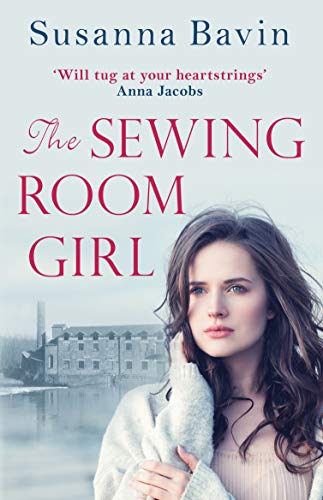


SISTER SCRIBES: SUSANNA BAVIN ON INSPIRATION


It’s best if I come straight out with it.

I’m a thief.

Don’t be shocked. It’s because I used to be a teacher. I can’t speak for secondary school teachers, but, as a former infant teacher, I can assure you that in primary schools, the staff are a bunch of thieves.

You see a display in another classroom –  in a library – in a gallery – a shop – on Pinterest – anywhere at all – and your first thought is: I could adapt that idea.…

You see another teacher’s lesson and you think: I never thought of doing it that way. I’ll have a go at that. You open birthday and Christmas cards, thinking: Could 6-year-olds make this?

So, yes, I’ve been pinching ideas for years. I’m no longer a teacher, but I haven’t lost the habit. I’m still on the look-out for good ideas, as all writers are.

And they can pop up in the oddest places. Listening to This Morning on Radio 4 last autumn, I heard a piece about the criminal activity of “crossing county lines,” which inspired a plot-thread in a novel set in 1922. Likewise, an unexpected clause in a family will some years ago was adapted to pile all kinds of difficulties onto Greg Rawley’s financial problems in The Poor Relation.

The thing about writers gathering ideas is that you have no control over what will spark off an idea or how that idea will grow. Readers often ask, “Where do you get your ideas from?” I know that some writers have a jokey answer about buying ideas in the corner shop; but the real answer is that they come from all over the place – an overheard snippet of conversation, a photograph, something on the news, something that happens to you or a friend…. But what isn’t generally understood is that the idea is just a spark, not a whole book. You don’t lift your entire plot from real life. A single idea, or a couple of ideas, can be all it takes to make the plot grow. And the final plot will very probably bear no resemblance whatsoever to the original spark.

Take The Sewing Room Girl. As I said, I used to be a primary school teacher. The most important job done by any school is safeguarding the children in its care. To this end, teachers undergo regular training sessions to help them understand what they need to be aware of.

Ten years ago, my school gave a training day to safeguarding. Sad to say, much of the training on these occasions is based around discussing real cases. On this training day, an example was given of the way in which a particular adult had kept control of a vulnerable child. Let’s just say that a certain piece of household technology was used as a means of keeping the child in a state of fear.

Out of that single idea came Juliet’s story in The Sewing Room Girl. I should like to make it clear that the household object in the real example did not exist in the 1890s, the time when the book is set. Neither did anything from the real-life case appear in any form whatsoever in the book. But hearing of that frankly appalling and distressing case sparked off the original idea, which over time grew into a complete novel.

Another feature of these ideas that spark off books is that they don’t always get used. The single spark that started me writing The Deserter’s Daughter was an idea for something that would happen in the plot. But no sooner had I created the Armstrongs’ antiques shop in the book than I realised I couldn’t possibly use the original plot-point because the shop was just too posh!

But that’s the other thing about writers’ ideas. Nothing is ever wasted. You will be able to read that particular plot-point in a book that will be published next year….

SISTER SCRIBES GUEST: MERRYN ALLINGHAM ON HISTORY REPEATING ITSELF

“Researching history… changes our perspective, makes connections.” Historical novelist Merryn Allingham tells Susanna Bavin what she found by delving into the story of the Ottoman Empire.


When several members of my book group announced recently they didn’t like historical fiction, I was disappointed. But stunned when one went on to say she couldn’t see the point of history. For me, discovering the past doesn’t just illuminate quirky corners of a bygone age but helps understand the world of today. When I set out to research the background for A Tale of Two Sisters, a novel set in Constantinople 1905 – 1907, it was the nationalism of President Erdogan that I heard in my head, declaiming that Turkey had once been a great power and would be again.

So began my burrowing into the Ottoman Empire, a regime that lasted over five hundred years. The Ottoman Turks were indeed a great power, wielding influence over territories stretching from the Balkan States to the Horn of Africa. A multinational, multilingual empire, that  ended only after the Great War, when it was partitioned and its Arab region divided between Britain and France – helping to explain something of the Middle East today.

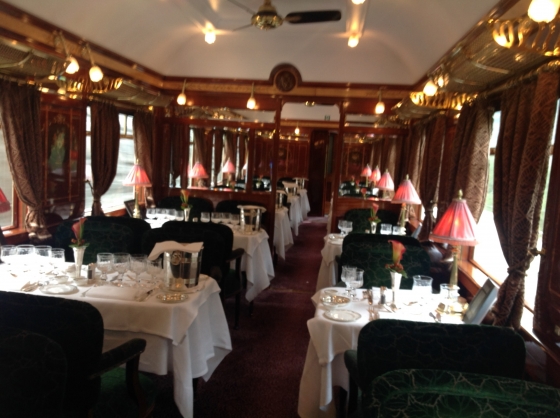
My research wasn’t all political. I had my characters travel on the Orient Express – I’d been fortunate to journey on the train myself, to Venice rather than Constantinople. Cocooned in gleaming blue and gold carriages, art deco compartments and mosaic-tiled bathrooms, I stepped back a century. Today the long journey to Istanbul is a once a year event, but in the early twentieth century it was part of the regular timetable and I gave my heroine the chance of travelling alone for the first time time in her life and to an unfamiliar, exotic destination.

I enjoyed researching old timetables, calculating how many days, how many hours, between one beautiful capital and the next – Paris, Munich, Vienna, Budapest, Bucharest – locomotives changing at every frontier, as one national railway system handed over to another. In all, the train covered a route of more than 1,700 miles before reaching Sirkeci station in Constantinople.

Topkapi Palace was my heroine’s destination and I still retain a vivid memory of my visit there. It was one of many Ottoman palaces in the city, sultans moving their court from palace to palace, often in response to external threat. Even though I saw only a small portion of Topkapi, I was overwhelmed by its opulence and beauty.

For this book, I wanted to dig deeper, wanted to know what life was like for the women who lived there around the  turn of the century. I’d read accounts by a number of intrepid female travellers to the Orient – Lady Mary Wortley Montague, Mabel Sharman Crawford, Mary Lee Settle – and been struck that, almost to the woman, their experience ran counter to the prevailing European stereotype of Turkish women as either decadent concubines or slaves.

Women spent most of their lives within the home, it was true, but within those four walls, they had absolute sovereignty. The harem was a sacrosanct space, not just a place where women were guarded, but a place of retreat to be respected. And if they ventured outside, always with a female companion, they were treated with courtesy. It was considered a sin to stare at women in public, for instance, and if a man behaved badly towards a woman, regardless of his position or religion, he would not escape punishment.

The truth, as always, is mixed. The Ottoman Empire was both civilising and brutal. Slavery continued until the last days of the empire, yet it was time limited for the individual and could be a means of social mobility. The children of the court were much loved, but in the early days of the empire, fratricide was frequent – the Ottomans did not practice primogeniture and male relatives seen as a threat to the potential sultan could be executed or imprisoned.

Researching history complicates that first simple ‘take’ on a culture and a period, changes our perspective, makes connections. And, crucially,  illuminates our own troubled present. Worth paying attention then!

SISTER SCRIBES: KITTY WILSON ON PLANNING… OR NOT

Hello, it’s my turn again on the Sister Scribes and I thought seeing as I wrote about the structural editing last time, today I would go backwards and talk about how I begin a brand-new book.

The writing world is often divided into pantsters and planners, with a whole sliding scale in between. Pantsters are those writers that pick up a pen, or open the keyboard, and then just write into the void. I love doing this. It’s so exciting and you start the day never knowing exactly where the characters will take you. Whilst the start can be immediate and the writing often flows, the editing process is a lot longer as you tighten up the plot, ensure character continuity and fill any gaping holes that you didn’t notice whilst sprinting along.

Planning involves a lot more work before you start putting words on the page, you flesh out your characters, decide their strengths and weaknesses and become familiar with them and their back stories, plan the plot within an inch of its life so you don’t have massive rewrites to do later and know exactly what is happening where.

The very first book I ever wrote (unpublished), I did by pantstering. At that point I didn’t know if I could write anything other than academic essays and job applications, so was unsure as to whether a whole book was even possible. It didn’t cross my mind to plan, I started with an anecdote and went from there. It was so much fun! I also hit writers block, more so than any time since. I would write my characters into a corner and then have no idea how to get them out. I would sit at the laptop and try and write anything at all and see if it worked. I would then decide it was all rubbish and binge watch crime shows instead.

I now know this is actually standard operating procedure, and I spend the entire length of a book, from the first fifteen thousand words until the reviews come in, absolutely hating it, declaring it’s the worst book in the world and should never be allowed to see the light of day. My family are struggling to remain sympathetic, although have learnt the phrase ‘but you thought that about the last one’ is likely to initiate threats about eye-gouging (my favourite threat and absolute stand by).

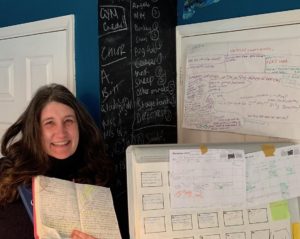
These days, with tight deadlines and a determination to do as little structural editing as necessary, I am a converted planner. I start with an inkling of who the characters are going to be, their dominant personality traits and their flaws. Writing a series means that I tend to have mentioned them in previous books so take my cue from that. Then comes the stationary. I have a chalk wall, a great big whiteboard, notebooks galore and every colour post-it note pad imaginable. I draw diagrams, story maps and make swirly messes on huge sheets of paper with coloured felt-tips. I print out calendars and plan a timeline. I work out my beginning, my end and think about exciting middle bits and then take a deep breath before drawing out chapter plans, because I know if I have detailed chapter plans then writing will be an absolute breeze.

But then my butterfly mind kicks in, I look at all the bits and pieces surrounding me and think sod it and start to type.

I am a committed planner with a pantster heart. I write romantic comedy where we all know, heart wins every time.

SISTER SCRIBES: CASS GRAFTON ON WHY IT’S GOOD TO TALK

Recently, I was on a writing retreat – one that lived up to its name, being only accessible by boat at high tide (or after a hike through the woods from the nearest village). Hosted by Kath Morgan and Jane Moss of The Writing Retreat, the theme was simply ‘Time to Write’, which we had in abundance.

There were only 6 of us, and we soon developed our favourite spots for contemplation and scribing: at the wooden table by the creek, in the large window seat in the sitting room or even on the pontoon jutting out into the river.

I wrote in my room during the day, either in my own window seat with its fabulous water views or at the desk I’d tugged into place between the window and the extremely large bed (known as Robert Plant’s bed – long story, but there’s also a recording studio under the main house)!

Despite the obvious benefits of a retreat – that longed-for chance to focus on nothing but writing, allowing your mind to wander, your characters to fully take hold of you and the story in a way they often can’t when you’re surrounded by the minutiae of daily life – I was able to indulge in something else: time to talk, not only with fellow writers (usually over the yummy lunches and dinners) but also during one-to-one sessions with Kath or Jane.

These sessions brought answers to dilemmas I’d spent months battling with: what’s my hook; how do I finish this book that’s been almost done for months; what do I write next? Talking it through, being heard, was all it took for solutions to come, often prompted by the tutors’ insights. I left every one-to-one on a high, inspired and raring to get back to the writing.

This hasn’t been my only chance to talk face-to-face with other writers, of course. Aside from get-togethers with my fellow Sister Scribes, I’ve been co-writing with Ada Bright (for her guest post on being an author, see link below) for years, and despite the thousands of miles and 9-hour time difference separating us, we talk when writing 3 or 4 times a week. We discuss plot, why a character is behaving in such a way, battle out the things we’re struggling with, and we laugh. There’s a lot of laughter!

Do you begin to see the benefit of the talking? Writing can be such a solitary profession. Things go round and round in your head, we hit stumbling blocks, trip over our own words, lose faith, regain it, sometimes question whether we love what we’re doing, whether we should even continue.

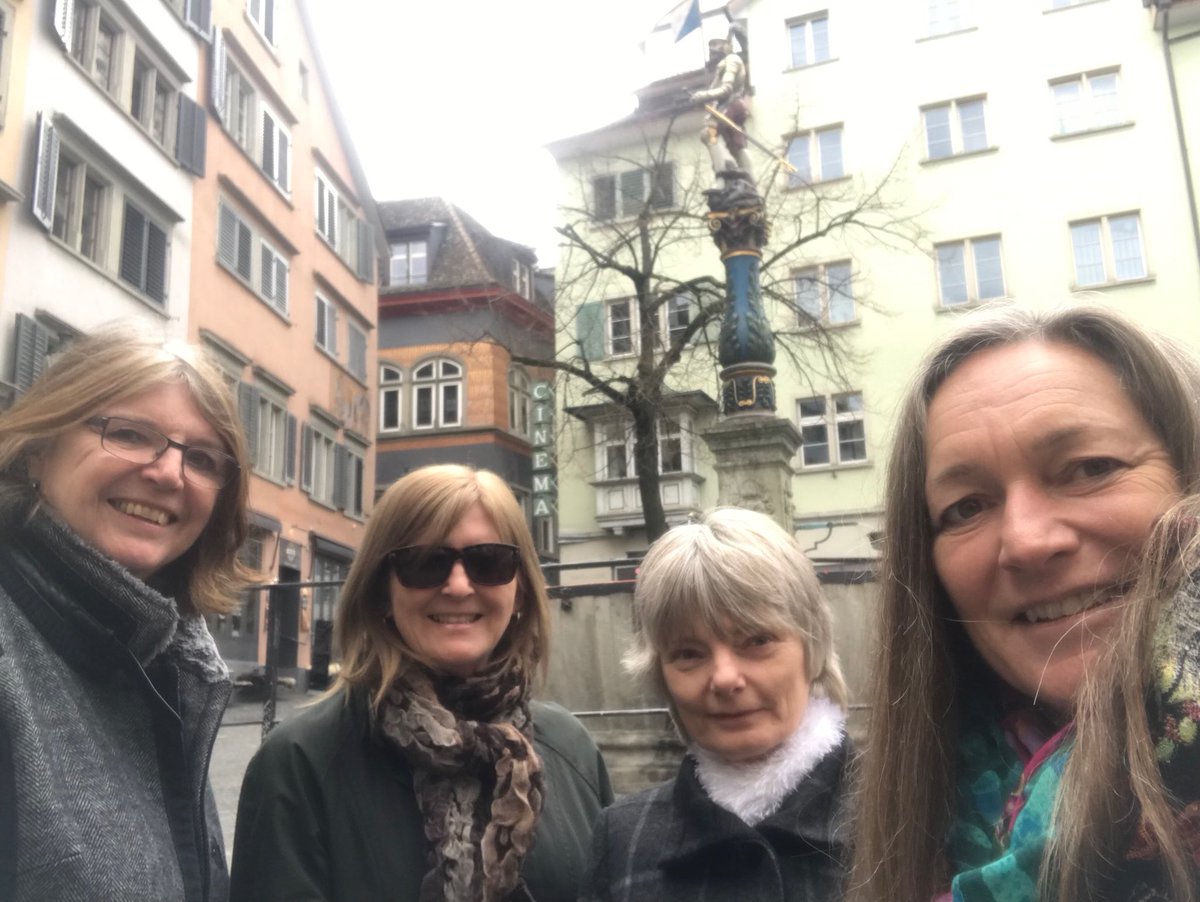
Living in Switzerland, as I do, can also be isolating – I can’t meet up with my Sister Scribes as often as I’d like – so imagine my delight when I connected with 3 other British writers who regularly meet up for ‘writerly lunches’! They all pen fabulous psychological suspense novels, with Louise Mangos (@LouiseMangos) published by HQ Digital, Alison Baillie (@alisonbailliex) by Bloodhound Books and Linda Huber (@LindaHuber19), who has a wide portfolio, by Bloodhound Books and their imprint, Bombshell Books. She also writes light romance novels under the name of Melinda Huber.

Aside from lunch and laughter, we share our thoughts and feelings on the sort of things writers value talking about: practical experiences, both in writing and publishing, our ups and downs, our current challenges and our plans for ‘what next’. Oh yes, and there’s the odd glass of Prosecco too!

So write and enjoy it. Embrace it, but if you get the chance, talk to other writers, preferably face to face. You won’t regret it!


Find out more about my retreat venue at https://thewritingretreat.co.uk.


SISTER SCRIBES: JANE CABLE ON GETTING TO KNOW YOUR PUBLISHER

Although I signed with Sapere Books last summer it’s taken the relationship a little time to get going. That was perfectly understandable – my first book with them, Another You, wasn’t due out until this June so it was quite a way through their work schedule – but it was still a little frustrating for me.

The frustration was completely unwarranted, but every time I saw a gorgeous new cover appear on the private Facebook group for their authors, I wished it was mine. And waiting for the edit notes was absolute purgatory. Would the book pass muster? How much would they want me to change?

Then, about ten days ago, the first batch of edits arrived from editorial director Amy. And there were no dramas. Absolutely no dramas. Most of what she said made perfect sense and her intentions were clear. I knew exactly what I needed to do and it was a joy to roll my sleeves up and get to work, knowing that the book would be better for it.

The timetable was clear too. The first half of the book would arrive before Easter, the second after. Writer friends were concerned it was tight with the proposed publication date but I’d more or less cleared my diary so I’d have ample time for rewriting. I say more or less, because there was one very important event coming up I wasn’t going to miss. And that was Sapere’s first birthday party.

London is a relatively long trek from Cornwall and I decided to let the train take the strain, arriving in time for lunch with a former colleague. After that I tramped the streets of Kensington and the south west corner of Hyde Park in the name of research for my current wip. As it happened it was a beautiful spring day and although I was a little footsore by the time I stopped for a cuppa it didn’t feel like a chore at all.

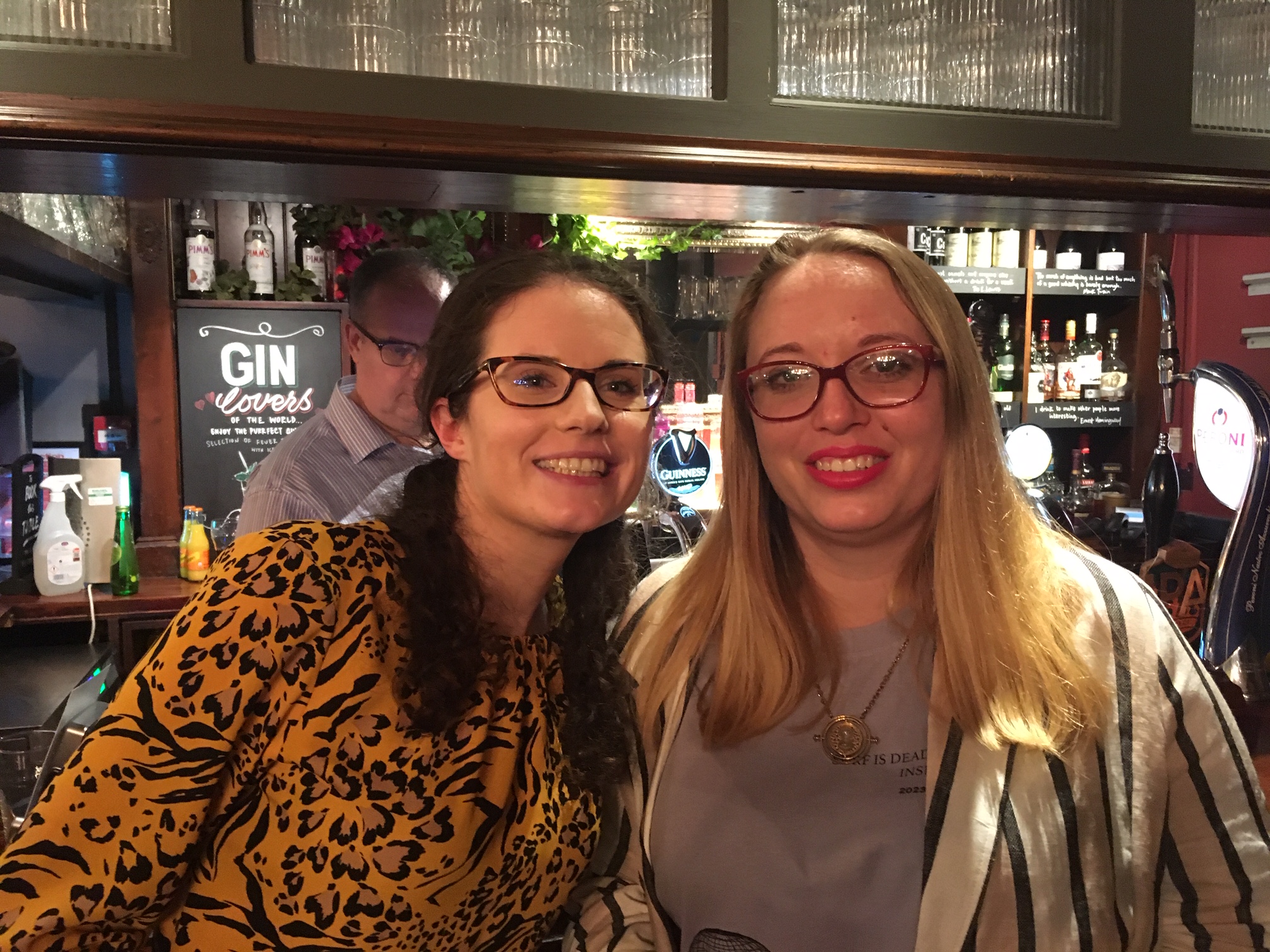
The party was in the West End, in a light and airy room above a characterful pub. Almost at once I met Caoimhe (pictured left), Sapere’s marketing director. Just days after the edit notes arrived we had started emailing about promoting the book but as a former indie author, having a professional on board was new territory for me. There’d been some shuffling around, trying not to tread on toes, but problems have a way of melting away once you’ve met someone face to face. Hopefully I convinced her I’m not a control freak and just want to support everything she’s planning to do for Another You.

I also met Amy (pictured right) for the first time, and Richard, the other third of the Sapere powerhouse. I have to say all three are incredible people, full of energy and good humour, and you can see how well they gel as a team. But a really big pleasure was meeting other Sapere authors – and the shame of it that it was impossible to talk to everyone. Hopefully next time…

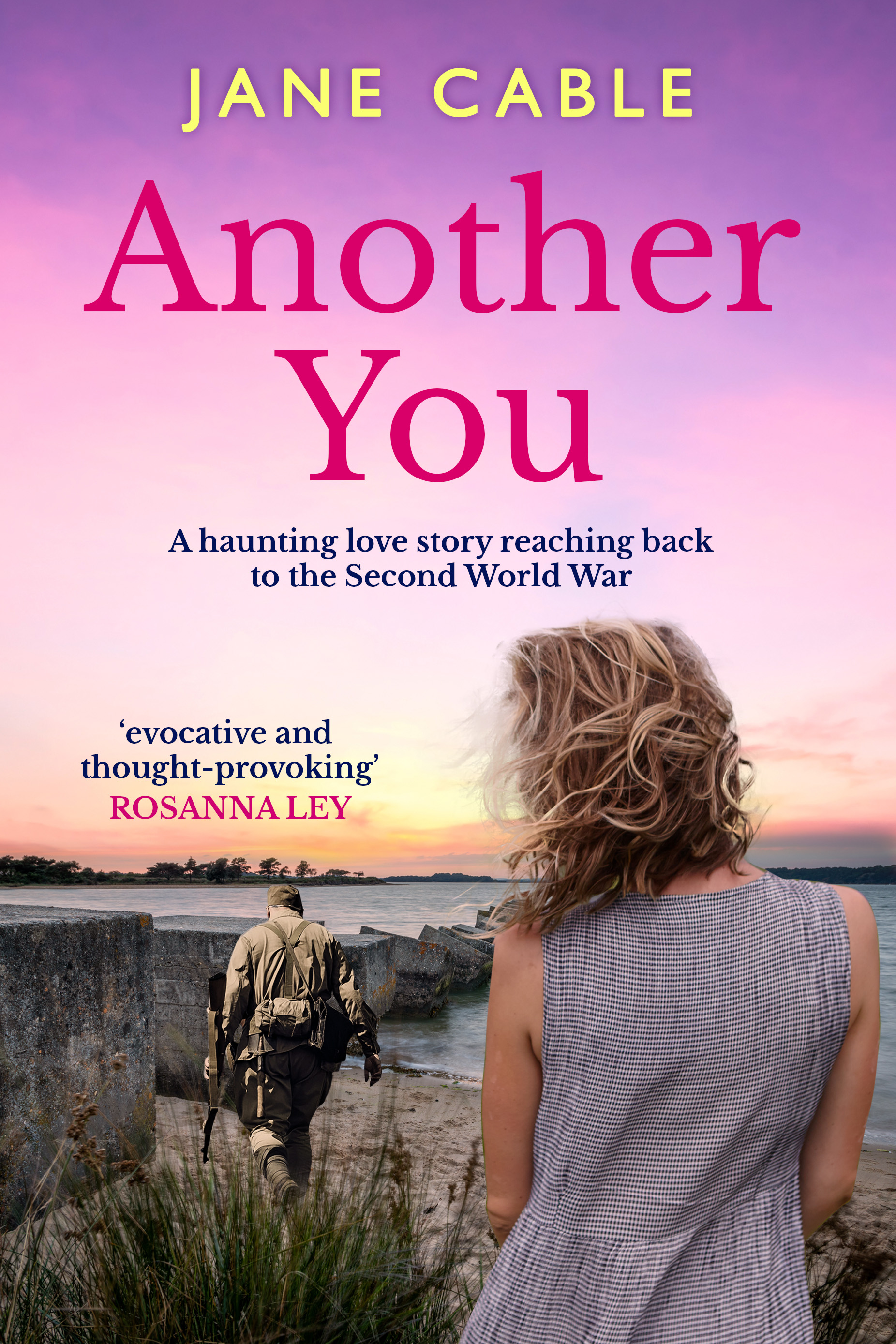
I could go on about the party, but I’d like to add a word about the new cover for Another You, which was revealed on Friday. I’d seen it just five days before, when it popped up on my phone on Sunday evening. I clicked it open. There were tears in my eyes. That soldier, walking away head bent, was just so perfect. As was the landscape around him which beautifully reflects part of Studland Bay where the book is set. So many covers disappoint authors but I love this one whole-heartedly, because whoever briefed the designer (that’s you, Amy) clearly knew the book.

Thank you, Sapere. You’re awesome.


SISTER SCRIBES GUEST: RACHEL BRIMBLE ON WRITING ABOUT STRONG WOMEN

I first met Rachel when I tentatively joined a new chapter of the Romantic Novelists Association in anticipation of a house move, Rachel could not have been more welcoming and instantly made me feel at home. She manages to combine this open and friendly manner with a dedication to her career that makes her one of the most prolific authors I know.  


I’ve always wanted to write, but it wasn’t until my youngest daughter started school full-time that I started to pursue my dream of becoming a published novelist. That was in 2005 and my first book was published in 2007. I was ecstatic!

This book had been through the New Writers’ Scheme which is an amazing opportunity for a full manuscript to be critiqued by a published member of the Romantic Novelists Association. The RNA is an amazing group of female novelists (and a few men!) who support, encourage and applaud romance writers throughout the UK. It is a true honour to be a part of such a wonderful organisation and has almost certainly provided the push needed over and over again when I’ve felt I couldn’t continue to write.

Just recently, I handed in my twenty-third full-length novel to my current publisher (Aria Fiction). I have always loved drawing inspiration from real-life progressive and inspirational women, and this is reflected in the types of heroines I like to portray in my books.

As I write romance, these women ultimately end up falling in love, but it is their journey of self-discovery and empowerment that drives me to write and ensure my characters succeed. The love aspect is merely a much-welcomed added extra!

I write mainstream contemporary romance, romantic suspense and historical romance. My latest series is set in the fictional Pennington’s Department Store in Bath, England. Influenced by my love of the TV series Mr Selfridge and The Paradise, I was inspired to write a series that focused on the women’s issues of the early 20th century.

Once I’d decided on the theme of ‘female empowerment’, there was no stopping my fingers at the keyboard. I am passionate about self-growth, belief and achievement and to write about women determined to make a societal change appeals to me in every way. Book 1 in the series (The Mistress of Pennington’s) is about women striving to make their mark in business amid an extremely male-dominated world, book 2 and my latest release (A Rebel At Pennington’s) is about women’s suffrage and book 3 (hopefully released in the Autumn) is about the stigma surrounding divorce at the time.

As you can no doubt imagine, the research I undertook to uncover the required characterisation and inspiration to create these female protagonists led me to learn about some truly phenomenal women. Discoveries that will stay with me forever. There are so names we are familiar with – famous suffragettes, women aviators, doctors and scientists who all excelled and made their mark at the turn of the century, but there were also many women who remain unknown to us. Or at least, they were to me.

It is these women that inspire my work and the heroines I want to spend months and months with as I pen a 100,000 word novel about their evolving lives. The Edwardian period was a time of great change for women and it’s exciting to be a part of that. I love bringing historic women’s issues to the foreground of my novels and hopefully inspiring a woman in her own life today.

I could not write without women from the past, the present and undoubtedly, the future.

Here’s to the strong women who have gone before us and who continue to walk with us today!


Rachel Brimble lives in a small market town near Bath with her husband, two daughters and mad chocolate Labrador, Tyler. When she’s not writing, she likes to read, knit and walk the beautiful English countryside. Author of over 20 romance novels, Rachel hopes to sign a new contract for a contemporary romance trilogy in the not too distant future.

Website: https://rachelbrimble.com/

Instagram: https://www.instagram.com/rachelbrimbleauthor/?hl=en

Facebook: https://www.facebook.com/rachelbrimbleauthor/

Twitter: https://twitter.com/RachelBrimble


SISTERS SCRIBES: KITTY WILSON ON STRUCTURAL EDITS

Hello, it’s lovely to be on Frost again and I thought I’d take the chance to tell you what’s happening in my writing life right now.

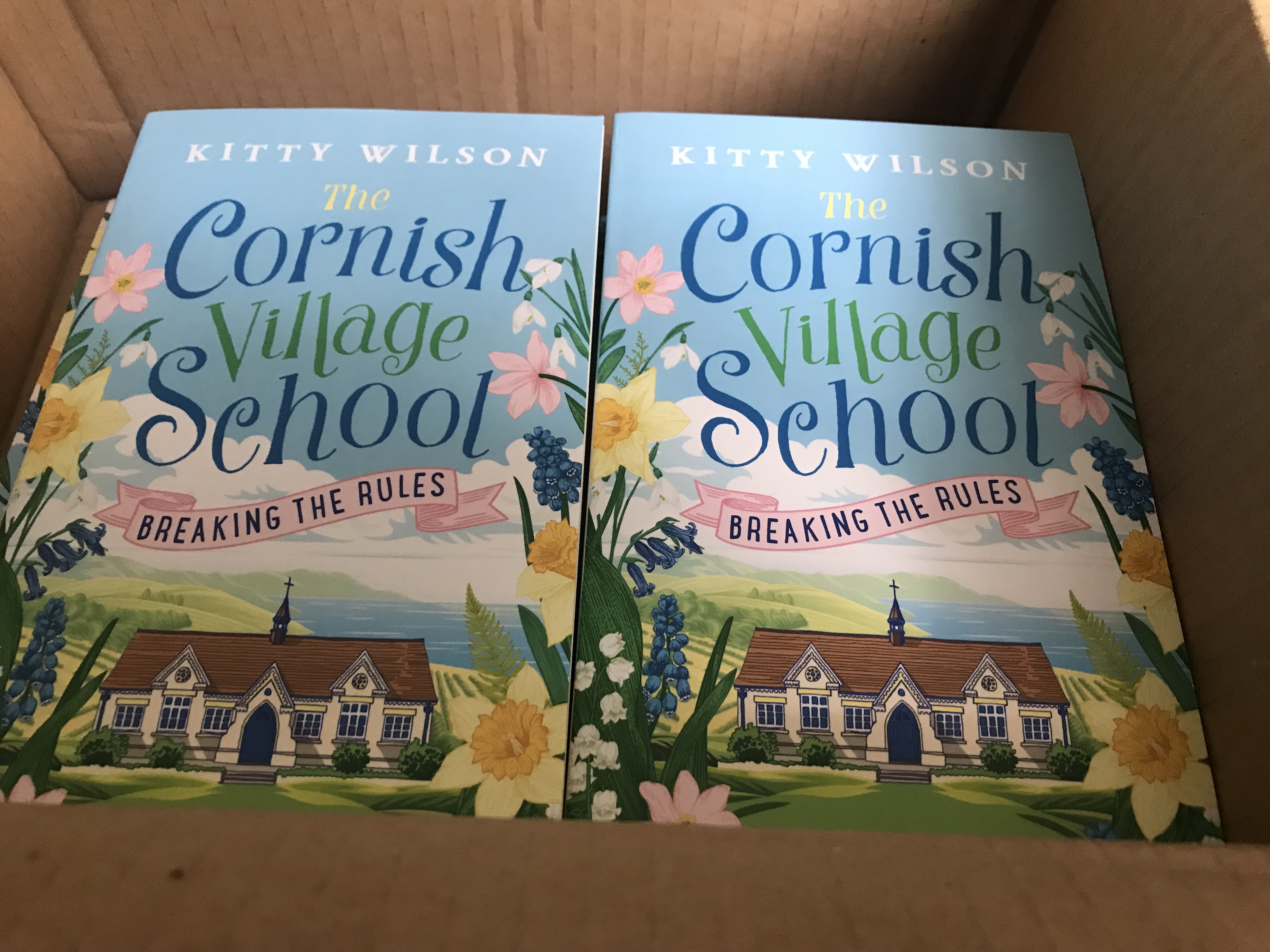
It’s been a busy couple of months for The Cornish Village School series. At the time of writing this I’m working through the structural edits on book three, have signed off on the cover for the audio release of book two and received my first copies of the paperbacks for book one.

Structural edits are the first thing that needs to be tackled once you’ve finished and polished the first (second, third, umpteenth) draft and bitten the bullet and sent it off to your editor to see what they think. Because the author tends to be so close to the book, these edits are a vital, objective view of what needs to be tidied up, changed and possibly cut, possibly extended. Chapters may need to be moved or restructured and it usually involves ‘killing your darlings’.

For me, waiting for these is the most terrifying time; I somehow expect them to receive, read and critique my draft within the first fifteen minutes. I fill that quarter of an hour by biting my nails and opening up Indeed.co.uk and looking for jobs. I could definitely be a cast member in the Disney Store (as long as there is no singing required), perhaps that job negotiating exit from the EU would be simpler than any edits I will have to do (this job was advertised during my last panic browse. I considered it). Then I give myself a good talking to about rational behaviour and decide that I could do some housework, change my mind (no need for desperate measures), panic a bit more and start the next book in an attempt to distract myself.

The starting of the next book thing is a jolly good move. It’s my favourite bit of the process – that time where the world is full of possibilities, deadlines are so far away they may as well not exist and you can make anything happen. Once I’d written the first chapter with a vicar (my new hero and I’m already in love with him), a guerrilla yarn-bombing octogenarian and a secret underground dungeon, all was right again in my world. In fact, I was so enthused I almost forgot the dreaded edits. Which were made even more worrisome this time around by the fact that I have a new editor* and I am a little oppositional to change (I still have the screws to my bunkbed that my mother dismantled when I was eight).

When the structural edits did come in I read them, had a mini meltdown and it took a couple of days before I processed the words in front of me – all of which were fair, true and actually very positive. In fact, there was nothing at all that warranted the seismic earthquake of stroppiness I had engaged in but which is, apparently, a natural part of the process, because only after that could I start working my way diligently through her fairly short list of suggestions.

The next phase is the line edits and the proofread, all of which I’m hoping will be completed by the time you are reading this and I should be well on the way to finding romance for my handsome vicar. I enjoy these, or at least I think I do. If you’ve heard screaming bouncing across the British Isles recently then there’s a good chance I was kidding myself. Keep your fingers crossed for me!

All love, Kitty.

*who’s proved to be lovely btw.


Follow us @Sister5cribes