Italian Cuisine: The Ultimate Food for Your Brain and Palate

Source: Pixabay

Italian cuisine is well-loved by people all over the world. Ask anyone what their favourite food is and you would likely hear them say some or all of these–pasta, pizza, tiramisu, and gelato–all of which originated in Italy. Italian food is usually very simple, consisting of very few ingredients but are cooked with love and passion, and served among family and friends, Italy being known for its strong family culture.

While cheese would probably be one of the main reasons why Italian food is such a crowd pleaser (who can resist cheese?), one of the many reasons why people should eat more of this Mediterranean cuisine is the fact that Italian food is actually good for your brain. Much of the basic ingredients that are present in Italian dishes are good for your overall health and can reduce the risk of heart diseases, diabetes, obesity, and other critical illnesses but, in particular, Italian food helps maintain healthy brain cells as we age, preventing cognitive impairment and memory loss.

Olive Oil 

Olive oil is rich in brain-protective antioxidants. Our brain uses about 20% of your total oxygen intake, which makes it vulnerable to oxidation caused by free radicals. In simple terms, our brain is like a cut apple that turns brown when oxidation occurs. Olive oil contains over 30 phenolic compounds that are powerful antioxidants that offset this effect on our brain. It is also rich in vitamins E and K, which have been proven to be good for brain health. Vitamin E helps maintain good memory and prevent mental decline as we age, while vitamin K helps keep the brain sharp and boosts brain processing speed. Vitamin K is also proven to prevent Alzheimer’s disease.
SourcePixabay

Fresh Tomatoes

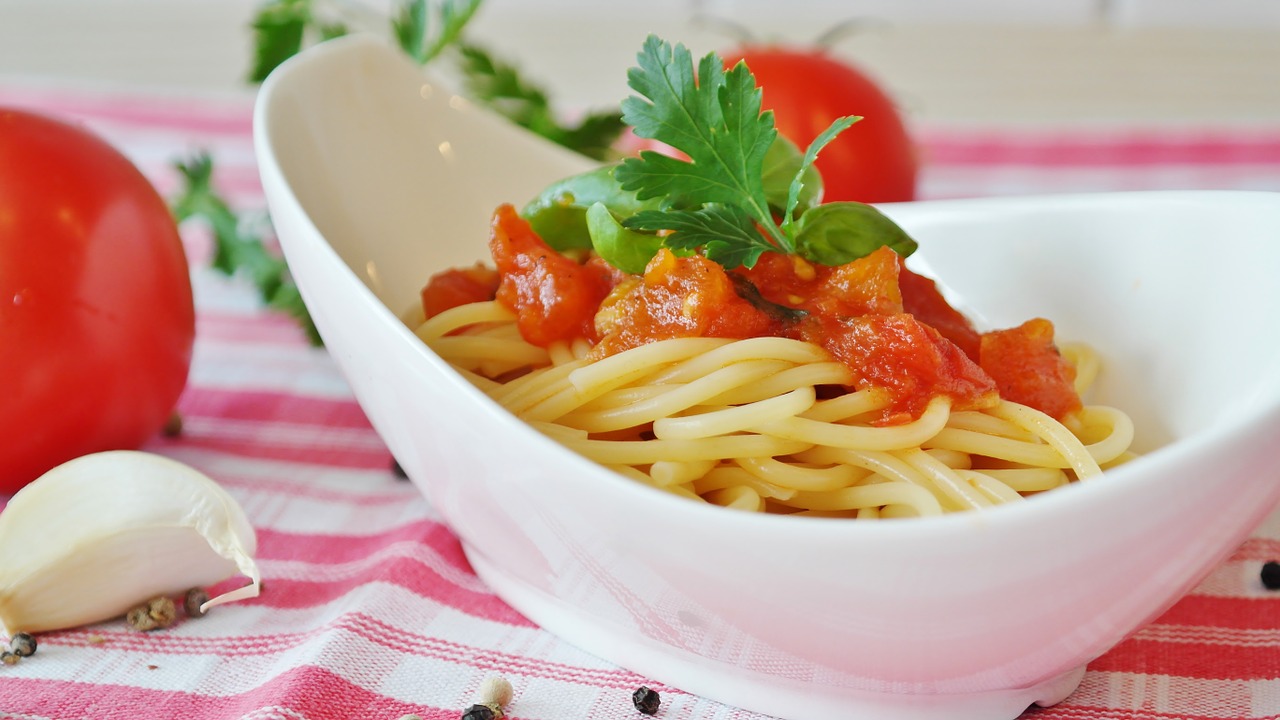
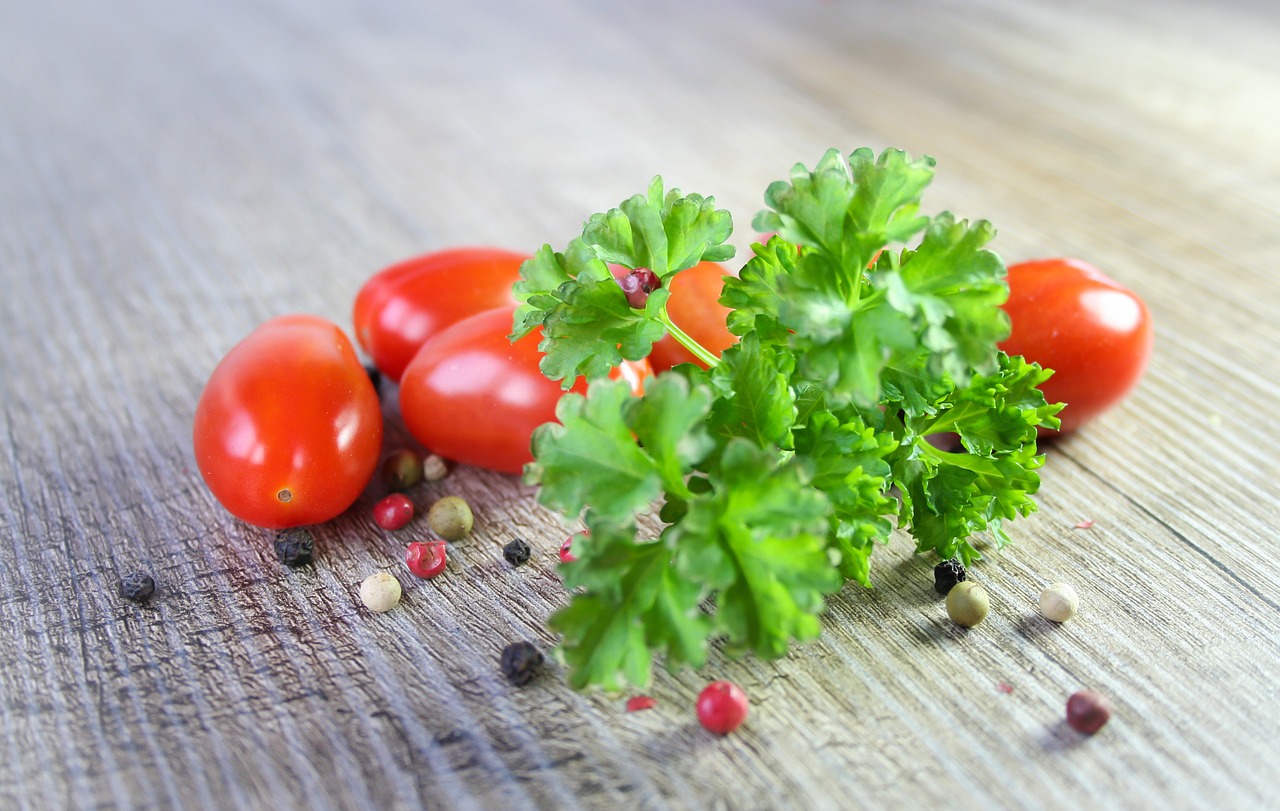
What Italian dish doesn’t have tomatoes? Very few, actually. All-time Italian favourites like spaghetti, pizza, calzone, and insalata caprese all have this fresh ingredient that is packed with potent antioxidants called carotenoids, such as lycopene and beta-carotene, that are proven to help protect brain cells from free radicals. Tomatoes are said to also help prevent dementia. Aside from its antioxidant powers, lycopene also regulates genes that cause inflammation and brain growth, helping to prevent cognitive impairment and Alzheimer’s disease.

Truffles

Another great source of vitamin K is truffles, which are often included as basic ingredients in spaghetti and risotto. Aside from functioning as brain booster, truffles are said to be effective in preventing dementia and alleviating depression. They are also said to contain a certain “bliss molecule”, which positively affects one’s mood, appetite, and memory. Truffles are also a good source of protein, which is a key nutrient in brain optimization, which is why people recovering from a brain injury are required to eat protein-rich foods.

Thanks to Italian cuisine, eating food that’s both delicious and good for our brain is possible. Every item on an Italian restaurant menu is always a great choice, so the next time you want to eat out or order food for delivery, order Italian!


New Research Review Warns Poor Diets Of Older People Boosts Risk of Premature Ageing

Capture twoNEW RESEARCH REVIEW WARNS THAT POOR DIETS OF OLDER PEOPLE BOOSTS RISK OF PREMATURE AGEING


Millions of older people in the UK are putting their long term health at risk because their diets are low in certain key vitamins, minerals and fatty acids, says a new research review commissioned by the

Health Supplements Information Service (HSIS).

HSIS

The review, about to be published in the Journal of Human Nutrition and Dietetics, assessed the evidence from 34 randomised controlled trials, published 2005-2015, where adults aged 50 years and over had been given nutritional supplements.

The gold standard Preferred Reporting Items for Systematic Reviews and Meta-Analyses (PRISMA) guidelines were used to ensure that only high quality studies were included in the analysis.

Capture three

Commenting on the research review, GP Dr Paul Stillman, an advisor to HSIS notes:

“The data results show promising results for many nutrients, such as omega-3 fatty acids from fish oils, B vitamins, calcium, vitamin D and vitamin K to name a few:

  • Increasing omega-3 intakes from fish oils appeared to have a role in improving memory, reducing the risk of dry eye, lowering depression scores and levels of leucocyte telomere oxidative stress (a marker of how fast cells are aging) while supporting muscle protein synthesis (which helps older people remain active and avoid falls);
  • Folic acid and B12 supplementation were found to impact positively on cognitive function (particularly memory);
  • Combinations of calcium and vitamin D appeared most effective for fracture prevention
  • Multivitamin use was associated with reduced total cancer risk, improved reported energy levels and enhanced mood.”

Dr_Carrie-Ruxton

However, it was clear from dietary surveys that intakes of key nutrients were low in significant groups of older people. Lead author, Dr Carrie Ruxton, comments: “Vitamin D is a key nutrient for healthy ageing, with a proven role in maintaining normal bone health and immune function. Yet dietary intakes in older British adults are just 30-40% of the recommendation with more than one fifth found to be clinically deficient. Risk of deficiency is also high for iron where 14% of older adults have low blood levels of haemoglobin leading to anaemia, poor immune function and poor cognitive health if not corrected. Smaller groups have inadequate intakes of B vitamins and calcium with those over 65 years most at risk of vitamin B12 deficiency.  Average intakes of omega-3 fatty acids remain below the recommended 450mg per day because two thirds of older adults don’t eat oily fish on a regular basis.”


Dr Ruxton adds: “People’s bodies age at different speeds and it would appear that having the right diet can slow this process, therefore helping people to stay healthier for longer. While research is still at an early stage, there are promising results for fish oils, B vitamins, calcium and vitamin D. Taking more of these nutrients, from foods plus vitamin and mineral supplements, could help older people age more healthily and would certainly do no harm if intakes remain within recommendations”.


About HSIS…

The Health Supplements Information Service (HSIS) (www.hsis.org.uk; Tel: 020 7052 8955) is an independent information body, set up to provide balanced information on vitamins and minerals. It is supported by a restricted educational grant from the Proprietary Association of Great Britain (PAGB).


How To Improve Your Chances of Getting Pregnant

baby, fertility, getting pregnant, Some woman get pregnant easily but for others it can be a long and difficult journey. Now I want to start this article off with pointing out that I am not a doctor, but I have researched the subject and I got pregnant as soon as my husband and I started trying. I have combined what I learned with some tips from friends, some of whom did not get pregnant for a while but persevered.

Have Regular Sex.

Sperm can live inside you for seven days. The sperm travels up the fallopian tubes to “wait” for the egg to be released. If you ovulate during this time you can get pregnant at any point during those seven days. The NHS recommend having sex every few days during ovulation.

Find Out When You Are Ovulating.

There is an abundance of calendars and apps to help you figure out when you are ovulating. Having sex when you are not ovulating may be fun but it won’t get you pregnant. The NHS website can help you figure out when you are ovulating.

Take Your Vitamins.

Make sure you are taking folic acid. It is best to take this for three months before you plan to conceive and make sure you take it throughout the pregnancy too.

Stop Smoking.

This is obvious. It has been proven in medical studies that smoking brings on the menopause by at least four years. It is also very bad for your baby. You should not smoke when trying for a baby and certainly not when you are pregnant.

Exercise.

I exercised for an hour five days a week and lost two stone before getting pregnant. It helped that I was also working out for my impending wedding. I went from a size 12 to a size eight. Exercise helped but the other thing is…

Diet.

I ate as healthy as possible. I did not eat a lot of meat and if I did it was organic. I eat a lot of vegetables and drank a lot of water. I cut down on alcohol, only having a glass if at a restaurant or at a special occasion. Read this article for more diet advice. More importantly I…

Quit Sugar

This was hard but I stopped having sugar in my tea. No chocolate, no added sugar, no fizzy drinks. I am almost positive that this was one of the main things that made a difference. Sugar affects your insulin levels and your insulin levels affect your health.

Lie flat for 15 minutes.

Lie flat for 15 minutes after sex to give the sperm a helping hand. I know many people who swear by this.

IVF

Have IVF. Consider IVF if you are over 35 and have been trying for a baby for six months or if you are under 35 and have been trying for over a year. IVF is a wonderful invention, giving many couples the chance at parenthood who otherwise would never have had children. Go to a clinic with a high success rate like  Posted in Beauty & Grooming, Featured, Life & Style, Parenting | Tagged , , , , , , , , , , , , , ,

The Rise of The Fat Supermodel: Is The Fashion Industry Embracing Plus Size Models?

When it comes to the fashion industries obsession with waif like models, times they are a changing…well maybe just a dress size or two.  In recent months the industry has seen a sidestep in to the usually unmentionable world of FAT!  Several leading modelling agencies now have dedicated plus size divisions, recognising the huge surge in popularity of plus-sized fashion bloggers and Instagrammers.  According to Public Health England, two thirds of people in the UK are overweight and are in need of taking better care of their health.

The rise of the fat supermodel-  Is the fashion industry embracing plus size models?

Candice Huffine became the first plus size model to feature in this years’ Pirelli calendar, has graced the front page of Italian Vogue, and has appeared in i-D and Harper’s Bazaar

Tess Holliday’s huge social media following, helped get her signed to modelling agency MILK Model Management who now have a separate division, Curve, which is dedicated to plus size models.

Advertisers using slim models for their ‘health’ campaigns have been heavily criticised by the public and media alike. Protein World’s infamous Are You Beach Body Ready? poster campaign backlash is a prime example of this shift in attitudes towards the ideal female body.

We asked Dr Marilyn Glenville, Nutritionist, women’s health expert and author of Fat Around the Middle: How to Lose That Bulge – For Good  for her thoughts…

areyoubeachbodyreadyadvertcontroversy

How difficult is it to maintain a super skinny body shape and still be healthy?

It is very difficult if not impossible to maintain a super skinny body shape and still be healthy.  And for women it is important not to lose too much fat, because then periods will stop and it can affect not only fertility but also increase the risk of problems like osteoporosis because the woman has lost the protection of the female hormones.


Do you see women who struggle to lose weight more regularly now?

Yes.  In my clinics in Harley Street and Tunbridge Wells, I frequently see women who struggle to lose weight.  Most of them just want to be a healthy weight and to have a way of eating that becomes a way of life rather than being on a constant diet or having to do fad diets.


Many women I see also want to change their body shape as well as lose weight as they know they are carrying too much fat around their middles which increases the risk of type 2 diabetes, cancer (especially breast cancer), heart disease, Alzheimer’s and high blood pressure.


Do you think the fashion industry should embrace models who better represent today’s average British woman?  

I definitely think the fashion industry should embrace models who look like the average British woman.  It makes it easier for the average woman to relate to the clothes that the model is wearing and more likely to want to purchase them.  If the model is super thin, then the average woman will think they can’t possibly attain that without starving themselves and knows that it is just not realistic for them.


Can you be healthy and bigger?

This is really dependent on body fat percentage rather than weight.  A person’s weight cannot differentiate between fat and muscle and an athlete and a couch potato can have the same Body Mass Index (BMI – a ratio of height to weight) and yet have a completely different percentage of fat and muscle.


A woman can be bigger and healthy if she has the correct percentage of body fat (25-31%). Too low, it risks her periods stopping, infertility and osteoporosis, too high then it risks heart disease, cancer and Type 2 diabetes.


Want to shift some pounds naturally?


Dr Marilyn Glenville (www.marilynglenville.com) has joined forces with luxury health spa Champneys.com, to deliver a series of very special women’s wellbeing weekends this year.  These very special one and two day retreats are led by Dr Glenville herself and offer natural solutions and insight into four significant female health issues; Fat Around The Middle, Digestion & IBS, Menopause & Osteoporosis and Fertility.


The Hidden Health Risks of a Nutrient Gap: Should You Be Taking Vitamins?

healthy, vitamins, minerals, salad, dietLate November I attended a very interesting event at The Ivy, Mind The Nutrient Gap: Hidden Health Risks. Apart from having lots of fun chatting to amazing journalists and eating an extraordinary lunch (I would not have expected anything less), I found out some interesting facts. many of which I found shocking. Leading dietitian Dr Carrie Ruxton, top nutrition specialist Miguel Toribio-Mateas, and regulatory expert TC Callis, all gave excellent talks and revealed exclusive research into the growing and hidden nutritional gaps in the UK and its wider impact on health. 

DID YOU KNOW? 

  • Almost 40% of Brits admit that they do not know what nutrients can help them to support heart health, immune health, bone health, eye health, energy, nail or hair health
  • A third of Brits state that they do not have time to prepare home cooked meals
  • 77.7% of Brits reveal that they do not get their five fruit and vegetables a day
  • Over half of us say we don’t understand the benefits of vitamins and minerals
  • Obesity figures in England have more than tripled over a period of 25 years. Over 30% of children (aged 2-15) are overweight or obese
  • More than a fifth of Brits in their 40s and 50s do not know how best to adjust their eating habits to support their nutritional needs

There is some controversy on whether people should be taking vitamins but the truth is our diets are just not good enough. The evidence that some of us should take vitamins is insurmountable. We don’t all need a daily multivitamin but we all have gaps in our diet that need filled in.

The Health Supplements Information Service unveiled new research on our diets, the nutritional gap we face, and its wider impact on long-term health sorting fact from fiction. If I wasn’t convinced to take vitamins before, I certainly was after. A shocking two out of three adults don’t hit their five-a-day target of fruit and vegetables. To make matters worse, intake has actually fallen over the last four years. More than a quarter of calorie consumption comes from crisps, treats and drinks which have minimal nutritional value. Even more worryingly, 57% of people thought that children did not need to take supplements. Despite the fact that the Chief Medical Officers of England, Wales, Scotland and Northern Ireland have repeatedly reminded parents and health professionals that all children under the age of five need supplementary vitamin D unless they get a sufficient intake from fortified formula milk.

It is not just during pregnancy and childhood you need vitamins, many people start taking vitamins in their forties and fifties but by this time you can already be paying the price of a bad diet. Leading dietitian Dr Carrie Ruxton notes: “The lifestyle choices you make during your middle years are incredibly important. When you’re younger, you have resilience and are physically at your peak, but by 40-50-something years you begin to pay the price for any bad habits or nutritional shortfalls. Your nutritional needs also change, and certain nutrients, including vitamins B12 and D, calcium, potassium and fibre become increasingly important.” 

The so-called sandwich generation, those ages 30-55 years, have the highest stress levels of any other age group. Sandwiched in-between their children and sick or elderly parents, they also have the early development of health problems to deal with and it is the peak time for career achievement. Women in the latter end of the spectrum also have the menopause to deal with and both genders have to maintain a home. According to Age and Ageing 2014, persistent job strain in middle age may lead to longer hospital stays later in life. Vitamins D intake is particularly important. We do not get enough sun in the UK and the evidence for vitamin D usage mounts all of the time. Dr Carrie Ruxton said that the recommended dosage was going up. Not only is vitamin D safe, it also stops infection. Women are apparently more likely to take vitamins than men and multivitamin use peaks at 30-44 years.

The truth is: our diets are just not good enough. We should eat more fruit, veg, lean red meat, low fat diary and oily fish. We should also drink healthy drinks. Any gaps should be filled in by vitamins or we will pay the price as we age. Most vitamins are safe and you would have to take a lot to overdose. Vitamin D is very safe, vitamin A becomes toxic over 3000mg, especially to pregnant women and over 5mg of copper is toxic as the body stores certain vitamins and our bodies also store minerals. It takes a lot to overdose on vitamins and keeping within the RDA and filling in our bad diet habits will pay off in the future.

What do you think?


The Benefits of a Vegan Pregnancy

vegan pregnancyAll essential vitamins and minerals can easily be found in a wide variety of vegan foods, including green leafy vegetables, nuts, seeds, lentils, pulses, beans, soy, whole grains and flax. So there is no need to worry about how to get enough protein, calcium, iron, omega-3 fatty acids or vitamin D. The only exception is vitamin B12, which can be easily supplemented.

Actors Alicia Silverstone and Emily Deschanel have both had vegan pregnancies. Alicia says, “All of the vegan pregnancies I have witnessed have been way smoother than those of my non-vegan friends. … From my point of view, the more vegan you are, the more healthy you are and that makes your pregnancy go more easily and helps your baby to be super duper healthy!”


  1. Ward off morning sickness: Morning sickness is one of the least fun aspects of pregnancy, and interestingly enough, a vegan diet during pregnancy may alleviate some of those symptoms. Some studies have connected a diet high in meat and dairy with more severe symptoms of morning sickness. The science is this: Morning sickness is the body’s natural attempt to protect the fetus from unhealthy substances, physically clearing those substances (and the food that contains them) out of the mother’s body. Many of the chemicals that are cleared out most commonly come from meat and dairy products, because these products are at a higher risk for contamination. Thus, eating a vegan diet (ideally organic) may reduce or totally eliminate the symptoms of morning sickness. Unlike meat and dairy product, plants can help to rid the body of toxins, ultimately providing the fetus with lower amounts of unhealthy chemicals that we consume in our food.
    In addition, a vegan diet ensures that the mother is not consuming the foods that are commonly known to be harmful for fetuses, including fish and seafood, deli meats, and unpasteurized dairy products. Each of these can put a fetus at risk for birth defects, and eating a vegan diet guarantees that none will be an issue.


  1. A healthier, happier you: A vegan diet is great for your health! According to the Academy of Nutrition and Dietetics, vegans are less likely to develop heart diseasecancerdiabetes, or high blood pressure than meat-eaters are. Vegans get all the nutrients that they need to be healthy, such as plant protein, fiber, and minerals, without all the nasty stuff in meat that slows you down and makes you sick, such as cholesterol and saturated animal fat.


  1. It’s the best way to help animals: Every vegan saves the lives of countless animals each year. There is simply no easier way to help animals and prevent suffering than by choosing vegan foods over meateggs, and dairy products.


If you are considering making the switch to a vegan diet- please visit peta.org.uk where you can order a free vegan starter kit and find out more on how to have a healthy and happy vegan pregnancy.


PETA supporter and vegan mum, Kimberley Brewser says:


There was no doubt in my mind that a vegan pregnancy was what was best for me and, more importantly, my precious bundle.


Apart from my initial morning sickness, I thoroughly enjoyed my pregnancy. I’ve never felt better inside and out.


For any food that I craved, there was a vegan alternative, so I never felt that I was missing out. I always made sure that I had my favourite foods in the house if I had a craving. I ate very well.


While some of my pregnant friends suffered with low iron levels and high blood pressure, my iron levels were high and my blood pressure was fantastic throughout.


I’m a dancer and continued to perform at shows and dance throughout my pregnancy. I had so much energy. I was dancing four days before I gave birth.


Hadley was a healthy 7 lbs, 11 ozs when he was born. Now at 15 months, he continues to thrive on a healthy, varied and colourful vegan diet. He’s a happy, healthy, beautiful little boy.


Would I recommend a vegan diet to expectant mothers? Definitely!


Taking Small Steps To Improve Your Health

Many of us whose waistline is on an expansion mission know there are simple solutions to rein in weight gain. In many cases, a healthy lifestyle is seen as being too much effort, but the truth is that just a few small changes to lifestyle and diet can see a massive difference to health and wellbeing and in most cases you will hardly notice a difference to daily routine.

health, health tips


Why is it important to stay healthy?


Eating properly and having the right amount of exercise are key to your ability to fight off illness and disease.  The immune system needs the right amount of nutrients to remain strong in order to work efficiently, but it is also hampered when you are overweight and out of shape.  Additional factors to consider if you want to improve your health include the damaging effects of smoking and alcohol consumption.  Both of these can lead to illness and also reduce the effectiveness of your immune system.


A healthy diet


Following a healthy diet will mean that you are providing your body with all the nutrients that you need to stay in good health.  With plenty of fruit and vegetables in your diet it will be much easier to get the right nutrients.  The recommended daily amount is around five portions a day, but some scientists are now recommending that people extend this to seven portions a day, with just two of those as fruit.  However, if you are one of those people who rarely eats fresh fruit and vegetables, the first step is to include just some each day.  Over time, you can build this up to the right amount.


In addition to fresh fruit and vegetables, it is a good idea to make a few swaps so that your unhealthy choices are suddenly much better for you.  One example is fries.  Replace these with jacket or boiled potatoes and you will cut your fat intake dramatically.  White bread can be swapped for wholegrain and you can opt for brown versions of rice and pasta instead of the standard white.


For some it can be difficult to get the balance right, particularly if there are underlying health issues.  Herbal and nutritional supplements can be useful here.  A good multivitamin can help to redress the balance, but you can also incorporate herbal teas as an easy way to add the benefits of herbs to your diet.  Jasmine Tea, for example, is considered to be very calming and perfect for those who suffer from stress and anxiety, both of which can have a negative effect on health.


Don’t forget exercise!


Finally, make sure that you get regular exercise.  The jury is still out on just how much exercise a person needs but the good news is that you only have to go for a good walk a few times a week to see a difference.  Exercise does not have to be hard work or boring – take up cycling with the family or even try something like ballroom dancing.  You will be having so much fun you might not even notice the pounds and inches slipping away!


LighterLife Fast Review: The Easy Way To Do The 5:2 Diet?

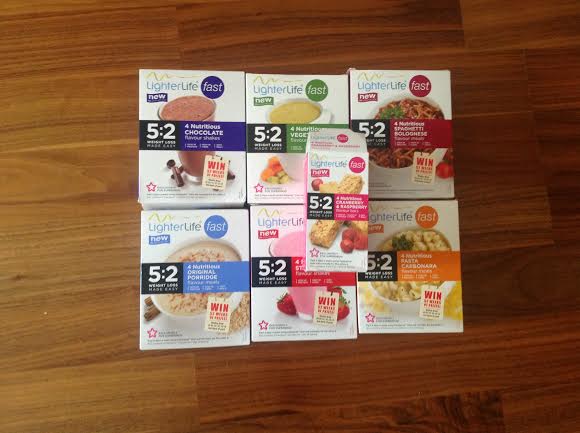
The 5:2 diet really took off last year and is still huge. If you have been living under a rock and don’t know what it is: you eat normally for 5 days a week and then the other two days you fast, having 500 calories if you are female, or 600 if you are male. It sounds better than most diets and you get to eat what you want (within reason) the other five days. What makes it hard though is finding something low-calorie to eat on the fasting days. Enter LighterLife Fast, which we got sent to review recently. It is a new product from Superdrug that makes the 5:2 diet easier. On your fasting days you just have four packets of the LighterLife Fast foodpacks.

5.2dietfood 5-2diet

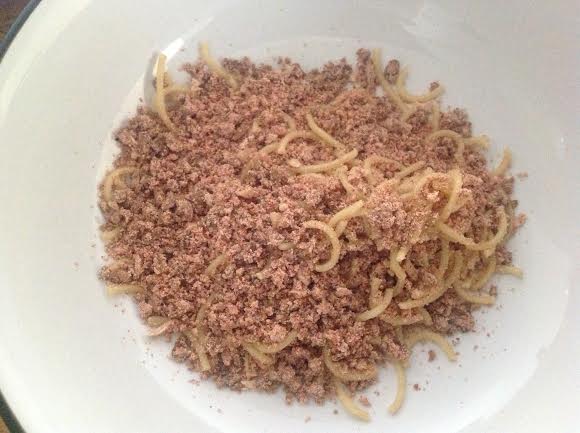
They are not only convenient but they also make sure you get all of your nutrients while you fast. They are very handy and you can pop them into the microwave, or on a hob, which I prefer. We got sent two different bars, two shakes (chocolate and strawberry), porridge, vegetable soup, pasta carbonara and spaghetti bolognese flavoured meals. Note that I said ‘flavoured’ these are mostly dehydrated meals that you add water too.


LighterLife Fasting has a number of things going for it: no cooking, no counting calories and you get 100% of the recommended daily allowance (RDA) of vitamins and minerals, along with good amounts of protein and fibre. The taste lets it down a little but it is what you would expect, ranging from okay to edible depending on personal preference.


More importantly, do they work? Well, yes. Our reviewer lost about a pound a week. They are a good diet aid, and good for people who are busy too, making the 5:2 diet manageable and without compromising on getting all of your nutrients. It doesn’t taste nice and you will yearn for real food, but it makes things easier. Available from Superdrug.


What do you think?