Classic Coronation Chicken Recipe

coronation chicken recipe, recipe, foodClassic Coronation Chicken. Makes 3 loaded rice cakes
Coronation chicken.

Quite the classic. And it works just as splendidly on a rice cake as it does in your sandwich – especially with some rocket and a sprinkle of black pepper.
25g mayonnaise
25g crème fraîche
30g mango chutney
½ a tsp curry powder
½ a tsp lime zest
2 tbsp fresh lime juice
1/4 tsp salt
250g skinless, boneless, chicken breast fillets, cooked and diced
Handful fresh rocket
1 tbsp flaked almonds (optional)
Kallo Cracked Black Pepper & Sea Salt rice cake.
Mix together the mayonnaise, crème fraîche, mango chutney, curry powder, lime zest, lime juice and salt
in a large bowl.
Add the diced chicken and toss with the mixture until well coated.

Cover and chill until serving.
Layer your Kallo Cracked Black Pepper & Sea Salt rice cakes with the rocket, then top with a generous
dollop of the Coronation Chicken.
Top with the flaked almonds if desired.


Tangy Salsa & Glorious Guacamole Recipe

Guacamole recipe salsa recipeTangy Salsa & Glorious Guacamole
Serves 2-4
Why not whip up a tangy salsa or glorious guacamole the night before work for some dreamy desktop
dipping at the office? Delicious!
Tangy salsa
5 large tomatoes, deseeded and finely diced
½ a red onion, finely diced
Small bunch of coriander, chopped
Zest and juice of a lime
Salt and pepper
Glorious guacamole
1 ripe avocado
1 large tomato, finely chopped
½ a red onion, finely chopped
Small bunch of coriander, chopped
Zest and juice of a lime
Salt and pepper
For the salsa: Finely chop the tomatoes and onion, along with the coriander. Mix in the zest and juice of a
lime and season with salt and pepper. Leave in the fridge for a few hours for the flavours to marry.
For the guacamole: Scoop out the flesh from the avocado into a bowl. Add the chopped tomatoes and red
onion, along with the coriander. Mix in the zest and juice from the lime and mash with the back of a fork
before seasoning with salt and pepper.
Splendid with Kallo’s Chilli rice cakes

Should You Take Vitamins?

Andy_Murray becomes forst man in 77 years to win Wimbledon. It is hard to know what is the best for your health and the media always seems to be giving conflicting stories. I take a multivitamin but recent press has said this is not a good idea. So, what is fact and fiction? Let’s try and find out.

In response to an article in the Daily Mail on Thursday July 25th posing the question as to whether vitamins can take years off your life, the Health Supplements Information Service (HSIS) is reminding the nation about the many benefits behind vitamins and minerals that are needed daily to fuel our bodies and keep us healthy.

SORTING OUT THE REAL FACTS:

Vitamins and minerals perform a variety of vital functions in the body, mainly due to their participation in biochemical processes including:

ü working with enzymes to help in the release of energy from food

ü helping to maintain the health of body systems and organs such as the brain, heart, blood vessels and nervous system.

Vitamins and minerals work together to maintain our health and the body cannot function without them. They are essential nutrients and a lack of such vitamins and minerals can lead to poor health.

Vitamins and minerals can be obtained from food, but modern diets are often lacking in these nutrients due to poor food choice. This is amply demonstrated by the findings from the large UK Diet and Nutrition Surveys, which methodologically are among the most robust surveys in the world.

These surveys continue to show a lack of essential nutrients to some extent across population groups but particularly in young women whose mineral intakes may be severely compromised and in children and older people where vitamin D intakes fail to match recommendations.[1]

The most recent data from this survey[2] shows that mean intakes fell below the Reference Nutrient Intake (RNI) for a number of minerals, in particular iron, magnesium, potassium and selenium. This was particularly the case for boys and girls aged 11 to 18 years. Mean iron intake was 58% of the reference nutrient intake (RNI), the same proportion as in the previous survey of this age group. Mean intakes of magnesium and potassium also fell below the RNI for both boys and girls aged 11-18 years, as did zinc, calcium and iodine for girls.

Substantial proportions of older girls had mineral intakes below the Lower Reference Nutrient Intake (LRNI; a level at which deficiency is likely); 46% of girls aged 11-18 years had intakes of iron and magnesium below the LRNI; the equivalent figure for potassium was 30% and for zinc 15%. Among boys of this age group, 26% failed to achieve the LRNI for magnesium.

Intakes of calcium were of particular concern in 11-18 year old girls, an age at which calcium is particularly important for bone development. More than one in 10 girls in this age group failed to achieve the LRNI for calcium.

Significant numbers of adults also had low intakes. One fifth of adult women failed to achieve the LRNI for iron, while one in 10 men and one in 10 women failed to achieve the LRNI for magnesium.

Intakes of selenium fell below the RNI in both older children and adults. Adult women overall achieved 72% of the RNI while adult men achieved 74% of the RNI. Around half of adult women and older girls and a fifth of men and older boys had intakes below the LRNI.

It is clear that UK dietary surveys continue to show that significant numbers of the population do not achieve recommended intakes of essential nutrients. In the light of this continuing dietary gap, it is misleading to imply that vitamin pills are unnecessary.

A 2010 report entitled “Towards a Healthier Britain”[3] found evidence that vitamin and mineral supplements boost intakes and increase blood levels of these essential nutrients with fewer people taking multivitamin and mineral supplements having intakes below recommendations.

NUTRIENT SPOT LIGHT:

Vitamin E

Vitamin E is the collective name for a group of fat-soluble compounds that exhibit antioxidant activity. Antioxidants protect the body cells from the damaging effects of free radicals, which are molecules that contain an unshared electron. Unshared electrons are highly energetic and react rapidly with oxygen to form reactive oxygen species (ROS). The body forms ROS when it converts food to energy. The body is also exposed to free radicals from environmental factors such as cigarette smoke, air pollution and UV radiation. Free radicals damage cells and may contribute to the development of body organ damage.

In addition to its activities as an antioxidant, vitamin E is involved in other essential functions such as immune function, chemical messaging between cells, regulation of gene expression, and other metabolic processes.[4] Vitamin E inhibits the activity of protein kinase C, an enzyme involved in cell proliferation. Vitamin-E–replete blood vessels have been shown to be better able to resist blood cell components adhering to the blood vessel surface so helping to maintain the health of the blood vessels. Vitamin E also increases the activity of two enzymes that influence fatty acid metabolism, which again helps to maintain the health of the blood circulation.[5]

Vitamin E is one of the essential nutrients for health. Several studies, including the two studies mentioned in the Daily Mail article have evaluated the role of vitamin E in large doses, often 40 times and more greater than the RDA. These studies have involved methods similar to those used in drug trials to see if vitamin E and other essential nutrients can prevent or treat disease.

However, vitamin E, like all essential nutrients is essential for the maintenance of health and prevention of deficiency. Such drug-like trials may be of interest to researchers looking for mechanisms of action but are of no relevance for the daily health maintenance of the UK population where intake of vitamin E should follow recommended amounts. Recommended daily amounts of vitamin E have not been associated with adverse effects in healthy populations. Anyone taking medication or with any disease should ask for the advice of their health care professional about their nutrient intake.

Vitamin C

Vitamin C (ascorbic acid) is an essential vitamin required for the formation of collagen in bone, teeth and blood vessels. It also helps to maintain the optimal activity of several enzymes and is involved in the synthesis of several physiological compounds in the body such carnitine and noradrenaline. Vitamin C acts as an antioxidant and helps in the absorption of non-haem iron (iron from plant sources).

Low vitamin C intake has been associated with conditions such as stroke[6] and periodontal disease.[7] Studies in which people have taken vitamin C supplements on a regular basis indicate that vitamin C may reduce the duration of colds.[8] Vitamin C may be useful for reducing the development of colds in people exposed to brief periods of severe physical exercise.[9]

Calcium

Calcium is an essential nutrient that plays a whole host of vital roles for health in the skeleton, blood and neuromuscular system. The essentiality of calcium for bone health is indisputable and as many as one in 10 young women in the UK have an intake which falls below the Lower Reference Nutrient Intake (LRNI),[10] an intake at which deficiency is likely with consequences for bone health throughout life.

The Journal of the American Medical Association study[11] mentioned in the Daily Mail article in which calcium was linked with cardiovascular disease (CVD) was not a randomized controlled trial (RCT) but a prospective study from which a cause and effect cannot be established with certainty. There was also no information in the JAMA paper on the duration of supplement use and a lack of information on family history of CVD. Calcium intake was self reported by the study participants and therefore subject to error. In addition, calcium intake was only measured at baseline; so change in dietary or supplemental calcium intake could not be assessed during follow-up.

Selenium

Selenium is an essential trace mineral which functions as a part of several seleno-proteins and enzymes involved in essential metabolic processes. However, In the UK, intakes of selenium are low. Data from the 2006 UK Total Diet Study showed that the mean intake of selenium is 48-58 micrograms a day which is below the UK reference nutrient intake of 75 micrograms a day for men and 60 micrograms a day for women.[12] Similar findings emerged from the latest UK National Diet and Nutrition Survey (NDNS) [13] in which intakes of selenium fell below the Reference Nutrient Intake (RNI) in both adults and older children. Adult women overall achieved 72% of the RNI while adult men achieved 74% of the RNI. Around half of adult women and older girls and a fifth of men and older boys had intakes below the Lower Reference Intake (LRNI). Such low intakes are associated with reduced blood levels of selenium and significantly increased risk of mortality in both Europe and the US.[14],[15]

Summary:

Overall, there is ample evidence to suggest that many people in the UK have a poor diet with below recommended intakes of essential nutrients. Though these nutrients should ideally be obtained from the diet, it is clear that this is not happening. A multivitamin and mineral supplement in recommended amounts represents a useful means of helping to bridge this dietary gap.

[1] Bates B, Lennox A, Prentice A et al. (2012) National Diet and Nutrition Survey. Headline Results from Year 1, Year 2 and Year 3 (combined) of the Rolling Programme (2008/2009-2010/2011). Department of Health

[2] Ibid

[3] Mason P, Ruxton C. Towards a Healthier Britain. Proprietary Association of Great Britain (PAGB) 2010

[4] Traber MG. Vitamin E. In: Shils ME, Shike M, Ross AC, Caballero B, Cousins R, eds. Modern Nutrition in Health and Disease. 10th ed. Baltimore, MD: Lippincott Williams & Wilkins, 2006;396-411.

[5] Ibid

[6] Myint P, Luben R, Welch A et al. Am J Clin Nutr 2008 ;87 :64-69

[7] Leggott P, Robertson P, Rothman D et al. J Periodontol 1986 ; 57 :480-485

[8] Hemila H, Chalker E. Vitamin C for preventing and treating the common cold. Cochrane Database Syst Rev. 2013 Jan 31;1:CD000980.

[9] Ibid

[10] Bates B, Lennox A, Prentice A et al. (2012) National Diet and Nutrition Survey. Headline Results from Year 1, Year 2 and Year 3 (combined) of the Rolling Programme (2008/2009-2010/2011). Department of Health

[11] Xiao Q, Murphy R, Houston D, et al. Dietary and Supplemental Calcium Intake and Cardiovascular Disease Mortality. The National Institutes of Health–AARP Diet and Health Stud. JAMA Intern Med. Published online February 4, 2013. doi:10.1001/jamainternmed.2013.3283

[12] Food Standards Agency. Survey on measurement of the concentrations of metals and other elements from the 2006 UK total diet study. Food Survey Information Sheet 01/09. London: UK. FSA 2009:16-17, 37-45

[13] Bates B, Lennox A, Prentice A et al. (2012) National Diet and Nutrition Survey. Headline Results from Year 1, Year 2 and Year 3 (combined) of the Rolling Programme (2008/2009-2010/2011). Department of Health

[14] Bleys J, Navas-Acien A, Guallar E. Serum selenium levels and all-cause cancer and cardiovascular mortality among US adults. Arch Intern Med 2008;168:404-10

[15] Akbaraly NT, Arnaud J, Hiniger-Favier I et al. Selenium and mortality in the elderly: results from the EVA study. Clin Chem 2005;51:2117-23.

Clearspring Japanese food


With a brand name inviting thoughts of fresh and healthy ingredients, it was no surprise to learn the Japanese Clearspring food range is 100% organic and all vegan.


Now, I’m just going to come out with it – I have a love hate relationship with Japanese food.


I love sushi, noodles and tempura batter, but I’m afraid my palette isn’t quite accustomed to squidgy, spongy tofu or the sharp taste of Sake.


However, I was happy to take on another culinary experience at the Clearspring 20th anniversary event at Ice Tank, Soho, on Friday evening for the launch of Miso soup on the go and Matcha green tea powder.

 Clearspring Japanese food Geisha green tea miso soup

Miso soup on the go comes in a handbag-friendly 8g sachet and you just need to pop it in a cup and add hot water.


It was surprisingly refreshing and filling (it had tofu pieces and I promise, I did try a few before fishing them out), but the best part is that it counts for a measly 29 calories of your daily allowance, perfect for a quick and light snack.


Now, the Matcha tea was the star from the evening. It’s unlike any tea I have ever seen or tasted. It’s green tea but in powder form – the tea leaves are grown in the Uji region of Kyoto, Japan, before they are finely milled to create a loose powder.


Just a quarter of a teaspoon whisked with hot water creates a revitalising and intense green tea flavour. Just don’t be put off by the pond-weed colour in your cup; it’s meant to boost energy levels and your metabolism rate and has been drunk by Buddhist monks for over 900 years during tea ceremonies and days of meditation.


Clearspring has a vast range of products which were showcased on the evening: fruit purees, Amazake sweet grain dessert, seasonings such as soya sauce, Teriyaki sauce and sesame oil; as well as sea vegetables including Kombu (good for soup stock), Wakame (good for Miso soup and salads) and Hijiki (black flavoursome strings).


Plus there’s also a good selection of rice and noodle dishes: Udon (thick and flat wheat noodles), wide Udon, brown rice Udon and Soba noodles (made with buckwheat and wheat flour giving a nutty taste).


It was a pleasant evening with cooking demonstrations and sushi tasting, and the traditional tea ceremony and Kimono dress-up area were also real hits complementing the authentic Japanese food products. 


Already stocked in major supermarkets, Clearspring has just launched their products for the online market. See www.clearspring.co.uk for more information.

The House of Peroni Launch Party

What: OPENING NIGHT AT THE HOUSE OF PERONI
When: 02.07.13 7PM

Where: 41 PORTLAND PLACE, LONDON. W1B 1QH
We had a ball at the opening of The House of Peroni. The music was great, the people were stylish, and the cocktails were different and stunning. They had Peroni beer in them and looked great too. The food was cooked by the Michelin-Starred Costardi Brothers, Christian and Manuel.  There risotto was superb (and served in a can, a great touch) and I also loved their pea soup with mozzarella and croutons. The brothers are head chefs at the family-run Michelin-starred Hotel Cinzia in Vercelli. Their grandparents opened the hotel in 1967. Their food went down a treat and everyone was tucking in without any self consciousness as the food was so great. We even bumped into Antonio Carluccio. If he liked the food, it must be pretty good!
There was also great art, a favourite of mine was by Milan based visual artist Carlo Bernardini. The light artist works with optic fibre. His art is below. His use of light and space was amazing and you could not tell where the walls in the room were. Bernardini is an artist of exceptional talent.
We had an amazing night. Visit the The House of Peroni.soon for a great dose of Italian style.
photo(6)photo(5)photo(10)photo(9)photo(8)   photo(8)

Margarine and health, removing the confusion on dietary needs

A big, fat confusion

We all need fat in our diet, but knowing which types can often be confusing.

The Fat Information Service (FIS) is supported by a group of expert dietitians, nutritionists, lipid experts and GPs to give the low down on the role of fats and oils in our daily diets. It aims to offer clear information to help identify good fats from bad fats and to support informed dietary choices needed for good health.

The following e-feature bulletin from FIS explains why findings published this week regarding the changing trends in the UK’s fat consumption are both concerning and potentially life-threatening.

Get to know your fats

Dietary fats are classified by their chemical composition, and can be either saturated (as found in animal products such as butter) or unsaturated (found in vegetable-based products such as spreads and  margarine).

When choosing fats, we are advised to choose unsaturated fats over saturated fats, as part of a healthy diet and lifestyle[1]. This is because clinical research clearly illustrates that risk of developing heart disease is reduced when saturated fats are replaced with unsaturated fats[2].

Sorting fact from fiction

A worrying new report suggests that Britons are increasingly shunning evidence-based advice and are choosing butter over spreads and margarine, believing it to represent a purer, more natural alternative.

Commenting on these findings, nutritionist Dr Emma Derbyshire from the Fat information Service (FIS) says: “Consumers should not be concerned about the notion of margarines and spreads being ‘highly processed’ or ‘packed full of additives’.


“The primary ingredients in margarine include vegetable or plant seed oils, water, milk and salt; all of which are naturally sourced.


“Processing of spreads is necessary to ensure that the natural oils are combined with other ingredients to develop a smooth consistency for spreading. The only additional step used in making margarine compared to the production of butter is the initial process of extracting the oil from seeds.

“Although spreads do contain additives, many of the colours used are natural and vitamins A and D are added by law. And whilst they contain preservatives, their use is strictly controlled and regularly reviewed to ensure they are entirely safe in the quantities consumed.

“The bottom line is that margarines, when consumed in moderation, represent a healthy, natural choice for consumers”.

Dangerous consequences


So what consequences might these unfounded myths regarding spreads and margarine have on the UK population if they remain unaddressed?


Sara Stanner adds: “With heart disease already the UK’s biggest killer[3], the recent surge in butter sales is worrying news for the health of the UK population.


“More than  half of the fat found in butter is saturated fat.  Scientists agree that a high dietary intake of saturated fat raises the level of total and bad cholesterol in the blood, which increases the risk of heart disease.


“In contrast, spreads made with vegetable oils contain less saturates and a higher proportion of heart-healthy polyunsaturated fats, which help reduce cholesterol levels when substituted for saturated fat.


“At the end of the day our food choices are driven by what we enjoy, but consumers who prefer the taste of butter should be advised to use it sparingly and opt for vegetable oil blends where possible, in order to maintain good health. ”


Fat Information Service tips


As in all aspects of a healthy diet, balance is key and dietary fats are no exception. While unsaturated fats (such as monounsaturated and polyunsaturated fats) offer significant health benefits, getting too much of any type of fat can be damaging to your health.


Whilst it’s not desirable to increase the total fat content of the diet by simply adding them to your diet, replacing saturated fats with polyunsaturated fats and monounsaturated fats will help you achieve a better balance for your heart and overall health (along with a healthy diet and lifestyle).

These tips will help show you how:

ü  Switch to lower-fat dairy products, like reduced-fat cheese, low fat yogurts, and skimmed or semi-skimmed milk to reduce your intake of saturated fats.


ü  Swap butter for small amounts of spread or margarine as this can help reduce your saturated fat intake. Spreads are also fortified with other vitamins and can help supplement your diet with key nutrients. Additionally, spreads made from seed oils contain essential fats, omega 3 & 6; these are fats that your body cannot make and you thus have to take in via your diet.


ü  Choose lean cuts of meat, poultry or oily fish rather than fatty or processed meat products. Make sure you trim any excess fat and remove the skin from chicken or turkey before cooking.

How To Cook in High Heels Cocktail & Dessert Recipes

strawberry cocktailFrost loves cocktails and apps. So an app that gives you cocktail recipes? Our cup runneth over. Hot on the heels of Summer is Tequila Rose’s Strawberry Kiss, a new and decadent way to enjoy strawberries and cream – and now the recipe is available on new app, How to Cook in High Heels.


A mix of luxurious strawberry cream liquor, Tequila Rose, white rum and chocolate liquor, this indulgent Strawberry Kiss cocktail is an ideal treat while catching up with friends. The natural strawberry flavour of Tequila Rose, makes this cocktail utterly irresistible.


Tested (and devoured!) by the savvy cookery authors and TV presenters, Sacha and Korin at How to Cook in High Heels, Strawberry Kiss and Tequila Rose recipes, are super easy to make by downloading the new How to Cook in High Heels app, free to download on iPhone, iPad and iPod Touch via iTunes from July 12th 2013.  If you can’t wait until then, here’s the recipe!


Tequila Rose Strawberry Kiss

50ml Tequila Rose

15ml White Rum

25ml Chocolate Liquor

Shake all the ingredients together and strain into a chilled Martini Glass garnished with chocolate sprinkles. Serve with fresh strawberries.


Strawberry Jewel

50ml Tequila Rose

15ml Cream

Garnish with red sprinkles

You won’t fail to impress friends by serving up Strawberry Jewel, sipping this creamy cocktail is an indulgent way to catch up over drinks.


Strawberry Kiss

50ml Tequila Rose

15ml White Rum

25ml Chocolate Liqueur

Shake, Strain into Martini Glass garnished with chocolate sprinkles


Strawberry Kiss is one to be savoured, this elegant cocktail is the perfect party drink – it looks amazing and tastes even better – everyone will want to toast with this in hand.


Strawberry Split

50ml Tequila Rose

15ml Banana liqueur

15ml Coffee liqueur

Layer in a shot glass

Get your retro summer fix with this vibrant Strawberry Split number – fruity, creamy and all together delicious!

Tequila Rose Yogurt Dessert

Ingredients (For 4 People):

50g Digestives

4 Tbl Spoons golden syrup

200g Set Greek yogurt

15g Pectin

50g Good quality strawberry conserve

100ml Tequila Rose liqueur


 What a way to end a dinner party, you won’t fail to impress by serving this Tequila Rose Yogurt Dessert – cool and refreshing with a cheeky shot of Tequila Rose.


1.        Crush digestives with a rolling pin.  Spoon into a ramekin and press down firmly

2.        Gently warm the golden syrup and spoon a thin layer over the digestives – this will create a barrier for the liquid layer.

3.        Heat the pectin in 20mls of boiling water add to a combination of Tequila Rose and Greek Yogurt.  Blend together until the resulting mixture is smooth in texture. Add to the ramekin.

4.        Allow to set in the fridge for 6-8 hours.

5.        Very gently warm the Strawberry Conserve and lightly spoon over the set yogurt mix.

6.       Allow to cool in the fridge for 10 mins.

7.       Serve when requires.


Alternatively serve as a frozen sweet.


 STRAWBERRY JEWEL

What are the ‘red sprinkles’ made of (this is probably covered in the video or a stupid question)? They are the type of sprinkles you would put on ice cream

Any comment on type of cream? It would be double cream

Is “50ml” ‘one’ serving as jt were? Yes


STRAWBERRY KISS

Is there a particular technique or skill to the ‘garnishing’? You could wet the rim with Tequila Rose then dip the glass into the sprinkles

I have put the step in as garnish before pouring – did you film this one?  Is this how you did it?

Is “50ml” ‘one’ serving as jt were? Yes


STRAWBERRY SPLIT

In what order should they be layered?  This is important to the steps – and again they would need to match the video? The order to match the image

Is “50ml” ‘one’ serving as jt were? Yes


TR YOGURT DESSERT

What is the garnish in the picture?  Will add this as a recommended 6th step for completeness… Lime zest


Toulouse in Instagram Pictures Part 3: Food | Travel.

Following on from Part 1 and Part 2 here is the part people have really been asking for: food! French food really is amazing and I had some amazing meals. As you can see from the pictures. Our Toulouse Travel Guide is here.

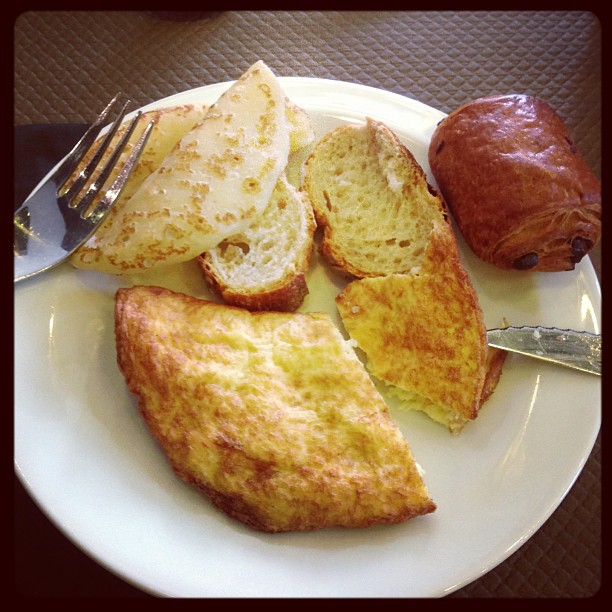
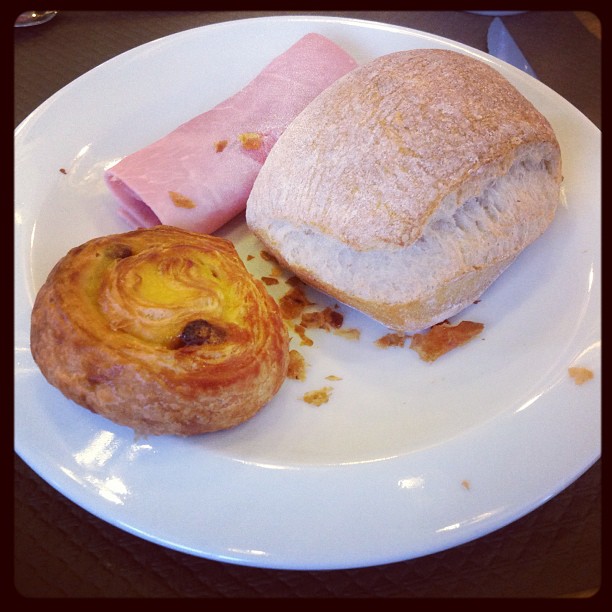
Breakfast at the Citiz Hotel. They had a great buffet spread. 

1013055_10151419632577093_1085748552_n 1009886_10151421242827093_1426396528_n


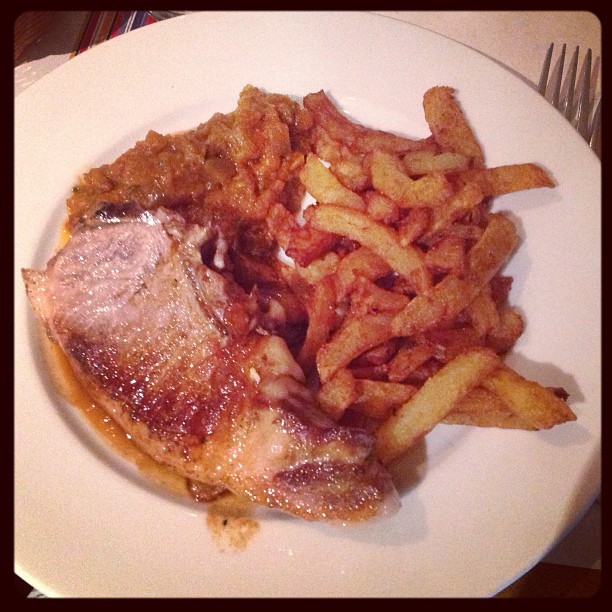
Dinner at J’GO Toulouse. The best pork and chips I have ever had in my life. While we were having dinner a brass band started up outside and played ‘Funky Town’ and other classic songs.


J'GO Toulouse

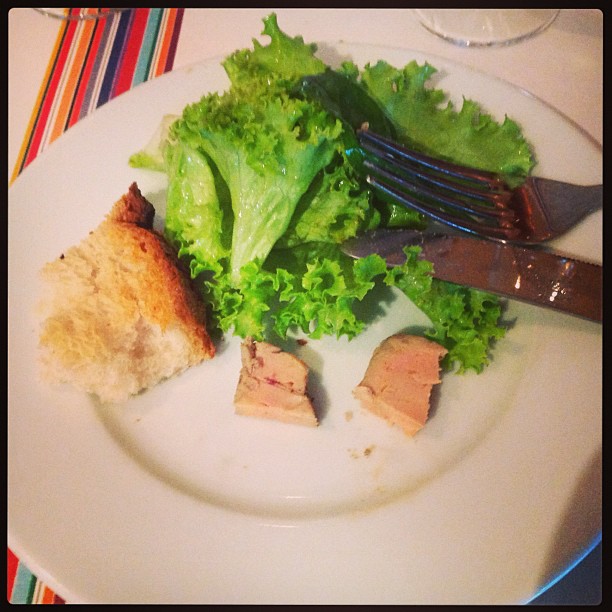
J GoPate, bread and salad.

Pork and chips. This was the best pork and chips I have ever had in my life.

Pork and chips. This was the best pork and chips I have ever had in my life.

30896b50e17411e2898122000a9e069f_7Chocolate fondant.

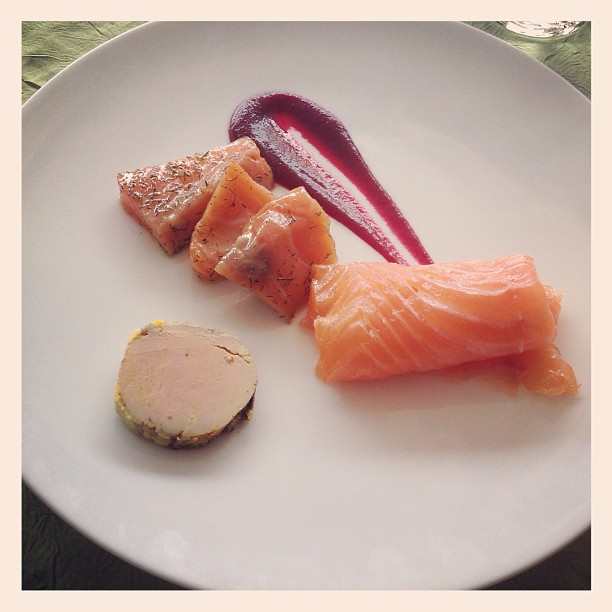
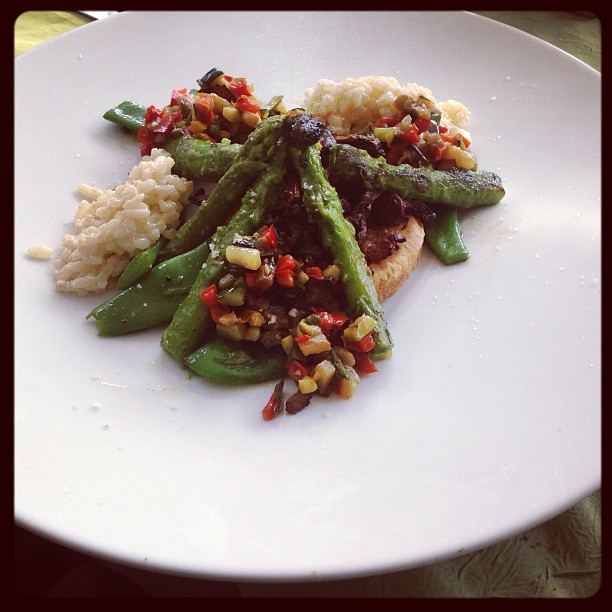
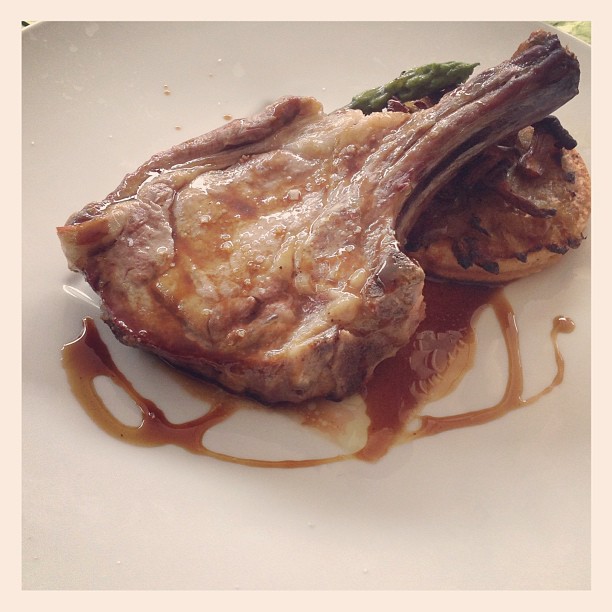
We had an amazing Lunch at La Chai Saint-Sauveur. Their veal was superb, followed by strawberry pie and a cute strawberry macaroon. The second picture is Esme’s vegetarian meal.

29a13e32e17211e2810822000aaa09c2_7Salmon with pate and beetroot sauce. The salmon was marinated and divine. a468bc80e17211e28dc722000a1fbcbc_7Esme’s vegetarian dish. Asparagus and onion on pastry. db5cd816e17211e2a86422000a1f9839_7Veal and Asparagus with onion and pastry. 030d665ae17311e29e6e22000ae811b0_7Strawberry Pie with a cute strawberry macaroon.

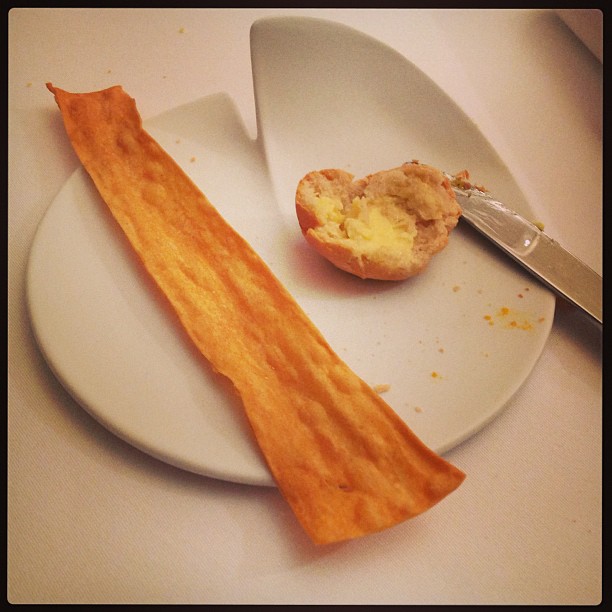
 Py-R Restaurant, Toulouse. The food was absolutely divine.

Bread and bread stick. I love the dish.

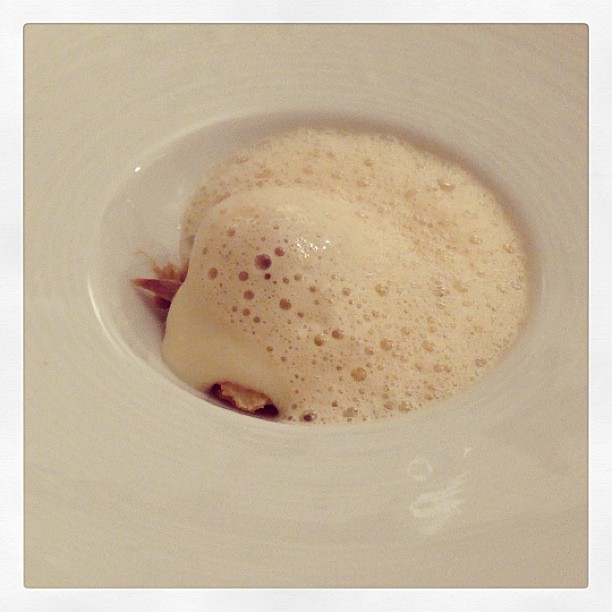
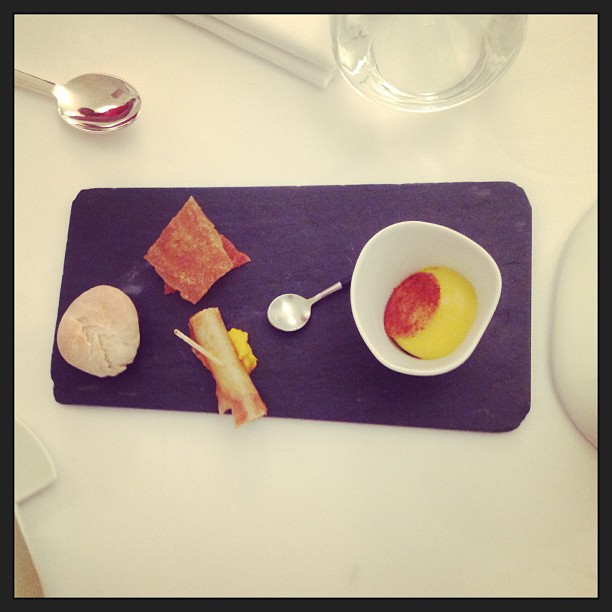
1016801_10151432609907093_1520697695_n1016587_10151432603162093_1675868550_nThe starters. Yummy. 1043940_10151432601962093_2060176847_n


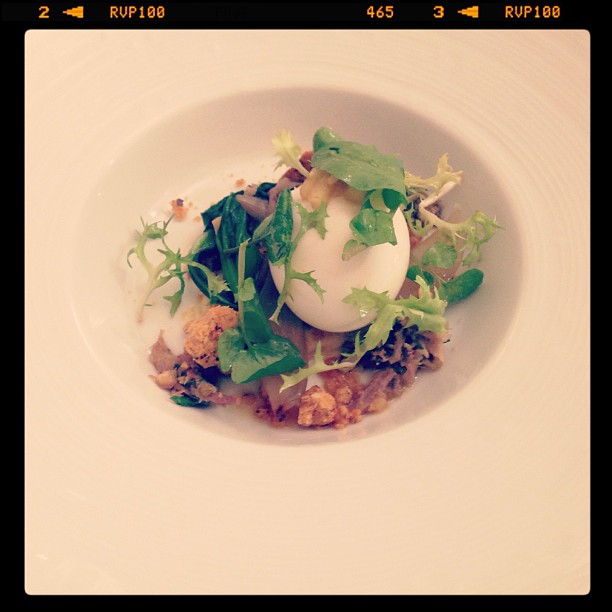
1045189_10151432604362093_1649701278_nPoached egg, pork knuckle baked broth, cantal paste, peas just creamed, vegetable tray: red shell onions, sprouts, broken hazelnut shortbread.

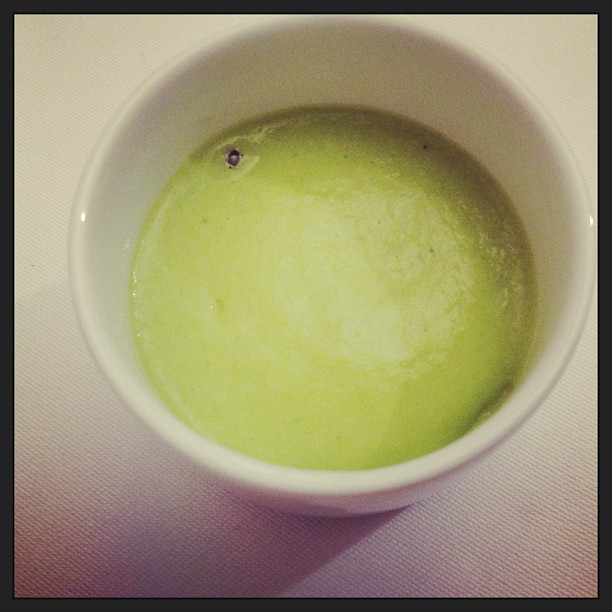
1045033_10151432611357093_259675017_nPeas just creamed.

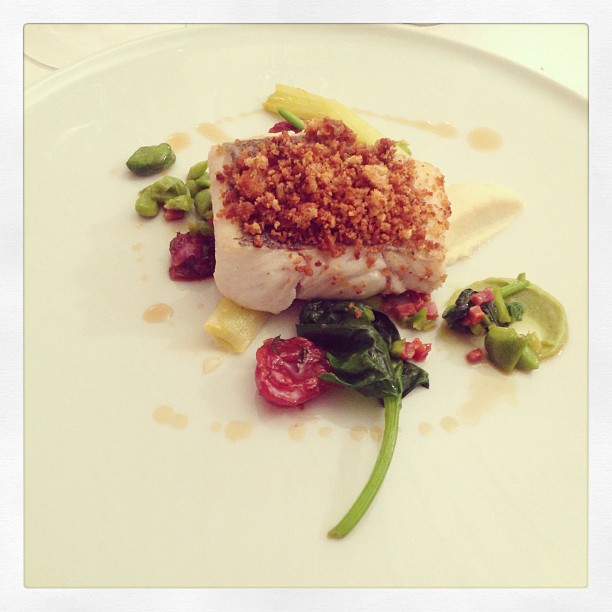
1012607_10151432607787093_876331681_nHake, Avocado guacamole, celery paste cooked in a sugar, fennel, cherries, Pedro Ximenez, Jerez Almonds, leeks vinaigrette, beans, chorizo bellota, crunchy noughat nuts.

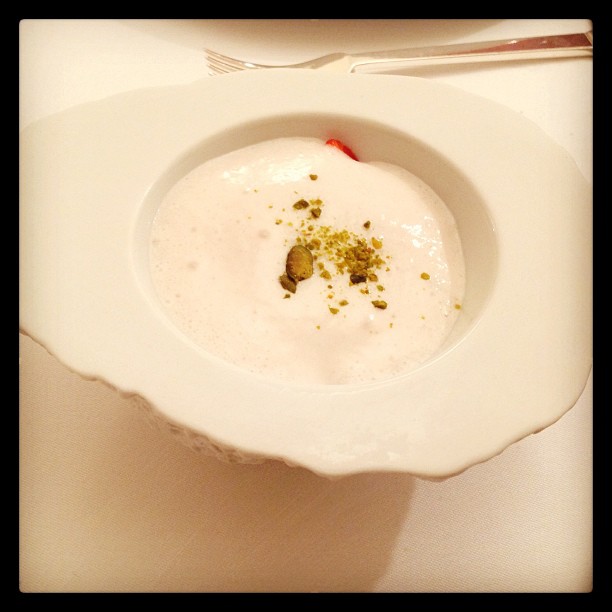
1044659_10151432613262093_1336705581_nChouchou, red fruits, Vanilla cream, Air Pepper.1003891_10151432614052093_1959058010_n

All of the restaurants were amazing. The food was out of this world. I highly recommend a visit to all if possible, at least one if not.

Have you ever been to Toulouse? Make recommendations below.

BMI regional operates over 450 flights a week throughout the UK and Europe with one way prices starting from £59. bmi regional flies from Aberdeen, Antwerp, Bristol, Bremen, Billund, Birmingham, Bristol, Brussels, Copenhagen, Glasgow, Gothenburg, East Midlands, Edinburgh, Esbjerg, Frankfurt, Hannover, Hamburg, Lyon, Milan, Munich, Norwich, Manchester, Toulouse and Zurich. All flights include complimentary food & drink on-board, free 20kg hold baggage allowance and 30 minute check-in. bmi regional is the world’s most punctual airline having recently been crowned the title for the 8th consecutive year.  For more information, visit www.bmiregional.com.