Newcastle’s Kosoti to Release Bark and Sticks

Kosoti are a six piece alt folk/indie pop group based in the North East of England, UK.


After a near death experience in 2013, lead singer and songwriter Allan Hyslop realised he needed to treasure every moment of his life by doing what he loved most, writing and performing music. 
 
Once the band had formed they travelled a long way very quickly. After only six months they released ‘War’ and ‘Pirouettes’, a double ‘A’ sided digital single and video, before releasing the beautiful ‘Cradle’ EP, with its lush, homemade video complimenting the feeling of the title track perfectly.  Both releases brought Kosoti critical acclaim and word spread, ensuring the band performed their debut show at Sage Gateshead Hall Two to a sell out audience.Kosoti
Having already performed sessions for BBC Introducing, Amazing Radio and Metro Radio in their short career, their new single ‘Bark and Sticks’ is eagerly awaited by fans and media outlets alike.
 
‘Bark and Sticks’ boasts the beautiful vocal harmonies that are quickly becoming Kosoti’s trademark, with an infectious up-tempo melody that will no doubt draw comparisons to The Magic Numbers and Damien Rice.


Dead Parrot Voted Top Monty Python Sketch

 DeadParrot Monty Python sketch best

  • Famous pet shop sketch revealed as the nation’s favourite
  • Survey results revealed as legendary comedy troupe take to the stage for the last run of their hugely popular stage shows
  • The Lumberjack Song, The Ministry of Silly Walks and The Spanish Inquisition also feature in top ten


The dead parrot sketch, which first aired on 7 December 1969 (45 years ago) and featured John Cleese and Michael Palin, has been voted the nation’s favourite Monty Python sketch of all time.


The survey of 2,000 British adults was commissioned to mark the screening of the very last Monty Python live show on TV channel Gold on Sunday 20th July, and asked respondents to select their top sketch from a long list of over 35 iconic scenes.


The pet shop scene, which features Cleese as an exasperated customer trying to get his money back from Palin, who is a stubborn pet salesman, has been voted the most popular Python moment by 45% of respondents.  In second place is The Lumberjack Song, which was released as a single in 1975 (28%).  The top three is completed by The Ministry of Silly Walks (23%).


The nation’s favourite top ten Monty Python sketches

  1. Dead Parrot – 45%
  2. The Lumberjack Song – 28%
  3. The Ministry of Silly Walks – 23%
  4. The Spanish Inquisition – 16%
  5. Spam – 15%
  6. Four Yorkshiremen – 12%
  7. Nudge Nudge – 11%
  8. Fish slapping dance – 8%
  9. The Restaurant sketch (dirty fork) – 7%
  10. The killer joke – 6%


Just missing out on the top ten were the Silly Olympics, Hell’s Grannies and Gay Policemen (all with 6%).


The findings also reveal some interesting regional differences with Londoners the most likely to find Monty Python funny (81%), compared with those in the North East (69%). There was a surge of popularity for the Dead Parrot sketch in the East Midlands with over half (55%) voting it their top Python moment, compared to the national average of 45%.  The Lumberjack Song was particularly popular in Northern Ireland (33%) and Scotland (34%), compared with a national average of 28%.  While those living in East Anglia (28%) and Wales (27%) were particularly tickled by The Ministry for Silly Walks (compared with the national average of 23%).


Steve North, General Manager of Gold says, “It’s clear from our research that Monty Python has crossed the generations, 45 years on from the very first series.  We’re honoured to be broadcasting the final Monty Python Live (mostly): stage show on our channel so that fans at home can be part of the last ever performance from the most iconic group of comedians in the world.”


Adeel Akhtar Interview For Utopia

Adeel Akhtar interview for UtopiaAdeel Akhtar plays Wilson Wilson in Channel 4’s acclaimed drama Utopia, which returns for a new series this July. Here, he discusses THAT torture scene and what’s in store for season two.

Utopia is back for a second series. Can it possibly be as good as the last series?

Yes is the short answer. The things which you liked about it in the first series are all there again. All the themes it was exploring are back again. The characters are taken further along their overall arc. It’s really interesting to see where each of the characters goes in this series. It really is pretty unexpected. It stays a few steps ahead of the audience in that sense.

Wilson Wilson is a fantastic character. How do you see him?

I seem him as a person who is quite idealistic in how he perceives the world, and I think in pursuit of that idealism he ends up struggling a lot. He definitely takes the path that’s more difficult to go down, because of his idealism. It’s a massive struggle for him. He has a very strong moral direction, and because of that, he finds himself in situations he wouldn’t ordinarily end up in. But he can’t be any other way.

Utopia was received with massive acclaim. Did you know when you were making it that it was something very special? Can you tell?

No, I don’t think so. I think you do something to the best of your ability, and the value of it is in the actual doing of it. When someone says “Action” you just get on with it, and hope that that is translated on to the screen for other people to see. All you can ever do is work as hard as you can on it and make sure you’re doing your job.

The eye torture scene was one of the iconic moments of series one. What was it like to film?

It was rewarding, to have done it. In the moment of actually doing it we were going to go to emotional places that were surprising us. There’s another level of satisfaction, which was that people then talked about it. That’s a good feeling, to know that it’s been seen, and it made an impression on people. You always hope an audience will respond to something you’ve done, but there’s no way of knowing whether or not they will.

What was it like coming back to film the second series? Is it easier, because you know your character and other cast members, and you’re familiar with the style of the show?

It didn’t feel easy, because the journey that Wilson has to go on in the second series is a real challenge. There was a familiarity to it, but just because there’s a familiarity doesn’t make something easier. From an acting viewpoint, this series was a real challenge. But yeah, it was nice to be back with other cast members, and to be back with Marc [Munden, the director].

Is it true that you trained as a lawyer before getting into acting?

I studied law, I got an alright degree, and then I was going to go and do something called an LPC, which is a Legal Practice Course, which qualifies you as a lawyer. But I didn’t end up doing it, because I went to drama school instead. I went to drama school, came out the other end, was out of work for a bit, then found some work, and now I’m playing Wilson.

How did your family feel about you giving up a stable and secure career in law for the notoriously precarious one in acting?

On some level, as much as they look at stuff that I’ve done and appreciate it, there’s always a hope that I’m just going to end up doing something sensible. Maybe not be a lawyer, but at least have a recurring role as a QC or something on TV. Just so they could see me in a suit, looking a little more well-presented, maybe addressing a courtroom. They’ve got their heads round it, but like you said, I think they’d like me to have a stable career. It’s the hope every parent has for their kid, that they are happy and stable.

What do you think you would have been like as a lawyer?

I would have probably been alright. I think I would have done a lot of pro bono work. I wouldn’t have gone in for it for the money. I’ll tell you who I really like – the lawyer Imran Khan. I did my dissertation on stop-and-search powers, and I put in loads of quotes from him. Years later, when I was selling insurance over in Harley Street, he rang up and asked for insurance. He told me his name and I asked him if he was the lawyer, and he said yes. We had a good chat about all the stuff that he did. He’s excellent. He didn’t buy any insurance, though. I’m terrible at selling.

What have been the roles that have meant the most to you over the years?

Wilson Wilson would be right up there. I’m still in the middle of it, so it’s all still a bit of a mystery to me, who he is and what he’s about. Unlike all the other stuff on TV, you can’t put a parameter around this and say “Oh, I understand it,” you’re always going to be trying to figure it out. So Wilson is a character I’m still trying to get to grips with. I’m not even sure he’s got to grips with himself.

At the other end of the scale, I’m currently playing Smee in the new Peter Pan film, and that is so much fun. Every day going there is such a massive release. I can be a bit silly. And way back, when I was at school, and I was 16 or 17, I played Lenny in The Homecoming by Pinter. It was the first time I ever acted, and it was the first time people said “You can do this,” and I thought “Okay then, I will.”

Utopia willbroadcast from 14th July, 10pm, Channel 4.

 With thanks to Channel 4. 


Rose Leslie Interview For Utopia

roseleslieAt the age of 27, Rose Leslie has already won a Scottish BAFTA and starred in two of the biggest global TV dramas of recent years, Downton Abbey and Game of Thrones. Now, she’s starring in the new series of Utopia, Channel 4’s unique, ambitious and acclaimed drama, as the youthful Milner. Here, she discusses the fun of playing pure evil, and why Milner is a character that fascinates her.

The first episode of the new series of Utopia is a bit different, isn’t it? Explain what it’s about.

It is. As a really big fan of the first season, I thought it was a brilliant idea. It basically takes us back to the 1970s and shows us where it all began. We get to see Milner as a young woman, and we get to see why she turns into this ruthless killer. And we see what happens to Carvel as well, and how Jessica and Arby come to be. I was completely hooked by the concept. It’s really a stand-alone episode, and a real treat for the fans.

Milner’s a real hard case, isn’t she? Is it fun to play someone so bad?

Oh it is so much more entertaining playing an evil person than playing a sweet, charming young lady. Before I even went in for the audition, reading some of the scenes and the stuff she does, it was breathtaking. I loved it. As an actor, it was an absolutely thrilling role to play. It was so exhilarating to be such a horrible character.

The 70s are really evocatively recreated. Did you do anything to try and get yourself into a 70s frame-of-mind?

I felt the clothes did a lot of that. The costumes were brilliant – there was a lot of tweed and a lot of beige. That definitely helped me, as did the hairstyling, with the soft curls, particularly at the bottom of the head, that really transported me. And I grilled my parents on what the 70s were like. And I also felt like there was a lot of information that I could use in the script.

The script weaves in some key news stories from the 1970s. It’s very cleverly done, isn’t it?

It is so clever. That was one of the reasons why I was so thrilled to get this part. I think Dennis Kelly is a genius – both his stuff for screen and his plays – and the writing was superb. That’s what hooks the audience. All the garbage on the streets and so in is incredibly evocative of the time, and some of the political intrigue, the way the Airey Neave story is woven in, it’s brilliant. It was a real history lesson for me as well. I was embarrassed about how little I knew of the 70s.

It sounds like you were already a fan of Utopia. Did you watch it when it went out?

I did. I was all over it. It was word-of-mouth for me. I remember talking to a girlfriend of mine, and she told me about this new drama that had started the previous night, and she said that it was unlike anything she’d ever seen on TV before. So obviously that piqued my interest, and I went home and watched it. And the colouring, the direction, the editing, the acting, it was just incredible. So I was a little bit late on the first episode, and then, of course, I watched it every week that it then came out.

When you were cast as Milner, did you then go back and study how Geraldine James had played the role?

I went back and studied it, and of course that was a great excuse to watch the whole series again. So I was very happy to do some homework. But I was also aware that it might become something of a hindrance to then try and pick up her voice and to recreate each mannerism. Of course, as human beings, we develop through time. We develop, we change, and we’re not the same person we were 20 years ago. So I felt that allowed me some artistic license to interpret the character as I saw her as a young woman. But of course it was great to watch Geraldine do her work, and she does Milner magnificently. She sets such a high standard, the thing that really worried me as would I be able to be convincing enough that she would seem to be the same person.

The fascinating thing about Milner and the Network is that there’s a twisted morality at the heart of what they’re trying to do, isn’t there?

Yes, there really, really is. And what’s terrifying is, playing her for a full month, you can see the reasoning, you can see where she’s coming from. They’re doing it for the greater good. They’re doing it for the longevity of our species, giving it the chance to thrive. You can totally get swept up in that. But then you see the lines start to blur, you see what she has to do to make things happen. They can’t afford to have friends, they can’t trust anyone, they have to commit the most terrible acts. That makes you step back and think. But that’s the beauty of Dennis Kelly – he writes it in such a beautiful way, you’re able to see both sides of the argument.

You’ve had a pretty amazing few years, starring in Downton Abbey and Game of Thrones. Those experiences must have changed your life.

They really have. I’ve felt hugely privileged, from the bottom of my heart, to have been a part of those two shows. They were wonderful platforms – being part of something that’s popular is a wonderful springboard for any actor. I had an absolute blast on Game of Thrones – they were the best three years – meeting all these amazing people, and working with fantastic crews, and going to these incredible locations. I would never otherwise have gone to Iceland, and now I have a great love for the country.

Is it true you had no idea how big Game of Thrones was until after you’d auditioned for it?

Yes, and it’s the first time in my entire life that I’ve been so happy to be ignorant. If I’d had any idea just how popular it was after the first season, I think I’d have been far more nervous walking into that room. Luckily, it just felt like another audition to me. By the second round, I’d clued up and done my research, and I managed to get the part. But the first stage is always the toughest, and I walked into that room blissfully unaware. It could all have gone very differently.

Do you get recognised a lot now? How do you find that experience?

I get recognised quite a bit from Game of Thrones, and so far it’s been great, because the fans are so passionate about it. People just want to come up and have a picture taken with you or have a chat, because they love the show. It’s been a great experience. Now that I’ve said that, I’ve jinxed it. I’m going to get eggs chucked at me and be abused in the street.

Your first big project was New Town, a Scottish drama set in Edinburgh. You won a Scottish BAFTA for that. You must have thought this acting game was pretty easy at that stage.

Noooo! I think the wonderful thing about having gone to drama school is they made every single person well aware of just how cut-throat and hard this industry can be. So I was all too aware that it’s a marathon, not a sprint.

Are you a proud Scot?

I am a proud Scot. I consider myself Scottish, but I also consider myself British, and I want Scotland to stay within the UK. I’m very passionate about that.

Which actors do you particularly look up to? Who would you really like to work with?

There are so many that I’d like to work with. I think Andrea Riseborough is astonishing, such an amazing talent. I’d love to work with her, and with Cate Blanchett. I’m a huge fan of Mark Rylance too.

What do you watch for your own entertainment?

I have just finished Breaking Bad. I can’t believe I was such a latecomer to it. It was phenomenal, every single episode. I’m ashamed to say I watched the whole thing, every series, in about five weeks.

Utopia will broadcast from 14th July, Channel 4, 10pm.


10 Little Known Facts About Dickens

The Charles Dickens Museum has put some great Dickens facts together for us in conjunction with the release of The Invisible Woman which is out on DVD now. . Enjoy.

Dickens was extremely fond of his sister in law, Mary Hogarth, who was 15 at the time they first met. Mary died, aged 17, in his arms at his home at Doughty St (now the Charles Dickens Museum) and Dickens was struck low with grief. He wore a ring from her finger for the rest of his life and kept a lock of her hair. He was unable to work for months following her death – a situation previously unheard of. To a close friend he wrote of her death:

“Thank God she died in my arms and that they very last words she whispered were of me … I solemnly believe that so perfect a creature never breathed. I knew her inmost heart and her real worth and value. She had not a fault…”

the_Invisible_Woman_dvd release

· Dickens love and fondness for Mary coloured his life for years after and affected him profoundly. Years later Dickens spoke of his wish to be buried beside Mary to his friend John Forster:

“The desire to be buried next to her is as strong upon me now as it was three years ago; and I know (for I don’t think there ever was love like that I bear her) that it will never diminish…”.

· Dickens met his first love, Maria Beadnell, at age 17. He was not considered good enough for the attentions of a bankers daughter. He vowed to become an actor to impress her and even when he became a well earning parliamentary reporter in 1835, he was refused by Maria’s parents. Maria contacted Dickens again later in life in 1854 and he was once again infatuated and sent her effusive letters until he discovered she had become dull and matronly. After this he never spoke to Maria again and portrayed her cruelly as Flora in ‘Little Dorrit’

· Dickens met the young actress Ellen Ternan when she was 17 and he pursued her from 1857 and was connected to her until his death in 1870. Dickens went to great lengths to keep the affair a secret from his adoring public. Ellen was the same age when he met her as Mary Hogarth had been when she died.

· As the relationship with his wife Catherine soured, he arranged for a wall to be built in the middle of their shared bedroom making the separation complete.

· In 1858, Dickens officially separated from Catherine and to put an end to rumours in circulation about his affair with Ellen Ternan, he had a notice published in London Times and Household Words to explain the ‘amicably composed’ separation to his wider public.

· When Dickens separated from Catherine, he blamed her mental instability as the cause of their break-up rather than the affair with Ellen Ternan

· A serpent ring tells the story of strained relations between Catherine Dickens and her sister Georgina following the separation of the Dickens’s marriage in 1858; Georgina made the controversial decision to remain with Dickens as his housekeeper. Many years later, after Dickens’s death, Catherine made a gift of the serpent ring to the sister who had deserted her, the symbol of the snake implying her betrayal.

· The affair between Dickens and Ellen was covered up well into 1920’s. Subsequent generations denied that the affair ever happened. A discovery of Dickens’ stolen or lost diary of 1867, found in 1943, appears to confirm the affair through coded entries..

Dickens was extremely fond of his sister in law, Mary Hogarth, who was 15 at the time they first met. Mary died, aged 17, in his arms at his home at Doughty St (now the Charles Dickens Museum) and Dickens was struck low with grief. He wore a ring from her finger for the rest of his life and kept a lock of her hair. He was unable to work for months following her death – a situation previously unheard of. To a close friend he wrote of her death:

“Thank God she died in my arms and that they very last words she whispered were of me … I solemnly believe that so perfect a creature never breathed. I knew her inmost heart and her real worth and value. She had not a fault…”

· Dickens love and fondness for Mary coloured his life for years after and affected him profoundly. Years later Dickens spoke of his wish to be buried beside Mary to his friend John Forster:

“The desire to be buried next to her is as strong upon me now as it was three years ago; and I know (for I don’t think there ever was love like that I bear her) that it will never diminish…”.

· Dickens met his first love, Maria Beadnell, at age 17. He was not considered good enough for the attentions of a bankers daughter. He vowed to become an actor to impress her and even when he became a well earning parliamentary reporter in 1835, he was refused by Maria’s parents. Maria contacted Dickens again later in life in 1854 and he was once again infatuated and sent her effusive letters until he discovered she had become dull and matronly. After this he never spoke to Maria again and portrayed her cruelly as Flora in ‘Little Dorrit’

· Dickens met the young actress Ellen Ternan when she was 17 and he pursued her from 1857 and was connected to her until his death in 1870. Dickens went to great lengths to keep the affair a secret from his adoring public. Ellen was the same age when he met her as Mary Hogarth had been when she died.

· As the relationship with his wife Catherine soured, he arranged for a wall to be built in the middle of their shared bedroom making the separation complete.

· In 1858, Dickens officially separated from Catherine and to put an end to rumours in circulation about his affair with Ellen Ternan, he had a notice published in London Times and Household Words to explain the ‘amicably composed’ separation to his wider public.

· When Dickens separated from Catherine, he blamed her mental instability as the cause of their break-up rather than the affair with Ellen Ternan

· A serpent ring tells the story of strained relations between Catherine Dickens and her sister Georgina following the separation of the Dickens’s marriage in 1858; Georgina made the controversial decision to remain with Dickens as his housekeeper. Many years later, after Dickens’s death, Catherine made a gift of the serpent ring to the sister who had deserted her, the symbol of the snake implying her betrayal.

· The affair between Dickens and Ellen was covered up well into 1920’s. Subsequent generations denied that the affair ever happened. A discovery of Dickens’ stolen or lost diary of 1867, found in 1943, appears to confirm the affair through coded entries..

Dickens was extremely fond of his sister in law, Mary Hogarth, who was 15 at the time they first met. Mary died, aged 17, in his arms at his home at Doughty St (now the Charles Dickens Museum) and Dickens was struck low with grief. He wore a ring from her finger for the rest of his life and kept a lock of her hair. He was unable to work for months following her death – a situation previously unheard of. To a close friend he wrote of her death:

“Thank God she died in my arms and that they very last words she whispered were of me … I solemnly believe that so perfect a creature never breathed. I knew her inmost heart and her real worth and value. She had not a fault…”

· Dickens love and fondness for Mary coloured his life for years after and affected him profoundly. Years later Dickens spoke of his wish to be buried beside Mary to his friend John Forster:

“The desire to be buried next to her is as strong upon me now as it was three years ago; and I know (for I don’t think there ever was love like that I bear her) that it will never diminish…”.

· Dickens met his first love, Maria Beadnell, at age 17. He was not considered good enough for the attentions of a bankers daughter. He vowed to become an actor to impress her and even when he became a well earning parliamentary reporter in 1835, he was refused by Maria’s parents. Maria contacted Dickens again later in life in 1854 and he was once again infatuated and sent her effusive letters until he discovered she had become dull and matronly. After this he never spoke to Maria again and portrayed her cruelly as Flora in ‘Little Dorrit’

· Dickens met the young actress Ellen Ternan when she was 17 and he pursued her from 1857 and was connected to her until his death in 1870. Dickens went to great lengths to keep the affair a secret from his adoring public. Ellen was the same age when he met her as Mary Hogarth had been when she died.

· As the relationship with his wife Catherine soured, he arranged for a wall to be built in the middle of their shared bedroom making the separation complete.

· In 1858, Dickens officially separated from Catherine and to put an end to rumours in circulation about his affair with Ellen Ternan, he had a notice published in London Times and Household Words to explain the ‘amicably composed’ separation to his wider public.

· When Dickens separated from Catherine, he blamed her mental instability as the cause of their break-up rather than the affair with Ellen Ternan

· A serpent ring tells the story of strained relations between Catherine Dickens and her sister Georgina following the separation of the Dickens’s marriage in 1858; Georgina made the controversial decision to remain with Dickens as his housekeeper. Many years later, after Dickens’s death, Catherine made a gift of the serpent ring to the sister who had deserted her, the symbol of the snake implying her betrayal.

· The affair between Dickens and Ellen was covered up well into 1920’s. Subsequent generations denied that the affair ever happened. A discovery of Dickens’ stolen or lost diary of 1867, found in 1943, appears to confirm the affair through coded entries.



Allusondrugs September Tour | Music News

Allusondrugs have announced their September tour dates.
 

Their Eponymous EP


Release Date: 21st July 2014 on Clue Records

  allusondrugstour

Allusondrugs formed in 2012 in West Yorkshire when Jason Moules (Vocals), Drey Pavlovic (Guitar), Damo Hughes (Guitar/Vocals/Effects), Jemal Malki (Bass) and Connor Fisher-Atack (Drums) came together after meeting on the Leeds music scene.  Influenced by Nirvana, Deftones, My Bloody Valentine and Sonic Youth and known for their blisteringly intense guitar rock sound, the band have attracted national press attention and a huge following of fans who are drawn to their captivating live performances.


The Allusondrugs EP was recorded and produced in one week at Greenmount Studios in Armley, Leeds. The record was tracked live to analogue tape as band members performed together in one room.  Although additional overdubs and vocals were added complete the tracks, the core of the recording was done live in an attempt to capture the band’s energy on record.


Social Links:

Facebook

Twitter


Tour Dates:


JULY

5th July = The Wardrobe, Leeds (Futuresound Competition)

11th July = Exchange Arts Centre, Keighley

12th July = The Works Skatepark, Leeds

17th July = Proud Galleries, Camden

20th July = The Rocking Chair, Sheffield

25th July = Tramlines Festival, Sheffield (Millenium Galleries)

26th July = Lounge 41, Workington

27th July = Clarence Festival, Wakefield


 AUGUST

1st August = The Puzzle Hall, Sowerby Bridge

2nd August = Temple of Boom, Leeds

7th August = Bar Bloc, Glasgow

14th August = Wharf Chambers, Leeds


SEPTEMBER


11th September = The 13th Note, Glasgow

12th September = Downstairs, Aberdeen

13th September = Pickett, Liverpool

14th September = Think Tank, Newcastle

15th September = Static Bar, Swansea

16th September = Red Rooms, Nottingham

17th September = The Garage (upstairs), London

18th September = Sticky Mikes, Brighton

19th September = The Crauford Arms, Milton Keynes

20th September = Huddlefest, Huddersfield

21st September = Boiler Room, Guildford

22nd September = Joiners, Southampton


Five Mistakes Actors Make That Stop Them Getting Work

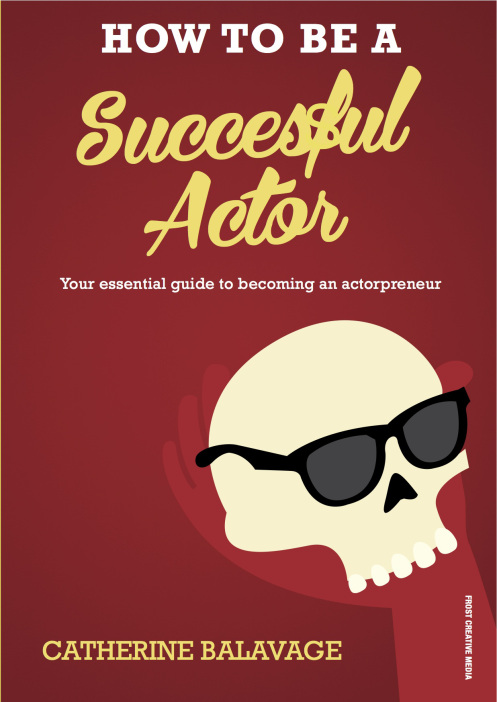
Getting work as an actor is hard. With long periods of unemployment and vast competition. This was the main reason I wrote my book How To Be a Successful Actor: Becoming An Actorpreneur. The odds are not good but you can tip them in your favour. You can make your own work, work on your skills, get your name out there. They say success is opportunity meets preparation. So here are my top five tips to make sure you are prepared and stop making the mistakes that stop you having the best career you can. Here are five mistakes actors make in their career that stop them being successful.


howtobeasuccessful_actor_book become How To Be a Successful Actor: Becoming an Actorpreneur

Arrogance

Far too many actors are arrogant. Especially just after they have left drama school. Thinking you are the best actor that ever walked the earth is not going to convince anyone else to hire you. No one likes arrogance. Always under-promise and over-deliver. Be humble and modest. The traits that make a good human being also make a good actor.


Marketing Yourself Wrong

Yes, you are an artist but you are also a product. You have to brand yourself correctly so people know what you are ‘selling’. If you are Irish and want to market yourself as an Irish actor you must be prepared for only getting Irish roles. People will try to put you into a box but you can do yourself a favour by making yourself versatile. If you don’t want to be known as a certain type of actor, (like Australian, Irish, etc) don’t market yourself that way. Play up to your strengths and downplay what will limit you getting mainstream work.

You must also update your head shots, CV and showreel at least yearly. Don’t forget to update the various online acting sites you may be on every time you get a job.


Not Continuously Working On Your Skills

Actors can go months, and even years without working. If you do not work on your skills when unemployed not only will you be rusty when it comes to audition and getting work, but you will also not be as confident. Your CV will also be lacking. You are a business, invest in yourself. Even if it is getting a camera and making some short films with friends.


Thinking The World Owes You a Living

You are not special. You do not deserve to be a super-successful world famous actor. The world does not owe you anything. A sense of entitlement is not going to do you any favours. This was the main piece of advice American casting director Daryl Eisenberg gave me for my book on becoming a successful actor. Don’t think you are better than anyone else.


Being a Jerk

No one wants to work with horrible people. The film industry is tiny, as is the theatre and TV industry. If you are rude, horrible and difficult to work with then you will have a pretty short career. Be nice. Manners cost nothing.


Catherine Balavage is an actor and writer with over ten years of experience in the industry. Her book, How To Be a Successful Actor: Becoming an Actorpreneur, came out in June this year. She also co-directed and wrote her own feature-length film, Prose & Cons, which will be out later this year.


Frost’s Editor Catherine Balavage Writes How To Be A Successful Actor Book

Frost’s Editor, Catherine Balavage, has written a book on How To Be A Successful Actor. It is called How To Be a Successful Actor: Becoming an Actorpreneur. It has gotten as high as number 5 on the Kindle charts under Stage & Theatre. It will also be released on paperback and Smashwords soon. Handpicked Future did a great piece on it and Catherine was on the front page of the Entertainment section in The Huffington Post with her Actors Who Make Their Own Work article. You can also read an article by Catherine written on her own blog.

howtobeasuccessful_actor_book_cover The book is available here for UK readers and here for US readers. It is also available worldwide.

Cover art by Steve McAleavy