The World’s Smallest Publisher Fair Is Coming to London This June

The Uncorrected Independent Publishers’ Fair

Peckham Pelican | Saturday 11 June, 11am-6pm | Free admission

Tangerine Press is delighted to announce the return of The Uncorrected Independent Publishers’ Fair (TUIPF), the world’s smallest publisher fair, showcasing a selected number of independent presses from across the UK. The fifth Uncorrected Independent Publishers’ Fair will take place on 11 June 2022 at Peckham Pelican, as part of the Camberwell Arts Festival.

Featuring seven of the most exciting and innovative indie publishers operating in the UK, the line-up features the following presses: flipped eye publishing (powerful poetry, fiction and prose in affordable volumes), Les Fugitives(contemporary literary fiction & non-fiction translated from the French), Prototype (fiction, poetry and interdisciplinary projects), Repeater Books (radical books for a wide readership), Rough Trade Books (sister to the pioneering independent record label), Strange Attractor (celebrating unpopular culture) and Tangerine Press.


Taking place at the café and art space the Peckham Pelican – an open, friendly bar serving good quality beers, ciders, wine, coffee and food available all day – TUIPF is free to attend and open to all. This unique literary feast caters for all genres and needs: prose, poetry, fiction and photography books will all be on sale, with special event prices on paperbacks, hardback limited editions, artist books, broadsides, screen-prints and letterpress gems.


In addition to book sales and general merriment, TUIPF is proud to present a line-up of indie entertainment: live readings by authors published by the seven indie publishers will start from 2pm, including Erica Van Horn (Les Fugitives), Astrid Alben (Prototype) and Arianna Reiche (Tangerine Press). From 4pm, the special guest Unexplained Podcast, the popular story-based podcast in which host and creator Richard MacLean Smith explores a different unexplained mystery each week, will perform a live reading of their episode “Hexham Heads”, examining strange events in 1970s Northumberland. From 4.30pm, there will be an acoustic set by the alternative indie UK-based band Lilies in by Brain.


Michael Curran, Founder of Tangerine Press, said: “It’s wonderful to be back at the Peckham Pelican with The Uncorrected Independent Publishers’ Fair for the first time since 2019. We have seven of the best indie presses in the country all under one roof in relaxed surroundings. It isn’t a stuffy hall! You can order a beer, chill out and listen the readings from authors and poets representing each of the publishers. Then perhaps sit up and be drawn into a rare live performance of the Unexplained podcast. Finally round it off with an acoustic set by promising indie newcomers Lilies in my Brain. All the while you can browse at your leisure through the stunning selection of books on sale, at special event prices. And it’s a free event!”


Find out more about The Uncorrected Independent Publishers’ Fair here, and for the latest updates follow #TUIPF22 and @TangerinePress


Event details:


The Uncorrected Independent Publishers’ Fair


Date:               Saturday 11 June, 11am – 6pm

Venue:             Peckham Pelican, 92 Peckham Rd SE15

Tickets:           Free

Social:             #TUIPF  |  TW: @TangerinePress  |  IG: @Tangerine_Press

Website:         https://thetangerinepress.com/TUIPF/


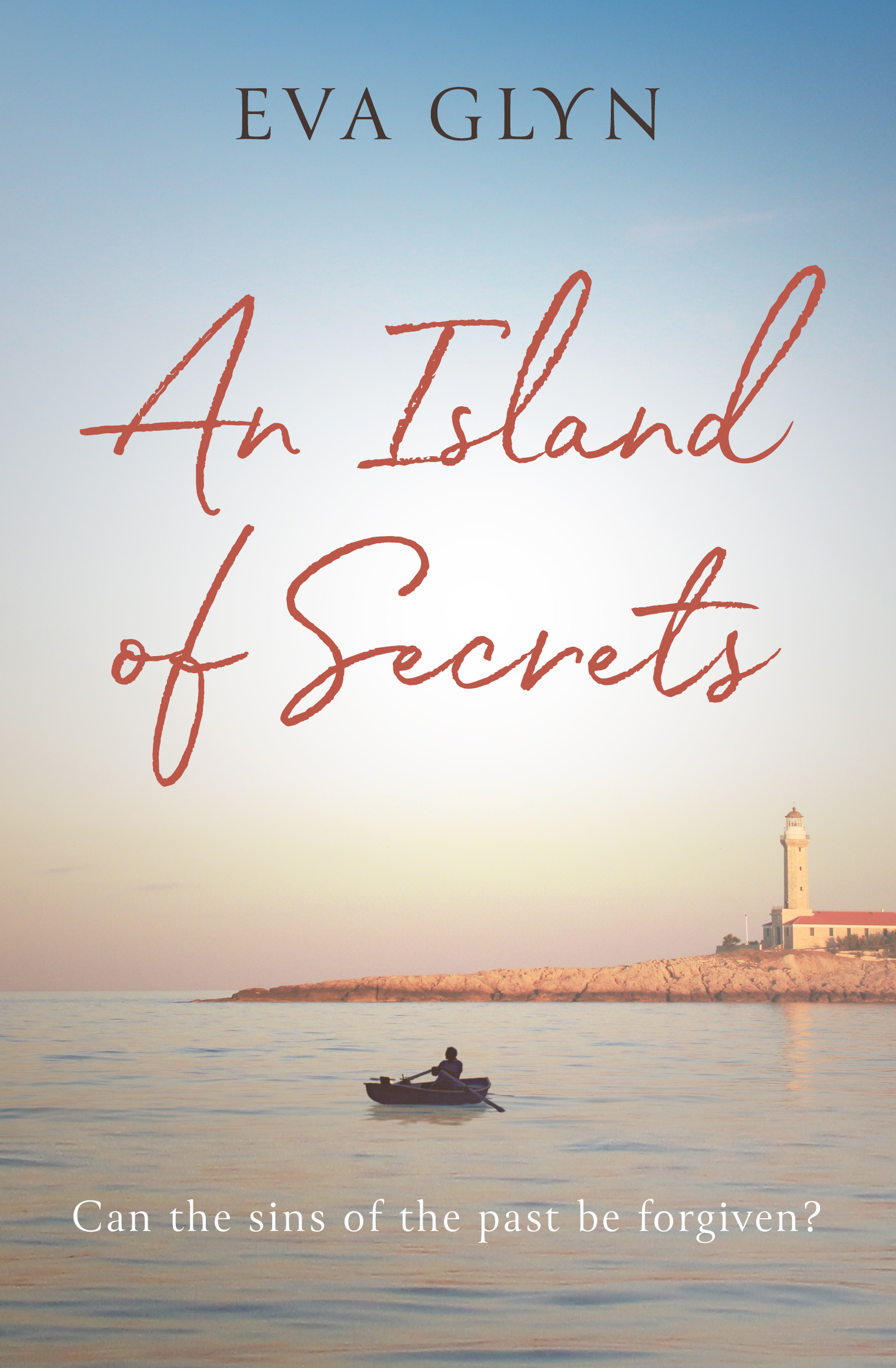
SUNDAY SCENE: EVA GLYN ON HER FAVOURITE SCENE FROM AN ISLAND OF SECRETS

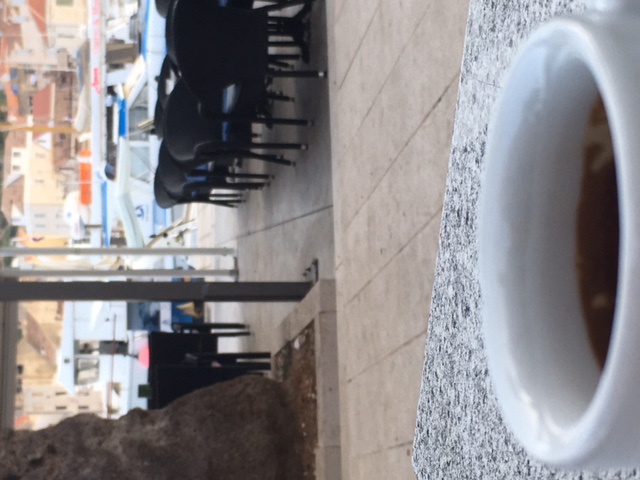
It’s every writer’s dream, isn’t it? To sit in the exotic location where you’ve set your book and actually write the scene. From exactly the same place as your character; to see what they see, hear what they hear, smell what they smell. Well, one morning when I was on the Croatian island of Vis researching An Island of Secrets, I made it happen when early one morning I picked up my notebook and strolled down to the harbour…


Although a few cafés were open at this hour Leo had chosen one in front of a broad flight of steps in a corner of the harbour, its tables tucked back into a narrow space between a pizzeria and a bakery. Not the one where she usually bought her bread, but today that might change too. Or it might not. If she was to stay in Komiža then something damn well had to – she’d been here a month and she couldn’t go on as she was.

Cigarette smoke drifted around her and music was playing from a radio further down the quay. A few local people were about and the crew of one of the holiday yachts moored on the mole had settled at a table somewhere behind her, but generally there was an air of peace about the place and she felt herself relax. A scrawny black and white cat with the swagger of a prize-fighter strolled past, but the tiny tabby cleaning itself under one of the chairs seemed unimpressed.

There were two reasons she had chosen this place to have her coffee. The first was that she could see The Fishermen’s House from here, and the second that yesterday she had found a photo from 1944 in the online archive of a museum in Split and she was pretty sure she recognised where it had been taken.

She pulled out her phone and looked again. Yes, that was definitely the narrow building where the tobacco shop now was, and the distinctive carved lintels above the windows of the property directly to her right were in the picture too. The palm trees were in the correct places, although in the photo they were barely taller than the men and now they towered more than four storeys high.

She had scanned the faces of the commandos in vain for anyone who looked vaguely like Grandad. But although she had been disappointed, she knew he might recognise some of the men and the thought made her tingle with excitement; she had already emailed the photo to Auntie Mo so she could show it to him. It was progress of a sort and there was pitifully little else to say. How the hell did you find out about some random woman who lived sixty years ago in a foreign land? Especially when you weren’t entirely sure who that woman was.


Leo is in Komiza to try to find out what happened to the woman her grandfather, Guy Barclay, had to leave behind when his commando unit pulled out in 1944. When Guy first arrived on Vis, the only part of Yugoslavia not occupied by the Germans, his mission had seemed straight forward, but then he stumbled across a brutal execution on a remote hillside that changed everything.

These executions – of female partisan fighters who had fraternised with their male colleagues – really happened, and at the time their British allies were powerless to do anything about it. But it made me wonder, what if one of them had tried? I had my hero and I had my story.


Find out more about my books set in Croatia at evaglynauthor.com


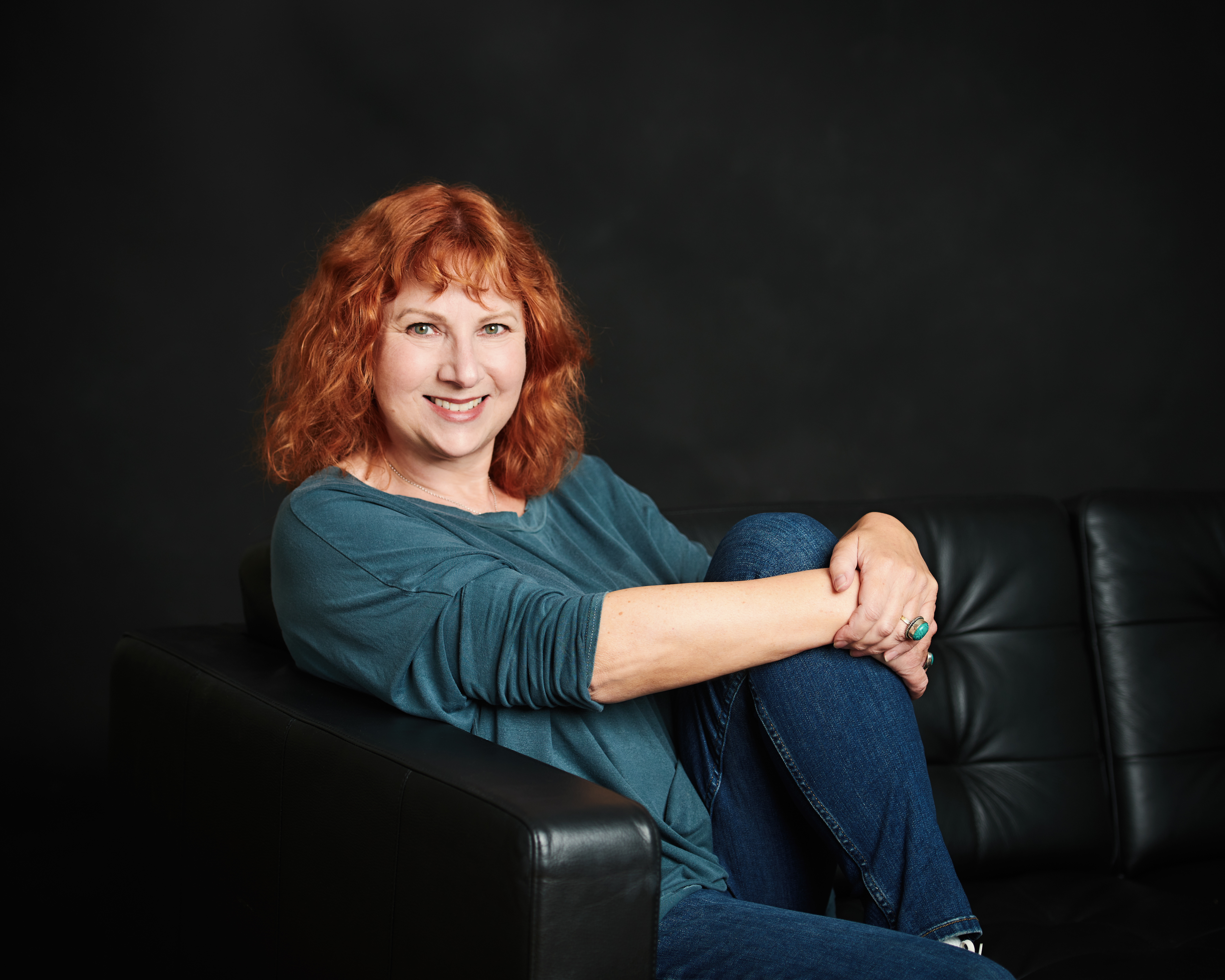
T. Orr Munro: My Writing Process


My Writing Routine

I write Mondays to Wednesdays from 9am until around 4 or 5pm. Occasionally I’ll write at other times but I find the distance of just a few days useful for honing ideas.


A bit about you.

I live in North Devon where I also grew up. I’m a freelance journalist, specializing in writing about policing, but, a long time ago, I was a CSI or Scenes of Crime Officer as they are also called.


What you have written, past and present.

I’ve a rather eclectic back catalogue! I’ve written a YA novel, ghostwritten the memoirs of a Battle of Britain pilot and a children’s history of Devon. I also have around five unpublished novels in my bottom drawer! I’m currently writing my second crime novel.


What you are promoting now.

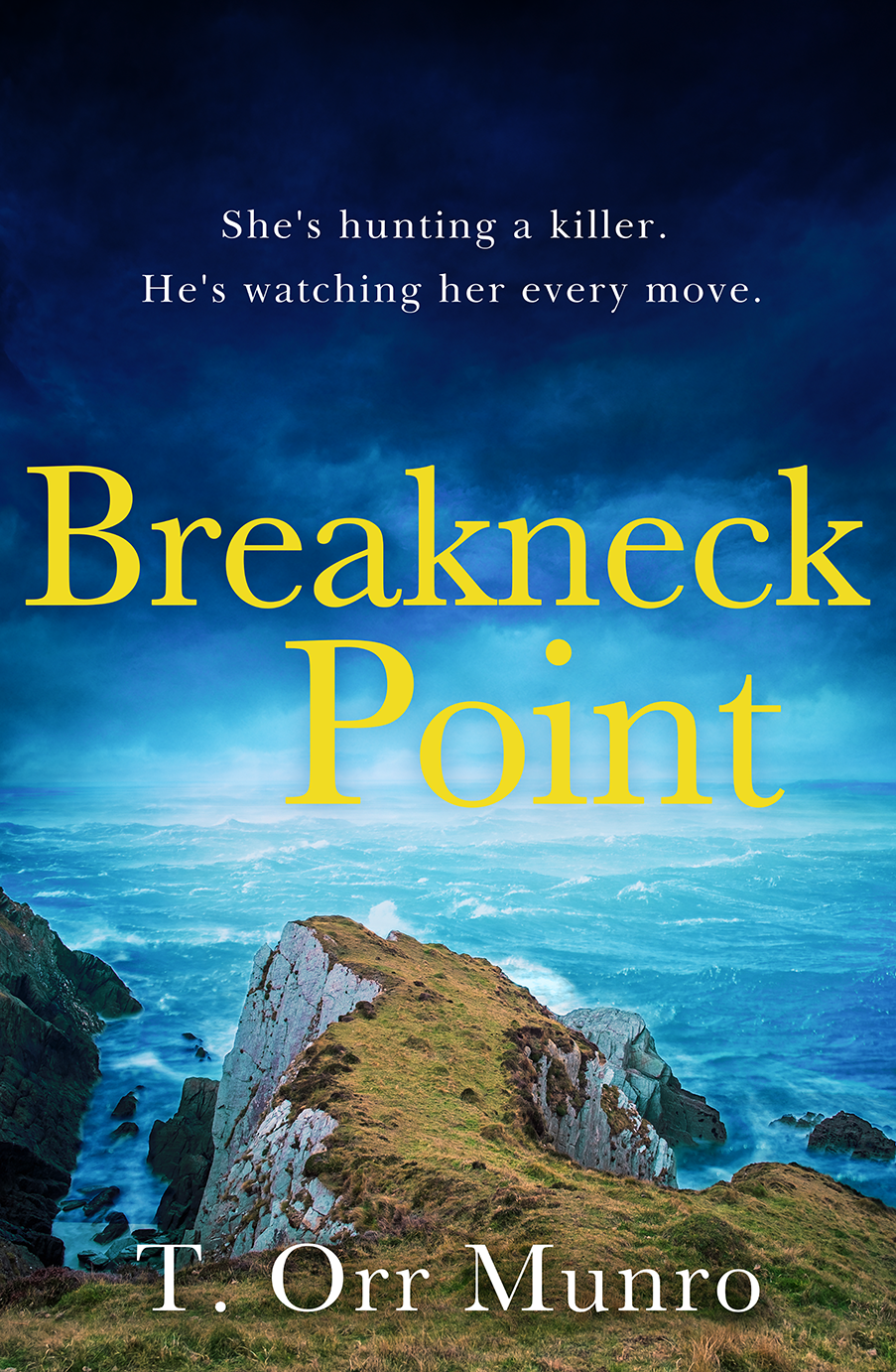
Breakneck Point is my debut crime novel out in April about CSI Ally Dymond who is redeployed to a Devon backwater after blowing the whistle on police corruption, but the sleepy coastal town of Bidecombe doesn’t turn out to be quite as quiet as she anticipated.


A bit about your process of writing.

I’m quite disciplined about writing. I think it comes from being a journalist and having to sit down and write even when I don’t always feel like it. I’m a ‘reviser’ rather than someone who aims to get it right first time which means that it is sometimes hard to know when to stop.


Do you plan or just write?

I’m a planner. I try to plot the entire book out before I start although it invariably changes. However, it means that I tend to know what I’m going to write before I switch my laptop on. I don’t write linearly either. I’ll often write a scene in a different part of the book because I’ve had a particular idea or I’m in the mood to do it. My head has to be in the right place to write difficult scenes, usually 3.00am in the morning when I can’t sleep.


What about word count?

I don’t set myself daily word counts. It’s too much pressure! I’m also one of those writers who underwrites and struggles to get enough words down on the page rather than one that writes too many and has to cut back. I dream of writing too many words! It’s a constant challenge for me. I blame starting out as a print journalist where I would constantly look to strip out words so the story would fit the page. Old habits die hard.


How do you do your structure?

My books often just start with an image which I then work into a story. For instance, I’m writing book two in the CSI Ally Dymond series and that began life as a single scene which happens towards the end of the book. I do use various reference books. I’m a bit of a magpie, taking the bits that work for me, but I find them helpful for getting me over a plotting blip. I regularly dip into Creating Character Arcs by K.M. Weiland. Save the Cat Writes a Novel by Jessica Brody is good for checking that I’m on the right track and I quite like the approach taken in Book Architecture by Stuart Horwitz.


What do you find hard about writing?

Finding myself hurtling down a blind alley! It’s that horrible feeling in the pit of your stomach when you know something isn’t working, but you can’t work out what and you’ve already written thousands of words that you also know are probably going to wind up in the trash. It’s when I come closest to giving up altogether.


What do you love about writing?

As soon as I learnt to read I was utterly enthralled by words and how they could be used to transport me to other worlds. When I learnt to write, I realized I too could use words, but to create my own worlds. I get to play god, basically!


SUNDAY SCENE: ADRIENNE CHINN ON HER FAVOURITE SCENE FROM LOVE IN A TIME OF WAR

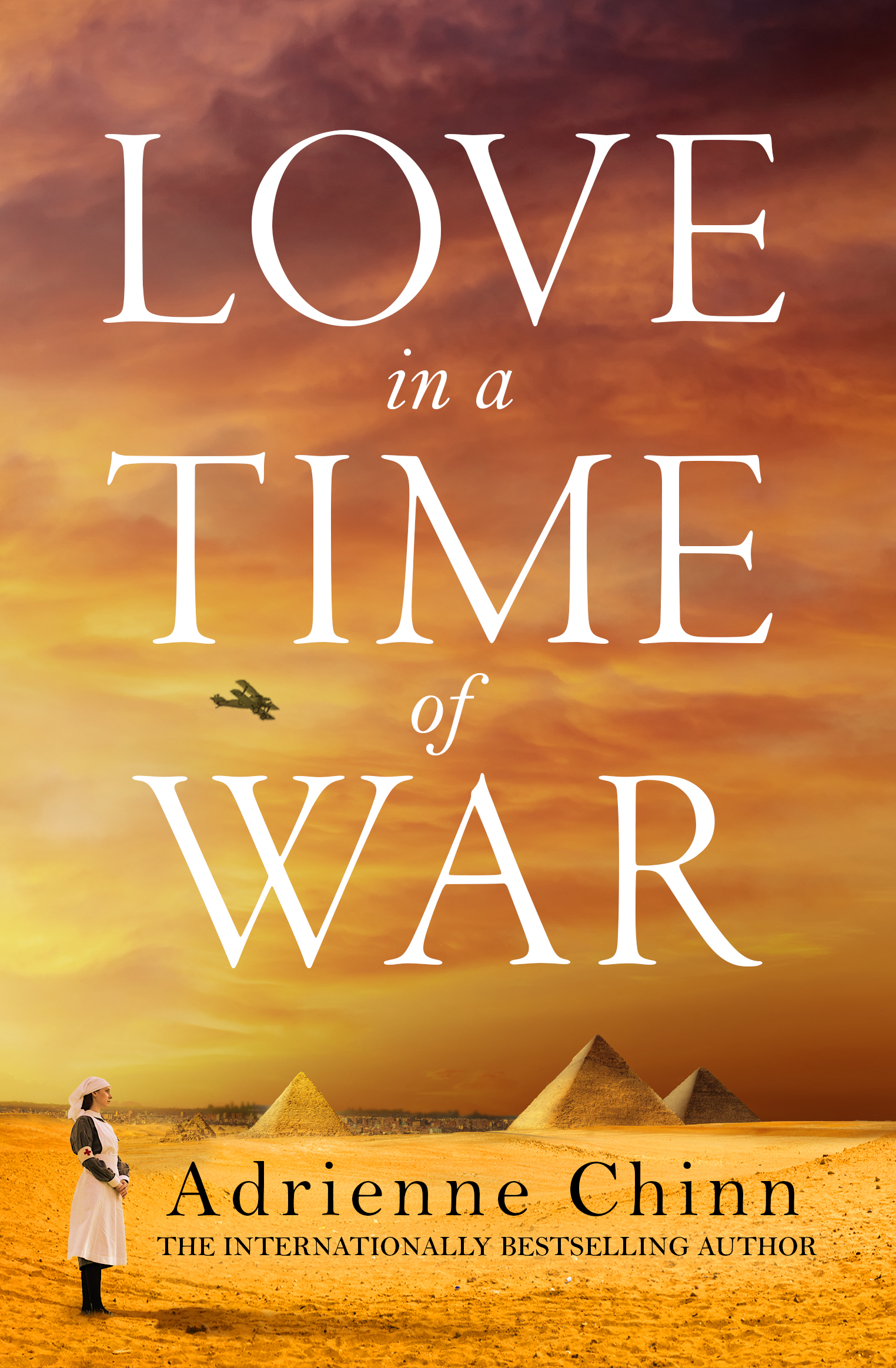
In 1914 the youngest Fry sister, Etta, is thrust into the bohemian world of the Bloomsbury Group through her lover, the Italian artist Carlo Marinetti. They attend a weekend at the Sussex home of Virginia Woolf, and the conversation turns to the war.

 

Etta sits in a canvas lawn chair on the stone patio behind the house, where the group has clustered on lawn chairs amongst the roses and honeysuckle trailing over trellises … She looks over at Virginia’s husband, Leonard, and watches him make notations in a black-covered notebook in his lap.

‘Mongoose, whatever are you listing now?’ Virginia says to her husband. ‘The spoonfuls of sugar we’ve consumed in our tea?’

‘If you must know, my dear mandrill, the cost of John Teasel’s cream has gone up by three pence. I must keep abreast of these things or we shall be living in penury before you know it.’

‘We already live in penury, Mongoose.’

Virginia’s sister, Vanessa, sets down the canvas she is embroidering with roses and playing cards. ‘Why on earth are we talking about the cost of cream? War has just broken out. Why is no one talking about that?’
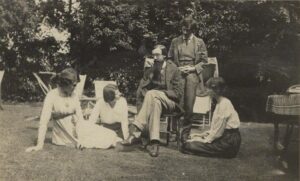
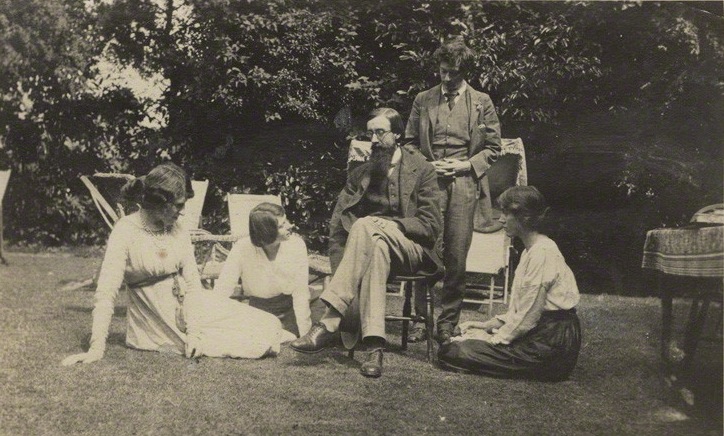
by Unknown photographer, vintage snapshot print, July 1915

Roger Fry spoons a dollop of strawberry jam onto a scone. ‘What is there to say, Vanessa? There will be a few skirmishes over on the Continent, exactly like what happened in the Franco–Prussian War, and everyone will be home for Christmas, which is fortunate as we shall have a fully stocked shop for the holidays.’

Etta sets her teacup down in the saucer in her lap. ‘The train station in Brighton was heaving with soldiers leaving on trains for London. I almost missed the train to Glynde because of them. They were all very jolly, like they were going off to a party, singing songs and everything.’

Virginia’s long, serious face brightens. ‘Really? What were they singing?’

‘It was all about Tipperary. Quite a jolly song.’

Leonard slams shut the notebook. ‘It’s all senseless and useless. It’s absolutely ridiculous to solve political disagreements by violent force. Italy has the right idea. Staying neutral.’
Roger brushes a crumb from his lip. ‘Hold on. Wasn’t Italy signed up with the Austrians and the Germans in the Triple Alliance before the war broke out? Shouldn’t you be on the other side, Carlo?’ He taps his lips. ‘Maybe we ought to watch what we say around you.’

Carlo leans back in the lawn chair. ‘The war in Europe is none of Italy’s, or my, affair. If anyone steps onto Italian soil, this, of course, will be another matter.’

Virginia sets down her teacup with a rattle. ‘War is just a preposterous masculine fiction. The chief occupations of men are the shedding of blood, the making of money, the giving of orders, and the wearing of uniforms. I have had quite enough of it already.’ She turns to Duncan, who is scribbling doodles in a scrapbook. ‘Duncan, tell me, who are you sleeping with this month? Anyone here?’


Visit the Sussex home of Virginia Woolf’s sister, artist Vanessa Bell: https://www.charleston.org.uk/

Caption for photo: L to R: Lady Ottoline Morrell, Maria Nys, Lytton Strachey, Duncan Grant and Vanessa Bell at Charleston House, West Sussex. Photographer unknown.



Catherine Yardley My Writing Process.

As a little girl my nose was always in a book. I would even read a book a day when I was ill. I loved Enid Blyton and Judy Blume. I started writing song lyrics because I was in a band when I was younger and then I changed the song lyrics to poems. I sent them off and one of them ended up in an anthology when I was eleven. It was the start of something for me. I also had a very good English teacher who really encouraged me and told me I could be a writer. All a young person needs is for someone to believe in them.

I have been writing since I was in single figures but I let it slide for a few years to go off and work in the film industry. I started again when I had children and I am so glad I did. I got taken on by one of the first agents I contacted and then I got a traditional publishing deal too. All from the first batch of submissions I sent off. I got offered two different publishing contacts for Ember and I decided to go with Pegasus. They have been amazing. I cannot recommend them enough.

What you have written, past and present.

I have written non-fiction in the past, as well as a lot of articles and such. I have been a travel writer, a restaurant critic and a theatre critic. Ember is my debut novel.

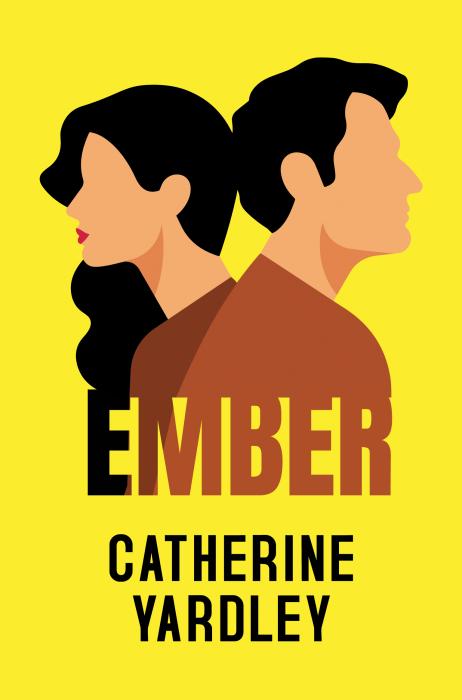
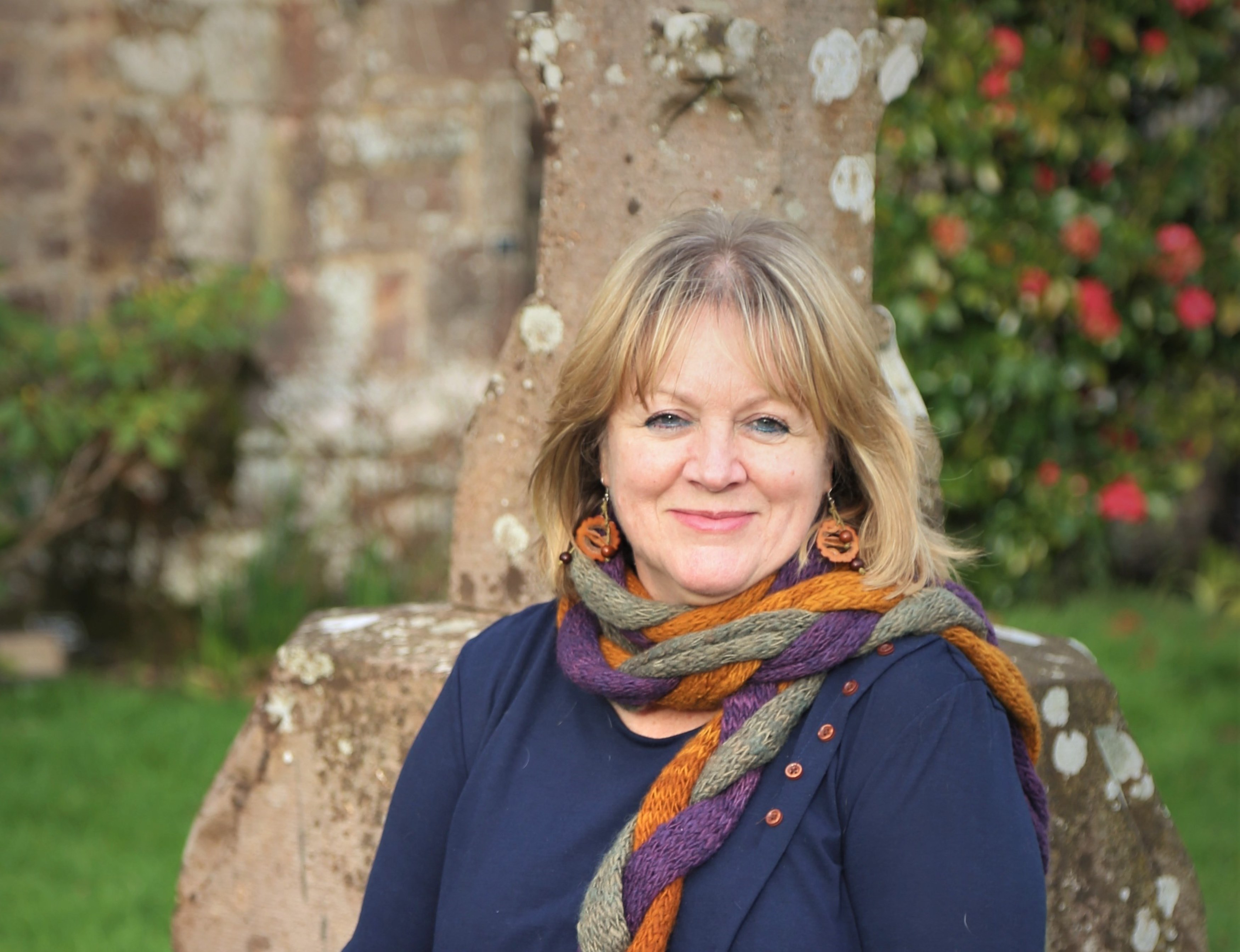
Ember, Catherine Yardley, author.

What you are promoting now. 

Ember is a story about a family who’s father left them on Christmas day when they were kids. Thirty years later the younger sister is getting married and that brings their father back into their lives. The story revolves around Dr Natalie Holmes and her boyfriend Rob in the present day, and her parents Tim and Jacqueline in the past.

Natalie goes off the rails when her younger sister gets married and pregnant before her, and her father comes back into their lives. She dumps her boyfriend on the side of the road and drives off in his car. The book is about love and family. A part of the book is about whether or not we should allow family in our lives if they have been left wanting. Can a family that has been torn apart ever heal their wounds? Will Rob and Natalie get back together? Read it and find out!

Here is the blurb:

A family torn apart by their father’s infidelity are forced to confront the past thirty years later. As Natalie’s younger sister, Amanda, prepares for marriage and impending motherhood, her plea for the family to reunite uncovers pent-up tension and animosity. Can they forget the past and become a family again?

Natalie’s life begins to unravel as their father starts to creep back into their lives and family tensions resurface, affecting her relationship with her boyfriend, Rob. Will the couple find their way back to each other, and can a family that has been torn apart ever heal their wounds?

Can you ever walk away from someone you love, or do some fires never die out?

A bit about your process of writing. 

This was my first novel which I wrote simultaneously with another novel. I would wheel my son around in his pram until he fell asleep and then I would write 2000 words on my iPhone. I always try to write the first draft as quick as possible. I like to keep up the momentum and the same energy. I do 2000-3000 words a day. Editing is always tough but I am as relentless as the editing. Ha.

I have three kids so I have to write whenever I can and focus on it. Having kids has trained me to be ruthlessly efficient when I need to.

Do you plan or just write?

I just write. Total panster. You need an idea and a handle on the character. Then just let yourself fly.

What about word count?

I do 2000-3000 words a day.

How do you do your structure?

My agent, Susan, says I have a great sense of structure and it is one of the nicest things anyone has said about me. I think it is because I read so much. I am with Stephen King. To be a good writer you need to both write and read a lot. Reading teaches you to be an excellent writer.

What do you find hard about writing?

Finding the time.

What do you love about writing? 

Everything.

Advice for other writers. 

Get on with it. Don’t give up. Write and then rewrite. Submit endlessly. Don’t let the rejection get you down. You have to be able to take rejection if you want to be a professional writer. Just take the feedback on board, edit and then send away somewhere else. You can do it!

Ember is out on the 31st March and is available from WH Smith, Waterstones, Amazon and The Book Depository.

SUNDAY SCENE: KATE RYDER ON HER FAVOURITE SCENE FROM BENEATH CORNISH SKIES

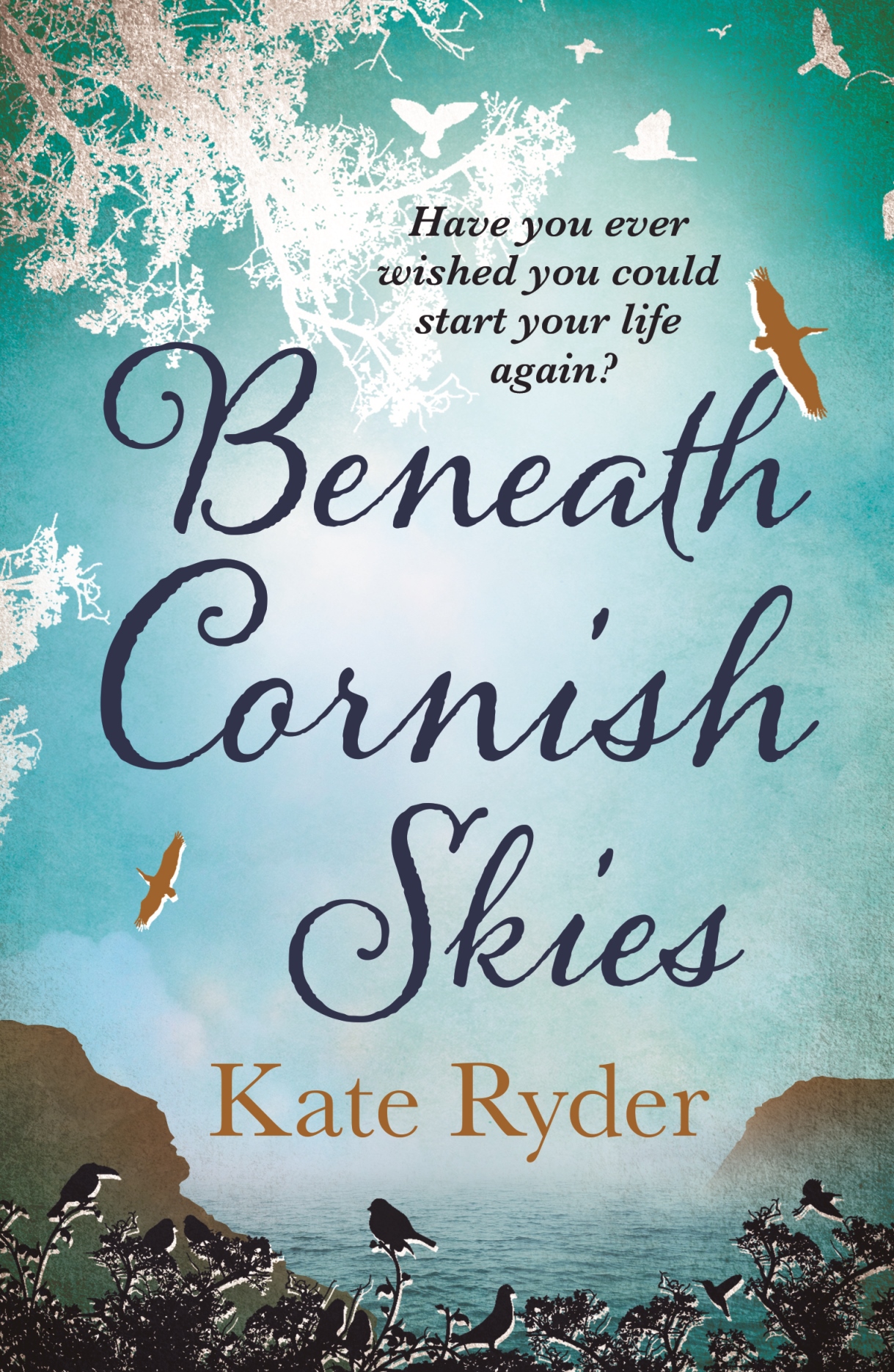
I’m thrilled that Beneath Cornish Skies was shortlisted for the RNA Romantic Novel Awards 2022 in the Fantasy Romantic Novel category. By now, the winner will have been announced! It’s too hard to choose a favourite scene so I’ve chosen an extract from the prologue:

To outsiders, Cassandra Shaw’s life looks perfect but her reality is very different to people’s perceptions. Insecure and suspicious of her good-looking, charismatic, businessman boyfriend, this is a recurring dream she has.

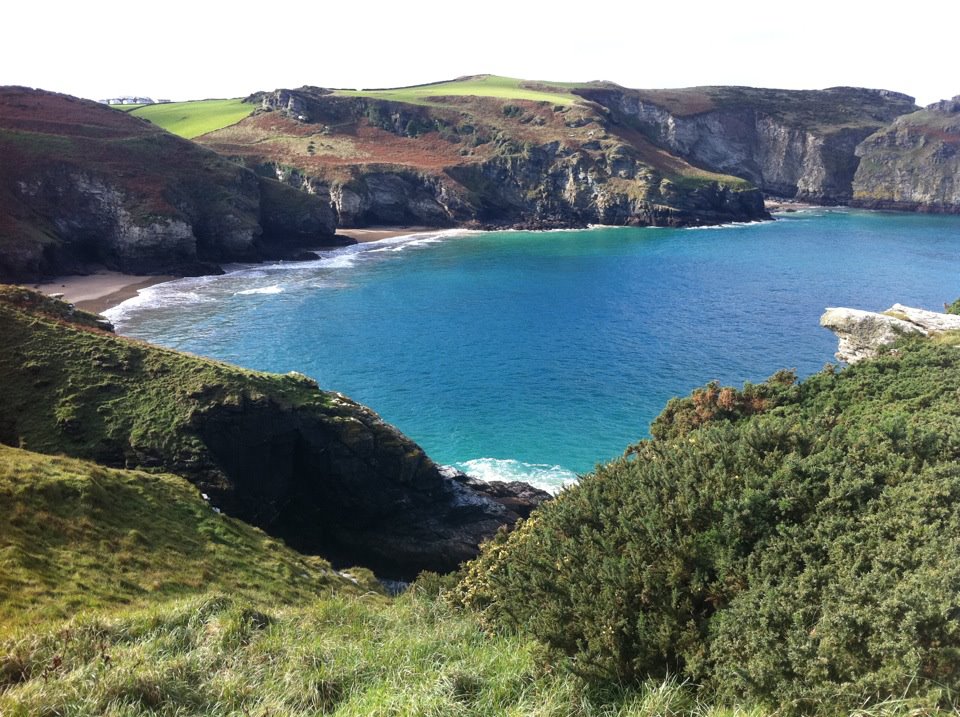
Before me lay a thick, impenetrable forest stretching as far as the eye could see. It was dark and foreboding and I shivered with apprehension. In the distance, a firefly darted towards me through the trees and as the pinprick of light grew closer, it hovered at the edge of the woodland… beckoning. I knew I had no choice but to enter and though fearful of the unknown, I took a tentative step. Pushing aside the undergrowth, I followed the beacon of light and drifted through the foliage like a spirit, twisting and turning through the trees. As I glanced up at the dense canopy that inhibited any natural light, I found my body rising through the branches, without control over speed, until high above the forest I gazed down upon a wild, rugged landscape shrouded in darkness.

Photo credit: Nigel Kivell

     On the wind I detected a scent of the ocean and raising my eyes to the heavens, I watched dark cirrus clouds scudding across the night sky to reveal a wash of twinkling stars and planets. A halo of light surrounded the moon, its inner edge tinged red; the outer an altogether bluer hue. Gazing earthwards again, I noticed the thick tree canopy stretched for miles – like a spill of ink across the landscape. All at once I was descending and as I plunged through the roof of the forest I closed my eyes, bracing myself against the scratch and claw of twig and branch. But, unscathed, I floated gracefully to the forest floor.

It’s a landscape Cass doesn’t recognise and as the dream continues, she follows the firefly through the forest until reaching a gypsy encampment.

And then, through the flickering firelight, I saw you sitting on a log on the far side of the camp, deep in conversation with the man beside you. No one had noticed me and, moving closer, I took the opportunity to gaze at your face in wonder. You were not like the others; you shared none of their darkness. Prone to curls, your dark blond hair framed a genuine, open face that was teasingly familiar, and yet not. As your lips formed silent words I studied you: the slant of your brow; the sharp angle of your cheekbones; the shape of your nose; the tight line of your jaw. And I noticed the way your eyes crinkled when you laughed. Suddenly you smiled and I gasped, as intense, stirring sensations took hold deep in my belly.

     From out of the corner of my eye I saw a man approaching. He requested a dance but, impatiently, I brushed him away, and when I turned back you were looking directly at me. Your gaze asked a question, and for a heartbeat I stopped breathing. I no longer had the ability to drift and cautiously, as if in experiment, I placed one foot in front of the other and stepped uncertainly towards the fire. But the heat was too fierce and I glanced at you in confusion. Had I misunderstood?

      In a voice soft and tender, you encouraged me. ‘You can do it. Follow the path.’


Connect with Kate: https://www.facebook.com/kateryder.author


SUNDAY SCENE: KATIE GINGER ON HER FAVOURITE SETTING FROM THE LITTLE LIBRARY ON CHERRY LANE

I don’t think there’s a writer out there who doesn’t love libraries. Honestly, we just do! And it’s not just because we write books.

In an age when books are constantly pirated and stolen, borrowing books from your local library helps an author financially as we get a small payment for every book of ours loaned out (it’s currently about 10p, I think). But we also love them because we know the power of stories in bringing people together.

Books help us to feel less alone whether its diving into another world for some escapism when our own lives get rough or reading about an experience that we too have been through before, books give us a sense of connection and hope. But there’s also a lot more to them that sometimes goes unnoticed. Whatever your reading tastes or reason for visiting, libraries are crucial to our communities and my latest novel The Little Library on Cherry Lane is basically a love letter to these fabulous institutions, illustrating all the things they do aside from lending books.

Not only do stories connect with us on a personal level, but libraries bring people together. They help alleviate loneliness and give us an opportunity to connect with others. You only have to see the rise in parent and child groups, or community groups like ‘Knit and Natter’ to see how much people need to forge communities and friendship groups at a time when so much of our lives are lived online. For many older people, they are a lifeline and the only time they speak to people during the day.

In my novel, the local library in the tiny village of Meadowbank is under threat when a developer wants to buy the land and turn it into a housing development. Of course, there’s romance because that’s what I write but the setting simply had to be a library and Meadowbank library, like many others is at the heart of the village’s community.

My favourite scene comes quite early on when the new housing development is revealed to the local community, and we see the reaction of the village. There’s complete outrage from all those who love the library and even Elsie, the shy, quiet librarian can’t stop herself from speaking out (much to the chagrin of our handsome hero). She sees the value of the place for more than just the books it lends. The village is shocked by her visceral reaction but for the most part agrees wholeheartedly with her. There are of course a few people who disagree because otherwise there wouldn’t be any tension in the story!

I absolutely loved writing the back and forth between the two main characters where they’re batting away each other’s arguments. She’s surprised at herself and our handsome hero can’t help but find her attractive even though she’s trying to scupper all his plans.

If you haven’t taken a trip to your local library in a while, please do as soon as you have the chance. They’re wonderfully welcoming and I’m sure you’ll see for yourself just how many people use them to connect with others. Books are important, but so are the places that house them, and we must do everything we can to ensure that future generations get to visit these amazing places too!


If you’d like to know more about me or my books, you can find me here: www.keginger.com!


SUNDAY SCENE: LAURA R LEESON ON HER FAVOURITE SCENE FROM THE VALENTINE RETREAT

Twenty years ago, I spent time in California. As a naïve Brit, it was equal parts amazing and terrifying, and I remain fascinated by the diverse and nature of a society surprisingly different to our own. When it came to choosing a setting for my debut novel, Los Angeles seemed a natural choice – because rather like me, I wanted ex-pat Megan to find herself struggling to discover her place in an unfamiliar, challenging world.

Added to which, Megan is a survivor of a controlling relationship – what began as a fairy tale marriage to a high-profile, successful businessman has already disintegrated, so when she meets Jim on a weekend away at The Valentine Retreat, the last thing she thinks she’s looking for is romance.

The setting for a pivotal scene – where Megan tentatively looks to the future and begins to believe she might want it to include Jim – takes place in the hotel bar:


The pianist was in full flow as Megan entered the bar. His fingers moved across the keys with the kind of confidence only a seasoned professional possessed. The music he produced was quiet and understated, which was more than could be said for his shirt. The vibrant duck-egg blue and plum check of the fabric was highly visible under his beige linen suit, open at the neck and unapologetic.

Megan smiled. For the first time in such a long time, she felt a spike of anticipation about this evening.

The room was less populated this evening, the weekend buzz replaced by mellow groups seated at some of the low tables, visible through the waving fronds of the potted plants as she took a seat at the bar.

‘Hi.’
There was no need to turn, she recognised the voice. ‘Hi, Jim,’ she said as he shrugged his way out of his leather jacket. She looked more closely at his face. ‘What did you do?’
Jim’s hand travelled up, his fingers tracing over a small patch of damaged skin. ‘Would you believe me if I told you there were five of them and I took them all down single-handed?’
‘Um, no. Not really.’ Trying to appear serious, she couldn’t stop the corners of her mouth twitching in amusement.
‘Damn.’ He grinned. ‘Cut myself shaving.’
‘Does it hurt?’
‘It didn’t, until I put aftershave on without thinking.’ He pulled a face then shrugged. ‘A bit of pain reminds me I’m still alive.’
‘Do you need reminding?’ She kept her tone light, but it was a genuine question. She had spent months wondering if she was still alive.”


After living a lie for far too long, and desperate for honesty from others, this is the moment when Megan begins to believe in Jim. However, Megan’s past hasn’t finished with her, the hotel is not all it seems, and Jim is harbouring more than his fair share of secrets. Secrets which may cost them both a great deal more than their happiness.

In the time-honoured tradition of romantic suspense, The Valentine Retreat is a fast-paced and twisty novel, but at its heart lies the story of two people who just want to find someone to rely on, and trust with their deepest emotions.


For more information – please visit my website www.laurarleeson.com or search for me on social media @laura_R_Leeson