Nicki Waterman’s Sport Relief 7 Day Diet Plan

Sport Relief is back again in March 2014 and promises to be even bigger and better. For the first time ever the Sainsbury’s Sport Relief Games will take place from Friday 21st to Sunday 23rd March 2014.

The public can join in with the fun and games by running, swimming or cycling their way to raising cash at over a thousand venues around the country, including the landmark events at Queen Elizabeth Olympic Park. Celebrity fitness expert Nicki Waterman has created a diet plan to help those training for the Games.

For those wanting to prepare for the Games, whilst sporting the new look in the kitchen, the specially designed Emma Bridgewater apron as worn by The Great British Sport Relief Bake Off ‘Star Bakers’ is available to buy from HomeSense and TK Maxx stores, for £12.99 with at least £6.50 going to Sport Relief.

Celebrity fitness expert Nicki Waterman says, “All the money raised from Sport Relief will be spent helping some of the most vulnerable people in the UK and across the world’s poorest countries – who wouldn’t want to be part of such a brilliant charity.”

nikkiwaterman
Emma Bridgewater has created two limited edition aprons for Sport Relief available from HomeSense and TK Maxx stores

Main meals need to be based on slow release energy foods. These help to provide the energy needed to re-fuel exercised muscles.

In practice this means having things like porridge for breakfast, or other oat cereals like, sugar-free muesli or a couple of slices of granary bread with two boiled or poached eggs and a glass of fruit juice.

For lunchtime, it is a good idea to use tortilla wraps and pitta bread as the basis of your meal, adding to them some lean fillings like roasted chicken, reduced fat hummus or some avocado or cottage cheese; all with lots of salad.

At dinner-time, pasta and noodles or new potatoes make a great base to your meals. To these you can add some baked or grilled fish, lean meat like grilled steak or vegetarian options, or stir-fries with a meat substitute.

The next part of the plan is to ensure that you have the right snacks before, during and after you exercise.

About an hour to 30 minutes before you train, try to have a banana and a glass of juice or a handful of dried fruit and some water or a cereal bar.

When you are actually exercising, have another small snack once you are 30 minutes in. This can be an isotonic sports drink, which will give you a little energy boost to keep going beyond an hour.

Once you have finished, try to have another snack like a banana sandwich or a cereal bar within 30 minutes of finishing. This will start the process of beginning to refuel your muscles.

This may sound like a lot of food and if you try this pattern and find that you are actually putting on weight, then cut back on serving sizes at main meal times.

If you find on the other hand that you are shedding too much weight, have slightly larger servings at meal times.

Remember, it is quite common for female runners, cyclists or swimmers to end up with iron-deficiency anaemia. Try to include foods like bran flakes, baked beans, wholemeal bread, prunes, cashew nuts and lean red meat.

If you know that you do not eat these foods regularly, it may be worth considering a multivitamin and mineral supplement with around 10mg of iron a day to help keep levels topped up.


The Best Exercises For A Pert Bottom

Pert bottom exercises by British Military Fitness Instructor

Want a perfect bottom like Pippa Middleton? Then all you need to do is master the squat. The squat is commonly known as the “king of exercises”. It is a fantastic exercise; it targets all the muscles in the legs whilst also adding some strength and stability to the abdomen and lower back area and really targets the core. The squat also gets a large amount of upper body muscles engaged too. Here are just a few benefits to show why everyone should be including squats into their training routine.

pippa-middleton-butt

Increase strength & power

Squatting should be one of the fundamental exercises for anyone looking to increase their strength. They have been proven to significantly increase lower body strength and power. This can have a whole range of benefits from those looking to improve sporting performance to those just looking to improve their lifestyle so that everyday tasks such as climbing stairs become easier.

Run faster

If you want to run faster, whether you are a distance runner or a sprinter, then you should be squatting. The speed at which you run is heavily influenced by your ability to apply force into the ground. To run faster, you need to apply more force. The best way to do this is to strengthen the lower body. Using squats to train the quadriceps, hamstrings and glutes will allow you produce more ground reaction force. For those who are distance runners, if you increase you 1RM on a squat then you will also improve you run time. Think of it this way. If you weight 70kg and have 1RM back squat of 70kg then you are going to have to recruit more motor units in order to propel yourself forward when running compared to someone who also weights 70kg but has 1RM on a squat of 120kg.

Increase muscle size

Squats are a great way to increase size of muscle tissue, not only in them legs but all over the human body. Developing muscle mass heavily relies on hormonal responses from exercise. Testosterone and growth hormone are two of the major muscle building hormones in the body. Squatting heavy and engaging the large muscles around the hips will mean you begin to produce huge amounts of testosterone. This release will also have a positive impact of other muscles as it flows through the blood stream. Combining this with some lighter load and higher reps will mean you start to feel a burning sensation within the legs, this burning sensation come from the build up of lactate and lactic acid within the muscle. When the body starts to get a build up of lactic acid you subsequently get a release of growth hormone. Theism just like testosterone is fantastic for this individuals looking to gain some muscle mass.

Torch calories and body fat

I want you to try something for me. After completing a thorough warm up, walk into a squat rack, load the bar with what is the heaviest amount of load you can possibly lift for 15 reps. Complete 4-5 sets of 15 reps whilst only taking around 60seconds rest between these sets and tell me how you feel. I guess you are going to feel extremely worn out and needing to sit down for a few mins ‘to catch your breath’. Completing this type of session will make the body move away from its safe environment of homeostasis and enter into EPOC (Excess Post Oxygen Consumption) meaning the body will need to take on additional oxygen to help you recover. This is accompanied by elevated consumption of fuels, particularly from fat stores. Using a tabata protocol for squatting (20secs all out / 10secs rest x 8) has been shown to elevate EPOC for up to 48 hours post exercise.

Here are list of squat variation exercises you can try to help you. Also included is a strength continuum chart to help you ensure you are working at the correct intensity, with the correct load, at the correct pace and with adequate amounts of rest depending on what you goal is.


Training Effect

Reps

Load (%1RM)

Rest

Strength

1-5

80-90%

3-5min

Hypertrophy

6-12

60-80%

1-2min

Endurance

15+

>40%

30-60secs

Front Squat

Take a grip on the bar slightly wider than shoulder width.
Position the bar so it is just behind the clavicle and close to the throat.
Ensure the chest is high and push your elbows up and in.
Foot stance should be shoulder with apart or slightly wider.
Once in position sit back onto the hips slightly as the hips and knees simultaneously flex.
Push the knees out to ensure they track the toes and stay on the heels at all times.
Once you have broken parallel drive the heels into the ground extending the knees and hips.

Back Squat

Take the narrowest most comfortable grip on the bar for you range on movement.
Position the bar high on the back.
Pull the shoulder back and keep the chest up.
Pull down on the bar and push the elbows forwards.
This should create a natural ledge surface for the bar to sit on.
Once in position sit back onto the hips slightly as the hips and knees simultaneously flex.
Push the knees out to ensure they track the toes and stay on the heels at all times.
Once you have broken parallel drive the heels into the ground extending the knees and hips.

Bulgarian Split Squat

For this exercise you are going to need a bench and some dumbbells.
Take a hold of the dumbbells in both hands.
Elevate your rear foot on the bench and take a step forward with your front leg.
Ensure that the chest is high and shoulders are pulled back with a neutral spine.
Bend at the knees so you body is moving in a vertical fashion until your reach 90degrees in the front knee.

At this point drive back up and return to the top.

Complete the required reps on this leg before changing.


Survey Reveals Men Are Healthier Than Women

Men are healthier and happier than women in general according to a new survey. 

battle of the sexes

Health and Happiness, a nationwide study of 2,000 men and women found that men reported a higher rate of happiness when it came to their weight, shape, appearance, and the way they are perceived by others (55%). Women, on the other hand, were more self-conscious and slightly less satisfied with their happiness levels at around 49%. Women are also much more likely to try dieting (71%) compared to men (47%).

Men don’t feel stressed as often either. Almost 60% of male respondents said they only felt stressed once a month, whereas 60% of women said they felt anxious once a week or more.
Over 70% of men also claim they rarely felt depressed or had mood swings, compared to half of women (50%) who admitted to feeling low or unhappy at least once a month, if not more.

Male respondents reported that they were less likely to have trouble sleeping at night – 51% said restless sleep occurred around once a week or more, compared to 60% of women.
Headaches, bloating or poor digestion were less of a problem among men. Almost half (49%) said they rarely got headaches, compared to 64% women who said they experienced them at least once a month or more. For 70% of men, bloating and poor digestion would only occur once a month or less, but almost half (43%) of women said it was a weekly or daily problem.
Men also reported higher satisfaction levels when it came to their professional lives, from job security (51%) and salary (45%) through to career prospects (46%) and overall finances (50%).


Londoners rate themselves the healthiest
Londoners rate their city the health capital of the UK, with 59 per cent of people describing themselves as ‘healthy’, the highest proportion in the UK and above the national average of 54 per cent.   The average units of alcohol consumed per week was relatively low at 5.5 units, compared to Manchester, which saw the highest average of 6.7 units. 79 per cent are non-smokers, and only 12 per cent classed themselves as regular smokers.  Londoners are also keen exercisers, with half doing at least 20 minutes of exercise twice a week or more. They have a high sleep average of 6.7 hours per night and get their serving of five a day an average of 3.16 times per week, compared to the lowest average of only 2.6 times a week in Belfast.


Sleep leads to happiness in Sheffield
Sheffield has been revealed as being home to the happiest residents, probably because they are most likely to get the right amount of sleep. 40 per cent said they get a healthy average of seven hours sleep per night, compared to the national average of 34 per cent. Under half (48 per cent) said they were only likely to experience difficulty sleeping once a month or less.  That might be why one in ten said they never feel stressed or anxious. They were also happiest  in the country with their  family life (75 per cent), where they live (66 per cent), shape and weight (54 per cent), and appearance (55 per cent), compared to their respective national averages of 69 per cent, 62 per cent, 52 per cent and 52 per cent.


Feeling glum in Brum
Birmingham was revealed as the unhappiest and most stressed city in the UK. The city had the highest number of smokers and its residents suffered the most ailments in the country.  Brummies had the lowest average when asked to rate their happiness in terms of their relationships (56 per cent), family lives (63 per cent) overall health (55 per cent) and their appearance (50 per cent), below the respective national averages of 60 per cent, 69 per cent, 60 per cent and 52 per cent.


Over 30% are smokers and the city has the second lowest quitting rate.  When it came to stress and anxiety, 62 per cent said they experienced one or the other once a week or more. Jobs were cited as the biggest cause of stress (31 per cent) closely followed by money (29 per cent). Brummies also suffer the most ailments, with 48 per cent experiencing bloating and poor digestion, 44 per cent having headaches, and 47 per cent complaining of low moods once a week or more. Nearly half (44 per cent) reported difficulty sleeping most nights.


Unhealthy but loved up in Belfast
Almost half (46 per cent) of respondents from Belfast described themselves as ‘unhealthy’ when asked to rate their current health status – the highest percentage in the country.  Over half (53 per cent) complain of difficulty sleeping once a week or more and one in ten say they get daily headaches. More than one in four (27 per cent) experience low moods or depression once a week or more, and 37 per cent admitted that they would only do 20 minute workout sessions once a month or less. They were also the least likely to get their portions of five-a-day each week.


Although Belfast had the fourth highest number of smokers in the UK, it also had the best quitting rate, with a quarter of people saying they have given up smoking – the highest in the country. They also came top of the poll when questioned about how happy they were in their relationships and love life, with an average happiness score of 67 per cent. They also reported the most satisfying sex lives, with an average happiness rating of 55 per cent – above the national average of 51 per cent.


Cardiff is the capital of cardio
People living in Cardiff are the exercise pros of the UK with over half (54 per cent) doing at least 20 minutes of exercise twice a week or more, the highest percentage in the country. But despite high levels of exercise, Cardiff residents are the least content with their shape and weight, with an average happiness score of 49 per cent, just below the national average of 52 per cent.
When it came to money, however, the city was the happiest with their overall finances, with an average happiness rating of 52 per cent, compared to the national average of 49 per cent.


Sleep deprived Scots
Edinburgh is home to anation of sleep deprived residents with nearly 1 in 10 people only getting up to four hours sleep a night, a good two and half hours below the national average. When they do sleep, over 70 per cent said they have restless nights or difficulty sleeping. Feelings of stress and anxiety were a weekly occurrence among 47 per cent of respondents and money was cited as being the biggest cause of stress (39 per cent). The city also experienced a high proportion of daily ailments with one in five suffering from arthritis and joint problems every day – the most in the country.


Manchester drinks the most

Manchunians have admitted to being the biggest drinkers in the UK with the highest weekly average units of alcohol consumed. Residents admitted to drinking an average of 7 units of alcohol per week, compared to the national average of 5 units, and 15 per cent disclosed that they consume on average over 15 units per week.

Despite this, almost half (49 per cent) of residents described themselves as healthy when asked to rate their health status. Manchester was also revealed to be the second keenest city when it comes to exercise. Nearly one in four claim to do at least 20 minutes of exercise four times a week or more, closely behind the highest which was Cardiff at 26 per cent.

There is also a relatively low rate of smokers, with only 12 per cent of people regarding themselves as regular smokers.
Bristolians best at beating the bulge
Bristol is the city of successful dieters, with 42 per cent saying they have tried dieting and that it has worked for them. 17 per cent of respondents said they hadn’t tried to diet but would be willing to give it a go. They get their serving of five a day on average three times a week but happiness levels are below the national averages when it comes to their salary, career prospects, appearances, job security and overall finances.


Liverpool high anti-diet rate
Liverpool has the highest rate of anti-dieters with a quarter of residents saying they would be reluctant to try one – the highest in the country. Only 14% who had never tried one before said they would be open to the idea, still the lowest percentage in the country.  They are also one of the least likely cities to get regular exercise with 36 per cent reporting 20 minutes of exercise once a month or less.  76 per cent said they felt stressed once a month or more, the second highest in the country after Birmingham.


Leeds stressed and losing sleep
Over half of Leeds residents (54 per cent) experience stress once a week or more. Money was cited as the biggest cause of stress (34 per cent), followed by jobs (24 per cent) and then family (14 per cent). Leeds also experiences frequent levels of sleep difficulty, with 64 per cent saying they have trouble sleeping once a week or more.  Over one in ten admitted to only getting up to 5 hours of sleep a night.

 

Healthy Pepper And Tomato Soup

Hey Guys

So the cold nights are still here. So here’s something hot, sexy and simple……NO not me.

But my red bell pepper and tomato soup that only takes a few easy steps to follow.

This will warm even the coldest of hearts and the bits bits are not only is it simple to make but you can even add to it.

But here it is Below

2 large red bell peppers, 5-7 tomatoes, 1 large red onion, 5 garlic cloves, salt & pepper in a over try with coconut oil.

Roast for between 30-40 mins or until soft and slightly charred.

500 mils of stock

all added in to a blender and go for it but then you can add anything you want like

You can also add into the mix chilli, ginger, cream, a bit of dark chocolate….anything you like. I even had mine with a home made chicken wrap.

Enjoy and remember to like our Facebook page and follow us on Twitter

Kettlebell Strength


tomato-soup


Cara And Girlfriend ‘Dial-A-Dracula Drip’ In Quest For Vitamin Boost

Also known as The Party Girl Drip, this intravenous vitamin infusion claims to boost energy levels, the immune system and cure hangovers. Adopted by hard partying A-listers from Rhianna, Rosie Huntington-Whitely and Simon Cowell, this 40 minute invasive procedure can be ‘delivered’ to private addresses for around £400.

caravampire

What’s actually is the ‘Dial-A-Dracula Drip’ ?

The IV drip, is a vitamin cocktail containing vitamins B and C, and minerals, magnesium and calcium which claims to boost energy levels and increase immunity.


Not a fan of needles?

Sharon Morey from Quest Vitamins gives us her expert advice ‘We mere mortals can easily gain similar benefit from adding a multi-nutrient or B complex supplement to your regular supplement regime, the B vitamins, including B12, vitamin C and magnesium help to reduce tiredness and fatigue, deficiency of B12 and folic acid in particular can result in tiredness and a lack of energy’

Sharon advises ‘Aim for a good all round Multi B complex with vitamin C to help give you that A-list boost of energy the painless way.’ Try Quest Vitamins new Multi B Complex, £5.60 from questexcellence.com

Want are the down sides of an IV vitamin drip?

Side effects can include fever, dizziness, inflammation of the vein, infection, and in some cases anaphylactic shock. Critics say a lot of the feel-good factor stars claim to experience afterwards is more likely to be from a Placebo affect than the result of the IV itself.

How to Quit Sugar in 12 Steps

get off sugar, no sugar diet, should i give up sugar, is sugar bad for you, the white stuff, is sugar evil,Sugar makes our food tastier, gives us a quick boost of energy, and leaves us feeling great, at least temporarily. But it’s also a highly addictive substance and, when consumed frequently, can have negative effects on our health and well-being, with symptoms ranging from energy dips, a ‘sluggish’ feeling and poor skin, to more severe health problems including obesity, diabetes, premature aging, and many other chronic health conditions. Fat was traditionally blamed for many of these problems, but sugar is now shown to be far more harmful than fat! For this reason, and simply to feel or look healthier, many of us are taking the positive decision to cut out or drastically reduce the amount of sugar in our diets.

We enlist the help of Nutritional Therapist, Cassandra Barns, at nutricentre.com to give us The Ultimate 12 Step Sugar-Free programme.

Portion Control

Cassandra advises, ‘Aim for foods that have a low glycaemic load, as their impact on blood sugar level is minimal and you’ll be less likely to experience blood glucose highs and lows that will have you reaching for the cookie jar. Make sure each meal includes protein, non-starchy vegetables and unrefined carbohydrates. Limit sweet tasting veg (parsnips, potato and carrots) and opt for green veg like broccoli and spinach, ideally making up half your plate. Good protein (lean turkey, eggs, fish, beans) are digested slowly and make you feel fuller for longer, carbs should be wholegrain varieties for the same reason.’’

I must not skip breakfast

According to Cassandra, ‘’If we don’t have breakfast, often by 11 am or midday, we become hungry and crave sugar, as our blood sugar levels drop too low. Try two poached eggs on a slice of wholemeal bread with some rocket leaves or a pot of sugar-free yoghurt with nuts and berries.’’

Quit sugar, not snacks

‘’A healthy snack between meals can help while you’re giving up sugar, as it stops your sugar levels dropping too low, which can cause sweet cravings. Good examples include: two oatcakes topped with a tablespoon of humus or guacamole or cottage cheese and half an avocado. Avoid bananas and grapes and opt for berries as they are naturally low in sugar.’’ Cassandra warns.

Limit alcohol

‘’Alcohol raises blood sugar, but being a liquid, it is even more quickly absorbed into the bloodstream than sugar. Alcohol also contains more calories than sugar: 7 calories per gram versus 4 calories per gram! Alcohol binges are a classic way to set up a cycle of cravings for sugary, stodgy foods the day after. Stick to one small to medium glass of wine with a meal once or twice a week’’, advises Cassandra.

Look after your gut

Cassandra explains ‘’Overgrowth of unhelpful yeasts in the gut, such as candida, can contribute to, or exacerbate sugar cravings. Ironically, eating sugar and high-starch foods makes the candida overgrowth worse, so we become stuck in a catch-22 situation. To help solve this, try taking a high-strength, good quality probiotic supplement such as ProVen’s ‘Adult Probiotic 25 Billion’ £12.95 from www.provenprobiotics.co.uk , loaded with friendly bacteria.’’

Go easy on the tea and coffee

Caffeine is a stimulant that causes our body’s stress hormones such as cortisol and adrenaline to be released, which in turn cause a cycle of energy dips and peaks, and make you more likely to crave sugar later on. Decaffeinated coffee and tea contains other stimulants, so try better options such as naturally caffeine free rooibos tea or grain based coffee alternatives.

Consider natural sugar alternatives

Xylitol is a naturally sweet substance found in many plants. In commercial preparations, it is found in granules and looks and tastes like sugar, although slightly less sweet. Stevia is a substance extracted from the leaf of the stevia plant. It is an intensely sweet substance and very little is needed to give a sweet taste – it has very few calories and minimal impact on blood glucose.

Treat yourself

Three squares of good quality dark chocolate (minimum 70% cocoa): this amount will only contain a relatively small amount of sugar, and there is also evidence that dark chocolate has health benefits or try a small pot of sugar-free plain yoghurt, with a teaspoon of pure cocoa or raw cacao powder

Chromium to control cravings

‘Chromium, this trace mineral has a vital role in supporting normal blood glucose levels, and therefore helping to prevent the dips that cause us to crave sugary foods. Try Quest Vitamin’s ‘Chromium Picolinate’ £4.04 from www.questexcellence.com. Take one tablet a day, preferably with breakfast. This supplement also contains vitamin B3, which works closely together with chromium. Chromium can take a month or longer to have its full effect, so persevere or start taking chromium before attempting to give up sugar.’ Cassandra advises


Exercise!

Cassandra stresses ‘’Moderate exercise helps us to feel energised, less sluggish, and healthier. It can help to control stress levels and also support blood sugar control to avoid dips that will induce cravings.’’

Reduce your stress

‘Stress is one of the primary triggers for sugar cravings, as our body is being prepared for physical action (the ‘fight or flight’ syndrome). So try in any way you can to reduce stress, whether it is by delegating or reducing your workload, taking some gentle exercise, or practising yoga or meditation to help you relax. Reduced stress will often mean better sleep as well, which will mean better energy levels the next day.’ explains Cassandra.

Energising vitamins and minerals

According to Cassandra ‘Most of us can benefit from extra support, to prevent tiredness triggering those pesky sugar cravings. B vitamins, vitamin C and the mineral magnesium are particularly important nutrients that are needed to produce energy from the foods that we eat; and we can struggle to get enough of them, even in a healthy diet.’

All supplements mentioned can be found at nutricentre.com. Want to give up sugar for 2014? Got a question that isn’t covered here? NutriCentre offers a free Nutritional Advice helpline manned by a team of highly qualified nutritionists, like Cassandra, ready to answer any natural health questions you may have. Advice line: 0207 436 5122, open Mon-Sat

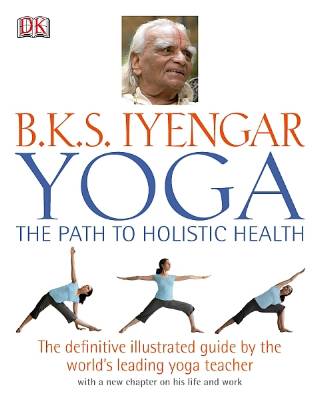
B.K.S Iyengar Yoga The Path To Holistic Health Book Review

It is a book review special on Frost today and next up; time to get your yoga on.

B.K.S Iyengar is one of the greatest yoga teachers in the world and Iyengar Yoga is one of the most practiced yoga systems globally. Very impressive indeed.

B.K.S. Iyengar Yoga: The Path to Holistic Health

This book gives you a lot of bang for your buck. The book is suitable for every age and ability and contains specially developed yoga sequences to alleviate over 80 ailments, ranging from IBS, asthma, arthritis and diabetes. I really liked that section. It takes each ailment and then there is step-by-step pictures of each sequence, along with a reference at the bottom to know which page to go to for a more in-depth guide to the move. There is also a 20-week course for beginners that is very handy. Each section is well-illustrated with lots of pictures.

There is also a celebration of B.K.S Iyengar life in his own words. Perfect whether a fan or a beginner wanting to know more. I find a lot of the quotes inspirational, as is B.K.S Iyengar’s life. This is a great in-depth book, full of inspiration and knowledge. Great for yoga lovers and beginners alike.

B.K.S. Iyengar Yoga: The Path to Holistic Health

One In Three In The UK Can’t Afford To Eat Healthily

appleMore than a third (39 per cent) of people in the UK – around 25 million – say they do not eat healthily because it is too expensive to do so.   One in seven people (14 per cent) said they do not have time to prepare healthy food, and one in ten (10 per cent) said they do not know how to eat healthily.


These are the findings of new research out today from UK health charity Nuffield Health, who questioned more than 3,100 UK adults.  The figures provide a snapshot of the UK’s views on obesity and healthy lifestyle choices.  Experts say the findings are concerning, and show poor understanding about healthy living and an acceptance that obesity has become the norm in society.


The research, carried out to support National Obesity Awareness Week, highlights the urgency for effective obesity prevention strategies.  Of those polled, a third of people said they had noticed a rise in obesity in the area they live.  40 per cent of people said that seeing obese adults in the area they live in is common, with almost the same number – 38 per cent – saying that childhood obesity is now the norm.


The figures back up research released this week by the National Obesity Forum which shows that current strategies are failing to halt the rise in obesity, and a 2007 prediction that more than half of people in the UK will be obese by 2050 will in fact be exceeded.


Of the respondents, a further 550 people who were measured as obese – with a Body Mass Index of more than 30* – were questioned about their views on weight management.

Of this group:

  • Nearly half (48 per cent) are resigned to remaining obese due to a lack of willpower
  • 17 per cent said they had never attempted to lose weight
  • One in five (20 per cent) would rather be overweight than watch what they eat.


When questioned about attitudes towards exercise, the figures showed:

  • 40 per cent said they find exercise boring
  • A quarter (25 per cent) do not have time to exercise
  • One in seven (14 per cent) would rather be overweight than have to exercise.


When questioned about the Government’s response to tackling the problem, almost half (45 per cent) said that GP referrals for exercise should be considered. 40 per cent would like to see increased funding for recognised weight management programmes, 43 per cent want stricter regulations on ‘unhealthy’ food and drink chains from sponsoring high profile events and 40 per cent said that school meals should be regulated as a matter of urgency.


While the majority of respondents (81 per cent) said obesity is the fault of the individual, when questioned about contributing factors to the UK’s obesity epidemic, more than half (55 per cent) said the blame lies with the food industry.


Jackie Donkin, Nutritional Therapist at Nuffield Health, said; People who are trapped in the rut that is obesity need to take a step back and really think about the food they are eating.   As a nation, if we continue in this way we are heading for not only an obese population of children and adults, but a chronically ill population.  The key to success is not just dieting, it is long-term lifestyle changes that people need to adopt and which will only work if taken in small steps over a long period of time.


Eating more fruit and vegetables, cutting down on takeaways, or eating food in its natural state, rather than covered in rich sauces, will drastically reduce the amount of fat and sugar we eat.  Increasing day-to-day activity; walking up the stairs instead of taking the lift; walking those short distances instead of taking the car; going for a walk around the block in the evening, will all contribute to a healthier lifestyle, which once adopted will become much easier to maintain over time.”