The Importance of a Good Pension

Whether you are just starting out in your working life, or just about to stop working permanently, you should still be thinking about your pension. 

A pension doesn’t simply sit there until you are ready to use it. Depending on the part of the world you live in, and your job role, you may be entitled to a state pension, company pension, or both. 

Many people have an array of questions about their pension and how versatile the system is. 

Can I transfer my pension? The answer is simple: yes, you can. Transferring pensions can be a great idea if the provider you are currently with does not offer a pension plan that suits you. You may also have more than one pension plan in place, from multiple or previous jobs, that you wish to bring together into one lump sum. This can be done by instructing the current providers of your change – you click the above link for more info.

There are a wide variety of pension plans available in the United States that give you a wide range of choice dependent on your current and future situations, as well as familial responsibilities. 

Can I pay more if I have the spare money? Again, the answer is yes. You can pay in more than the minimum amount if you so choose, to increase the payments you will receive later in life. You may find it beneficial to use some form of pension calculator to figure out just how much you should be putting in now so that you can afford the lifestyle you want in the future or essentials at the very minimum.

A good pension plan is vital to your later life. When you no longer have a stable, monthly income from your current place of employment, it is the pension that will make sure you can pay your bills and buy food. 

Some pensions can also be used by your spouse. This means that, if you die, your money won’t entirely be wasted. Your spouse can then receive some of this money up until their own death.

Once you reach the age of entitlement, your pension is yours to do with as you see fit. Unlike food stamps or other government-provided means of assistance, the pension comes from years of input from either yourself or your employer, meaning that it is actually, in part, your money trickling back to you. There are no limitations on what this money is used for, but once you have used that payment, you would not receive another until your next scheduled date. Due to this, it is increasingly important that your pension does what you want, and that you spend wisely. 

Having a good pension plan in place now can make life that bit easier for you when you retire. Enjoying your golden years can be a very real possibility when you have put the work into place in your youth. 

Brand collaboration with Wealthify.
Working adults in their thirties are on track to be the wealthiest generation

Working adults in their thirties are on track to be the wealthiest generation – after research found they earn the highest salary, save more and have the most disposable income.

A study into how much money the average person ‘has’ in each decade of their life revealed those aged 30 to 39 earn an average of £32,561 a year, and typically save £309 a month.

They also have the most disposable income – an average of £382 a month – and have less debt than 50-somethings – £7,196 compared to £8,315.

The study of 2,000 adults, commissioned by Equity Release Supermarket, also found that those in their thirties have an average of £10,326 stored away in savings.

Mark Gregory, founder and CEO of Equity Release Supermarket, said: “Our study revealed that while those in their thirties are impressively thrifty in their approach to money and savings, adults aged 40-49 who have had more time to save are slogging along with just £11,039.

“We know first-hand that many parents and grandparents would like to support their younger family members in their later life, whether that be with university fees, property, or other financial support.

“However, the research highlights that this may not be possible for several people in their 40s, 50s and 60s, which is where equity release could come into play as one potential solution.”

The study also found that regardless of how much is in the bank, the ability to be ‘good’ with money seems to improve with age.

Of those aged 60 and over, eight in 10 believe they are good at handling their money compared to 69 per cent of those in their twenties and 73 per cent of people in their thirties.

But 59 per cent of 20-somethings reckon they are good at saving, compared to 61 per cent of adults aged 60+.

The most common reasons people aged 60 and over believe they have good money habits simply comes from knowing how much is in their account (68 per cent) and knowing exactly where they spend their money (72 per cent).

It also emerged that when it comes to breaking down exactly what each age group splashes their cash on,  those in their twenties are most likely to spend their money on clothes, streaming services, takeaways and going out for dinner or drinks.

But adults aged 50 and over are more likely to be forking out for their energy bills, paying for petrol, the weekly food shop and insurance.

Despite having a healthy attitude towards finances, 53 per cent of those aged 60 and over still worry about money.

More than four in 10 put it down to the fact that they don’t want to get into debt, and a fifth agreed it’s because it’s one of the most stressful things in life.

Although a quarter worry about their income and outgoings because they enjoy living a comfortable lifestyle, and don’t want that to change.

But three in four adults aged 60+ believe they will always have some worries about money, no matter how much or little they actually have.

And 77 per cent admitted they find themselves fretting over how much they have pocketed for their retirement, according to the OnePoll findings.

Half of people aged 60 and above have money for the future put away in their pension and cash savings, while a fifth are relying on investments to keep them going in later life, and 14 per cent are considering downsizing.

Mark Gregory, from Equity Release Supermarket, added: “You spend your entire life building up savings – whether that’s in your pension, cash savings or investments like property – just so you can relax and enjoy your later life retirement years.

“But that doesn’t stop people worrying about money throughout this entire cycle.

“There are plenty of ways to give yourself that added bit of reassurance and equity release is just one option.

“Many people don’t understand the features and benefits of equity release as a possible solution to support retirement, enabling them to subsequently fulfil their financial wishes.

“When we’ve worked so hard to put money away, it’s always good to know there are other options available.

“While it’s not the only option to raise capital for an enhanced retirement, equity release could be beneficial and should always be considered with the right financial advice.”

Breakdown of ‘wealth’ by decade:

Current cash savings

20s – £7,232.11

30s – £10,326.33

40s – £11,039.59

50s – £16,704.68

60+ – £20,588.30

Salary

20s – £23,920.13

30s – £32,561.51

40s – £32,175.52

50s – £28,771.27

60+ – £25,771.91

Debt

20s – £15,950.99

30s – £7,196.98

40s – £7,017.62

50s – £8,315.31

60+ – £4,654.33

Disposable income per month

20s – £269.49

30s – £382.85

40s – £364.25

50s – £362.64

60+ – £382.58

Money put away in savings each month

20s – £243.73

30s – £309.36

40s – £282.28

50s – £259.60

60+ – £264.17

5 Collectibles That Become More Valuable

wine, wine review, roséPeople who don’t collect items may believe that the primary reason for doing so is to make some money. Collectors would get their hands on rare items and over time, they would increase in scarcity even more and go up in value before being sold to the highest bidder for a tidy profit.

This is most likely quite far from the truth, as most collectors do so for the sheer passion they have for the item in question. Their pleasure comes from curating a vast stock of treasured pieces that other collectors in the same field might be envious of. It’s having the ability to talk to others in the community about where your collection is up to, what you want to get your hands on, and what is surplus to your requirements. It’s taking the time to scour your favourite sources for new finds and treating them with the respect they deserve.

It would, however, be remiss not to mention the fact that certain collectibles do indeed become more valuable over time. Let’s take a look at the 5 key categories that do so…

  1. Stamps – these remain one of the most popular items to collect thanks to their long history and huge variety. Over time, certain materials degrade (which would certainly be the case for stamps), items get lost, etc, so having a particularly old one and maintaining its quality would see its value increase over a long period of time.
  1. Coins – again, another popular collector’s item can feature coins from hundreds of years ago and also from all over the world. Carelessness and extended periods of time always increase the rarity of items which subsequently increases their value.
  1. Anime merchandise – items such as anime figures or comics are highly desirable to collectors because they are so striking. Original figures are made in limited quantities too, so they are exclusive from the outset. When characters die off or change the design, it immediately makes pervious merchandise more valuable as no more of it will be created. As anime collections grow in popularity too, more people than ever before are trying to source the same items which can create a bidding war.
  1. Trainers – fashions come and go but when it comes to trainers, some will never go out of style. Manufacturing and design techniques can require a lot of effort and when only a limited number is available, it makes them more desirable. All you need is something to become ultra-cool again or for an influential person to wear them and you’ll find they become even more expensive!
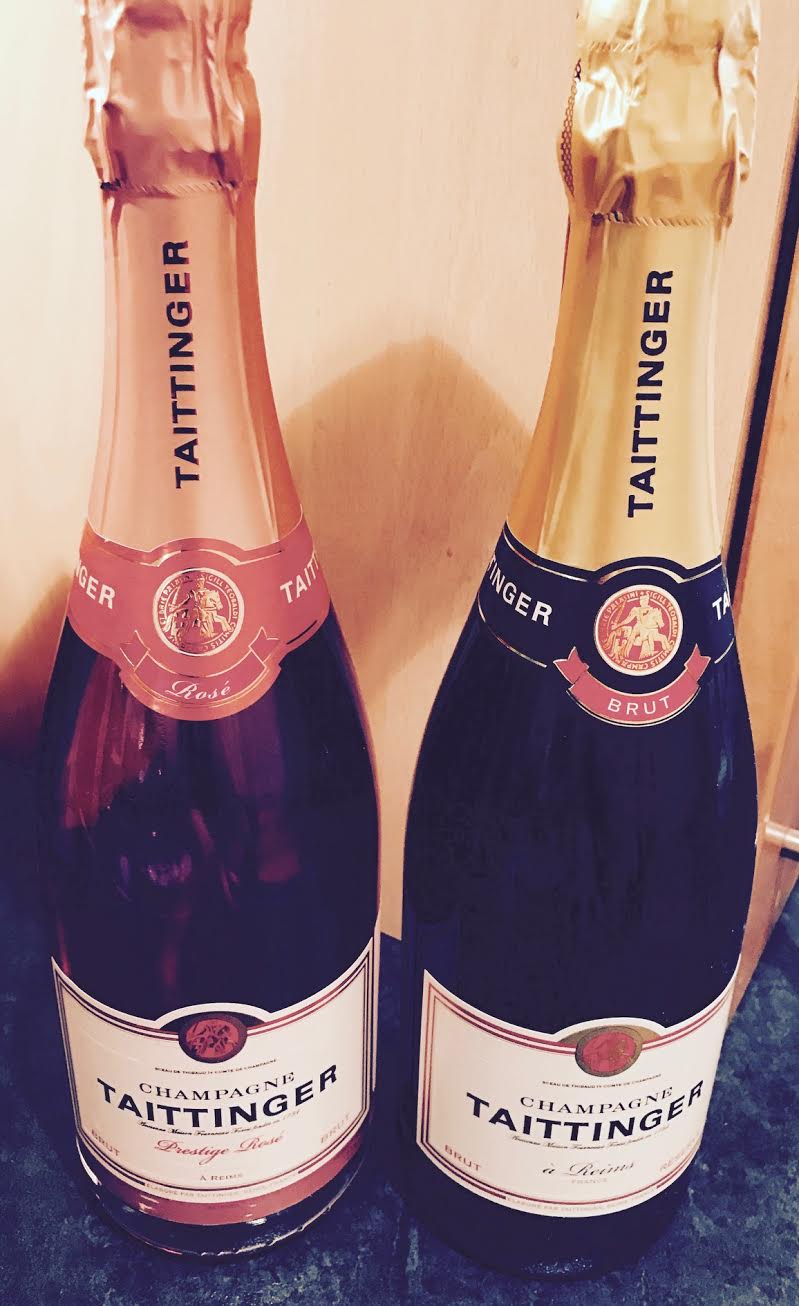
  1. Fine wines – the reason a wine would be deemed fine is not only thanks to the vineyard it comes from, the grape used and the manufacturing process but is also down to the weather too. That’s right – each season has a different yield of grape even when the owners do the same thing. Sometimes the planets align and the weather helps to create a wine so delicious it is talked about in sommelier circles. But of course, once all those grapes have been used, no more can be produced. And as a consumable item, it will eventually be gone. As the glasses go down on one bottle, the value goes up on another. 

Collections should come from a place of passion and enjoyment but there is certainly no harm in the fact you could make some money if you wished to sell some of your collectibles in time! 


 This is a brand collaboration post. 


How To Have More Than 100 Titles Published

the-business-of-books-interviewswithjanecable
This week I talk to multi-published and multi-talented author and writing tutor, Karen King.


How much of your working life does the business of books take up?

The short answer is all of it! Writing – and teaching writing – is how I earn my living.  So every day I’m either writing, visiting schools to talk about writing, running a writing course, marking writing students’ assignments or doing social media about my books.


What’s your business model to earn a living from writing? 


Keep writing. Be flexible. Be aware of the market. Be dedicated. I’ve often worked to commissions so I’ve had to be adaptable, to work to publishers’ briefs and keep track of current trends. As I earn my living from writing it’s a priority for me. Writing comes first, ironing and cleaning is way behind. I had four young children when I first started writing so worked around them, early in the morning, evening and late at night. Writing for magazines meant I had deadlines to work to and, at first, this was the days before email so I had to write up my story/article or whatever, and get it in the post often within a few hours.

karenking How To Have More Than 100 Titles Published

What do you write and what do you consider to be your major successes?
I’ve been a published writer for over thirty years now and for the first twenty years I wrote solely for children. I started off my writing career writing for teen magazines like Jackie, Patches and Loving then moved on young children’s magazines such as Thomas the Tank Engine, My Little Pony, Barbie and Sindy. I wrote photo stories, comic strips, short stories, articles, puzzles, the lot. I even wrote a horoscope page and a problem page. Alongside this, I wrote children’s books. Now I tend to write mainly YA and chicklit. I was really delighted when Accent Press contracted me for three chicklit novels, and offered to republish my backlist too. They have such a great reputation and are a delight to work for. That’s my major success so far.

Tell me about your latest project.

I’ve just finished my third chicklit for Accent Press. The second one comes out in July, it’s called The Cornish Hotel by the Sea, and the cover is so lovely I keep looking at it. Accent are also republishing my YA Perfect Summer on 10 May. It’s got a fab new cover and has been completely revised. I’m really excited about it as it deals with two themes close to my heart, the pressure society puts on people to have perfect looks and how people with disabilities are treated. The tagline is ‘In a society obsessed with perfection, being different is a crime’ so that gives you a big clue to the plot.


Author Bio

Karen King is a multi-published author of children’s books, YA and romantic fiction. She has had 120 children’s books published, three romantic novels and several short stories for women’s magazines. She is also a writing tutor. Her YA Perfect Summer is released on 10 May and her second chicklit, The Cornish Hotel by the Sea will be released in July.

Contact links

www.karenking.net

Amazon Author Page

Karen King Children’s Books Facebook

Karen King Romance Author Facebook


Top 10 Unobtainable Dreams For Young People

“We’ll Never Achieve Our Dreams,” Say Three Quarters of Young BritsMillennial have it hard, that is common knowledge. Tuition fees are higher than ever, houses are too expensive, and, if you are lucky to go to university or buy a home, the debt will be huge. Sadly, it seems that three quarters of young Brits feel like they will never achieve their dreams. It is not true of course. Everyone can and Frost will be publishing lots of finance and work articles to help you achieve your dreams. We want to give people the power to take hold of their own lives. Contact us to let us know what you want us to cover, or how you feel about your life in general. Meanwhile, let us now if you agree with the latest stats below.


Having a successful career, going to university and owning a house are seen as ‘fantasies’ for millions of young people, according to new research.


Three quarters of Brits aged 16-25 are also unconvinced they’ll ever be able to land a job they love – something which was far more achievable for the previous generation.


Eight in 10 young people said they fear other people going for the same positions as them are stronger candidates with better CVs and better experience.


One in 10 don’t think they’ll be able to go to university, while owning a house is considered to be completely unobtainable by 40 per cent of respondents.


Living debt free, being able to cope without relying on parents for financial support, and earning more than the average British salary of £26,500 are also seen as unattainable.


While the study of 1,500 16 to 25 year-olds, conducted by vInspired to mark the end of Volunteers’ Week 2016, also found out 42 per cent consider travelling the world to be a pipedream.


Jessica Taplin, CEO of vInspired, the UK’s leading youth volunteering charity, said: “The results highlight the pressures young people face today.


“Access to the job market, uncertain financial futures and mental health issues are all problems we see young people come up against first-hand.


“However, we believe that there are other ways young people can gain valuable experience and make them more employable despite some challenging economic circumstances.”


Many young adults don’t think they’ll ever be able to move to a major city such as London or Manchester due to high living costs, competition for jobs and house prices.


A further 15 per cent say they have no hope of ever buying their own car, and 17 per cent say having a family seems unrealistic at the moment.


Going to University feels unachievable for 13 per cent of those aged 16 to 25, while 16 per cent don’t feel like anyone would ever want to take a chance of them.


When it comes to securing their ideal job, seven in 10 people polled said the competition nowadays is so intense they would need completely new qualifications in order to stand any chance at all of success.


Yet 87 per cent of respondents said the high cost of gaining an education is massively impacting their chances of getting the job they’ve always wanted.


But three quarters of people polled recognise that doing voluntary work would make them more employable.


Perhaps as a result, 77 per cent of respondents are currently volunteering or would consider doing so in the future.


Two thirds of Brits aged 16-25 said volunteering could inspire them to pursue a career they may not have otherwise considered.


And around 80 per cent of participants think volunteering can teach you things a degree or other postgraduate qualifications might not, thus making them more employable.


Two thirds of respondents said voluntary work meant they could “make a difference”, while over 56 per cent said it gives you motivation and half says it makes you more open-minded.


Jessica Taplin said: “We know that the skills young people gain when volunteering help increase wellbeing and lead to employability.


“So we’re delighted to see from this survey that so many young people really value their volunteering experience.


“vInspired is all about supporting young people into volunteering and enabling them to better harness the benefits of this.”


Nine in 10 respondents think it is harder now than ever before to standout from other job candidates.


TOP 10 UNOBTAINABLE DREAMS FOR YOUNG PEOPLE

1. Travelling the world

2. Owning a house/getting on the property ladder

3. Earning more than the average British salary (£26,500)

4. Being debt free

5. Reaching the top of your career ladder

6. Getting a job you love

7. Not having to borrow additional funds to get by

8. Not having to depend on other people such as parents for financial support

9. Having the opportunity to gain experience in pursuit of your dream job

10. Moving to a major city such as London or Manchester


How To Make Money Blogging Part 1

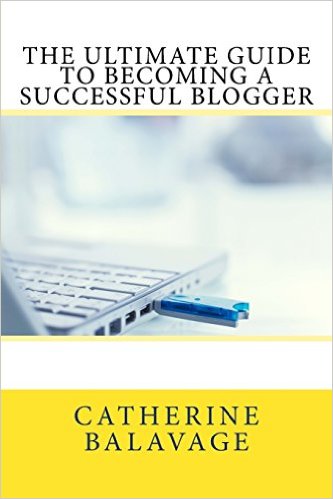
The Ultimate Guide To Becoming a Successful Blogger , blogging, blogs, how to be a successful blogger, blogger, blogging, Catherine BalavageSo here it is. Number one in how to make money blogging, or with your website or online magazine. It is possible to make money blogging, but you need the knowledge and you also have to work hard. The nature of making money blogging is that you never know how much money you will earn month-to-month or day-to-day. It is precarious and sometimes scary, but with the right guidance it is possible. As long as you work hard and are prepared to adapt with the times. Here is part one, I hope it helps you on your blogging journey. I will be telling you all you need to know about blogging in a series of articles. You can also check out my book, The Ultimate Guide To Becoming a Successful Blogger.

Affiliate Links.

Affiliate links are a great way to make money, even if you have a small blog which doesn’t get a lot of traffic. If you can build your blog up and get loyal readers who trust you and your judgement, then you can earn a lot of money this way.

Working With Brands.

You can earn a lot of money working with brands. Either by sponsored editorial content, featuring their products, or working together to create your own fashion line or perfume. Yes, you CAN do that. You just have to belief in yourself and work hard. (I know I say work hard a lot. I won’t say sorry, a blog is a business and any business requires a lot of work).

Sponsored Posts.

Years ago I earned a reasonable amount from sponsored posts. Then Google changed their policy to penalise sites that paid for links, and those that featured them. The revenue stream dried up overnight and I had to get creative. Now the negative part is out of the way let me tell you that you can still earn from sponsored posts. I know some of the top personal blogs charge about £750, but the sky is the limit. Even sites like the Daily Mail and the Huffington Post feature sponsored posts. Print magazines do a similar thing with their advertorials. Just flick through any magazine and you will see some of these. Oh, and avoid people who want sponsored posts but try to disguise them as ‘guest posts’.

Public Speaking.

I have done public speaking. Sometimes it pays well and other times they will ask you to do it for free, but you can either promote yourself or sell your books.

Advertising.

Banner ads and general advertising doesn’t make that much money. I am sure it can, but it is not the way to get rich, or even wealthy, blogging. It will cover the blogging costs however, and that is worth something.

Freelance writing.

I have been approached by publications and sites to write for them after they have come across my work. It also makes my internet presence more prominent and helps my brand. (And before you roll your eyes, we are all brands now).

Partnering with Brands.

You can make a lot of money doing this. Building relationships with brands and getting your name out there can result in lots of money and will also give a huge boost to your career.

Books and eBooks.

I have written three books and I publicise them through Frost. Our contributing editor Margaret Graham is also a bestselling author. Write about a subject you know, or even write a novel. If people are reading your blog they already love your writing.

Selling Your Blog.

In 2011 Arianna Huffington sold The Huffington Post for $315 million. Yes, $315 million. That may be an extreme example, but you can sell your blog for quite a bit of money. Some small blogs even sell for £20,000.

Vlogging.

Vlogging is huge. There are more YouTube millionaires than ever. You can earn relatively good money from this, but it is a lot of work and an overcrowded market. The good news is that Amazon are taking on YouTube with Amazon Direct Video so you can make money streaming your videos there too. I will write about this more soon.

Consulting.

You can consult by helping businesses and brands to build their blogs. Either by writing, or by giving your creative (and tech, if you are so inclined) opinion.

Subscriptions.

You can put things behind a paywall and charge for it. This does work with certain content.

Donations.

I noticed on The Guardian today that they have a donate button at the bottom with the – very true- comment that the powerful will not investigate themselves. If they can do it, you can.

Classifieds.

Old school, but sites like Gumtree and Craigslist charge for people to list and make a good amount of money.

Merchandise and Selling Products.

Plenty of sites sell T shirts and such. You could also make your own products.

Public Appearances.

If your blog does very well you can do a Paris Hilton and get paid simply to appear at clubs and events. You may have to wave though. Hard life.

Doing Talks or Teaching.

You can do talks, teach and do workshops. Offer people a solution to their problems and you are doing good while making some money. Pass on your knowledge and educate people.

I will be going through all of the different revenue streams in more detail. It is an amazing time to be a content creator. There are so many creative ways to build your brand and make money. Good luck and I will help you on your journey.

You can also read how to make your blog posts go viral here.

How to Plan the Perfect Wedding on a Budget


wedding planning, wedding, weddings,Getting engaged is one of the best things that can happen, isn’t it? From the moment you said ‘yes’ to telling your nearest and dearest, you’re swept up in a whirlwind of romance, energy and excitement. But, as all brides to be have experienced, planning the wedding can bring you back down to earth with a thud. How are you going to afford the day you’re dreaming of? Read on to discover how to plan your prefect wedding on a budget…

Know your budget
The first (and most important) part of planning your perfect wedding on a budget is actually defining it. The average UK wedding now costs an eye watering £21,000, though of course you needn’t spend anywhere near this much! However, it will help to have a good idea of where your upper limit is. Whether you’ve got a small fortune or just £1,500 to spend, there are plenty of suppliers like 77 Diamonds who will let you customise the bits that mean the most to you so that you can stay on track with your spending.


Be ruthless with your guest list
The biggest budget blower is a guest list larger than you can afford. So, start by making a list of everyone you and your partner must have in attendance. After that, calculate how much you can spend per head, and add friends and family members accordingly. Just be prepared for the fact you might ruffle a few feathers or cause offence… but there’s nothing stopping you meeting everyone off the guest list for a celebratory drink!


Consider second hand or hired
Think you have to spend a fortune to have a wonderful wedding dress or dashing suite? Think again. Websites such as Still White, Sell My Wedding Dress and Preloved allow brides to snap up once-worn dresses at a fraction of the price, including designer and couture gowns. Alternatively, charities like Oxfam, and sites like eBay.co.uk, sell wedding dresses for brides on a budget. The groom can hire his suit too, spending under £200 for full grey tails rather than breaking the bank by purchasing it for good.

Be flexible
Want to save some serious money? Be flexible about when you marry. Due to their popularity, weddings on sunny summer Saturdays cost the most of all, but brides who don’t mind when they tie the knot could save a fortune by marrying in winter or autumn. Better yet, if you can marry on a Friday rather than a Saturday, you’ll save extra cash, and couples getting hitched Sunday to Thursday will make the biggest savings of all.


Haggle
All that said, your wedding should feature all the things that are truly important to you. Want a professional photographer to capture the day? Go for it! Is that classic car pulling at your heart strings? Book it! Just be prepared to haggle for what you want: it’s not unreasonable to try to knock the price of your essentials down, even if you feel a little uncomfortable doing so. Just give it a go; after all, nothing ventured, nothing gained.


By Patrick Vernon.

Top 5 Money Saving Pregnancy Tricks

By Layla Anna-Lee, English TV Presenter and soon to be mum.

pregnancysavingtips

Don’t buy a baby changing unit! A baby changing unit is literally a chest of drawers with a baby changing section on top and an extra zero added to the price. Proper padded anti-roll baby changing mats add the same amount of height to the sides of a mat that any changing unit would have. You must never leave your child alone on a changing unit or mat regardless. So don’t feel obliged to purchase overpriced units when your current chest of draws with a safety mat could be just fine! (Just make sure the chest of drawers is the right width for the mat and is strong enough to take the weight of a baby.) I bought mine from www.safetots.co.uk


Eco nappies.  In two years of a child’s life the average spend on disposable nappies is £1,800. The same stretch of time in reusable nappies is around £350 and if you are planning on having another child you can use them again saving yourself much, much more. Modern day Eco nappies are incredibly well designed, there’s no need for old fashioned soaking and can be washed at 30 degrees. Of course washing adds some expenditure but even then it’s less than all the bin liners and nappy sacs you’ll be needing for those disposables. Not to mention the cost on your conscience that disposable nappies are the largest single household contributor to landfill sites. I bought mine from www.totsbots.com


The Baby Show! Get your ticket, get there early and don’t leave! This was my favourite shopping spot of all. So easy to compare a huge range of baby products all under one roof and so many incredible discounts. I had purchased my buggy before attending the show then saw the exact same one at the show with over £200 off – That’s a pretty impressive discount and at The Baby Show discounts like that are everywhere. There are a variety of invaluable talks to attend, such as first aid and breast feeding talks are included in the ticket price. If you’re a savvy haggler stay right until the end and you might get even more taken off the price tag as exhibitors don’t want to pack up all the stock to travel home. The next show is taking place at Kensington, Olympia from the 23rd-25th October: www.thebabyshow.co.uk


You don’t need a cot straight away. When looking to save money sometimes timing is the answer and when choosing your cot you have time to get it right. A baby can sleep in a Moses basket up until around 3 months or until the baby can sit up or roll. This means  there’s no rush, you can wait for a sale, a hand me down from a close friend or indeed simply take your time to make sure you’re making an educated purchase. Mine is from www.mobauk.com


Don’t be afraid to ask for things you actually need. Everyone loves buying presents for a new baby. Whether it be an excited mother in law or if you’re throwing a baby shower. It’s important to be honest because your friends really do want to get you something you will actually use. If you don’t need 45 hats and another plush bunny rabbit then just say so! Make a little list of what you need and let your loved ones help you, it truly makes the world of difference.