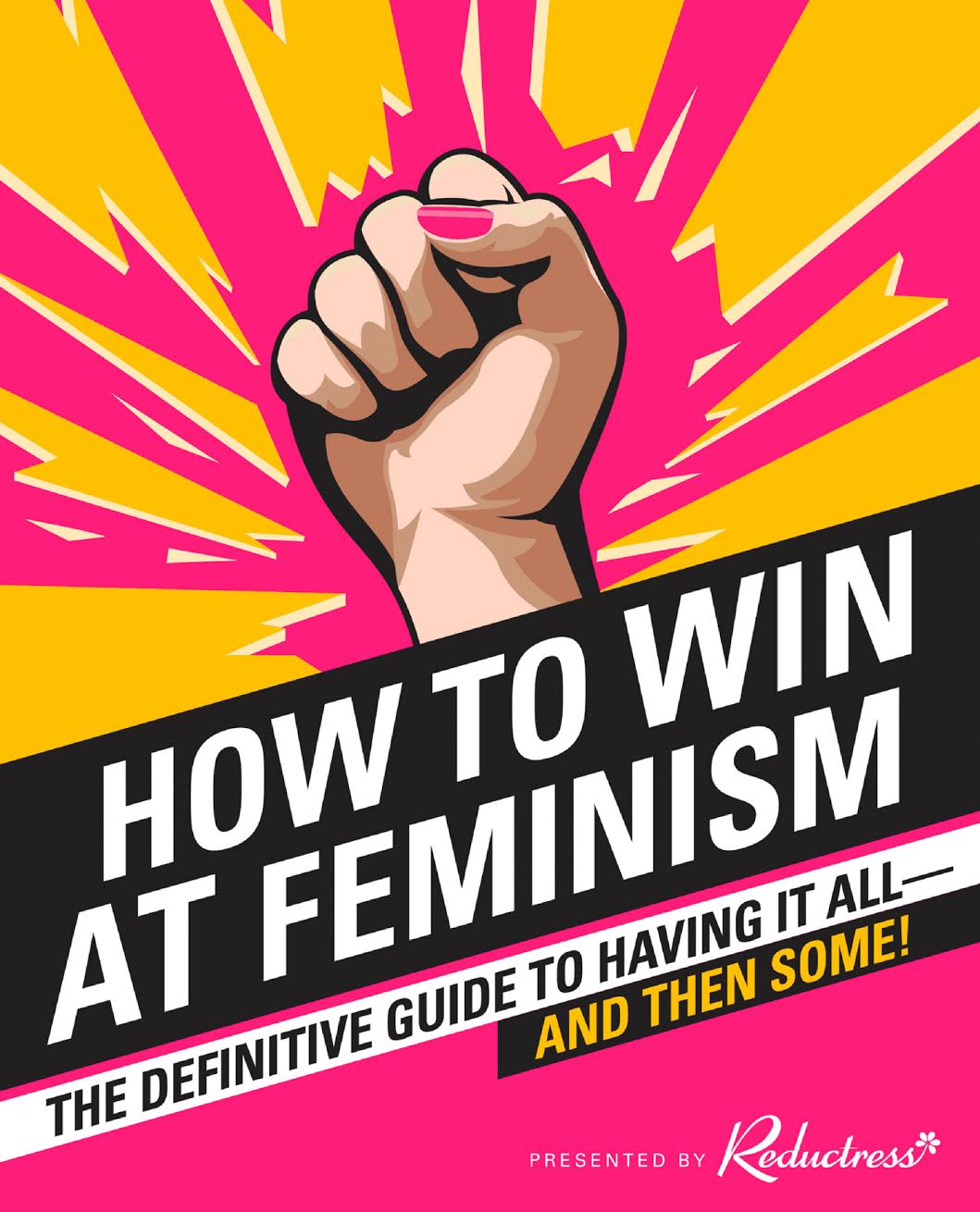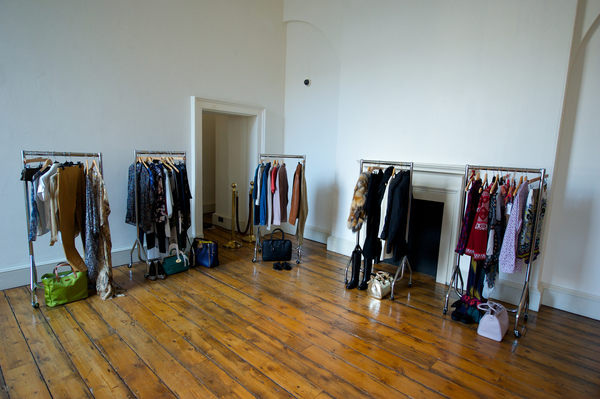
The Ultimate Guide To Clearing Your Clutter

Last year I became quite obsessed with decluttering. In fact, thanks to Marie Kondo I think we all did. I have never liked being surrounded by a lot of stuff. I have always hated clutter. Which is why I am feeling rather proud. My husband and I have got rid of thousands of things. There are still a few things earmarked to go, but we are the closest to minimalism we have ever been. The flat looks fundamentally tidy even though we have a toddler. Things are also much easier to find and we have even made some money selling things. Here is my quick, but comprehensive, guide to decluttering. It will change your life, trust me.

You need to put things into different bags,boxes or piles. The options are: Recycle, Sell, Keep, Mend, Give to Charity.


You don’t have to do it all at once so don’t get overwhelmed. You can do a room at a time, or even just a drawer of cupboard. Slow and steady is just as good as one full-on day.

My biggest tip is to keep a charity bag somewhere you can easily access. Put things in there you want to get rid of, and then when it is full you can take it to the charity shop. 

You can make decluttering fun by doing it while you watch your favourite TV show or listen to music. You can even get all of the family involved. Getting rid of old stuff always feels great.

Declutter for 5-10 minutes everyday. It all adds up.

Put the handle on the hanger in your wardrobe in one direction, if you wear the item, turn the handle around. Wait a certain amount of time, say, six months, then throw out everything you have not worn.


You can give away unwanted stuff while doing good for the environment via Freecycle.org


Get rid of all your old phones. Just remember to delete your personal information and remove the SIM card. There are plenty of good websites and companion websites which will give you the best price. I use https://www.mazumamobile.com/sell-my-mobile. Just make sure you check out their reputation on trustpilot.com

You can also sell old ink cartridges. The amount you can earn is so low that I would give them to chairty instead. Cash for Cartridges pay for old ink cartridges but you have to set up an account, the withdrawal limit is £25, and their prices are so low it would take an age to get there. http://www.cashforcartridges.co.uk/ink-cartridge-recycling-prices

Personally I think it is better to donate them to the British Heart Foundation. You can download their free post label here. https://www.therecyclingfactory.com/bhf/. Other charities that take old printer cartridges include the British Institute for Brain Injured Children, RNLI, Barnados, Sense, and the World Cancer Research Fund.

I have sold all of my old gadgets. After removing my personal data of course. I used eBay.co.uk as I found they had the best prices. There are other places of course. cashinyourgadgets.co.uk, musicmagpie.com and even Apple itself will buy your old technology. It is best to remove your old hard drive before selling your old computers. Note that Apple will give you a gift card in return. They also recycle things for free that they do not buy, including PCs.

Amazon.co.uk marketplace allows you to sell books, DVDs and some other stuff. They do take a huge fee however, a massive 17.25% commission. The good news is that it is free to list. They also give you a postage credit which does not always cover the cost of posting the book, then take it away in fees.

You can also sell by Car Booting. Car boot sales are not the best place to get the top price. I have never done it personally but there will be plenty in your area. Just do a search. They tend to charge a fee to pitch up your car and sell. I would mark your prices up a bit as people like to haggle.

Other good places to sell your stuff.


Facebook groups

There is even a sell option on Facebook. You can also join groups and sell your stuff on the group.

The best way I have found of getting rid of stuff is to give it to charity. You do good and give back to the community while clearing out your home. Win win.

You can donate pretty much everything. For instance, the RSPB, DHIVERSE and the World Owl Trust will take old stamps. Your old glasses and sunglasses can go to charity shops. Branches of Boots Opticians and  Dolland and Aitchinson usually have recycling bins for old glasses. You can donate your foreign currency. RNIB will take it. Help the Aged, Marie Curie and Age UK will even take old currency that can no longer be changed. Many charities will also take your old phones.

Take your old clothes to a charity shop or a local clothes bank. H&M, Uniqlo and Marks & Spencer’s all take old items of clothing.

It is best to sell furniture on Gumtree.com, Facebook groups or other local resources. Furniture and homeware does not hold its value well. If you do want to get rid of your furniture and don’t want to sell it do not spend hundreds getting someone to take it away for you. We were quoted over £400 for someone to come and take our furniture away. I donated it to the British Heart Foundation instead and they came and took it away for free.

When it comes to donating furniture the Furniture Reuse Network will take your goods and then distribute them to a charity organisation in your area.  Oxfam and the British Heart Foundation also take furniture. You can also try Freecycle and Freegle where you offer your good for free to anyone who can collect them.

Gone For Good is a great social enterprise that puts people in touch with charities that will come and take away their furniture or anything else they want to donate. You use the Gone For Good app by taking a photo of your unwanted stuff on our phone and then one of the charities will come and take the goods away based on your postcode. The app is free to use and the charity will pick up your goods for free too. Great for people who don’t have a car.

When you give stuff to charity make sure you sign up for Gift Aid. This allows the charity to claim an extra 25p for every £1 you give and also lets you get some money off your tax bill. Don’t do it unless you pay tax though, you will have to pay the extra gift aid. To learn more about tax relief and gift aid go here.
My last tips are to get rid of old change via self services machines. No, the staff from the supermarket don’t like it but as long as you don’t overdo it I am sure it will be fine. I also find eBay.co.uk the best place for selling stuff. Even if there are some people on there that just want to steal your stuff. I send valuable things signed for. My other, and biggest, tip for decluttering is also the one that is best for the environment: stop buying so much crap. Seriously. I rarely buy anything these days other than food and it has changed my life. My sure everything has a place and goes back into that place. Everything else can be sold or given to charity.
Thank you for reading. Please add your own tips below.

A Day in the Life of Kaira Rouda

My life has changed a lot over the past six years. Not only because I finally became a full-time author, but also because my nest has been emptying year by year. Our four kids are five years apart, so that’s made my life filled with a lot of goodbyes lately. Without daily kid duties, life is certainly a lot less complicated. And, apparently, a bit darker. I’m not sure if Paul Strom, the protagonist in BEST DAY EVER, popped into my mind because of my empty nest, but maybe it gave him room to appear. I’ll blame him on the kids’ departures into the real world.

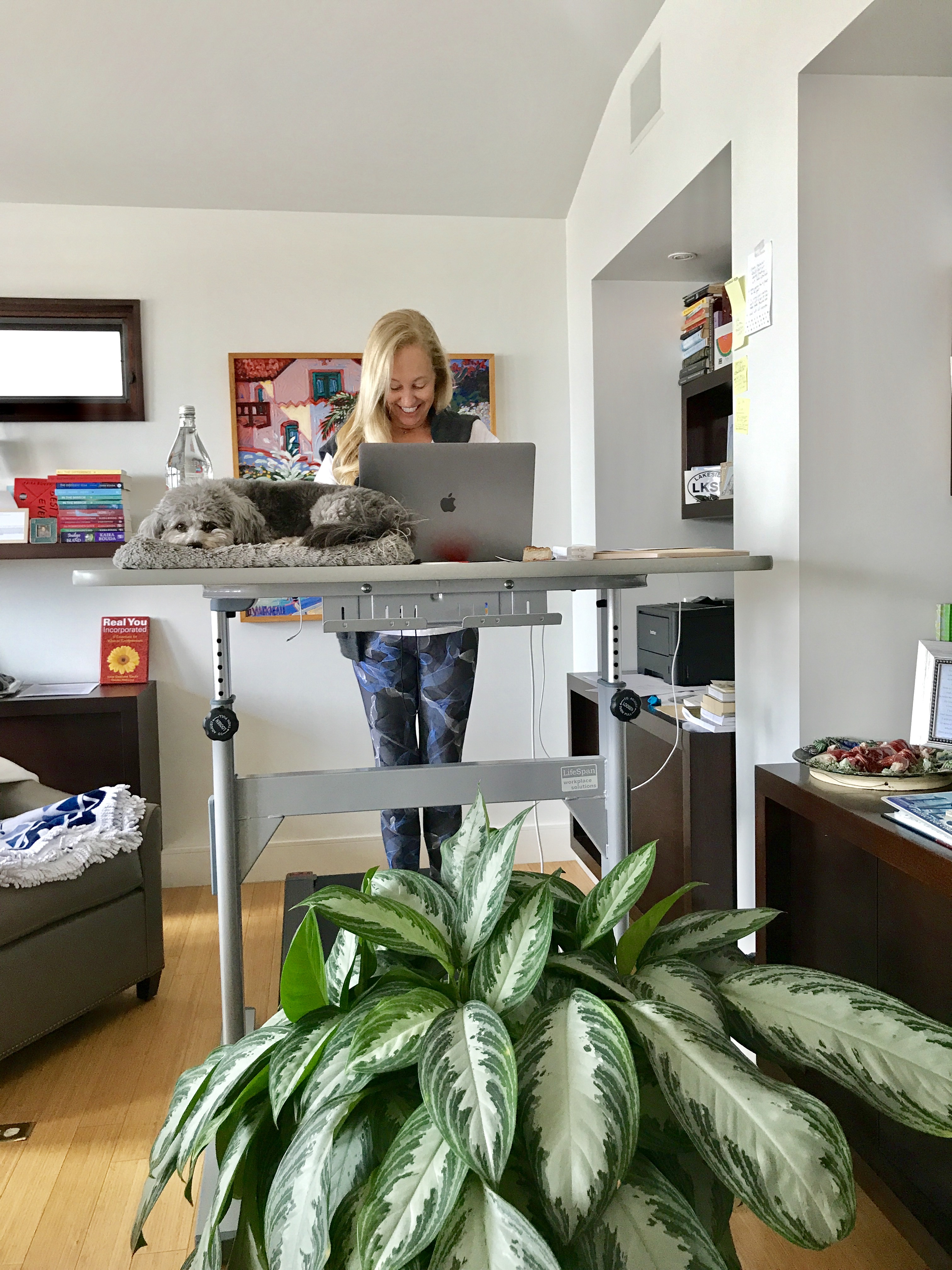
So now, a day in my life is quiet. I’m blessed to live at the beach, in Southern California, and most every day is sunny and warm. I try to hike or go for a walk everyday and soak up the sunshine. I have two dogs and they are both my walking and writing buddies. In fact, Tucker likes to sit ON my desk as I’m writing. (photo of walking desk and tucker)

I don’t usually start writing until the afternoon. I’m a night owl, so mornings are for exercising, emailing and drinking A LOT of coffee. My husband also has a second act of a career, deciding after the most recent US presidential election that it was time to get involved and be the change you want to see. I’m proud to say he’s running for congress as a first-time political candidate. That makes me a first-time political candidate’s spouse. I’ve been having fun meeting so many new people, and helping him as he follows his dreams.

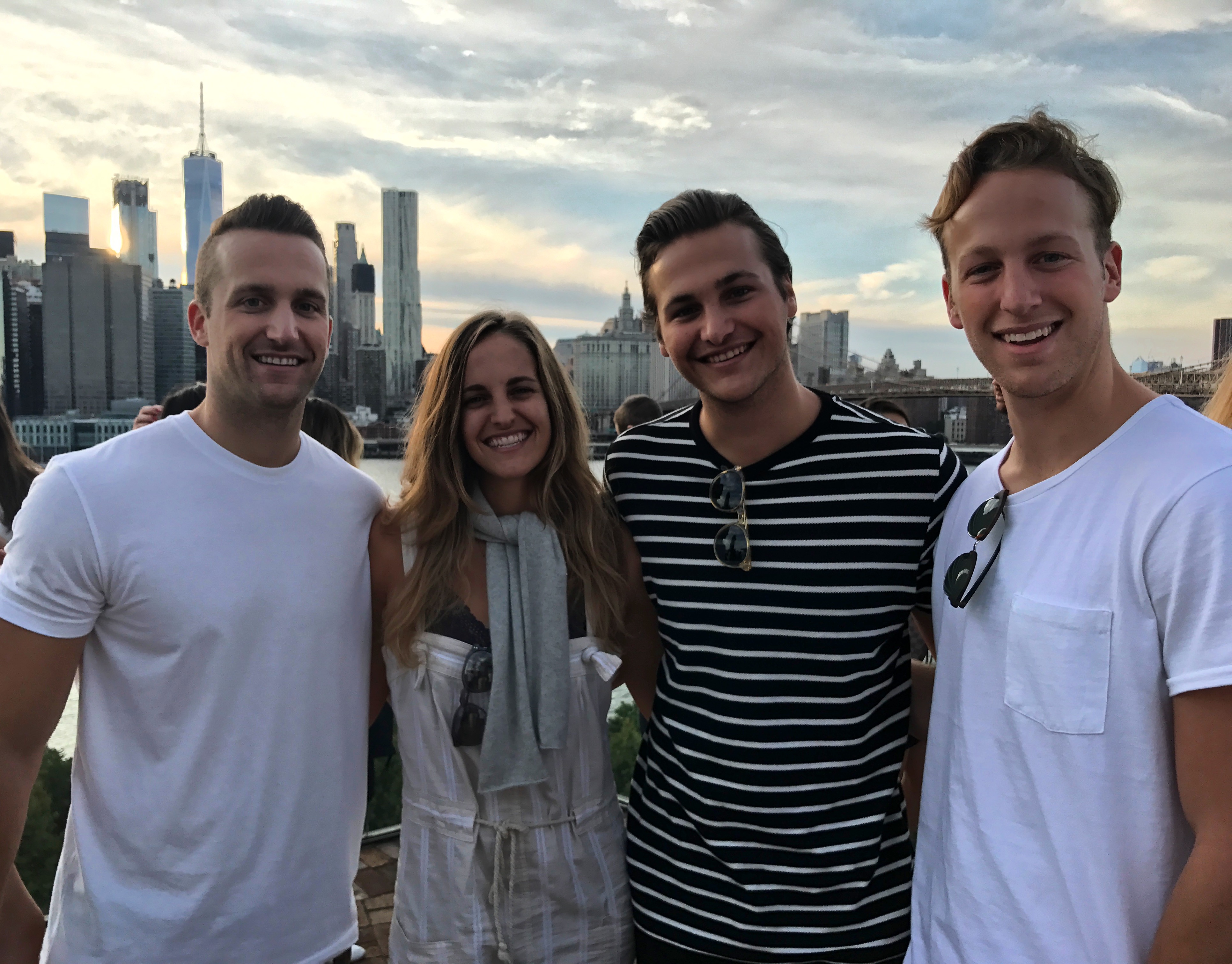
All in all, it’s a blessed life. And, even though the kids are all busy young adults living their own dreams, they all live in Southern California, too. So I get to see them often. (family photo). And, they’re all doing super interesting careers. My oldest is in commercial real estate, but also is an amazing photographer. My daughter is a screenwriter in Hollywood, my middle son invented an app while in college that let’s you round up spare change to a charity of your choice and my youngest is a singer/songwriter pursuing his dreams in LA with his band, Firstwave.

So, it’s a busy, creative fun life. I hope yours is, too. And I hope you’ll give Best Day Ever, my first UK published book, a read!


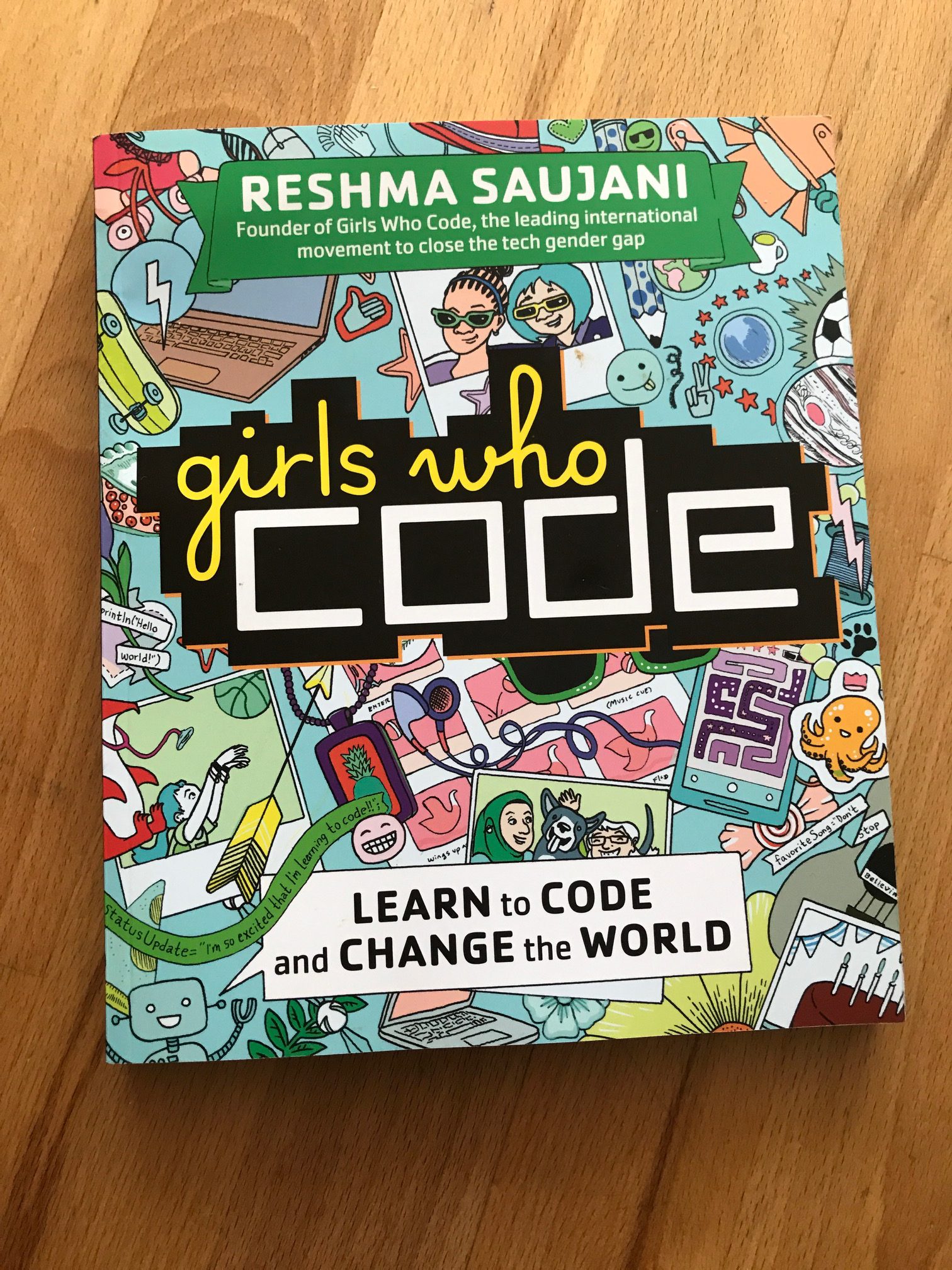
Girls Who Code: Learn to Code and Change the World By Reshma Saujani

Getting women into STEM is a passion of Frost Magazine. We need more girls who code and Reshma Saujani has founded the leading international movement to close the tech gender gap. This book is a New York Times Bestseller and it is easy to see why. The back cover has glowing endorsements from Jack Dorsey, Sheryl Sandberg and Melinda Gates. It is part how-to and part girl-empowerment. It is written in an engaging way that is easy to understand and fun. This is a brilliant book which should be bought for any girl in your life. Books have power and this book has it in droves. The perfect mix of inspiration and knowledge. Crack the code to your future dreams Since 2012, the organization Girls Who Code has been leading the charge to get girls interested in technology and coding. Now its founder, Reshma Saujani, wants to inspire you to be a girl who codes! Bursting with dynamic artwork, down-to-earth explanations of coding principles, and real-life stories of girls and women working at places like Pixar and NASA, this graphically animated book shows what a huge role computer science plays in our lives and how much fun it can be. No matter your interest—sports, the arts, baking, student government, social justice—coding can help you do what you love and make your dreams come true. Whether you’re a girl who’s never coded before, a girl who codes, or a parent raising one, this entertaining book, printed in bold two-color and featuring art on every page, will have you itching to create your own apps, games, and robots to make the world a better place. Part how-to, part girl-empowerment, and all fun, from the leader of the movement championed by Sheryl Sandberg, Jack Dorsey, and other giants of the tech world. Girls Who Code: Learn to Code and Change the World By Reshma SaujaniGetting women into STEM is a passion of Frost Magazine. We need more girls who code and Reshma Saujani has founded the leading international movement to close the tech gender gap. By 2020 1.4 million jobs will be open in computing fields in the US alone, yet only about 30% of them will be filled with computing graduates, and only 3% of those will be filled by women. This is despite women using social media apps 600% more than men. Girls are getting left behind. Girls Who Code is an organisation that aims to teach 1 million girls to code by 2020. This is the project’s first book and is a New York Times Bestseller and it is easy to see why. The back cover has glowing endorsements from Jack Dorsey, Sheryl Sandberg and Melinda Gates. It is part how-to and part girl-empowerment. It is written in an engaging way that is easy to understand and fun. This is a brilliant book which should be bought for any girl in your life. Books have power and this book has it in droves. The perfect mix of inspiration and knowledge, all written in an accessible way. Frost loves.
Crack the code to your future dreams

Since 2012, the organization Girls Who Code has been leading the charge to get girls interested in technology and coding. Now its founder, Reshma Saujani, wants to inspire you to be a girl who codes!

Bursting with dynamic artwork, down-to-earth explanations of coding principles, and real-life stories of girls and women working at places like Pixar and NASA, this graphically animated book shows what a huge role computer science plays in our lives and how much fun it can be. No matter your interest—sports, the arts, baking, student government, social justice—coding can help you do what you love and make your dreams come true.

Whether you’re a girl who’s never coded before, a girl who codes, or a parent raising one, this entertaining book, printed in bold two-color and featuring art on every page, will have you itching to create your own apps, games, and robots to make the world a better place.


Part how-to, part girl-empowerment, and all fun, from the leader of the movement championed by Sheryl Sandberg, Jack Dorsey, and other giants of the tech world.


Girls Who Code: Learn to Code and Change the World By Reshma Saujani is available here.


Hape The Rainbow Route Railway and Station Set Review

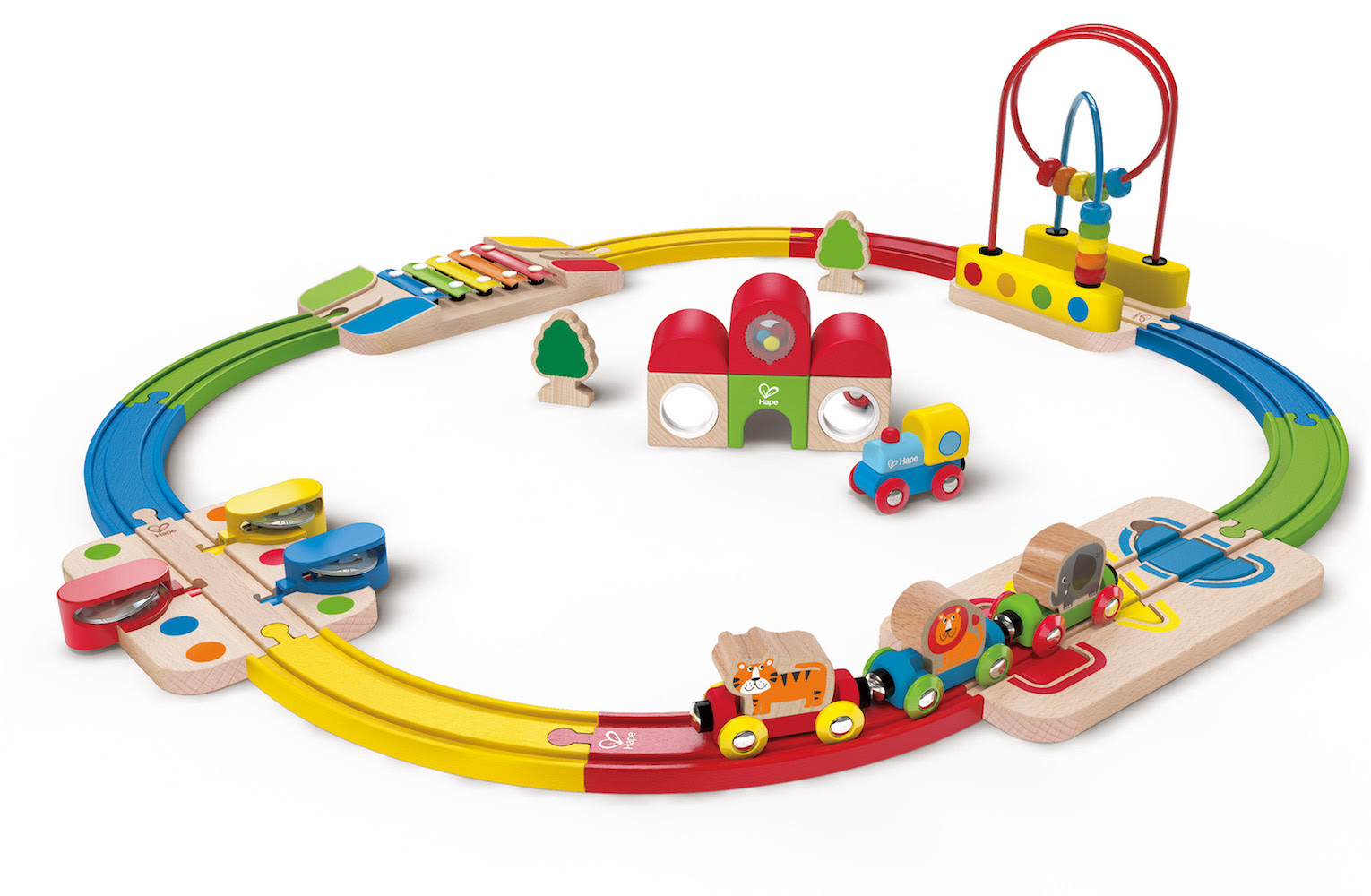
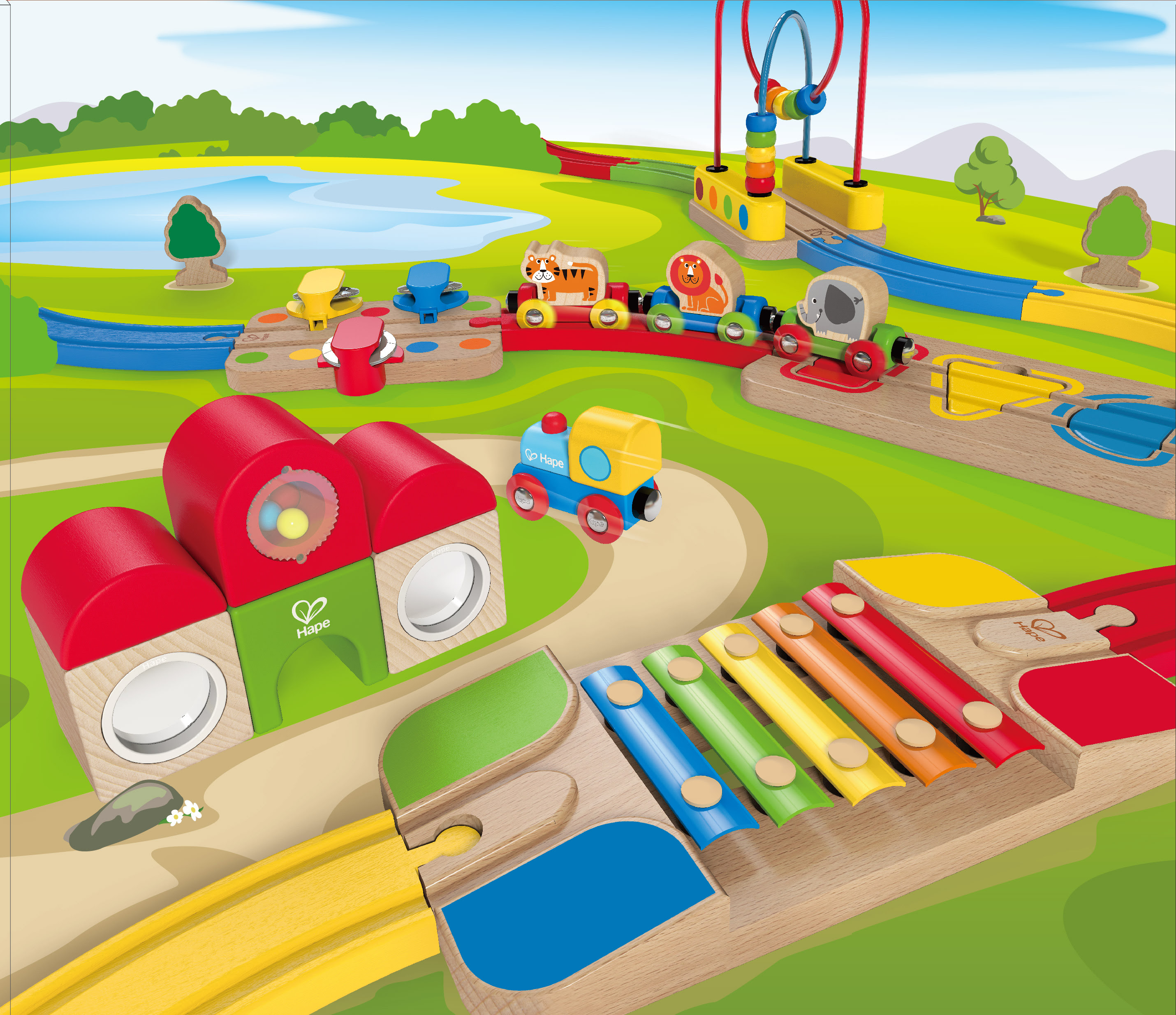
So the every spoiled Frost toddler has yet again had his eyes light up. A train fanatic at the best of times, he spends hours building his train sets and playing with his trains. So this Hape The Rainbow Route Railway and Station Set was sure to be a hit, and, boy, was it so. It is the ultimate train set. There is a little of everything to keep the toddler entertained for hours while you have a G&T, sorry, I mean, get on with work or chores. There is a musical element in the shape of a xylophone and tambourine track, as well as some puzzle tracks. The track is bright and fun with plenty to educate as well as entertain. We cannot say just how much we love this train set for little ones. It is the perfect gift for any special occasion. Frost loves, and so does the Frost toddler. 

Hape inject a pop of bright colors with added fun and entertainment, transforming your traditional train sets into something like never before with The Rainbow Route Railway and Station Set. Perfectly suited to your toddler’s attention span around every corner excitement awaits as children aboard a journey fuelled with music and color!

With The Rainbow Route Railway and Station Set little ones have everything they could ever need, perfect for all those budding railway enthusiasts. Creating music to your ears, this set includes a number of musically interactive elements. Find your way through the bead maze then journey onwards taking the bumpy road across the tambourine track, but beware it isn’t just all fun and games as a problem solving puzzle await, sort the different shapes to venture safely back.

But what’s missing? Every railway set needs a station, and how about decoration? Why not add some beautiful trees to your railroad? With this 30 piece set nothing has been missed to create the ultimate experience.

Creating an opportunity for little ones to work in perfect harmony, this set encourages interaction between peers, ideal for entertaining the kids this summer and getting some peace and quiet.  There is no mistaking the fact that this track is sure to head to the top of the toy box.

As a treat for both the eyes and ears with the sights and sounds track, Hape‘s railway collection can grow along with your little ones as you add additional tracks and elements to suit the development of your child, sparking imagination and creativity in the youngest of railway fans.

The Rainbow Route Railway & Station Set is suitable for ages 18M + and is available to buy online from Amazon.

Designed first and foremost for the child, Hape make only the best for your little ones. Using only natural materials and water based paints while exceeding quality and safety standards, make an investment that matters to encouraging endless fun and laughter.

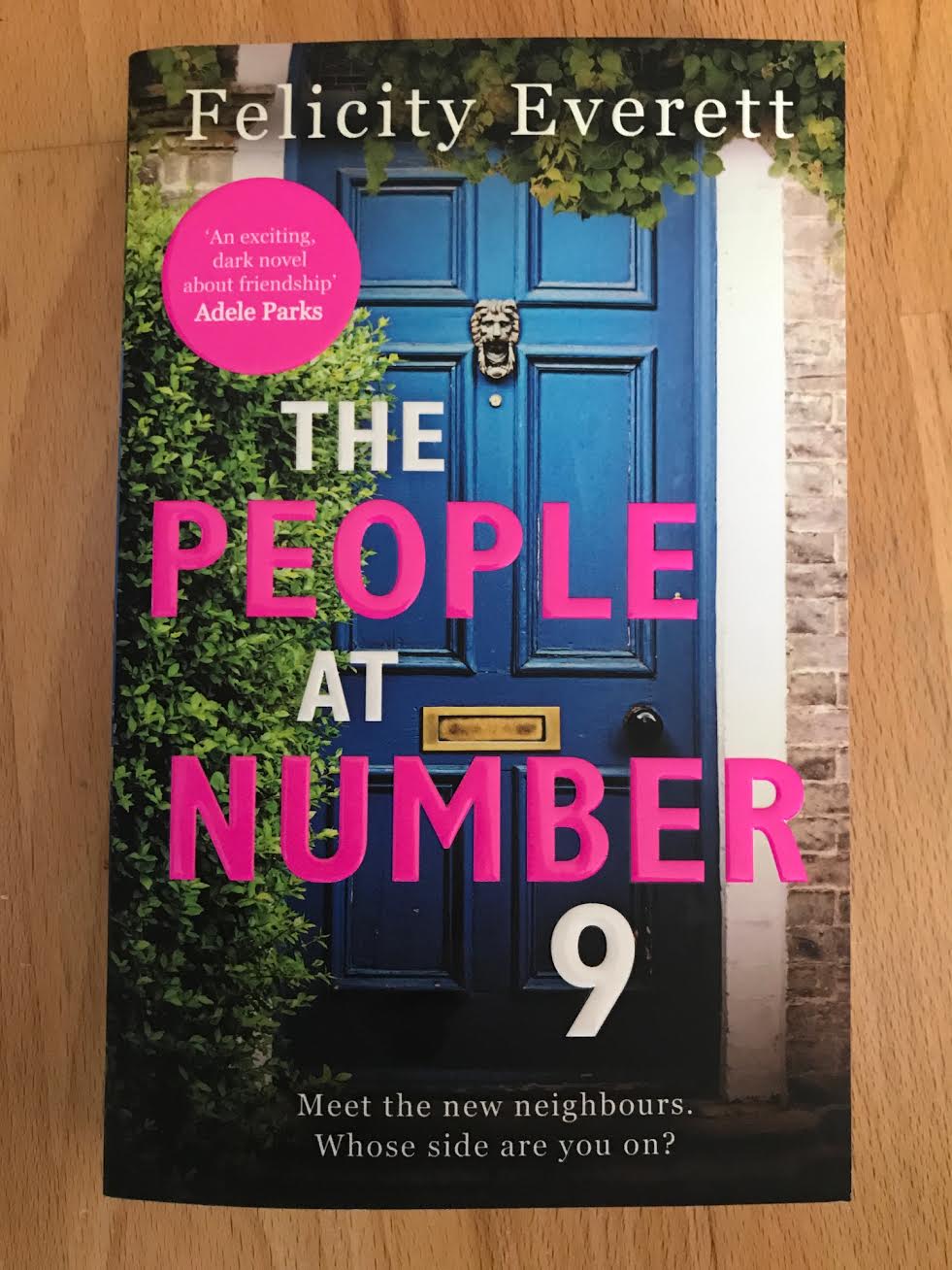
Felicity Everett The People at Number 9 | Author Interviews

I loved your book. Where did the idea for The People at Number 9 come from?

I’m glad you enjoyed The People At Number 9. The idea had probably been bubbling under for a long time before `i thought of a way to make it into an entertaining story. I’ve always been susceptible to ‘dangerous’ friends – the kind who are fun to be with but unreliable and sometimes worse! It started in primary school for me, when I was desperate to be in with a little gang, led by a queen bee who decided on a weekly basis who was ‘in’ and who was ‘out’. Even after the agony of being sent to friendship Siberia on a number of occasions, I didn’t learn my lesson and find a proper friend, just hung around until my turn to be ‘in’ came round again. I’m not saying Lou and Gav in The People At Number 9 are as mean or calculating as this – they probably aren’t aware of exploiting Sara and Neil (who maybe deserve it anyway!) but it’s that attraction, like a moth to a flame, that interested me.
Did you expect it to become so successful and resonate with people so much?

Of course any author hopes for  readers, but you can’t write the book you think people want to read, because it won’t be authentic. You have to write the book you’ve got in you.  More than anything, writing is communicating. It’s a way of asking ‘is it just me or…?’ So when I wrote The People At Number 9, it was my curiosity about the subject that drove me forward. I hoped people would get it, but it was surprising and thrilling that so many readers reacted so positively to it. From the feedback I’ve had, I think it resonates because it’s a rare person who hasn’t at some time in their lives been the underdog in a friendship – the one who always makes the phone call, books the tickets, turns up on time and is kept waiting around. Not many people are daft enough to let a situation like that get out of control the way Sara does in the novel, but they can empathise enough to enjoy the journey.

How long did it take for you to write?

It took about two and a half years to write, which is quite along time for a short novel, but I wrote it when me and my family were living in Australia for a little while, and there were many distractions!

What is your writing process?

I don’t plan very much. I take a theme and some characters and sort of improvise, although for No 9 I did have a vague route map for the story. In the past I’ve tried to do that thing that some writers do of creating a life for their characters before they even start writing, listing their record collection, where they lived as a child, their favourite colour – stuff like that, but it just didn’t work for me. I think I find my characters by hearing them speak. I love writing dialogue.

I am a compulsive rewriter – I can’t just rush to the end of a first draft, knowing it’s terrible and then rewrite it from the beginning, I have to go back and make each paragraph right (or as right as it can be) as I go along, which is very laborious. My finished first draft is effectively a fifth or sixth draft. I don’t send it to my agent until I’m pretty sure it’s as good as I can get it.

Do you have a daily word count?

No. It’s so dispiriting if you don’t reach it. I’m happy if I can write five hundred good words a day. Sometimes a good day’s writing can actually be deleting a page or two, if the scene’s not working, or the writing is flabby, so I tend to think in terms of progress rather than pages.

Where do your ideas come from?

That’s a tough one. I don’t really know. I think I’m very influenced by place and I’m interested in the psychology of relationships. I suppose I tend to take a fairly mundane universal situation – a friendship gone awry or a move to the countryside (in the case of my new novel) and then ask ‘what if?’ If you ask that question enough times, it can take you to some pretty dark and twisted places!

Do you have a specific place where you write.

I’m embarrassed to admit it, but I write in bed! We moved to a new house, and I got the study all kitted out, had the desk positioned in front of the window with the lovely view, got all my books organised, and then found I never went in there. It was just too daunted by the open lap-top on the pristine desk. It felt too ‘intentional’, as though I had to write really impressive sentences; be ‘A Writer’. So now, instead, I wake up and grab my laptop, read the news, check Facebook and then open my document – I sort of sneak up on it. I re-read what I last wrote, alter a word or two and then, before I know it, I’m in full flow and if I’m lucky I’ve written a page or two. The only problem is that all that slouching is doing my back in!

Who are our favourite writers?

Jonathan Franzen, Colm Toibin, Anne Enright, Elizabeth Strout, to name a few. I love a family novel and I like social commentary. I’m a big fan of short stories – The New Yorker has a wonderful archive and I’ve discovered some great novels by writers I’ve first come to for their short stories – George Saunders and Curtiss Sittenfeld being two.

What books have you read recently that you loved?

Eligible by Curtiss Sittenfeld and Lincoln in the Bardo by George Saunders (see above). I’ve also re-read Rebecca by Daphne DuMaurier because it’s a tutorial in evoking a sense of place and a compelling atmosphere, two things I am attempting in my new book.
What is next for you?

I’m writing a gothic psychodrama!  It’s a novel about a couple who move to the countryside to make a fresh start, but find themselves haunted, not only by their own past, but by a strange unease in their new community and the landscape that surrounds it.


How to Win at Feminism Reductress Interview And Book Review

how to win at feminism, reductress, feminism How did you come up with the idea of Reductress?


Sarah: We were both writing and performing sketch comedy, and realized there was a lack of spaces for women to create comedy for and about us. Then Beth came to me with the idea for a fake women’s magazine, and we were happy to find that nobody had really done it before.


Beth: Yeah, plenty of people had made fun of women’s media before but it felt like there was so much more to cover in a more expansive way.


It is such a smart site and we love the book too, is it easy to come up with new ideas?


Sarah: Yes and no! Comedy is always hard, but fortunately the bizarre nature of women’s media and the internet at large have given us a lot of material to work with.
Beth: Yeah, luckily we have a team of super funny contributors and they’ve had plenty of experience reading women’s media and existing as women in the world to draw on.


What advice to you have for anyone who wants to follow in your path? 


Beth: Use your disadvantages to fuel your work. In comedy your frustration is part of your voice.


Sarah: Don’t give up on a good idea. Don’t be afraid to fail. It’s part of the process, and there’s always something to learn from it.


Do you think women’s magazines are damaging to women or helpful?


Sarah: Somewhere in between. Obviously a lot of what Reductress does is comment on the ways in which they have been harmful, but women’s media has definitely made a lot of strides since our mother’s generation.


Beth: Yeah it really depends on the magazine and the writer and the how they’re writing about a given topic. When it’s done in a one-dimensional way that speaks down to women, it’s harmful.


Describe a typical day.


Sarah: Answer emails, post everything on social media, bitch to everyone about whatever’s happening in the news? Order salad. The rest is a salad-eating blur.


Beth: Email, hide my private email server, pump breast milk, write, edit, eat salad furiously.


How do you run the site?


Sarah: Efficiently.
Beth: Girls.


Tell us about writing the book.


Sarah: We wanted to write a book about how women’s media has co-opted feminism. So, we wrote a proposal in early 2015 and got our editor-at-large Anna Drezen on board and we did the thing!


Beth: It was exhausting but fun. Lots of weekends sitting in a Starbucks thinking about the patriarchy.


What is the biggest issue affect women today?


Sarah: I don’t really think there’s one issue, and it definitely depends on which part of the world we’re talking about. In the states, I think the treatment of marginalized women (women of color, transwomen) and lack of representation overall is a huge issue.


Beth: If you mean biggest in terms of how many people it affects, I think subtle sexism is really insidious, but if biggest means most serious, then I think reproductive rights and the maternity leave policies are huge in the impact they can have on women’s lives.


What’s next?


Sarah: We’ve got some things cooking! For now, check out our podcast, Mouth Time!


Beth: We’re gonna go eat more salad!


How to Win at Feminism is an awesome and original satirical book on feminism written by the subversive women’s magazine Reductress. Which is read by an audience of over 2.5 visitors a month. It will make you laugh out loud and nod your head in agreement.

UK and Commonwealth rights were bought by HQ Senior Commissioning Editor, Anna Baggaley, from Harper One in the US.

Beth Newell and Sarah Pappalardo, the authors of How to Win at Feminism, said: “we are excited to bring our book to the UK and hope that British readers will enjoy it half as much as they do Pippa Middleton’s bum!”

Anna Baggaley said: “As someone who is been a huge fan of Reductress and their sharp observational comedy for a while I am so thrilled to have the opportunity to publish such a funny, wry and necessary book”

Filled with tongue in cheek humour, colour illustrations, bold graphics, and hilarious photos, How to Win at Feminism teaches readers how to battle the patriarchy better than everybody else. From the her-story of feminism to how to apologise for having it all, and by using celebrity studies such as Beyoncé and Taylor Swift, How to Win at Feminism is a fresh take on women’s rights through the lens of some of funniest women in comedy today.

How to Win at Feminism is out now in paperback original £12.99 and ebook £9.99.

The Art of Feminism by Reductress is published by HarperCollins.

Reductress has discovered a rich, deep seam of comedy.” 

Graham Linehan, co-writer of Father Ted, Black Books and The IT Crowd

“People say women can’t be funny. WRONG… I love Reductress.” 

Sam Bain, writer of Peep Show


Reductress is a fast-growing satirical website that delivers mischievously hilarious, on-point criticism wrapped in hilarious headlines and feature articles. Referred to as the “feminist Onion,” it pokes fun at the messages fed to women from an early age and throughout adulthood. Since its creation in 2013, it has exploded in popularity, with over 2.5 million monthly visitors. Reductress was founded by Beth Newell and Sarah Pappalardo, the authors of this book.


MumsThread On Parents Taking It Easy On Themselves

baby, shared parental leave, feminism, equality, childcare, leave, maternal, work, working mothers, lean inThis column is late. It’s late because my son was ill. But mostly, it is late because I decided to take it easy on myself. We are doing our Christmas gift lists at the moment and they are a huge amount of work. That on top of all of my other jobs and activities, along with caring for an ill child, meant I was working hard and working a lot. So I decided to be easier on myself. Not killing myself by overworking, getting a takeaway so we didn’t have to cook, or going into the playpen with the toddler so you don’t have to chase him around the home. Unless you are a surgeon, or you work in a war zone, parenting is the hardest job in the world. It is 24/7 with no sick days. But you already know that. What you might not be doing is taking it easy on yourself. So I am going to tell you of because self care is important. Be kind to yourself. That is the only way you can be the best parent to your child. Here are some tips for you to help you take it easier on yourself.


Prioritise.

Some things are important, and those should always be done. Others can wait. Sure the oven needs cleaned but you have been on your feet all day and it can wait a few days. Every day do what really needs done, anything else can wait.  As for cleaning, make your home as clean and tidy as you are comfortable with. Unless you really want to, don’t waste your time making your home look like a show home. Your time is limited, don’t waste it cleaning.


Life Hacks.

There is usually an easier way to do something. A quicker way to cook, an easier way to clean, a better way to do your work quicker. Efficiency is important when you have a child. Cook one pot meals, it cuts down on cleaning afterwards and is quicker. Always cook too much so the extra can be used for lunch or supper the next day. Do your emails on the go, or when you are out and the baby is napping in the pram. Make sure you get the other half to pull their weight. That always makes a difference.


Don’t care what other people think. Know that compromise is fine. 

So what if your child is not wearing matching socks, If sometimes you feed him food from a jar or that you sometimes need to put a cartoon on? The most infuriating thing when you have a child is that everyone has an opinion on how you should raise them. That’s fine. Every one is allowed an opinion, but they should have the grace to keep it to themselves. It is your child, not theirs. Good for her, not for you. People will be rude and sometimes bitch. Ignore them. They clearly don’t care about your feelings, so don’t care about theirs. I have no childcare. I work and take care of my son. I do it well and I do it efficiently. My son rarely watches cartoons during the day, it doesn’t stop people bitching the times that he does. And on the subject of cartoons: I don’t get the snobby attitude towards TV. I know for a fact that some cartoons have helped my son progress. Say this aloud: screw them and screw their opinion. For extra help read the The Life-Changing Magic of Not Giving a F**k: How to stop spending time you don’t have doing things you don’t want to do with people you don’t like it is a great book for clearing your mental clutter.


Clear the physical clutter.


The thing that has made the most difference to my life is clearing out clutter. The less stuff you have, the less stuff you have to worry about. The less things to clean and the easier the surface area is to clean. It just makes sense that the less stuff you have, the less stuff you have to worry about. Personally, it has made such a difference to my stress levels and our home is looking much better.


Do you have any tips? Share them below.


This article was originally published in December 2016. We republished it because it was popular.

Professor Green interview for Working Class White Men

professor green white working class male

Explain a little bit about your new two-part series. What’s the idea?

I guess the idea is that it’s an exploration of a group of people who feel quite voiceless. What sold the idea to me was getting behind the image of this angry, white, working class male that was popping up everywhere, and that had views that conflicted with my own. I grew up white and working class, but I grew up in a very multicultural environment. None of the people who we followed in this documentary did – they grew up in largely white areas. It meant that I had to encounter things that I wasn’t totally comfortable with. But they had to be explored. I was trying to understand some of the reasoning behind people’s anger and unrest. I was looking at the situations of six young, working class white men, and their situations were not great, most of them. Whether or not they could find work, whether they had housing, all of that. This was an exploration of what it is to be white and working class in this day and age. Is it the people you see on Jeremy Kyle, is it the people you see on Benefits Street?

So you follow six guys over a period of six months, is that right?

Yeah. And each one is a different character, with their own issues. Some of them face similar problems, but they’re all very different people. None of us are wired the same. If we had tried to script the documentary, I don’t think we could have come up with the things that happened in their lives. Driving to Lewis’ house to find out if he’d got into Trinity, Cambridge, was one of the most terrifying things in the world, I was so nervous to film that part of the programme. I found I had quite a rapport with Lewis, because we both find ourselves between two worlds. His ability with mathematics could afford him social mobility, which not many people who are working class are afforded.

Were you with the guys quite a lot?

It was full on, yeah. I spent a lot of time with all of them. I’ve never shot a documentary over that length of time before. That’s longer than any tour I’ve done! To be that intensively involved in something, for that long, I’ve never seen anything like it.

Did you see anything that surprised you when you were making this?

I think, because of how I grew up, there was nothing that really surprised me. There were things that I thought were unfortunate, there were things that I thought were really sad. Things like finding out that David had missed out on two housing opportunities because he was illiterate, and he had no-one to read the letters to him, because he’d lost his mum and his dad. That was hard. And that’s the thing – you end up taking on people’s problems. People ask me if I enjoy making documentaries, and to be honest, I can’t say that they’re fun to make. Obviously I get some sort of fulfilment out of them, I feel like I’m bringing attention to things that would otherwise go ignored.

You also did some pretty personal stuff with the guys. Did you find aspects of filming really emotional?

Oh mate, the baby scan was harsh! I was told to go and meet one of the contributors in hospital, and I figured he was gonna show up with a broken nose or broken ribs something – he was a boxer, and he likes a scrap. But no – his girlfriend was expecting his first child. To be there at the baby scan, mate, it nearly made me well up. It was one of the most incredible things I’ve ever seen. It was such a powerful experience, I was just sat there in absolute awe. That little thing growing inside her – just amazing.

How did you find the experience of filming a Britain First march?

I went to the beginning if the march, I didn’t go on the march. It was horrible, I hated every minute of it. I was really reluctant to go. But I felt as though I wouldn’t be doing my job properly if I didn’t. David, one of the contributors, had said he was going to go on it, and I just didn’t understand it. I suppose when people don’t have anything, the only thing they feel they have is their whiteness. They’re angry, their lives aren’t great, and there’s someone they can blame for it.

Did you get massively frustrated with some of the guys who you featured? People like Denzel, who talk a good game, but blow any cash they have, rather than looking after it wisely.

Yeah, it was frustrating. It felt like he’d been infantilised. He’d never had to take on any level of responsibility before, because he lived with his gran and she did everything for him. I definitely think he could make better decisions, as far as his daughter is concerned. And I think he’s aware of that, and probably punishes himself a bit for it, or masks that by being a jack-the-lad and still having a bit of a party and so on. He was a charming bloke, and it was impossible not to like him, but he’s got a daughter. Would I make the same decisions he does if I was in his situation? It’s very easy to say no, but who knows?

Why is there a crisis among the working classes? Unemployment isn’t as high as at times in the past, but for some reason we feel more divided than ever. Why?

Jesus Christ! That’s a big question – one that probably never even came up in the documentary. I don’t know. It goes so much further than just being white and working class. I think what’s becoming apparent is the disparity between the rich and the poor. I think that’s coming to a head and things are getting worse. I think there’s a lot of people who are now being more penalised than ever for being poor. I think that’s what’s bringing it all to a head.

What would you say is the main factor that leads to a young working class white man making good decisions, as opposed to one who takes the wrong path?

I’d say probably family – and not just the presence of a parent, but parents who have time to be with their kids, which is difficult for a single parent who has to provide as well as raising a child. There’s a lot of time where kids may not have someone there. I was lucky, I always had someone there, for me, until my great gran passed when I was 13, which was when I went off the rails – because my nan had to work. She was out working. And another thing is that being poor creates stress. There was a lot of screaming and shouting in my household growing up, as there was in many households on my estate, just because of the situations families found themselves in. And it stays with you as a kid, it doesn’t just go away. It’s not something that disappears over time, it’s always in you. Those stresses and those anxieties still exist within me now. I hope that I can continue to work and make good money and leave something behind that gives my children, when I have them, all the security that I never had. But I still have no safety net. I don’t have the luxury of being able to go to mum and dad and getting bailed out. And then you make bad decisions. I wasn’t a bad kid, but I sold weed. I didn’t even meant to start selling it, but I always used to get it for my mates, and I just thought “Well, why don’t I smoke mine for free?” So I’d pick up an ounce and break it down, and I’d get my smoke for free. And then it started to go so quick that I was making money off it – all of a sudden, I’m a bloody drug dealer.

You shared quite a lot of your own experiences in the film, at a time when most celebrities are very wary of that sort of thing. Why did you feel it important to do that?

Otherwise I think people make assumptions. It would be really easy to bust that documentary off – “How can he be a voice of authority on this? He’s a rich rap artist who drives a Mercedes”. And I know that to be bollocks. In all of the documentaries I’ve done, I’m always the one that’s going to be judged, because I’m forming opinions. But I don’t tell people who are watching the programmes what to think. My role is just to be a catalyst for the people who I encounter. I’m really lucky, with the access that we get, and the openness and honesty that they give me, is great, and that’s something I don’t take very lightly.

Do you know how they’re getting on since filming?

A couple of them. I needed to spend a little bit of time just doing what I wanted – I’ve had a busy few years, for one reason or another – personal matters or work. And this was a real slog, a long project, and I had an operation quite early on in it. So it’s been a tough year. We got two amazing films out of it, but I needed a break. I’ve made seven films in under three years, which is all time spent living in other people’s lives. I felt like I’d lost a bit of a grasp on what my own life was, so I wanted to spend a little bit of time being selfish. So I’m just catching up with friends now, and getting in the studio, and doing stuff that makes me happy for a little while. Making music is my outlet, it’s how I tell my story.

A lot of the film is about how white working class men are judged and demonised and pigeon-holed. Do you still feel judged? That you’re not good enough?

Yeah, it never goes away. My life’s changed substantially because of the money that I’ve made, but I’m not from money, I’m not wealthy. Wealth isn’t in my family, that’s not going to change. I’m still working class. My children? I don’t know. I hope they’ll have the same values as me, but do I want them to be working class? I don’t know. I’d want them to understand the value of a pound, but I don’t want them to have to go through what I went through, or what my family before me went through. I will forever be working class, but I hope my children won’t be.

Working Class White Men starts on Channel 4 on Tuesday 9th January at 10pm.