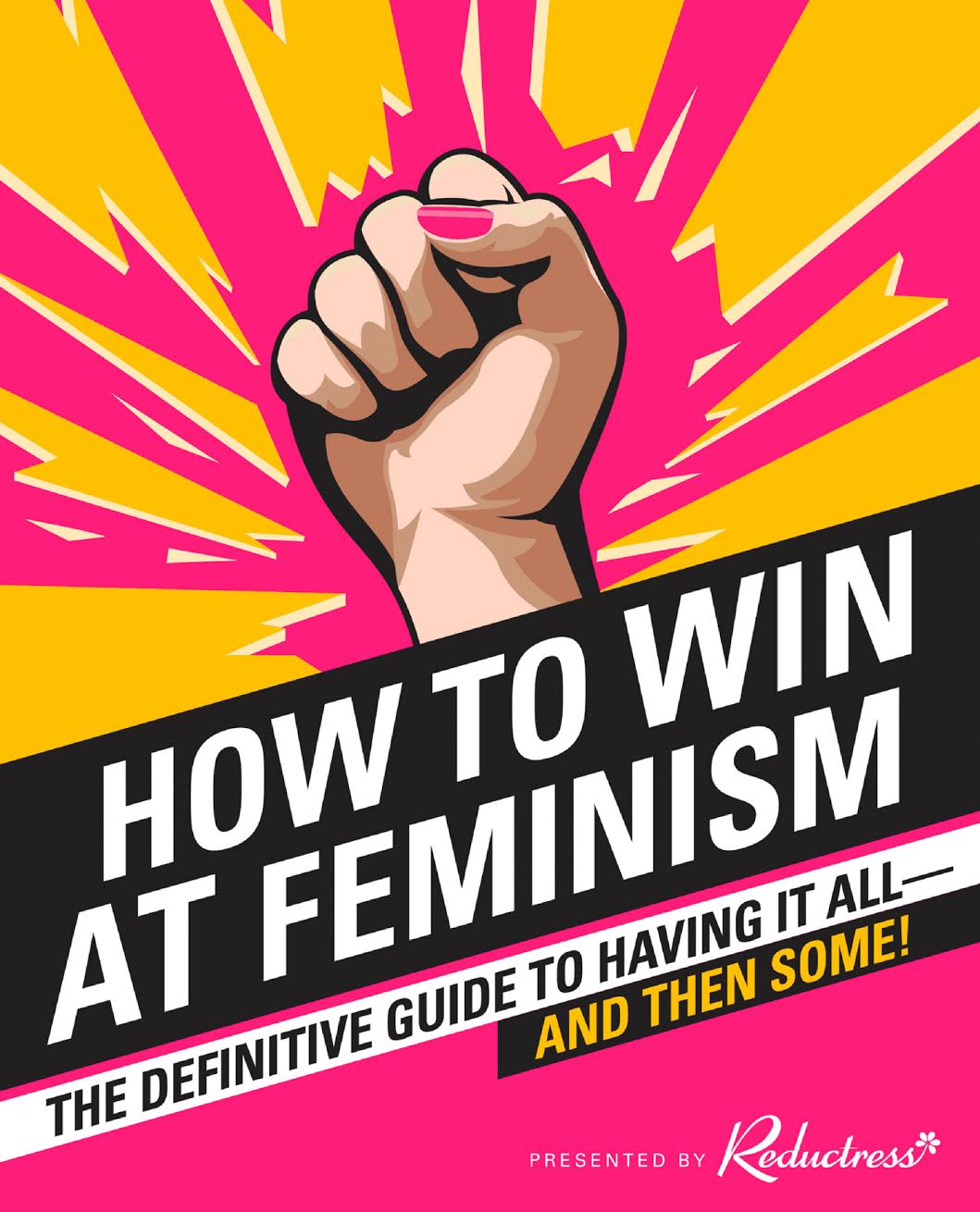
How to Win at Feminism Reductress Interview And Book Review

how to win at feminism, reductress, feminism How did you come up with the idea of Reductress?


Sarah: We were both writing and performing sketch comedy, and realized there was a lack of spaces for women to create comedy for and about us. Then Beth came to me with the idea for a fake women’s magazine, and we were happy to find that nobody had really done it before.


Beth: Yeah, plenty of people had made fun of women’s media before but it felt like there was so much more to cover in a more expansive way.


It is such a smart site and we love the book too, is it easy to come up with new ideas?


Sarah: Yes and no! Comedy is always hard, but fortunately the bizarre nature of women’s media and the internet at large have given us a lot of material to work with.
Beth: Yeah, luckily we have a team of super funny contributors and they’ve had plenty of experience reading women’s media and existing as women in the world to draw on.


What advice to you have for anyone who wants to follow in your path? 


Beth: Use your disadvantages to fuel your work. In comedy your frustration is part of your voice.


Sarah: Don’t give up on a good idea. Don’t be afraid to fail. It’s part of the process, and there’s always something to learn from it.


Do you think women’s magazines are damaging to women or helpful?


Sarah: Somewhere in between. Obviously a lot of what Reductress does is comment on the ways in which they have been harmful, but women’s media has definitely made a lot of strides since our mother’s generation.


Beth: Yeah it really depends on the magazine and the writer and the how they’re writing about a given topic. When it’s done in a one-dimensional way that speaks down to women, it’s harmful.


Describe a typical day.


Sarah: Answer emails, post everything on social media, bitch to everyone about whatever’s happening in the news? Order salad. The rest is a salad-eating blur.


Beth: Email, hide my private email server, pump breast milk, write, edit, eat salad furiously.


How do you run the site?


Sarah: Efficiently.
Beth: Girls.


Tell us about writing the book.


Sarah: We wanted to write a book about how women’s media has co-opted feminism. So, we wrote a proposal in early 2015 and got our editor-at-large Anna Drezen on board and we did the thing!


Beth: It was exhausting but fun. Lots of weekends sitting in a Starbucks thinking about the patriarchy.


What is the biggest issue affect women today?


Sarah: I don’t really think there’s one issue, and it definitely depends on which part of the world we’re talking about. In the states, I think the treatment of marginalized women (women of color, transwomen) and lack of representation overall is a huge issue.


Beth: If you mean biggest in terms of how many people it affects, I think subtle sexism is really insidious, but if biggest means most serious, then I think reproductive rights and the maternity leave policies are huge in the impact they can have on women’s lives.


What’s next?


Sarah: We’ve got some things cooking! For now, check out our podcast, Mouth Time!


Beth: We’re gonna go eat more salad!


How to Win at Feminism is an awesome and original satirical book on feminism written by the subversive women’s magazine Reductress. Which is read by an audience of over 2.5 visitors a month. It will make you laugh out loud and nod your head in agreement.

UK and Commonwealth rights were bought by HQ Senior Commissioning Editor, Anna Baggaley, from Harper One in the US.

Beth Newell and Sarah Pappalardo, the authors of How to Win at Feminism, said: “we are excited to bring our book to the UK and hope that British readers will enjoy it half as much as they do Pippa Middleton’s bum!”

Anna Baggaley said: “As someone who is been a huge fan of Reductress and their sharp observational comedy for a while I am so thrilled to have the opportunity to publish such a funny, wry and necessary book”

Filled with tongue in cheek humour, colour illustrations, bold graphics, and hilarious photos, How to Win at Feminism teaches readers how to battle the patriarchy better than everybody else. From the her-story of feminism to how to apologise for having it all, and by using celebrity studies such as Beyoncé and Taylor Swift, How to Win at Feminism is a fresh take on women’s rights through the lens of some of funniest women in comedy today.

How to Win at Feminism is out now in paperback original £12.99 and ebook £9.99.

The Art of Feminism by Reductress is published by HarperCollins.

Reductress has discovered a rich, deep seam of comedy.” 

Graham Linehan, co-writer of Father Ted, Black Books and The IT Crowd

“People say women can’t be funny. WRONG… I love Reductress.” 

Sam Bain, writer of Peep Show


Reductress is a fast-growing satirical website that delivers mischievously hilarious, on-point criticism wrapped in hilarious headlines and feature articles. Referred to as the “feminist Onion,” it pokes fun at the messages fed to women from an early age and throughout adulthood. Since its creation in 2013, it has exploded in popularity, with over 2.5 million monthly visitors. Reductress was founded by Beth Newell and Sarah Pappalardo, the authors of this book.


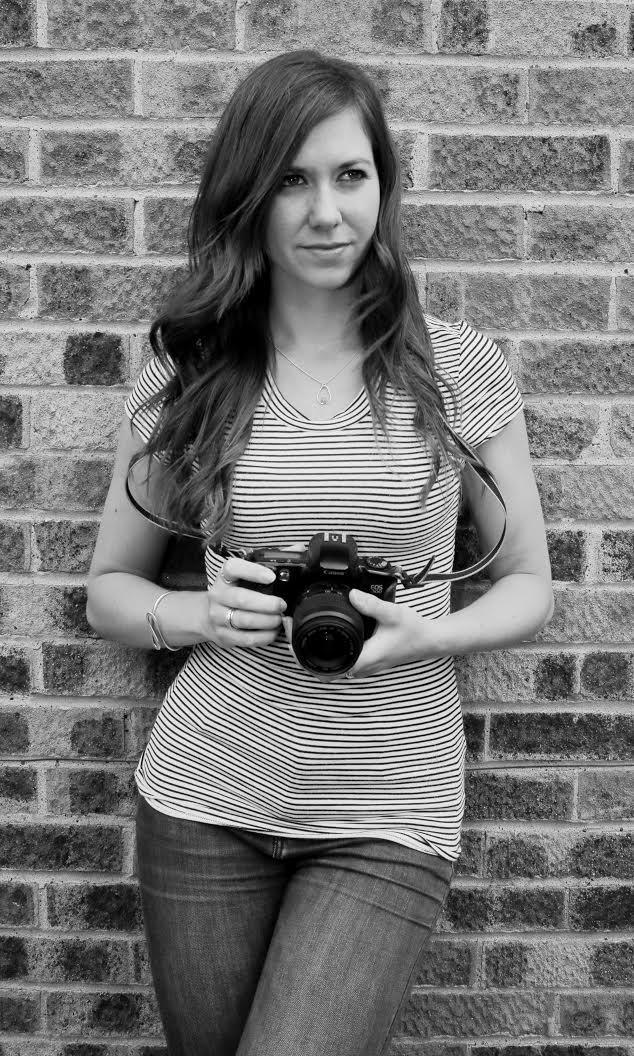
A Day in the Life of Photographer Cire Simone

A Day in the Life of photographer Cire Simone1clI have been passionate about photography since I was a child, and my evenings were spent watching David Attenborough documentaries and thinking that becoming a wildlife photographer would be the best job in the world. A degree in Marine and Natural History Photography at University College Falmouth further cemented my ambition to create images, both still and moving. It also developed my interests in other fields of the craft.

A Day in the Life of photographer Cire Simone2clA year spent travelling the world after university started a new love of travel photography as well as increasing my joy in photographing landscapes and the natural world. Over the last few years I have honed my craft – although, of course every day is a school day and I am consistently learning and improving my work. Although only able to pursue my photography on a part-time basis at the moment, the dream of becoming a full-time freelance photographer is still very real and one that I aim to achieve before this decade is out. I have recently started photographing weddings and love the challenges that come with documenting the most important day of people’s lives.


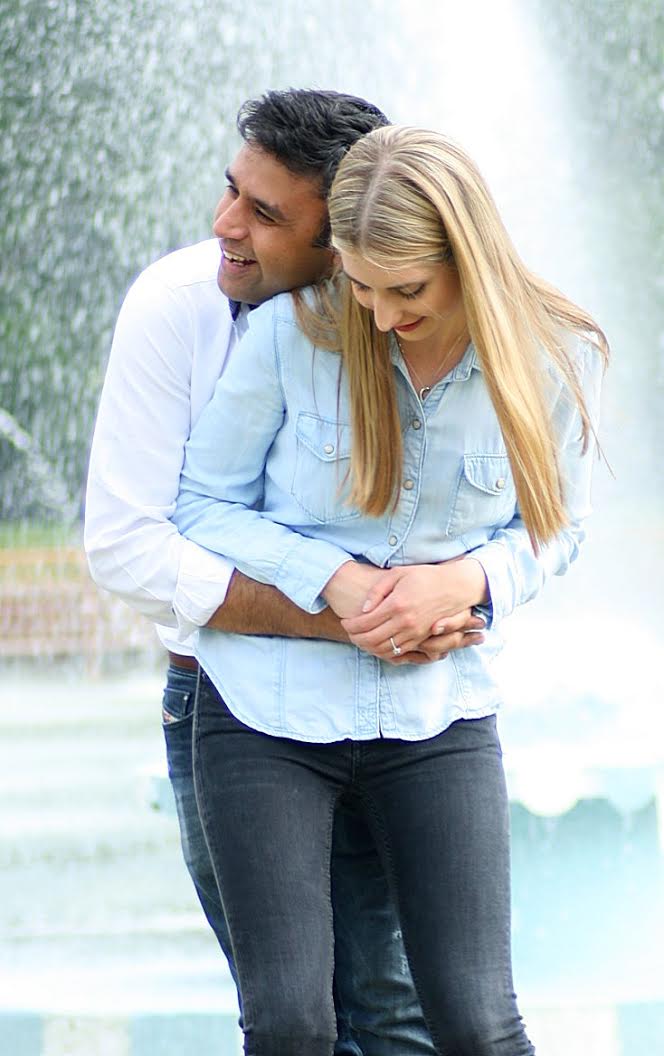
My most recent shoot, however, was with a lovely couple commemorating their engagement, in the stunning Battersea Park on Saturday afternoon. I allow plenty of time to get myself organised – batteries charged, correct lenses packed etc. Organisation is key when running your own business and is a key component of my life in general. However, I’ve recently bought an orchid and couldn’t resist the opportunity to stage a quick shoot.

A Day in the Life of photographer Cire Simone3I have a set of macro extension lenses which, when attached to my trusty 50mm lens, allowed me to get some beautiful abstract shots in my makeshift studio set-up. I love using natural light for my photography and the light coming through the window on that day was perfect.


After a quick lunch – and another battery re-charge – I head off to Battersea Park. It is really beneficial for photographer and client to build a relationship prior to the big day. Not only so they can see how you work but also so you can find out as much as possible about their likes and dislikes. This is likely to be one of the most important days of their lives and the photographs are one of the ways that their memories of the day can be remembered forever.


An engagement shoot is a perfect opportunity to build that relationship and for the couple to practice some preferred poses as well as become more comfortable being in front of a camera – something many people are nervous about. It’s really important for me to ensure that my clients feel at ease and are able to enjoy the experience. The weather was beautiful and we were able to get a range of shots in various locations around the park. Although nervous at first, both bride and groom settled in to the shoot and we were all able to have fun in the sunshine.

A Day in the Life of photographer Cire Simone4

The shoot lasted for a couple of hours and then it was back to the studio. Due to such tight time restraints it is important for me to get as much work done as possible when I have the time and that meant settling in for an evening of editing.

A Day in the Life of photographer Cire Simone5

Editing can be very time consuming but it’s really lovely to see your hard work come to fruition when you have the finished product in front of you.


The couple were really happy with the final images and we have scheduled in another shoot in a different London location for this Sunday.  I then need to prepare for a yet another happy couple, and after that… Well, that’s the life of a photographer. There’s always a new project. That’s why I love it.


My website is: ciresimonephotography.com


Professor Green interview for Working Class White Men

professor green white working class male

Explain a little bit about your new two-part series. What’s the idea?

I guess the idea is that it’s an exploration of a group of people who feel quite voiceless. What sold the idea to me was getting behind the image of this angry, white, working class male that was popping up everywhere, and that had views that conflicted with my own. I grew up white and working class, but I grew up in a very multicultural environment. None of the people who we followed in this documentary did – they grew up in largely white areas. It meant that I had to encounter things that I wasn’t totally comfortable with. But they had to be explored. I was trying to understand some of the reasoning behind people’s anger and unrest. I was looking at the situations of six young, working class white men, and their situations were not great, most of them. Whether or not they could find work, whether they had housing, all of that. This was an exploration of what it is to be white and working class in this day and age. Is it the people you see on Jeremy Kyle, is it the people you see on Benefits Street?

So you follow six guys over a period of six months, is that right?

Yeah. And each one is a different character, with their own issues. Some of them face similar problems, but they’re all very different people. None of us are wired the same. If we had tried to script the documentary, I don’t think we could have come up with the things that happened in their lives. Driving to Lewis’ house to find out if he’d got into Trinity, Cambridge, was one of the most terrifying things in the world, I was so nervous to film that part of the programme. I found I had quite a rapport with Lewis, because we both find ourselves between two worlds. His ability with mathematics could afford him social mobility, which not many people who are working class are afforded.

Were you with the guys quite a lot?

It was full on, yeah. I spent a lot of time with all of them. I’ve never shot a documentary over that length of time before. That’s longer than any tour I’ve done! To be that intensively involved in something, for that long, I’ve never seen anything like it.

Did you see anything that surprised you when you were making this?

I think, because of how I grew up, there was nothing that really surprised me. There were things that I thought were unfortunate, there were things that I thought were really sad. Things like finding out that David had missed out on two housing opportunities because he was illiterate, and he had no-one to read the letters to him, because he’d lost his mum and his dad. That was hard. And that’s the thing – you end up taking on people’s problems. People ask me if I enjoy making documentaries, and to be honest, I can’t say that they’re fun to make. Obviously I get some sort of fulfilment out of them, I feel like I’m bringing attention to things that would otherwise go ignored.

You also did some pretty personal stuff with the guys. Did you find aspects of filming really emotional?

Oh mate, the baby scan was harsh! I was told to go and meet one of the contributors in hospital, and I figured he was gonna show up with a broken nose or broken ribs something – he was a boxer, and he likes a scrap. But no – his girlfriend was expecting his first child. To be there at the baby scan, mate, it nearly made me well up. It was one of the most incredible things I’ve ever seen. It was such a powerful experience, I was just sat there in absolute awe. That little thing growing inside her – just amazing.

How did you find the experience of filming a Britain First march?

I went to the beginning if the march, I didn’t go on the march. It was horrible, I hated every minute of it. I was really reluctant to go. But I felt as though I wouldn’t be doing my job properly if I didn’t. David, one of the contributors, had said he was going to go on it, and I just didn’t understand it. I suppose when people don’t have anything, the only thing they feel they have is their whiteness. They’re angry, their lives aren’t great, and there’s someone they can blame for it.

Did you get massively frustrated with some of the guys who you featured? People like Denzel, who talk a good game, but blow any cash they have, rather than looking after it wisely.

Yeah, it was frustrating. It felt like he’d been infantilised. He’d never had to take on any level of responsibility before, because he lived with his gran and she did everything for him. I definitely think he could make better decisions, as far as his daughter is concerned. And I think he’s aware of that, and probably punishes himself a bit for it, or masks that by being a jack-the-lad and still having a bit of a party and so on. He was a charming bloke, and it was impossible not to like him, but he’s got a daughter. Would I make the same decisions he does if I was in his situation? It’s very easy to say no, but who knows?

Why is there a crisis among the working classes? Unemployment isn’t as high as at times in the past, but for some reason we feel more divided than ever. Why?

Jesus Christ! That’s a big question – one that probably never even came up in the documentary. I don’t know. It goes so much further than just being white and working class. I think what’s becoming apparent is the disparity between the rich and the poor. I think that’s coming to a head and things are getting worse. I think there’s a lot of people who are now being more penalised than ever for being poor. I think that’s what’s bringing it all to a head.

What would you say is the main factor that leads to a young working class white man making good decisions, as opposed to one who takes the wrong path?

I’d say probably family – and not just the presence of a parent, but parents who have time to be with their kids, which is difficult for a single parent who has to provide as well as raising a child. There’s a lot of time where kids may not have someone there. I was lucky, I always had someone there, for me, until my great gran passed when I was 13, which was when I went off the rails – because my nan had to work. She was out working. And another thing is that being poor creates stress. There was a lot of screaming and shouting in my household growing up, as there was in many households on my estate, just because of the situations families found themselves in. And it stays with you as a kid, it doesn’t just go away. It’s not something that disappears over time, it’s always in you. Those stresses and those anxieties still exist within me now. I hope that I can continue to work and make good money and leave something behind that gives my children, when I have them, all the security that I never had. But I still have no safety net. I don’t have the luxury of being able to go to mum and dad and getting bailed out. And then you make bad decisions. I wasn’t a bad kid, but I sold weed. I didn’t even meant to start selling it, but I always used to get it for my mates, and I just thought “Well, why don’t I smoke mine for free?” So I’d pick up an ounce and break it down, and I’d get my smoke for free. And then it started to go so quick that I was making money off it – all of a sudden, I’m a bloody drug dealer.

You shared quite a lot of your own experiences in the film, at a time when most celebrities are very wary of that sort of thing. Why did you feel it important to do that?

Otherwise I think people make assumptions. It would be really easy to bust that documentary off – “How can he be a voice of authority on this? He’s a rich rap artist who drives a Mercedes”. And I know that to be bollocks. In all of the documentaries I’ve done, I’m always the one that’s going to be judged, because I’m forming opinions. But I don’t tell people who are watching the programmes what to think. My role is just to be a catalyst for the people who I encounter. I’m really lucky, with the access that we get, and the openness and honesty that they give me, is great, and that’s something I don’t take very lightly.

Do you know how they’re getting on since filming?

A couple of them. I needed to spend a little bit of time just doing what I wanted – I’ve had a busy few years, for one reason or another – personal matters or work. And this was a real slog, a long project, and I had an operation quite early on in it. So it’s been a tough year. We got two amazing films out of it, but I needed a break. I’ve made seven films in under three years, which is all time spent living in other people’s lives. I felt like I’d lost a bit of a grasp on what my own life was, so I wanted to spend a little bit of time being selfish. So I’m just catching up with friends now, and getting in the studio, and doing stuff that makes me happy for a little while. Making music is my outlet, it’s how I tell my story.

A lot of the film is about how white working class men are judged and demonised and pigeon-holed. Do you still feel judged? That you’re not good enough?

Yeah, it never goes away. My life’s changed substantially because of the money that I’ve made, but I’m not from money, I’m not wealthy. Wealth isn’t in my family, that’s not going to change. I’m still working class. My children? I don’t know. I hope they’ll have the same values as me, but do I want them to be working class? I don’t know. I’d want them to understand the value of a pound, but I don’t want them to have to go through what I went through, or what my family before me went through. I will forever be working class, but I hope my children won’t be.

Working Class White Men starts on Channel 4 on Tuesday 9th January at 10pm.

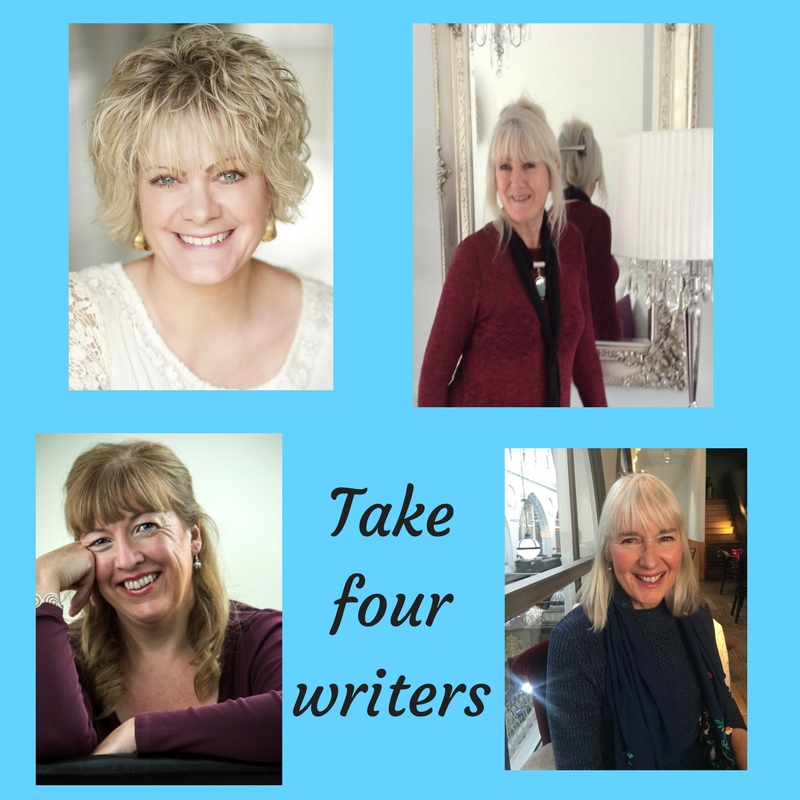
BUSINESS OF BOOKS: TAKE FOUR WRITERS

Sometimes when writing a regular column you get sick of the sound of your own voice. Well I do, anyway. However much you dress it up I am just one author on one career path and although other writers contribute wonderful guest columns to the Business of Books there is no sense of continuity to their experiences and I wanted to remedy that.

So a few months ago I put out feelers in the author groups I belong to on Facebook to see if there were writers with books being published in 2018 who would be prepared to write monthly updates. I wanted to cast the net wide; across genres, across routes to publication and with the new books coming out at different times during the year.

The first volunteer and first to be inked into the schedule was writer of literary women’s fiction, Claire Dyer. Claire has featured in this column before and is a good friend – but she also has an interesting story to tell. Her first two novels were published by Quercus but sadly the second one fell between the cracks when they were taken over and it seemed as though her career had stuttered to a halt. Now with a new agent and a new deal with The Dome Press for The Last Day she is set for an interesting year. And if early indications are anything to go by, a very successful one too.

Given that I’m a member of the Romantic Novelists’ Association many of my contacts are in this genre so my next task was choosing a single representative for romance. I have to say that I struggled initially but then one story piqued my curiosity. Linn B Halton, already a successful author with Harper Impulse, was about to embark on a parallel career as her alter ego Lucy Coleman, signed to Aria Fiction. Linn has two feelgood novels out next year but will be concentrating on her July launch for Frost.

Having come through the indie publishing route myself I was determined that this option should be represented, but again the issue was choosing between the impeccable credentials of the volunteers. I had two particularly strong candidates but in the end it came down to genre and as one was another romance writer, the humourist won out and I selected Angela Petch. It was particularly interesting because Angela is better known as an historical novelist (first indie and now with Endeavour Press) and this is her first foray in a new direction. That she was willing to share this potentially perilous journey spoke volumes about her courage and I can’t wait to find out how 2018 pans out for her.

I knew my final author should be writing thrillers or crime, and in an ideal world I’d have liked a debut novelist but none came forward. Whether they felt they’d be too busy trying to navigate uncharted territory or weren’t sufficiently ahead with their social media when I put out the call I don’t know. But in the end it’s worked really well because I’m able to feature Scottish crime writer Jackie Baldwin whose second novel for Harper Collins’ Killer Reads, Perfect Dead, is due out in June.

Over the next few weeks each writer will introduce themselves but in the meantime if you can’t wait to find out more, here are the links to their websites:

https://clairedyer.com/

http://linnbhalton.co.uk/

https://angelapetchsblogsite.wordpress.com/

http://jackiebaldwin.co.uk/


BUSINESS OF BOOKS: CLASS OF 2017 – Jane Cable considers the big lessons

Some writers consider their calling a business from day one – to others it comes as a complete surprise. But asking them to think about it has come up with some real pearls of wisdom we can all share.

On finding time to write:

“I’ve found the trick is to stay focused on the current work in progress while trying to fit all other aspects of my writing around it – and remembering to stop and eat occasionally. I can recommend writing retreats where I find working whilst gazing out to sea from my desk can be a welcome rest from my desk at home!” Elaine Everest

“I have the same commitments as everybody else. I’ve had to be very disciplined and make time to write. I set several evenings a week aside and also write on weekends; I watch a lot less TV than I used to. When I’m working under deadline… I write any spare moment I can, whether it’s during lunch breaks or into the early hours of the morning.” Nikki Moore

On marketing:

“Networking with fellow authors and bloggers, and interacting with readers is so important. It builds relationships, and ultimately I believe that the business of books is about people.” Barbara Copperthwaite

“While I don’t normally spend much on book marketing, I did engage a publicist for my second novel. That probably helped get it into bookstores. It certainly spared me a lot of time and footwork.” Carol Cooper

On running a business:

“I always remember my dad telling me that a new business takes an average of two years to make a profit. I went into self-publishing my books with that in the back of my mind, and very much thinking of it as an entrepreneurial venture. I ensured I had enough money behind me to survive for two years without making any profit at all.” Barbara Copperthwaite

“It’s only recently I’ve converted my way of thinking to writing as a business, so I’m learning and in the process of developing the business model… In its simplest form: keep writing, keep engaging, and keep building my readership.” Laura E James

On diversification:

“I give talks about my writing to groups such as the Women’s Institute and to libraries. Sometimes I’m paid for the talks but they all give me an opportunity to sell paperback copies and also to collect email addresses of readers interested in hearing when my next book is out. I’d like to grow this side of the business in order to get a better return on the amount of preparation required to devise a talk.” Sally Jenkins

“I don’t have a formal business model, but writing full-time has given me the opportunity to take on different projects and I am now beginning to earn from a wider source than book sales. Writing short stories for magazines is a good way to supplement income and I have also taught a ‘writing a novel’ day course.” Heidi Swain

And the final word:

“Keep writing. Be flexible. Be aware of the market. Be dedicated.” Karen King

In 2018 The Business of Books is running a new regular feature on best advice from authors and publishing professionals so there will be plenty more great ideas from the world of words.


Find out more about the authors featured above at:
http://www.romanticnovelistsassociation.org/about/author/elaine_everest
https://nikkimooreauthor.wordpress.com/
https://www.barbaracopperthwaite.com/
http://www.drcarolcooper.com/
http://www.lauraejames.co.uk/
https://sally-jenkins.com/
http://heidiswain.blogspot.co.uk/
http://www.karenking.net/

Top Books For December

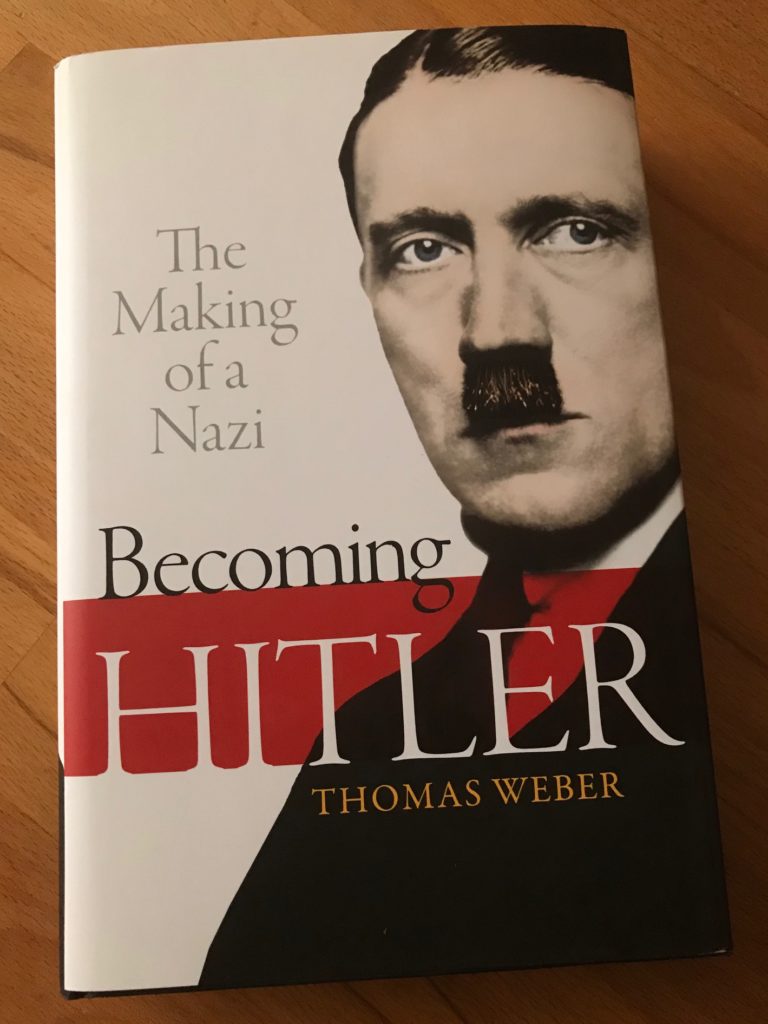
Becoming Hitler. The Making of a Nazi by Thomas Weber

A fascinating and well researched book. 

The story of the making of Adolf Hitler that we are all familiar with is the one Hitler himself wove in his 1924 trial, and then expanded upon in Mein Kampf. It tells of his rapid emergence as National Socialist leader in 1919, and of how he successfully rallied most of Munich and the majority of Bavaria’s establishment to support the famous beer-hall putsch of 1923. It is an account which has largely been taken at face value for over ninety years. Yet, on closer examination, Hitler’s account of his experiences in the years immediately following the First World War turns out to be every bit as unreliable as his account of his experiences as a soldier during the war itself.

In Becoming Hitler, Thomas Weber continues from where he left off in his previous book, Hitler’s First War, stripping away the layers of myth and fabrication in Hitler’s own tale to tell the real story of Hitler’s politicization and radicalization in post-First World War Munich. It is the gripping account of how an awkward and unemployed loner with virtually no recognizable leadership qualities and fluctuating political ideas turned into the charismatic, self-assured, virulently anti-Semitic leader with an all-or-nothing approach to politics with whom the world was soon to become tragically familiar. As Weber clearly shows, far from the picture of a fully-formed political leader which Hitler wanted to portray in Mein Kampf, his ideas and priorities were still very uncertain and largely undefined in early 1919 ― and they continued to shift until 1923.

It was the failed Ludendorff putsch of November 1923 – and the subsequent Ludendorff trial ― which was to prove the making of Hitler. And he was not slow to spot the opportunity that it offered. As the movers and shakers of Munich’s political scene tried to blame everything on him in the course of the trial, Hitler was presented with a golden opportunity to place himself at the centre of attention, turning what had been the ‘Ludendorff trial’ into the ‘Hitler trial’. Henceforth, he would no longer be merely a local Bavarian political leader. From now on, he would present himself as a potential ‘national saviour’. In the months after the trial, Hitler cemented this myth by writing Mein Kampf from his comfortable prison cell. His years of metamorphosis were now behind him. His years as Führer were soon to come.

Becoming Hitler. The Making of a Nazi by Thomas Weber is available here.
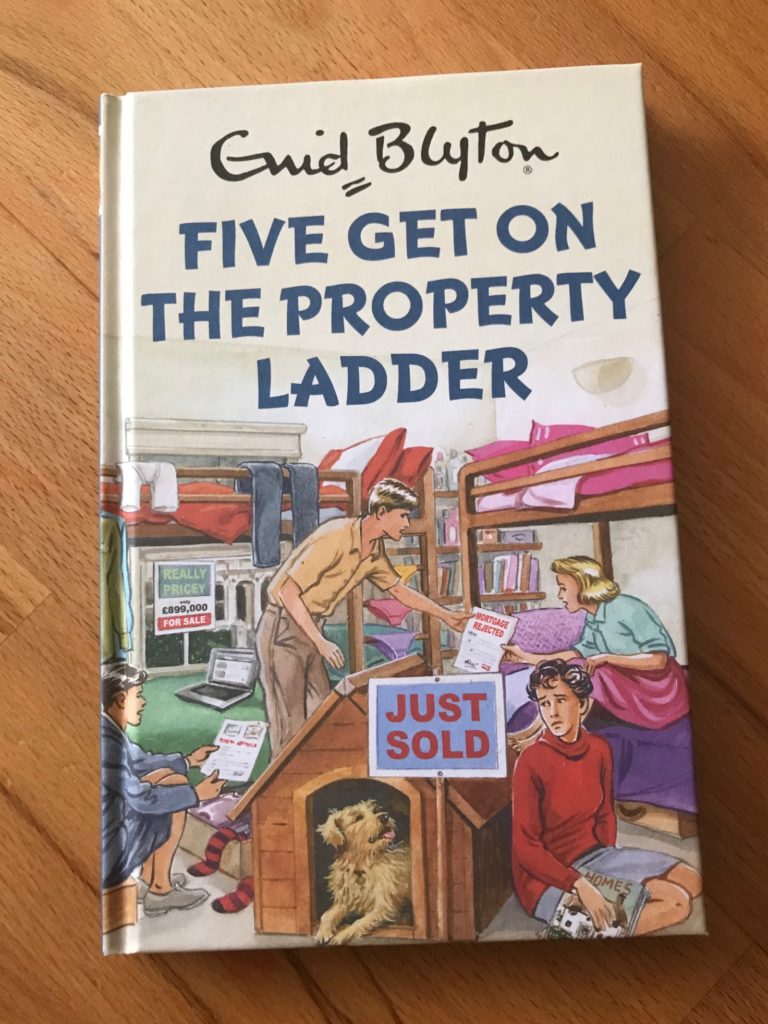
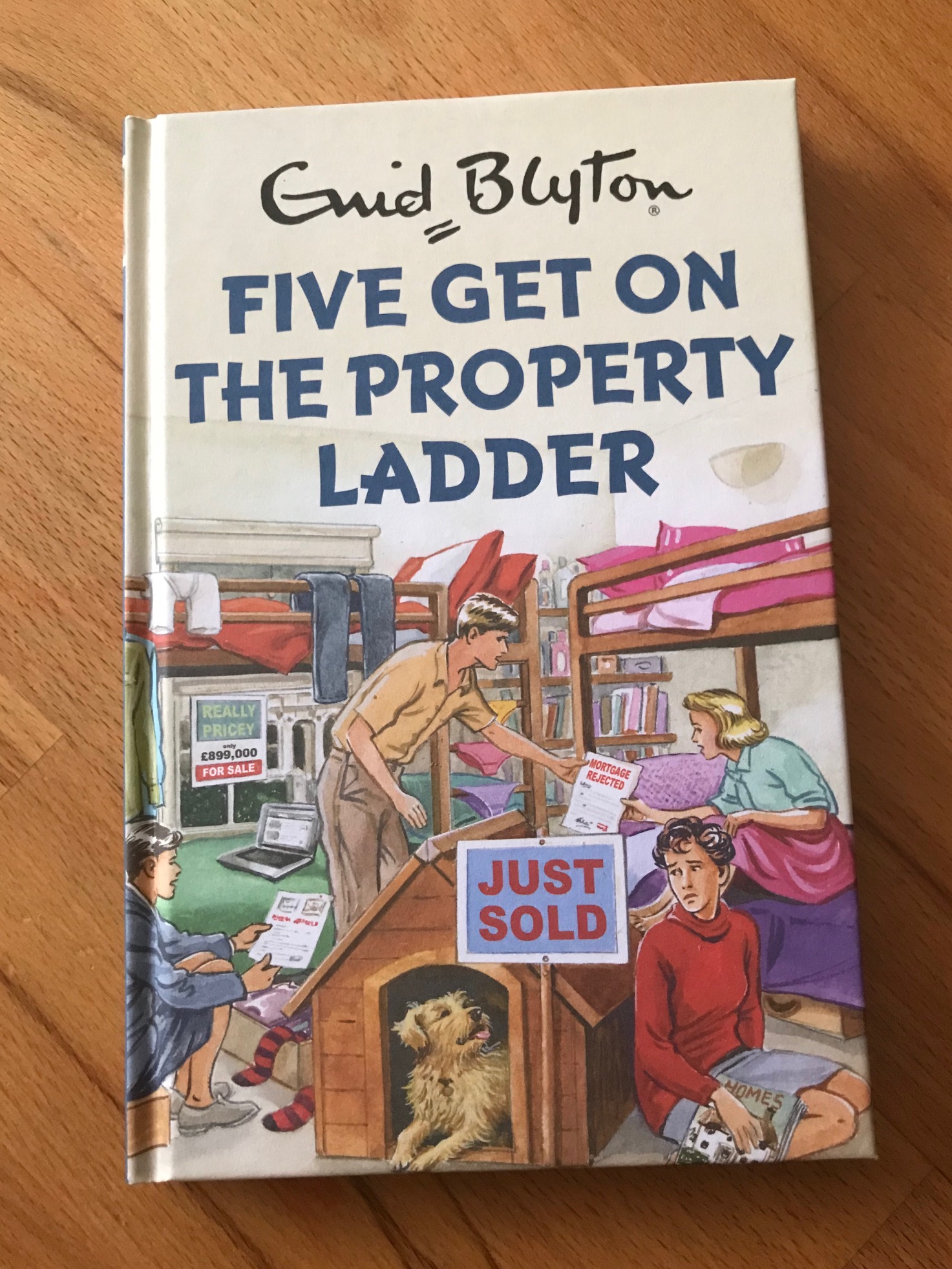
Enid Blyton Five Get On The Property Ladder

Hilarious. It is impossible to not be amused by this funny and clever book. Perfect for fans of The Famous Five but also timely. Both retro and modern.

Enid Blyton’s books are beloved the world over and The Famous Five have been the perennial favourite of her fans. Now, in this new series of Enid Blyton for Grown-Ups, George, Dick, Anne, Julian and Timmy turn their attention to finding a property they can call their very own.

Join the Five as they struggle to get their feet (and paws) on the first rung of the property ladder. Luckily cousin Rupert is on hand to help. But not before they’ve had some very exciting adventures. Who knew that it was all going to be so difficult?

Enid Blyton Five Get On The Property Ladder is available here.
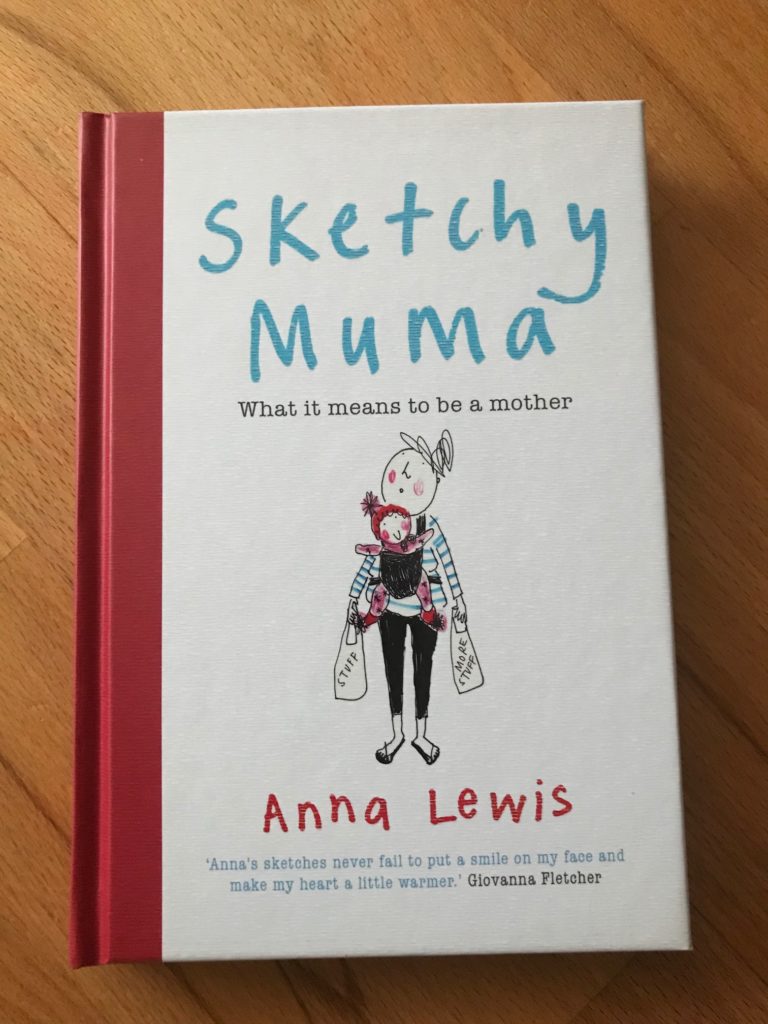
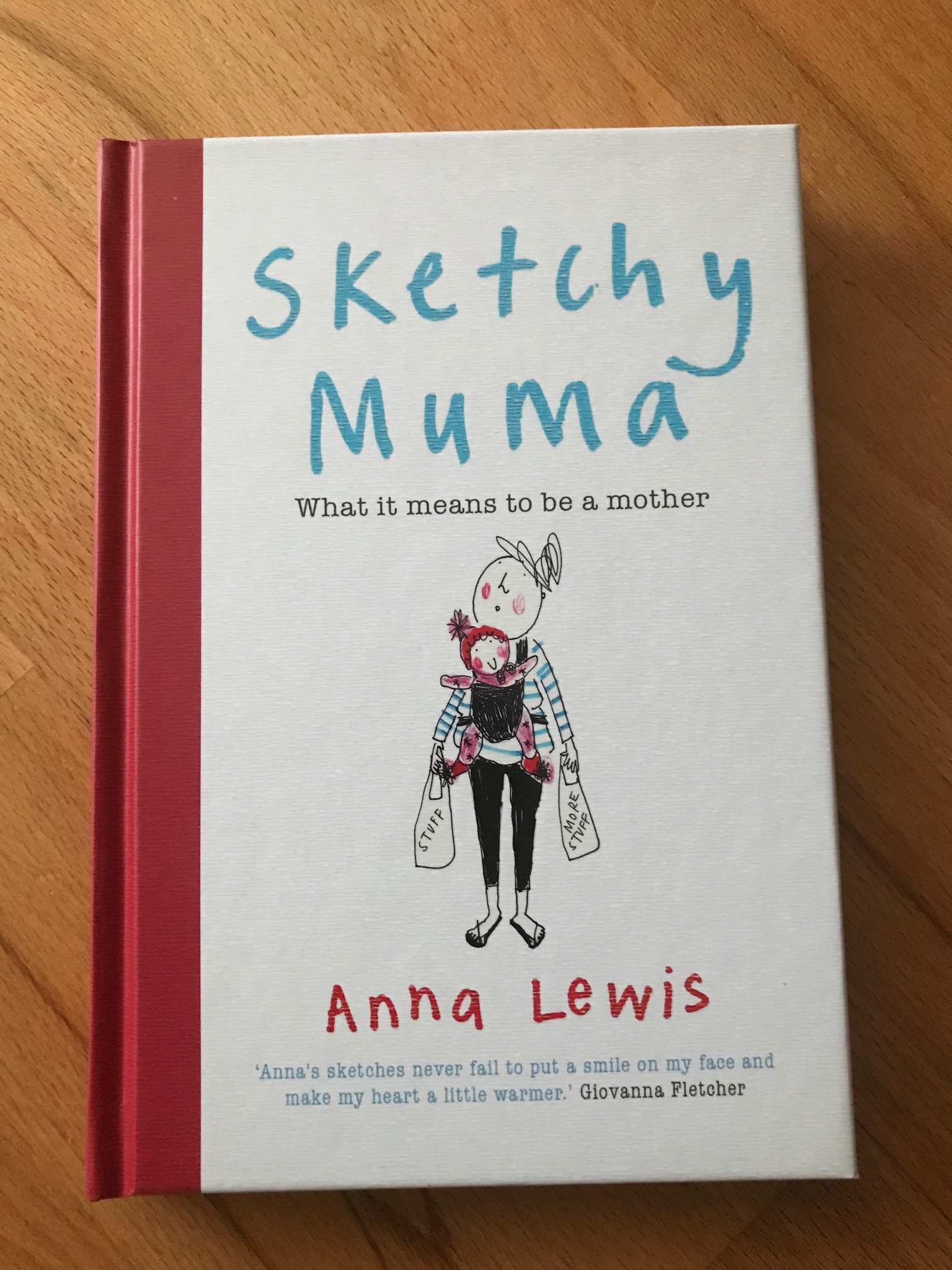
Sketchy Muma By Anna Lewis

A wonderful illustrated book which tells the truth about motherhood. 

This gorgeous little book charts the various bewildering stages of becoming a mother, from those tell-tale blue lines in the pregnancy test, to labour, birth, coming home and venturing out. Breastfeeding nightmares, eating dinner with one hand, soft play hell and chronic sleep deprivation – but also the sheer beauty of falling in love again and the amazing discovery of what it’s like to have a family – these are all captured in Sketchy Muma’s glorious drawings.

This is the perfect gift book for both young and experienced parents. Anna Lewis understands the light and shade that comes with motherhood, and it is those universal truths that will connect all those parents who delight in her sketches.

Sketchy Muma By Anna Lewis is available here.
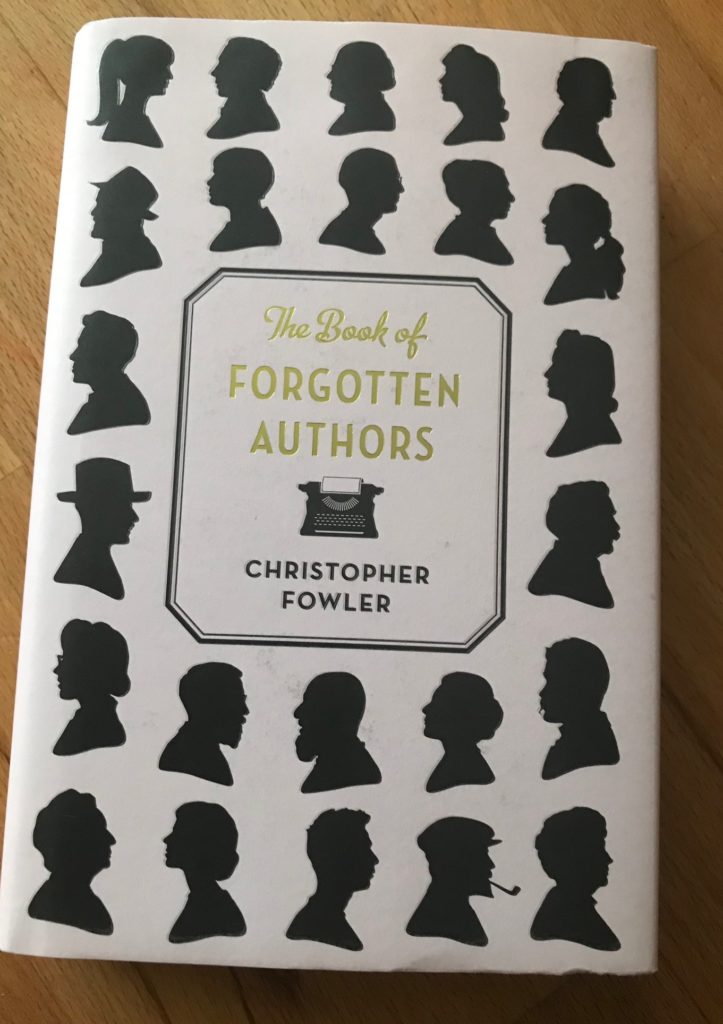
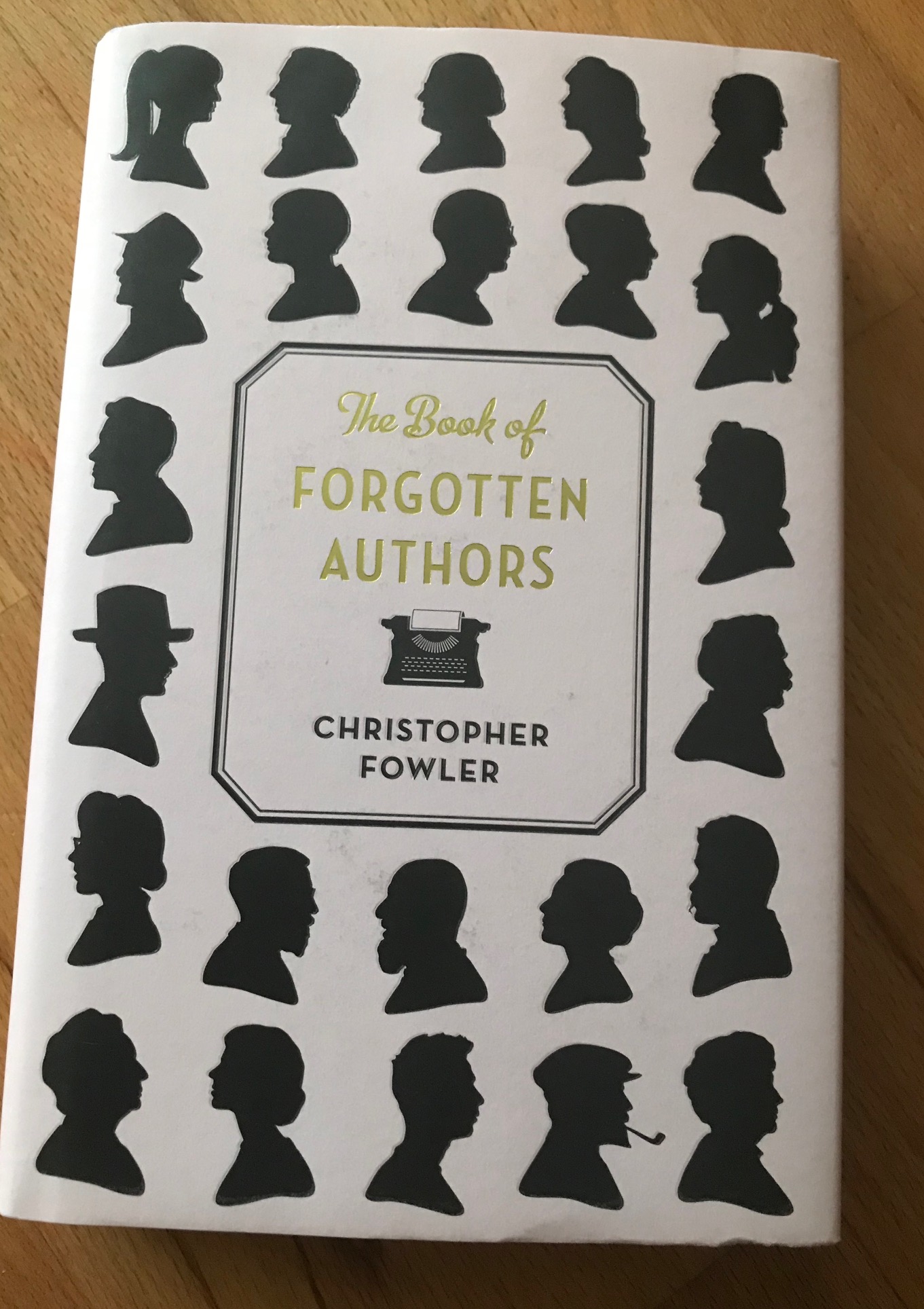
The Book of Forgotten Authors By Christopher Fowler

This is a great book full of authors who deserve to be more famous. Will have you rushing to the bookshop or nodding your head in agreement, or disapproval. 

Absence doesn’t make the heart grow fonder. It makes people think you’re dead.

So begins Christopher Fowler’s foray into the back catalogues and backstories of 99 authors who, once hugely popular, have all but disappeared from our shelves.

Whether male or female, domestic or international, flash-in-the-pan or prolific, mega-seller or prize-winner – no author, it seems, can ever be fully immune from the fate of being forgotten. And Fowler, as well as remembering their careers, lifts the lid on their lives, and why they often stopped writing or disappeared from the public eye.

These 99 journeys are punctuated by 12 short essays about faded once-favourites: including the now-vanished novels Walt Disney brought to the screen, the contemporary rivals of Sherlock Holmes and Agatha Christie who did not stand the test of time, and the women who introduced us to psychological suspense many decades before it conquered the world.

This is a book about books and their authors. It is for book lovers, and is written by one who could not be a more enthusiastic, enlightening and entertaining guide.

The Book of Forgotten Authors By Christopher Fowler is available here.
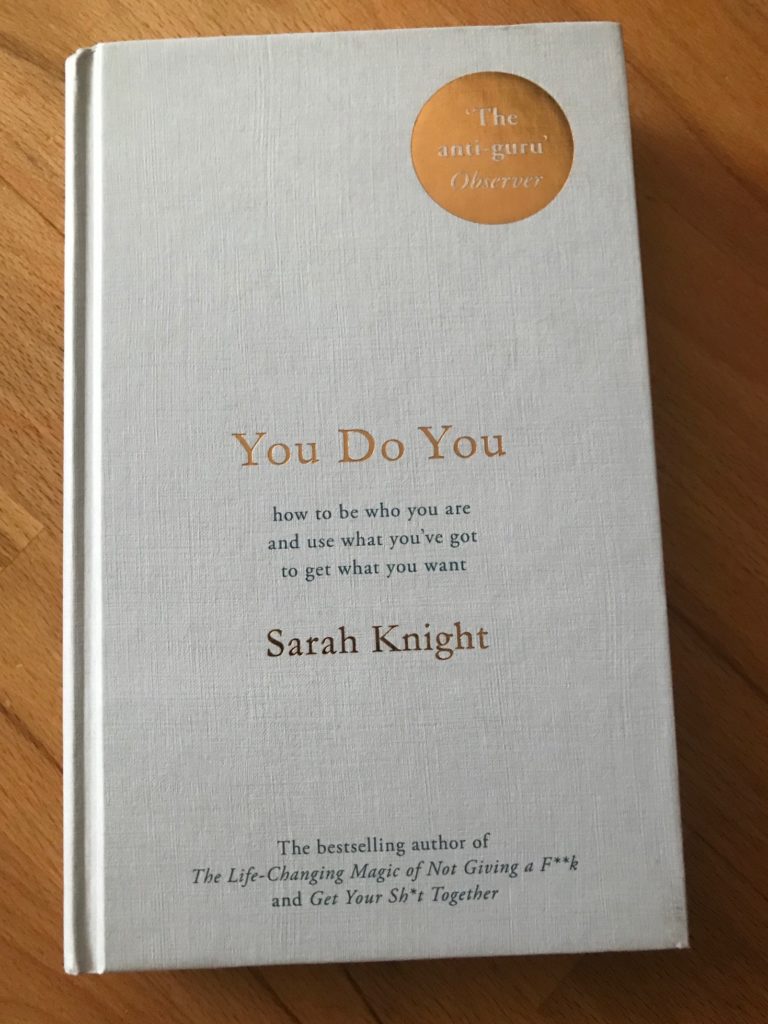
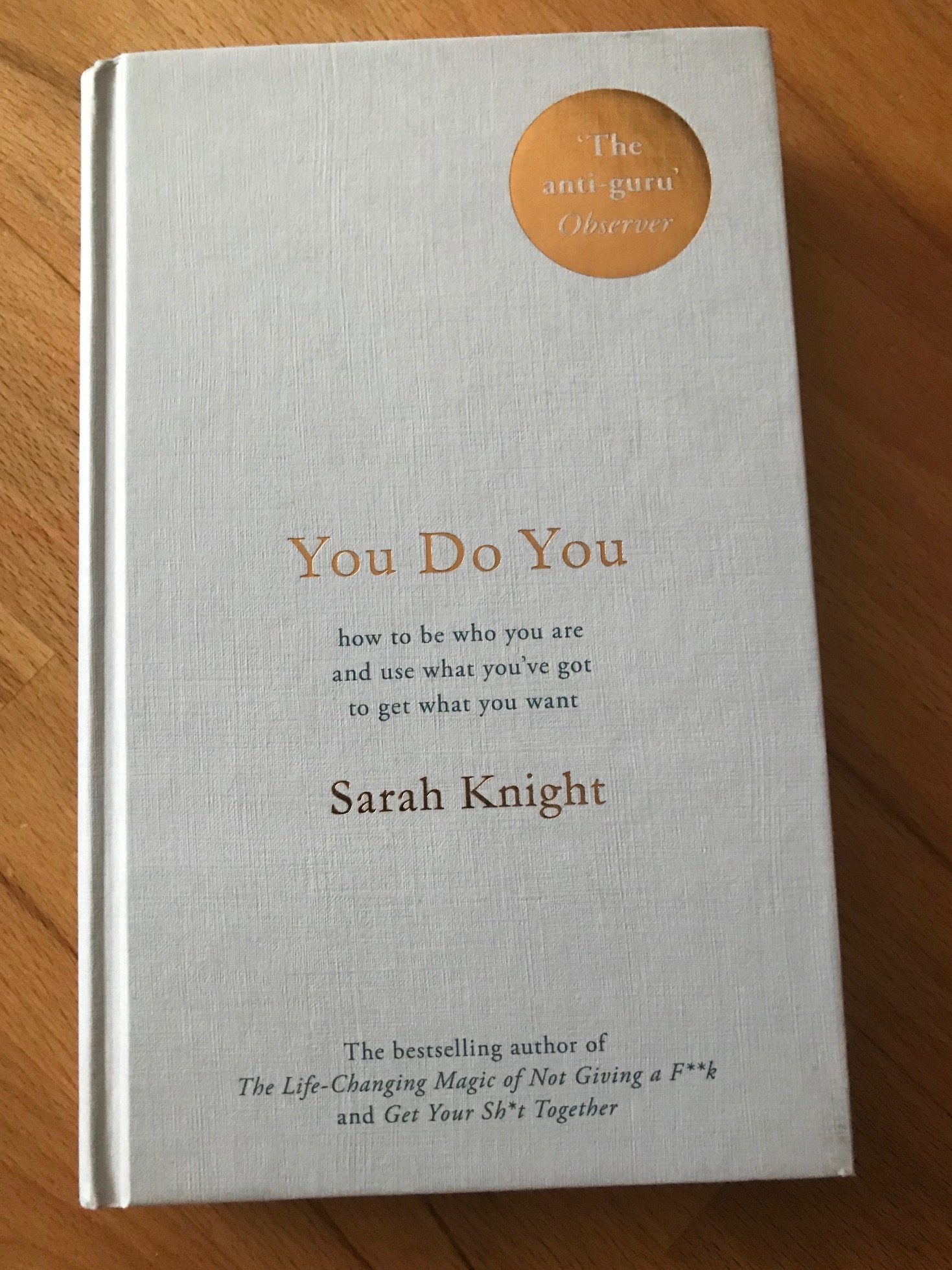
You Do You By Sarah Knight

More great (anti) advice from Sarah Knight. Funny and tough: this book is perfect to kick you into action in January. 

In The Life-Changing Magic of Not Giving a F**k, our favourite ‘anti-guru’ Sarah Knight unleashed the power of saying no. In Get Your Sh*t Together, she prioritised the sh*t you need and want to do so you can achieve your hopes and dreams. Now she’s back, doubling down on your happiness with her latest message: You Do You.

Being yourself should be the easiest thing in the world. Yet instead of leaning in to who we are, we fight it, listening too closely to what society tells us. You Do You helps you shake off those expectations, say f**k perfect, start looking out for number one and keep on with your badass self. From career and finances to relationships and family, lifestyle and health, Sarah Knight rips up the rulebook.

Writing about her mistakes and embarrassments in her own personal quest to ‘do me’ – because nobody gets everything right all day, every day – Sarah Knight shows why you can and should f**k up and teaches you to let yourself off the hook, bounce back and keep standing tall.

You Do You By Sarah Knight is available here.
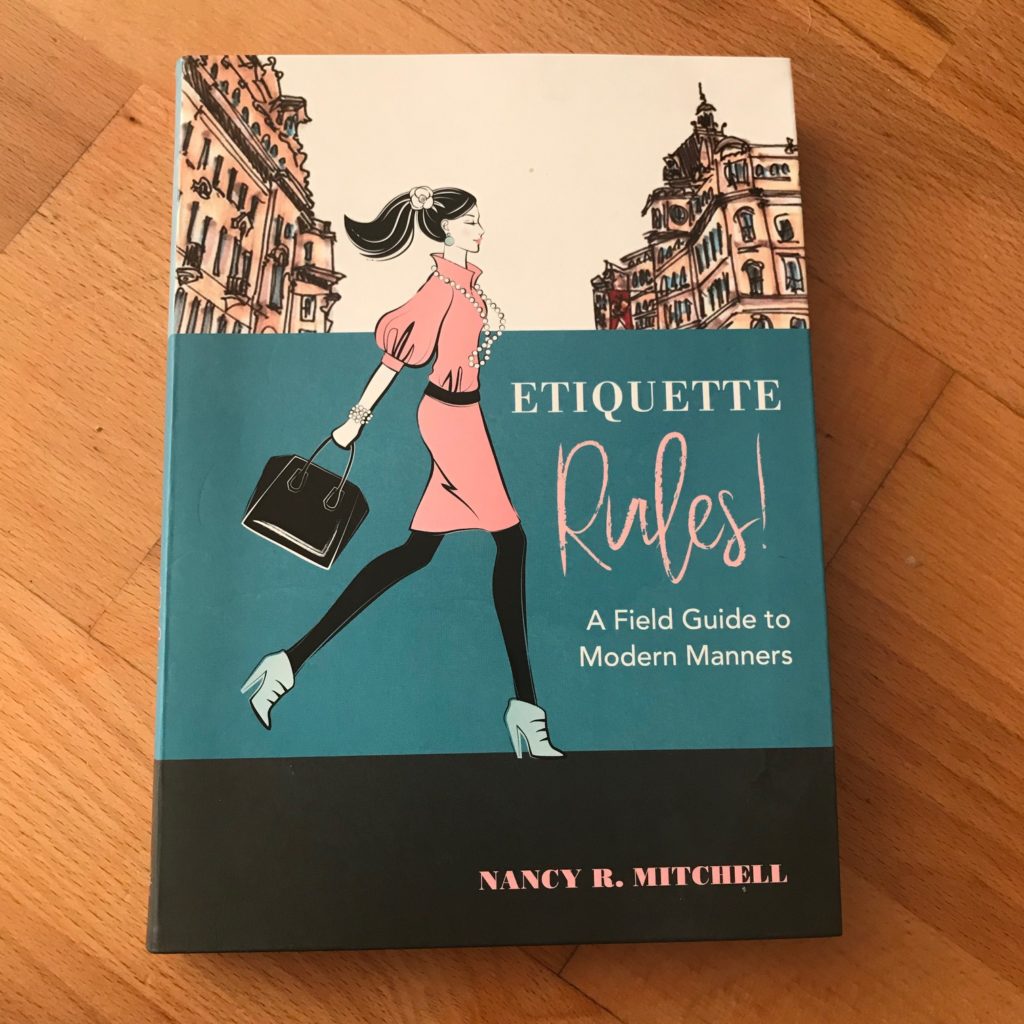
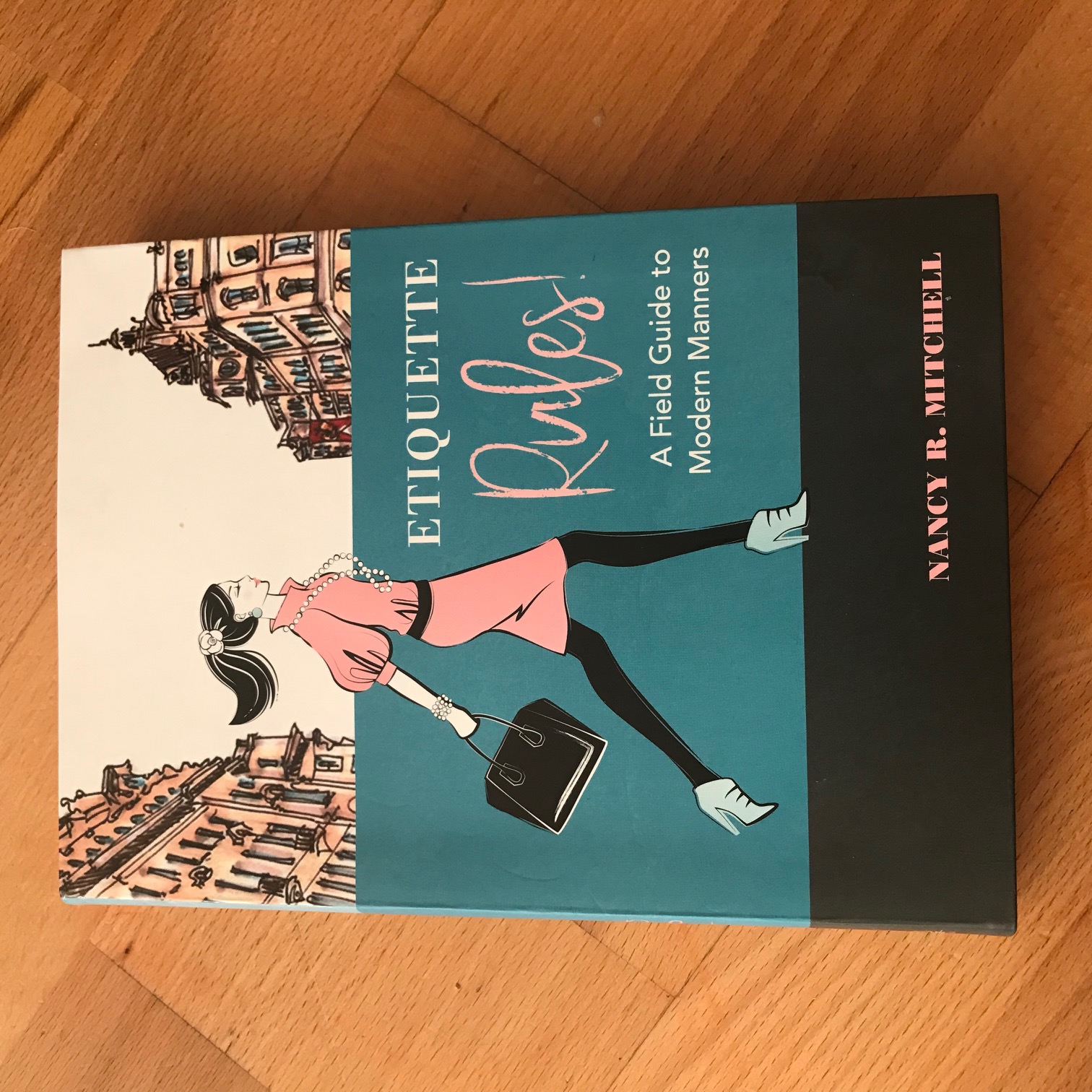
Etiquette Rules! A Field Guide to Modern Manners By Nancy R. Mitchell

Full of common-sense and excellent advice. A book that everyone should read. 

Has there ever been a time when courtesy and kindness are needed more? We need only follow the news, drive down a road, look around our communities, or visit a favorite social-media site to know there is an etiquette crisis. With rudeness rampant and civility on life support, it’s time for each and every one of us to take a hard look at our behaviors to determine if we are contributing to the problem or helping to combat it.

Enter Etiquette Rules! A Field Guide to Modern Manners, a common-sense examination of etiquette as an operating system for living life with kindness and courtesy as we work, play, shop, drive, dine, and interact in our real and virtual communities. Arranged by events and settings, the book clearly and succinctly defines rudeness and suggests corrective measures. Readers will not only raise their etiquette IQ, but will change their mindset about manners because Etiquette Rules! jettisons the old-school notion that etiquette is how to properly hold a teacup. In reality, it is a powerful tool that can help everyone feel comfortable and confident in a variety of situations, build personal and business relationships more easily, demonstrate respect for others, and live lives that flow more smoothly. Courtesy is contagious, and Etiquette Rules!will help to jump-start a saving pandemic.

Etiquette Rules! A Field Guide to Modern Manners By Nancy R. Mitchell is available here.
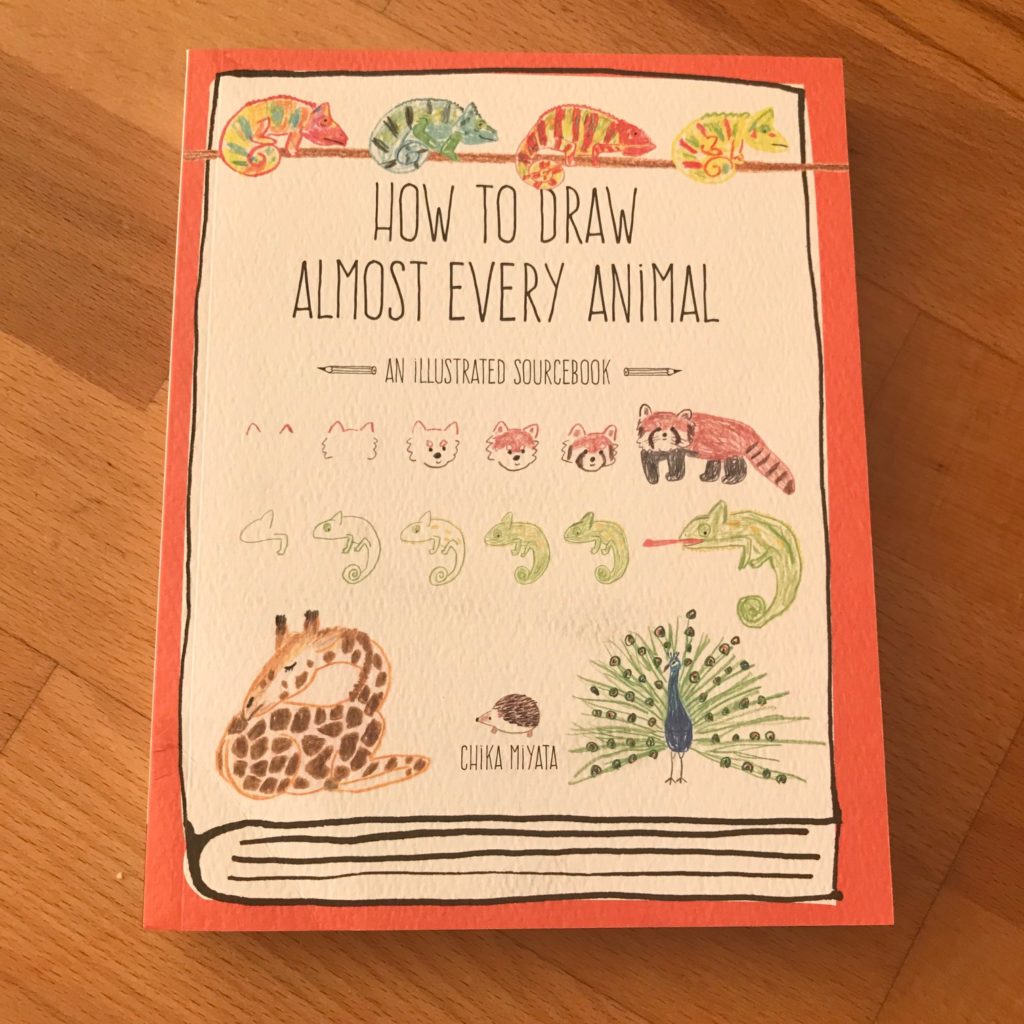
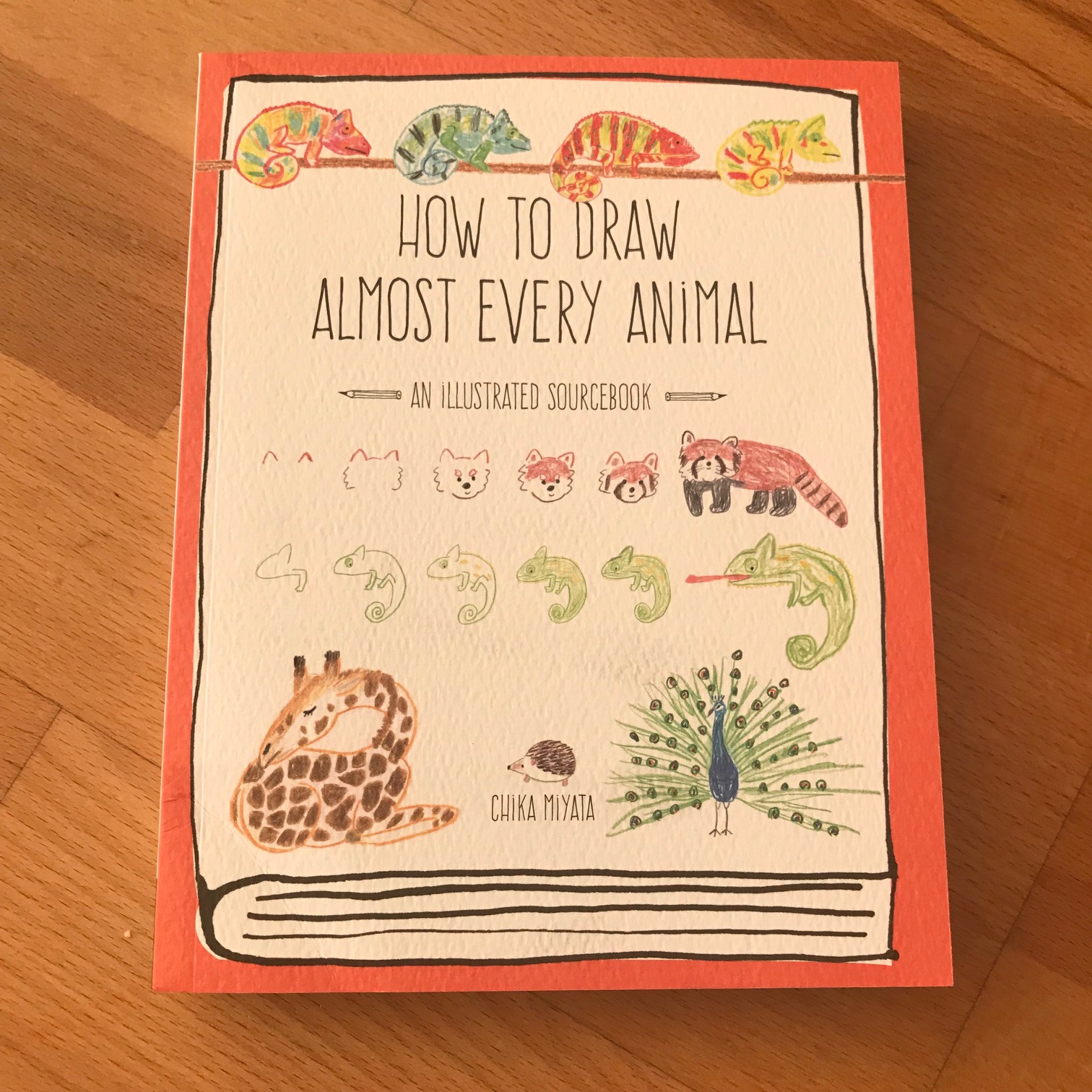
How To Draw Almost Every Animal. An Illustrated Sourcebook By Chika Miyata

A perfect book for any artist. A brilliant how-to to help you draw (almost) any animal. 

Not sure how to start your drawing of a flamingo or a flying squirrel? Boggled by how to draw an antelope, an armadillo, or a cheetah? How to Draw Almost Every Animal is here to help!

Have you ever wondered how to draw a hippopotamus? Or a lazy, brown dog? Or a hedgehog? Then this collection of over 75 adorable animals to draw and doodle is just the book for you!

This teaching tool does more than just show you completed pictures of the animals. Each illustration is broken down with step-by-step diagrams and helpful tips to truly teach you how to draw. Plus, we’ve included extra images to teach you how to draw animals relaxing in their natural habitats and on the move.

A helpful how-to section includes valuable coloring tips and techniques for mastering fur and feather, spots, stripes, scales, spines, and everything else animals are covered in.

How To Draw Almost Every Animal. An Illustrated Sourcebook By Chika Miyata is available here.
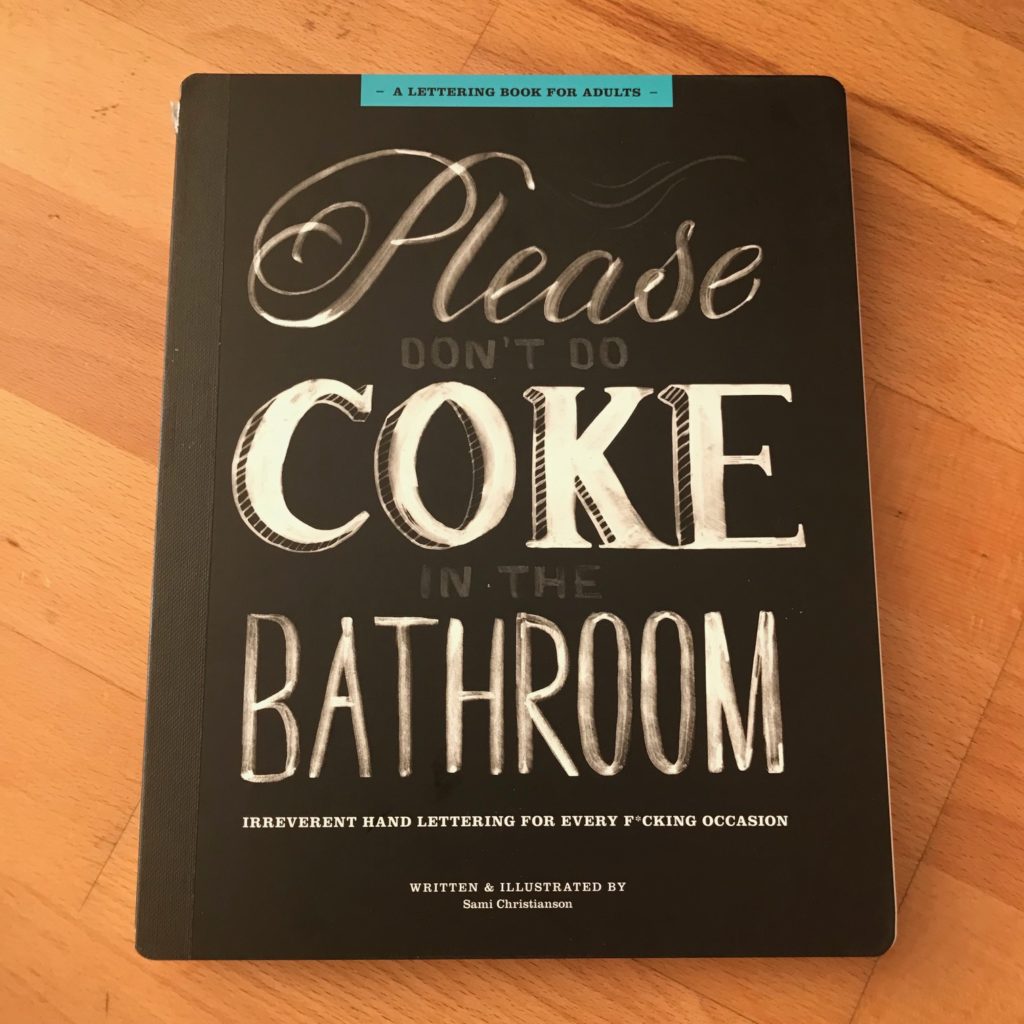
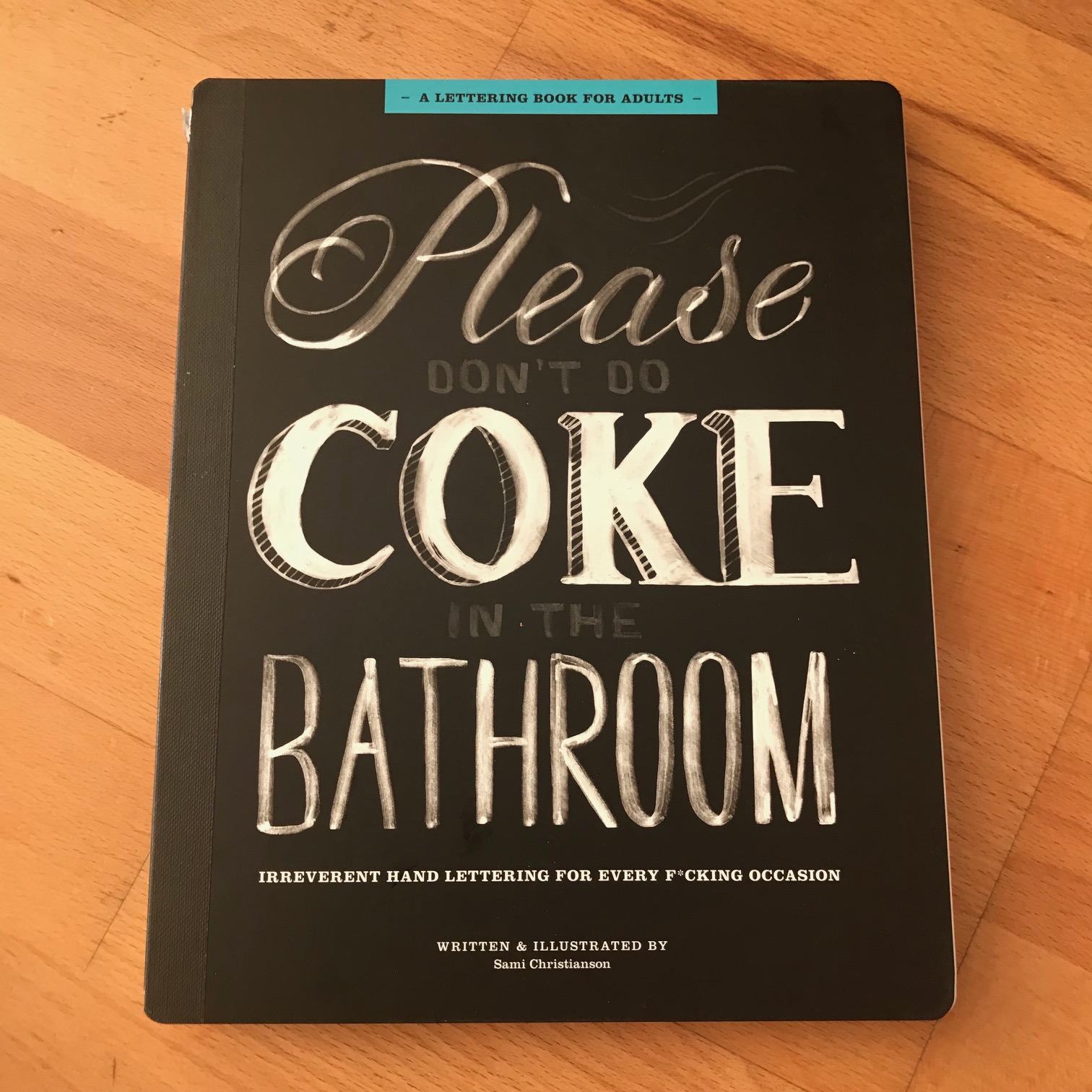
Please Don’t Do Coke In The Bathroom: Irreverent Hand Lettering For Every F*cking Occasion By Sami Christianson

An inappropriate sweary book. This is your guide to lettering told in an adult- and funny- way. 

Who says art has to be delicate and proper? Get angry, get creative, get your sweary soul out and do it beautifully! Please Don’t Do Coke in the Bathroom is your guide to mature (and funny) lettering.

Creatively express your irreverent attitude and sarcastic sentiments with beautiful calligraphy and hand lettering! Send an artfully lettered note telling your boss to f*ck off, let a friend know her cat is kind of an a$$hole, or share your true feelings about kale with the help of this laugh-out-loud lettering book for adults.

Featuring a crash course in calligraphy and hand lettering the alphabet, this book also includes a selection of removable hand-lettered signs with inappropriate sayings like “Monday is a D*ck,” “Your Spirit Animal is an A$$hole,” and more.

Now you can create your own brazen billboards or hostile stationery, or tell the sh*tty person in your life how you really feel, with delicate swirls and hand-drawn letters gleaned from Please Don’t Do Coke in the Bathroom. After all, if you’re going to tell someone they suck, it might as well look good when you do it!

Please Don’t Do Coke In The Bathroom: Irreverent Hand Lettering For Every F*cking Occasion By Sami Christianson.
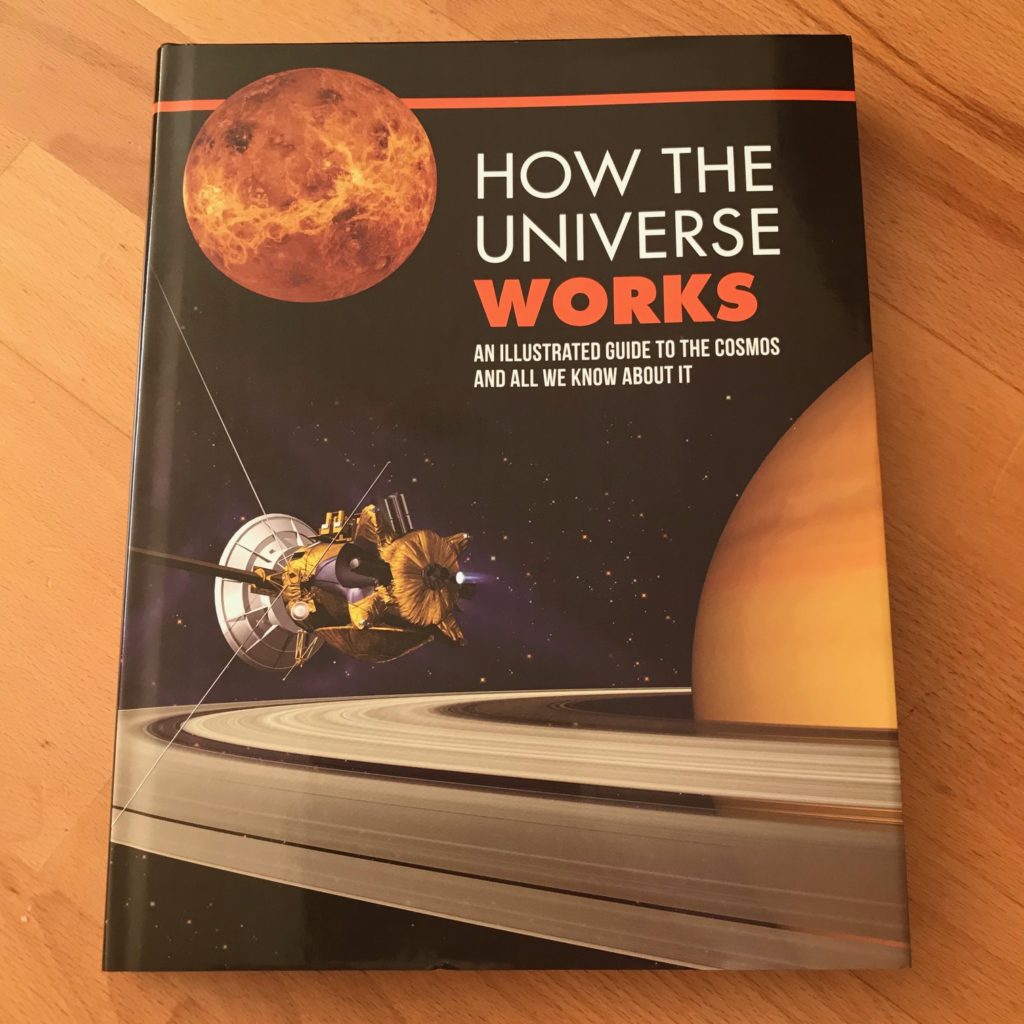
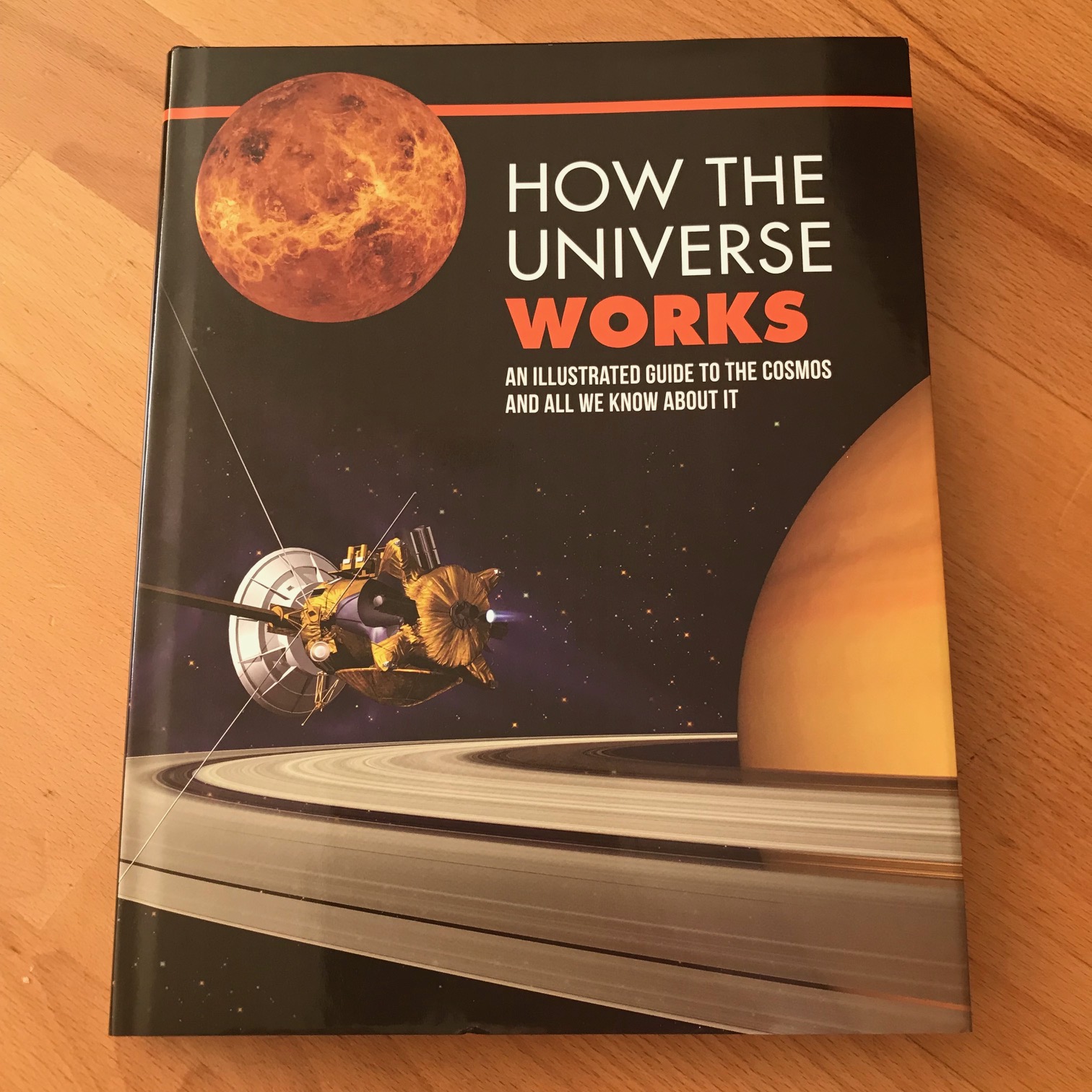
How The Universe Works

A wondrous book. Excellently illustrated and fascinating. 

It’s hard to imagine how big the universe is, but with help from How the Universe Works, you can get to know what makes it tick.

The cosmos is a complex and intricate system that astronomers have been trying to dissect for years. From Galileo and Copernicus to the Space Race and Modern Day NASA missions, humanity has craved more knowledge about the universe and how it works. Hundreds of years of scientific discovery, and there’s still so much to learnHow the Universe Works is the latest installment in a series of books that deconstructs how things work and explains in a format that is easy to understand.

With beautiful and detailed visuals in the form of info-graphics, 3D illustrations, cutaways and renderings, How the Universe Works offers a tiny glimpse of the massive stretch of the universe.  Each page delves more into the composition of the stars and shows the information in such a way that makes even the most complex phenomenons easy to understand. Learn how different cosmic bodies interact with one another, why, and how humanity has worked to understand space.

The observable universe spans billions and billions of light yearsHow the Universe Works is a work intended to put the cosmos in the hands of its readers. Understanding the most complex mechanisms that rule space is quite a task, but with information for the entire family, this editorial ally is perfect for getting immersed in the intricacies of the observable universe and all its natural beauty.

How The Universe Works is available here

THE BUSINESS OF BOOKS: SECRETS OF SEASONAL SUCCESS – Jane Cable takes a sleigh ride with Sunday Times bestselling author Heidi Swain

How much of your working life does the business of books take up?

The business of books, in one way or another, takes up all of my working life now. Earlier this year I made the leap and gave up the day job to write full-time. I had been gradually cutting down my hours, but going out to work two days a week meant compromising time at the keyboard. I was increasingly feeling that I was spinning one plate too many and something had to give. Nonetheless it was a difficult decision because I loved my job, but following my heart has been the right thing to do.

Now I can write from six thirty to lunchtime and work on guest posts, blogging and interviews in the afternoons. It’s a much better balance all round.


What’s your business model to earn a living from writing?

I don’t have a formal business model, but writing full-time has given me the opportunity to take on different projects and I am now beginning to earn from a wider source than book sales. Writing short stories for magazines is a good way to supplement income and I have also taught a ‘writing a novel’ day course. That said, I’m not poised to order the diamond shoes just yet and my priority is, and always will be, focusing on writing novels readers love.

What do you write and what do you consider to be your major successes?

I write commercial fiction for Simon and Schuster, although I prefer the term ‘feel good fiction’. I want my readers to feel whisked away to the fictitious town of Wynbridge as soon as they sit down with the book.

I feel very fortunate to have readers getting in touch every day to tell me how much they love Wynbridge and want to live there, or that they have purchased my book to take on holiday or to give as a Christmas present. For me personally, those messages and tweets are all major successes. What could be more flattering than a reader loving what you have written so much that they take time out of their day to tell you?

I’m also very proud of my two Christmas books. Mince Pies and Mistletoe at The Christmas Market was my winter 2016 release and having listened to readers and friends who had been disappointed by novels which featured ‘Christmas’ in the title but barely covered it in the book, I was determined to pack my pages full of festive feeling. Looking at the response it definitely worked and it wasn’t far into January before my editor called asking if I would consider writing another one!

Needless to say I jumped at the chance. I already had the beautiful setting of Wynthorpe Hall in mind and got to work straightaway. The result was Sleigh Rides and Silver Bells at The Christmas Fair which was published in October and again, I’ve crammed in as much cinnamon and spice as possible.


Tell me about your latest project.

I’m now working on my sixth novel which will be released next summer. This one features a Wynbridge resident who isn’t living in the town, but don’t panic. I’m planning for her to visit her friends and family at least twice so there’ll be plenty of opportunities to catch up with the girls from The Cherry Tree Café and The Mermaid Pub.

Thank you Jane for inviting me to feature today and I may take this opportunity to wish you all a very merry Christmas!


Since my interview with Heidi Sleigh Rides and Silver Bells at The Christmas Fair has taken the Sunday Times bestseller list by storm and just has to be this year’s most successful seasonal romance. Heidi lives in Norfolk with her wonderful family and a mischievous cat called Storm. Find out more about her here: Website: http://www.heidiswain.co.uk/


Why Cybersecurity Can Win the Fight Against Islamic Extremism By Cosmo Clark

Cosmo Clark is a cybersecurity and cyber terrorism analyst and observer whose first novel, Blue Eyed Infidel, a satirical sci-fi thriller in the vein of Orwell’s 1984, hits the UK shelves this week. Here Clark (a pseudonym) argues that computers, not bombs, will win the war on terror.

What do you think is the best way to win an argument? When I was at primary school, John Biggers, the village bully, thought he had the answer: to punch me in the face. Hard.

But violence didn’t work in the playground and it doesn’t work in the real world, either. Invading Iraq and bombing ISIS in Syria might win a few headlines for politicians, but in the long term, all it really does is create more terrorists, and leads directly to more attacks here in the UK.

It is my firm view (and one shared by a wealth of academics) that technology, not bombs, will win the global war on terror.

1. In-APP-propriate action: why we should boost, not ban, encrypted chat apps

Extremists talk to each other using secretive, encrypted chat apps. That’s how they groom new members, organise attacks and keep out of the public eye.

Our kneejerk reaction to that has always been to shut these apps down. But that would be a big mistake. Banning one type of app (or making it less secure) will only lead to more. That is a battle that can never be won.

Instead, we should be encouraging their use; remember, loose lips have and always will sink ships. We should be using covert spyware to infiltrate the apps and identify the bad guys.

2. Jihadi Join: why UK spies should be posing as online extremists

Islamic extremists will never love the UK. They don’t feel loyalty to a passport, only to their God. Trying to force them into ‘being British’ or to ‘integrate’ is a total waste of time and money, and just helps them know what to say in order to disappear into our society.

Instead, we should talk to extremists online in ways that make sense to them. To start with, that will involve doing things which will seem completely counter-intuitive. Let’s say you are a jihadi who wants to blow himself up. If you create an online persona as someone who can help them make that bomb, it’ll be much easier to grab the perpetrator – and the rest of his terror cell – when the time comes.

3. Dead ringer: using deceased ISIS fighters to communicate with terror cells

Technology changes quickly, but we’ve got two exclusive advantages right now that we should be using more. Firstly, we must put more pressure on social media companies like Facebook and YouTube to track (rather than ban) and report on Islamic extremists using their platforms. That’s harder than you might think.

Secondly, we’ve got access to cool resources like artificial intelligence. My favourite idea is to create fake cyber-personalities, ‘chatbots’ if you like, which are smart enough to hold conversations with real-world Islamic extremists. To be genuinely believable, these cyber-personalities could actually appear to be real people. There are roughly 25,000 Islamic extremists in the UK, and about 1,000 British jihadis who went to fight for ISIS and who have since gone missing. If a few of those deceased individuals popped up online, they could be treated as heroes. Only those ‘in the know’ would ever know the truth.

Blue Eyed Infidel by Cosmo Clark is out now, priced £9.99 in paperback and £3.49 as an eBook, and is available at Amazon UK. Visit www.cosmoclark.com.