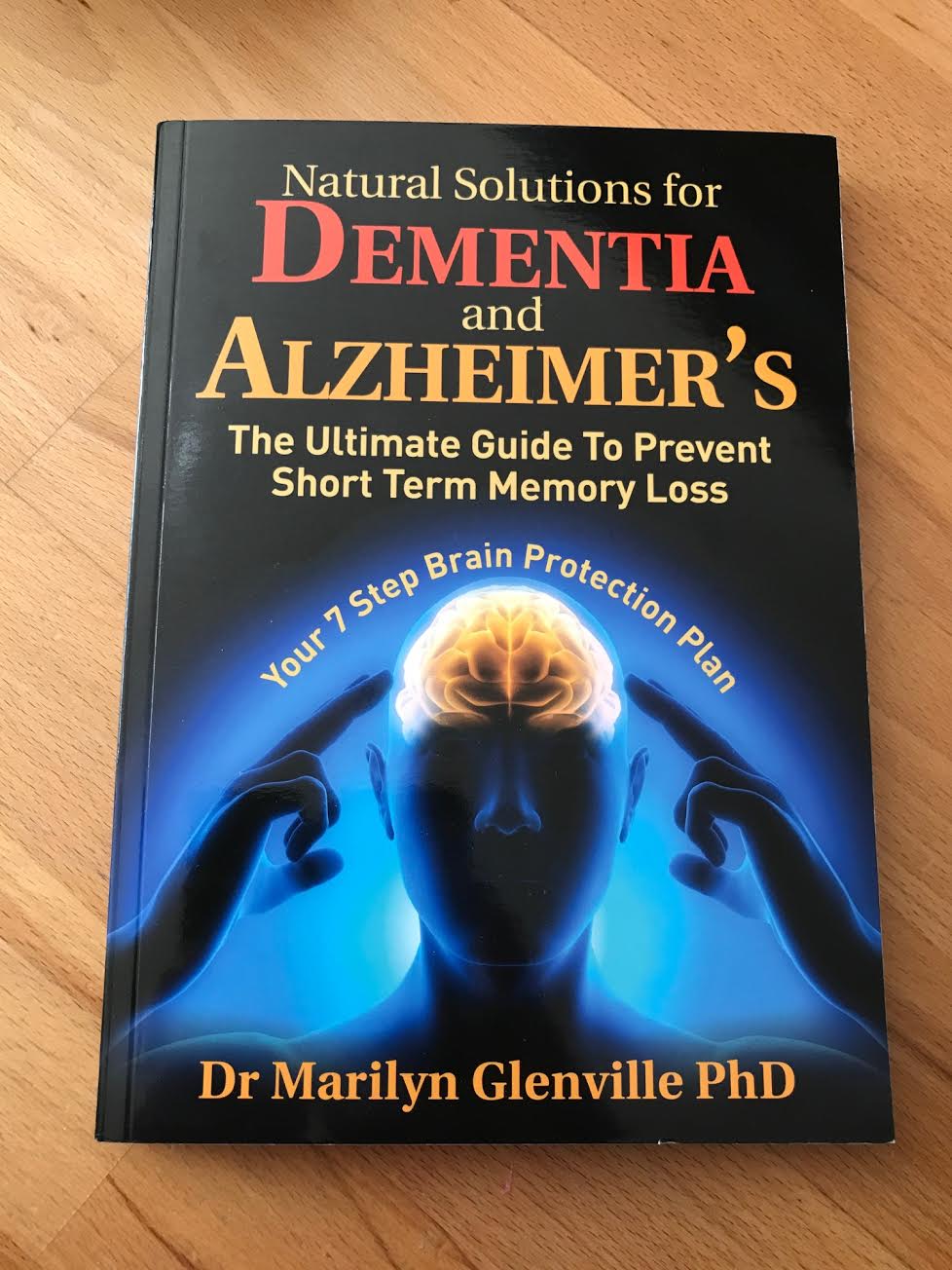
Natural Solutions for Dementia and Alzheimer’s, Your 7 Step Brain Protection Plan

natrualsolutionsfordementiaandalzheimers
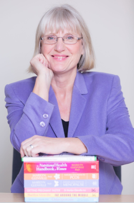
I have read a few books by Dr Marilyn Glenville, and we also feature her articles on Frost sometimes. She is a woman who really knows her stuff. I greatly enjoy her writing and her new book Natural Solutions for Dementia and Alzheimer’s, Your 7 Step Brain Protection Plan is one of her best books yet. Well-researched and never dull to read, it is brimming with information and advice. The book is thorough; part one helps you understand dementia and part two is your 7-step brain protection programme. From what to eat, your environment, training your brain, dealing with stress and exercise. This is an essential book in the fight against Dementia and Alzheimer’s.


New book launch from Dr Marilyn Glenville PhD

Following the huge success of bestselling Natural Alternatives to Sugar, Dr Glenville is adding to her literary portfolio this year with her brand new book Natural Solutions for Dementia and Alzheimer’s.

As it can take up to 10 years for dementia symptoms to show, Dr Glenville gives a compelling argument as to why taking action sooner, rather than later is crucial in helping to prevent memory loss and reduce the risk of developing dementia and Alzheimer’s.  Whilst the pharmaceutical industry searches for a cure, Dr Glenville offers readers a practical easy-to-follow 7 Step Brain Protection Plan consisting of simple lifestyle and nutritional changes everybody can make.

Alzheimer’s, more than any other disease, is now responsible for the highest number of deaths amongst women; killing three times as many women as breast cancer.   The Alzheimer’s Society believes delaying the onset of dementia by just five years would reduce deaths directly attributable to dementia by a staggering 30,000 a year!

  • There are 850,000 people with dementia in the UK
  • It is estimated over 1 million people in the UK will be diagnosed with a form of dementia by 2025.
  • The total annual cost of dementia in the UK is £26.3 billion 
  • The NHS picks up £4.3 billion of the costs and social care £10.3


Who is the book aimed at?


In her latest book, Dr Glenville sheds light on the complex and often misunderstood world of dementia including Alzheimer’s, offering sufferers and their loved ones a clear and practical guide as well as an easy questionnaire to determine if you are headed towards Alzheimer’s. The book is also suitable for those who have a family history of dementia and want to take steps now to delay cognitive decline.

The book expands on newly discovered facts and latest research findings: 

  • Why scientists are calling Alzheimer’s ‘Type 3 Diabetes’s due to blood sugar and insulin being so closely linked with an increased risk
  • Gum disease has been linked to a six-fold increase in the rate of cognitive decline in people in the early stages of Alzheimer’s
  • Sleeping on your side is the best position to let cerebrospinal fluid flush out toxins and improve blood flow around the brain.
  • Omega 3 rich foods like oily fish improve cerebral blood flow and reduce inflammation making them important in the fight against Alzheimer’s and vascular dementia.
  • It might not be genetic – according to the Alzheimer’s Association in America, genetics are responsible for less than 5 per cent of all Alzheimer’s cases.
  • How certain nutrients ‘‘can slow the atrophy of specific brain regions that are a key component of the Alzheimer’s disease process and that are associated with cognitive decline’.*


Discover answers to questions such as…                                                                             

  • What is the difference between Alzheimer’s and other types of dementia?
  • Can making the wrong food choices be harmful to your brain health – no matter what age you are?
  • Which supplements can help improve and boost your brain function?
  • What lifestyle factors should you avoid and include to help improve your memory?

·      What are the most important tests to take to show if you have any deficiencies or imbalances that could be affecting your memory and concentration?


The 7-step Brain Protection Plan

Dr Glenville introduces readers to her unique 7-step Brain Protection Plan offering a practical step-by-step guide to help get your brain in the best possible shape naturally, with chapters covering:

  • Your diet
  • Nutritional supplements
  • Exercise
  • Stress and sleep
  • Your environment
  • Brain training
  • Testing, testing


What inspired Dr Glenville to write Natural Solutions for Dementia and Alzheimer’s?

Even though writing this book has touched a personal nerve (my father and mother-in-law developed Alzheimer’s and I saw first hand the effects not only on them, but on all those who had to care for them), my research has shown me just how much we do know already and how very beneficial simple, practical lifestyle changes can be, not only to help prevent the disease, but also to slow the decline for those who already have it.  I hope you find the information in the book as interesting as I did while I was gathering it; and I hope that it can make a difference both to you and to your family.


Natural Solutions for Dementia and Alzheimer’s £12.77, is available from all good stockists, Amazon and marilyngenville.com.


BUSINESS OF BOOKS: TAKE FOUR WRITERS – INTRODUCING JACKIE BALDWIN

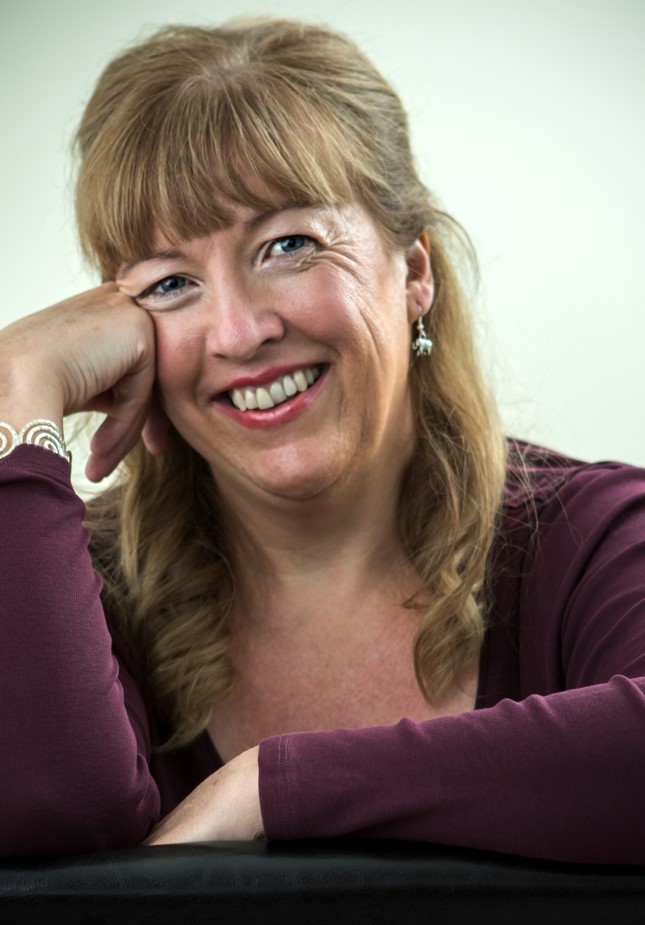
Hello everyone! I’m so excited to be sharing with you all the steps towards publication of my second crime novel, Perfect Dead. I’m a Scottish crime writer and live in Dumfries, SW Scotland which is where my series is set. For most of my working life I was a solicitor practicing in family and criminal law but for the last five years I’ve been working as a hypnotherapist which I really enjoy. I’m married and have two grown up kids and two golden retrievers. This is a great area to walk dogs as it has an abundance of forests, rivers and coastline to let them run free. Consequently, I spend a fair bit of time spattered in mud and with twigs tangled in my hair. Don’t be fooled by my author photo!

Writing my second book was very different to writing my first one. Writing a first book you can take all the time in the world. And I did! About 12 years to be precise, including three years when I didn’t write a single word. Friends and family viewed the whole tortured process as a harmless eccentricity. After a final rewrite I sent it to Killer Reads, a digital imprint of Harper Collins. Two weeks later I was holding an acceptance. I didn’t stop shaking until the next day. It was such a shock!

So, to go from that timescale to writing the second book in less than a year took some doing! It didn’t help that last February I developed angina culminating in a blocked coronary artery which required 3 stents in August. I have to say that my editor at Killer Reads was fantastic, no pressure whatsoever. The pressure came from within. Readers were asking for the next book in the series and I didn’t want to let them or my publisher down.

My first novel, Dead Man’s Prayer, I had plotted in advance of writing but, just to make life harder, I started the second novel deliberately with no idea of who had committed the crimes. This resulted in a bad case of ‘saggy middle’ where I had a complete crisis as my plot strands threatened to spiral out of control. It was time to commit and knit it all together. ‘It can’t be done,’ I wailed, adding my echo of despair to all the writers before me. I swear there have been times when I felt the words of this novel were bleeding onto the page a drop at a time, progress seemed so slow. But, to my surprise, and to the relief of my long suffering husband, it all came together in the end.

Perfect Dead will be published in ebook on 15th June and the POD paperback will be available on 23rd August. The action mainly takes place in the ‘Artists’ Town’ of Kirkcudbright, (Kircoobray). DI Farrell is faced with the apparent suicide of a promising young artist shortlisted for a major art prize. Human remains are then discovered on a MoD firing range. Both victims are connected to a shadowy Art Collective. The local police are further stretched investigating a forgery ring. Both investigations are hampered at every turn by secrets people will do anything to keep hidden. DI Farrell and his team are pushed to breaking point as they strive to catch a callous killer before he strikes again, this time much closer to home.

As you read this, I am waiting for my editor’s Notes to arrive so that I can start editing. A rather scary prospect! See you next month!


A Day in the Life of Kaira Rouda

My life has changed a lot over the past six years. Not only because I finally became a full-time author, but also because my nest has been emptying year by year. Our four kids are five years apart, so that’s made my life filled with a lot of goodbyes lately. Without daily kid duties, life is certainly a lot less complicated. And, apparently, a bit darker. I’m not sure if Paul Strom, the protagonist in BEST DAY EVER, popped into my mind because of my empty nest, but maybe it gave him room to appear. I’ll blame him on the kids’ departures into the real world.

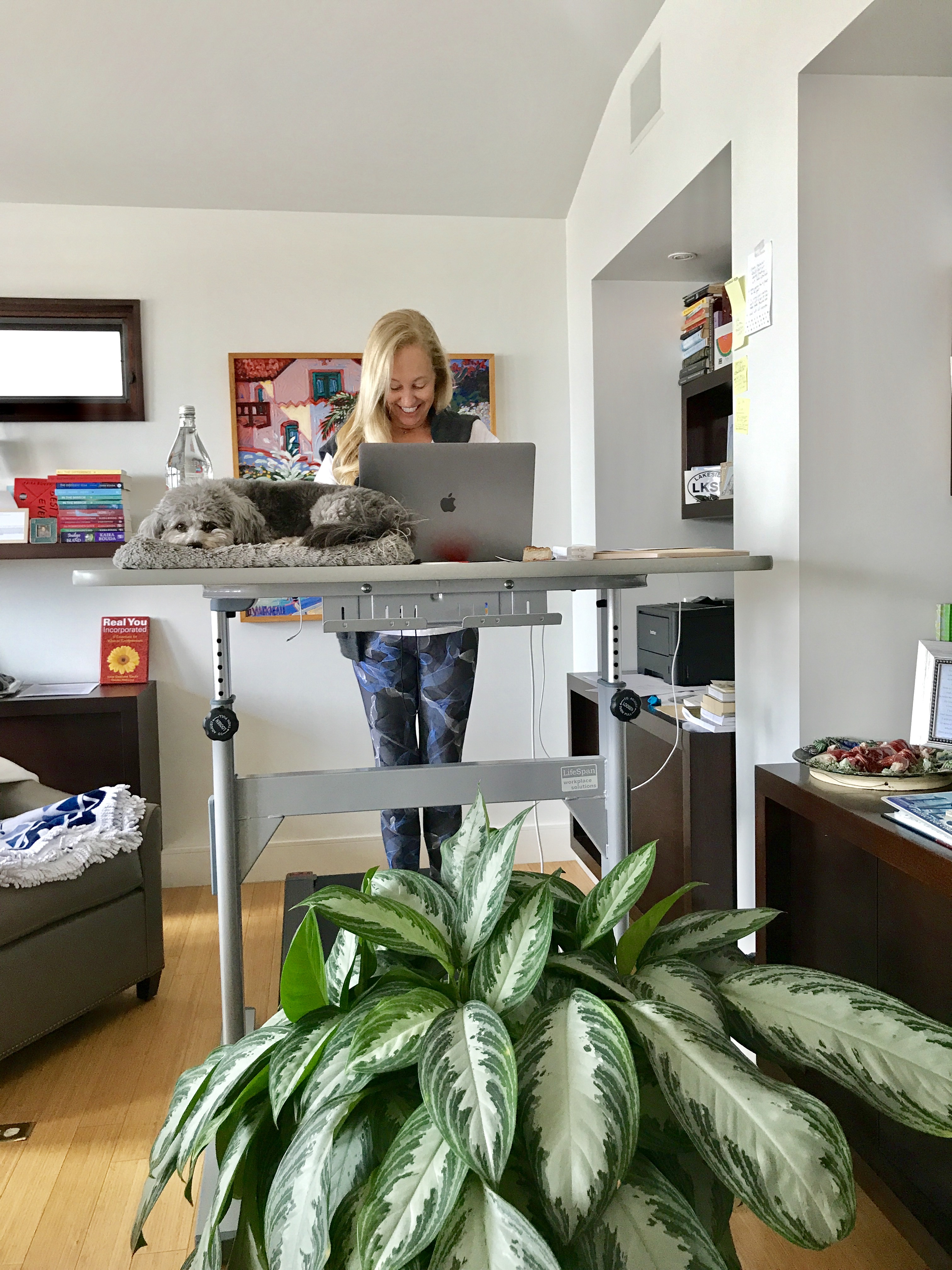
So now, a day in my life is quiet. I’m blessed to live at the beach, in Southern California, and most every day is sunny and warm. I try to hike or go for a walk everyday and soak up the sunshine. I have two dogs and they are both my walking and writing buddies. In fact, Tucker likes to sit ON my desk as I’m writing. (photo of walking desk and tucker)

I don’t usually start writing until the afternoon. I’m a night owl, so mornings are for exercising, emailing and drinking A LOT of coffee. My husband also has a second act of a career, deciding after the most recent US presidential election that it was time to get involved and be the change you want to see. I’m proud to say he’s running for congress as a first-time political candidate. That makes me a first-time political candidate’s spouse. I’ve been having fun meeting so many new people, and helping him as he follows his dreams.

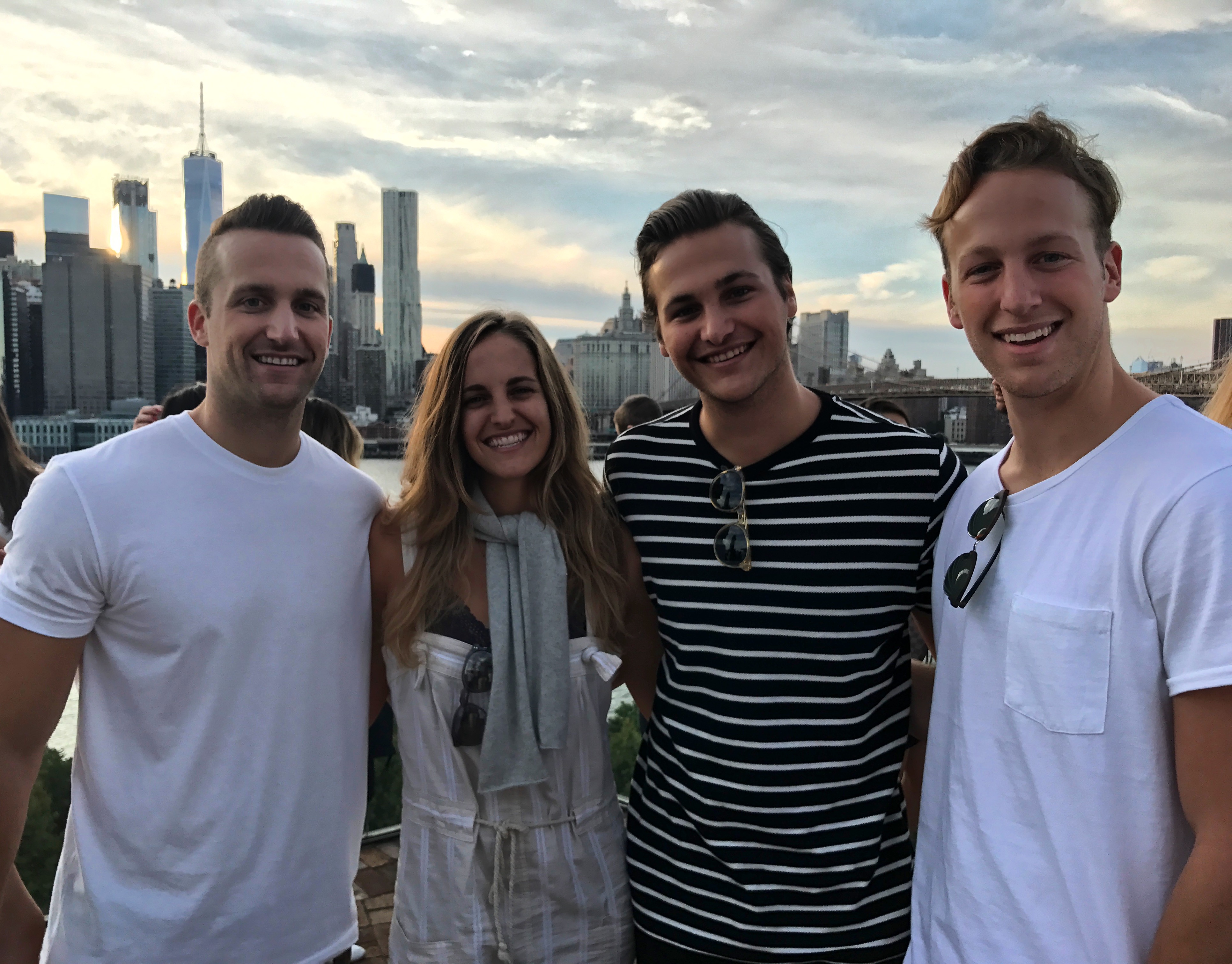
All in all, it’s a blessed life. And, even though the kids are all busy young adults living their own dreams, they all live in Southern California, too. So I get to see them often. (family photo). And, they’re all doing super interesting careers. My oldest is in commercial real estate, but also is an amazing photographer. My daughter is a screenwriter in Hollywood, my middle son invented an app while in college that let’s you round up spare change to a charity of your choice and my youngest is a singer/songwriter pursuing his dreams in LA with his band, Firstwave.

So, it’s a busy, creative fun life. I hope yours is, too. And I hope you’ll give Best Day Ever, my first UK published book, a read!


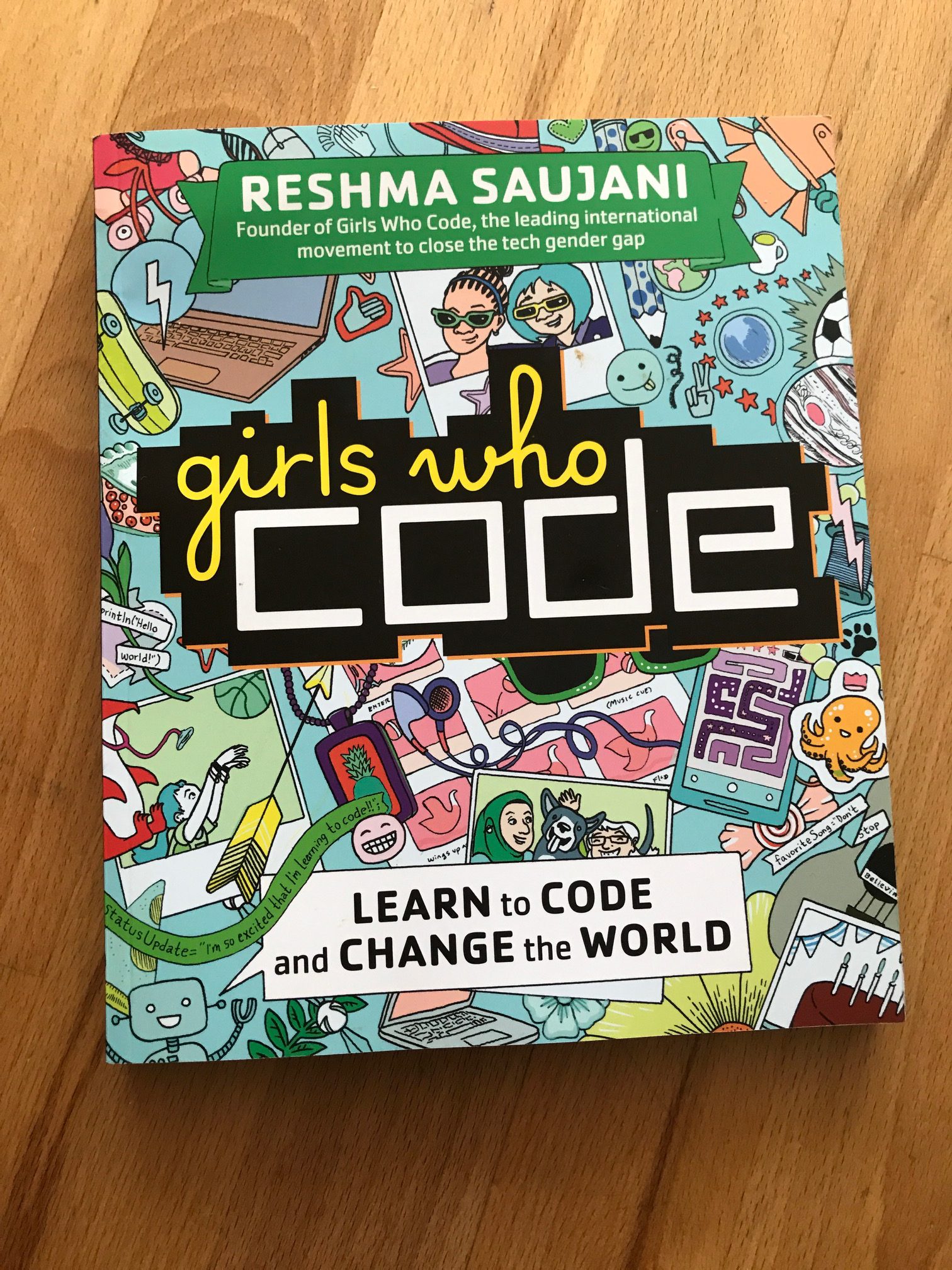
Girls Who Code: Learn to Code and Change the World By Reshma Saujani

Getting women into STEM is a passion of Frost Magazine. We need more girls who code and Reshma Saujani has founded the leading international movement to close the tech gender gap. This book is a New York Times Bestseller and it is easy to see why. The back cover has glowing endorsements from Jack Dorsey, Sheryl Sandberg and Melinda Gates. It is part how-to and part girl-empowerment. It is written in an engaging way that is easy to understand and fun. This is a brilliant book which should be bought for any girl in your life. Books have power and this book has it in droves. The perfect mix of inspiration and knowledge. Crack the code to your future dreams Since 2012, the organization Girls Who Code has been leading the charge to get girls interested in technology and coding. Now its founder, Reshma Saujani, wants to inspire you to be a girl who codes! Bursting with dynamic artwork, down-to-earth explanations of coding principles, and real-life stories of girls and women working at places like Pixar and NASA, this graphically animated book shows what a huge role computer science plays in our lives and how much fun it can be. No matter your interest—sports, the arts, baking, student government, social justice—coding can help you do what you love and make your dreams come true. Whether you’re a girl who’s never coded before, a girl who codes, or a parent raising one, this entertaining book, printed in bold two-color and featuring art on every page, will have you itching to create your own apps, games, and robots to make the world a better place. Part how-to, part girl-empowerment, and all fun, from the leader of the movement championed by Sheryl Sandberg, Jack Dorsey, and other giants of the tech world. Girls Who Code: Learn to Code and Change the World By Reshma SaujaniGetting women into STEM is a passion of Frost Magazine. We need more girls who code and Reshma Saujani has founded the leading international movement to close the tech gender gap. By 2020 1.4 million jobs will be open in computing fields in the US alone, yet only about 30% of them will be filled with computing graduates, and only 3% of those will be filled by women. This is despite women using social media apps 600% more than men. Girls are getting left behind. Girls Who Code is an organisation that aims to teach 1 million girls to code by 2020. This is the project’s first book and is a New York Times Bestseller and it is easy to see why. The back cover has glowing endorsements from Jack Dorsey, Sheryl Sandberg and Melinda Gates. It is part how-to and part girl-empowerment. It is written in an engaging way that is easy to understand and fun. This is a brilliant book which should be bought for any girl in your life. Books have power and this book has it in droves. The perfect mix of inspiration and knowledge, all written in an accessible way. Frost loves.
Crack the code to your future dreams

Since 2012, the organization Girls Who Code has been leading the charge to get girls interested in technology and coding. Now its founder, Reshma Saujani, wants to inspire you to be a girl who codes!

Bursting with dynamic artwork, down-to-earth explanations of coding principles, and real-life stories of girls and women working at places like Pixar and NASA, this graphically animated book shows what a huge role computer science plays in our lives and how much fun it can be. No matter your interest—sports, the arts, baking, student government, social justice—coding can help you do what you love and make your dreams come true.

Whether you’re a girl who’s never coded before, a girl who codes, or a parent raising one, this entertaining book, printed in bold two-color and featuring art on every page, will have you itching to create your own apps, games, and robots to make the world a better place.


Part how-to, part girl-empowerment, and all fun, from the leader of the movement championed by Sheryl Sandberg, Jack Dorsey, and other giants of the tech world.


Girls Who Code: Learn to Code and Change the World By Reshma Saujani is available here.


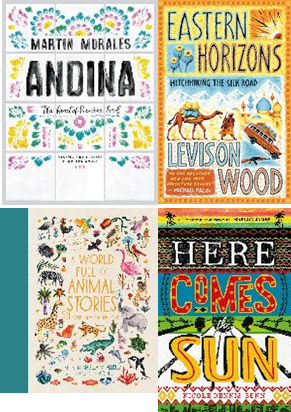
The Edward Stanford Travel Writing Awards  Announce 2018 Shortlist 

Edward Standford Travel Writing

The Edward Stanford Travel Writing Awards, in association with luxury tailor made travel specialist Hayes & Jarvis, has announced its shortlist for 2018. The Awards celebrate the best travel writing and travel writers in the world.

With 43 titles whisking readers to over 150 countries across seven categories, these awards celebrate both multi-award-winning authors and inspirational debuts from over 15 countries. These awards recognise the escapist, ingenious and inspirational qualities of travel writing in all its forms, including fiction, nonfiction and memoir, children’s books, cookery books illustrated adult nonfiction and Travel blogs.

The award categories are:

  • Stanford Dolman Travel Book of the Year, in partnership with The Authors’ Club
  • Hayes & Jarvis Fiction, with a Sense of Place
  • Wanderlust Adventure Travel Book of the Year
  • Food and Travel Magazine Travel Cookery Book of the Year
  • Destinations Show Photography & Illustrated Travel Book of the Year
  • Marco Polo Outstanding General Travel Themed Book of the Year
  • London Book Fair Children’s Travel Book of the Year
  • Bradt Travel Guides New Travel Writer of the Year
  • Lonely Planet Pathfinders Travel Blog of the Year

In addition to the above, the awards also include the Outstanding Contribution to Travel Writing award.  Six of these categories are open to a public vote which, combined with the judges’ verdict, will determine the 2018 winners. These include: Fiction, with a Sense of Place, Adventure Travel Book of the Year, Travel Cookery Book of the Year, Illustrated & Photography Travel Book of the Year, Outstanding Travel Themed Book of the Year and Children’s Travel Book of the Year. Readers can cast their vote here edwardstanfordawards.com/vote, and two voters will be in with the chance to win a set of 10 travel books.

The winners will be announced at a star-studded dinner on 1st February 2018 during the Stanfords Travel Writers Festival at Destinations: The Holiday and Travel Show at Olympia.

The winner of the Stanford Dolman Travel Book of the Year (in partnership with The Authors’ Club) receives £5,000 and all winners receive an antique globe trophy, to be presented at the awards ceremony.

The first Edward Stanford Award for Outstanding Contribution to Travel Writing was awarded to Bill Bryson and last year the award was presented to Michael Palin by Levison Wood who also won an award for his book Walking the Himalayas.

The full shortlist can be found at www.edwardstanfordawards.com

WHY I TRADED IN A HIGH-FLYING CAREER IN THE HOTEL INDUSTRY TO PURSUE MY ACTING DREAMS, AND HOW I DID IT

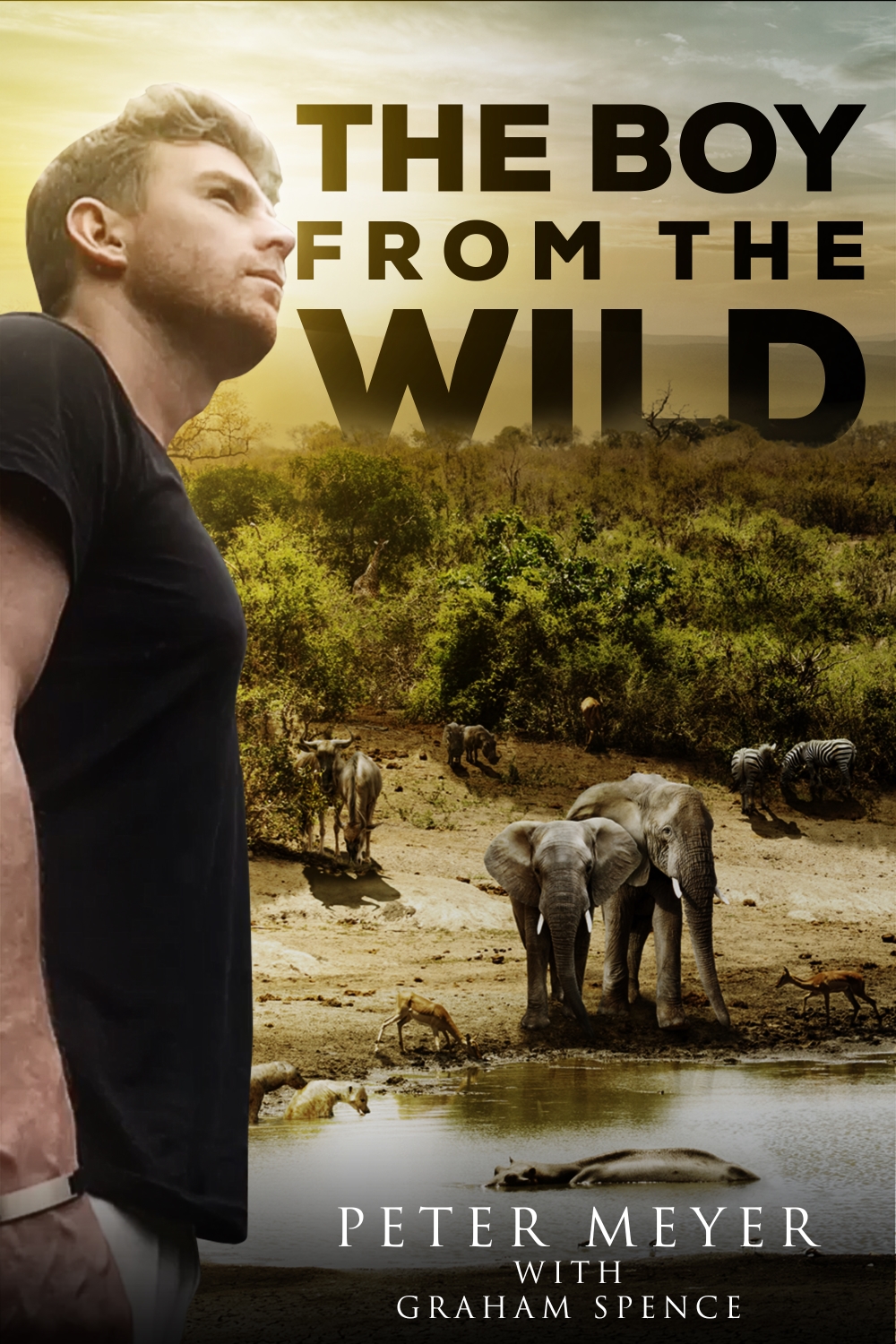
By Peter Meyer, author of The Boy from the Wild

Most of us dream about quitting the 9-5 (or is that the 8-7) rat race, but few ever do.  The author Peter Meyer is proof that following a dream can be more than just a daydream. He hung up his suit and left a highly-paid job in the hospitality industry to embark on a career as an actor – and was soon rubbing shoulders with Brad Pitt.

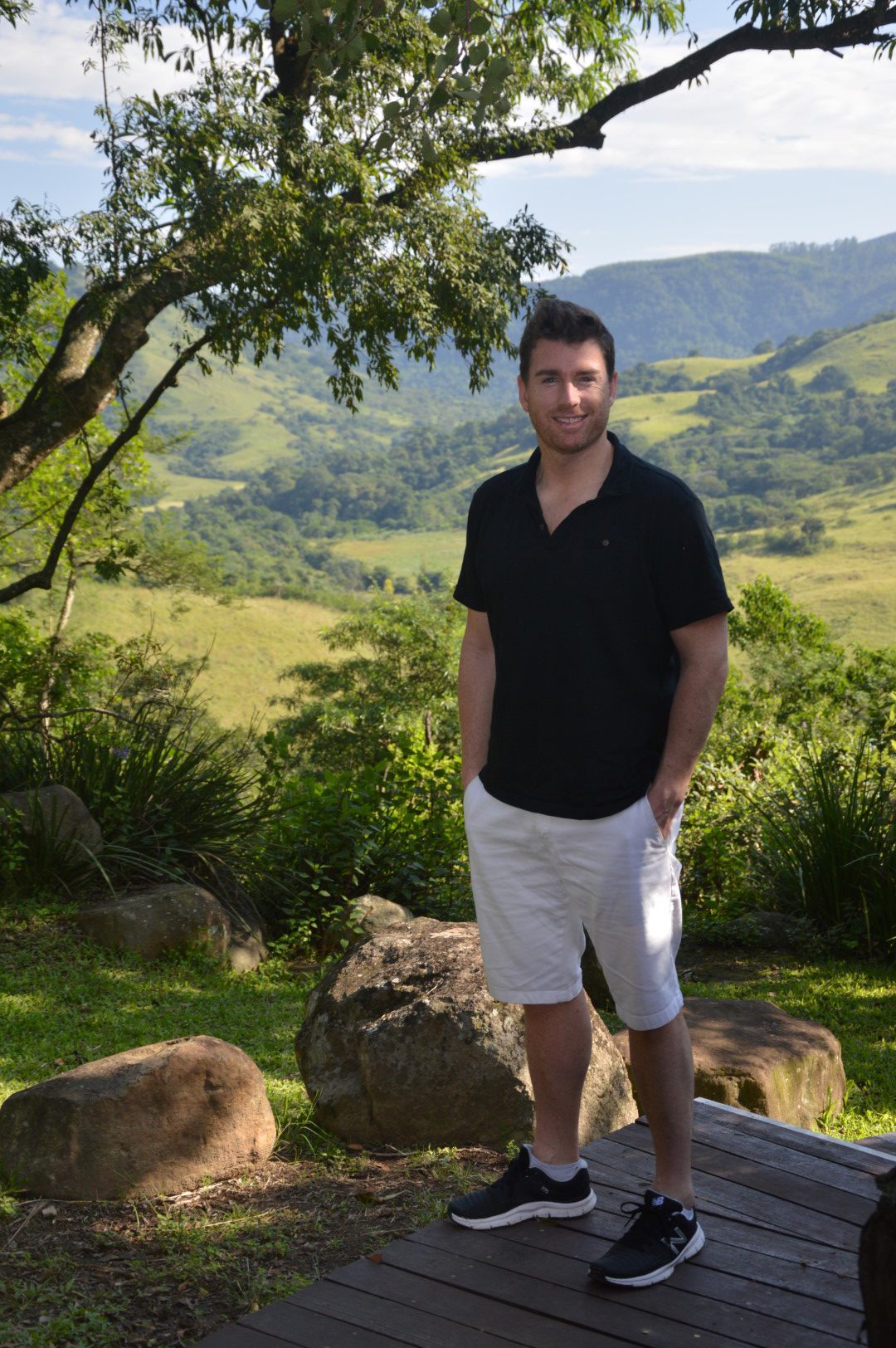
I grew up in the hospitality industry, quite literally. I was born and raised on a game reserve in South Africa that my father created. It had a safari park, a five-star hotel and a conference centre. It was once known as Safari World and its pioneering fusion of Disney-style theme park and nature reserve  made it akin to a real-world Jurassic Park

When I was older, I graduated from Les Roches Hospitality University in Switzerland and went on to work all around the world in places including the UK, Jamaica, Saudi Arabia, Dubai and Kuala Lumpur.  I worked in different director roles in sales, marketing and business development for groups like Hilton, Rosewood Hotels & Resorts, JA Resorts & Hotels and then YTL Hotels.  At one point I was even one of Hilton’s youngest directors at 26 years old.  I had it all going for me – the experience, the qualifications, the connections, the lifestyle and so much more…. but then it all changed.

In 2014, I dropped everything to spend time with my father after hearing he had a very rare form of terminal cancer.  My father was my life and an incredibly special person, so I was going to be by his side.  After I lost him I lost a part of myself and realised that you are vulnerable – and that life is governed by time that we take for granted.  I tried to get back into hotels and got a huge position in Kuala Lumpur but was ultimately in a very bad mental state and lost my zest and desire for the industry.  I was missing my dad plain and simple.

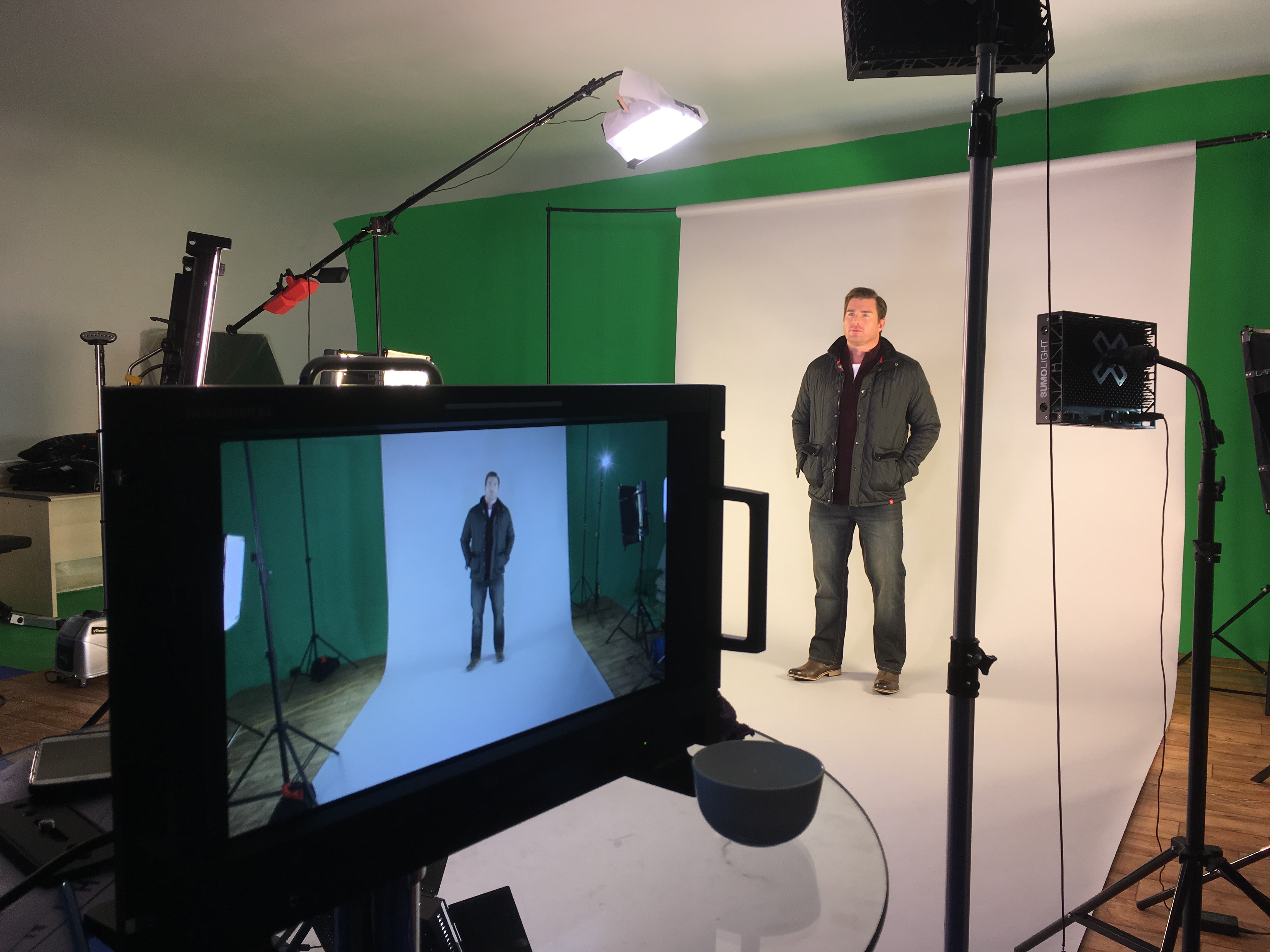
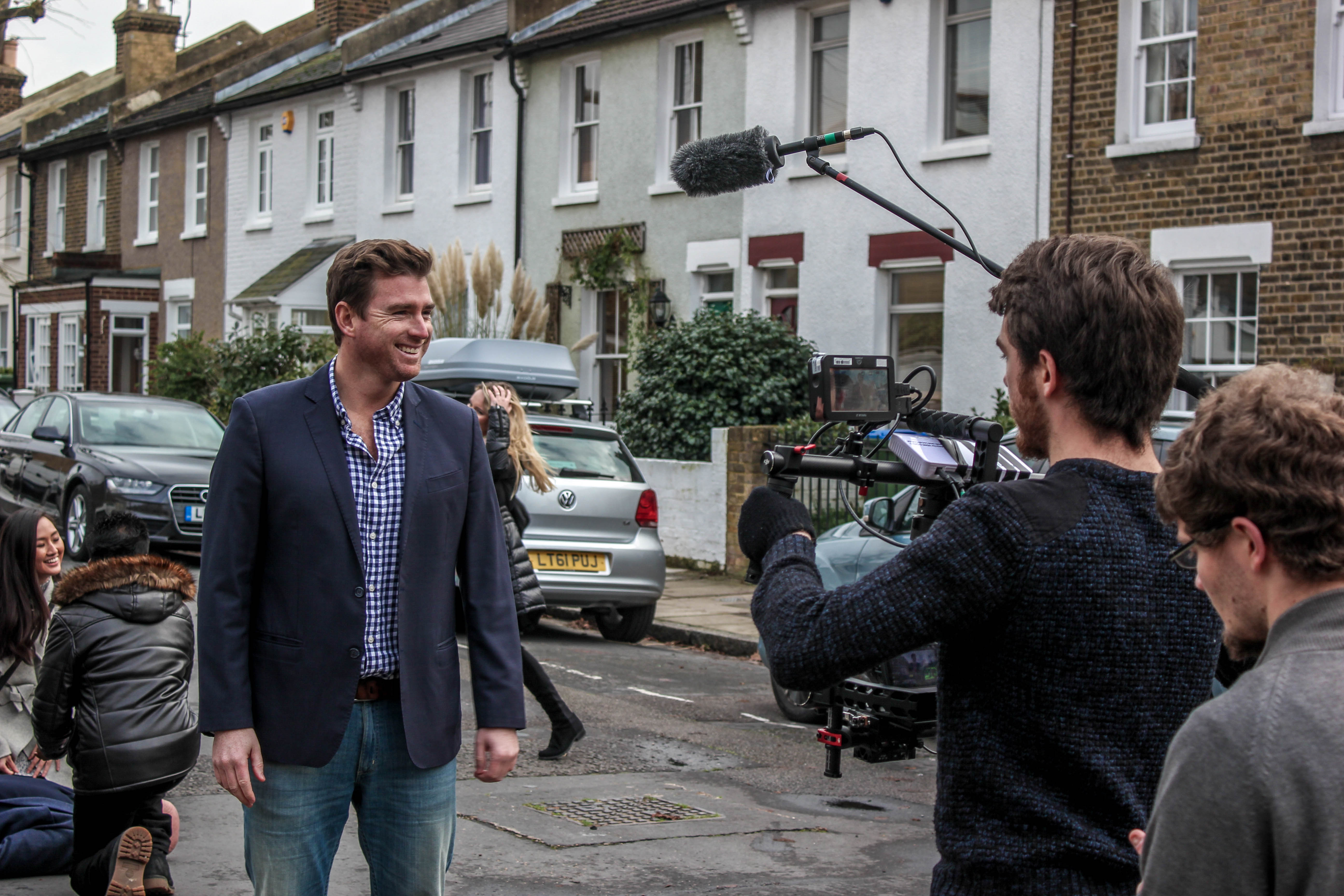
By chance a short while later a family friend suggested that I try acting and modelling for fun, and at least until I’d planned my next move.  So, a short while later, I signed onto a website that was a portal for jobs in that industry.  Within the space of a few days I was contacted by a production company, which asked me to do a TV commercial for Ford.

I did the shoot and was told I was a “natural” and was advised to do more! Two weeks later I got a call from a director making an independent British film and I got a tiny part as a news anchor with some lines.  It was then that I realised how much I loved acting and it woke me up out of semi-depressed state for my father.  I decided to see where it went.

Suddenly I was getting acting and modelling roles and even got my first lead in a short film within three months of starting.  My biggest came when I got a call to audition for Allied with Brad Pitt and got the smallest part to sing.  Sadly, the role was cut but I was still an extra and got picked to be near Brad Pitt and enjoyed getting to know him. I then got chosen to work as an extra next to Liam Neeson this time on The Commuter.  He partly inspired my book “The Boy from the Wild”.  In less than 18 months all this had happened.  I was also doing a lot of plus size modelling and was Tesco’s first plus size male model wearing Jacamo.  But I have also modelled internationally with groups such as El Corte Ingles wearing Hugo Boss, GANT, Ralph Lauren and more.  Who knows what’s next?

I’ve gone from surviving animal attacks and snake bites on a safari park to surviving the concrete jungles of Hollywood.  How, people ask?  Well, get headshots, get a showreel, get an agent, brand yourself to get your followers and have passion.  If you are determined and do what you love then you will achieve.  Sometimes you have to risk it to get the biscuit. A dream is yours and yours to fail, so don’t let it.

The Boy from the Wild by Peter Meyer is out now, priced £9.99 in paperback and £3.99 as an eBook. It is available for sale on Amazon UK. Visit  www.petermeyer.com

BUSINESS OF BOOKS: TAKE FOUR WRITERS – INTRODUCING CLAIRE DYER

Being a poet and a novelist I’m often asked whether I prefer one over the other and I always answer that I love them both the same – like I do my two children, obviously! Seriously though, I really do believe both mediums are two sides of the same coin; both set scenes, tell stories and are peopled by characters who I hope are vivid and compelling.

The main differences may seem mundane: in poems the lines don’t always go right across the page, whereas in novels they do and, in poetry we have fewer words to play with, so every word really does count.

That’s not to say, however, that we can’t play with format in fiction and invest our prose with the same attention to detail as we do in poetry – in fact, we should.

Also, I believe that, as in poetry, a novel should have moments of distilled emotion but, unlike with poetry, in a book we can give our readers and characters, for that matter, more instances of down time: conversations about the weather, making tea, going to the shops.

For me, a poem works if it tumbles down the page and takes me with it and I believe a novel works if it draws me in and keeps me held safe in its narrative. I sincerely hope both my poetry and prose do both of these things!

So with this thought I’ll say a few words about my publications. I’ve had two collections of poetry published by the very lovely Two Rivers Press and, although each are only 50 odd pages long, they both took years in the making – each poem, I hope, earning its place in the stories the books aspire to tell. The second book, Interference Effects, came out of my MA in Creative Writing at Royal Holloway and what the poems aim to chronicle is how, as colours vary in a butterfly’s wing depending on the angle at which we view it, our impressions and thoughts about subjects as varied as art, love and loss, marriage and memory, can change when we look at them through different lenses.

I’ve had two novels and a short story published by Quercus and am utterly thrilled that The Dome Press are publishing The Last Day on 15th February. This book has had an interesting genesis. It was always going to be about the three of them: Boyd, Vita and Honey, but it was only on the second rewrite that Vita pushed her way front and centre and waved at me, glasses in one hand, paintbrush in the other and said, ‘Put me in the first person,’ and as much as I loved writing about the other two, it was Vita who called to me the loudest.

Also, during the rewrites, the book changed from being a story about one thing to a story about another: it had the same people and same plot but eventually it revealed its true colours (a bit like a butterfly’s wings!) and it’s been a wonderful experience being part of this evolution.

The title came to me (bizarrely and somewhat prophetically) on the day after the EU Referendum in June 2016 and the more I thought about it, the more it seemed to fit with the fact that we all will experience last days: the last day of school, of work, of love, of life. And, if after every beginning there is an ending, then after every ending is a beginning: after every last day there is a next day and it is this message I hope the book holds at its heart.

https://www.clairedyer.com

@ClaireDyer1


Felicity Everett The People at Number 9 | Author Interviews

I loved your book. Where did the idea for The People at Number 9 come from?

I’m glad you enjoyed The People At Number 9. The idea had probably been bubbling under for a long time before `i thought of a way to make it into an entertaining story. I’ve always been susceptible to ‘dangerous’ friends – the kind who are fun to be with but unreliable and sometimes worse! It started in primary school for me, when I was desperate to be in with a little gang, led by a queen bee who decided on a weekly basis who was ‘in’ and who was ‘out’. Even after the agony of being sent to friendship Siberia on a number of occasions, I didn’t learn my lesson and find a proper friend, just hung around until my turn to be ‘in’ came round again. I’m not saying Lou and Gav in The People At Number 9 are as mean or calculating as this – they probably aren’t aware of exploiting Sara and Neil (who maybe deserve it anyway!) but it’s that attraction, like a moth to a flame, that interested me.
Did you expect it to become so successful and resonate with people so much?

Of course any author hopes for  readers, but you can’t write the book you think people want to read, because it won’t be authentic. You have to write the book you’ve got in you.  More than anything, writing is communicating. It’s a way of asking ‘is it just me or…?’ So when I wrote The People At Number 9, it was my curiosity about the subject that drove me forward. I hoped people would get it, but it was surprising and thrilling that so many readers reacted so positively to it. From the feedback I’ve had, I think it resonates because it’s a rare person who hasn’t at some time in their lives been the underdog in a friendship – the one who always makes the phone call, books the tickets, turns up on time and is kept waiting around. Not many people are daft enough to let a situation like that get out of control the way Sara does in the novel, but they can empathise enough to enjoy the journey.

How long did it take for you to write?

It took about two and a half years to write, which is quite along time for a short novel, but I wrote it when me and my family were living in Australia for a little while, and there were many distractions!

What is your writing process?

I don’t plan very much. I take a theme and some characters and sort of improvise, although for No 9 I did have a vague route map for the story. In the past I’ve tried to do that thing that some writers do of creating a life for their characters before they even start writing, listing their record collection, where they lived as a child, their favourite colour – stuff like that, but it just didn’t work for me. I think I find my characters by hearing them speak. I love writing dialogue.

I am a compulsive rewriter – I can’t just rush to the end of a first draft, knowing it’s terrible and then rewrite it from the beginning, I have to go back and make each paragraph right (or as right as it can be) as I go along, which is very laborious. My finished first draft is effectively a fifth or sixth draft. I don’t send it to my agent until I’m pretty sure it’s as good as I can get it.

Do you have a daily word count?

No. It’s so dispiriting if you don’t reach it. I’m happy if I can write five hundred good words a day. Sometimes a good day’s writing can actually be deleting a page or two, if the scene’s not working, or the writing is flabby, so I tend to think in terms of progress rather than pages.

Where do your ideas come from?

That’s a tough one. I don’t really know. I think I’m very influenced by place and I’m interested in the psychology of relationships. I suppose I tend to take a fairly mundane universal situation – a friendship gone awry or a move to the countryside (in the case of my new novel) and then ask ‘what if?’ If you ask that question enough times, it can take you to some pretty dark and twisted places!

Do you have a specific place where you write.

I’m embarrassed to admit it, but I write in bed! We moved to a new house, and I got the study all kitted out, had the desk positioned in front of the window with the lovely view, got all my books organised, and then found I never went in there. It was just too daunted by the open lap-top on the pristine desk. It felt too ‘intentional’, as though I had to write really impressive sentences; be ‘A Writer’. So now, instead, I wake up and grab my laptop, read the news, check Facebook and then open my document – I sort of sneak up on it. I re-read what I last wrote, alter a word or two and then, before I know it, I’m in full flow and if I’m lucky I’ve written a page or two. The only problem is that all that slouching is doing my back in!

Who are our favourite writers?

Jonathan Franzen, Colm Toibin, Anne Enright, Elizabeth Strout, to name a few. I love a family novel and I like social commentary. I’m a big fan of short stories – The New Yorker has a wonderful archive and I’ve discovered some great novels by writers I’ve first come to for their short stories – George Saunders and Curtiss Sittenfeld being two.

What books have you read recently that you loved?

Eligible by Curtiss Sittenfeld and Lincoln in the Bardo by George Saunders (see above). I’ve also re-read Rebecca by Daphne DuMaurier because it’s a tutorial in evoking a sense of place and a compelling atmosphere, two things I am attempting in my new book.
What is next for you?

I’m writing a gothic psychodrama!  It’s a novel about a couple who move to the countryside to make a fresh start, but find themselves haunted, not only by their own past, but by a strange unease in their new community and the landscape that surrounds it.