What The World Needs Now Is Love. Balance Editor Interviews Peace Activist & Mindfulness Author

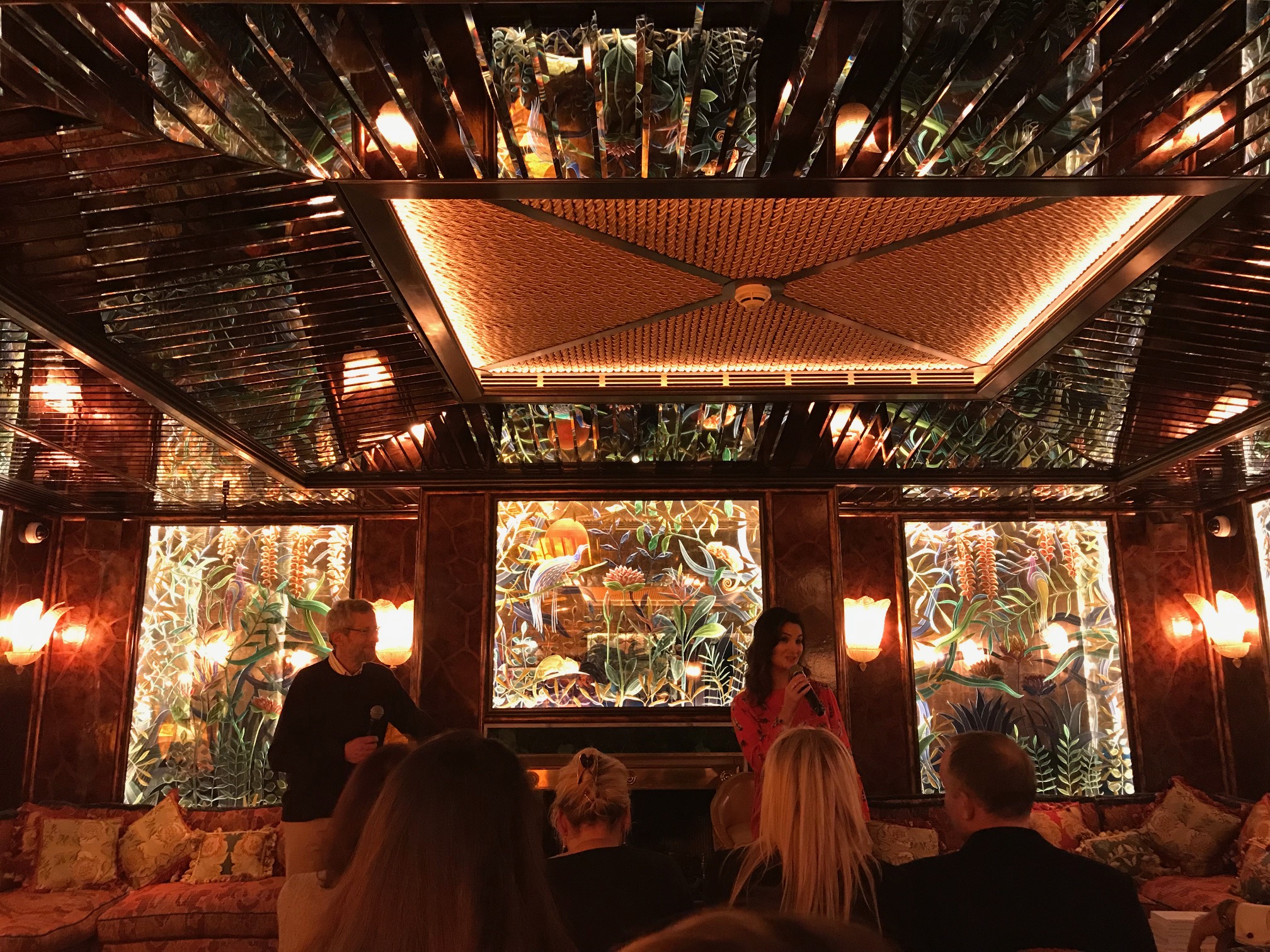
Annabel's Jungle Bar, annabel's, Catherine Balavage, Stephen Fulder, Sophie Scott, Mindulness, LoveIn a world that is so divided I was excited to head to Annabels to hear Sophie Scott, editor of Balance Magazine and Author and Peace Activist Stephen Fulder of What’s Beyond Mindfulness come together for a talk on mindfulness and love. Stephen Fulder was full of wisdom and Sophie Scott was adept at getting the wisdom by asking great questions. Fulder says that we have to love ourselves. It comes from within. He has spent time in Israel educating people to look differently at themselves and others. A 10-year-old Palestinian boy was so moved by Fulder and his words that he told him that he had seen so much suffering that he was sure he human heart was cold and hard, but meeting Fulder meant he then knew there was goodness in the human heart. Fulder says people have to tell themselves I am a whole human being. I love myself. That people have to be a friend of their spirit. We have to allow ourselves to be the shape we are.

When it comes with dealing with difficult and negative people he says that first; you have to look at the person. No automatic pilot. See the person and look at their pain. There will be a lot of ignorance and blindness. Protect yourself by not digesting the stuff. Refuse to let it get to you. Don’t let it get inside. Feel steady and stand your ground. Listen but do not take it in. See the buttons but do not accept it. Say ‘I see you, I see this, I let if go’.

Stephen Fulder is a buddhist but he says being buddhist does not mean taking everything but you have to challenge your ego. If you are the one in the wrong saying sorry has wisdom to it. It is gone, it is finished. A line drawn on the water is just gone. Started afresh in the garden of now.

We are conditioned to run after goals but we can stop and just be mindful. Be happy with our lives and who we are. Rather than just chasing the next thing. The key is joy.

This was a wonderful talk to discuss how we can heal division and conflict both at a societal level and also within our families and communities.  https://annabels.co.uk/events/january-wellness

Here is a link to a recent article that Fulder wrote for Balance on using mindfulness to heal conflict. https://balance.media/resolving-conflict-christmas/ Fulder is doing a tour of UK pubs bringing mindfulness to the masses called Buddha At The Bar.

Image


What’s Beyond Mindfulness is a life-changing guide on every aspect of modern life from using mindfulness to resolve conflict to how to age wisely, deal with tiredness, find fulfilment at work and make friends with your body, heart and mind. It’s a uniquely practical exploration of Buddhism in everyday life that will appeal to people of any faith and to those of none. What’s Beyond Mindfulness was a bestseller in Israel for 18 weeks and is written by leading Peace Activist Stephen Fulder, founder of the Israel Insight Society which has been at the helm of peace talks between Palestinians and Israelis and guided thousands of people in Israel and worldwide in exploring Buddhist teachings. The book is endorsed by Jack Kornfield and James Baraz.

The book is available here.

DAVID LEDAIN EXAMINES GENDER DIVERSITY IN HISTORY AND CULTURE

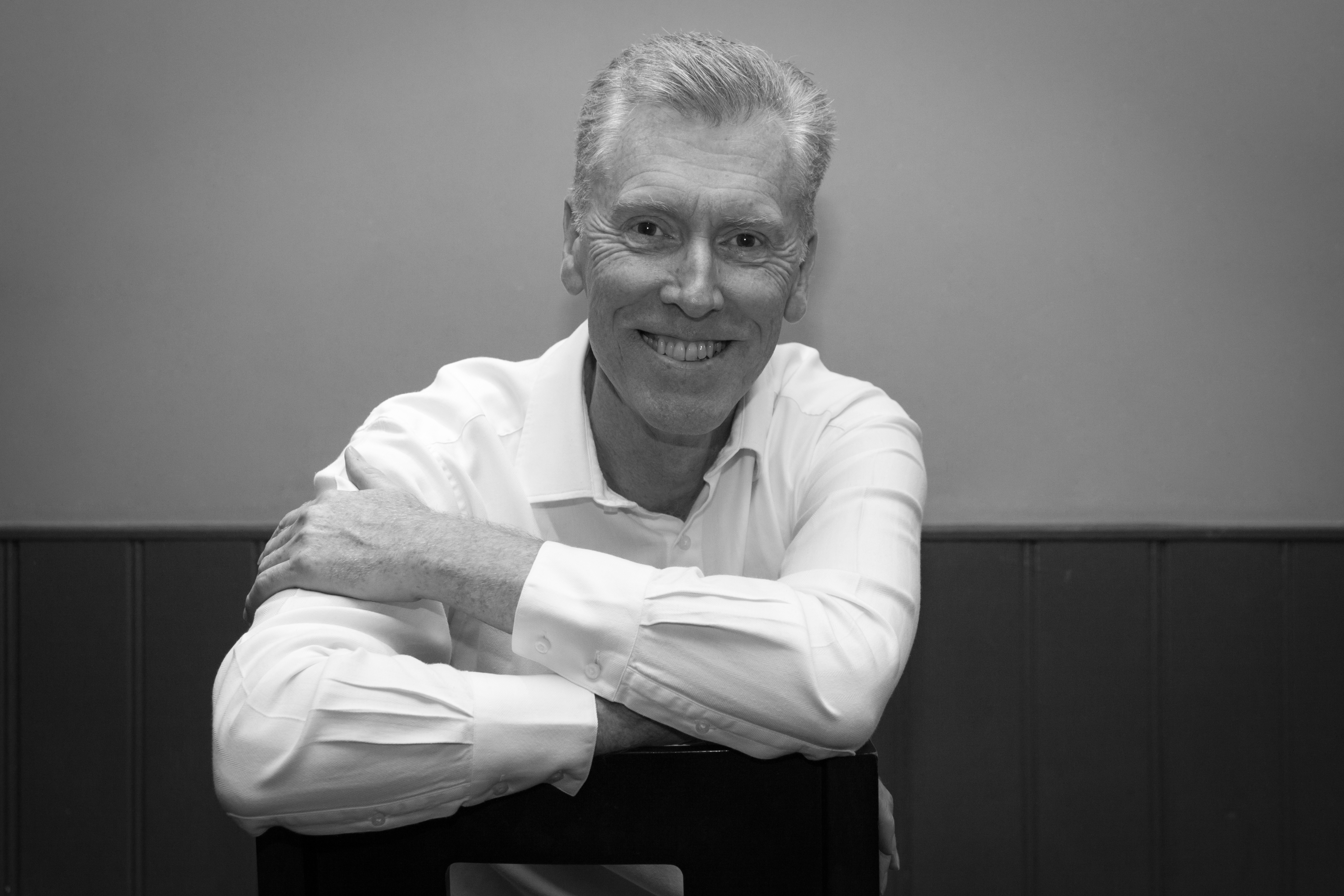
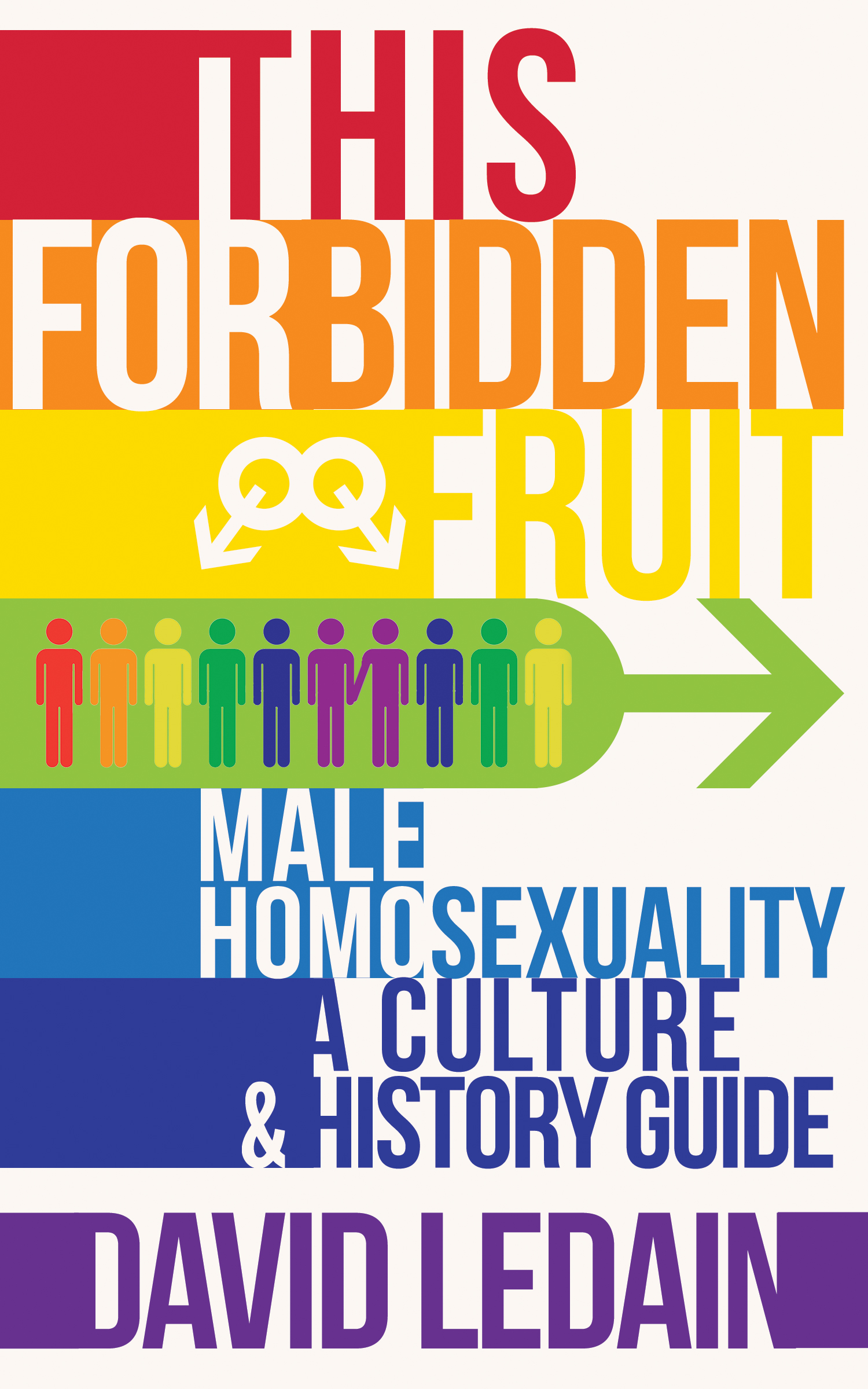
David Ledain is the author of Gay Dad – Ten True Stories of Divorced Gay Men with Kids, Living in the UK Today. Ledain, divorced himself and with two grown up sons, lives in Chichester, West Sussex. His latest book; This Forbidden Fruit: Male Homosexuality – A Culture & History Guide explores what it means to be gay; to live an authentic life when there are little or no references to base it upon.

Our culture provides heterosexual men and women with a vast tradition and depth of lore about what it means to be straight. Women grow up with the myths of Eve, Gaia and the Virgin Mary, while men have Adam, Mars, Zeus and the great religious prophets to identify with. Imagine a world for instance without the representation of women anywhere; a fictitious world in which there are no positive images or examples of women in the church, in government, in film, books or on TV, or indeed of playing any meaningful role throughout history. It is unbelievable, yet this is the way homosexuals have lived, without any gay male archetypes. Because of this lack of backstory, every new gay-themed film, TV show or book that appears, every new celebrity or politician who comes out, is so significant to our collective gay story that we jump on it voraciously. Often, this causes a backlash and straight people can be heard saying things along the lines of ‘They’ve got equal marriage, they can join the army, there are no anti-gay laws anymore, what more do they want? Why do they have to keep harping on?’

Growing up without proper foundations of myth, gender diverse references or role models, is not equality, so every single gay story is as important today as it ever was, even when we have come so far. Story-telling is a fundamental building block of any society. It is what makes us human – passing on our traditions, our wisdom, our folklore and myths from one generation to another. And that is true for homosexuals as well.

This Forbidden Fruit reveals the facts and legends; from Homosexuality in Literature to Coming Out in the Forces; from the First World War – Homosexuality Under Fire to David Bowie 1972; and why, against all odds, homosexuals exist at all.

One possible reason for the evolutionary existence of homosexuals is a means to defend their mothers and siblings by bringing special skills to the family unit that might otherwise be lacking in the other sons. Research shows that another factor in the propensity to bear a gay son might be due to a traumatic event endured by the mother during pregnancy, thus creating the correct hormonal environment for the unborn male foetus to develop more caring, nurturing traits that would be necessary to safeguard the mother’s future well-being. These scenarios require the son to have good caring and nurturing skills, and also to be a character who can negotiate and reconcile situations when for instance, food and resources essential to the family are in limited supply. Homosexual men, though often portrayed in the guise of the stereotypical drama queen, the self-centred narcissist or the vitriolic one-line bitch, more often than not possesses the antitheses of these less desirable character attributes, with softer, more compassionate and supportive qualities. Drawing people together, reconciling, co-operating, and understanding opposite points of view, is familiar to the homosexual character. It is this mythos we need to explore, refine and tell.


You can follow David on Facebook & Twitter @Davidledain

And visit his website www.gaydad.co.uk for more information and his blog.


SISTER SCRIBES GUEST: CAROL THOMAS ON COLLABORATION

It’s my absolute pleasure to introduce Carol Thomas, my long time Chindi Authors partner in crime and one of the best collaborators I know. Carol’s contemporary romance novels have relatable heroines whose stories are layered with emotion, sprinkled with laughter and topped with irresistible male leads; while her children’s books have irresistibly cute, generally furry characters young children can relate to.

“Alone we can do so little, together we can do so much.” — Helen Keller

At the Romantic Novelists’ Association conference in July 2018, Sam Missingham made the point that as writers, even writing within the same genre, we are not competing. Readers read books, lots of them and generally in a preferred genre. Working collaboratively on promotion means a group can be greater than the sum of its parts. Her point was well made and, from experience, I have to agree.

After self-publishing my first novel, Crazy Over You, I reached the point where I didn’t know what to do next. Fortunately, I heard about Chindi Authors – a local group of self-published authors, working together to promote their work. Writing in a range of genres, they had amongst them a wealth of knowledge about self-publishing and promotion.

I joined and learnt a lot, not just from the others, but also through what I achieved from being an active member of the group. My confidence grew, my author platform improved. When it came to pitching my next novel, The Purrfect Pet Sitter, to Choc Lit, all that I had learnt was invaluable. I successfully gained a contract under their imprint Ruby Fiction.

While I remain an active member of Chindi Authors, following Sam Missingham’s advice, I have also recently joined forces with fellow romance writers Caroline James, Angela Barton, Morton S Gray, Julie Houston, Jane Cable, Tora Williams and Mariam Kobras to form Apricot Plots.

We are all passionate about writing smart, fresh romance for the twenty-first century – stripping away out-dated conceptions of romance and romance writers. We are loud and proud about our genre.

Covering the sub-genres of contemporary, historical, mystery, suspense, comedy and more, together we offer something for every romance lover. And we enjoy interacting with our readers, offering competitions and giveaways too. Together we reach more readers and can keep our presence active. If one author is having an off day, the others can take up the slack.

And while our public persona as a group is important what is also invaluable is the private group we share. Behind the scenes, we can talk about issues with our writing, plots, edits and so forth, as well as the general things, positive and negative, that get thrown at us in life. We are there for each other, ready to listen, supportive and encouraging.

When you write within the romance genre, you soon learn that you are part of a very supportive and collaborative community of writers – especially if you become a member of the Romantic Novelists’ Association. But, as my experience with Chindi Authors proved, I don’t think this is necessarily genre specific. Writing itself can be a solitary affair, connecting with other authors is important and when you work collaboratively, it can be beneficial too.

Three top tips for working collaboratively:

1) Take a little time to find your way, but also be prepared to step up. Somewhat obvious but … the key to collaboration is collaborating.

2) Be prepared to compromise. Working as part of a group will require it at some point.

3) Be actively supportive of others; you’ll get more from it than you might think. Rightfully so, when it comes to working in a group, you tend to get out, what you put in.


Find Carol on Twitter @carol_thomas2 and on other social media here:

http://facebook.com/carolthomasauthor

http://www.pinterest.co.uk/carol_thomas2/

http://www.instagram.com/carol_thomas2/

Website / Blog Link:

http://carol-thomas.co.uk/blog


INTRODUCING SISTER SCRIBES: JANE CABLE

This isn’t an easy post to write. If you’re a Frost regular, then you probably know who I am. On the other hand our readership is increasing all the time, so you could well never have heard of Jane Cable.

The first thing to say is I’ve recently been given the role of Contributing Editor at Frost and I’m feeling a bit of a fraud. If anything, having dragged my Sister Scribes on board (not that all of them were kicking and screaming) I’ll be ‘contributing’ even less this year. But it will allow me to spread my wings a little and write more about some of the other things I love… like history, travel, food and drink.

I’m also feeling a bit of a fraud about describing myself as a full time writer, because the reality is I generally spend about half the time writing (or marketing, or all the other bits and bobs associated with it) that I would do if I had a genuine full time job. But actually I want to enjoy life too.

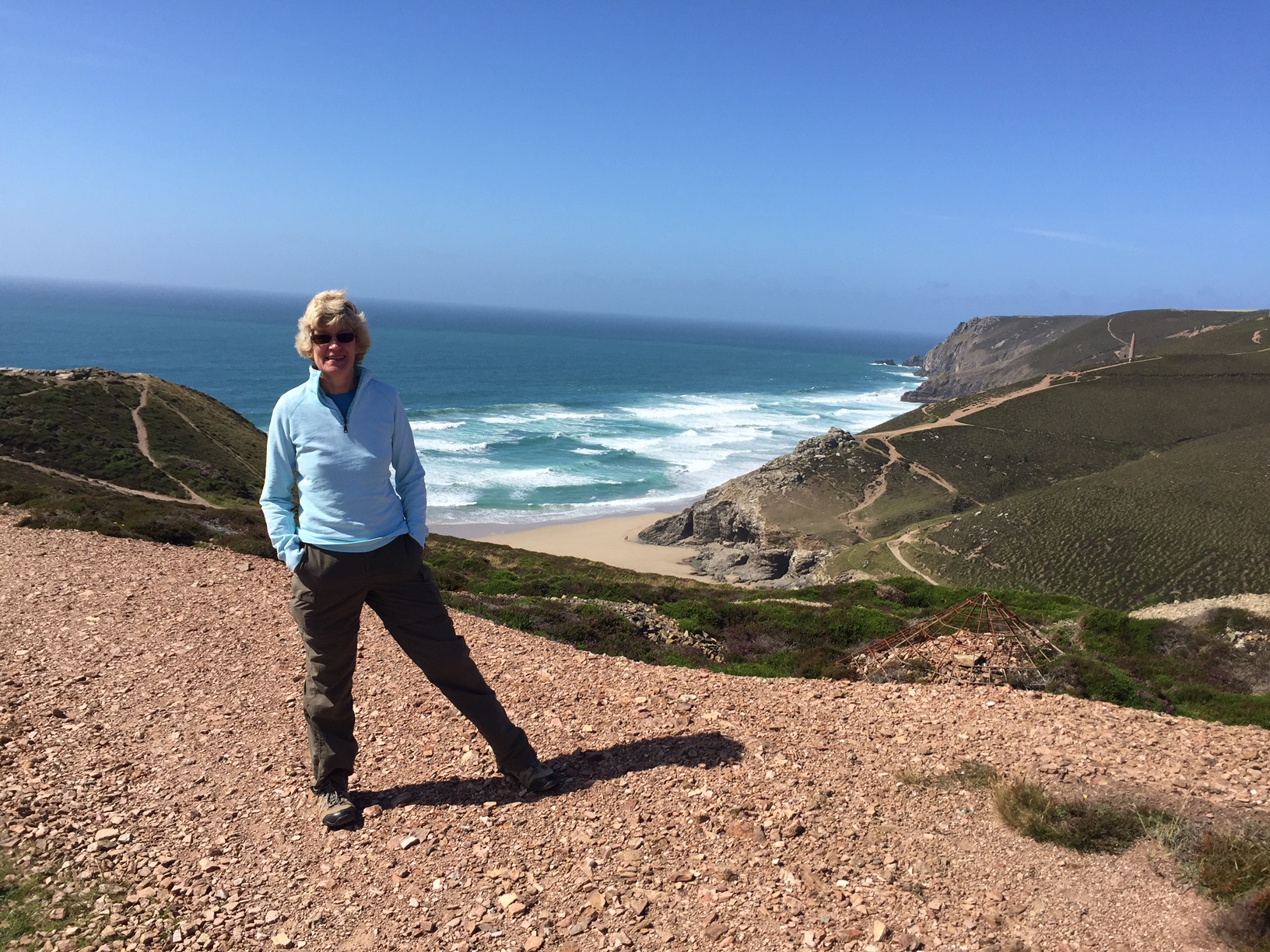
I’m in my fifties (and proud of it… prouder than I am of the parentheses which are plaguing every paragraph) and my OH and I have worked really hard in the corporate world and in our own business since we graduated. Rather than continue at such a pace we decided to kick back and in 2017 we downsized to Cornwall and it was the best thing we ever did.

I’m a total advocate of the lifestyle down here. Not the part holidaymakers would necessarily see, but the everyday world of the everyday people. Very few live to work – most work about enough to live. Nobody’s bothered what you do or what sort of car you drive. As long as you say thank you when they give way to you. And once you sink back into the ‘manana with breaks for pasties’ timescale of anything getting done then it’s a dream.

So where am I in my writing career? I brought out two books independently with a reasonable degree of success, but after a false start with a publisher that went bust I now have a two book deal with Sapere. They are a joy to work with (saying that, I haven’t had my first edit notes yet so time will tell), collaborative and co-operative. They also do their best to bring their authors together, and I’m a great one for that.

Little did I know how influential attending the Romantic Novelists’ Association conference in 2017 would be in terms of finding writer friends. For me by far the most valuable part of the weekend was time spent with other authors and through social media we kept in touch. I was delighted to find that Kitty Wilson lived in Cornwall (although the rat bag has since moved to Bristol) and when Cassandra Grafton came here on a research trip we all met up.

From this meeting the idea of organising our own mini retreat/girls’ break was formed. We invited along Susanna Bavin and Kirsten Hesketh (who’d we also met at the RNA conference) and the rest, as they say, is history and after four days in Bath we’d become Sister Scribes.

There are probably a few other things you need to know about me that sometimes surprise people. I used to freelance as a cricket writer and I love the game. I’m Welsh by birth and fiercely proud of it. And if I couldn’t write it would feel as though my hands had been cut off. Actually, it would probably be because my hands had been cut off…

Follow Jane on Twitter @JaneCable


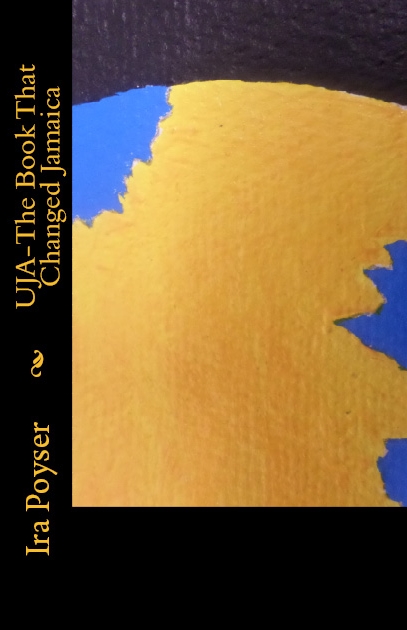
This Week’s Must Read: UJA – The Book That Changed Jamaica

photo credit Lis McDermott

Thanks to solar power, Jamaica’s future is bright in Ira Poyser’s visionary debut novel, which imagines the Caribbean island as a powerhouse of economics, sport and global affairs.

By Lucy Bryson

It’s portrayed as an idyllic island blessed with blue skies, white sandy beaches and warm Caribbean seas. But away from the affluent tourist spots where holidaymakers sip expensive cocktails to reggae music lies a country struggling with crime, violence, poverty, inequality and unemployment. For all of Jamaica’s accomplishments – most notably in sport, music and culture – it has for decades remained reportedly stuck in an economic quagmire.

UJA – The Book That Changed Jamaica, cleverly imagines a future in which Jamaica escapes the impasse and lives up to its immense, untapped potential. The country harnesses one of its greatest natural resources, solar energy, to variously lift itself out of poverty and bolster its athletics talent to Olympic, world-beating dominance.

Ira Poyser’s impressive work of fiction fuses real-life events with fictional characters to create a hopeful – and realistic – vision for post-2030 Jamaica. Not without reason did respected Jamaican newspaper The Daily Gleaner describe it as having “bright, provocative moments” and succeeding in “challenge us to reflect”. 

The date is a key one; Jamaica is currently several years into its ambitious Vision 30 Plan, described by the state as a “strategic road map to guide the country to achieve its goals of sustainable development and prosperity by 2030”. The book contains numerous references to real life events and characters, too. There are ‘cameos’ Jamaican dancehall megastar Shaggy, track legend Usain Bolt, and even American indie musician Ezra Furman. 

A contemporary, sexually-charged romance, UJA – The Book That Changed Jamaica tells the fictional story of Khadeen and Orson “Awesome” Matisse – a power couple like no other. Orson is a former 400-metre Olympic champion who goes on to become Jamaican Prime Minister, while Khadeen is a beautiful, intellectual heavyweight with an aspirational vision for the future of the country. Set in Jamaica, New York, Chicago and Manchester, UK, the book spans a time period from the 1960s to 2031. It follows the pair’s turbulent relationship and the repercussions of publishing ‘Universalizing JA’, a book which sets out to convince their countrymen to harness the power of solar energy to transform Jamaica’s entire future. 

But with great power comes great responsibility, and the most powerful couple in the country struggle to adapt to their new role as leaders.

Alongside the dramatic ups and downs of the central couple’s relationships, Poyser threads in a story of athletic achievements, a giant, uber-destructive storm, and a sports superstar – presumed dead after the storm – with a severe case of amnesia.

Doping scandals, mistaken identity, sexual transgressions (this is a fairly racy novel in places) all have a part to play, and readers also follow the fortunes of the pair’s son Leo, captain of the Jamaican Athletics Team, as he struggles to discover who he really is and where his true strengths lie. 

As Orson and Khadeen overcome their differences to find their missing son, they also fight for Jamaica’s place on the world stage and discover the true strength of their own relationship. 

Poyser, who splits his time between Kingston, Jamaica, and Manchester, UK, writes with warm wit and humour, and in an easy, relaxed style. But he also pulls no punches and tells it like it is; there’s an undercurrent of violence throughout, which reaches a bloody conclusion at the end of the book, before once again taking a positive turn. His book is by turns challenging, romantic and adventurous – much like Jamaica itself. 

UJA – The Book that Changed Jamaica by Ira Poyser (Sculpture Enterprises) is available now  on Amazon, priced £5.09 in paperback and £4 as an eBook. For more information, go to Ira’s official Facebook page.


Aging Gracefully: 4 Health and Beauty Tips for the Elderly

Aging is a natural process and while we cannot stop it, it is certainly possible to age gracefully and in good health, as long as certain parameters are maintained. These parameters will vary a bit from person to person of course, but there are certainly some common factors that can help anyone age beautifully and with grace. On that note, we are now going to discuss three of the essential health and beauty tips that all elders and/or their caretakers should be aware of.

Moisturization is Essential

Fine lines and wrinkles begin to appear as we age due to multiple reasons, but the drier your skin is, the more susceptible it will be to the signs of aging. Therefore, regular moisturization is a must, especially if you live in a dry or cold part of the country. Some of the essential moisturization tips are as follows:

  • Avoid soaps and use moisturizing facewashes instead
  • Don’t scrub daily and when you do, scrub gently
  • Look for ingredients such as hyaluronic acid, dimethicone, glycerin, propylene glycol, urea and other water retentive agents in your cream
  • A moisturizing cream with additional ingredients such as vitamin A, vitamin E, proteins, aloe vera, etc. is preferred

Drink a Gallon of Water Every Day

The moisturization we talked about cannot only be skin deep, because we will also need to stay hydrated with a daily water intake of 2 – 3 liters. The thing about staying hydrated is that it will not just keep your skin moisturized and glowing, but the habit will also help in avoiding a number of more serious age-related health conditions. Once you look at the list below, you will realize that the frequent trips to the bathroom are worth it!

  • Better kidney and bladder health in general, with reduced chances of developing stones
  • Internally hydrated skin stays elastic even when we age, reducing the appearance of sags, swells, wrinkles and lines
  • More energy, better bowel movements, improved mood and cognitive abilities

Prepare for Emergencies

Heart attacks and cerebral strokes are common emergencies to prepare for when we start to get older, but what a lot of people do not understand or pay enough attention to is the fact that urgent and immediate medical care can make a huge difference. Go through the top rated medical alert systems and find one for yourself or the elder under your care, so that he/she can alert the emergency services and contacts in case they are in a situation that requires immediate medical attention. Some stroke patients can actually recover completely in a few months’ time if immediate care is taken and heart attacks that could have been managed easily often turn fatal due to delay in treatment. One needs to accept that a medical emergency can occur at any time and without warning as we age, so having a well-planned medical emergency system in place is not just wise but absolutely essential as well.

Lift Weights

Contrary to popular belief, it has now been established that weight training or resistance training is actually good for the elderly. It helps to retain muscle mass and also to maintain high bone density, both of which tends to decrease rapidly as we age.

Old age doesn’t necessarily have to be sedentary and boring, but in order to lead a good life even in your 60s, 70s and beyond, it is absolutely vital to take precautions before it’s too late. Thanks to modern medicine and technology, doing that is now easier than ever before, so all one really needs to do is put in a bit of effort towards it and life after retirement can be a lot of fun!


Time For a Crime Wave? The Best Upcoming Crime Books

Ready for a crime wave? Here are Frost’s top three psychological thrillers.

Connections in Death by J.D Robb. The latest Eve Dallas thriller. Unadulterated entertainment. Out now.

When recovering drug addict Lyle Pickering is found dead of an overdose, it looks like a tragic accident. But his sister Rochelle knows better, and so does Lieutenant Eve Dallas. Lyle was murdered, and the evidence points directly to his old street gang.

As Eve and husband Roarke track the killer through the city’s dive bars, drug dens and strip joints, another body is discovered. With connections growing between the living and the dead, and the body count on the rise, Eve knows she needs to close this case fast, before the killer’s lust for power turns the city’s streets into a bloodbath.

Available here.

The Buried Girl by Richard Montanari. A terrifying read that will stay with you. Out on February 14th.

A haunting, nerve-jangling psychological thriller from Sunday Times bestselling author Richard Montanari set in a small town hiding a very dark secret.

When New York psychologist Will Hardy’s wife is killed, he and his teenage daughter Bernadette move into Godwin Hall, a dusty, shut-up mansion in the small town of Abbeville, Ohio.

Meanwhile, Abbeville Chief of Police Ivy Holgrave is investigating the death of a local girl, convinced this may only be the latest in a long line of murders dating back decades – including her own long-missing sister.

But what place does Will’s new home have in the story of the missing girls? And what links the killings to the diary of a young woman written over a century earlier?

Available here.

55 by James Delargy. Brilliantly done. Will keep you breathless until the last page. Out on 4th April. 

*** There were 54 victims before this. Who is number 55? ***
A thriller with a killer hook, and an ending that will make you gasp!

Wilbrook in Western Australia is a sleepy, remote town that sits on the edge of miles and miles of unexplored wilderness. It is home to Police Sergeant Chandler Jenkins, who is proud to run the town’s small police station, a place used to dealing with domestic disputes and noise complaints.

All that changes on a scorching day when an injured man stumbles into Chandler’s station. He’s covered in dried blood. His name is Gabriel. He tells Chandler what he remembers.

He was drugged and driven to a cabin in the mountains and tied up in iron chains. The man who took him was called Heath. Heath told Gabriel he was going to be number 55. His 55th victim.

Heath is a serial killer.

As a manhunt is launched, a man who says he is Heath walks into the same station. He tells Chandler he was taken by a man named Gabriel. Gabriel told Heath he was going to be victim 55.

Gabriel is the serial killer.

Two suspects. Two identical stories. Which one is the truth?

James Delargy has written one of the most exciting debuts of 2019. He masterfully paints the picture of a remote Western Australian town and its people, swallowed whole by the hunt for a serial killer. This novel has been sold in 19 countries so far and has just been optioned for film.

Available here.

INTRODUCING SISTER SCRIBES: SUSANNA BAVIN

Despite her concerns about sounding showy-offy that’s the last thing Susanna Bavin is. She may be the quietest of the Sister Scribes, the most softly spoken, but that does nothing to hide her keen intellect and enquiring mind. Most definitely her own woman.

There is something scary about being asked to introduce yourself on a magazine page. Will it sound showy-offy? But my fellow Sister Scribes have all introduced themselves, so now it’s my turn. Here goes.

I am living proof that dreams come true. There! How’s that for showy-offy? Not to mention being rather a grand claim. But it’s the simple truth. As a child, I dreamed of one day living in North Wales – Llandudno, to be precise – and six years ago, my husband and I found a beautiful house here, threw caution and jobs to the winds, and moved here. Best thing we ever did. One question we get asked by people who would love to live here (it seems that almost everybody who comes here on holiday dreams of living here) is, “Is it different when you live here? Less special?” and the answer to that is a resounding No. We love it just as much, if not more, and that feeling of “Wow! We really live here” has never gone away.

So that’s one dream. The other, of course, is that I have finally become a published writer. I say ‘finally’ because, although I was a child-writer and have been writing all my life, for most of that time I didn’t submit anything to literary agents. As a matter of fact, I got rather hooked on getting feedback and worked with a writers’ advisory service for some years. Then I decided to aim for publication, so I joined the RNA (Romantic Novelists’ Association) with the intention of writing four books, so as to have a body of work to offer a literary agent.

In the event, after I had written three, I became aware of other new writers getting their books published, which made me feel left behind, so I decided that the size of my body of work was perfectly adequate at three books and started submitting to literary agents. I was lucky enough to be signed up by Laura Longrigg at MBA.

The books I write are sagas. To date, I have had three published – The Deserter’s Daughter, A Respectable Woman and The Sewing Room Girl. The fourth, The Poor Relation, follows in May. The books are set in the part of Manchester where my family has lived for several generations and where I grew up.

I was a saga writer before I knew what sagas were. As a teenager, I lapped up Victoria Holt’s novels and started writing gothic stories, but these naturally grew and became what I later found out were sagas. For me, this was just the natural development of my writing style. I was delighted when, as a reader, I found out that other people wrote this kind of story too!

What do I like about sagas? The historical setting, for starters. I love to see the characters having to tackle their problems within the social and legal context of the time. I also enjoy the glimpse of social history, which is a great interest of mine. Clothes, meals, furniture – I love all those domestic details especially costume. It’s no coincidence that my forthcoming book, The Sewing Room Girl, involves the making of lots of clothes!

Follow Susanna on Twitter @SusannaBavin