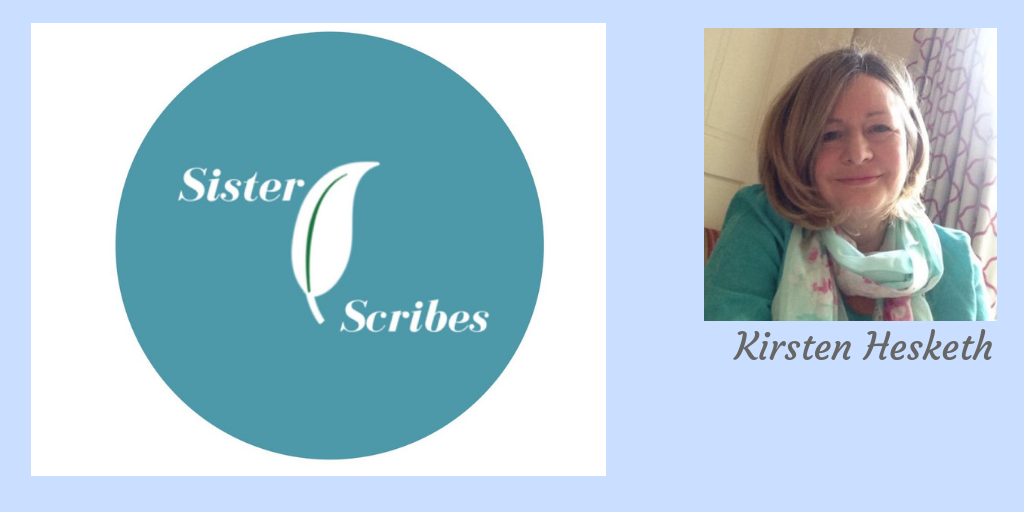
INTRODUCING SISTER SCRIBES: KIRSTEN HESKETH

The second Sister Scribe I have pleasure in introducing is Kirsten Hesketh. Actually, she’s done a fab job of introducing herself… except she’s failed to mention that she’s kind, generous, funny and super-bright… and two glasses of sherry and a limoncello generally put her under the table.


Hello!

My name is Kirsten Hesketh and I am a novelist living in beautiful Henley-on-Thames. I am absolutely delighted to be part of Sister Scribes and I’m very excited to see how the project unfolds over the next weeks and months.

In fact, between you and me, I’m also feeling a twinge of Imposter Syndrome as I am the only one amongst our number who has yet to be published. Shhh … maybe they haven’t realised! Seriously, though, I hope my dispatches from the querying trenches will be interesting and entertaining: after all, isn’t it as much about the journey as the destination?

Anyway, a little about me.

My debut novel, Another Us, is the – hopefully! – poignant and funny story of a marriage at breaking point. Emma and Daniel’s son Jack has been diagnosed with Asperger Syndrome and Emma is horrified to discover that 80% of such marriages fall apart. I am neuro-typical – if there is such a thing! – but one of my children was diagnosed with mild Asperger Syndrome when he was ten. My book starts pretty close to where we were as a family at that time (with an extra child added in for good measure) but quickly moves into ‘what if?’ territory – exploring the impact of the diagnosis on the family and the marriage.

I wrote the book in fits and starts, slotting it around my day job as a marketing consultant. I made every writing mistake possible – trying to get it right before getting it written (painstakingly polishing passages that didn’t even make the final cut) and sending it out to agents as soon as I’d finished the first draft. I don’t think it really had a plot. Let alone a narrative arc!

About this time, I joined Twitter and started to discover that fellow writers really are the most generous and lovely bunch. Twitter led me to the Romantic Novelists’ Association (RNA) New Writers’ Scheme, which in turn led me to the RNA conference.  The RNA conference led me to delightfully raucous kitchen parties, sore head … and the other Sister Scribes. And along the way, I have met some truly inspirational women writers and poets and I am very excited to be introducing some of them to you in due course …

Once I had worked out what Another Us was really about. I redrafted and polished it and I started pitching to agents again. That was nerve-wracking, but once I’d received the first couple of rejections, I started to enjoy the process. I was lucky enough to have a little flurry of interest and I chose to sign with Felicity Trew from the Caroline Sheldon Literary Agency who, interestingly, I had heard speak at the RNA conference. Felicity is advocate, enabler, co-conspirator and therapist all in one and I can’t wait to find out what happens next.

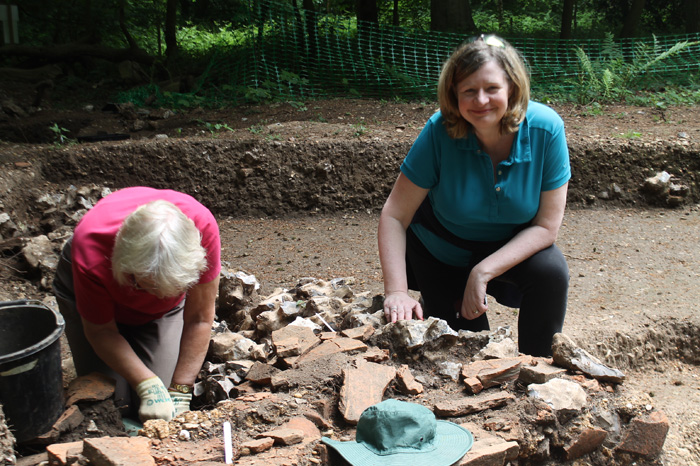
I’m now working on my second novel – affectionately titled Muddy Milly – which is set on an archaeological dig and is about a woman facing up to traumas in her past. My hubbie and I are heavily involved in a Roman dig near where we live in the Chilterns and I absolutely love it – the excitement, the camaraderie, the gentle exercise, the beautiful woodland. I’m really looking forward to March when the season starts again …

I’m a proud member of Reading Writers and am currently their treasurer and I’m still a member of the RNS New Writers’ Scheme. I am very much looking forward to the conference in the summer (although my liver is not).

I’m very much looking forward to meeting you all over the coming weeks and months.

Kirsten xx


Follow Kirsten on Twitter @Kirsten_Hesketh

INTRODUCING SISTER SCRIBES: CASSANDRA GRAFTON

The first Sister Scribe I have pleasure in introducing is Cassandra Grafton. Cass currently splits her time between Switzerland, where she lives with her husband, and England where she lives with her characters. She loves travelling, words, cats and wine, and the Sister Scribes love the Swiss chocolate she so generously shares with us.

Hello! I’m delighted to be part of this exciting new venture with my Sister Scribes here at Frost Magazine!

A proud bookworm since childhood, I try to write the sort of stories I love to read – heart-warming, character driven and strong on location. Having moved around extensively and lived in three countries, I find places inspiring and the setting of my novels often becomes as much a part of the story as the characters.

I’ve been reflecting on the writers who have influenced both my reading habits and writing inspirations, and most of them have been women. My early years were spent devouring the novels of Enid Blyton, especially her boarding school stories. I’ve never been to boarding school, but it all seemed such fun, with midnight feasts and lashings of ginger beer! I think what also drew me to her stories was that she gave her lead characters some flaws, and I took comfort from the fact that sometimes it was okay to get it wrong.

When I reached my teens, romance took over, from the wild passion of the Brontës to the more gentle romance of Mills & Boon, all of which I consumed avidly. I fell in love with Mr Darcy and Captain Wentworth. I moved onto that early pioneer of chick-lit, Jilly Cooper, loving the humour she brought to her stories, then to Marion Keyes and Anna Maxted – real laugh out loud stories that also moved me to tears, turning occasionally to Daphne du Maurier for a dash of suspense. The final influence on my tastes came a little later, in the form of JK Rowling and her Harry Potter series.

It was both the latter and my love for all things Austen that eventually led to turning my long-held dreams of being a writer into reality.

I met a Californian (Ada Bright) on a Forum online and we both decided to try our hand at co-writing fan fiction, firstly around the Potter universe and later dabbling with Austen’s characters – it was fun, rewarding and a great way to hone our writing skills.

Eventually, I decided to publish some of these endeavours before Ada and I settled down to co-write The Particular Charm of Miss Jane Austen, which has since been picked up by Canelo Digital Publishing and will be released in September, with a sequel following in November.

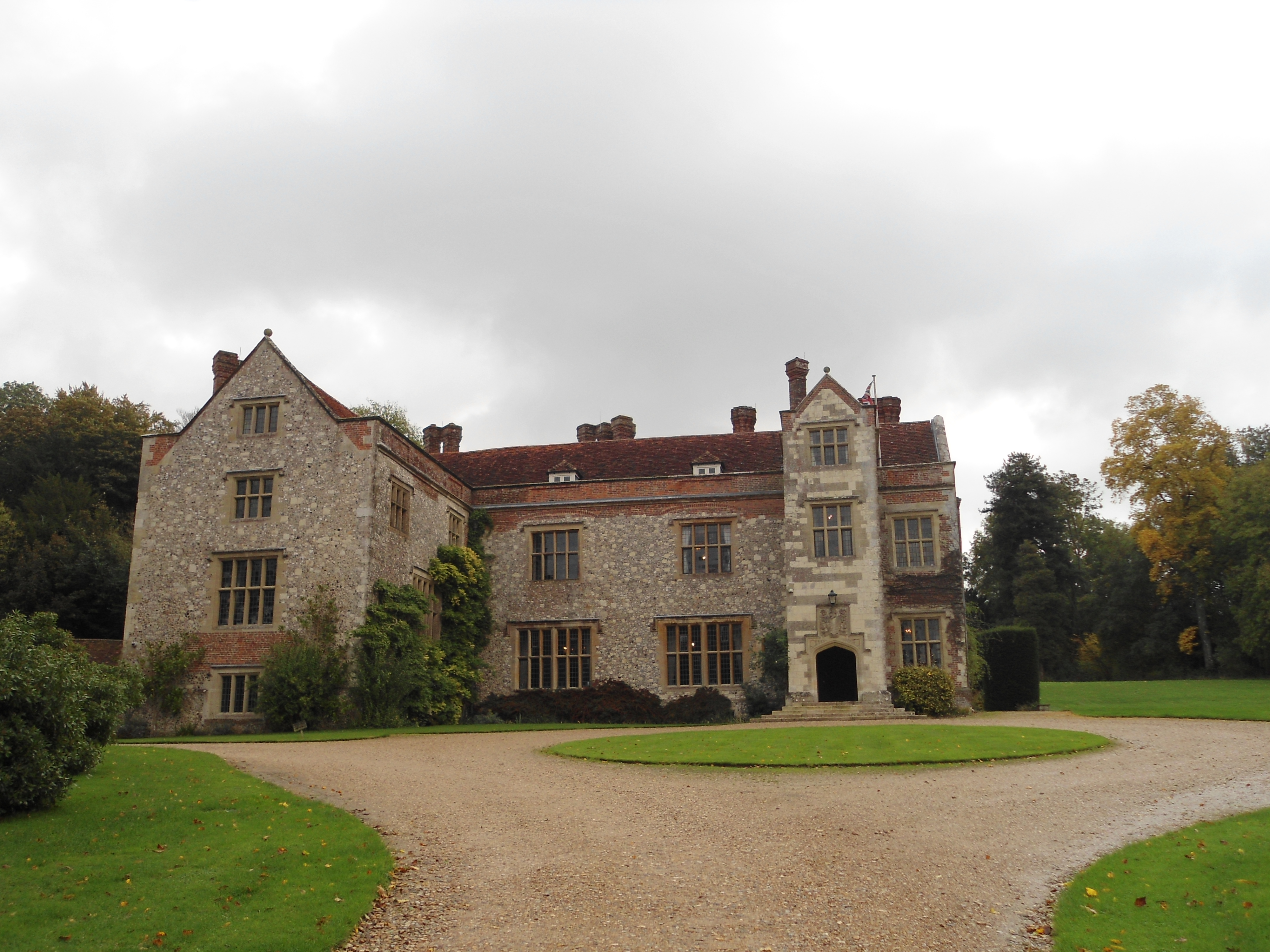
It’s true to say that Jane Austen has, therefore, been the biggest influence of all those women writers. It feels apt that Chawton House in Hampshire, located in the village where Jane Austen was living when she published her first four novels, a secondary home of her brother, Edward (Austen) Knight, now houses a library dedicated to early editions of works by women, mostly within the period 1600-1830, a unique collection of women’s writing.

The historic setting of the house brings to life the context within which women writers lived and worked. The diversity of women’s writing during this period is displayed through novels, poetry, drama, published letters and memoirs on a whole range of subjects including history, travel, medicine, botany, cookery and more.

I’m looking forward to working with my fellow Sister Scribes over the coming year as we share our thoughts and experiences with you and introduce you to some of the key women writers in our lives.

Source: Chawton House website (https://chawtonhouse.org)


Follow Cassandra on social media @CassGrafton on Twitter or on Facebook

https://www.facebook.com/cassie.grafton

This Week’s Must Read: Vincent Van Gogh, The Ambiguity Of Insanity

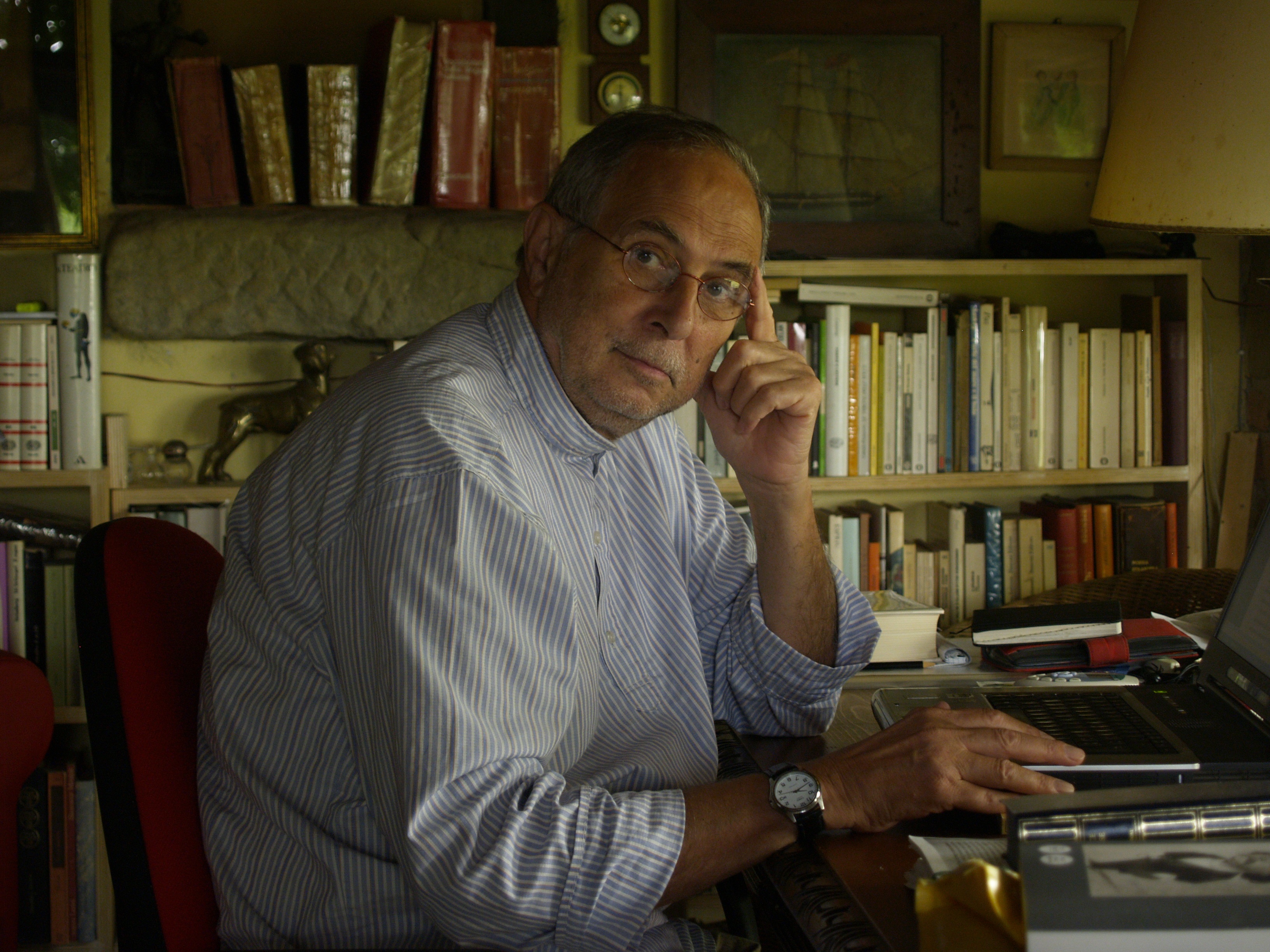
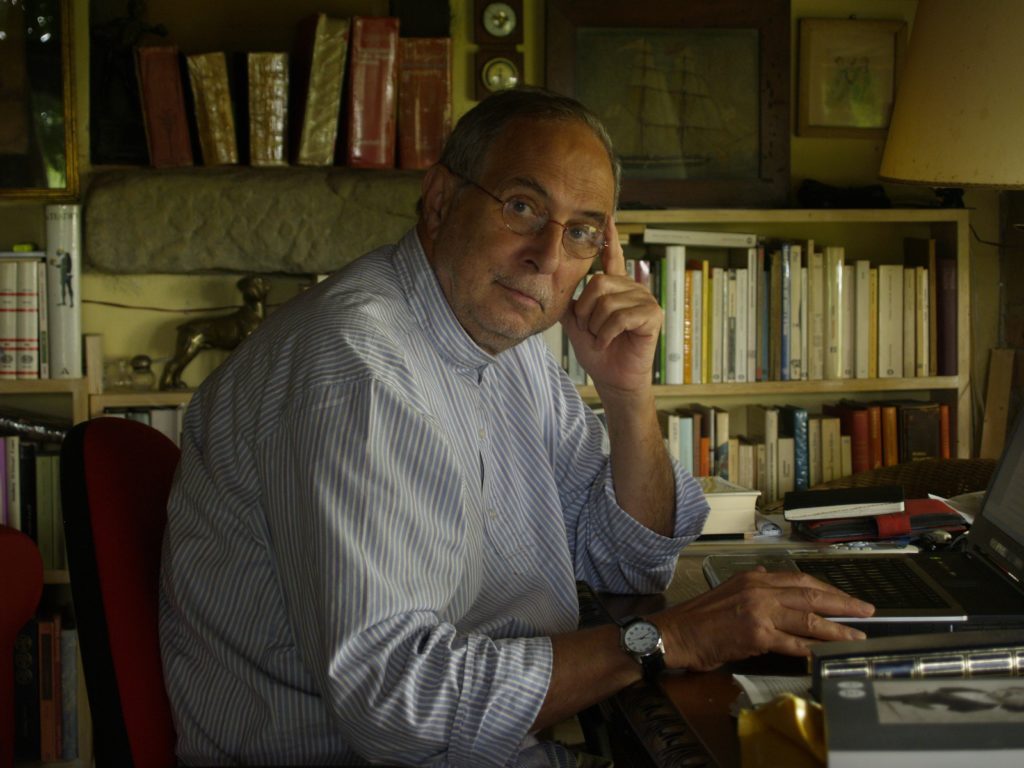
Vincent Van Gogh’s turbulent and tragic life story is told with compassion and wisdom in Giuseppe Cafiero’s exceptional work of bio-fiction, writes Lucy Bryson.

By Lucy Bryson

This fascinating audiobook from prolific writer Giuseppe Cafiero provides a nuanced account of the life and times of one of the greatest painters of the 20th-Century. It sheds fresh light on the ways in which the artist’s life and works were shaped by people, places – and by a dangerously obsessive personality.

Loosely based around the correspondence between Van Gogh and his brother Theo – here portrayed as one of very few constantly supportive figures in the troubled artist’s all-too-short life – Van Gogh, The Ambiguity of Insanity presents Van Gogh’s life as a fictional series of chapters, each shaped by a particularly meaningful woman and by the place where the Dutchman was living at the time. Cafiero creates a portrait of a man both proud and vulnerable, reclusive yet deeply desirous of emotional, artistic and physical companionship.

Beginning with his early life on the Dutch-Belgian border, born to a pious pastor father and staunchly religious mother in a “sterile, oppressive land, burdened with gossip, ill-feeling and sickness“, Cafiero goes on to present Van Gogh’s life in 10 chapters, each of which takes as a focus a specific woman – be she an unrequited love, a lover, family member, model or muse – who was instrumental in shaping the troubled artist’s life.

Cafiero’s audiobook paints a stark yet vivid picture of an obsessive, psychologically vulnerable man, prone to extremes of emotion that led him to dark and troubled places. He was, we learn, driven by obsessions, which were often seemingly at odds with each other: an obsession with religious piety; with erotic love; with redemption; with artistic perfection; with family ties and with friendship (Vincent is seen to be hugely emotionally affected by the collapse of his friendship with fellow artist Gaugin). Suffering the pain of rejection on numerous occasions (and often as a result of inappropriate fixations), Van Gogh was perhaps overly dependent on his more stable brother Theo, who supported him both financially and emotionally throughout Vincent’s turbulent life and until his premature death at the age of just 37.

But we discover that Van Gogh’s emotional and artistic life was shaped not only by the women he encountered, but also by the places he lived, studied and painted – from the glamour of Paris to the decay of London’s insalubrious back streets. Van Gogh travelled extensively in his 37 years, and was apparently deeply susceptible to external influences.

The book follows Van Gogh’s long and painful mental unravelling and his sad journey towards apparent suicide (it has never quite been an open and shut case, and some people still maintain Van Gogh was murdered…). As its title suggests, this book shows that ‘insanity’ is not a constant, easily identifiable condition, but rather a spectrum, and something that may be more or less apparent at different life stages. Cafiero’s passion for his subject matter is evident (as is his painstaking research) and he has taken care avoid sensationalism. 
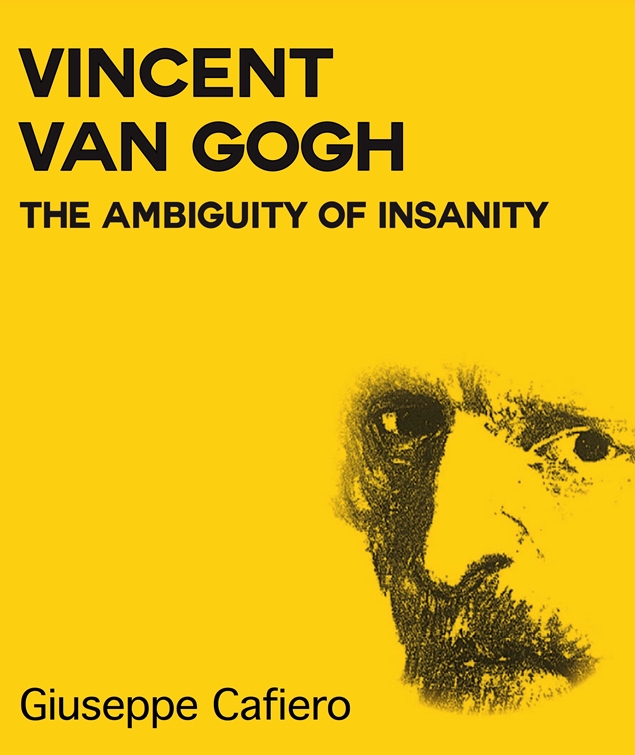
Vincent Van Gogh, The Ambiguity Of Insanity is a powerful, thoughtful account of a fascinating figure in art history. 

Vincent Van Gogh, The Ambiguity Of Insanity by Giuseppe Cafiero (Rowanvale Books), is out now as an audiobook on Amazon UK, Audible or iTunes.

Q&A with Italian author Giuseppe Cafiero

Giuseppe Cafiero is pioneering the ‘bio-fiction’ genre with meticulous research and masterful storytelling. Frost Magazine finds out more about what drives and inspires him, and his plans for the future.

Frost Magazine (FM): You have become known for your bio-fictional accounts of the lives of authors. What made you turn your attention to the life of an artist? 

Giuseppe Cafiero (GC): My main interest in the life of Vincent Van Gogh is in his humanity. In attempting to understand the man and his art, I have focused on the women and the places which played an essential part in his development. In my opinion, no previous biography has concentrated so specifically on these two factors, which I have used to provide the framework for my account.

FM: Van Gogh is more typically portrayed as the stereotypical ‘tortured genius’ – do you think that is an oversimplification? 

GC: Certainly. The vital factor in Van Gogh’s life was his obsessive determination to become a painter. It is impossible to understand man without investigating the nature of this obsession.

FM: How did researching the book alter your understanding of Van Gogh and his work (if at all) and did anything about his relationships or personality surprise you?

GC: I was surprised by the obsession as a subtle and tragic illness that inexorably consumed man. He was driven by a passionate determination to express himself through colour: above all with yellow as a symbol of life and spirituality.

FM: Who is the book likely to appeal to, and what do you hope readers will take away from reading it?

GC: The book is for lovers of Van Gogh and those who try to understand how madness can be a creative means. The long and painful progress towards suicide, the desire for extinction once madness turned out to be a painful companion and certainly not the source of hope.

FM: Why did you choose to base each of the chapters around a woman and a place in Van Gogh’s life? Was it a clear choice as to which females and locations to include?

GC: The book really focusses on Van Gogh’s obsessions: the obsession with redemption (his mission among the miners of Borinage and his relationship with Sien); the obsession with friendship (the failure of his relationship with Rachel in Arles); the obsession with a selfishly tormented spirituality (the relationship with the Kee Vos in Etten); the obsession with the sun of southern France (Madame Ginoux in Auvers); and the obsession with family love (her relationship with her sister-in-low Johanna in Paris).

FM: This title seems to have a more straightforward narrative than other titles in the Ambiguities series. Was this a conscious decision?

GC: Yes, of course. I had to tell the life of Van Gogh, the women he met, the places he frequented, the paintings he painted year after year.

FM: Van Gogh produced some of his finest works while his mental health was at a low (for example Starry Night). Do you think his mental health issues were integral to his genius as an artist?

GC: Van Gogh’s life was a moving struggle to find his way as an artist. He managed to express at the end of his life and through a tender and overwhelming madness, a pictorial proposition in which the colours are an unimaginable beauty.

FM: Are there any other titles planned in the Ambiguities series? And how would you summarise the series for readers who are not yet familiar with the books?

GC: Certainly. I have written books on the ambiguity of Gustave Flaubert, Edgar Allan Poe, Virginia Woolf and Mario di Sa Carneiro. Ambiguity is just a way of seeing some writers from a particular perspective: in their imagination and their desire for imagination.



WRITING IN THE NEW

Jane Cable sets out her plans for Frost for 2019…

Much as I’ve loved hosting Business of Books over the last couple of years, it’s definitely time for a change. Two changes in fact, but more of the second one later.

Readers with very good memories may recall that in the autumn I went on a mini retreat with four writer friends. It was a comment from Kitty that started it – just as we were leaving – she said we’d become sister scribes. So I began to ponder what that could mean.

The world over women are particularly good at giving other women support. We excel at cooperation, collaboration, sharing the champagne and handing out the tissues (or the gin). We celebrate, we commiserate, we coax, we cajole – in short, we are there for each other.

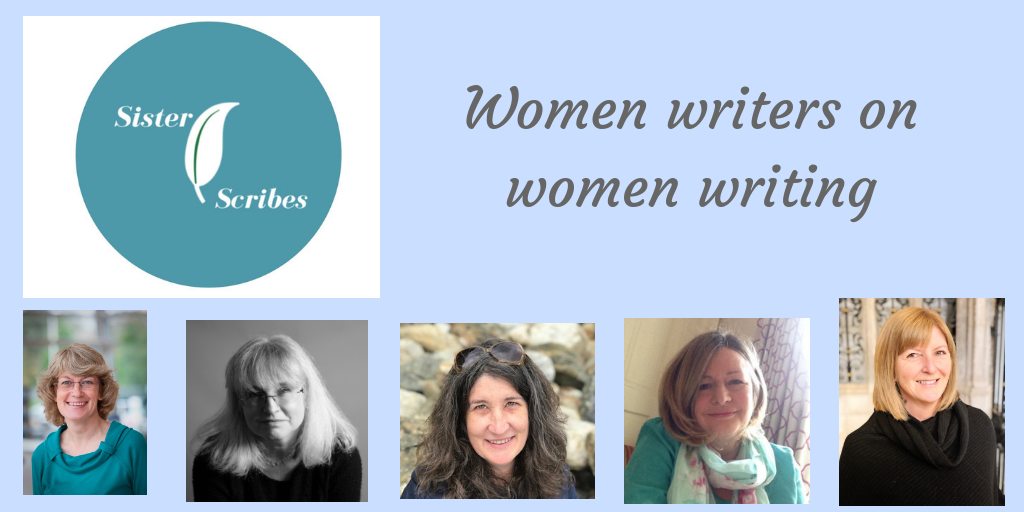
So this year I’m sharing my Frost columns with my Sister Scribes. Over the next few weeks everyone will introduce themselves, and in the coming months we will all introduce other sisters from the world of words; women whose contributions to our writing lives are important to us. Women who want to share their passion for writing for, by, and about women.

So, the Sister Scribes are:
Cassandra Grafton has her roots in Austen-inspired fiction and is a Jane Austen Literacy Foundation ambassador. Published by Canelo from this year.
Jane Cable is a long term contributor to Frost. Indie author published by Sapere from this year.
Kirsten Hesketh’s first novel landed her an agent. Hopefully a deal will follow soon.
Kitty Wilson walked straight out of the RNA New Writers’ Scheme into multiple offers. Writes hilarious romcoms for Canelo.
Susanna Bavin writes elegant, well-researched sagas. Published by Allison & Busby.

We met because we are all members of the Romantic Novelists’ Association, but that doesn’t mean the columns will all be about romance as our network of contacts spreads far and wide. Within the genre we cover a broad church, from sagas to romcoms and a great deal in between. There will be plenty of interest for readers and writers alike, with our first guests including my own long time buddy Carol Thomas on marketing collaboration and Cassandra’s co-author Ada Bright on what it’s really like writing together.

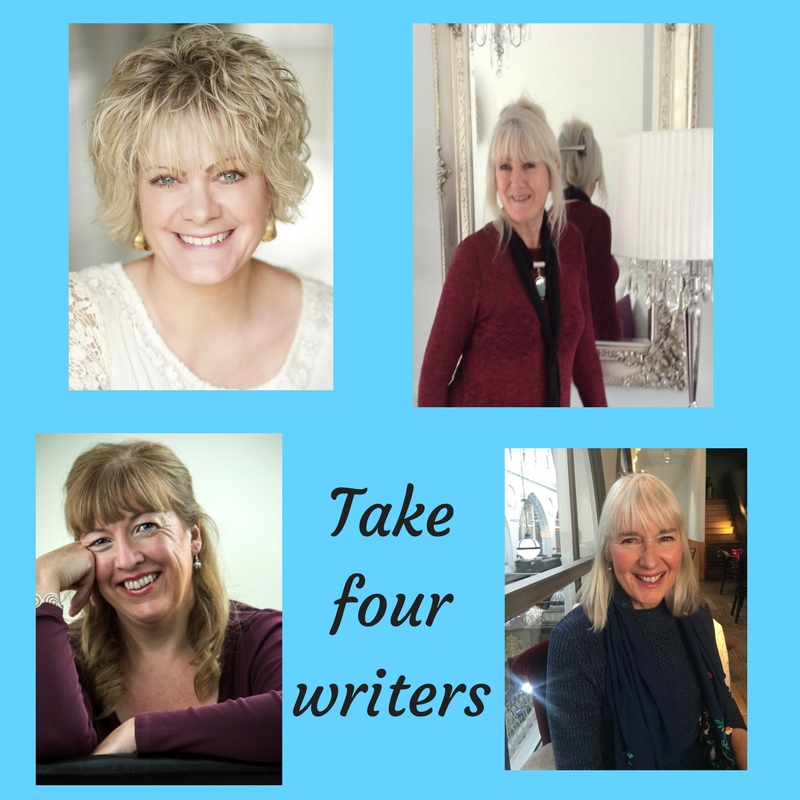
So that’s the first change. The second is an additional column on the last Wednesday of every month to replace the popular Take Four Writers. I will miss Angela, Claire, Jackie and Lucy but it’s time to offer a different perspective and I’m delighted that Sapere Books has offered to provide it.

Every month one of the Sapere team will give an insight into their publishing year. Editorial Director Amy Durant is as delighted about it as I am: “I am very excited to be offered this chance to give readers and writers a unique perspective into what life is like at Sapere Books. We are still a very new publisher and we have lots of exciting projects and developments launching this year – including publishing two of Jane’s books – so there will be plenty of news to share. As a small team we have the flexibility to change strategies at the drop of a hat, if something interesting pops up, so even I don’t know yet what I’ll be writing about in six months’ time, but I hope you will enjoy reading about Sapere Books’ journey in our second year of trading.”

So what will I be doing with all this extra time? I’m hoping I’ll be able to review more books for Frost and even branch out into travel and history related articles. Plus, as Amy has reminded me, I have two books out this year…


Kickstart your inner author: How to write a novel by next new year

By Tobsha Learner

Many of us dream of putting pen to paper and writing our first novel – so how can we make 2019 the year we actually do it? We asked bestselling historical novelist Tobsha Learner for her top tips…

  1. Study the masters: Before you begin writing, choose your favourite example of the genre you want to write and study it. Observe how the plot unwinds throughout the book. Make a graph noting how the subplots feed into the theme of the book and how they all build to the climax and conclusion. Look at how conflicts between characters and the obstacles they have to overcome creates tension. Note how specific characteristics make a protagonist believable… 
  2. Think about tenses and what they do psychologically to the reader before you begin writing: For example 1st person/present places them in the skin of your protagonist and moves them through the landscape right in the moment, the down side is that the description of other characters will always be through the protagonist’s eyes unless you jump tenses. Again look at your favourite books and note how the author is using tenses for different effects…
  3. Do your research – become a razor-sharp observer: For characterisation, interview and record for dialogue and specific characteristics (with permission of course). Get into the habit of eavesdropping and making notes, snippets of dialogue, psychological quirks etc. This will inspire and help build realistic and empathetic characters. For location, visit if possible, take photos, record sound, smell, and architecture. Everything to help create visceral landscape the reader can almost touch. If visiting a location is not possible, go on-line and collect images. On action/careers of characters – search out experts in that particular field and interview them. You’d be surprised how many will agree (with a promised thank you or reference at the back of the book). Just make sure you’re respectful and make it clear it’s for general atmosphere and not to use verbatim… 
  4. When you’re ready to start writing make your desk or writing place a sanctuary me-space. Make it somewhere you will end up yearning to sit and write at – define it with scented candles, fresh flowers, crystals…whatever triggers your creativity. Think about the colours and light around you that will help concentration – you don’t need a view, the view will be the world you’re creating on the page.
  5. Keep a notebook or recording device by your bed, office desk and in your handbag. Start collecting those amazing revelations or sentences that come to you first thing in the morning, in the middle of the night, a little drunk after a bad blind date…whenever it is, catch and immortalise that thought/phrase/idea. Inspiration strikes at the weirdest times, be prepared and get into the habit of collecting ideas, great phrases or snippets of dialogue you’ve overheard. You might not yet realise how you will use them in the future but a good part of writing is observation and you can do this anywhere.
  6. Be prepared to write many drafts: To over-write is better than under-writing. This allows you more choice as you hone down your narrative. Take time out between each draft to get a ‘clear eye’ on each re-write – this will give you more objectivity. I’m talking weeks not days. I call this fermentation time, and it’s important to resist the impulse to sit down and fix what you think is wrong with a draft immediately after finishing reading it… 

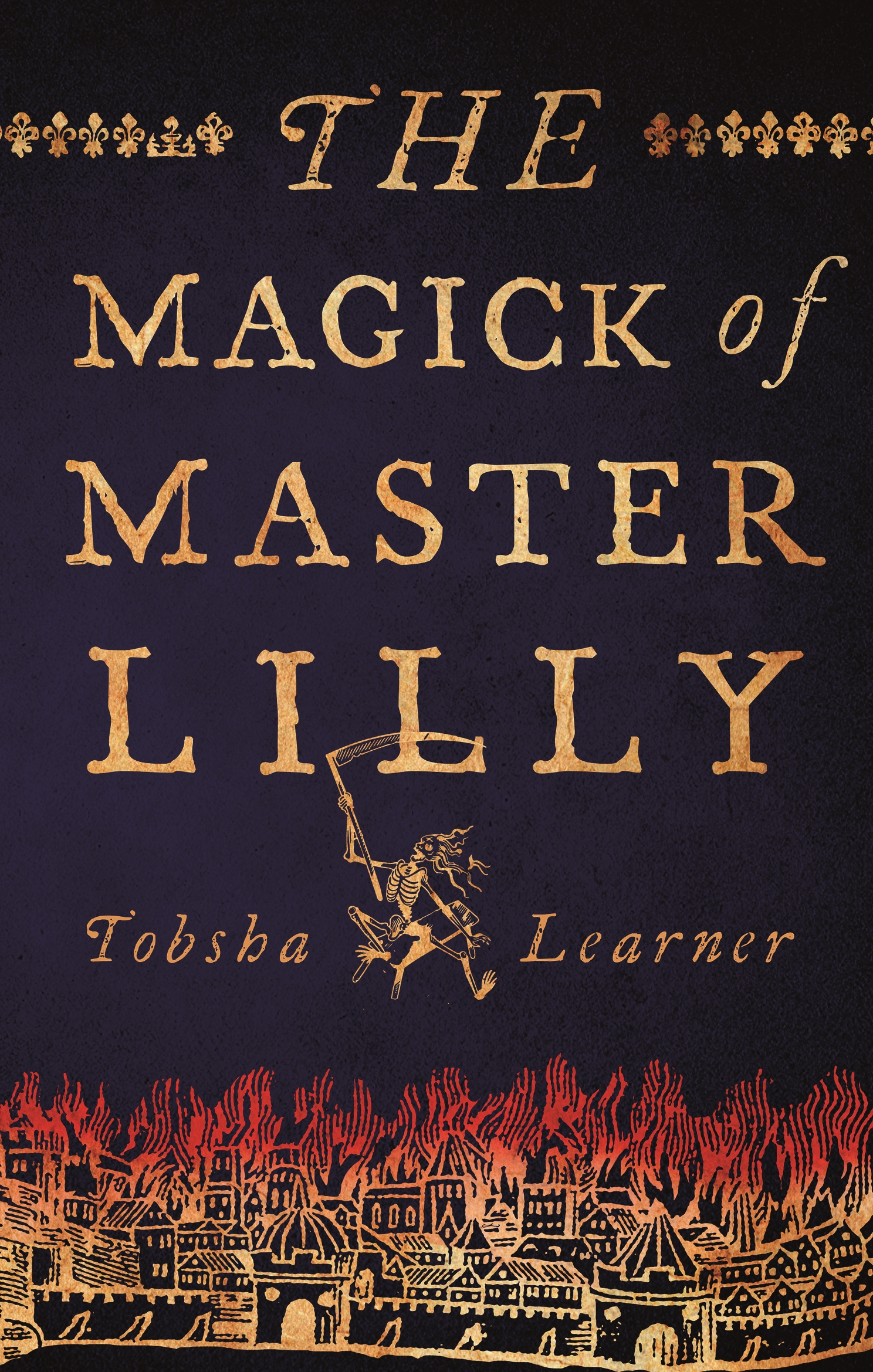
Tobsha Learner’s new historical thriller The Magick of Master Lilly is out now, published by Little, Brown Book Group, and priced at £8.99 in paperback and £7.99 in e-book. For more information visit tobsha.com


BUSINESS OF BOOKS: TAKE FOUR WRITERS – BALANCING, SHINING, HURDLING, REFLECTING

The final word from our four writers and a heartfelt thank you to them all for sharing their writing years. Ladies – you’re an inspiration.

JACKIE BALDWIN: BALANCING

This month for me has been all about trying to balance the competing demands on my time between the day job, writing the first draft of my third crime novel and getting sorted for Christmas. My heart says write but my head says shop, clean and do the ironing! I have never been good at splitting my focus.

Tis the season to be jolly! I am a member of a wonderful crime writing community called Crime and Publishment in Gretna. Some of us are published whilst others are working on a first draft or at the submission stage.  After our Christmas meal we went round the table celebrating everyone’s writing wins, both big and small. It was heartening to hear how far we have come since our first year in 2014.

For me this time of year is always a time for reflection. To remember those people and animals who are no longer with us but lit up our lives, to be grateful for those who are still here and to think about where I want to direct my energies in the brand new shiny year to come.

It has been a pleasure to share my writing journey with you all this year. Wishing you all a very merry Christmas and a happy New Year.

ANGELA PETCH: SHINING

December Frost:  sparkly, ice-cold, sharp, and a fitting way to skate away from a year of monthly reports. I shall miss them: it’s been a way of focussing during quite a year.

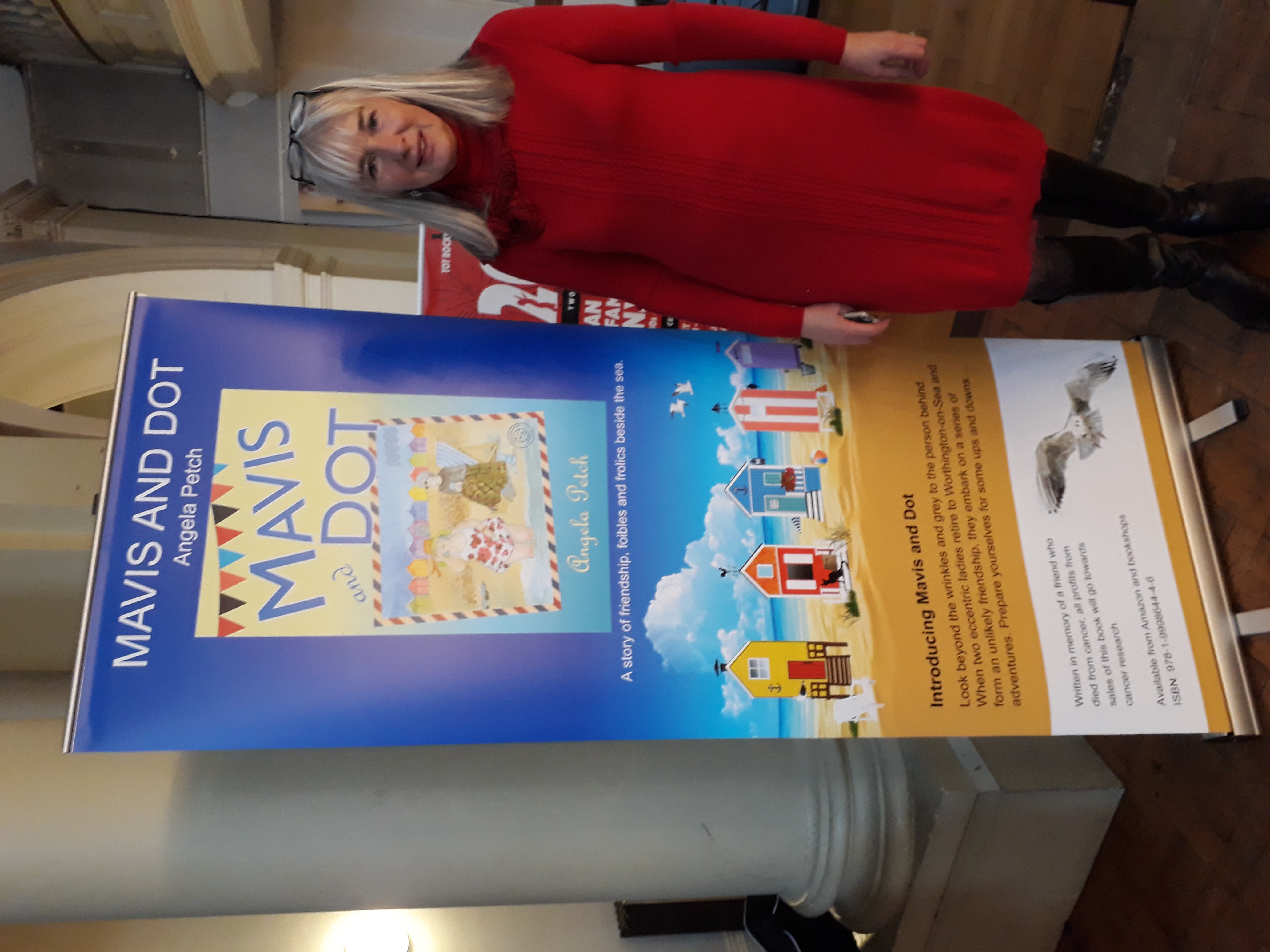
December 1st, I launched my self-published “Mavis and Dot”, and, promoted by a Blog Tour, it’s going well. My shiny new banner helped pull in interested readers. On the following Saturday, I manned a successful book stall outside Arundel Cancer Research Shop. All profits from M and D are destined for this charity.  A sequel has been requested; I’m thinking up scenarios for the two ladies.

Edits for Bookouture are 99% done for the first Tuscan novel commissioned for Spring 2019, (no title yet), and I’ve written a couple of chapters for the second. The rest is in my head. This year I will pin to paper.

Thanks so much to Jane and my trio of friendly authors. New friendships made, new goals formed. Good luck to us all, happy Christmas and 2019.


CLAIRE DYER: HURDLING

So, another year has gone by and I’m definitely a year older, but no wiser I fear!

Some highlights have been (in no particular order): my kids are doing OK; Mr Dyer is well and busy; my cats are still my friends; my novel The Last Day was published and I’ve been working on another two books since which has been both a challenge and a joy; it looks like there may be a new poetry collection in 2021.

Some lowlights have been (in no particular order): my mother’s dementia; the state of the nation; I don’t seem to be ageing like Dame Judi Dench, more like Ena Sharples; Hollywood still hasn’t called to offer to make my book into a movie!

And, as ever, there have been hurdles as is the case of the writer’s life. No sooner are we over one, then another appears. Sometimes they trip us up; sometimes we sail over them, landing gracefully on the other side a bit like a gazelle. And, as ever, there’s no saying which the next one will be as I sit here at the year’s end with the echo of the starting pistol and the crowd’s roar in my ear.

LUCY COLEMAN: REFLECTING

As the year draws to a close it’s a time when I reflect upon the highlights and low points of my working year. But more importantly it’s when I set new goals for the year ahead.

It has been my second most successful year as an author to date, for which I’m incredibly grateful. Hitting the no. 5 spot in the UK Kindle chart with ‘Snowflakes Over Holly Cove’, my second novel writing as Lucy Coleman, was beyond any dream I ever had. The goals I set are never about the results, but about the work required to keep honing my skills.

My goal for 2018 was to write four new books. Tick. And the first novella in a new little project with a new pen name. Tick.

My goal for 2019? Four new books and the second novella.

I write because it’s my passion and I write from the heart. The happiness and fulfilment is in the creation, because it is a little like the lottery. In this case fate is in the hands of the legion of wonderful reviewers and readers who choose your book. And that’s humbling.

Wishing everyone a 2019 filled with happiness, love and good health. And to the incredible Jane Cable and my fellow writers, you are all an inspiration!


BUSINESS OF BOOKS: FIRST, LAST, EVERYTHING – BEST OF THE BEST, PART 2

We’ve been given some wonderful advice from our First, Last & Everything guests this year, so here’s the best of it:

ON WRITING

Don’t get it right – get it written. Susanna Bavin

Sometimes it really is okay to tell not show. Every course I’ve ever attended and blog you read talk about showing not telling. It can become obsessive. At some point, it’s better to just say: ‘it’s midnight’ rather than: ‘Bats passed silently by the ancient metal hands of the church clock as they moved into a vertical position.’ This is particularly true in children’s books where most kids want action. Christopher Joyce


ON EDITING

I went on an editing course recently and was advised to highlight the different points of view in my manuscript using different colours. The idea being that the distribution of the colour throughout the manuscript enables you to see if the balance between each characters’ points of view is even. This is an invaluable tip, as often I get fixated on one character’s view point and this enables me to present a balanced piece of work. Morton Gray

I printed my novel on A4 paper and began to read it. This was a pivotal moment in my writing career. Multiple small errors, which were mysteriously invisible before, began to jump out at me. It was a valuable lesson and now I always edit a paper version at some point during my self-editing phase. Victoria Cornwall


ON PUBLISHING

Phillipa Ashley and Rowan Coleman both advised me without a second’s hesitation to join the Romantic Novelists’ Association’s New Writers’ Scheme. I went on and joined in the January of 2014, and published that début novel the following year. Julie Stock

Put a name to a face quickly and always have a smile. Publishing is still quite a small world and conducting yourself in the right way will really keep your options open. You never know when you may need somebody’s help in the future! James Faktor

If you’re going to self-publish, it’s important to go through the same steps as a mainstream publisher would prior to publication. Think carefully before using free resources unless you’re convinced about the result. It’s usually worth paying professionals for edits, proofing and cover design.  Cathie Hartigan


ON READING

I think everyone should make friends with their local bookshop.  Booksellers have a wealth of knowledge that they love to share, and bookshops are such beautiful places to spend time in. Cressida Downing

If you’re not enjoying a book, don’t struggle through it and make the whole process horrible. There are so many amazing books out there for a variety of tastes, passions and interests – find something that sparks a light in you and devour it! There will be a book out there for you, I can guarantee it! Lara Marshall


ON LIFE

Comparing your own life and career to the life and career of someone else portrayed online is not only pointless but can be damaging. So I’ve had to learn to stop – and I would definitely give this piece of advice to anyone starting out in writing or any other career. Clare Swatman

In the famous words of Antoine de Saint-Exupéry, “All grown-ups were once children… but only few of them remember it.” Yasmin Thornber

You won’t learn about people in a classroom.  Get out there, but take your notebook.

Julia Dean


BUSINESS OF BOOKS: FIRST, LAST, EVERYTHING – BEST OF THE BEST, PART 1

We’ve been given some wonderful advice from our First, Last & Everything guests this year, so here’s the best of it:

ON WRITING

There’s no magic bestseller formula (if there were we’d all be making millions of pounds!) – all you can do is write the best book you can. That’s it. Clare Swatman

Listen to the advice you are given but do not blindly accept it or reject it without consideration. Evaluate it, then adopt or discard it. There is no ultimate template of how you should write, what you should write, the rules you should obey or break. Sandra Danby

I have offered this advice to a few writers and they have all told me it is a good idea, so I am happy to share it with you here: don’t stop writing today unless you know how you are going to start writing tomorrow. For me, following this rule means that, when I hit a problem and the writing becomes difficult, I always keep at it until I have got past the hard bit and things are flowing freely again… so that when I stop, I know how I’ll start again next time. Susanna Bavin


ON EDITING

Once you’ve written and edited your work get in proofread by a professional. This is not your sister, who is an English graduate; not your neighbour, who studied law and is very bright and NEVER yourself. It’s impossible. Christopher Joyce

I follow a lot of writing blogs on Twitter, and many of them have wonderful snippets of advice, one of the most practical of which in recent months was about removing redundant words from your manuscript. I discovered there were plenty of lists out there, once I’d put ‘redundant words in your novel’ into Google, and soon I was working my way through my extremely long manuscript and culling them (thank you, Word, for the Search and Replace function). In the end, nearly 10,000 redundant words sailed off into the blue yonder; not one of them was missed! Cassandra Grafton

Two author friends, at separate times, said they were listening to their manuscripts for errors and suggested it was a good way to edit. It is easy to read what we expect to see rather than what is truly there. Our hearing is very sensitive. A misspelt word, repetition or a sentence that is far too long, is more obvious to our ears. Victoria Cornwall


ON PUBLISHING

Ebook jackets will be seen as thumbnails on retailers’ sites so you need to ensure that the title can still be read. A small, thin font in a colour that doesn’t stand out isn’t the best and don’t clutter your cover – try to keep it simple and avoid too much text. Megan Lockwood-Jones


ON LIFE

The one piece of advice that has helped me in both my personal and professional life is: treat others as you’d want them to treat you. So be polite and considerate and don’t take advantage of other people. Never say something behind someone’s back you wouldn’t say to their face and if you make a mistake, apologise and move on. And never try and attribute blame. Mistakes happen, learn from them. Sue Featherstone

Be kind to yourself. Set reasonable goals (if that’s the type of writer you are) and don’t beat yourself up if you don’t manage to achieve them. Also have breaks from your writing. Writing isn’t something to be forced but to be enjoyed and, if it isn’t, maybe it’s time to ask ourselves why we’re doing it. Wendy Clarke

It is never too late to begin to write. Morton Gray